Quick takes on 5 CLASSIC FRENCH films

For this set, I watched five movies directed by five of the great French directors.

Alain Resnais’ Last Year at Marienbad is as divisive a film as there is. The main plot is about an unnamed man trying to convince an unnamed woman that they fell in love a year ago “at Karlstadt, at Marienbad, or at Baden-Salsa, or even here, in this salon.” She spends much of the film arguing that they’ve never met, despite all of the evidence he presents. However, this not a linear movie with a cut and dried story. It is told in flashbacks, in memories, with quick 5 second or 5 minute scenes, sometimes in the past, sometimes the present, and you never know which. Some scenes are told and retold several times, but like a fuzzy memory, each time is subtly different, with a different phrase here, or an object in the room out of place there, or maybe even the setting has completely changed. The near constant background organ music, like the film, leads nowhere and everywhere at the same time, and when it stops suddenly at various points, it grabs your attention more than any explosion in an action movie could (it seems the musical phrases don’t conclude until the finale of the film itself). Many people will hate this film, whereas many, myself included, will be mesmerized and awed by it. There are enigmatic movies which can be viewed several times to answer questions you might not catch the first time, this film however is one where subsequent viewings may just lead to more questions. One of my favorite films I’ve seen for quite some time, and certainly one of the most well written cinematic pieces I can recall.
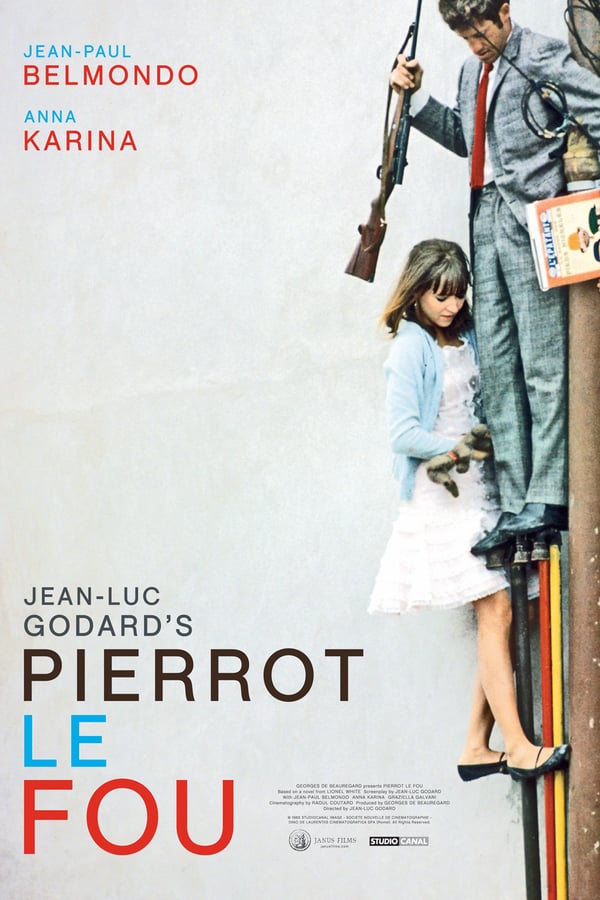
Pierrot le Fou is another esoteric film, this one by Jean-Luc Godard. Early in the film, Ferdinand Griffon leaves his wife and child for young hottie Marianne Renoir, who gives him the nickname Pierrot, meaning sad clown, which Ferdinand hates. Despite their differences (Ferdinand is a poet and thinker, Marianne is a carefree risk-taker), the two go on a Bonnie and Hyde-esque crime spree together, starting with the killing of a man for his money ($50,000). Chased by gangsters across France and the Riviera, the duo are able stay one foot ahead for most of the film, until finally Ferdinand is caught and tortured to give up Marianne’s whereabouts. Unbeknownst to Ferdinand, Marianne has abandoned him and fled to safety on her own. When they come together again, she again leads him on in another plot to steal $100,000 this time, though he wises up in the end, to the detriment of everyone involved, and Ferdinand indeed lives up to his nickname. The whole film is told as if it is a story, with voice-overs throughout filling in backstory and catching the viewer up on events that happen off camera, and Ferdinand and Marianne even break the fourth wall from time to time to talk to the audience. Part zany caper, part love story, it is ultimately a very personal and touching movie, that feels as real today as it did when it came out in 1965.
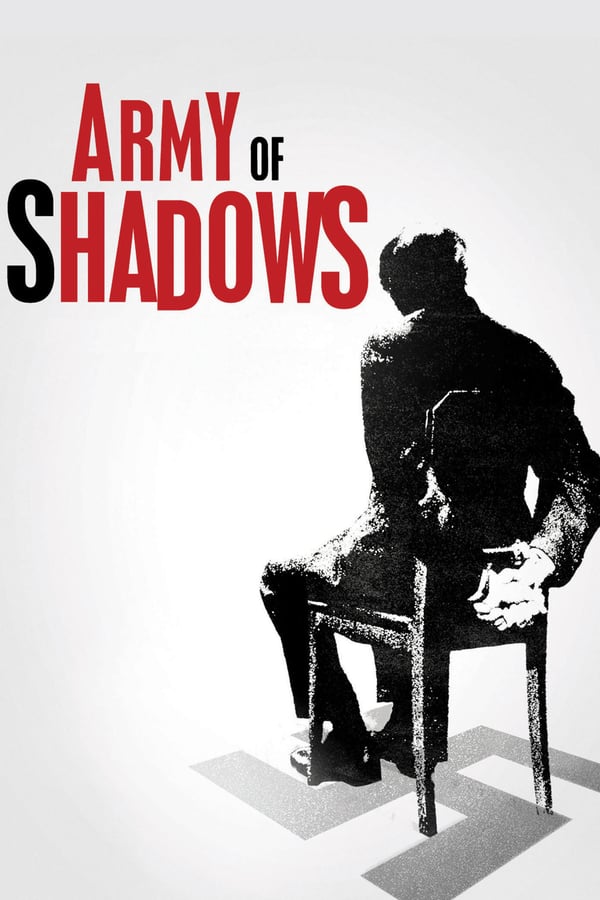
Many consider Army of Shadows to be influential director Jean-Pierre Melville’s greatest work, though it wasn’t very well regarded until years after his death. Based on the book of the same name detailing a member’s experiences in the French Resistance during World War II, this film focuses on a small group in the resistance. There are no explosions and very few action scenes, instead, the film focuses on the intrigue of evading the gestapo, and what happens when members are captured. Dealing with escape attempts, suicide pills, betrayals, and the faith in what you are doing is making a difference, even if you can’t see it, this is a tragic film that unfortunately doesn’t have a very happy ending. There are certainly tense moments and it is inarguably well written and directed, and the viewer feels the plight of these resistance fighters, who seem only a hair away from complete failure at all times, but I found it to be just too slow for me. The pace of the film goes along at a crawl, which ultimately makes the profound moments more so, but still is a challenging film to sit through.

The Last Metro also takes place during the war, though with a more personal story. Directed by Francois Truffaut, it’s not really a “classic” because it came out in 1980, but since that was the year of my birth, and I turned 38 this week and am feeling a bit old, I decided to classify it as a classic today. Marion Steiner is running a theater in occupied Paris, having taken over for her Jewish husband Lucas who has gone into hiding. She is putting on a production of a new play, and hires Bernard Granger as the lead, with herself as the main actress. No one in the production is aware that Lucas has not run off, but instead is being hidden in the basement of the theater. As they rehearse, Lucas gives instructions to Marion at night, which she relays to their director as her own ideas. Everyone in the cast and crew are staunchly patriotic, but they hide their feelings as the gestapo are increasingly looking for anti-Nazi messages or deeds. Very well acted by the leads Catherine Deneuve and Gerard Depardieu, there are nice moments for sure, but I couldn’t quite get wrapped up in their plight, whether that was the fault of the script or something on my part.
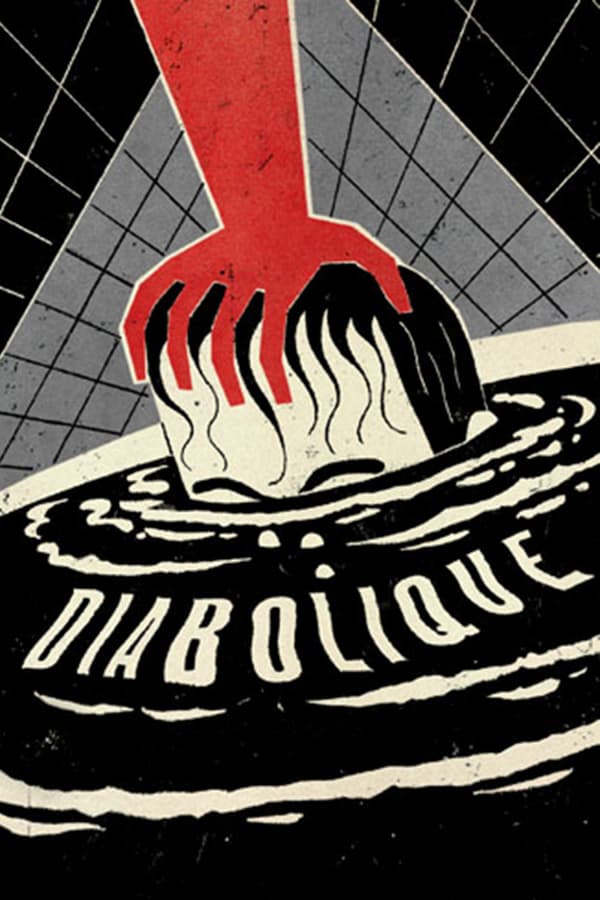
Diabolique is a 1955 psychological thriller directed by someone known for his work in this genre, Henri-Georges Clouzot. It is about two women, Christina Delassalle (Vera Clouzot) and Nicole Horner (one of France’s greatest actors, Simone Signoret). Christina owns a boarding house where Nicole is a teacher, and they are linked by Christina’s husband Michel (Paul Meurisse), who beats Christina and sleeps with Nicole on the side. Nicole hatches a plan to kill Michel, which they pull off near the halfway point of the film, and end up dumping his body in the pool at school. A few days later though when they come up with an excuse to have the pool drained, they find that his body is gone. What follows is a mind trip, where the duo don’t know if Michel is dead or alive, and if alive, what he will do. A little slow in the beginning, but the payoff in the second half is well worth the wait.

Quick takes on 5 films

Breathe is about a fascinating person, Robin Cavendish, who contracted polio as a young man, at a time when people with his condition were not given long to live. Instead, he lived a long and full life, advancing the cause of severely disabled people and looking for ways to enrich his and their lives. Whereas polio victims tended to spend the rest of their lives in the hospital, Cavendish first moved into a private home, and then received a measure of mobility when his friend invented a wheelchair with a built-in ventilator. Unfortunately, great people don’t always lend themselves well to great movies. This one is fairly dull, despite great acting from the leads Andrew Garfield and Claire Foy, though it is directed well by Andy Serkis in his directorial debut. The ending is a tear-jerker, as we all know this can only end one way.
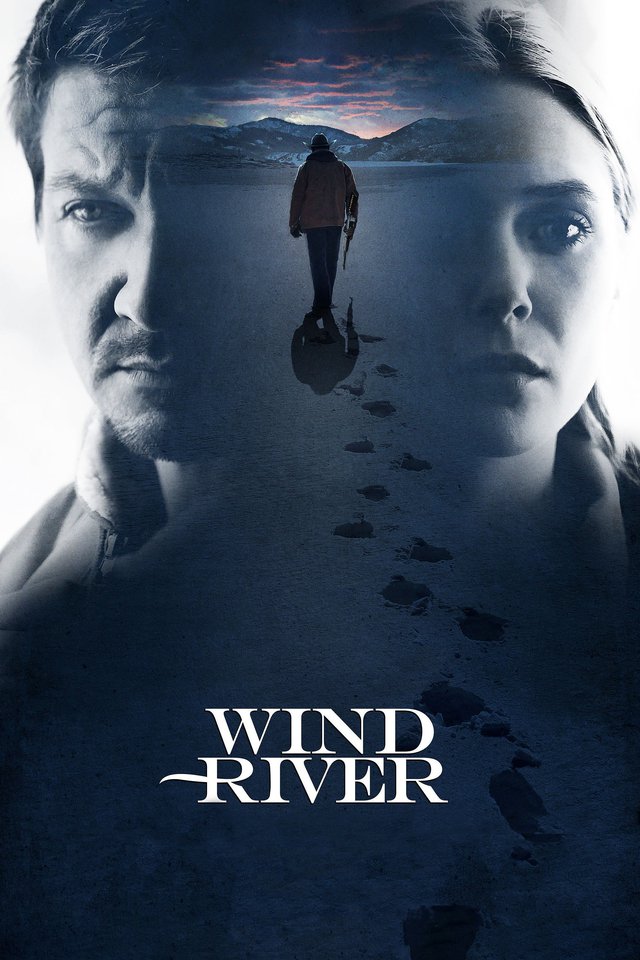
Wind River is a beautiful film, cold and harsh like its setting, but beautiful still. Starring Jeremy Renner and Elizabeth Olsen, it is about a hunter and tracker, Cory, who finds a young lady beaten and frozen to death in the mountains of Wyoming. On an Indian reservation, most of the locals are of Native American descent, including the dead girl. The FBI sends Jane to investigate, and she and Cory team up to find out who killed the girl. The mystery hits Cory especially hard, as the dead girl was friends with his own daughter, who froze to death herself a couple years before. The movie explores the harsh living of the people still dwelling where our government chose to place them so many years ago. Light on action but still full of tense moments and plenty of intrigue, this film is a fantastic indie flick, written by Taylor Sheridan, who also wrote Sicario and Hell or High Water over the last couple years. Fans of mysteries, westerns, or just plain good writing will love this one.
American Assassin is a pretty ho-hum spy thriller, though lacking in mystery for what you might expect from a movie in this genre. A man, Mitch, is recruited by the CIA for an elite anti-terrorist group, led by hard nosed former SEAL Stan Hurley. Hurley drills his team relentlessly, but when the missions finally come down, things go sideways quickly. The plot is pretty paper thin and there are few surprises, but the acting by Dylan O’Brien and Michael Keaton is very good, and the action scenes do help make up for the light plotlines.
Based on a true story, Stronger is about the life of Boston Marathon bombing survivor Jeff Bauman. This movie is a wild ride of emotions from the very beginning. It is a deeply personal film, much more about the psychological demons Bauman faces than the physical ones. Bauman has to confront his mother, who revels in the attention the family receives, but also all of his neighbors, friends, and the people of the community, who see him as a hero, when all Bauman wants to be is a normal person. He is continually thrust into the spotlight, when all he wants is to disappear. As he struggles with depression and post-traumatic stress, he relies on the tenacity of his girlfriend who refuses to give up on him. Bauman eventually accepts his role as an inspiration to others, and finds hope and the will to live again. As usual, outstanding work by Jake Gyllenhaal in the lead.
I absolutely loved Personal Shopper, which stars Kristen Stewart as Maureen. Maureen is an assistant and shopper in Europe for a hollywood A-lister, Kyra. Maureen however hates her job almost as much as she hates Kyra, but doesn’t seem to be driven to do anything else. Maureen is also haunted by the recent death of her twin brother Lewis. She visits the house where he died, hoping to find some trace of his spirit, and connects with his girlfriend as well. The movie takes a decidedly sinister turn when Maureen starts getting texts from an unknown number, messages that seem very personal, which she credits to Lewis. For a movie where very little action takes place on screen, it is about as creepy as they come. Each subsequent text message ratchets up the tension, and her phone becomes almost another character in the film. Near the end, the thrills extend past the phone and into Maureen’s life. A fantastic movie, though don’t expect to have all the questions answered at the end.

Quick takes on 5 films

Blade Runner 2049 is a fantastic sequel to the 1982 science fiction film. It picks up 30 years after the original. Blade Runners (special police) still track down replicants (bio-engineered lifeforms) who have gone rogue. K (Ryan Gosling) is the best blade runner around, though he too is a replicant. He is tasked with tracking down a replicant who was born rather than made, something thought impossible before. The human police want to kill it, so as to not start a war between replicants who may finally see a future of their own without having to rely on their masters. The company that makes replicants want to capture it, in order to create more replicants through birth, just so they can create more beings faster and help their profit margin. K unravels the mystery in this slow building film, with all of the simmering tension of the original. Whereas the original left some major questions unanswered, like most films these days, this one tries to answer them all rather than leave something to the imagination, but it is still a worthy followup and a blast from beginning to end.

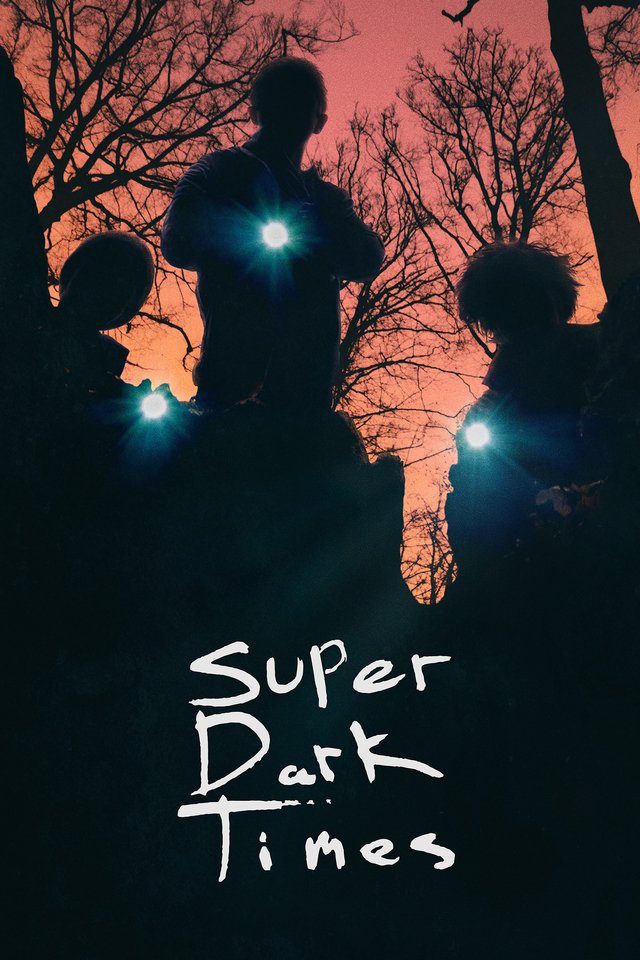
Super Dark Times is also a great film, this one following a group of teenagers growing up in the mid 90s. Zack and Josh are best friends, while outcast Daryl and his friend Charlie tag along with the duo. The movie does a great job of letting us get to know them all before the action starts. A stupid fight one day leads to an accident where Daryl is killed. The two friends and Charlie hide the body and agree to go on as nothing has happened. However, Josh stops going to school, and even when Zach sees him outside of class, Josh acts weird. This causes Zach to grow paranoid, especially as more and more evidence builds showing that Josh has indeed gone off the edge. The climax is a gut punch. In a day when school shootings seem like a regular occurrence, this film opens your eyes to how young psychopaths can be made.

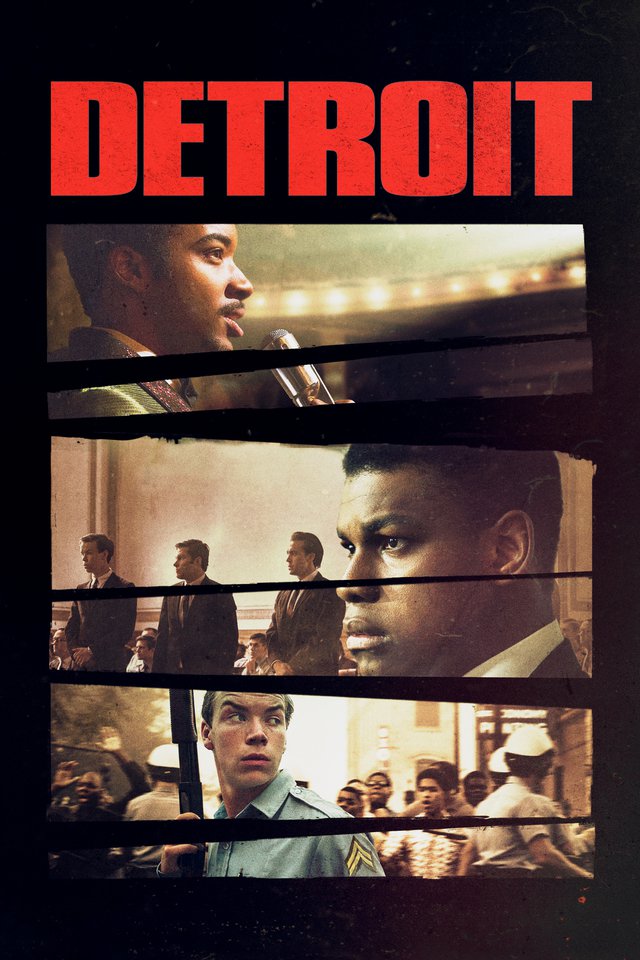
Detroit is about the riots in this city in 1967, and specifically, the killing of three black men by a brutal all-white police force at the Algiers Motel. With racist police patrolling the streets, the anger of the mostly black urban population starts to boil over until violence finally breaks out. At the Algiers, a man fires off a few rounds from a toy gun, and police and national guard nearby hear the shots. Thinking it is a sniper, they storm the motel, rounding up all the inhabitants. Over the course of the night, they beat the black men ruthlessly, killing 3 as the night progresses. To this day, the exact events of that night are shrouded in mystery as the case was never solved to everyone’s satisfaction (the police officers were charged with murder, but found not guilty). Because of this, the film admits itself as a dramatization, but still, knowing it probably hits closer to truth than fiction, it is a sobering vision of a stark moment not too far removed from present day. As a movie, it is ok but not great, but still, many startling moments.

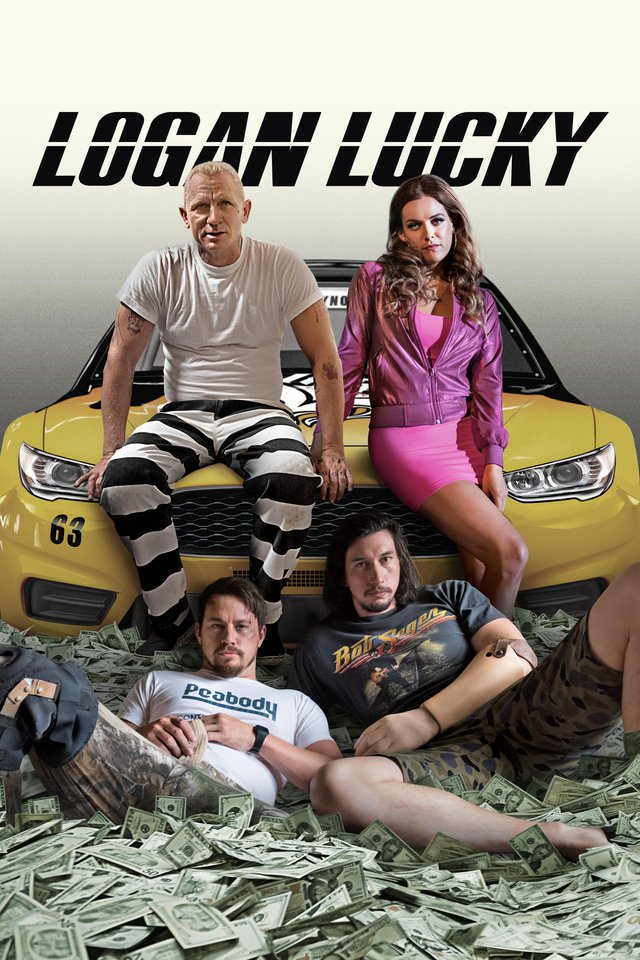
Logan Lucky is just great film heist fun, directed by someone who knows a thing or two about this genre, Steven Soderbergh. The Logan brothers, Jimmy and Clyde (Channing Tatum and Adam Driver) are a pair of country good ol’ boys in West Virginia, and they are known for their bad luck. Down on their luck and with no money, they decide to rob the local speedway during a big race. They recruit a ragtag group of helpers, and most of the movie is spent on the day of the robbery. Big stars pop up all over the pace throughout the film, adding to the fun. The film features some great moments and has the right blend of humor and pacing to build a fantastic movie. The big “how it went down” reveal at the end isn’t quite as good as Soderbergh’s Ocean’s Eleven, but it comes close.

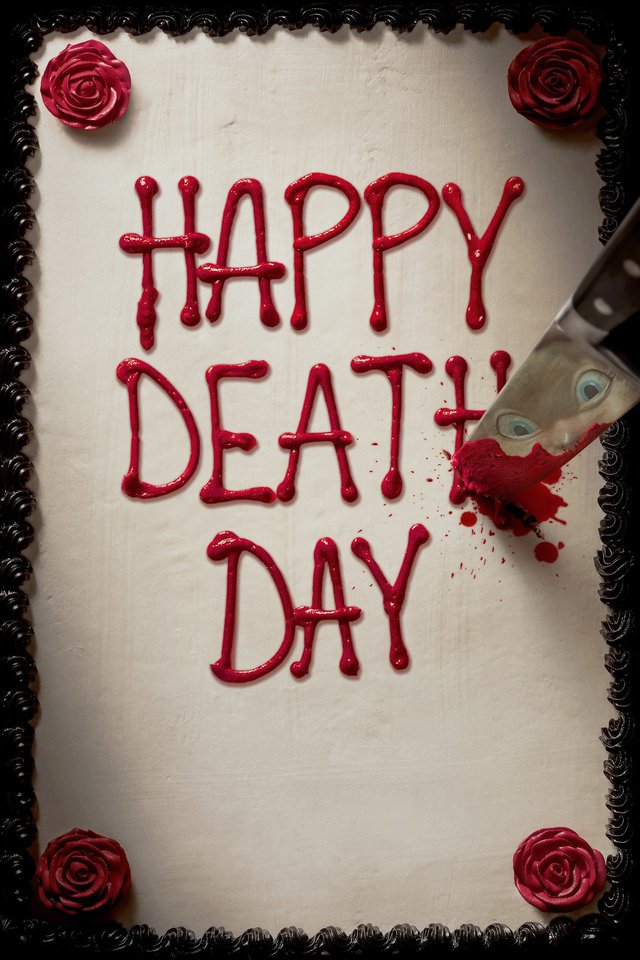
In Happy Death Day, “Tree” gets to relive the last day of her life over and over again, Groundhog Day style. A college student, she is murdered on her birthday, and because she is a royal bitch to everyone she knows, the list of suspects is long. No matter what she does, she is always killed before the day is up. The movie works well despite the silly-sounding plot, both because Jessica Rothe is engaging as the lead, and because the film seems to play on just the right side of not taking itself too seriously. This movie is pretty good, and it’s not just for the teenager/young adult crowd that the trailers made it seem for. It’s funny and thrilling and in the end, endearing as well.

Quick takes on 5 CLASSIC films

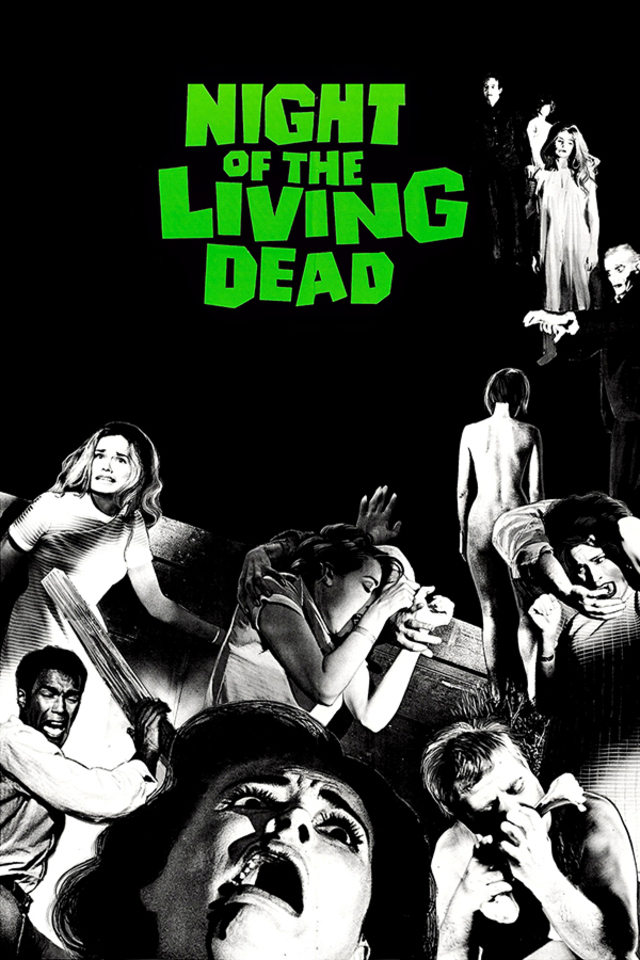
Night of the Living Dead is the grandfather of the modern zombie film, the first to show zombies (called ghouls in this film) as slow, shuffling, man-eating creatures who can only be stopped by a blow to the head. It follows a rag-tag group of survivors staving off the dead in an old farmhouse. They fight among themselves as the zombies outside grow in number, and eventually start getting picked off one by one towards the end of the film, as they await word of rescue from the news broadcast on the television. Released in 1968 from a very small budget, it garnered a ton of negative press for being too gory and intense (young children were able to get in to the theater as this was before the current film rating system), but due to its success, it spawned a whole genre of copycats. It definitely is dated when seen today, and the characters do unspeakably dumb things (even by horror film standards), but where would The Walking Dead be without it?
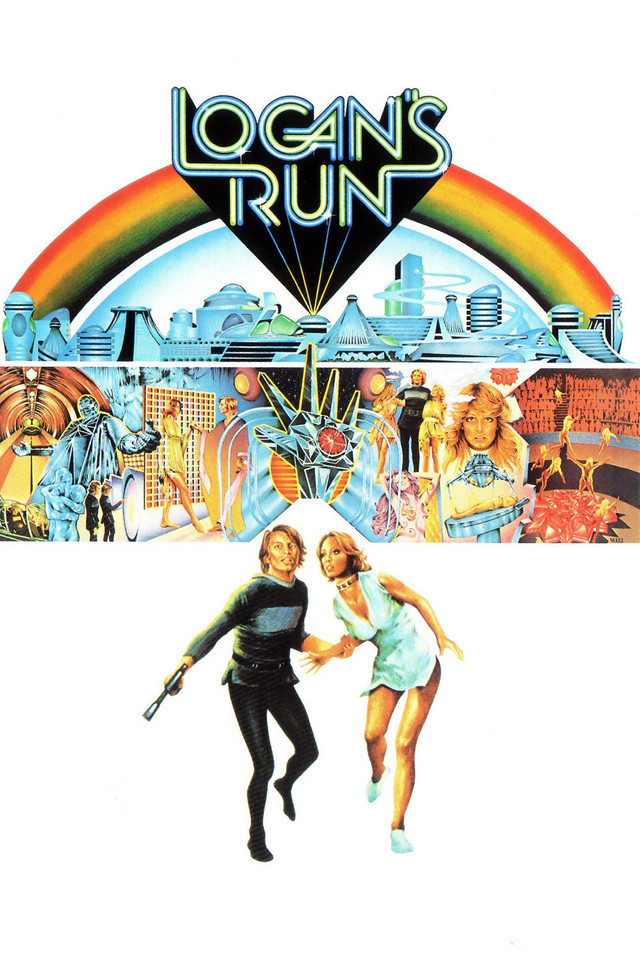
Logan’s Run is a bit too ’70’s campy for my tastes. It takes place in a dystopian society a couple hundred years in the future, where people are not allowed to live past 29 years old. Instead, they are “renewed” (killed) in one of the regular ceremonies. Logan is a sandman, or cop, who chases those runners who don’t want to be sacrificed. Logan is recruited by the head computer, who oversees the whole society, to infiltrate the secret organization who helps runners reach Sanctuary, a supposedly safe zone for people who have run away from the city. A very good premise for a sci-fi nerd like me, but this 1976 film hasn’t stood the test of time very well. Michael York and Jenny Agutter are solid as the two leads, but most of the other actors are fairly wooden, and the dialogue and action scenes are equally rough. With today’s Hollywood in love with remakes, I’d be in favor of seeing this one updated.
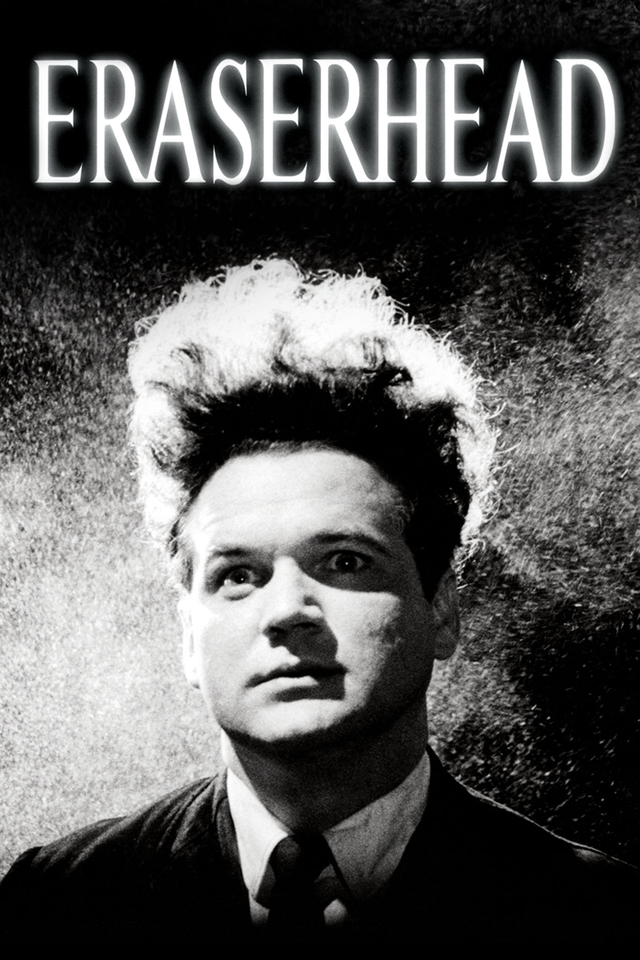
Thirteen years before the cultural phenomenon that was Twin Peaks, David Lynch’s first major film was Eraserhead. Released in 1977, this is a trippy horror movie that is pure art on film. You can watch this one a dozen times and probably come away with some different each time. It follows Henry Spencer, a strange and quiet man who lives in a ramshackle, one room apartment in a rundown, post industrial neighborhood. The buildings and plants all around him are decaying, and life itself seems to be winding down in an almost post-apocalyptic way. Spencer finds that his girlfriend has just given birth, though as her mother admits, “it might not even be a child.” When we see the baby, it is a grotesque alien-like monster. Henry continues to have strange fantasies about a woman in the radiator, and there are also intermittent scenes of a man in space who seems to be controlling it all (or controlling something, anyway). It is all very obtuse, and there is a lot more going on which defies definition. This is not a movie that makes a lot of sense and it is certainly not for everyone, but it is brilliant film making.
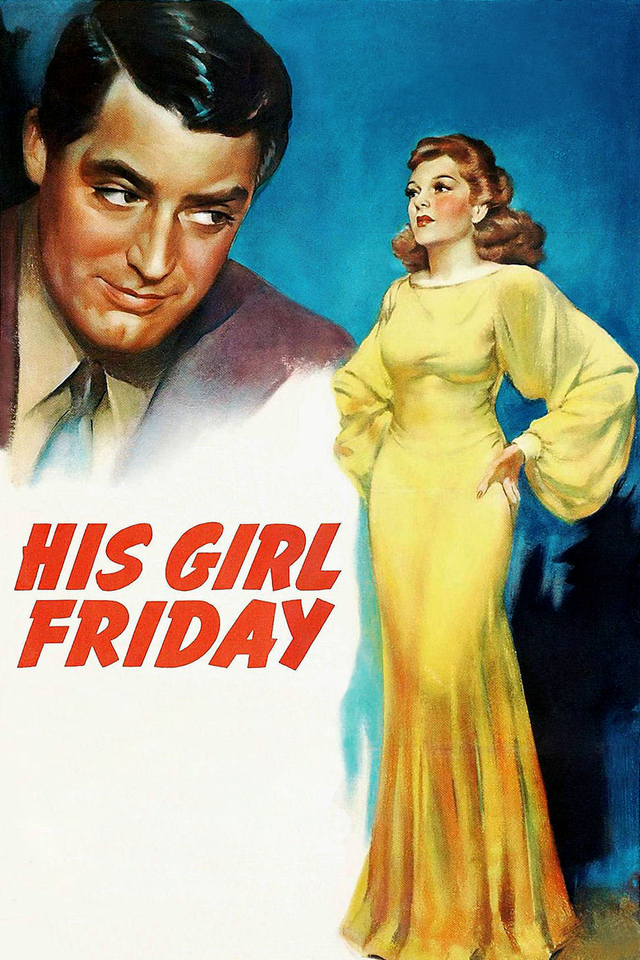
His Girl Friday is a classic screwball comedy, released in 1940, starring Cary Grant and Rosalind Russell. Walter is a driven editor of a popular tabloid-style newspaper. He still has feelings for his ex-wife Hildy (who was also his star reporter) but she got tired of playing second fiddle to his career, and is now preparing to marry a boring insurance salesman, Bruce, to settle down. The backdrop of the story is the impending execution of a murderer, who appears to be innocent. Cary wants to trap Hildy to stay and write the story, going so far as to having Bruce arrested on trumped-up and fake charges on multiple occasions. Like a lot of movies in this genre, the dialogue is quick and funny. Grant is his usual charming self, and Russell is eye-arresting as the strong-willed woman who dominates all the men on screen.


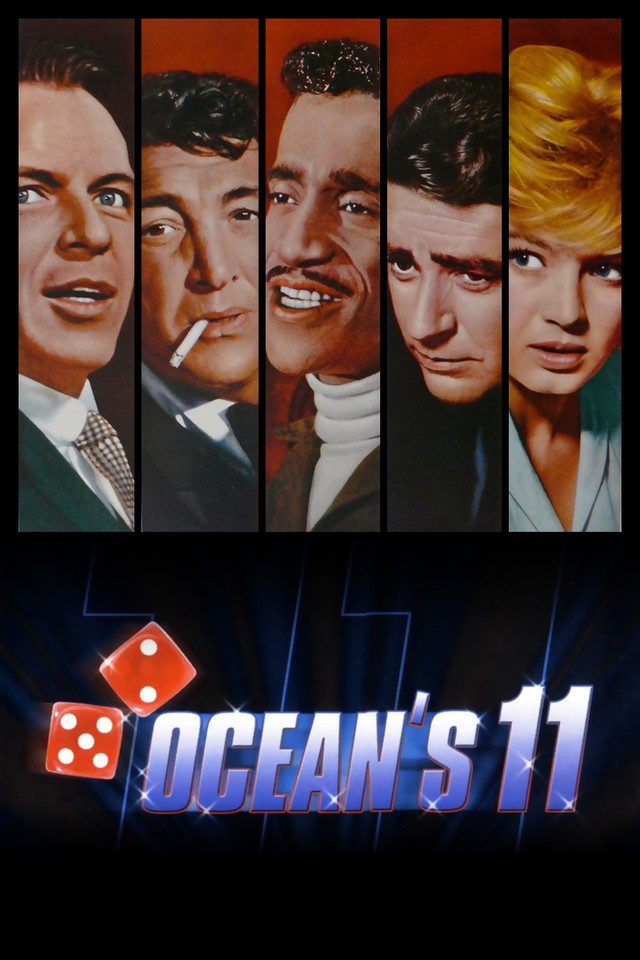
Everyone under 40 knows the Steven Soderbergh Ocean’s 11 with George Clooney and company, but it was originally done in 1960, starring the Rat Pack. Frank Sinatra is Danny Ocean in this one, backed up by Dean Martin, Sammy Davis Jr, Peter Lawford, and Joey Bishop. A different take than the remake, but the same basic story: Ocean and his team of crooks are assembled to knock off a bunch of casinos (five in this case) on the same night. The first hour of the film generally moves pretty slow, as each of the characters are introduced and we get to know their individual motives. Once the predetermined night approaches, the action finally takes off. The film relies heavily on the banter and charisma of its leads, but as with most films involving this team, that isn’t necessarily a bad thing. There are a few unseen twists that keep the men on their toes, and while it isn’t a fantastic film as some of the others I reviewed above, it is still a fun heist movie.

Quick takes on TEN films

Dunkirk is the much hyped and praised World War II film that came out earlier this year, directed by Christopher Nolan. It tells the story of the evacuation of troops stranded on a French beach, beset by German soldiers with no way out but the sea. The movie follows a soldier trying to get off the beach, an older civilian trying to bring his small sailboat to the shore to help evacuate, and an air force pilot patrolling the air attempting to shoot down enemy craft as they target the English rescue boats. It is a harrowing and intense film, though for my taste, it has a little too much going on to really get invested in any of the individual characters. It is stirring though, and features some beautiful scenes and rousing music that builds throughout the film. War film lovers will love it, and while it isn’t the best war film out there as some have called it, it is a very good one.
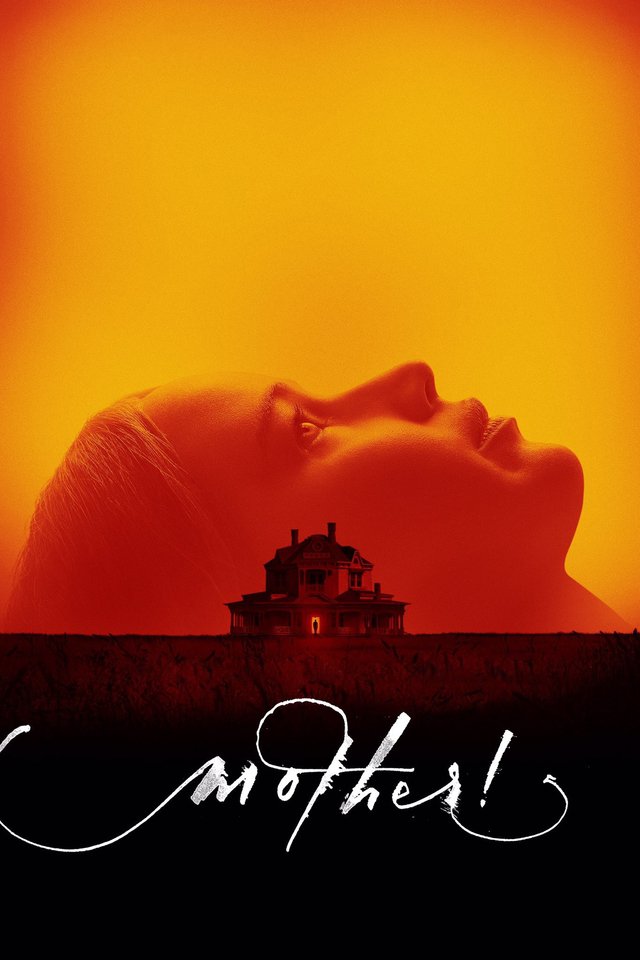
mother! on the other hand, is absolutely brilliant, though admittedly, this one isn’t for everyone. It isn’t a traditional movie, though it does have a plot. Mother is the woman of the house. She has been refinishing the house while her husband, Him, has been trying (and failing) to find his muse as a writer. Their quiet life is turned upside down when Man and Woman arrive. Him accepts them quickly and enjoys their company, but Mother is apprehensive from the beginning, as they don’t seem to respect her wishes when it comes to treating the house with care. It gets crazy quickly when Man’s and Woman’s children arrive too, and Mother’s life (and the house) spiral out of control from there. If my clues haven’t left you enough to see what this movie symbolizes, then you should just go watch it (and honestly, it is far deeper than a simple allegory too). I love movies that make you think, and especially ones that force you to watch it a second time, and this one does both. Directed by Darren Aronofsky (whose movies have been hit or miss for me), and with a compelling cast of Jennifer Lawrence, Javier Barden, Michelle Pfeiffer, and Ed Harris, this may be one of my favorite recent movies.
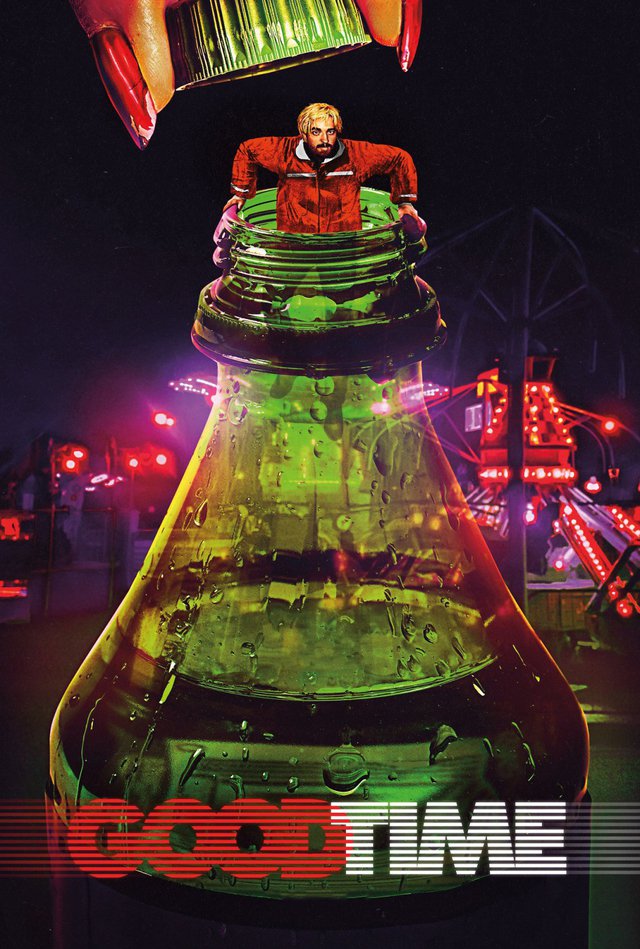
If you’ve been reading my blog for awhile, you’ll know the turn I’ve taken on Robert Pattinson. Once hated for his silly Twilight movies, he has redeemed himself for his string of wonderful, independent films. The latest is Good Time, in which he is so good, I didn’t recognize him at first. He plays Connie, a no-good brother to Nick, an adult with special needs. Connie loves Nick and wants to take care of him, and thinks he can do a better job than “the system,” but he gets them in trouble when they go to rob a bank and the heist goes sideways. Connie spends the rest of the film trying to get Nick out of the jail, and no matter what he does, everything gets worse and worse. A fantastic look at what love is, and if love is always a good thing. The movie has the feel of a low budget B movie, but Pattinson is eye-arresting throughout.
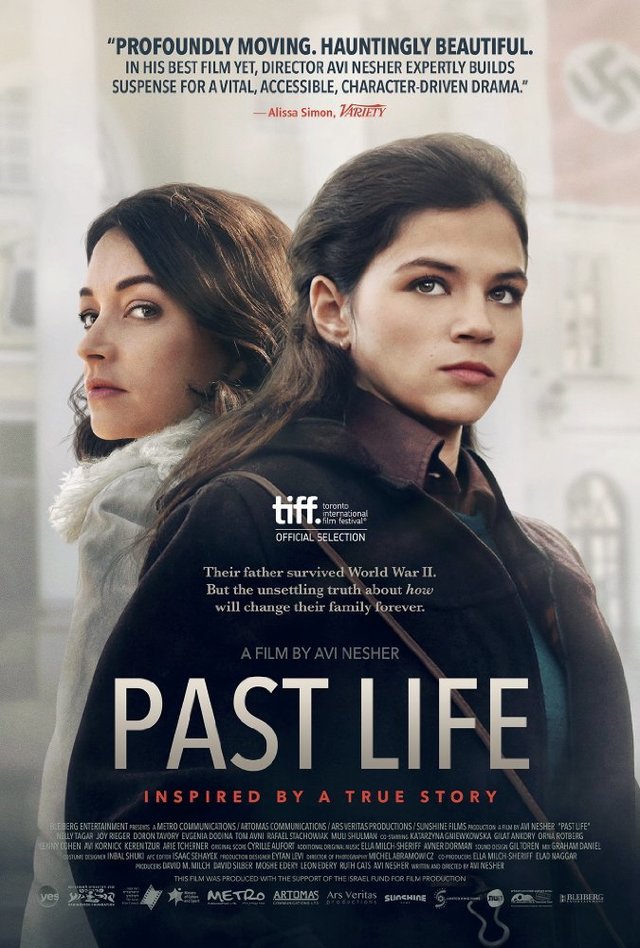
Past Life is an Israeli film, taking place in the ’70s, where the mystery exceeds the big reveal, but that’s isn’t necessarily a bad thing for this film. Nana and Sephi are two beautiful, talented sisters. Sephi attends a top arts school where she is being trained as a singer, and Nana runs a magazine, and both have expectations of bigger and better things down the road. Their father is a successful doctor and Holocaust survivor. Their peaceful worlds are invaded when Sephi is approached by an older Polish woman who accuses their father of murder. Not knowing much about their father’s time during the war (he has kept those dark memories under wraps), Nana and Sephi start digging, trying to find out more about their father and his mysterious past. The end isn’t all that surprising, but the lead up to it is exquisite filmmaking.
Beach Rats is a dramatic masterpiece about a man facing a crisis of self. He is homosexual, but like a lot of young men, is scared to come out to his family and macho friends. He runs in a bad crowd, and the tough guys would most certainly turn on him. So instead, he finds a girl to be his girlfriend, and clandestinely meets older men at night for one-night stands. He seems to genuinely care about the girl, but he continues to grapple with his sexual desires. His poor decisions start to catch up to him by the end. This is one of those independent films that doesn’t feel low budget, as it is shot well, with good direction, and the lead actor is mesmerizing; I found myself rooting for him from almost the beginning of the movie.
Movies typically about subjects with current social ramifications tend to do well with the critics, and Ingrid Goes West is a good example. I thought it was a pretty good film, but not as thought provoking as it maybe could have been. The very talented Aubrey Plaza plays Ingrid, a young woman with cash in hand from her recently deceased mother, who stalks social network celebrities and wishes to live a life like them. Ingrid finds happiness only in “likes” and “clicks” and cannot seem to react on a personal level to anyone in her life. Her latest victim is Taylor (Elizabeth Olsen), and Ingrid is able to get into her inner circle quickly. You hope that maybe by the end of the film, Ingrid can move past her obsession with online celebrity status, but unfortunately this isn’t that kind of movie. Very well acted by the two female leads, and I do like how the movie shines a light on a real problem in today’s society.
Gook is another one showing social issues, though this one set in 1992, against the backdrop of the Rodney King beating. Rather than following the black community though, it shows another minority, a couple Korean-American brothers living in Los Angeles. They represent the bottom rung of society in their area; with news of white cops beating King, the brothers are derided by the mostly black community where they live and work, and even by an older Korean man who runs a shop across the street from their shoe store who sees them as disrespectful to their elders. When the cops are found not guilty of the King beating, the riots break out. This sets up a surprising conclusion with a lot of reveals you don’t see coming. Like many independently made films, there are some weird moments that don’t make a lot of sense in the grand scheme of the film, but this is a fantastic example of a great movie done on a small budget, and you should definitely watch for director Justin Chon in the future. This movie took a lot of awards in the film festival circuit in 2017. Definitely worth a watch.
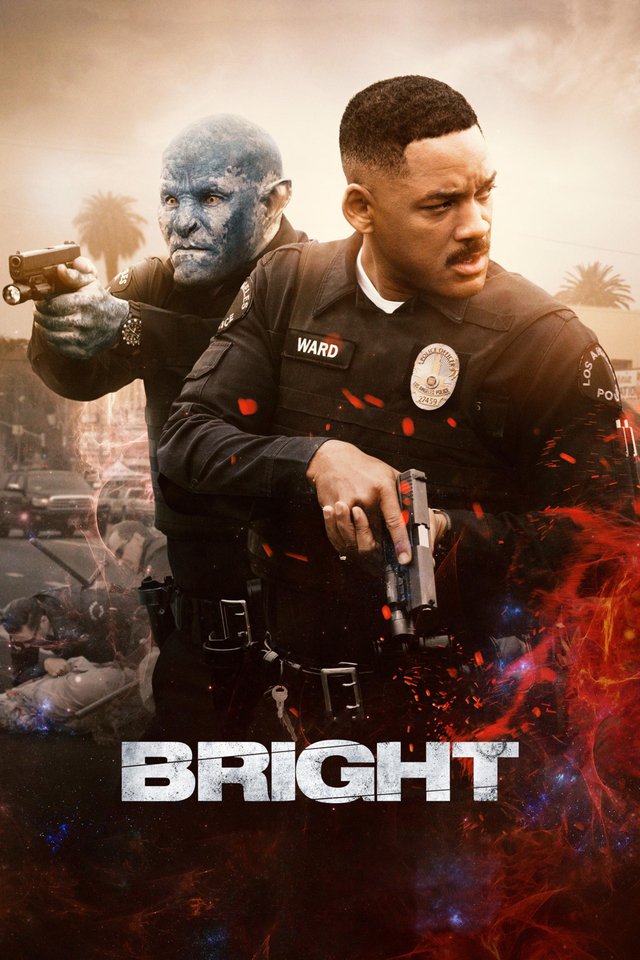
Netflix has been making original films for awhile now, but Bright is their first big budget attempt, costing about $90 million for the Will Smith blockbuster. Unfortunately there are a lot of similarities between this film and another Smith flop from a few years ago, After Earth. Bright is a big budget sci-fi flick with a very interesting premise, ultimately doomed by wooden acting and boring action scenes, and dialogue that seems lifted off a bad Syfy cable movie. Bright takes place in a modern world where orcs and elves have lived among humans for all time. Thousands of years ago, the orcs followed an evil power named the Dark Lord, and while the bad guy was defeated with magic, elves and humans have never let the orcs forget who they threw in with. As such, orcs are deemed the inferior race and are often laborers, whereas it is the elves that hold all the money. Smith is a human cop teamed up with the first orc cop (Joel Edgerton), and the plot revolves around the duo dealing with racial tensions, but also quelling an evil sect attempting to regain powers of magic to resurrect the Dark Lord. Netflix spent a lot of money on this movie, and while it is getting hammered by the critics, it also had a ton of viewers on opening week, and Netflix has all ready greenlit a sequel. Science fiction lovers like myself may find a few things to enjoy, but overall it really is a bad a movie.
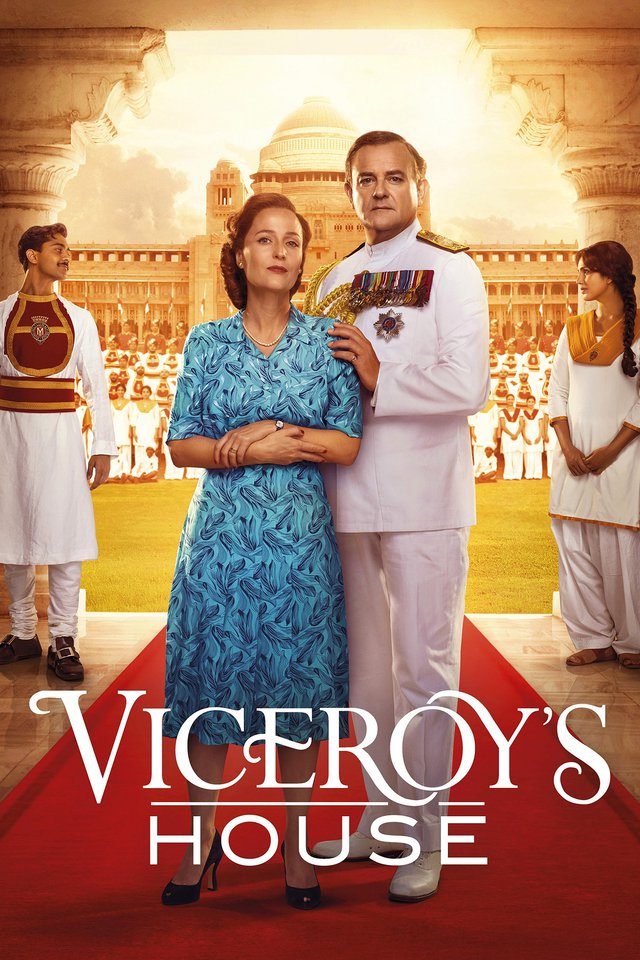
Viceroy’s House is a historic drama about the handover of rule of India from Britain in 1947, centering on the British representative’s house. Lord Mountbatten is there to try to ensure a peaceful exchange and wants a unified India, but centuries of mistrust between the Hindu and Muslim people has led to them wishing to have their land divided into India and Pakistan to prevent future clashes between themselves. The violence on the streets gets into the house too, with servants of both cultures fighting at each. Mountbatten ultimately is (mostly) able to keep the peace when India is freed, but his desire to see it as one country does not come to pass, as he is just one man against hundreds of millions of people in India (and his own country of England) who wish to see it split up. A wholly separate plot involving the love of a Hindu man and Muslim woman never reaches the heights the filmmakers probably hoped for. I love good history films, unfortunately this one gets bogged down between dull exchanges and rushed actions. Even my love of the genre couldn’t keep me interested in this one.

I went into Cars 3 with a bit of trepidation; not really liking the first sequel, I didn’t think this movie needed to be made. However, it is a good one, though not as great as the first Cars. Lightning McQueen is getting up there in years, and has been passed by a younger generation of racers, cars who are using the latest technology to make themselves faster than Lightning could hope to be. McQueen needs to go back to his roots, and find a way to make himself relevant again. The whole “aging star needs to reinvent himself” story has been done a million times, but that doesn’t make this version bad. The Toy Story franchise and Finding Dory aside, I generally haven’t liked the Pixar sequels much, but this one is a passable couple hours and is good family fun.

Quick takes on TEN CLASSIC films

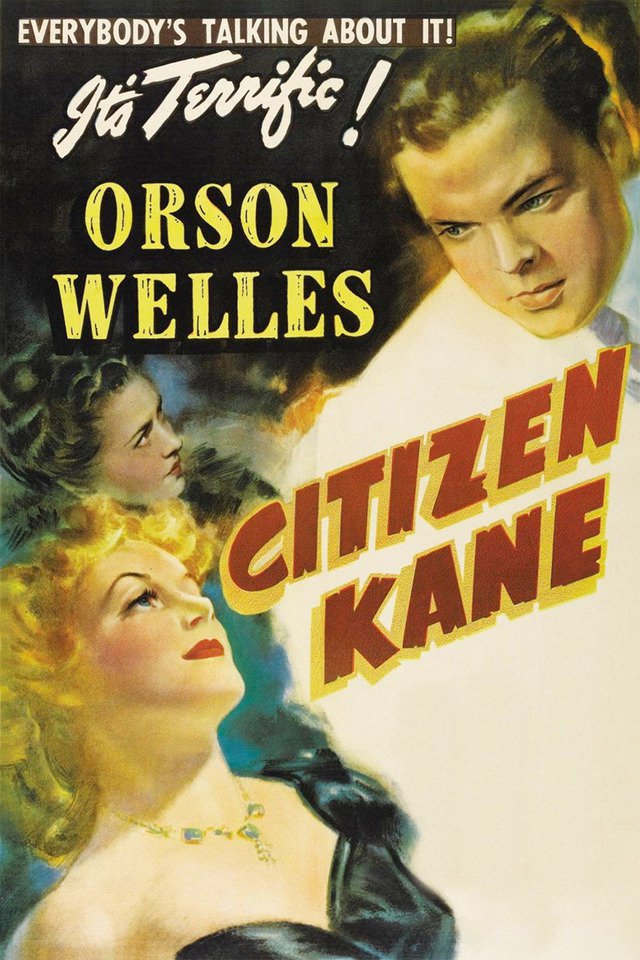
Most movie lovers have seen Citizen Kane, widely regarded as one of the (some say the very) best movies ever made. Starring and directed by the heralded Orson Welles, its famous ferreting out of Charles Foster Kane’s last, dying word, “redbud,” has been discussed for decades. The movie follows Kane’s life, told in flashbacks as a newspaper reporter interviews those that knew him best, and in its course a very intriguing, driven, yet ultimately flawed character is developed. Beautiful acting by Welles with some groundbreaking techniques for its day in 1941, this is one of the all-time great classics that is worth a new viewing if you haven’t seen it in awhile.
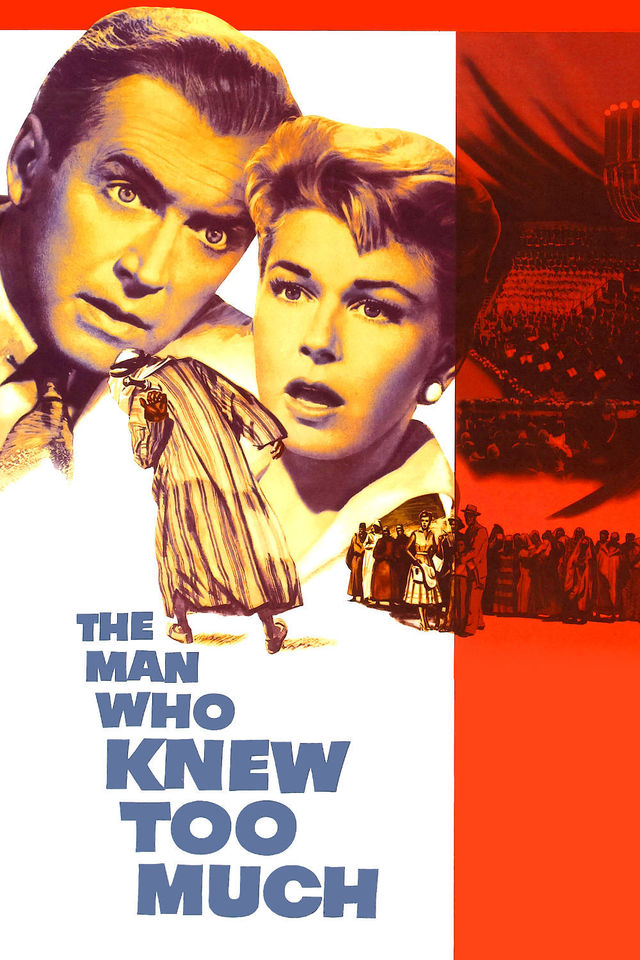
The Man Who Knew Too Much is the classic Alfred Hitchcock film starring Jimmy Stewart and Doris Day, as Ben and Jo McKenna. It is an international thriller, beginning in northern Africa as the couple is vacationing with their son. From the start Jo gets weird vibes from people around them, feeling like they are being watched. They are shaken up when a new acquaintance is murdered in front of them, who gives a message to Ben before he dies. Immediately their son is kidnapped, and the couple is told to stay away from the police and not share the dying man’s last words with anyone. The mystery heads to London, where an assassination plot is uncovered. A very good thriller, though like a lot of Hitchcock films, the ending is awfully abrupt.
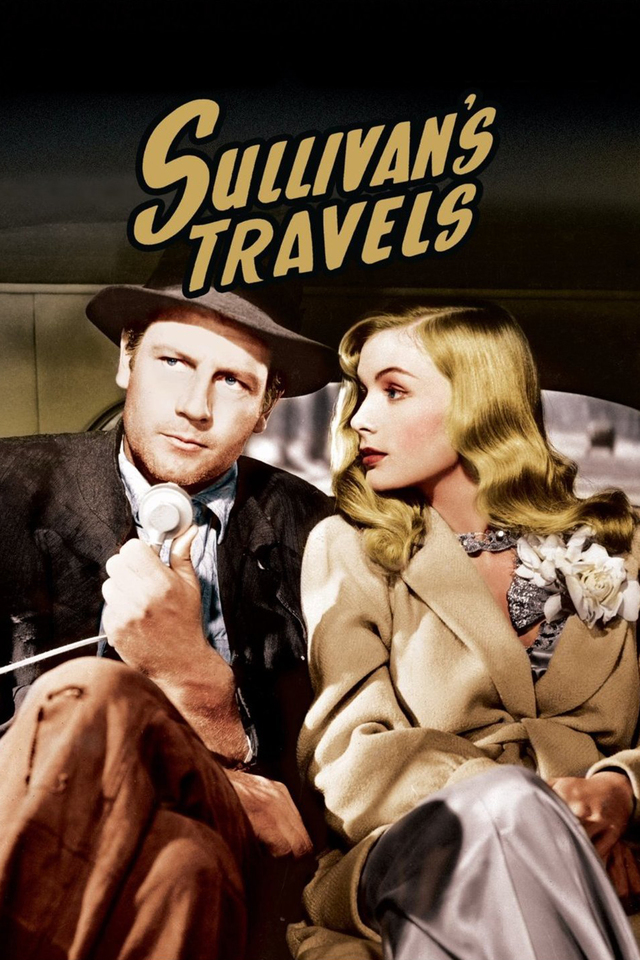
Sullivan’s Travels is an old comedy from 1941, about a successful film director who is known for comedies, but who wants to make a serious drama. The movie studio thinks he doesn’t have the real life experiences to draw on to make a successful serious film, so he decides to renounce his riches and live as a hobo for awhile. Early on, he meets a struggling actress who decides to tag along in his adventure. This is a very funny film for most of it, but it gets almost dark for a good portion in the second half, when the director is incarcerated and sentenced to hard labor, while everyone in Hollywood thinks he is dead. A fun movie that holds up well, fans of comedies of all eras will enjoy this one.
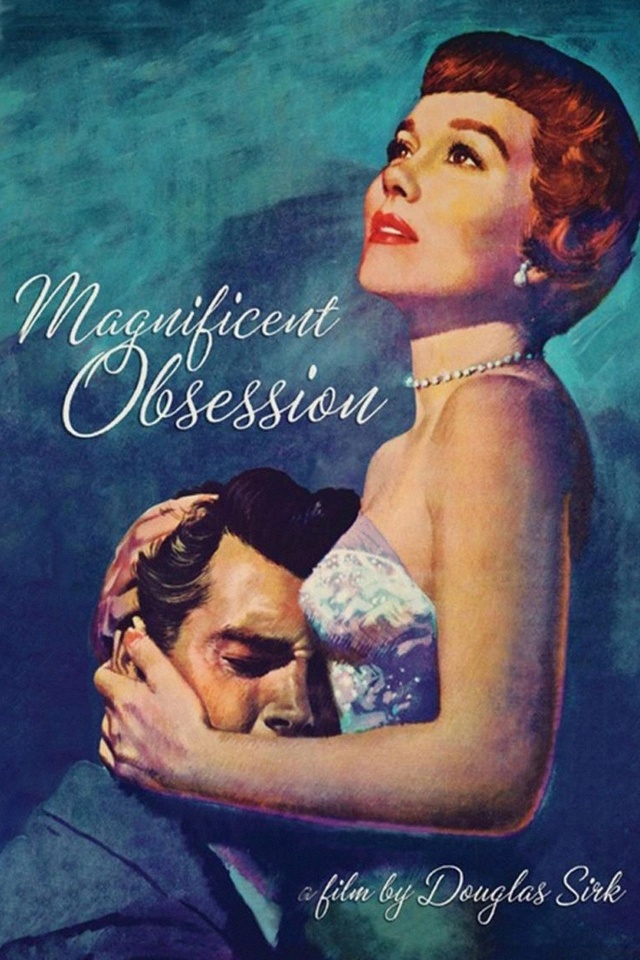
Magnificent Obsession is an absolutely wonderful film from 1954, starring Rock Hudson and Jane Wyman. Bob Merrick is a high-life playboy without a care in the world. He is speed boating on the lake when he gets into an accident. The paramedics use the only resuscitator in the area, which belongs to local doctor Phillips, to bring him back, but while doing so, Dr Phillips has a massive heart attack and dies. Everyone in the area blames Merrick for tying up the machine, and Bob is wracked with guilt. He tries to bring comfort to Phillips’ widow, Helen, but in her anger she rebuffs him. In talking to Dr Phillips’ friends, Bob learns of his “pay it forward” attitude towards life, that if you do kind and unprovoked things for people without expecting reward, good luck comes back to you. Tragedy strikes Helen next, as she falls blind in an accident. Bob pretends to be someone else to get close to her now that she cannot see, and eventually they fall in love. This all leads to a heartfelt conclusion. A fantastic film that may often get overlooked today.
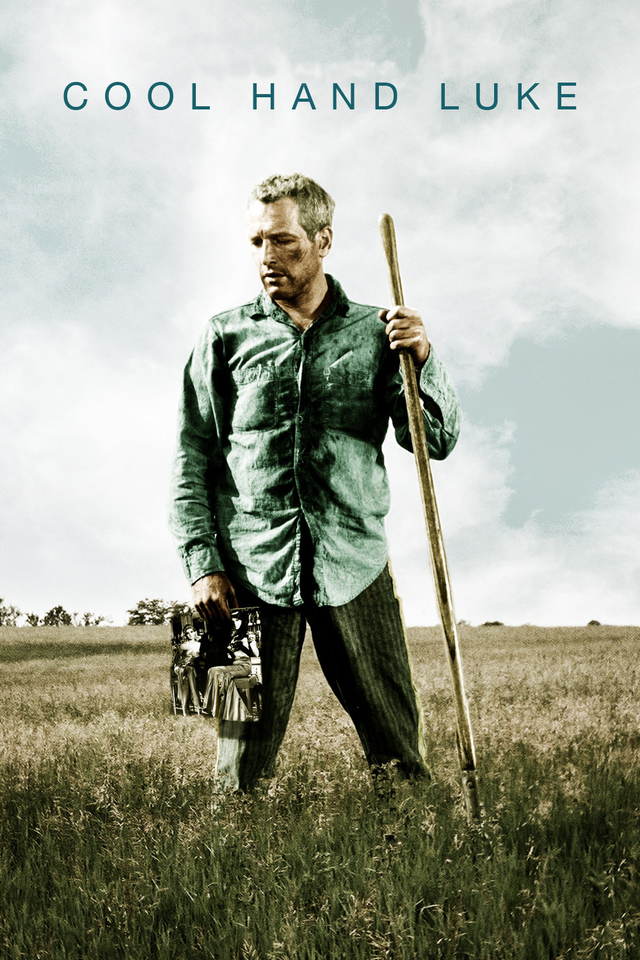
Paul Newman was a cool cat, and he was never cooler than in Cool Hand Luke. The famous film about a man that would not be broken by the law, it cemented Newman as a Hollywood A-lister in 1967. After a dumb stunt while drunk, Luke is sentenced to a chain gang in Florida. If he would just follow the strict rules and work hard, he’d be out in 2 years, but Luke was never one to follow rules. His easy-going nature and tendency to buck authority quickly makes him popular among his fellow convicts, and his continuous escape attempts earn him cruel treatment from the guards. By the end of the film, Luke has taken on an almost mythic-like quality, and he becomes a legend that will live on well past his untimely demise. I’m a big Paul Newman fan, but had shamefully never seen this one before. Don’t follow my mistake, and check this one out (or revisit it if it has been too long).
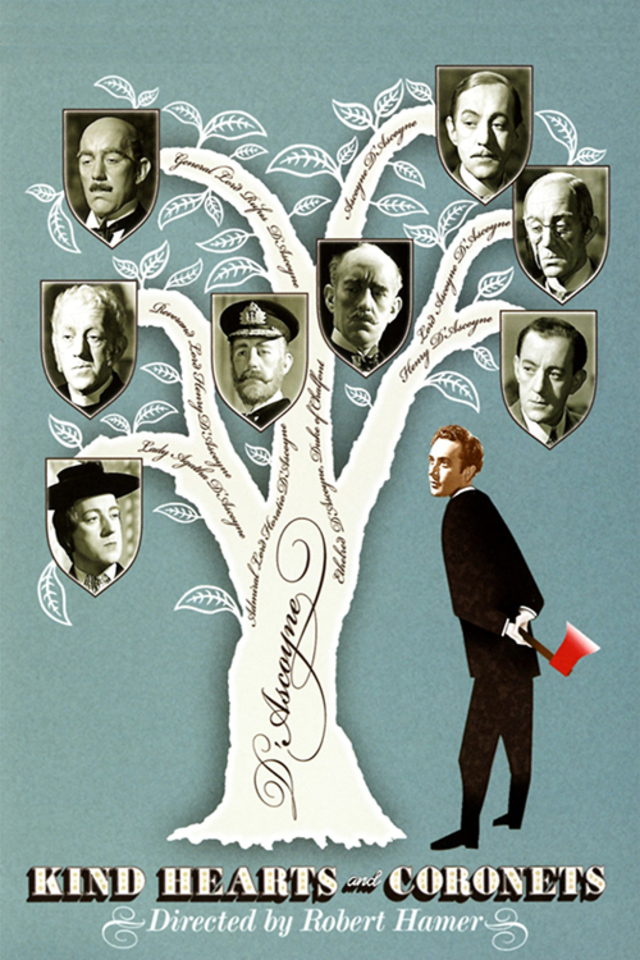
Long before Eddie Murphy showed up as multiple roles in The Nutty Professor, there was Alec Guinness in Kind Hearts and Coronets, from 1949. This is a British comedy about a man, Louis, who seeks to become a Duke through murdering all of those in the line of succession before him. Louis’s mother was kicked out of the family for marrying a commoner, but Louis is resigned to set that right. All of the D’Ascoyne family must go before Louis can become Duke, so he starts taking them out, one by one. Each family member, all 8 or 9, is played by Guinness, including the Lady Agatha D’Ascoyne. It’s a true classic comedy, so if you don’t like dry British humor, you will most likely hate this one, but I found the word play and almost silly chain of events to be fantastic. The sub plots of Louis’s fling with his childhood girlfriend (who is married to his childhood pal), and Louis’s wooing of one of his victim’s widows, fill out the film. It’s a fun movie if you like this style.
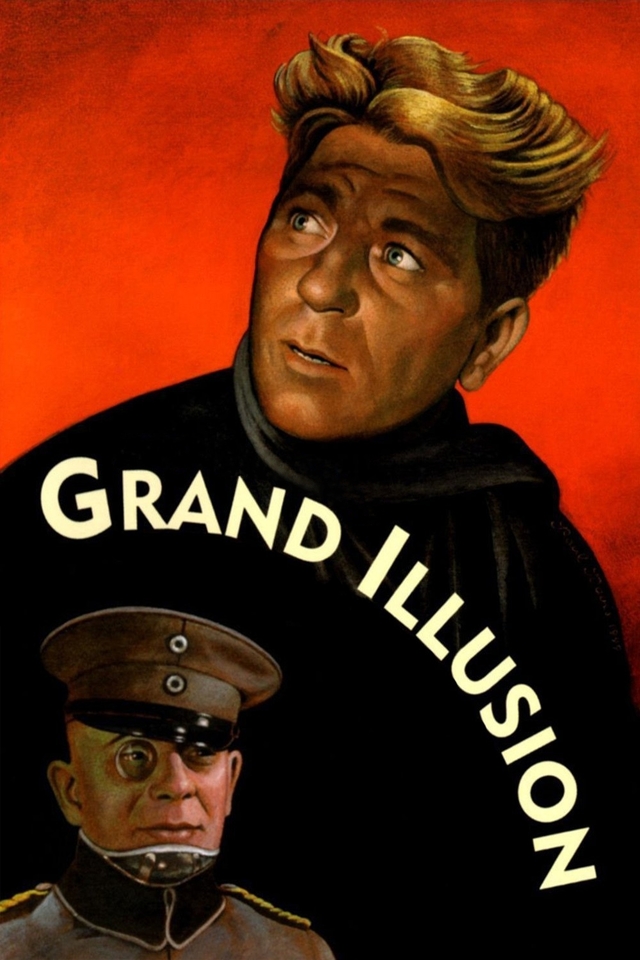
La Grande Illusion is an utterly fantastic French film from 1937, taking place during World War I. French officers Boeldieu and Marechal are shot down and captured by the Germans, who imprison the duo but treat them with respect as befitting an officer. While Marechal was a commoner before the war, Boeldieu is a refined aristocrat, and early on, is introduced to his German counterpart, Rauffenstein. When they are moved to a prisoner of war camp, they meet other Frenchman, including Jewish Rosenthal. Rosenthal finds the refined Boeldieu aloof, but Marechal vouches for him. Marechal and Boeldieu have several escape attempts and as such, get moved from camp to camp, until finally arriving at an impregnable stronghold, where they meet Rauffenstein again. Now later in the war, Rauffenstein has had several injuries that keep him from the front lines. Rauffenstein reminisces with Boeldieu about life before the war, when the aristocrats were kept above those common people with whom they now appear on equal footing, but Boeldieu accepts the changing times that war has brought, and knows it will never go back to the way it was. Boeldieu hatches a plan to allow Marechal and Rossenthal to escape, sacrificing himself in the bargain, and we then follow the escapees as they attempt to find freedom at last. Truly an incredible, epic film, with arresting acting from all of the leads, and a movie to contemplate long after the “fin.” The big “illusion” referenced in the title has multiple layers here, from the changing times, to the ways soldiers of different sides (and different backgrounds on the same side) face each other, to even the war itself. Highly recommended.
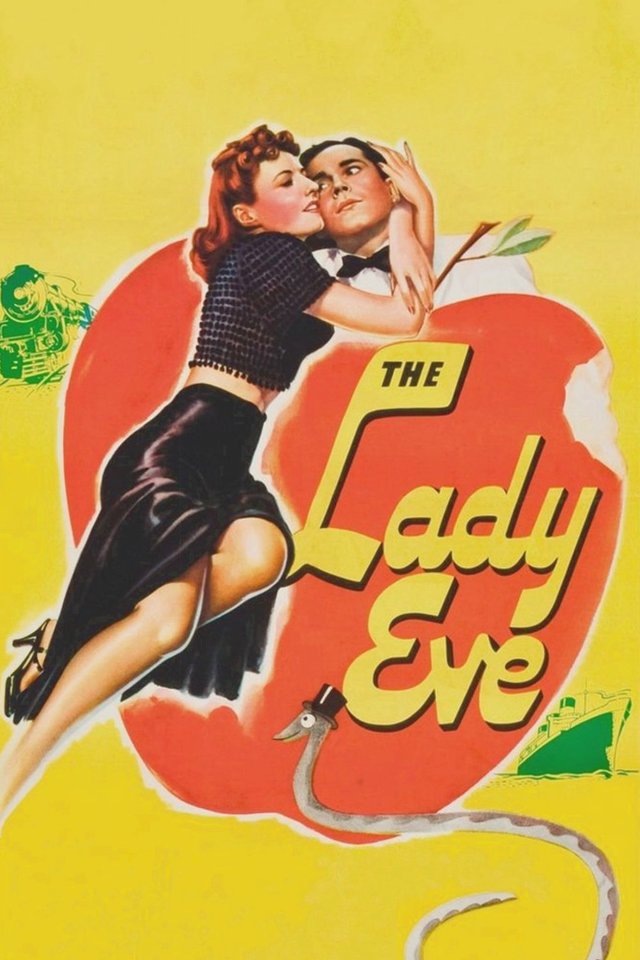
The Lady Eve is another lovely film, starring Barbara Stanwyck and a young Henry Fonda. Charles Pike is returning to America on a cruise ship, when he meets Jean Harrington. Jean and her father are con artists, and see Charles as an easy target, until Jean and Charles fall in love with each other. Charles’s infatuation is shattered though when he finds out about Jean’s past, and the two split up. Back in American now, Jean hatches a plan to teach Charles a lesson, inventing a new woman named Eve. This is a zany comedy from 1941, probably classified as a romantic comedy today, and is wonderfully engaging. You root for Charles and Jean both, hoping they can find happiness together despite their conflict. Beautiful acting and energetic, fast-paced dialogue that isn’t dated.
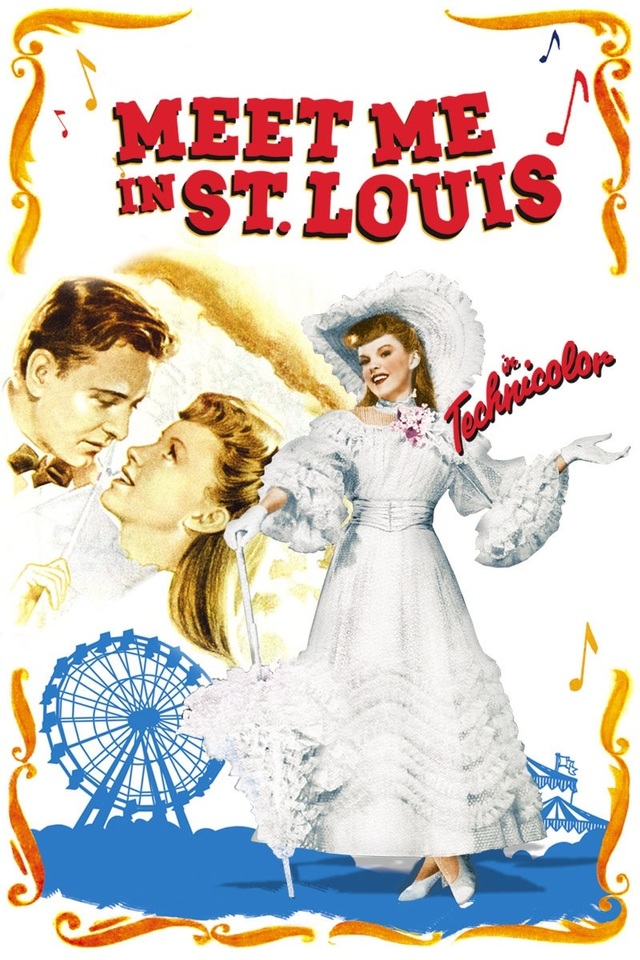
I finished up with a couple classic Vincente Minnelli musicals. 1944’s Meet Me in St Louis is probably the more popular of the two, though not one of my favorites. It stars Judy Garland as Esther Smith, and is about her family in St Louis against the backdrop of the approaching Worlds Fair in 1904. Esther and her sister Rose are getting towards marrying age, and are looking for men. Garland is fantastic, but the movie (and the musical) are just “ok” for me. The lasting songs are great (the now-standard “Have Yourself a Merry Little Christmas” is from this show), but the film just sort of meanders along. This is probably a blasphemy statement due to how popular this show is, but it’s not for me.

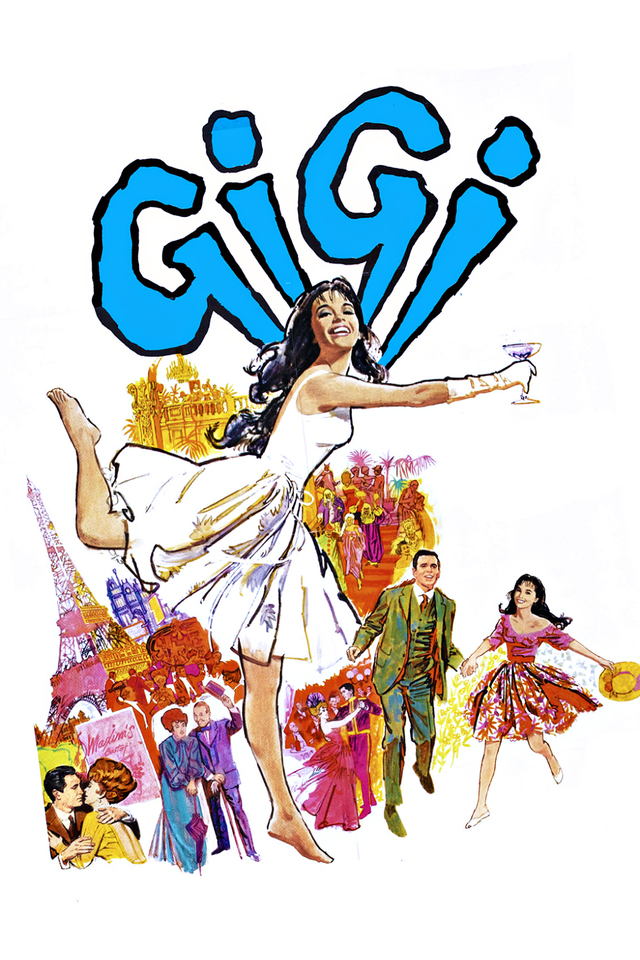
Minnelli’s Gigi from 1958 is more fun. Leslie Caron is in the title role, with Louis Jourdan as Gaston. Gaston is a rich playboy who is bored with high society, where women jostle for the envious position of his mistress. His only joy comes in hanging out with young Gigi and her grandmother. Gigi is a normal girl who finds all the pretentious play-acting extremely tedious, and is reluctantly taking grooming lessons from her great aunt. When the aunt sees an opening for Gigi to be Gaston’s mistress, despite their age difference, she forces Gigi to finally take her lessons seriously, which Gigi does only to stay close to Gaston. It’s a wonderful story with charming songs, and despite a recent Broadway revival and national tour, it is far less publicly known that Meet Me. A very enjoyable movie.

Star Wars blasts back to the forefront in The Last Jedi

Like $200 million dollars worth of people this weekend, I made it to the local theater to watch the newest Star Wars. Don’t worry, no big spoilers in this one.
The Last Jedi picks right up where the last film, The Force Awakens, finished. Rey has met Luke Skywalker and wants to get trained by him to become a jedi. Kylo Ren and the New Order are chasing the final remnants of the resistance across the galaxy. The opening scenario has some similarities to Empire Strikes Back, and I had just enough time to think, “Great, here we go again, with a loose remake” when it quickly changed and went in a new direction.

To put it simply, this movie is a blast from beginning to end. It’s a long one at over 2 ½ hours, the longest Star Wars movie to date, but never did I feel like it was dragging. The film has its dramatic moments, but it is really an action film from the get go, with dazzling battles throughout its length. The epic fight at the end is fitting, and sets up well for the conclusion of the trilogy, but still, it feels like a whole film that stands on its own. I saw this one with my adult son who remarked this may be his favorite Wars film yet. Not sure I’m ready to take that step, but it is a fantastic entry and breathes fresh air into the series. Excited to see the grand finale in 2 years!

Quick takes on TEN films

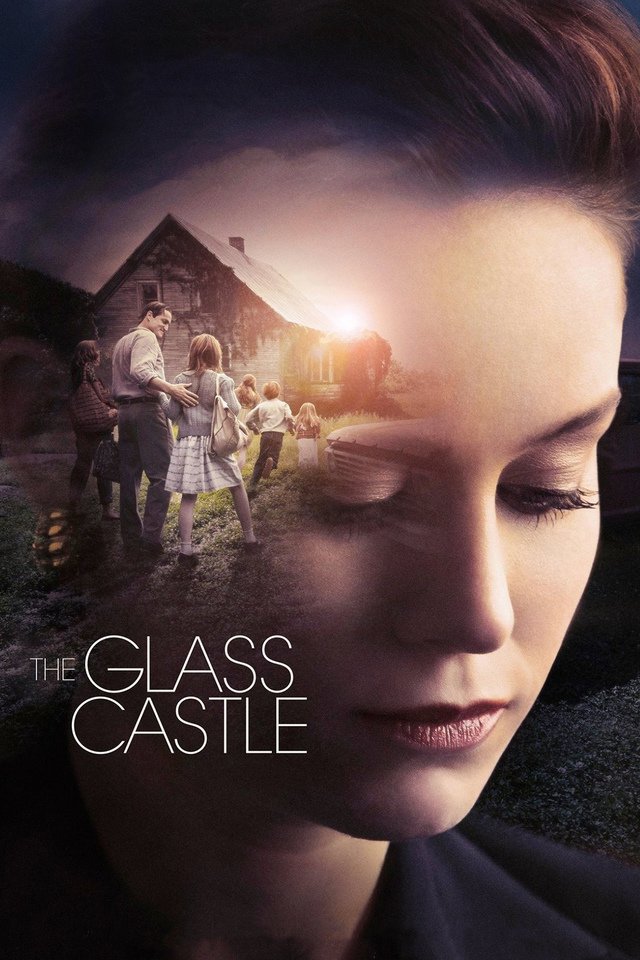
The Glass Castle received a number of negative reviews from people who felt it glossed over some of the harsher realities of the memoir it is based from. I never read this book, so having nothing to base it on, I really liked this film. It follows the life of Jeannette Walls in her very dysfunctional home. Her dad is a lifelong alcoholic, who leads his family from home to home to avoid paying bills and also to stay off the grid. He is alternately wonderful and terrible to his wife and kids, and the kids vow to leave as soon as they are old enough to go. The movie is mostly told as a flashback, with adult Jeannette having grown to despise her father. The movie heads towards a storybook Hollywood ending which I didn’t want to see, after all the terrible things the dad did his whole life, but I came around to accept it. Brie Larson and, especially, Woody Harrelson are beyond incredible in this movie, further proof of each of theirs supreme talent.

I didn’t like Landline for many of the same reason’s I didn’t like the same director’s Obvious Child from a couple years ago. This one is about a family that looks perfectly good on the outside, but which is falling apart internally. The older daughters (adult Dana and high schooler Ali) find out their dad is cheating on their mom. At the same time, Ali is delving into harder and harder drugs with her friends, and Dana starts cheating on her fiance too. Both of these movies were very well received by the critics, but I find the characters annoying. They expect to be able to do bad things and receive good results. Jenny Slate (Dana) plays a similar version of the same character in both films, and isn’t likable, despite decent acting chops. I have to disagree with the professional reviewers on this one; I ended up just watching to the end to see how everyone turns out.
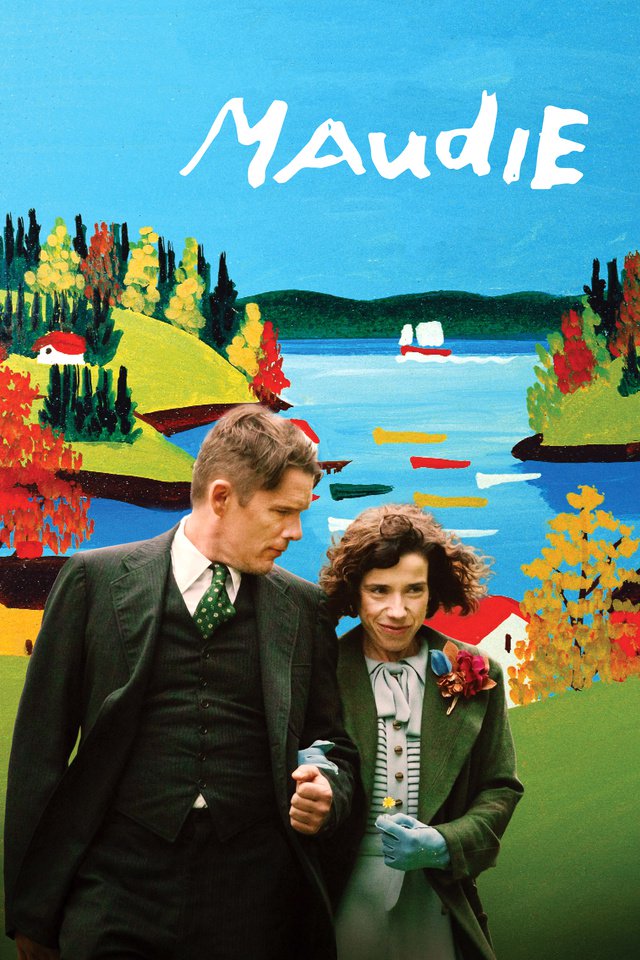
Maudie is a biographical film about Canadian folk painter Maud Lewis. Played by Sally Hawkins, she is born with severe rheumatoid arthritis and grows up relying on her family to take care of her. Wanting some form of independence, she takes a job as a live-in housekeeper for a destitute fish peddler, Everett (Ethan Hawke). The two start an unlikely romance, and for the first time in her life, Maud is allowed to paint, which is the only thing to bring her true joy. Hawke is a great actor but isn’t really allowed to shine here, as his gruff, surly character doesn’t do much than grunt and mumble throughout the film, but Hawkins shines as Maud. In really great performances, you stop seeing the actors and become absorbed by their craft in front of you, and this is definitely one of those times. On screen, even Hawke seems to be in awe of Hawkins as Maud overcomes her physical challenges. This isn’t necessarily a movie I’d watch multiple times, but for the lead performance alone, it is definitely worth a watch.
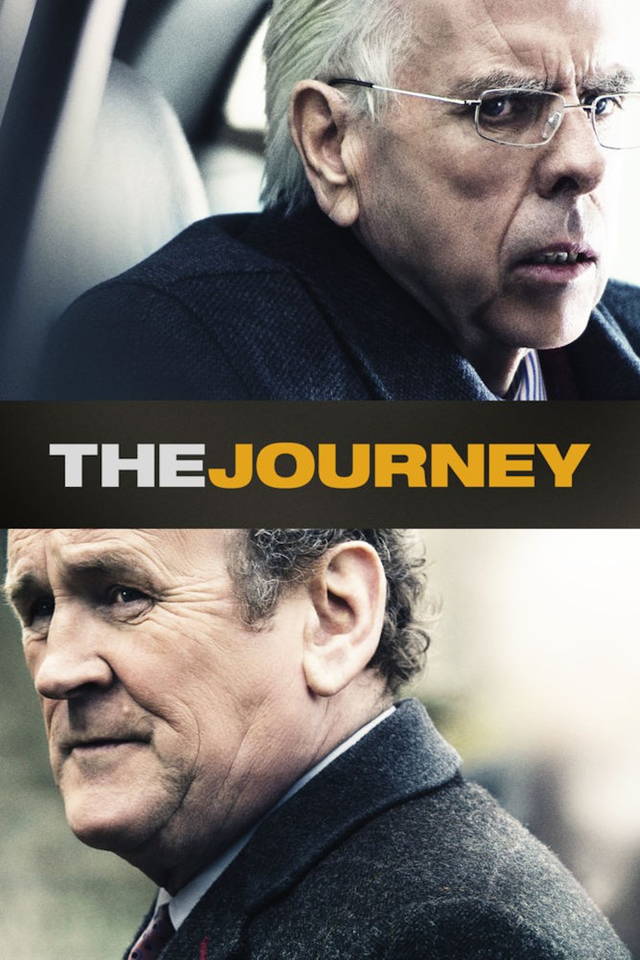
The Journey is based on the true story of a long, winding car ride in 2006, forcing leaders of the IRA and the British loyalists to have a discussion about their differences. Martin McGuinness (Colm Meaney) and Ian Paisley (Timothy Spall) see each other as stark enemies, as all that is wrong with the conflict in Ireland. The close confines of the car force them to see each other as real people, and eventually come to an understanding. The movie is a bit heavy handed, and the side-plot of Tony Blair and his intelligence team monitoring from another location is distracting and laughably bad at times, but Spall and Meaney are utterly fantastic. Spall you might expect, from his many award-nominated and -winning roles over the years, but unless you are a Star Trek fan, you might not have much familiarity with Meaney. Both are fantastic here, at times tense and at each others throats, and eventually, more understanding and open.
The Midwife is a fairly ho-hum French film, starring two of the great French actresses. Catherine Frot plays Claire, a traditional midwife facing a changing medical profession. She loves her patients but is cold to everyone else, with no close friends. Into her routine life plops Beatrice (Catherine Deneuve), the former mistress to her now deceased father. Whereas Claire has rules governing everything in her life, Beatrice lives each moment to its fullest. Despite their disparate past, they grow to become friends, as Beatrice fights to survive an awful brain tumor. The film is very French, with two moving lead actresses and a lot of undercurrent themes, but I couldn’t quite get into it. Fantastic, subtle acting, but a thin plot that doesn’t flesh out well enough.
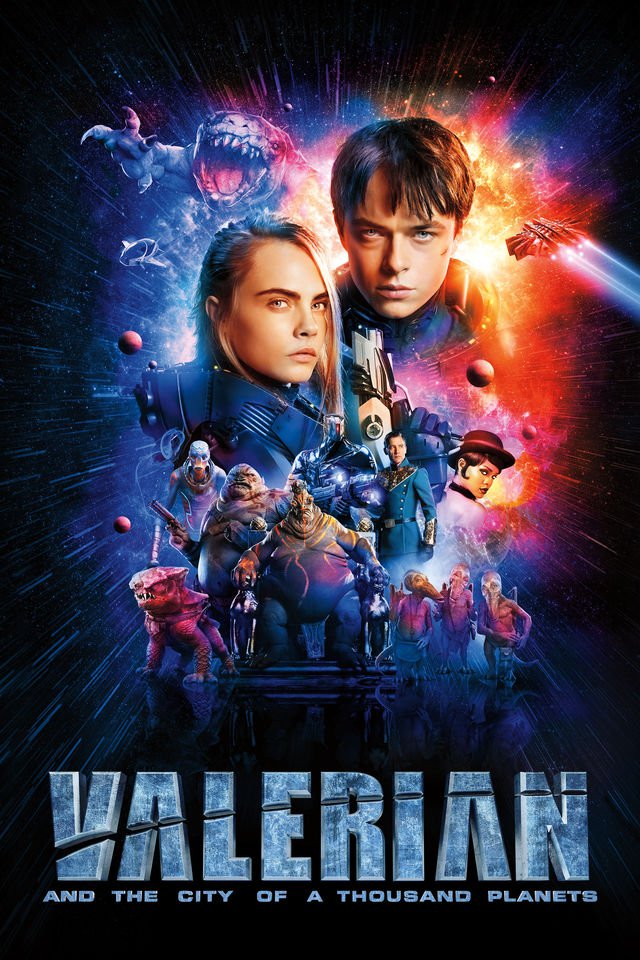
Valerian and the City of a Thousand Planets is everything you heard about it. It features some truly outstanding visuals, hard to do in today’s CGI-filled landscape, but the plot and direction is severely lacking. Taking place hundreds of years in the future when mankind has ventured out into space and met up with thousands of alien species, it follows Valerian, a military major, as he and his partner (and love interest) uncover a plot to wipe out a whole alien race. It is a testament to the visuals, which are so colorful and breathtakingly beautiful on a big HD screen, that I still have to recommend seeing this movie despite being ridiculously dull at times, with some truly awful dialogue and almost child-like hand-fed plot elements. See it for the CGI, but don’t expect much else.
Marjorie Prime is a weird film, albeit a thought-provoking one. It takes place in a future where computer programs, called Primes, can project a holographic impersonation of a deceased love one, bringing comfort to the living. At first the Prime is like a child, only knowing what it is told, but it learns quickly and absorbs everything. Marjorie (Lois Smith) is an older woman suffering from dementia, who has brought back her deceased husband Walter as a prime, though she has chosen a younger version of him (played by Jon Hamm). Her daughter Tess (Geena Davis) doesn’t like it, thinks it weird that her mother finds comfort in a computer program. Tess’s husband Jon (Tim Robbins) understands though, and feeds Walter stories so that Walter can better play the part with Marjorie. This film is all about the shared moments between human and prime, first with Marjorie and Walter Prime, and later, after Marjorie passes, between Tess and Marjorie Prime. The movie makes you wonder what it is that makes us human, and where that will lead with the developing artificial intelligence being created.
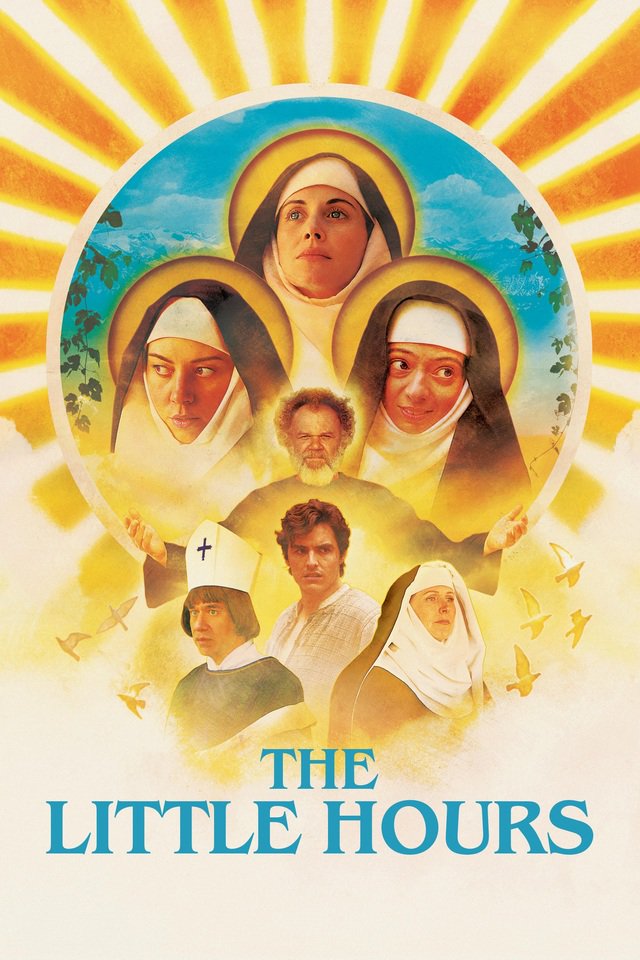
The Little Hours is an uncomfortable comedy to watch for anyone with a Christian religious upbringing. Taking place at a convent in the middle ages, it follows a group of young, totally irreverent nuns. They cuss and bully themselves and others, and when a young man is brought in to tend the grounds, their suppressed sexual desires go off the chart. I wasn’t raised Catholic, but I still had to squirm in my seat watching what these young nuns were doing. It stars Dave Franco, Aubrey Plaza, Alison Brie, among others, with Molly Shannon as the mother superior and John C Reilly as the head priest (with Fred Armisen as the visiting bishop). With a cast like that, I should have known to expect nothing but debauchery. If you can get past the constant blasphemy, the movie has its moments, but not a film for the mass(es).
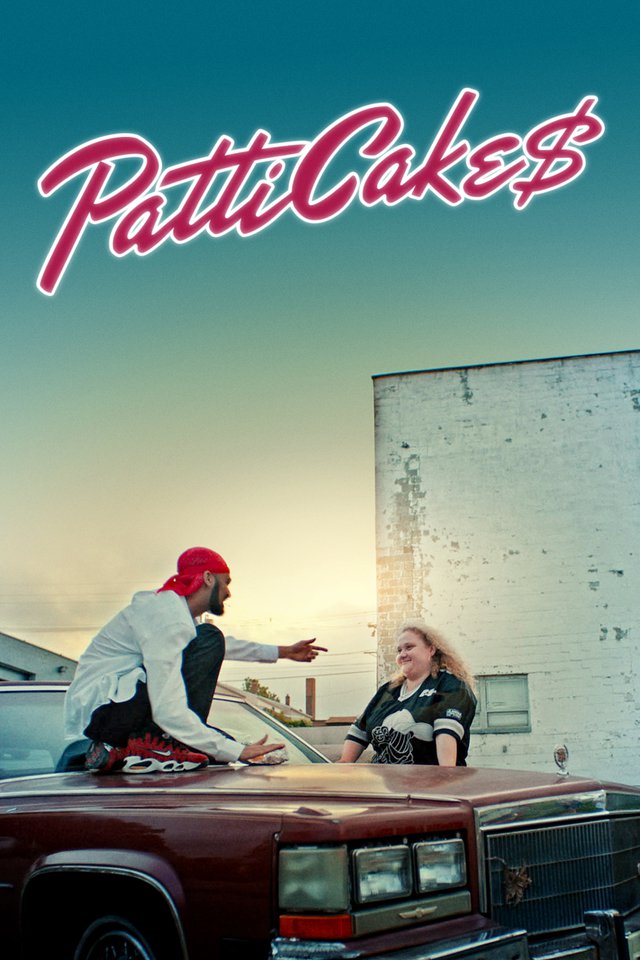
I absolutely adored Patti Cake$, the story of a struggling woman trying to make a career as a rapper. Overweight and unpopular, she isn’t your prototypical star, and she also faces challenges with her alcoholic mother and supportive, but health-failing grandmother. Patti and her tight group of friends finally put together a mix tape, but still every opportunity they get seems to fall apart, often through no fault of their own. This film is raw and emotional, and I give it a pass for some of the typical underdog crutches it leans on, because the acting by lead Danielle MacDonald is fantastic, and the payoff at the end is incredible. Who doesn’t like to root for the unlikely hero?


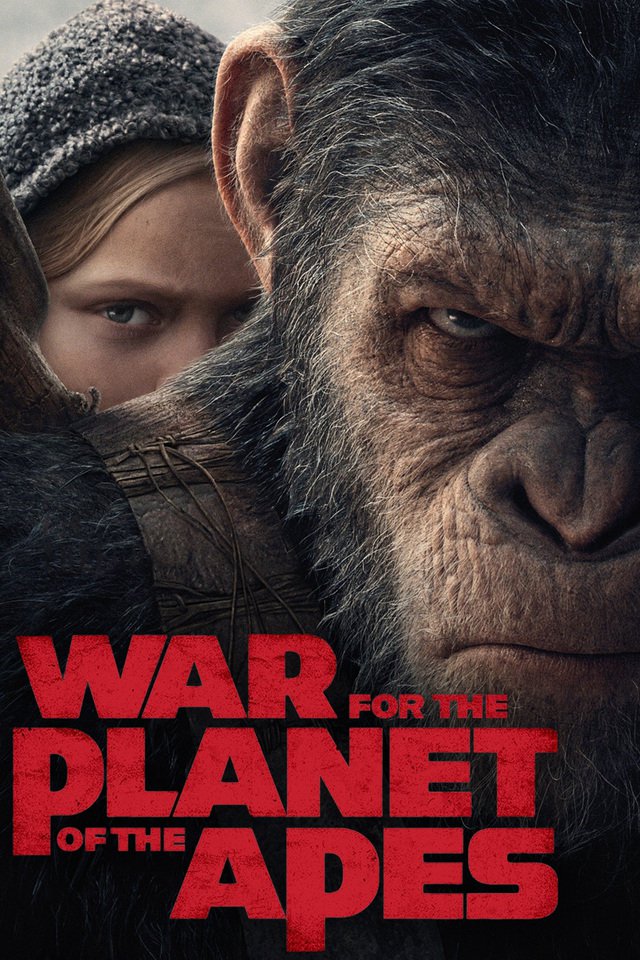
War for the Planet of the Apes is the exciting, and latest film in the rebooted Planet of the Apes series. This one takes place two years after the last one, where increasingly intelligent apes and the struggling humans are living separate, yet hostile lives. A group of militant humans have taken it upon themselves to hunt the smart apes, and when the ape leader Caesar sees his wife and son killed, he retaliates. For my tastes, this film felt a bit long, but it is certainly thrilling, and it seems to lead up to the original Charlton Heston film; in fact, there may only be a few decades from the end of this one and the start of that one. Certainly enough time for yet another sequel if they desire, and if they keep being this good, I’m all for it.

Quick takes on 5 CLASSIC films

Lolita, directed by Stanley Kubrick, stars James Mason as Humbert, and older man who falls head-over-heels in love with teenager Lolita. Lolita knows she is pretty, and knows how to use her looks and sex appeal to get men to do things for her. Humbert goes so far as to marry her mother in order to stay close to Lolita. When the mother tragically dies, Humbert wastes no time in finally bedding Lolita. She goes along obviously, but you can tell throughout that while Humbert is completely obsessed with her, she seems to almost be leading him along, and she gets her way in all things. You learn in the end just how much she has led him along. Though it is an earlier Kubrick film, lacking some of the long, building scenes that would invade his later movies, it is still very well done, though much creepier when watched today.
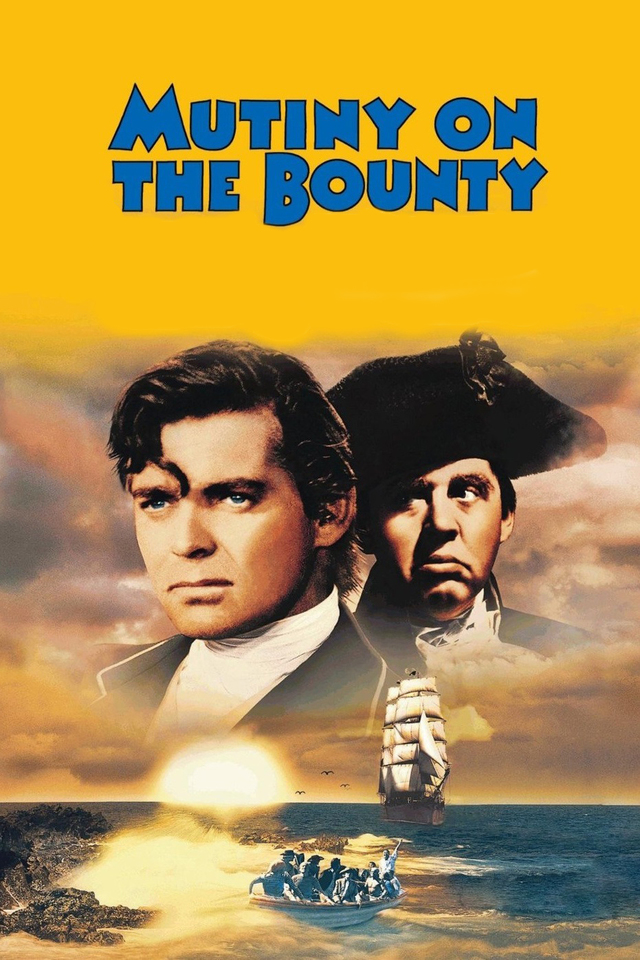
The original Mutiny on the Bounty from 1935 is the classic Clark Gable film recounting the famous (infamous?) tale of the Bounty in the late 18th century. Captain Bligh is a terribly strict man, giving his crew little food and pushing them past their limits in the trek from England to Tahiti. Though only a few years before Gone With the Wind, a much younger-looking Gable plays lieutenant Christian, who carries out Bligh’s orders against his own personal convictions, until they finally cross a line and Christian must stand up and stop them. Christian, along with about half the crew, mutinies, knowing they would face hanging if ever caught. The film won best picture at the Oscars, and to this day is the only film with three best actor nominations in the same category (though all three eventually lost). A very ambitious looking film for 1935, and an enjoyable movie.
Many film versions exist of the novel The Four Feathers by AEW Mason, but the 1939 version is widely considered the best. And it is a masterpiece. It tells the tale of Harry Faversham, raised in a family with a history of war heroes. He is no coward, but is afraid of becoming one and not living up to his ancestry’s standards. He resigns his officer’s commission on the eve of his regiment being sent to Sudan to quell an uprising, but when he cannot live with the shame, he travels there anyway, under disguise, to prove his worth. He faces many hardships and ends up saving the lives of all his friends. Beautifully told and with outstanding acting, this is a true gem of a film. I mention ambitious filmmaking in the above blurb, but this one takes the cake. It isn’t unheard of to see these 30’s and 40’s war epics use a few hundred extras to show as an army, but this film seems to use thousands. In a time before computers could fill the screen with yelling, screaming warriors, the sheer number of people going to battle in this film is astounding.
The Passion of Joan of Arc is a French film from the silent era, directed by acclaimed Danish director Carl Theodor Dreyer. One of the best silent films of all time, the lead actress, Renee Jeanne Falconetti as Joan, is superb, though unfortunately this is the only major film role she ever took. Written based on the actual transcripts of Joan’s trial and execution, it tells the tale of the famous martyr of the Catholic church, how she was tricked into making heretical statements by an English-backed jury in order to execute her as a heathen. Nearly all of the film is done in extreme close-up fashion, with Dreyer using different lighting techniques to cast the various actors in different shades, and this also really showed off Falconetti’s skills. Her facial expressions make the movie. In the silent era, when over-acting was often the norm to convey extreme emotion, Joan’s subtle shifts in demeanor keep you riveted.


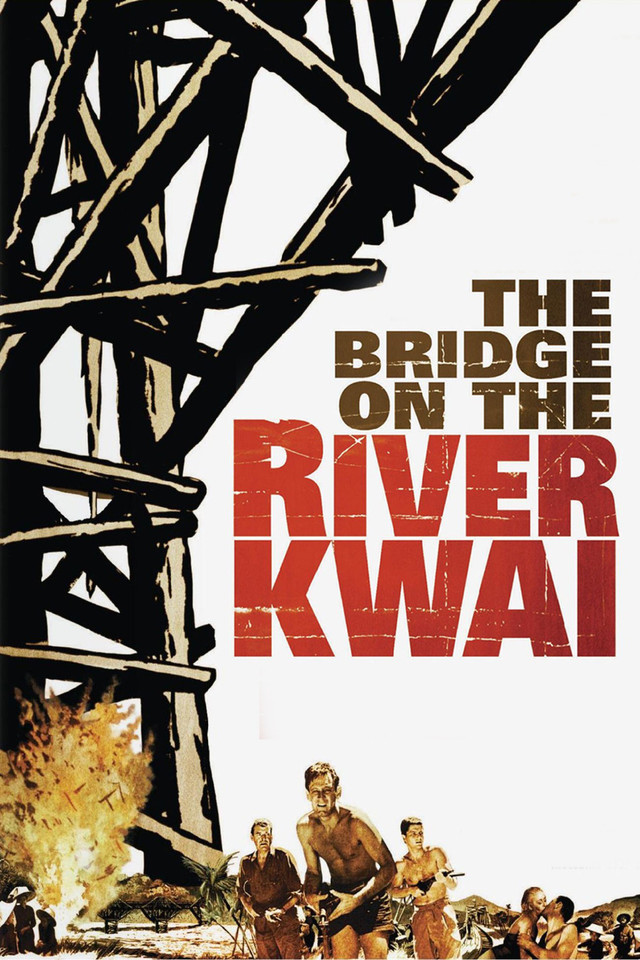
To a couple generations of movie watchers, Alec Guinness is just Obi Wan Kenobi, but this brilliant actor had a whole career before that film and one of his most famous is The Bridge on the River Kwai, from 1957. In an Oscar winning role, he stars as British colonel Nicholson, who, with his men, has been captured by the Japanese during World War II. As prisoners of war, they have been tasked with building a massive railroad bridge. Nicholson stands up to his captors for better treatment for his men, eventually showing them that if given a fair chance, they can willingly build a tremendous bridge for them. At the same time, American commander Shears (William Holden), a recent escapee of the same camp, is with a group of British soldiers headed towards the bridge to blow it up. Directed by incomparable David Lean, this war epic offers much to think about long after the ending. Nicholson and all of the soldiers, and even the Japanese commander, are multifaceted and thoroughly filled out characters, and the film doesn’t just spoon feed you the answers to some of the questions it raises about what is right or wrong.

Quick takes on 5 CLASSIC films

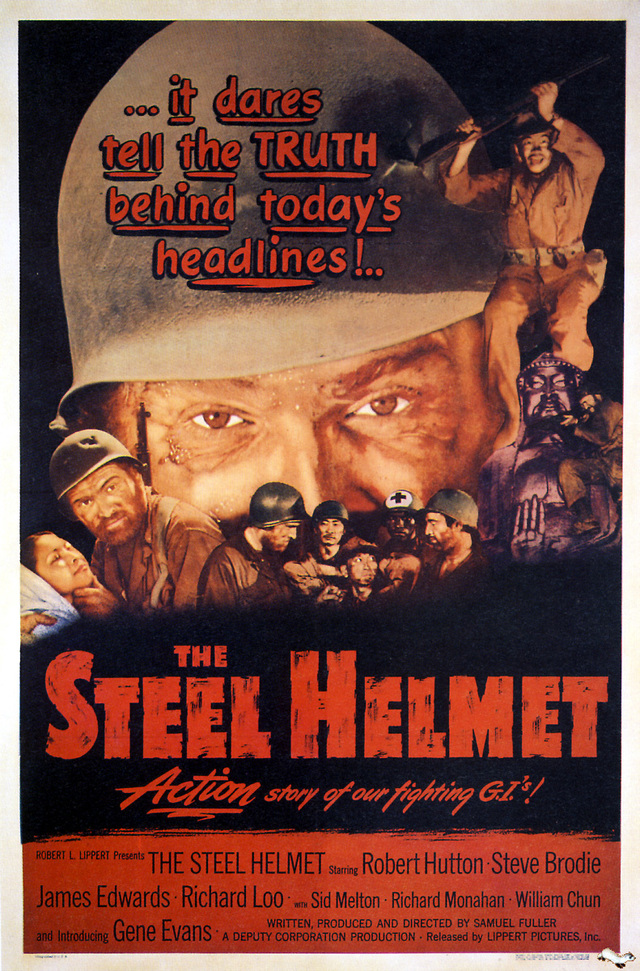
The Steel Helmet is a classic war film, taking place during the Korean War. Released in 1951, it has a lot of dialogue that would be considered highly controversial today, with many racial epithets that were commonly used back then. The film follows Sergeant Zack, the sole survivor of his platoon after they are all massacred, who teams up with another group to try to make it out alive. Zack is cold to everyone, having long since buried his emotions to cope with the realities of the conflict around him. Ultimately though the film becomes about acceptance of all races and peoples, as Zack is forced to accept the various backgrounds of people in his new troop, and also realize that the enemy army is full of human beings too. Really great battle scenes for a low budget war film of this era, and a deep plot that is unexpected from the film’s inauspicious beginning.
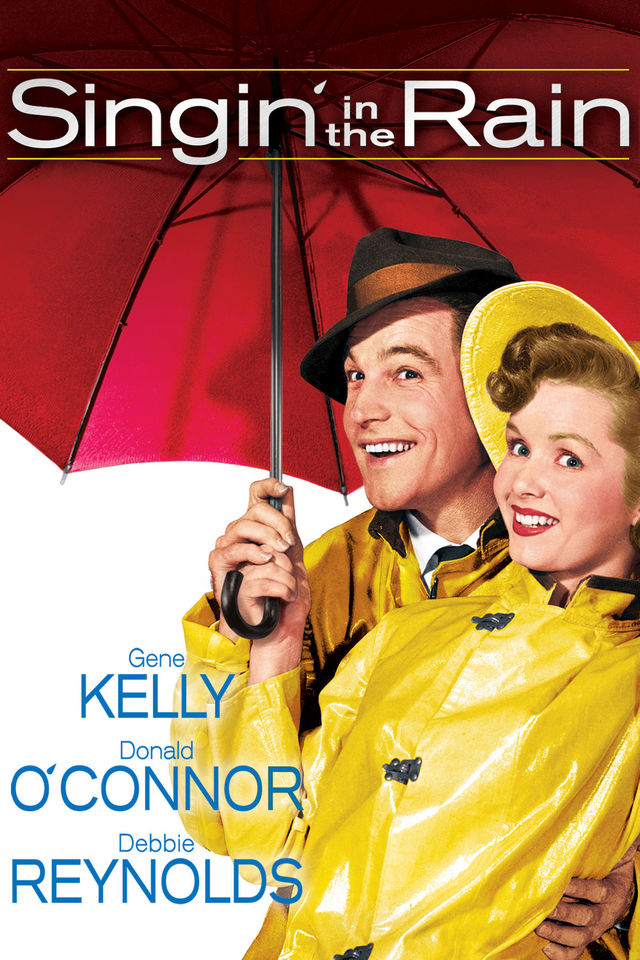
In addition to movies and books, I’m a musical junkie. I’ve seen Singin’ in the Rain on stage a few times, but never sat and watched the original movie adaptation, featuring the incomparable Debbie Reynolds and Gene Kelly. Following the careers of stars Don Lockwood (Kelly) and Lina Lamont (Jean Hagen) as they traverse from the silent era to “talkies,” the duo is faced with the task of hiding Lamont’s terrible voice from the public. In steps Kathy Seldon (Reynolds) to serve as a substitute voice. This classical musical has several tunes you’ll recognize, including the eponymous title. There are funny moments, but the movie is definitely dated. Not sure I can recommend it, except for die-hards like myself.
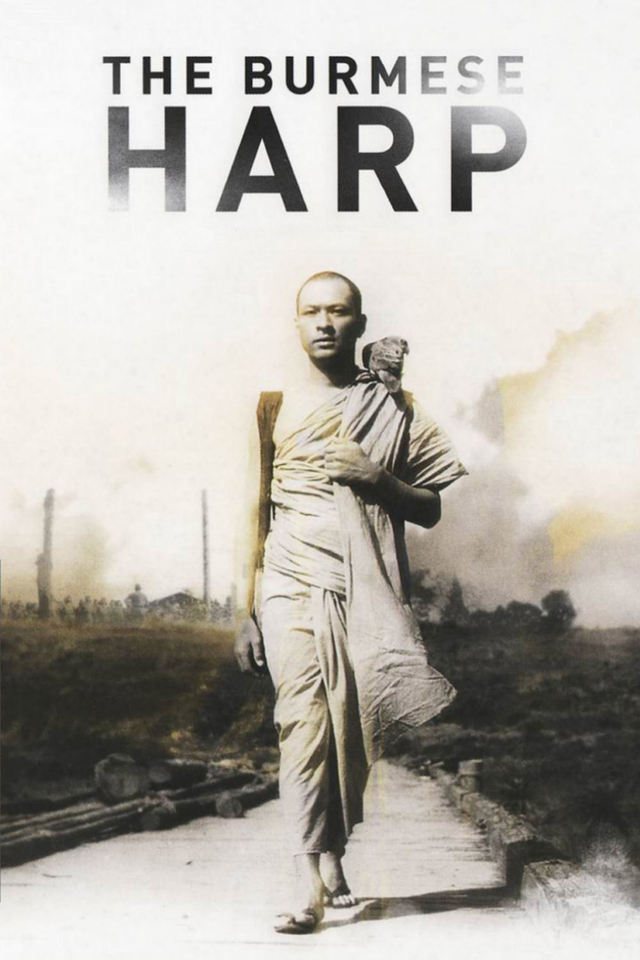
The Burmese Harp is a wonderful Japanese film from 1956. Taking place at the tail end of World War II, it shows a side of the war that we in the west might not see very often, that is, the losing side of Japan and how it affects the soldiers in the immediate aftermath. A soldier who has taught himself how to play the Burma harp plays to sooth his fellow soldiers, but his music reaches out to the British soldiers as well. Their Buddhist religion is also a key point to the film, and in general, the movie has a very anti-war, peace-reaching feel to it. This is a very different movie that I expected going in, and presents a very real, endearing sense of longing for something that always seems just out of reach.
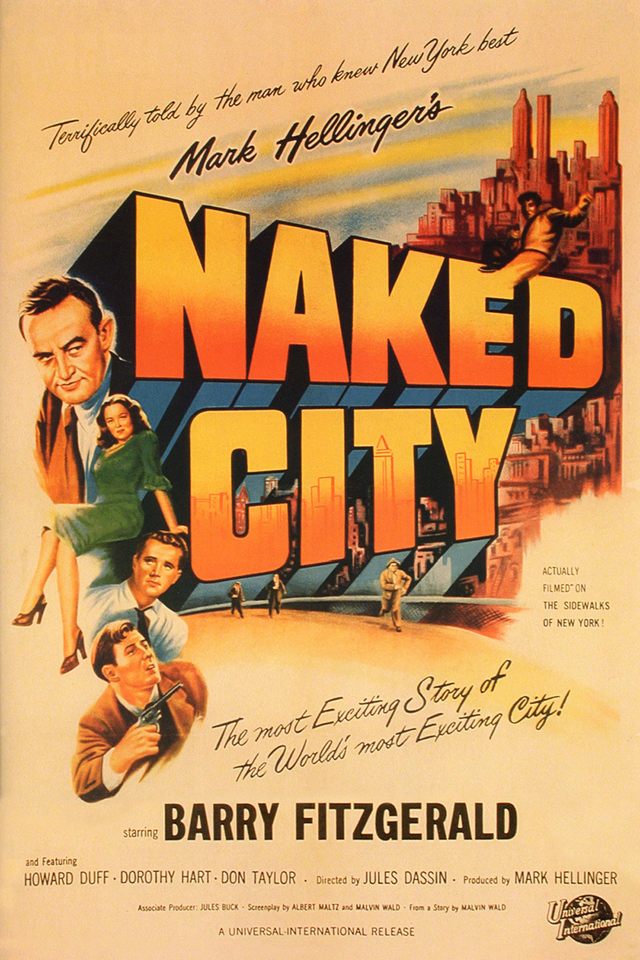
Another great classic film is The Naked City, a 1948 movie about a murder in New York City. The movie follows a couple police detectives (Barry Fitzgerald and Don Taylor) as they dig for clues and suspects. The movie unfolds in an almost modern-day CSI style, obviously at a time before all of our modern technology was available to help the police, and when most leads had to be followed up on foot instead of a simple phone call. Shot entirely on location in various spots around the city (which doesn’t always help the sound, but definitely adds to the realism), this is a fantastic film, with an engaging plot and developed, 3-dimensional characters. Even if you aren’t a fan of classic cinema, if you like the modern cop tv shows, you’ll enjoy this old film.


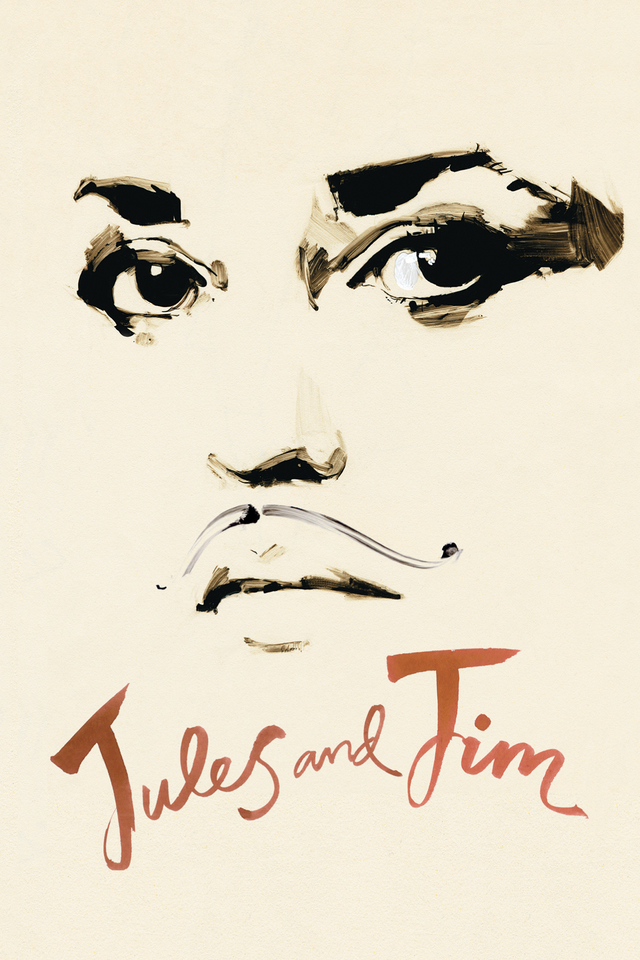
Jules and Jim is a 1962 French film, and one that you have to ploy through the first 20 minutes if you are going to enjoy it. The opening of this film is fast and frenetic, with voice-over that doesn’t quit, meaning, if you don’t speak French, you’ll spend 20 minutes reading dialogue and hardly being able to move your eyes to the actors on screen. Once you get past that though, the film settles down a bit, and you can sit back and enjoy it. The eponymous title characters are best friends, an Austrian and a Frenchman, who fall in love with the same girl, Catherine. Catherine is an emotional rollercoaster, and would probably be diagnosed as bipolar today. She falls madly in love in a day, and just as quickly falls back out, and reacts to even falsely perceived sleights with extreme abandon, such as sleeping with other men if her boyfriend doesn’t greet her warmly. The movie feels like the wild ride that is Catherine’s life, and is edited as such too, so even the viewer feels the chaos that is Catherine. As such, the movie is sometimes a bit too choppy for my tastes, but still, is a fun flick.