Quick takes on 5 Malick films

If you’ve read my blog for awhile, you know I write about classic books, classic movies, and newer films. Rarely do I write about the movies “in between” the 70’s and today. I still watch them, but I figure no one wants to read about movies they’ve probably all ready seen. I’m making an exception today for one of film’s best modern directors, Terrence Malick. I’ve always heard about him but only seen one film until now, so I thought there might be other people in the same boat as me.

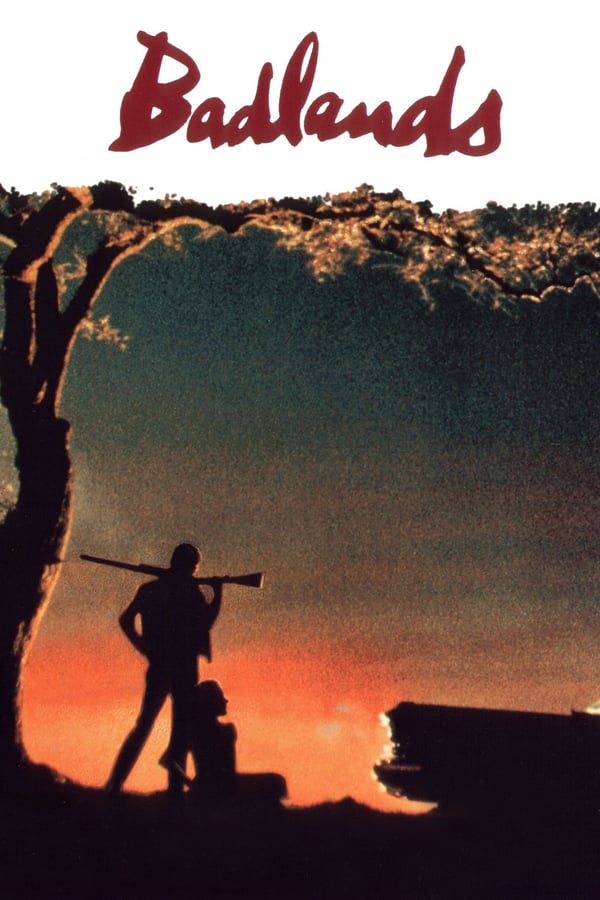
Badlands was his first film, from 1973. It stars Martin Sheen and Sissy Spacek (before they were household names) as a pair of young lovers who go on a murder spree, or rather, the mid-20’s man does and his teenage girlfriend tags along. Kit is a bit of a drifter and ne’er-do-well, but the young and pretty Holly is drawn to his rebel, “James Dean” look. When Kit decides they are leaving town together and Holly’s father objects, Kit kills him. The love birds then go off to hide in the woods, but it obviously isn’t long before they are discovered. Kit continues to kill people who find them, even a friend of his. Finally Holly decides she’s had enough, and just as the police close in, she abandons Kit and turns herself in. Kit gives them one more chase, but eventually also gives up, though to keep his pride, he makes it look like he had no choice. The smooth and care-free Kit is popular even among the cops at the jail, and they all wish him luck as he heads to federal jail to face the death penalty. With his dashing good looks and devil-may-care attitude, Malick makes the viewer like Kit too; even when he is killing we secretly hope he never gets caught.
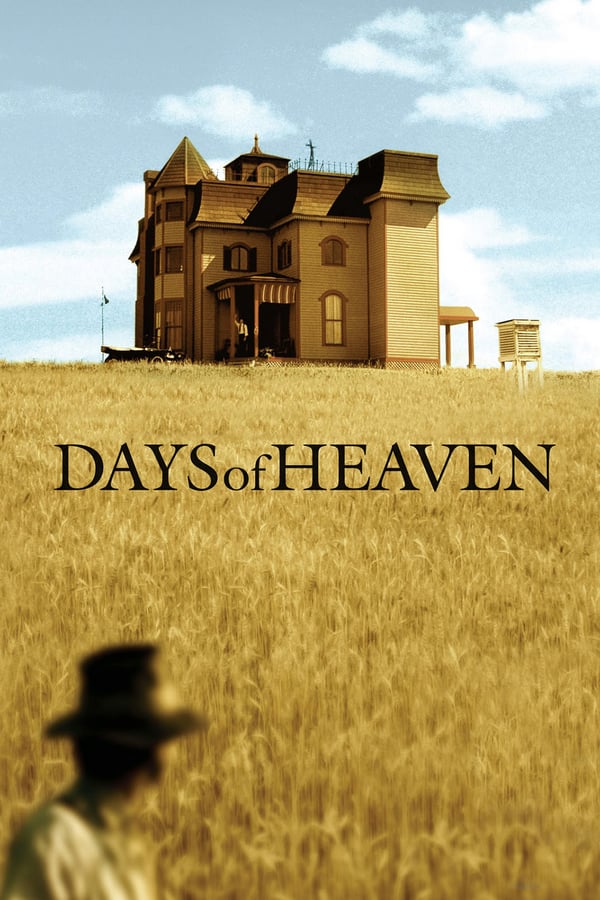
For much of the film, I didn’t know what to make of 1978’s Days of Heaven. It is heralded for its cinematography, and the vast, sweeping landscapes of rural Texas are indeed gorgeous, but the plot wasn’t doing much for me. Until the last half hour that is. It stars a young-looking Richard Gere as Bill, a man fleeing Chicago after he accidentally killed his boss at a factory. He takes his young sister (Linda) and his girlfriend (Abby), but insists they call her a sister as well to avoid attention. The trio end up working as harvesters on a wheat farm, run by a single rich man with no family (an even younger-looking Sam Shepard). When Bill overhears a doctor telling the farmer that he only has a year to live, he encourages Abby to marry the farmer and thus inherit all his money after his passing. Abby reluctantly goes along with it, but afterwards grows accustomed to the new lifestyle, and even falls in love with the farmer. The shit hits the fan when the farmer begins to suspect that Bill is more than just a brother. The film is indeed beautiful to watch, but I found the editing to be a bit choppy, almost like they had 30 hours of film and were trying to cut it down to 90 minutes of movie (maybe not far off the mark knowing Malick’s reputation). The ending does make it up to the viewer though, with all of the characters (with a single exception) getting their just rewards, and there plenty of deeper meanings to weed out if you have the patience for reflection.
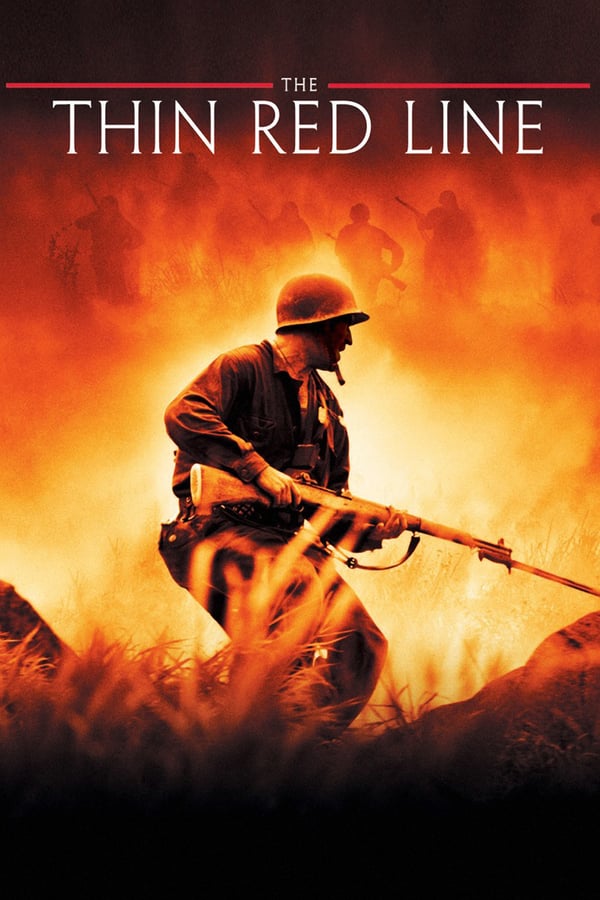
Malick waited 20 years to make his third film, The Thin Red Line in 1998. This one I’ve seen before, and while I try not to write about films I’ve previously seen, I’ve made an exception for what I consider to be one of the best war films ever made. Based on a book, this movie tells the tale of an American attack on an island during the Guadalcanal Campaign in the Pacific in World War II. It shows humanity at its best, and at its worst. There is an aging colonel intent on making a name for himself no matter the cost of human lives, a captain unwilling to see his men die, even if it means disobeying an order, and an enlightened soldier who sees beauty in all things, even in the ugly. There are moments of heroism and cowardice. When the Americans first assault the ridge and are taking heavy losses, we see some men rise to the occasion and others cower in fear, and Malick does an excellent job of humanizing the Japanese forces, showing them go through the same gamut of emotions when the tide of the battle turns. This film has a large military-full cast, and it seems every face is a recognizable movie star, and all do a marvelous job. This is an action film first and foremost, but the pacing on the slower, more philosophical moments may bore some viewers. If you want a war movie with heart, with emotion, and with deeper meaning than just “kill the enemy,” it doesn’t get any better than this.
After a 20 year break, 7 years seems like just a pause, but that’s how long it was until Malick returned with The New World in 2005. A new take on the classic John Smith/Pocahontas tale, it stars Colin Farrell and Q’orianka Kilcher as the star-crossed lovers, and also Christian Bale as Pocahontas’s later husband, John Rolfe. I watched this one shortly after The Thin Red Line, and except for the color of the trees, I thought Malick may have used the same shots of sunlight sneaking through leaves in both films. That minor criticism aside, this is a very lovely film, though not very historically accurate. John Smith comes to the new lands and is part of the group that founds Jamestown. Struggling to survive, they do some trading with the local native tribes, where Smith meets Pocahontas. When the two peoples start fighting each other though, Pocahontas is caught in the middle, ultimately being cast off by her people for it. She lives with the English in their new town, but is left by Smith when he goes back to England. Rolfe then falls in love with her, and in the end, brings her back to London. Lots of lovely shots as you’d expect in a Malick film, but a good film too. The narrative voice-overs aren’t quite as enigmatic as his earlier film, which creates a stronger, more linear story.
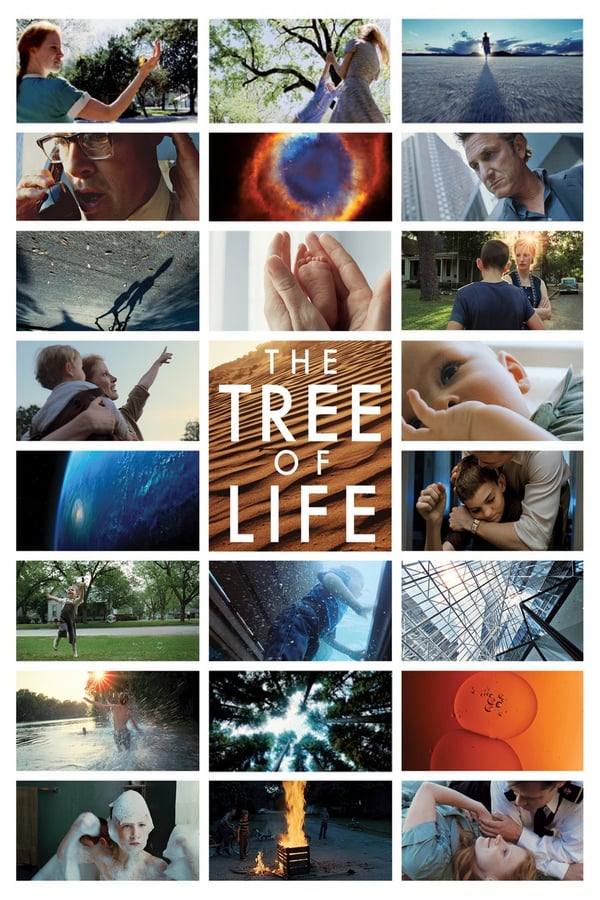
In 2011 Malick made what some call his most philosophical film, The Tree of Life, but it might as well be called the story of life. It has a basic story about a trio of brothers in the 1950’s, in a house with a loving mother but an enigmatic father. Like most fathers of that period, he was what was called “strict” back then, but these days would be considered emotionally abusive and borderline violent, berating the boys for things like leaving elbows on the table, addressing him as “sir,” and forcing them to say “I love you” and giving him a kiss good night. It would be easy to hate him, but Malick does a great job of painting him as a human being; we can loathe his actions while still commend him for working a job he hates just so he can support his family. Much of the film is told in flashback to the kid’s childhood and his two brothers (one of which we know died later on at 19). As the main boy gets older, he grows rebellious and becomes a bit of a problem child. This story is really just the frame of the film though, which deals more with life in general, from the big bang to evolution to hints of a greater power orchestrating it all. We see births and deaths, but beauty in it all. The family’s lives are told in pieces, like the memories of our own lives: some are fleeting images which seem unimportant at the time but which stick with us (playing games as children, laughing with mother), others are more detailed and longer moments. A very profound and beautiful film, and honestly, I didn’t think it moved as slow as some of its critics decried (and I watched the 3+ hour extended edition too!). Superb acting by Jessica Chastain and Brad Pitt as the parents. Malick would never tell you what his movie means, leaving that for the viewer’s interpretation. I came away from this one thinking that for those that seek the meaning of life, one need look no further than their own family.

Quick takes on 5 Cronenberg films

Long before the underground hit Crash in 1996 (not the Paul Haggis movie of the same name obviously) and even before the Jeff Goldblum-starring The Fly in 1986, director David Cronenberg was making strange, and sometimes disturbing films. I of course have seen The Fly several times, and saw The Brood sometime in the last year or so, and decided to give some of his other earlier works a shot. His first two films are shorts (about an hour each), and while a bit amateurish, they still show glimpses of his style and you can see what is to come. Stereo, from 1969, follows a group of young people being experimented on for telepathic abilities. The experiments get increasingly dark as the movie goes along. It is narrated in an emotionless, dry, detached voice; viewers today will see an almost Siri- or Alexa-like comparison. I don’t mind slow films (in fact I like them when done well), but this film tried my patience with its long, quiet scenes with no sound, and felt long even at just an hour in length. Told in a documentary-like fashion, it is honestly a bit of a slog.
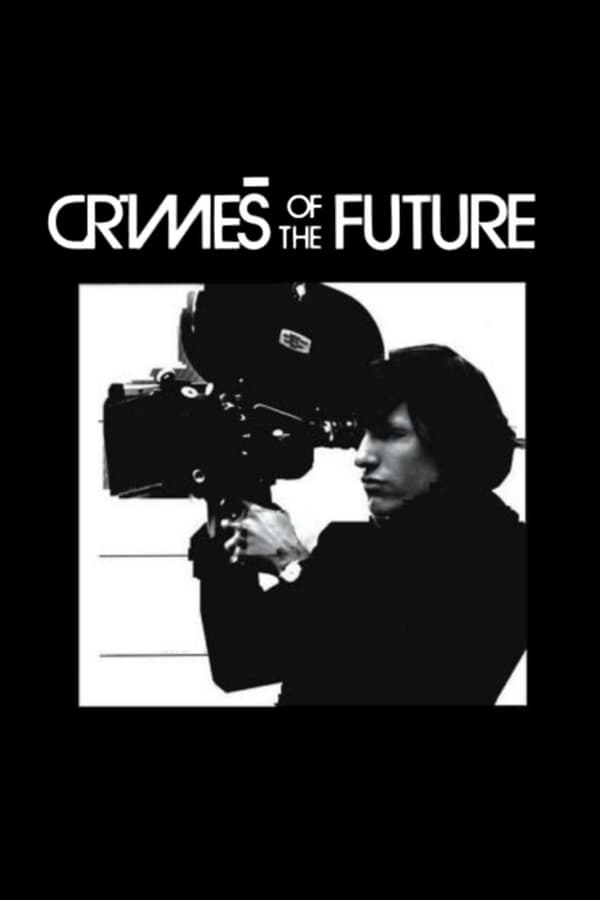
The much better Crimes of the Future followed in 1970. Like Stereo, it was shot in silence with a voice-over and sound added later. In a dystopian future, all women of child-bearing years have died, due to a mysterious fatal illness caused by cosmetics. The disease has just started to spread to men too. When someone comes down with it, they begin to bleed from the nose, ears, and mouth, and this secretion acts as an aphrodisiac: people seeing a dying person are unable to resist licking the blood. Our main character is a scientist at a dermatology institute, who sees his last patient die to this illness, and he then wanders from group to group looking for somewhere to fit in. These groups are strange and often erotic in nature (foot fetishes, etc). Eventually he stumbles upon a pedophilia group, “illegal but inevitable” the narrator says, since older women are all but extinct. Throughout the film the narrator has decreasingly used first person narratives and by the end, is referring to himself in the third person, as he loses his grip on his humanity. Needless to say, there isn’t a happy ending here. A very strange, and deliberate (i.e. slow paced) film, but with a good sense of dread from the very first words, this is a haunting depiction of humanity on the cusp of annihilation. I enjoyed it more than Stereo, and here, the sparse dialogue added to the overall creepiness which the director was aiming for.
Scanners was Cronenberg’s first hit, in 1981, and it spawned a rash of sequels (of which Cronenberg was not attached). Often parodied, this movie is “the one with the exploding head.” Cameron Vale is brought in by a secret agency called ConSec, where he is told that he is a scanner, someone with psychic abilities who can control other people’s actions. Though he was never taught how to use these skills, he can learn to control them and become very powerful. ConSec wants to use Vale to go after Revok, a strong but evil scanner who is recruiting others to his cause, though we do not yet know what that cause is. Vale finds help of his own and is finally able to get close to Revok, but not before realizing there are moles inside ConSec attempting to help Revok along. The final showdown between Vale and Revok, when they turn their abilities upon each other, is pure 70s/80s gorefest. The film is a bit dated and lacks strong acting (though Revok is portrayed by long-time B movie hero Michael Ironside), but it is fantastic in the sci-fi/horror vein, with thought-provoking elements like Cronenberg’s The Fly, offering moments of deeper contemplation. Fun film.
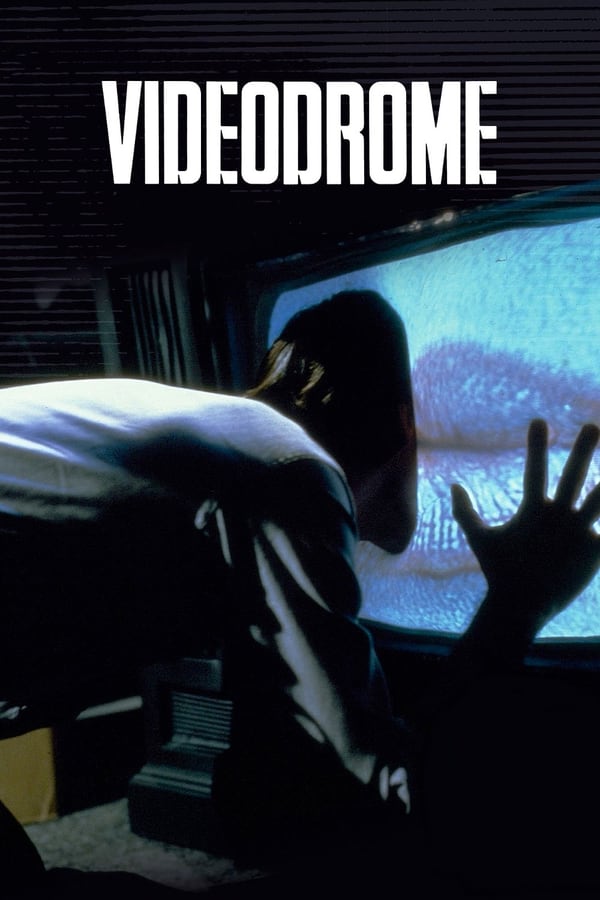
From 1983, Videodrome is a psychological horror film starring James Woods as Max Renn. Renn runs a sleazy cable channel that showcases softcore porn and slasher films, and he is looking for something stronger to help his ratings. He runs into a program purportedly from Malaysia called Videodrome, which shows rapes, tortures, and murders, and seeks to get it on his channel. Renn gets more than he bargained for, because it turns out that the TV signal causes hallucinations to the viewer, and Renn starts seeing all kinds of crazy stuff. He ends up in the middle of a battle for the control of people’s minds, fought between the Spectacular Optical Corporation and a cult praising the “new flesh,” both of whom seem to want to send signals through the TV to control viewers. Renn sees people go into and come out of the television, as well as sees fissures open in his abdomen, and a gun fuse to hand in a grisly fashion, and he goes on to carry out murders in the name of his controllers. In a prophetic look from 1983, Cronenberg sees a time when the viewer has their own humanity and will do whatever the person on the TV tells them to. Disturbing viewing for sure, but like Scanners, it is still a gore film with message.

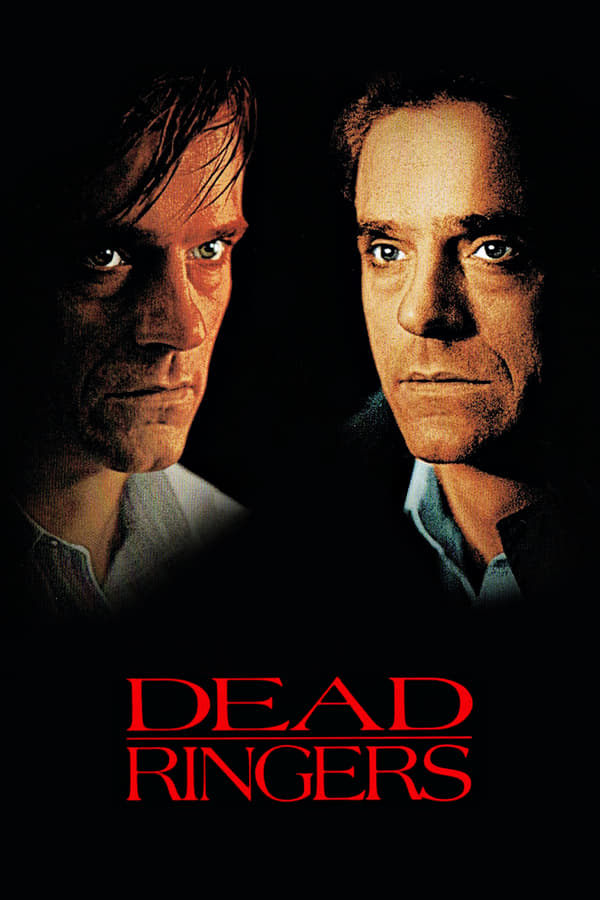
Dead Ringers (1988) drops the gruesomeness (except for a single scene near the end) but keeps the psychological thrills. The film is a tour-de-force for Jeremy Irons, who plays both Elliot and Beverly, twin adult men, both brilliant gynechologists. Elliot is suave and confident, Beverly (his effeminate name is not a mistake) is quiet and bookish. Beverly falls for a famous actress named Claire, but only after Elliot has “warmed her up.” When Claire realizes she was seduced by one but ends up with the other, she storms off, and Beverly is unable to cope with her loss. He resorts to drug use, which impacts the twins’ professional lives. When Claire comes back and Beverly is able to sober up, they find that Elliot has now sunk into drugs and alcohol himself. Beverly realizes that they cannot both lead a whole life at the same time, so he kills Elliot, telling himself that he is simply “finally separating the conjoined twins.” In the end though, he is unable to share joy with Claire, and returns to his brother’s dead body, to lie next to him. A fascinating film, and Irons is brilliant in the dual role; the movie can be interpreted as a look at split personalities and the difficulties in leading a normal life with the disorder.

Finally, just a quick note about Cronenberg’s Naked Lunch, released in 1991. It is of course based on the famous (or infamous) book by William Burroughs, which I read a couple years ago. I hated the book, but absolutely loved the movie. Unlike the book, the film has an actual plot, and it does a great job of showing Billy Lee’s fall into addiction. As his hallucinations pile up, even the viewer doesn’t know what is real and what is imagined. Highly recommended if you want to go for a wild ride. Semi-biographical about Burroughs, as he admitted his books were too. Probably my favorite Cronenberg flick.

Quick takes on 5 films

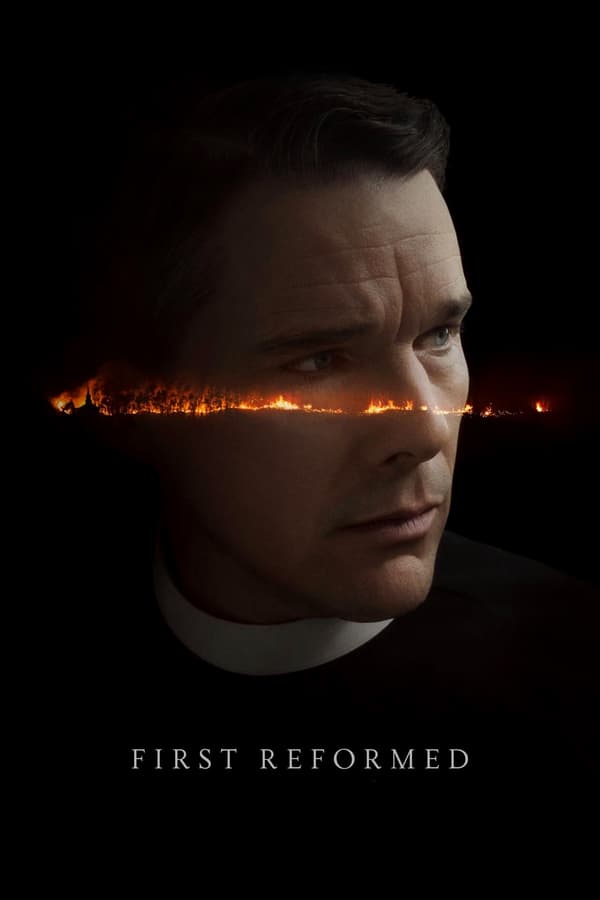
First Reformed was always going to be a divisive film, too religious for some and not enough for others, but it is most definitely a contemplative film that seems to fit well with the world we live in. Ethan Hawke portrays Toller, a priest of a small church facing a crisis of faith. He doesn’t take care of himself, drinking too much and ignoring signs of something grossly wrong with his body (blood in his urine). Outwardly he is a good reverend to his small flock, encouraging members and doing and saying everything he is supposed to, but he himself has not prayed to God for years. When a member comes to him for help about her emotionally lost husband, who worries about the future of our planet due to global warming, Toller is unable to help, and the husband kills himself. Toller then gets wrapped up in the cause as well. He is faced with a crossroads, unable to answer questions about humanity’s increasingly bleak looking future. As many people of faith do, he finds it harder and harder to place those worries in God’s hands. You hope for Toller to find his faith again, but whether he does or not is left up for interpretation. The ending is very enigmatic, but maybe not so much when you remember that the surviving, pregnant widow’s name is Mary after all. A well acted, well directed film (by the great Paul Schrader), this film, like faith, doesn’t provide all the answers, so don’t watch it if you want a neat, tidy ending wrapped up in a bow for you.
Isle of Dogs is the newest from quirky director Wes Anderson, and his style is evident from the opening scenes. It follows a near-future time in Japan when dogs have been outlawed due to a “dog flu” outbreak, and sentenced to “trash island” where they scrounge for scraps. The mayor has made it his mission to wipe dogs out, but he is opposed by his ward Atari, who misses his dog Spots. Atari runs away to trash island to find Spots, and is there aided by a team of lost dogs led by a life-long stray, Chief. Lots of eccentric Anderson-style humor, but a lot of heart as well, with not-so-subtle political themes about the dangers of a leader ruling on a platform based on fear-mongering. Something we should all remember.
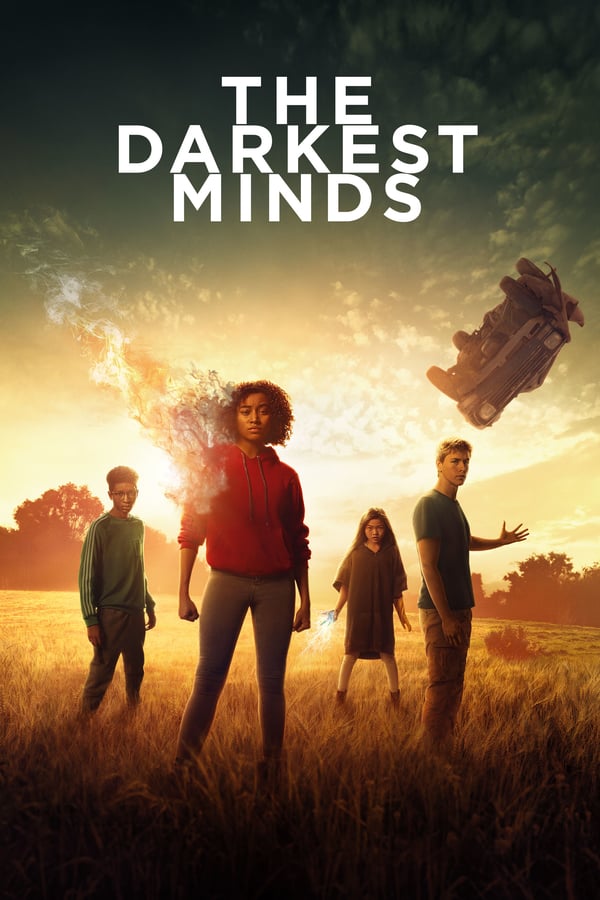
I’ve been wanting to see The Darkest Minds since the first preview I saw, and still wanted to despite all the really terrible reviews. I should have listened. It is made up of terrible acting, worse dialogue, and a plot with more holes than substance. In a near-future time when 90% of the world’s children have died from a mysterious sudden illness, and the remaining 10% have developed varying levels of supernatural abilities, the living kids have been rounded up and put in camps. Those that escape try to find ways to survive. Sounds intriguing for sure, but unfortunately the filmmakers on this one screwed it up worse than imaginable. It plays out like a bad young adult novel, or a rough B-movie with a big budget. Some moments are worse than eye-rollingly bad, such as when our group of teens, on the run for their lives, manage to find time to stop at a deserted mall to shop. Don’t do what I did: follow the advice of others and avoid this one.
The Seagull is a period drama based on a play by Anton Chekhov, and takes place on an estate in Russia in the early 20th century. It features an all star cast of Annette Bening, Saoirse Ronan, Elizabeth Moss, Corey Stoll, and Brian Dennehy, among others. Irina is a famous but aging actress, very full of herself. Her son Constantine is an aspiring writer, but writes very esoterically. Irine’s boyfriend Boris is a famous writer but walks around with self doubt, and he is smitten by the young and beautiful Nina, who is in love with Constantine. There are plenty of other love triangles going on around the estate, but everyone seems to be in love with the wrong person. With this cast, you can expect strong acting and there is that, and the sets are gorgeous, but the film feels a little trite. Early in the film, Constantine is discussing with Nina his lack of appreciation for the current state of theater, since the plots are thin and spoon-fed to the audience, and then the film proceeds to beat the viewer on the head with a very linear and direct story. It feels like it could have been so much better, but I still overall enjoyed it. It glorifies youth and new ideas, and it is the older generation that are spiteful and self absorbed.
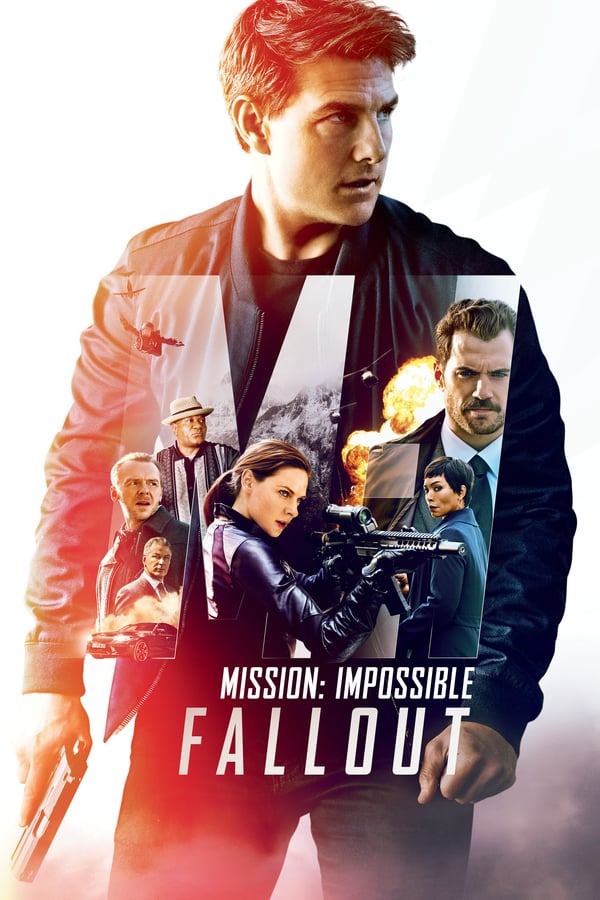
Mission Impossible: Fallout is the newest adventure for Ethan Hunt and his crew, and is close to a direct sequel to the previous film in the franchise. This time they are tasked with stopping a maniac (returning villain Solomon Lane, played by Sean Harris) from setting off three nuclear weapons simultaneously, in an effort to bring down the “world order” in a conspiracy theory sort of way. Tom Cruise is joined by franchise regulars Ving Rhames and Simon Pegg, along with Rebecca Ferguson returning from the previous film, and newcomer Henry Cavill, who plays a badass assassin. It brings the same great action and intrigue that you’ve come to expect. The who’s-side-are-you-on subplot that is a staple of the spy thriller genre plays out well, and there are enough surprises to keep even genre regulars enthralled. The action sequences are unparalleled, truly fantastic scenes from hand-to-hand fights to car chases to helicopter battles. Quite possibly the most thrilling MI film to date.

A woman finds her own independence in A Room With a View


A Room With a View is the fourth E.M. Forster book I’ve read on this journey, and probably my 2nd favorite to A Passage to India. It is a short novel and written in a very floral, bourgeois style, but is easy to follow. Released in 1908, it follows a young woman, Lucy Honeychurch, who lives at a time when women are starting to become more independent, and Lucy dreams of doing more than just marrying a man to whom she will be a decoration.

The book starts with Lucy and her older cousin Charlotte (who’s advancing age is nearing spinster status) taking a holiday in Italy. Lucy is expected by her family to get this adventurous nature out of her character, but instead she falls for a young man in Italy named George Emerson. The Emersons have money, but because they are from a working class, they are looked down upon by the other members of Lucy’s clique (though Lucy’s father himself was a working man, and the family was only accepted into society because he moved to a desirable neighborhood before it was desirable. The high society families that came later just accepted the Honeychurch’s, thinking they were always there.). Lucy’s mother especially wants to cement the family’s status by getting Lucy to “marry up.” When George and Lucy share a kiss, Charlotte immediately whisks Lucy off to keep them apart, something Lucy agrees to because she wants to keep her family happy.

The second half of the book brings Lucy back to her home in England. She is now engaged to Cecil, who definitely fits the mold of what her mother wants, but Cecil wants a wife who will laugh at his jokes, agree with everything he says, and not put forth her own opinions. Lucy seems consigned to this, but her emotions are thrown out of whack when the Emersons amazingly rent a house nearby. Lucy struggles to cling to Cecil despite his flaws, but ultimately has to admit (to herself as well as everyone else) that she does truly love George. She breaks her engagement to Cecil, and the book ends with Lucy and George together in Italy again. Her mother has not accepted her decision, and the two are alone, though seemingly happy.

This is a very well written novel, though like a lot of books from this era, the ending is rather abrupt and everything falls into place very quickly once the characters make up their mind. Forster does a great job of getting in Lucy’s head and showing her internal struggle between her family and her own desire, even though she refuses to admit that desire to herself for most of the novel.

Quick takes on 5 Buñuel films

Here are a set of films made by the famous Spanish filmmaker Luis Buñuel, who worked in Spain, Mexico and France. This first film was made in the latter in 1964, Diary of a Chambermaid. One of his most accessible films, it lacks much of surrealist elements that Buñel is often associated with. Celestine is a beautiful young woman who takes a job as a maid on a rich estate outside the city. She finds the politics in the estate very strange. The owner is an old man with a foot fetish, but the house is run by his overbearing daughter and her womanizing husband, who seems to always get the help pregnant before moving on. When a young girl is raped and murdered in the woods, Celestine suspects the roguish gameskeeper, and even goes so far as to plant evidence to set him up, but the viewer is left wondering if he was the guilty party after all. A nice little film, though perhaps not as deep or lasting as some of Buñuel’s other works.
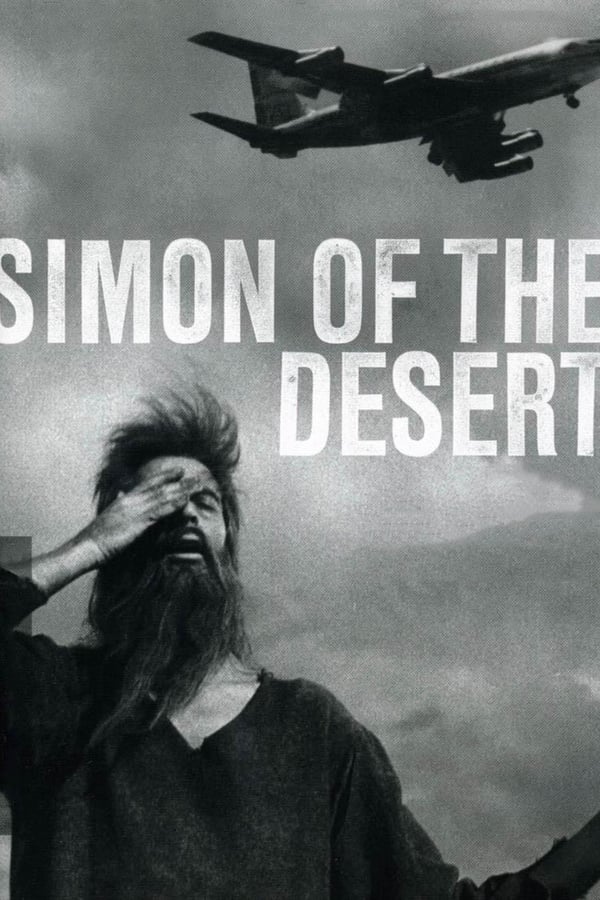
Simon of the Desert (1965) has the distinction of being the last movie Buñuel made in Mexico. A short movie at just 45 minutes, it is loosely based on the Syrian saint Simeon Stylites. Simon is an ascetic who lives upon a tall pillar in the middle of nowhere, praying continuously to get closer to God and performing miracles for those that come to see him. He is visited three times by Satan, in the guise of a beautiful young woman, who tempts Simon to leave the pillar and come down for some of Earth’s physical pleasures like food and sex. He rebuffs her as much as he can, but ultimately she shows him a vision of the future (a ’60s dance club where young people are casually dancing without a care in the world), and Simon is forced to realize that his goal of bringing people closer to God will ultimately have no value. A not very subtle showing of the atheist Buñuel’s caustic view of religion.
Buñuel’s most famous work came in 1967, Belle de jour. Severine (famed French actress Catherine Deneuve) is a beautiful young woman who is bored by her hard working, dutiful husband, to the point that she can’t get sexually excited by him. She day dreams about her husband being more forceful with her, and this leads her to finding an upscale brothel to get her kicks. She becomes a “lady of the afternoon” since she needs to be home before her husband. As a prostitute, she indulges in all of the fetishes that even the other girls don’t want to partake in. Eventually one john gets attached to her, finds out where she lives, and comes to her house, threatening to expose her to her husband. He ends up doing more than that, and tries to kill Severine’s husband. He isn’t successful, but this does leave the husband in a wheelchair. At the end, Severine is waiting hand and foot on her husband, but the film ends on a decidedly vague note, leaving the viewer to wonder if the whole film was a dream, or what exactly really happened. A fantastic film, it is a great example of the 60s awakening of a woman who knows what she wants and goes to get it.
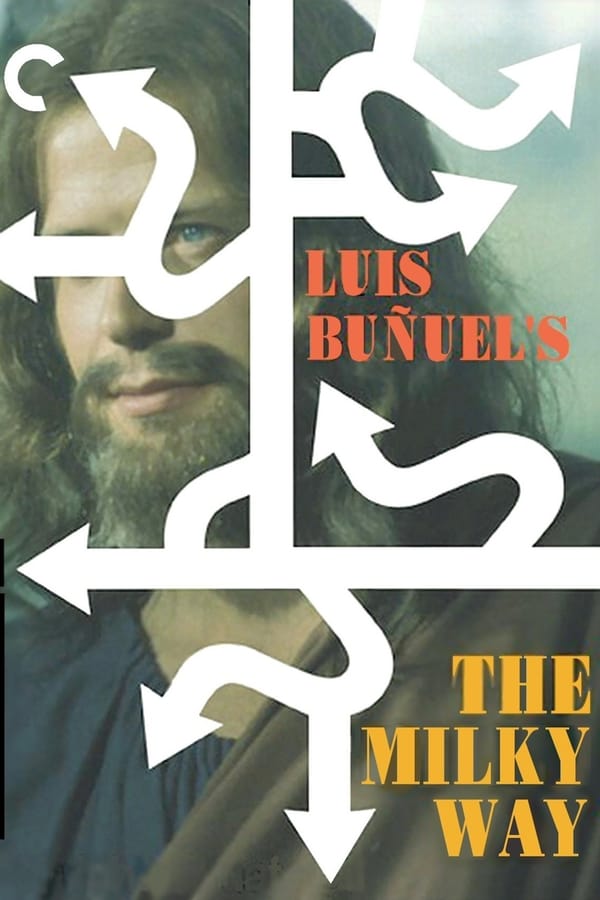
Next up was a film I did not enjoy, 1969’s The Milky Way. Filmmakers cannot help but put their views in their works, as an artist will always base their work on their outlook on life. I understand Buñuel was raised in a devout Catholic house and rebelled against that as an adult, becoming an atheist, but this film is basically just a big attack on Catholicism and standardized religion in general. A couple men are headed toward Santiago de Compostela, a famous religious site, but they are going there to hustle people, not for any religious reason. Along the way, they find themselves around others who are having philosophical or religious debates. Routinely, people are poking holes in scripture or Catholic church credo. At the same time, some of Jesus’s actions are shown in flashbacks, but these are sacrilegious more often than not, like some of his regular every-day words are misinterpreted by his followers to have greater meaning. In a typical Buñuel surrealist moment, the present and past are brought together when some people previously interacted by our duo run across Jesus and his disciples, just in time to witness a miracle of Jesus restoring site to the blind. But in another poke of fun, the camera zooms down to their feet at the end, where we see that, though no longer blind, the men still pull out their walking sticks, implying that they are still “blindly” following Jesus. Even if I were not a believer, I’m still not sure I would enjoy this film. Some of the statements made to attack the church are so blatantly ridiculous or taken out of context, that it ruined the whole experience for me.
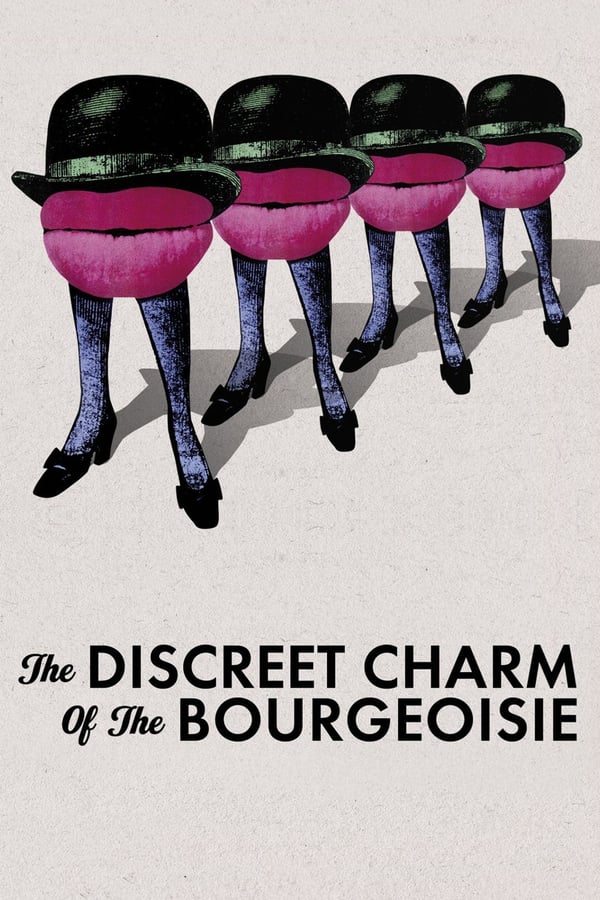
Buñuel redeemed himself in my eyes with The Discreet Charm of the Bourgeois (1972), a delightful dark comedy art film by the surrealist expert, which won the Oscar for best foreign film. It follows a trio of couples in their attempt to have dinner together, people that show only a bare modicum of discretion and share charm only with each other. Their dinners are always interrupted, by confused dates, or a restaurant where the workers are mourning the death of the owner (who is laid out in back), or a cafe which is out of tea, coffee, and milk. In the latter half, when they are finally able to eat together, violence always breaks out, only to end with one or the other of them waking up realizing it was all a dream. These dreams blend with reality, as does past, present, and possibly future, into a cacophony of events leaving the viewer (joyously) wondering what is real. To give away more would spoil it for you, if you ever get a chance to watch (and I suggest you do). I didn’t even bother trying to look up what Buñuel meant with this film. If I’ve learned anything from reading interviews he gave, it is that he disdained giving interpretations of his work, and wanted people to form their own thoughts. My thoughts is this is a great film with a high re-watchable factor.

Quick takes on 5 Laurence Olivier films

Up today is a set of films starring the great Laurence Olivier, beginning with 49th Parallel from 1941, written and directed by the famous duo of Powell and Pressburger. It is a British war propaganda film to drum up support against Nazi Germany, but it is a much better film than most such movies. A German sub is reconnoitering in Canada when it is sunk by Canadian airplanes. A team of survivors escape and make their way across Canada, leaving a swath of death and destruction behind them. They are picked off one by one on their journey, until only one is left and he too cannot escape his fate. Sounds straight forward, but there are some rousing moments and some conflicting ones for our Germans too. One particularly powerful one is when they find themselves at a religious community made up of German Canadians. The Nazi leader thinks he will find support here, but is rebuffed by the people who see themselves more as Canadians than Germans. One of the Nazis, a former baker before he was drafted into the army, enjoys the quiet atmosphere, and when he hints that he’d like to desert the army, his fellows kill him. The movie portrays a lot of instances where the Nazi Germans are blindly following instructions, but even their victims are willing to forgive them their terrible practices. A very good, moving film. Olivier is given top billing due to his stardom, but he is only in about a third of the film, playing a French Canadian fur trader near the beginning. Many other noticeable faces too, including Eric Portman in the lead, and Leslie Howard (Ashley Wilkes from Gone With the Wind).
Next is a trio of films based on Shakespearean plays directed by Olivier as well. I’ve never been a big fan of Shakespeare. I think they are well written but I often have a hard time following the sometimes tedious and long-winded dialogue. In my opinion, they are better as movies than when read, especially when the movie is done well, with proper inflections and actions to act out the words. Henry V (1944) was the first. There’s a great scene early on that is a marvel for the time when this film was made. The film starts out at a theater in 1600 where a troupe is about to perform the play “Henry V” in front of a live audience. A few scenes are shown and we watch along with the crowd, hearing their laughs and cheers. As it goes though and we get enveloped into the flow of the play, the curtains rise and it is no longer a play we are watching, but King Henry V is now on the fields of France preparing to go to war. This transition is magic to see at a time long before computers could help. If you’ve ever been fully engaged in a film or book, you know what it is like when you feel like you become part of the story, and Olivier does a masterful job of actually pulling you in to his performance in this way. Really brilliant and it keeps you enthralled through the rest of the movie. The sets may lack the extreme attention to detail that today’s period pieces achieve, but it can never be so exciting as when the forces of England and France meet each other on the battlefield. Great acting to tell a great story.
Olivier followed up with Hamlet in 1948. Hamlet’s father is recently dead, and his mother has married Hamlet’s uncle Claudius, the new king. However, the deceased father’s ghost visits Hamlet and tells him that he was murdered by Claudius, so Hamlet begins to map out his revenge. Hamlet plots his uncle’s downfall and finally gets his wish in the end, but also loses his own life in the final confrontation. Tons of Shakespeare dialogue, but again, an intriguing film and a fun one. And of course, several of those long-known quotable lines which many do not know the origin: “To be or not to be,” and “To thine own self be true.”
Olivier’s last Shakespearean film (as director, he would act in others later) is Richard III from 1955. Compared to the other two, here we see Olivier show off his range as an actor. Instead of bold, handsome, and strong, Richard is weak, deformed, and dastardly. Richard plots his way to the throne of England and narrates his plan to the audience along the way. He contrives to remove his brother and all others that stand before him in line of succession to the throne, through murder, deception, and execution. When he finally gets it though, he finds that all the feuds and rivalries he stoked along the way are now thrown against him, and he finds holding his place impossible. Now in color, the film beautifully shows off the costumes and scenes of medieval England, and Olivier is once again brilliant and eye-arresting. Maybe the most accessible of the films, it is also the most engaging from start to finish.
The last one is the biggest production, from 1960: Spartacus. The background of this film is very interesting. It stars (and was produced) by Kirk Douglas, who wanted to make a big epic of his own after being turned down for the role of Ben Hur. He brought on a young Stanley Kubrick (one of my all-time favorite directors) to direct, but still made a lot of the decisions himself. This has lead to it being one of the least “Kubrick-ish” films made, but still a good one. Spartacus is a slave who dreams of being free. He leads a revolt against the Roman Empire, and is opposed by the devilishly cunning Roman politician and warrior Crassus (Olivier). Spartacus gathers quite the ragtag army and has some surprising victories against troops who don’t take him seriously, but the revolt is quashed when Crassus finally brings all of Rome’s might down on them. Also starring Tony Curtis and the amazing Charles Laughton, Spartacus is one of the great epics of all time. Kubrick though famously disowned it, since it was the one film for which he did not have total control.

Quick takes on 5 Bergman films

Here’s another group of films by the great Swedish director Ingmar Bergman, including some of his most famous. Summer Interlude came out in 1951, and he himself called it a turning point in his career. The movie starts by following Marie, a successful but aging ballet dancer who jokes that at 28, she might as well be 40 because of the short life span of her career. When a mysterious diary is dropped off at her work on the eve of a big (and possibly her last) performance, she takes a day to visit her childhood home and relive a summer of her youth. We learn that she once fell in love here as a teenager, and shared a beautiful summer with Henrik. Despite their very different backgrounds (Marie is from a wealthy family, Henrik from the opposite), they bond quickly. Tragedy strikes though when Henrik falls and dies days before their summer vacation was to end. Marie ends up living with her uncle who molests her, and she grows up to be a grave and unemotional adult. The film ends on a high note though, with a glimpse that perhaps Marie will be able to open up and allow herself to feel again. This was the first film in which Bergman focused on the female psyche as a focal point in the film, something for which he became famous for in later movies. A really beautiful movie.
If Summer Interlude was the start of Bergman’s focus on female leads, that trend was set in stone with 1953’s Summer With Monika. Monika is a free-living, free-thinking young woman who never wants to settle down. She lures Harry away from his job and convinces him to run off with her. They steal Harry’s father’s boat and take it up the coast, finding a quiet little cove to spend the summer on. They seem to be love, but when the summer comes to a close (and they run out of food and discover that Monika has become pregnant), they are forced to return to the city. Harry wants do to what is right, and marries Monika, takes a job, and starts taking classes at night so he can make more money. Monika however still refuses to settle, ignoring their baby and starting to run around on him. When Harry finds her in bed with another, he beats her, and she leaves him. The film ends with Harry taking care of the baby on his own, and thinking about moments from his lone summer with Monika. Maybe not quite as good as Interlude, still a very strong film, and it was the first to star Harriet Andersson, long-time lead actress for Bergman (and his wife for a couple years, though she continued to star in his films long after their marriage ended). She is fantastic in this film, and it was the one that launched her into stardom.
One of Bergman’s most famous movies is Wild Strawberries from 1957. It is about an older man on the day he is to receive an honorary degree from his hometown university. He is old and crotchety, lonely, and stern with his family and housekeeper. He is told by his daughter-in-law that she doesn’t like him because of these reasons. Nevertheless, she agrees to ride along with him on the car ride to where he is to receive the award. Along the way, the duo visit his family’s old summer house, and we see through flashbacks what has made him the way he is. And also, we see him soften his stance and open up to his daughter-in-law, as well as other travelers they meet along the way. A very touching film, if a bit esoteric at times in true Bergman fashion.
The Virgin Spring followed in 1960, also starring Max von Sydow as Tore, the head of a farming family in Sweden in medieval times. His beautiful, virgin daughter Karin (Birgitta Valberg) is sent to take candles to the local church, and is accompanied by their servant Ingeri (Gunnel Lindblom), who is pregnant and thus shamed as a single mother. Along the way, the two become separated, and Karin is lured to a clearing by a trio of shepherds, who proceed to take turns raping her before they kill her, with Ingeri arriving in time to watch it all. The scene is brutal for today, much less 1960, which is why the film was hit hard by censors at the time. The killers steal Karin’s clothes, and by sheer bad luck, end up at Tore’s home to sell them. Tore of course recognizes the clothes and kills all three of them, and has Ingeri lead them to the clearing to find Karin’s body. The film is a pretty transparent view at the battle between Paganism and Christianity. Pagan elements like water, fire, and mystical spells are offset by Christian views of atoning for sin, forgiveness, and the eternal conflict of good vs evil. The shamed Ingeri, who continues to pray to Odin instead of God, wants to see the beautiful Karen brought low, but when it happens, she is afraid and knows that this is wrong. After Tore gets his vengeance on his daughter’s killers, he vows to build a church to God to atone. Once again a fantastic Bergman classic.
Coming much later in his career, Bergman released Cries and Whispers in 1972. It details a trio of wealthy adult sisters as one of them, Agnes, lays painfully dying from cancer. Her sisters Maria and Karin watch over, along with long-time household servant Anna. The movie is broken up in sections showing what makes each of the characters tick. Karin, the oldest, shuns attachments, which is shown by her avoidance of physical touch, even with her husband. Maria seems to love all, but it is just a facade, as she actually holds contempt for all but herself. Anna genuinely cares for Agnes and it is hinted that the two shared a love affair. When Agnes does finally die, she returns in a dream-like (or more correctly, nightmare-like) scene to the surviving family, reaching out individually to the three woman, but only Anna is able to provide comfort, with Agnes’s sisters shunning her. As soon as the funeral is over, the sisters drop their fake caring for Agnes, and agree to sell off the house and turn Anna out to take care of herself. Before leaving though, Anna finds Agnes’s diary, and reads of a moment when the four women shared a summer day together, and Agnes remarked it was the one moment of true happiness. A great melodrama with fantastic acting by some of Bergman’s favorite actresses of the time.

Quick takes on 5 films

Phantom Thread is the latest from director Paul Thomas Anderson, and apparently the last film of renowned actor Daniel Day-Lewis (though at only 60, he’s young enough that I doubt he stays retired). He plays Reynolds Woodcock, a popular dressmaker in Victorian England, making dresses for nobles and royalty. Reynolds has severe mother issues, his mother having died and left the dress business to him and his sister Cyril. Reynolds designs while Cyril runs the business side, and her dominating personality has filled the missing hole in Reynolds life. Reynolds meets a young Anna though, and the two fall in love, and Anna and Cyril end up battling of control of Reynolds. A very well acted period drama, but in the end, if you are hoping Reynolds can overcome his reliability on a strong woman, you may be disappointed, though maybe not in the way you might expect. It’s a fairly straight forward film without some of Anderson’s typical subplots, but a good one nonetheless.
Uncle Drew is an OK comedy centered around the game of basketball, with a cast of current and former professional players. Uncle Drew is a legend in the backyard basketball circuit, but no one has seen him in decades. When a local coach needs to field a team to earn some money in an upcoming tournament, he finds Uncle Drew, who gathers his old crew, and I do mean old. The laughs are mostly of the geriatric variety, and there are some good ones, but the whole movie feels a little paint-by-numbers. Aided by makeup, the “old” team consists of Kyrie Irving, Shaquille O’Neal, Reggie Miller, Chris Weber, and Nate Robinson, and they are pretty good for not being actors, with some jokes lobbed for off-camera laughs (the team reminding Chris Weber’s character that they are out of time-outs near the end of the game). Good for a few laughs, but like most comedies, don’t come expecting anything deep and lasting.
Woman Walks Ahead is based on the true story of a painter, Catherine Weldon, who travels to Dakota to paint a portrait of famed Native American Sitting Bull. She faces opposition from the local military branch, who still seeks a way to legally kill Sitting Bull for his role in the Battle of Little Bighorn. The movie tries to be a sweeping biopic but comes off far too ho-hum. Though the acting by the two leads, Jessica Chastain and Michael Greyeyes, is quite good, the movie feels like it is lacking something. Firstly, it seems to play loosely with the facts, which can be forgiven for a movie, but little things stick out. For a film that takes place on the great plains, there are no vast vistas to behold, and for characters that should be deep and multifaceted, they all seem very one dimensional. Unfortunately a bit of a let down.
The First Purge is a great example of a film not trying to do too much, and knowing what it is. In Woman Walks Ahead, the filmmakers wanted to make a great, deep movie, and failed. For this one, it only wants to show blood and gore with some thrilling action set in, and that it does well. This film, the fourth in the series, shows how the Purge was initiated, that one night a year when all crime, including murder, is allowed, to let people feed their violent tendencies without fear of prosecution. The plot is paper thin, and exceedingly transparent, but if you just sit back and wait for the inevitable bloodshed, it delivers what is expected of it. Not going to win any awards and not going to leave a lasting impression, but an entertaining, mindless romp.
Beast is a fantastic psychological thriller. In a small, tight-nit town in England, a mid-20 something woman named Moll still lives with her parents. Her mom is not kind to her, and Moll has some dark moment in her past that seems to keep her at arms length from the others in their community. The town is on edge because of a series of rapes and murders, with the killer unknown and at large. Moll falls in love with the town bad boy, Pascall, a relationship that is not approved of by Moll’s wealthy mother. When the cops start questioning Moll about Pascall’s whereabouts on the night of the most recent murder, she has to question her own feelings for this man whom she doesn’t really know well, but who is the only person to seem to care for her. As it goes, it seems the more we learn about Moll and Pascall, the more we don’t know who to believe. A really fun movie from first time writer/director Michael Pearce, and Jessie Buckley is eye-arresting as Moll.

Quick takes on 5 Pasolini films

This round of films features one of the most controversial directors of all time, Italian Pier Paolo Pasolini. Pasolini’s works faced constant court battles in their day, but ultimately opened up censors for future films. First up is 1962’s Mamma Roma, probably the most straight-forward of the films I’m looking at today, though not without its own symbolism. Mamma Roma is an outspoken woman in a poor area in Italy, who reconnects with her 16 year old son Ettore. Ettore doesn’t know his mother is a former prostitute, he only knows she wants him to rise above their place and advance is position in society. She has opened a stand at the local market and wants to lead a respectable life. Roma hates Ettore’s friends, and doesn’t want him messing with the local hussy either. Things go south though when Roma’s former pimp shows up and threatens to expose her. Roma gets a prostitute to sleep with Ettore to get him to forget his little girlfriend Bruna, but it isn’t until Bruna outs his mother to him does Ettore drop her. He then rejects his mother’s wishes, and ends up in jail when he is caught stealing with his friends. An early look at Pasolini’s rejection of capitalism.
The Trilogy of Life is made up of 3 films celebrating humanity, or a pure idea of it (as thought by Pasolini) before it was corrupted by greed and religion, all based on old texts from the middle ages. The Decameron (1971) is based on the book of the same name by Giovanni Boccaccio. It takes a number of the stories and weaves them throughout the overall frame of a painter as he paints a fresco on a wall of a church, with Pasolini playing the role of the painter himself. Extremely sacrilegious and depicting graphic nudity and sex, it champions human nature as innocent and the human body as beautiful. Some stories are just a couple minutes long, some are longer, but they follow one another with no breaks in between. At the ending, Pasolini as the painter steps back from his finished masterpiece, and leaves us with the cryptic words, “Why produce a work of art when dreaming about it is so much sweeter?”
Pasolini moved from Italy to England to continue his trilogy with The Canterbury Tales in 1972, based on Geoffrey Chaucer’s work. Pasolini plays Chaucer himself, writing down his tales which get shown to us throughout the film. Pasolini’s views are readily apparent again. In one sketch where two men are caught separately in homosexual acts, only the poor one is sentenced to death, as the rich man can afford to pay the church’s bribe. This film has a little more flow, but still, the sketches are wholly separate stories. Like The Decameron, it is a celebration of life and humanity, with maybe even more humor than the first film. As Chaucer, Pasolini again ends with a thoughtful moment, penning, “Here ends the Canterbury Tales, told only for the pleasure of telling them. Amen.”
The final film in the trilogy is 1974’s Arabian Nights, based on the old Arabic story of The Book of One Thousand and One Nights. Filmed in Yemen and Nepal, this one has more of an over-arching story than the first two. Nur eh Din falls in love with his slave Zumurrud, and the film tells their adventures, with other stories interwoven throughout, sometimes involving them, sometimes in tales told as breaks in the main plot (and sometimes even stories within stories!). The best of the trilogy as far as I’m concerned, it is beautifully filmed and full of intriguing, enveloping tales that sweep you off to the middle east. The movie is at its best when the stories are being told, but in Pasolini fashion, there is still too much gratuitous nudity and sex thrown in. I don’t mind this when it is part of the story, but here it just seems to be in the movie to set off the censors. Having watched the trilogy now, I can say I like Pasolini for the stories he told, but it seems his rebellious nature couldn’t help but include material that didn’t necessarily advance his films, but more just to piss people off.
Pasolini’s last film, released in 1975 three weeks after his murder, is his most controversial. Salò, or the 120 Days of Sodom, is based on the Marquis de Sade’s infamous 18th century book. If the preceding films are the Trilogy of Life, this film is of death, or at least, the death of humanity as Pasolini saw it. This film is not for the faint of heart. It takes place in the final years of fascist Italy in 1944-45. A quartet of perverse men set up a house of debauchery, employing aging prostitutes to tell their stories, a group of young men to act as guards, and 18 kidnapped people (9 boys and 9 girls) to use as their victims. For the rest of the film, we see people beaten, raped, forced to eat excrement, treated as dogs, and, for those that didn’t follow the rules set down in the beginning, tortured and brutally killed in the end. Pasolini holds nothing back, all is gruesomely depicted in a detached, voyeur-like way. Obviously Pasolini is saying a lot through his lens, for those with a strong enough stomach to watch and interpret. I’m all for film as art, but this one is hard to watch. Even in today’s society where the envelope has been pushed much further than it was in 1975 (when this film faced years of censorship all across the world), there are still moments where I had to cover my eyes or look away.

Quick takes on 5 films

Jurassic World: Fallen Kingdom is all right I guess. It is more dinosaur hijinks. Unfortunately it relies more on showing the dinosaurs run amok than any cohesive story. What it does though, it does well. The backstory is the island from the first Jurassic World is in danger of its volcano going off, killing all the remaining dinosaurs. Animal rights activists are demanding action, and a rich entrepreneur uses the relocation as an excuse to sell dinosaurs to collectors and hunters. Of course it all goes wrong, and the dinosaurs get out and start wreaking havoc. Chris Pratt and Bryce Dallas Howard return to reprise their roles. The actions sequences are good as always, but the whole film is a little silly and unnecessary, and there are numerous plot elements that are introduced by never explored. Not as good as the original Jurassic Park or first Jurassic World, but on par with the other sequels.
Sicario was a surprise hit a couple years ago, and like all blockbuster smashes, it got a sequel. Sicario 2: Day of the Soldado isn’t quite as good as the original, but it is still a lot of fun. Josh Brolin and Benicio del Toro return as a couple CIA operatives doing the dirty work for our government. The Mexican cartel is still the target, but for a different reason this time. Terrorists have been working in the USA, terrorists smuggled across the border by members of various cartels. To disrupt their actions, a plot is hatched to start a war between the cartels, by kidnapping the daughter of one and blaming it on another. This sequel passes on some of the intrigue from the first film in favor of a more straight forward narrative, but it works. Still lots of action, and while maybe not as explosive as the first, I still really enjoyed it.
Like the Ghostbusters remake, Ocean’s 8 is a new take with an all female cast, and an unofficial sequel (Sandra Bullock plays Danny Ocean’s sister Debbie Ocean). Led by Bullock and Cate Blanchett, unfortunately it is neither as funny nor as intriguing as the first movie, though maybe better than Ocean’s Thirteen, the finale in the last trilogy. Ocean and her team are set to steal a priceless Cartier necklace during the annual Met Gala. What made the George Clooney version so brilliant was its combination of comical banter between the team, the fantastic twists and turns, and the edge-of-your-seat thrills during the heist. This films lacks nearly all of that. The jokes between the ladies fall flat, they outline the entire plan before it begins so we know exactly how it is going to go down, and the robbery itself isn’t as exciting. No offense to Bullock, who I like, but she doesn’t have Clooney’s charm or charisma. There is one good twist in the final 12 minutes that redeems itself slightly, but even that is ruined by a member “recap” that slows down the rush. Nearly a total bust.
The Rider is a tremendous film, made more so when you read that it is based on a true story (which I did not know going in). The movie opens focusing on Brady, a horse trainer and cowboy who has just sustained a devastating head injury during a rodeo. Told by the doctors that he shouldn’t ride anymore for fear of losing his quality of life, he struggles with what to do now, as the life of a cowboy is all he knows and all he has ever wanted. He is surrounded by his family (alcoholic father, autistic sister, and friends, one of which is also severely paralyzed from his own rodeo accident). We see Brady’s trials throughout the film and the director, young Chloé Zhao, does a masterful job of putting us in his shoes. As I learned afterwards, this film is very factual. Brady, his sister Lilly, and their father are playing themselves (their last name was changed, as were some elements of the film). Many in the film (no professional actors among them) are playing versions of themselves, including Brady’s paralyzed friend Lane. Zhao was on a ranch in South Dakota filming a different movie when she met Brady. She wanted to do some kind of movie featuring him, but didn’t know what kind of film to make, before Brady suffered his accident. After he was healed up, they made this film about love and perseverance. One of the most touching films I’ve seen this year.
I wasn’t sure what to expect from the newest Jumanji remake. If you can tell from my blog, my tastes don’t often stray to comedy. I enjoy a good one, but I tend to like dramas best. This one is ok though. It takes the classic Robin Williams film and modernizes it, with the players sucked into a video game now instead of a board game. A quartet of unlikely friends find themselves having to beat “the game” in order to make it back to their real lives, and must do so without dying in the game, which would lead to their very real deaths. I didn’t laugh at all in the first half of the film, the jokes felt contrived and bland, but whether I warmed up to, or they just got better, I enjoyed the second half better. As an action film, it isn’t half bad either. All in all a decently fun film.