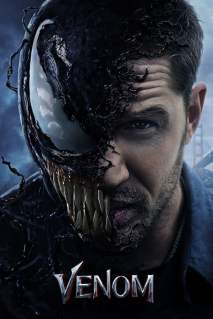
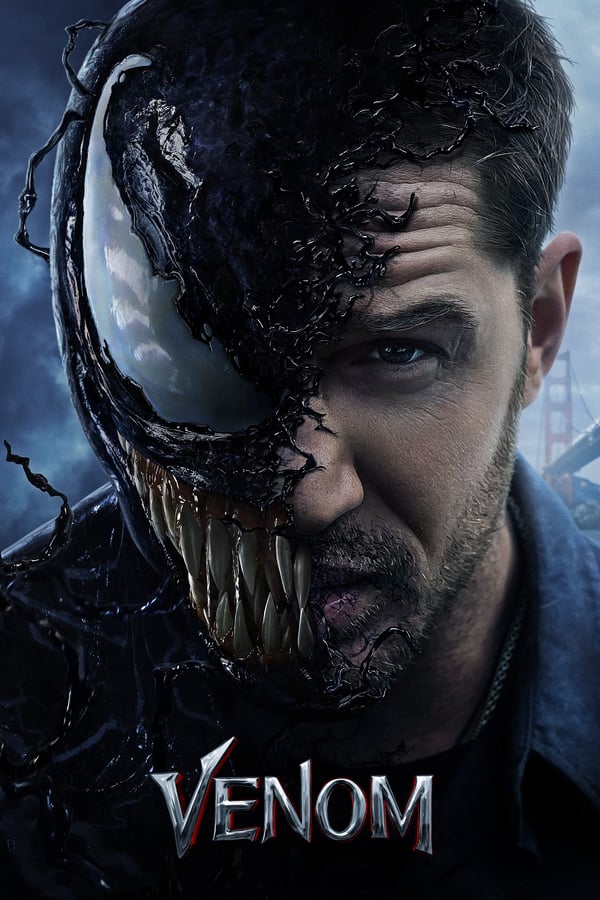
Venom is a Marvel movie outside of the Marvel Cinematic Universe, but (according to producer Sony) takes place alongside the same Spider-Man of those films. Really this is just because Sony owns the rights and wants to ride the coattails of that epic series. In any case, it is obvious that the film is not made by the same team. Venom isn’t really bad, but it is a far cry from really good. This is an origin story for the (in)famous Venom super-villain character. An alien life-form is brought to Earth, where it gets out and merges with Eddie Brock (Tom Hardy) in a symbiotic relationship. The two consciouses share Brock’s body but Venom provides super strength and durability. Together, they try to stop the other Symbiotes that have come to Earth to kill everyone. I really like Hardy, one of my favorite actors, and honestly I think he is the only saving grace in this film. Otherwise it is pretty rough, with shoddy direction, a thin plot, and wooden acting. Sony made enough money that I’m sure a sequel will come, but they need to get better writers involved if they want to turn this into their own shared universe.
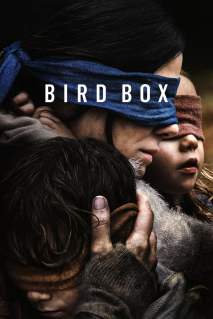
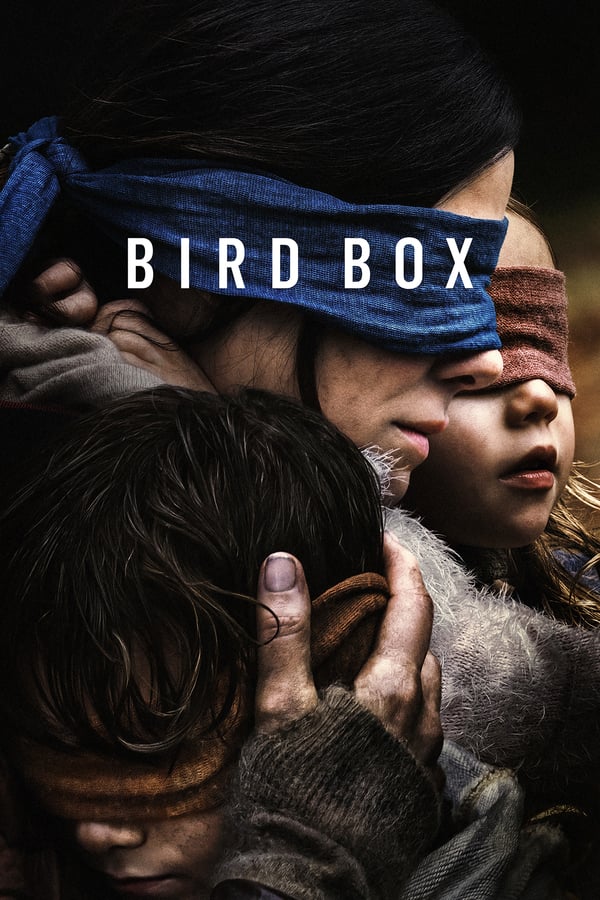
I didn’t hear about Bird Box until the memes hit, and I wasn’t in a rush to see it until I finally just had to see what all the hoopla was about. It stars Sandra Bullock as Malorie, a soon-to-be single mother who witnesses the end of the world. Some evil entity has sprung up that causes people to commit suicide. Anyone that sees it either immediately, violently kills themselves, or, if they are a certified lunatic, they live but go around forcing others to look at the entity. Malorie and two young children, all blindfolded, are making their way down a river by boat, while their backstory is told. Originally holed up in a house with a dozen or so other survivors, we see how Malorie came to be alone with the children. Not a bad movie, and there are moments of great tension and thrills, but a movie without sight isn’t nearly as edge-of-your-seat as a movie without sound, like last year’s A Quiet Place. Still, I enjoyed it, and it is better than your average thriller.
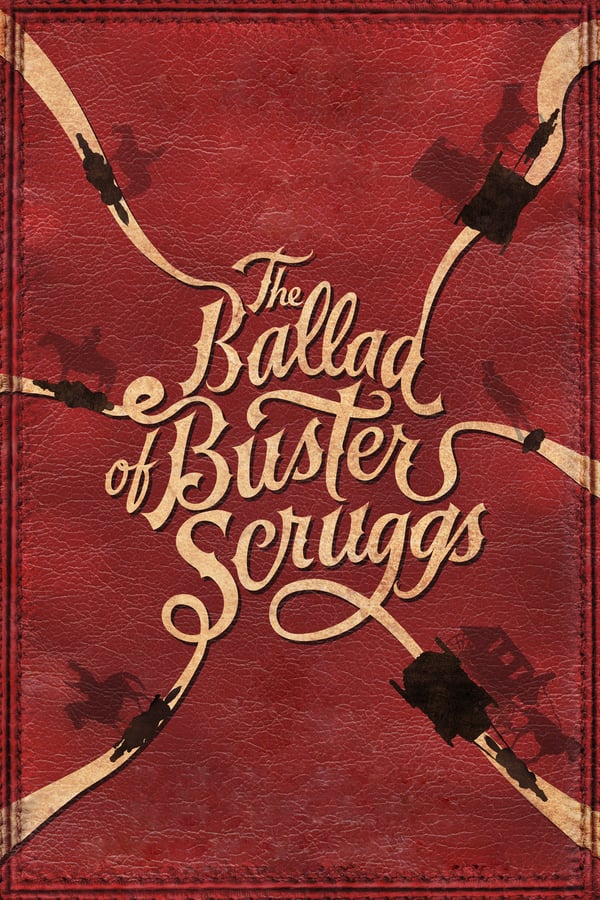
I greatly enjoyed the next film, The Ballad of Buster Scruggs, the newest by acclaimed writers/directors the Coen brothers. It is set up and displayed as a film of 6 short stories, related only in their setting of the old, wild west. In order, there is a story about a gregarious, singing gunslinger who shoots almost as much as he talks; a bank robber who is able to avoid death and hanging more times than luck should allow; a pair of traveling entertainers, one with no arms or legs, who see their oratorical performances get passed over for lesser means of fun; a grizzled old prospector seeking his riches along a peaceful meadow; a woman going west to find a husband, but who finds life alone on the frontier is more than she bargained for; and a group sharing a stagecoach to a hotel, where two of them end up being bounty hunters, scaring their companions. At turns funny (in the Coen brothers’ typical quirky, sometimes zany style) and melancholy, I found the entirety of the film a whole lot of fun. Beautifully shot and exquisitely acted by an all star cast, it is the Coen brothers at their best. Their fans will find plenty to enjoy here.
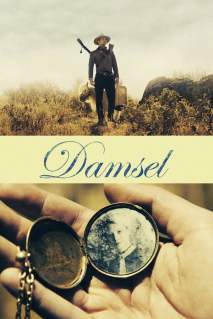
One great modern western, followed by a dud. Damsel is marketed as a western comedy, but unfortunately I don’t think I laughed a single time. It follows a man, Samuel, as he grabs a minister and goes off into the frontier to find the woman he loves, in hopes to rescue her from an abductor and then ask her to marry him (thus the minister, for a quick impromptu wedding). When the big confrontation comes, we learn that Penelope was never abducted, and the deranged Samuel is wanting to whisk her away from her happy life. I’m not giving anything away, because there was enough foreshadowing that the big “surprise” was no such thing. After it goes down, the survivors head back to town for some more misadventures, but still no laughs to be found, and it become even duller. Samuel is played by Robert Pattinson, and if you’ve read my blog for awhile, you know I absolutely love his acting; the former Twilight star has shown in The Rover and Good Time that he is much more than a one trick pony. He is still good in this film, but he alone can’t save it.
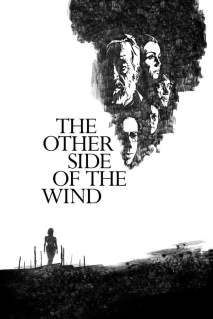
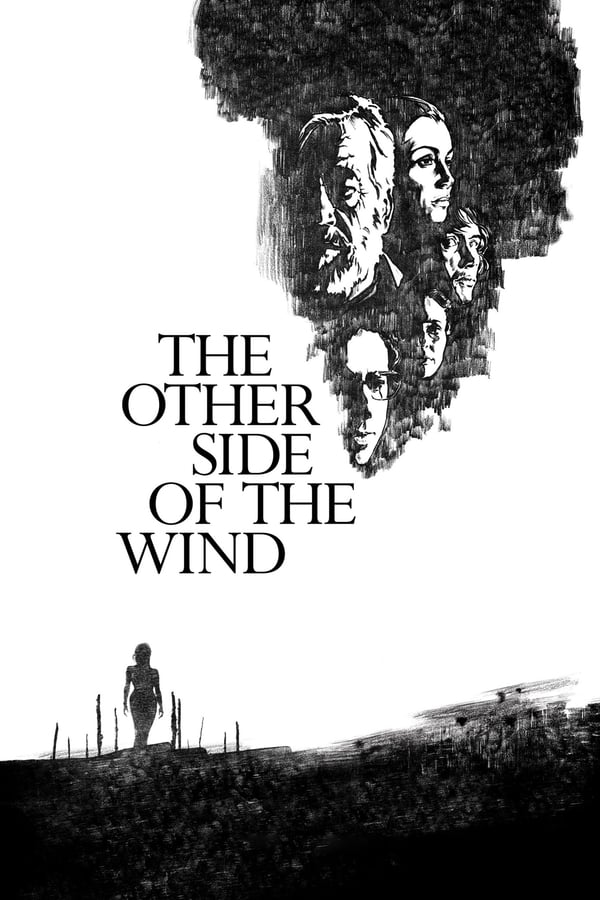
The final film today is a “new old” one. The Other Side of the Wind was the final, long unfinished movie by the great director Orson Welles. Filmed over a period of years from 1970 – 1976, Welles continued to work on it sporadically until his death in 1985. It then spent decades being fought over in the courts, as Welles had borrowed from several sources, all of whom wanted the rights. Finally completed, it was ultimately released by Netflix in 2018.
The film is a fake documentary detailing the last living day of a famous director, Jake Hannaford (played by the famous John Huston). Hannaford is known for making low budget, commercially unsuccessful films, but is adored by film critics. At age 70, he is attempting a comeback and is currently completing “The Other Side of the Wind,” which features a ton of sex scenes, in hopes of grabbing the attention of a younger audience. But his star actor has walked off the set, so the end is most definitely uncertain. Along for the ride is Brooks Otterlake (another great director, Peter Bogdanivich), Hannaford’s protege, a successful director in his own right, whose films are more commercially successful but less critically acclaimed than Hannaford’s. Parts of Hannaford’s last film is shown throughout, as a “film within a film.” The “documentary” is set to a frenetic pace. At his big 70th birthday party, Hannaford is besieged by journalists, paparazzi, and amateur filmmakers, who are constantly taking pictures and filming, and it is all of these films that are edited together to make up the story of this director’s final day on Earth. As such, the flow of the film is at breakneck speed, with most shots lasting no more than a couple seconds. The longest shots are reserved for when we are watching “The Other Side of the Wind” with everyone else. In our current high speed, internet society, it doesn’t feel disjointed, but I’m sure it was revolutionary when Welles was first working on it in 1970. This is one of those films that almost requires multiple viewings. Welles is telling us a lot about what he thinks about the future of filmmaking (which seems to be even more true now in 2019 than it was was in 1970), and admittedly I feel like I missed much the first time through. There are moments that scream for contemplation, but they come and go so fast that, unless you pause and rewind, you have to almost forget about it and move on, or you’ll miss the next moment in this frenzied, tumultuous film. Thankfully it does slow near the end. It is a definite lasting legacy of Welles, that I wish he could have enjoyed fully in his life.




2 thoughts on “Quick takes on 5 films”