
Quick takes on The Insect Woman and other Imamura films

Shohei Imamura cut his teeth in the film industry as an assistant to Yasujiro Ozu, but when it came to making his own films, you couldn’t be more different. Whereas Ozu’s movies are quiet and contemplative, slow and serene, Imamura’s move at a frenetic pace. Coming up during the Japanese New Wave, Imamura wasn’t afraid to show true Japan, warts and all. Today’s first film is Pigs and Battleships, released in 1961. The film takes place in what was once a fishing village, but with a nearby port full of American soldiers looking for a little “something something,” a red light district has popped up to cater to those desires. Kinta is currently on the bottom rung of a gang but has dreams of working his way up the ranks. His girlfriend Haruko wants him to leave the gang and go straight. Each is facing an uphill battle in their lives. Haruko’s mother keeps pushing her to become a mistress to an American soldier, to bring money into the family, and Kinta’s superiors love making him the scapegoat, but never fulfill their promises of further riches. Kinta’s character comes off as a bit of bumbling, buffoonish idiot, and I had a hard time rooting for him, but I did keep hoping Haruko would find her way. She faces a ton of hardships, physical and mental, but her spirit stays strong. And there’s some dark humor/satire that is really brilliant, such as a scene where some Japanese folks are watching an American jet fighter air show, commenting on how their own self defense forces aren’t nearly as flashy. Didn’t they just get bombed by those planes 20 years prior? ★★★½

The brashness of Pigs and Battleships got Imamura sidelined by the studios for a couple years, but he returned even better with 1963’s The Insect Woman. Japanese cinema had historically been full of women who were submissive and passive, but not so with Tome. Born out of wedlock to a single mother from a poor farm family, Tome was going to do whatever it took to raise her family’s station, even if she wasn’t around to see the fruit of her labor. Throughout the film, which takes place over several decades, life hits her again and again. Whether she’s working as a maid or a prostitute, someone (and not always a man) always seems to get the better of her, but Tome is never broken. Her own daughter Nobuko, also born without a father, is left at the family farm so as to not expose her to what her mother has to do, but Tome always sends home what money she can. And in the end, just when it seems Nobuko may turn to her mother’s lifestyle when she too seems to be out of choices, you realize that all of Tome’s struggles over the years paid off. Fantastic film with tremendous acting from Sachiko Hidari as Tome. It’s not always an easy movie to watch, but it’s hard to find a better example of human perseverance. ★★★★

Unholy Desire (also known as Intentions of Murder) followed a year later. Again focusing on a woman in a bad plight, this movie follows housewife Sadako, who is treated more like a servant than a wife in her own household. Her husband Riichi berates her constantly and follows her finances like a hawk. Her mother-in-law is worse, constantly reminding Sadako of her poor background and sordid upbringing (her grandmother was a mistress who committed suicide, her mother was unmarried). While Riichi is having his own affair with a colleague, he hypocritically acusses Sadako of cheating on him. What he doesn’t know is Sadako has repeatedly been attacked and raped by Hiraoka. At first, Hiraoka just attacked Sadako while she was home alone one day, and his intent was only to rob. But afterwards, he developed a strange attraction and fascination with her, and has been stalking her ever since, attacking her whenever he found her alone. In a private moment, Hiraoka admits to Sadako that he has fallen in love with her, and wants her to leave her husband and run away with him. Having a man crave her has given Sadako a sense of power for the first time in her life, but can she translate that to her relationship with her husband? I think I like the intent of the movie more than the movie itself. It felt overly long, and the overarching plot elements of Sadako’s relationship with her husband and the brutality of Hiraoka are repeated so often that it started to get old. ★★½

While 1966’s The Pornographers has an attention-grabbing name, the film is a bit of a slog. It’s as straight-forward a comedy as Imamura can make, and while there are plenty of humorous moments, the movie is overly long and honestly boring at times, to the point that I started to have to take breaks to get through the final hour or so. It’s not that It’s bad, it’s just way too chaotic, with divergences in plot that will make your head spin. The main character is Subu Ogata, a man who will make a buck off anything to do with sex. He films low budget porn films, dabbles in prostitution, and sells snake oil sexual enhancement herbs to gullible men. Ogata lives with a barber named Haru; at first he was her tenet, but now he’s her lover, and this despite Haru swearing that the large carp in the nearby fish tank is her reincarnated dead husband, and he does not approve of her new relationship. Ogata also pays for Haru’s high-school children’s schooling. The boy, Koichi, has an unhealthy love for his mom, and the girl, Keiko, is growing into a woman’s body, and is learning how to use it to get what she wants. Much of the film, and its humor, revolves around Ogata’s various money-making schemes, and how everyone wants a piece of the pie, thinking he is raking in big money when he isn’t. The end of the film devolved into weird sexual advances and satire on what is and what isn’t taboo. Some highlights here and there, but not enough to warrant serious thought. ★½
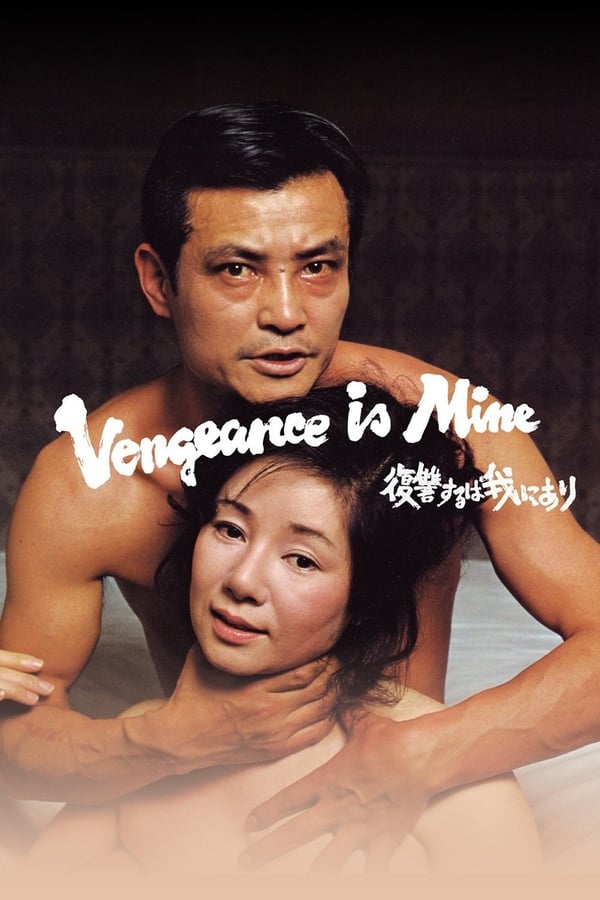
Jumping ahead a decade to the late 70s for Vengeance is Mine, which is based on the true story of a serial killer in Japan. The film begins at the end, with serial killer Iwao Enokizu arrested and questioned at the police station. It is next that we get the flashback, where Enokizu murders 2 men and takes their money. He afterwards goes on the run, staying one step ahead of the cops by defrauding unsuspecting people out of money in various schemes. But as the manhunt grows larger and the police paper Japan with wanted notices and even television commercials with Enokizu’s picture, he starts running out of places to go. There’s also a weird subplot involving his wife and his father, falling in love with each other. It ends up being somewhat important at the end of the movie, but mostly felt unnecessary, almost like Imamura just used it as a way to put his own personal stamp on the story. Like the previous movie, this one felt long (it wasn’t, it was 2 hours 20 min), and I would have liked to have seen it trimmed down somewhere for a more concise picture. ★★★

  • TV series currently watching: The Flash (season 7)
  • Book currently reading: Crime and Punishment by Fyodor Dostoevsky

Shang-Chi continues to grow Marvel’s Legend

I haven’t done more than a quick-take on a single movie in quite some time, but I wanted to geek out a bit on the newest Marvel hit. I’m an admitted Marvel Universe nerd. I’ve seen every film multiple times, seen every show multiple times (even The Inhumans, and we all know about that train wreck), and look forward to every release with unmitigated excitement. The last couple films (Black Widow and Spider-Man Far From Home) were just all right in my book. While the newest shows (WandaVision, Loki, etc.) have been great, I’ve been waiting for a film to really rock my socks like Black Panther or Thor Ragnarok did. And Shang-Chi and the Legend of the Ten Rings did.

Most of the action of this film takes place not long after Endgame. The blip is over and the world’s population is burgeoning. Shaun works as a valet with his longtime best friend Katy. They seem to be average 20-somethings who care more about having a good time than planning for their futures. However, Shaun is attacked on a bus by a gang of thugs, and fights them off with impressive martial arts skills, which surprises the hell out of Katy. Afterwards, he has to admit to her that his real name is Shang-Chi, and the attackers were sent by his estranged father. Shang-Chi is now worried for his sister, who last lived in Macau, fearing that she will be their father’s next target. Despite all this news about her so-called BFF, Katy refuses to let Shang-Chi go alone, and tags along. In Macau they do find the missing sister, Xialing, but so does their father, Wenwu.

Wenwu has long had the power of the ten rings, a mystical set of artifacts that have prolonged his life for over a thousand years. Their power has let him topple kingdoms and build insurmountable wealth, but he gave it all up 20+ years ago when he met a woman and fell in love. That woman, Ying Li, became Shang-Chi and Xialing’s mother. When she died (when Shang-Chi was 7 and Xialing only about 4), Wenwu again took up the ten rings and began training Shang-Chi to be the best fighter/assassin the world has ever seen, in order to exact revenge upon Ying Li’s murderer. Running from this training is why Shang-Chi had been living in America for the past decade. Now, Wenwu and his assassins want to attack Ying Li’s homeland of Ta Lo, in a misguided attempt to bring her back. Shang-Chi, Xialing, Katy, and the people of Ta Lo must beat him back before he unleashes an even greater threat to the world.

For starters, the martial arts in this film is impressive. Even aided by computers and special effects, it looks fantastic, and is probably some of the best you’ll find on screen these days. To top off the action, the comedy, provided often by the talented Awkwafina as Katy, adds levity to the film in the perfect spots, preventing it from becoming too dark. Jumping in for a lot of laughs also is Ben Kingsley, returning as Trevor the actor from Iron Man 3, the “fake” Mandarin who is being held prisoner by Wenwu, for impersonating him. And the story is soaring. I was gripping my seat in the theater and even holding my breath during the climactic fight at the end. Great from beginning to end, and makes the whole series feel fresh again. ★★★★★

A quick film review of War and Peace

When I read through my 100 books list, it was lacking quite a few classics, because it only focused on 20th Century reads. In the last couple years since finishing that goal, I’ve gone on to read some of the great Russian classics by Dostoevsky and Tolstoy, including his War and Peace. Loved it, so of course I needed to find a film version. Many point to the Soviet era film series, directed by Sergei Bondarchuk, as the best of them. A 4 parter, totaling over 7 hours in length, it is considered one of the grandest epics ever produced, on a scale that could not be duplicated today (or ever). Filmed from 1961 – 1967, and aired between ’66-67, it even had the Soviet army offering over 10,000 soldiers as extras played in the battle scenes. At the height of the Cold War, they wanted to prove they could outdo Hollywood. So let’s get to this grandeur!

Obviously it was going to be hard to translate 1000 pages to film. The first thing I noticed is, while there is some voice over/narration to hear some thoughts from the characters, we don’t get to really see what makes each individual tick, like the book does. All well and good, as it still does its best to stay as faithful to the source as possible. The film opens by introducing the setting: Russia is getting ready to go to war in eastern Europe against Napolean. Some of the main players are introduced. Pierre, the illegitimate son of Count Bezuhkov, is partying it up, even as his father lies on his deathbed. When Pierre’s father dies and Pierre’s claim to his fortune is legitimized (a lengthy section of the book detailing others’ attempts to get that fortune is left out), he does not go to war. Pierre’s friend Andrei Bolkonsky does though, leaving behind his pregnant wife in the care of his stern father and loving sister. We see a couple huge battles involving Russia, Austria, and France, made all the more glorious since there are no (ahem.. Middle Earth style) CGI combatants to fill the screen: there are thousands of real people fighting across a sweeping landscape. Russia is losing the battle, but thanks to the bravery of a single detachment holding the line, the army is able to withdraw without being wiped out. Andrei is knocked out and feared dead, but he is able to make it home in time to see his wife die in childbirth. Meanwhile, Pierre is tricked into marrying the beautiful Hélène, who only wants him for his money, and proceeds to cheat on him right away with womanizer Fyodor Dolokhov. Pierre challenges Fyodor to a duel and wounds him. Pierre fights with Hélène, who says she will only divorce him if he leaves her a fortune; he yells at her to get out.

In part 2, 4 years later, the war has ended and Russia is at peace. This part focuses mostly on Natasha Rostova. Only a girl in the first part, she is now a beautiful young woman and looking to marry (the movie glosses over her clandestine childhood promise to marry her cousin). At her first ball, Pierre introduces her to Andrei and they fall instantly in love. After a short courtship, he proposes, but instantly regrets it, seeing that he loved the idea of her more than Natasha herself. He gives himself some time by proposing they postpone their nuptials by one year, giving her time to grow and see if she still loves him. They will even keep their engagement a secret from society. Over that year, Natasha is wooed by Hélèna’s brother Anatole, who is as rotten as she. He only sees Natasha privately, and makes promises to her that he cannot keep; unbeknownst to her and only whispered in private circles, Anatole is already married to a poor girl back west. On the night that Anatole and Natasha are supposed to elope, thankfully news gets out, and Pierre is able to swoop in and prevent her from making a huge mistake. He confesses to Natasha that he loves her too, and if not for his marriage, he would care for her. The episode ends with another outbreak of war, as Napolean’s army invades Russia.

The third part is the shortest at 80 minutes, and deals mostly with the Battle of Borodino in 1812. After a short introduction where we see Andrei’s father die, leaving his unmarried sister Maria as “head of house” in Andrei’s absence (unlike the book, the movie doesn’t delve into that weird relationship between Maria/Andrei/Prince Bolkonsky). Then we get to the battle. Pierre has had enough watching from the sidelines, and with the battle pitched so close to Moscow, he goes to see if he can help in some way. While the soldiers initially laugh at him in his dinner coat and top hat, he ends up buoying their spirits when the fighting gets tough. While Pierre finds himself at a redoubt holding the French at bay all day and night, Andrei’s unit, held in reserve throughout the day but never sent it, ends up wounded when an artillery shell hits nearby. In the medical tent, Andrei sees Anatole, and wonders why this man who seemed to have no honor is there fighting. Anatole ends up having a leg amputated. While both sides suffer terrible losses, the Russian army is forced to retreat, leaving Moscow unprotected, which is how part 4 opens up. If you have time, look up this battle, as it is a fascinating turn in Napolean’s empire, and one of the bloodiest, with over 100,000 troops on each side. It is a classic example of “winning the battle, but losing the war.” Napoleon never recovered from the losses in his Russian campaign. Combined with the stretching of his supply lines so far into Russia, and with winter approaching, it was the beginning of the end of Napoleon’s reign.

I’ll leave the final episode for you to view if you are interested to see how it all ends. What becomes of Pierre when he stays behind in Moscow while the French burn and pillage it, and afterwards, with the news of Hélène’s death? Does Andrei recover from his wounds, and what of Natasha? Inasmuch as a film, even a 7-hour-long one, can cover such a huge novel, this one does a very good job. On its own accord, it is fantastic cinema, with a monumental scope. Necessarily it focuses on the above mentioned characters, relegating a host of others (the book has one of the largest cast of any novel I’ve ever read) to periphery status, or not mentioned at all. The book still reigns supreme, but the movie is good on its own. ★★★★

Quick takes on Undine and other films

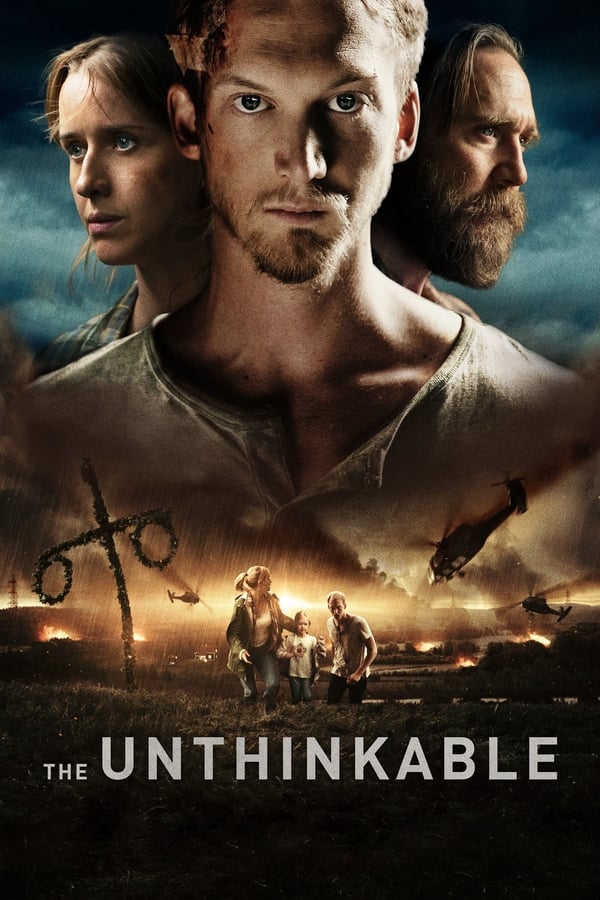
The Unthinkable, out of Sweden, starts out with a lot of promise. After a (rather lengthy) introduction to our characters, the action picks up in present day when things start going haywire around the country. First, a few bridges are blown up, and there are rumors that it is an attack from a terrorist organization. With misinformation flying though, no one knows what is really going on. The next day, phones and the energy grid start acting up too. Cars are banging into each other, birds are falling dead out of the sky, and in the midst of it all, our main character is having a love affair with an old flame, while his conspiracy theory father thinks the country is being attacked by the Russians. Sounds great right? Unfortunately the film devolves into a bad made-for-tv drama, albeit one with a decent budget, where the subplot overshadows what’s really going on, and the promise of the start of the film fails to realize. Poor acting, and the cinematography seems to get worse as the movie goes along, until it even starts to look like a cheap soap. Or maybe it was from the beginning, and I just didn’t realize it? ★

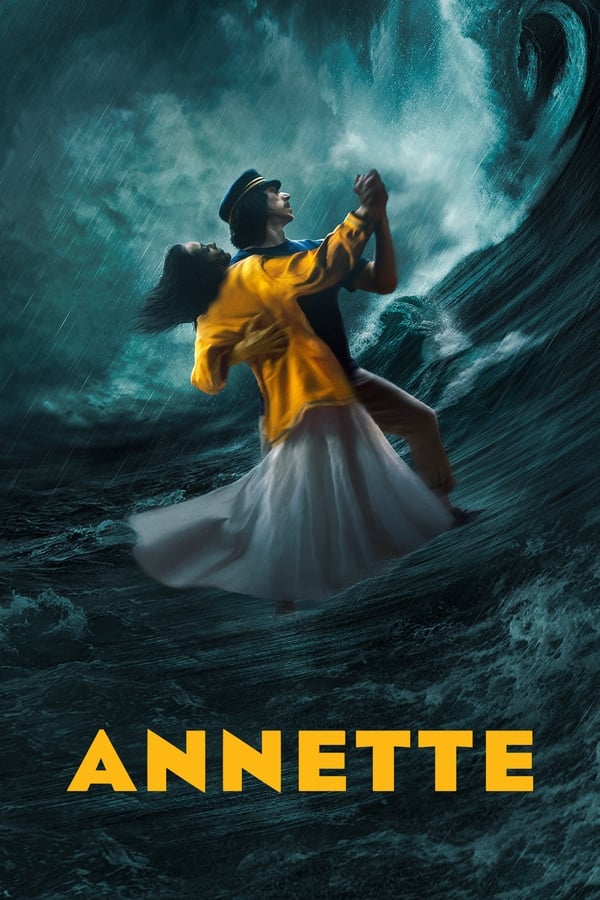
Annette is a very odd film, and it isn’t going to be for everyone. I’m a musical junky, and it isn’t even for me apparently! It’s a sung-through rock opera, starring Adam Driver and Marion Cotillard as Henry and Ann. Henry is a foul-mouthed, offensive stand-up comic, and Ann is a respected opera singer. This unlikely duo are dating, and early in the film, announce that they are having a baby. Unfortunately their storybook relationship hits a roadblock. Six women come forward to accuse Henry of abuse in past relationships, and those accusations derail his career, even while Ann’s skyrockets. To maybe rekindle the fire in their relationship, the two go on a yacht trip, but events take a morbid turn, ending in Ann’s death. As it turns out, their young child Annette (portrayed by a Pinocchio-like mannequin…) has an amazing voice of her own, and Henry takes her on the road, to great acclaim. But will he ever be free of Ann’s ghost? Often silly, at times grotesque, and always weird, this is just a very strange film. As I said, I love a good musical, but to make a good one, you need catchy tunes that stick in your head. While the acting is good here (I’m a big Driver fan), the songs are just not up to snuff. The tunes lack good choruses to sing along to, and there were only like 2 or 3 that I even found enjoyable. And not to nit-pick, but while the movie is sung-through, a lot of it is just dialogue put to music. Much different than, say, Rent or Jesus Christ Superstar. Kudos for doing something outside the box though. ★★

OK… I put Till Death on my watchlist because the premise sounded interesting. When it came time to watch, I saw that it starred Megan Fox, and almost didn’t bother. Quite possibly one of the worst actresses to ever grace film. But I bit the bullet and watched it anyway, and you know what? It wasn’t awful. Megan plays a woman named Emma, who’s been cheating on her ultra-wealthy husband. Emma is surprised with a weekend away at their lakehouse in the middle of winter, but awakens the first morning handcuffed to her husband, who proceeds to kill himself in front of her with a handgun. Before his planned suicide, he had set up his cheating girl with little way to help herself out of this mess. Dragging around her dead husband, Emma has to try to find a way out of the isolated area, and it doesn’t help when some criminals come along with intent to kill. Yes, it sounds terrible. But if you check your expectations at the door, there are some fun parts. It’s entirely cliche, and has every thriller film trope in the book (including seeing the token black character die pretty early on, and he was one of the only decent actors!), but I didn’t hate it. It’s 88 minutes of silly, unbelievable action, and there are far worse examples of this kind of film out there. ★★½

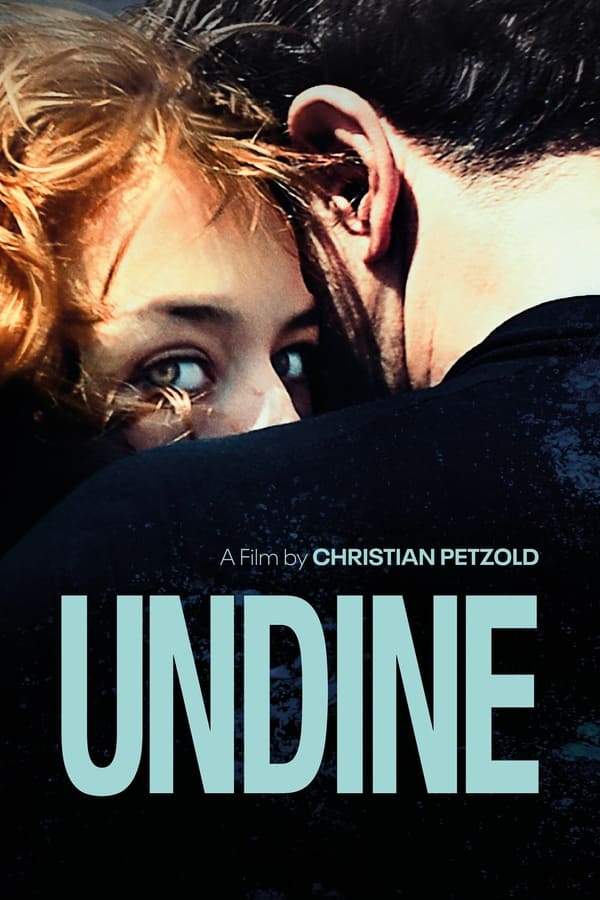
Undine is the latest from German director Christian Petzold, and carries over the same two stars from his previous film, Transit. Paula Beer (who I always like) plays Undine, a mysterious woman, and a character that will leave you wondering what is going on, unless you read the Rotten Tomatoes blurb (which I recommend, it doesn’t spoil it). The film opens with her getting dumped by her current boyfriend, and her final response to him being that, if he goes through with the breakup, she’ll have to kill him. Jealous, jilted lover, or something more? Soon after though, Undine meets Christoph (Franz Rogowski), and for both, it is love at first sight. Things go well at first, but Undine seems inexplicably worried whenever something goes wrong around her, like a figurine falling and breaking. She obviously sees some kind of portent in these otherwise innocuous events. The mystery deepens when Christoph, who is an underwater welder/repairer, finds Undine’s name written under a bridge, and she seems at ease deep underwater, even without a suit. The film lives up to its fantasy setting at the end, and while it won’t answer all of your questions, the performances and sense of both love and trepidation definitely hit their marks. A bit out there, and I really dug it. ★★★½

Vivo is a cute, animated film from Sony Pictures. Lin-Manuel Miranda stars as the title character, a kinkajou who is a street performer in Cuba with his owner, Andrés. Andrés receives news that his long-ago love, Marta (Gloria Estefan), is giving a final performance in Miami before retirement. He never told her that he loved her before she left for the USA to further her career all those years ago, and wants to go sing her a song to tell her how he felt. Unfortunately he dies in his sleep before he can make the trip. Vivo decides to take it upon himself to do accomplish the task. He smuggles himself to the Florida Keys in the luggage of Andrés niece, Rosa (Zoe Saldana), who had come to Cuba with her mother for the funeral. Once across the sea, Rosa and Vivo team up to get to the concert so that Marta can learn of Andrés’ message of love. Of course there are obstacles and escapades along the way. Colorful, bright, and gorgeous, the animation is spot on and fun to watch, and the songs are catchy. I think this film is more geared towards the younger crowd than a true “all family” experience, but I did enjoy it overall, even if it did start to drag a bit in the middle, with some filler to extend the story a bit. ★★★

  • TV series currently watching: Sweet Tooth (season 1)
  • Book currently reading: Into the Forest by Mark Danielewski

Quick takes on Daguerréotypes and other Varda films

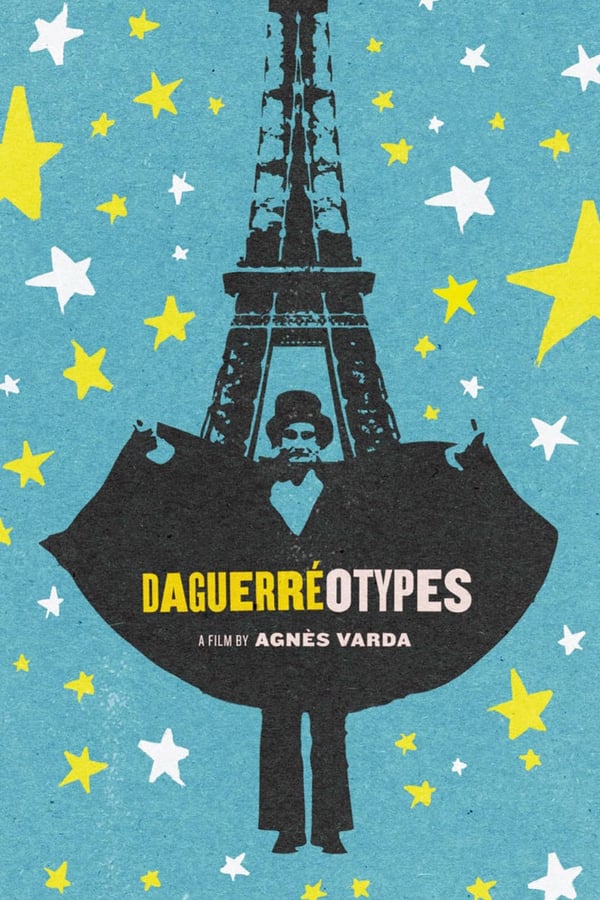
A couple months ago I started getting into some Agnès Varda films, which I found hit or miss. Today I’m going to write about some of her documentaries, and a couple films interrelating to those docs. That’ll make sense if you read through. I’m starting off with Daguerréotypes, a 1976 picture about the people working on Rue Daguerre, the street where Varda lived. This movie works kinda backwards. We see the people working first without knowing who they are: interacting with customers and whatnot. Later, there are some quick interviews about the how’s and the why’s the people work there. Later still, there are more in-depth questions, and we learn how the couples met (most of the shops have spouses working together), and we really get to know them. I think building the movie this way was a wonderful idea. If the film had started with those last interviews, it may have been boring, but by the time we get to them, I wanted to know more about these people living, working, coming, and going on this quaint, bustling little street in Paris. ★★★★

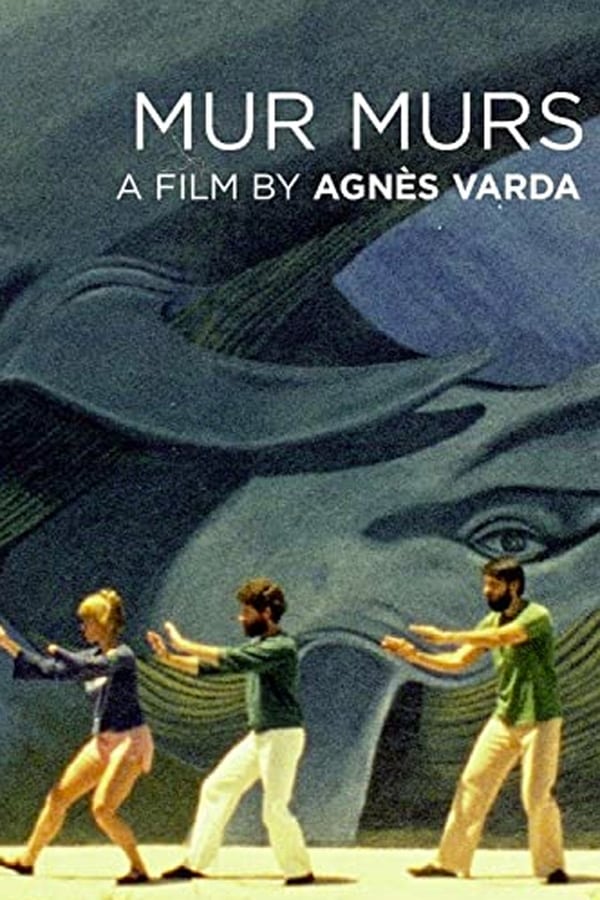
Mur Murs (literally “wall walls” in French, but a better translation would be “mural murals”), from 1980, visits the famous murals of Los Angeles. Varda starts in Venice, and then works her way around the city, interviewing the artists and community leaders about the art representing them on the building facades. She spends a lot of time on the minority groups represented, especially hispanic and black, touching on gang influence as well as a host of other topics. Some of the best interviews are with the business owners who commissioned some of the work for the sides of their buildings. There’s some beautiful art on display, and Varda always gives credit to the artist of each painting, but the film ran long for me. I’m not a big art lover anyway, and after awhile, it all started to run together on me. Still, a pleasant viewing. ★★★

Documenteur: An Emotion Picture is a companion film to Mur Murs, with a lot of those murals showing up throughout this picture. In fact, it begins at the same mural that was the closing shot of the previous film. This movie follows a French woman named Emilie, who is living in LA and trying to get by as a single mother with her son. Her marriage has recently ended, but we don’t know how or why, only that she is now alone. Emilie has been relying on friends for places to stay, but she has overstayed her welcome, and so she and her son have to find a place of their own. Not being able to afford much, they end up in a rundown tiny apartment in a not-so-great area of town. They furnish it with tables and chairs left out in the trash by their neighbors. There’s not much of a plot here, it’s just poor old Emilie and her listless son, trying to pick up the pieces and start anew. Besides the physical setting, there are other comparisons to Mur Murs as well. In once scene of Murs, a painter noted that while his mural mirrored the street behind him, there were no people on his painting; it was an empty street. That sense of loneliness and isolationism permeates this film. Some people will really dig this sparse picture, but it wasn’t for me. ★½

Jane B par Agnès V is another documentary, with Agnès interviewing her good friend Jane Birkin. Birkin was a big name in the 60’s and 70’s, but in 1988, she had just turned 40, and was not handling it well, wondering where her career would go as she got up there in years. This movie takes a peak at that vulnerability, while also freelancing in a way, to show off Birkin’s skills. For instance, if she or Agnès mentions a possible movie scene, the film cuts to Jane acting it out, in costume and on location, as needed, sort of like a “what if?” sequence. And towards the end, someone mentions the possibility of Jane playing other famous Jane’s, so we see scenes of her as Calamity Jane, Tarzan’s Jane, and Joan of Arc. Sometimes playful, sometimes introspective, it’s a solid doc about a person who loves attention, maybe craves it, but doesn’t always like the aspects that go with it. My only knock against the film is it can come off a bit pretentious at times, but with 2 powerhouse women who are fully aware of their skills, I guess that’s to be expected. ★★

While filming the above movie, Jane brought up an idea she had for a new film, about a teenager and adult woman who fall in love with each other. Agnès loved the risqué idea, and they took a break from Jane B par Agnès V to write it together and film it, with Varda directing. In Kung-Fu Master! (called Le petit amour in France), Jane plays a version of herself, with her real-life kids and parents cast as her family. In the film, Mary-Jane is smitten by a friend of her daughter’s, Julien (portrayed by Agnès’ real-life son, Mathieu Demy). Julien is only 14 or 15, but the 40-year-old Mary-Jane falls for him hard, and starts finding excuses to be near him. For instance, she hunts down a video game arcade further away from school which has his favorite game, the title of the film, just so the two can be together without risk of Mary-Jane’s daughter or someone else seeing them. Their relationship really goes up a notch when Mary-Jane takes her toddler daughter on a vacation and brings Julien along, to a remote island where no one can interrupt. Reality of course crashes down on them when they return, and we learn that while Mary-Jane was very much in love, Julien was just a typical horny teenager. Though on screen, we only see hugs and kisses, we know what is going on, making the whole thing very uncomfortable to watch. It’s a good movie, but its taboo subject matter is hard to stomach, otherwise I’d rate it higher. ★★★

  • TV series currently watching: Star Wars The Clone Wars (season 6)
  • Book currently reading: Into the Forest by Mark Danielewski

Quick takes on The Bostonians and other Merchant Ivory films

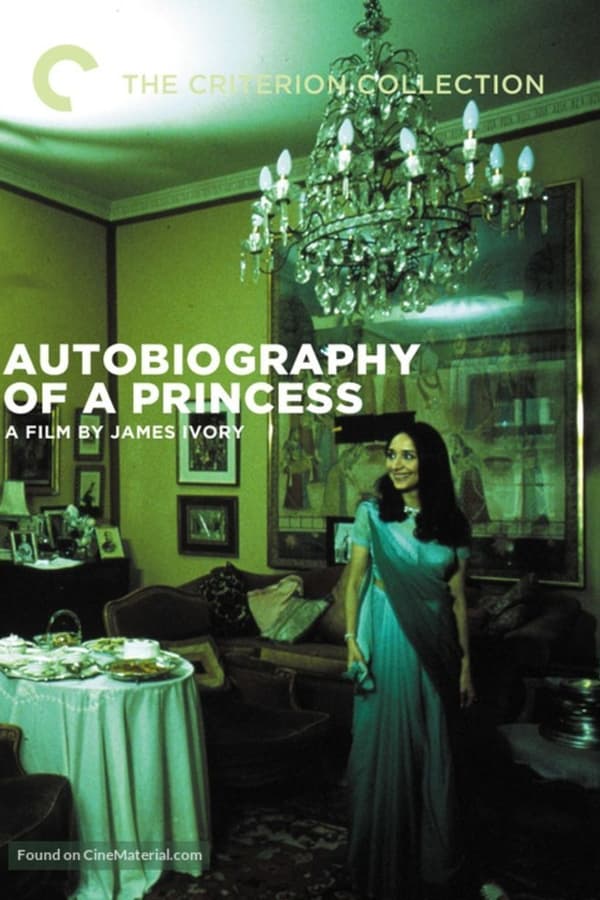
Over the last couple years, I’ve been working my way through the Merchant Ivory films (see a quick blurb about them here and here), after having started with a couple film adaptations of books I had read. Continuing in that endeavor, I’ve got five more up today, starting with 1975’s Autobiography of a Princess. Part fiction, part documentary, this short film (about an hour) has just two actors: Madhur Jaffrey plays an Indian princess living in England in the 70s, who is visited by an old friend of her father’s, Cyril (the incomparable James Mason). The two get together every year to reminisce about old times, and watch home videos of their time in India. The movies they watch, and commentary on, are of true maharajas and dignitaries from India. It is a fascinating glimpse into a way of life that no longer exists, and ultimately it shows the disparity in how that era is remembered. The princess recalls her father fondly and talks of him in glowing terms, but Cyril, an employee and English tutor to the man, remembers him much differently, dashing her reveries with a contemporary adult’s perspective. I was enchanted the whole way through. ★★★★

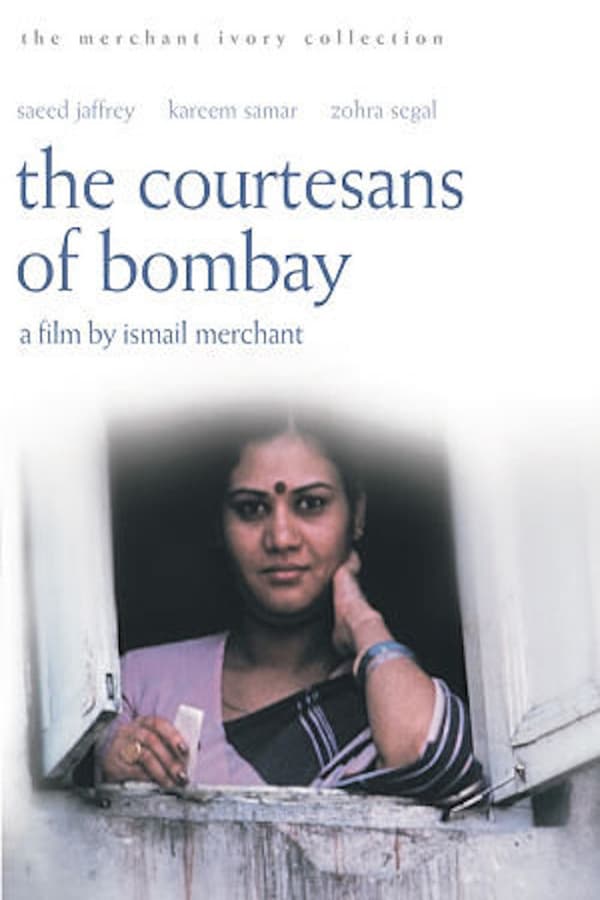
The Courtesans of Bombay is cut from the same cloth. This time, the focus is on people living in an enclosed compound in Bombay, filled with woman who have dreams (or at least, once had dreams) of making it big in the local film and entertainment industry. Instead, they find themselves dancing for men during the day, and (implied) prostituting at night. Again, just a handful of professional actors, including a man playing the rent collector in the compound, and another portraying an older lady and former courtesan, but everyone else in the movie are real residents of the apartments. They are interviewed, and their stories told, through the lens of a “fictional” setting. No real plot to speak of, other than the tales told by the actors, so the movie comes off as more of a straight documentary as compared to the film above. There are some good moments, but being not a huge fan of docs, I wasn’t as engrossed. ★★½

The Bostonians, based on the famous Henry James book (which I, ahem, did not enjoy so much), is a fairly faithful adaptation of the book. But unlike the novel, I liked the movie quite a bit. Madeleine Potter is Verena, a beautiful young woman with charisma and a knack for public speaking, who has been made the poster girl for the women’s rights movement. She catches the eye of Olive (Vanessa Redgrave), who takes Verena into her circle. Like the book, Olive’s lesbianism is implied but never confirmed. Olive’s main competition for Verena’s attention is Basil Ransom (Christopher Reeve), a southerner who doesn’t care a whit for women’s rights; he wants to marry Verena to quiet her voice and make her a housewife. Like the other Merchant Ivory films taking place in this era, this movie is beautifully filmed and visually gorgeous, and the trio of main actors are all spot-on in their portrayals here. Redgrave, already established in the industry, is marvelous, and Reeve, who already had three Superman movies under his belt by 1984, is solid too. Minor supporting roles for Jessica Tandy, Linda Hunt, and Wallace Shawn round out the all-star cast. ★★★½

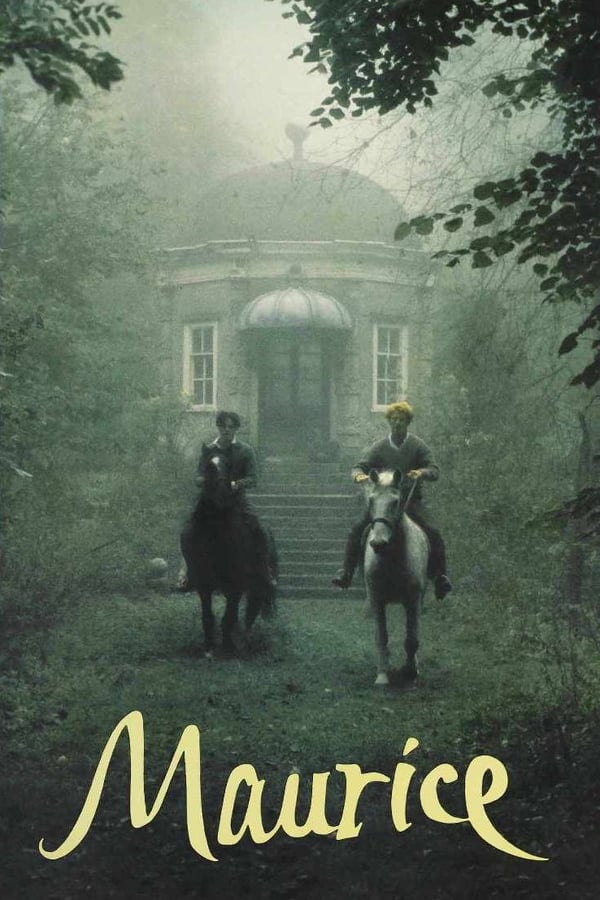
I read four EM Forster novels during my 100 book quest (and enjoyed 3 of the 4 immensely), but did not read Maurice, published posthumously due to its content. The eponymous Maurice (James Wilby) is a young man at Cambridge in the early 20th century when we get to know him. He becomes good friends with a rich student from a storied family there, Clive (Hugh Grant, in one of his first films and his first leading role). The two begin to show physical affection for each other, until Clive admits to Maurice that he is in love with him. Maurice is at first repulsed, due to the era’s religious and legal ramifications of homosexuality, but he slowly begins to reciprocate. However, Clive doesn’t want to ever allow their relationship to go too far, knowing that his family has high expectations for him in the future, and he can’t do anything to mess that up. After a few years, Clive begins to distance himself from Maurice, and even gets married, leaving Maurice in limbo. Maurice is left to find his own path on his own. It’s a very daring film for when it was made (1987). While the acting is superb and the sets are dazzling, as you’d expect from a Merchant Ivory production, I didn’t quite connect to the sometimes aimless-feeling story. Maurice’s life just sort of meanders along, and as a viewer, I started to feel as lost as he was. ★★½

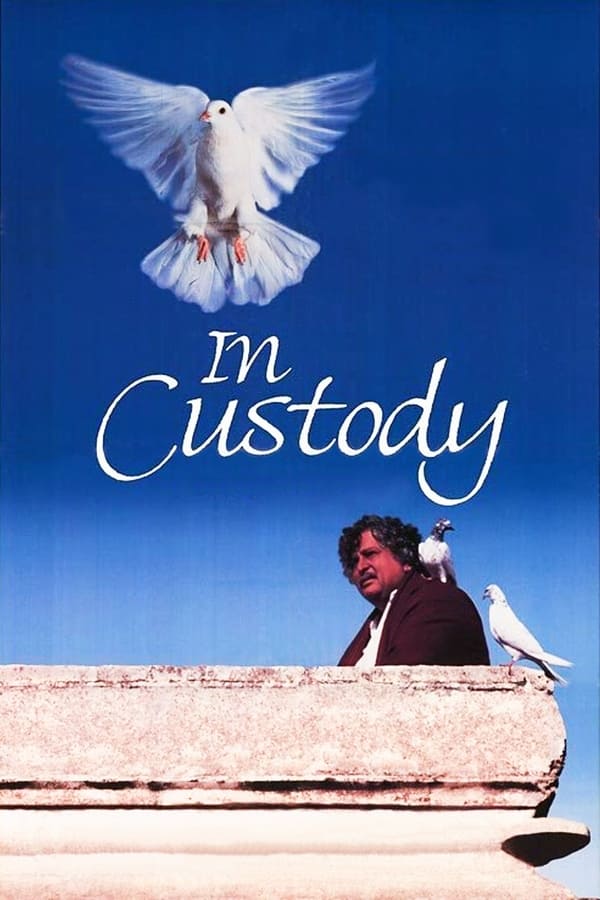
Ismail Merchant stepped out of the producer role and directed his first film 1993. In Custody is about a college teacher, Deven, who’s real passion is preserving the Urdu language, especially its poetry, which he sees dying out and little discussed. With backing from a couple colleagues, he sets out to interview Nur Shahjenabadi, one of Urdu’s most famous poets. When he gets to Nur’s mansion though, he finds a household in chaos. Nur’s first wife and much-younger second wife are at odds, and Nur has surrounded himself with admirers and sycophants who praise his every word and entice him to spend money on lavish parties and booze. Nur has gotten old and fat, and Deven’s hero has become a drunken sot. Deven purchases a cheap tape recorder, not even knowing how to properly use it, and tries to record Nur reading some of his own poetry, for posterity’s sake, but his attempts are met with disaster in the tumultuous house. The film is obviously a metaphor for the changing times in India, with the Urdu language lovers (Deven, Nur, and others in the film) unable to grasp modern technology, while the younger generation doesn’t seem to care about the past. A fair enough movie, though the whole subplot of Deven trying to get his hands on a working tape recorder, and the problems that come with it, dragged on for far too long. I think it was meant to be humorous, but whole sections should have ended up on the cutting room floor. The movie does have a nice, poignant ending, signifying the end of an era. ★★★

  • TV series currently watching: Godless (miniseries)
  • Book currently reading: Children of Dune by Frank Herbert

Quick takes on CODA and other films

CODA, which stands for child of deaf adults, follows a high school senior named Ruby. The only one in her family who can hear, she interprets for her deaf parents, Frank and Jackie, and brother Leo. Frank is a third generation fisherman, and Leo is following in the family business as well, but Ruby has to go along to interpret for the fish buyers at market, rising every morning at 3am to fish with family, before going to high school from there. She’s faced a lifetime of bullying because of her deaf family and the smell of fish the follows her around. Her biggest joy in life is singing, something that her family obviously does not understand. When her choir teacher recognizes real talent in her and pushes her to audition for Berklee College of Music, Ruby is torn between pursuing her own dreams, and fear of abandoning her parents when they need her most, as an interpreter for their new fishing business which is just getting started. It’s a wonderful film, about the struggles of the deaf in a hearing world, the toll it can take on family members, and the love that still binds them together. The actors of the family, Troy Kotsur, Marlee Matlin, and Daniel Durant, are all deaf in real life, and give amazing performances top to bottom. ★★★★½

Wet Season is a quiet, subdued film, of the like that you’d normally see out of China, though this one comes from Singapore (a country with a very high percentage of people of Chinese descent, including this film’s director). The main character is a late 30’s high school teacher who’s been struggling with infertility with her oft-absent husband. At home, she takes care of the house, including her husband’s father, who is bed- and wheelchair-ridden after a stroke. Her life is a dreary routine until she starts tutoring a young man in her class. The student has a big crush on her, and she doesn’t do anything to quash the feelings. In fact, she lets them continue, maybe subconsciously, for some excitement in her life. When she sees her husband outside his work one afternoon with another woman, this surprises no one but her. But she uses this knowledge to ramp up her relationship with the student. The movie is filmed in a wonderful way, everything speaks to great cinema here, but the story falls flat, with few surprises, and it feels too contrived at the end. Despite some great moments and fine acting, it adds up to just a hair above average for me.  ★★★

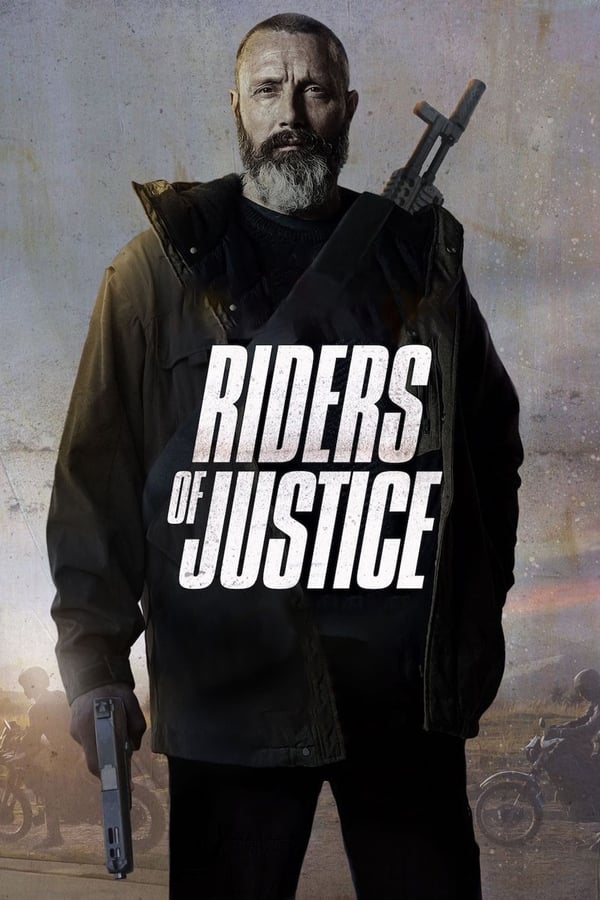
Riders of Justice is a Danish film starring the great Mads Mikkelsen as Markus, a husband and father, called home from fighting in Afghanistan when his wife is killed in a train accident. He is approached by a nerdy scientist named Otto with news that the train collision was no accident. Otto was on that train too, and in fact, had let Markus’ wife sit in his spot on the crowded train; had he not, he would have died instead of the wife. Otto is a mathematician, and does not believe in coincidences. He saw a shadowy figure get off the train just before the accident, and recruits his friends, who are trained in computers and facial recognition, to find out who the mystery man is. Armed with the knowledge that it was a local biker gang leader’s brother, and their target was an informer killed on that train, they go to Markus for justice. Markus is all too willing and able to kill some bad guys that the government can’t charge. Some great action scenes, with lots of levity in the form of the bumbling trio of computer nerds, it’s a fun and unexpectedly different kind of picture. ★★★½

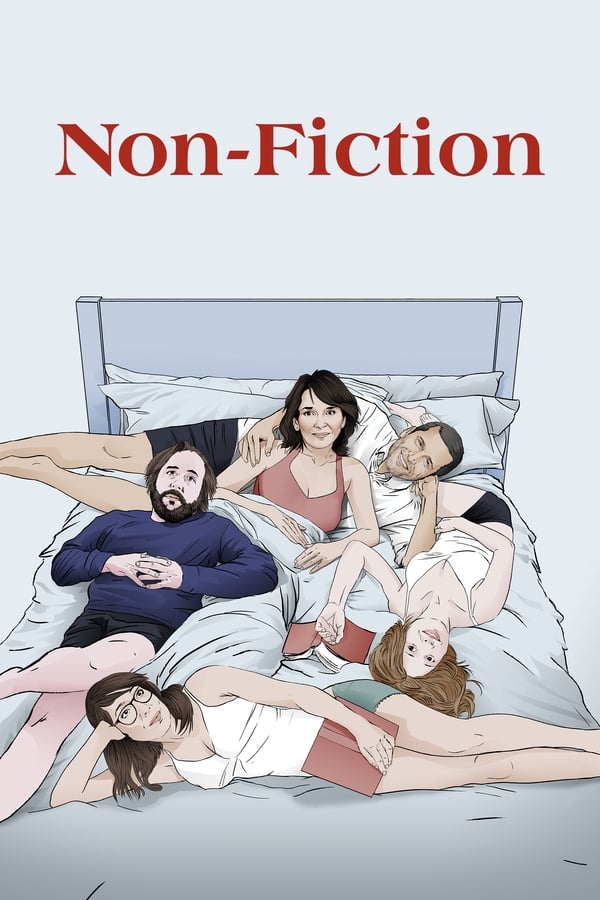
Non-Fiction is one of Olivier Assayas’ more recent films, a director whom I enjoy quite a bit. This film didn’t do it for me though. The film has a thin plot involving a few love triangles, a “who’s sleeping with who” kind of thing, but mostly, it is just a commentary on the evolution of how people now get their information, and specifically, in regards to the decline of the printed book. And by commentary, I mean very literally, as the majority of the movie is people sitting around socially, having conversations. Talking about how no one reads books anymore, the importance of online presences, etc. In all walks of life. As interesting as some of the chats are, it’s all pretty dry stuff. The characters are, for the most part, well thought and intelligent people, and they are able to engage in thought-provoking dialogue. Whether that is your cup or tea or not will determine if you like the movie. I prefer a little more action, even in my dramas. ★★

Peter Rabbit 2 on the other hand gives you exactly what you are expecting: no more, no less. The followup to the surprise hit a couple years ago (which I wasn’t going to bother with, but ending up watching on a cruise ship back in 2018 and enjoying), it brings back the gang for another hoppy adventure. After Bea has written a book about Peter and his friends, a book that is gaining traction, she is approached by a publisher who wants to commercialize it. Teased with dollar signs, Bea is prompted to “modernize” Peter, and the company begins a campaign to portray him as a bad boy. Peter Rabbit doesn’t like it at all, and runs away, only to end up with a new set of friends who aren’t such a great influence. Family friendly fun, which will elicit plenty of chuckles from both adults and kids. Not great cinema or anything, but it will make you smile. ★★½

  • TV series currently watching: Stranger Things (season 2)
  • Book currently reading: Children of Dune by Frank Herbert

Quick takes on Downpour and other foreign films

After reviewing Criterion’s World Cinema Project sets one and two, today I’m back to look at their most recent release. Lucía, released in Cuba in 1968, tells the stories of three women who share the name, at 3 moments of political unrest in the country. It starts in 1895 during Cuba’s war of independence from Spain. Lucía meets Rafael, a man who purports to not be interested in the politics or the war, but he seems a bit too interested in Lucía’s family’s coffee plantation in the mountains, where freedom fighters, including Lucía’s brother, are based. The second segment takes place in the early 1930s, and Lucía and her mom are in the Florida Keys while the country is facing new unrest. There are uprisings in Havana against President Machado. In the keys, Lucía meets Aldo, a fighter recovering in a boathouse on her family’s land. He goes back to Cuba when he is well, and Lucía follows him there. When Machado is removed from power, Aldo is left wondering what they were fighting for. The final act takes us up the 1960s and the reformations under Castro’s communist government. This version of Lucía is newly married to Tomás, but finds that marriage is not what she expected. The conservative Tomás doesn’t want her to work, and is jealous if any men come around, so he forbids her to leave their house. As part Casto’s plans, all residents must learn to read and write, so a literacy teacher is sent to live with the newlyweds, which sends Tomás up the wall. All of the segments are united in the idea that the country comes first, above personal relationships, but it doesn’t come off as pure propaganda. I enjoyed the first part the most; the second segment felt a bit rushed, almost as if it could have been stretched out and made a whole movie on its own; the third was just OK. ★★★

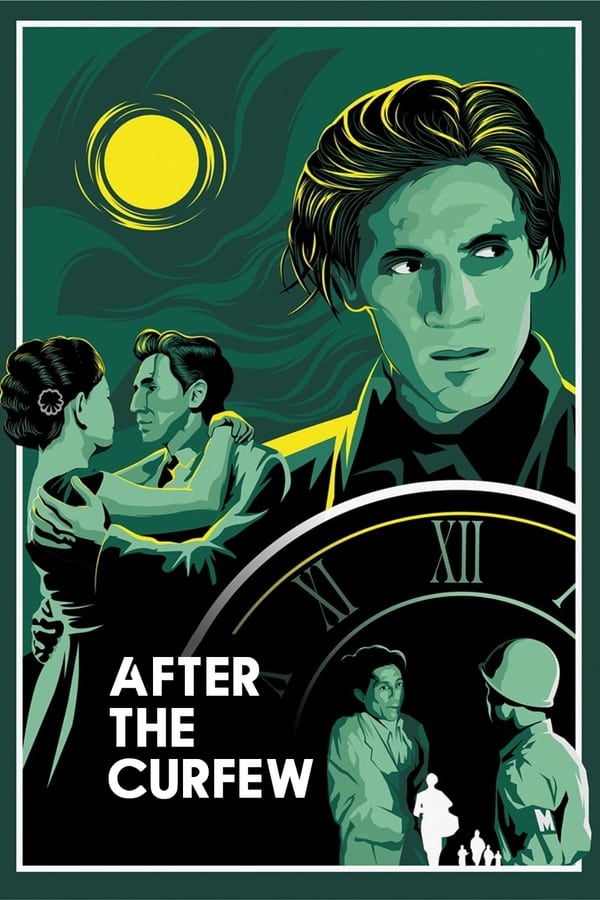
After the Curfew, from 1958 in Indonesia, shows a man picking up the pieces of his life after his country has just gained their independence from the Dutch in 1949. Iskandar was a freedom fighter during the conflict and has been away for five years, just now returning to his fiancee Norma, and trying to pick up where he left off. He’s having a hard time doing so. After Norma has already waited five years, Iskandar is anxious to get a job so he has money to marry and support her, but he doesn’t seem suited to anything after the life of a soldier. First his soon-to-be father-in-law hires him, but Iskandar flames out on his first day. He then tries approaching his friends from combat, but they either don’t have anything for him right away, or are facing their own demons. Ultimately, after so many years of a soldier’s life, can Iskandar go back to a quiet existence? A good film, even if I think it borrows a little too hard from Hollywood noir, rather than try to find its own footing. ★★½

Pixote (out of Brazil) follows a young boy led down a life of crime. Pixote seems like a good kid hanging around the wrong crowd, and in the beginning of the film, he is rounded up with a bunch of street kids and sent to a juvenile hall. Inside, he starts his true descent, from the influence of both the older boys, and from the sadistic guards. The guards use the boys for sport, obviously on the down low, keeping it from the state inspectors when they come around. After a boy is killed and his gay boyfriend framed for the murder, Pixote and a couple of the others decide they’ve had enough, and escape. Life on the outside isn’t any better. They begin stealing, but are just scraping by. They try to run drugs, and are double crossed. In the end, Pixote ends up alone, having committed heinous crimes from which he will not be able to escape. The movie unfolds without a clear story; it proceeds in an almost documentary-like way and events just sort of happen along the way. Honestly for awhile I was wondering where all this was going, but the end did give us insight into Pixote’s soul, and it made it all the better. ★★★½

Dos monjes (Two Monks) is from the early sound film era, released in Mexico in 1934. The setting is a monastery, where Javier is sick and been lashing out verbally in his illness. The prior asks a new monk, Juan, to go and check on Javier, and when they see each other, Javier attacks him and beats him with a cross. The other monks are aghast at the sacrilege. Afterwards, Javier begs the prior to hear his story. He tells a tale of his younger days, when he fell in love with a woman, only to see her in a stolen moment with Juan, Javier’s supposed best friend. After he heals, Juan tells the prior his side of the story. He doesn’t deny his actions all those years ago, but definitely puts it in a different context. The movie was OK, but honestly the acting was terrible. It suffered from the same problem that a lot of early talkies did, in that the actors were carryovers from the silent era and were not well adapted to the new format. I couldn’t get past the acting either, even though the story was pretty good. ★★

Soleil Ô (Oh, Sun) was the first of these films today that I really enjoyed. The overarching plot is about an African immigrant from Mauritania who goes to Paris for better opportunities. However, all he is faced with is discrimination and hardship. An educated man, he tries to land several jobs in accounting, but often doesn’t make it past the front desk to an actual interviewer. After a couple days of rejections, he starts paying more attention to those around him, and starts noticing how other immigrants are facing problems too. Even what white friends he does make treat him in a condescending manner. Interspersed throughout are documentary-like interviews, and you can tell the director was heavily influenced by the French New Wave. Like a lot of films of the New Wave, the movie is a bit light on narrative, but gosh it goes along great, with a quick pace, biting commentary, and moments of sad humor (if that makes sense) as you can’t help but chuckle at the complete ignorance of the Parisians depicted in the movie. There’s a scene where a white woman is flirting with our main character (only because she’s heard about black men’s prowess in bed), and the stares the couple is receiving from passersby are ridiculous. And I had to think, were the streetwalkers actors or real citizens? With the film’s low budget and time, I almost have to think the latter. ★★★★

Downpour is another good one. It’s about a new teacher, Mr Hekmati, newly hired to a school in a poorer area. The film starts off on shaky ground (for my taste), with Mr Hekmati moving into his new place with all his worldly belongings on a cart, and the slapstick-ish humor that ensues on the busy street. I thought, “This is supposed to be great international cinema?” But 30 minutes in, once Mr Hekmati meets the beautiful older sister of one of his students, the movie takes off. Atefeh is the only working member of the family, trying to care for her younger brother. She’s supposed to marry the town butcher, one of the few wealthy members of the village, but he (Rahim) is a brute. When Rahim catches Mr Hekmati making eyes at Atefeh, he beats the teacher up. Mr Hekmati decides to toughen himself up and starts working out. Once he feels ready, he challenges Rahim, only to get his rear handed to him again. Afterwards, he tries his best to stay away from Atefeh, but the heart wants what it wants. The film is fun and endearing at the same time, but there’s also a lot of political innuendo, which I’m sure got the director in trouble in 1970s Iran. Atefeh is a working woman, and often goes around unveiled. There’s also a constant stream of spying: children and adults are always peaking in windows at our main characters as they go about their business, which I’m sure alludes to the government’s leaders watching their populace. Great movie, with an ending that some may find unsatisfying, but which I found perfectly fitting. ★★★★

  • TV series currently watching: Star Trek Lower Decks (season 1)
  • Book currently reading: Timeless by RA Salvatore

Quick takes on Cousins and other films

Here Today, written and directed by Billy Crystal, stars himself as Charlie Burns, an aging, legend comedic writer, who is starting to struggle with dementia. He lives alone after his wife died long ago, and he has a strained relationship with his two adult kids. Charlie finds an unlikely friend in Emma (Tiffany Haddish) when they randomly meet one day. Though of different generations and with different tastes in life, they hit it off and an improbable friendship ensues. Though Charlie hasn’t told anyone about his condition, Emma is the first to see it for what it is, and takes it upon herself to be there for him, as he has to step away from work and is approaching needing a caregiver. The movie tends towards the cliche, and while few would ever say Crystal is an amazing actor, he is (in my eyes) a comedy star, and his delivery is still as good today as it ever was. The comedy is the best part of this film, with Crystal and Haddish two stars that know how tell a joke. The drama of the film is what it is: not stellar, but jut enough to pass the time. ★★½

Dream Horse is exactly what I expected, and that’s not a good thing. It is the based-on-a-true story about a small town which pools its finances to breed and train a race horse. Led by a former pigeon breeder and a man who had some experience in horse ownership syndicates, the group of men and women, from a down-and-out town where people have been struggling just to make ends meet, are able to achieve glory and raise everyone’s spirits when Dream Alliance goes on to beat all expectations. Despite a couple well-known names (Toni Collette and Damian Lewis) and a few other recognizable faces, the film is overly sappy and entirely predictable. Not nearly as good as some other horse films like Hidalgo or Seabiscuit. ★½

Ed Helms and Patti Harrison play Matt and Anna, two people at two different points in their life. Matt is in his mid-40s, successful in business but single in his personal life, after a previous long relationship fizzled. But he wants to have a baby before he gets too old, so he has interviewed women to become a surrogate for him, and has chosen Anna. Anna is in her mid-20s, also single, after having been dumped by her latest boyfriend. She’s smart, but got pregnant in high school, which prevented her from going on to college. She gave that baby up for adoption, and is now hoping to use Matt’s surrogate money to get her life back on track. This unlikely duo form a strong friendship over the 9 months of the pregnancy, and while not a traditional couple, they are in it together, just not “together together.” Quirky funny movie with heart, and a heartwarming story that I thoroughly liked. Ed Helms is able to tone down his goofiness just enough to pull it off, and Patti Harrison, whom I was previously unfamiliar with, is charming as Anna. ★★★★

Slalom is a French film about a 15-year-old girl, Lyz, with dreams of skiing in the Olympics. She’s convinced her single mother to send her to a private school with a celebrated skiing coach on staff. Fred has a reputation for being extremely hard on his athletes, but he’s supposed to be one of the best. Perhaps seeing something in her, Fred does push Lyz hard. She is berated for being out of shape, not fast enough, not dedicated enough, etc. But she also gets better. Things are going well until one night, when the two are alone, Fred makes a sexual advance. The young and impressional Lyz, who has little sexual experience, becomes infatuated with her teacher. As their relationship progresses, she continues to win competitions. The clandestine relationship doesn’t even stop when other students begin to notice. Noée Abita is incredible as the teenage Lyz (she’s in her early 20’s), but it goes without saying: this film is extremely hard to watch. And I can’t shake the feeling that, while it purports to empower Lyz’s voice, the movie feels exploitive, latching onto the Me Too movement to grab critics’ attention. ★★

Cousins is a beautiful, remarkable film out of New Zealand, taking a rare look at the indigenous Maori people. It begins with a look at Mata, a homeless woman suffering from mental illness. We don’t know who she is yet, but as the movie progresses, we learn about how she got to where she is, and the family who is still searching for her. Her cousins are Missy and Makareta. Missy stayed on their ancestral lands and raised a sprawling family of her own, while Makareta is a lawyer in the present, fighting the New Zealand government for the rights to said lands. The movie is told over several timelines: the present, described above; as well as when the cousins were close as kids; and also when they were teenagers, and how Mata became separated from the other two. The story unfolds as a bit of a mystery, as we know from the beginning that Mata is struggling on her own in the present and want to know why, but what makes this such a memorable film is how it is told. It takes its time, and develops in a lyrical, almost poetic way. It leans heavily on the Maori culture and its familial ties, as well as their love of the land their ancestors have always lived on. One of the best movies I’ve seen in quite some time. ★★★★★

  • TV series currently watching: Raised by Wolves (season 1)
  • Book currently reading: Timeless by RA Salvatore

Quick takes on The Suicide Squad and other films

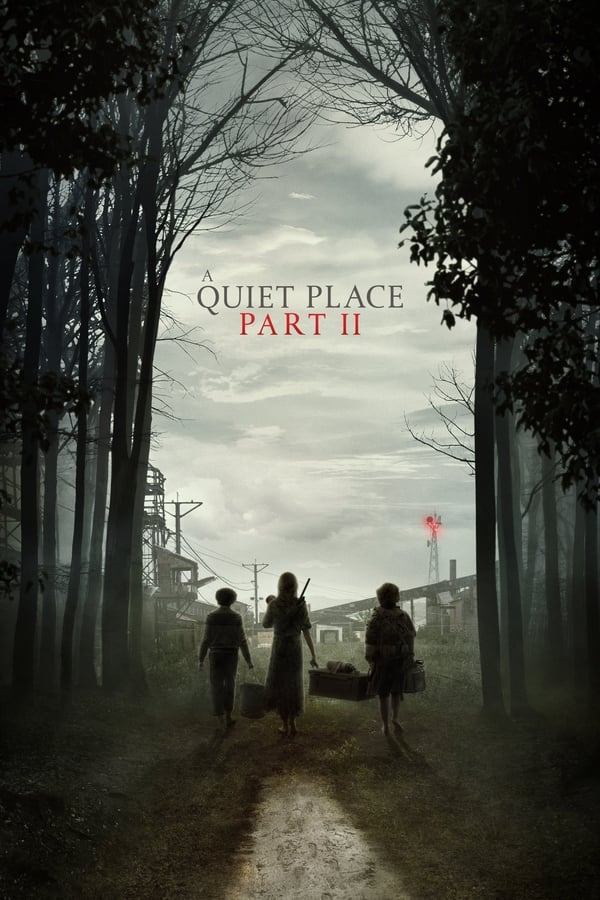
A Quiet Place Part II follows up from the wildly successful film from a couple years ago. It begins with a flashback, to “Day 1,” that is, the day the aliens came to Earth and started killing everyone. That first 15 minutes left my heart pounding, and thankfully it settles down just a bit for a little while afterwards; I’m not sure the old ticker could have taken it otherwise. With her husband dead and the farm in tatters at the end of the first movie, Evelyn and her three children (two kids and a baby) head off to find a new place to live. They are armed with the secret of how to kill the monsters, but they are still very much alone. They are able to stumble upon an old friend of Evelyn’s husband, Emmett, who is himself alone now after his kid and wife have died. The group of them end up separated through various means, and the rest of the film is the heart-stopping adventures they have before the end. It is all very exciting, but I couldn’t help but think it has the feel of “been there, done that.” The first movie was so fresh and different, and while this one is certainly good (I know, I’m making it sound like it isn’t), it isn’t *as* good. I looked up my rating on the first, 4 1/2 according to my letterboxd, so I’m going with 4 here. ★★★★

Recently read the book (and the first sequel, with more to follow), and with a new film version on the horizon, I thought I should revisit the heavily reviled Dune from 1984, directed by David Lynch. I saw this movie as a kid in the late 80s, at a time when I thought nothing was better than Star Wars and was big into anything sci-fi, and while I didn’t remember much, I remember hating it. But I really liked the book when I read it back in February, and wanted to give the movie another chance. I’m glad I did. The story of Paul Atreides and his prophesied rise to God-like status over the desert world of Arrakis, this movie has Lynch’s strange, otherworldly fingerprints all over it. I can see why die-hard fans of the novel might not like it, as there are plenty of changes. To give Lynch a pass, you have to admit that the book is nearly impossible to show on screen the way it is written, with so much internal dialogue driving the story (Lynch chooses to give us the thoughts through whispered narration, which is weird at first but I got used to it). While I’ll wait to see how the new movie handles it, I can’t say this wasn’t done horribly. While I did like the book, I’m not a super fan, and the changes made didn’t bother me all that much. How else do you fit a long, complex book into a 2 hour movie? A cast chuck full of recognizable names from the 80s and today helps for sure. And the look and feel of the picture is definitely alien. I really liked it. Not cinematic perfection by any measure, but it is enjoyable and definitely better than all the hate it received when it came out. ★★★½

The opening scene of The Killing of Two Lovers has a man, with a gun, standing over a bed with two sleeping adults, and the viewer thinks, “Oh man! The title is going down right now!” It doesn’t, as the man puts the gun away and flees the house, running a couple blocks down to his own house, where he is living with his aging father. The man is David, and his story unfolds as the movie goes along. We learn that the couple in bed was David’s wife, Nikki, and her new boyfriend, a man she has not told David about. David and Nikki are on a trial separation, and while David has been led to believe that they can work things out and get back together, both for their previous love and for the well being of their 4 kids (which David obviously cherishes, and is a good father), you get the feeling that Nikki isn’t as willing as David to make things work. The film is a quiet portrayal of a marriage on the rocks, with many of their spats going down in public in their tiny rural town, where everyone knows everyone’s business. The suspenseful scenes, like the one that kicked off the film, happen here and there, and when they come, they hit the viewer just as hard as any action film could. Really nicely done indie film with wonderfully subtle camerawork. New writer/director Robert Machoian has a good eye for setting up long steady shots and letting the actors flow in and around the scenes, with the camera being merely a spectator. I liked this one a lot. ★★★★

The Green Knight is a new take on the old (14th century) tale, with actor Dev Patel in the role of Sir Gawain. I have some knowledge of this story, having read Tolkien’s version many years ago, and I was excited to see it on screen. Gawain is the son of King Arthur’s sister Morgan le Fay, and has dreams of joining the round table with the other knights of Arthur’s court. When a mysterious Green Knight comes to the hall and asks for anyone to challenge him, Gawain jumps at the chance to prove himself. The Green Knight promises to give Gawain the opportunity to hit him without retaliation, but that in a year, Gawain must meet him at the Green Chapel for the Green Knight to return the hit in kind. Thinking he has a clear victory, Gawain beheads the Green Knight. To his chagrin, the Green Knight rises, picks up his own head, and reminds Gawain to meet him in a year. The film of course jumps over that year, and the rest of the movie is about the journey Gawain takes to his supposed death. His travels are the stuff of myth and legend, full of dreamlike encounters and fantastical adventures. As such, the movie is a bit out there. There are moments that I found spell-binding, and others that dragged on a little too long for my taste. Overall, I did enjoy it, but I suspect the average moviegoer would be bored out of their mind. It’s a very esoteric, thoughtful picture. ★★★

The Suicide Squad is the latest DC film in their (continued? Seems like they don’t even know anymore) universe. It is a standalone film, semi-related to the first Suicide Squad film, in that it has a few of the same characters/actors, but has a new director at the helm in James Gunn. The move was the right one, as he righted this ship. After very quickly rehashing the concept of a super team of villains and crooks brought together to do good, or else the government explodes a micro-bomb implanted in their brains, the bad guys head out. Their mission is to infiltrate the South American nation of Corto Maltese in order to destroy the site of some top-secret experiments, now under some bad control after a military coup in the country. The team is made up of one military hero, Colonel Rick Flag, who is there to keep an eye on the baddies: Harley Quinn, Blackguard, TDK, Javelin, Cpt Boomerang, Weasel, Savant, and Mongal. They get to the beach and are immediately attacked by an awaiting force. Lots of blood and death later, where it doesn’t go good for our anti-heroes, we see that there is a second team who arrive to a different beach down the coast. The first being just a distraction, this second team is made up of Bloodsport, Peacemaker, King Shark, Polka-dot man, and Ratcatcher 2. With the first team taking all of the attention, the second group is able to infiltrate the nation and continue the mission. This movie is a riot. Heavy on the not-for-family laughs, with the gore way over the top, I laughed throughout and enjoyed the story too, even if it is a bit expected. After almost being cancelled, Gunn is back on track, and this film is fun even if you don’t know anything about superheroes/supervillains or any of the other previous DC films. ★★★★½

  • TV series currently watching: Star Wars The Clone Wars (season 5)
  • Book currently reading: One Rainy Day in May by Mark Z Danielewski