The brilliance of a modern classic in Infinite Jest

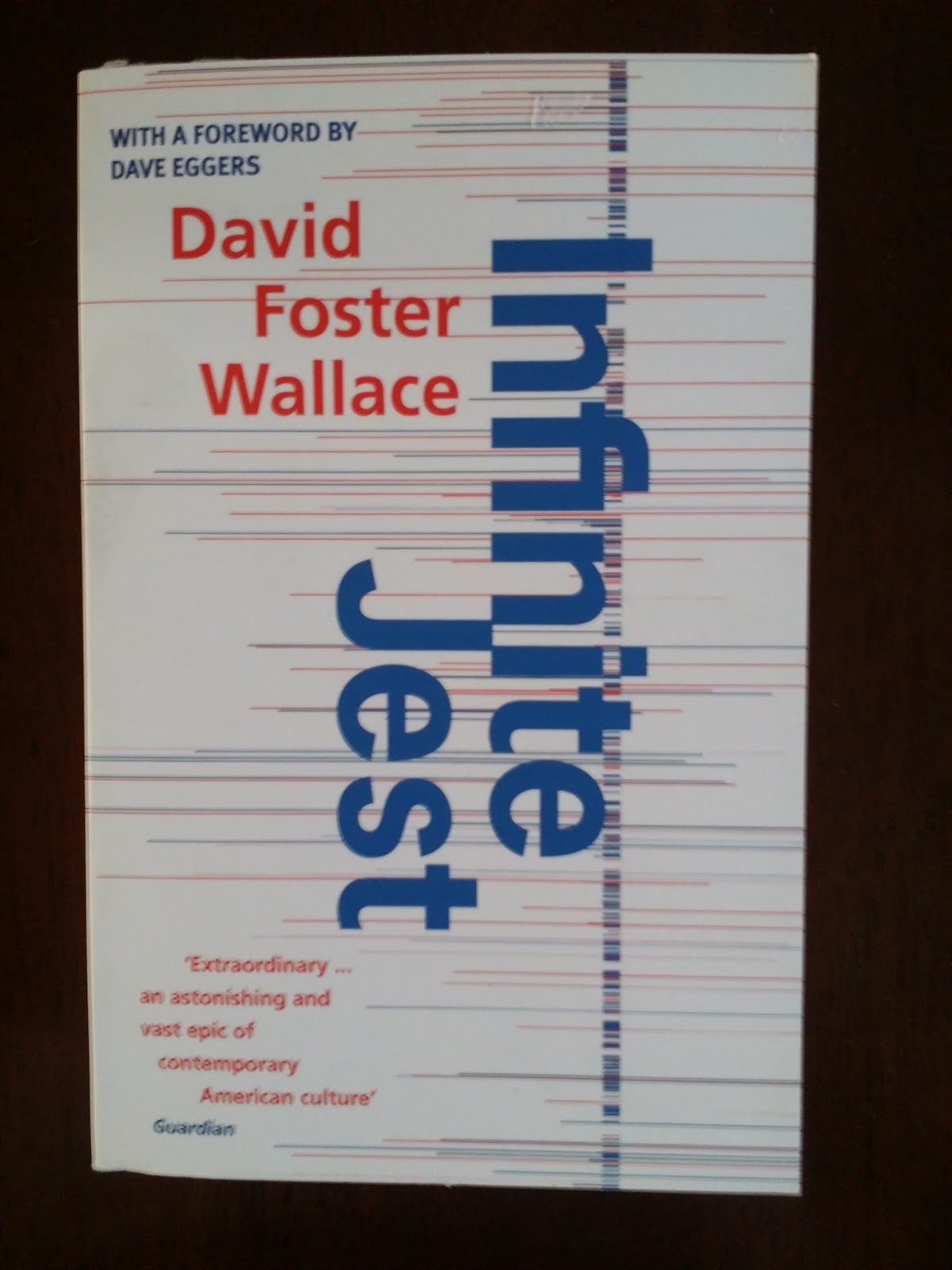
I’ve finally just finished David Foster Wallace’s Infinite Jest. Took me a solid 4 weeks to read this one, and I’m not a slow reader. Coming it at over a 1000 pages (plus endnotes, and sometimes endnotes on the endnotes!), and an often convoluted narrative, it isn’t the easiest read, but it is well worth the journey. It is an absolutely brilliant work, I think one of the truly great novels of the last half century.

This will be a very different kind of synopsis, because I won’t say anything about the book at all. Much of what makes this book exciting is a series of plot revelations. There are big shifts in the story, and sometimes plot elements you thought were maybe going nowhere, end up being vitally important to the overall story. So while I won’t be saying anything about the story, I’ll instead write a little about where (I think) it came from and its lasting appeal.

I was first turned on to this novel from a film I saw last year, The End of the Tour, which was biographical about the author’s life just after this book was published. That movie was great, and it made me very curious about this book that was being applauded so heavily at the time it came out. In fact, when I had about 100 pages left in the book, I went back and re-watched the movie, and I got a very different feeling from it after having read most of the book now. Wallace was (he committed suicide in 2008) very introverted and obviously highly intelligent. He admitted to having an addictive personality (and many forms of addiction play a heavy role in Infinite Jest), but he also (in the movie) talks about people being spoon-fed entertainment and just taking it without thought or perspective. “The Entertainment” is also key to this novel.

So what does Wallace do with his ideas about entertainment and addiction? He writes this novel that leaves much to the reader to come up with their own conclusions. If you google reviews, most negative reviews rant  that the ending is too sudden and leaves too much open to interpretation. I feel that is exactly what Wallace wanted. And really, the answers are all there if read carefully and in-between the lines, though a lot of it is easily missed because parts might be buried in drug-induced ramblings or dream-like hallucinations. I tend to think that even though the book is hefty and long, there really isn’t much in there (if anything) that doesn’t deserve its place. Many times seemingly innocuous passages end up having a strong impact on the reader’s understanding of how it all fits together, even though you might not know it at the time. Which means re-reading the whole damn book again (which I will be doing some time in the next year, while it is still fresh in my mind). So that takes me to my final observation.

Wallace wants us to grow with his novel. He wants us to think for ourselves. He does give us all the keys to understand Infinite Jest, but he doesn’t just map it all out for us, and sometimes doesn’t even show us the doors that those keys open. It is up to the reader. Having read it, I googled interpretations of the ending, and there are many, and what was beautiful about the whole experience, my own was not in the majority. I think Wallace would be ok with that too.
Quick takes on 5 films

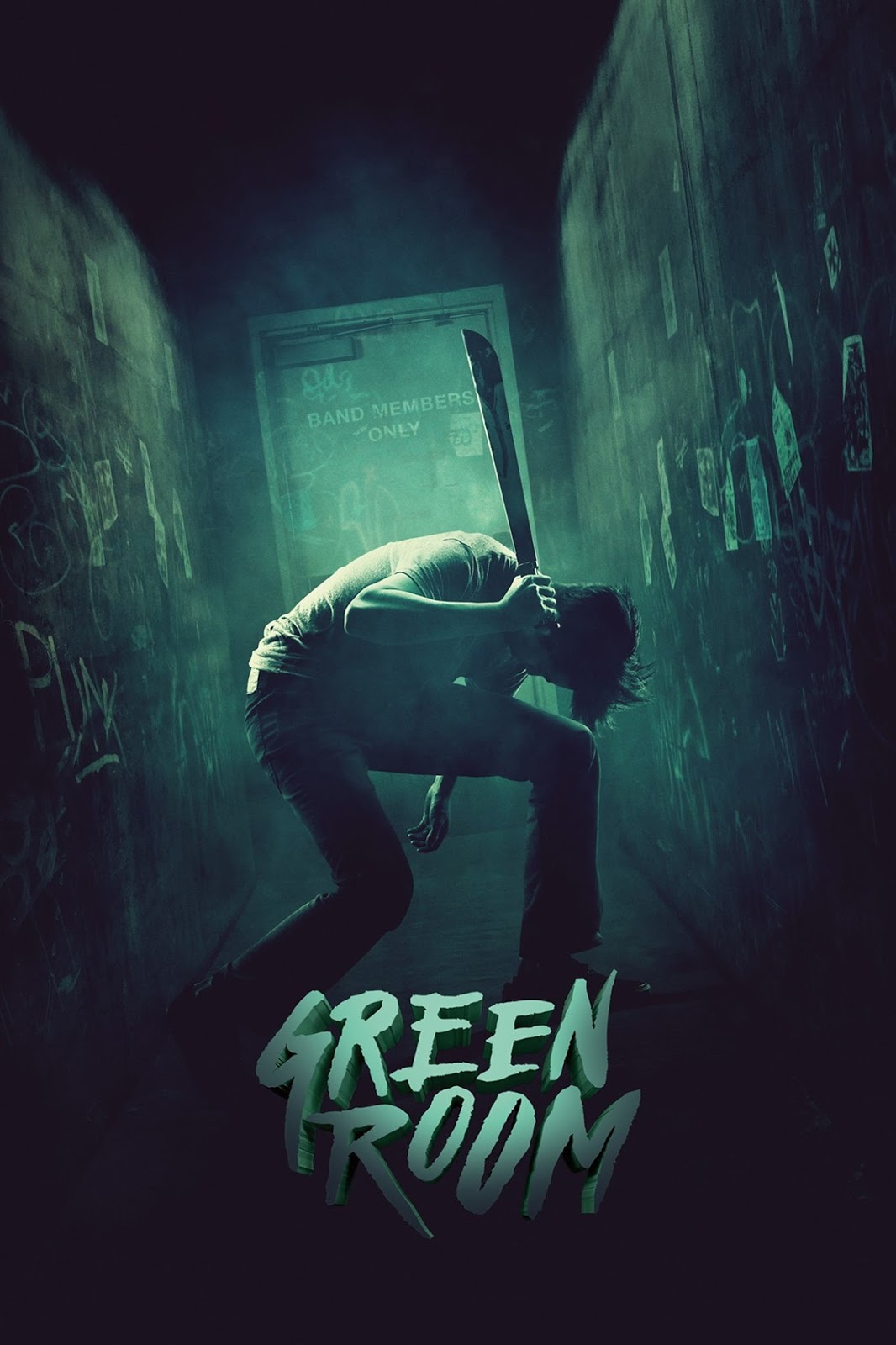
Green Room is sort of meh. Actually not a bad movie, but a little stereotypical of this genre. A rock band is touring from town to town, barely making enough money to keep gas in the van. As a last resort they take a gig at a neo-nazi hangout. When they witness a murder in the back room though, they are held prisoner, and the decision is made to kill them as witnesses. They decide not to go down without a fight. The bad guys are a little cliché but the action is good and the film doesn’t play out in an entirely foreseen way. Not all that memorable, but a worthy way to spend 90 minutes.
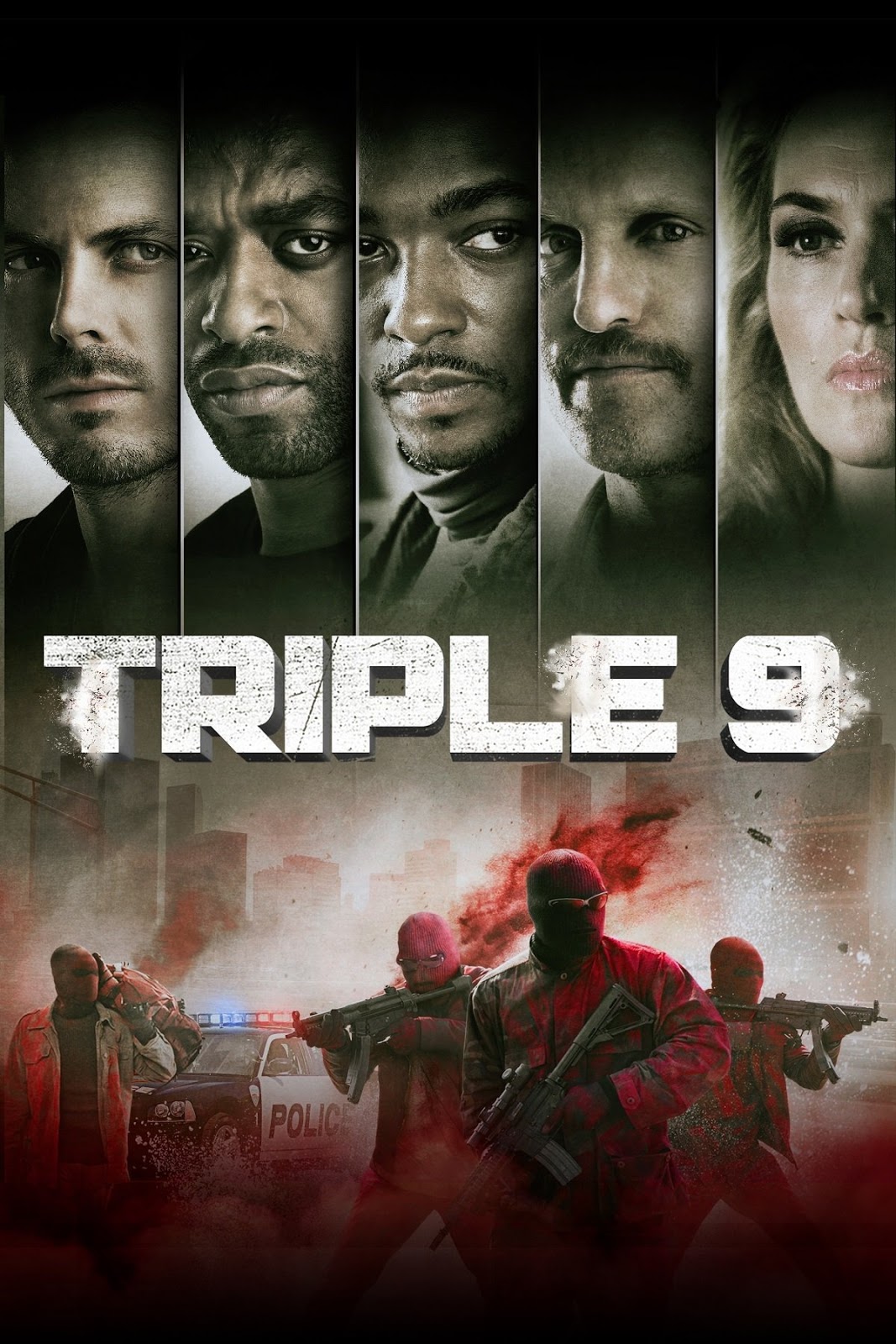
Triple 9 is one of those movies where the amazing cast can’t quite save the story. Not a bad movie, but when you look at the actors (Casey Affleck, Chiwetel Ejiofor, Kate Winslet, Woody Harrelson, and those guys from “Breaking Bad” and “The Walking Dead”, among others!), you expect something pretty stellar. The movie is about a group of thieves and dirty cops, doing a couple jobs for the Russian mafia, and the good cops and detectives trying to put it all together. A lot happens in the first 20-30 minutes where you think it is going to get really deep and complex, and then it never does. But still, good action and decent acting (at least they weren’t just mailing it in) put together a passable film, but a few too many holes will leave you wanting more.
45 Years is very enjoyable, and a poignant look at how events long past can have real implications on your emotions in the present day. Kate and her husband Geoff are getting ready to celebrate their 45th wedding anniversary, having had to postpone a big party on their 40th when Geoff underwent a major heart procedure and had to fight back to life. A week before the big party this time around, Geoff receives a letter that an old girlfriend’s, Katya’s, body has been found. They had been hiking in Switzerland when she’d slipped off a cliff, and apparently she’d become frozen in the ice, her body now preserved all these years. Though this was all before Kate ever knew Geoff, she is consumed by feelings of jealousy and hurt, especially when Geoff admits that Katya was more than a girlfriend, and in fact they were engaged at the time. Over the next few days, Geoff becomes increasingly possessed about Katya and their time together 50 years past, and withdrawn from Kate, and Kate doesn’t know what to make of it as their anniversary party approaches. The ending is just ambiguous enough. Fantastic acting by Charlotte Rampling, who was nominated for an Oscar.
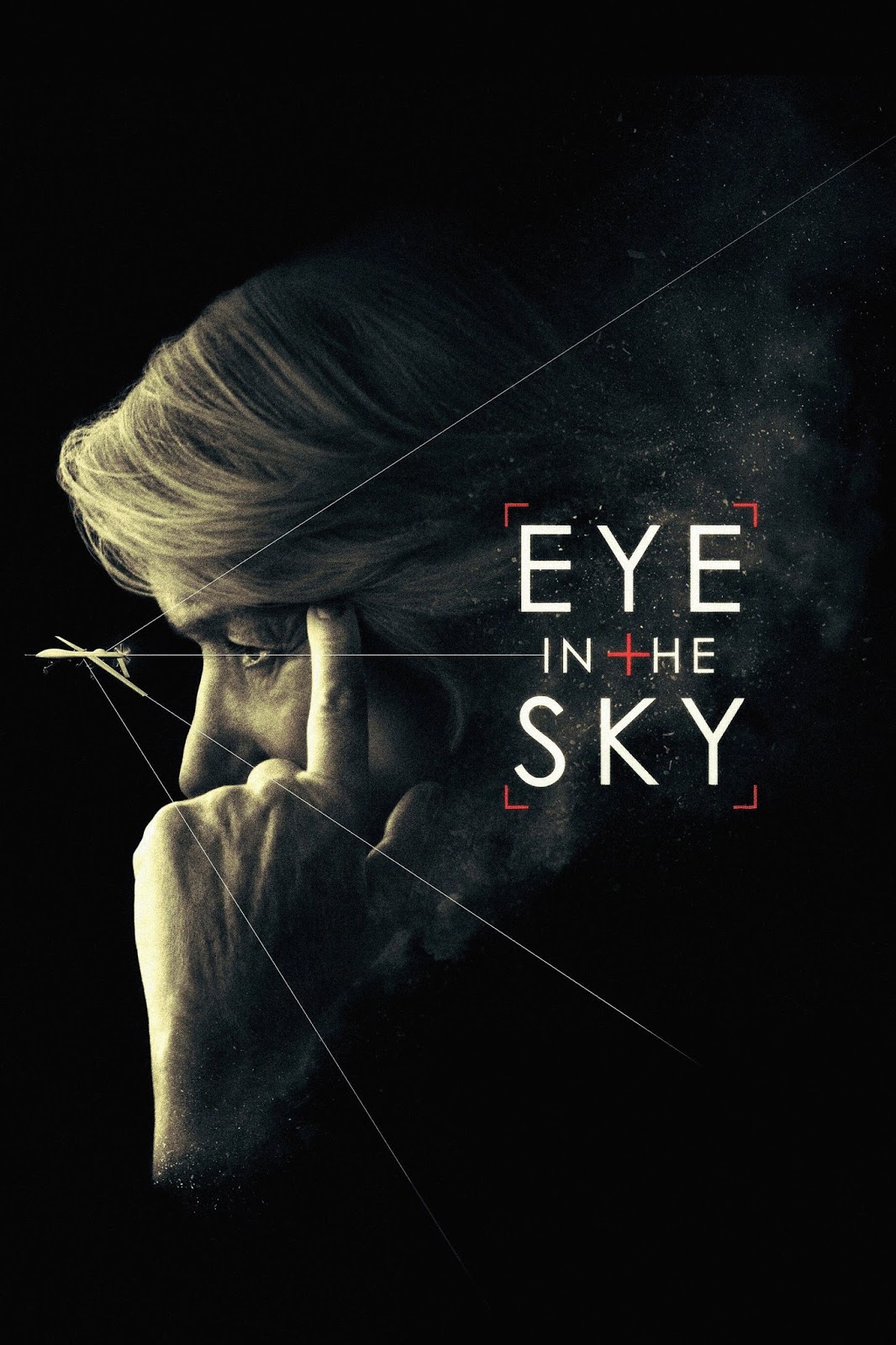
Eye in the Sky is a movie that will get you thinking. Helen Mirren oversees a drone strike program, jointly between the UK and the USA. They are hunting 3 high profile targets in Africa, and when the 3 come together in a house, the team is faced with the decision to take them out and risk killing nearby innocents, or miss possibly their greatest chance to get all 3 terrorists at the same time. Really fine cast including Alan Rickman (his last on-screen movie), Aaron Paul, and Barkhad Abdi (from the hit Captain Phillips). The movie shows the strife amongst politicians, when everyone keeps passing the buck higher up the food chain, as no one wants to be the one to make the final decision, as well as showing the turmoil among the military. Some are willing to take the shot, seemingly not caring how many innocents die, and others struggle with killing even one non-target. The movie does a great job of balancing the good and bad consequences of the choice, and ultimately, the decision made will affect different viewers in very different ways.


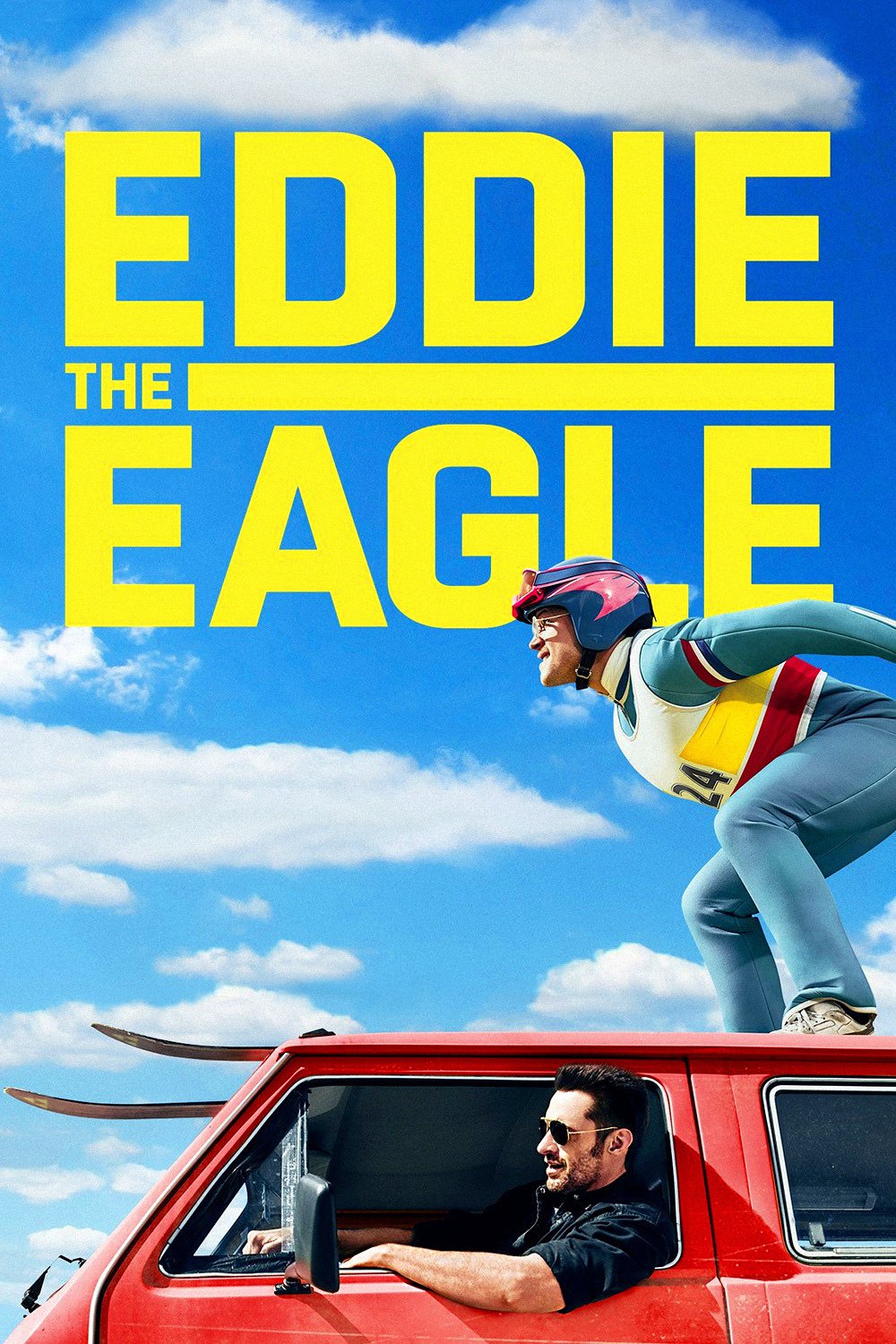
I may have mentioned it before, but I have a soft spot for sports films, and I like the Olympics, so a movie about the Olympics will get me every time. I really enjoyed Eddie the Eagle, but not just because of its setting. Taron Egerton is incredible as Eddie, who wanted nothing more than to play in an Olympic games. After trying different sports growing up, he finally settles in as a ski jumper, mostly because his native UK has no team, so it is an easier road to the games. He latches on to a former jumper as a coach (played by Hugh Jackman), and sets out to reach his goals. I’m not sure how factual the base-on-a-true story movie is, but it is quality film and can be enjoyed by all ages.

Quick takes on 5 films

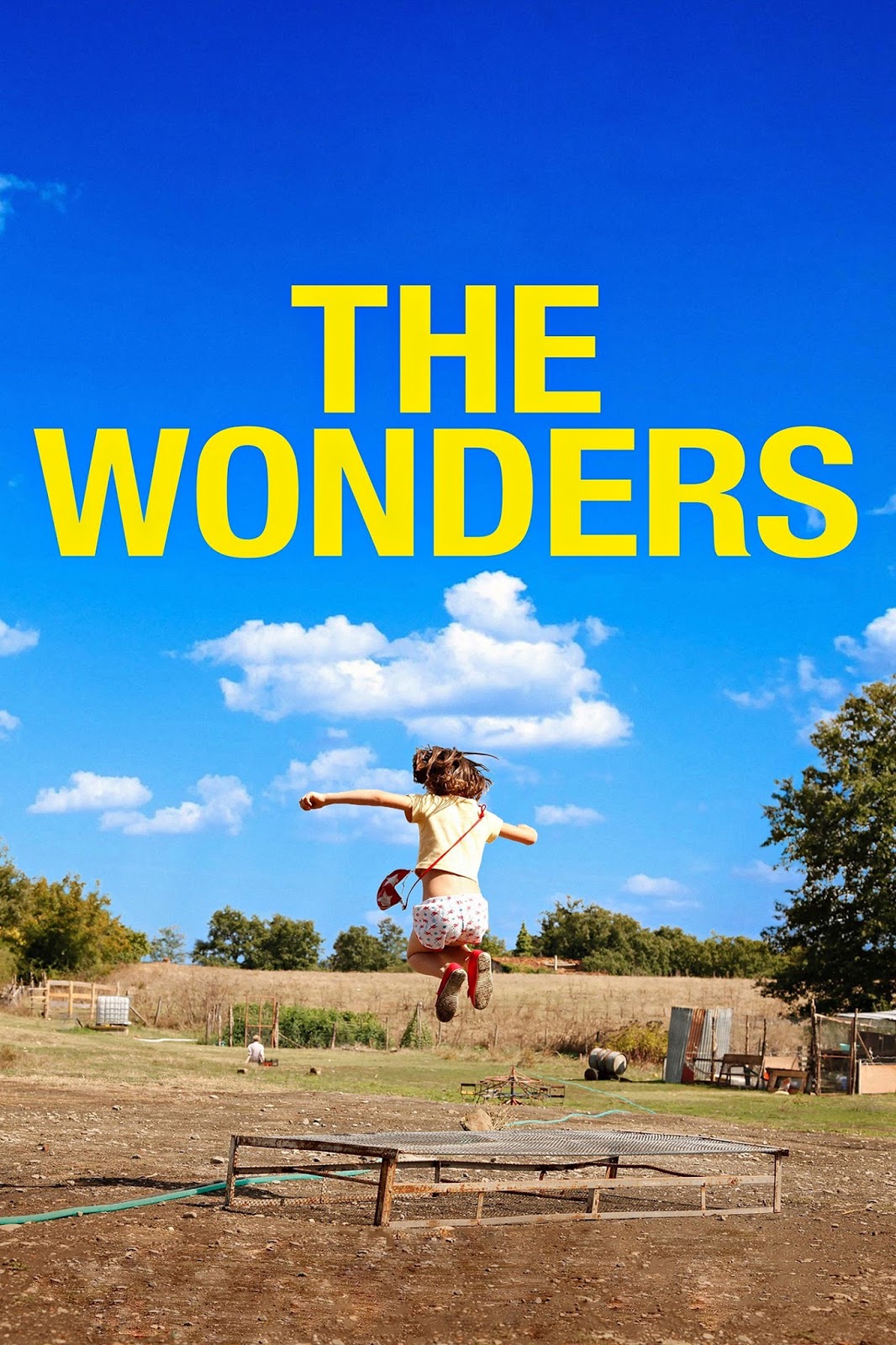
The Wonders is an Italian film, with a couple different subplots going on. It follows a rural family of beekeepers living a simple life. They struggle to get by and have none of the trappings of modern times. However, when a reality show competition comes to the area, offering prize money to the local family with the best product, their simple lifestyle is put at risk. At the same time, the eldest daughter, Gelsomina, is coming of age. She struggles with being the one everyone else relies upon to continue their hard life, with her desire to want to do and see more. Like a lot of foreign films, the dialogue (at least the translated, subtitled dialogue) can be a little hokey and over the top, but it is a heartfelt film and enjoyable.
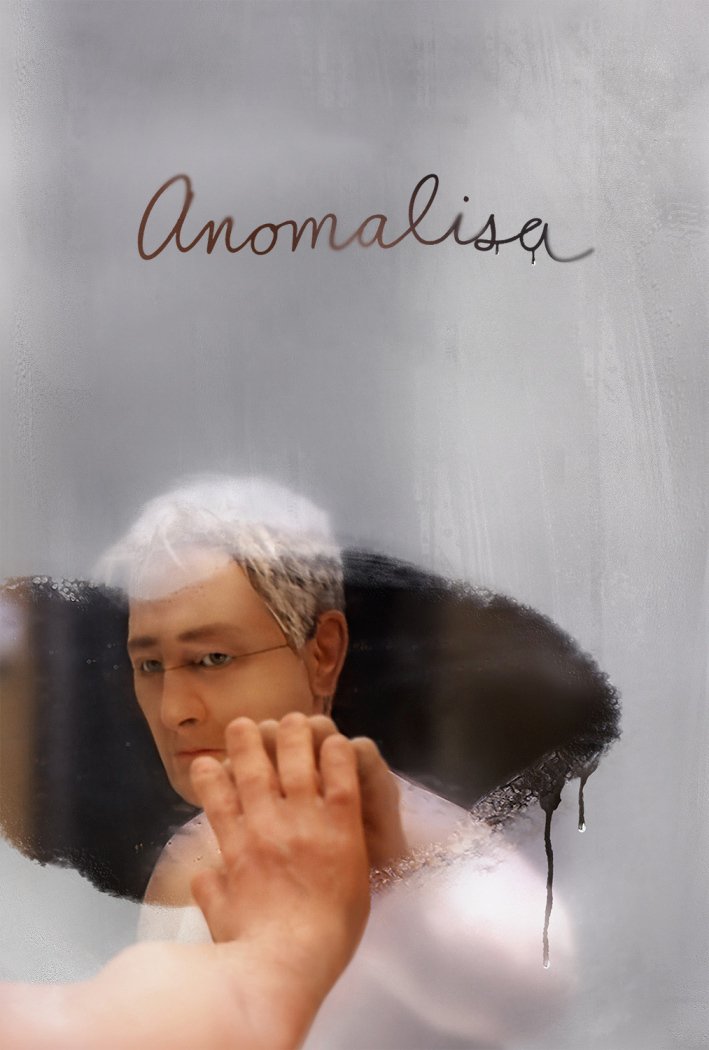
Anomalisa is a throught provoking film in a different style. Written by the great Charlie Kaufman, it is a stop motion film, but this one isn’t for the kids. Michael Stone is due to give a speech at a seminar out of town, but on his walk from the plane through the airport to his hotel, we see that he perceives everyone around him the same way. All men and women have the same face and same voice, and they all annoy him. At the hotel, he finally hears a female voice down the hall, and he runs to find her. They spend the evening together, but what happens from here, I’d hate to give away. If you like Kaufman’s inspriring films, you’ll enjoy this one as well.
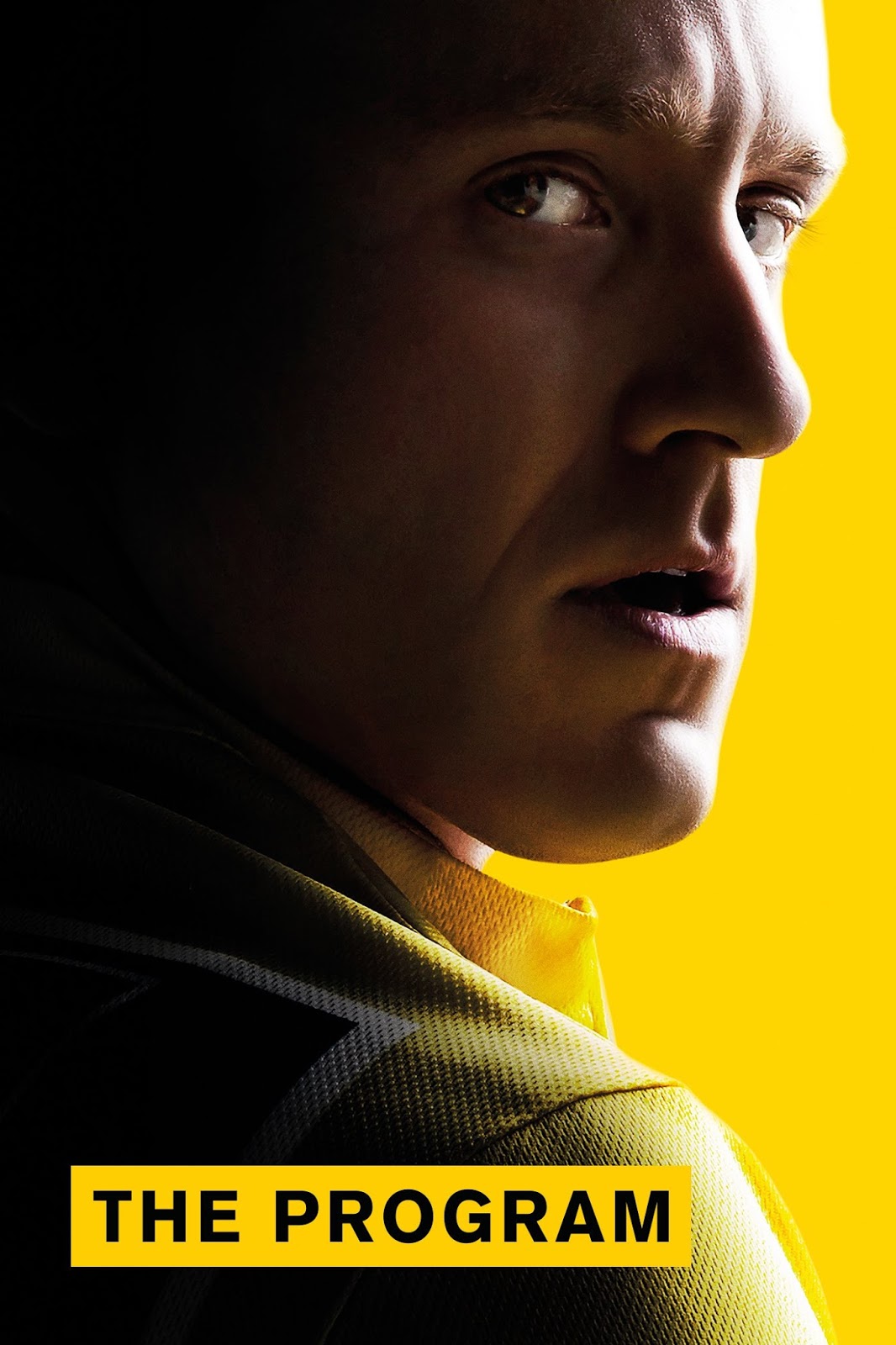
The Program tells the rise and fall of Lance Armstrong, played here by Ben Foster. Foster is great in the movie, and he obviously worked on getting down Lance’s mannerisms and faces; there are scenes where he (Ben) looks a lot like him! Having said that, the movie is sort of boring. It jams Lance’s full career from 1993 – 2011 (or so) in under two hours. Some parts feel rushed, and others you wish they’d have rushed further. I don’t know how accurate the film is, but Lance is portrayed as incredibly egotistic, and not all that secretive about his doping. By the time he is brought down, it is no surprise due to the sheer number of people aware of his cheating.
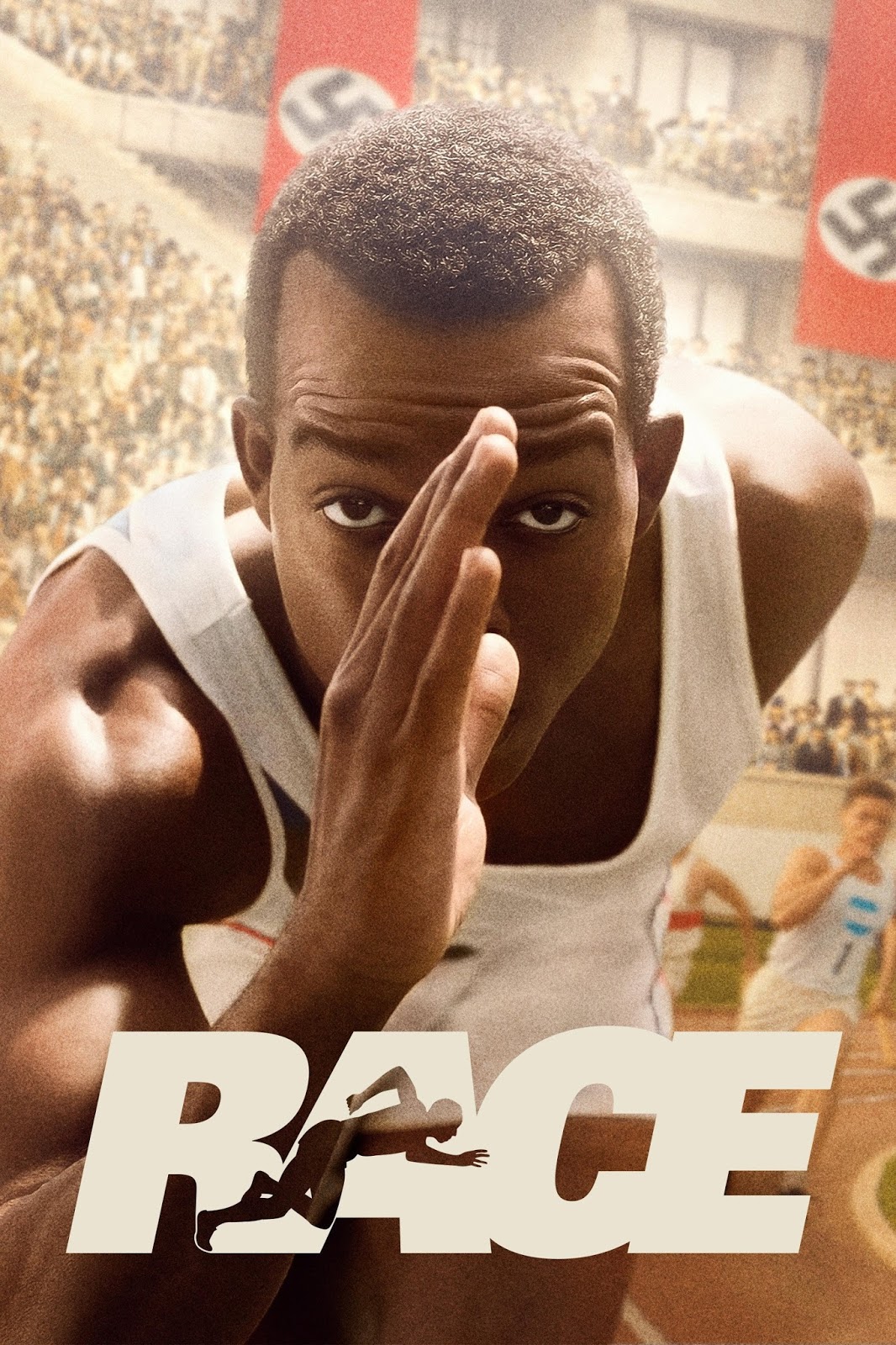
Race is a little better, but (unfortunately) is a little boring too. It tells of Jesse Owens’ rise and breakthrough at the 1936 Olympics in Nazi Germany. It should be a thrilling movie, and the final half hour or so does almost reach must-watch status, but the film as a whole is lacking. It is easy to root for Owens in an environment and time when he has to fight for everything, and the movie leans a little too heavy on that promise. It stars Stephan James as Owens and Jason Sudeikis as his Ohio State coach. James is fantastic, but Sudeikis still has a way to go to distance himself from the comedies and romantic-comedies he is known for.


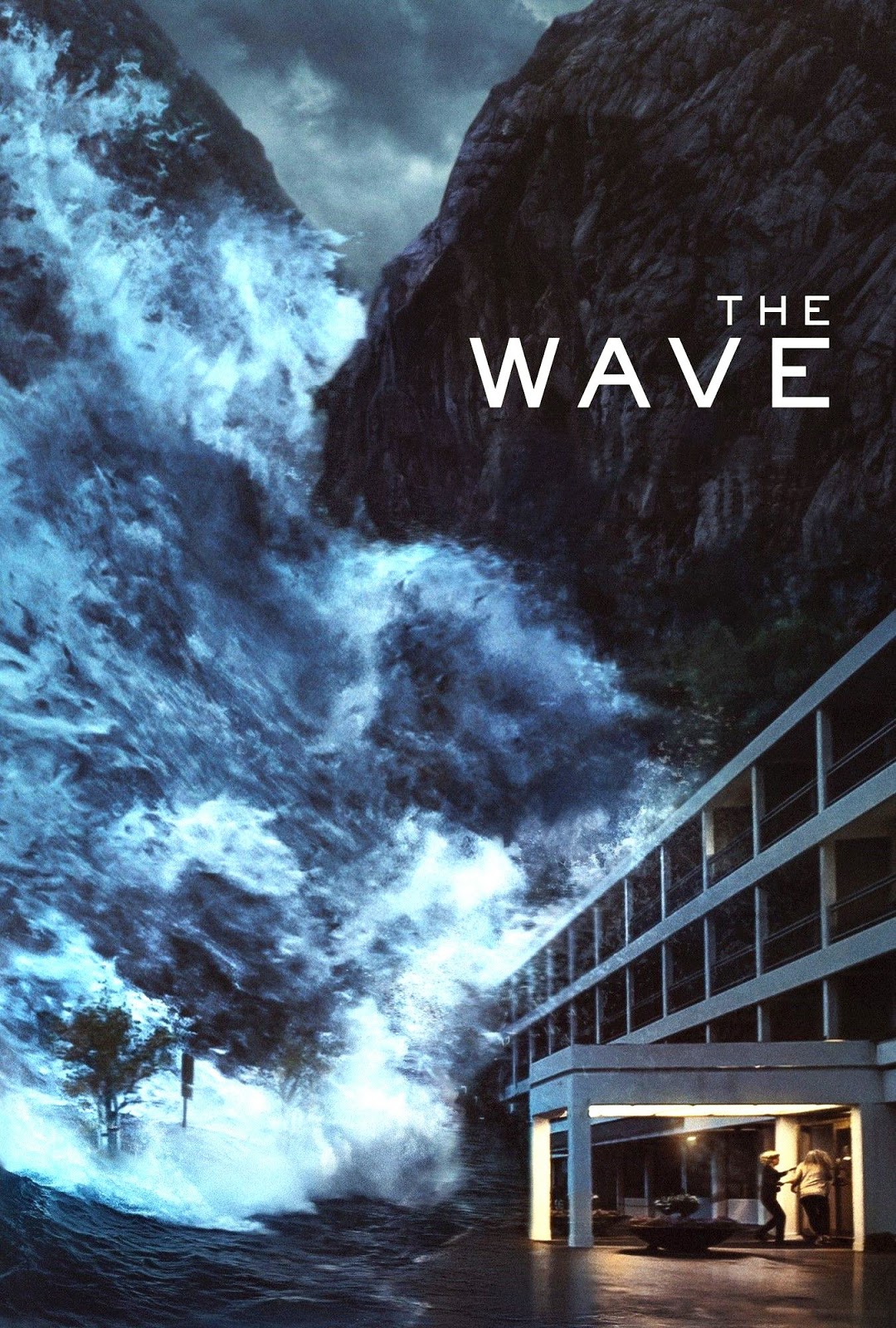
The Wave is a Norwegian disaster movie, and a relatively good one. It takes place around a quiet mountain town in Norway. Kristian is a geologist who monitors for quakes in the mountain, at a waypost that is built to give early warning in case of an earthquake. A large avalanche can lead to a tsunami in the canyon, wiping out the town below. The first half of the movie is great, as little warning signs are popping up and Kristian is getting increasingly worried of impending disaster. When the calamity comes, the movie (for me) slows down a bit, as the tight suspense is replaced by more of a search-and-rescue kind of flick. Still very good and a rewarding film.

Quick takes on 5 films

Even I give up on some films. James White is about a listless, goal-less, waste of a human being, who I’m sure turned it around by the end, or at least I hope he did. I wouldn’t know, as I quit about 30 minutes into this one. I get that it is an art film and not for everyone, but it is damn hard to watch, even for someone like myself that typically likes independent films. The scenes are choppy and show moments in James’s life over a couple months, after his dad has died and his mom is seriously ill, but there is no coherency and very little to get behind. Maybe it eventually turned a corner, but that corner was too long in coming.
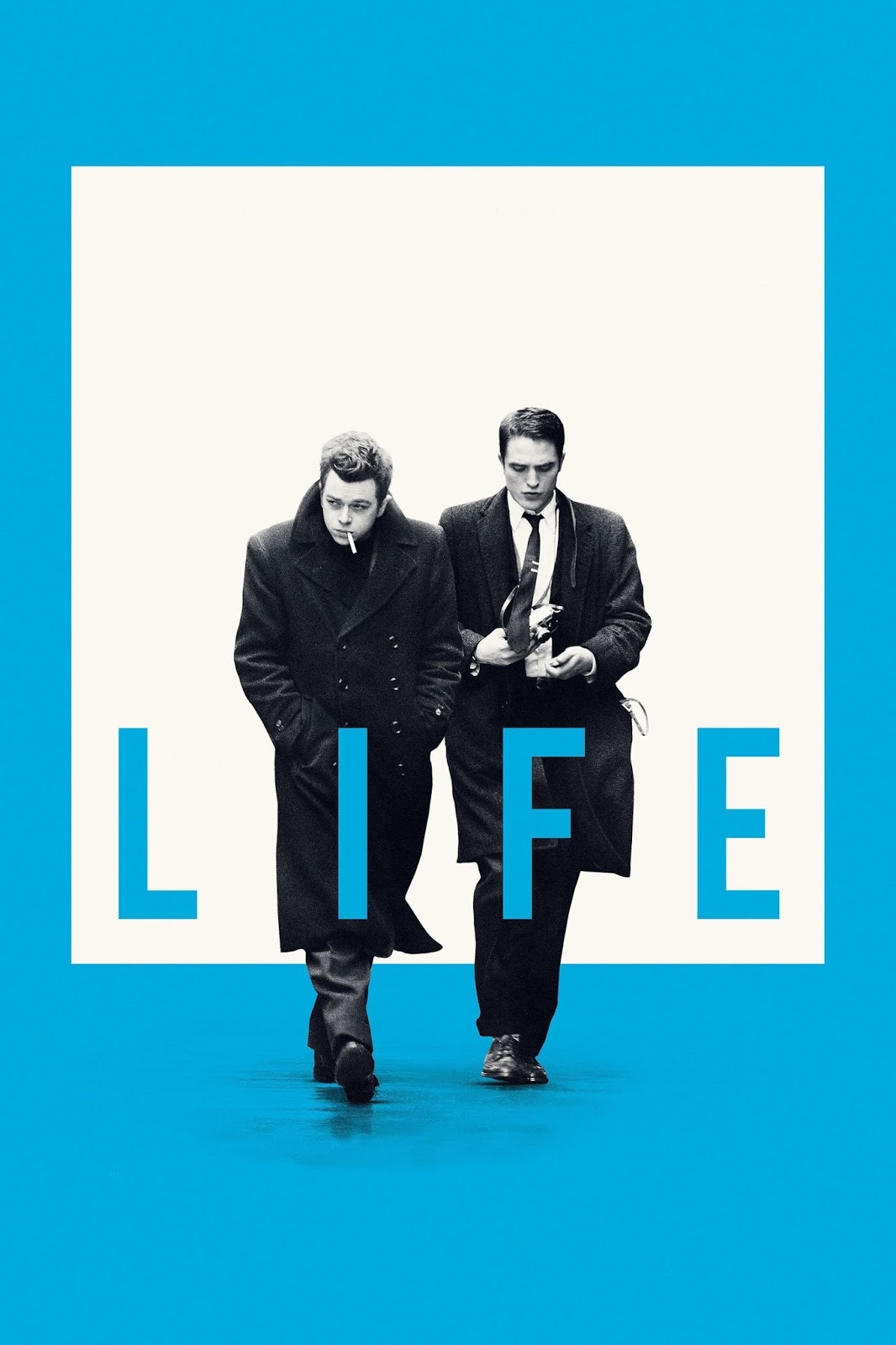
Life is one of those films where the acting outshines the movie. Semi-biographical, it is about the weeks leading up to the East of Eden premiere, when photographer Dennis Stock followed James Dean around taking photos for a story about this new up-and-comer. Robert Pattinson as Stock and Dane DeHaan as Dean are equally brilliant in this film, and though the film itself is solid but not extremely compelling, film buffs will want to see this for those two alone. If you only think of Twilight when you think of Pattinson, you are missing out on his last few outstanding showings, and relative newcomer DeHaan channels the ultra-cool but seriously haunted Dean as few probably could.
I didn’t get this one, but it is a foreign film (Romanian) so perhaps something is lost in reading the subtitles. The Treasure is a comedy (I think?) about two men, down on their luck, digging for treasure in one of their’s great-grandma’s old houses. The two say and do fairly ridiculous things, the least of which is digging for treasure basically on an old passed down legend, and putting all of their remaining funds into said search. A really low-key film, and delivered throughout in a deadpan fashion.
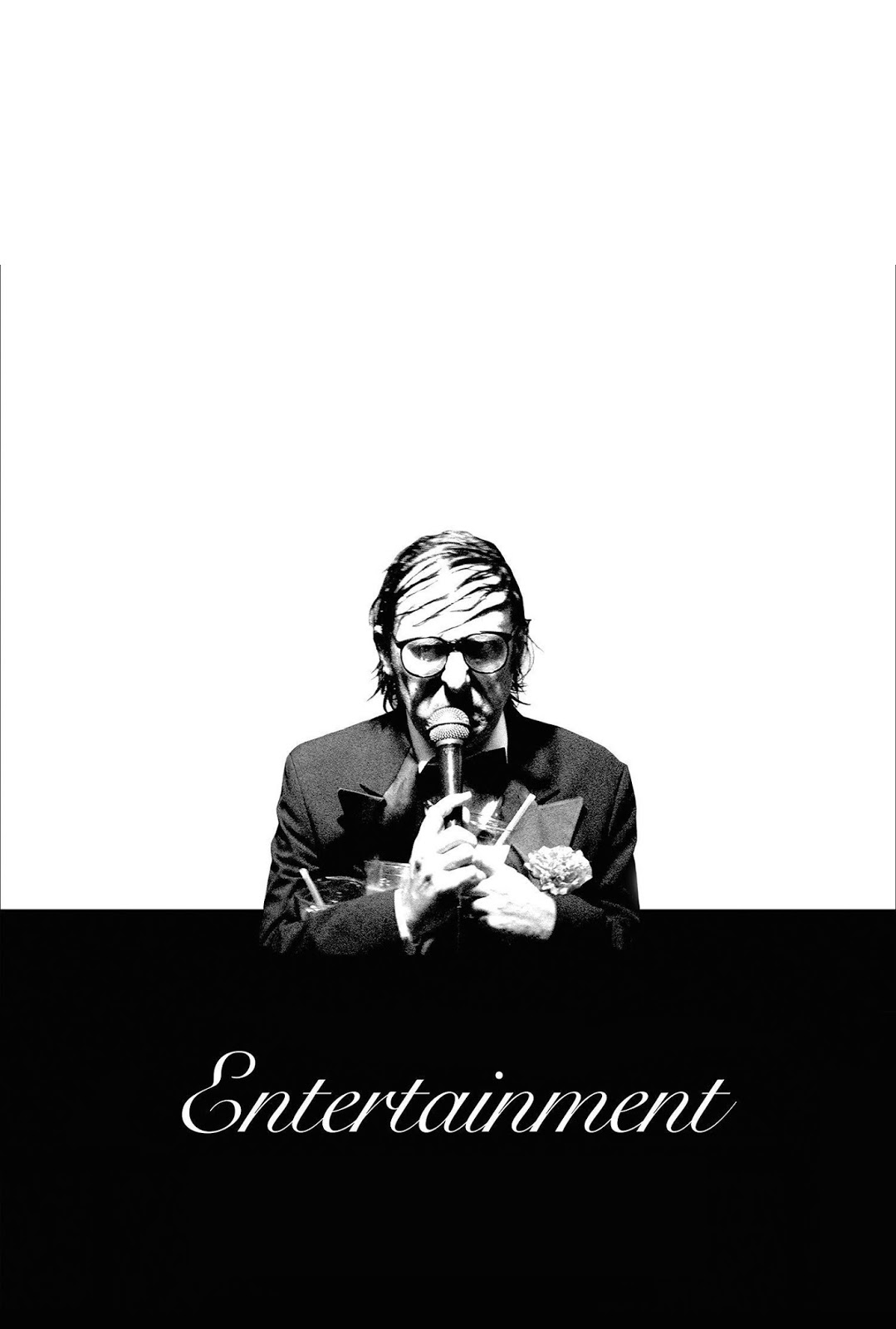
Entertainment is anything but. It stars Gregg Turkington and is sort of based off his persona of Neil Hamburger. If you’ve ever seen his schtick, he’s the comedian that does terrible one-liner jokes, and is unfunny on purpose. This film is basically 1 ½ hours of that. The comedian is on the road, going to increasingly worse and worse venues (bars), to fewer and fewer patrons, while his jokes are getting worse all the time. It seems to blend into his real life too, as during the day his trips around the towns he’s visiting just get more strange and he seems more depressed. In the end, Turkington is the only one laughing, and the movie can’t be anything more than a joke he’s pulled on the viewer for self amusement.


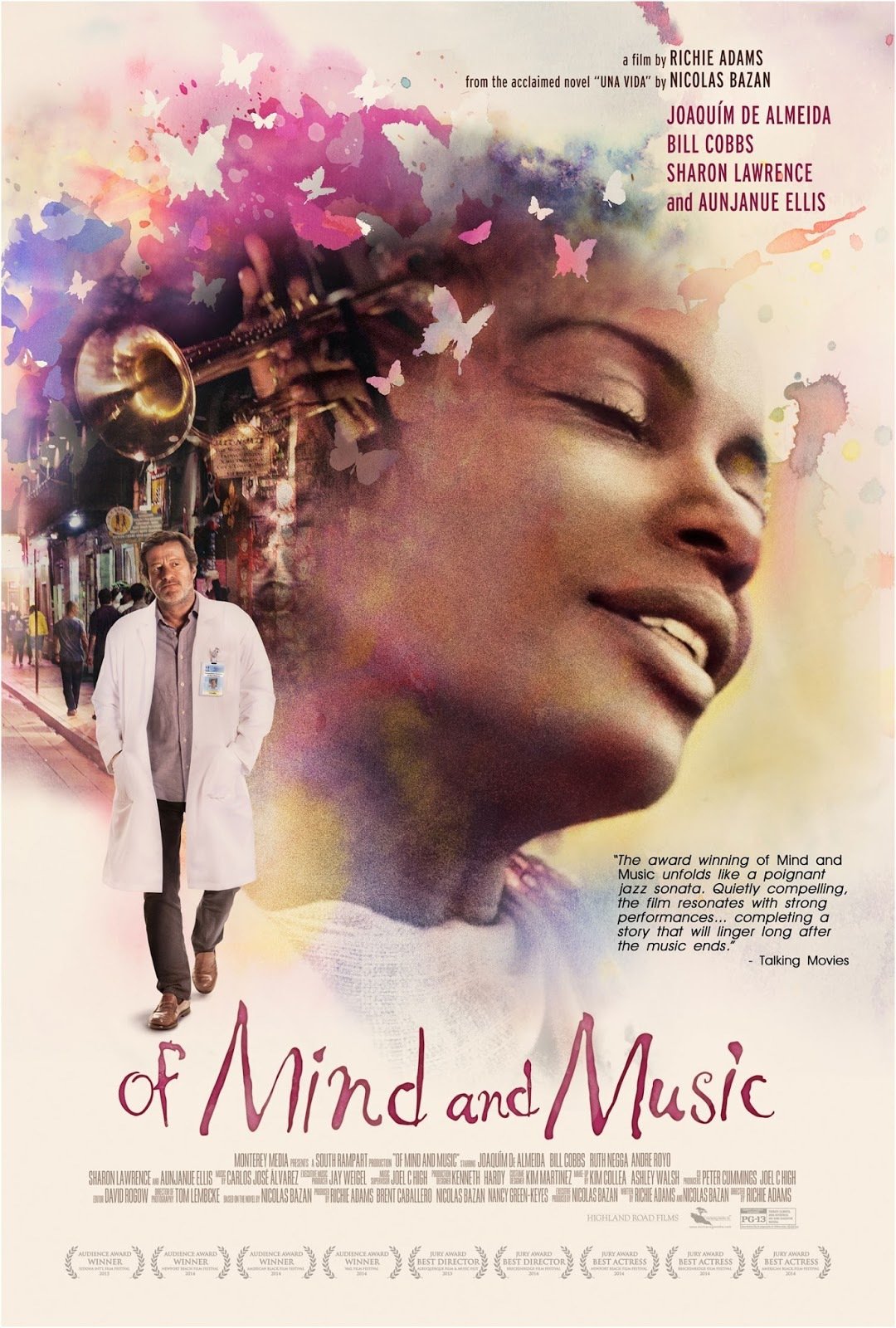
And finally, after a series of so-so to terrible films, I got a good one in Of Mind and Music. Dr Cruz is a neuroscientist researching to find a cure to Alzheimer’s, of which is mother is suffering. He returns home from a long international trip to find she has progressed rapidly and no longer remembers him. When he stumbles upon a local street performer, Una Vida, he makes it his goal to help her in some way since he wasn’t there for his own mom. He finds that even as Una Vida gets worse, she is brought back to coherency by her music. A very touching film about trying to find hope in a situation where none exists.

James’ Wings of the Dove is hard to read, but ultimately worth it

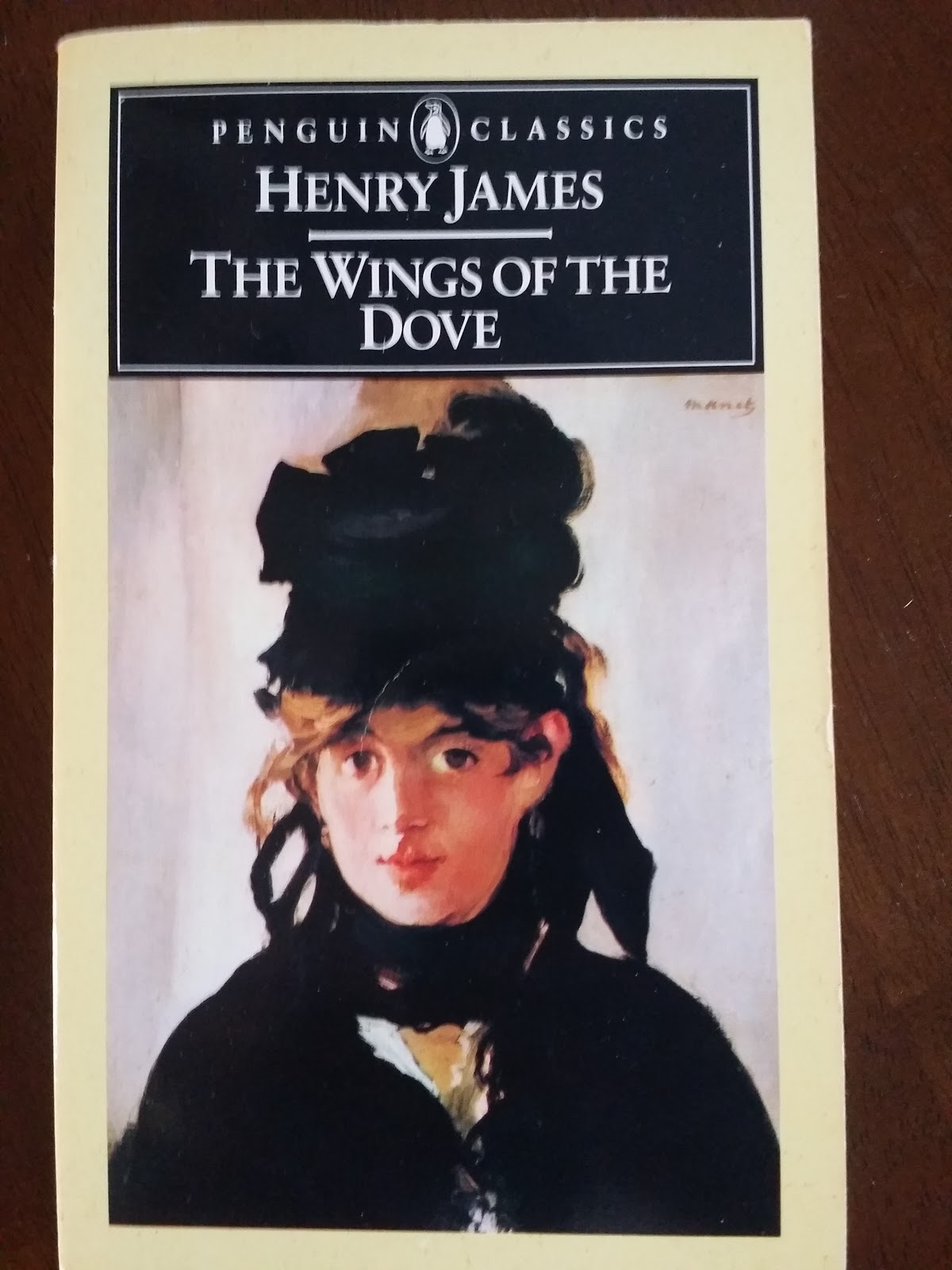
My first Henry James read, one of the greats. I have to say after reading The Wings of the Dove, James is obviously brilliant when it comes his grasp of the English language. I’ve never read a book that was both so hard to read, yet so rewarding for its substance. To say James is “wordy” is an understatement, with extremely long sentences that never quite become run-ons, paragraphs that go on for pages, and even his characters often repeat each other to lengthen it further (“You mean she did not wish to see you?” “Yes, she did not wish to see me.”). This novel demands your full attention, you cannot have the tv on in the background, or any distraction around you. Even so, I had to go back and re-read sections often, just because my mind would wander. But at no time did I feel frustrated or bored, James is just that good.

The novel follows a small group of characters in England. Kate Croy is a beautiful young woman, with unfortunately no family fortune to elevate her status, her dad having squandered their money on drugs. She is watched over by her Aunt Maud, who will only let her marry to further her station. However, Kate is secretly in love with Merton Densher, a poor writer, and so far has been rebuffing Aunt Maud’s pick for her, Lord Mark.

Densher goes away to the USA on a writing assignment, and there meets a lovely, young, very wealthy woman named Milly Theale, and her traveling partner Susan Stringham. Susan and Maud are old friends, and when they come to England, the whole group meets up. Here we learn that Milly is ill, in fact dying from some unknown illness, but she doesn’t let on. Somehow Kate suspects it though, and tells Densher to get close to Milly, to woo her even. Lord Mark tries to propose to Milly, but by then she has all ready started to fall for Densher and declines. The group travels on to Venice as a vacation, mostly because Milly wants to experience all of life before her death.

As Milly’s condition worsens, the others start to realize something is up. Kate and Maud return back to England, but before leaving, Kate tells Densher her whole plan. She wants Densher to marry Milly, who would then leave him her fortune upon her death. Densher is shocked, but agrees to go along with the plan despite his misgivings. It goes awry though when Lord Mark comes to visit Milly, and tells her that Kate and Densher have been secretly engaged this whole time. She is heartbroken, meeting Densher once more before he sets back off to England. She dies while he is en voyage.

When he gets back, he confronts Kate. He has received a letter from Milly, written on her deathbed and as yet unread by him, and he wants to know if Kate told Lord Mark of their engagement, as no one else had known. He asks her to confirm or deny, which she refuses, and instead tosses the letter into the fire before he can read it. Densher tells Kate that Milly has still left him a lot of money, but that he cannot accept it because of what he has done. He tells Kate that he will still marry her, if she too refuses the money, however, if she chooses, she can take the money and Densher will leave her. The ending is somewhat cryptic, but Kate does say something along the lines of their lives not turning out as planned, hinting that she will take the money and leave Densher. (Of course, it could also mean that she will marry him and be poor. The joys of interpretation!)

As I said, I thoroughly enjoyed this novel, even with it being one of the more challenging books to get through. I’ve quit books that weren’t this hard to read, but James keeps your attention through it all. If you can stick with it, it is a rewarding experience.

Quick takes on 5 films

Deadpool is one of the better non-MCU Marvel movies, but it had to go in a completely different direction to make it happen. Whereas past movies are PG-13, this one is a definite R, full of graphic violence and graphic language. Ryan Reynolds as Deadpool is funny, breaking the fourth wall to lampoon himself and others. He is on a hunt to track down the man that made him disfigured, and shuns the “superhero” title. This isn’t the Marvel movie to take your kids to, but if you are old enough to handle the constant stream of vulgarity and sex jokes, it is an entertaining adventure.
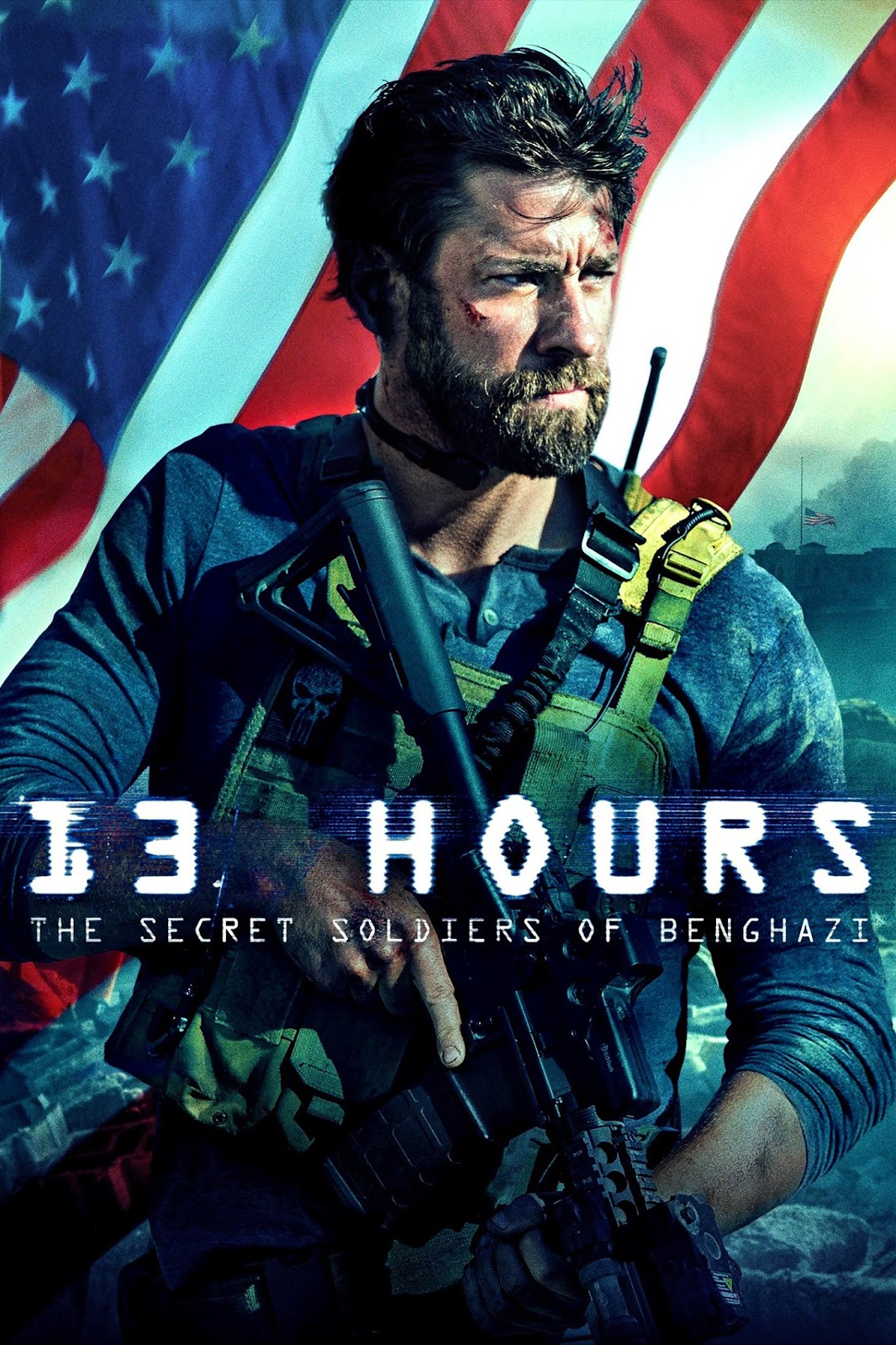
13 Hours as a military action film is good. It is intense, gripping, full of white-knuckle action. If you liked recent movies like American Sniper and Lone Survivor, you should dig this one too. The only problem is it isn’t just a movie, but based on the Benghazi attacks on Americans in 2012. It highlights many problems with many aspects about missions abroad, especially those not officially sanctioned by the USA government. Libya was a mess at the time, and while many countries decided to pull their citizens from the area, we left a group there, not only official diplomats, but a secret CIA base that really had no jurisdiction. When the CIA base is attacked by militants, they can’t get military support or backup, as they aren’t supposed to be there. It is hard for me to really enjoy a film about Americans really dying, but it is an eye-opening experience worth a viewing.
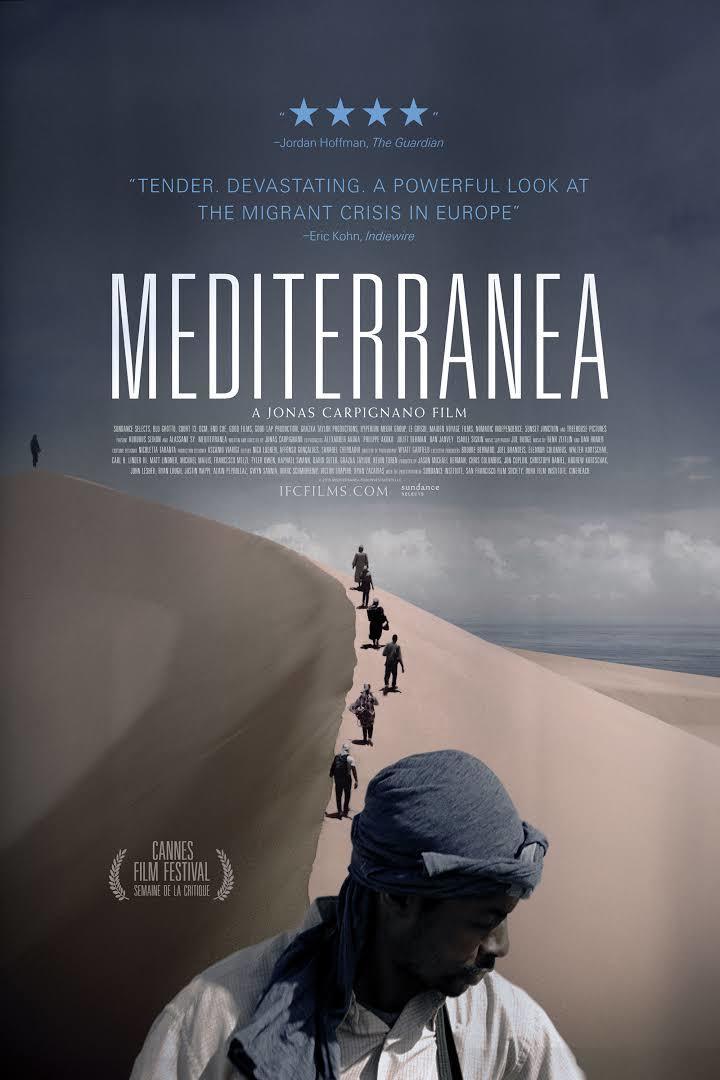
I hate to say it, but Mediterranea is really kind of a boring film. It is about a couple friends from Burkina Faso, Africa, who make the trek to Europe (Italy) for a better life. This timely film should be must-watch, but it plays out almost like a documentary. And while the one friend accepts the difficulty in the journey and is ready for the challenges for work, food, and pure survival awaiting in Italy, the other almost expects everything to just come easily. Guess what? It is actually pretty fucking hard for them. The lead’s acting didn’t help; not sure if he was going for stoicism or what, but it came off like a deer in the headlights in front of the camera.
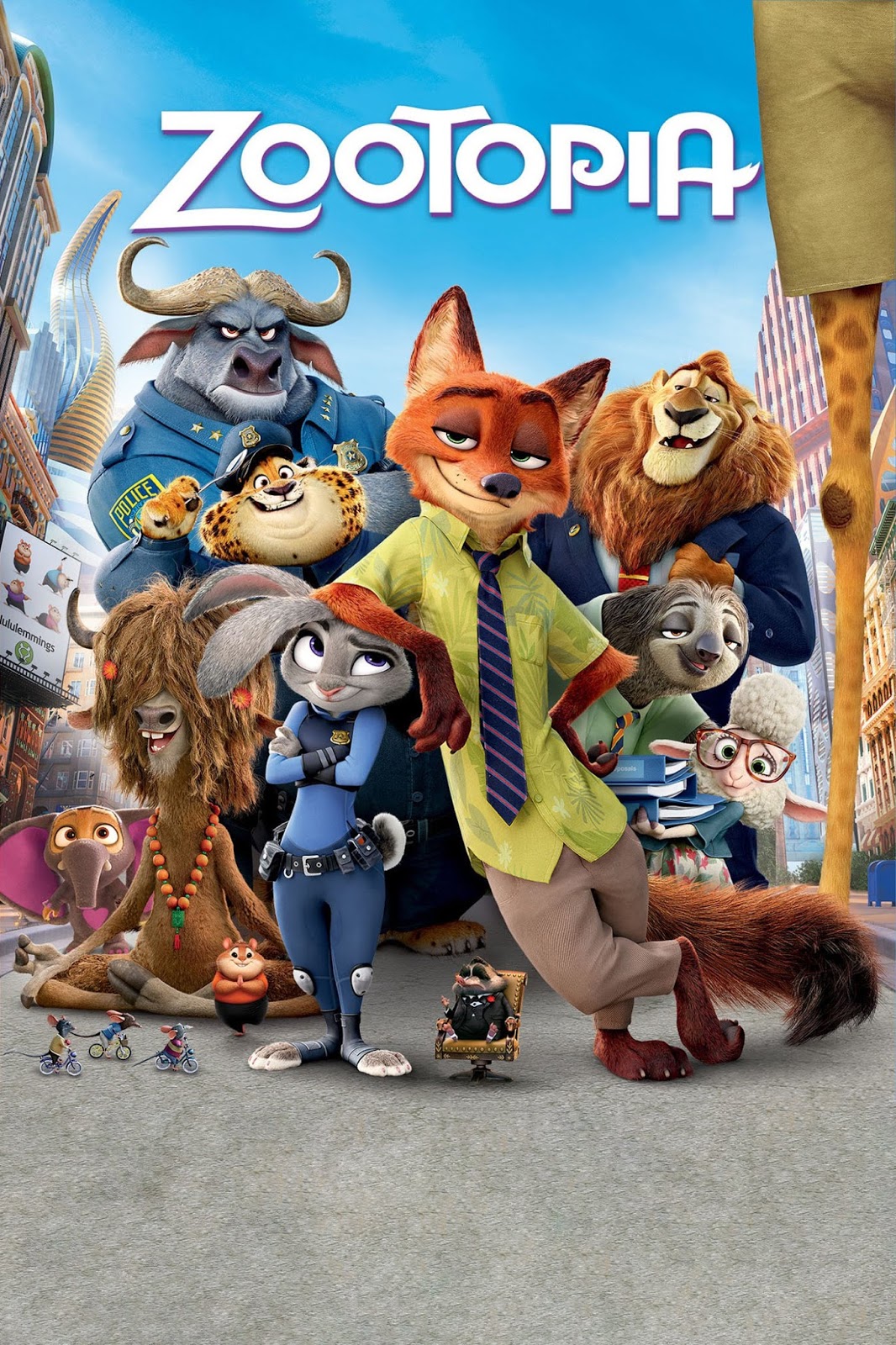
Zootopia also was just OK for me, and I hate to say that because I went in with really high hopes. It isn’t a bad movie by any stretch, and it has a good message of inclusivity despite differences, but it is very much a “kids movie” and doesn’t have some of the reach for an adult audience that many Dreamworks or Pixar movies do (this one is straight Disney Studios). In the film, a rabbit becomes a cop, even though there has never been a rabbit cop, and she struggles to be taken seriously by her fellows and even the criminals. She befriends a fox, who is also stereotyped by society as a scam artist. Obviously a great message to teach our kids that you can be whatever you want, and everyone is important, but the jokes and antics are squarely aimed at a younger group. Watch this one with your kids, they will, I’m sure, highly appreciate it.


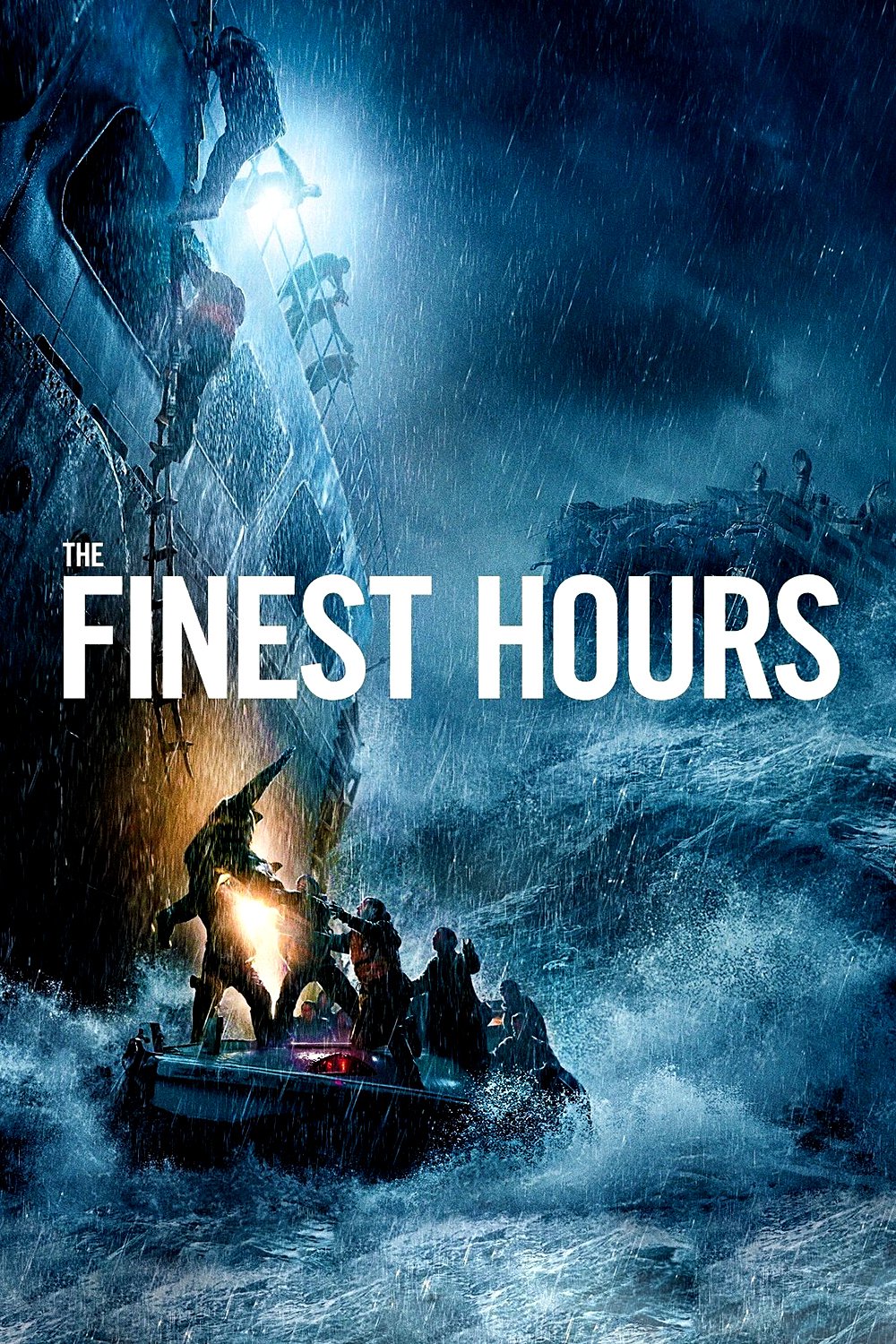
It is hard for a good adventure film to be boring, but The Finest Hours is pretty close. The deadpan acting of Chris Pine and Casey Affleck (who I usually like) doesn’t help. Telling the story of a 1950’s Coast Guard rescue in treacherous conditions, the film is predictable to a fault, and even the “rousing” Disney ending wasn’t enough to get me going. All of the characters are one dimensional, and nothing in this film is deeper than a wading pool.

Quick takes on 5 films

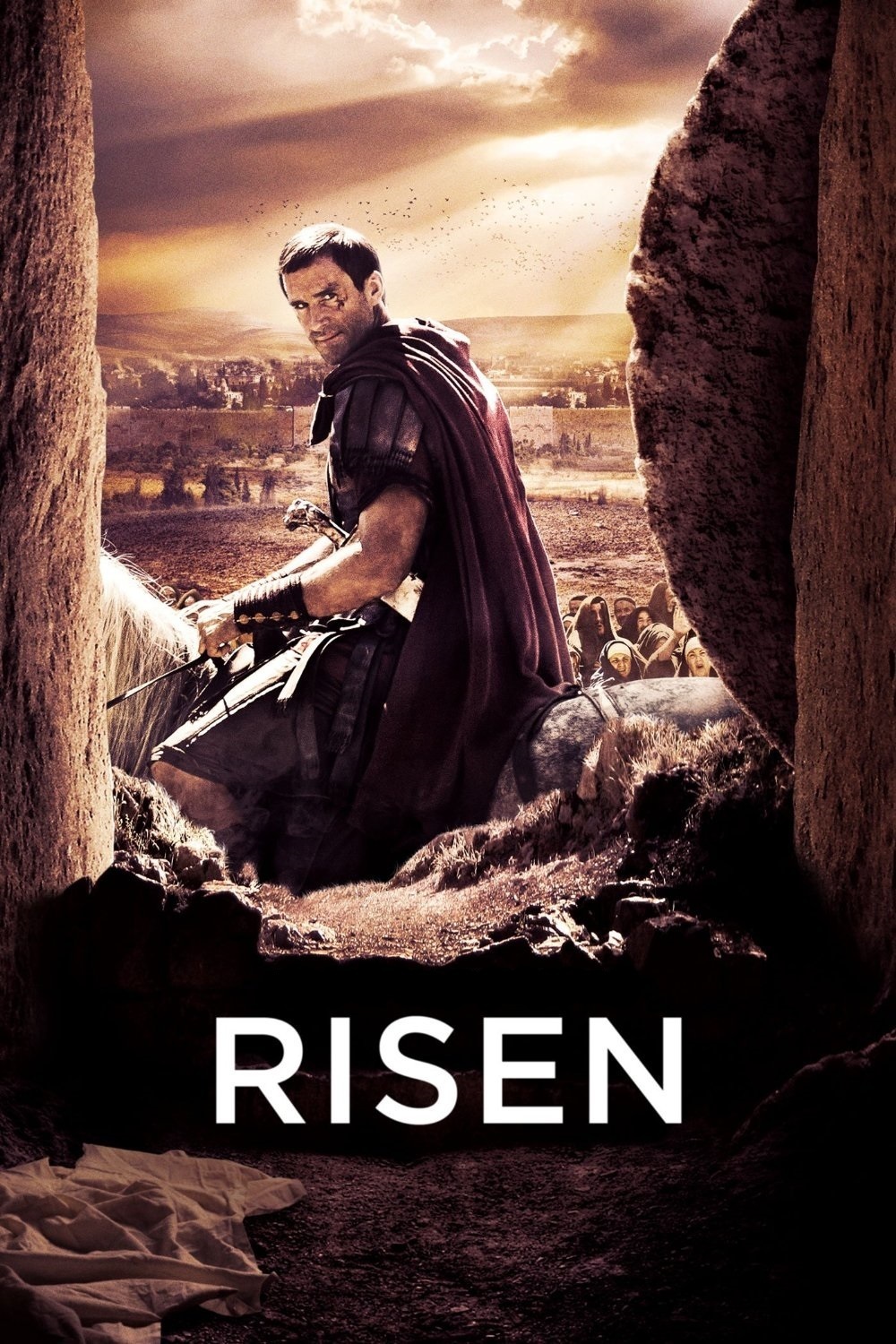
Risen tells the story of Jesus’s death and resurrection from a different perspective. Clavius (played by Joseph Fiennes) is a Roman soldier appointed by Pontius Pilate to basically make sure Jesus stays dead, to see that his body isn’t stolen away to prove the rumors of his impending resurrection as true. When Jesus’s body does indeed go missing 3 days later, Clavius sets to interviewing his followers and trying to find who took the body where. He obviously doesn’t believe the rumors of an actual resurrection, and the film plays out almost like a police detective story, with Clavius searching for clues and hints to the body’s whereabouts. When Jesus decides to show himself, and what happens after, Clavius’s whole outlook on life is shaken. A nice, different take on the classic story.
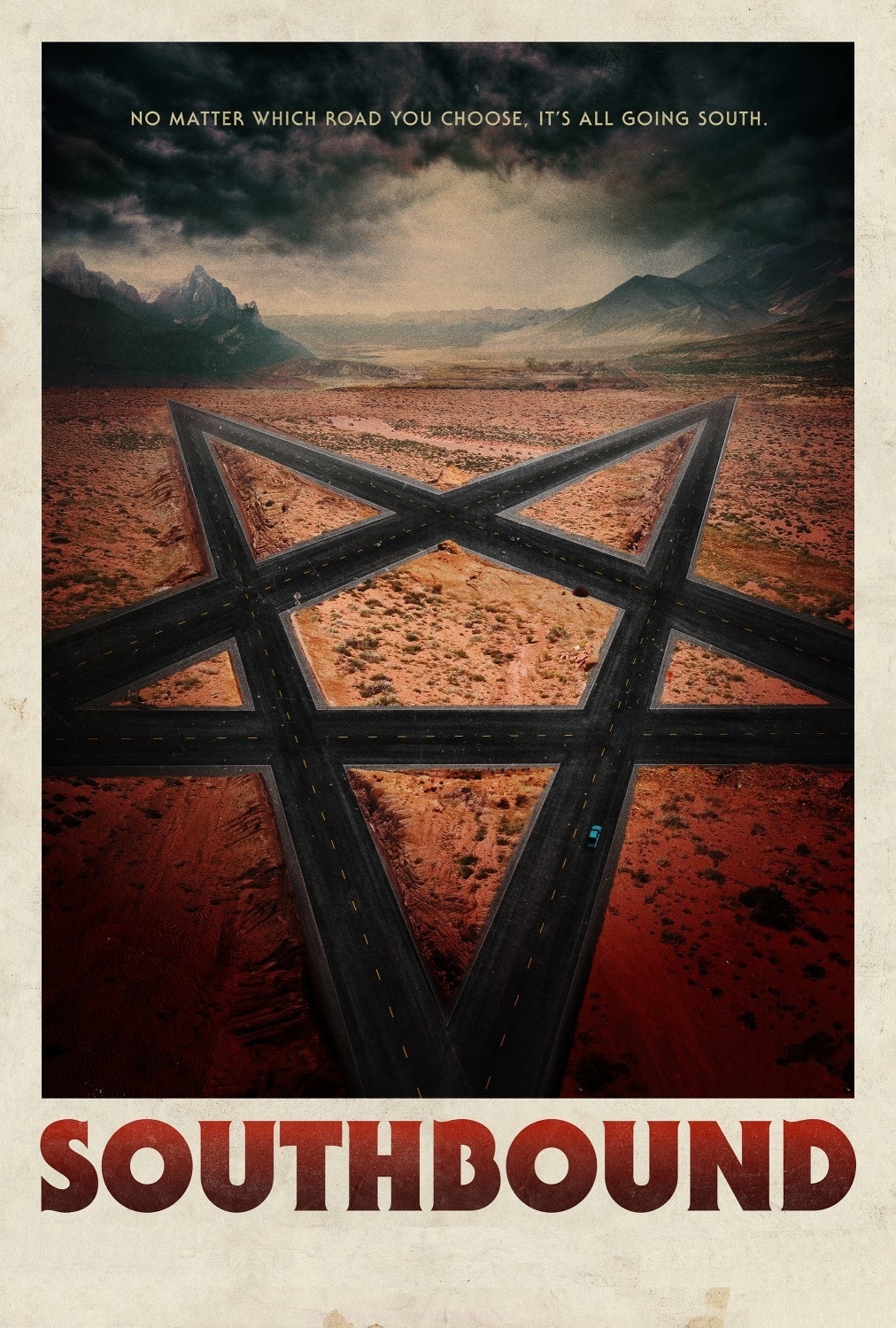
Southbound is a horror movie anthology, loosely connected with an overarching theme. There are 5 or 6 short tales, taking place along the stretch of a lonely highway out in the middle of nowhere, where floating demons look down at the comings of goings of good and bad people. Not a bad scary film, though lighter on the scares than many may like. It has an old-school Creepshow kind of feel, and the ending that connects it all together is satisfying enough.
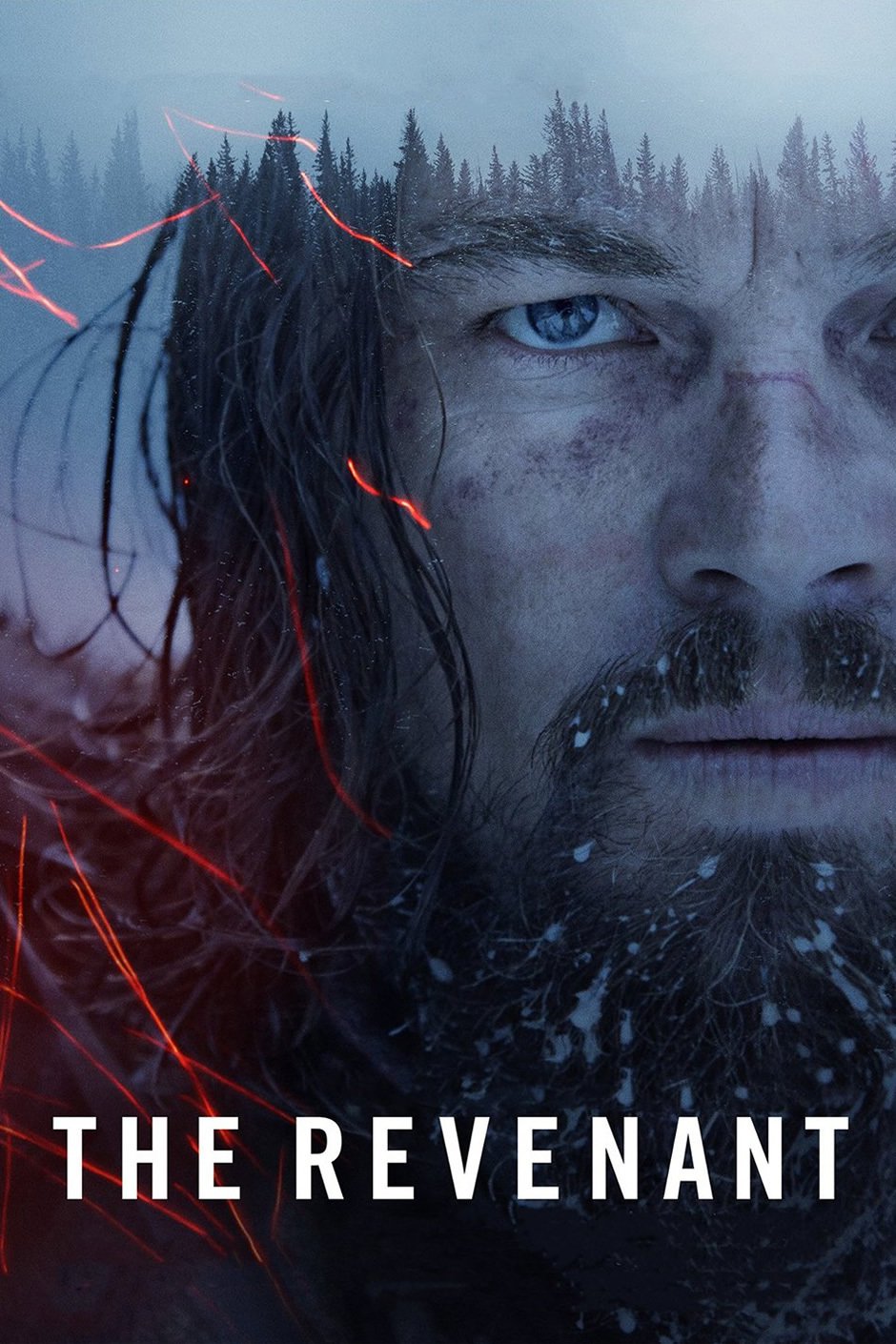
Finally saw the movie that finally got Leonardo DiCaprio his oscar. Revenant has him playing Glass, a frontiersman in the wild northwest in the early or mid 1800’s. The film starts with his fur-trapping group being attacked by Native Americans, and it only gets worse from there. On the way back to the settlement, Glass is attacked by a bear and practically left for dead by his group. He spends the rest of the film struggling to survive with Indians, the French, and the weather trying to kill him. The cinematography in this film is incredible, with some truly great long shots, but the movie itself was just OK for me. DiCaprio has had other, better roles, and honestly I thought Tom Hardy was better in this movie, but I can see why they finally awarded Leo for leading such an epic, grand-scale movie.
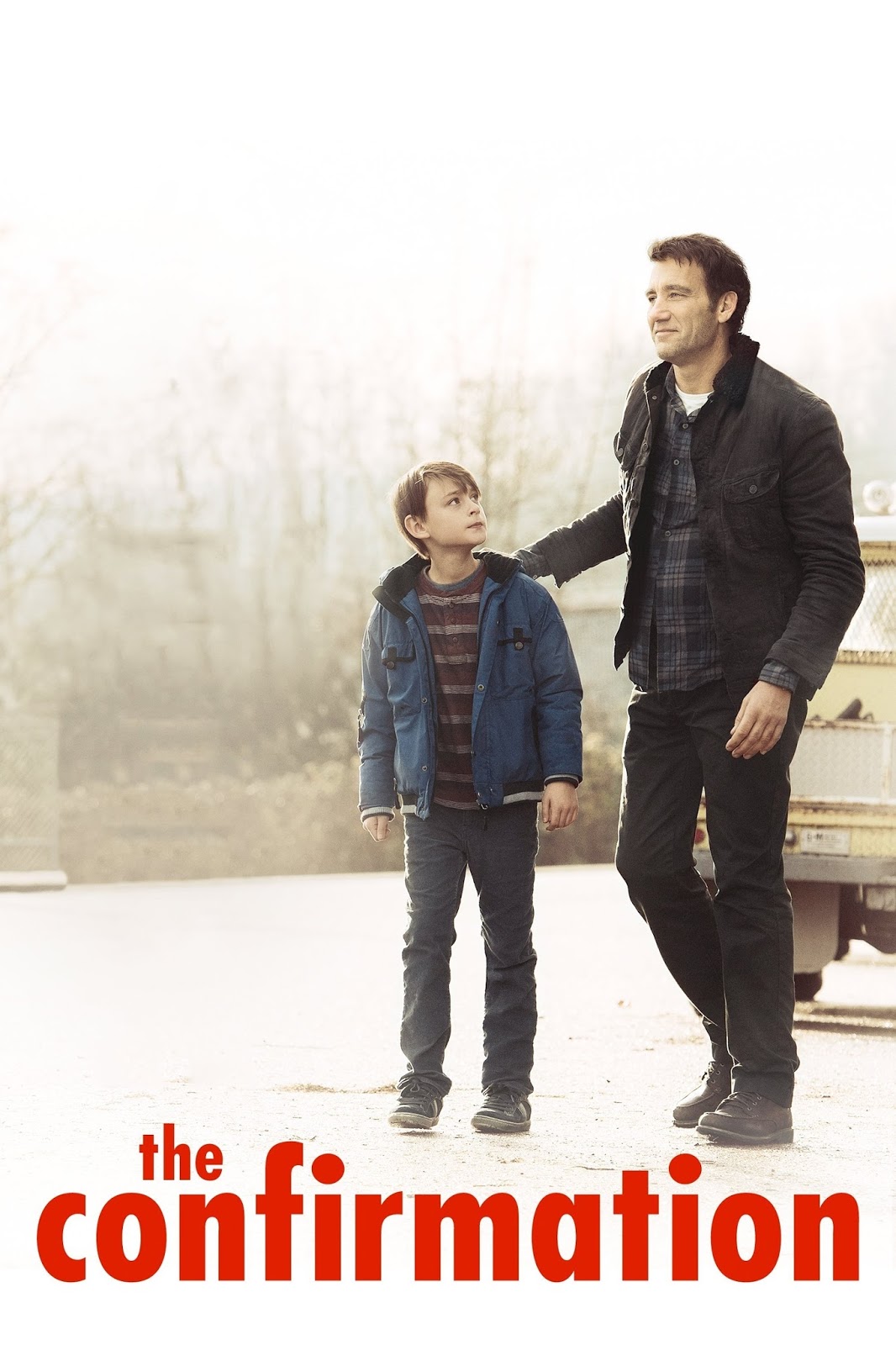
The Confirmation has the makings of a great movie, but it doesn’t quite reach the heights of which it is capable. It stars Clive Owen as a down-and-out semi-deadbeat dad who is forced to watch his son on a weekend when his ex-wife and newer husband are going on a couple’s retreat. A simple weekend turns into an adventure for the young boy when his dad’s tools are stolen and they go hunting for the man who took them. The movie is funny and at times charming, but it tries a little too hard to get you to fall for the father/son bonding moments. I usually don’t mind heavy handed scripts at times, but this one feels forced. It’s cute, but ultimately not memorable.


Joy is a rare misstep for writer/director David O Russell, who has been on a roll for awhile. Semi-biographical about inventor & television product seller Joy Mangano (played by Jennifer Lawrence), it is a little funny, a little quirky, and a little heartwarming, but ultimately fails to excel at any of these aspects. Lawrence’s skill barely holds it together, and is really the only reason to watch, and the film is more a showcase of her talent than anything else. It does however get a little old, well before the end, when the whole world, including her family, keeps pulling her down. The movie wants you to root for her, but I like to root for someone through my own feelings, and this film is instead trying to force it down your throat.

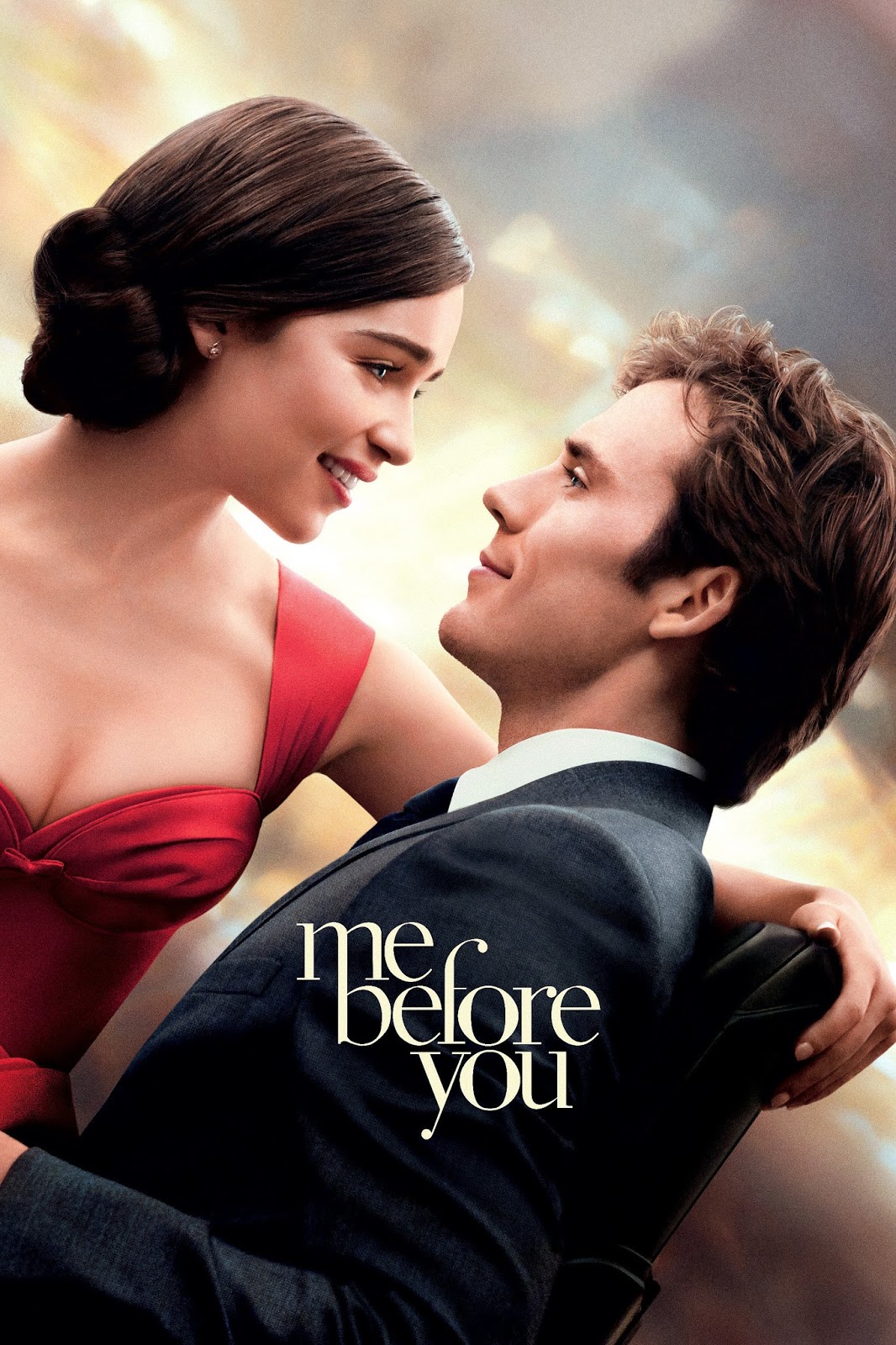
Take the wife out to see Me Before You

Not the kind of movie I would generally go see, but my wife read the book, so I was there opening weekend. Actually not a bad film. Me Before You is about a carefree man (played by the Hunger Games’ Sam Claflin) who is left paralized after an accident. He has given up on life but his parents hire a companion to try to cheer him up, played by Game of Thrones star Emilia Clarke. At first she thinks he is standoffish and maybe even snobby, but when she finds he intends to kill himself, she makes it her mission to change his mind, and of course ends up falling for him before the end. Further proof that you can enjoy movies that aren’t in your normal wheelhouse. Clarke is so serious in Thrones, this is a nice change for her, as her character is a goofy, quirky young woman who is full of life. I wouldn’t call it brilliant acting, but it is believable and the film is a good date night.

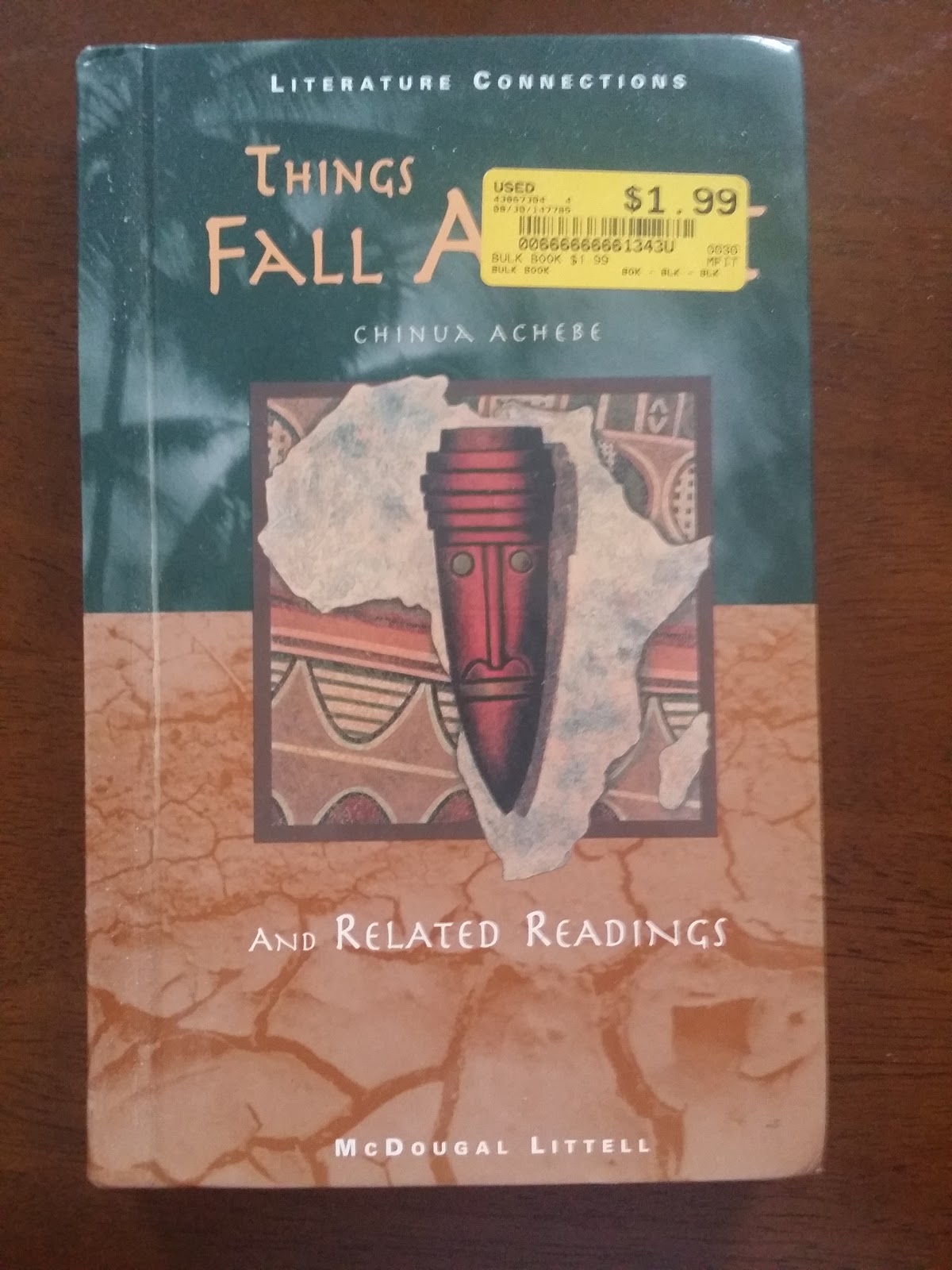
A society forever changed in Things Fall Apart

I’m not quite sure what to make of Chinua Achebe’s Things Fall Apart. According to Wikipedia it is the most widely read novel of African Literature. I appreciate that it is a wholy different book that what many western readers will pick up, but I can’t quite call it a game-changing novel.
It tells the tale of a man, Okonkwo, who lives before and just at the onset of colonial Nigeria. He is famous in his village as a very hard working man, and he is strict with his wives and children. He considers his father as a weak man, so he wants to always exude strength. A great part of the novel deals with showing the kind of man Okonkwo is, with short little tales about life in the village, most only a chapter or two long. In that way, it can almost be considered a book of short stories, as many times the tales do not connect other than the characters, until the last third of the book that is.
Once we get there, the changing point in the book is when Okonkwo accidentally kills a man during a celebration. The punishment is an automatic 7 year banishment from the village, which Okonkwo as a willful member of society accepts immediately without argument. He moves his large family to his mother’s old neighboring village and turns his crops over to a friend to care for the next 7 years. While he is in exile, something changes the landscape of all the villages and the people’s lives. White men come.
The first village they come to do not accept the newcomers, and the whole village is slaughtered by the white men’s superior weaponry. When the Europeans come to the other villages, they are begrudgingly admitted, and there the settlers start building churches to their one God, as well as setting up government and laws over the villagers. Many people start converting, but Okonkwo stands by his faith in the gods of his ancestors, and upon returning home after his 7 years away, he beheads a white man during a protest. They come after him, and find him at his house hanging, as he has killed himself. This is against all of his people’s teachings, but he accepted that their life is dead, and so he must be too.
It is a powerful book, and I did really enjoy reading a new perspective on life that I am not exposed to. Perhaps it is because the novel is written in English, obviously not Achebe’s first language, but I felt a certain disconnect. Could also just be that it is so foreign for me. It is eye-opening, and I truly felt for Okonkwo and his people as they lost the parts that made them unique. Reading what I’m writing now, maybe it is more profound than I originally gave it credit for. I’m going to put this one back on the shelf to re-read one day, and see if my thoughts have changed by then.

Quick takes on 5 films

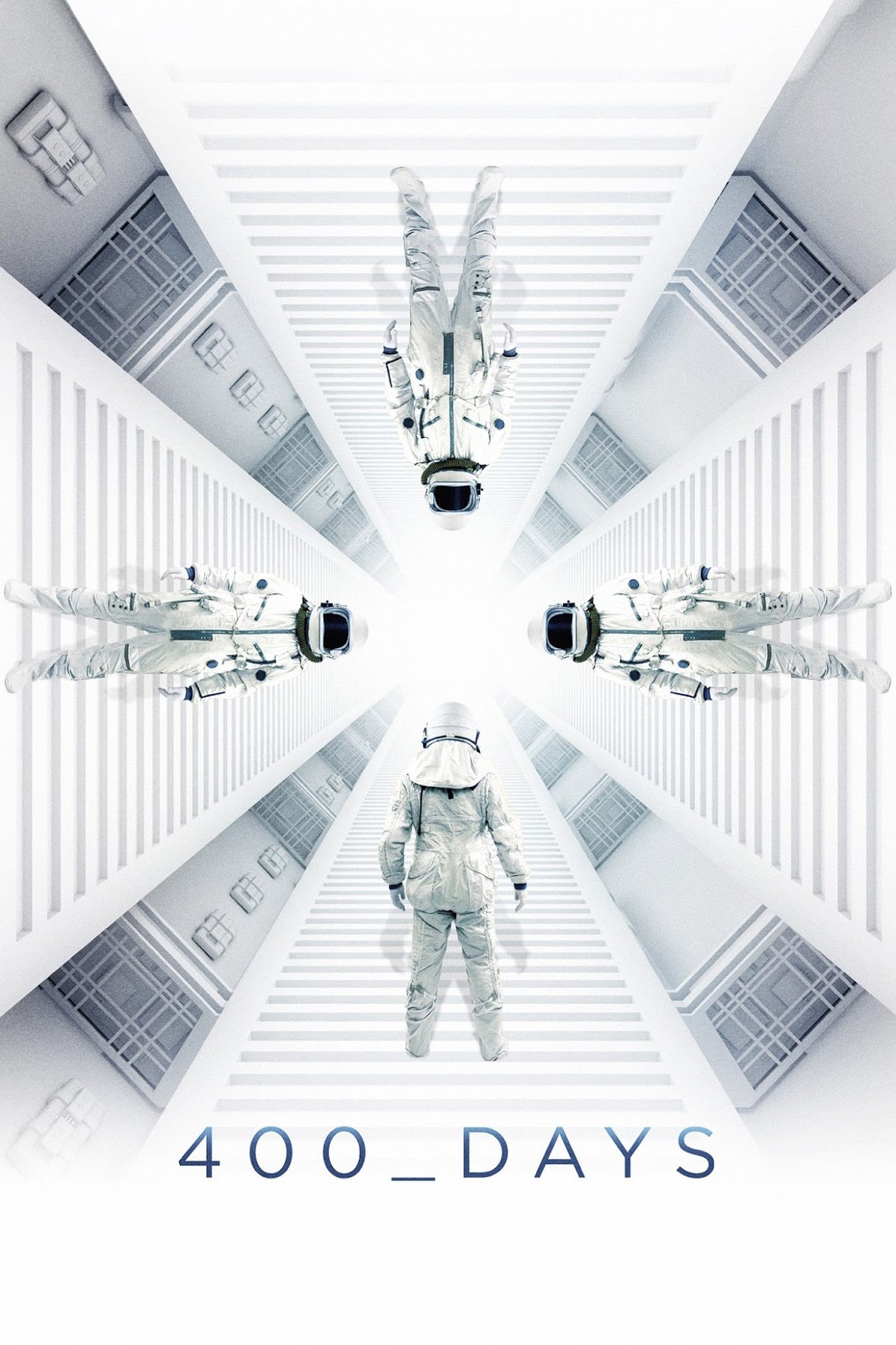
400 Days has a great premise, is a fairly good film for the first three quarters, but peters out in the end. In it, four people enter a buried bunker for a social and mental trial, or experiment, to simulate the effects of long term confinement during the trip to another planet. The experiment is to last 400 days, and they are given warning that they will be faced with problems along the way for which they will have to come up with solutions. Along the way, each person faces their solitude in different ways, some with loneliness, others with hallucinations. Near the end of their stay, they are visited by someone from the outside, leading to all kinds of questions about what their stay is all about. For a low budget film, it is very well done until it gets weird and falls apart in the end. I don’t mind a movie that ends with questions, but this one ends with you wondering if even the writer didn’t know how it was going to go.
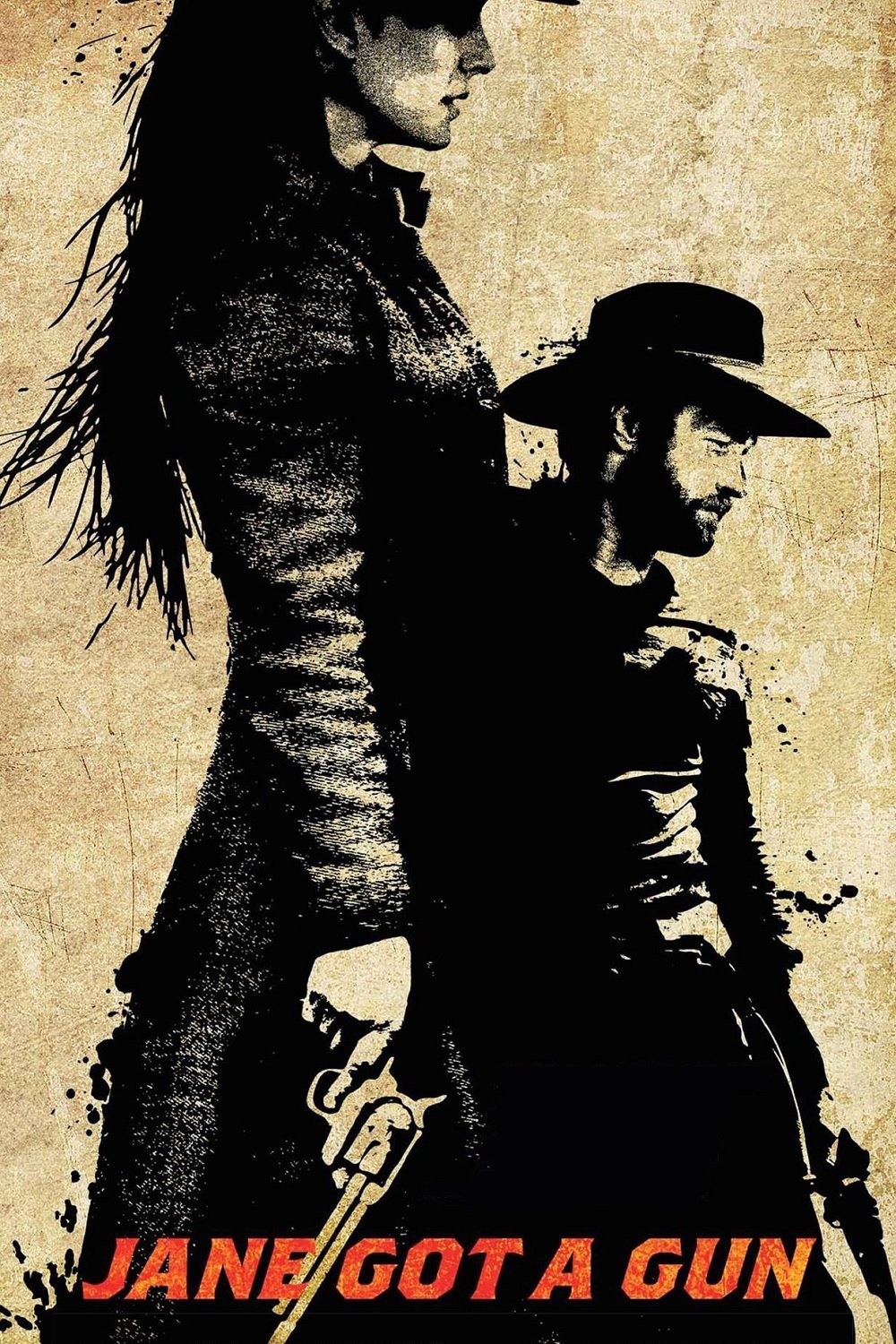
Jane Got a Gun got some fairly average reviews. I actually really enjoyed it mostly, but like the last film, the ending soured it for me a bit. Jane is played by Natalie Portman, who is hunted by a gang of criminals heading by Ewan McGregor’s character (playing a bad guy for a change). She is protected by Dan Frost, portrayed by Joel Edgerton. Edgerton is great as the steely cowboy, but I’m convinced Portman only has 2 or 3 facial expressions, and I’ve seen them all in previous movies. The title is also a bit misleading, you would think it is a woman-empowering western, but she spends most of the film relying on men for help and protection. And while there is a lot of tension and building excitement throughout the movie, the last 10 minutes is a letdown.
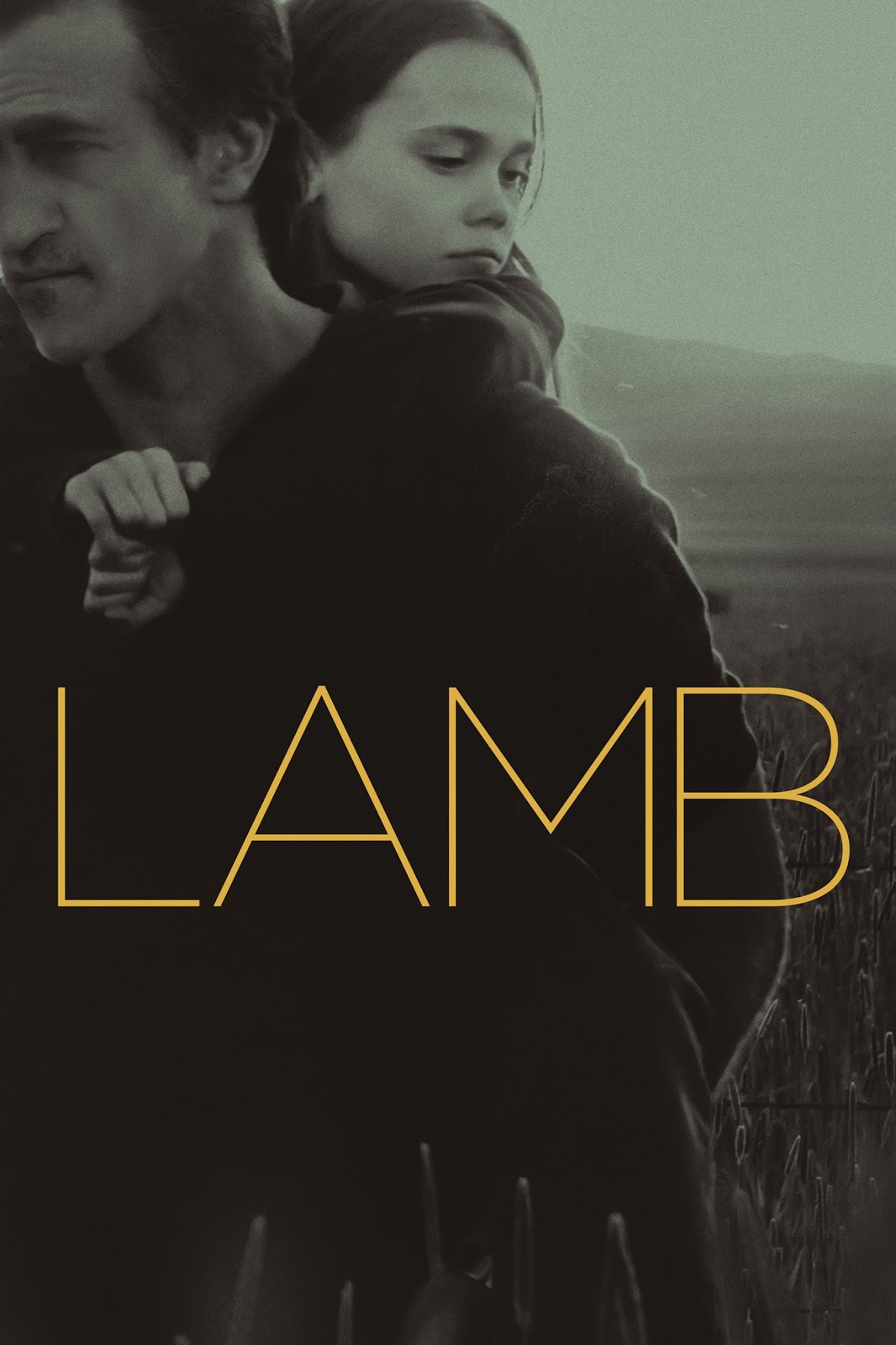
Lamb is a really creepy movie. It is a low budget indie film, starring Ross Partridge, who also wrote and directed. He plays David, who is putting on a front at work that all is ok, when he is actually being divorced by his wife while having an affair with a much younger coworker. He meets a young 11 or 12ish girl named Tommie, who he starts grooming, in a very predator way. He convinces her to spend a week with him at his father’s remote cabin. The viewer gets a definite creepster feel, as she adores him as a fatherly figure, and you keep waiting for him to do something truly abhorrent. He is outed when his young girlfriend shows up at the cabin to surprise him. Actually very good acting by the two leads, and it is riveting, but not in a good way.
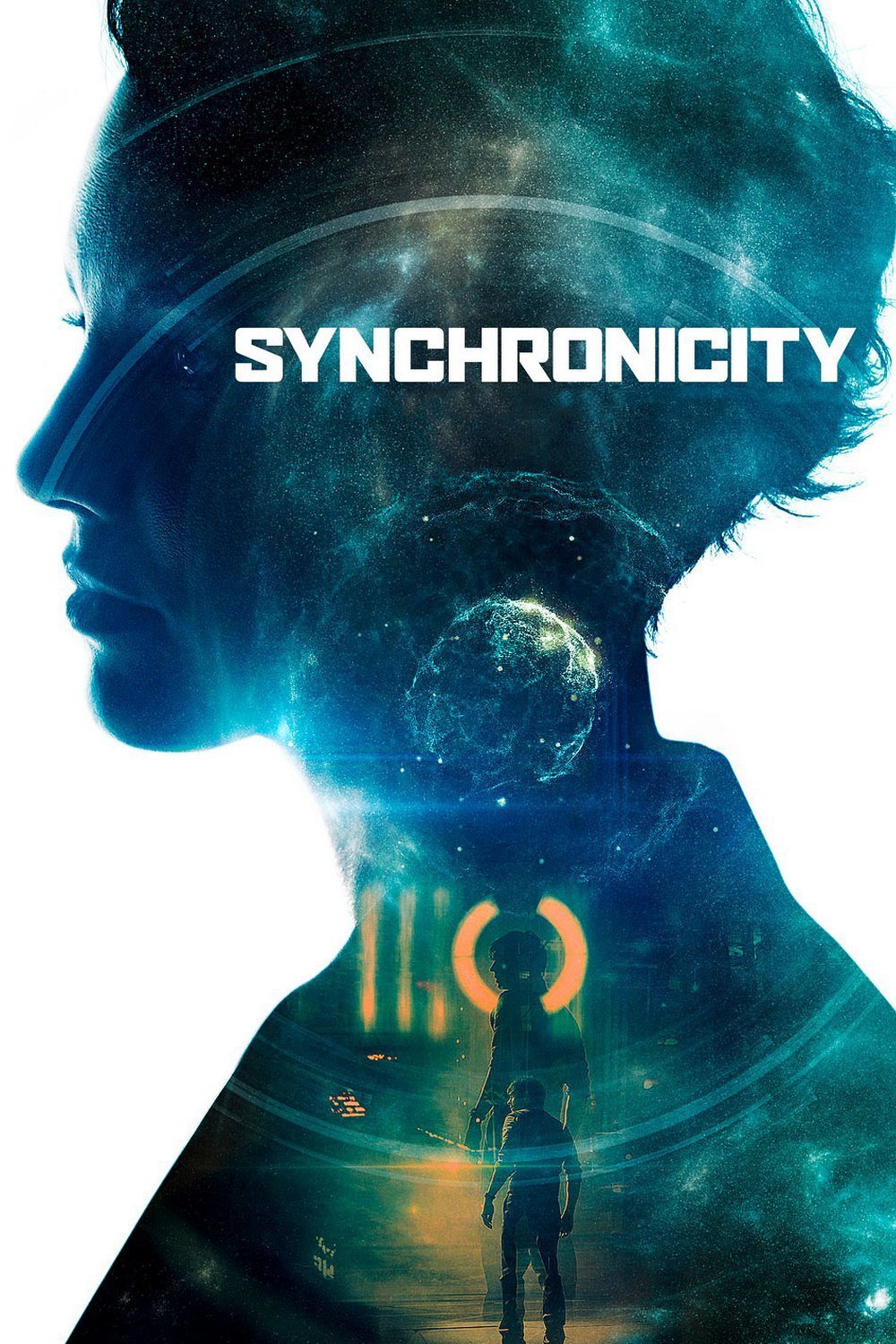
Synchonicity has a lot of potential, but is bogged down by rough, cliché dialogue. It is a low budget independent film, which I don’t mind, and it has a great premise, but some of the acting is truly cringe-worthy. Basically a small group of scientists are trying to open a wormhole as a form of time travel, with the help of a rich backer. When they succeed, things get a little murky as the main character is plagued by deception. Sci-fi nerds like myself will still probably enjoy it a bit, but it could have been a lot better.


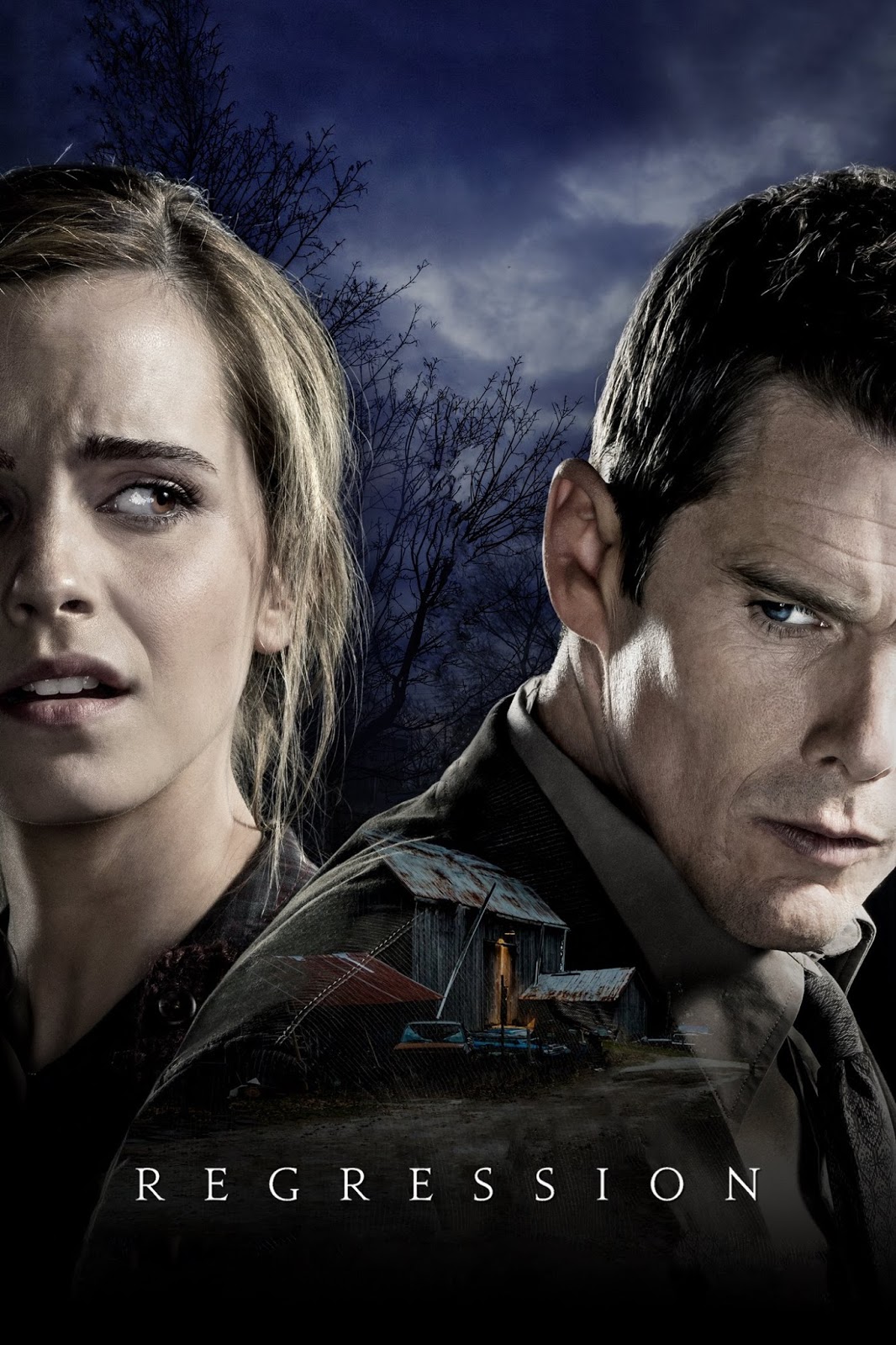
Regression on the other hand has no real redeeming values. A better cast (Ethan Hawke, Emma Watson), but equally bad script. Hawke plays a detective in a small town, investigating the rape of a Watson’s character. She is claiming her father raped her, but he has no memory of it, so they bring in a “regressive” hypnotist to try to get the father to retreive his memories. It leads to a Satanic cult, but the ending is wholy different that what you expect. Unfortunately it is almost like they had one idea for the movie, and changed their mind before it was all over. Pretty awful.