
I generally enjoyed Snowden, the telling of the man who became a whistleblower, called either a traitor or a hero depending on where you stand. I’m a big Joseph Gordon-Levitt fan and liked him in this film too. The film played the right balance of being a true “movie” and not just feeling like a big production documentary, and still getting all the pertinent info out there. It still amazes me (though it shouldn’t) that our government could stick a camera on anyone, record anything, and look at any “private” message or email without a warrant of any kind. A fascinating film, if for nothing else than just the information it presents.
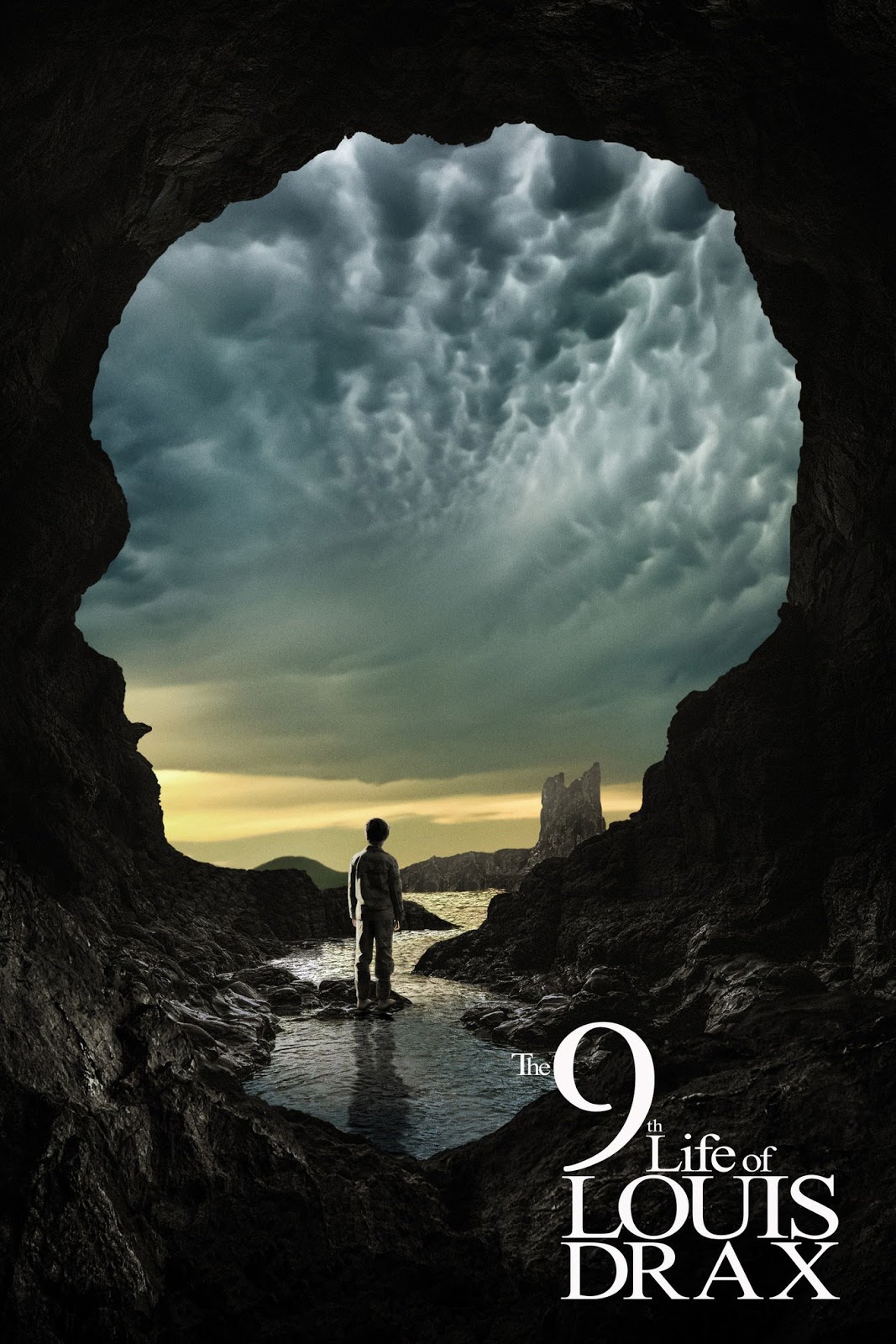
The 9th Life of Louis Drax could have been a really great film, with an interesting backstory and strong development along the way, but ultimately it falls flat for various reasons. Louis Drax is a 9 year old who is injury prone to say the least. He has suffered near endlessly since birth, and tells his life story in a queer, humorous way. The film starts with him in a coma, apparently the result of his father pushing him off a cliff. The father is in hiding, and the stricken mother stays by Louis’s side in hopes of a miracle. The movie borders on the fantastic (and inches over in several places), and has a definite science-fiction like vibe to it, as the comatose boy tells his story and the viewer is just along for the ride. Unfortunately we are hinted too often at the big climax long before it arrives, ruining the surprise and lessening what could have been so much more. Still, I liked it mostly, and sci-fi junkies like myself may still find enough to enjoy.
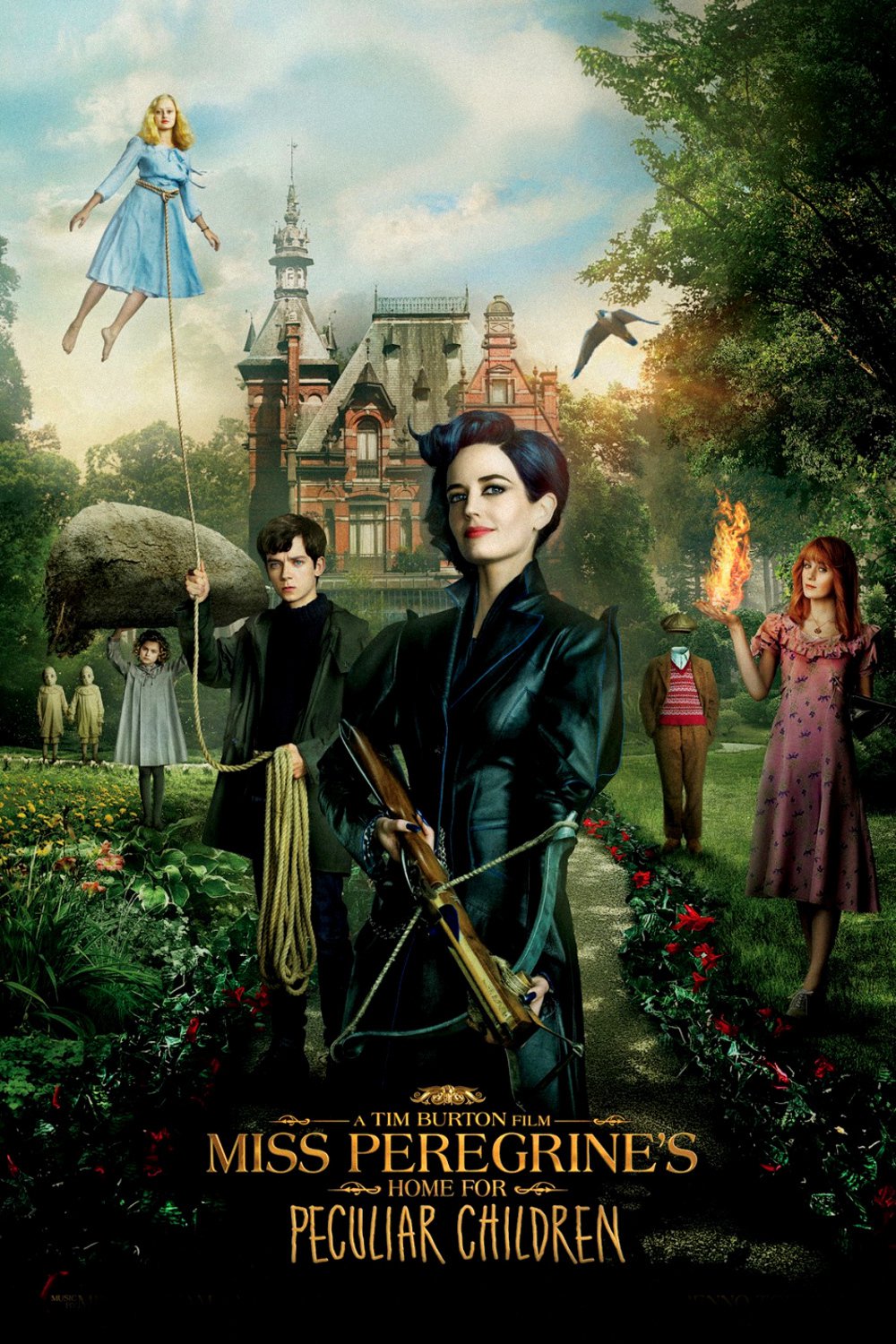
Miss Peregrine’s Home for Peculiar Children seems to not find true audience, outside of Tim Burton die-hards. It has his beautiful style and is visually stunning if you like his dark, yet colorful direction, but seems to be unsure of what kind of movie it wants to be. It is about a boy named Jake who discovers his recently deceased grandpa was a “peculiar”, that is a person with special abilities. These peculiars hide from monsters who want to kill them and eat their eyeballs, and they hide inside “loops” where they replay the same day over and over again in time. The scary scenes seem really too intense for younger kids (even if the movie does make the monsters invisible so as to not show any true blood), yet much of the dialogue is a little too dumbed down for adults. The idea of the movie is better than the movie itself.

I was intrigued by The Birth of a Nation because its subject matter was mentioned in a book I just recently read. It tells the history of Nat Turner, a slave in the early 19th century who eventually rose up and led a rebellion, killing about 60 white people during their revolt. It is a powerful film built on a powerful idea, but sort of hid in the Oscar buzz because the writer, directer, and lead actor, Nate Parker, was once accused of rape and that 15 year case resurfaced when this film was being distributed. Whoever he is as a person, his film is pretty strong, for at least the first 2/3rd’s. Turner is a slave, and grows up with with the slave owner’s child (Sam Turner, played by Armie Hammer). When Sam inherits the farm, he continues to treat Nat and his other slaves much better than his neighbors do with theirs. Nat even starts to think they have a true friendship, until one day he is brutally whipped for crossing a line with Sam, and from their Nat starts his revolt. The final act is a bit sudden and feels rushed, and the film could maybe have been better as a week-long miniseries than a 2 hour movie, but still a solid film.
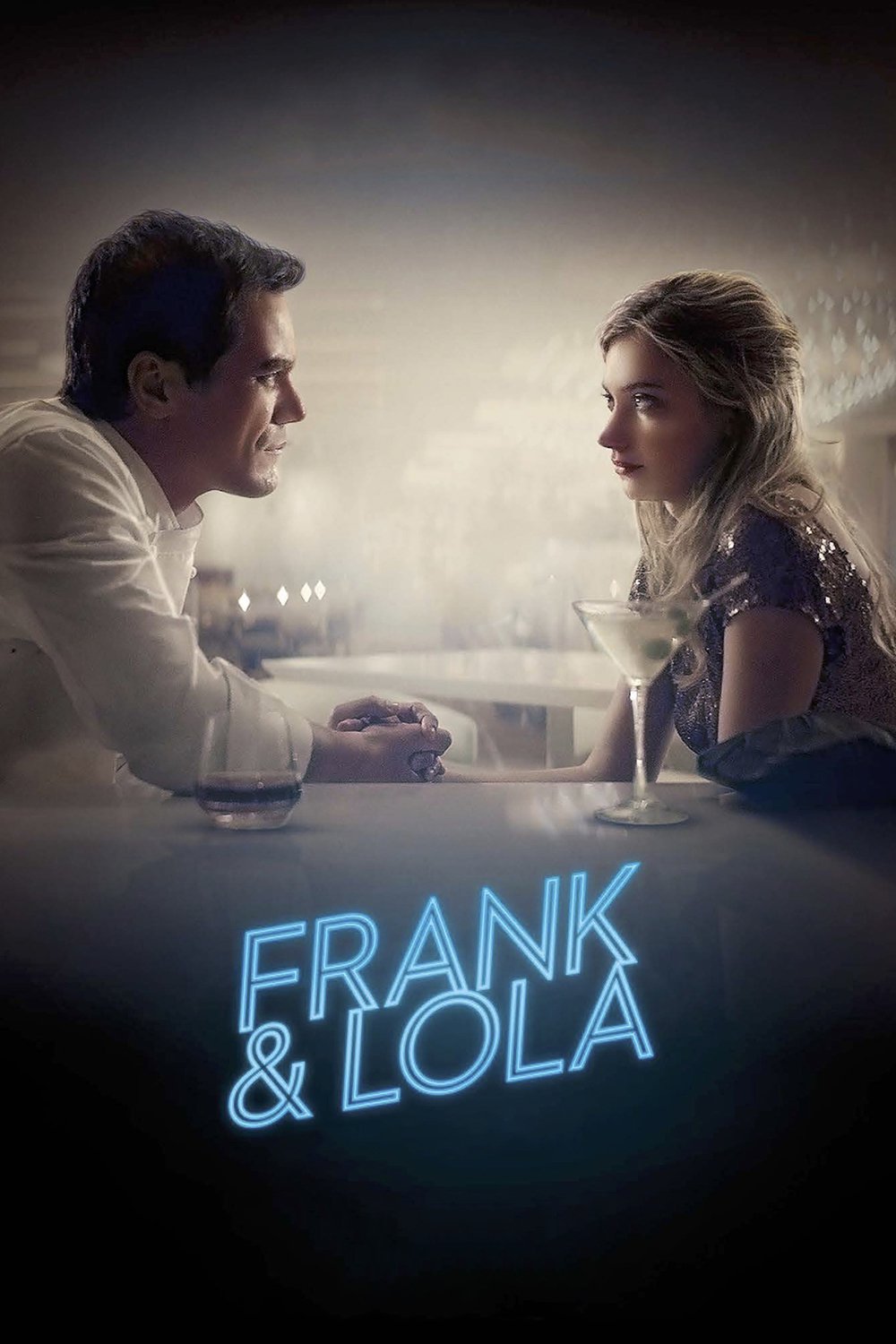
Frank and Lola on the other hand is pure rubbish, and I like Michael Shannon as the lead actor. I can’t tell if the film suffers from bad writing or bad editing, but is probably a victim of both. The movie is just very disjointed and choppy, in all aspects. Frank is a great chef but is down on his luck, and he falls for Lola, a bubbly young lady 10+ years younger. He immediately becomes the jealous older man, always wary of her intentions with other men, which is made worse when she does in fact have a one-night affair. The rest of the film becomes a quasi-mystery of who did what to who, but it just feels like you are watching some bad MTV reality show with all the contrived drama.