Readers of my blog know I’m generally a fan of the French New Wave, so you may ask why I haven’t dove into François Truffaut yet. Honestly, no idea! He was one of the founders of the movement, and while I’ve seen a couple of his movies (I was lukewarm to The Last Metro, but liked Jules and Jim a lot more). Up today is his groundbreaking film The 400 Blows, its sequels, and a trio of other films by the director.
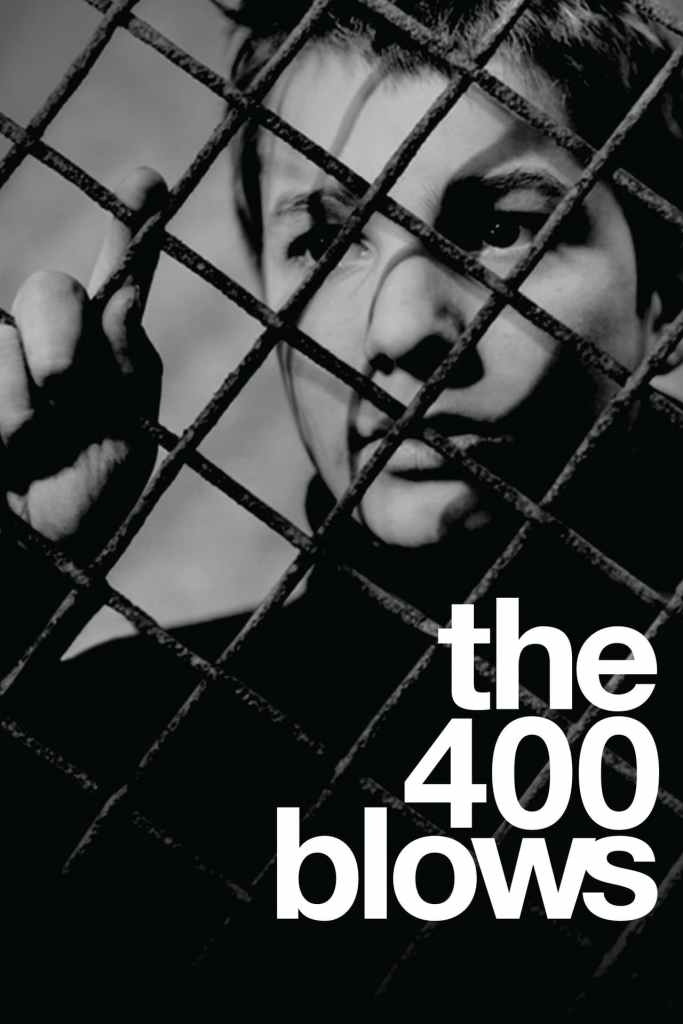
The 400 Blows, released in 1959, introduces us to Antoine Doinel, a boy trying to make his way through the tough situation that is life. At school, his mischievous nature makes him the target of the oppressive teacher, and his home life isn’t much better. His parents argue constantly, and his dad goes overboard trying to be the “fun parent,” made all the worse when he turns his back on Antoine later in the film. His vindictive parents, besides fighting with each other, are often downright cruel to Antoine. It’d be easy for him to give up on life, but through it all, he manages to keep his spirit. When he tries to run away though, and attempts a theft to get some cash, he ends up in juvie. The final scene of the film, with Antoine escaping and running as fast as he can, is incredible. He’s running from life, from his past, from all that was holding him back, and the scene encompasses all the pain he’s been through, and all the hope he has for the future. Best film I’ve seen in a long while. ★★★★★
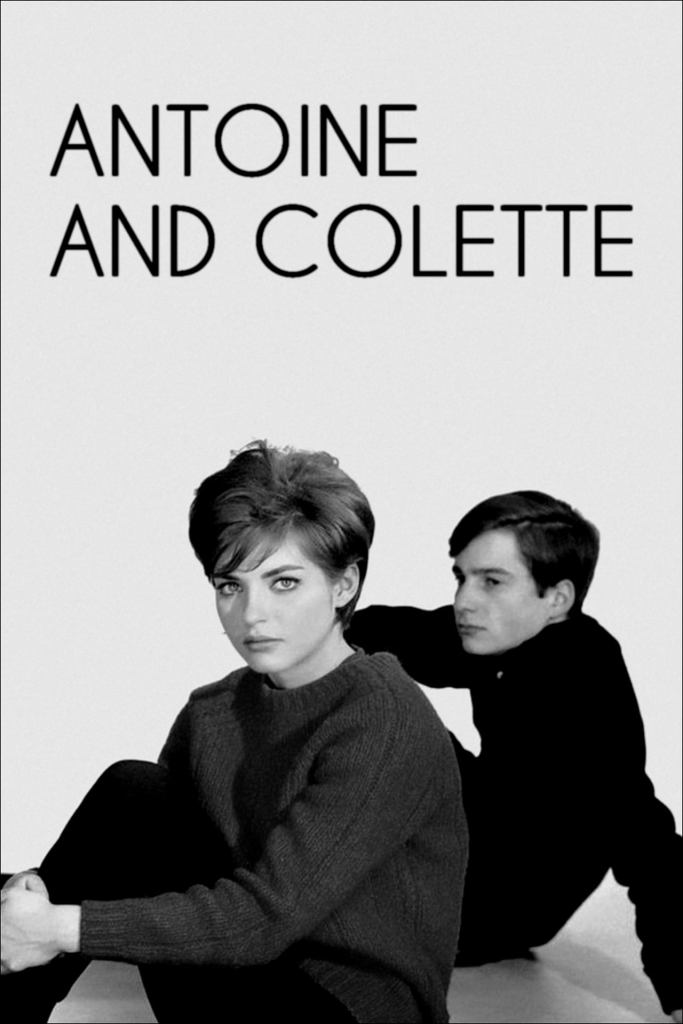
Truffaut returned to Antoine 4 years later in the short Antoine et Colette (with actor Jean-Pierre Léaud returning as well; he would continue to portray Antoine down the years). Now 17 years old, Antoine is an emancipated minor doing what he says he always dreamed of: living on his own and supporting himself. His past comes back to bite him though, as he doesn’t know how to have a real relationship. Antoine spots Colette at a concert and is instantly smitten, but he smothers her. While Colette is giving off “friend vibes,” Antoine is moving across the street from her and her parents (who love Antoine and wish Colette would date him). Antoine doesn’t take no for an answer, and it isn’t until she brazenly goes out with another man right in front of him that he finally gets a clue. Cute little movie, which, if nothing else, sets up the man Antoine is becoming. ★★★½
Antoine is seen next in 1968’s Stolen Kisses. His penchant for getting into trouble never went away, and at the beginning of the film, he is being dishonorably discharged from the army for constantly going AWOL. He visits an ex-flame (Christine), but it seems that her parents, like in the above film, like Antoine more than she does. He bounces from job to job, always getting fired in bizarre, hilarious ways, until landing at a private detective agency. Here, he is tasked to spy on a shoe store owner’s staff. The owner, a cold narcissist who can’t understand why his staff doesn’t like him, wants the agency to “discover” the source of the animosity. Antoine does get something out of the job though; he becomes smitten by the boss’s wife, though he’s much too shy to hit on her directly. When she hears gossip of his crush though, she is intrigued and is not so inhibited. Though the first two films featured plenty of moments of brevity, this movie is more of a straight forward comedy. However, there are still moments of contemplation, including the very ending, which finds Antoine (at yet another new job) finally finding happiness in love with Christine. ★★★★
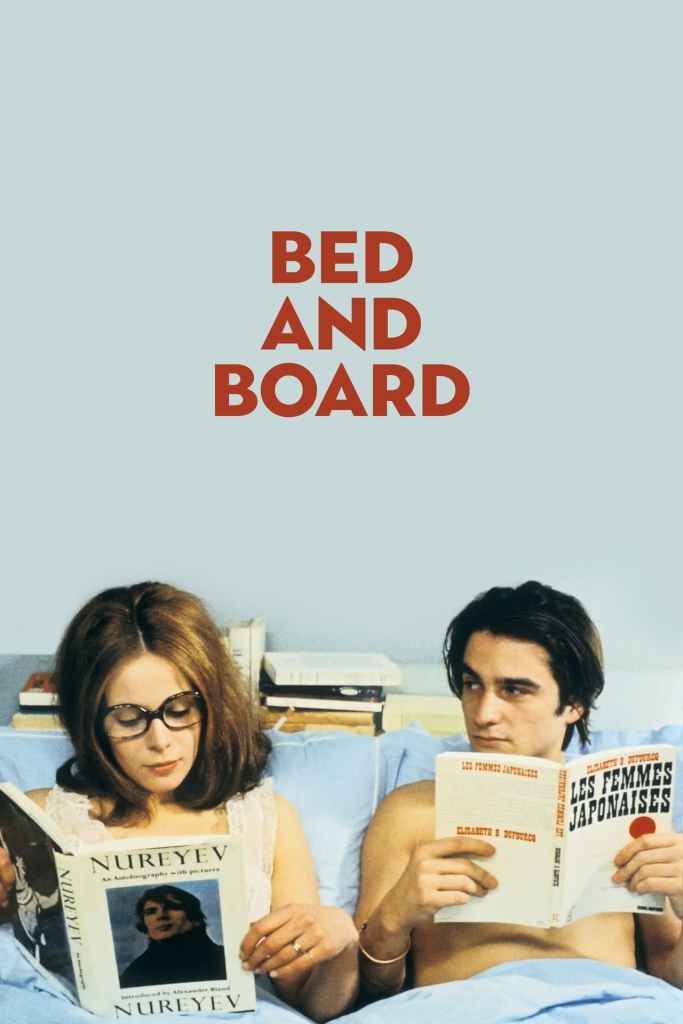
There isn’t a big time jump this time; Bed and Board came out just 2 years later. Happily married, Christine gives violin lessons out of their tiny apartment, but Antoine still can’t keep a job for long. The first full hour of this film is a lot of fluff, and unfortunately the humor is lot less “smart” and it falls prey to stupid gags, things like the argument over the new baby’s name, or Antoine working for an American though he doesn’t speak English. The only truly funny moment I enjoyed was the constant rumors amongst Antoine and his neighbors about “the strangler,” a mysterious man who no one knows anything about (though I did chuckle at the blink-or-you’ll-miss-it cameo of a Monsieur Hulot lookalike at the metro station). The movie (finally) takes off in the final 30 minutes, when Antoine begins an affair with another woman, a client of his boss. The final 20-30 minutes are outstanding, incredible, when the comedy is dropped and it turns into a drama, with some of the best lines in this film set so far. Five star stuff, but I can’t look past that first hour. This should have been a 30 minute short instead of a 90 minute comedy-turned-drama with a lot of extra weight. ★★★½
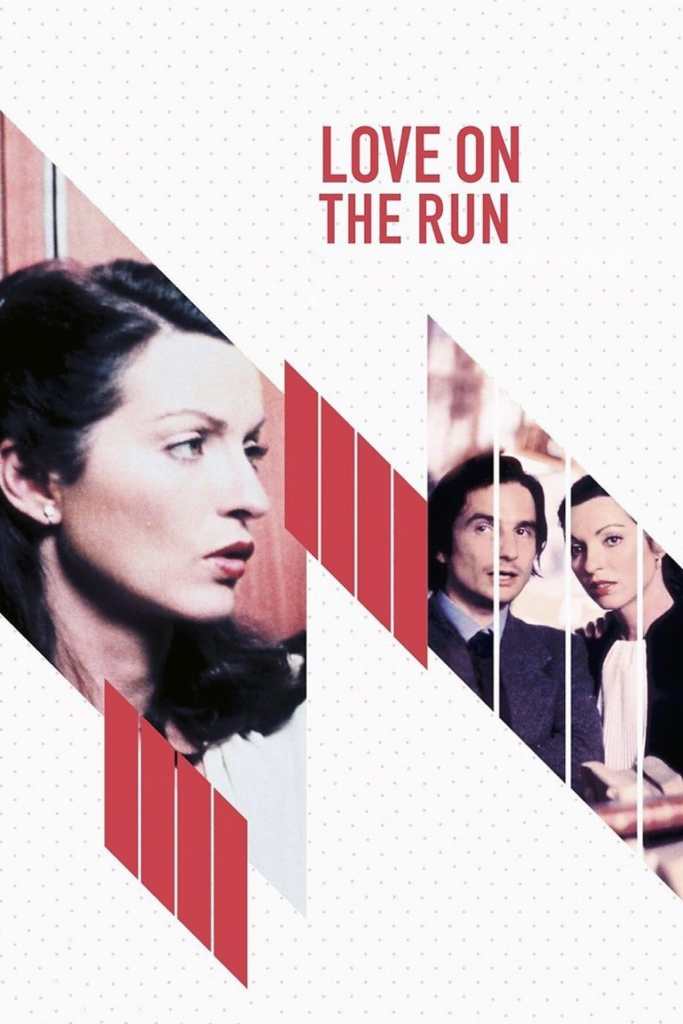
It was nearly a decade before Antoine Doinel appeared again, in his final appearance in 1979’s Love on the Run. I loved this movie, as a proper sendoff to the long-running character. The lovable Antoine has finally grown up a bit; he’s truly in love, for maybe the first time in his life, with a woman named Sabine. At the beginning of the film, Antoine is finalizing his divorce from Christine; their reconciliation at the end of Bed and Board was not to last. However, Antoine stands Sabine up on a date because he is taking his son to the train station, sending him off to camp, and there runs into his first “love,” Colette. In a moment of poor judgement, Antoine jumps on Colette’s train, to see how she’s been all these years, and thus misses his evening with Sabine. To make it up to Sabine, Antoine goes on a mission to prove his love to her. He has realized that he was a poor boyfriend to Colette, poor husband to Christine, but he’s (at long last) matured, and he just wants a chance. The film also sees him running into his mother’s former lover, one of apparently many men with whom she cheated on Antoine’s father, and he and Antoine share stories of Antoine’s parents, who have died in the intervening years. Here too, Antoine can look back at how far he’s come. Full of flashbacks to the previous films, the film is a very moving story about a man who came from a rough beginning and made something out of nothing. ★★★★½
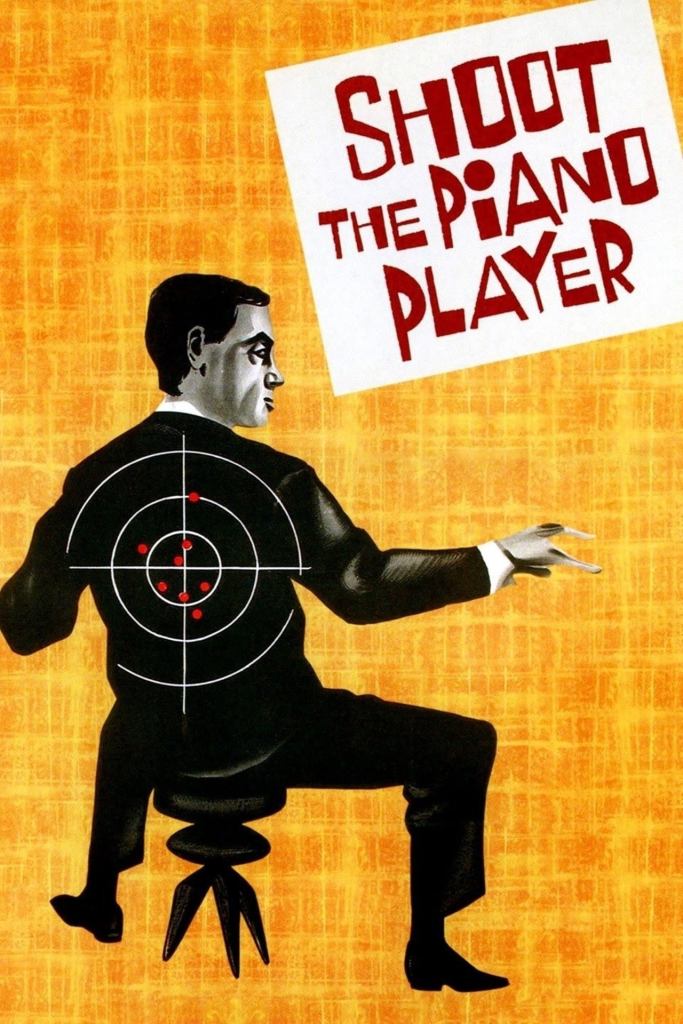
Shoot the Piano Player was the first film that landed with a thud, for my tastes. A zany film that seems to defy labels or genres (which is, I guess, part of the point of the French New Wave), it follows a man named Charlie Koller, a piano player in a dive bar. He’s visited by his older brother, who’s on the run from some thieves he double-crossed, and this encounter sets off a crazy couple days for Charlie. For one, we learn that Charlie isn’t his real name; he used to be Edouard Saroyan, and was a celebrated concert pianist, but the story of his downfall is as crazy as the rest of the film. With his brother in hiding, the thugs go after Charlie instead, harassing him, his younger brother that lives with him, and his new girlfriend Lena, a waitress at that same bar. Then there’s a subplot involving the bar owner who also has eyes for Lena. And another about the prostitute who lives next door to Charlie, lending a hand to the younger brother as babysitter and a bed to Charlie when he’s lonely. Just all kinds of stuff going on, like Truffaut was throwing darts at a board full of plot lines, and ended up keeping them all. Parts comedy, parts tragedy, parts crime drama, it is tough to keep up. ★★
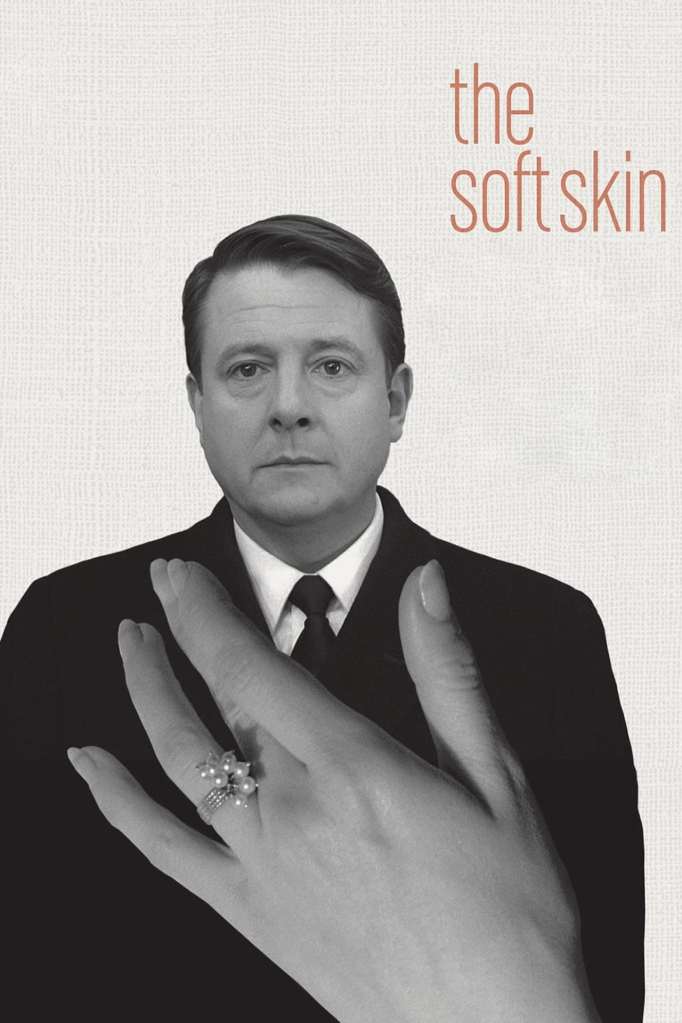
The Soft Skin is more streamlined, and also has a much different feel from any other Truffaut film I’ve seen so far. Truffaut admits he was watching a lot of Hitchcock at the time, and you can see his influence in this subtle thriller. At least, it’s how Truffaut does suspense. Pierre Lachenay is a well regarded author currently traveling a lot to promote some of his recent writings. Arriving in Lisbon one day, he is smitten by a pretty, young flight attendant, and the two come together for dinner and something more. The affair doesn’t end there; for the rest of the movie, Pierre increasingly finds excuses to escape his family and clandestinely meet Nicole, but his observant wife, Franca, catches on before too long. Franca is impetuous and can’t seem to make up her mind if she wants to throw him out or beg him to stay; Pierre does end up moving out, but finds that everyday life with Nicole isn’t as exciting as a fling with her. But Franca will have the last, very final, say in this relationship merry-go-round. Interesting film, and it grabs your attention in the beginning and doesn’t let go. It’s also a very real look at how humans can crave forbidden fruit but find it isn’t as sweet as you’d think. ★★★½
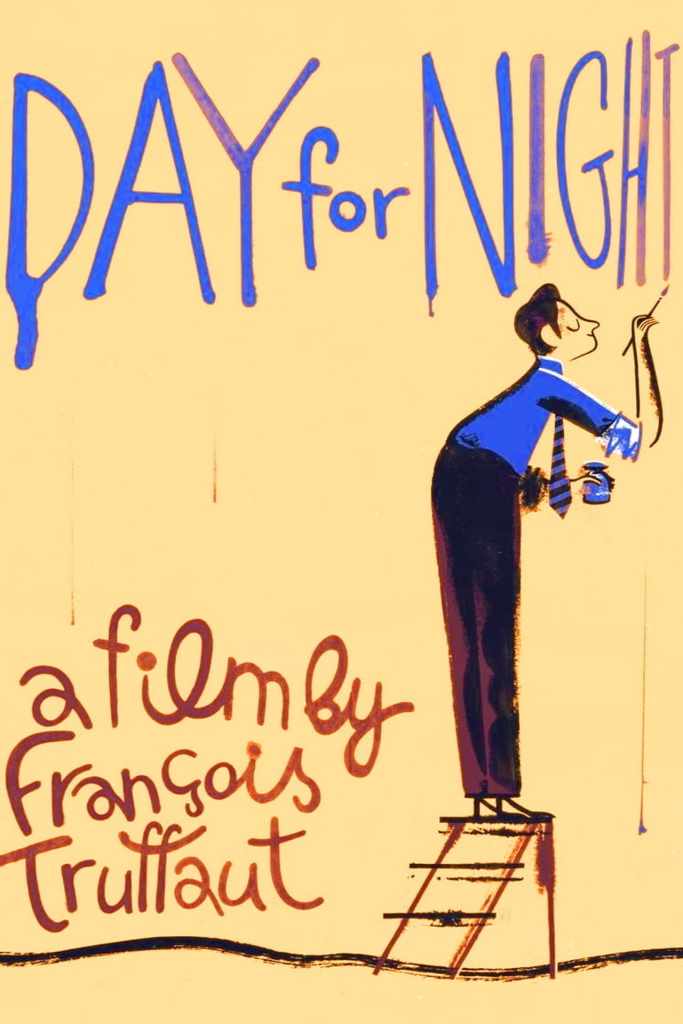
Day for Night is must-see for film lovers, and is considered one of best films ever made about filmmaking. Truffaut cast himself as a film director, Ferrand, who is making an international film titled Meet Pamela. The movie is to be made in a tight 7 week window, and everyone in the cast and crew have a feeling that it is going to be something special. However, it is beset with problems from the get-go. The story is about a couple, a Frenchman married to a British woman, whose marriage hits the rocks when he introduces his wife to his parents, and the woman falls in love with her father-in-law. A sticky situation in front of the camera, but there are even stickier affairs behind it. When writing the script, Ferrand envisioned actress Julie Baker (portrayed perfectly by Jacqueline Bisset) in the lead role, but she had a nervous breakdown a year ago, and she’s still shaky. The very immature Alphonse (Jean-Pierre Léaud) is to play her husband, and he takes any bad news very personally. Even his in-movie parents have baggage: Séverine is a former star past her prime and now has a drinking problem, and she once had an affair with her costar Alexandre, who is now a gay man with a much younger Italian lover. There are also constant problems on set: frequent delays despite the tight schedule, an actress who shows up pregnant, a cat that won’t eat on camera when needed, and a multitude more. Not to mention all of the sexual exploits between cast and crew! It’s a chaotic mess, but somehow, the movie gets made, and I have a feeling a whole lot of the films we see have these kinds of issues going on in the background. From a film lovers standpoint too, you get to see a lot of the “movie magic” that you just never get to see unless you work in movies: making it rain, stage sets, snow on the ground, stunts, lighting, props, makeup, and everything else you can imagine. The whole thing is a supremely wonderful experience. The movie won the Best Foreign Language Film Oscar (Truffaut was also nominated for Best Director), marking Truffaut’s only Oscar win amongst 6 nominations in his career. ★★★★★
- TV series currently watching: Tokyo Vice (season 1)
- Book currently reading: Time of the Twins by Weis & Hickman

 Jons Movie Takes