
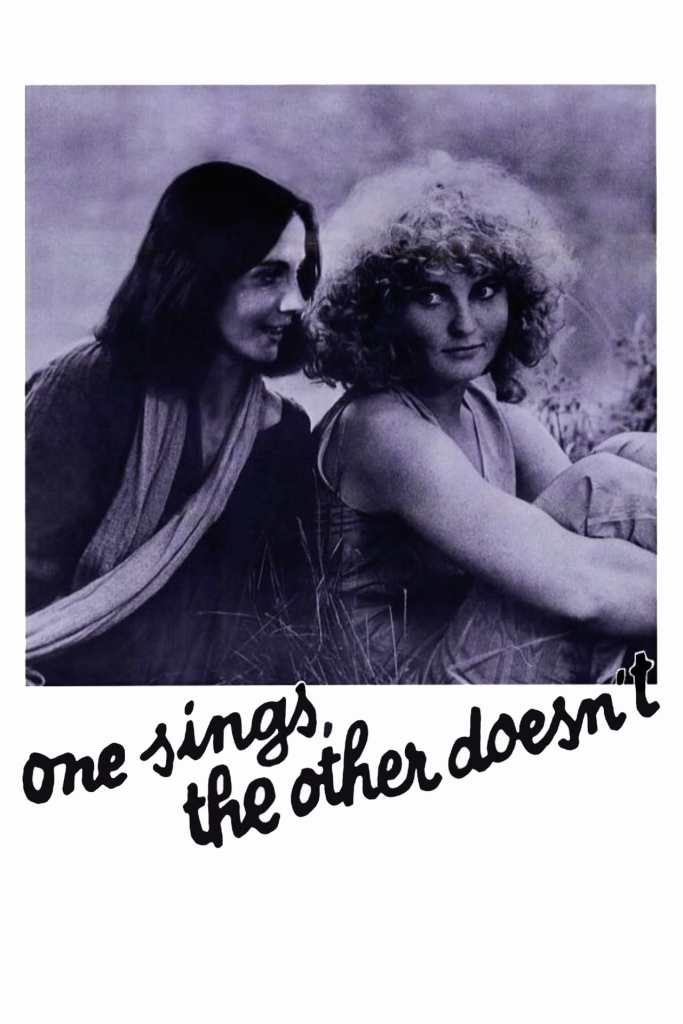
One Sings the Other Doesn’t is a not-so-subtle feminist film about a friendship between two women during the women’s rights movement in France of the 1960s-70s. When the film begins, Pauline is a teenager who is ready to unshackle herself from her parents. While roaming stores one day, she wanders into a photographer’s shop and recognizes an old neighbor amongst the photos. Turns out the girl, Suzanne, is the photographer’s mistress. Kicked out by her parents when she got pregnant as a teen, she now has a second kid with this man and has a third on the way. When Suzanne and Pauline get together to reminisce, Suzanne admits she is scared to death to have the third baby, as she is dirt poor as it is, and her man will never leave his wife for her. Pauline begs money from her parents and gives it to Suzanne to get an abortion. 10 years go by before they meet again, and they’ve individually grown up to be staunch supporters of woman’s rights, going to rallies not much different than are still being held today, with chants of “my body my choice,” etc. Pauline, who now goes by the name Apple (Pomme in French), followed her childhood dream and sings in an avant-garde sort of group, always about furthering women’s causes. The two continue to stay in touch over the rest of the film, even when one travels far away. The movie is very well shot, but a bit too political for my tastes. I’d rather a filmmaker not be coy and just say what it is (à la Goddard’s political films) that try to pretend there’s a story there when there really isn’t. ★★
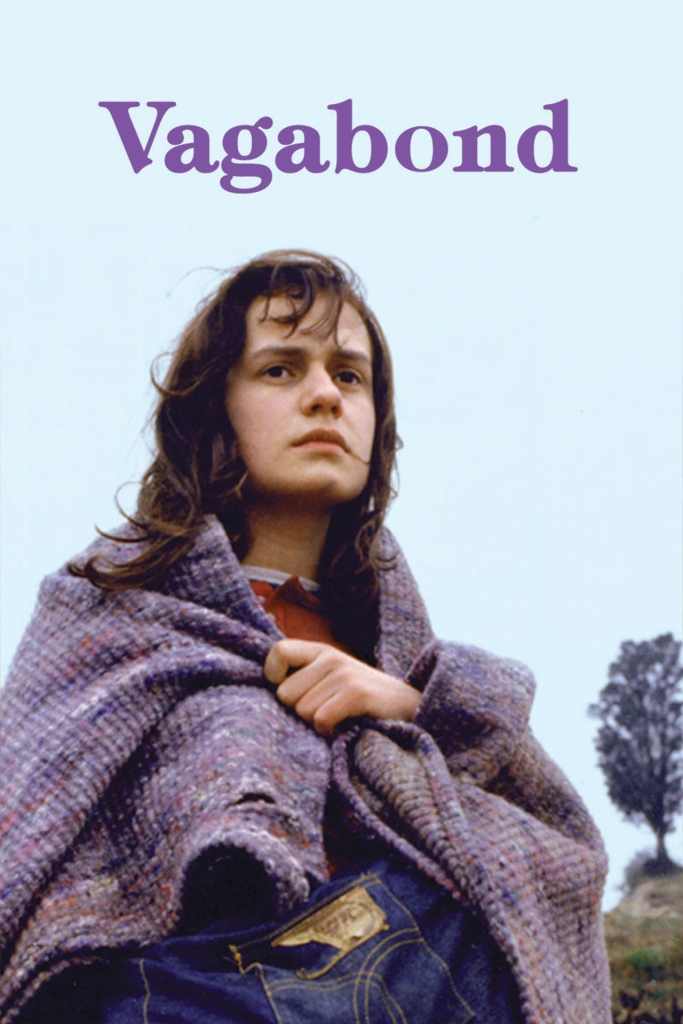
Vagabond is light years better. Released in 1985, it follows a young woman who has clearly chosen a homeless lifestyle. The movie begins with her dead body being found by a passerby, and then backtracks to see her final weeks up to that point. A road movie without a road, this film follows Mona around the area as she bounces from place to place. Sometimes she finds an abandoned house, sometimes she’ll sleep with a man to get a bed or couch on a cold night, but more often she’ll pitch a tent in some field somewhere. It’s a dangerous life, and she faces all kinds of hazards on the way, but the film is clear: this is her choice. When Mona finds the occasional kind person who doesn’t want something in return, she’ll tell them what she left behind: a job and the probability of a secure future. But she didn’t want that, she wanted to be free. The blue collar worker in me wants to see Mona as nothing but the dregs of society, as she scoffs at work, even turning down a longterm, safe place to stay when it means she’ll have to work the farm, but you can’t help but cheer her decision to live her life her way. The story is told several ways: we see Mona move about and interact with others, but we also have intermittent interviews by police with those she ran into, and sometimes people will even break the fourth wall in mid-scene and tell the viewer their thoughts on Mona at the time. Knowing the end she meets is a harsh thought throughout. It’s a brilliant film, which leaves a lasting image. ★★★★★
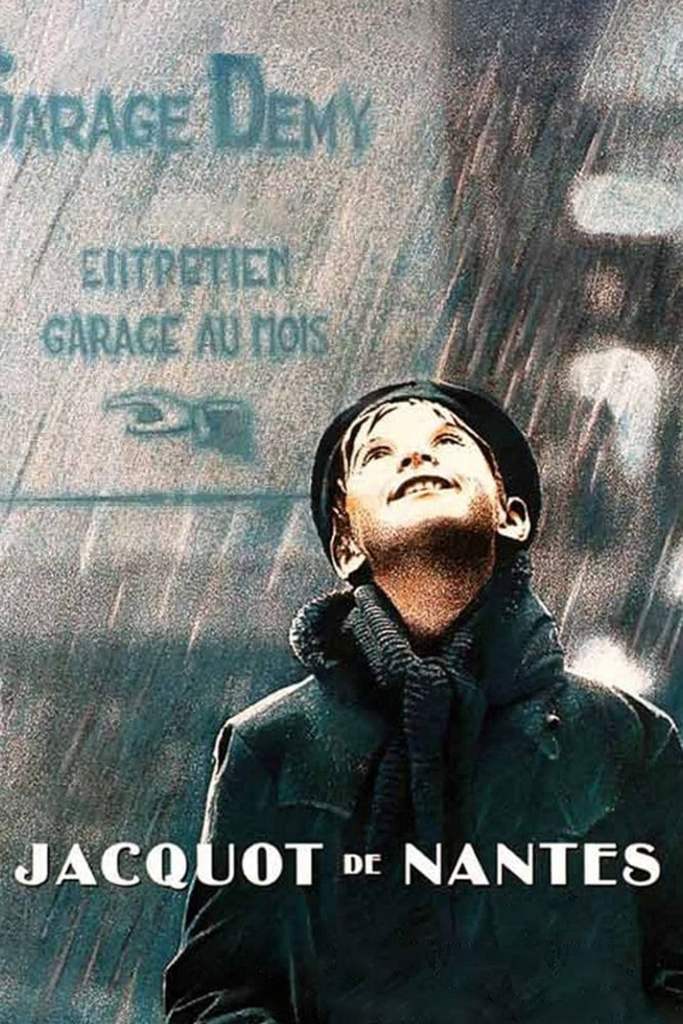
Jacquot de Nantes is part drama, part documentary, about the young life of Agnes Varda’s husband, Jacques Demy. As he neared death in 1990 (at the time they said it was cancer, years later Varda admitted it was AIDS), Demy was telling stories of his childhood and Varda said it would make a good movie. As he was too weak to make it, he got Varda to do it instead. The film plays out as a love story, with scenes showing him as a little boy up through high school, as he fell in love with cinema, started making his own small films in the attic of his house, and so on, all against the backdrop of World War II in his French town of Nantes. Much of the film is shown in black and white, but in scenes that were particularly inspiring to the young Jacquot, they were shown in color, and often we’d get the corresponding scene from the films he made as an adult. For example, when his aunt visits the family and talks about her love of gambling, we see a short scene from Demy’s film Bay of Angels, showing Jeanne Moreau gambling away. Interspersed throughout are interviews of present-day Demy, discussing various moments that we are seeing on camera. A wonderful ode and send-off to Varda’s husband; he died 10 days after shooting wrapped and never saw the final product. ★★★½
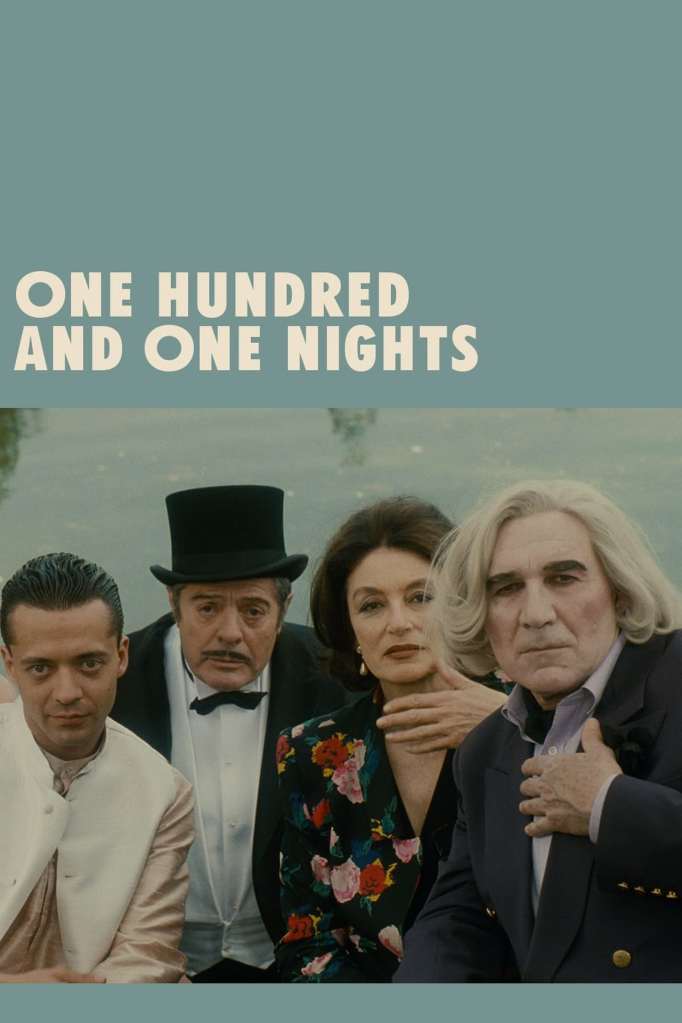
If Jacquot de Nantes is a love story to Varda’s husband, One Hundred and One Nights is a love story to her passion of film. The premise is that of an aging film star with the congruous name of Simon Cinema (played by Michel Piccoli) who, nearing his 100th birthday, hires a young beautiful film student named Camille (Julie Gayet) to spend a couple hours a day just talking film, to keep his mind fresh. The overall plot of the film involves Cinema’s vast estate without an heir, and Camille’s idea to “bring back” his long-lost grandson Vincent (setting up on imposter to play the part) in order to get access to Cinema’s money to fund her filmmaker boyfriend’s films. That’s the comedic aspect of the movie, and it’s a bit zany, but the truly great part of this movie is the discussion of great films. Cinema (the person) and Camille love film and reference it non-stop. Along the way, they are visited by a who’s who of European cinema stars: Marcello Mastroianni, Anouk Amiée, Alain Delon, Jeanne Moreau, Hanna Schygulla, Gérard Depardieu, Jean-Paul Belmondo, Catherine Deneuve, and many more, and even some cameos for American viewers (Harrison Ford, Robert De Niro, and a blink-and-you’ll-miss-him Clint Eastwood). As the stories fly, we see clips of so many great films from the 30’s to present. If I had seen this movie 5 years ago, before I really got into classic films and especially European classics, all of it would have gone over my head, but now, though I’ve maybe seen only half the films they talk about or show, at least I’m familiar with all the directors and actors they share stories about. Based on the story of this movie, it’s nothing special, but all of the actors in it, all the behind-the-scene stories, the totality of it all makes this an irresistible and engrossing picture. ★★★★
- TV series currently watching: Stargirl (season 2)
- Book currently reading: Boundless by RA Salvatore


One thought on “Quick takes on Vagabond and other Varda films”