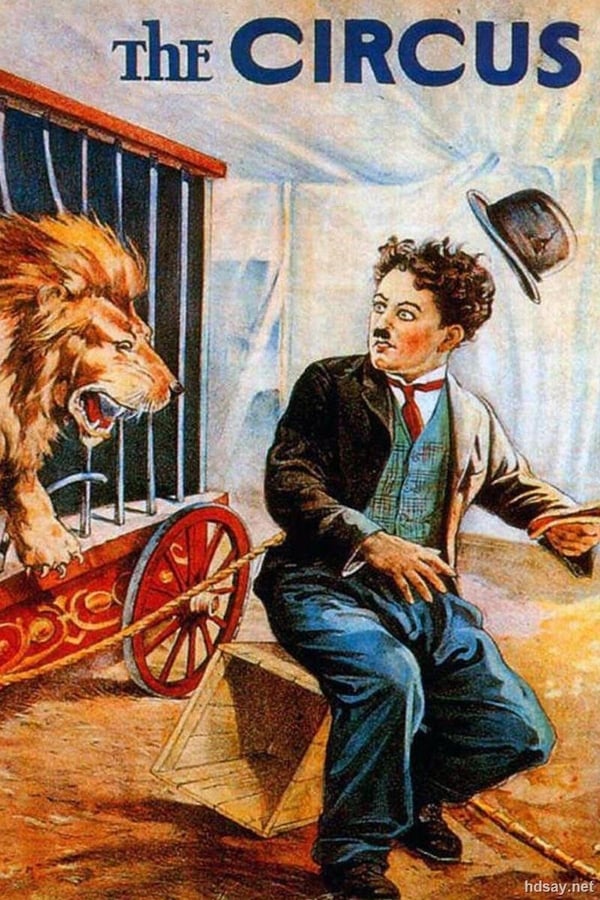
The other four films below are Charlie Chaplin’s final pictures, and are “talkies,” but you can’t write about Chaplin without having a silent film, can you? So we’re starting with one of his most acclaimed, 1928’s The Circus. Through a serious of outrageous events, Chaplin’s famous Tramp character finds himself on center stage in the big top, where his clueless but endearing antics bring cheers from the audience. The ringmaster is forced to give him a job to keep the crowd happy, but Chaplin seems ill at ease when told to be funny on purpose. At the same time, the ringmaster’s cruelty to the pretty young horse rider raises the Tramp’s ire, and he uses his clout to force the ringmaster to treat her better. Unfortunately, the Tramp’s love for her isn’t returned, and she sets her eyes on the tall, dark, and handsome tightrope walker. Chaplin tries his own turn on the tightrope to try to win her back, to more hilarity. It’s a wonderfully fun film, and I laughed harder than I have in awhile, while cheering for the Tramp to find happiness. The genius of Chaplin is felt throughout the film, and I loved the ending. MINOR SPOILER : As the circus packs up and moves on, the Tramp is invited to go with, but he stays behind, standing in the circle where the big tent stood, all alone. You can’t help but see the similarity to the world and its new sound films moving away, and Chaplin standing tall with his love of the silent era. Brilliant stuff. ★★★★½
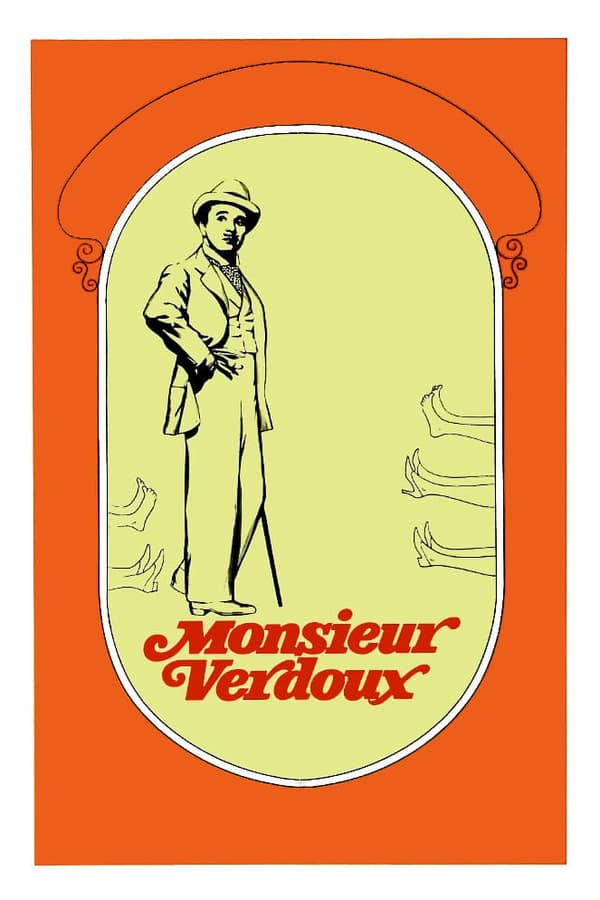
Chaplin did a big 180 on 1947’s Monsieur Verdoux, a black comedy which is much darker than any of his previous films. Taking place in the early 1930’s, he plays Henri Verdoux, a French serial killer who lures old widows with flowers and bad poetry, only to murder them and make off with their cash. However, he may be a criminal with a heart, as it seems that his motive is to make money for his wife and child, who live alone on an estate paid for by Henri’s deeds. His wife, who doesn’t know about Henri’s “other life,” whispers that she’d rather be poor and have him close, but Henri enjoys his hunts. He wasn’t also so, as he only settled into his current life of crime after losing his 30-year job as a banker. Henri is a cold blooded killer, but also capable of extreme acts of kindness, like then he feeds and gives money to a poor woman stuck out in the cold (he had intended to murder her too, but was touched by her life story). Though there are plenty of serious moments in this comedy/drama, the laughs are frequent and big. The only problem is Chaplin has a bad habit of looking into the camera, maybe from his long silent career where he’d glance at us, the audience, as a way of making sure we were in on the gag. In the more serious moments, it’s off-putting, just because we aren’t used to it in serious dramas. In the end of the film around 1937, Henri gets on a soap box (very much like the finale in The Great Dictator) and tells those around him, and us viewers, his take on the definition of evil, and in a world on the cusp of yet another world war, how little difference there can be between a good person and a bad. The film does have some lulls but overall it is still a very enjoyable picture, and kudos to Chaplin for stepping outside his comfort zone for a very different picture. ★★★½
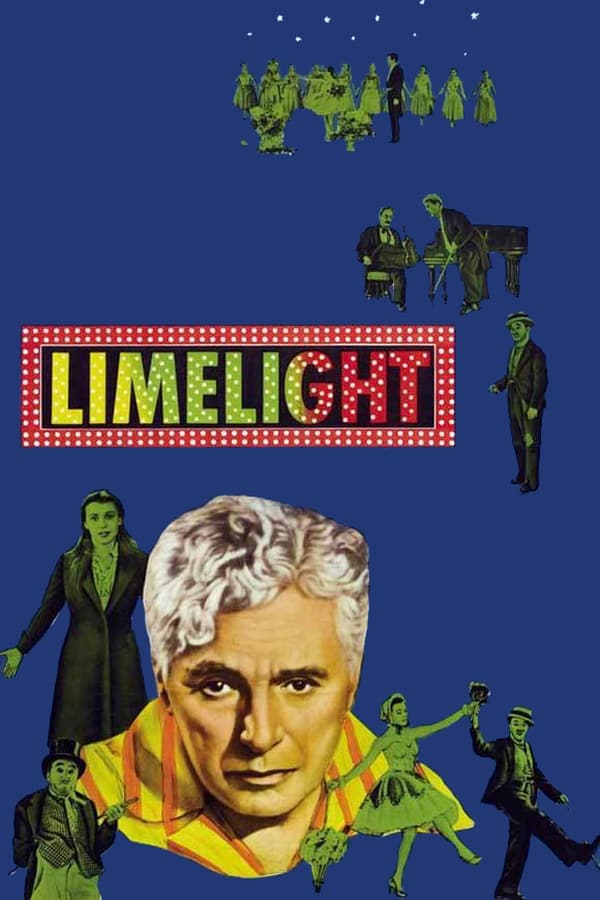
Though there are still 2 more films to see, Limelight is clearly Chaplin’s “swan song” and is often labeled as such. It is a very personal film for him, about a comedian, Calvero, whose best days are clearly far in the rearview mirror. A former star of the vaudeville stage, Calvero has let alcohol derail his life, and he hasn’t kept up with the changes in trends either. The beginning of the film finds him living in a rough boarding house, where he (almost accidentally) saves a woman from an attempted suicide one night. Terry is a young and beautiful woman, a trained ballet dancer, who suddenly has been beset by nerves and can no longer dance. Doctors assure Calvero that it is purely psychological, so he slowly nurses Terry back to health, both physically and mentally. During this course, she falls in love with him, though Calvero is obviously much older. When she is able to take the stage again, it is her turn to nurse him, boosting his confidence as only she can. Unfortunately, Calvero is a pragmatist if nothing else, and he doesn’t want cheers just because of who he is or his former reputation; he wants to really be funny again, and even we don’t know if he is capable of that again. It’s a heartwarming (and heartfelt) film about an entertainer struggling with self-doubt, wandering if time and the crowds have passed him by. Through Calvero, Chaplin takes it all in stride, with his typical humor and wit. There are some lagging moments, but overall, it’s a beautiful film. As an aside, there’s a great long cameo by “the other” greatest silent film comedian, Buster Keaton. ★★★★
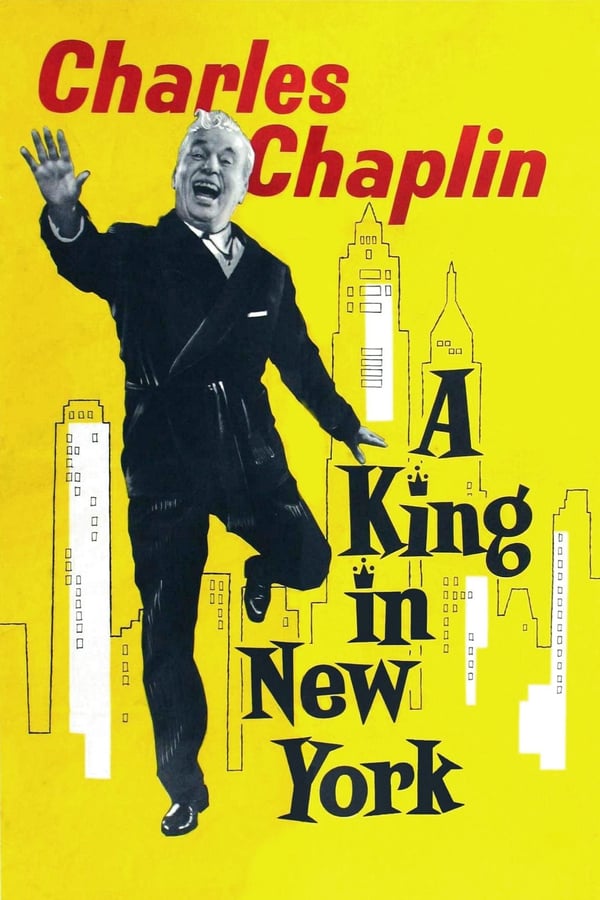
After his previous film, and tired of being pursued by the House of Un-American Activities Committee, Chaplin left USA for good and settled in Europe. His next film was made in London, and pokes at the system he just fled. A King in New York is so completely different than any other Chaplin film I’ve seen, and not in a good way. Chaplin plays a deposed king, Igor Shahdov, who’s barely escaped his home country on the eve of a revolution. After his former prime minister stole the entirety of the country’s wealth, Shahdov is broke, and scraping by as an immigrant in New York. He becomes enamored by a precocious and brilliant 10-year-old named Rupert (played by Chaplin’s own son Michael), who himself is under the watchful eye of the government because of his parents’ ties to communism. Through Rupert, Shahdov sees that not all is rosy in America, with McCarthyism poking into everyone’s private lives. In the 1950s, freedom isn’t quite as free as advertised. Many of Chaplin’s films have political undertones, but nothing is hiding in the shadows in this one; that didn’t turn me off per se, but the film just isn’t funny either. There’s some chuckles here and there as Shahdov is bemused by the rampant capitalism and consumerism in the USA, but light chuckles is all it elicited from me. It’s a very dull film unfortunately. ★
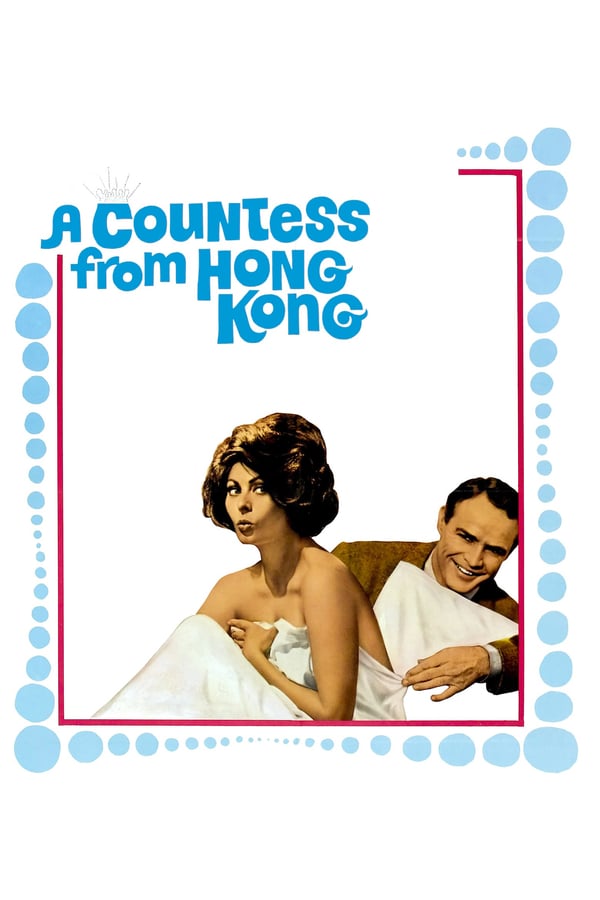
A Countess from Hong Kong was Chaplin’s last film, released in 1967 (and also his only color picture). As he often did, he was writer, director, and composer for the music, but for a change, he was not the star; in fact, he only has a cameo. The leads are non other than Marlon Brando and Sophia Loren. After the Russian Revolution and, later, World War II, many Russian countesses and baronesses are stranded in Hong Kong with no way to return home. One such is Natascha (Loren), who is desperate to get away from Hong Kong. She sneaks aboard a boat bound for America, and ends up hiding away in the closet of US ambassador Ogden (Brando). The times being what they are, and Ogden being who he is, he does not want a scandal, but Natascha has nowhere else to go. Ogden tries to keep her a secret as long as he can, but frequent guests to his rooms from friends, fellow emissaries, and the press provide for plenty of humorous antics. The film provides Chaplin’s customary wit, but honestly it’s not that great of a picture. Brando seems to brood through too much of the film, like he has more important things to do, but Loren does shine in all of her scenes. A very average picture, and unfortunately it does not meet the high water mark Chaplin set in his earlier career. ★★½

 Jons Movie Takes
One thought on “Quick takes on 5 Chaplin films”