Yasujirō Ozu was a famous, heralded Japanese director whose career spanned 5 decades, beginning in the silent film era of the late 20’s until his passing in the early 1960’s. Though some of his more famous pictures were “talkies,” I’m starting at the beginning with his work, with 6 of his earlier silent films of the 30’s (many of his earlier films from the 20’s have been unfortunately lost).

Walk Cheerfully follows a thief and two-bit hoodlum named Kenji, known on the streets as “Ken the Knife.” He runs a little gang who work together pulling off petty crimes. Kenji’s life takes a turn though when he spots a woman coming out of a jewelry store. When he sees Yasue, it is love at first sight. Fate brings them together again a couple days later, and while his cohorts think Kenji is just planning another robbery, he really is head over heals for the girl. Kenji tries to conceal his life from Yasue, but when she learns of the truth, she breaks up with him. Wanting to win her back, Kenji tries to go the straight and narrow, getting a real job and casting off his former gang, but they aren’t ready to let him go so easily. It is a very fine gangster-like film, heavy on the drama and light on the crime, with touching moments between not only Kenji and Yasue, but also between Kenji and Senko, his one good friend from his criminal life. Excited to see more! ★★½
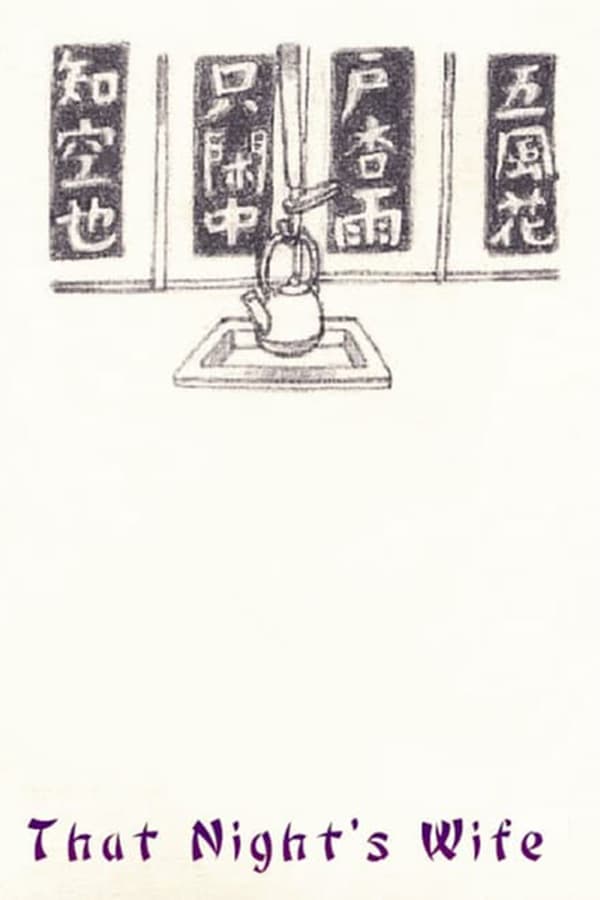
That Night’s Wife isn’t just a good silent film, it’s a good film, period. I guess you’d call it a “crime drama,” though outside of the first 15 minutes, it’s light on the former and heavy on the latter. It starts with a man named Shuji pulling off a brazen nighttime robbery. With cops hot in pursuit, he hides in a phone booth to make a call, and thus we find out the reason for his desperation. His wife is home tending their very ill little girl, and Shuji has called the doctor to ask how the girl was doing today. Shuji is afraid to return home with the cops on this tail, and tells the doctor that he might stay away tonight. In all seriousness, the doctor responds that Shuji better be there tonight. These ominous words get Shuji to relent, and he takes a car to his apartment. Unfortunately for him, the car’s driver is a detective who’s been on the lookout for the robbery suspect. Detective Kagawa drops Shuji off, and then quietly follows him upstairs and inside. Shuji begs to be allowed to wait out the night to see his daughter through, and the detective only backs off when Shuji’s wife pulls a gun on him. The rest of the night goes from a tense standoff to a touching and heartfelt morning. This movie was great from the get-go. The opening scenes and robbery are as action packed as you get, full of suspense and thick tension, which make the tender moments that follow all the more enjoyable. ★★★½
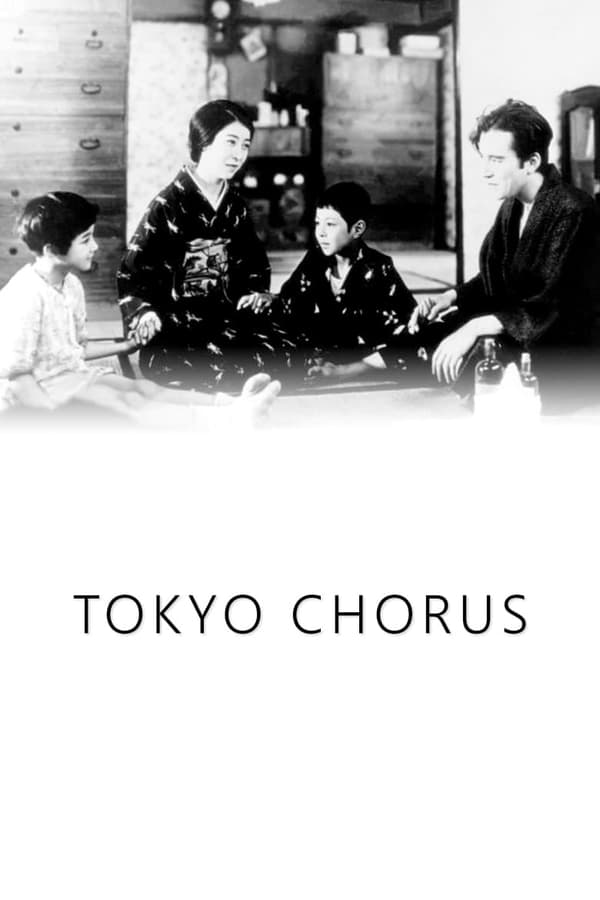
Tokyo Chorus goes for a different genre, and is a comedy. It follows one young man through his ups and (mostly) downs. It begins when he’s in school, and his antics in the yard, much to the consternation of his teacher. A few years later, he’s working for an insurance company and looking forward to his yearly bonus, on which he already has plans to buy presents for his wife and two children. The day the bonuses come out though, a coworker is fired, and our hero wants to stand up to the boss over what is perceived as an unjust dismissal. This only leads to our main guy being fired too. Unable to find work and down on his luck, his family isn’t looking too good. At about this time, I honestly had the thought that this was a pretty decent film, but what did the first 20 minutes of schooling have to do with it? Ozu heard me from 90 years ago, and our guy runs into his old teacher, who now owns a business. If he can work for him in an admittedly poor job for just a little bit, the teacher promises to reach out to old friends in the Ministry of Education to find him a better job. The movie is funny in an old-timey way, which I know isn’t for everyone, but it also has many touching moments between our lead and his family, especially his wife and son, for whom he’d promised a bike when they had money. A pleasant enough picture for fans of silent film. ★★★
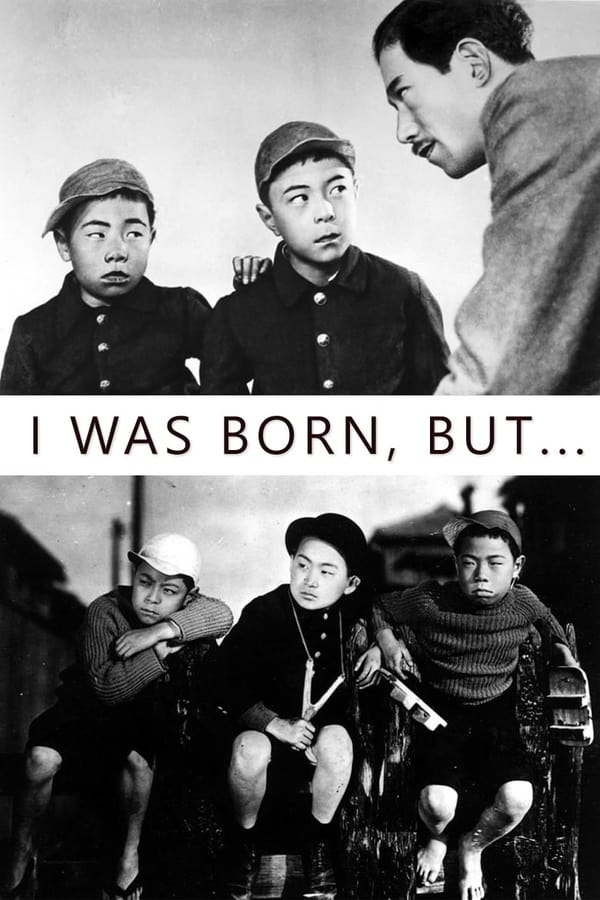
I Was Born, But… is another comedy, but like the previous film, it has a lot of heart too. It follows a family who has just moved, and the two young boys are having a hard time adapting to new kids in the area. They are picked on relentlessly, to the point that they don’t even want to go to school. The parents are good people, but unaware of the problem until the school calls to check in after awhile. Through all of this, the boys rely on the strength of their father, who is a good-natured and jolly guy, always able to raise their spirits. He’s their hero, but when they are faced with the truth that their father is only the center of their house, but is himself an employee of someone else (the father of one of their friends no less), they realize their father isn’t as powerful outside the house as he is inside it. There’s a very poignant moment when the kids and adults are all in one family’s house and watching home movies of the adults at work, and they see their dad goofing off in his usual way. The other adults and children all have a laugh at his expense, and it shakes the two brothers to their core. Though the adults know it was all in good fun, the children do not see it as such. These tender moments are the best parts of the picture. Realizing your dad, who may be the strongest figure you know, isn’t the center of the universe can be a blow to any young boy. ★★★½
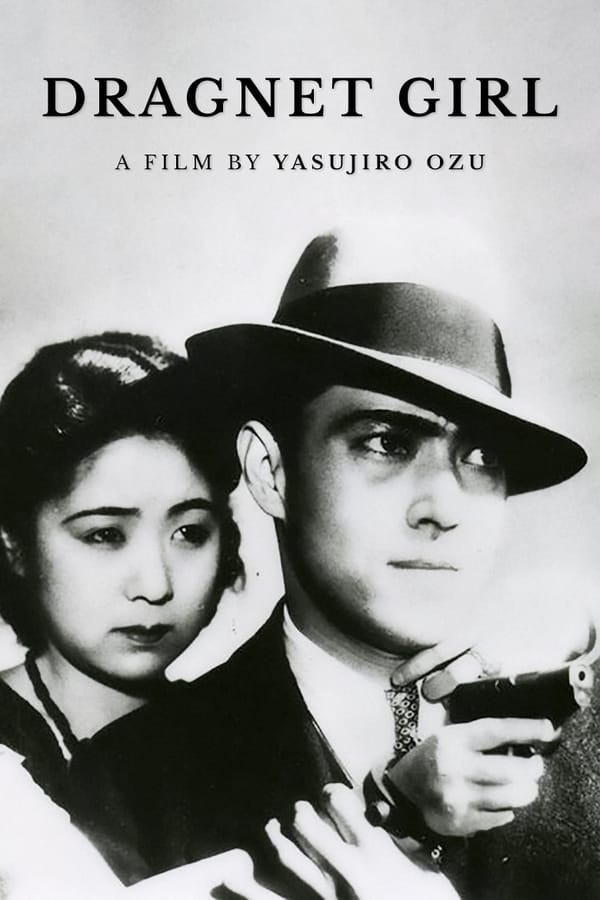
Dragnet Girl is the first of this batch of movies that I would recommend to anyone, even if you don’t generally like silent pictures. It is a great film about people wanting to be better than they are. Joji is a local hoodlum (see a running pattern in these movies?) whose girlfriend, Tokiko, works as a typist at a big firm. Joji is always looking for the next con game, and when Tokiko’s boss starts flirting with her, Joji thinks that can be their next score. Tokiko shoots the idea down, not wanting to lose her job. What does come along though is unexpected: a young high-schooler and boxing fanatic, who looks up to Joji as a community hero from his own boxing days, approaches Joji about joining his gang. What grabs Joji’s attention is this new guy’s sister, Kazuko. Suddenly Joji realizes he’d like a simpler life, with a good girl like Kazuko who isn’t always getting into trouble. Tokiko gets it in her head that she’ll confront Kazuko and warn her to stay away from her man, but she too starts to see the attraction of a quiet life. She begs Joji to give up their gangster life and go straight, but Joji decides they need to pull one more job to get some money to Kazuko’s brother, to keep them both out of trouble, and the target for their crime circles back to Tokiko’s boss. There’s a lot going on there, but it all plays out so beautifully in the film. It helps too that the version I watched had an amazing piano score, which makes all the difference on these silent films. The ending is a bit implausible, but an outstanding movie nonetheless. ★★★★★
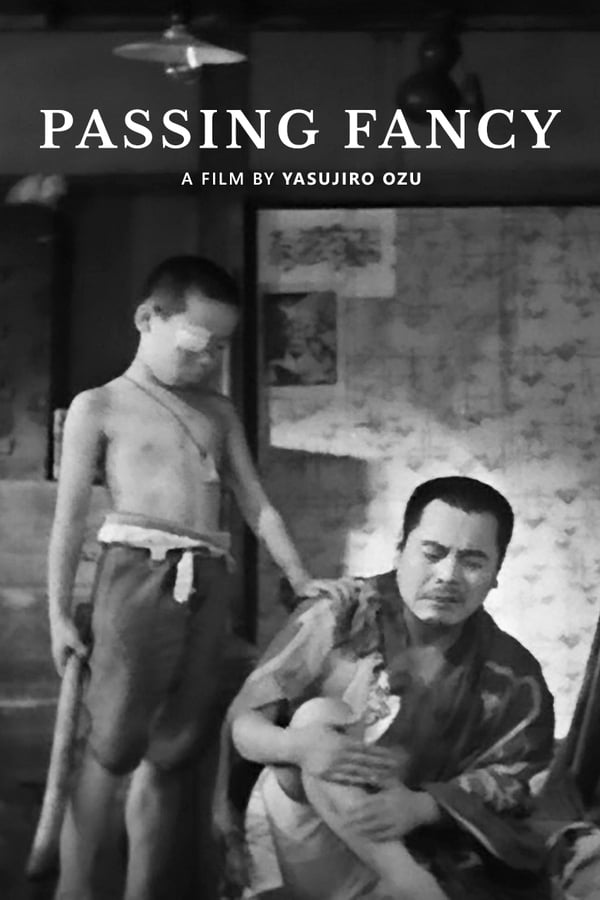
Saw some good films in this run, but unfortunately it ended on a dud. Passing Fancy is a comedy without laughs, and doesn’t reach the emotional highs of some of the previous pictures either. The “passing fancy” described is when a man, Kihachi, sees a homeless, pretty young woman, and is smitten. He gets her a job and place to stay at the local restaurant (run by a friend), and puts the moves on her. Unfortunately she has no returning feelings. Much of the film is devoted to this and to Kihachi’s friend Jiro, but all of those plot elements really never go anywhere. The crux of the film is Kihachi’s relationship with his son Tomio. Kihachi is a laborer who did not finish school, in fact cannot even read, but he has high hopes for Tomio and pushes him. Tomio is doing well in school, but is embarrassed over his poor father. I wish more time had been spent with this aspect instead of all the other silly stuff, but this narrative feels rushed and isn’t allowed to develop. It’s a letdown after the last film, but I look forward to more Ozu pictures in the future. ★

 Jons Movie Takes
I watched “Dragnet Girl” as part of the set of Ozu’s early crime pictures, and I was really drawn in by it. It’s rather quickly paced but doesn’t feel rushed. I appreciated his depiction of the tenement circumstances these characters lived in. And yes, you’re right – the ending isn’t really all that plausible, but i found it touching nonetheless. Even early in his career, Ozu was able to capture the emotional tug of a storyline.
LikeLike
This films were my introduction to Ozu, I can’t wait to watch his sound films later down the road!
LikeLike