A couple years ago I watched Diabolique, an acclaimed film from French director Henri-Georges Clouzot. I loved it, and have been wanting to go back and watch more of his stuff. Finally getting that done!
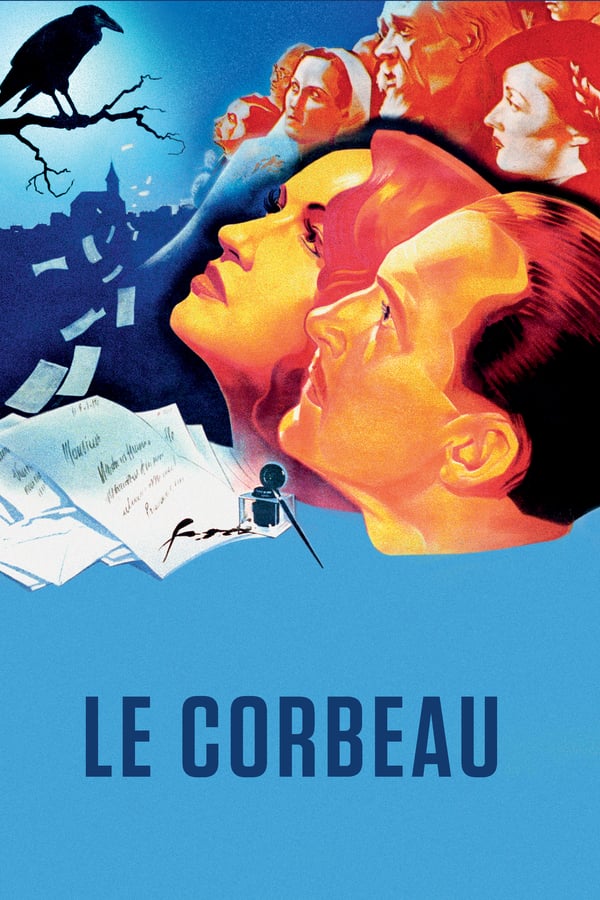
Le Corbeau (“The Raven”) was released in 1943 during the German occupation. It is about a little town being plagued by an anonymous poison pen letter writer, someone with a grudge against a doctor in town. The letters, signed “le corbeau,” begin by accusing the doctor Germain with performing illegal abortions and with having an affair with Laura, wife to an elderly psychiatrist at the same hospital where Germain works. The viewer knows the accusations seem true, and as letters start going out to more residents, pointing out sins and misdeeds for all the public to discover, they all share the same demand: cast Germain out of town, and the letters will stop. Everyone has a guilty secret, including a new love affair with Germain and the town slut, Denise. At first the prime suspect is Laura’s sister, a nurse named Marie Corbin, and the town vilifies her, to the point that she is arrested, but the letters continue, so the townsfolk realize the real Raven is still out there. It’s a mystery with a definite noir-like feel, complete with the femme fatale character of Denise. Really good, gripping story, with a surprising and shocking ending. With its not-so-subtle attack on the French townsfolk as well as informants and the “looking the other way” by the church in the film, the picture was not so popular with its own French people at the time. It was smeared by the Vichy government, the French Resistance, and the Catholic Church, and later banned after the liberation of France. The film was then suppressed and rarely seen until the 1960’s. ★★★★
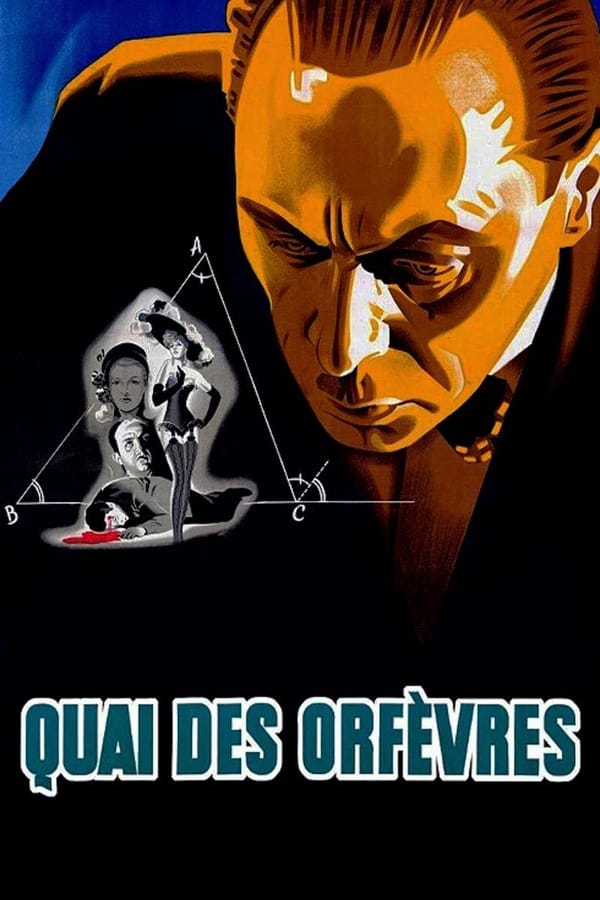
Doing films for German-owned Continental Films during the occupation got Clouzot blacklisted until 1947. His first film after coming back was Quai des Orfèvres (“The Goldsmiths’ Quay,” sort of like Paris’s Scotland Yard). It’s a crime movie but not really a mystery, more like a police procedure kind of film. Maurice is a pianist and accompanist to his wife Marguerite, aka Jenny Lamour. Jenny is a sexpot with a nicely trained voice, and while she and Maurice love each other deeply, she knows how to use her looks to get attention, and has dreams of being a star. Jenny has grabbed the eye of the wealthy Brignon, a lecher with cash to burn, and she hopes to use him to further her career. Maurice becomes aware of Brignon, and goes to confront him at a club, roughing him up a bit and loudly declaring that if he went near his wife again, he’d kill him. When Jenny meets Brignon at his home one night, things go wrong, and Brignon ends up dead. Unfortunately for Maurice, he’d decided to act on his threat that night, and went to Brignon’s house, only to find him dead already. Maurice had tried to set up an alibi by going to his place of work, a theater, that evening, but plenty of holes in his story are there for detective Antoine to poke through. The viewer knows that Maurice didn’t kill Brignon, but Antoine doesn’t, and spends the film gathering witnesses to take Maurice down. Most of the film is really great, with some dark noir moments (this is definitely a film noir through and through), and nothing controversial to get Clouzot in trouble again. Jenny drips sex in every word and movement, but you don’t fault her for trying to get ahead in life while still staying (technically) faithful to her husband. In fact, there isn’t a “bad” guy in the film. We like Jenny, we like Maurice, we even like the detective trying to take them down. The end isn’t quite as thrilling as the rest, seemed like a bit of cop out after all the great tension of the film, but still a good ride. ★★★½
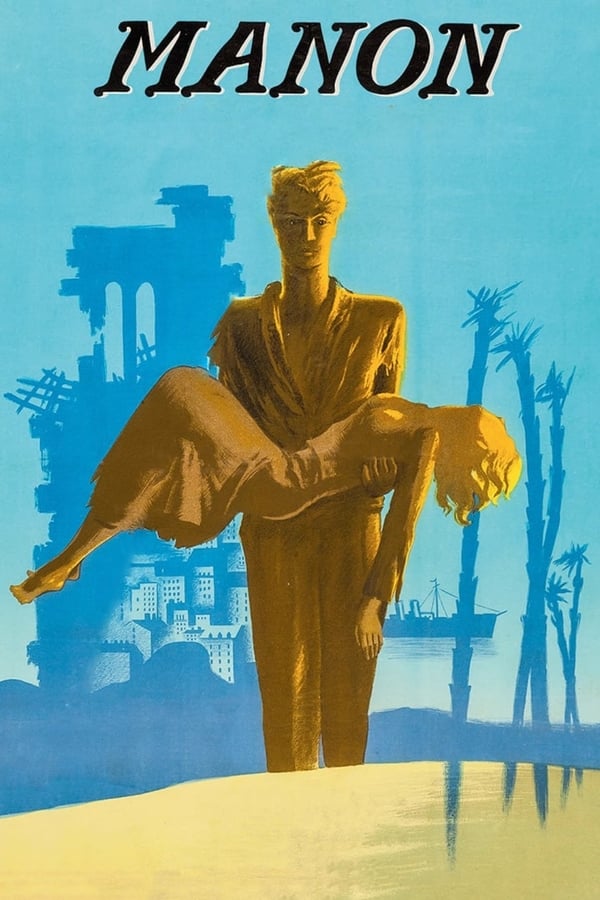
Manon is so ridiculously trite and shallow, I almost don’t believe it is from the same director as the above films. The film begins with a young French couple found hiding on a transport ship. The stowaways beg to be let go free, but the captain realizes the man, Robert, is wanted for murder, so he radios ahead that he’ll be dropped off at the next port. To pass the time, Robert and his girl, Manon, share their story. They met when Robert was fighting with the French Resistance during WWII, and Manon was being attacked by her fellow French citizens. She was charged with cavorting with Germans and the town wanted to shave her head and cast her out. Robert fell for her immediately and believed her innocent, and saved her. She didn’t turn out to be the angel that he thought though, and regularly prostituted herself for money while Robert tried to work hard to earn money for them after the war. When confronted, she always begged him back, saying she couldn’t help herself, she just couldn’t live poor and needed to have the nicer things in life. Robert kept swearing her off, but somehow they always ended up together again. Some of the dialogue in this film is truly awful; the whole love-at-first-sight scene in war-torn France when they meet is absurdly cringeworthy. And the feeling of the film for the last 20 minutes changes completely from what came before. There’s some really nice camera work, and the production values are top notch, which makes me have to believe that someone just threw a blank check at Clouzot to get him to direct this mess. ★½
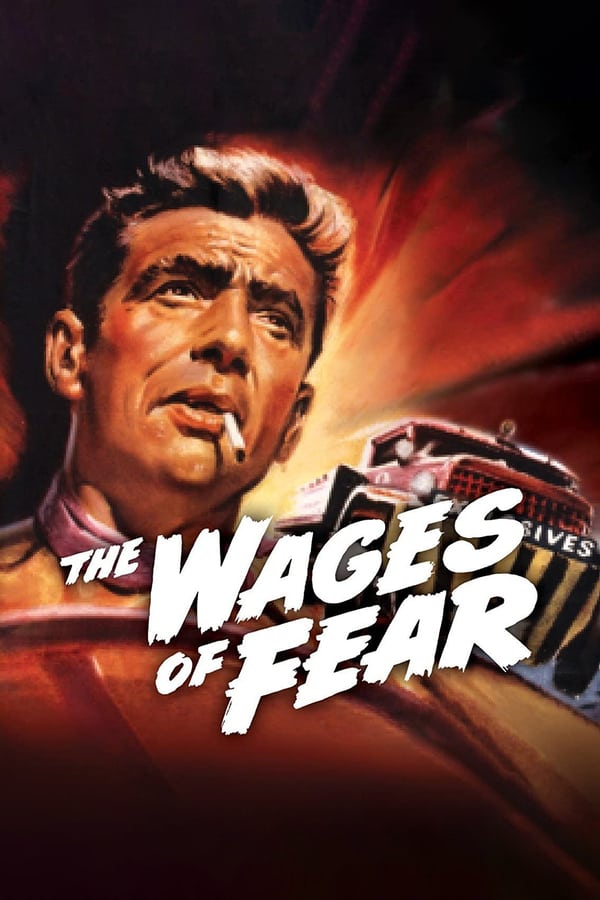
The Wages of Fear, from 1953, is stunning. It’s labeled a thriller, but that’s like calling Star Wars a space movie. It takes place in a tiny South American town, where people of all nationalities have found themselves unable to leave. The town is isolated and the only way in or out is by plane, but the cost of the ride is exorbitant, and the only work around is odd jobs here and there, just enough to eat off of. The sole major employer is the American owned Southern Oil Company, but outside of their own Americans brought in, they only hire locals for the dangerous jobs that no one else wants. Frenchman Mario, German Bimba, and Italian Luigi have been in the area for awhile when another Frenchman, Jo, finds himself there. Jo likes to live large, but he doesn’t have any more money than anyone else, and his uppity nature rubs Luigi the wrong way from the get-go. The two come to blows one evening, with Jo coming out on top, and calling Luigi a coward. This leads into the heart of the film. A big paying job opens up when one of the oil fields catches fire. The oil company wants to hire 4 people, 2 pairs, to drive big trucks of nitroglycerine to the field, to be used in explosions to seal the oil well and put out the fire. An extremely dangerous trip, the company is offering $2000 per person, with the full expectation that at least one of the trucks will get itself blown up before getting to the finish. Jo and Mario team up for one truck, Bimba and Luigi for the other. On the ride, we see who really has the guts among those four. This is probably the most taut film I’ve ever seen. I can’t tell you how many times I caught myself holding my breath, or gasping (loudly) aloud, or fidgeting nervously, as the trucks careen through rugged terrain and impossible obstacles. Edge-of-your-seat thrills for a solid hour plus. I was exhausted (in a good way) by the end, and am happy I escaped without a heart attack. ★★★★★
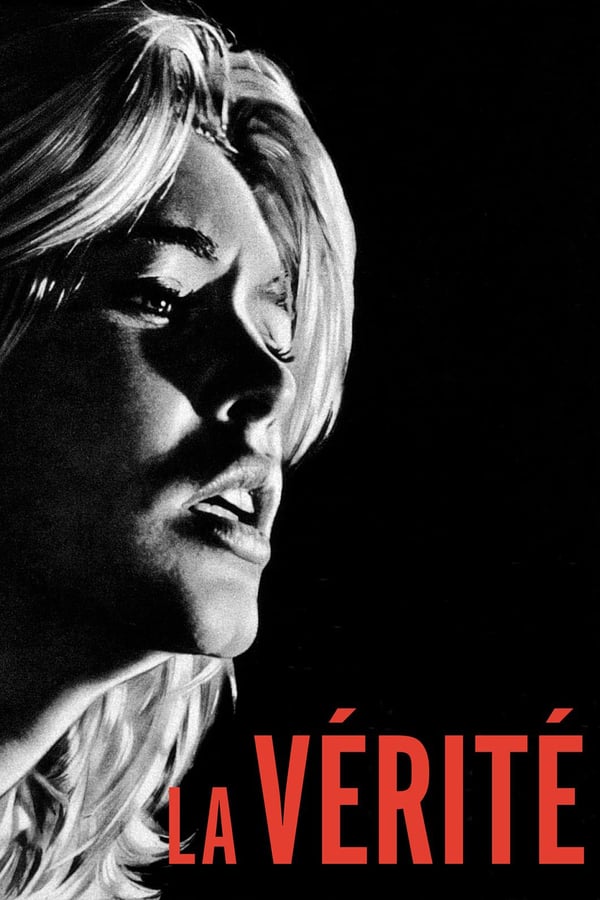
La vérité (“The Truth”) was, I think, way ahead of its time for the subject matter. It is a drama about a woman, Dominique (60s sex symbol Brigitte Bardot), on trial for murdering her former lover Gilbert (Sami Frey). The film takes place in the courtroom, but is mostly told in flashbacks, leading up to the killing. Setting the tone, we see that Dominique was always a wild child, clashing with her parents and her goody-two-shoes sister Annie, to the point that Dominique is kicked out of the house and moves in with Annie for a time, who is pursuing a college degree in music. There, Annie meets a conductor-in-training, Gilbert. Gilbert visits Annie at her apartment and meets Dominique, and like all men, is immediately lustful, which Dominique encourages. However, whereas usually she just sleeps with the guy, she teases Gilbert, initially out of spite with her sister, who shortly thereafter kicks Dominique out. When Dominique finally gives in and sleeps with Gilbert, she realizes that she does really care for him, but she can’t help her own nature. While dating him, she continues to flirt and see other guys. This drives Gilbert insane with jealousy, until he can take no more and finally quits her and reconnects with Annie. Dominique now realizes what she has lost, which leads to the fateful crime. At trial, Dominique doesn’t deny the murder, but tries to argue that it was a crime of passion, and that she is sorry for the incident, and even tried to commit suicide afterwards. The prosecution of course uses her history against her to paint her in a bad light. These days we have words like slut-shaming, and even to this day we tend to look poorly on girls who flirt around, while dismissing men who do the same. This film points out that glaring disparity. As a courtroom drama, it is a bit lacking, though it does have recognizable faces from other Clouzot masterpieces (Charles Vanel and Paul Meurisse, to name a couple). As a character study of Dominique, it is fantastic. Being a self professed nerd myself, I related more to Annie and personally thought Dominique deserved some of what she got, but the movie does an amazing job of showing you the other side of the coin. ★★★★

 Jons Movie Takes