Merchant Ivory Productions started in the early 60s between long-time business and domestic partners Ismail Merchant and James Ivory. Initially, their goal was to make films in India for an international audience, but that expanded later to films produced in the UK and USA as well. I have some experience with Merchant Ivory films, notably their 2 biggest hits, Howards End (after reading the book) and A Room With a View (also the book). Today, going back to look at some of their earlier pictures from the 60s and 70s.
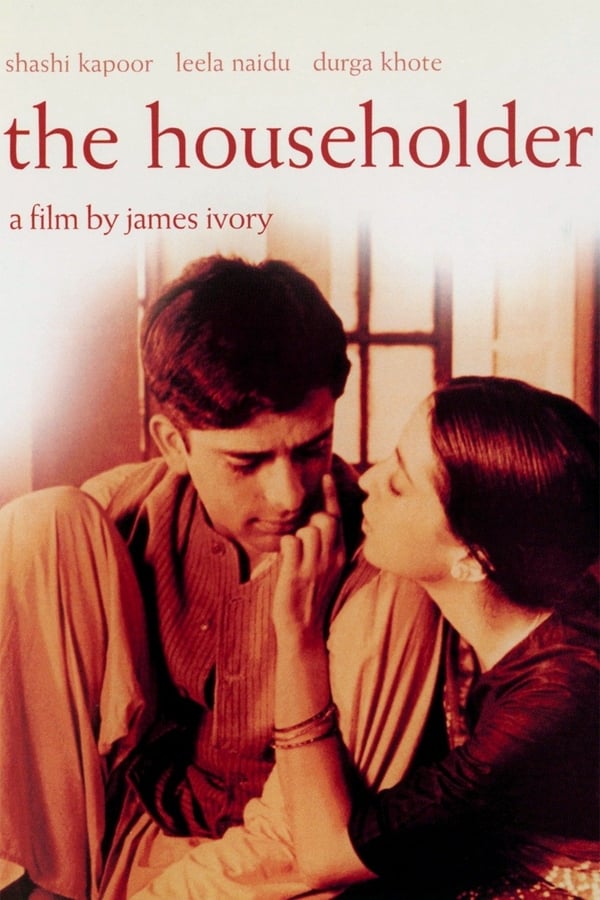
Released in the 1963, The Householder was their first film together, based on a novel by Ruth Prawer Jhabvala (who would go on to become an integral part of the film company as screenwriter for many of the films). I’ll share some notes about its production, which I found very interesting. Ivory and Merchant met in NY at a screening of a short documentary Ivory had done, and they immediately decided to start a film company together. For this, their first picture, they were able to get one of India’s famous cinematographers, Subrata Mitra, and while they had money problems getting the film done, they obviously did finally get it accomplished. Stepping in to help edit was none other than another famous native director, the great Satyajit Ray. If it were not for this acclaimed help, Ivory admits his career may have taken a very different turn. The movie is a simple tale, about a newly married couple, Prem and Indu. In Indian tradition, it was an arranged marriage, and they are still getting to know each other. Prem is a teacher and the couple are living on a meager salary, just scraping by, when they discover that Indu is pregnant. Prem’s mother comes to stay at their tiny apartment to help, and as in all mother-in-law visits, things don’t go well for Indu. Mom nags about the cleanliness of the house and how things aren’t run right, which makes Indu leave in a huff to go back to her parents’ house. Since we all know absence makes the heart grow fonder, Prem begins to realize how much he does care for his wife, and writes to her, begging her to return. The beautiful Leela Naidu as Indu is easy on the eyes, but Shashi Kapoor’s Prem is hard to get behind. He’s a pushover and doesn’t stand up to his bosses, coworkers, or mother, and it’s a surprise anything goes his way in life. It’s a fine enough picture from some early filmmakers, but not all that memorable. ★★
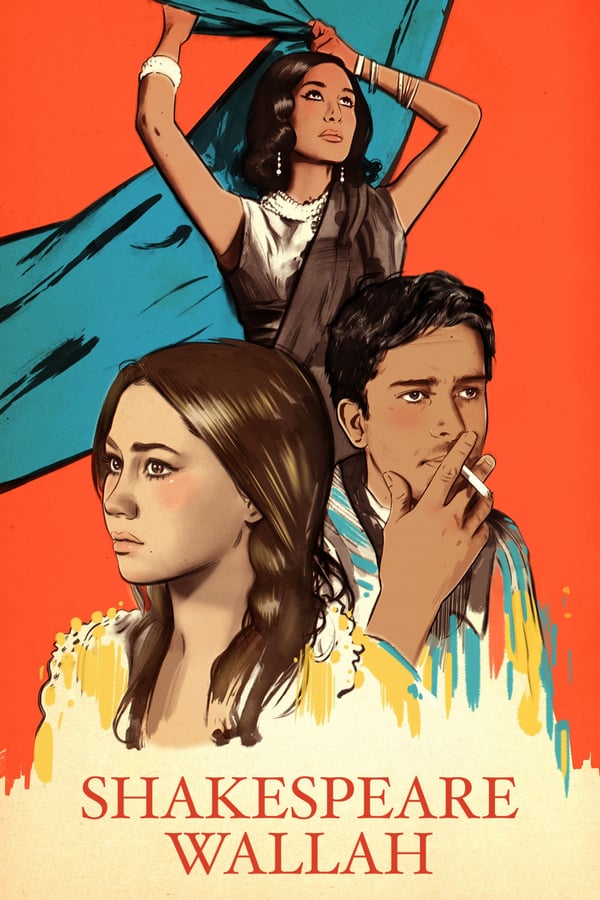
Shakespeare Wallah takes awhile to get going, but is a nice film once it all starts coming together. It centers around a family, a traveling acting troupe, who’s been performing Shakespearean plays in India for years. Under colonial India, they were very popular, but since India gained its independence some years ago, interest has dwindled as the people turn away from British culture, and the troupe has been struggling. At the center of the story is the adult daughter, Lizzie, who has a local Indian boyfriend, Sanju. Sanju has another lady on the side though, a popular Bollywood actress named Manjula. Manjula finds out about the relationship and confronts Lizzie, leading to the second half of the movie. Even the viewer doesn’t know who really holds Sanju’s heart. Lizzie’s parents are older and have made India their home, but they know Lizzie doesn’t have a future there and want her to return to England. However, they have a hard time getting her to want to move; she wants to stay for Sanju. The film was partially based on the Kendal family, who did perform in India, and in fact, to keep the budget down, the actors playing the family members are the original traveling actors, portraying fictionalized versions of themselves. In real life, the actor who played Sanju, Shashi Kapoor, ended up marrying the second daughter in the family, Jennifer Kendal (not see in the film). ★★★
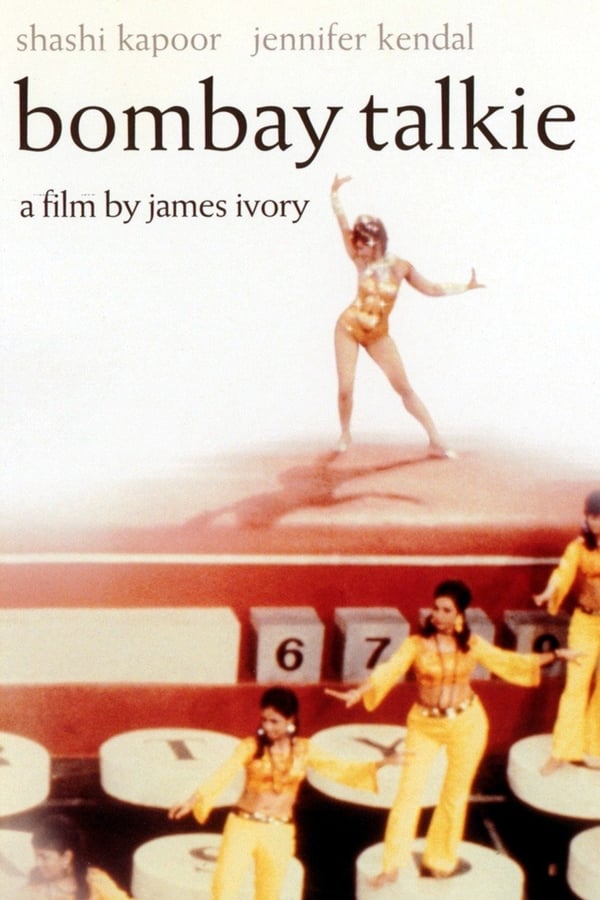
Bombay Talkie (1970) takes advantage of being shot in color to finally show the bright colors of India. Lucia (Jennifer Kendal, mentioned above) is an English author researching her next project, the Bollywood film industry. She meets two men while there, a screenwriter named Hari (Zia Mohyeddin), and a famous Bollywood actor named Vikram (Shashi Kapoor), and thus starts a love triangle. Hari instantly falls for Lucia, who in turn instantly falls for Vikram. Vikram is married, but how has that ever stopped an actor? Lucia and Vikram start seeing each other on the side, evoking heartache in Hari and pain to Vikram’s wife Mala. However, Lucia is very petulant and used to getting her way, so when Vikram doesn’t do something she wants, she packs her bags and heads off to the countryside to try to find religion by following a guru. Unable to give up her worldly possessions, that doesn’t go well either, leading her to return to Bombay to try to pick up where she left off with Vikram. The story isn’t all that deep, and there are plenty of missteps from a writing perspective (Lucia is supposed to be a somewhat talented author, but her personality doesn’t mesh with that backstory, and we never see her write a word), but there was enough positive fluff to keep me involved. And the colorful landscape and costumes are beautiful to watch. ★★★
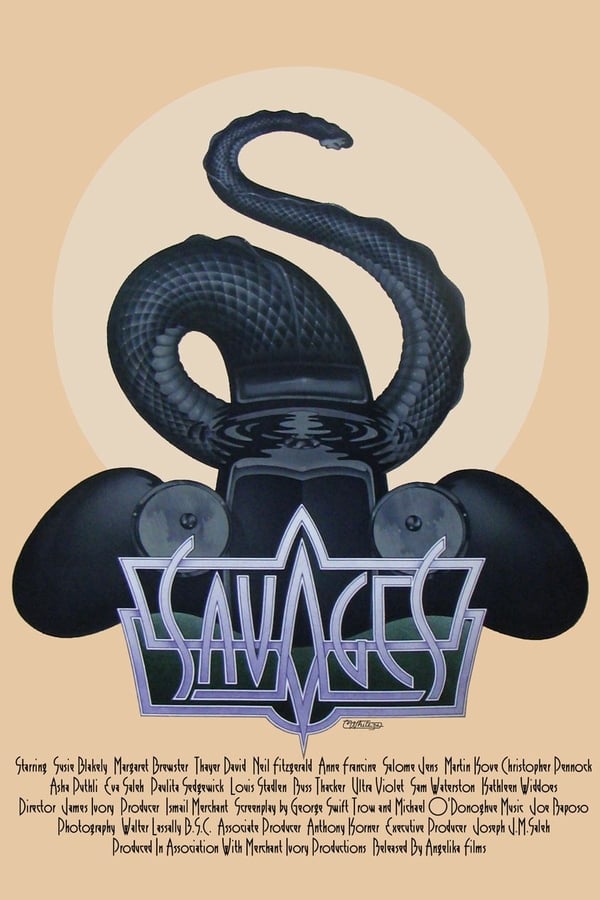
I can’t decide if Savages is either a work of complete genius, or a total train wreck. Even if it is a disaster, I enjoyed it. I say that with the caveat that I sometimes dig really out there movies (see Last Year at Marienbad). Savages is sort of a cross between The Exterminating Angel and Lord of the Flies, though opposite to both those cases. It starts in black and white, and follows a primitive tribal group as they are preparing a human sacrifice. Just as the ritual is about to go down, a croquet ball rolls into their camp. Bemused by the foreign object, the tribe sets off through the forest to find the ball’s source, and come upon a huge, abandoned mansion. As they pilfer through trunks of clothes, pieces of art, and classic books on the shelves, our primitives start to act more civilized. The next morning, the house has been cleaned up and the film is now in color; the people are all dressed in the height of 30’s fashion, and are carrying on droll conversations about art, politics, and society. As the day becomes night though, those old tendencies start to come to the front again, and by the next morning, the group is ready to return to the jungle. It’s a fascinating picture about the structure of society, because the roles each individual played in the beginning carried over to a similar stature in the cultured group. Maybe all of us are more similar than we think. It’s a weird picture, probably not for everyone, but it has a certain appeal for sure. Features a couple very young actors that are more recognizable from years later (Sam Waterston, of Law and Order fame, and Martin Kove, from The Karate Kid and Rambo films). ★★★½
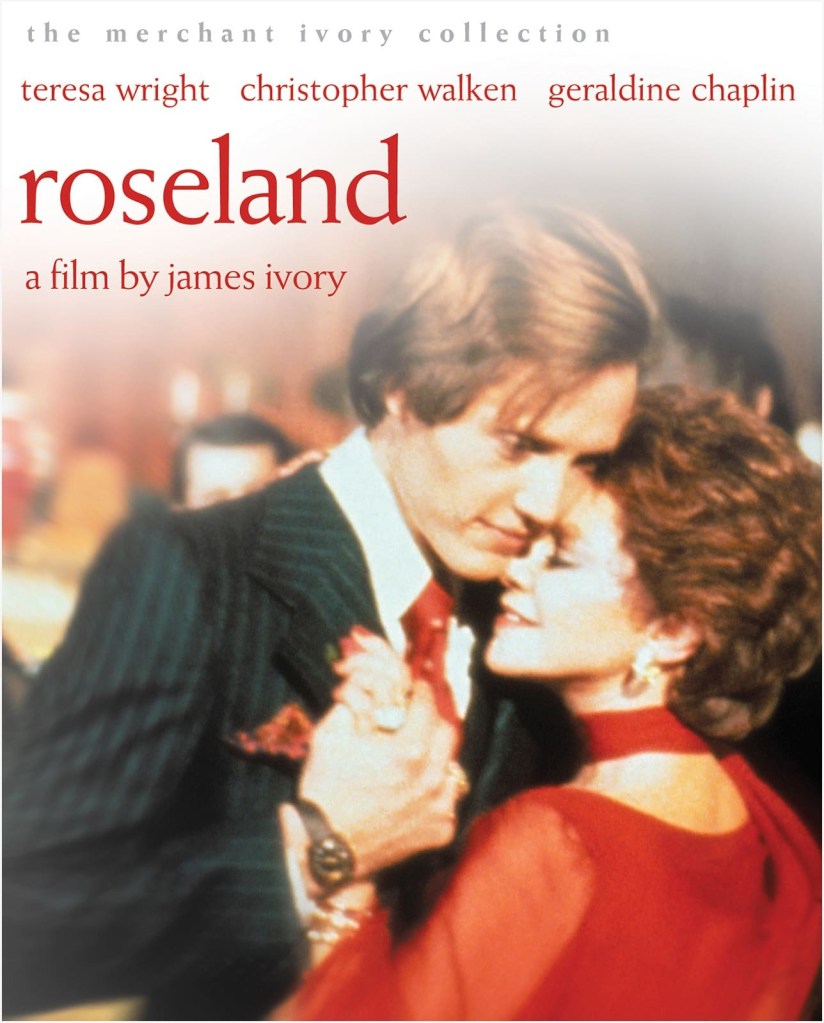
Roseland features a great cast as well, including a young Christopher Walken. The film is made up of three segments, separate short stories, all revolving around the Roseland Ballroom in New York. As a narrator tells us in the beginning, old people come there to remember back when going dancing was what you did on dates. The first part focuses on one such lady in her golden years, May, who is a widower who loves to talk about her Eddie. She is a good dancer and thus a popular party on the dance floor, but she becomes hung up on one man named Stan, mostly because through some kind of magic, she sees a younger version of herself whenever she looks in the mirror with Stan as her partner. The second segment follows a trio of ladies who share feelings for the young dashing Russell. Russell is out of work and relies on the much older Pauline’s money, but he learned dancing and shares a connection with Cleo, and is himself attracted to Marilyn, a woman much closer to him in age. He needs to decide what he wants most in a partner. The final story is about a woman, Rosa, trying to win a dance contest with her partner, Arthur, but he’s not as good of a dancer as she. I thought the film started out great, but each segment after the first wasn’t as good as the preceding one, with the final segment being pretty poor. Still, it’s a cool look back in time to an era that doesn’t exist anymore. ★★½

 Jons Movie Takes
3 thoughts on “Quick takes on 5 James Ivory films”