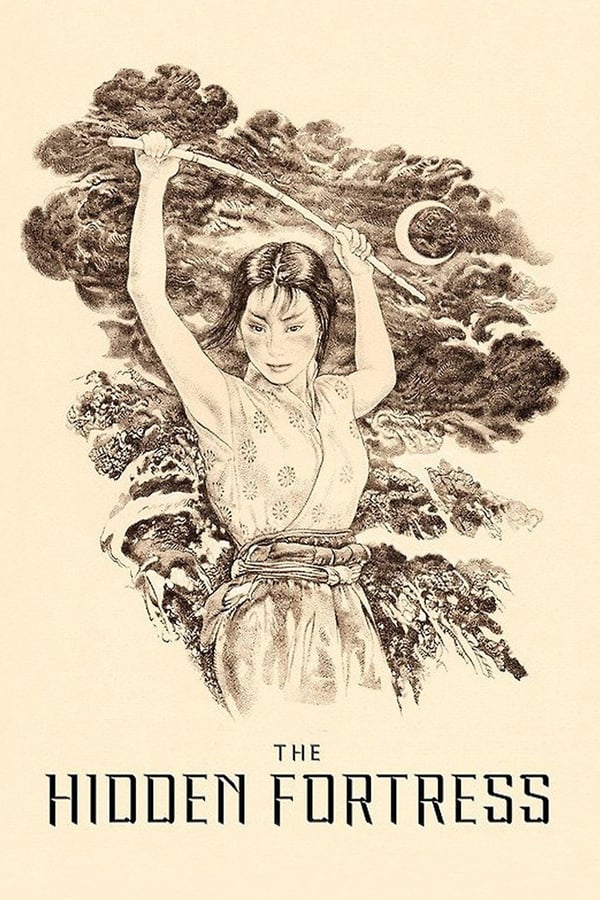
Up today is a set of films from Akira Kurosawa, Japan’s most well-known and most influential director. These are the 5 films he made from 1958 to 1963, after some his early art-house successes. First up is the so-called inspiration for Star Wars, The Hidden Fortress. George Lucas himself has said this was an influence, and there are easily-seen similarities, starting with the opening scene of 2 bumbling friends, one tall and one short, walking down a desolate stretch of land together. They are fleeing a war when they stumble upon Makabe Rokurota (long-time Kurosawa lead Toshiro Mifune), a general of the losing side of the battle. This roguish man is hiding the princess of their side, and needs to sneak her back to her people, along with a cadre of gold, in order to bring hope and money to buy supplies and mercenaries for their side of the conflict. The 2 peasants are more greedy and less wholesome than R2 and C3-PO, and Rokurota is more of a do-gooder than Han Solo, but the framework is there for sure. Lucas even lifted the side-swiping scene transitions. A decent enough film, though not on the same level as some of Kurosawa’s best.
1960’s The Bad Sleep Well is a great film, but it is two and a half hours long, and for me, it felt every minute of it. This is a slow burning film about a man on a mission for revenge. In the world of high dollar business, two companies seem to have a shady deal going on, and are under investigation by the government. Nishi, who has just married the daughter of the Vice President of the Dairyu Construction Company, is secretly working to take down his new father-in-law, though for much of the film, we do not know his reason. The company has a history of (allegedly) forcing employees to commit suicide whenever the law circles close to one of them, but Nishi saves one man before he can, and frames another to take the fall. Nishi (and the director Kurosawa) work slowly to develop the story, but when it finally hits, that Nishi is the illegitimate son of a man who committed suicide in the company 5 years previously, then the pace picks up. Excellent acting by Mifune in the lead role, but you’ve got to come with your patience in hand for this film.
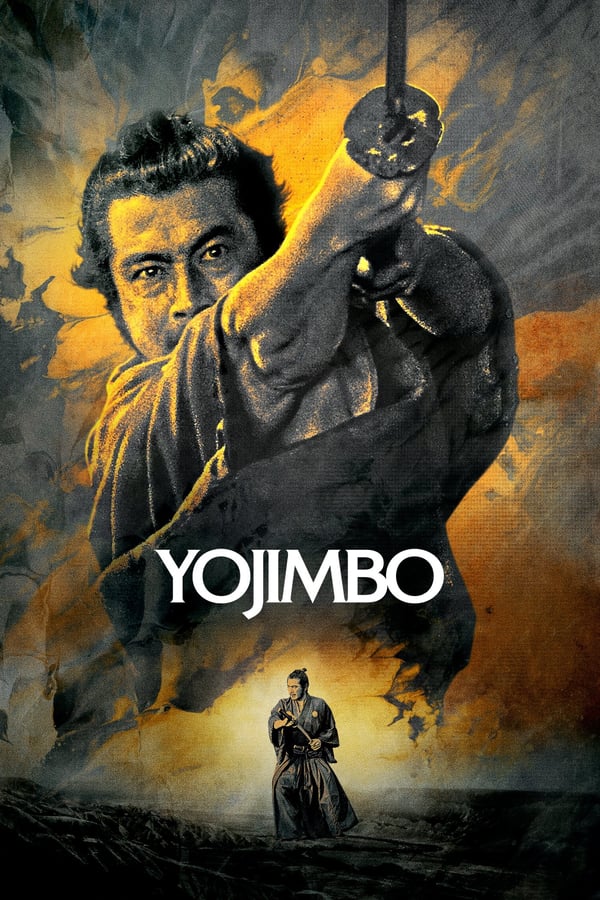
Kurosawa followed this with Yojimbo (bodyguard). Mifune plays a nameless wandering samurai who stumbles upon a town in need of help. Unlike The Seven Samurai, this town doesn’t pitch good vs evil, but instead, evil vs evil. Two warring factions have turned the town into a den of gamblers, thieves, and murderers, with each side having their own puppet mayor, and the only local business doing well is the coffin maker. Our hero comes in, establishes himself as a master swordsman for hire, and then proceeds to play the sides against each other, in hopes of getting them to take each other out and leave the town alone and in peace. This film has great action, intrigue, and while not a very deep plot, it is still very entertaining. Just like The Seven Samurai was remade as The Magnificent Seven, Yojimbo was later remade as A Fistful of Dollars, though this time without permission, leading to a lawsuit and an out-of-court settlement.
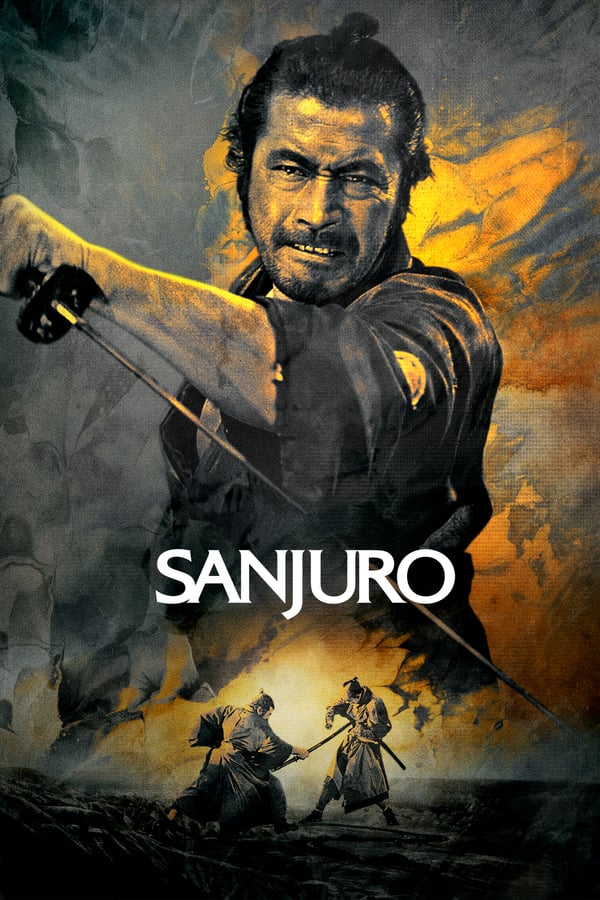
Kurosawa’s next planned film involved a bumbling samurai who helps a group of young trainees uncover a conspiracy by organized crime in their area. After the huge success of Yojimbo, the plot was rewritten as a so-called sequel, and instead of bumbling, Mifune returns as the skilled samurai who plans with his brain and leads with his sword. Sanjuro (meaning 30-year-old, though our nameless hero quips early on that he is closer to 40 now) has Mifune trying to keep his group of young samurai together and alive, while the corrupt villains circle the waters. Though the film is more straight-forward than Yojimbo and also lighter fare (we have clear good guys and bad guys this time), it is still equally engaging, and Mifune is fantastic as the gruff, deadly, and often-times comedic hero. The technical aspects of the film may even surpass Yojimbo, as the swordplay is dynamic. Yojimbo gets all the acclaim, but Sanjuro is a worthy sequel.
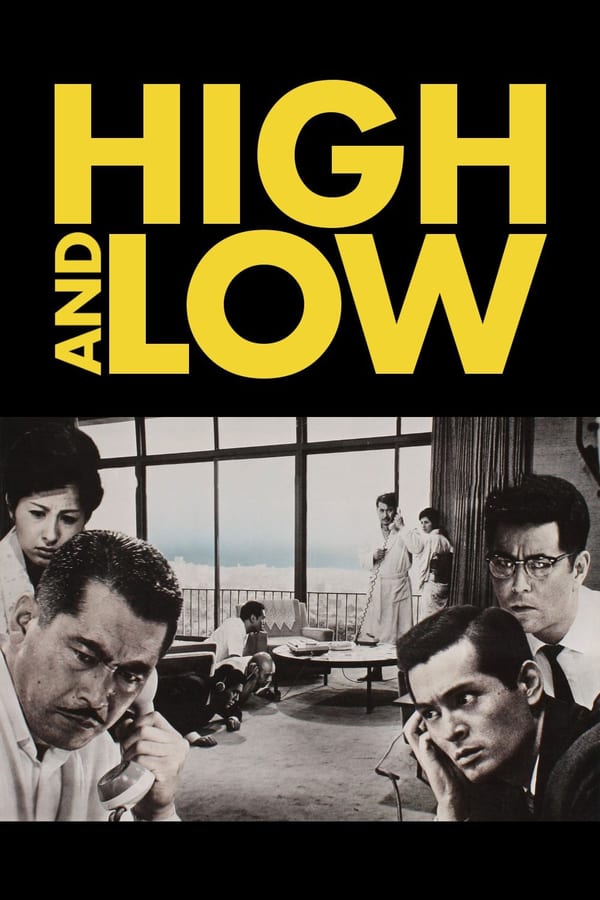
High and Low has an almost film noir kind of feel. It is about a successful shoe company executive, Gondo (Mifune starring again), who is about to take control of the company he works for in a buyout, having secured enough funds by borrowing against everything he owns. On the eve of the takeover though, his chauffeur’s son is kidnapped (the kidnapper thought he was getting Gondo’s son), and the ransom is 30 million yen. After much wrangling and consideration, Gondo uses the funds for the buyout to get the kid back, knowing it will ruin him financially and professionally. Much of the film plays in Law and Order style, following the police investigation to find the kidnapper and bring him to justice. Kurosawa does a remarkable job of drawing us into the plight of the family, and rather than let up on the tension when the son is found, the director keeps his foot on the pedal while the police tighten their circle around the villain. This is a fantastic, accessible film that anyone can enjoy, even if you aren’t typically a foreign film viewer.

 Jons Movie Takes
2 thoughts on “Quick takes on 5 Kurosawa films”