Tropic of Cancer ground-breaking in its day, has not held up

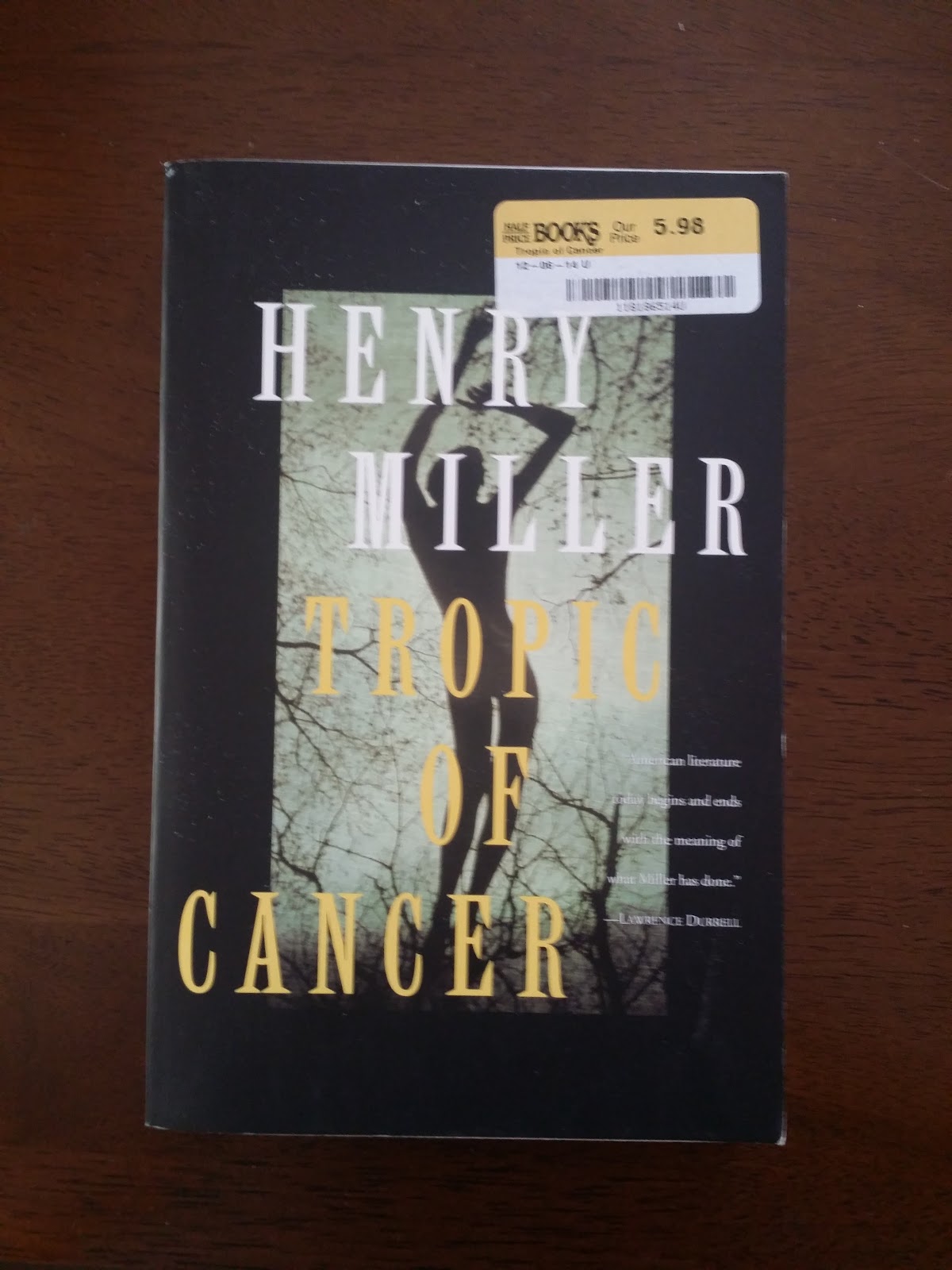
I sincerely hope Tropic of Canceris on the list of 100 greatest 20thcentury novels based on its history and not for Henry Miller’s actual writing. The novel was banned in the USA for nearly 30 years, for being obscene and vulgar. When it came out in 1934, I’m sure the language in it was eye-popping, but in today’s generation it doesn’t stand out from the latest stand-up comics. I have to think all of the critics, who raved over this novel, loved it for breaking down barriers and bringing an underground culture to the mainstream, but on its own, again, I don’t think it is much of a novel.
In it, the main character “Henry” is living a wasteful life in Paris, France. He is about the worst human being I can imagine. He is intelligent and introspective, is well versed in all the great authors and painters and artists, but doesn’t use his knowledge for anything that can further the human being. He sets himself up above other authors, deriding their work as irrelevant, but never writes anything of his own. He feels entitled and wishes to live a life of luxury and opulence, but refuses to get a regular job. He mooches off his other bohemian-living friends where he can, spends his nights floating from one prostitute to another, and wastes any money he does happen to come across. For awhile he manages to scrape by off the money his wife in America sends him, but when she stops, he basically becomes homeless. By the end of the novel, he has even started stealing from his friends, the only way he can survive at that point.
If that were all there was to it, it would just be a dirty novel, but Miller spends whole sections of the novel rambling on about ideas and philosphy, or nothing at all. For instance, “I look again at the sign but it is removed; in its place there is a pane of colored glass. I take out my artifical eye, spit on it and polish it with my handkerchief. A woman is sitting on a dais above an immense carven desk; she has a snake around her neck. The entire room is lined with books and strange fish swimming in colored globes; there are maps and charts on the wall, maps of Paris before the plague, maps of the antique world, of Knossos and Carthage, of Carthage before and after the salting. In the corner of the room I see an iron bedstand and on it a corpse is lying; the woman gets up wearily, removes the corpse from the bed and absent-mindedly throws it out the window. She returns to a huge carven desk, takes a goldfish from the bowl and swallows it. Slowly the room begins to revolve and one by the one the continents slide into the sea; only the woman is left, but her body is a mass of geography…”

What is that even supposed to mean? It sounds like the ravings of a madman, and all I did was flip to a random page. There are huge portions of the book that are worse than that. If that is brilliant writing, maybe I’m not as much of an intellectual as I thought I was. Again, props to Miller for breaking down walls. I’m all for free speech and no censors in literature or art, but I didn’t get this book at all.

The force is alive in the new Star Wars

Yes, I saw the new Star Wars on opening night. I’m that big of a nerd. The Star Wars films were integral to my childhood, being born in 1980, I really grew up on them. I’m not going to write anything here that you won’t read anywhere else, so in the interest of not leaving any spoilers, all I will say is I loved it. Even my wife, who generally hates sci-fi movies, really liked it (enough to go back and re-watch, or in some cases watch for the first time, the first 6 movies). It fires on all the right cylinders. I’m sure Disney is counting on this film to reboot the franchise, and with all of the new Star Wars films coming over the years, they have at least started on the right course.

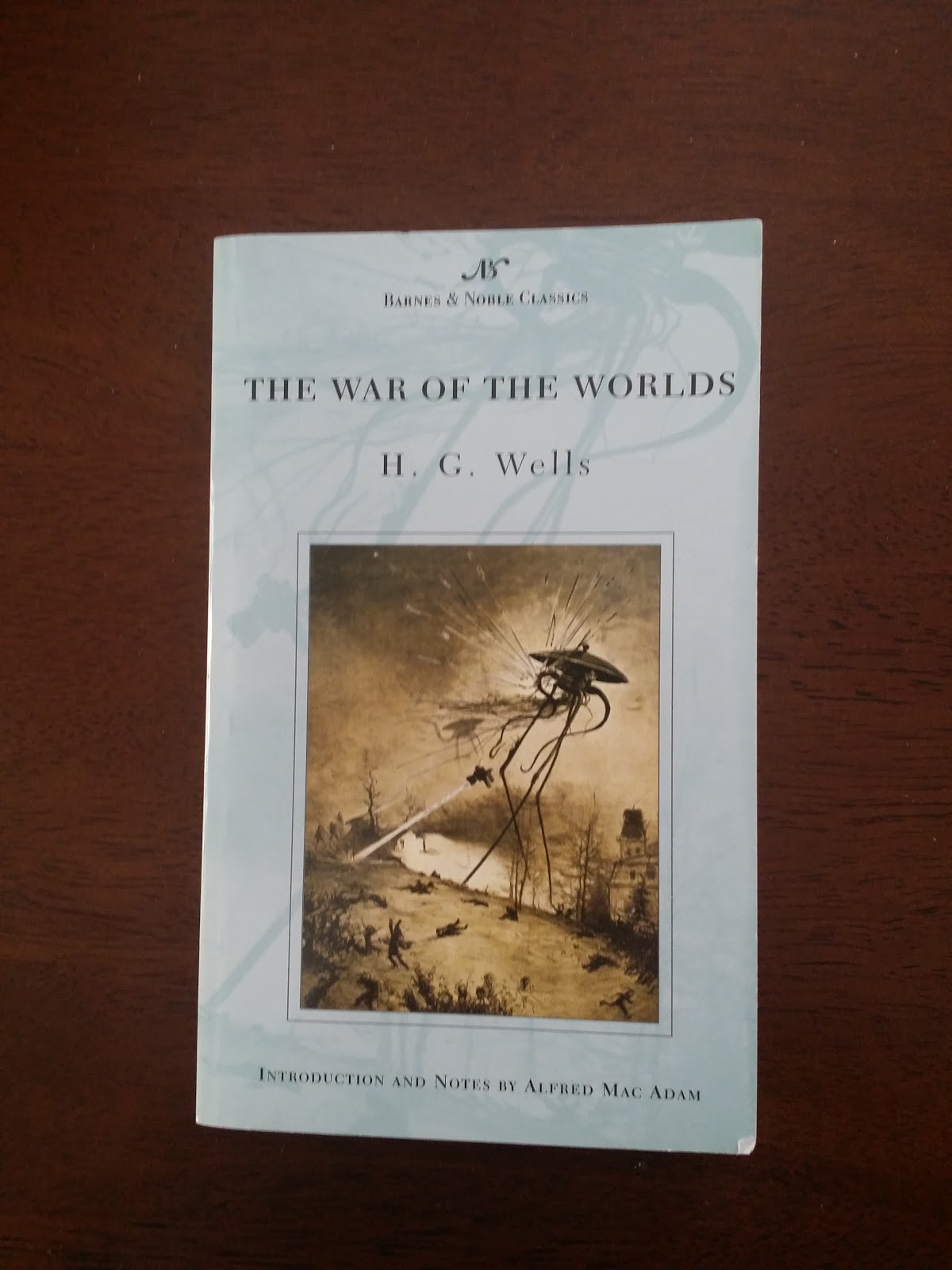
Early science fiction in War of the Worlds

Lets get something straight. War of the Worlds by H.G. Wells isn’t a great book by my definition. It is definitely ground breaking for its day, but I can’t call it profound literature. Everyone knows the story: Martians come to Earth to enslave, they cause a ton of destruction in a small amount of time with no resistance to their technology, but quickly die off, in deus ex machina fashion, when their bodies can’t fight the bacteria present everywhere on our planet. It is an interesting read from the point of view of seeing how much our perspective and knowledge has changed in the 115ish years since it was published, as Wells writes about big societies on the rich, vibrant Martian planet. Despite being a science fiction novel, Wells glosses over the science parts of the book, focusing more on the narrator’s (the book is told in the first person, and we never get his name) interactions with others around him. Probably known best as the radio drama (that historically is probably a bit overblown), or for young-ins, for the movie adaptation, the novel itself is a quick, short read.

Quick takes on 5 films

I’m not sure what all the fuss about Dope is. I saw one early review call it “the Clueless of a new generation.” It is a cute little movie, but not very well acted and not even really all that memorable. It is about a good high school kid who goes to school in a rough inner city school. He has aspirations for Harvard, but even the teachers don’t give him much of a chance with his background. All of his future plans get in jeopardy when he ends up with a backpack full of drugs, which he needs to sell to pay to the dealers, or they will hurt him and his friends. It is a mad dash to the end of the movie, and finale is well done, but the rest of the movie can be kind of a mess at times.
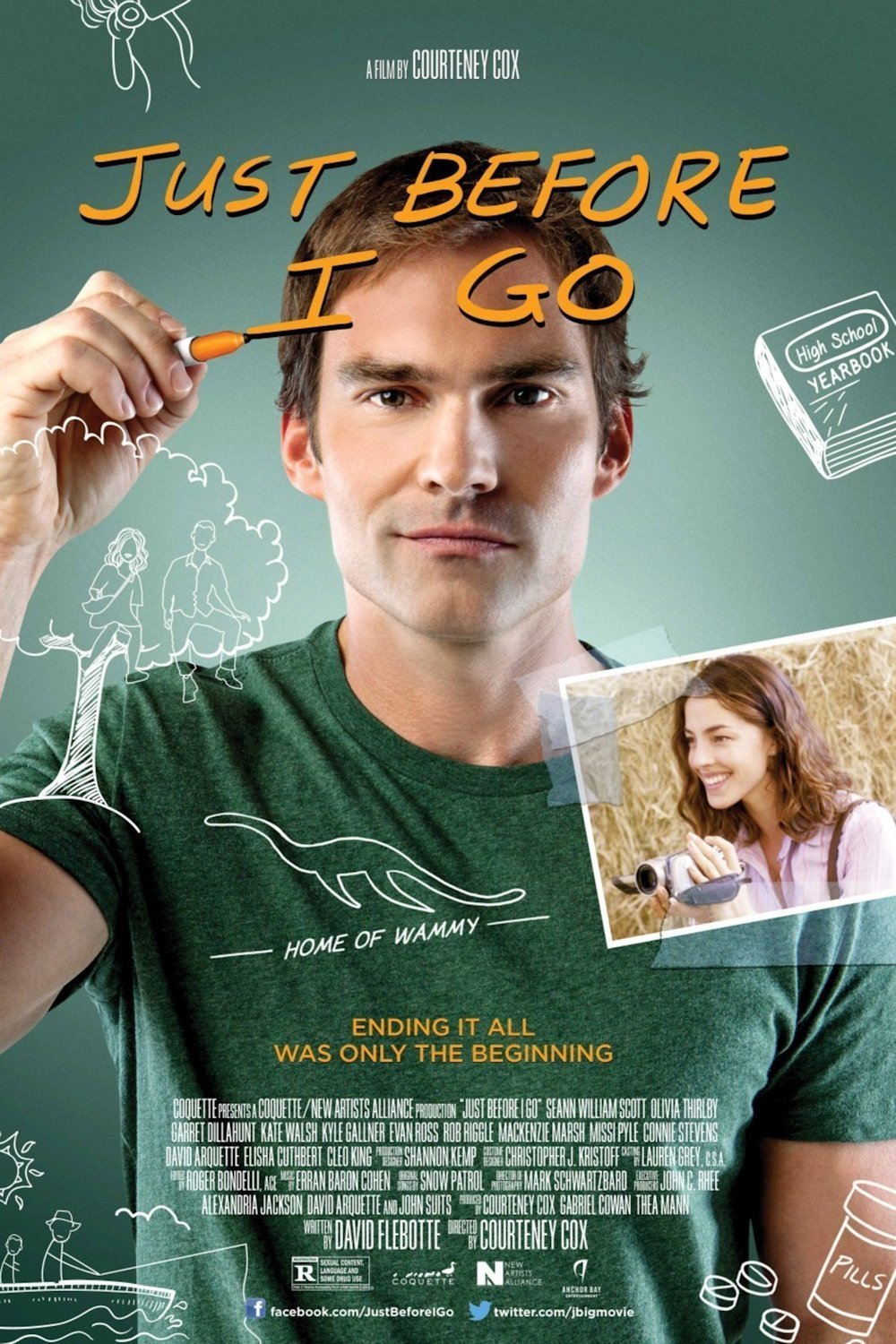
Just Before I Go is better than you might think, with the goofball lead actor of Sean William Scott in a more serious role, but the film is hampered by shtick comedy that hurts an otherwise good story. Scott plays an adult whose life has not turned out the way he had hoped, so he decides to end it. Before he does though, he returns to the small town he grew up in, which he had left right after graduation, to settle some scores and say his good byes. Things don’t go the way he had planned, since the high school bully has turned out to be a good person, “the one that got away” is now married with a house full of kids, and the teacher that bullied him doesn’t even remember him. Not a terrible movie despite the bad reviews online, but ultimately a good script doesn’t reach its potential.
I have little to say about Jimmy’s Hall. It is about an Irishman who returns home after years in exile in America, and tries to teach the new ideas of jazz, free thinking, and modern dancing to the locals, to the chagrine of the church and other conservatives. Based on a true story, there really isn’t much to remember about this one, and it gets dull by the end. You never feel attached enough to the main characters to really care all that much.
Paper Towns was written by the same guy that did Fault in Our Stars, but Towns isn’t nearly as good as Stars. Quentin is a bit of an outcast at school, keeping to himself and his small group of friends. He has a crush on his neighbor Margo, who is the popular girl in school. The new spin on this old tale is Margo doesn’t really care for the attention, and instead runs away. Quentin spends the rest of the film tracking her down. The film is teen drama at its best (worst?) and any viewer over the age of 17 or 18 can’t help but ask a “Really?” by the end.


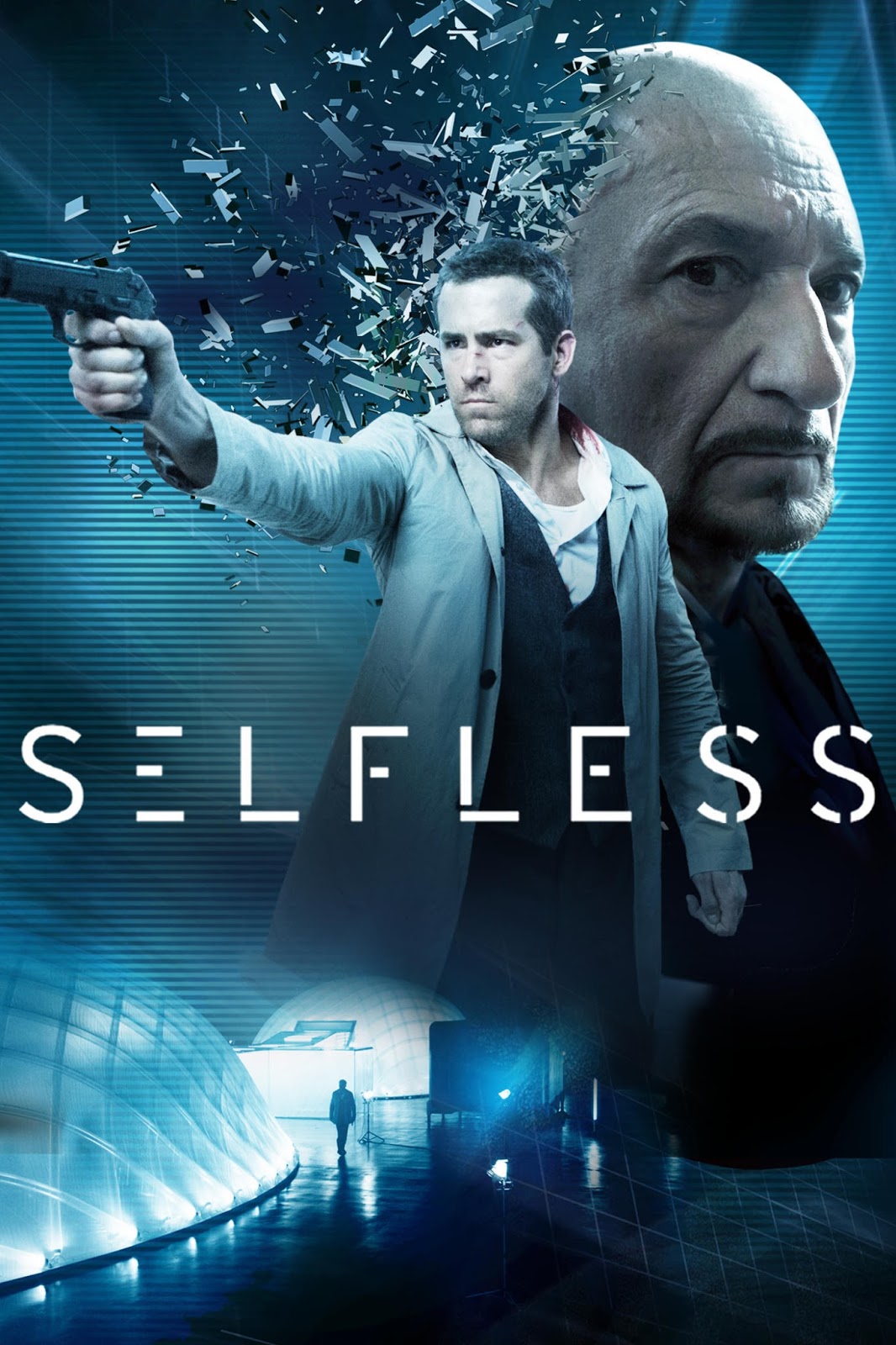
Self/Less holds an interesting concept, but in the end is really just a decent action film. A group has learned how to move conscienceness from body to body, so old, dying rich people can move to a new younger body and all is well. However, when one man does it and fails to take the drugs perscribed, he sees visions and realizes the body he is now in has a past. The rest of the film is just fist fights, gun fights, car chases, and all that goes with it. Not bad action scenes, but ultimately you wish for more exploration than action.

Quick takes on 5 films

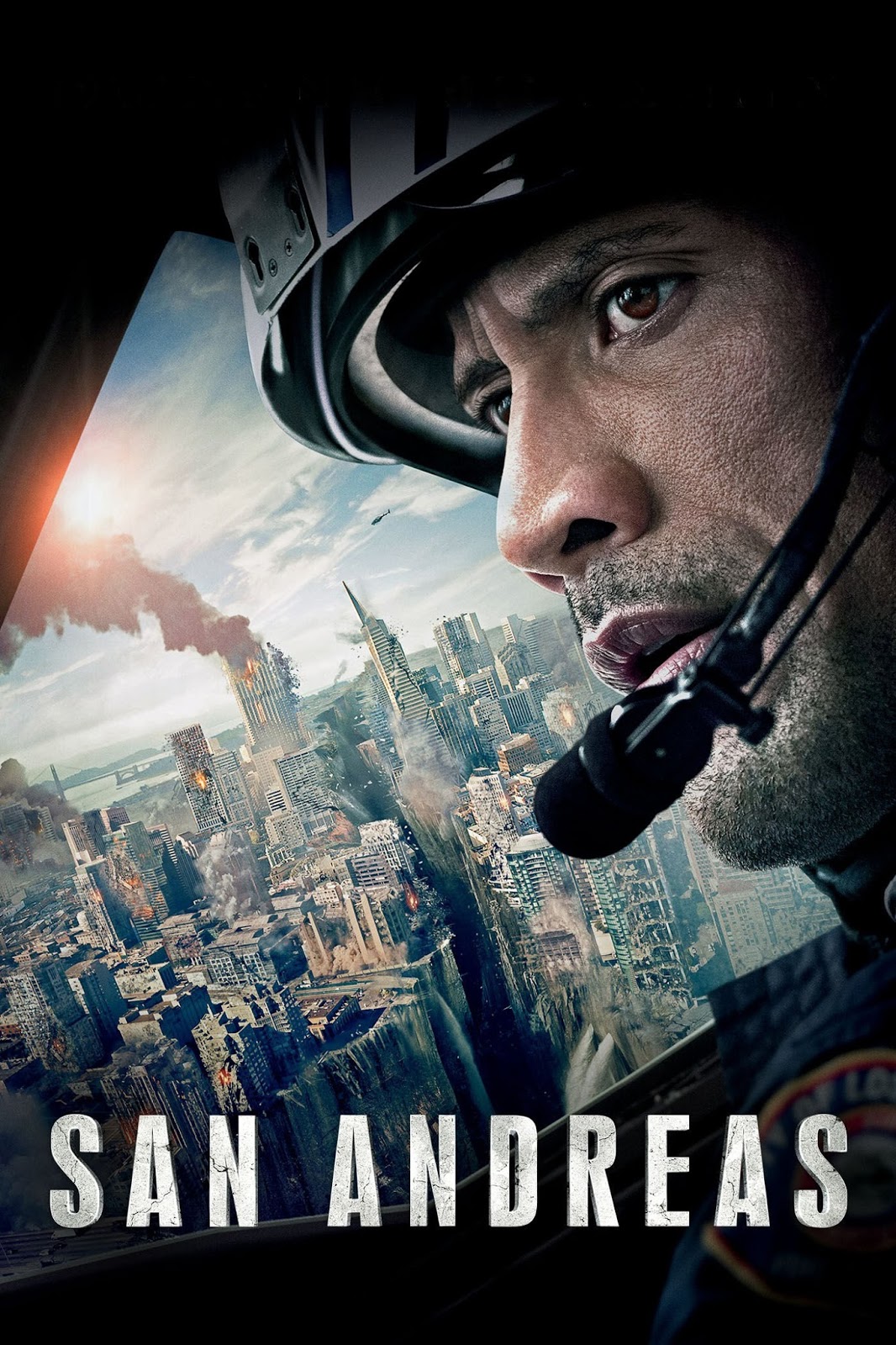
Dwayne Johnson seems to be the king of mindless action films. San Andreas is another in the long line. You won’t want to see this film for the “story,” but you will want to for the amazing computer-enhanced graphics. Not a deep film, it is about a major earthquake in California, the largest ever on record, tearing the various cities apart. Johnson’s character is a rescue helicopter pilot who is trying to locate his family and get them to safety. The movie is chuck full of buildings collapsing and mass chaos, beautifully done, so it is a great movie to watch if you just feel like kicking back and not thinking.
Southpaw could have been great, and while Jake Gyllenhaal is terrific as boxer Billie “the Great,” the film gets bogged down in overdone cliches and an almost paint-by-numbers kind of feel. Billie is an undeafted boxer when his wife is killed and he falls into depression and alcoholism, having his daughter taken away in the process. He ends up as a janitor in Tick’s gym (played by Forest Whitaker), where he starts the long road to recovery and redemption. Gyllenhaal took the role very seriously, putting a lot of muscle on his normally wirey frame, and his acting is fantastic too, its too bad the movie’s plot and direction don’t follow suite.
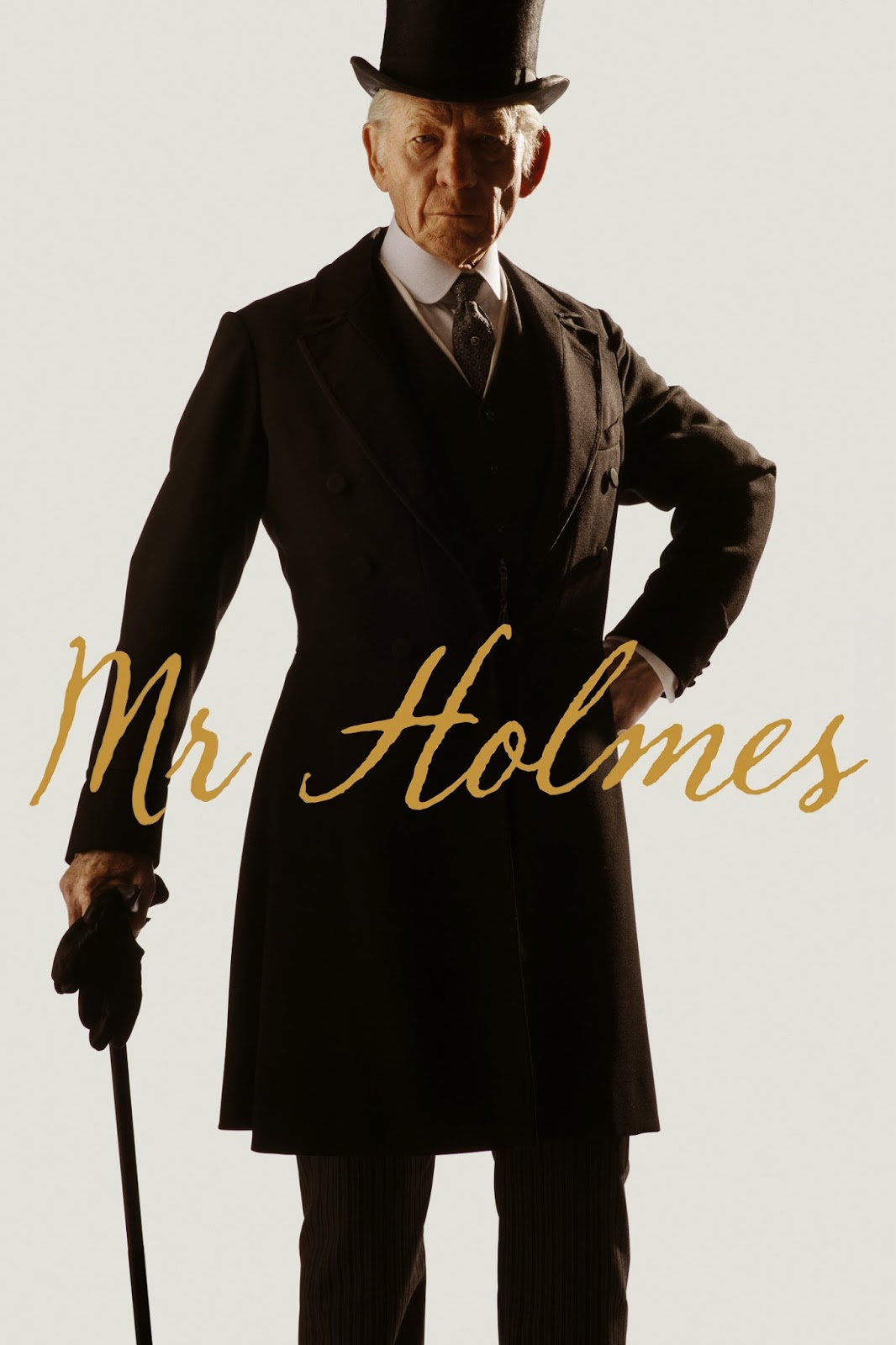
If you do want to think a little bit, Mr Holmes is a solid choice. Ian McKellen plays the great Sherlock Holmes, who while still attentive to detail, has started to lose his memory and has thus retired to a quiet countryside to live out his days. The movie is told in 3 parts, the present day where he lives with his live-in housekeeper and her son, the somewhat recent past where he traveled to Japan to try to find an herb to help his failing memory, and his last big case from a few years previously, which he is trying to remember correctly to prove to himself that his mind is still sharp. The ending if clever and sentimenal at the same time, and it is a moving film.
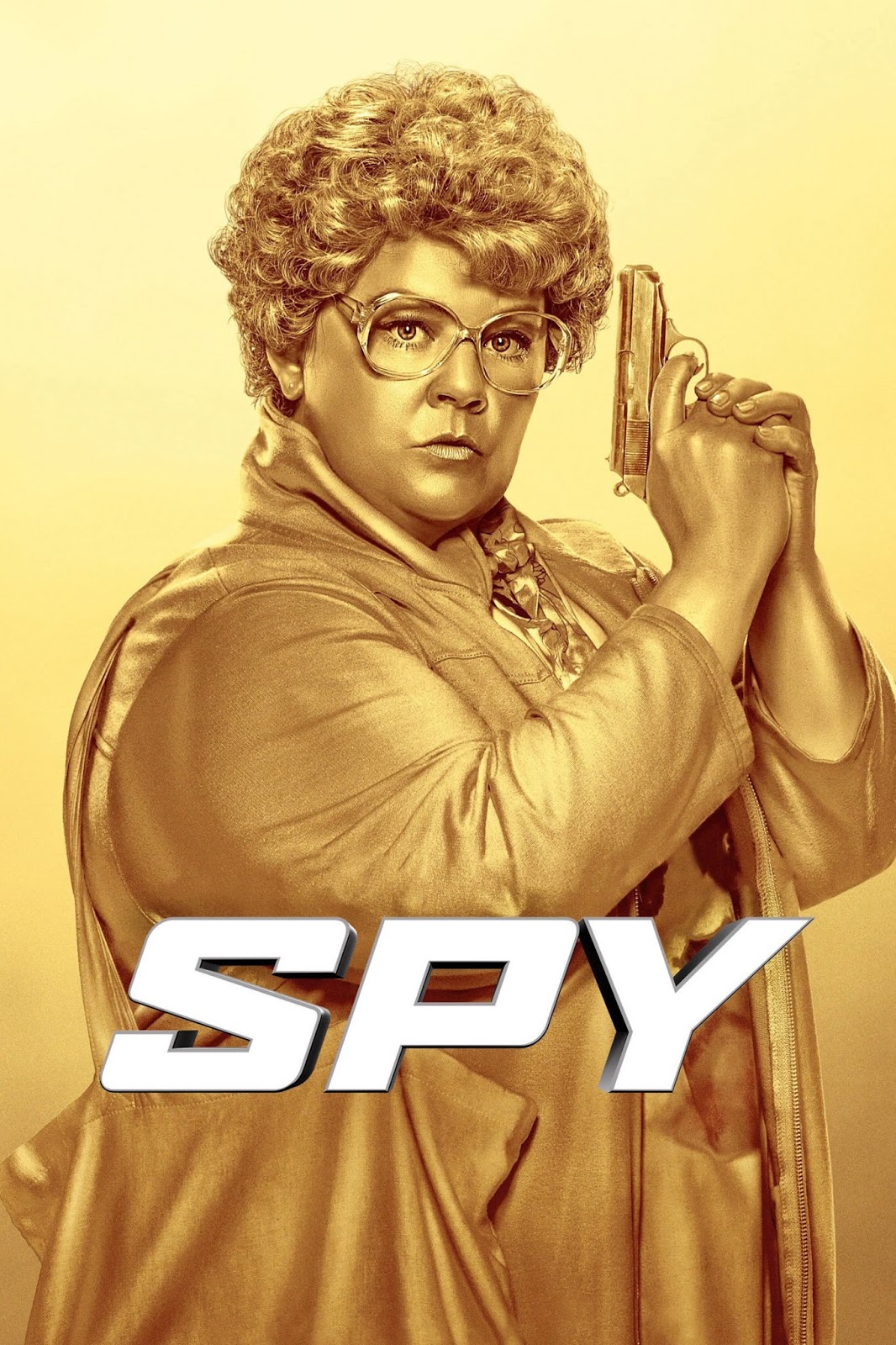
Spy on the other hand, is just for pure laughs. Melissa McCarthy’s most recent escapade, she plays a “desk” spy that helps those in the field, until she is thrust into the field herself. Also staring Jude Law, Rose Byrne, and Jason Stathum, who is hilarious as a bumbling but energetic spy, the film follows McCarthy and she hunts a nuclear device out in the world, before it can get sold to terrorists. It was written and directed by the guy that did McCarthy’s The Heat last year, so more of the same kind of laughs, and very well done. Starts a little slow, but really hits its stride in the second half, and stays funny to the end, not always easily done in the today’s comic fare.


I saved the best of the batch for last. End of the Tour is one of my favorite movies in recent memory. Semi-biographical, it tells the story of a weekend long interview of author David Foster Wallace (played by Jason Segel) by Rolling Stone reporter David Lipsky (Jesse Eisenberg). In the mid-1990’s, Wallace has just written a break-through novel that has propelled him to the limelight, and Lipsky is out to see what he is all about and question him about rumors that have circulated about him and his book. Segel is absolutely brilliant as the private-life loving Wallace, in a serious role in which he shines. Wallace, as any creative mind would, loves the recognition his novel is receiving, but at the same time is not so caring for the new attention being shown him, and is deathly scared that none of it is real, that people will somehow realize his book isn’t as good as they’ve said it is and he is just a fraud. Lipsky on the other hand, himself an author who seems to only be working at the magazine because his novel career hasn’t gone anywhere, wants to find the hole in the wall Wallace has surrounded himself with, and refuses to believe Wallace doesn’t like the accolades. The film is an endearing look at the human mind, what makes us tick, and how success can mean very different things to different people. I can’t recommend this one more, every film lover needs to see it.

Quick takes on 5 films

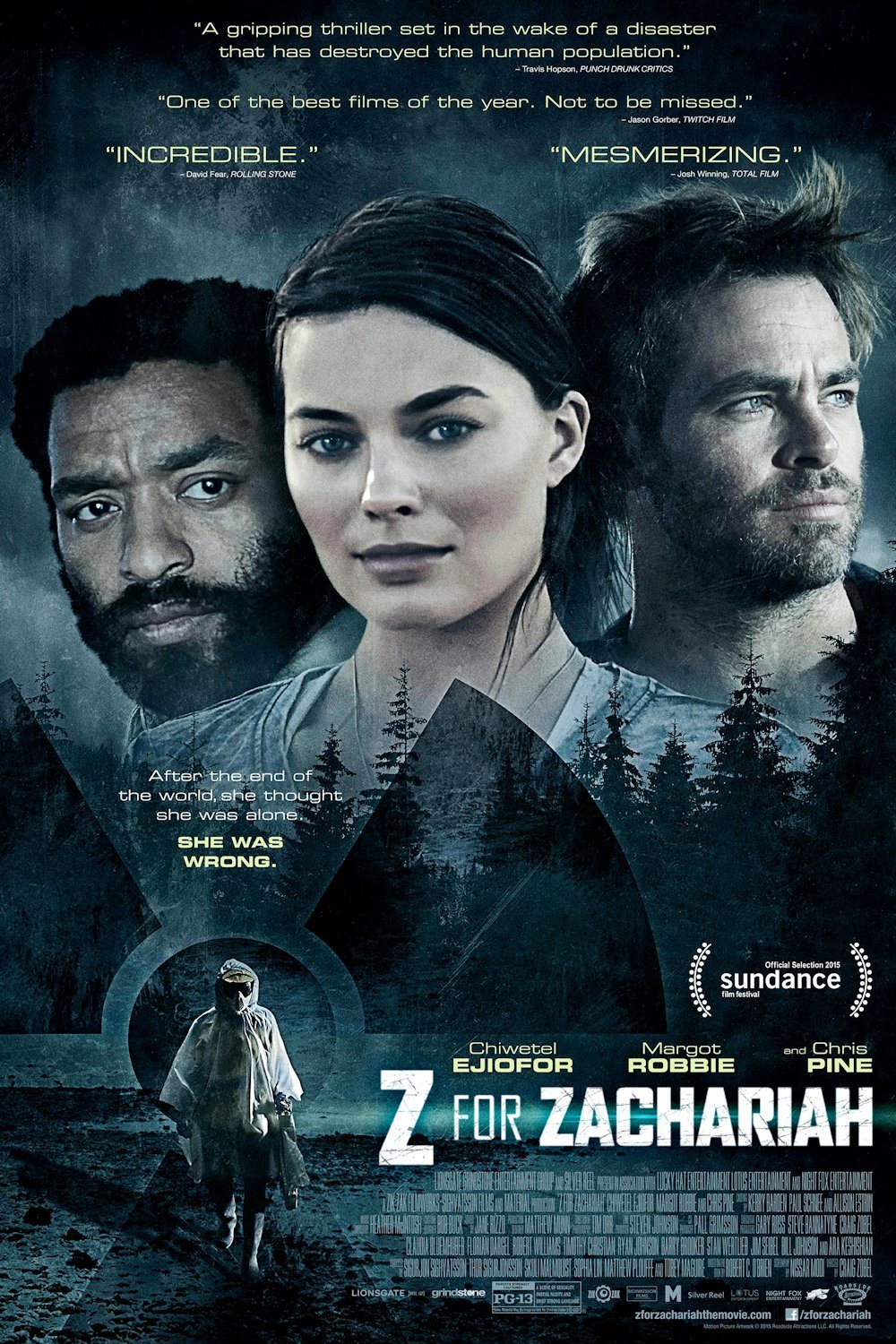
Z For Zachariah is about as slow of a movie you can find, it will test your patience. Not to say it isn’t good, because it is, but I think a lot of viewers will struggle with the pace. It features just 3 actors, all good in Margot Robbie (from Focus), Chiwetel Ejiofor, and Chris Pine. Margot’s character is living alone in a valley untouched by a vast nuclear war that has killed just about everyone. One day Chiwetel’s character arrives, he has been looking for a safe place to live and traveling around in a hasmat suite and relying on meds to keep him alive. He survived the war in a bunker but ventured out when loneliness got to be too much. He and Margot settle in together and are just starting to get comfortable with each other when Chris’s character shows up, a brash young man who seems to have secrets. Live is now a little unsettled and Chiwetel clearly does not trust the new man. I love post-apolyptic movies, so I admittedly probably like this film more than the average person, but it is very well acted and tense, if quietly so.
There is nothing quiet about Furious 7. These movies are ridiculous from the beginning, and this one rachets up the craziness to a whole new degree. When cars are driving out of planes, or crashing through windows from one high-rise building to the next one, subtle is not a word that comes to mind. The whole team is back together again, for Paul Walker’s last ride, with a new villian in Jason Stathum. It is eye-rolling worthy, but it is a glorious action packed film. Not sure how they are going to top themselves in the next one, they are going to have to go to the moon or something. The ending is well worth the ride too to say goodbye to Paul.
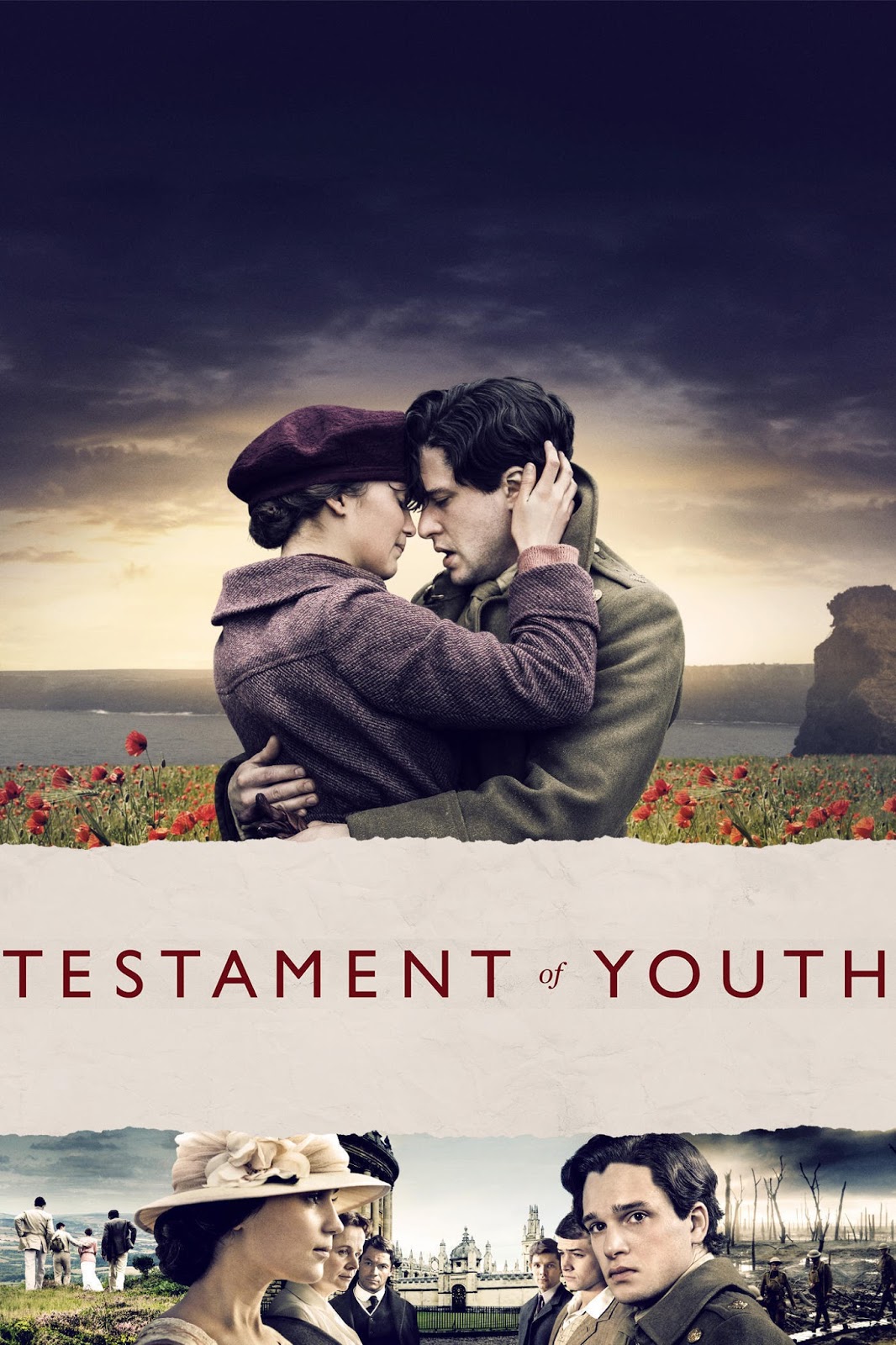
Testament of Youth is another movie not for everyone. It is a British period drama, so it is quiet, slow, and well acted, with beautiful cinematography. Mostly a dialogue-driven drama, it is based on the memoirs of Vera Brittain. It is a rare woman’s look at World War I, at a time when women were struggly to be heard. Vera struggles to get into Oxford, but no sooner is she there that she leaves to follow her fiance and brother to the war, to be a nurse and do her part. Nothing seems to go as planned though, and instead of saving British lives, she ends up in a unit saving wounded enemy Germans, which gives her a unique perspective on the war and humanity in general, ideas that will stay with her throughout her life. Again, you have to patient for this one, but worth it for film lovers, and especially those like myself that like biographical films.
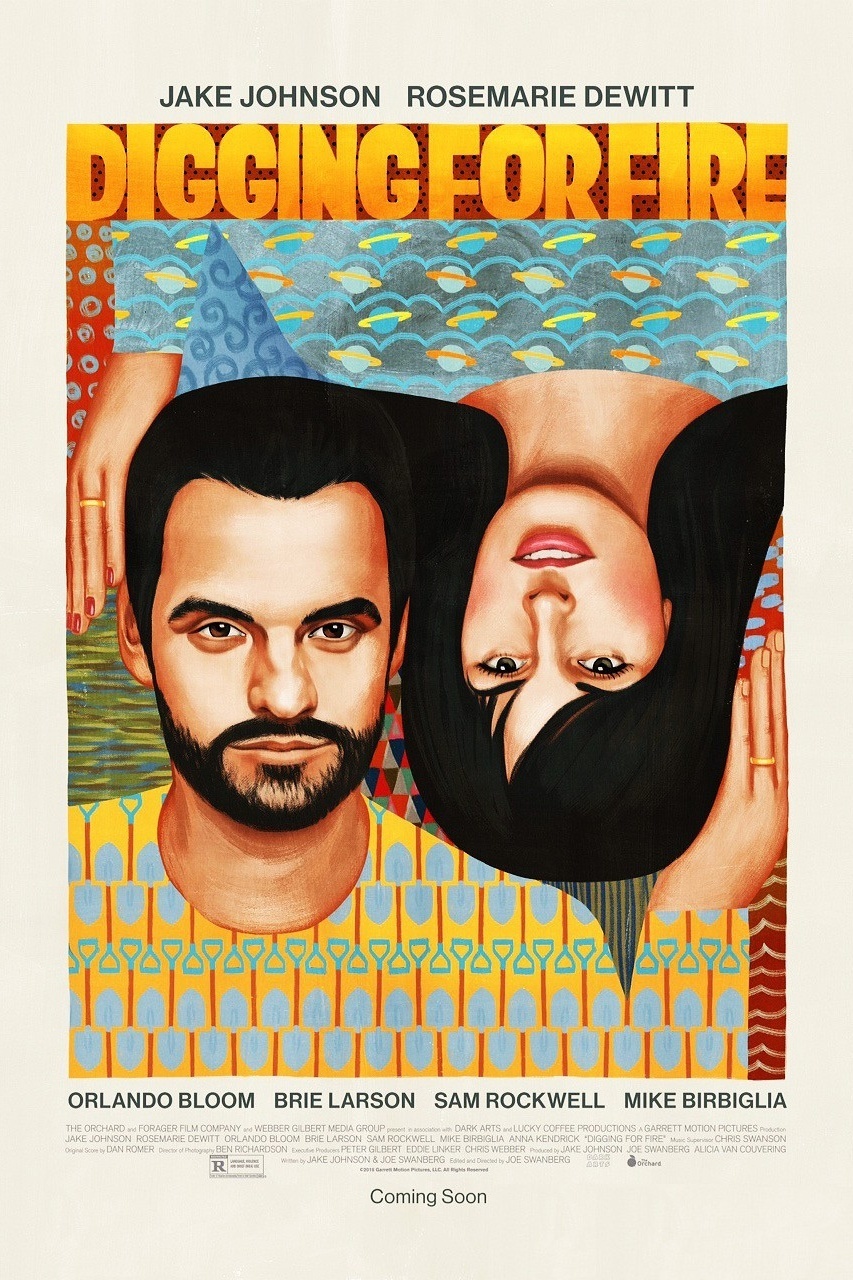
Digging for Fire includes a who’s who of actors that love doing small indie films, including Jake Johnson, Brie Larson, Anna Kendrick, and Sam Rockwell. In it, Tim and his wife Lee are house-sitting a huge mansion for a couple weeks, and on one particular weekend they split up to do different things. Lee takes their daughter and goes to her parents house, and ends up at a bar flirting with a stranger. Tim stays at the big house and invites a bunch of friends over, who bring girls along, and Tim ends up spending the day with one of the girls. The basic premise of the film is each other’s weekend-long emotional affairs, and where that leaves them in the end. A weird film, with some of the quirky strange dialogue that some indie films are known (infamous?) for. Can’t say I didn’t enjoy, but not sure I’ll remember much about it a year from now.


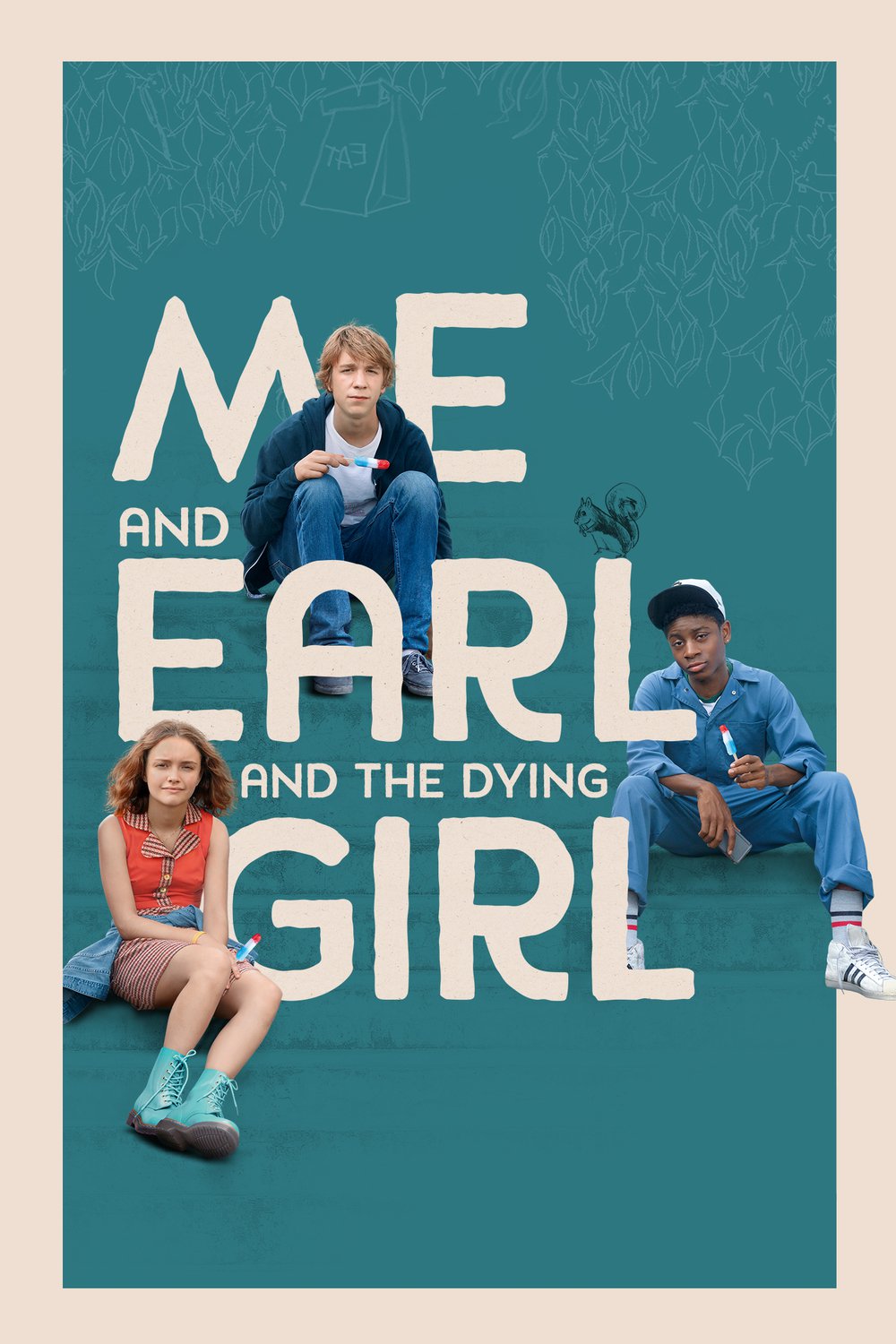
Me and Earl and the Dying Girl is another indie release, with a bunch of unfamiliar faces. The “me” is Greg, and the film is told from his perspective. About to graduate high school, he has spent his life hiding from real relationships. He doesn’t get close to any one “group” (drama club, nerds, dope heads, jocks), but instead offers passing greetings to everyone and doesn’t piss off anyone. He even goes so far as to each lunch alone rather than in the lunch room, so he doesn’t have to pick a table to sit at. His one friend is Earl, with who he makes silly home-made movies. When a girl at school, Rachel, is diagnosed with cancer, Greg’s mom forces him to go over to her house and spend time with her. He does it reluctantly, not because he is weirded out about the cancer, but just because he doesn’t want to get close to anyone. The movie is the rest of the trio’s story, with Greg doing a lot of growing up along the way. I really enjoyed this film, and you just have to watch it to see how it ends!

Quick takes on 5 films

Two remakes that couldn’t be more different. Annie is a true attempt at a modern redo, moving the setting up to the backdrop of a present day big city. Everyone liked the old original, but the syrupy, overly cutesiness of that film does not hold up today, and it is challenging to watch. There was so much sugar dripping from this one I had to start fast forwarding to see the highlights. If ever a film that shouldn’t have been made, this is it.

Cinderella on the other hand is supremely enjoyable. It doesn’t try to reinvent the wheel like Annie, and sticks mostly to the known script with only minor changes, but it is done extremely well. The actors are charming in their roles, the scenes and costumes are brilliant, and I’m not ashamed to admit I was fairly enthralled. Whereas I knew what was coming in Annie and couldn’t wait for it to be over, in Cinderella I knew what was coming and still enjoyed the ride along. This one is a great family film.

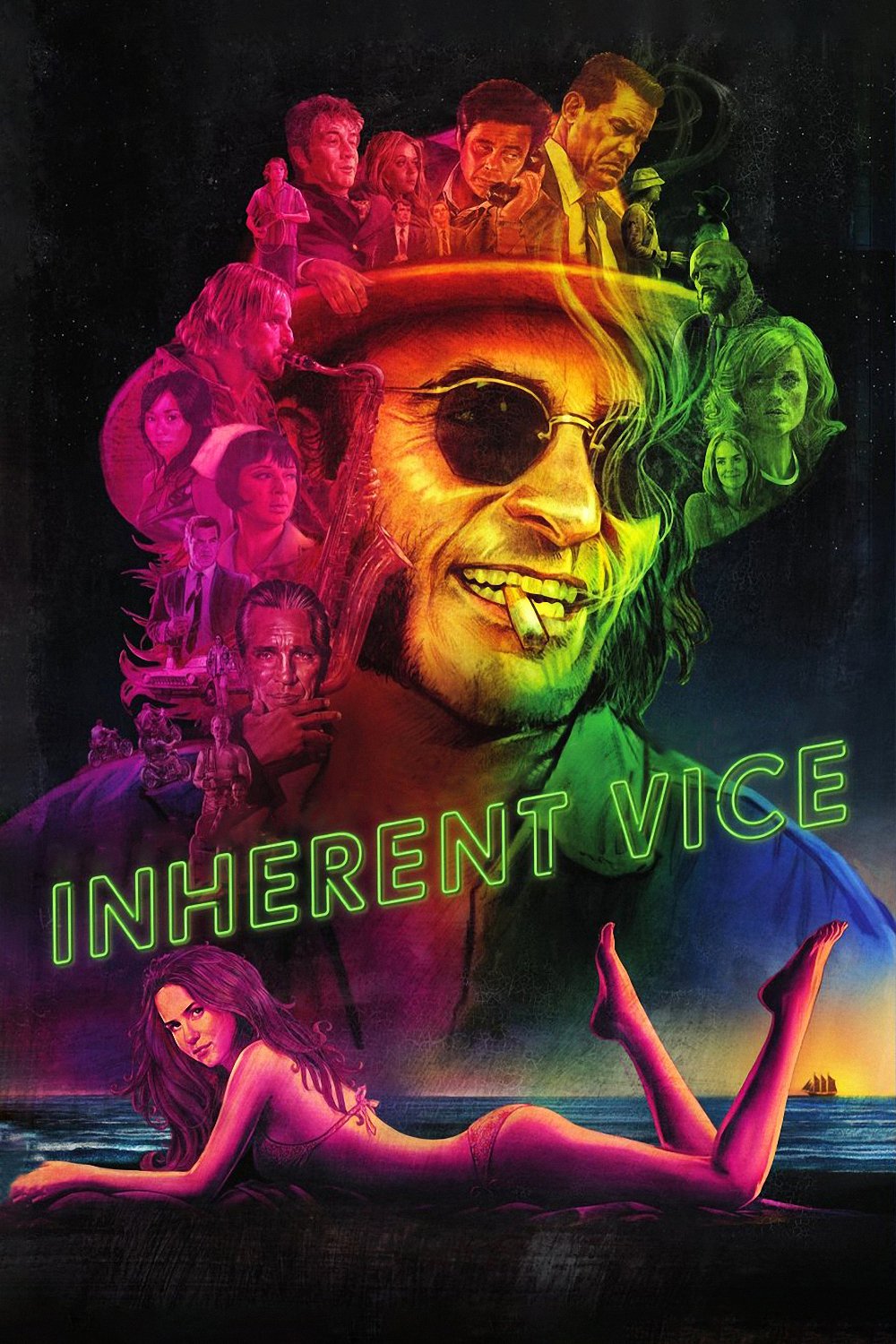
Even having just finished Inherent Vice, I’m not exactly sure what I saw. I can’t decide if this a deep, engrossing film or just a thorough mess from the opening scene. The film follows Doc, a drugged out hippy played by the talented Joaquin Phoenix. He is pulled into a convulted plot by his ex­girlfriend, to find out what happened to her missing current boyfriend, a rich real estate developer, someone who had a lot of girlfriends, whose wife had a lot of boyfriends, all while Doc is constantly harassed by a local LAPD detective, followed by a drug ring kingpin, and somehow trying to avoid entanglement with the Aryan Brotherhood, a black guerilla group, and others. If it sounds like you need a map to get through it, you sort of do, or just watch it when you are really high as the lead character is throughout. A very strange movie, with more plots and subplots that many season­long tv shows. It is chuck full of great actors in all roles from main to supporting to cameos, but I’m still not convinced it is worth the effort.

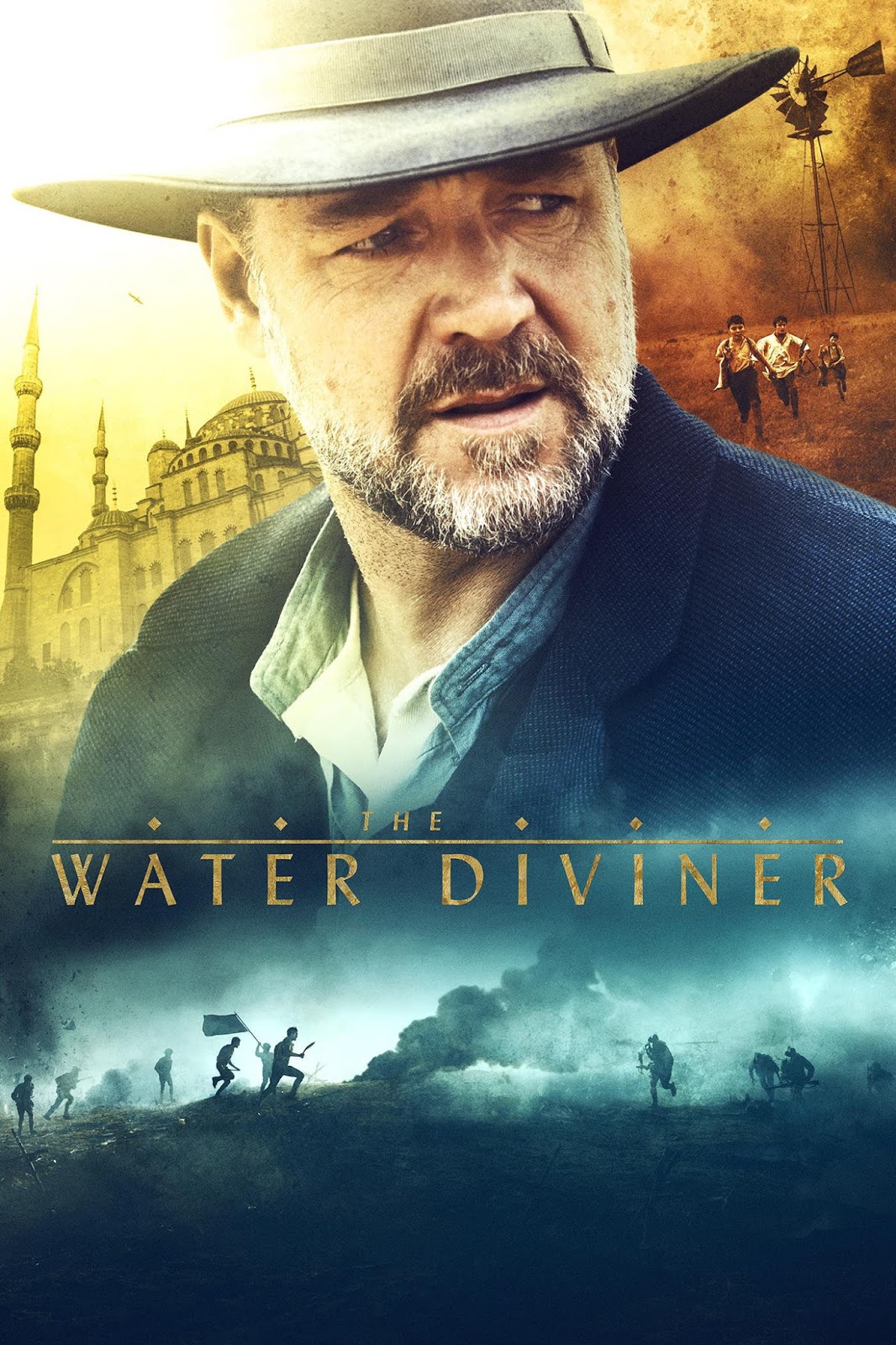
The Water Diviner stars Russell Crowe, and is also his directorial debut. He plays Connor, an Australian man who has lost his sons to World War I and his wife to her subsequent grief. He takes a trek to present­day Turkey to find his sons’ bodies. Though the war is over, there is still major conflict between the local Turkish people, the British, and the Greeks, all fighting over land as the Ottoman Empire is falling apart. Connor pleads, threatens, and begs his way onto the site of his sons’ final moments, only to find his journey doesn’t stop there. It is heartwarming if a bit (or more than a bit) predictable. Crowe is fantastic as an actor, but the movie is a little choppy. Good for a single watch for sure, maybe not the kind of movie you’d watch more than once though.

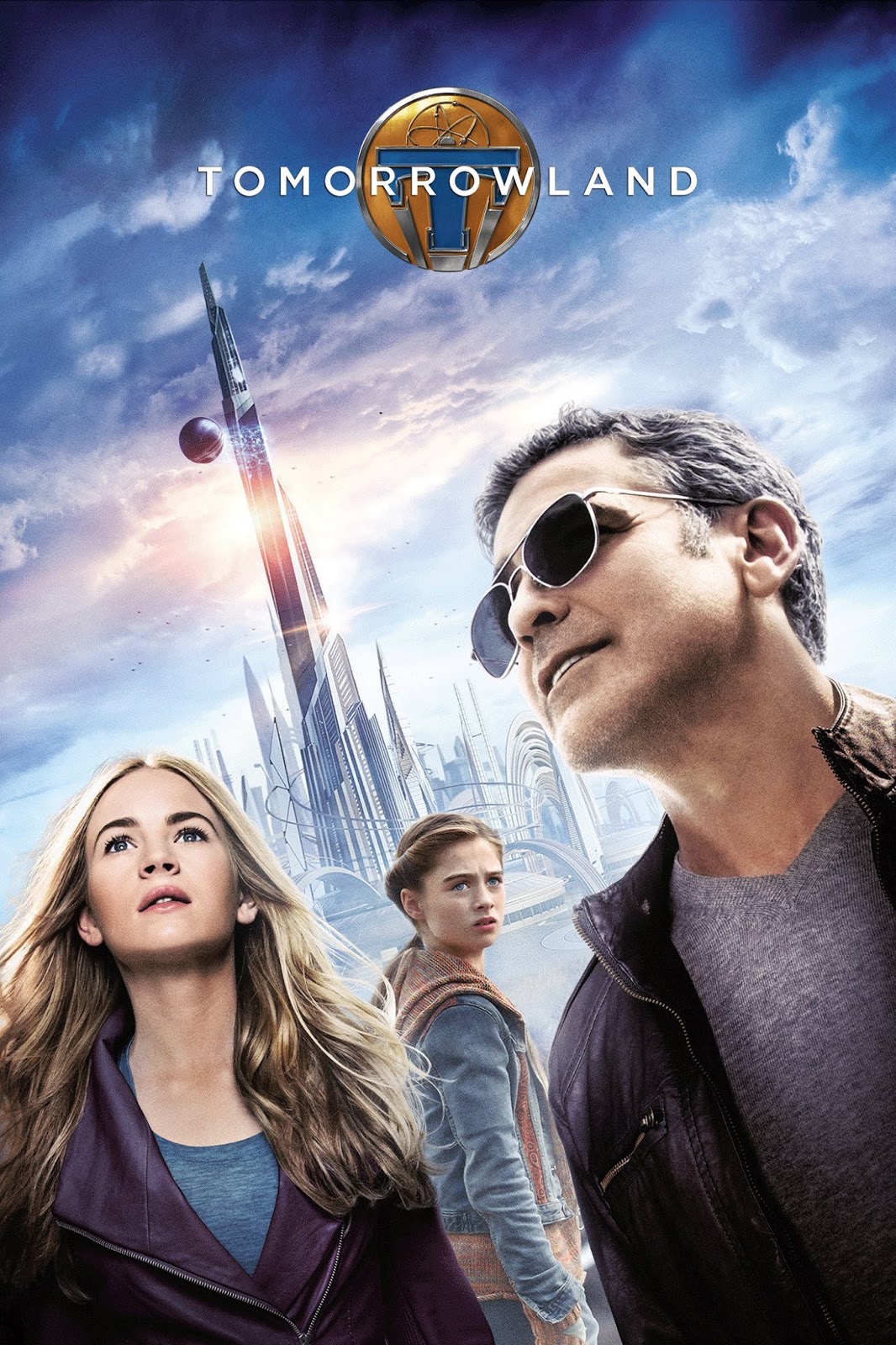
Tomorrowland had a ton of potential, but it never pans out. It takes place in modern day with flashbacks to 40ish years ago. In the movie, a city was built in an alternate dimension, a place called Tomorrowland, where the world’s best minds could come together and invent, just for the pure joy of working with other like-minded people, without interference from politics, nation rivalries, race, or religion. Now in present day, something is wrong in Tomorrowland (I can’t say what without giving away the “twist”) and they reach out for help to George Clooney’s character. He “grew up” in Tomorrowland inventing things, but was banished years before for some transgression. The idea of the film is really good, and visuals are there as well, but the directing and story are pretty awful. I *think* it is supposed to be a family film directed towards kids, who might like the quirky dialogue and action, but some of it is very violent and might be scary to young kids, and some of the plot elements would be hard to grasp for many adults! The ending is good enough, if a little abrupt.

Conrad’s Lord Jim finally finds a form of peace

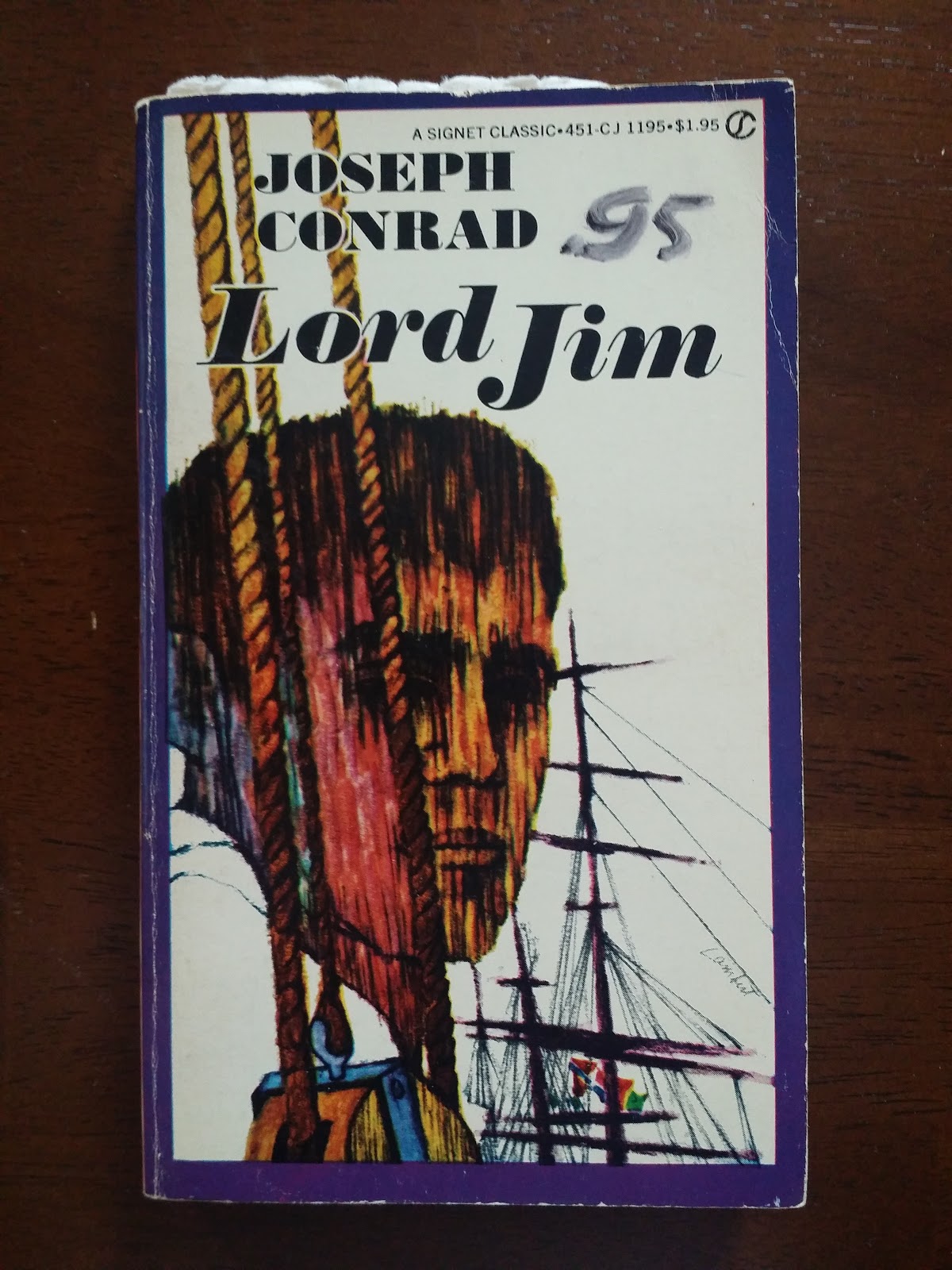
Lord Jim by Joseph Conrad started off as a challenging read, but really hit its stride in the second half and was well worth sticking through the beginning. What makes it hard to get through is it is told almost entirely as a tale in the second person narrative. The person telling the story, Marlow, tends to jump around a bit and his tangents sometimes lead nowhere. But Conrad does have a knack for hitting the reader with huge events at the end of some of these ramblings, which keeps you going through the harder sections.

The book follows Jim, a young white man who in his mind is destined for great things. He is a young seaman from England, and excels in school and on ship, but when true emergencies hit, his courage always fails him. This happens twice in his youth, but the biggest test is when he is a young man on a ship filled with pilgrims heading to Mecca. He is down in the hull when he notices a thin spot that has dented in, and he knows it is ready to rupture at any moment, and kill everyone on board. He tells the captain and other crew, and with a storm approaching, they all abandon ship and leave the passengers to their fate. Marlow’s tale mostly picks up at Jim’s trial, where we hear how the crew formulated a plot about the ship’s destruction. Jim is disgusted with the others (refusing to see himself as one of them), though in reality he is disgusted with himself above all else. We learn now that the ship did not sink, but instead was found in time and tugged to shore.

Jim is ashamed of the part he played in this, and wants nothing more than to go where no one knows of his history. Marlow takes to him right away, and sets him up with a job off in India. Jim is there for awhile, but when a passing ship starts talking about “the coward that fled the sinking ship”, Jim leaves. He continues to move further east, always moving when his past catches up to him. Finally Marlow calls in a favor to set Jim up as the head of a trading post in a remote corner of the world. None of the locals have heard of Jim, to them he is just a white man that keeps things flowing. He finally finds a home here and finds his courage, and is called by his new fellows Tuan Jim, or Lord Jim. He fortifies the town against other warring tribes, befriends the chief’s son, and marries a local girl. His only enemy is Cornelius, the former head of the trading post, who plots against Jim but is himself too cowardly to act.

Conflict comes when the pirate Gentleman Brown shows up. He comes hoping for a quick easy strike, but is surprised by the strongly fortified town and strong leadership of Jim. He tricks Jim, telling him he was only there looking for food for his starving shipmates. In a fit of compassion, Jim lets Brown go, telling him to head back down the river to the ocean, and promises him safe passage on his life. Cornelius however shares the lay of the land with Brown, allowing Brown to sneak up and kill the chief’s son, Jim’s friend, before heading out to the ocean. Jim’s servant and wife plead for Jim to flee, but they do not know about Jim’s past shame. Jim finally decides to stand for his actions, and confronts the chief. The chief looks over him, and then shoots him in the chest, killing Jim immediately.

This book takes your emotions all over the place. For a good portion, you just can’t stand Jim. He is a coward, never facing the consequences of his actions, and has an excuse for everything. By the end though, Conrad has turned you completely around, and I was actually choked up at Jim’s death, which is so sudden (the book ends almost immediately after his death) that it catches your breath. A definite phenomenal read, you just have to have patience to let it build to its ultimate conclusion.

A thrilling adventure for everyone in The Martian

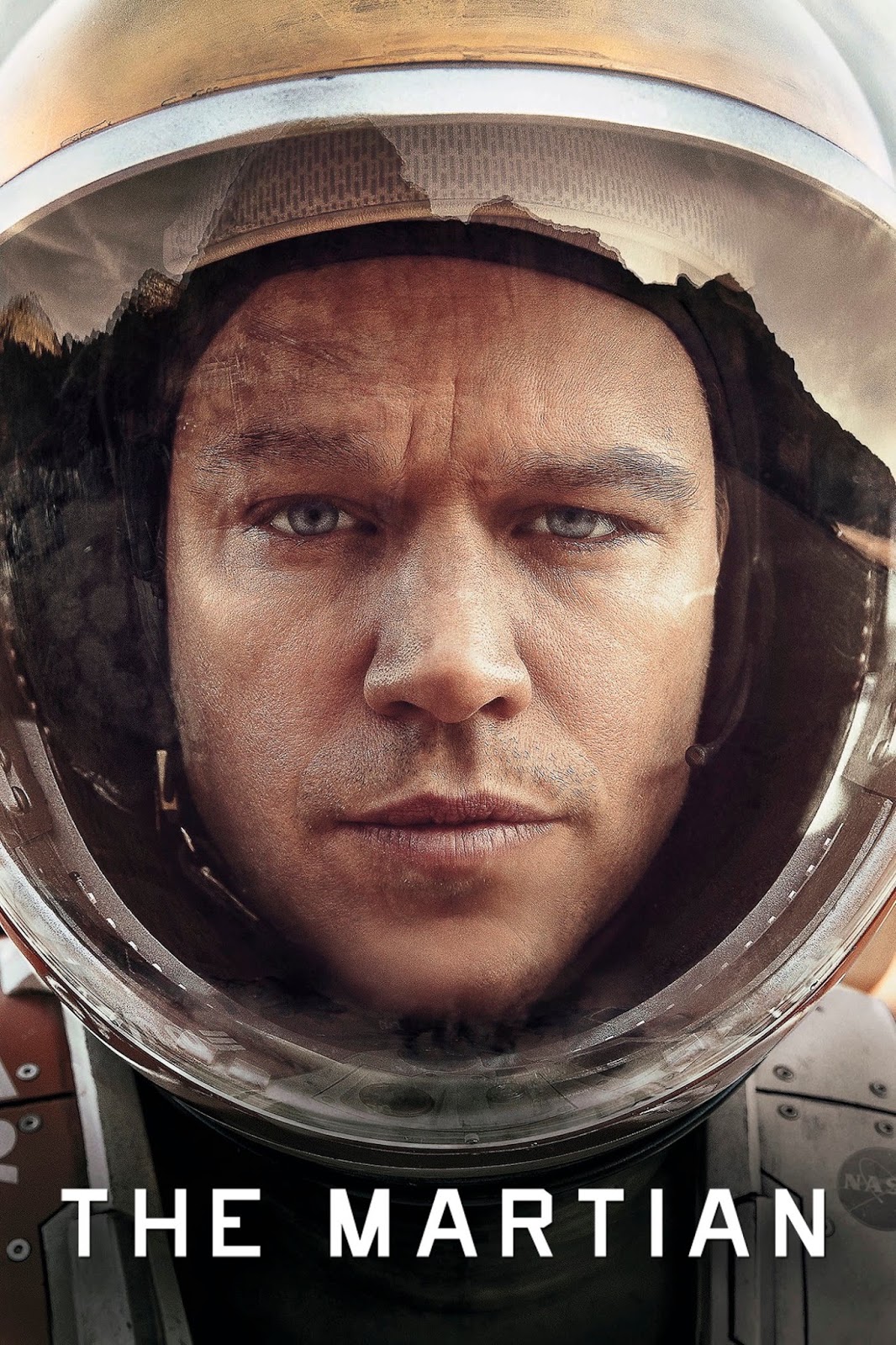
The Martian is just a great movie. It has all the elements you want, including excitement, fear, joy, laughs, etc. It stars Matt Damon as Mark Watney. His team is exploring Mars in what is supposed to be a 31 day trip, but when a bad storm forces the team to abandon the base and head back to Earth early, his fellows leave him behind because they think he died during the run to the shuttle. He is now faced with finding a way to survive on an inhospitable planet for years before help can arrive. His home base is designed for 31 days, with food supply for 6 people for a couple months, and he has no way to contact anyone to even tell them he is alive.

Mark gives himself a day or two to feel sorry for himself, and then decides he will not give up. He talks to himself (and us as viewers), ostensibly through the video journals he keeps recording to show his progress. Meanwhile those on Earth finally do realize he is still alive, and try to get a mission off the ground as fast as possible to get him rescued, or food at the least, because a shuttle trip would take a year or more to get there anyway. Throughout the film we feel a sense of a race against the clock, not in minutes or hours, but definitely in weeks and years, as we know at some point Mark will have nothing left to live on, 30 million miles away from home.

This is a highly enjoyable film with a huge re-watch factor, the kind of movie that has something for everyone. You will feel the gamiut of emotions in this one. Though it has the backdrop of a sci-fi film, it is more about the perseverance of human kind, to not give up, both for Mark alone on Mars, and for those on Earth trying to bring him home.

Quick takes on 5 films

Get Hard stars Will Ferrell as James King, a Bernie Madoff-type swindling investor, headed to jail. He hires Darnell (Kevin Hart) to teach him how to survive on the inside, since he assumes Darnell will have been to jail at some point because he’s black. Sounds like a funny premise right? Unfortunately the movie is about as unfunny as a comedy can get, and even legends Ferrell and Hart can’t elicit enough laughs to save this one. You will chuckle some, but that’s the most you can hope for.
The Second Best Exotic Marigold Hotel is cute in a geriatric sort of way. I didn’t even know it was a sequel until I sat down to write this, guess the first one totally flew under the radar even for me. But it is ok, if not exactly breaking new ground. Sonny runs a popular hotel in India, whose residents are all older, rich, retired types, who live there permanently. He is now looking to open a second hotel, on the eve of his wedding, and when his investors send an inspector to see how the first hotel is run before putting money in, Sonny tries to balance it all. All of the retirees have drama surrounding their lives as well. The jokes are of the sort which my parents would laugh very hard at, but even for the “younger” under 50 crowd, there is still enough to enjoy. Has a great cast, including Dev Patel, Maggie Smith, Judi Dench, Richard Gere, and Bill Nighy.
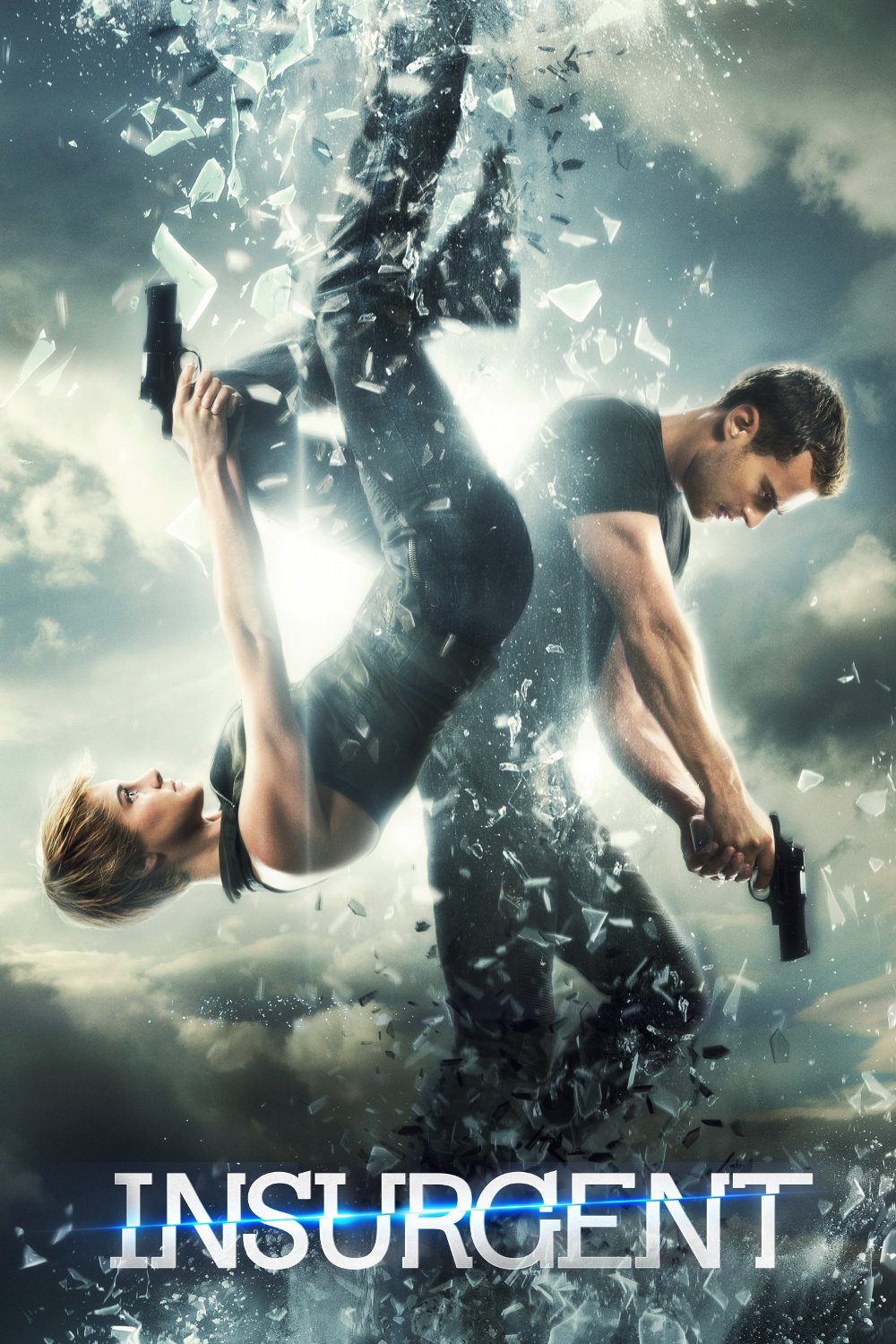
Insurgent is the follow-up to last year’s Divergent, the movies following the popular young adult book series. As I probably said for Divergent’s review, I’m a sucker for dystopian films, but this one is a little too “young adulty” for me. There are too many “we’ll end this now, once and for all” lines for me to stomach. Shailene Woodley’s Tris is on the run and in hiding, hunted by the government for being a “divergent,” one that shows qualities in multiple emotions in a society where citizens are divided into only like-minded factions. The government wants her now to open a box left by the founders of their civilization 200 years prior, a box that only a divergent can open. Fairly straight forward if a little campy. The ending however is pretty thrilling and leaves you on a cliffhanger, waiting for the next film to see where it goes.
Good Kill is a surprisingly good “war” film while being light on the action. It stars Ethan Hawke as Tommy, a former fighter pilot who, thanks to cutbacks in the air program, is now a drone pilot. He sits in a little room in Las Vegas, shooting missiles at targets in Afghanistan, while hoping to one day get back in the cockpit. He at least soothes himself with the fact that he is taking out confirmed terrorists. However, before long the CIA starts calling the missions, and they are much more comfortable with collateral damage and firing into congested areas, a path Tommy finds increasingly harder to cope with. Hawke does an excellent job showing the conflicting emotions Tommy is dealing with, as he faces self-disgust for his actions at work, to the detriment of his life and family.


This film is about Adaline, a woman who through strange circumstances, stopped aging in her late 20’s. Her past 80 years is told in flashbacks, while in the present day she begins to fall in love, for the first time in decades. A problem arises though when her new love takes her to meet his parents, and she sees the father is her former love interest. He recognizes her immediately as “the one that got away”, but she diverts him by saying it was her mother. It’s an ok film, if entirely too predictable, and the ending is more sickeningly sweet than a pixy stix.