Boring diary-like "autobiography" of Stein’s deserves no praise

In my quest to read these 100 “great” books, I knew I’d come across some I didn’t enjoy, and I have read a couple so far that, while they didn’t do it for me, I could still see why they were on the list. Until now. Gertrude Stein’s The Autobiography of Alice B Toklas is just awful. I don’t understand why it is included to be honest.

Stein was a writer and artist, American by birth, who lived and hobnobbed in Paris in the first part of the 20th Century. She wrote this book as a biography of Alice, her domestic partner, and it tells stories and tales of their life in Paris before and after World War I. Unfortunately, there is no overarching “story” to tie it all together. It reads like a diary, sort of like “today we did this” and “that summer we hung with this person.” Extremely boring to start with, but it is obvious from the beginning that Stein is so full of herself, she is as pretentious as it gets. The whole book is full of name-drops, how much they hung out with Matisse and Picasso and all the artists of the day. There are even times when Stein hints some of their careers would have not gone anywhere if not for her influence. When World War I hits, she continues her vacationing around Europe and sees the war as a big inconvenience to her social life, and becomes angry over things like her passport not being properly recognized at borders.

If the book were organized in any way, with some guidance or flow to keep it going in one direction, it at least could be readable, but as it sits, it is hardly that. Paragraphs stand alone from each other, and one idea often has little or nothing to do with the next. It is like Stein sat down and just starting writing with no idea where the book was going and no purpose behind it, except to tell everyone how fabulous her life and friends are. To my credit, I forced my way from beginning to end and didn’t give up, but it is an excruciating read and not recommended from any literary perspective.
Quick takes on 5 films

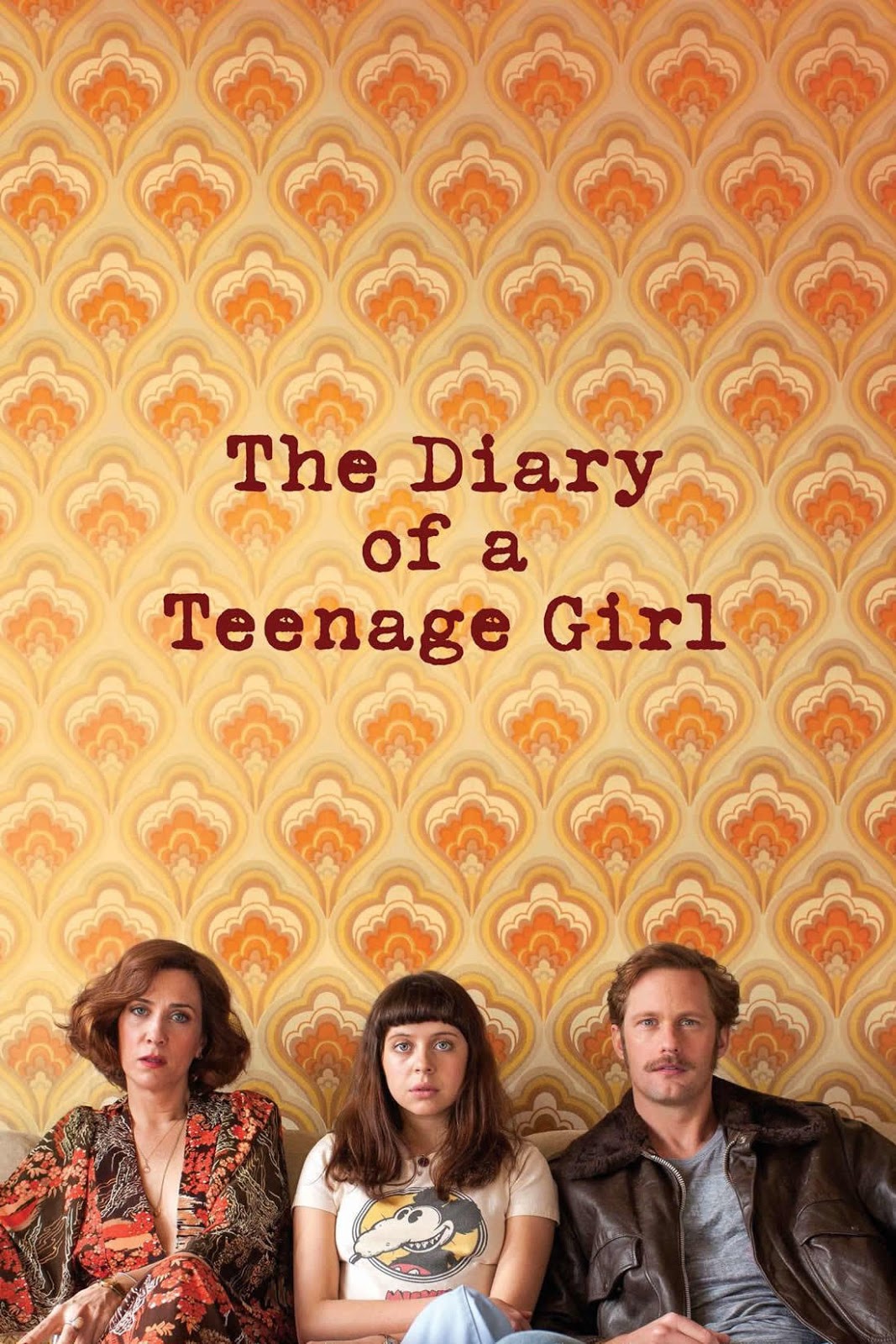
I didn’t like The Diary of a Teenage Girl as much as the critics did. It is good, and well acted, but not ground-breaking or anything. It is a coming-of-age movie about Bel, a 15 or 16 year old girl living with her single mom in the 70’s. The movie starts with her having just lost her virginity, and we quickly find out it was to her mom’s boyfriend. It would be more creepy if it weren’t all her doing, as she made all the moves to make it happen. In teenage fashion she thinks she is now in love and all will be ok, but she has a lot of growing up to do before the end of the film. The movie holds nothing back, it shows Bel experimenting in sex and drugs and trying her hardest to grow up as fast as she can, as we all did at that age. A decent film, just not stellar for me.

Sleeping With Other People is also just OK. Jason Sudeikis and Alison Brie are the leads, they lose their virginity to each other in college on a one-night-stand, and years later meet up again. Neither has had a healthy relationship in the intervening time, and set out to be just friends and support each other. Obviously know where this is going. If you like Sudeikis’s humor a la Horrible Bosses (and I do) then you will enjoy this film more, if not, you might almost hate it.

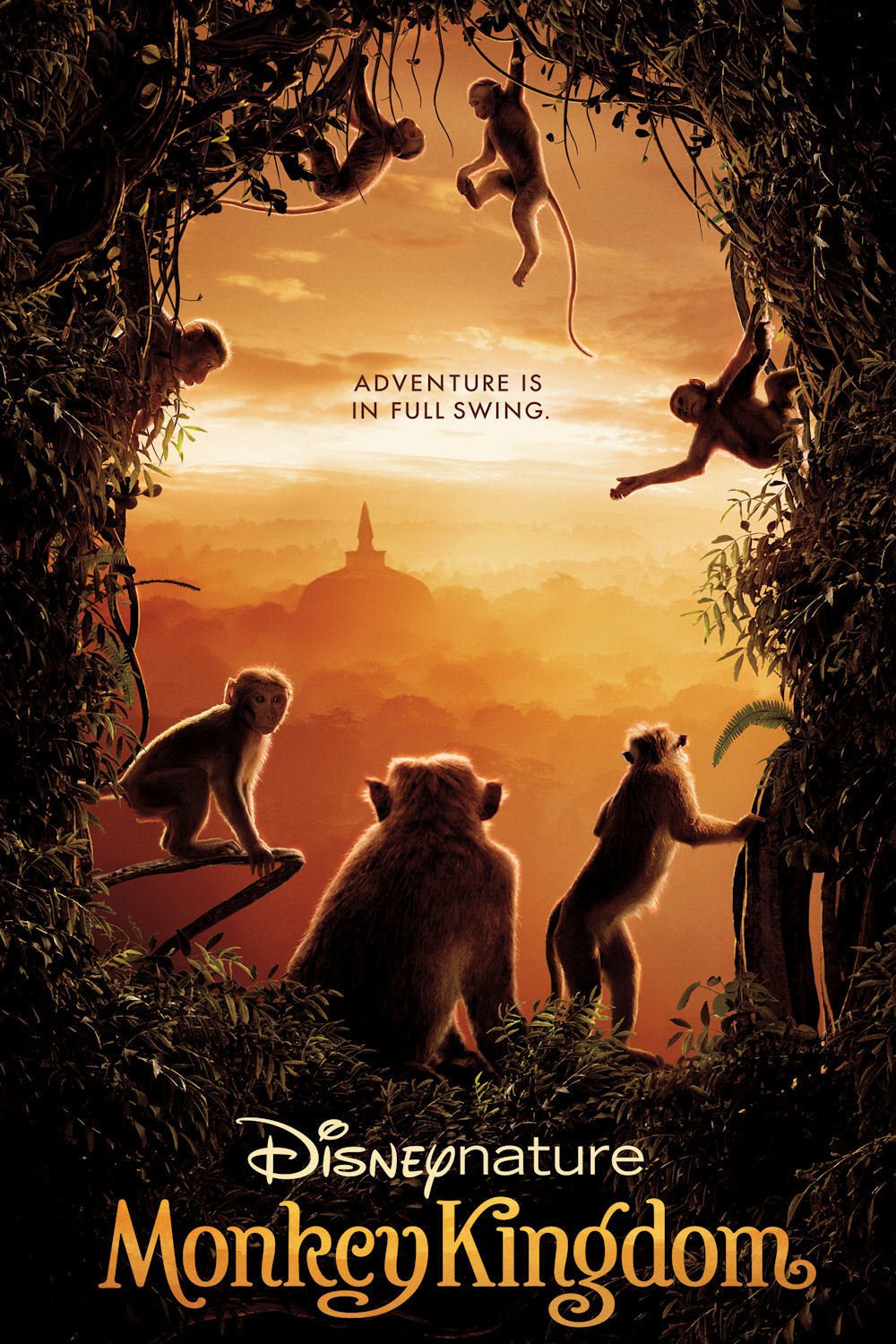
Monkey Kingdom is the latest from Disney Nature films. For animal lovers like myself, you will enjoy this one as you probably have the others. It follows a single community of monkeys in Asia, giving names to individual members and following them over the course of a year or so. It is narrated by Tina Fey, who injects some humor into the story/documentary as well. A short film at under 90 minutes I think, with plenty to like for families.

99 Homes started out great, but fizzled in the end, at least to my tastes. It takes place during the housing market crash in the mid-2000’s, and stars Andrew Garfield as Dennis Nash, who just lost his house to foreclosure, and Michael Shannon as Carver, the greedy real estate mogul gobbling up cheap homes. Nash is broke and trying to support his mom and son, and finds himself working now for Carver, evicting others. The movie is tense from the beginning, as Nash balances his morals with his need to help his family, and the moments when he confronts angry homeowners defending their house are edge-of-your-seat worthy. Unfortunately the ending wasn’t quite there for me, but still a good movie over all.

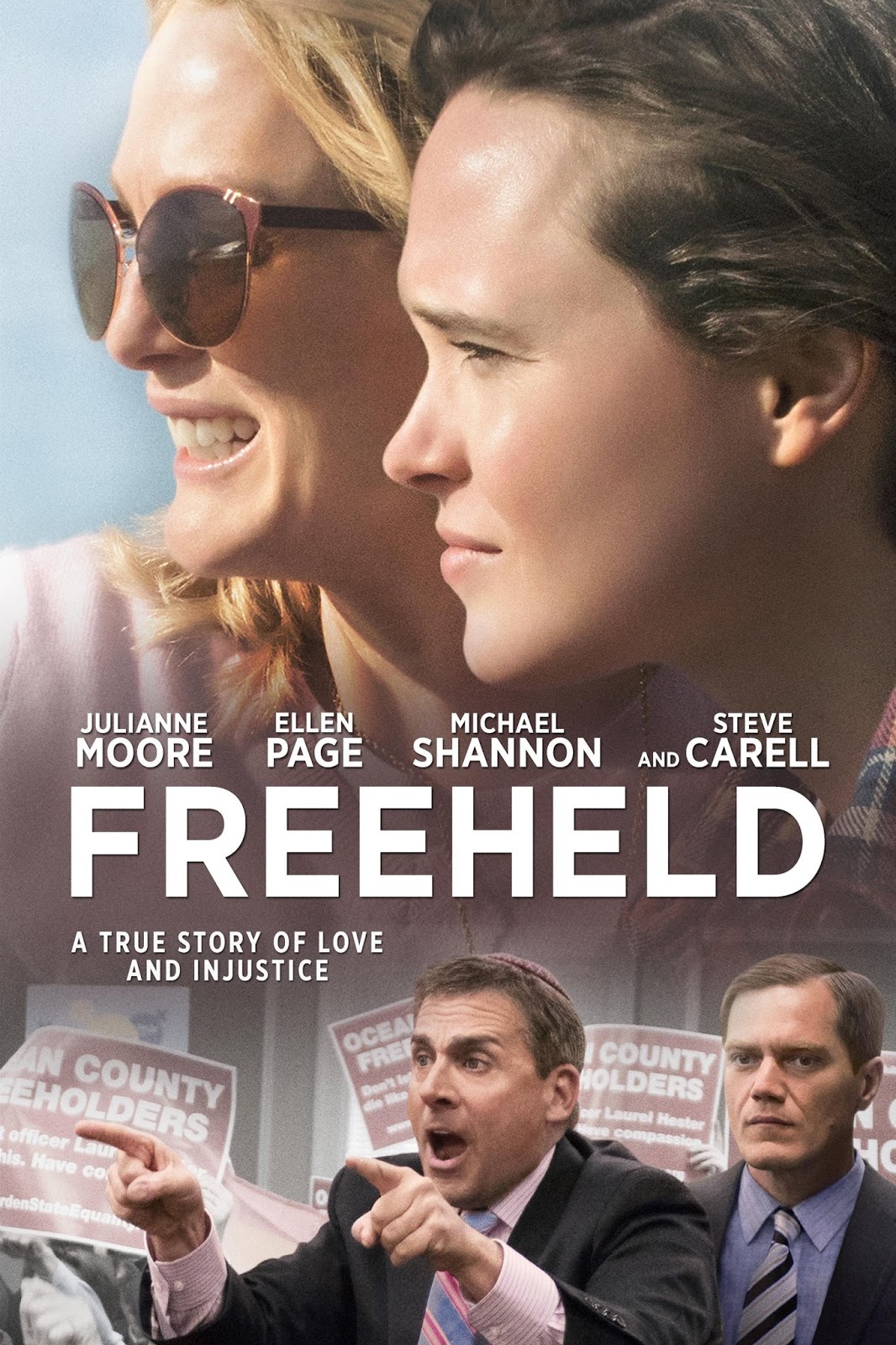
Freeheld is sort of the opposite of 99 Homes. Most of the film felt uninspired (even if it based on an inspiring true story), but the ending was great. It has Julianne Moore as Laurel Hester, a cop of 23 years dying of cancer, who is trying to leave her pension to her domestic partner Stacie (played by Ellen Page). Taking place in 2005, it brought a heightened awareness to same-sex marriage. I don’t know how much of the film was true and how much was made for the screen, but it was ok overall. Michael Shannon is in this one too as Laurel’s cop partner, and he is good here too, but Steve Carell’s character of a gay right’s activist is a little over-the-top, and I often couldn’t tell if he was trying to be serious or joking. The ending is a little heavy handed but acceptable.

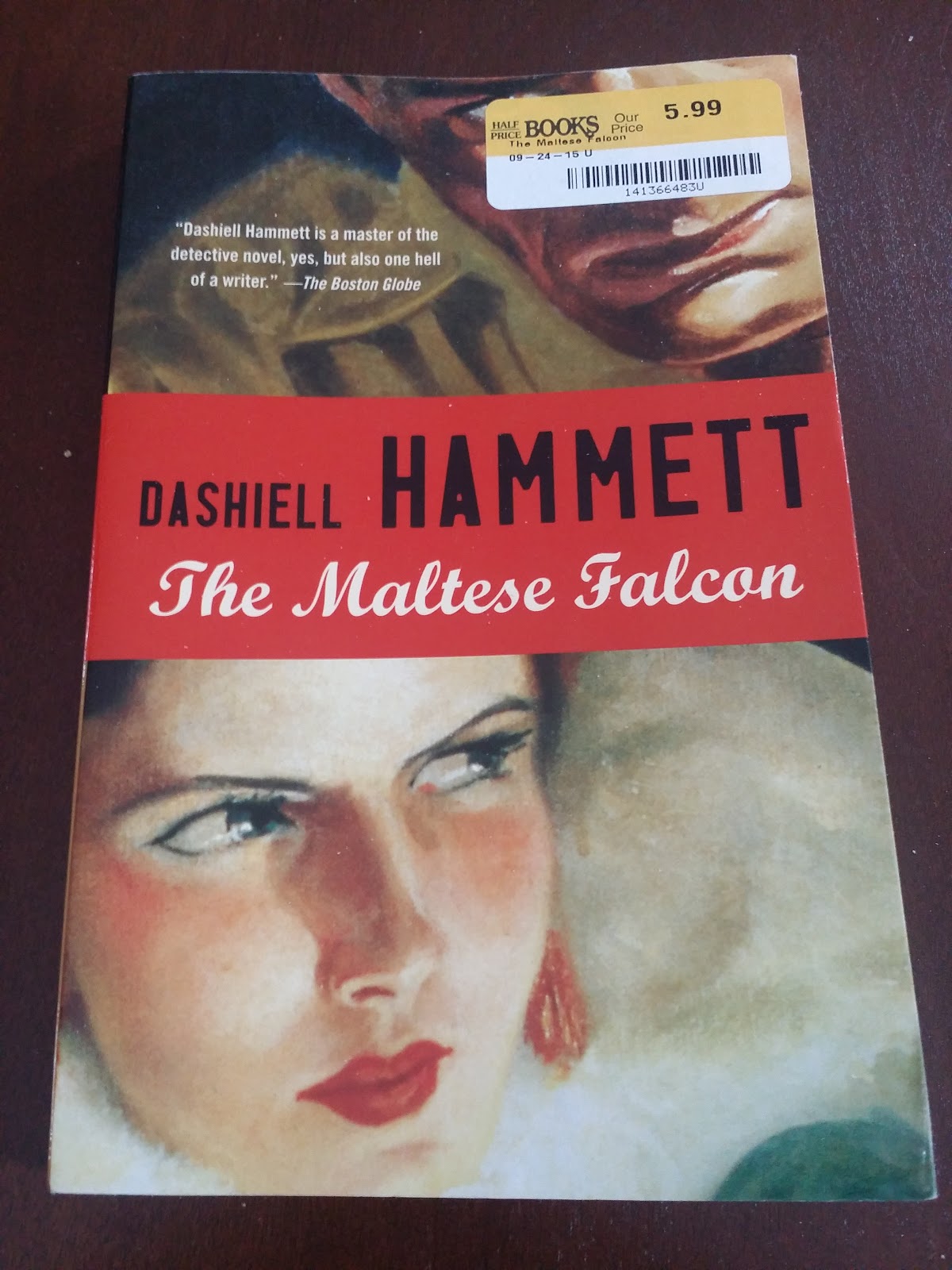
The classic telling of Hammett’s The Maltese Falcon

I can’t say I agree that Dashiell Hammett’s The Maltese Falcon is a finely written novel, but it is a good story, and for once, the famous movie actually seems to follow the source material pretty closely. Granted, I haven’t seen the film in years, but reading the book now felt very familiar.
The book follows Sam Spade, a private investigator who falls into a big “who done it” plot. He is approached by Miss Wonderly (aka Brigid O’Shaughnessy) to trail someone, and Sam sends his partner Miles to do the job. Miles and his target both end up dead in short order, and trouble seems to follow Brigid wherever she goes. As it turns out, there are many people hunting for her, and more specifically, a rare and extremely valuable statue in her possession, the maltese falcon. Other characters come in, others die along the way, but in the end, Sam puts his sleuthing skills to work and gets to the bottom of the murders and the money.

Having seen the movie before, I knew where it was all heading, but even so, it was an enjoyable read. The novel is written in a very straight-forward manner with not a lot of detail, and gets to feel like a “he said this and she replied this” sort of book, but the dialogue is good, especially at the end. A short book too, you can speed through it in a day.

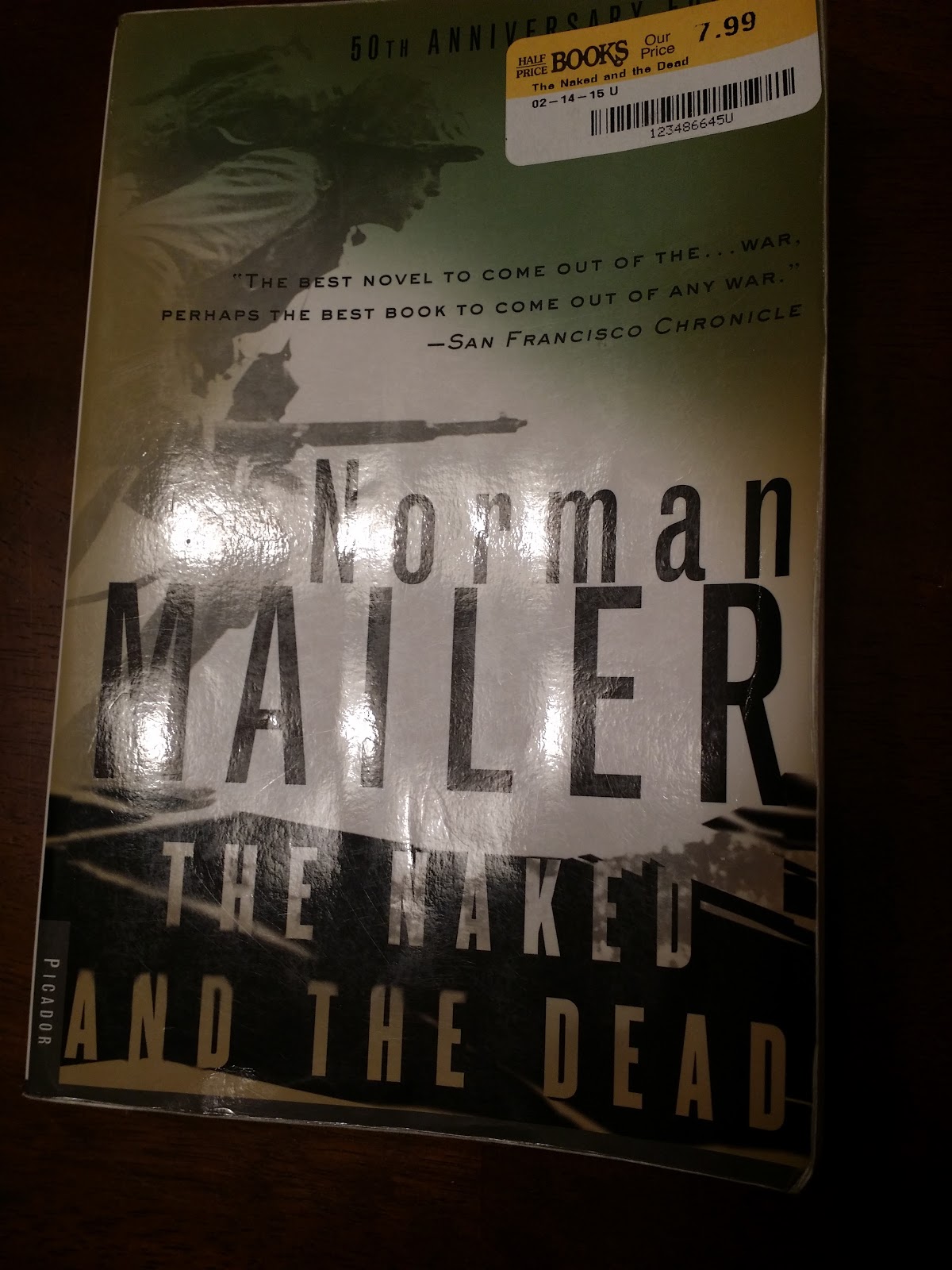
A close look at the men of World War II in The Naked and the Dead

This is the first “war” book I’ve read in awhile, as it isn’t normally my thing, but The Naked and the Dead by Norman Mailer is definitely well written. It is about the taking of the fictional island of Anopopei in the South Pacific, during World War II. It mostly follows the recon platoon, with interjections following the general overseeing the campaign.
Recon is made up of 14 or 15 guys, half of which have been around together for a battle or two, the other half are replacements. They do a good job of following orders coming down the pipes, and the group is as varied as any group with people from all over the country. Mailer’s style is particularly strong in this aspect. The main plot of the novel is told in one way, but every other chapter or so, we get a flashback of each of the main characters, and those flashbacks are each told in an entirely different way, different even from each other. The flashbacks (called “Time Machines” in the novel) are written in such a way that the person it is about may tell it, so each is in a unique style, based on the way they see life, how they think, how they perceive others. If the character is brash, then his “Time Machine” is curt and to the point. If the character is more introspective, his flashback is more flowery and wandering.
The book starts with ships approaching Anopopei. We start to get to know the men individually, and their characteristics are shown as the landing ships reach the island and the patrol starts to their tasks. I won’t get into a breakdown of each character as there are many in this novel, but they work together well despite arguments or personal misgivings among them from time to time. They are given various tasks throughout the book, until the latter half, when they are finally given a big mission. They are told to circle around to the other side of the island and come up to the Japanese front from the rear, mostly as reconnaissance, to see what they are up to. Here the glue holding them together starts to come undone. The bloodthirsty sergeant will stop at nothing to prove his worth, and when people start dying, there is a near mutiny. They must turn back before they even advance far enough to see anything, and when they get back, they find the island has been taken in their absence.
There are layers upon layers going on this book that I can’t write about in a short description, and at 700+ pages, it isn’t a book to be taken lightly. There is the private who is willing to fake insanity to be taken from the front lines, the general who hides his secrets and wants nothing more than to advance his career, mostly to please his father (though he is loath to admit it), and a multitude of other subplots scattered over the platoon and the island. Mailer’s characters are not one-dimensional, they are shaded and complex, and the flashbacks give us a unique perspective on what made each of them what they are today, something their friends may not understand. Definitely well done, and for fans of the genre, I have to say it is worthy of a read.

Quick takes on 5 films

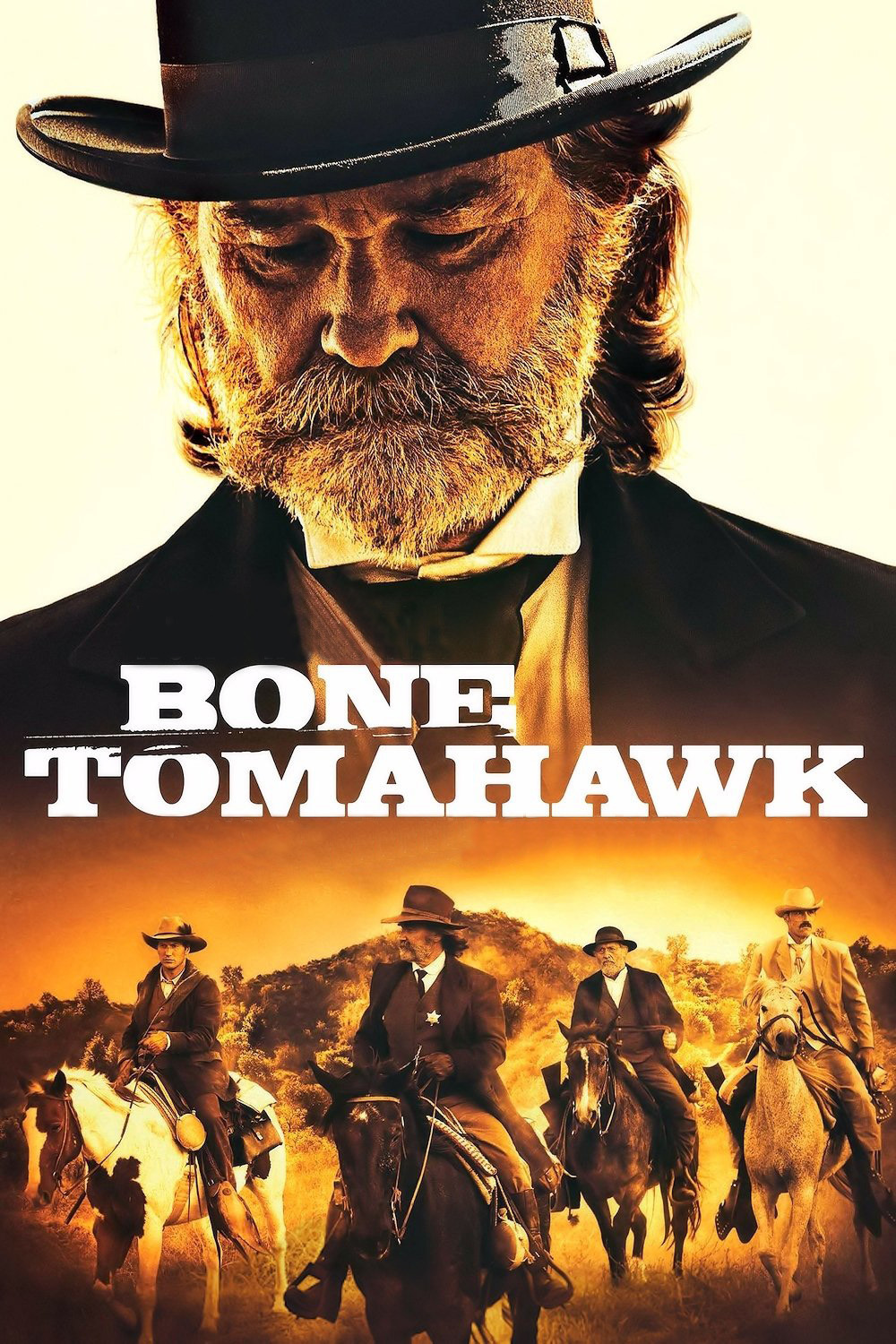
Bone Tomahawk is a western with a twist. Kurt Russel plays a sheriff hunting down a primitive, crazy, cannibal sect of Native Americans after a couple of his townfolk are kidnapped. His little posse of four sets out to rescue their friends, with the obstacles of the lawless country along the way. When they finally find the kidnappers, a group so terrifying even other Natives fear them, they get more than they were ready for. Die hard western lovers might not like the almost science-fiction element of the crazies, but the movie is solid with a quiet, slow-in-the-making tension that builds throughout.
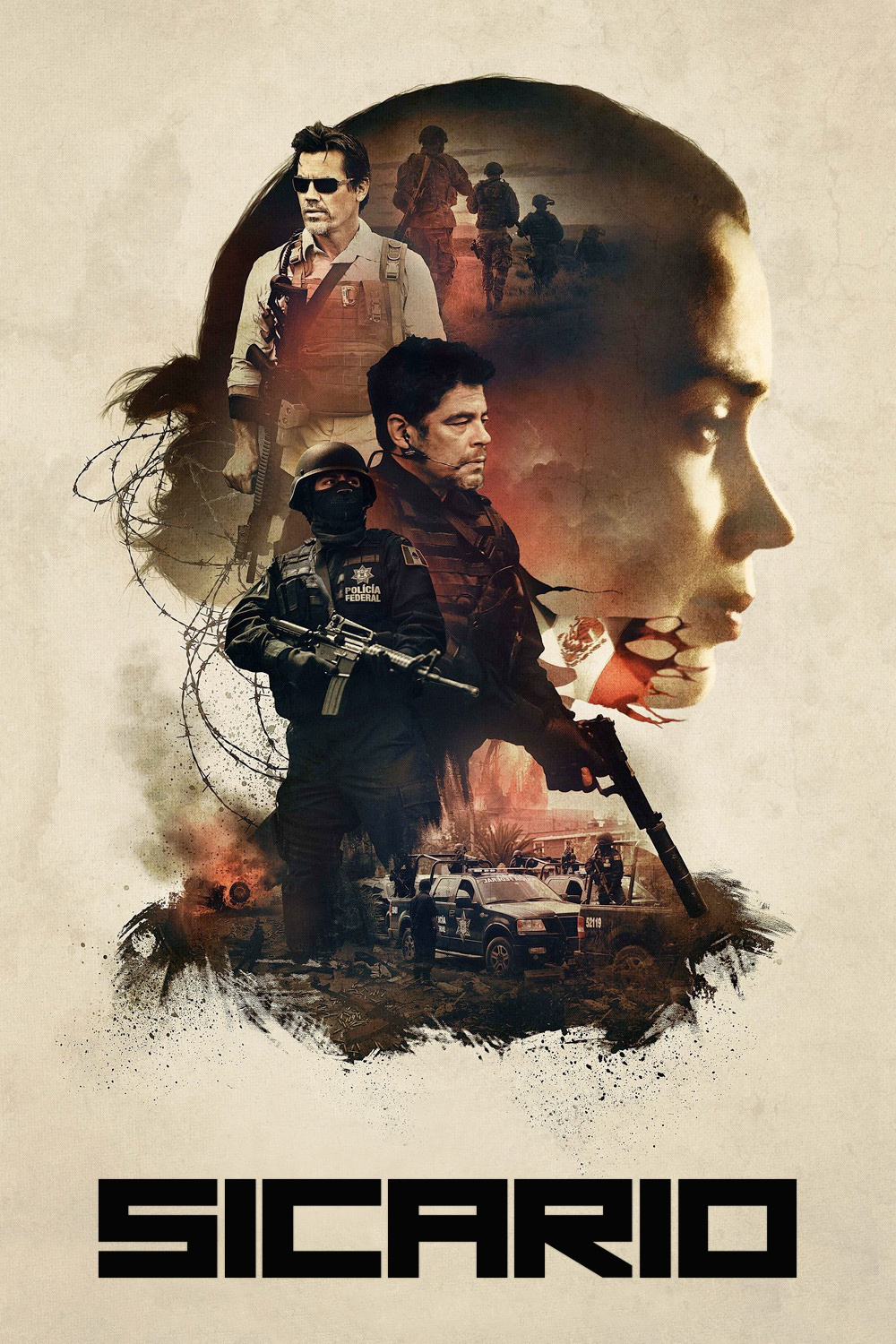
Sicario is another good one. This one stars Emily Blunt as a good cop fighting the war on drugs near the Mexican border. She is recruited by Josh Brolin to do some sort of deep mission against the drug lords, but he keeps her in the dark on what they are actually doing, and she just goes with the flow. The movie takes a turn pretty quickly when you realize Brolin (and his accomplice Benicio del Toro) will stop at nothing to complete their objective, whatever that may be. Another gripping film. When you finally realize what they are doing, you aren’t sure if it is genius or sheer stupidity.
Mistress America got some great reviews, but I could not connect with the story or the lead character. Tracy always wanted to live in New York, and is now there as a freshman in college, but it isn’t the lifestyle she thought it would be. She meets up with Brooke, her soon-to-be sister-in-law, and finds her glamorous lifestyle more to her liking. She latches on and spends the rest of the movie following Brooke around and telling her how great she is, when in reality, Brooke is nothing more than a spoiled rich girl that doesn’t understand when things don’t go her way. The movie goes along with this absurd notion too, and as a viewer I just wanted to reach through and slap everyone. In the end Brooke gets her way as the great climax, but by then I wanted the exact opposite.
Ted 2 is funny, I guess. The main plot of the film, Teddy fighting in courts to be recognized as a human being so he can get married and have kids, is just OK and rather predictable and boring. The laughs mostly come outside the story, in little scenes here and there that have nothing to do with the plot, but are just Ted and Mark Wahlberg’s character goofing off. The movie made plenty of money, hopefully that doesn’t translate into another dull sequel.


Don’t waste your time on the latest Fantastic 4 reboot. I can say nothing positive about this movie. The Disney-side of Marvel movies keeps making great films, the Fox-side of Marvel unfortunately has more misses than hits. This one is a complete dud. The plot stops making sense halfway through and the ending “climax” is straight out of left field.

Quick takes on 5 films

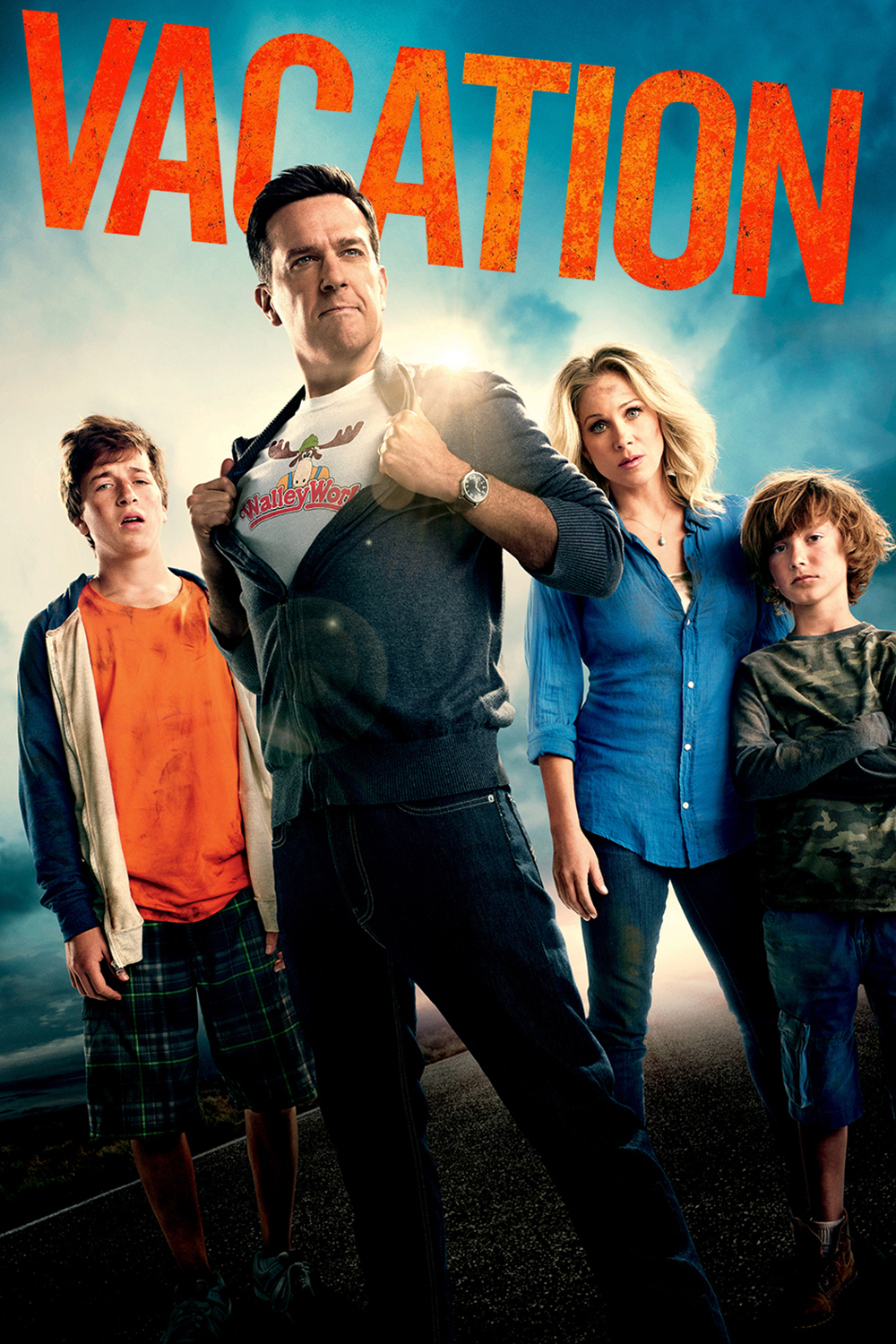
Vacation is a new take on the classic National Lampoon’s Vacation. Son Rusty from that film is all grown up, and decides to take his family to Wally World to relive his favorite family road trip as a child. Starring Ed Helms and Christina Applegate, with some cameos from the original film, this movie does have some laughs but overall it is a fairly weak remake. Some of the old jokes are even rehashed, and as good as Helms is, he doesn’t have the charm of Chevy Chase in his prime. Good for a few laughs, but that’s about it.
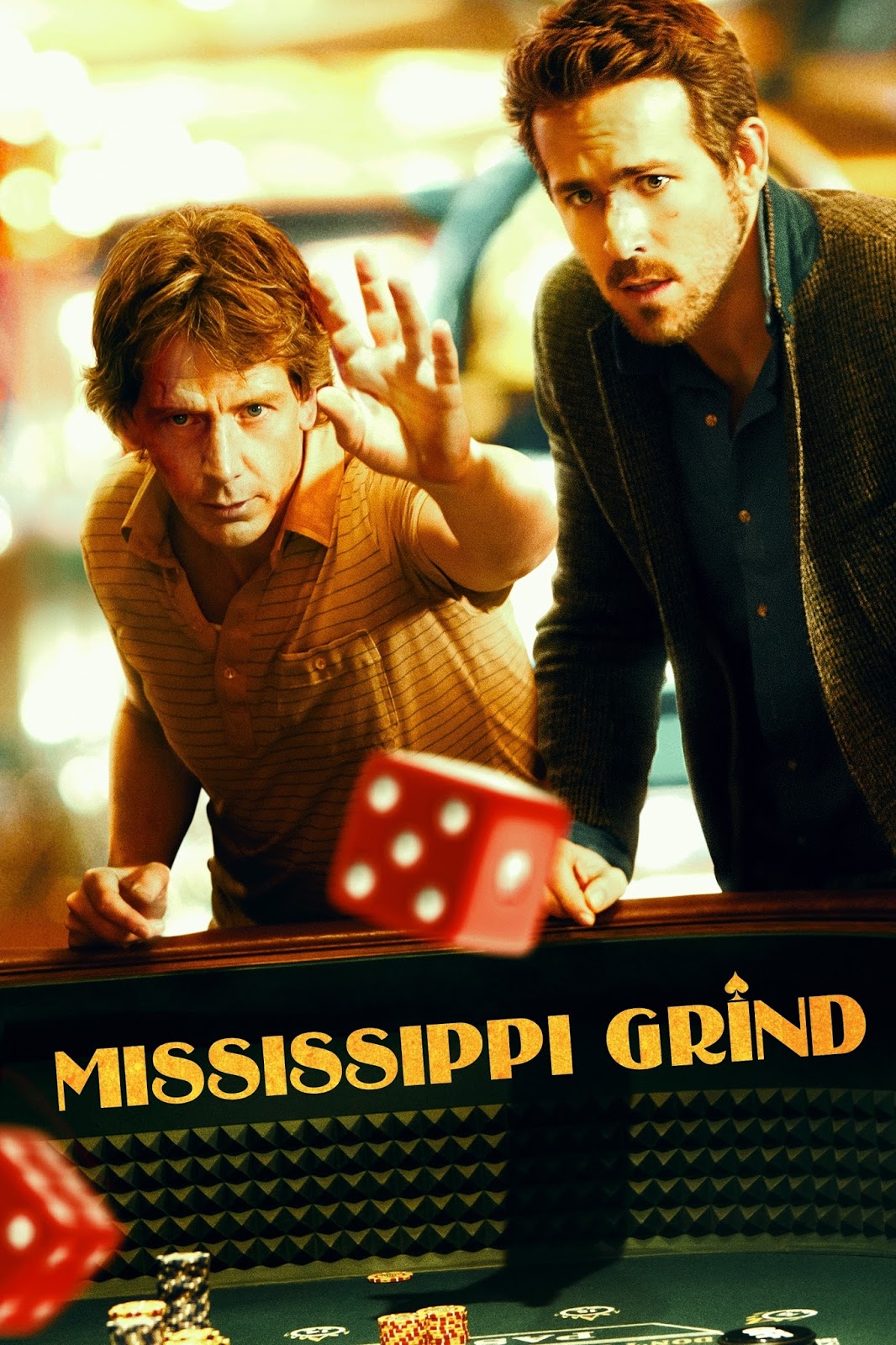
Mississippi Grind is a film that professionals reviewers would love, but the average film goer will probably think is just “ok.” That’s where I am. I think it is well acted and the 2 leading men (played by Ryan Reynolds and Ben Mendelsohn) are almost in a role reversal from typical stereotypes. Gerry is an aging gambler that is about at the end of his rope, owing money all over town in rural Iowa but unable to pull himself away from the tables. His luck seems to turn when Curtis rolls into town, and Gerry latches onto him to take him to a high stakes game in New Orleans. The two make their way down the Mississippi, gambling along the way, and we learn more about the two men and their sometimes surprising history. The viewer has to wonder if either will rise above their current plight before the end. A good movie, but not a great movie.
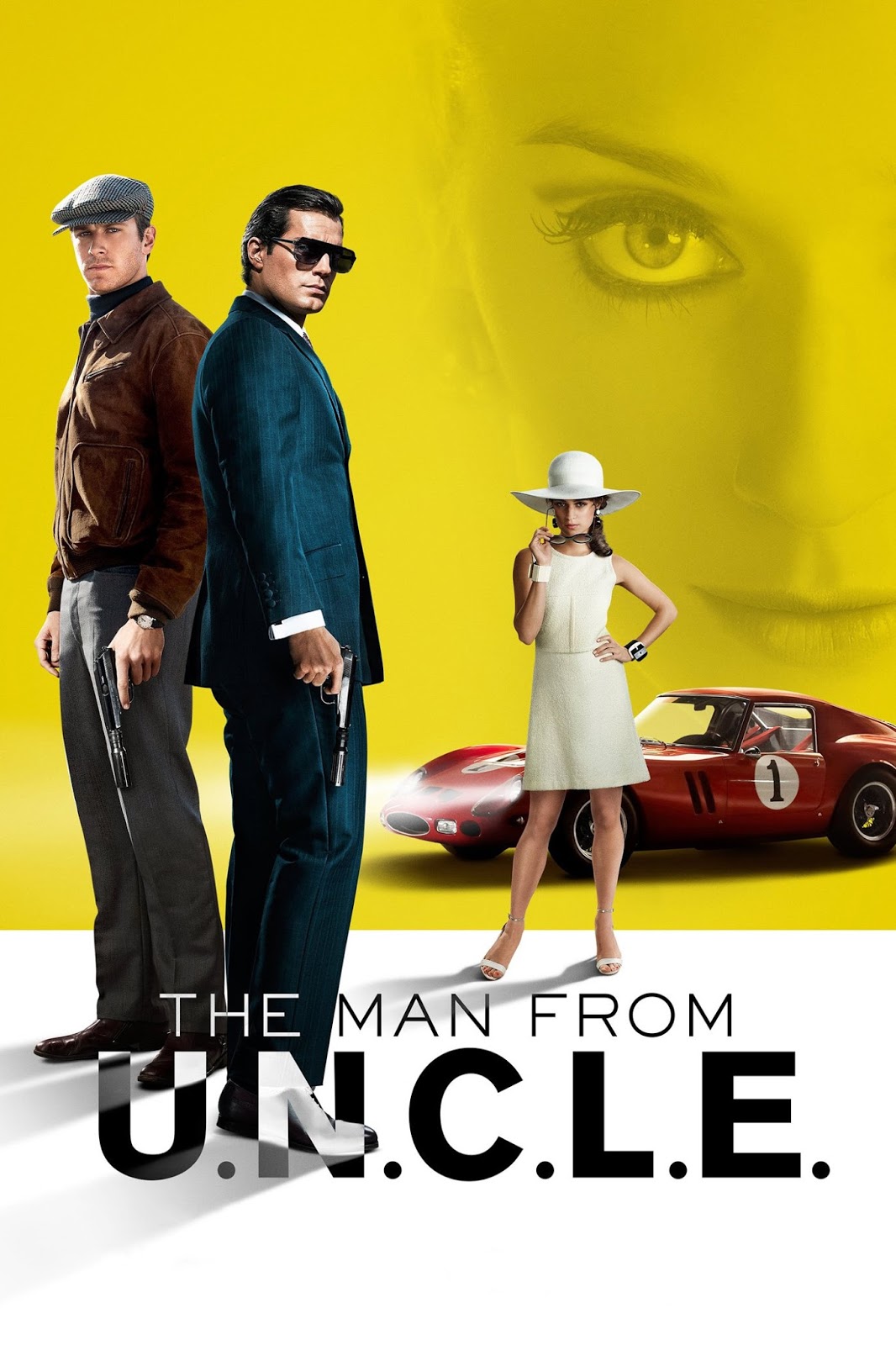
The Man from U.N.C.L.E. is based on an old 60’s spy show I think, though being well before my time, I had never heard of it before. In this movie, Henry Cavill and Armie Hammer play a couple of spies on opposite sides of the political spectrum in the early 60’s, with one from England and the other from the USSR. They are forced to team up though to stop a nuclear weapon from ending up in the wrong hands. The movie is funny in a quirky way, and feels like an old film in the way it plays out. I can appreciate the throwback, but some of it becomes tedious. One favorite ploy is to have a plot element happen, and then quickly going back to show the events that led up to that moment. This gets old by the end, but as a whole the film is still all right.
After the above so-so films, I finally hit a winner in The Walk. I greatly enjoyed this one, starring the underrated and always entertaining Joseph Gordon Levitt. He plays tightrope walker Philippe Petit, and the movie is the based-on-a-true story of his planning and eventual pulling off of the tightrope walk between the World Trade Center buildings in the mid-70’s. The film is told as a story, and Levitt’s Petit is an entertainer throughout, providing wit and charm in his tale. The movie does a fantastic job of getting you inside Petit’s mind, feeling his emotions as he gears up for the walk of his life. There are laughs, thrills, and even some emotion, you’ll run the gamut throughout the course of this one.


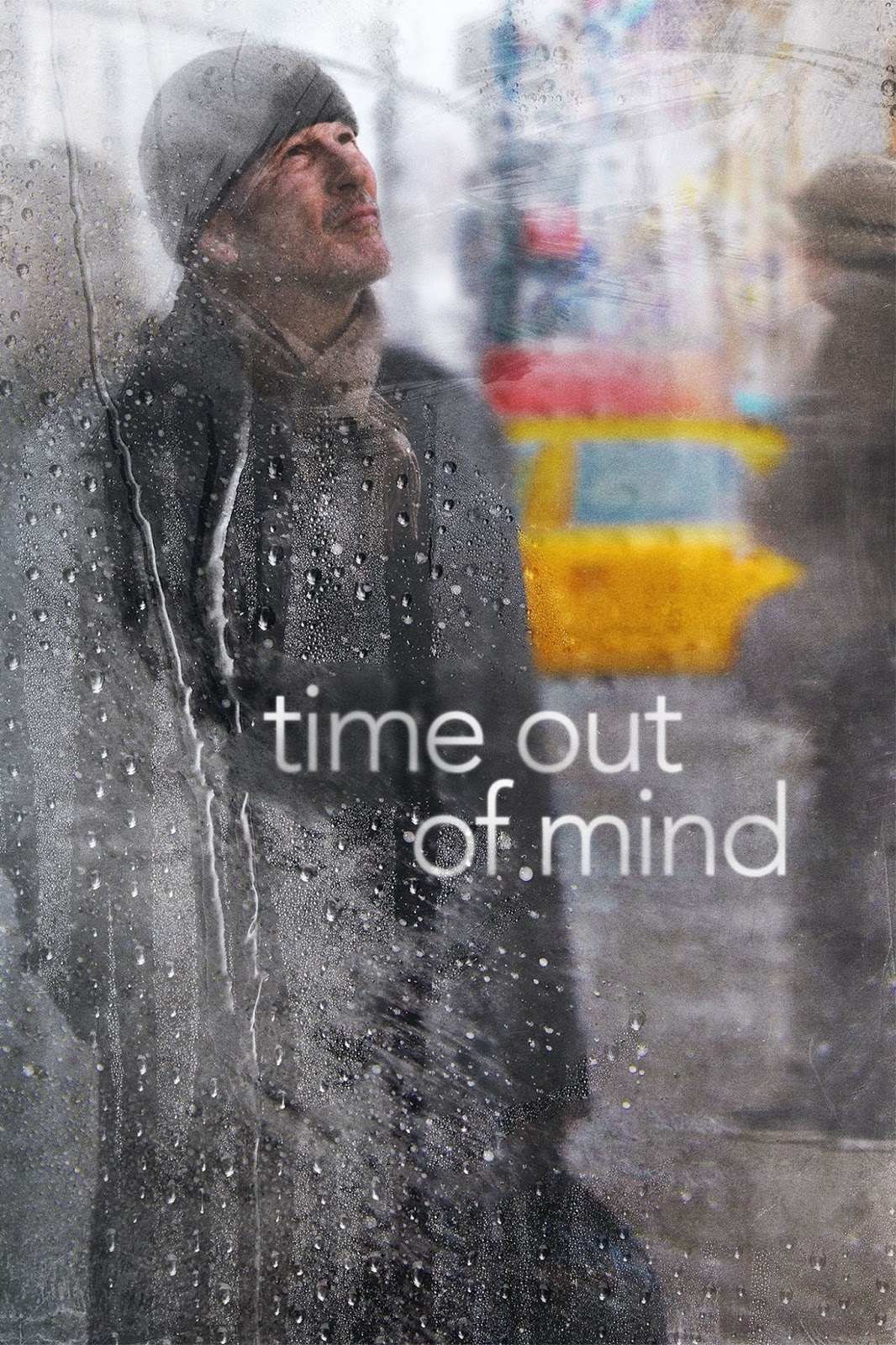
I’m not sure what to make out of Time Out of Mind. It tells the story of a homeless man, George, and his daily struggles on the streets. I think it is well directed, and definitely well acted by Richard Gere as George. Gere is known for his roles as a charmer and confident man, and this movie certainly takes him out of comfort zone. He is a defeated man, refusing to accept the turn his life has taken. At times he seems uncertain of what is going on around him, and we don’t know if he is just refusing to accept his circumstances or if he really is mentally ill. He struggles to find a shelter, and can’t even apply for aid because he can’t produce a birth certificate or any ID. It is pretty eye opening, the run-around a homeless person deals with just not to die in the cold. I think it is a good movie, but in the end perhaps a little too predictable.

A classic story gets a new twist in Wide Sargasso Sea

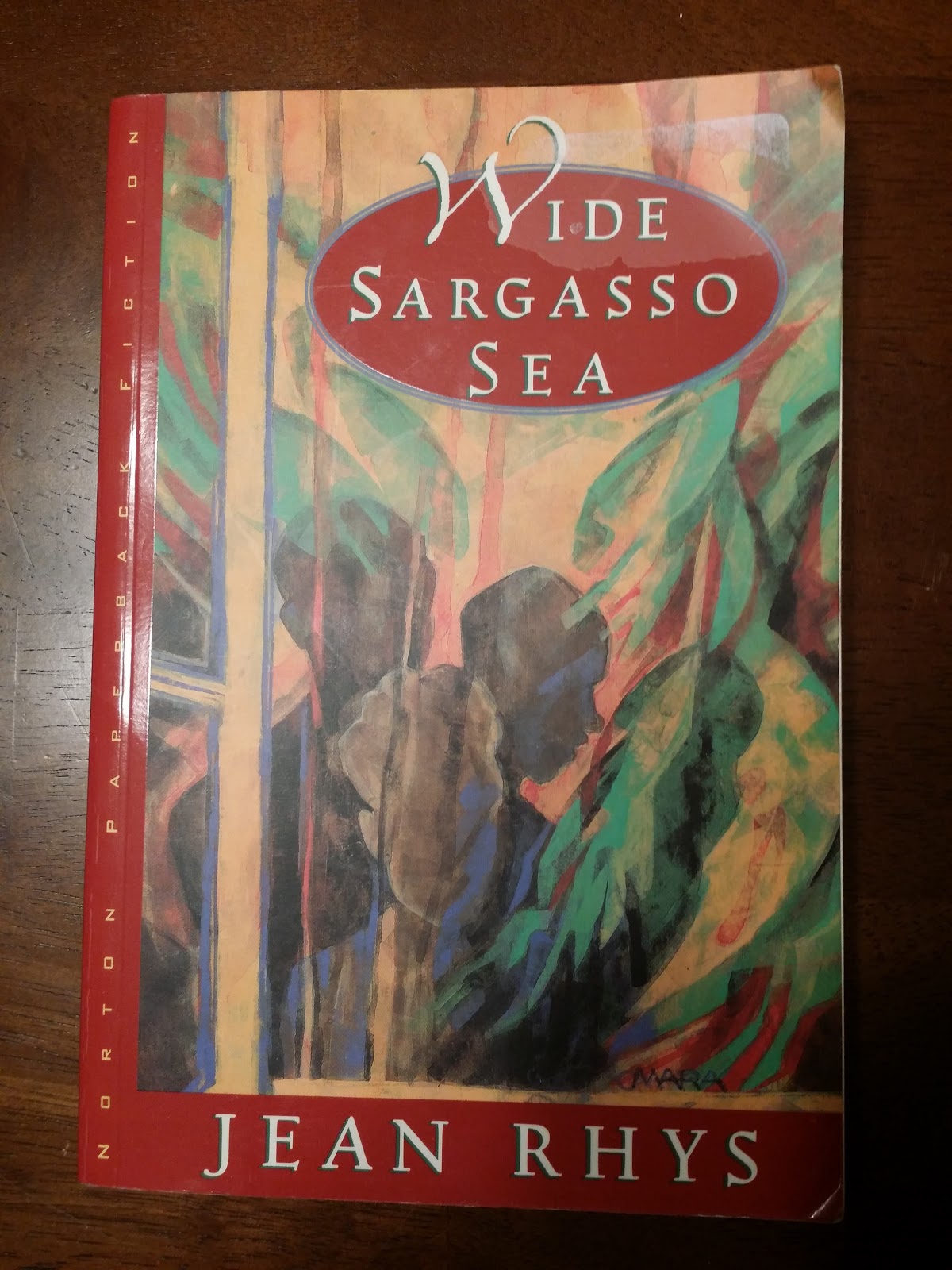
At first I didn’t know what to make of Wide Sargasso Sea by Jean Rhys. This story is a “prequel” to Bronte’s Jane Eyre, telling the backstory of Mr Rochester’s first wife, the insane woman in the attic in that famous novel. The book shows that all things are perhaps not what they seem, and every story has two sides.

Sea is separated into three parts, each told in the first person. The first section is the female protagonist’s, Antoinette’s, childhood. Her mother’s first husband has died, leaving them a lot of land in Jamaica but no money to back it up. The locals resent the family as former slave owners, but they are “rescued” by Mr Mason, who comes and marries the mother and restores their estate. However, one night the house is set afire by an angry mob. Antoinette’s brother dies, and her mother, already mentally unstable, goes insane.

The second part is told from the first person of a new gentleman. Though it never says his name, we learn later that it is Mr Rochester. He has come to marry Antoinette for money, and their marriage quickly falls apart. Antoinette slips quickly towards insanity, but we as readers find her to a be a sympathetic figure. Her husband sleeps with the help, she has no true friends, as most still carry animosity towards her family from years ago, and it seems there is no help or hope coming. Her husband has grown to despise her and has started inexplicably calling her Bertha, a name she hates. One night after a drunken arguement, the man announces he is leaving Jamaica and bringing his wife to England. Antoinette has always wanted to see England, but now just wants to stay at her home.

The third short section again switches to Antoinette’s view. She is totally insane now, and her narrative falls in and out of coherency. Her husband has locked her in an attic, and she refuses to believe this cell is the idyllic England she had envisioned. She doesn’t recognize Mr Mason or other visitors, and is convinced she has only been there for days, when in reality years have gone by. She escapes out of her room one day, and during a vision she sets fire to the building (obviously the same from Jane Eyre).

This book paints her as a tragic figure indeed. She obviously has mental disease in her family, but many factors outside of her control put her in that attic by Mr Rochester. The book is a little hard to get sometimes, much of it is told like a stereotypical creole story, with truth and present sometimes muddled with spirit and effervescence, to the point that you aren’t exactly sure what is actually happening. A good book though for sure, reminding you that the bad guy may not always be who you think.

Quick takes on 5 films

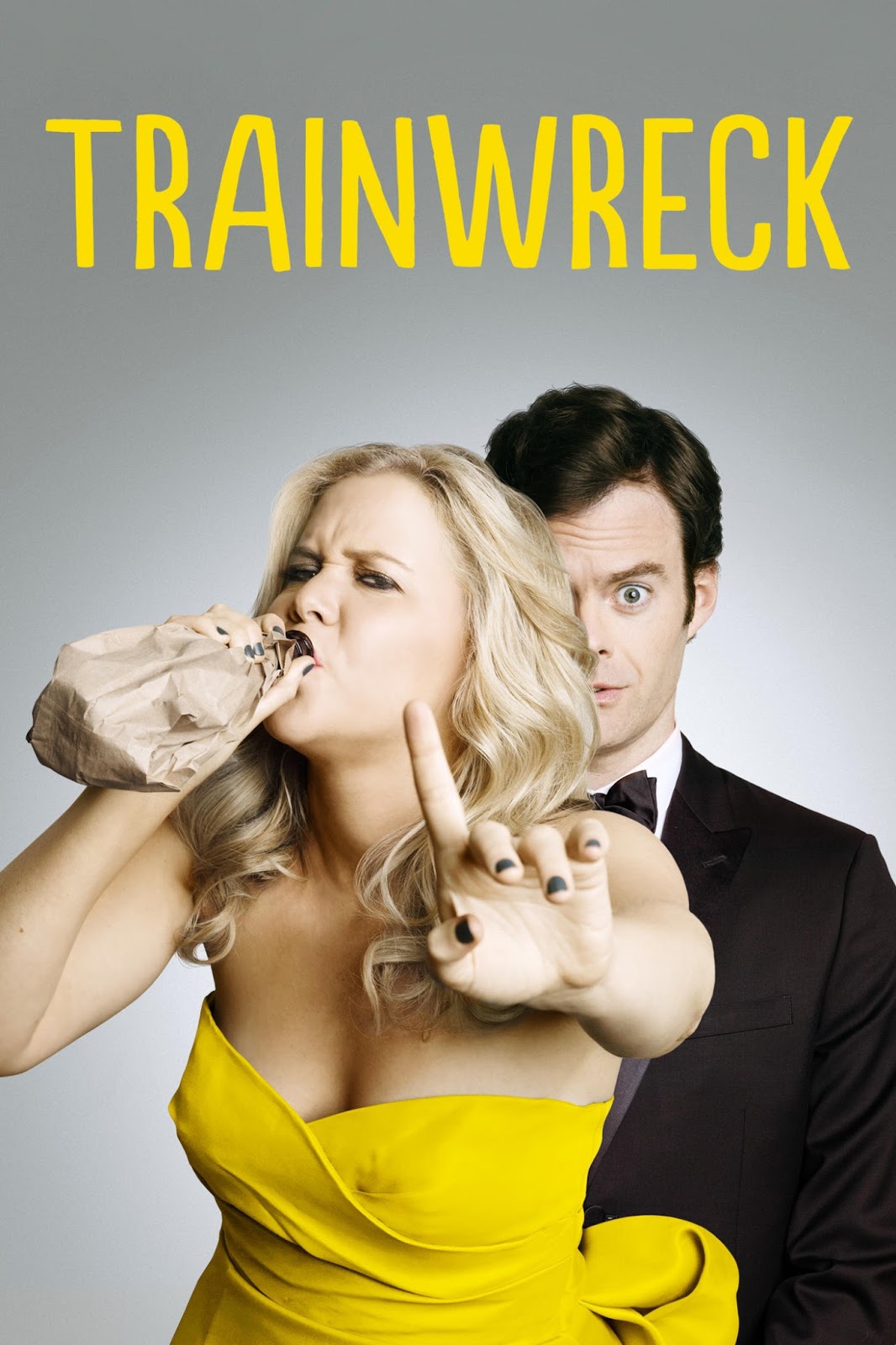
A disclaimer up front: I’m not a big Amy Schumer fan. Her jokes are meant to shock you because we aren’t used to female comedians talking like that, but if a male comedian were to make the same jokes, most people wouldn’t laugh. That being said, Trainwreck is a pretty funny movie, and towards the end, it has a lot of heart too. Amy plays the typical “guy” role, in that she sleeps around and is deathly afraid of commitment. When she meets Bill Hader’s character, her rules are tested, as she geniunely likes him. Hader is great and seriously underrated as as serious actor (go find last year’s The Skeleton Twins). I almost gave up on this film halfway through, but stuck it out and the second half is definitely worth it.
The newest Terminator movie, Genysis, kinda sucks. I wasn’t expecting much, so it’s not like it disappointed me or anything. It’s half sequel and half reboot, so I’m not sure what the next movie will do, if there is another one. It is pretty heavily a rehash of the previous films in the franchise and brings no new ideas to the table. Die hard fans alone should bother with this one.
The Gift is an interesting movie. Simon (played by Jason Bateman) accepts a new job and moves his wife Robyn into a nice new house. They run into one of Simon’s old school friends, Gordo. Gordo starts stalking the family though, creating tension between Simon and Robyn. Robyn however finds that perhaps Simon is at fault too. A pretty thrilling and quietly tense movie, with a couple plot twists that you do not see coming.
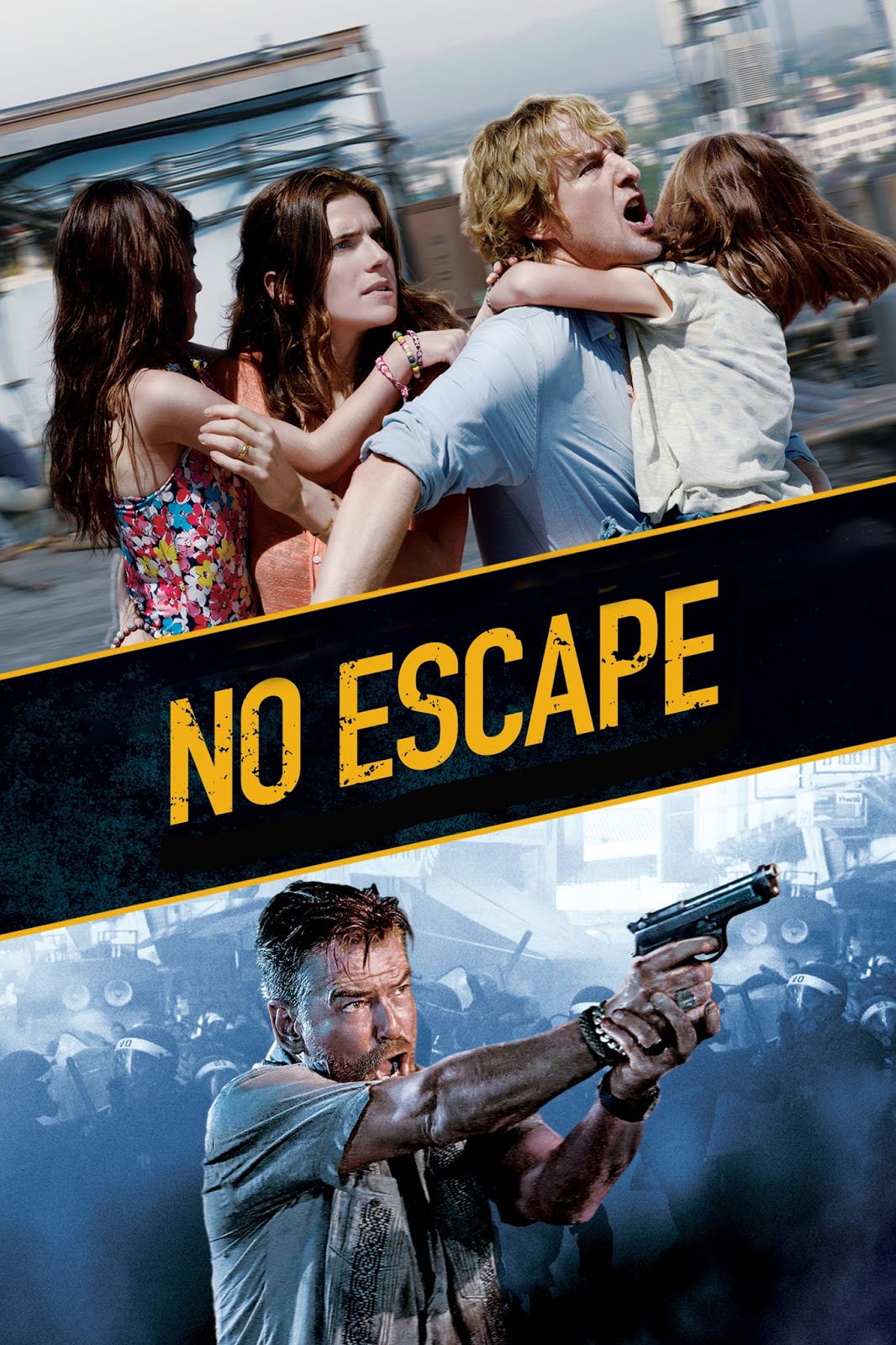
No Escape is another thriller, but there is nothing quiet about this one. Jack (Owen Wilson) moves his family to a tiny city somewhere in southeastern Asia, very remote and very much a “developing country.” He is there for his job as a contractor, but they are only there for a day before a city wide riot breakes out, with citizins angry at Americans for perceived wrongs. When a gang starts going hotel to hotel killing Americans, Jack must take his family and hide. The movie is full of eye-rolling coincedences, but not a horrible film, and definitely gripping to the end.


Infinitely Polar Bear got some pretty rave reviews, but honestly it is a better acted movie than a movie by itself. Mark Ruffalo plays a man diagnosed as bipolar (his young girls at the time pronounce it “polar bear”) in the late 1970’s. He refuses to take his medicine, leading to a rift with his family. His wife has to go back to school to hopefully one day earn enough money to support the family, leaving Mark’s character at home to raise the girls. The movie is a year in their life together. The acting is truly superb. Ruffalo is in my opinion one of the most underrated actors around, and he shines here again. Truly not a memorable or profound movie, but definitely worth seeing for Ruffalo’s skill alone.

The background of death surrounds in White Noise

White Noise by Don DeLillo is an interesting book. It is written in a playful, wry style. For instance, the main character Jack, is a Hitler studies expert and professor in a small, prestigious university (famous for Jack’s studies, since he was the first in the country to promote this course), yet he doesn’t speak German. The book follows Jack in his everyday life, and his dealings with quirky family members and work associates. As a modern family, the tv is always on in one room or another, so you think the title refers to the constant stream of commercials and background sound (the author does intersperse a line regularly into the novel from the tv), but really it is about the death all around us.  The backdrop of the novel is Jack’s obsessive fear of death. He thinks about it often, such as when he will die, how he will die, etc.

Jack’s fear grows exponentially when there is a waste spill just outside of town, and the residents must evacuate for a time for safety. Jack is exposed, and the response team (again humorously, a “fake” response team that is meant to practice for calamities is instead having to do the real thing first, and practice later in the novel) tells Jack that his life has almost definitely been shortened. When Jack finally tells his wife Babette about his real fear, she says she has the same fear, but while it is a nagging obsession with Jack, it is a paralyzing fear for Babette. She has gone so far as to find a black market pill that is supposed to subdue the fear of death, and she has been having an affair with the drug-maker to keep a steady supply coming. Jack takes this news in stride; with his own increasing dread he realizes he would do just about anything to rid himself of the fear as well.

In the end, something snaps in Jack, and he wants to get the medicine his wife has been taking, to see if it will help. He goes to the sleazy motel where she has been meeting the drug maker, and confronts him with the intent to rob and kill him. It goes astray though, and both end up at a local religious hospital, being cared for by nuns. Jack turns to a nun, looking for some faith to ease his troubled mind, and she admits she isn’t even religious and doesn’t believe in God or an after-life.

Funny little stories about death fill the book, such as Jack’s son’s friend who wants to sit in a pit with 70 deadly vipers to get in the Guinness book of records, or youngest son Wilder, who Babette is always checking on, but manages to find himself in the middle of a busy interstate at the end of the novel (he doesn’t get hurt). There are many more. Even the local grocery store where Jack and his friend Murray shop can be a metaphor for death. This book was much different than most of the other classics I’ve been reading lately, and a good, if somewhat unsettling, change of pace.

Farm and family struggles in O Pioneers!

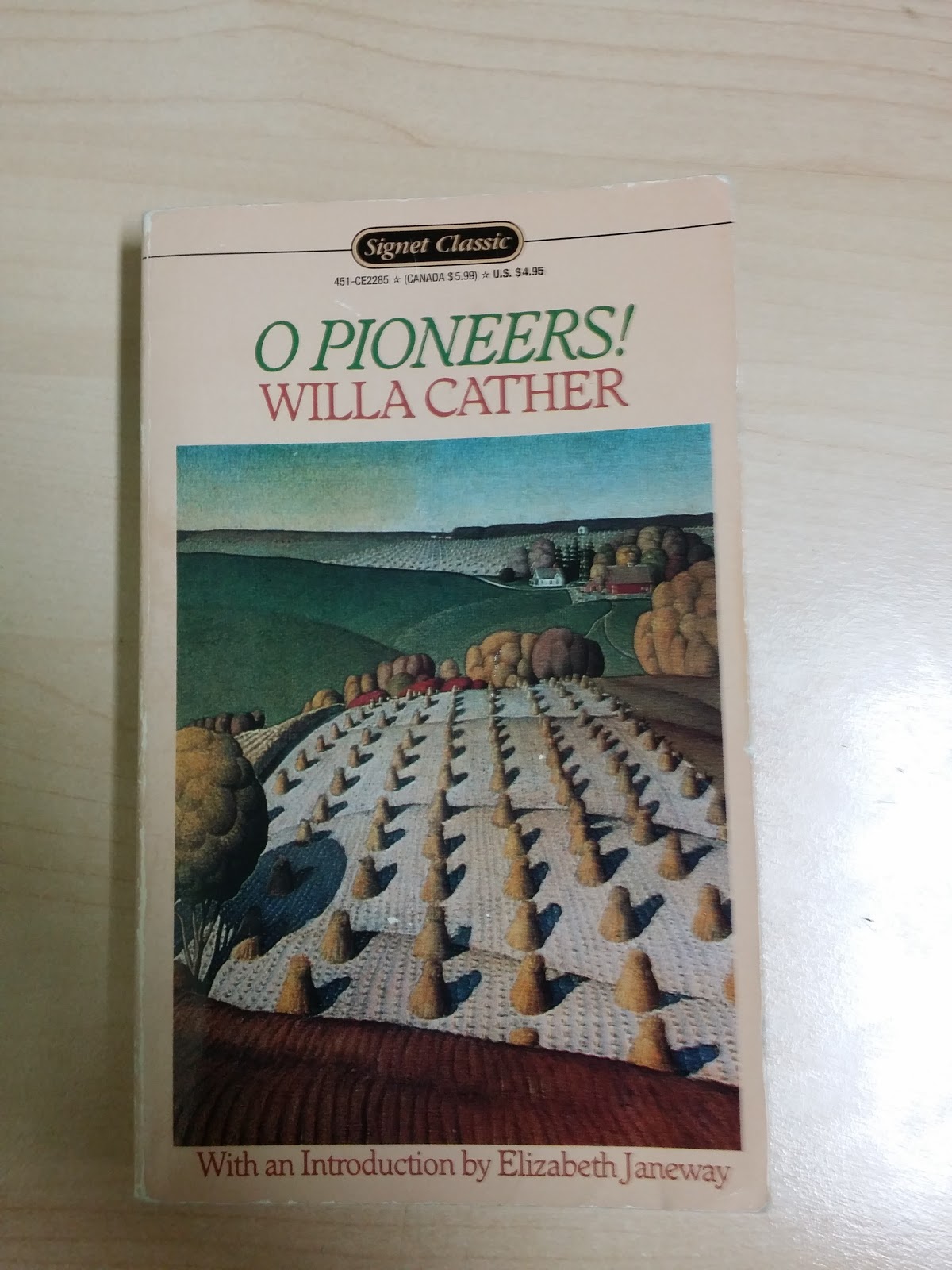
O Pioneers! is the second novel of Willa Cather’s I’ve read in this list of 100. Written many years before Death Comes for the Archbishop, it is a softer story but is still very moving. It tells the story of Alexandra Bergson, an independent strong-willed woman struggling to build a farm in rural Nebraska in the early part of the 20th century.

It starts when Alexandra is a young adult. Her father brought their family to the USA from Sweden to start a new life, and after struggling for years to get something to grow in the strange Nebraskan soil, he is dying. Alexandra is the eldest child and must now look after the farm and her three younger brothers. Brothers Lou and Oscar are similar in that they lack the foresight for grander schemes, and want to sell the land and settle on a smaller farm by the river where farming may be easier. Alexandra wants to further her father’s goal of the kids having a better life, so resists their efforts, while grooming youngest brother Emil to go to university one day and move on to bigger and better things. She puts her personal life on hold, keeping her only male friend Carl at a distance.

From these beginnings, the novel shoots forward from chapter to chapter. Sometimes a week or month will go by, sometimes years. Over time, Alexandra is able to turn her small farm into a sprawling plantation. Lou and Oscar still pine away for an easier life, Emil has gone to school and come back for a short time, deciding what to do next, and Carl is having is own adventures around the country, but always returning from time to time hoping Alexandra is ready to settle down with him. Emil ends up falling in love with Marie, a neighbor who is all ready married to a burly farmer named Frank. Emil struggles with his feelings, finally deciding to leave before anything comes of it, but when he goes to say good-bye, the two give in to their feelings. Frank finds them and shoots them both in a crime of passion. Alexandra’s hopes of Emil being the one sibling to go off to a new life are shattered, and she realizes that has been the big goal of her life, more than the farm or prosperity she has brought to the area. Now in her 40’s, she finally allows herself some personal comfort and agrees to marry Carl. She knows that no matter how hard she tries to hold on to something, whether it is Emil or the land, all things fade and time keeps moving on.

This is a quiet, unassuming, “little house on the prairie” kind of book, but a good one. In fact one of the more moving books I’ve read in a little while. Much of the book is told in dialogue, and the descriptive background writing is sometimes sparse, leaving much to the imagination. Cather does a fantastic job of writing just enough to give you a sense of the open land they live on and the life it holds there, and lets your mind fill in the rest. Alexandra is a different kind of feminist. She doesn’t stand on a soapbox shouting for equality, but she does her work quietly, as well as any man could, and doesn’t even listen when her brothers try to move her to do something she doesn’t think is right. An enjoyable, quick read.