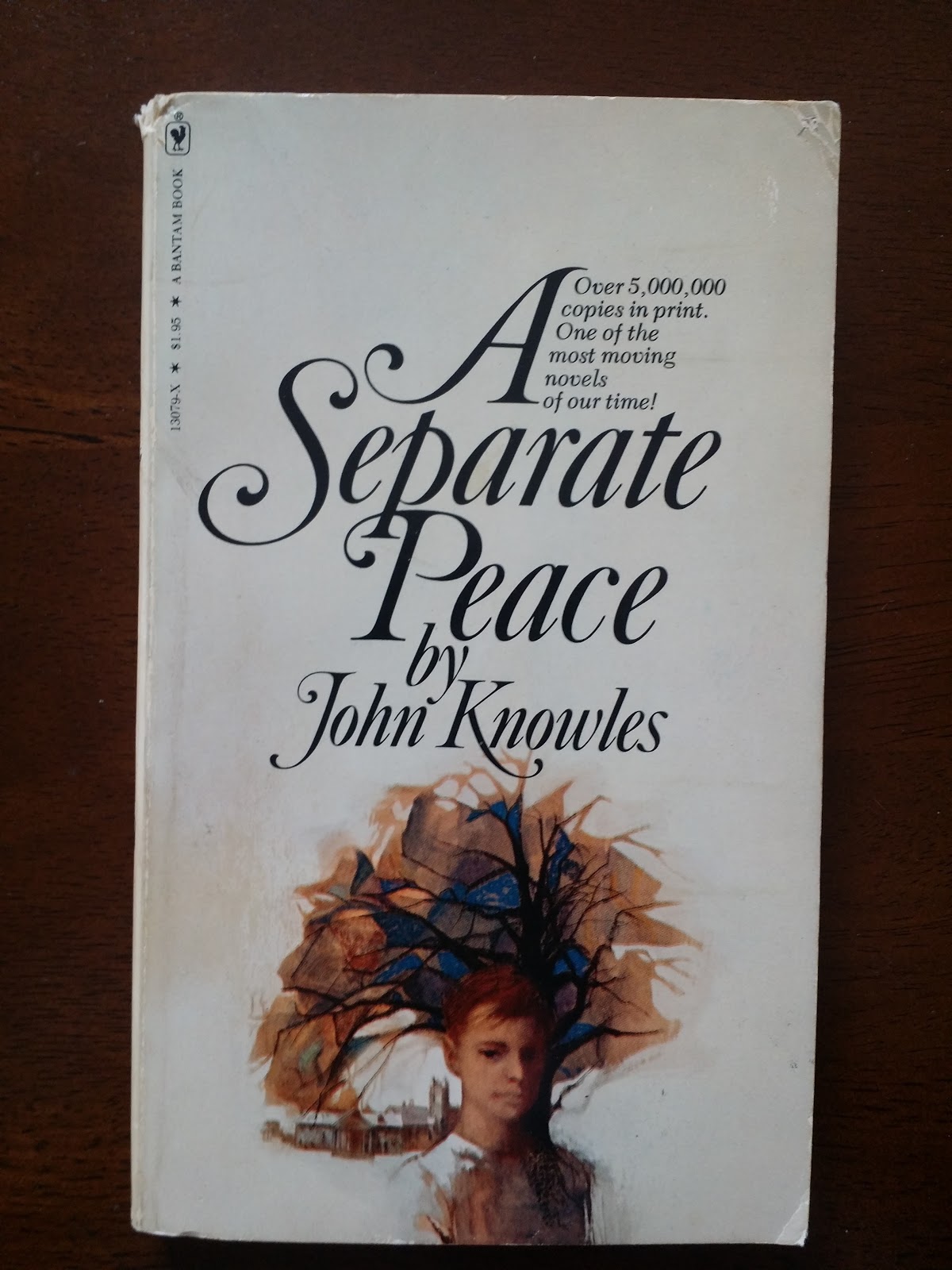
Knowles’ classic still great 25 years later
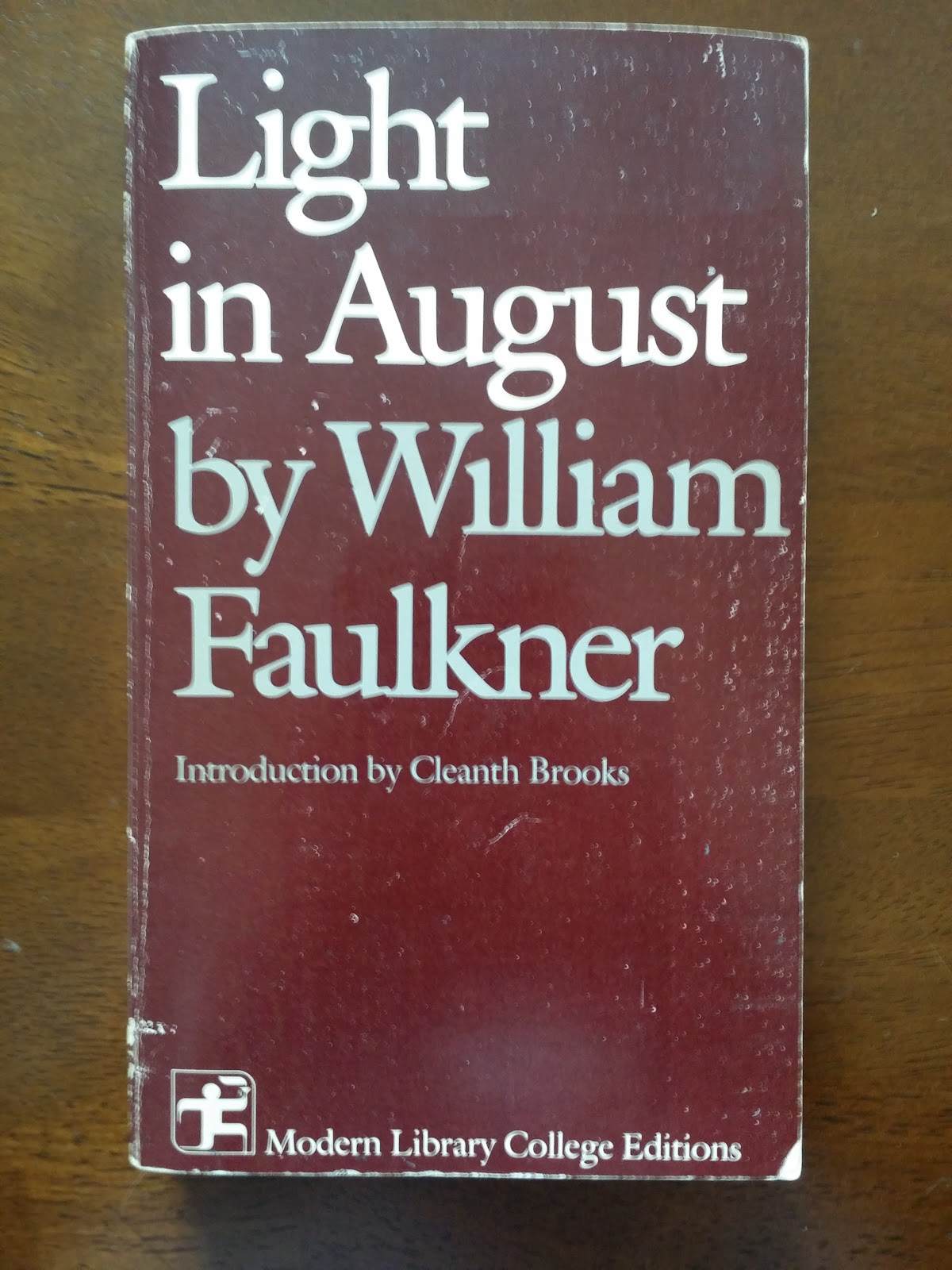
Muddled plots and characters in Faulkner’s Light in August
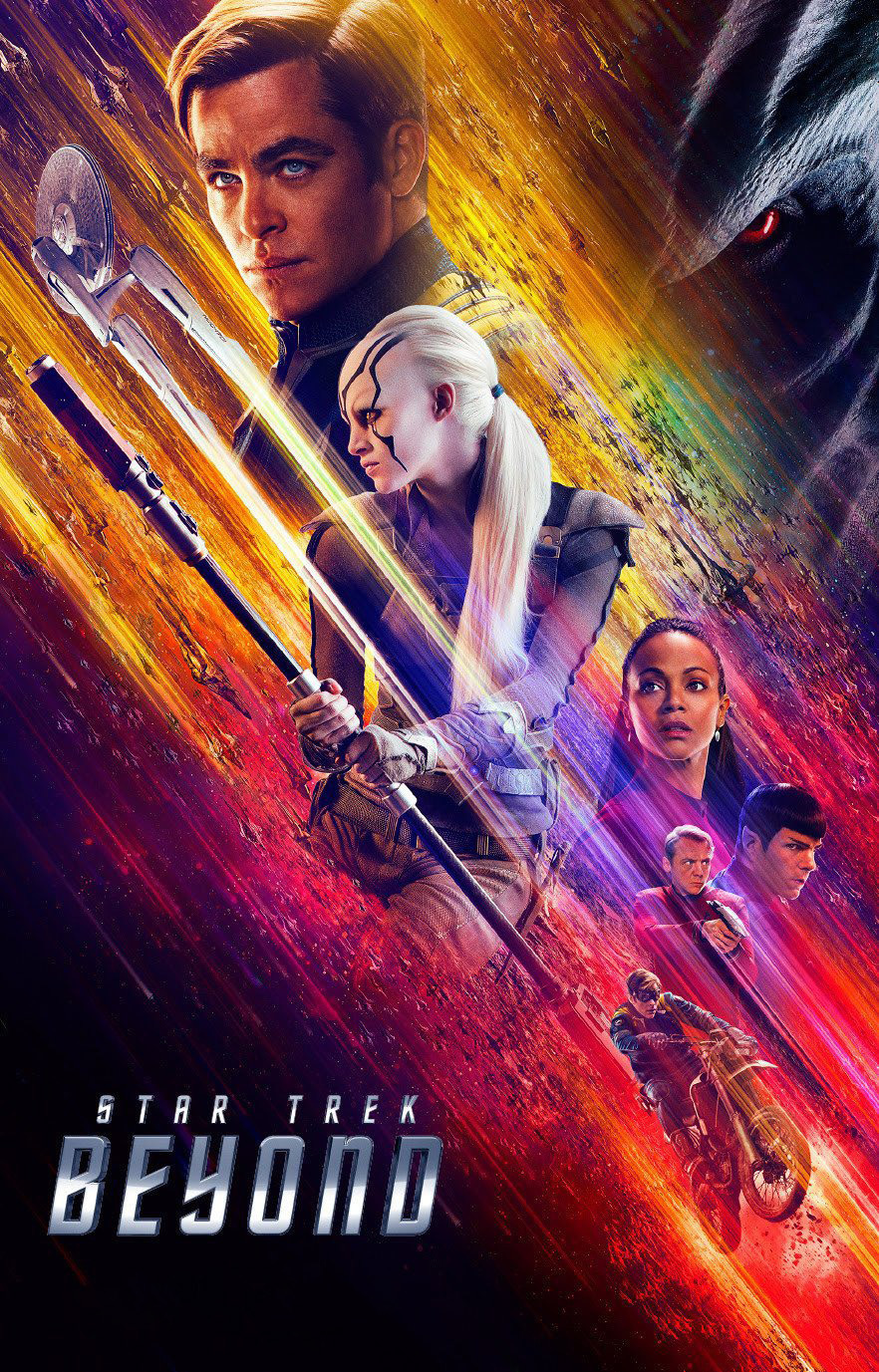
Newest Star Trek film goes back to its roots
Star Trek Beyond marks now the third movie in the “new” rebooted franchise. With a fourth movie all ready in the works, this cast will match the Next Generations crew in theater releases. This new movie, for me, felt almost like a throwback to the original series, and I think Star Trek fans and sci-fi fans in general have plenty to like here.
The film revolves around the Enterprise following a distress call to a distant planet. There they are attacked before they have a chance to ready, and James T Kirk ultimately finds himself marooned on the planet with most of his crew dead or captive, and the Enterprise destroyed (again!). As he, Spock, Bones, and Scotty try to rescue their friends from the newest big bad evil guy, they find unlikely friends also on the planet. Even when they make it off, they must still save the Federation from this newest crisis.
When I say it feels like a throwback, I mean the plot, dialogue, and just the general “feeling” of this film brings visions of the original crew. You can supplant Chris Pine with William Shatner and I’m not sure the movie changes all that much. I think this has amazing value for Star Trek fans who maybe felt a little backstabbed at seeing Khan resurrected in the last Star Trek film, but even casual fans can really enjoy this film too. Stunning effects and some nail-biting action sequences keep it tense, but Kirk keeps his cool and the film never loses its Trek-like fun atmosphere. With original Spock Leonard Nimoy passing away last year (and slight spoiler, in the beginning of this film off-camera), this movie is definitely a proper tribute to his and his original crew’s legacy.
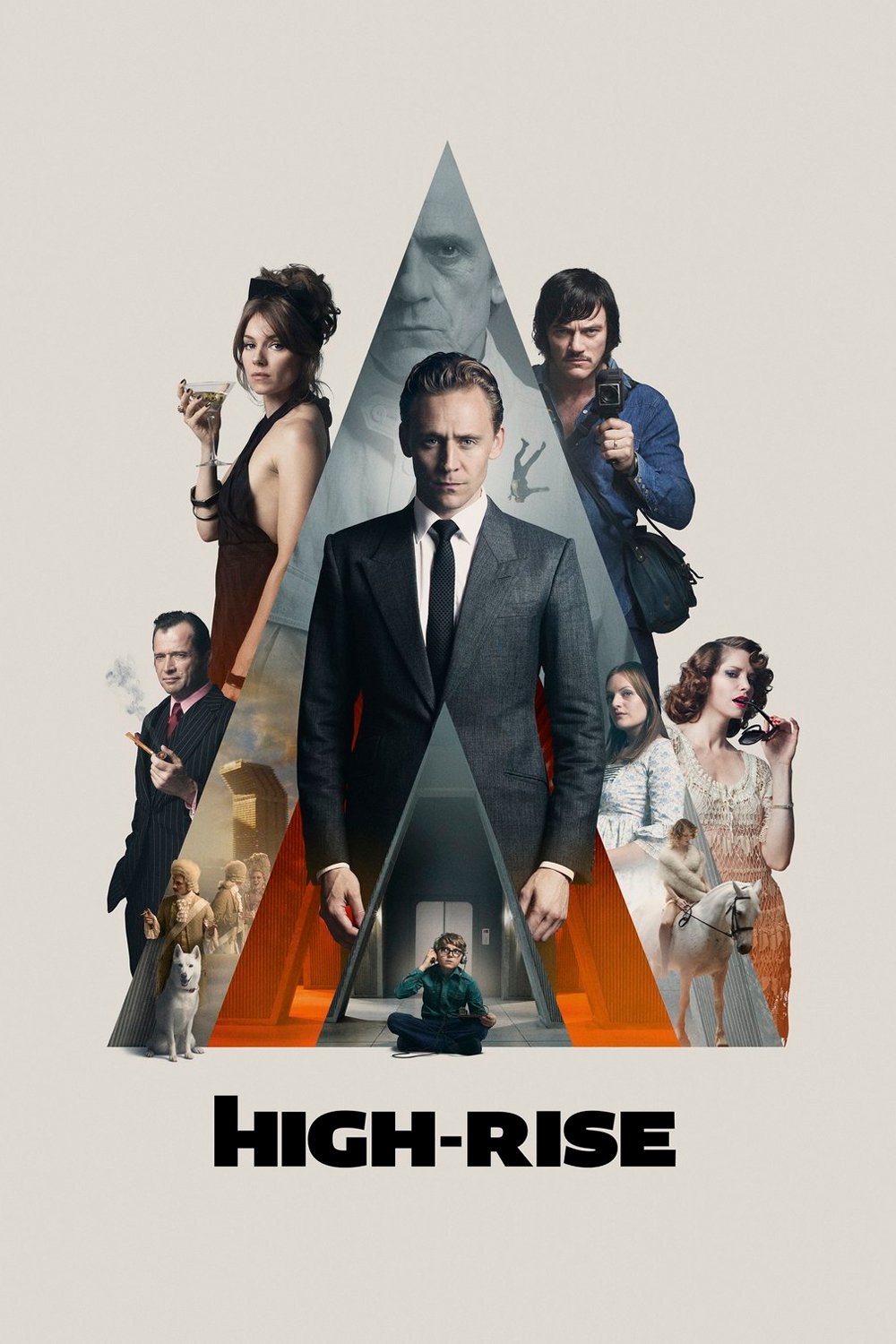
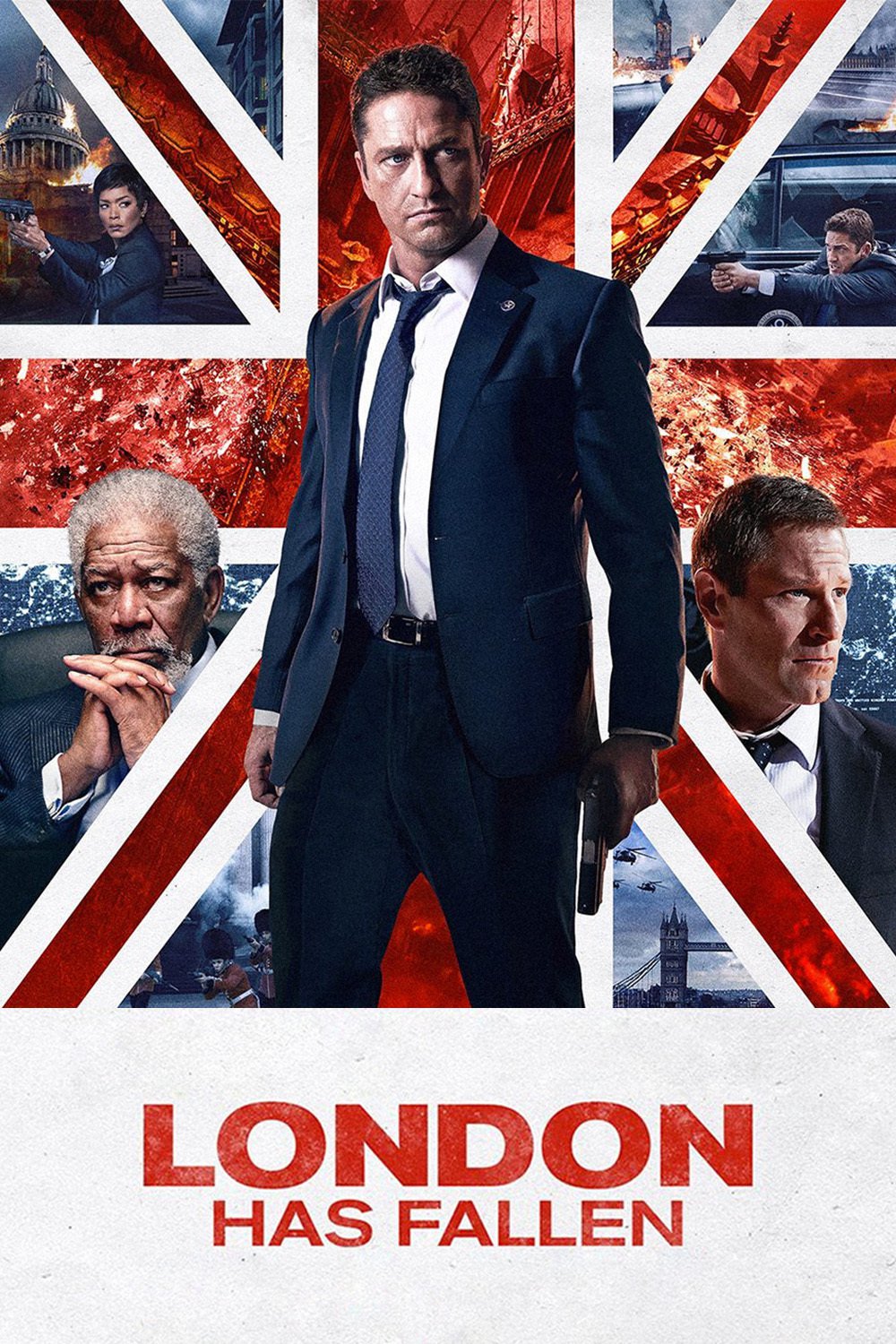
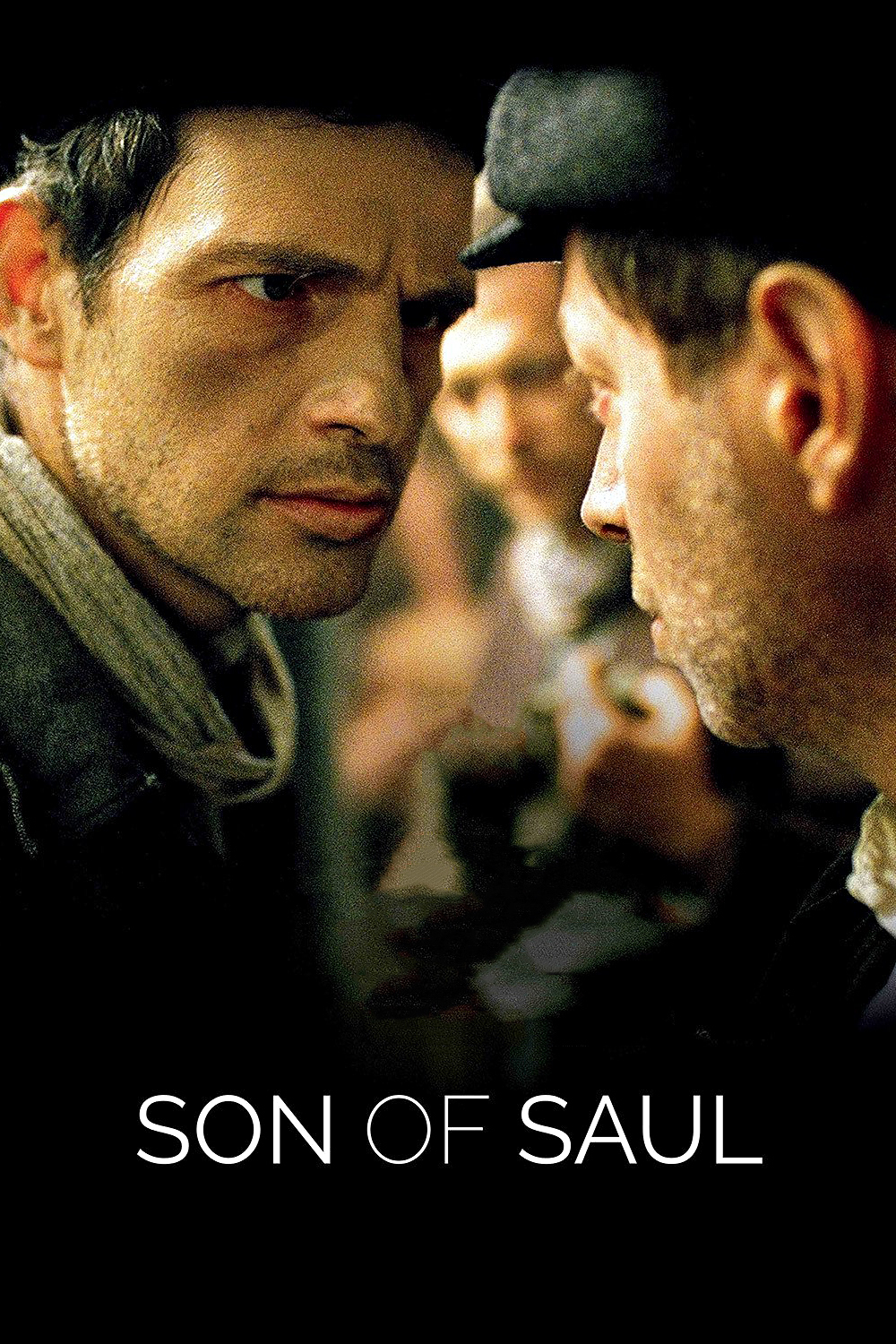
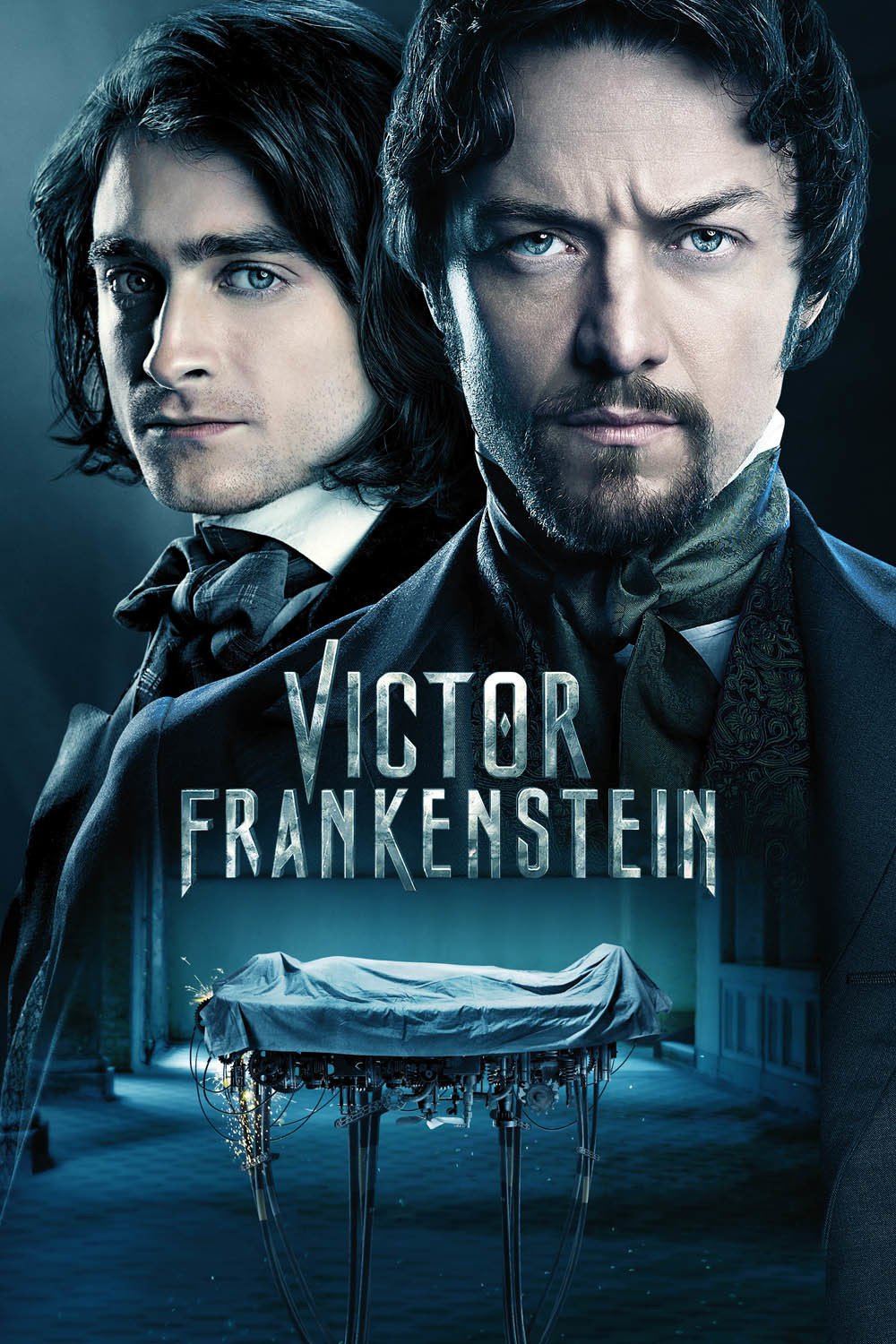
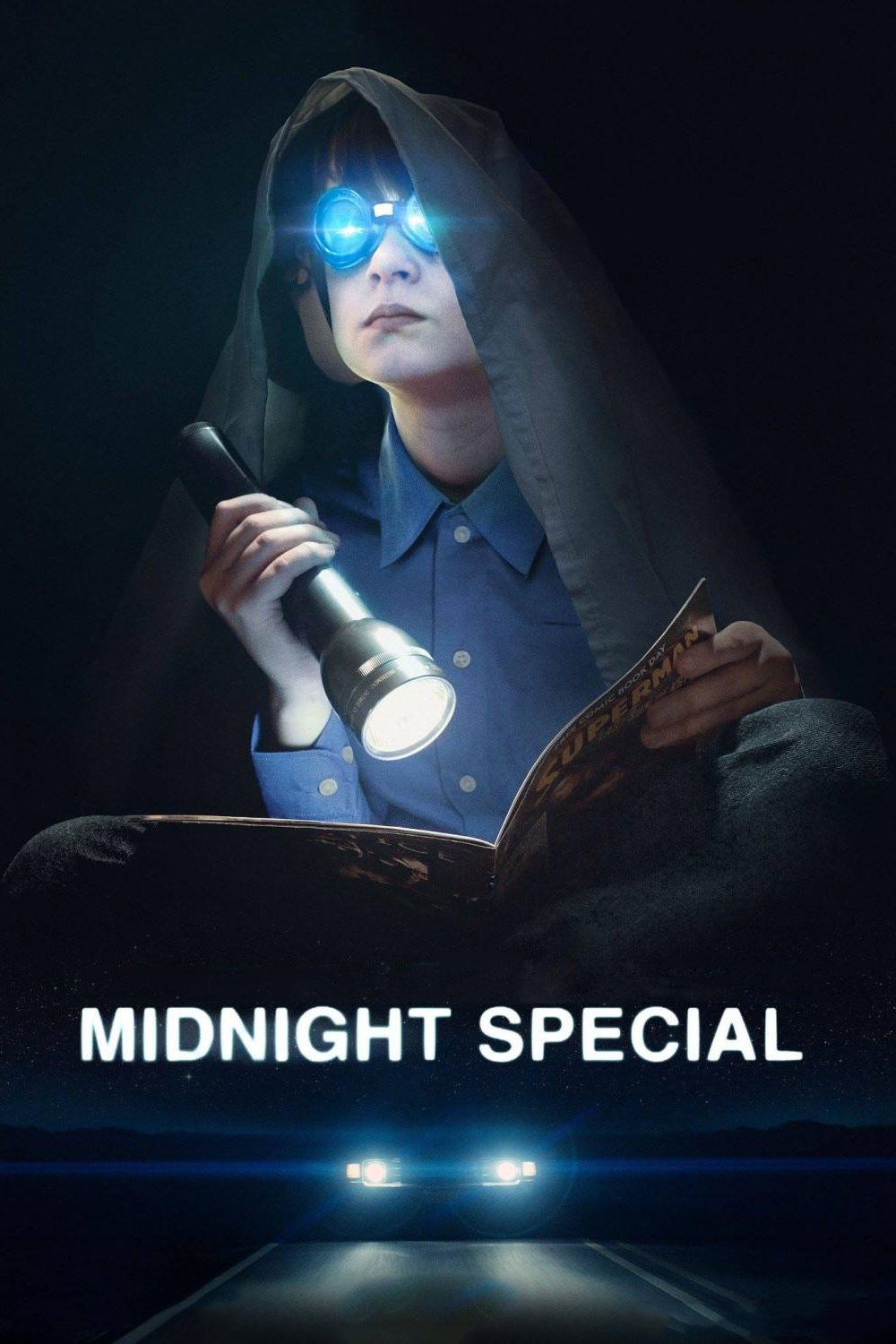
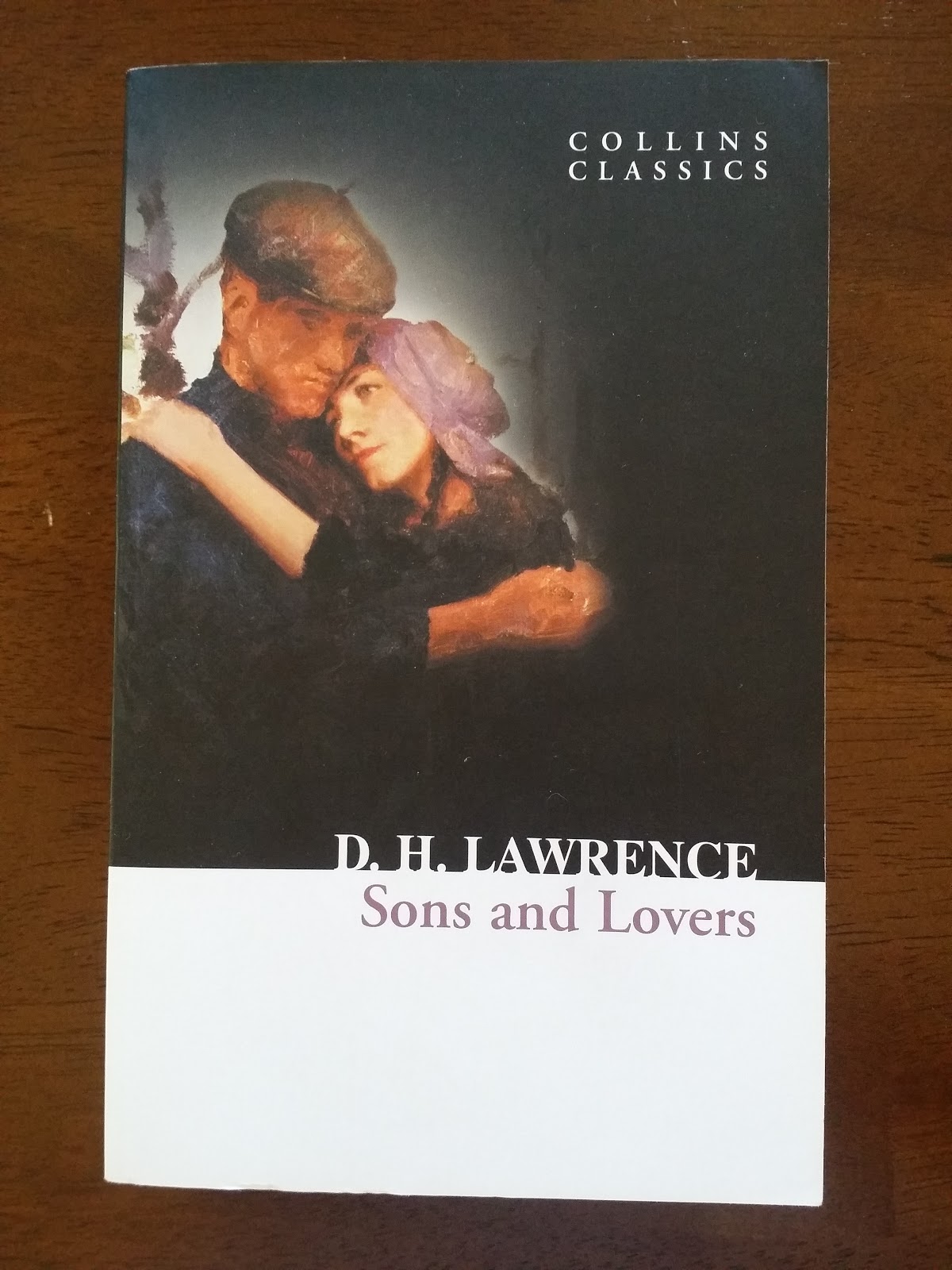
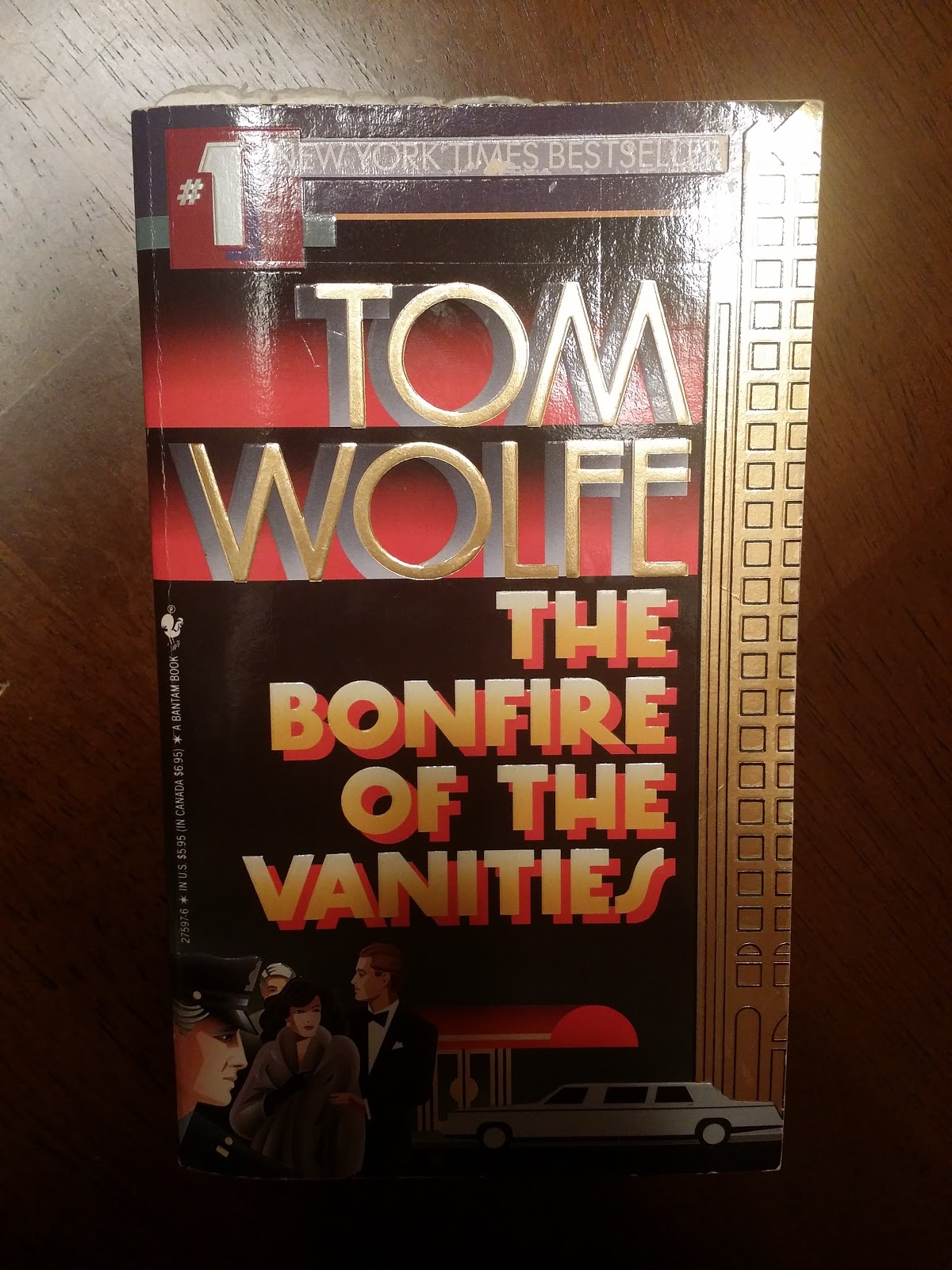
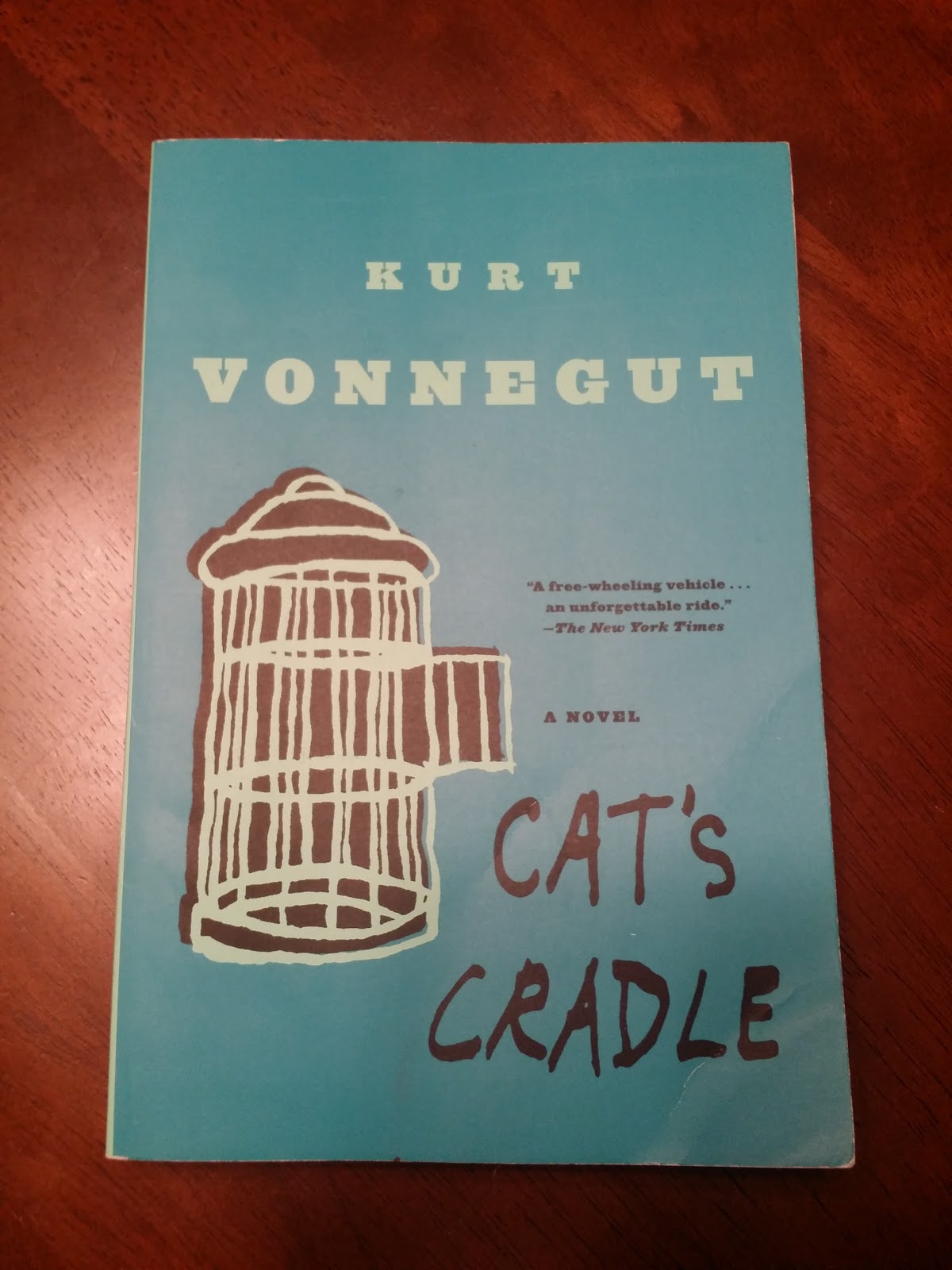
Quick takes on 5 films
The brilliance of a modern classic in Infinite Jest
I’ve finally just finished David Foster Wallace’s Infinite Jest. Took me a solid 4 weeks to read this one, and I’m not a slow reader. Coming it at over a 1000 pages (plus endnotes, and sometimes endnotes on the endnotes!), and an often convoluted narrative, it isn’t the easiest read, but it is well worth the journey. It is an absolutely brilliant work, I think one of the truly great novels of the last half century.
This will be a very different kind of synopsis, because I won’t say anything about the book at all. Much of what makes this book exciting is a series of plot revelations. There are big shifts in the story, and sometimes plot elements you thought were maybe going nowhere, end up being vitally important to the overall story. So while I won’t be saying anything about the story, I’ll instead write a little about where (I think) it came from and its lasting appeal.
I was first turned on to this novel from a film I saw last year, The End of the Tour, which was biographical about the author’s life just after this book was published. That movie was great, and it made me very curious about this book that was being applauded so heavily at the time it came out. In fact, when I had about 100 pages left in the book, I went back and re-watched the movie, and I got a very different feeling from it after having read most of the book now. Wallace was (he committed suicide in 2008) very introverted and obviously highly intelligent. He admitted to having an addictive personality (and many forms of addiction play a heavy role in Infinite Jest), but he also (in the movie) talks about people being spoon-fed entertainment and just taking it without thought or perspective. “The Entertainment” is also key to this novel.
So what does Wallace do with his ideas about entertainment and addiction? He writes this novel that leaves much to the reader to come up with their own conclusions. If you google reviews, most negative reviews rant that the ending is too sudden and leaves too much open to interpretation. I feel that is exactly what Wallace wanted. And really, the answers are all there if read carefully and in-between the lines, though a lot of it is easily missed because parts might be buried in drug-induced ramblings or dream-like hallucinations. I tend to think that even though the book is hefty and long, there really isn’t much in there (if anything) that doesn’t deserve its place. Many times seemingly innocuous passages end up having a strong impact on the reader’s understanding of how it all fits together, even though you might not know it at the time. Which means re-reading the whole damn book again (which I will be doing some time in the next year, while it is still fresh in my mind). So that takes me to my final observation.
Wallace wants us to grow with his novel. He wants us to think for ourselves. He does give us all the keys to understand Infinite Jest, but he doesn’t just map it all out for us, and sometimes doesn’t even show us the doors that those keys open. It is up to the reader. Having read it, I googled interpretations of the ending, and there are many, and what was beautiful about the whole experience, my own was not in the majority. I think Wallace would be ok with that too.
Quick takes on 5 films
James’ Wings of the Dove is hard to read, but ultimately worth it
My first Henry James read, one of the greats. I have to say after reading The Wings of the Dove, James is obviously brilliant when it comes his grasp of the English language. I’ve never read a book that was both so hard to read, yet so rewarding for its substance. To say James is “wordy” is an understatement, with extremely long sentences that never quite become run-ons, paragraphs that go on for pages, and even his characters often repeat each other to lengthen it further (“You mean she did not wish to see you?” “Yes, she did not wish to see me.”). This novel demands your full attention, you cannot have the tv on in the background, or any distraction around you. Even so, I had to go back and re-read sections often, just because my mind would wander. But at no time did I feel frustrated or bored, James is just that good.
The novel follows a small group of characters in England. Kate Croy is a beautiful young woman, with unfortunately no family fortune to elevate her status, her dad having squandered their money on drugs. She is watched over by her Aunt Maud, who will only let her marry to further her station. However, Kate is secretly in love with Merton Densher, a poor writer, and so far has been rebuffing Aunt Maud’s pick for her, Lord Mark.
Densher goes away to the USA on a writing assignment, and there meets a lovely, young, very wealthy woman named Milly Theale, and her traveling partner Susan Stringham. Susan and Maud are old friends, and when they come to England, the whole group meets up. Here we learn that Milly is ill, in fact dying from some unknown illness, but she doesn’t let on. Somehow Kate suspects it though, and tells Densher to get close to Milly, to woo her even. Lord Mark tries to propose to Milly, but by then she has all ready started to fall for Densher and declines. The group travels on to Venice as a vacation, mostly because Milly wants to experience all of life before her death.
As Milly’s condition worsens, the others start to realize something is up. Kate and Maud return back to England, but before leaving, Kate tells Densher her whole plan. She wants Densher to marry Milly, who would then leave him her fortune upon her death. Densher is shocked, but agrees to go along with the plan despite his misgivings. It goes awry though when Lord Mark comes to visit Milly, and tells her that Kate and Densher have been secretly engaged this whole time. She is heartbroken, meeting Densher once more before he sets back off to England. She dies while he is en voyage.
When he gets back, he confronts Kate. He has received a letter from Milly, written on her deathbed and as yet unread by him, and he wants to know if Kate told Lord Mark of their engagement, as no one else had known. He asks her to confirm or deny, which she refuses, and instead tosses the letter into the fire before he can read it. Densher tells Kate that Milly has still left him a lot of money, but that he cannot accept it because of what he has done. He tells Kate that he will still marry her, if she too refuses the money, however, if she chooses, she can take the money and Densher will leave her. The ending is somewhat cryptic, but Kate does say something along the lines of their lives not turning out as planned, hinting that she will take the money and leave Densher. (Of course, it could also mean that she will marry him and be poor. The joys of interpretation!)
As I said, I thoroughly enjoyed this novel, even with it being one of the more challenging books to get through. I’ve quit books that weren’t this hard to read, but James keeps your attention through it all. If you can stick with it, it is a rewarding experience.