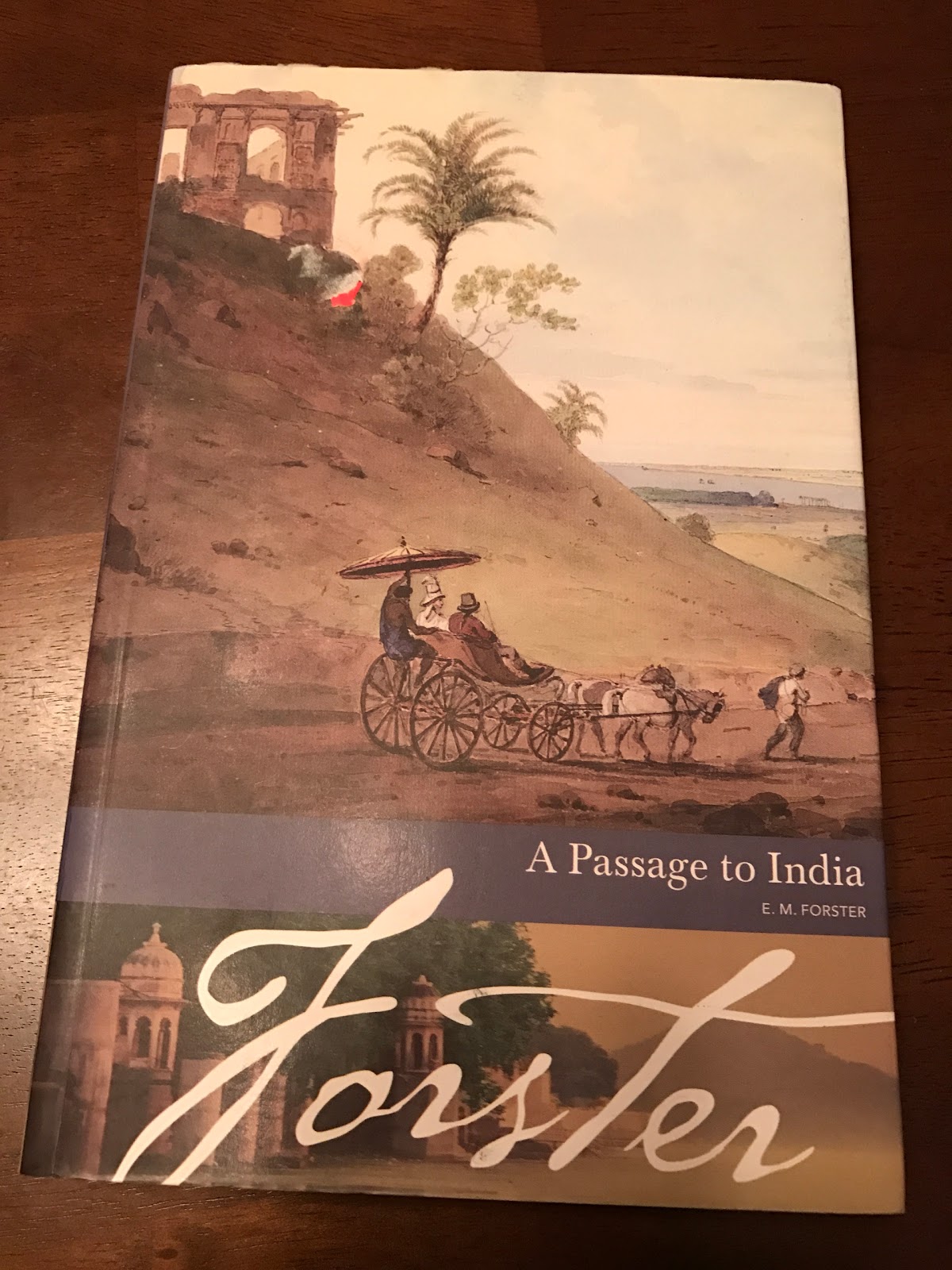
Friendships examined in EM Forsters’s A Passage to India

I enjoyed this E.M. Forster book more than the last. A Passage to India is engaging and thoughtful, even though it became a slightly different novel in the end than what I was expecting. Taking place during the British Raj in southern India, it is about the preconceived ideas England has of the Indian people, and likewise the notions India has for the English.

Aziz is a local doctor, popular among his people and good at his practice, but always kept at arms length by the “superior” English residents, even though he is a better doctor than their own. He runs into Mrs Moore, who is visiting her son Ronny, the local magistrate. Like most English, Ronny despises the Indians and thinks they are all crafty and trying to pull one over on everyone else. Mrs Moore doesn’t like India much either and can’t wait to get back to England, but she made the visit with Adela Quested, in hopes that Adela would marry Ronny. Aziz hits it off with Mrs Moore, and later Adela too, and promises to show them the real India that they can’t see when surrounded by the English. Aziz also soon befriends Mr Fielding, a professor at the local university who is the rare Englishmen who likes India and its people.

Aziz leads the ladies on a tour of the local caves, where Adela has a panic attack and claims to all that she was molested. Aziz, though innocent, is arrested and charged, and all of the underlying racial tensions in the area are brought to the forefront. Aziz hopes to use Mrs Moore as a character witness in his favor, but showing her true colors, she heads back to England, only to die in transit. At the trial, Adela admits she had startled in the cave and made the whole thing up, and Aziz is acquitted. He threatens to sue Adela for defamation, but Fielding convinces him not to. Both Adela and Fielding then take off back to England, and Aziz convinces himself that Fielding only held back Aziz so that he (Fielding) could still marry Adela for her money.

A few years go by. Aziz has washed his hands of the whole situation and moved to a new town. Fielding and his wife come to visit, and Aziz finds that Fielding did not marry Adela after all, but instead one of Ronny’s sisters. By the end, Aziz and Fielding laugh it off, and admit that they could be great friends, if only Britain did not govern India. They realize the racial strains on them will always cloud their thoughts of each other.

Published nearly 20 years after Where Angels Fear to Tread, you can see the changes in writing and style in A Passage to India. The former, while still well written, is choppy in spots, and Passage is much more descriptive and charming. Both took slightly different courses than I was expecting as the reader, which isn’t necessarily a bad thing, as both came off well in the end. The ultimate question of this novel, can two people of different backgrounds ever set aside stereotypical thoughts and become true friends, does get answered by the author, though I would hope we have come a’ways since 1924.
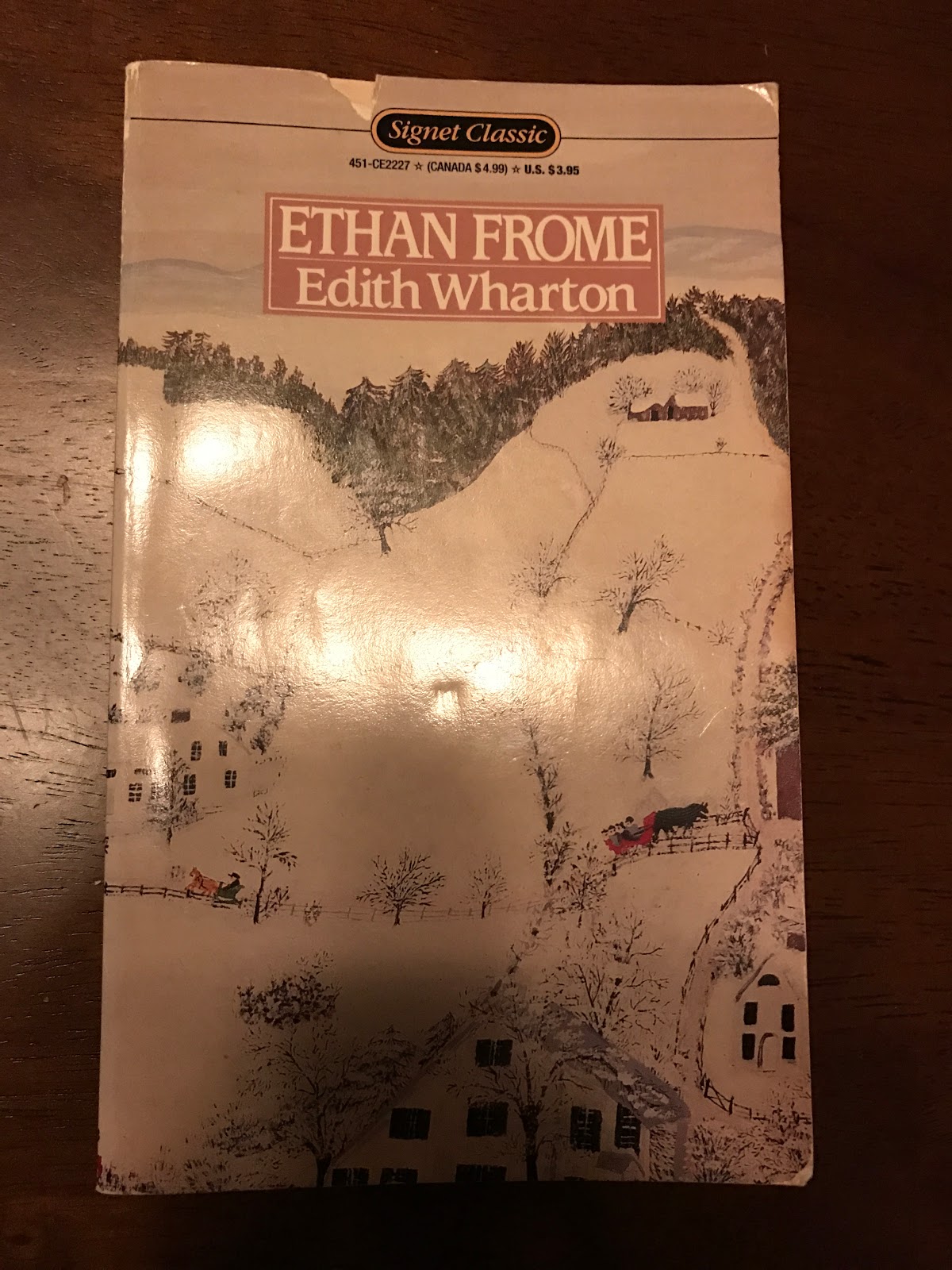
Wharton’s Ethan Frome comes to a tragic ending

Edith Wharton’s Ethan Frome is a very short, very quick read, but an enjoyable one. It starts in the first person, with a person coming to the small town of Starkfield on business. He notices a local named Ethan Frome, who limps around and keeps to himself, but whom no one in town wants to talk about. The majority of the story is then told in a flashback, going back 20 something years to when Ethan was a young man.

Ethan runs the local wood mill, but struggles to make ends meat. His wife Zeena is always sick, and spends a lot of money on the latest cures to heal her latest, curious ailments. Her cousin Mattie lives with them to help take care of the house. Zeena is a bit of a nag, as she thinks Ethan doesn’t do enough to help her and she belittles the work he does. Ethan, tired of her constant stinging, sees Mattie’s bubbly personality as a welcome change. The two lead a subtly flirtacious life, until Zeena gets wind of it and tells Mattie she must leave. Broken up, Ethan is driving Mattie to the train station when they finally openly admit their feelings for each other. They try to prolong their time together by sledding down a hill, and Mattie says if they cannot live apart, then they should not live, and Ethan agrees and aims his sled for a large tree.

The final epilogue goes back to present day, back to first person by the newcomer. He is visiting Ethan’s home (the limp was a result of the accident). He hears a nagging in the next room and we think it must be Zeena still, but we quickly learn that it is Mattie. She was paralyzed in the crash, and has been stuck with Ethan and Zeena all these years, growing bitter over that time. Due to his limp hurting his business, Ethan is even poorer now than he was, and Zeena has found the strength to take care of everyone.

A tragic novel (actually more of a long short story at about 100 pages). Iis easy to get swept up in Ethan’s plight in the past, and feel sorry for how his life has turned out, though obviously at his own fault. Wharton’s style is simple in its own way, yet very detailed and easy to read. A nice little book.

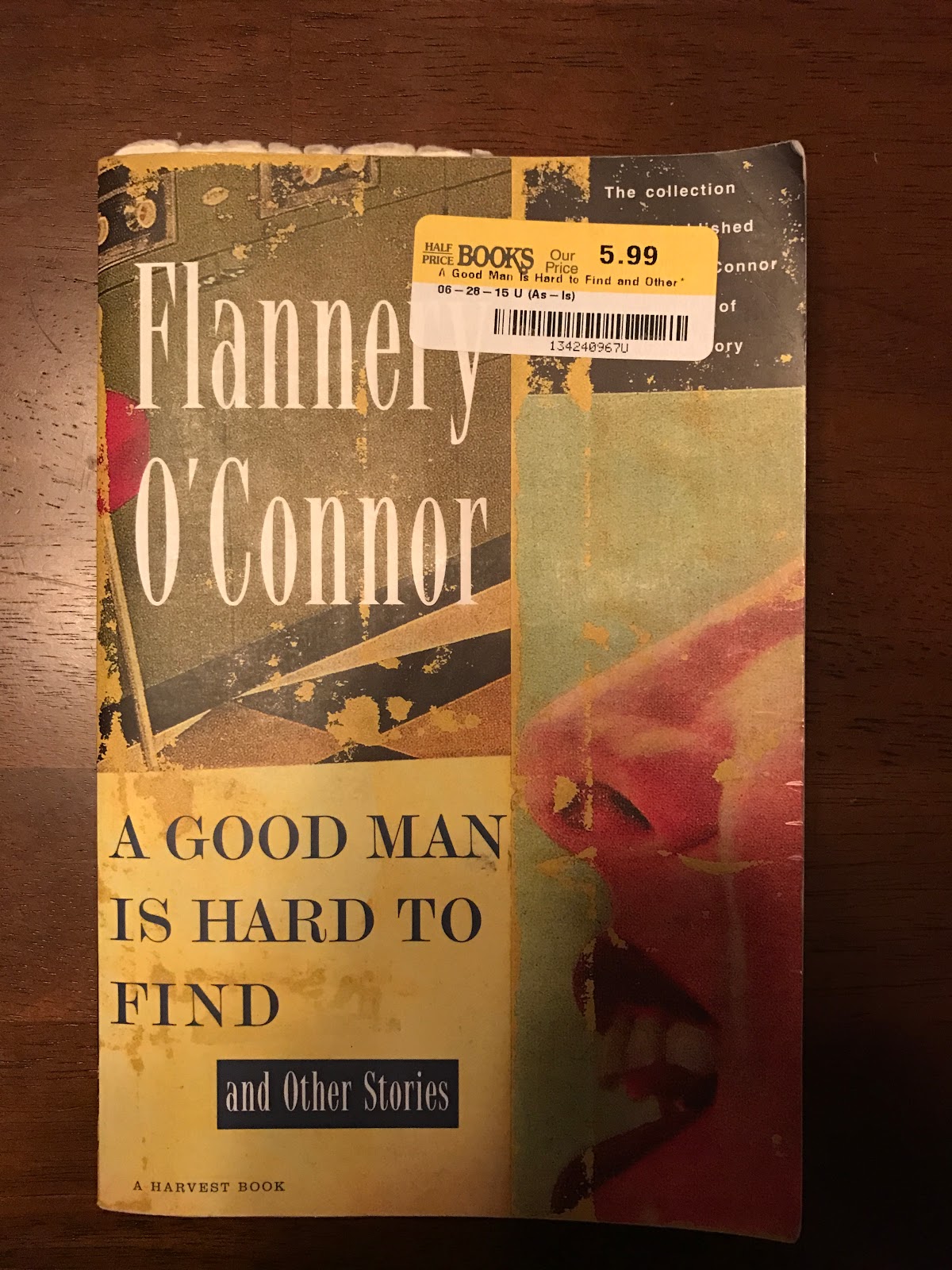
Well written short stories in O’Connor’s A Good Man Is Hard to Find

I enjoyed A Good Man Is Hard to Find by Flannery O’Connor, for several reasons. It is a book of short stories, and being published in 1955, is a little “newer” than what I’ve been reading lately, and a little more accessible. Having said that, all of the stories inside hold deep meanings that can be missed if you blow through the novel quickly.

The book contains 10 relatively short stories, the first being the title of the novel. They deal a lot with morality, religion, and human nature (O’Connor was a devout Catholic). A common thread seen in several stories is a good samaritan betrayed by an evil person with ill intentions, however even here, we sometimes get the idea the samaritan isn’t as good as advertised.

The only part that really bothered me is O’Connor’s writing is pretty heavily racist. It is easy to see why, as she was raised in the deep south in the early 20th century, but it is hard to read some passages. Lots of “n” words thrown around in conversations, but it does show a glimpse of that time in that place. If you can look past that, and I know not everyone can or would want to, it is a well written novel with plenty to keep you pondering after you finish it.

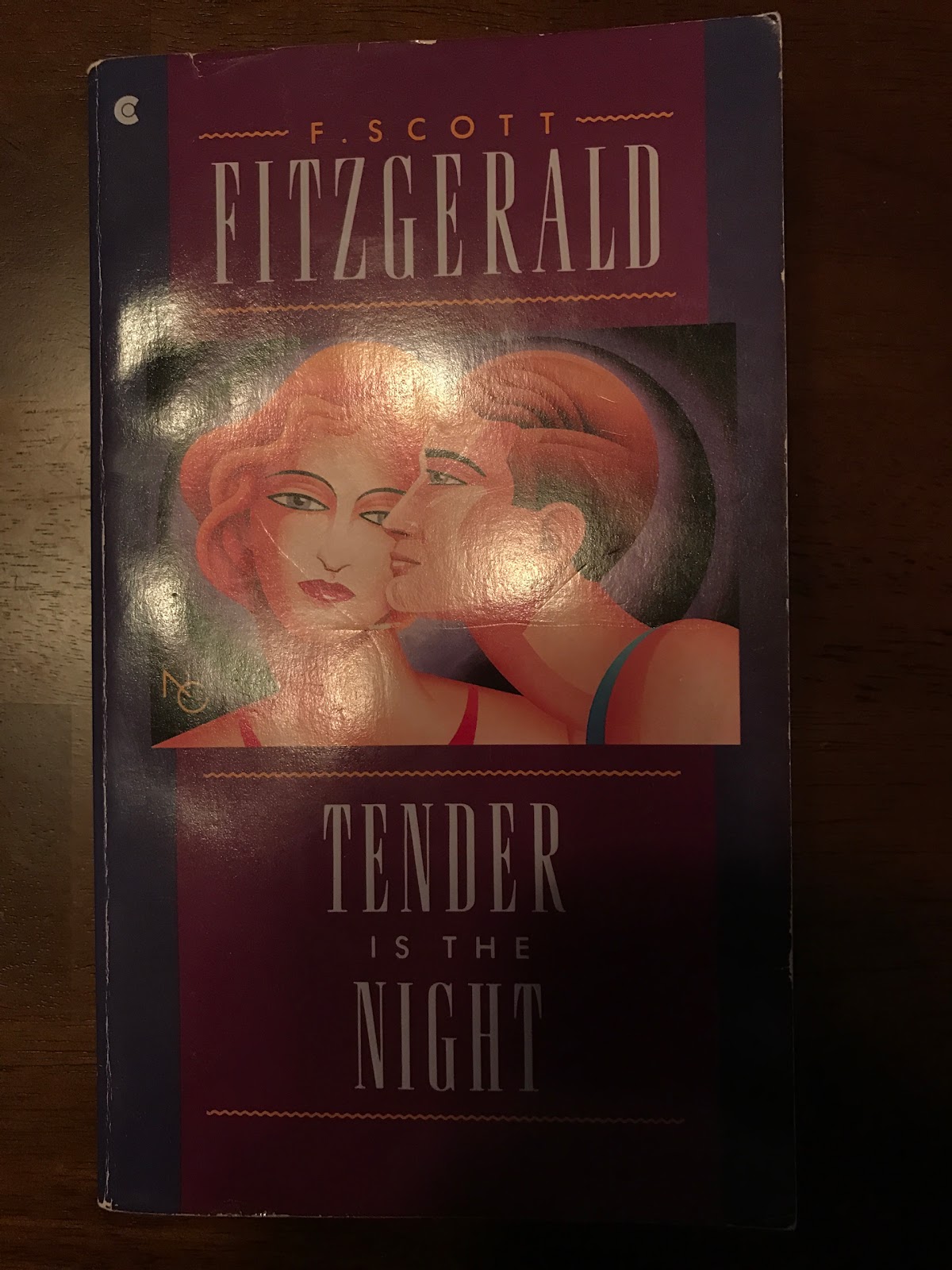
A personal story in Scott Fitzgerald’s Tender is the Night

Tender is the Night is the third book I’ve read by F Scott Fitzgerald, and probably one of his most well regarded outside of Gatsby. I recently watched a film titled Genius about the life of Thomas Wolfe, in which Wolfe says at one point that Scott’s writing is “safe” and doesn’t challenge the reader. That may be true, but Night is still brilliant.

Written at a time with Scott himself was struggling with alcoholism and also with his ailing wife Zelda, this novel tells the story of the Diver family. Dick Diver is a renowned psychologist who has married one of his patients, Nicole. Nicole comes from a wealthy family and Dick struggles with trying to provide for her in the way she is accustomed, without using her money. They are happy for the most part until Dick has an affair (first emotional, years later physical) with a young American actress named Rosemary. Throughout the course of the book, the reader tends to like Dick despite his shortcomings. Like Rosemary, we see him as a dashing young man, popular with everyone. However, I start to realize that of course his relationship with Nicole isn’t as healthy as it should be, as she adores him as her savior and can find no fault in him. We forgive him a lot, until it gets to a point that we realize he has been fooling us, along with everyone else around him. By the end of the book he is a drunk, no longer treats his wife well, and has become an outcast in society due to his rude behavior. Nicole, no longer a victim of her mental health problematic past, leaves him abruptly. When it happens, Dick isn’t even surprised.

This was the last novel Fitzgerald finished in his life, and it was obviously heavily influenced by his struggles in the late 20’s and early 30’s (the book was published in 1934). In 1930 and again in 1932 his wife spent time in a psychiatric ward, and perhaps by writing that Nicole survived the system and later thrived, Scott was hoping for the best for his own wife. A beautifully written novel from start to finish.

Quick takes on 5 films

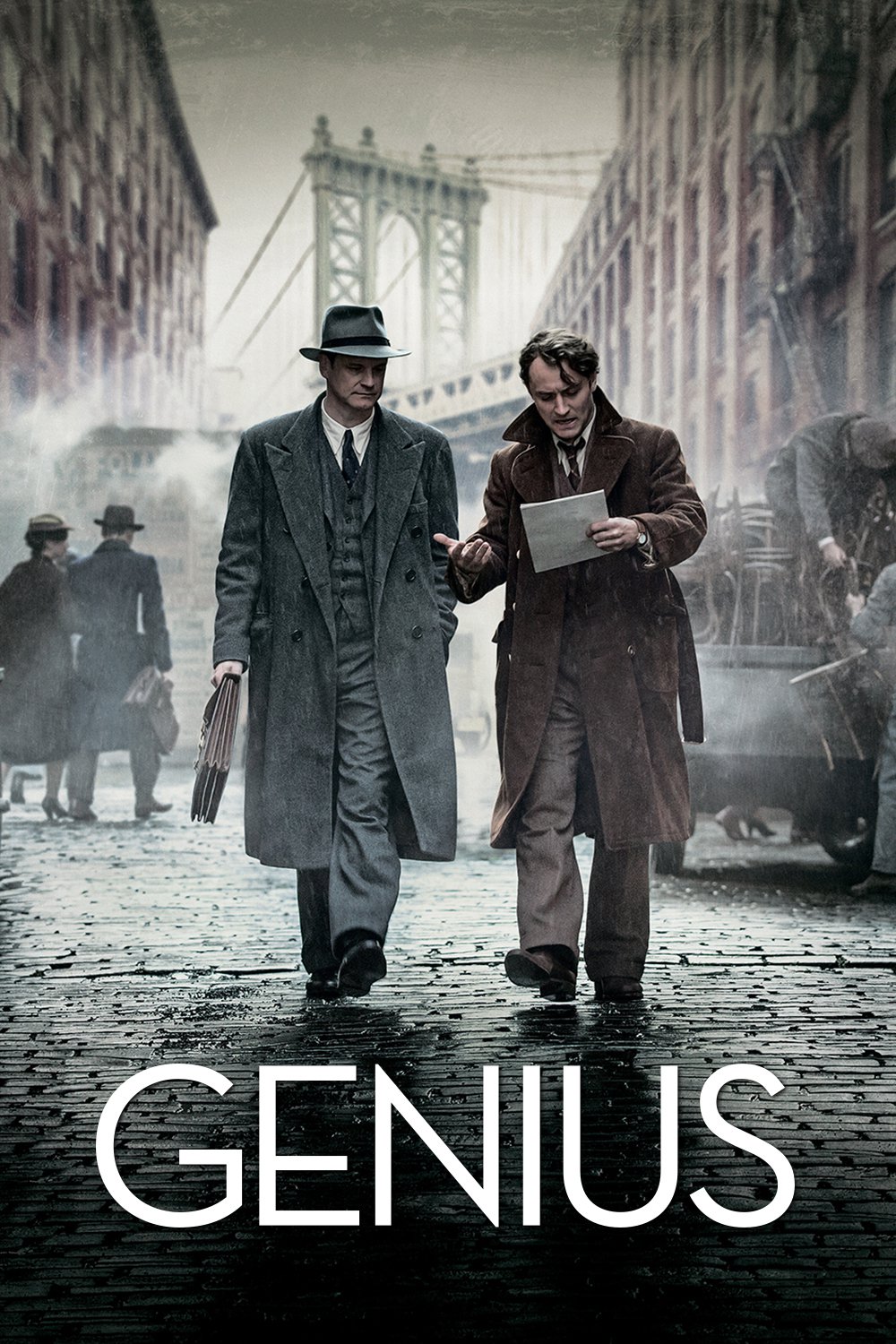
I greatly enjoyed Genius. Maybe perhaps because I am prone to heartfelt dramas, maybe because I am currently reading many of the authors shown in this film, but whatever the reason, I thought this movie was great. Mostly about the career of Thomas Wolfe, portrayed by Jude Law, it is about Wolfe’s publishing of his first two novels under the editing eye of Max Perkins, played by Colin Firth. Wolfe is one of the great American writers of the early 20th century, though these days, he is often an afterthought compared to his contemporaries of the time (particularly Faulkner, Hemingway, and Fitzgerald, I’m currently reading Tender is the Night…). I thought Look Homeward Angel was a fantastic read (my review is tucked away on this site somewhere), so I was intrigued by the idea of this movie. The film looks at Wolfe’s life and his live-for-the-moment attitude. He butts heads with Perkins who knows he needs to edit down his enormous manuscripts into something that can be published, and Wolfe’s brash manner rubs Fitgerald the wrong way too. In the end, Genius applies to both Wolfe’s prose and Perkins’ careful hand. A very well written film.

Now You See Me 2 is a movie about magic, yet lacking the magic of a good film. I am one of the few that really enjoyed the first one. It had great surprises and twists and a thrilling tale. This one just felt like lame parlor tricks. The twists are expected and even when they come, do not reach the heights of the first movie. Really do not waste your time with this one, the man is better left behind the curtain.

Equals is one of those films I knew I was going to like, I just have a soft spot for dystopian and/or post-apocalyptic films, and this is the former. I had to chuckle however that the premise is a society where people show no emotions and the lead actress is Kristen Stewart (tee-hee). Main characther Silas (Nicholas Hoult) goes about his life in a world where emotions have been eradicated. When emotions do pop up in an individual, they seek medical help, and if no help can be given, that person is removed from society. Silas starts to feel emotions and sees Stewart’s Nia also struggling. The two are drawn towards each other even though “coupling” is illegal. It’s a slow film, but I think it is so on purpose. Not a deep film and feels a bit like a teenage drama in the end, but I did enjoy it.

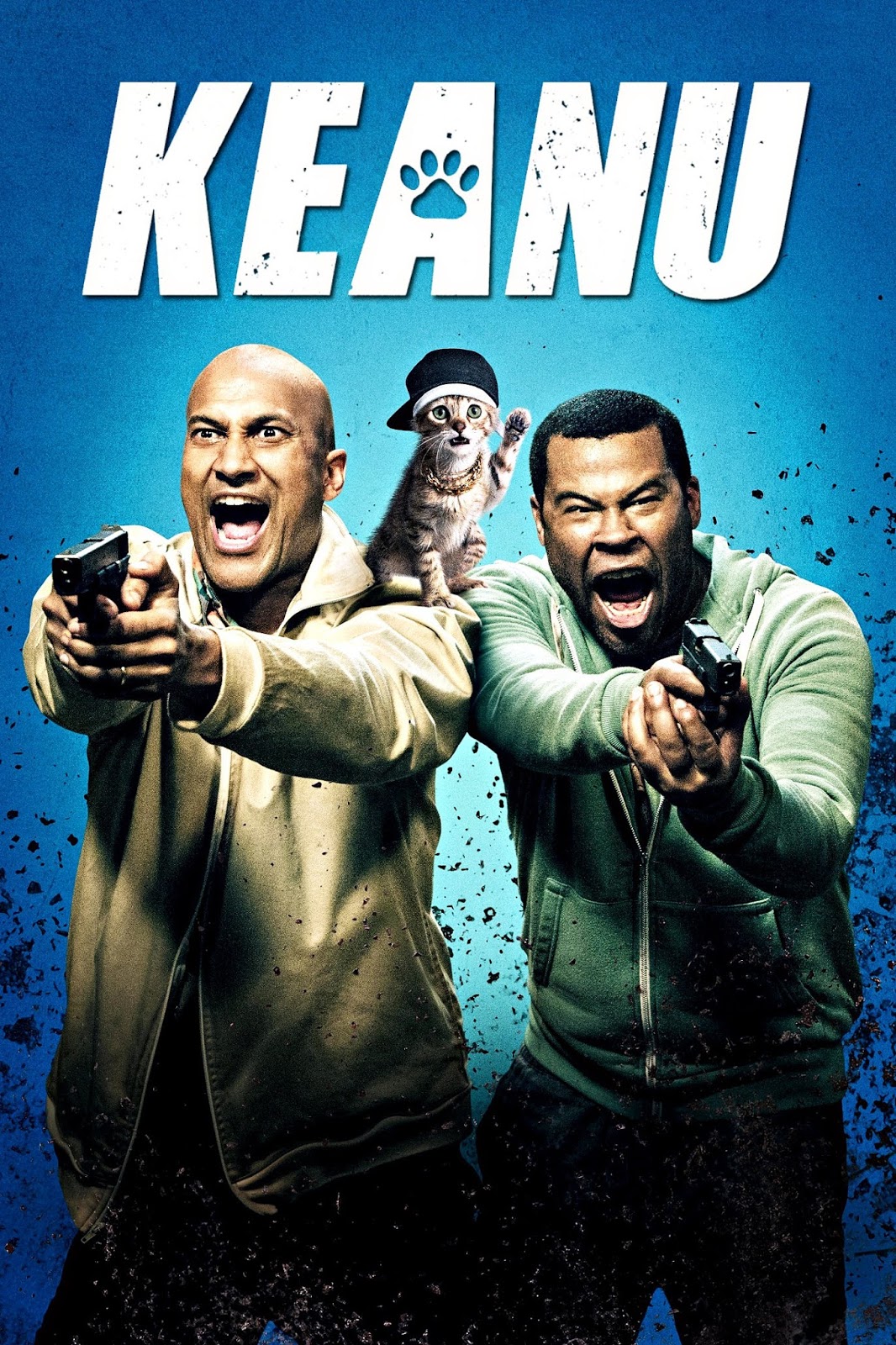
Keanu is a pretty funny movie with a fairly absurd idea. Starring the comedy duo of Key and Peele, they play cousins with fairly normal, boring lives. Peele finds a stray kitten (Keanu) and grows very attached, but they don’t know that the cat is also loved by a pair of gangsters that has recently killed a bunch of rival drug dealers. When the cat goes missing, the cousins enter the seedy underworld to get it back. Key and Peele are always hilarious and they deliver here. No deep thinking here, but you’ll find plenty of laughs.

I’ve only seen a few movies with Greta Gerwig, but she always seems to play some version of the same person. Same dialogue, same delivery of the dialogue, and same half-whiny voice. More of the same in Maggie’s Plan, where she plays a woman who loves to have a plan for everything. She wants a child more than anything, and when she steals Ethan Hawke from his marriage to another woman, she realizes she wanted his child more than him. She must then concoct a plan to get him back to his original wife. The film makes far too many leaps to be plausible even by romantic-comedy standards, and is quirky without the quirky-style laughs.

Quick takes on 5 films

Miles Ahead is an entertaining film, if not a very historically accurate one. Don Cheadle tells parts of the life of Miles Davis. Much of the film is made up, but some parts, especially those told in flashbacks, are fairly true if I recall, having read his autobiography years ago. The movie takes place in 1979 near the end of Miles’ “reclusive period.” Much of this seems to be fictional, but his flashbacks, which deal mostly with his first wife, seem more accurate. Miles was an entertainer and a forward-thinker in life and music, and really didn’t take shit from anyone. The film, even the fictional parts, do a great job of getting the essence of who Miles was, and Cheadle (who also wrote and directed, a first for him in both I believe) handles the story artfully.

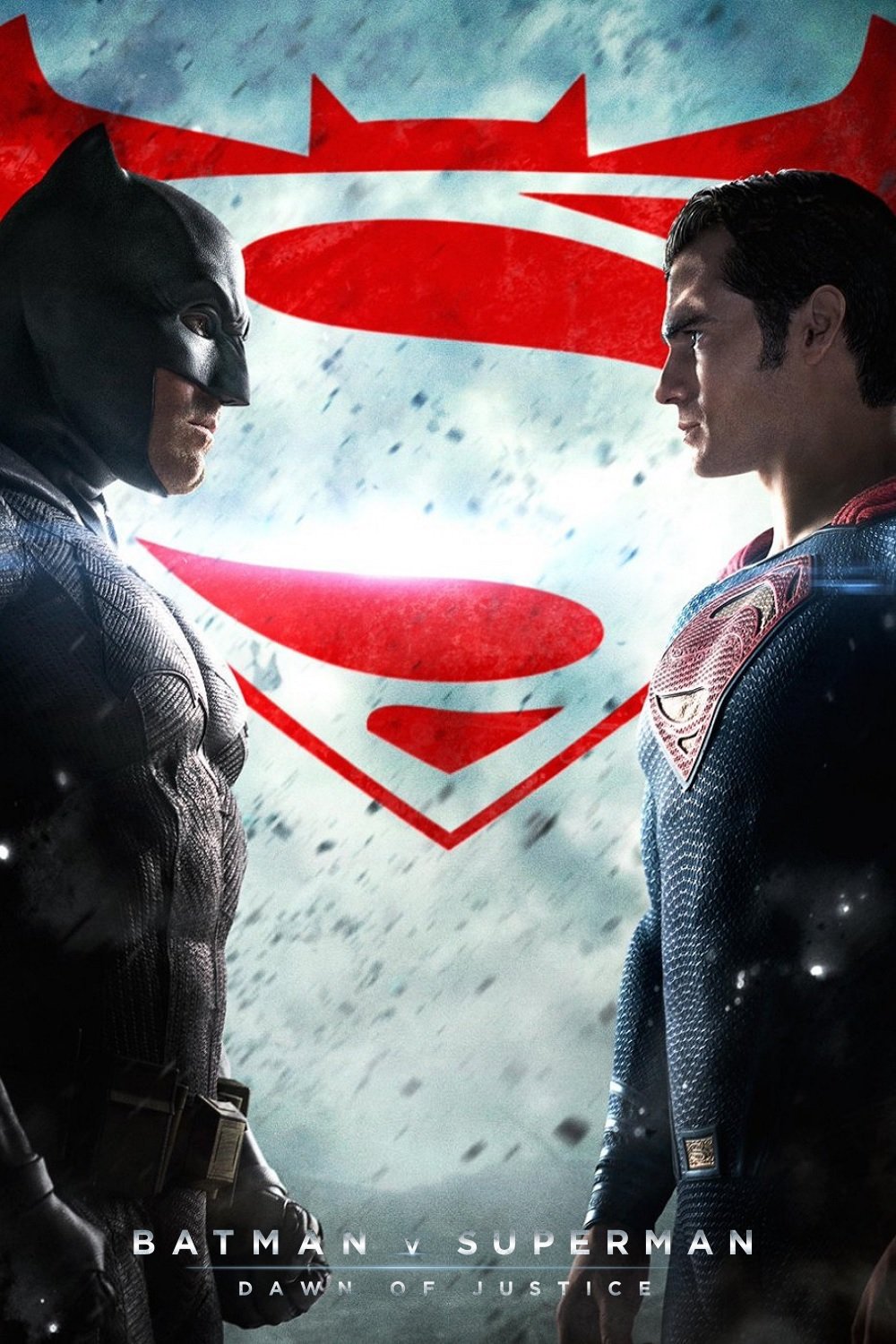
Batman vs Superman is much better than the dismal reviews it got. But then, while I’m not a comic book fan (never read a single one), I’m a glutton for superhero films. I do think they tried to cram 2, or maybe even 3 movies worth of material into this one. Since Marvel films have taken off, it seems DC is trying to hurry and catch up. Still enjoyable, if sometimes a bit disjointed and rushed. Batman is aging but still doing his thing, and he sees Superman as a threat, since no one can stop him if they needed to. Jesse Eisenberg is fantastic as the diabolical Lex Luthor, and Ben Affleck is superb as a somewhat more cynical older Batman. Very emotional ending that you don’t see coming either.

Demolition is a about a man, Davis, whose wife was just killed in a car accident. Even before the accident, Davis was just going through the motions of life, and has become emotionally detached to the point that he can now not even cry at his wife’s funeral. He becomes obsessed with tearing things apart, and while his life is in turmoil, he begins an emotional affair with a new woman, Karen. Karen is also in a life crisis with her growing teenage boy. As Davis starts to remember things about his wife, and also learn new parts of her life of which he is unaware, the whole strange spiral careems around. Jake Gyllenhaal is very good as Davis, the but movie unfortunately suffers from trying to do too much, and just comes off as dull in the end.

The Lobster is a dry, funny movie, but not for everyone. It takes place in a dystopian England, where law states people must stay together as couples. Anyone without a mate has 45 days to find a new one, or else they are transformed into an animal. Colin Farrell plays David, recently single after his wife has left him. David enters a resort to find a new mate. The inhabitants are all a little nutty, and couples really only pair up if they share a trait (good singers, like the same music, have a limp, etc.). Outside society, “loners” hide in the woods, and their rules are just as strict, if opposite (no coupling allowed). The quirky characters, yet sinister backstory, make for an interesting movie, and the film is a deep look at what love means, and people are willing to do for it.

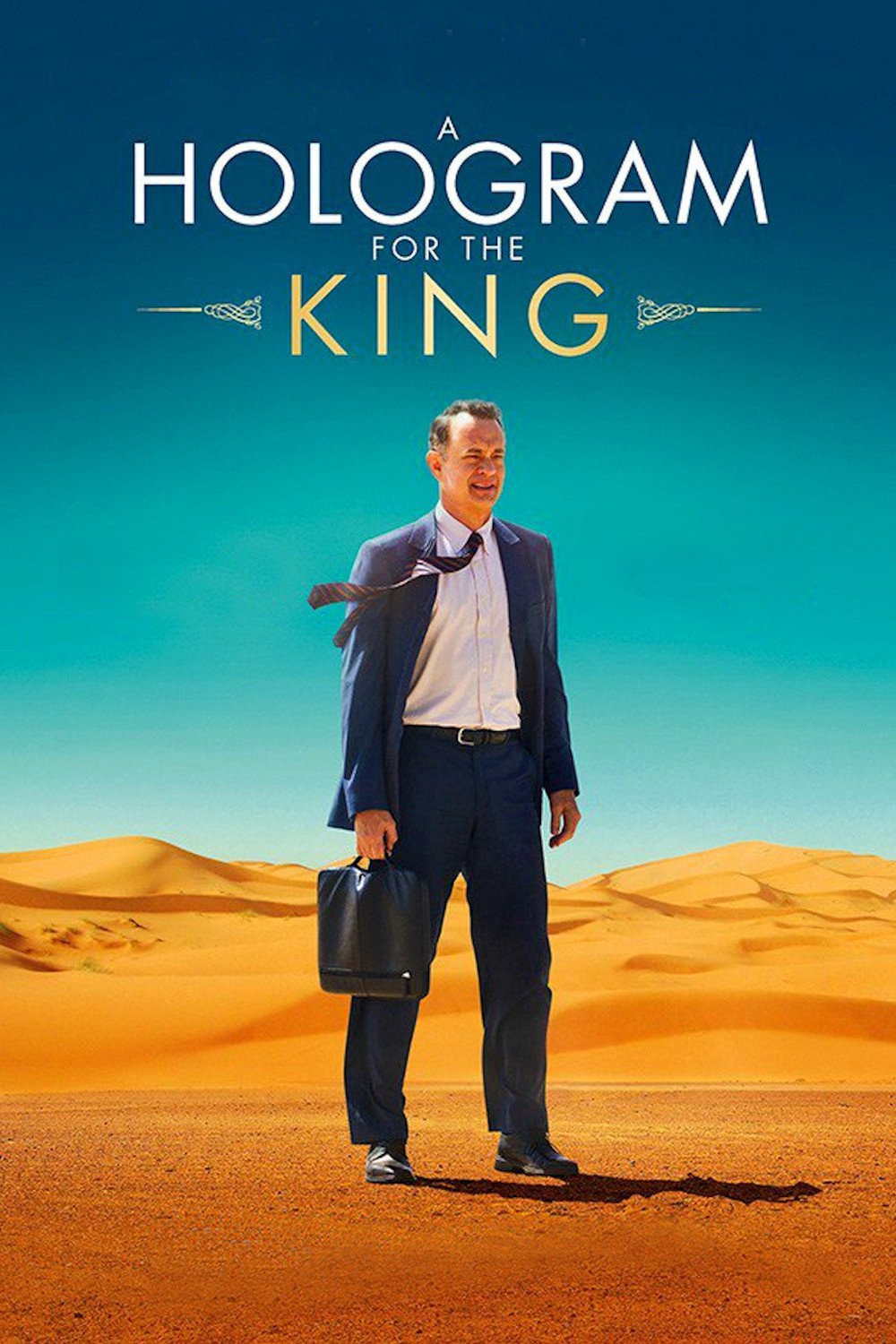
A Hologram for the King is about a businessman, Tom Hanks’ Alan, who goes to Saudi Arabia to close a big deal for his company. His career is a bit on the ropes and he needs this deal to get back on track professionally and financially. However, from the moment he arrives in SD, he is beset with problems and delays. The movie has a couple weird turns and some plot elements that don’t really go anywhere, but Hanks is still his riveting self. Unfortunately his acting is about the best thing to say about the film as a whole. Not a bad movie, but the ending, while ok, comes out of left field and most times you are wondering where the film is going.

Orlando is historically significant, boring to read

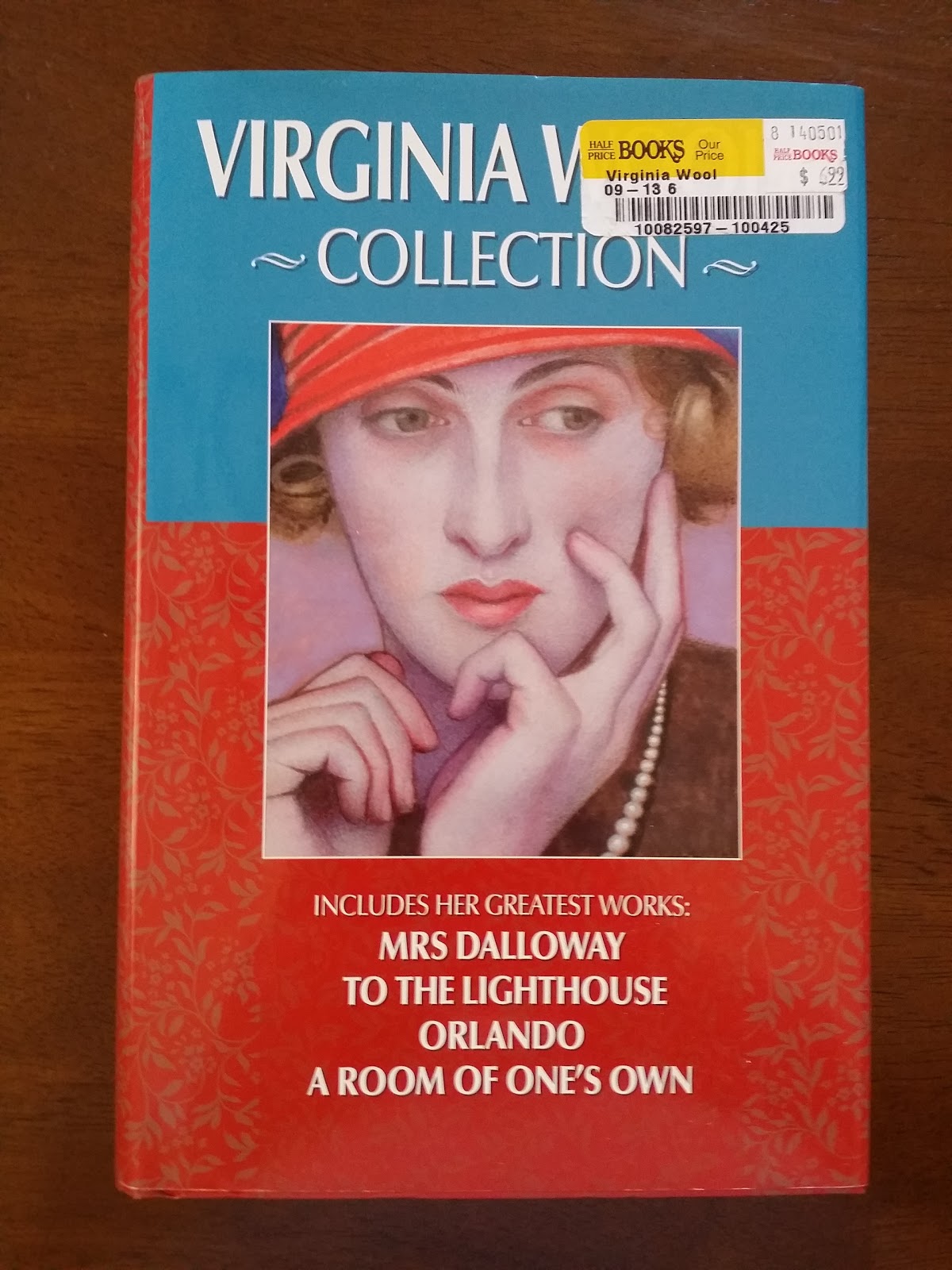
I can appreciate the historical and cultural significance of Virginia Woolf’s Orlando, but my goodness, blah blah blah. I found the book to be boring to the extreme. It is the fictional biography of Orlando and his/her life.

Orlando was born a boy in 16th Century England. Growing up loving nature and poetry, he isn’t a “manly man” but is a favorite of the ladies. He is also blessed with long life, only aging a couple decades over the course of 300+ years, though the book never explains why. After a failed romance with a Russian heiress, Orlando flees society and goes to be a diplomat in Constantinople. Living there for a few years, he goes to sleep one night during a revolution, and wakes up as a woman. Again, no explanation, but Orlando accepts it and goes on to live her new life.

Up to this point, at least stuff was happening in the novel. Afterwards, the plot slows down to a crawl. Orlando, always fascinated by poetry and intelligent thinkers, spends the rest of the book doing more thinking than doing. She shows equal love for men and women, finally finding a man much like her whom she marries.

Historically, it is accepted that Woolf wrote Orlando for her lover Vita. I can appreciate the significance of the book, written in the 20’s, showcasing women as being equal to men, and especially at a time with homosexuallity was more than just taboo, it was criminal. But still, definitely not a page-turner.

Quick takes on 5 films

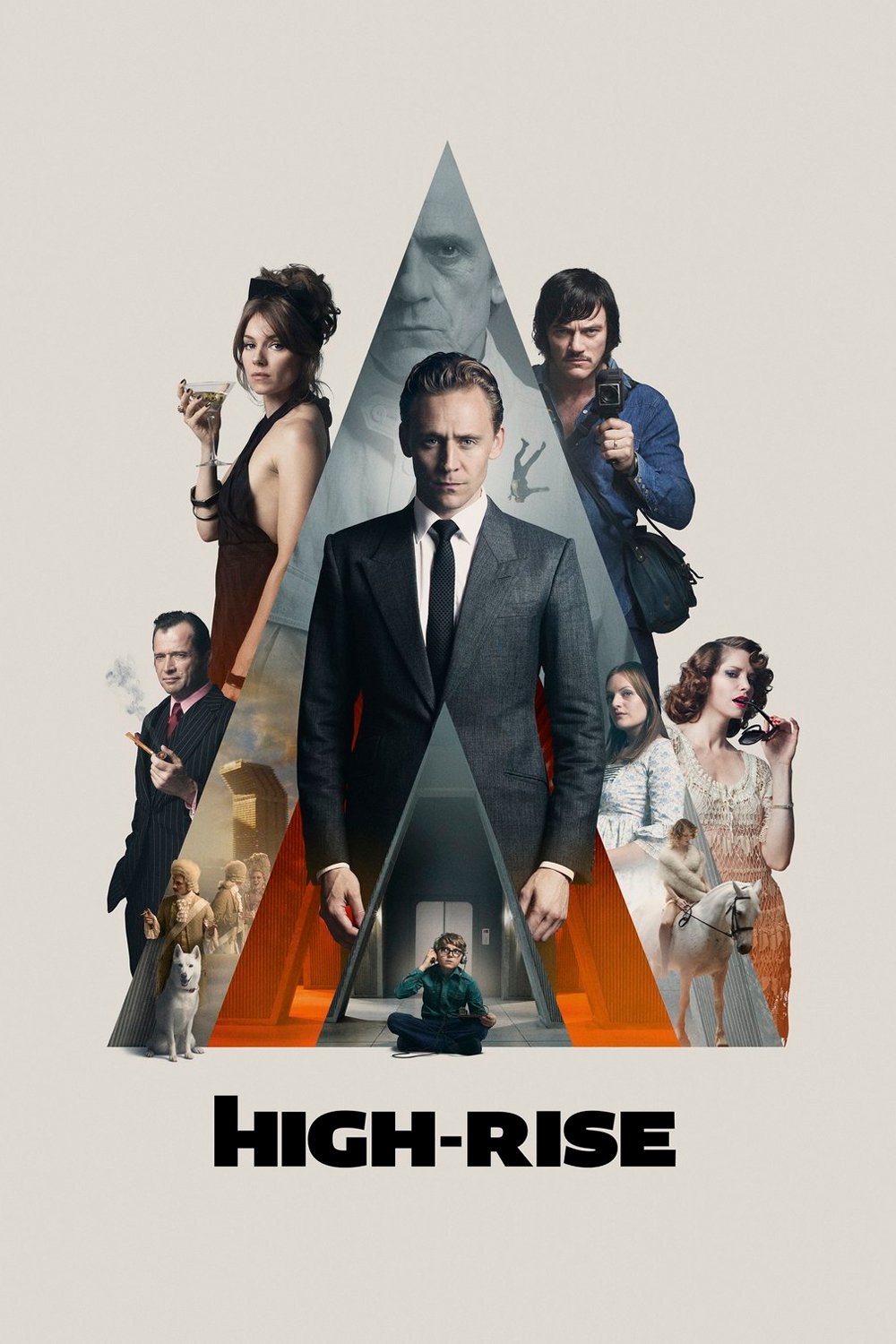
High-Rise is different, to say the least. It stars Tom Hiddleston as Laing, a new resident at an experimental self-contained community skyscraper, where the rich live at the top and the poorer at the bottom. The building has everything needed to live, from gyms to pools to a grocery store. From the beginning, we get a feeling that everyone inside is a bit crazy though, and the movie tenses it up with creepy, sinister-feeling music from the get-go. When power starts failing and the trash system goes out, allowing garbage to pile up at the bottom first, the lower levels start rioting while the upper levels keep on throwing weird parties like nothing is wrong. The film plays out almost like a Wes Anderson nightmare on hallucinogens, but it is fairly entertaining.

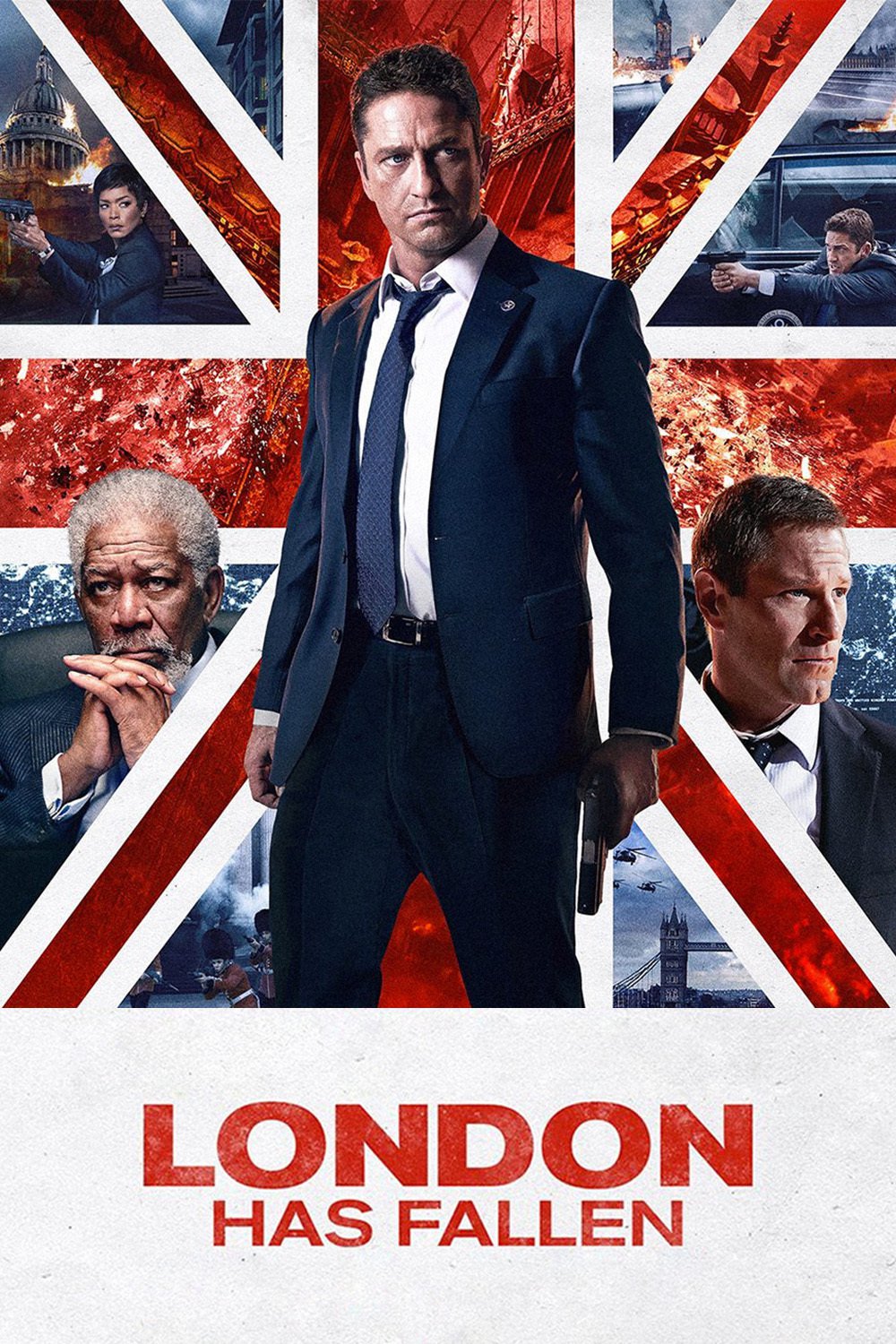
I enjoyed London Has Fallen much more than the reviewers. But then, I also liked Olympus Has Fallen, and I knew going in this wasn’t going to be rich storytelling or a cinematic masterpiece. It was going to be explosions and gunfights, and that’s what it is. Gerard Butler’s character once again is tasked with keeping the President alive, this time in a coordinated attack in the city of London. Butler does these kinds of movies well, and if you are a fan of the genre, you won’t be disappointed.

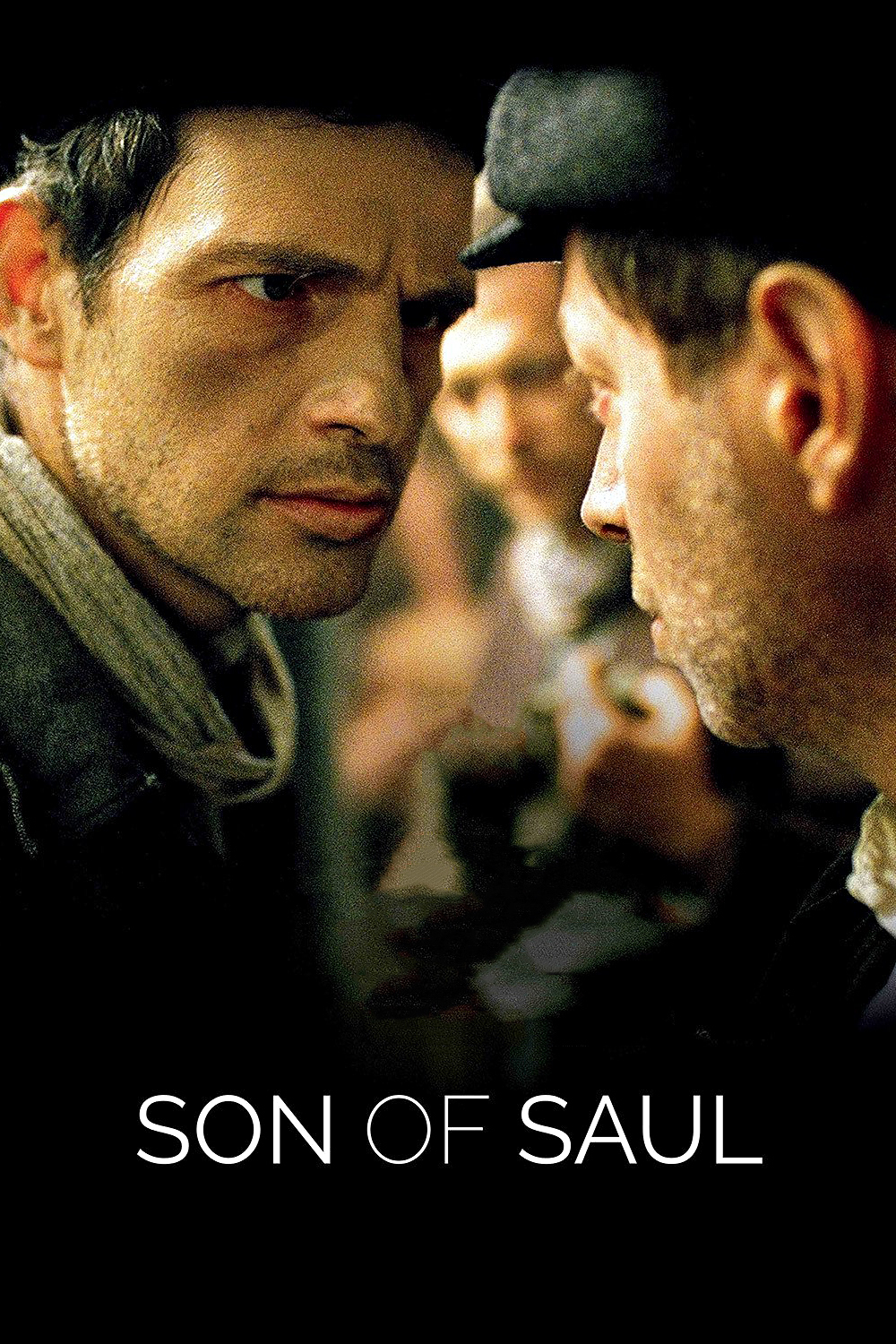
Son of Saul is last year’s Oscar winner for a foreign language film. Saul is a Hungarian jew in a concentration camp in Nazi Germany, where he is tasked with cleaning up the gas chambers after the mass killings. He sees a boy recently killed whom he recognizes (unfortunately the title of the film gives it away), and sets out to try to give the boy a proper burial, rather than be autopsied or burned. A riveting, if quiet, film, and I must warn you, the “happy” ending is a poignant one.

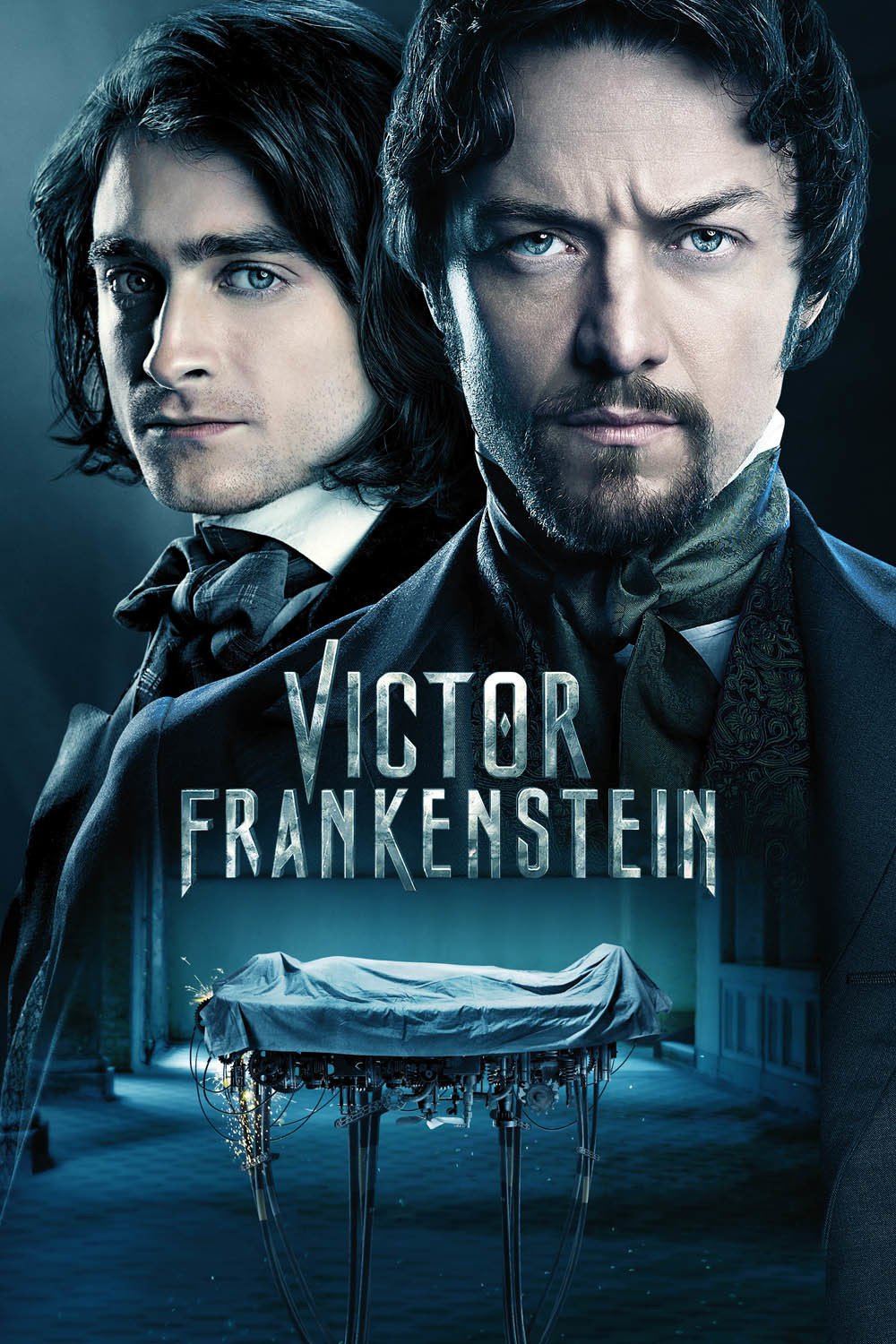
Victor Frankenstein is just sort of boring, and silly to boot. Despite awful reviews, I watched it because I think James McAvoy and Daniel Radcliffe are both good actors, but they couldn’t save this film. Igor (Radcliffe) is a circus freak until Dr Frankenstein (McAvoy) rescues him to be his apprentice in creating life from death. Igor is very thankful and a willing partner despite some misgivings. As the experiments go along though, other issues arise to split the duo. Unfortunately not much to really enjoy here, the movie just bogs down and never gets all that exciting.

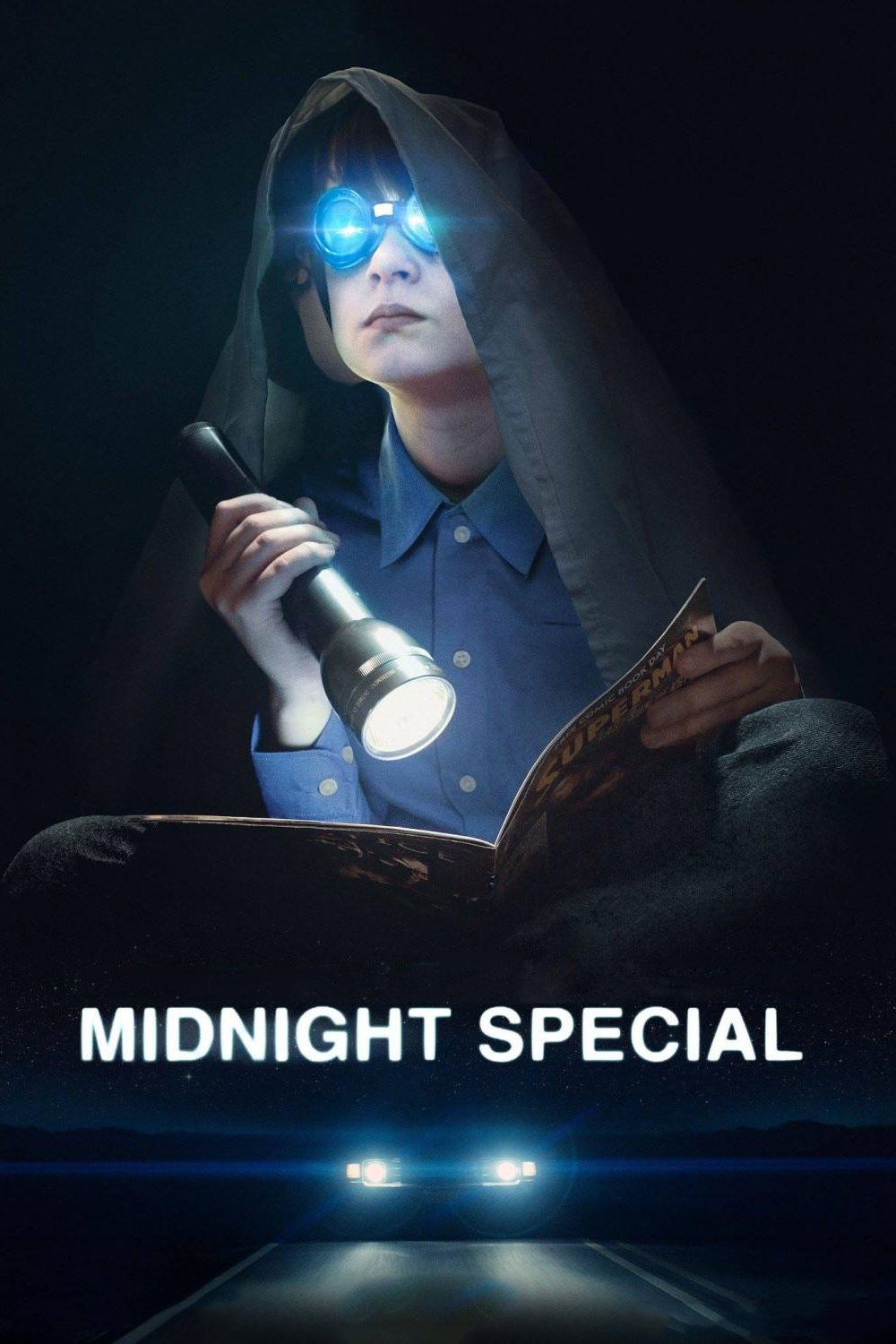
Midnight Special is about a boy named Alton who has special powers, or gifts, that others want to use to their own agenda. He can see things, and knows things, that he shouldn’t. In the beginning, he is kidnapped by a couple men who treat him kindly and seem to be the only couple truly looking out for him. I don’t want to give away Alton’s abilities or what ultimately is the reason behind them, as all is told as the movie develops. The film is an ambitious idea, but for die hard sci-fi lovers, it feels like an idea that has been played out before. It does feature a great cast of Michael Shannon, Kirsten Dunst, Adam Driver, Sam Shepard, and upcoming Jaeden Lieberher as Alton.

A mothers manipulations in Sons and Lovers

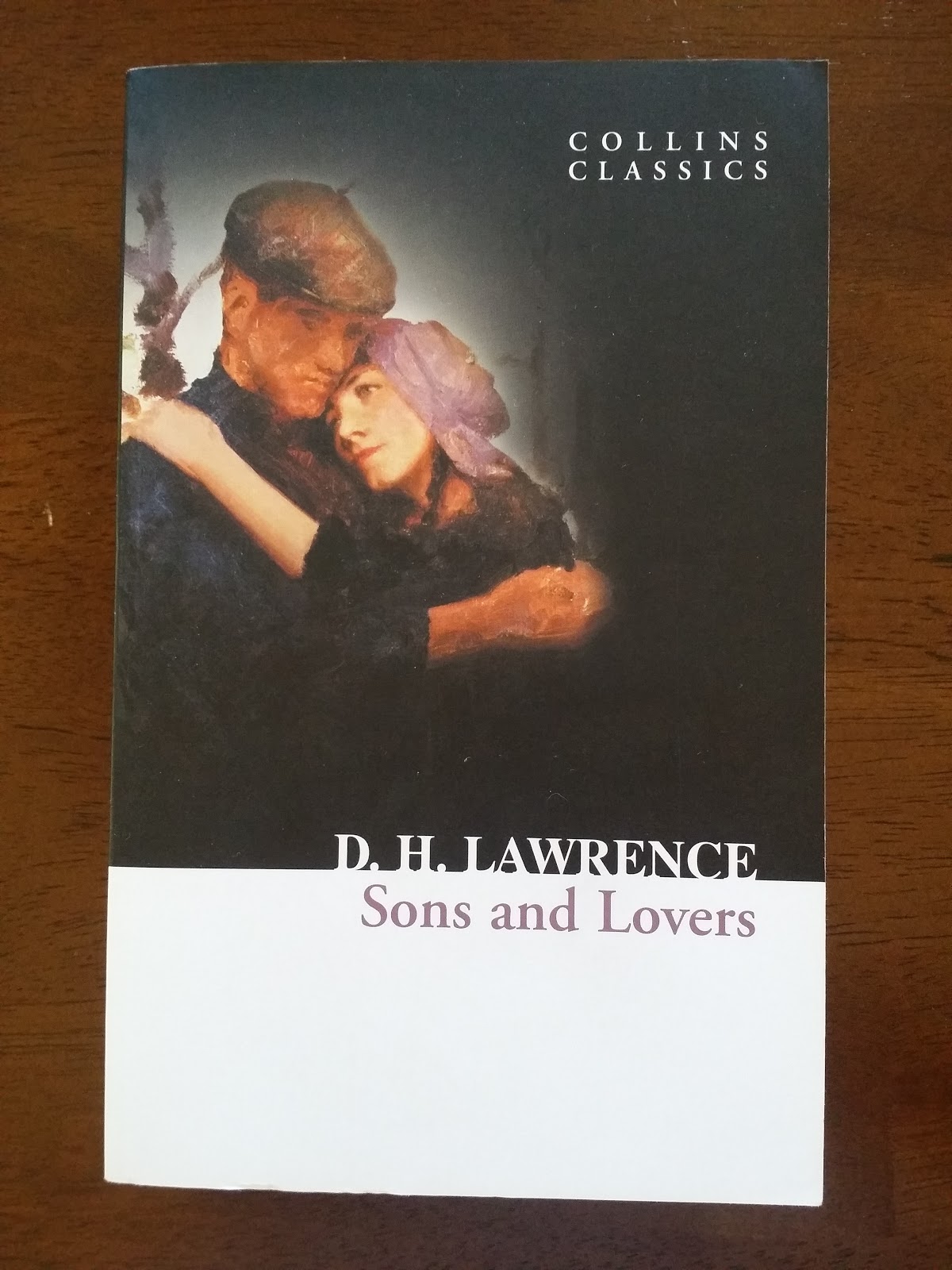
My second reading of D.H. Lawrence turned out much better than the first (was unable to finish Women in Love last May). Sons and Lovers is a much more personal-feeling novel, and I learned after reading that it is semi-autobiographical as well.
The book focuses on Paul Morel, his relationships with his family and the women in his life. His mother is sort of a piece of work. The book begins with her falling in love with Mr Morel, but growing to hate him for being coarse and barbaric and thinking she is better than him. The reader feels her pain of solitude. She latches on to her children and particularly Paul, her second son. Paul grows up being taught to rise about his simple surroundings, that he is destined for more important things. Mrs Morel’s doting on Paul really leads to a unhealthy relationship between the two, and also to Paul never being satisfied with other women.
Paul has two loves during the course of the book, first Miriam who is much like him but who his mother dispises, and secondly Clara, who is a married (though separated) woman who is quite different. Miriam is a natural fit to Paul as they share many interests, but Paul finds flaws in her, which honestly are more like flaws in himself that he projects on her. To Clara Paul falls head over heels, but because she is married, he can never have her. In both cases, he continues to choose his mother over all, and is heavily influenced by her in his mindset.
Whereas the book started with us feeling sorry for Mrs Morel in the life she was dealt, at some point we start to see her as the master manipulator. Her husband becomes a bit of a tragic figure, and we wish that she could just leave her mitts off of Paul to let him live his life. Even after she becomes ill and dies in the end, Paul is still comparing other women to his mother, though he can at least admit now the damage she has done to his psyche.
Sons and Lovers is not a page-turner, but it is a deep introspective novel in which you get tied up in Paul’s search for the perfect mate, and since he can’t marry his mother, he never finds her. Since the book is autobiographical, you have to feel a little sorry for the author as well.

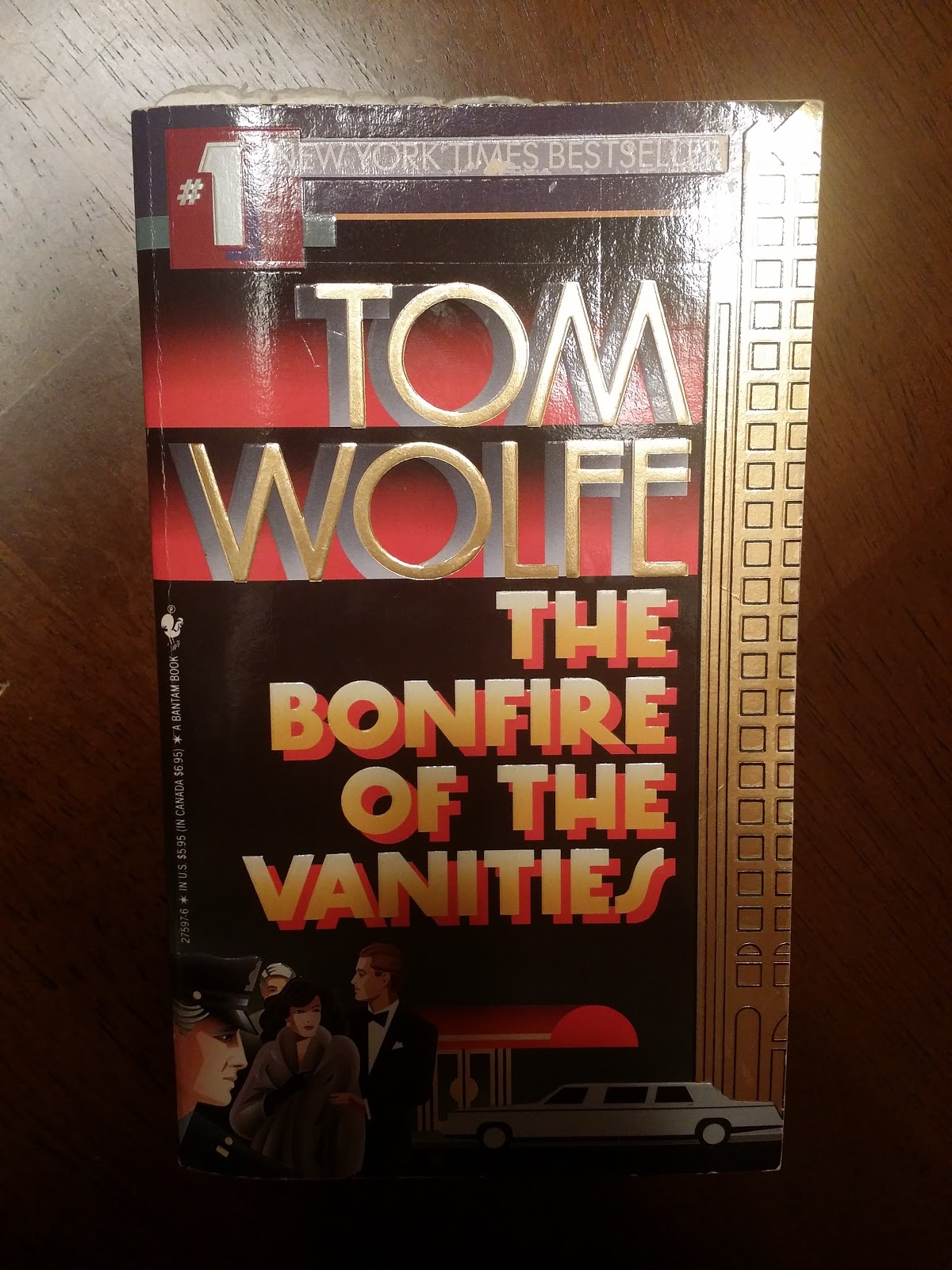
Today’s racial tensions echoed in Wolfe’s The Bonfire of the Vanities

Tom Wolfe’s The Bonfire of the Vanitiesis a popular novel from the 80s with a over-arching plot element that still rings important today, 30 years later, especially where I live in St Louis.
The book has around a dozen or so main characters, the central being Sherman McCoy. McCoy is a wall street investor, who despite making a lot of money, still manages to live well above his means. He also lives hard, running around on his wife with Maria Ruskin. One night him and Maria get lost in a rough part of town, and when approached by a pair of young black men, they panic and race off in his Mercedes, but not before hitting one of the men. McCoy wants to immediately go to the police, but Maria refuses to, saying that it is her choice because she was driving.
Over the next few days, McCoy begins to think they got away with it, but a story pops up in the paper of a young black man in the hospital, the apparent victim of a hit-and-run. Henry Lamb is in a coma now, on death’s door, and the author of the story, Peter Fallow, is trying to get the word out there. Over the ensuing weeks, the black community is up in arms, especially as details get out that Lamb had previously identified the car as a Mercedes and the driver as white. Racials tensions are enflamed by a local black community leader, Reverend Bacon, who claims Lamb was a good kid on the rise, on his way to college, leaving the projects he was raised in. He wants the police to chase after this white man as hard as they chase the black criminals. McCoy feels the noose around him tightening as more and more details come out.
The final parts of the book, McCoy’s arrest and the further missing elements of the case, all evolve in the final chapters. In the end though, the sideshow of the trial becomes the headline, and poor Henry Lamb is mostly forgotten. In fact his eventual death is only a footnote in the novel, as it would be in the papers of today. The book ends rather abrubtly, as the news cycle has all ready moved on to something else, which again, is no different than what we see today.

This is a great novel for even casual readers, and eye-opening for its context in today’s Black Lives Matter movements. Being written 30 years ago, it shows unfortunately not much has changed. I’ve left out much (it’s a long novel at 600+ pages), including many important elements and characters (the cops on the case, the D.A. trying to make a name for himself, McCoy’s lawyers and family). Well worth a read for fans of many genres.