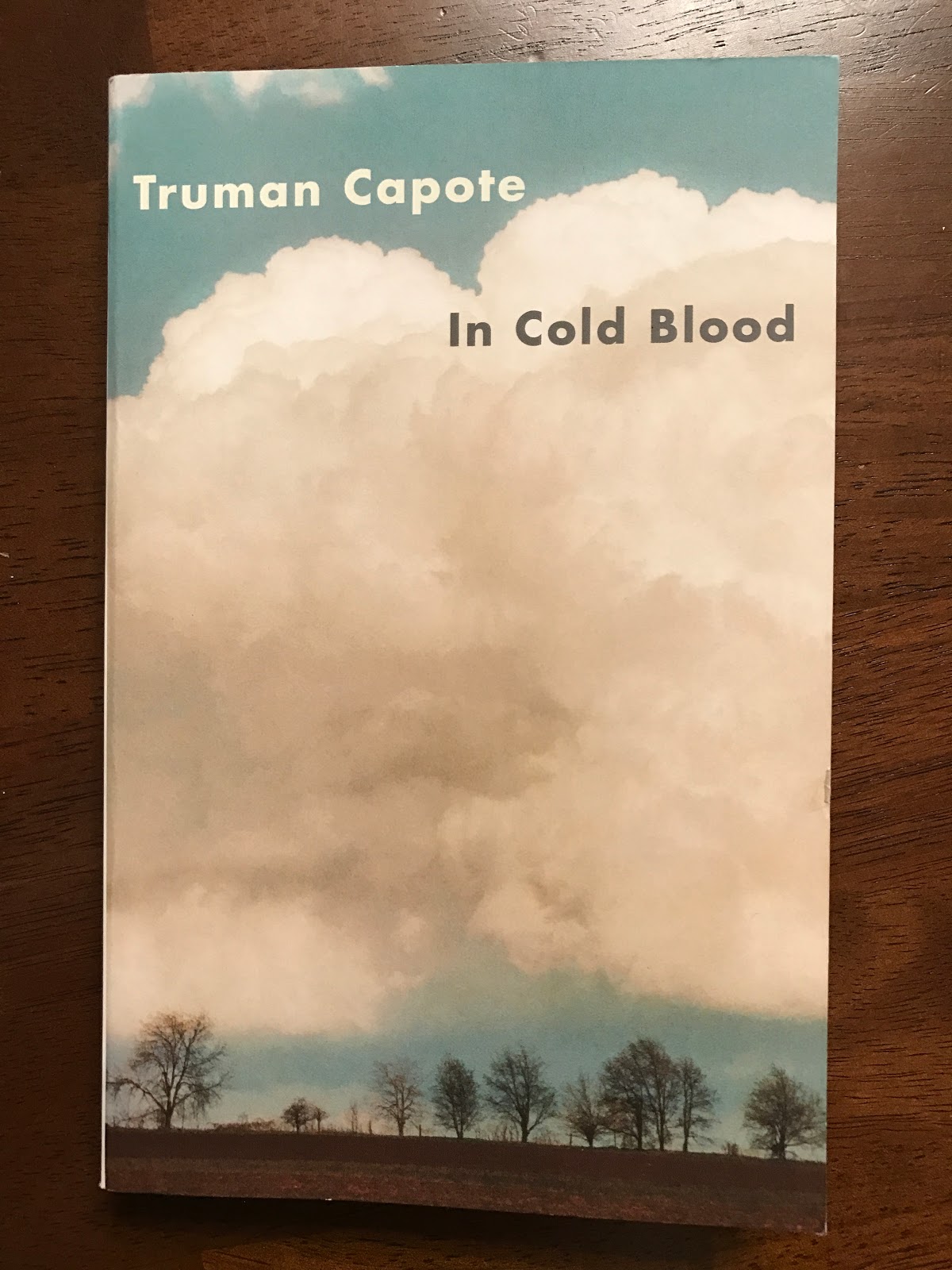
Capote’s In Cold Blood details real life murder

I’m a bit conflicted on Truman Capote’sIn Cold Blood. I can appreciate the historical significance of this “non-fiction novel”, which many regard as creating the whole genre, and I can certainly give praise to the amount of research Capote did to write it, but as a book, it honestly isn’t all that exciting. The only thing that kept it going for me was knowing that it all really happened, but unfortunately these days, where murder is seen on the news every night, has become almost common place, I hate to admit it, but it has dulled my senses to a story of four murders that happened a half a century ago.

This book tells the story of the murder of four members of the Cutter family in rural Kansas in 1959. At first thought to be the deed of someone in the small community, it turns out the killings were carried out by strangers who had no real motive other than robbery. Perry Smith and Dick Hickock, a couple of ne’er-do-wells, came in the middle of the night, killed the mom, dad, and high-school aged daughter and son, and fled back to home before anyone was aware of the crime. Turns out Dick had previously shared a jail cell with someone who had once worked at the Cutter farm, and told stories of the family’s wealth. Dick and Perry thought they’d get rich, but found there was no cash on the premises at all. Still, they killed the whole family. They then fled to Mexico, leaving a cold trail for the cops.

If they had stayed in Mexico, the case would probably never have been solved. Instead, low on money and no real way to make any there, they came back north and committed more crimes across the midwest, down to Florida, and finally back out west to Las Vegas, where they were finally apprehended. Capote alternates the short sections of the book telling their happenings, as well as the cops in Kansas during the investigation. Once the pair are in custody, the case against them builds quickly, and faced with all the facts, they each finally do confess. Confession in hand, the trial plays out, with a sentence of death by hanging handed down.

This first year takes up much of the novel, but the final 4 years go by quickly, with the pair spending their time in jail while appeals play out in the courts. Finally though, their time is up, and the duo is hanged in April, 1965.

Capote did indeed do a lot of research for this book, criss-crossing Kansas for interviews with all involved (with the help of his friend and fellow acclaimed writer, Harper Lee, to whom this book is dedicated). He talked to friends and family of the victims, people in the community, but also friends and family of the perpetrators. He also writes convincingly about the possible mental health problems faced by Smith and Hickock, which, while not forgiving their crimes, would at least give a possible reason. Capote does all of this in a novel form rather than a documentary-style, so you have to applaud the creativity. Still, not the most captivating for me, for the reasons above.

Quick takes on 5 films

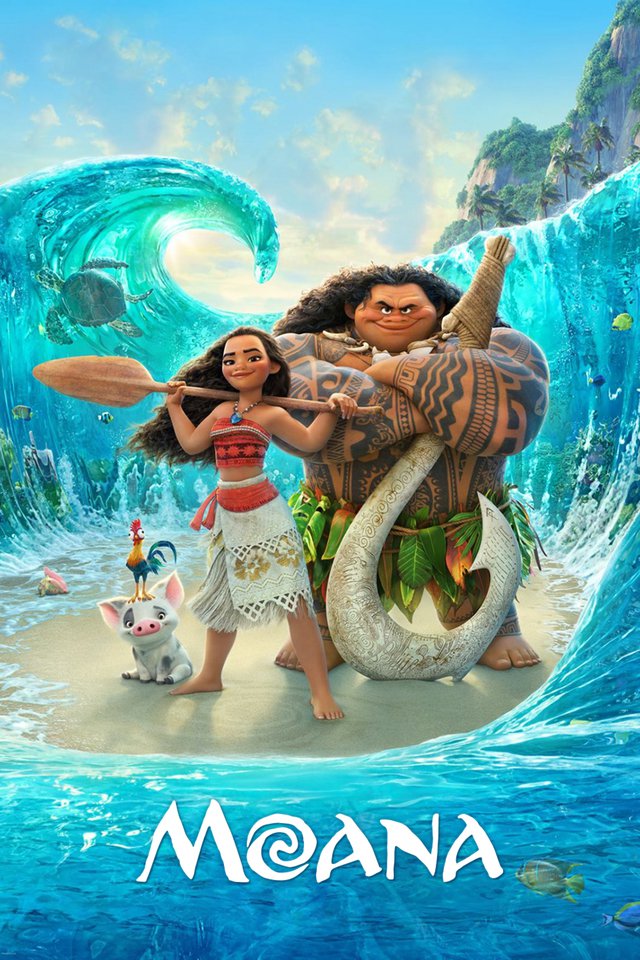
Moana is an entertaining family film, the latest Disney animation. This one’s a good one. Moana is a girl on an island in the Pacific, who has grown up on her Grandma’s tales of supernatural demi-gods and other legends. Moana wants to travel the sea, but her father insists she stay on the island. When her island is threatened though, she does leave to find the legendary Maui, who has the power to help her restore her island and her people to their former glory. Strong songs, strong voice cast, and a powerful story all come together for a typical Disney story of strength, perseverance, and hope.
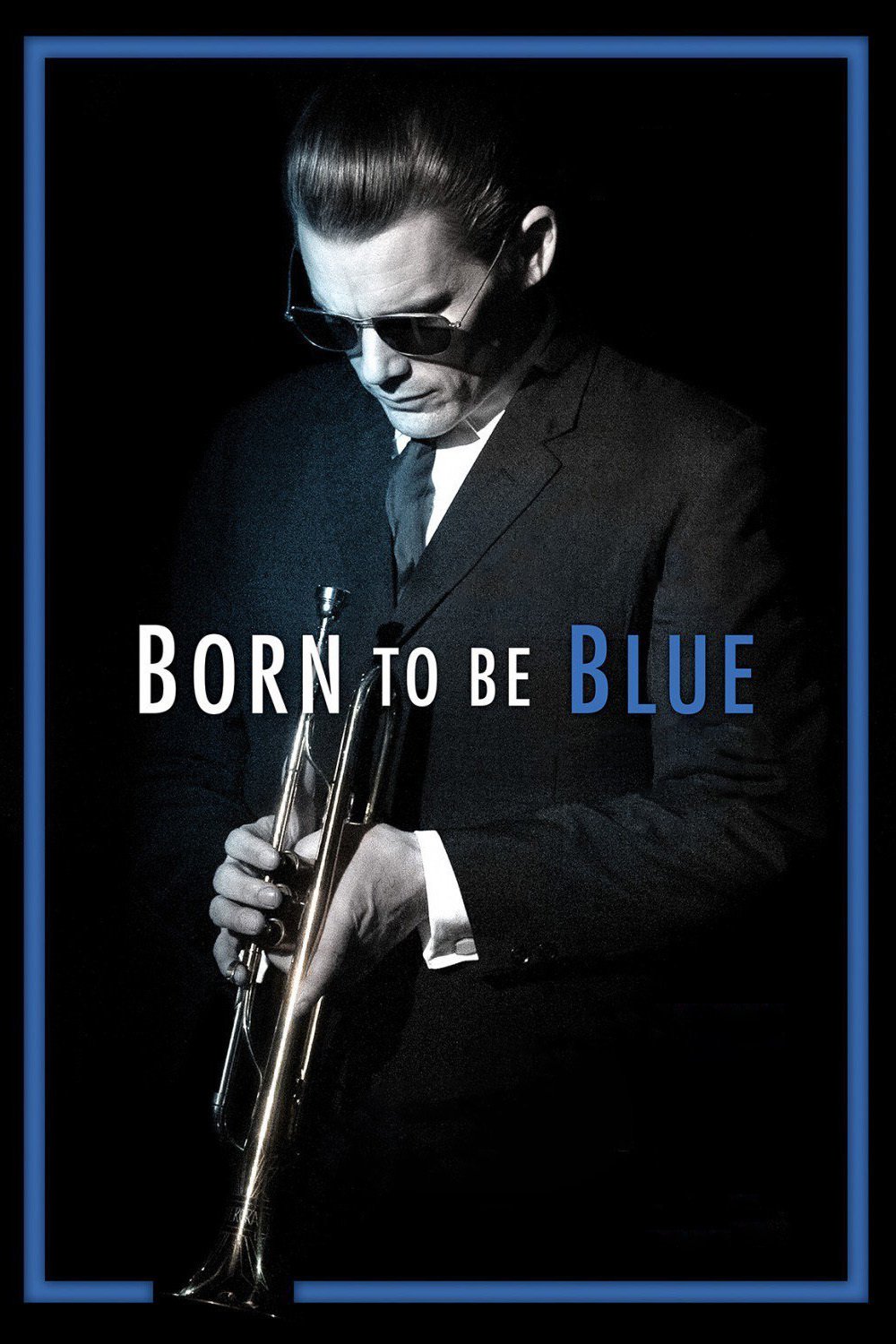
Born to be Blue is a loosely based biography on famous jazz trumpeter Chet Baker. Chet lead a hard life, mostly due to his life-long addiction to heroine. Portrayed here by the resurging Ethan Hawke, the story is told in an almost stunting way in the beginning, until picking up more linearly in the second half. Baker is extremely popular in the ’50’s but after a beatdown in 1966 broke several of his front teeth, he had to start all over and re-teach himself how to play again with dentures. He struggles to find a foot hold in a musical scene grown tired of his inability to be reliable, and promoters tired of his antics. Hawke is great as he has been over recent years, and I do like how the film does not sugar coat Chet’s struggle. In the end, the viewer has to decide if Chet really found success again or not, depending on how you measure such a thing.
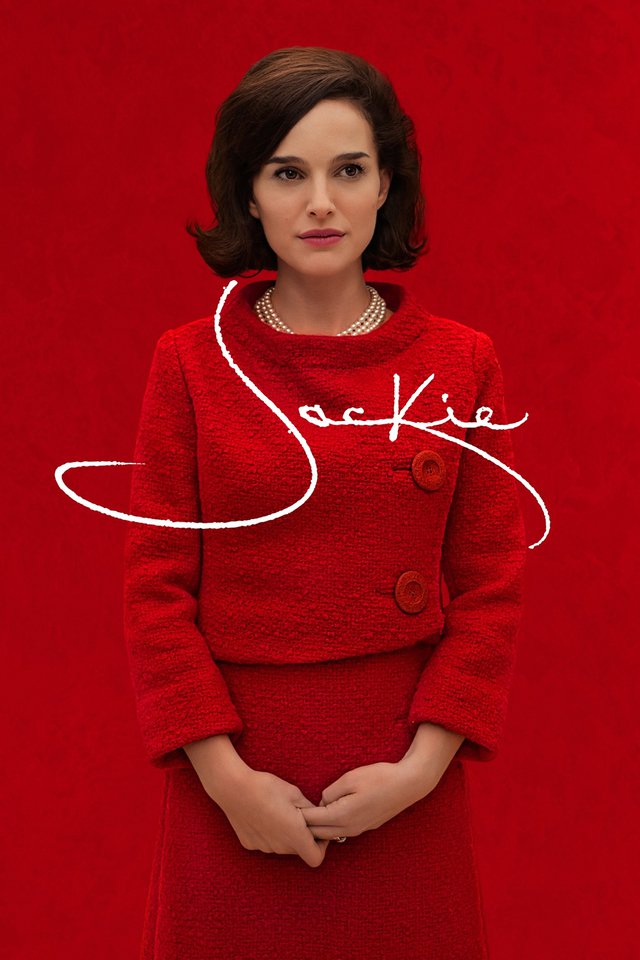
I’m torn on the film Jackie. The movie, which is a “behind the scenes” look at Jacqueline Kennedy’s private life during and just after President Kennedy’s assassination, is great. It builds well, has an engrossing and captivating tale, and keeps you riveted all the way to its conclusion. The movie is told as an interview Mrs Kennedy is giving, with flashbacks to her famous TV White House tour and that infamous day in Dallas, and then the details of the funeral. Fascinating historically for sure. However, I have always had a hang-up on actors when they use a fake accent. I know it is a personal problem of mine, but it is hard for me to disassociate the character from the actor in these instances, and seeing Natalie Portman give Kennedy’s slow, deliberate speech forces me to suspend belief, no matter how well done it is (and it is done extremely well here). Kudos to Portman for pulling it off, but still hard for me to get past it.
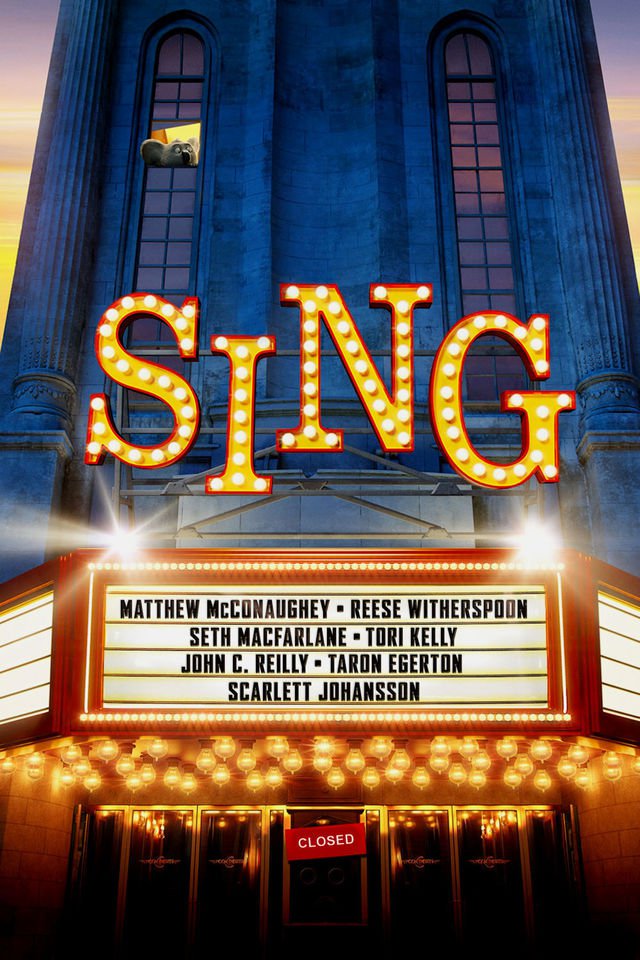
To be honest, I was fairly bored with fully the first half to two-thirds of Sing. It wasn’t all that engaging and seemed strongly geared for the youngins. But the ending is as uplifting and engrossing as you could hope for. An animated film with a very strong cast, this one is about a theater owner who holds a singing competition as a last-ditch effort to raise funds for his failing venue. The strong performers come from unlikely places with various obstacles to overcome. If you can stick through all the build-up, the payoff in the end is worthwhile.
I held off on watching Suicide Squad for quite awhile, watching it sit on my shelf until a fine layer of dust sat on it before finally putting it in this past weekend. It got such terrible reviews, and I am really pulling for the DC Universe movies to build something. Ultimately, I think this movie suffers the same fate as the previous Batman vs Superman film, it just tries to do too much. The backstory here is with Superman now dead from the previous movie in the series, the US government decides to pull together a ragtag group of psychotic villains to hopefully protect mankind from the risk of a superman-like supervillain. With a truly all-star cast, it should have been a great movie, and while I didn’t think it was nearly as bad as the scathing reviews made it out to be, there’s too much going, and it loses its focus far too regularly throughout the film. Personally, I would like to see some of the characters in this film get their own stand-alone (Marvel Universe style), but rough reviews and the cost of the cast may prevent that from happening. From the beginning, DC has gone about building their film series backwards, but hopefully they can get some feet under them before it is too late.

Quick takes on 5 films

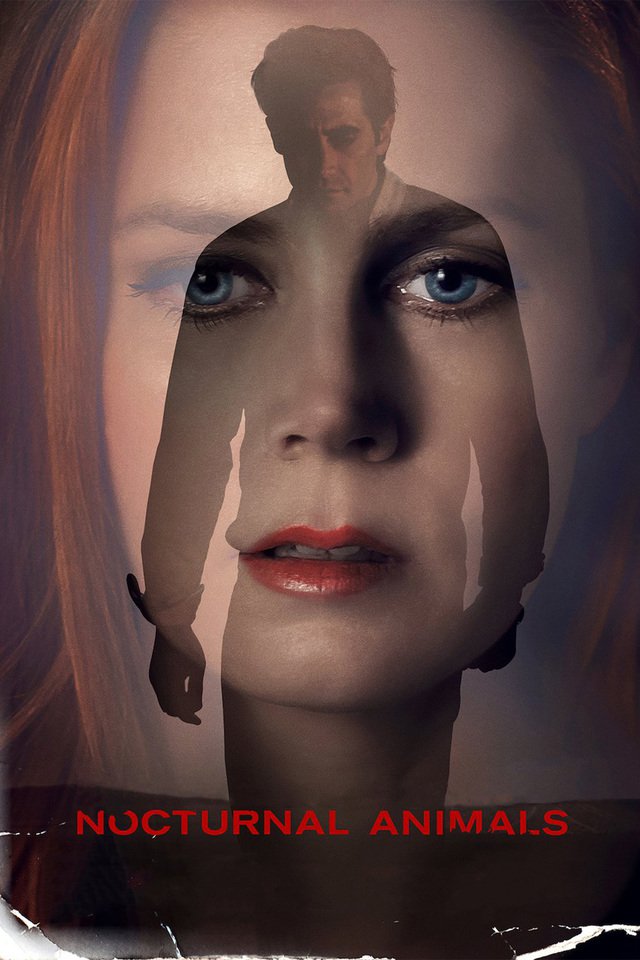
Seems like Jake Gyllenhaal likes to be in quirky, off-the-beaten-path kind of movies, and Nocturnal Animals is the latest. Also starring Amy Adams and, one of my favorites as you know, Michael Shannon. The movie is told with two storylines. Adams’ character, Susan, is a successful art gallery owner. She is in a failing marriage when she gets a manuscript in the mail, sent from her first husband Edward (Gyllenhaal). He has written a novel and dedicated it to her. The second storyline picks up now, which is the story of the novel with Jake also playing the main character Tony. That’s the backstory, and I don’t want to give more than that as the plot gets deep. It is a well written, well directed film, and the two leads are incredible, definitely at the top of their games. This is one of those films though, that you will either love it or hate, with very little room for the middle. I myself loved it, it’s a great film that you can watch more than once.
I enjoyed Passengers more than, well maybe anyone else, based on the terrible reviews it received. Yes, the plot has garishly gaping holes and forced you to suspend reason (even for a space science fiction film), but it has solid acting from Chris Pratt and Jennifer Lawrence, and it is one of those films where the build-up is better than the eventual payoff. It is about a long distance space flight from Earth to a new planet, a path that takes 120 years, which its crew and paying passengers spending the entire trip in hibernation. Chris and Jennifer’s characters wake up 90 years early though, and the ship starts to fail around them. Not quite tense enough for my liking, but still, I’m a sucker for these sci-fi films. Really not all that bad, and an entertaining couple of hours.
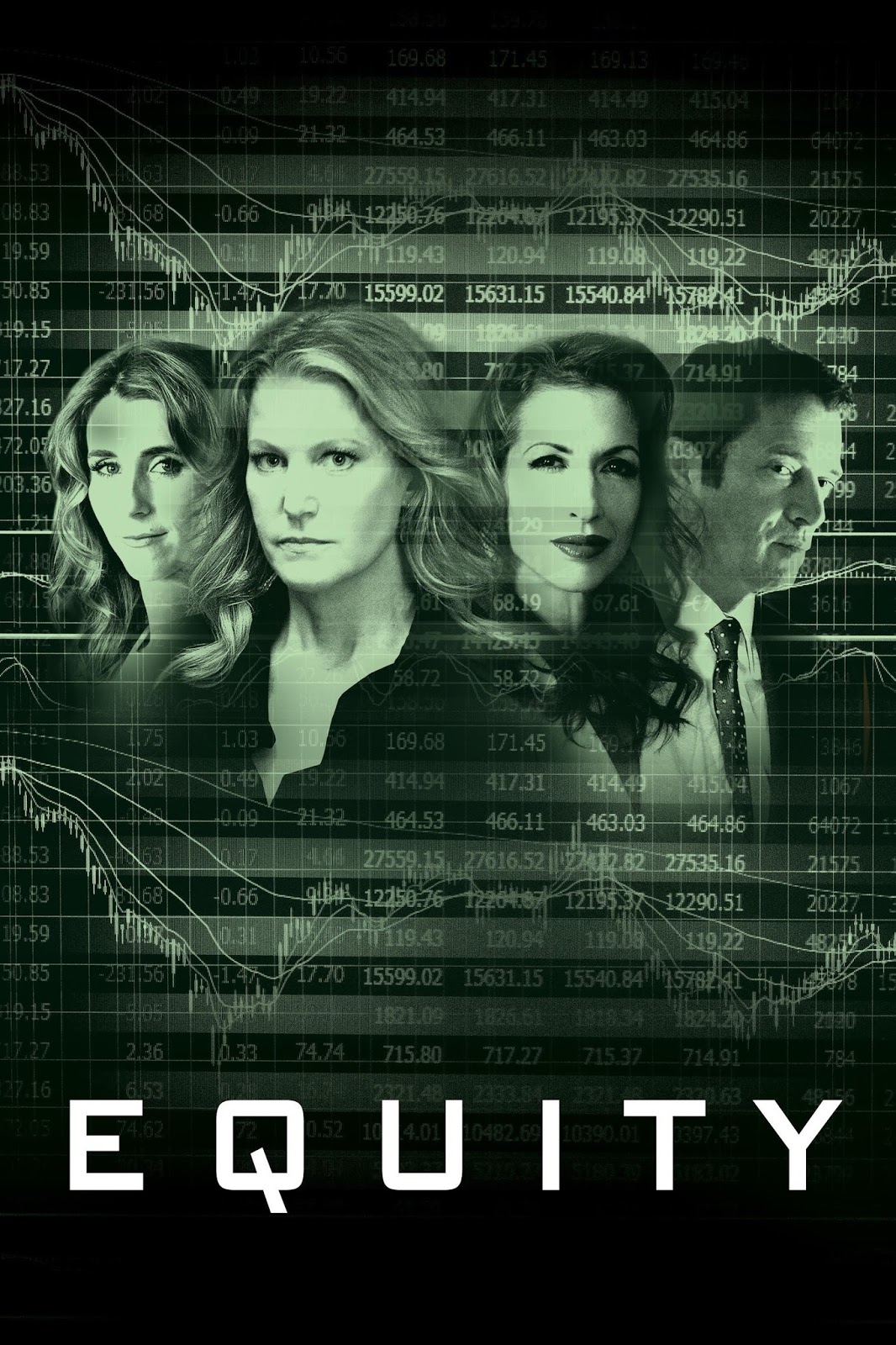
I’m sure Equity is very good, but it is one of those dialogue-driven “drama thrillers” that frankly isn’t very accessible. It stars Breaking Bad’s Anna Gunn as a high profile investment banker who specializes in taking private companies public, and setting up their IPO. I know it sounds really boring, and the fact that the film is even halfway interesting is a testament to its writing. The tenseness comes from the dialogue alone as there is no real “action” to speak of. It was hard for me to really get in to this one.
Patriots Day is the telling of the Boston marathon bombing. For me, the movie is a tale of two halves. The first part of the film builds to the second half, introducing all of the characters and backstory, and shows the bombing and immediate aftermath. For me this part of the film felt very disjointed and choppy, either because of poor editing or just trying to do cram too much information into a 2 hour movie. However, it really takes off when the police and feds start the manhunt, and the final gun battle is some of the most heart-pounding action I can remember. Any red blooded American will cheer aloud and choke up a bit as well as the terrorists are brought to justice and the film wraps. Even more so when you remind yourself that these heinous events really happened.
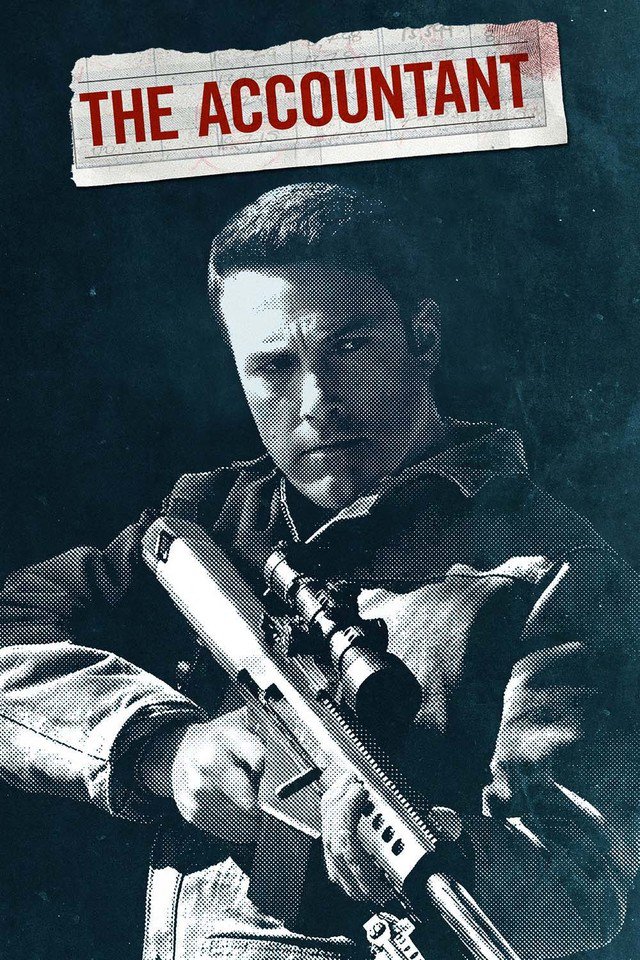
The Accountant is a rip-roaring, nonstop action film. Even the quiet scenes are tense and exciting, because the lead is always tense. Ben Affleck plays Christian Wolff, a severely autistic man so far on the spectrum that it is surprising he can even function. His mother wanted him at a school with others like him where he would learn to be “normal” but his military father instead chose to raise him harshly. Now an adult, he has turned his strict, structural view of life and military-style training into a very different career, as an accountant to high profile drug cartels, gun dealers, and terrorists, with the assassin skills to protect himself if anyone comes looking. Seems absurd, and there are wild leaps the viewer needs to take to keep the story going, but it is an entertaining ride from beginning to end, with a couple good plot twists along the way.

Franny and Zooey can’t talk their way to a story

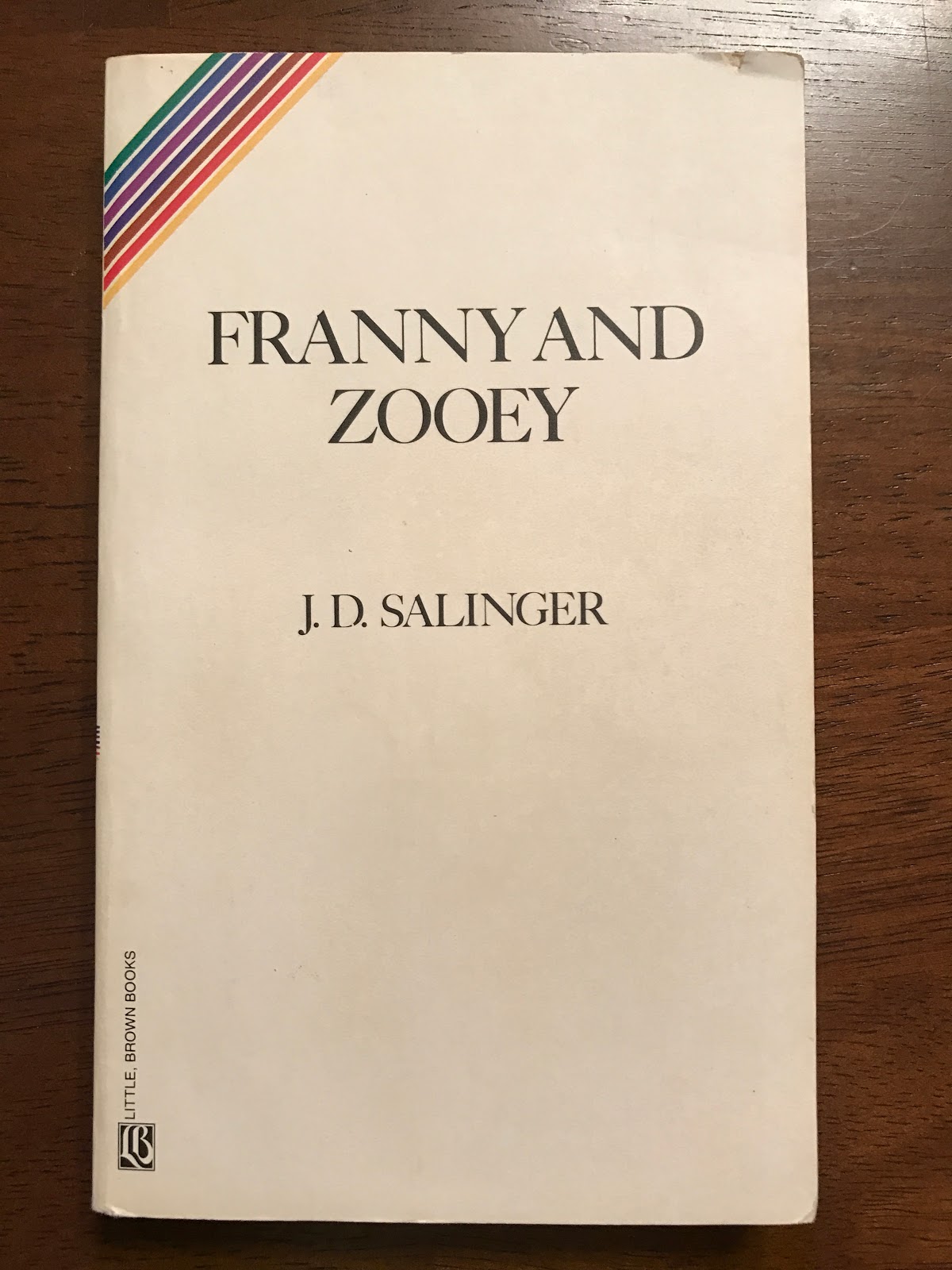
J.D. Salinger’s Franny and Zooey isn’t really a novel as far as I can tell. I understand Salinger’s immense talent and popularity, but I just don’t get this one. The whole book is really just 3 conversations. There is no real action here, and I almost feel like it is just Salinger telling us his views on various subjects and life in general, through the characters here.

The book is two short stories. The first, Franny, has her meeting her boyfriend Lane for dinner. He regales her with his stories of college and social life, and has a definitely high view of himself. She however deteriorates mentally as the night progresses. Lane doesn’t know it, but Franny is just bored with him and has been repeating a mantra all night. She tells Lane about the book she has been reading, about a pilgrim that gets closer to enlightenment by repeating the same prayer over and over again. Finally she becomes so overwhelmed with the whole situation that she collapses.

The second story is about Zooey, who we learn quickly is Franny’s brother. They come from a large and very well-thought of family, where all of the children are extremely intelligent, but that intelligence comes with high expectations which has all ready caused the eldest to commit suicide. Zooey spends the first half of this story talking to him mother (who he halfway despises for how she raised him, calling her by name instead of “mom”), and the second half talking to Franny. Again, the reader is subjected to Salinger force feeding us his views through his characters’ dialogue. There is even less action in this story than the first, and 90% of this story is just dialogue.

I can hardly call this is a novel, as a novel (for me) contains a story. There is no real story here, unless you count the background of the characters, as referenced in the conversations they have. As I don’t really care what Salinger’s religious views were, this book holds no value for me. I read through it all despite wanting to give up when it became apparent that nothing was going to happen, but I can’t recommend it unless you are one of those people for whom Catcher in the Rye changed your life.

Quick takes on 5 films

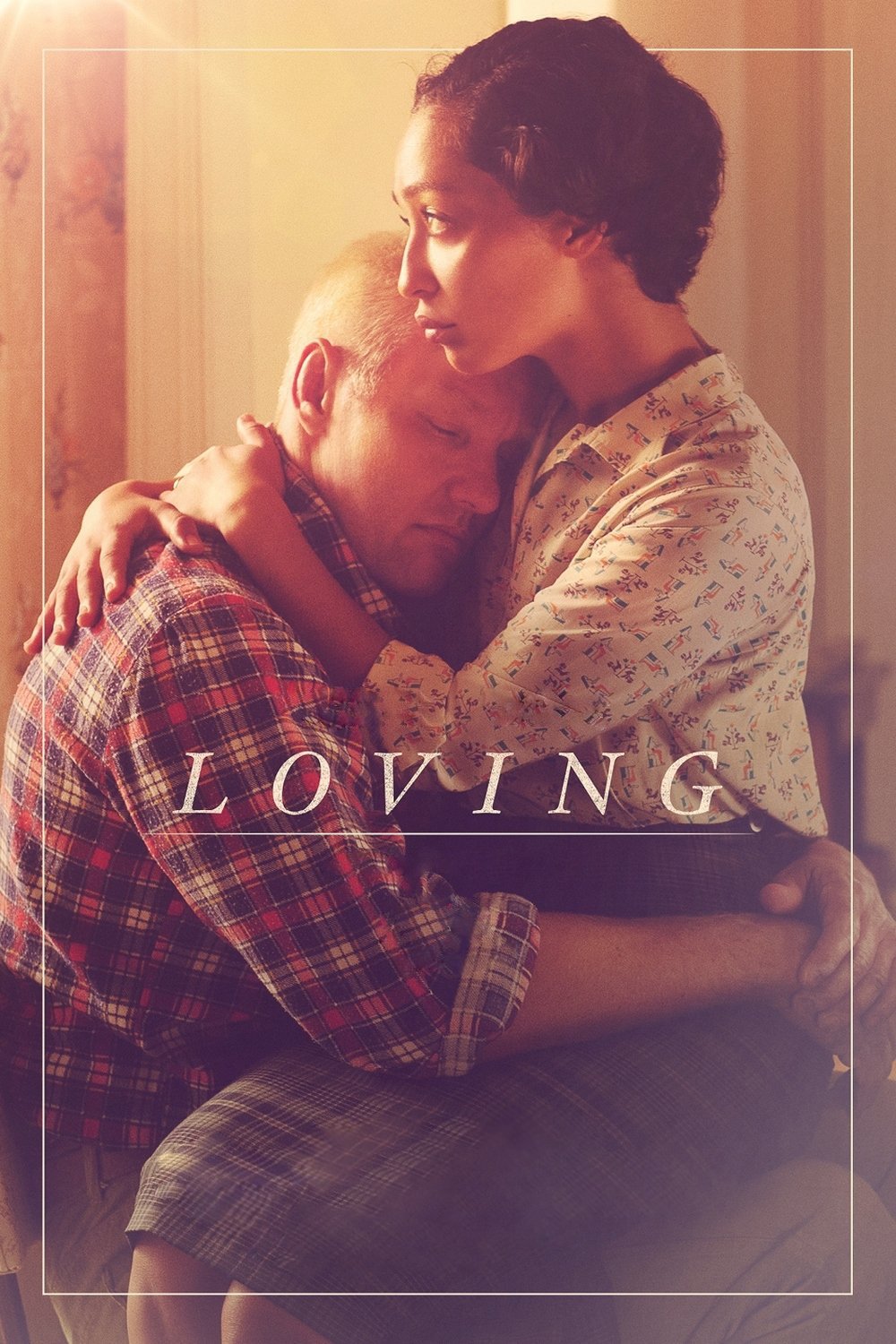
Loving is the true story of the law-making marriage of a white man (Richard Loving, played by Joel Edgerton) and a black woman (Mildred, played by Ruth Negga). In love and with a child on the way, the two get married in Washington DC in the 1950’s, where the marriage is legal, but are arrested upon their return to Virginia where their biracial marriage is illegal. Facing a long jail sentence, they agree to leave the state, but grow to miss all of their family, friends, and way of life in Virginia. They eventually return and try to hide out in a farm house away from town. When they are again discovered, they finally turn to the courts for help, with their case going all the way to the Supreme Court. A heart-warming film, even if there are some rough patches. Negga is brilliant and deserving of the award nom’s she received (and on a side note, since I first noticed her in Marvel’s Agents of SHIELD a couple years ago, she has seemed to pop up suddenly in movies and tv shows all over the place). However some of the supporting actors are truly terrible, almost appearing to read lines off the script with little emotion. Also, the film does drag. At one point I thought this whole story could be told in a 30 minute documentary instead of a 2 hour film. Still, it’s an important story to hear, with lasting implications for equality.

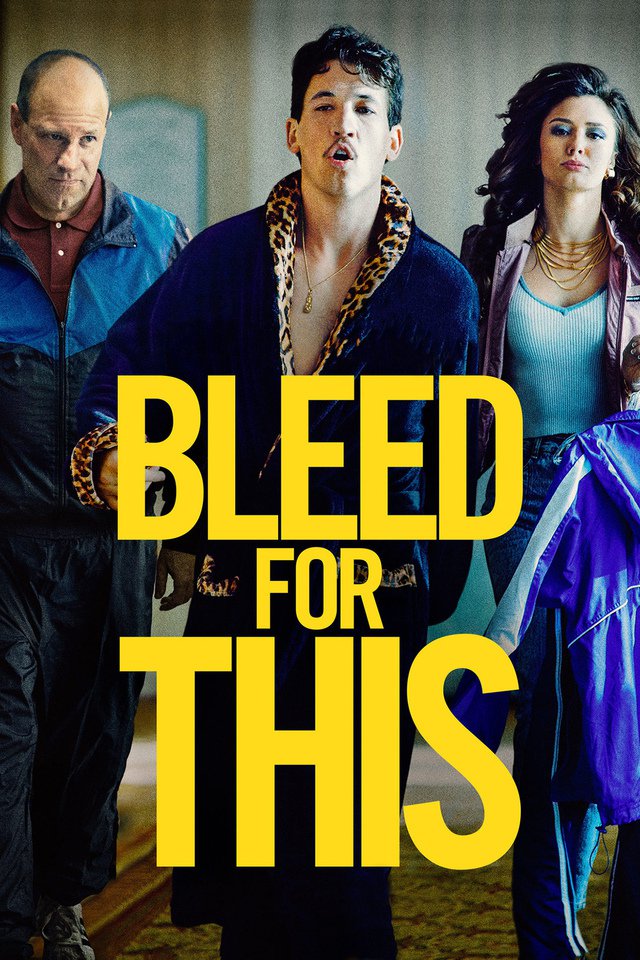
Bleed for This is an all-right boxing drama, based on the true story of Vinny Pazienza. Vinny, as played by the continuing-to-rise star Miles Teller, is at a crossroads in his career, having been a former championship boxer, but now facing a series of defeats. After a huge comeback win to put him back on top, he is immediately involved in a bad car wreck, resulting in a broken neck that nearly paralyzes him from the neck down. Refusing to have his neck bones fused, which would prevent further injury but also end his career, he slowly rehabilitates back to fighting shape. Teller is fantastic and well deserving of praise, but the film relies on a few too many cliches. I like to root for the underdog without the film telling me to root for him, if that makes sense. Not a bad movie overall though.

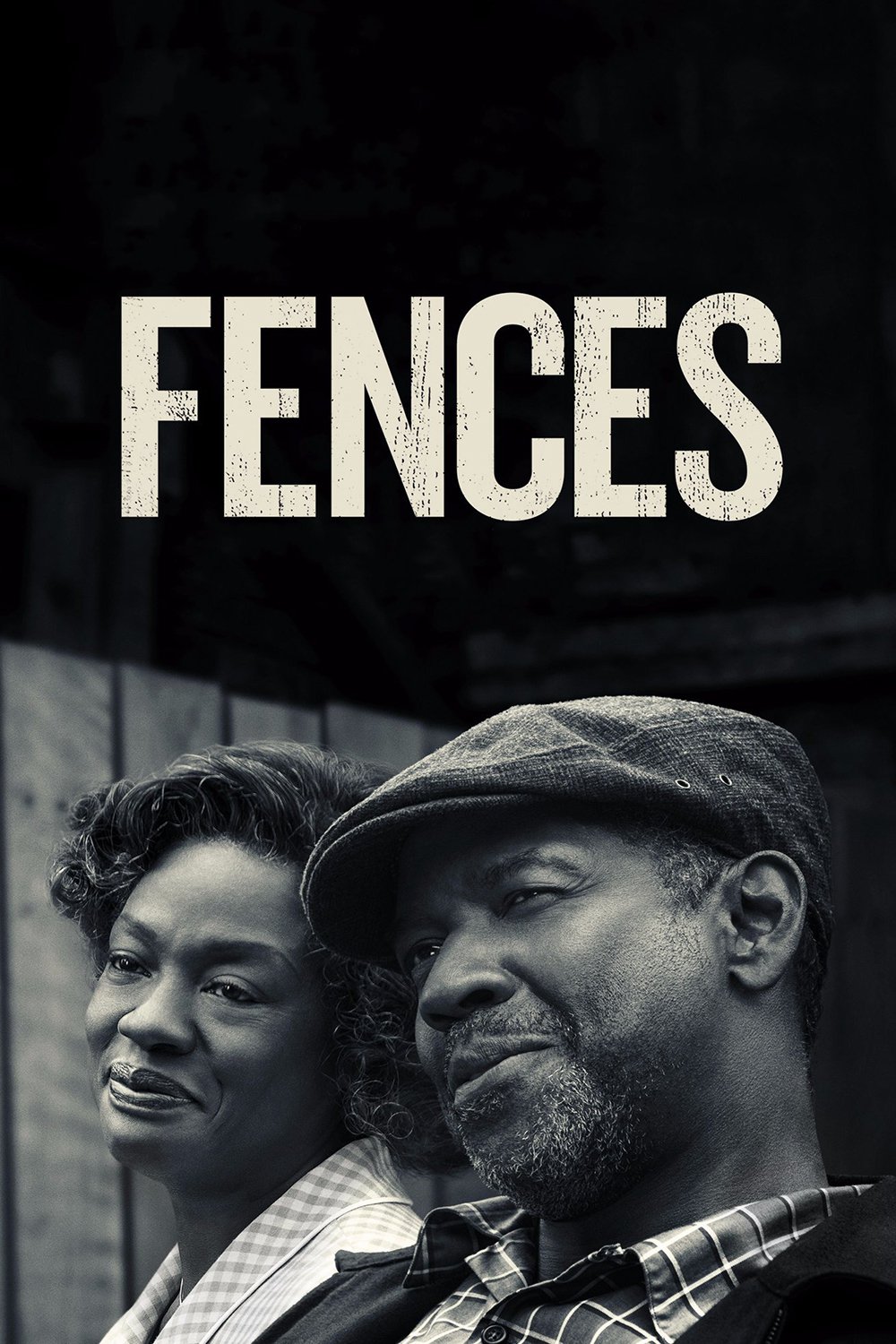
Fences is brilliant. You know what to expect from the esteemed Denzel Washington, but the whole cast is great here. A lot of overarching themes in this film, but most significantly for me was the changing way of life, and attitudes of and about the black community in the 1950’s. Denzel plays Troy, an aging father who thinks highly of himself, and enjoys his life as “man of the house” and center of his universe, and thinks all things in his household should revolve around him. He reminds everyone that he could have been a great ballplayer, but wasn’t given a chance because of the color of his skin, and everyone seems to let him live out this (possible) fantasy. His outlook of life faces opposition though when his growing son tries to tell him that times are changing, and black men can make change and do more than submit to the way things have been. Absolutely stunning acting in this film, with harsh dialogue (more “N” words than a white suburban boy is comfortable hearing), but a fascinating tale. There are scenes so full of emotion, you can help but gasp aloud and get choked up.

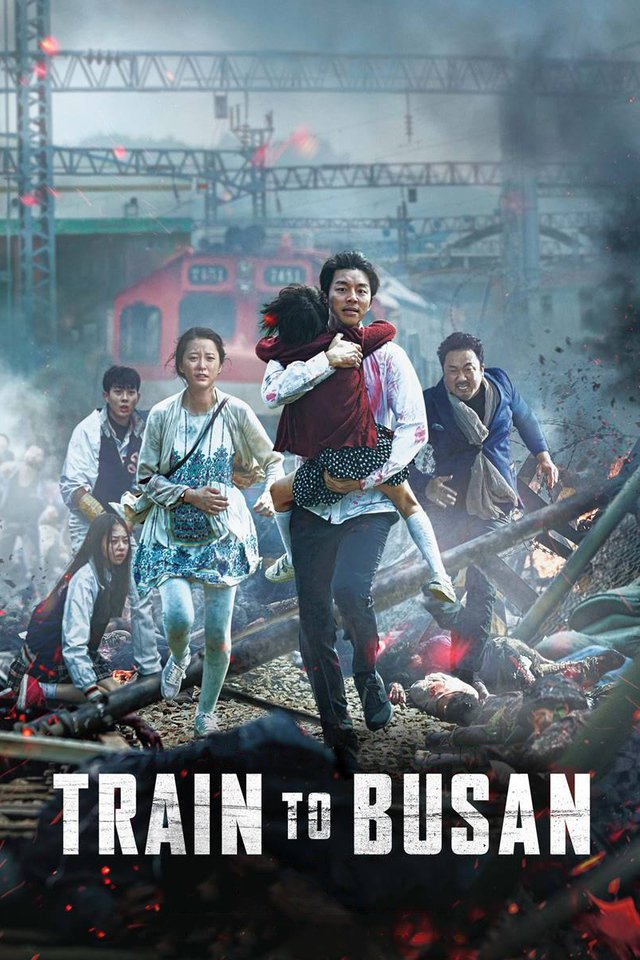
Train to Busan is a unique twist on the zombie apocalypse movie. This Korean film has the lead characters on a train bound for another city when the breakout happens. In “newer” zombie fashion, these aren’t your slow, sluggish crawlers. They run and jump and chase down the survivors. The living people on the train fight the zombies and each other, being picked off one by one through the film. It is a thrilling movie, and the new take on the classic tale is just different enough to keep you engaged. A good, gripping film.

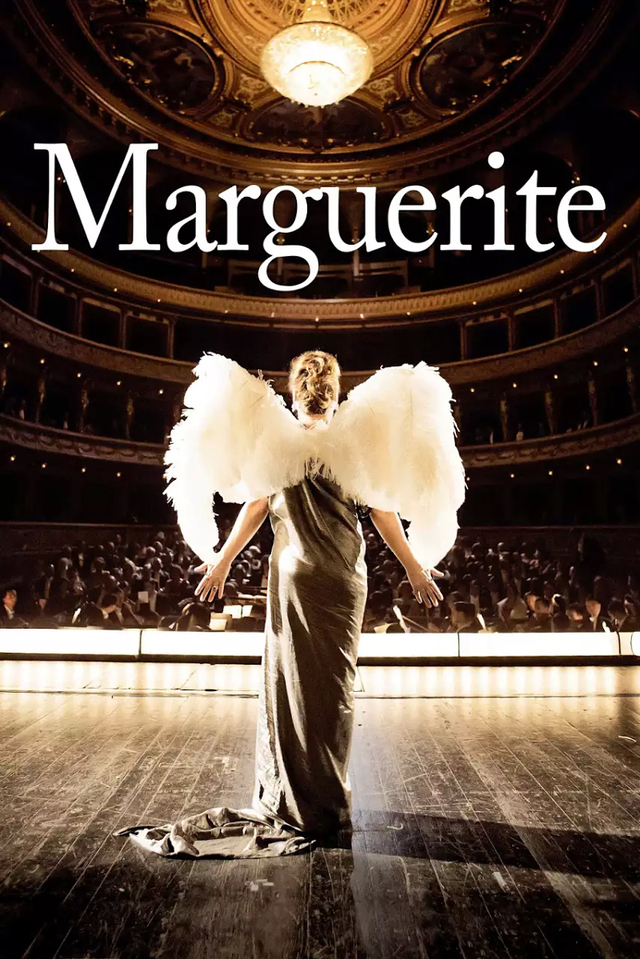
Marguerite is a touching, endearing film for foreign film lovers. It is based loosely on the story of Florence Foster Jenkins, the opera singer of the 1920’s who thought she was great, when in reality she was anything but. This is the second film about her, the other being the American film starring Meryl Streep. I didn’t much care for the Streep version, which played more on the comedic value. This French version though is much stronger. Instead of in America, the movie changes the backdrop to post-war Europe. Instead of focusing on the idea that Marguerite can’t sing and everyone snickers behind her back, this version instead looks at why she is trying to be a singer. She is lonely, in an unloving marriage, and really only sings in public at the urging of her staff and supporters, who have their own agenda. The viewer really feels for her plight. A strong film, though a heartbreaking one.

Rushdie’s The Satanic Verses rises above the controversy

Salman Rushdie’s Midnight’s Childrenwas my first book into this foray of reading the classics. I enjoyed it, and was excited, but also a little apprehensive, about reading The Satanic Verses. I knew a little about all the hoopla surrounding this book, and learned more studying up about the history of it before starting the read. I was worried that the controversy surrounding the book hid what would be just a so-so average novel. Turns out my fears were unfounded, as it is an entertaining and well-written novel.

First, the history lesson for those unaware of this book. The title of this book comes from the actual Satanic Verses incident, which in history was apparently when the Islamic Prophet Muhammad mistakenly took the words of a satanic suggestion as divine revelation (according to Wikipedia). Obviously this would not hold well in the Quran, and it is not recognized as canonical in the Muslim religion, but the stories of the event are out there from other historians. The fact that Rushdie wrote about this, and really sort of made light of it and of Muhammad in general in many places, had the leader of Iran (at the time, in 1989) calling for the death of Rushdie by true believers. Rushdie had to go into hiding and several translators of his novel were attacked and/or assassinated. Apparently this call for his death is still in place today, with millions offered in reward for his killing.

Anyway, to the novel. Like Midnight’s Children, the book has a fantastical, science-fiction like element. This time, the two leads survive a terrorism attack on a plane. When the plane blows up in midair, 30,000 feet up, Gibreel Farishta and Saladin Chamcha live through the explosion and the long drop back to earth. When they awaken, Gibreel has taken on the persona of the archangel Gabriel and Saladin has become a devil, complete with hoofs, horns, and tail. The first part of the novel deals with each of theirs backstory, growing up in India and later moving to London, which I won’t get much into here. Suffice to say, Gibreel’s inaction causes Saladin to be arrested and attacked shortly after we are caught up to speed.

We see as the novel develops that Gibreel seems to be suffering from some mental health issues, as he really thinks he is an angel. However, every time he sees himself using his power, there always seems to be a natural explanation for the outcome (he thinks he causes a drought, while the weatherman on tv talks about the changing air patterns warming the area). As a reader, we aren’t quite sure if he has real power or not, but everyone else certainly thinks he is crazy. Saladin on the other hand, finding his way back to human form while still carrying a grudge against Gibreel, develops a plan to prey on Gibreel’s deficiencies. As a past voice actor, Saladin puts his many voices to use by prank calling Gibreel, pretending to be other men sleeping with his (Gibreel’s) love Allie. Finally losing his grip on reality, Gibreel goes off the deep end. Even then though, in his disillusionment, he is faced with a similar scenario from the beginning. The pair find themselves in a raging inferno, with Saladin trapped and Gibreel with the power to save him. Rather than let him die, Gibreel this time saves him, and in a way saves himself.

The book wraps up with Saladin returning home to India a year later to see his estranged father before he (the father) dies. Gibreel shows up here at the end too, only to confront Saladin with the truth of his disease before killing himself. Saladin realizes there is good and evil both inside of him, and inside all of us. For me, the central theme of the book is identity, especially for immigrants but really for all of us too.

There is obviously a lot more that goes on in this book. It is full of rich, detailed characters in Gibreel’s and Saladin’s circle of friends and coworkers. Also, there are whole chapters devoted to Gibreel’s “dreams” as the archangel. One of these story arcs is the one that brought all the controversy, as it details Muhammad (called Mahound here) and his arrival to Mecca (called Jahiliyyah in the book). Now, obviously I am not a Muslim and I know little about the faith, so I will not discuss my thoughts as I don’t feel I’m an expert on the subject, but I will say I can see that if a central tenet of my faith was belittled or altered, I can see why such a ruckus developed.
As a raised Christian, I’m sure I missed out on a lot of the innuendo and cultural dialogue that is heavy in this book from beginning to end. Even so, an outsider like myself can still find plenty to enjoy. Rushdie’s style of writing is enveloping and flavorful, you can feel what the characters feel, envision what they see, almost taste their surroundings. An excellent novel for anyone that likes to read simply for the joy of new experiences and new ideas.
Quick takes on 5 films

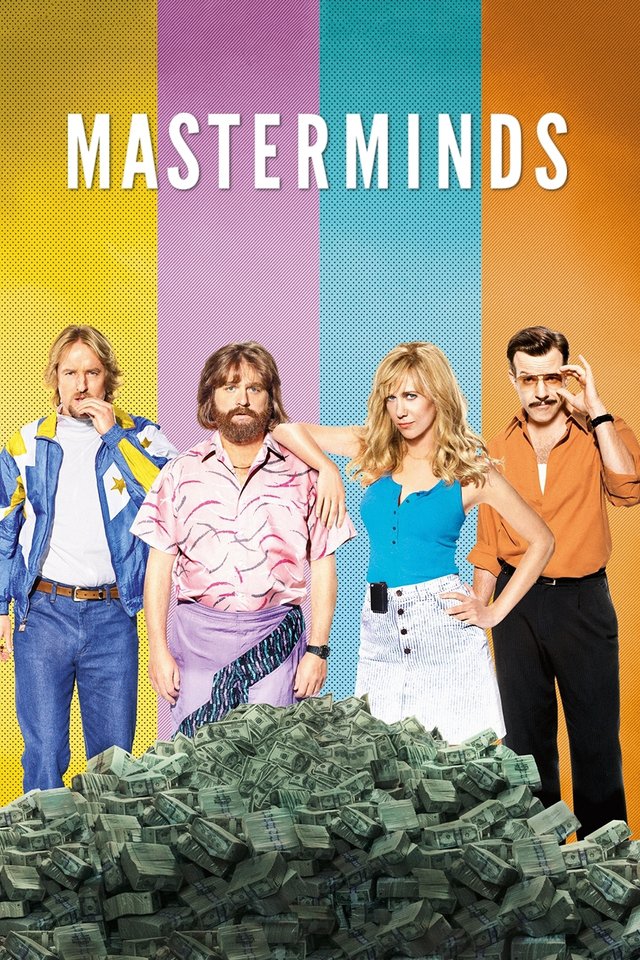
Masterminds is goofy, stupid comedy, but it is decent goofy, stupid comedy. It has an all-star cast of SNL alums and other familiar faces. Based on the true story of the robbery of a cash holding company (Loomis Fargo) by an armored car driver, its characters bumble through the theft and subsequent hide-out from the authorities. The team behind the movie obviously took the somewhat humorous truth (basically some hicks rob the place and start throwing around cash immediately afterwards, not really thinking about getting caught) and make the characters even dumber. I’ll admit you’ll have to be in the mood for mind-numbing dumb comedic dialogue, but if you are, there are a lot worse ways to spend 90 minutes.

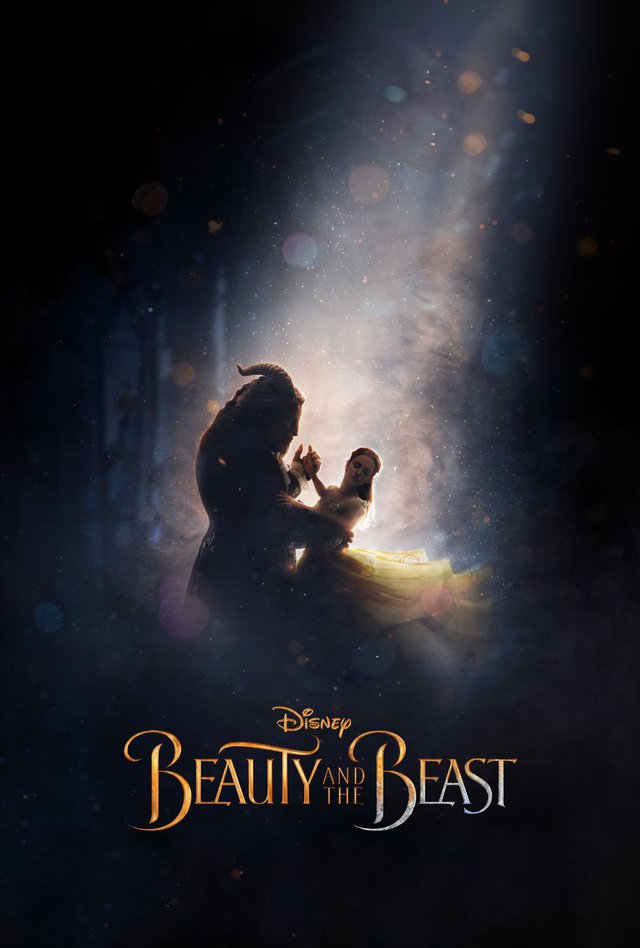
Beauty and the Beast is the newest in the live-action remakes of beloved Disney cartoons. So far, the ones I have seen have been done very well, and that stays true for this one. If you aren’t a fan of the Disney cartoon, you won’t like the film, but fans will enjoy it heartely. There’s nothing I can tell you about the film you probably don’t all ready know. Casting was done very well, and yes, Hermione Granger makes a great Belle. Great cast, great songs (some new ones as well), and outstanding, colorful cinematography all produce an enjoyable family film.

I really liked Hacksaw Ridge, I really REALLY liked Arrival, but The Edge of Seventeen may be the best I’ve seen recently, and I’m not sure why this one didn’t get more Oscar love. My only guess is generally, coming-of-age films don’t mix well with awards, but this film is not your typical movie of this genre. Nadine is a, you guessed it, 17 year old who has spent her entire life feeling outcast from society, and rather than being depressed or angry at her situation, she has embraced it. However, her one and only friend starts to date her arch enemy (her older brother), and it leaves her feeling truly alone for the first time in her life. I can’t say more than that for fear of giving away what makes this film great, but take my advice on this one. It is a beautiful film, with the lead Hailee Steinfeld truly remarkable as Nadine. See this one, it is worth your time. This film will make you laugh, make you cry, and sometimes both at the same time.

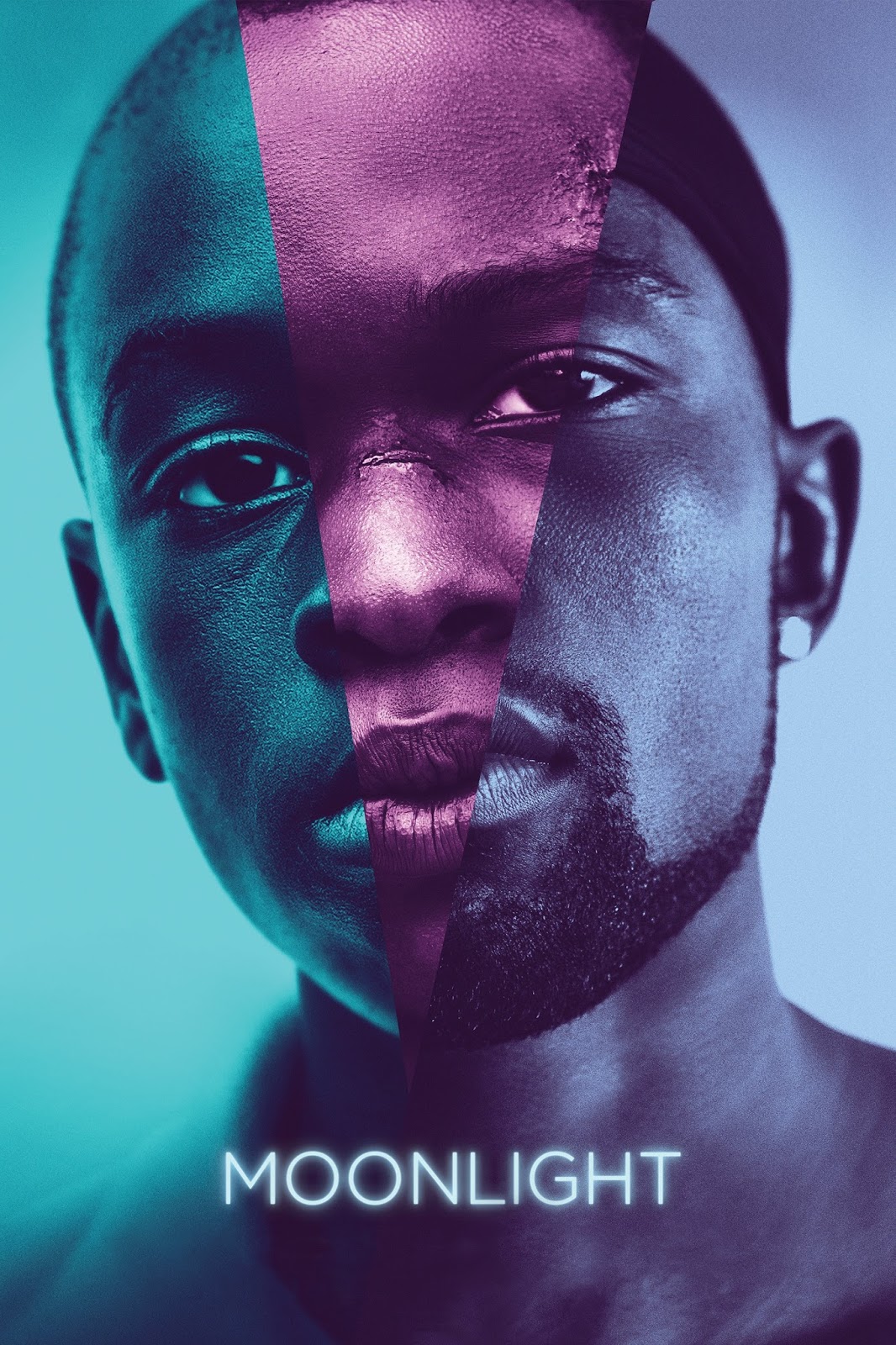
Moonlight earns my vote for most overrated film of 2016. Not to say it is a bad film, it is actually quite good, but certainly not the best film of last year. It is the story of a gay black man growing up in the inner city, as seen at three moments in his life. First we see him as a young boy, not knowing himself as gay obviously, but he is targetted by his peers for being different. This continues in the second act when he is a teenager. As an adult in the denouement, he has embraced the thug life and has respect in the street, but he has never acted on his sexual preference so as to stay safe and keep his tough persona. He has to reevaluate though when a lost love comes back in to his life. It’s a new spin on the secret lives people have to live to survive. The film has a strong cast and is moving, but everything from the videography to the soundtrack makes it seem like it is trying to reach the awards podium more than the at-home viewer. Again, its a good, moving film, but be prepared to be let down after all the hype.

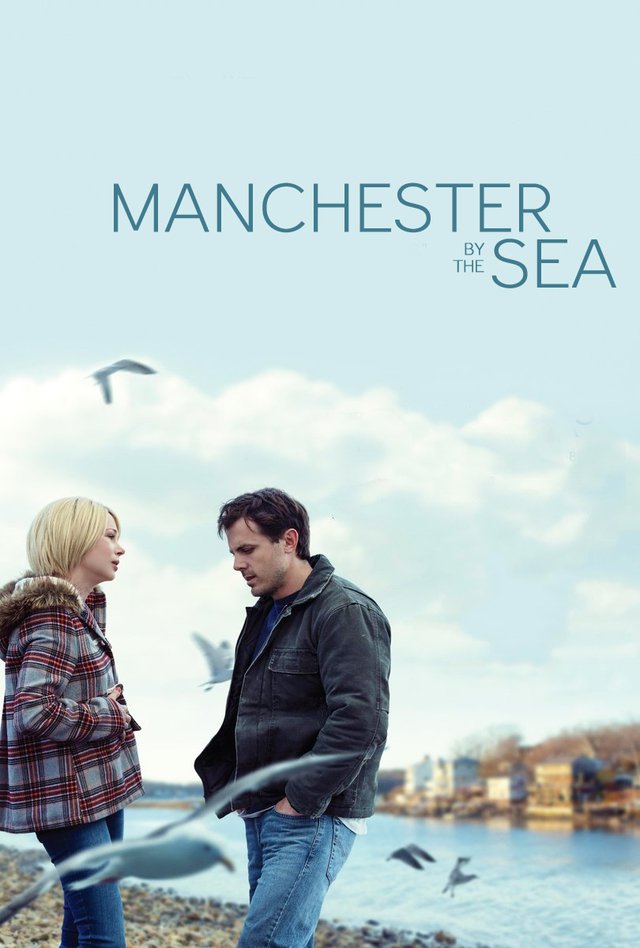
Manchester by the Sea is however a film that lives up to the hype, and by hype I mean the running jokes that it may be the most depressing film you see. The film starts with Lee (Casey Affleck, in a deserving-of-praise role) living a quiet, obviously troubled life by himself. He drags himself through each day and is obviously suffering from some deep depression, but we don’t know why. He gets the call that his brother has died and with no wife, Lee has to come take care of all the of the details and now look after his nephew. We learn through flashbacks what has driven Lee to this state, and these tidbits over time make the film even more depressing. The movie is brilliantly acted by Affleck and worth seeing for his skill, but don’t expect a big happy ending.

Quick takes on 5 films

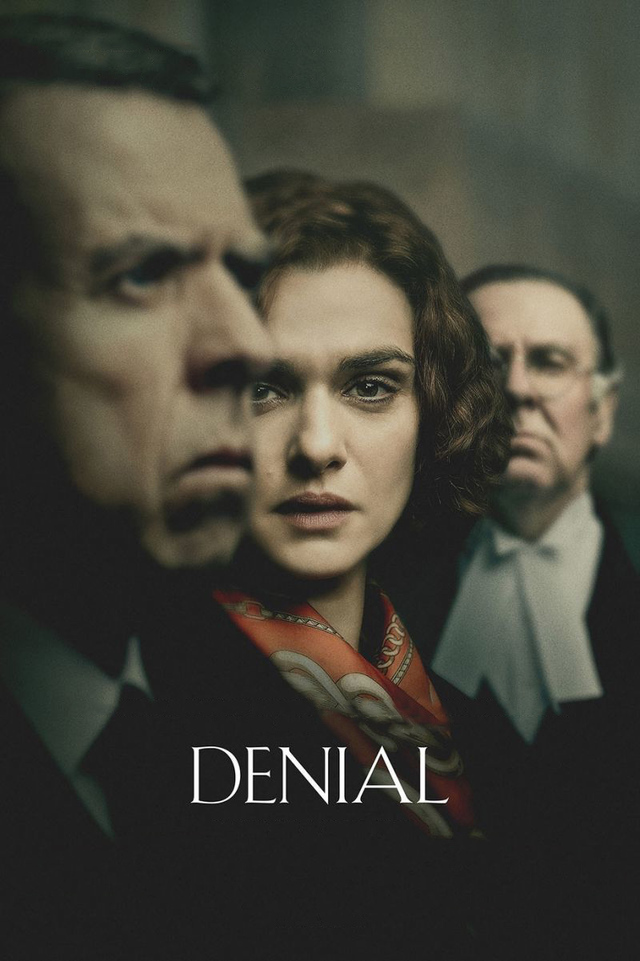
Denial starts with with strong subject matter, but falls flat due to fairly poor dialogue and writing. Based on a true story, it stars Rachel Weisz as an author who was sued by David Irving (Timothy Spall) for libel. Irving was (and still is I believe) a Holocaust denier who said jews were not killed on purpose by the Hitler regime. When Weisz’s character calls him out on this in her book, Irving sues, and the trial almost becomes a trial for redemption for the Holocaust survivors. Unfortunately a lot of the dialogue is repitative. There are a multitude of “ah ha!” moments followed by the actors explaining in great detail what they have discovered, and then repeating it again in case the viewer missed it the first time. What could have been a fantastic historical film becomes just standard fare with little to get excited about. I get bored just thinking about the idea of a second viewing.

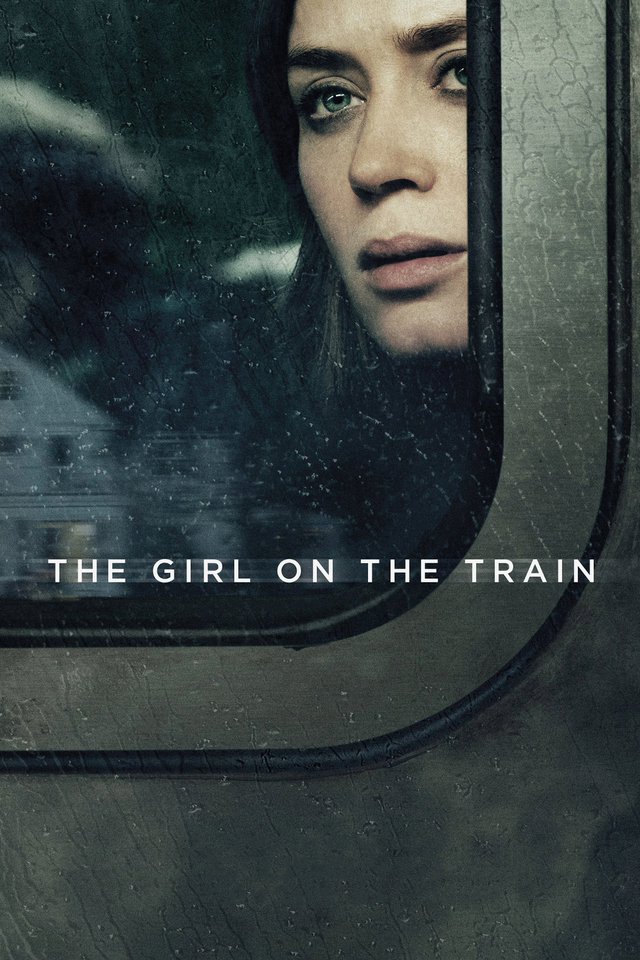
The Girl on the Train is another so-so movie. Emily Blunt is outstanding as the lead, but she alone can’t save this one. She plays Rachel, a struggling alcoholic who has lost her husband and career, and has become obsessed with her ex’s new life. She drives the train past their old house every day and spies in on him and his new wife, as well as the neighbors surrounding them. When she spots a female neighbor with a new man, and then the girl goes missing, she is forced to try to put together her spotty memories to help the police. I can see elements of what made the book this film is based off so popular, but the movie itself bogs down in cliche plot twists and a rather unremarkable, seen-from-a-mile-off ending.

Trolls is a good one for the family. Unlike my recent viewing of The Secret Life of Pets, which won over kids but offered little for adults, Trolls offers a great balance and can be enjoyed by everyone. It stars those cute little trolls of toy fad from the 60’s through 90’s, and offers up an impressive voice cast. The tiny trolls are almost nauseatingly cute and happy all of the time, and it is discovered that when a big ugly Bergen eats a troll, that normally depressed Bergen becomes happy too. The trolls flee the area so as to avoid being eaten, but are rediscovered 20 years later and a few are captured. The head troll, Princess Poppy, leads the rescue effort, and may just teach the Bergens how to find happiness on their own along the way. A cute film, lots of laughs and a good message for the kids too.

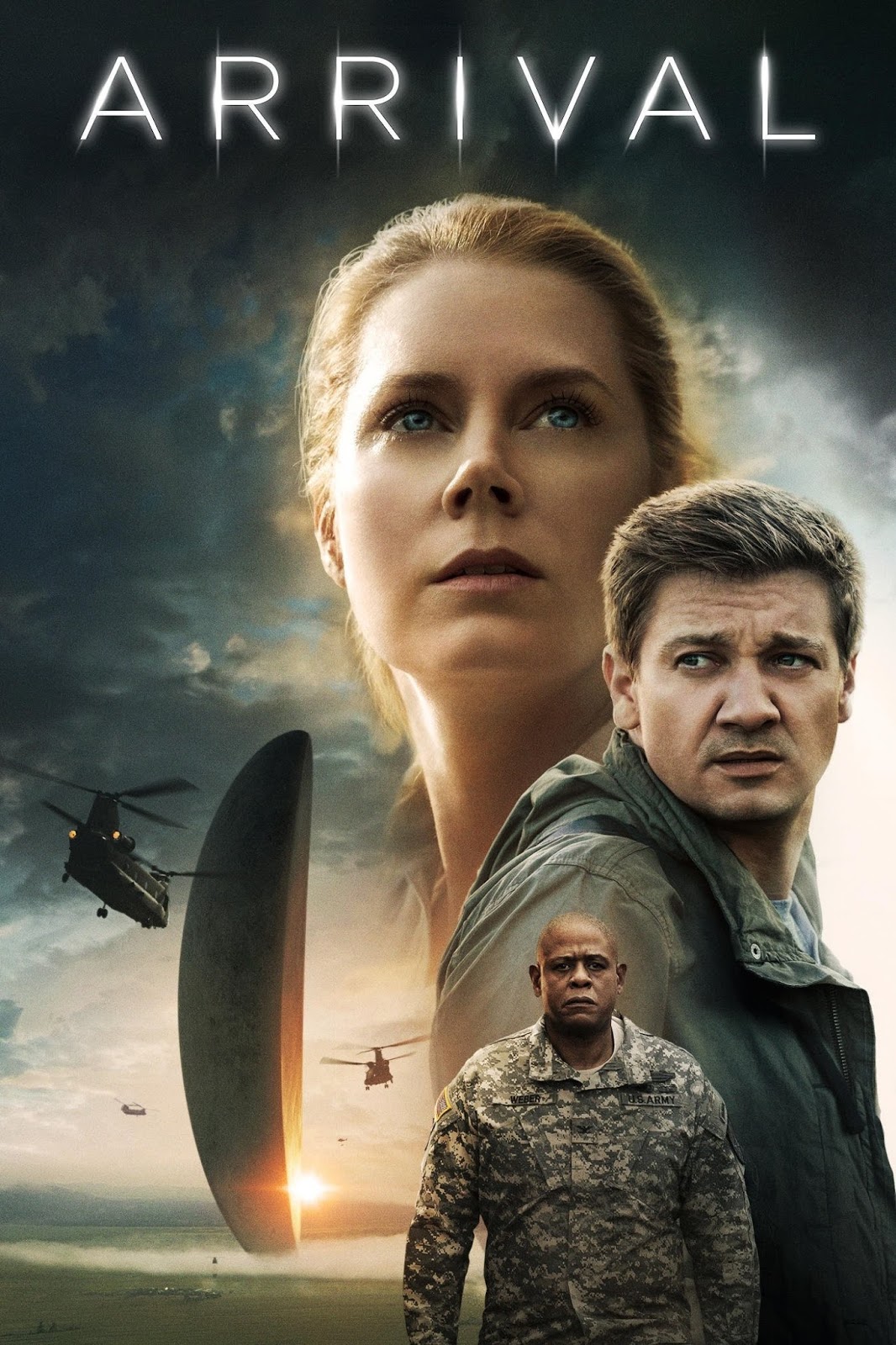
Next up are two of the best films I’ve seen in quite awhile. The first, Arrival, is sci-fi for the masses. The backdrop, of aliens coming to Earth and our inability to communicate with them, is definitely science fiction standard fare, but this film is much more than that. Louise (Amy Adams) and Ian (Jeremy Renner) are brought in to try to learn the language and find out what the aliens want, but of course politics get in the way. With a dozen spaceships spread out all over the world, the individual countries start a war of words with each other, not wanting to share information with each other for the greater good, and leading the world into a possible world war. Sadly, probably not too far off the truth if our planet really would be visited in this day and age. A very tense film, with a truly exciting and surprising ending. I can’t recommend this one enough, even if you think it isn’t a film you’d normally watch.

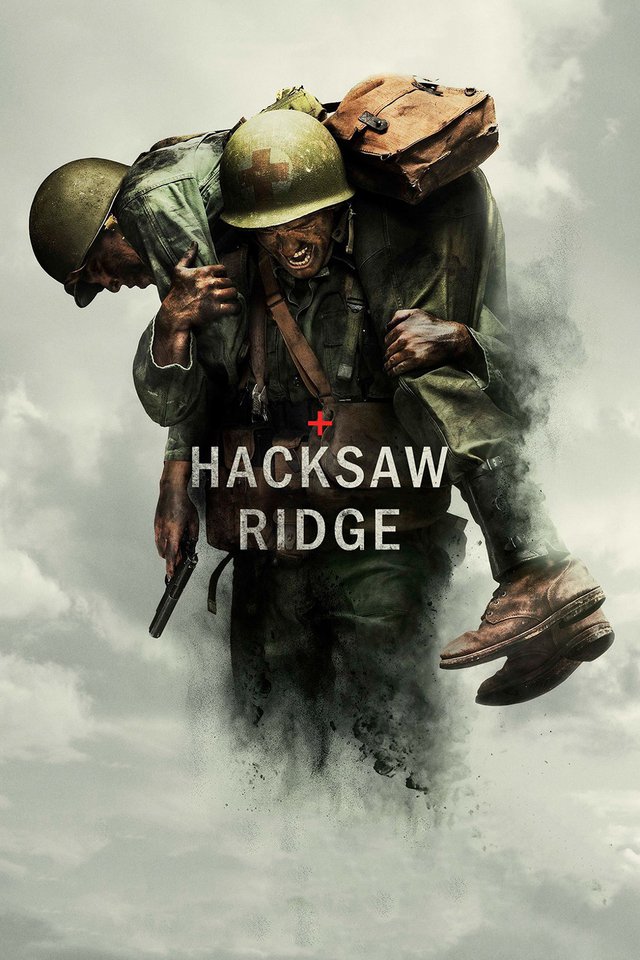
Hacksaw Ridge is another great one too, this one also much different than what it sets up to be. Initial glances predict a standard war film, taking place in the Japanese front of World War II, but again it surprises you with a lot more. The true story of Desmond Doss, as played by Andrew Garfield, it tells the tale of a man who felt conviction to serve his country in the war, but who refused to even touch a gun due to religious beliefs. He thought he’d enlist as a medic, but learned quickly that he would have to fight his own government first before he ever made it to the war. When he does get to the front, he proves his worth and heroism. The battle scenes are horrific, so it is not for the squeamish, but an engrossing film made all the more touching for the truth behind it.

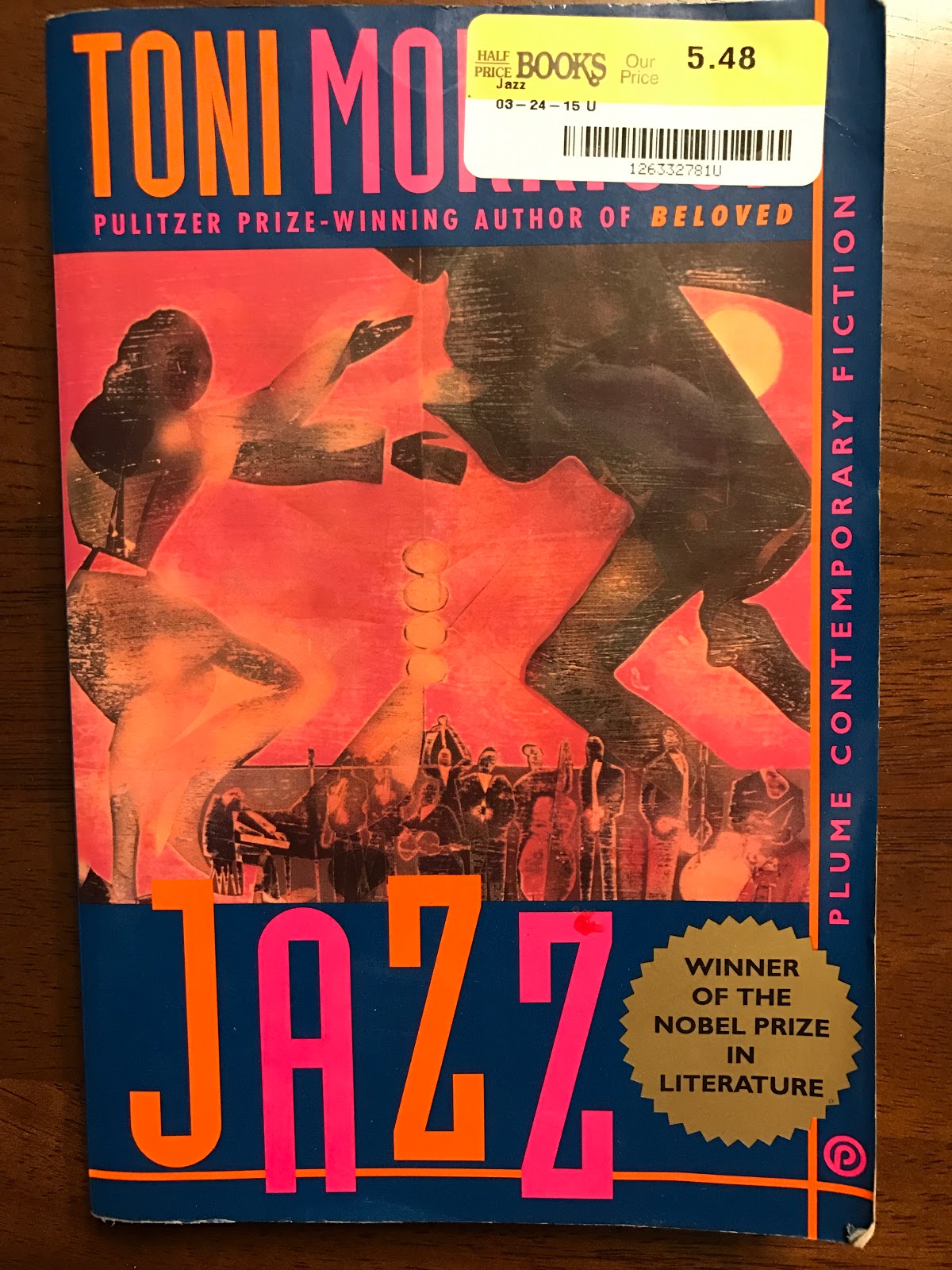
Jazz doesn’t seamlessly keep time

I understand some stuff I’m just not going to get. I egotistically like to consider myself a strong reader and an “ok” thinker too, and I do like to be challenged by what I’m reading (or watching, as the case may be), but I don’t get Toni Morrison’s Jazz. I’m not a big fan of the structure and sometimes “near” stream-of-conscience writing. If it’s jazz, it is free jazz.

The book starts at the end (or nearer to the end anyway). Joe and Violet have been married for ages and both are sort of tired of the arrangement in their own way. Joe has had a fling with Dorcus, but when Dorcus tried to end it, Joe killed her. Violet then showed up at the funeral and slashes at Dorcus’s face with a knife, while she lay in the casket. That’s how the book starts. We then delve into what made Joe and Violet each their respective persons, with much of their history told in dream-like flashbacks. They both are carrying around a lot of baggage from their mothers, and are only a generation or so removed from slavery, so they have that on their shoulders too. They both come from violent beginnings and have enough issues to keep a modern day psycologist busy for years.

Violet doesn’t talk to Joe much, so he had sought out Dorcus mostly for companionship. Violet had spent most of her life not wanting any children, until it became too late. I guess in a way she saw the much younger Dorcus as an interloper in more ways than one. After Dorcus is dead and the above scene has played out, we finally get a new companion for Joe and Violet. Dorcus’s friend, Felice, arrives, and since we are all out in the open now, Joe and Violet embrace her and ultimately find each other again.

I have to admit, when I finished this book, I googled “Toni Morrison Jazz overrated” to see if I was alone in my thoughts, and I got more hits for her novel Beloved than this one. Since that book too is on my list to read one day, I have to say I’m not exactly looking forward to it. I’m not going to say Jazz is a bad novel, by any stretch, and I can definitely appreciate Morrison’s contributions to the genre and her voice. This one just didn’t connect to me.

Quick takes on 5 films

I generally enjoyed Snowden, the telling of the man who became a whistleblower, called either a traitor or a hero depending on where you stand. I’m a big Joseph Gordon-Levitt fan and liked him in this film too. The film played the right balance of being a true “movie” and not just feeling like a big production documentary, and still getting all the pertinent info out there. It still amazes me (though it shouldn’t) that our government could stick a camera on anyone, record anything, and look at any “private” message or email without a warrant of any kind. A fascinating film, if for nothing else than just the information it presents.

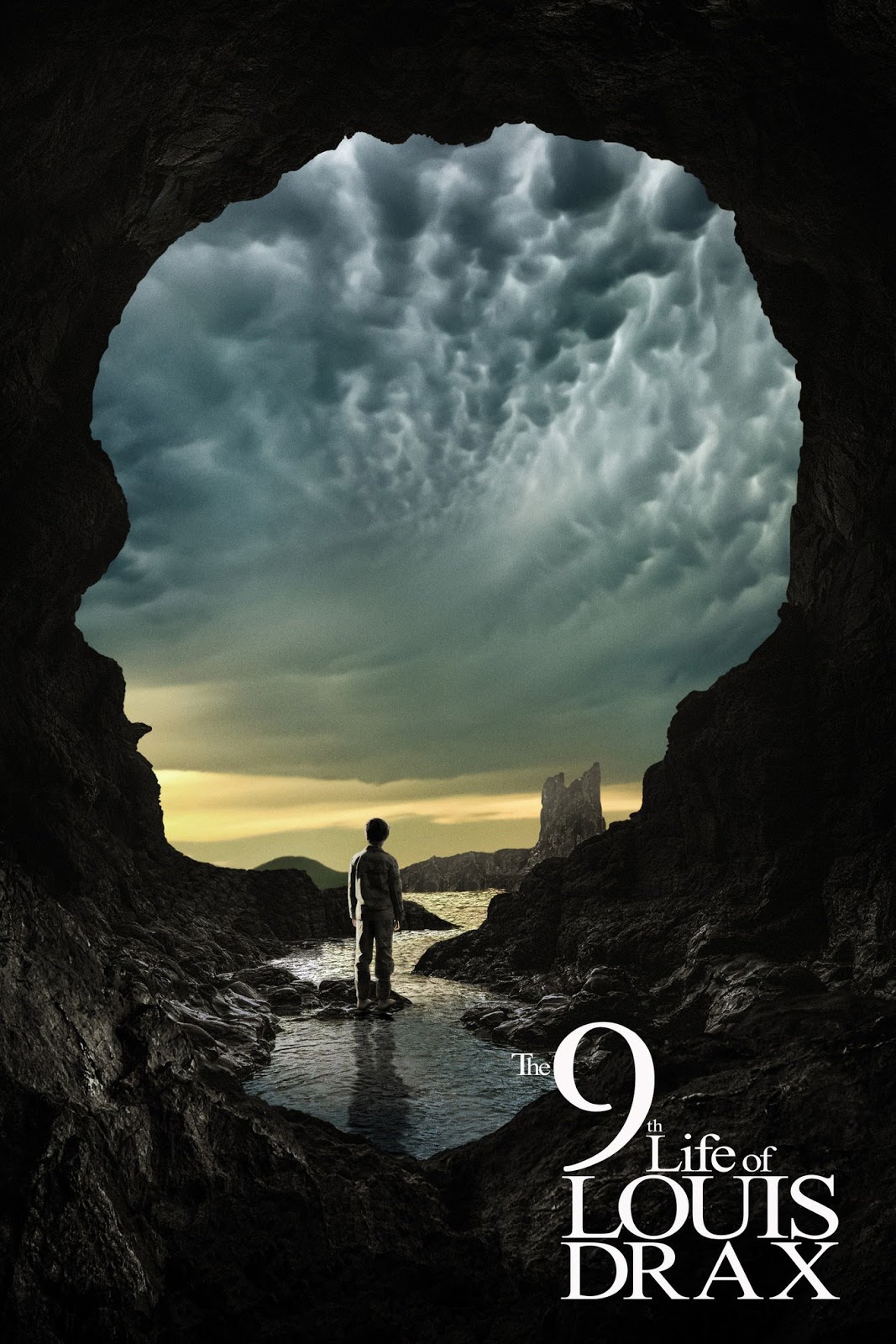
The 9th Life of Louis Drax could have been a really great film, with an interesting backstory and strong development along the way, but ultimately it falls flat for various reasons. Louis Drax is a 9 year old who is injury prone to say the least. He has suffered near endlessly since birth, and tells his life story in a queer, humorous way. The film starts with him in a coma, apparently the result of his father pushing him off a cliff. The father is in hiding, and the stricken mother stays by Louis’s side in hopes of a miracle. The movie borders on the fantastic (and inches over in several places), and has a definite science-fiction like vibe to it, as the comatose boy tells his story and the viewer is just along for the ride. Unfortunately we are hinted too often at the big climax long before it arrives, ruining the surprise and lessening what could have been so much more. Still, I liked it mostly, and sci-fi junkies like myself may still find enough to enjoy.

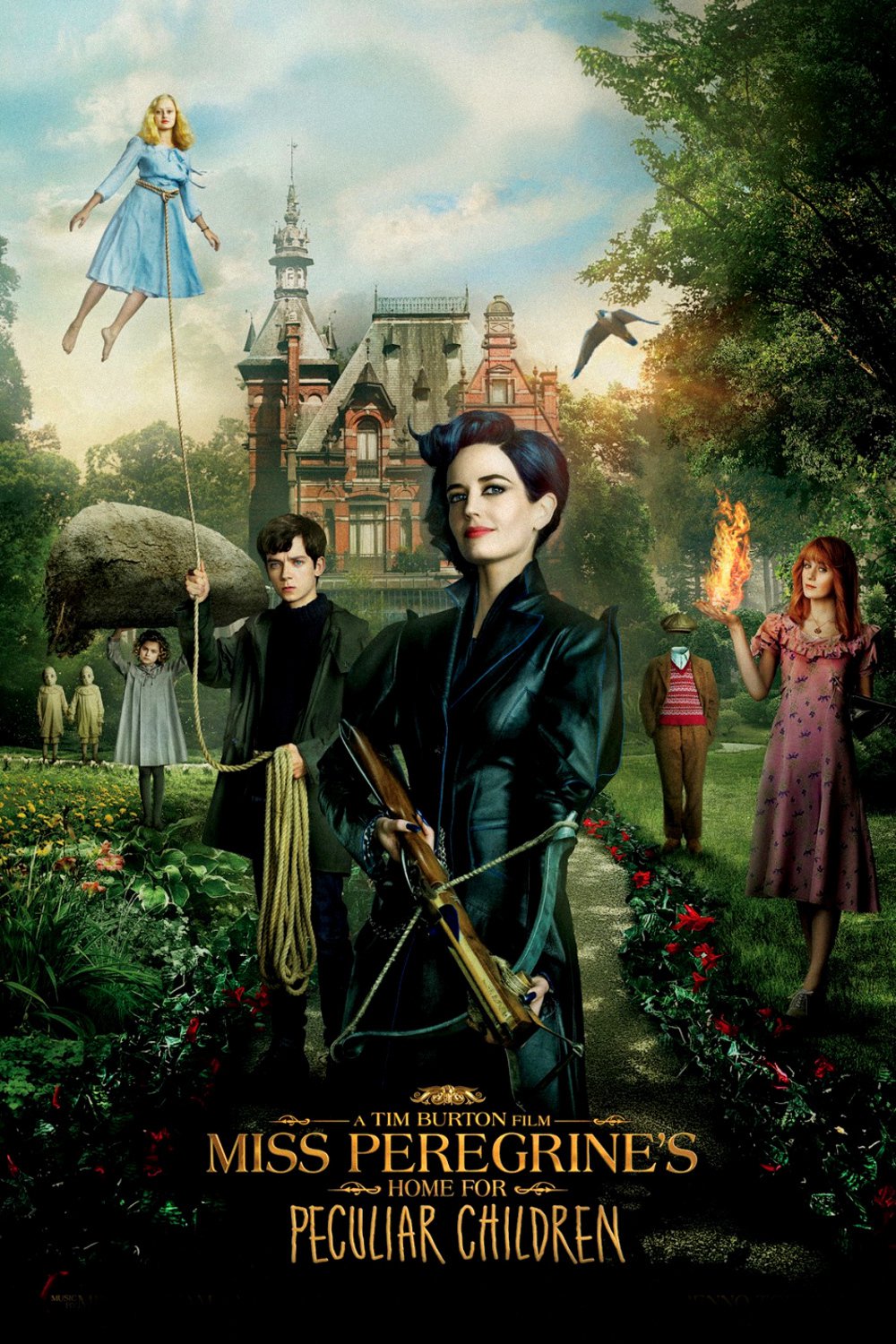
Miss Peregrine’s Home for Peculiar Children seems to not find true audience, outside of Tim Burton die-hards. It has his beautiful style and is visually stunning if you like his dark, yet colorful direction, but seems to be unsure of what kind of movie it wants to be. It is about a boy named Jake who discovers his recently deceased grandpa was a “peculiar”, that is a person with special abilities. These peculiars hide from monsters who want to kill them and eat their eyeballs, and they hide inside “loops” where they replay the same day over and over again in time. The scary scenes seem really too intense for younger kids (even if the movie does make the monsters invisible so as to not show any true blood), yet much of the dialogue is a little too dumbed down for adults. The idea of the movie is better than the movie itself.

I was intrigued by The Birth of a Nation because its subject matter was mentioned in a book I just recently read. It tells the history of Nat Turner, a slave in the early 19th century who eventually rose up and led a rebellion, killing about 60 white people during their revolt. It is a powerful film built on a powerful idea, but sort of hid in the Oscar buzz because the writer, directer, and lead actor, Nate Parker, was once accused of rape and that 15 year case resurfaced when this film was being distributed. Whoever he is as a person, his film is pretty strong, for at least the first 2/3rd’s. Turner is a slave, and grows up with with the slave owner’s child (Sam Turner, played by Armie Hammer). When Sam inherits the farm, he continues to treat Nat and his other slaves much better than his neighbors do with theirs. Nat even starts to think they have a true friendship, until one day he is brutally whipped for crossing a line with Sam, and from their Nat starts his revolt. The final act is a bit sudden and feels rushed, and the film could maybe have been better as a week-long miniseries than a 2 hour movie, but still a solid film.

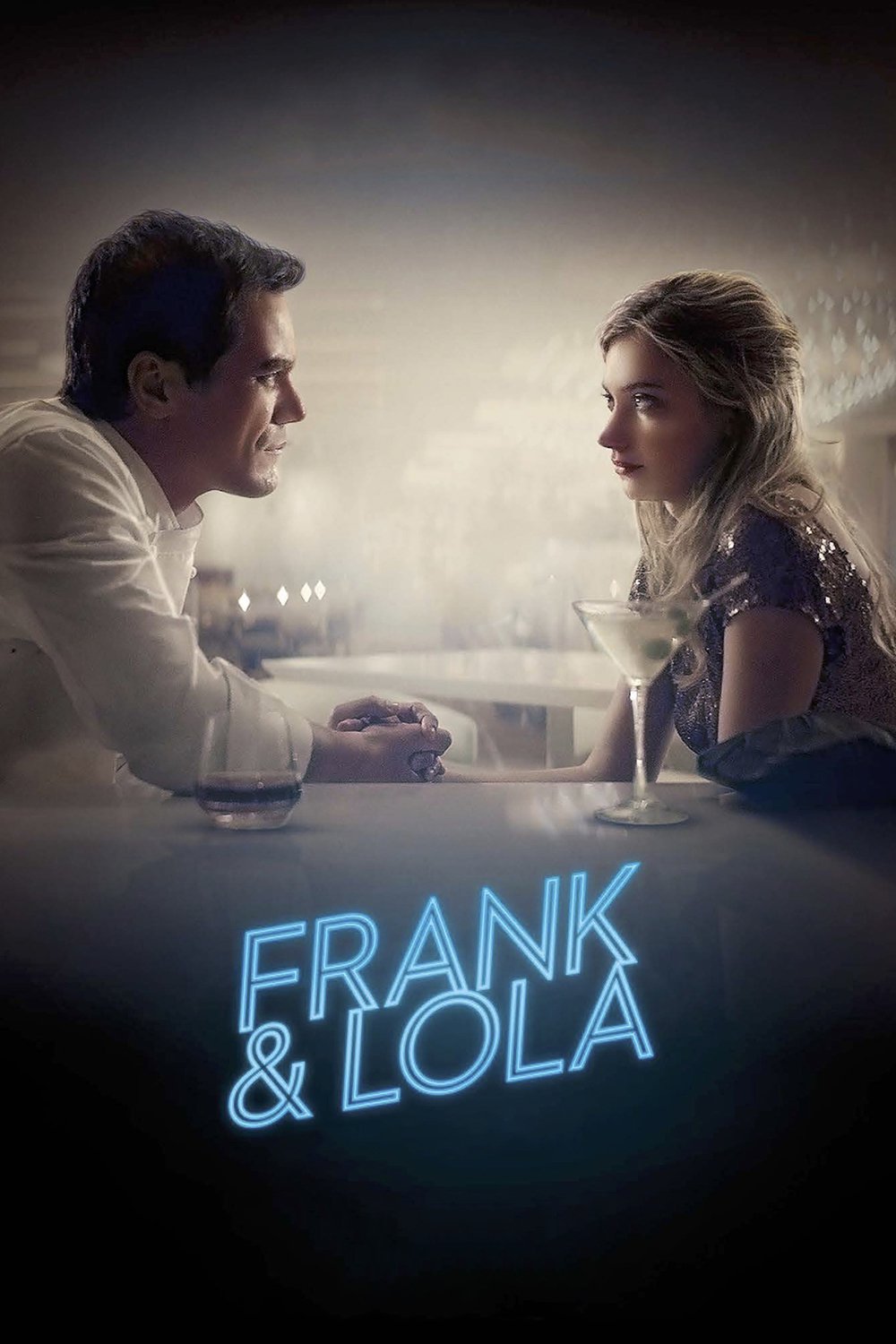
Frank and Lola on the other hand is pure rubbish, and I like Michael Shannon as the lead actor. I can’t tell if the film suffers from bad writing or bad editing, but is probably a victim of both. The movie is just very disjointed and choppy, in all aspects. Frank is a great chef but is down on his luck, and he falls for Lola, a bubbly young lady 10+ years younger. He immediately becomes the jealous older man, always wary of her intentions with other men, which is made worse when she does in fact have a one-night affair. The rest of the film becomes a quasi-mystery of who did what to who, but it just feels like you are watching some bad MTV reality show with all the contrived drama.