Spider-Man swings back to theaters

I’m a little late in writing this one, as I saw it about a week ago. Time swings by faster than Spidey! (hardy har har)

Unless you aren’t a fan at all, you’ve heard a lot about the background dynamics of this film. Marvel sold the film rights to Spider-Man and his associated characters back in the ’80’s, which have been owned by Sony since at least 2002 when their first Spider-Man (with Tobey Maguire) came out. Sony made 5 films on their own, before coming to an agreement a couple years ago to bring the character back under the Marvel umbrella. It is a bit of a convoluted deal, with Sony still owning the rights, but his character is sort of “on loan” to appear in Marvel’s far-reaching Cinematic Universe, having first appeared in Captain America: Civil War. In Spider-Man: Homecoming, this new version of your friendly neighborhood Spider-Man starring Tom Holland, he gets his first full film.

I liked this one. I liked the Tobey Maguire and Andrew Garfield films too, but this one feels fresh, and Holland is the right mix of hero and teenage-driven angst that fills the character out. I also liked that for the first time in a long time, there’s a Marvel MCU film where the character isn’t saving the world. One of the reasons I really dig the Netflix shows in this series, is the heros are making their corner of the city better, but aren’t facing off against the end of mankind. This newest Spider-Man has that same sort of feel.

If you are a fan of the genre, I’m sure you’ve seen this one all ready, and if not, you probably don’t care, so I won’t write up anything about the actual movie. Suffice it to say, it takes Spider-Man in a strong direction for the future. I think the lines will be blurred between “canon” MCU films, like this one, and other Marvel films Sony has planned with their licenses (upcoming Venom) which will not fall in the same timeline. Either way, it is a good start to this reboot.

Quick takes on 5 films

Lion is a gut-wrenching movie, and doubly so for being based on a true story. Saroo is a young boy in India when he accidentally falls asleep on a train, which takes him over 1000 kilometers away from his village. He’s at that age where he knows his home’s name, but doesn’t know his own last name, and offers little help to those who (mostly half-assedly) try to help him. He is one of the lucky ones though, and is quickly adopted by an Australian couple. He flies there and grows up in a solid and secure middle class family. 20 years later and now an adult, Saroo wants to find his birth mother, to tell her he survived and that a loving family found him and raised him. The two leads of Dev Patel as Saroo and Nicole Kidman as adopting mother Sue are equally captivating, and the film does a spendid job of walking the line of tugging at your emotions without clobbering you with dramatic cliches.

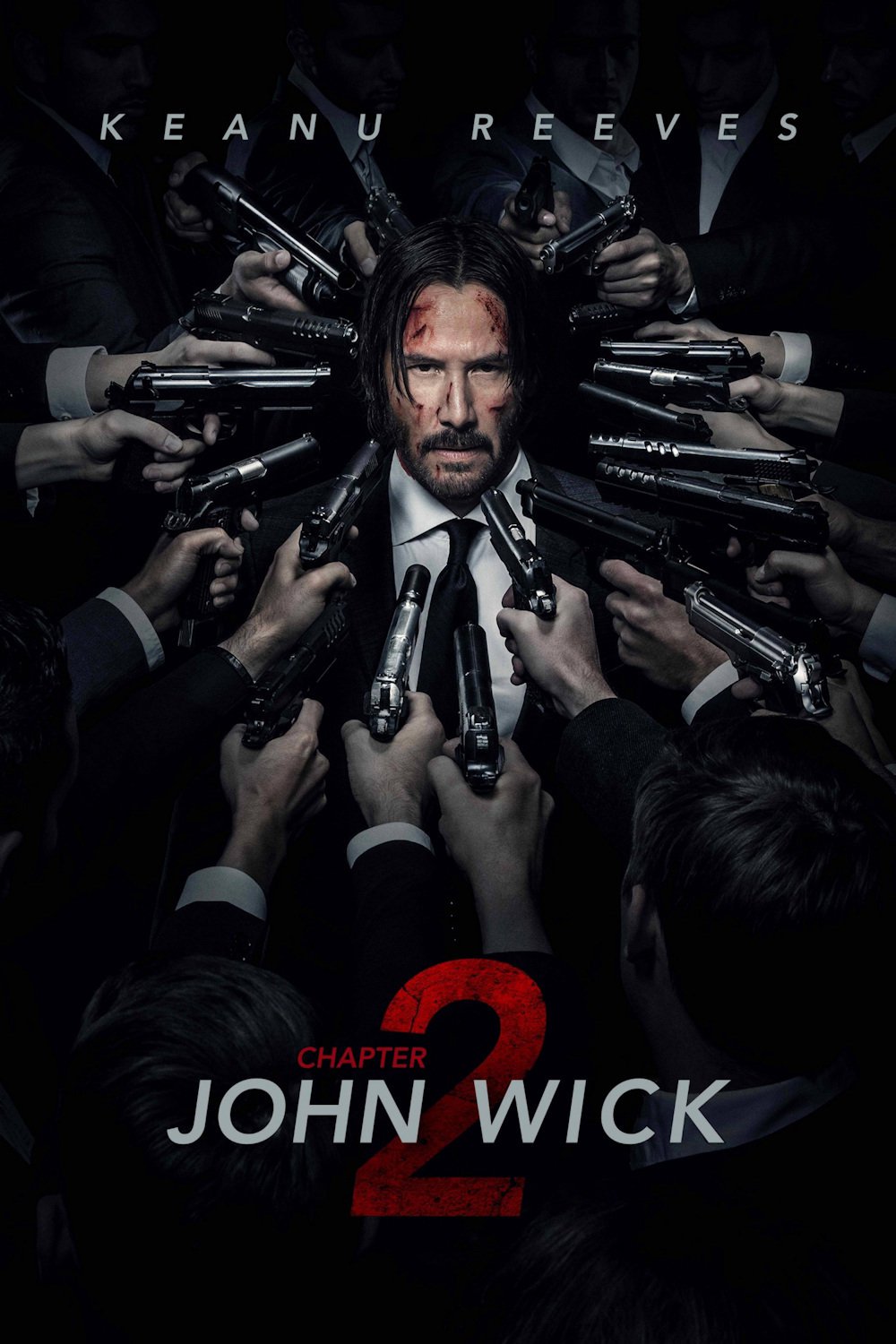
Let’s face it, you don’t generally see a Keanu Reeves movie for the acting. John Wick 2 is a typical Reeves film. He shows us about 2 different dramatic faces (admistering and receiving pain), and all the other characters are as one dimensional as he is. But damn if it isn’t an entertaining romp. As most action movie sequels go, the body count goes up, the ridiculous factor goes up, and it sets itself up for yet another sequel. At this point, sign me up, I’m in.

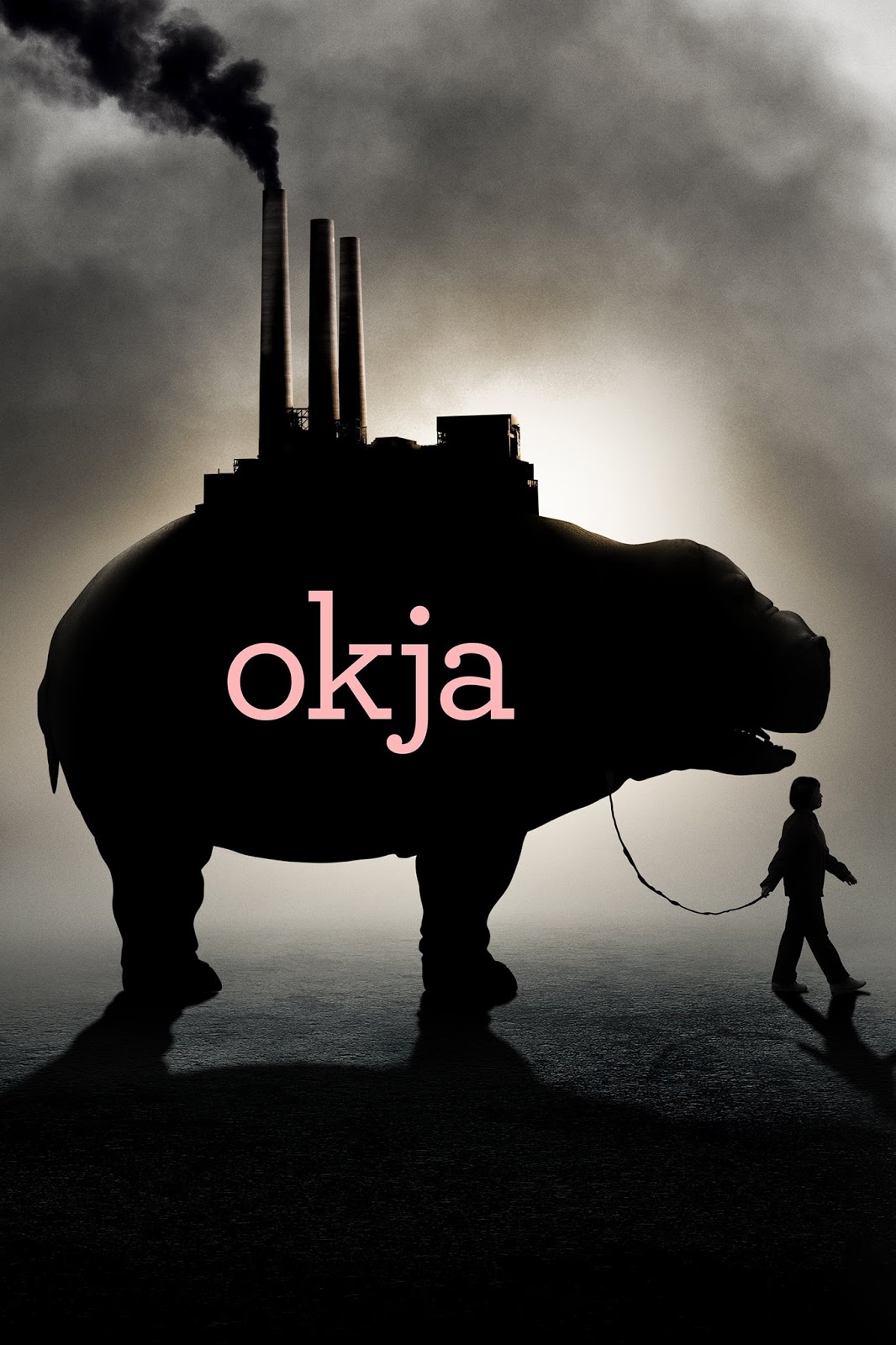
Okja is (I think?) the second English language film from Korean filmmaker Bong Joon-ho, following Snowpiercer from a couple years ago. I thoroughly enjoyed Snowpiercer, and this film is a lot like that one in feel and direction. Okja is a giant “super pig”, bred to help feed the overpopulating earth. The pig is raised on a remote farm in Korea by Mija and her grandfather. After 10 years on the farm, the time has come for the pig to head back to its owners for butchering, and Mija cannot let Okja go. With insanely over-the-top characters (Paul Dano as an extremely non-violent extremist, Jake Gyllenhaal as a wacky tv star, Tilda Swinton as the emotionally unstable head of the company), like Snowpiercer this film has the feel of an Asian anime brought to live film. Under all the layers, there is a gripping story, and young Mija and the computer-generated Okja are the stars of the screen.

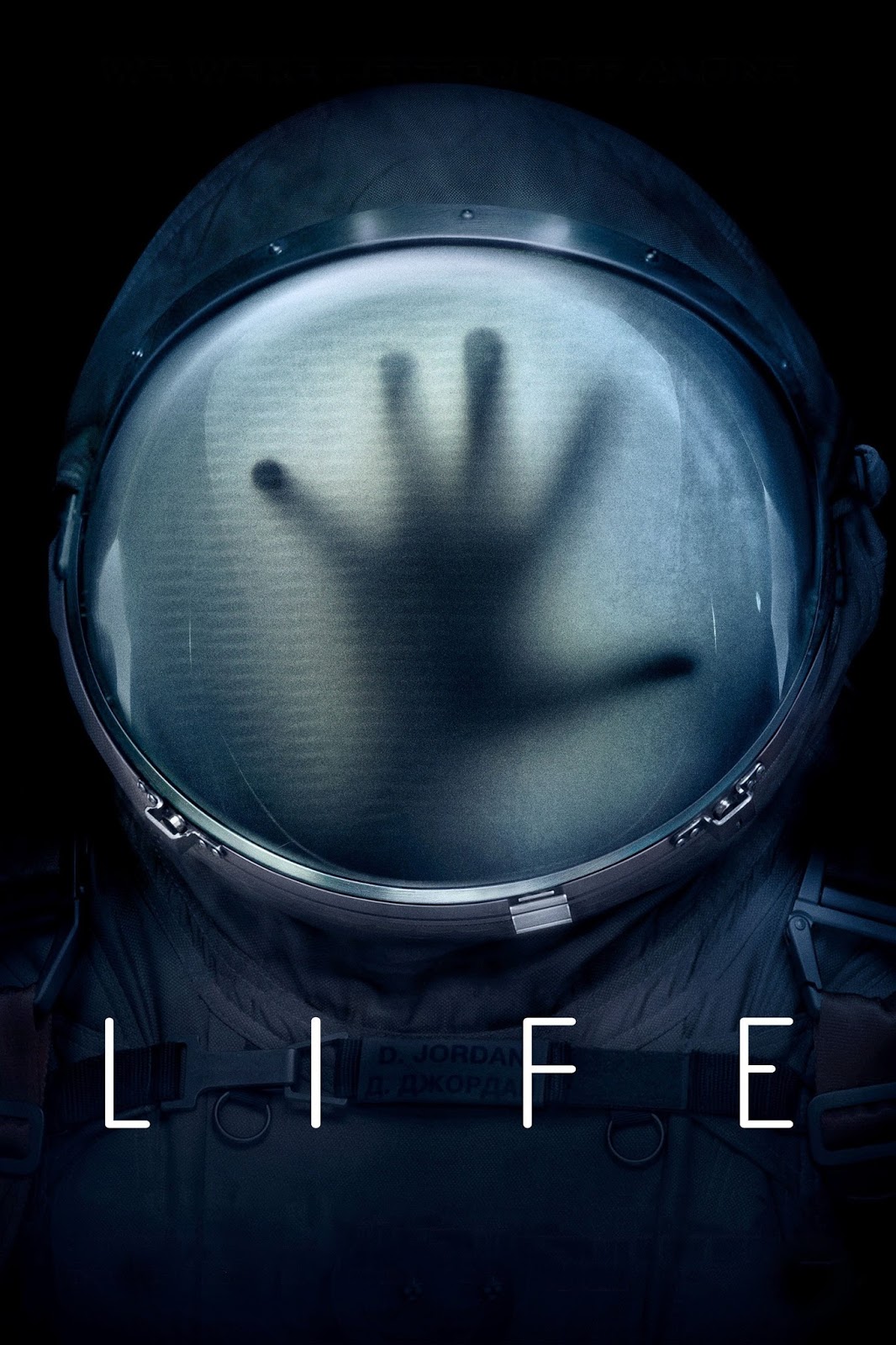
I really wanted to like Life, as sci-fi space adventure is right up this geek’s alley. The trailer seemed great. Unfortunately the film was a let-down for me. The backdrop is a team on the International Space Station grabs a probe returning from Mars to look for past life in the soil samples. They find not only past life, but a microorganism that has been in hibernation and is brought back to life again. This discovery is celebrated at first, but of course things go wrong when the tiny Martian lashes out at the humans. If it had stayed a tiny bug or parasite, I’d be down, but instead it grew to this flying super-strength Alien-esque monstrosity, that seemed damn near indestructible and more intelligent than our greatest minds. At the same time, these well trained astronauts made some pretty poor, rash decisions in the heat of the moment, that put their whole mission and lives at risk. Far fetched even by sci-fi standards, which ruined what could have been a great film.

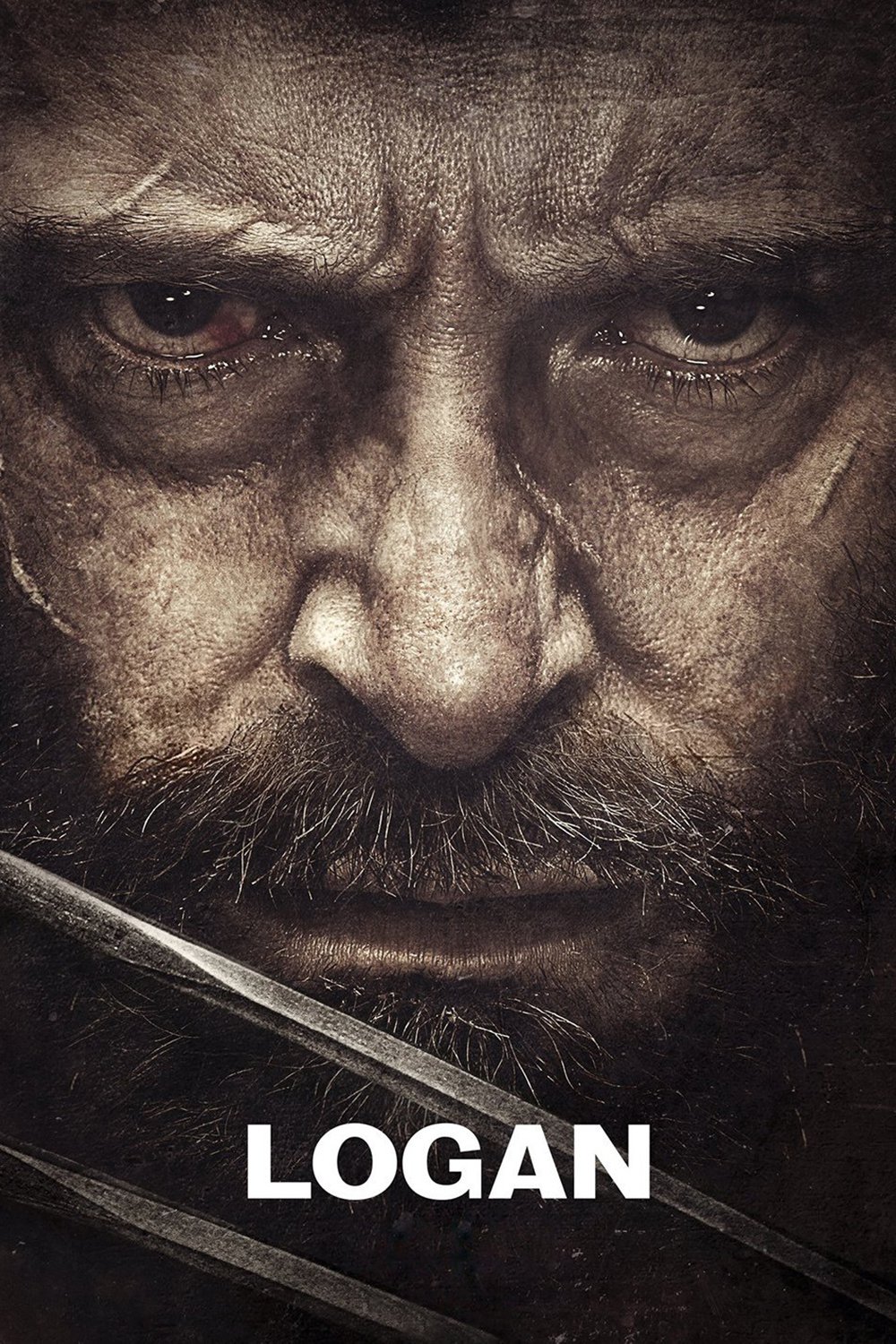
Let’s end on a great one though. Logan is the (supposedly final) Wolverine film starring Hugh Jackman. Long the centerpiece of the X-Men movie franchise (17 years strong, for the most part), Jackman’s Wolverine has been through a lot. I don’t think I’m giving anything away when I say this film is the end of it all (it has been billed as such). Set in 2029, Wolverine and Professor Charles Xavier are pretty much all that is left of the mutants on Earth, and we don’t find out why until later in the film. Not sure which timeline this falls in, hard to keep that up unless you are a super fan, but you can set that aside and just enjoy this film. Logan is old and all of his life-long battles are finally catching up with him. He doesn’t heal as fast as he used to, he feels a lot more pain that he used to, and he seems to know he isn’t going to get to ride off into the sunset peacefully. A new government team has been breeding new mutants as weapons, and Logan reluctantly becomes involved to stop them. This is a violent film, rated R and rightfully so. It has gory, glorious action sequences, but it also has something that not every super-hero film does, and that is heart. This is a great one, and a fitting end to Wolverine’s run.

Quick takes on 5 films

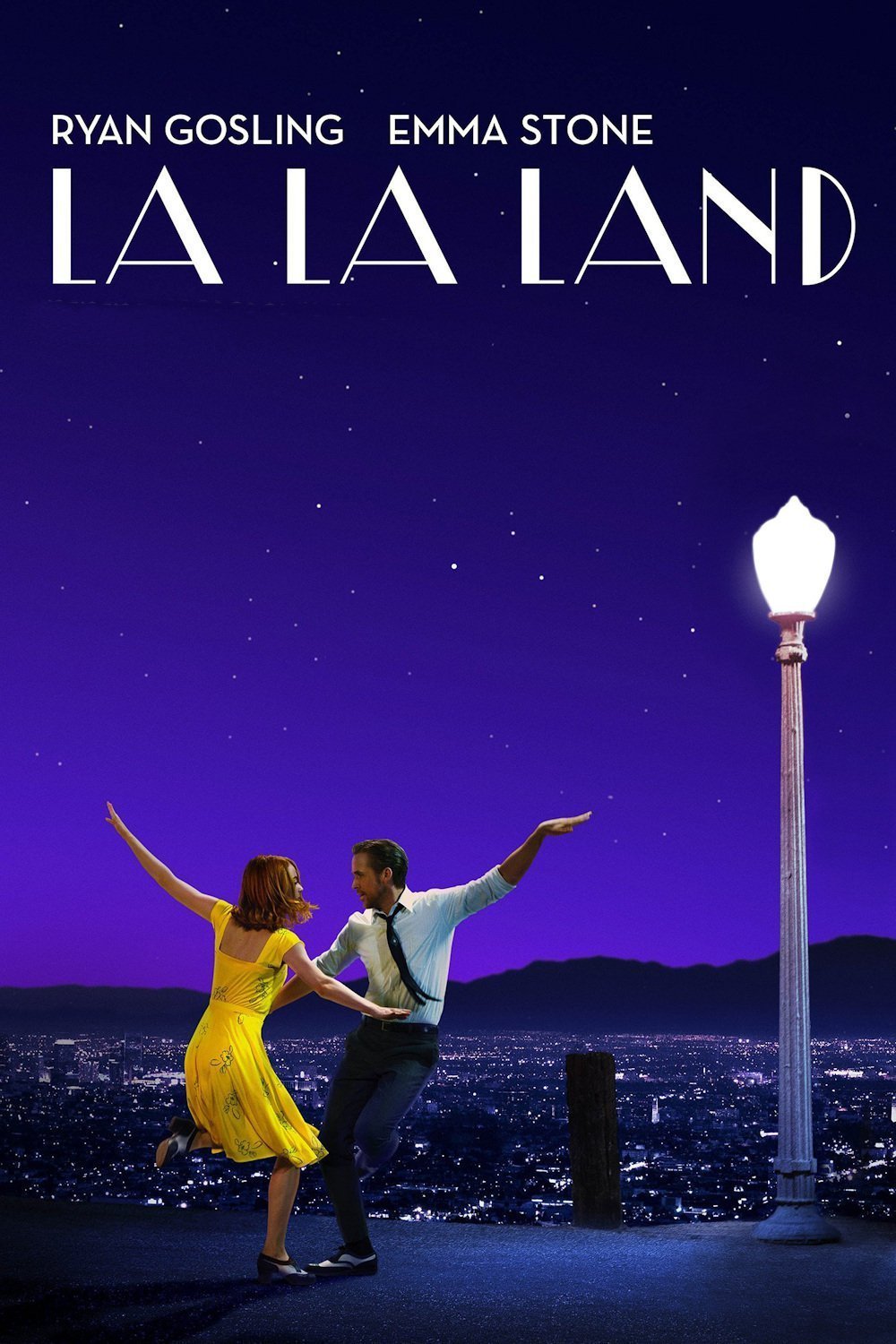
I found La La Land enchanting, but not simply because it is a revival of the musical genre and I’m a nut for the classic musicals. It is just a really good film. Emma Stone and Ryan Gosling play a respective struggling actor and jazz musician, trying to make it big in Los Angeles. Mia goes to audition after audition, but rarely even makes call-backs. Sebastian loves the straight ahead jazz of a bygone era and is reluctant to play other types of music which may pay the bills. The two meet, and support each other to continue to reach for their goals, despite what it may do to their relationship. A beautiful film, with stunning scenery, wonderful songs, strong acting, and most importantly, a heartwarming tale, though maybe not one you are expecting. Well worthy of all the awards it received last year.

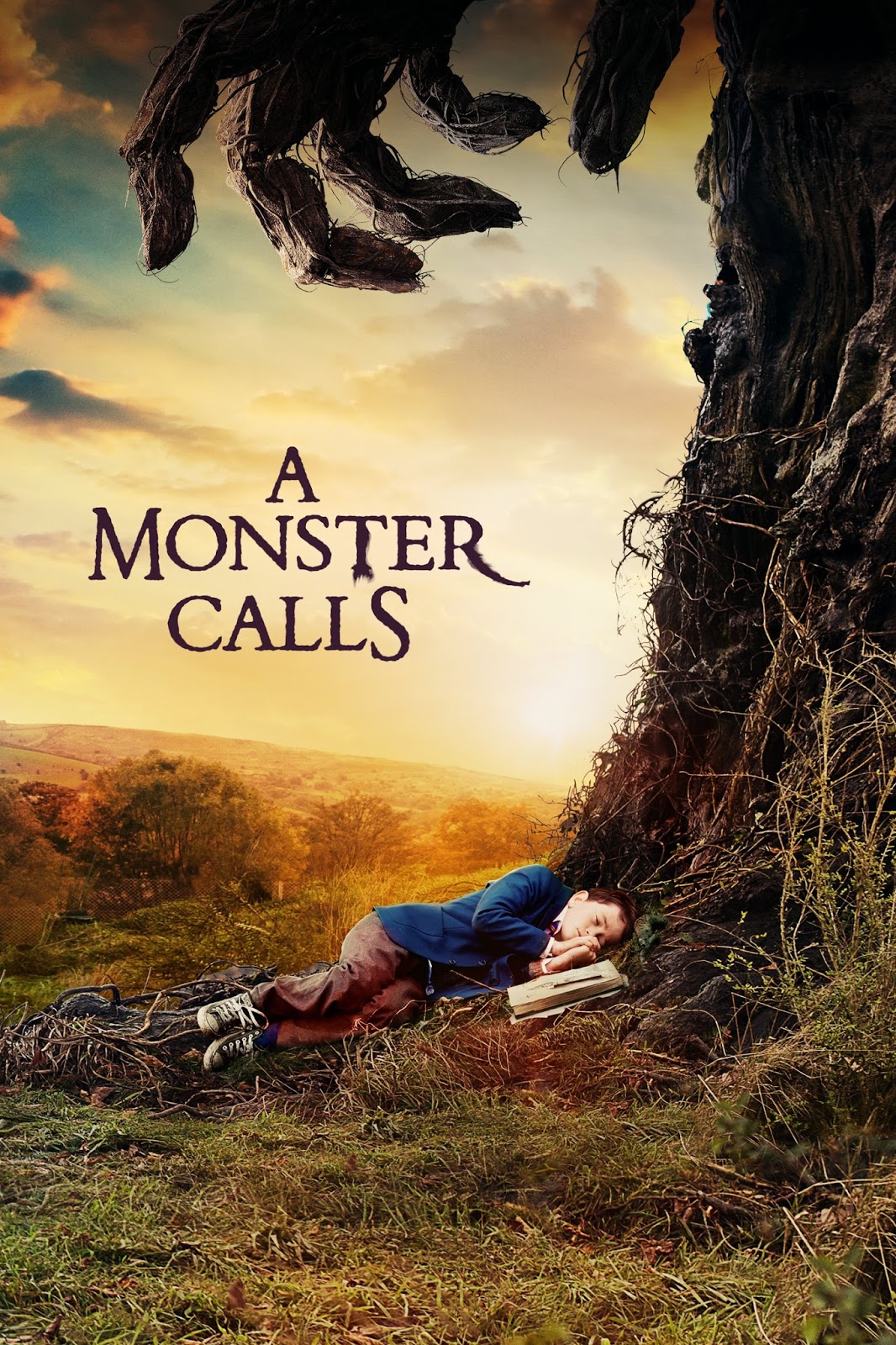
I went into A Monster Calls not really knowing anything about it, other than it had a decent rating on Rotten Tomatoes. Sometimes it is those films that you aren’t expecting anything from which suprise you the most. This is a heart-breaking, yet ultimately uplifting film about a boy, Conor, who is “too old to be a kid and too young to be a man” as the opening describes. His mother is fighting cancer and getting worse instead of better. Conor’s emotions over this ordeal are causing him to variously withdraw and/or lash out. He is visited by a fantastical beast, a living tree called “the monster,” who tells Conor he will tell him 3 tales, after which Conor must tell his own story. As with real life, the stories are complex without clear good and bad guys, which enlightens Conor, and ultimately helps him deal with the very real possibility of losing his mother. The only real fault in the film, and minor at that, is that it hammers home those “ah-ha” moments, so younger viewers won’t miss the true meaning, yet I believe much of the growth Conor makes can only be appreciated by adults. Still, a very fulfilling movie, especialy for those who may have lost someone at a young age.

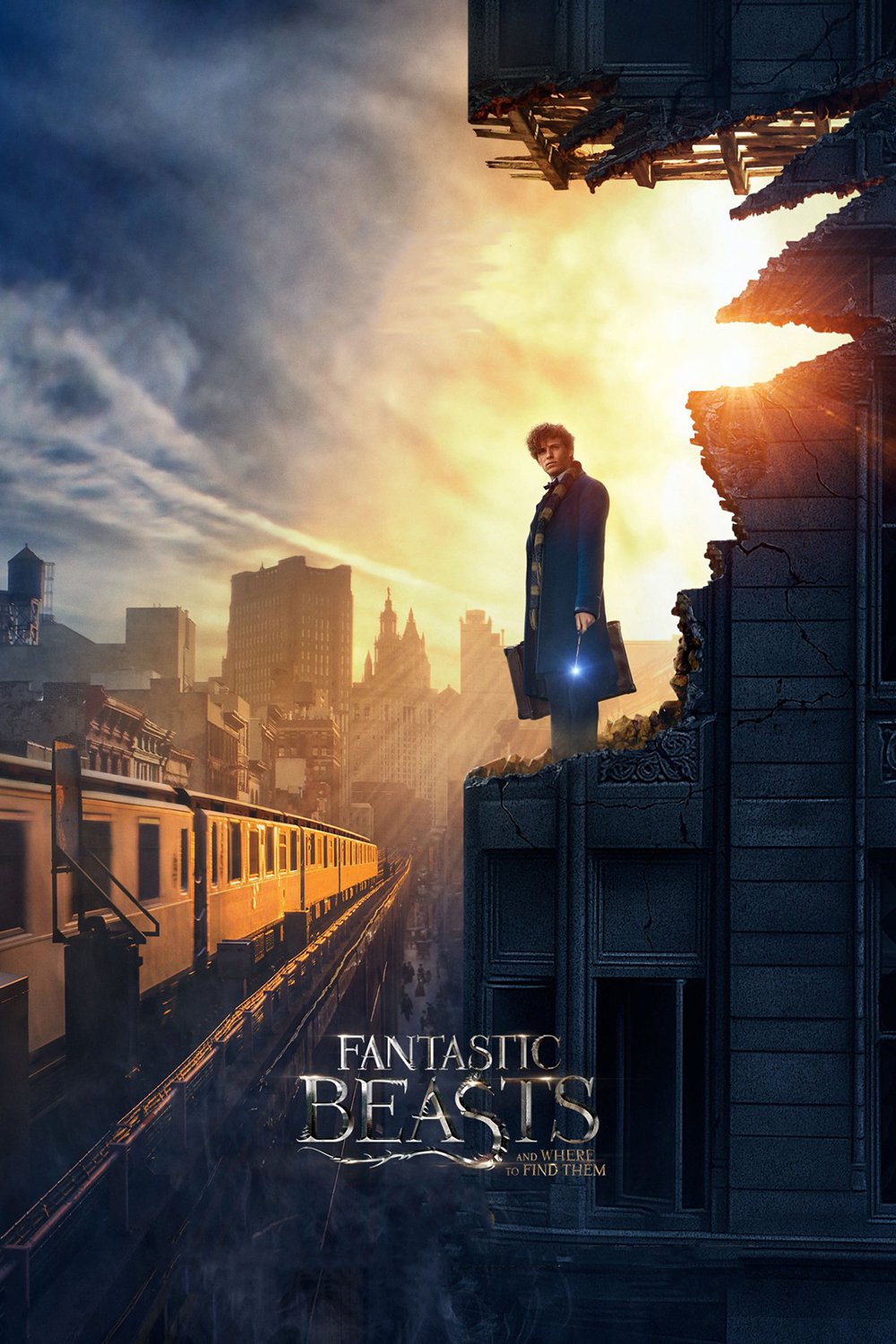
I found the newest Harry Potter film (and apparently the start of a new franchise) Fantastic Beasts and Where to Find them to be fairly ho-hum until the climax in the end. Most of the film is OK I guess, though it seemed like it was purely made for fanboys until the latter stages. A prequel to the Harry Potter films, the outstanding Eddie Redmayne plays Newt Scamander, an English wizard visiting 1920’s New York. He brings with him a magical trunk carrying a host of magical creatures, some of which escape in the city. The American wizard federation blames Newt for the crazy happenings in the area, when in reality something much more sinister is in play. If you can hold your attention through the admittedly slower first half, you’ll be rewarded by a very satisfying denouement. I can’t quite shake the feeling that the movie feels like a cash grab (it made over $850 million worldwide), but it isn’t a bad film.

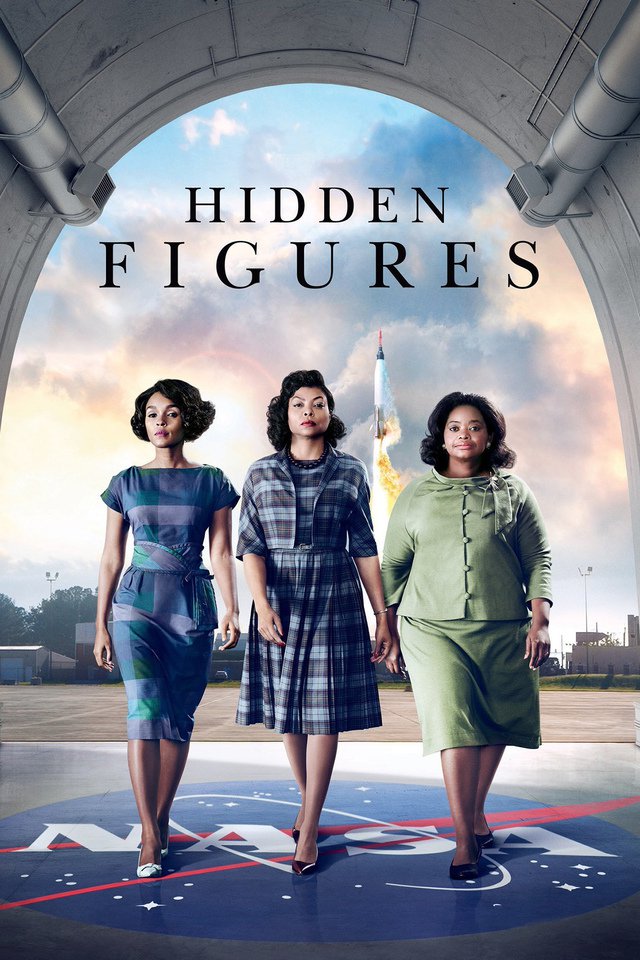
Hidden Figures is a great movie on its own merit, regardless the racial element it brings to the table. I had a good friend downplay the film (without having seen it), saying there were many people behind the scenes during the space missions, so why single out these 3 women just because of the color of their skin. The obvious answer of course is these three had to work that much harder to have their voices heard. Telling the true story of three women (Katherine G Johnson, Dorothy Vaughan, and Mary Jackson) working at NASA during the “space race” with Russia to put a man in space, this is a strong film for both its acting and story. With plenty of dramatic liberties taken, it isn’t entirely accurate, but it is still a wonderful film. You can’t help but root for them, and the team as a whole, to be successful at putting John Glenn in space.

Blah blah blah. That’s the first thing I think about 3 Generations. It is one of those movies with great subject matter (let’s be honest, Oscar-worthy subject matter), and the filmmakers know it. Know it so well, that they repeatedly ram it down our throats. It stars Elle Fanning as transitioning teenager Ray (born a girl but feeling like a boy all of his life), with a single mom and a lesbian grandmother. Unfortunately the dramatic moments are pushed so incredibly hard, and it would be nice to let the viewer breathe a little. The comedic respites just make the film feel choppy. The framework of the movie is good, but strong acting by all involved can’t hide poor directing and so-so dialogue.

Aliens continue to thrive in Covenant

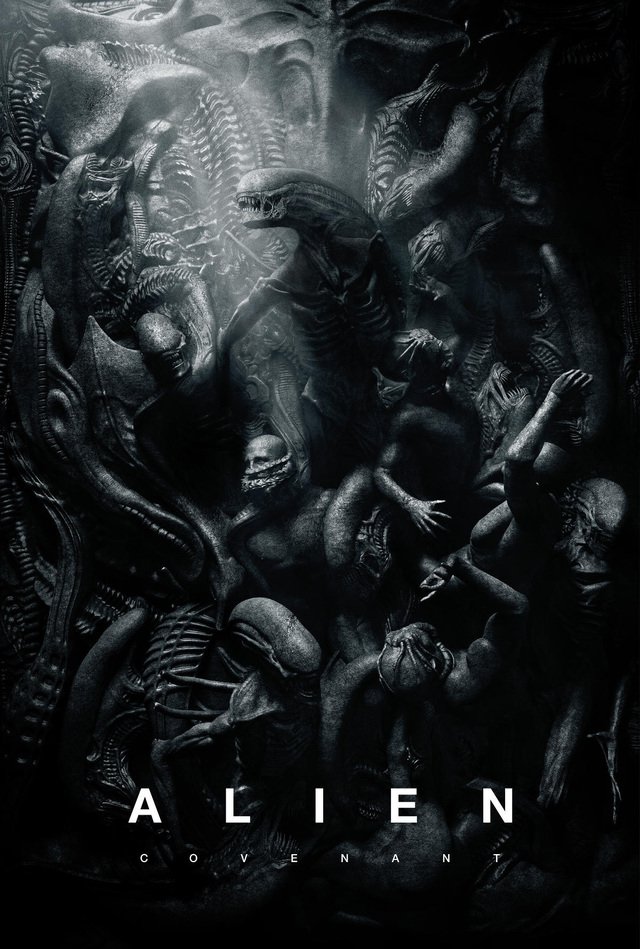
Put me squarely in the camp of (possibly few?) people that really enjoyed Alien Covenant. The sequel-to-the-prequel that came out a few years ago, this new film bridges a bit of the gap that comes between Prometheus and the original 1979 Alien film that started it all.

Set about 10 years after Prometheus, the ship Covenant is carrying 2000 sleeping humans, enroute for a new start on the remote planet of Origae-6. A space shock wave wakes up the crew of 15, who repair the ship, and decide to explore a nearby planet which may be able to support life, saving 7 years off their trip. Upon landing, they quickly come in contact with the Alien virus, brought to this planet by Prometheus survivor David after the events of the last film. David claims to be barely getting by on the planet alone, after Shaw was killed in the crash and the Alien virus killed all the local inhabitants. Obviously there is more going on here, and what is left of the crew quickly realize they need to get off the planet as soon as they can.

This movie brings back a lot of the creepy, tense, and suspenseful feel of the first 2 Alien films. Though the ending is predictable, it is no less exhilirating. I hope the franchise continues on for at least another film or two, so we can see where the story goes and how it concludes.

Quick takes on 5 films

Kate Winslet is a great actress, unfortunately her talents are wasted in The Dressmaker. This film can’t decide what kind of movie it wants to be, at various times a quicky comedy and at others a fairly serious drama. Kate’s character, Tilly, moves back to the backwater Australian town where she grew up. The inhabitants are all a bit off the rocker, including her mom Molly who seems to be the craziest. We learn that Tilly was sent away as a girl for having killed a boy, but she doesn’t remember doing it, and knows something else was up. She spends the movie trying to get the town to like her again, trying to bring her mom back from the edge, and trying to unravel the mystery of her past. Parts of the film were fun in a Wes Anderson-like style, others just a little too far out there. Kate’s performance is great as always.

Talk about a snooze fest. In French film Things to Come, literally nothing happens. It is the “story” of a woman for whom life hits a bunch of snags, but without an overarching plot, it might as well have been reality tv. Nathalie (renowned actress Isabelle Huppert) seems to have it all as a philosphy teacher who writes her own highly regarded textbooks, with a successful husband and two well-rounded adult children. In short order though, her mentally ill mother gets worse and then dies, her husband leaves her for a younger woman, and her books, while highly thought of in inner circles, are changed and later cancelled due to slumping sales. Unfortunately there is no “aha” moment at the end. Nathalie may finally accept her new life, but the viewer just wonders why they wasted 2 hours.

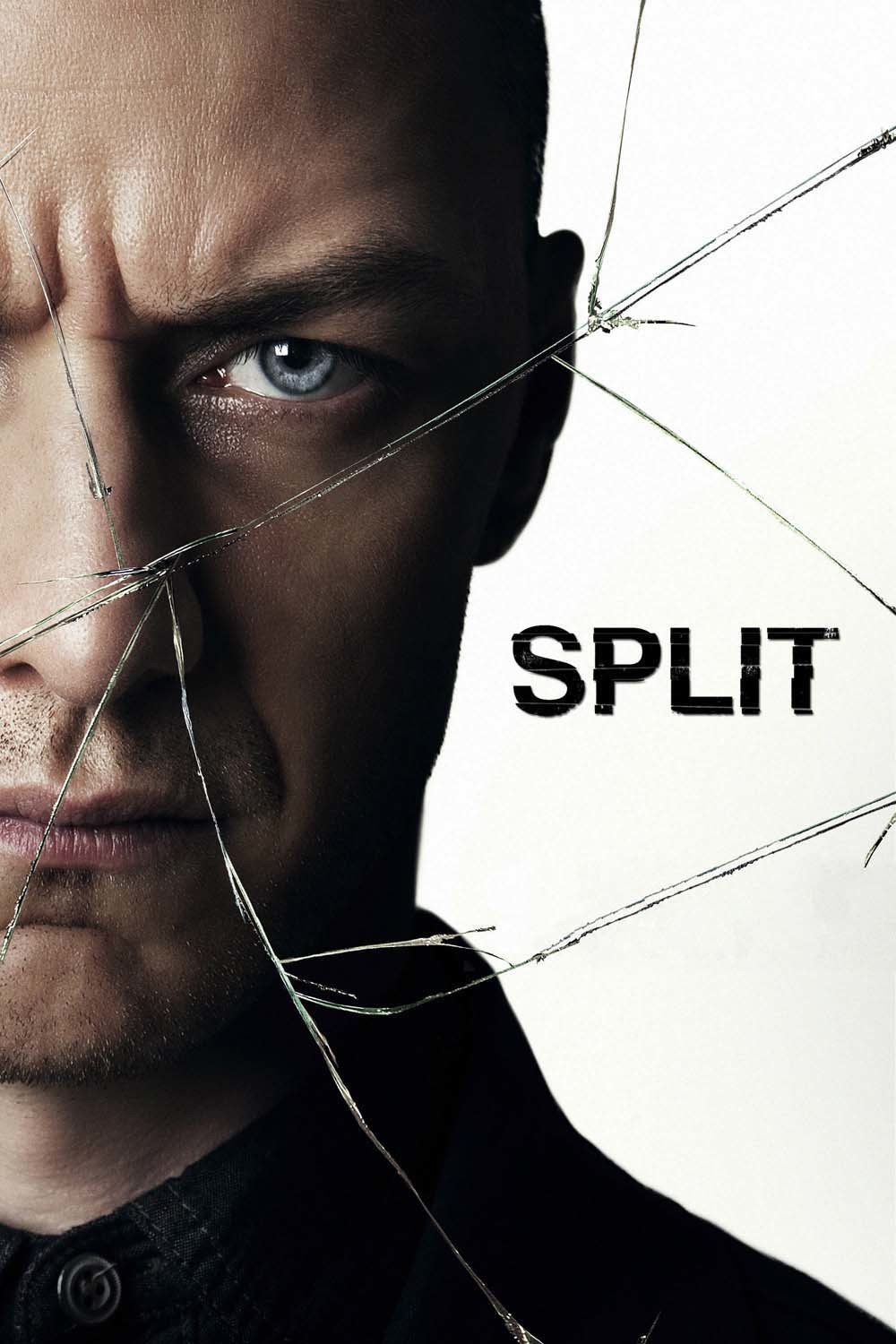
Split as a film is really just so-so, and isn’t the return to force for M Night Shyamalan that you may have heard. However, it is worth seeing for James McAvoy’s performace. In it, three teenage girls are kidnapped by Kevin, who we quickly learn houses 23 distinct personalities in his head. The film is mostly about the disease he carries around with him, with each “person” vying for control of the body they share. The “thrilling” scenes unfortunately follow the same pattern as every Shyamalan movie to date, right down to some of the same camera angles, but McAvoy is brilliant. The changes in his face, demeanor, and body language come in rapid succession towards the end of the film as the battle inside him rages. I was a McAvoy fan before this, but Split really shows off his skill.

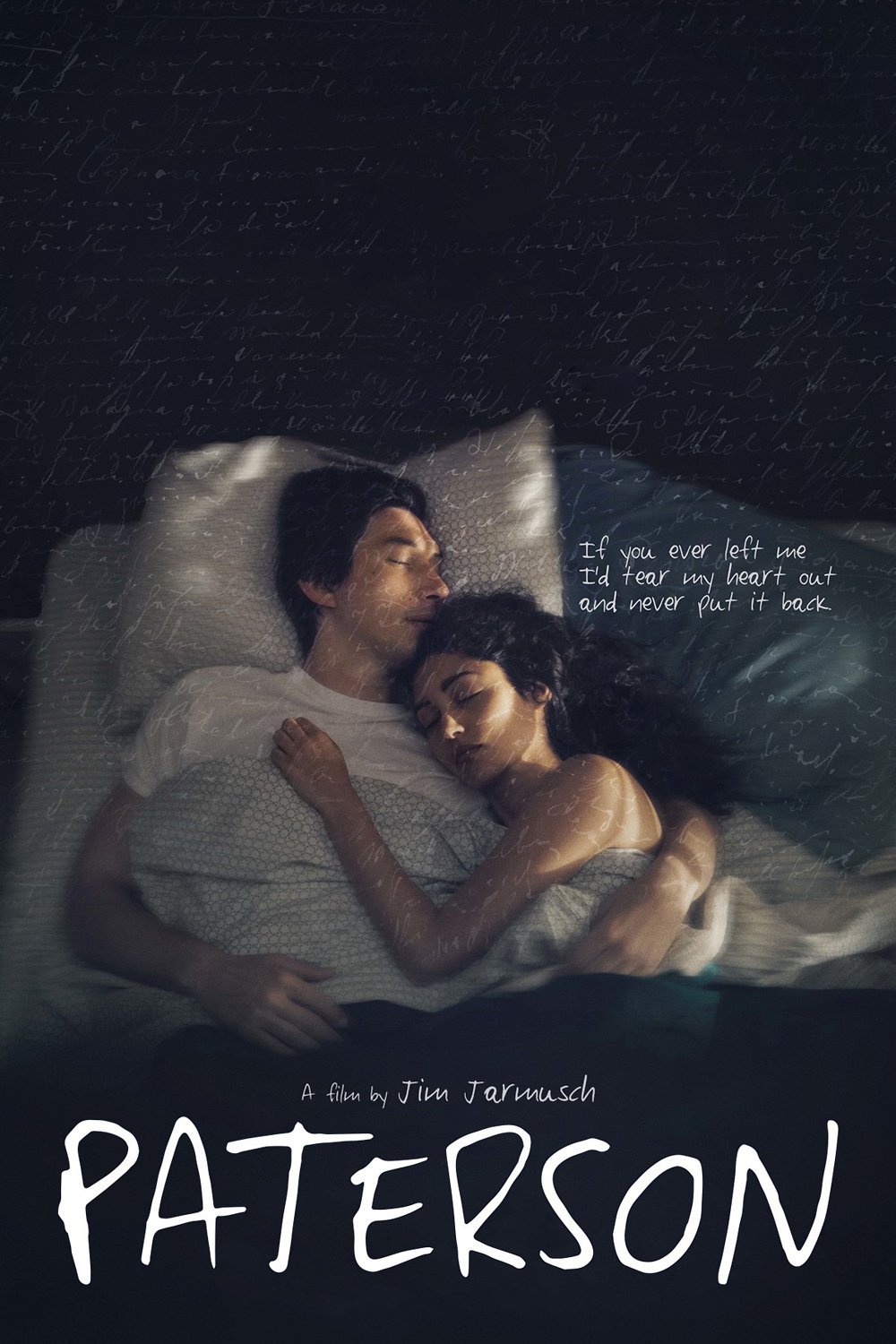
I’m sure Paterson is brilliant. All the critics say it is brilliant, and it is highly rated among average film watchers as well, but it isn’t a very accessible film. Paterson is both a man and the city in which he lives. He is a city bus driver, but more important than all, he is a poet. He finds poetry all around him in his mundane, day-to-day life, and writes it all down in the notebook he carries with him. His life seems very dull except for his vibrant wife, who encourages Paterson’s writing, and he in turns indulges her eccentricities. That is this film in a nutshell. No big plot, nothing really happens, the movie is just a week in this man’s life. If you sit back and watch it comfortably, taking it all in in the same way Paterson takes in his day-to-day’s, its impact will warm and encompass you, but you’ve got to be in the mood for contemplation to really get the most from it.

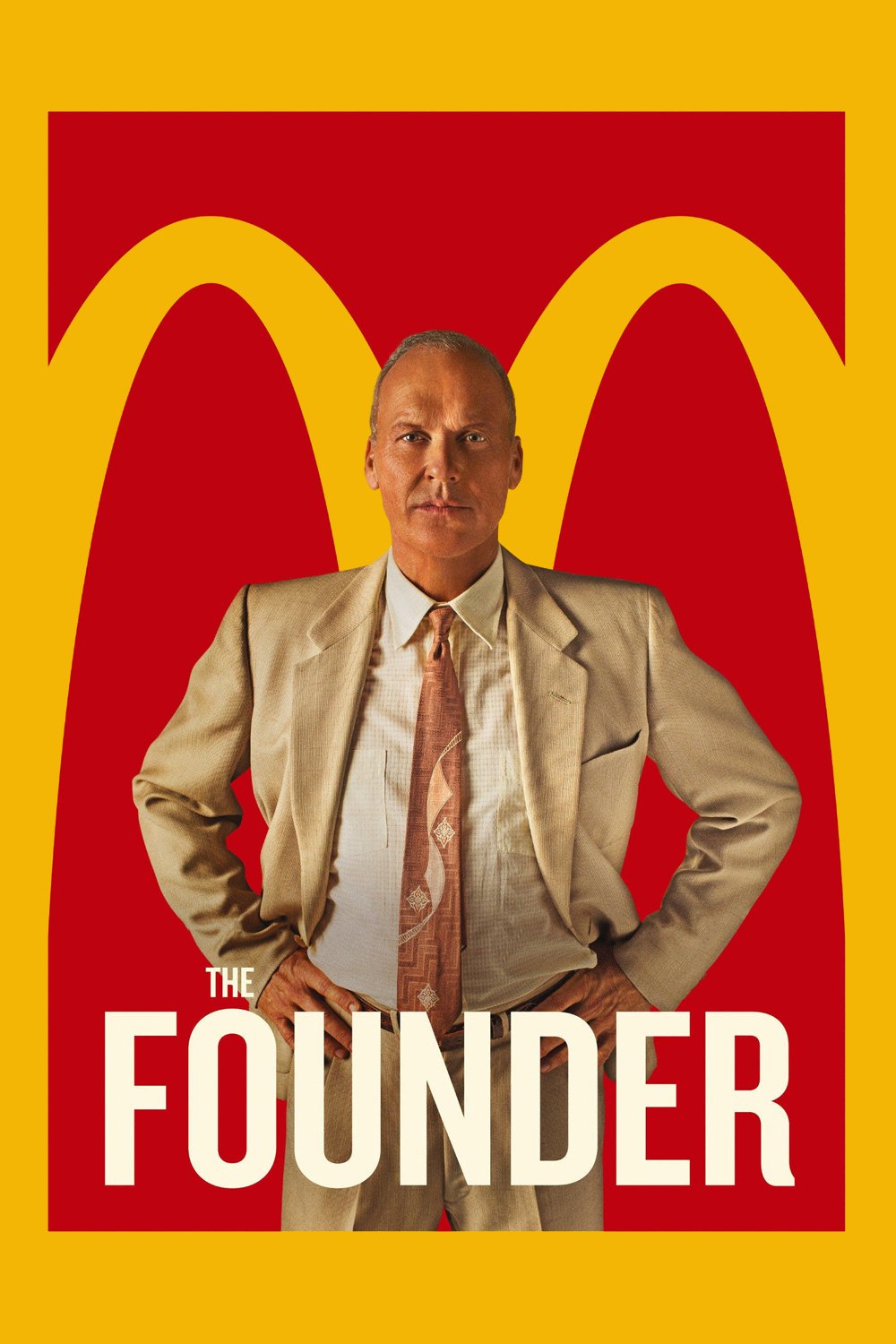
The Founder is one of those well-directed, well-written, well-acted historical dramas that feels more like a documentary than a movie. The story of the beginning of the McDonald’s chain and focusing on businessman Ray Kroc (played by Michael Keaton), it shows how Kroc took the original McDonald brothers’ idea and turned it into an international success. It’s a good movie, interesting and as I said, well done in all aspects, but it isn’t the kind of film that leaves a lasting impression or one you’d probably want to watch again. Keaton does a great job of playing the ruthless entreprenuer who will do anything to advance the business and his profits, yet still remaining fairly likable to others (and viewers) right up to the very end.

Time for a break…

This week I finished My Antonia, which officially marks the half-way point through my goal of reading 100 classic novels. I’ve read many good ones, some really good ones, and a few which did nothing for me (though obviously they are important to literature for one reason or another). It has taken me just short of 2 1/2 years to read these 50 books, with some breaks in there as I read other things. Now it is time to take a bit more of an extended break. I’ve got a good stack of non-classic books that have been piling up on me, especially over this past year or so, and it is time to read through some of those. I’ll keep doing some quick movie reviews, and hopefully it isn’t long before I’m back in to the classics. Thank you to those who read my blog and let me know what you think, and if you’ve picked up a book I’ve talked about and enjoyed it, I’m glad. Sometimes the greatest way we can learn about the past, what changes were happening culturally, is to read what authors at the time had to say, more so than any history book can tell you. Please check back every now and then, and I hope to be back soon.

—– Added 4/30/18 —–

Wow, my break turned out to be a lot longer than I thought! Almost a year later, I’m ready to get back into some classic novels. I probably won’t be reading very quickly at the start, as I have few other projects going on, but I will keep chugging away in my goal to read the “100 greatest English novels of the 20th century.” Thanks for continuing to read.

Cather raises a heartfelt story from the farms of Nebraska in My Antonia

My Antonia by Willa Cather is a beautiful book. The third of hers I have read, it is the story of living out in the Nebraska frontier. I enjoyed the previous 2, but particularly liked this one, and will be reading more of her books in the future.

This one centers around Jim Burden. When his parents die in Virginia, he goes to live with his grandparents in Nebraska at the age of 10. Here he sees the sometimes harsh, but well rewarding life of a frontier farmer. Growing up with many immigrants on neighboring farms, all families coming to America following the dream of success, he grows closest to the Shimerda’s and daughter Antonia, who hail from Bohemia. Antonia is a strong willed girl, who delights in doing men’s work around the farm. Not speaking any English, she learns quickly from Jim, and teaches the rest of her family. At first Jim doesn’t get many of the strange customs the Shimerda’s adhere to, but he gradually accepts their different ways of talking and doing things. The first third of the book follows this small corner of the world for those first couple years, ending around the time when Antonia’s father, who longed for his previous life as a musician and artist and hates being a farmer, commits suicide. Shortly after, Jim’s grandparents decide they are too old for the hard farming life. They lease out their farm and move to the closest city, Black Hawk.

Skipping ahead a couple years, Jim is in high school now. He is a “city boy” at heart, and while he reminisces about his time on the farm, he enjoys his new setting more. It isn’t long before Antonia follows him to the city, rooming with a neighbor so she can continue her schooling as well. Jim looks forward to college and bettering his way of life, while Antonia is more content to settle down and raise a family on the farm. Jim and Antonia continue to be friends, and run in a circle with other children of their age from the neighboring farms, who are looked down upon by kids that grew up in the city. Eventually, Jim does leave Black Hawk, and goes to the university in Lincoln.

Jim continues to keep in touch with friends back home, including Lena, a fellow farm-raised girl, who has moved to Lincoln to start a dressmaking business. Jim transfers to Harvard, where he goes in to law and becomes a successful lawyer. He now traves the globe, but still thinks about his time back on that farm from time to time. Jim hears that Antonia did eventually fall for a man, who left her pregnant and unmarried. Rather than live in shame though, her strong will holds her up. She marries a better man, and they go on to have many children. Jim returns to Black Hawk 20 years later, to find Antonia still there. Most of their friends have left town to bigger and better things, but Antonia has built a large farm. She is beaten down from a hard life, but still shows her strong will and perseverence. Her children have all been raised well, and know of Jim from all the stories Antonia loves to tell. Instead of seeing her life as a failure, she sees it as a triumphic success.

This book is a joy to read. I’m not ashamed to say it had me laughing and crying. Cather brings her characters to life, and feel as real as if they could walk through the door. When Jim learns of Antonia’s disgrace, your heart just breaks along with his. The author brings that same level of attention to the setting as well, and you can almost hear the wind across the plains, smell the cooking on the stove, feel the heat of the summers and the breath-taking cold of the harsh winters. A delightful, rewarding read.

Scandal hits and misses in Howards End

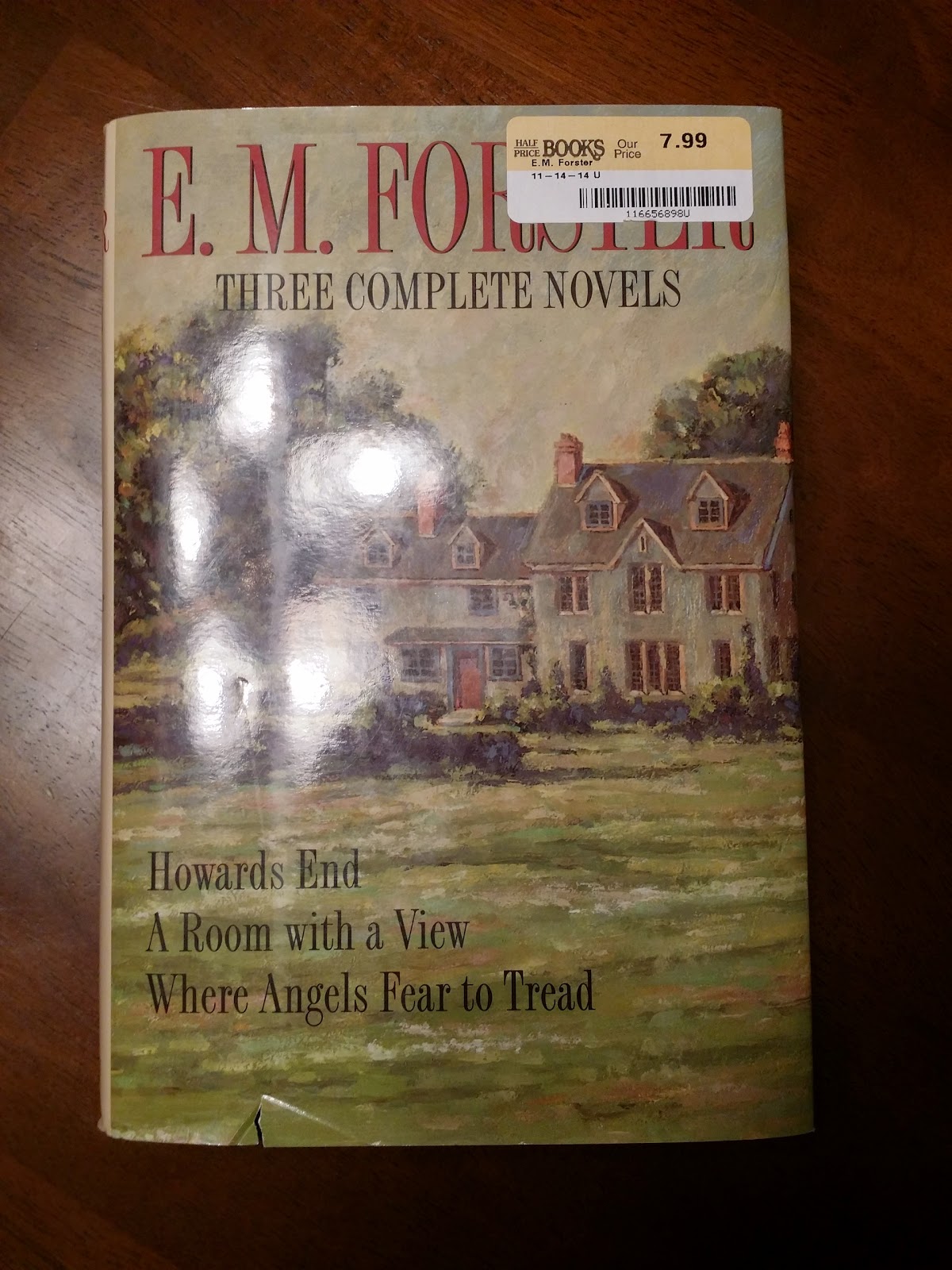
My third E.M. Forster novel so far was Howards End. This was written earlier in Forster’s career, and is more like the earlier Where Angels Fear to Tread than the later A Passage to India. Beautifully written, it is a fun and thoughtful read.

The novel mostly follows the Schlegel sisters in early 20th century London, younger Helen and older Margaret. Raised by their Aunt Juley after their parents’ untimely deaths, they are intellectual and refined young women, not extremely wealthy but able to live comfortably on their inheritance. They cross paths with the Wilcox family, father Henry and wife Ruth, and their adult children. Helen stays with the Wilcox family at their country home of Howards End for a weekend, where she and son Paul Wilcox briefly become engaged. Before a big scandal can erupt, the engagement is called off and Helen retreats back to London in shame. All is quiet until the Wilcox family takes up a residence across the street from the Schlegels. Margaret and Ruth become unlikely friends, only shortly before Ruth’s death. She starts to see more and more of Henry, until talk of marriage starts to circulate. Henry loves his family but has a hard time showing it, focusing only on building wealth. He hates Howards End and the country, only wanting to stay in the city where his businesses are run, and he likes a meek and docile woman, which Margaret pretends to be.

In the meantime, the Schlegels come across a poor but self-educated and philosophy-thinking Leonard Bast. As socialists, they want to raise his situation, but don’t want to just give him money, finding that beneath them. Leonard longs to rise in status, but seems to be held down by his rather dumb and plain wife, Jacky. Acting on advice of Henry’s through Margaret, Leonard quits his job to take another which may help him advance. However, he ends up fired from that new job when cuts come.

Helen feels for Leonard’s struggle, and brings him and Jacky to Howards End where Margaret and Henry are overseeing Henry’s daughter Evie’s wedding. Here, we find that Henry recognizes Jacky as a woman he had an affair with 10 years previous, while married to Ruth. Margaret almost leaves him, but decides to leave the past where it is, and helps Henry keep his secret concealed so as to not put scandal on the family. She goes through with the marriage. However, Helen seems to not be able to let this go, and leaves the country immediately to travel abroad, and sends only cryptic letters back to Margaret over the next few months.

Margaret does finally lure Helen back home, and when she goes to confront her, she finds that Helen has become pregnant, by Leonard Bast of all people. Shortly thereafter, Leonard comes forward to assuage his guilt, but collapses when attacked by son Charles Wilcox, who is trying to protect Margaret and what is left of Helen’s honor. Leonard dies, and Charles is charged with manslaughter. Henry realizes the error of his ways after Margaret asserts herself to him, becoming the true “head of the house,” and Helen decides to stay home with this intertwined family. The epilogue, a year later, shows the families living together in Howards End, finally all happy together.

Like his other novels, the writing style is very descriptive and mostly dialogue-driven. There are a lot of similarities, both in style and in story, between this book and Where Angels Fear to Tread, but it is different enough to still enjoy both. I find it a little hard to really believe an older man like Henry would change his ways so much at the end of the novel, but that can be forgiven. A very enjoyable book, more so if you can transport yourself in time and take it in as a reader would at the time it was written, when scandals could destroy a family socially and politically.

Continued adventure and laughs in Marvel’s Guardians 2

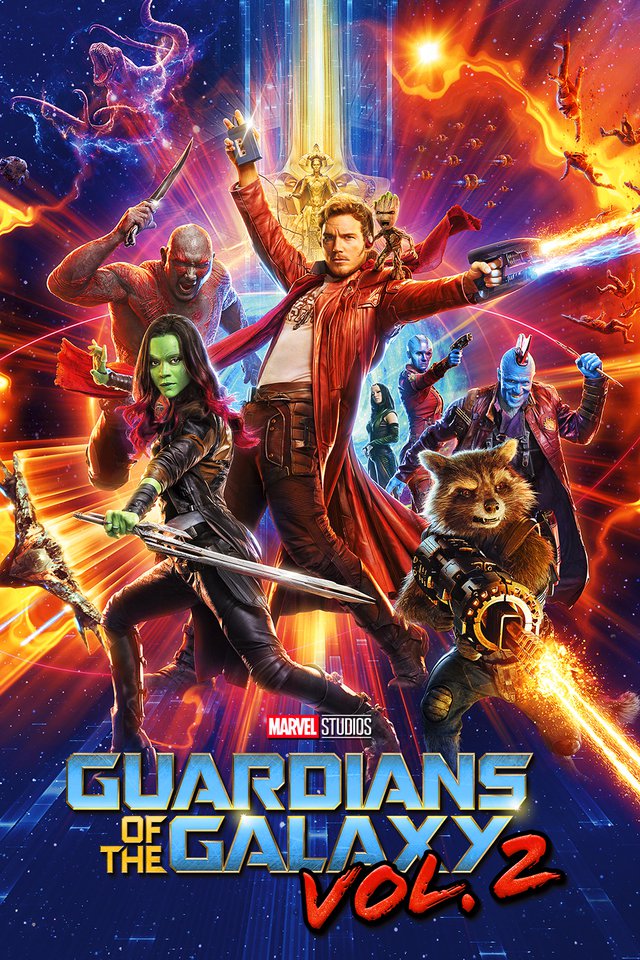
My favorite Marvel series continues in the newest movie, Guardians of the Galaxy 2. In the sprawling empire that is the Marvel shared universe, this is now the 15th film in the set, to go along with the 6 seasons of various ABC shows and 5 seasons of various Netflix shows. Quite the conglomerate. This movie picks up where 2014’s first Guardians film left off.

The Guardians team, with a baby Groot now, are mercenaries, selling themselves out for various adventures, and asking a high price tag thanks to having saved the universe in the first film. When they run afoul of the Sovereign race, their ship crashes on a nondescript planet where they are approached by Peter’s long-last dad, played by Kurt Russell. As that plot element plays out, we also see the Ravagers show up to capture Rocket, and Nebula show up to continue her quest to kill sister Gamora. Needless to say, lots going on in this one! The action seems to fall in the right spots, and the visuals are stunning as they were in the first.

I personally really like the film, though my son thought it was just “ok.” Marvel keeps hitting homeruns in their shared universe (I have not seen the reviled Iron Fist yet). I remember asking myself a few years ago if Marvel can keep this train running, and so far, the answer continues to be a solid yes.

Quick takes on 5 films

Louder Than Bombs is a great title for this film. Quiet and subdued, the movie is still sharply focused and mesmerizing. Jonah and Conrad are brothers with a somewhat sizable difference in years between them. Jonah is married and expecting a child, while Conrad is still in high school. Jonah is called back by their dad, Gene, to help go through their deceased mother’s things. The mother was a famous photographer, who had died a few years prior. The running thought was it was by suicide (though never proven), and all know this except Conrad, who was too young at the time to tell this kind of news to. The movie is told in the present day, where Conrad is going through a teen angst faze, to the point that others worry he might take a gun to school or some similar catastrophe, and Jonah is feeling the crush of real life with his pending child; and also in the past, showing their parents tension-filled marriage. In the end, we realize that Conrad sees more that we thought, and everyone carries their demons with them. A very well written, well acted film (Jesse Eisenberg, Devin Druid, Gabriel Byrne), almost must-see territory for film lovers who enjoy a dialogue-driven drama.
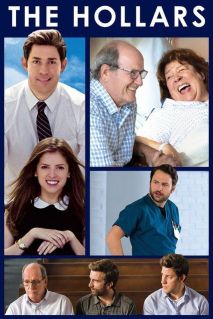
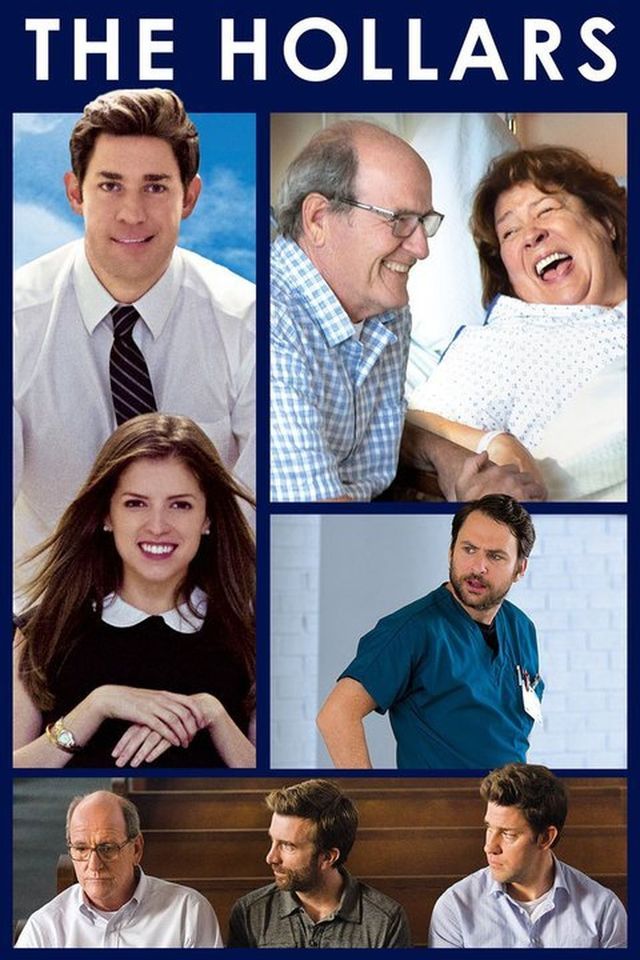
I really connected with The Hollars, though it didn’t get the critical praise that the above movie did. This one is also about a pair of adult brothers, brought home because their mother has been diagnosed with a brain tumor and will be facing a serious operation soon. John (John Krazinski, who also directed) seems to have his life more in order with a baby on the way and a career ahead of him, though inwardly he feels the stress of living up to expectations. Ron (Sharlto Copley) is living with the parents already, having been recently divorced. Their mother, Sally (Margo Martindale), is the glue that keeps their family together, and their father Don (Richard Jenkins) seems lost. Don has spent his life supporting the family and is the “head of the house”, but Sally is the real rock. So much so that when she collapses in the beginning of the film, Don thinks she is joking, as he cannot fathom a weakness in his strong wife. I really don’t want to give anything away about this film, but suffice to say it is a tear jerker (for many reasons). There are comedic moments for sure, but the high level drama is what makes this one. And as I said, this one hit close to home for me. My parents are still around thank God, but the family dynamic is there, as my Dad has always been the hard working, go-getter, “support the family at all costs” father figure, but everyone knows my Mom is the cog who kept the wheels turning as we were growing up.
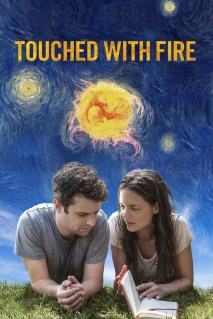
Touched With Fire is very good, and I know it is one of those movies that I’ll remember a month from now and think it to be amazing, so I’m writing my blurb now, having just finished it, to remind myself that while good, it isn’t great. Katie Holmes and Luke Kirby play a couple, both severely bipolar with extreme manic and depressive phases. They feed off each other to devastating results, sort of egging each other on to greater and greater euphorias, and in Kirby’s case, utmost paranoia. This all changes when they decide to really try to build a life together outside of the mental hospital. She is willing to stay on her meds and try to be “normal,” but he likes the rush of his manic phase too much to give it up. A chilling movie at times, but a little too disjointed, and maybe that was done on purpose to give the viewer a glimpse of what it feels like to be in our protagonist’s shoes.

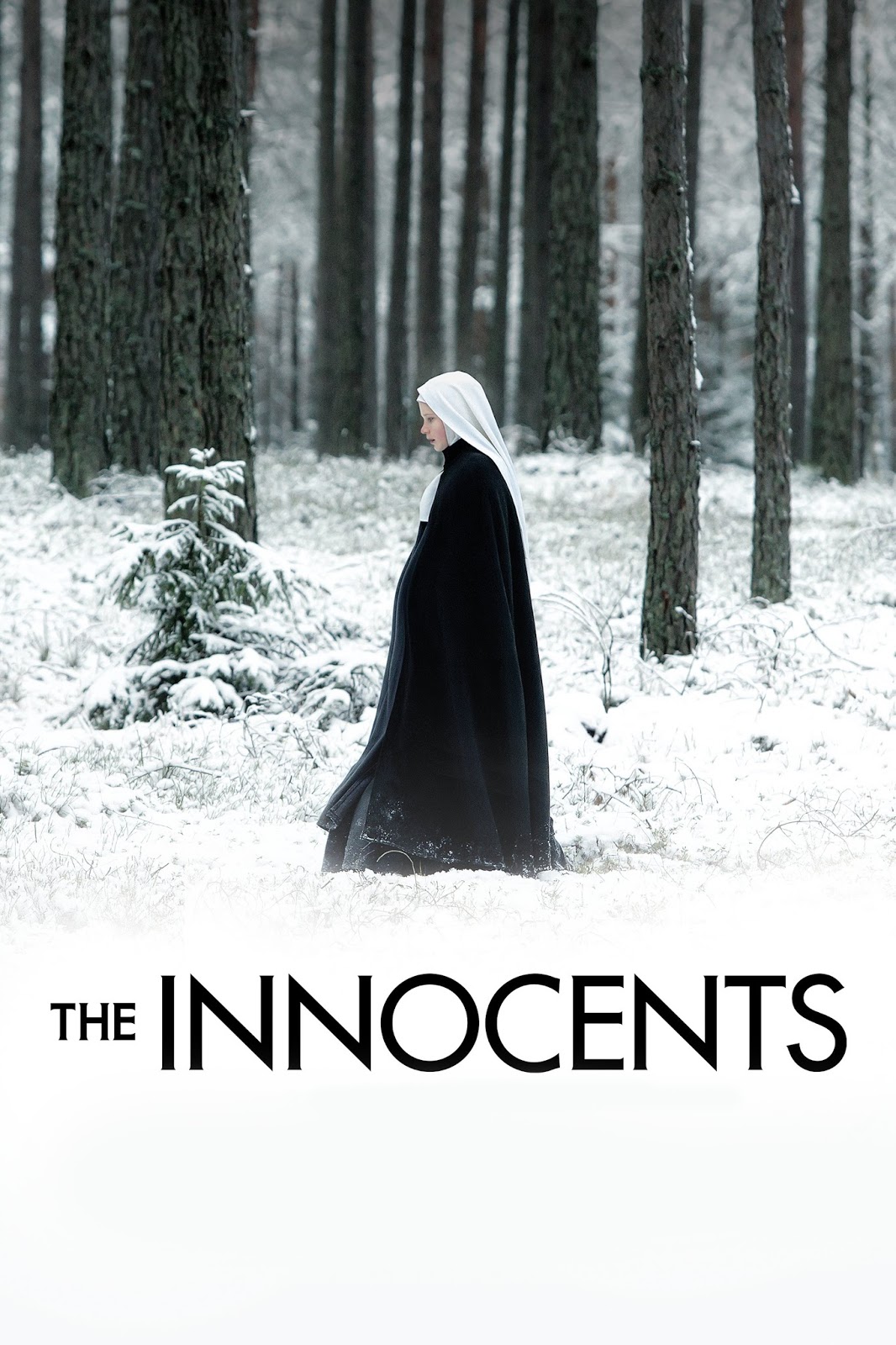
The Innocents is a fantastic French foreign film. It is about a Red Cross worker in Poland in 1945, at the conclusion of World War II, who stumbles across a local convent holding a secret. The Polish nuns in the convent, having been persecuted by the Germans during the war, were subsequently raped by the liberating Russian army. Many are pregnant and ready to give birth, however they are keeping their secret for fear of the church closing them down. The Red Cross nurse agrees to help them give birth in secret. That is just the opening plot setting, and there is a lot going on. The nurse has to hide her comings and goings from her superiors. Several of the nuns, having taken vows of chastity, refuse the nurse’s help at first, seeing her interference as a sin. Other plot elements open up towards the end of the film that I don’t want to give away. I recommend this one for foreign film lovers, well worth a viewing.
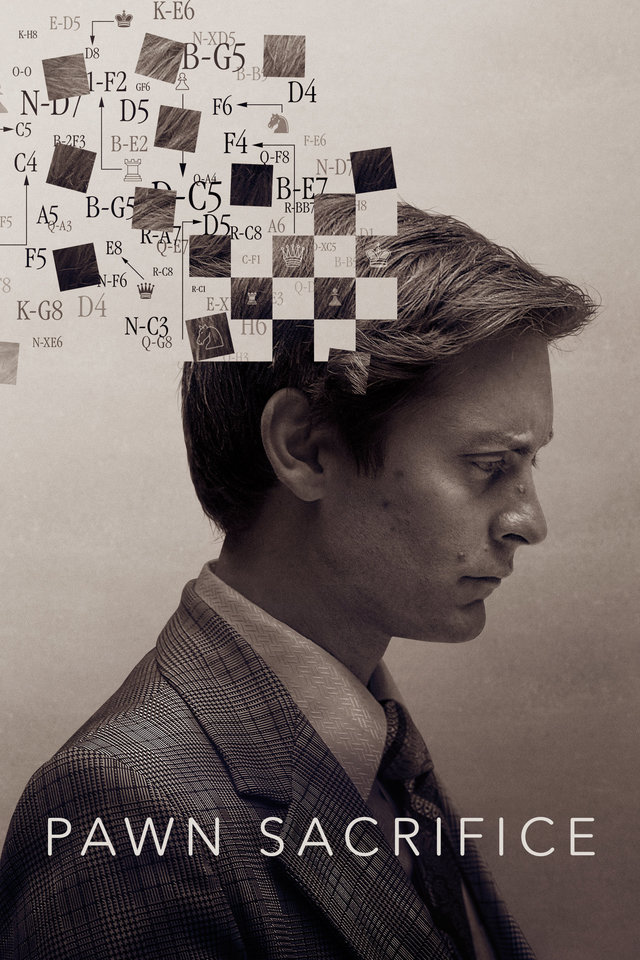
Pawn’s Sacrifice is the telling of chess legend Bobby Fischer’s life, starting at childhood and taking us through his famous Cold War era match against Russian Boris Spassky. Played by Tobey Maguire, we see Fischer’s rise in brilliance and fame, even as he descends further and further into paranoia and mental illness. A fairly straight forward biographical film (though I do not how accurate it is), the movie spends most of its time showing how far Fischer goes down the rabbit hole. He is surrounded by “yes men” who give him what he wants and do nothing to dispel his paranoid episodes. They only seek to push Fischer towards playing and beating the Russians for the sake of USA’s pride at a time when the country was in a dark place (Cold War, ongoing Vietnam War, and at the end, Watergate). Fischer doesn’t see himself as an American hero, but he is extremely egotistical and thinks the Russians, and later in his paranoia, the Jews, are all trying to rig the game against him, and possibly even kill him. An OK film, a little boring at times (and not because it is about chess, those quietly tense matches are actually the highlight).