Quick takes on 5 CLASSIC films

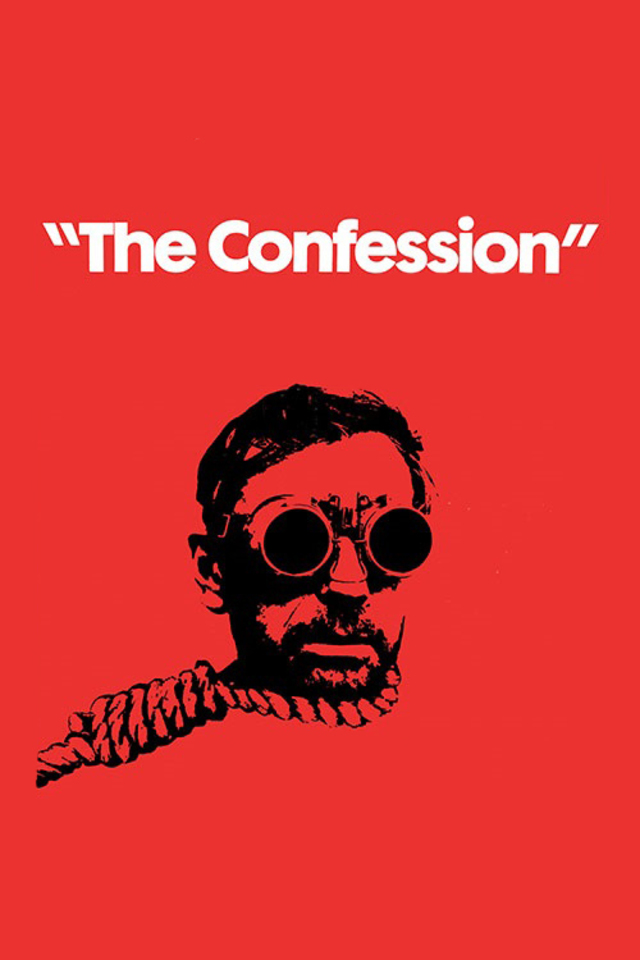
The Confession is a 1970 French film, based on true events involving a Czechoslovak politician in the 1950’s. A staunch and life-long communist, he and his friends in the government are falsely charged with espionage for the USA against the communist regime. Most of the movie is about the physical and psychological torture they perform on our protagonist, over the course of a couple years, as they attempt to get him to confess to crimes he never committed. For a long time, he stays true to himself, even as his friends and former colleagues get in line to provide testimony against him and each other. The movie comes off as pretty anti-communism, though from reading I see that wasn’t the director’s intent, and is more about the hazards of any totalitarian government. Perhaps minus the torture, you can see a lot of similarities between the concocted plots discussed in this film and the McCarthyism that happened right here at home. A lot of dialogue in this one, and since it is a foreign film, you’ll be reading throughout all of it, but a decent enough film.

Gilda is most well known for being Rita Hayworth’s signature role, and it is worth seeing for her alone. She plays the title role, a femme fatale, who says and does what she pleases, no matter the cost. She is married to the owner of an illegal gambling house in Buenos Aires, Mundson. Mundson has hired Johnny (Glenn Ford) to run the place, unknowing that Johnny and Gilda have had a past, turbulent relationship. They seem to openly despise each other, making funny little quips each other’s way, but there is an obvious attraction there too. The movie gets pretty dark in the latter half, losing its humor, which for me, was the best part, but still, an enjoyable film with some of the past’s greats.
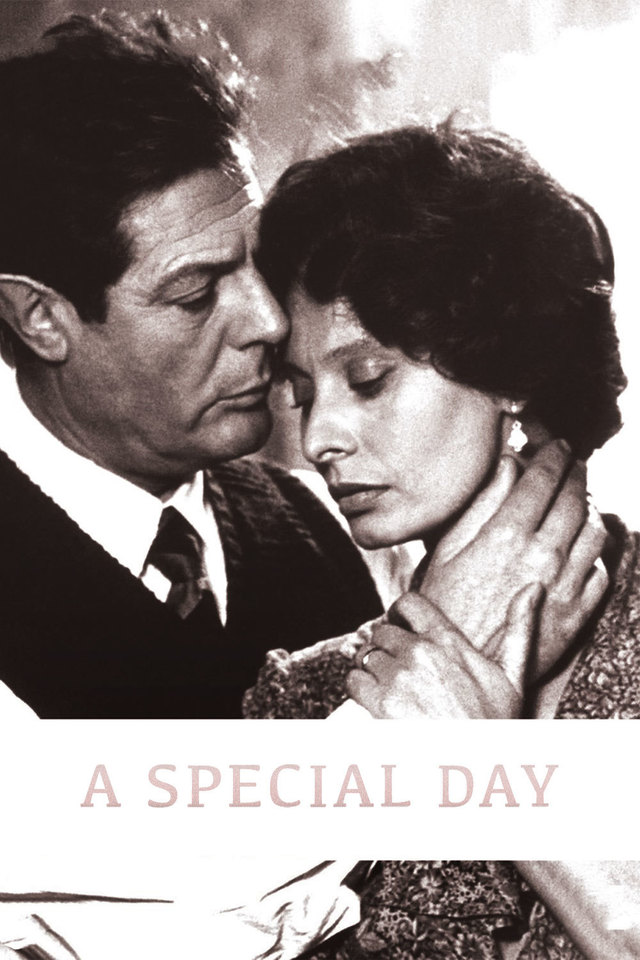
A Special Day is a beautiful film dating to 1977, featuring two of Italy’s best actors, Sophia Loren and Marcello Mastroianni. It takes place during the day in 1938 when Adolf Hitler visited Benito Mussolini, setting off a day of celebration in the streets of Italy. All of the country turns out to see the spectacle, except for Antonietta, who stays to clean up after her large family, and her neighbor across the way, Gabriele, who has his own reasons for not attending. The two meet in the morning, and spend the day together. Gabriele learns that Antonietta is in a loveless marriage, and she learns that he is a persecuted homosexual. As the day unfolds, Antonietta’s mind and views of the world are opened up, at a time when her country is closed off in every way that it can be. Tremendous acting from both leads, with a sensitive story, this is a moving film, though ultimately a sad one.
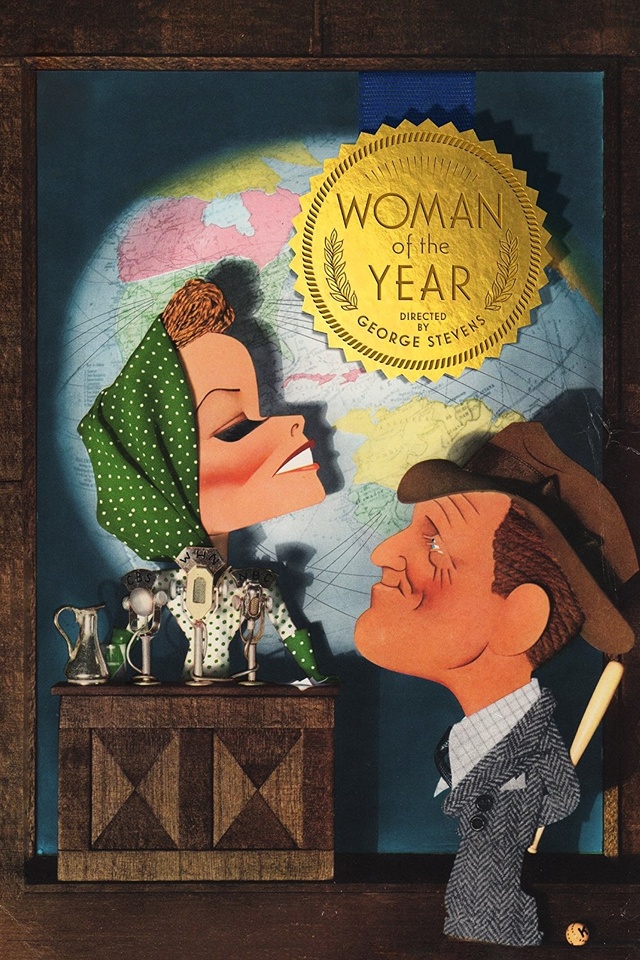
Woman of the Year is a romantic comedy from 1942, starring Spencer Tracy and Katherine Hepburn. Unfortunately I found this one a bit boring, despite its classic status. Tess Harding and Sam Craig are each journalists for the same paper, he for the sports page, and her for politics. Tess speaks multiple languages and hangs out in high society, while Craig is an everyman’s man. Improbably, they fall in love, or at least, Craig falls in love with Tess. Their marriage gets bumpy quickly though, as Tess thinks Craig wants a wife to stay home and perform wifely duties, whereas she wants to continue her professional life. In reality, Craig loves her for who she is, but she doesn’t realize that until it is too late. There is funny banter between the two throughout most of the film, and it has its moments, but for me it wasn’t all that engaging.


The Philadelphia Story is another Hepburn film, this from 1940, also starring Cary Grant and Jimmy Stewart. When made, Grant and Hepburn were the big stars, but Stewart steals the show (and he won his only Oscar for this role). Hepburn plays Tracy, a spoiled ultra-rich girl marrying her second husband, and Stewart is a tabloid paper’s reporter, Mike, off to write about the wedding of the year. He tags along with Grant (Dexter), Tracy’s first husband. Tracy longs to be truly loved for who she is, but seems to draw men that idolize her for her wealth and class. Tracy finds herself in a love triangle between Dexter, Mike, and Kittredge (her fiance), liking each of them for different reasons. A very entertaining movie.

Quick takes on 5 films

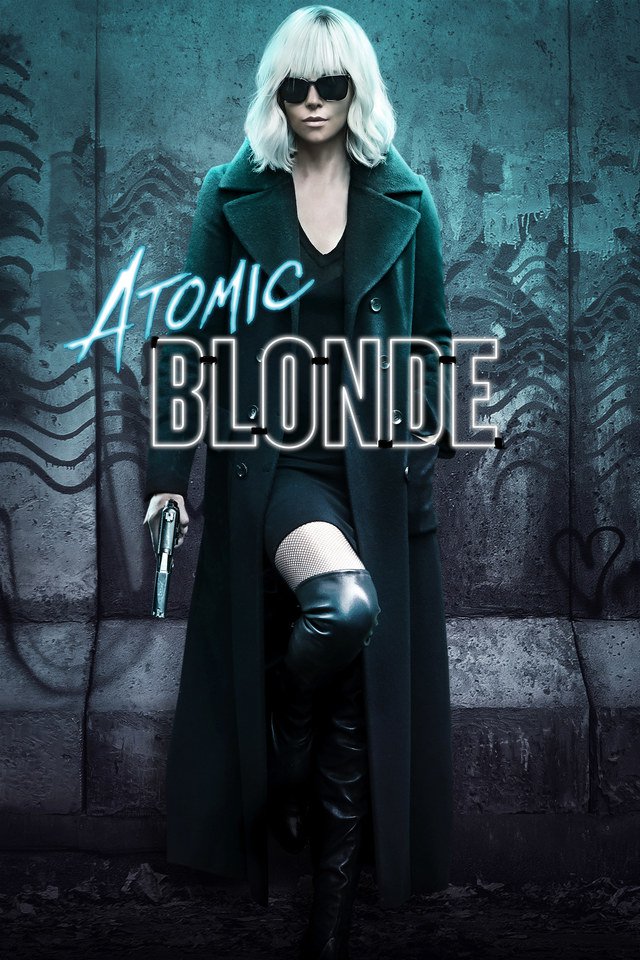
Atomic Blonde is a thrilling spy movie with a lot of action. It takes place in Germany in November 1989, in the days leading up to the fall of the Berlin Wall. A British spy has been killed for his copy of a list showing all undercover agents in both East and West Germany. British Intelligence brings in Lorraine (Charlize Theron) to recover the list, while also being on the lookout for a possible double agent at the center of all the turmoil. High stakes espionage meets amazing hand-to-hand fighting scenes in this one. A little too gruesome for some viewers, but I found the whole to be extremely entertaining.
I should have trusted my judgment on Megan Leavey. I’m not usually one for dog movies, but this one got such sterling reviews, that I gave it a go. It is about what I expected, which is to say, just ok but nothing spectacular. It is the true story of a girl, a bit of a screw-up at home, who joins the marines and finds her life’s mission with a bomb-sniffing dog in Iraq. The movie gets a lot better in the second hour, but the first is such a snooze-fest that by the time the action starts, I had practically all ready given up on it. There are some good moments, particularly the very real moments of Leavey’s hardships in getting used to civilian life again upon returning home, but ultimately not enough for my satisfaction.
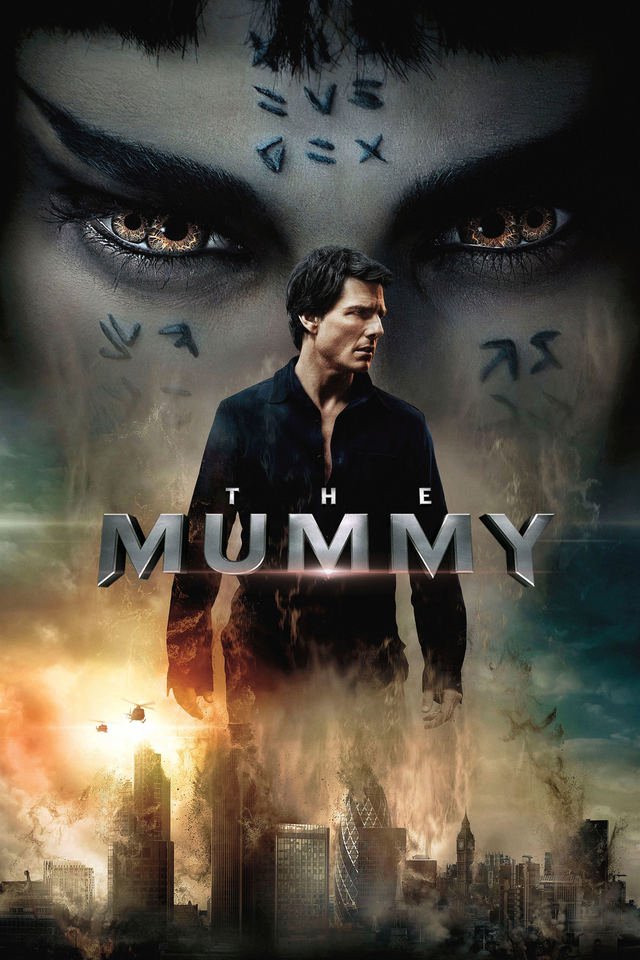
The Mummy may be the most boring action movie of all time. In the first 20 or so minutes, I thought it was pretty decent and was starting to wonder why it got such terrible reviews, but it falls off a cliff pretty quickly from there. This one is a reboot of the classic mummy tale, this time with Tom Cruise instead of Brendan Frazier. The original was such a fun movie, this one is just flat throughout most of it. Some of the scenes are quite incredible, but you can tell they are trying to hard to build a whole franchise (a la Marvel or DC), rather than focusing on a good stand-alone movie. Listen to the reviews on this one, and stay away.
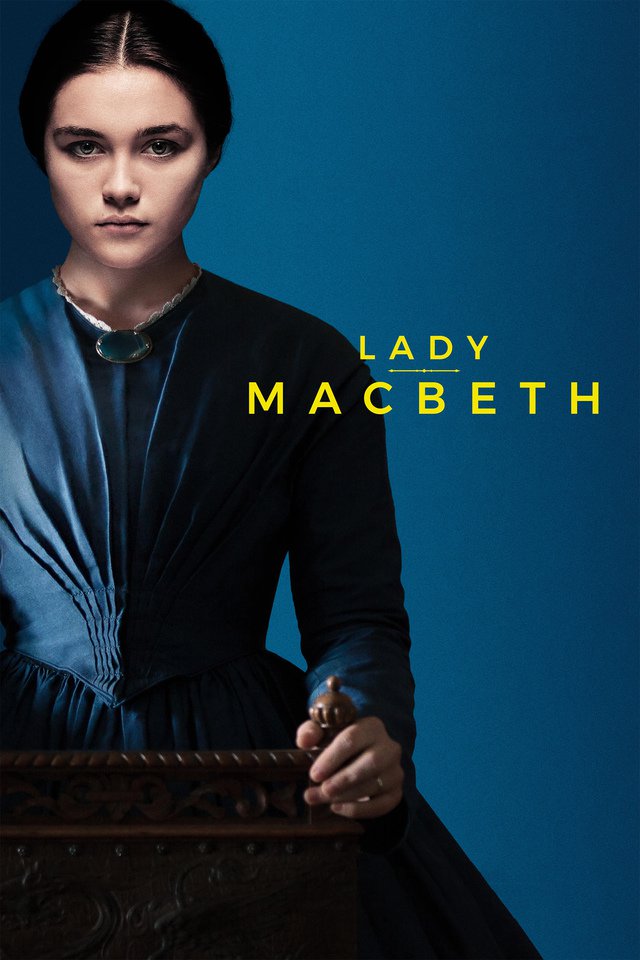
Victorian period drama Lady Macbeth is an interesting film, if you go into it blind, as I did. Katherine is a young, beautiful woman who has just married a much older, rich man, and obviously not for love. The man seems unable or unwilling to consummate their marriage, for which his dad blames the new wife. When father and son go away for a trip, Katherine begins an affair with one of the hired hands. Newcomer Florence Pugh is captivating as Katherine, and smoothly transitions from heartfelt protagonist in the beginning, to despised villain in the end, though for what reason, you’ll just have to watch. I know period dramas aren’t for everyone, but this one is a decent film for fans of the genre.


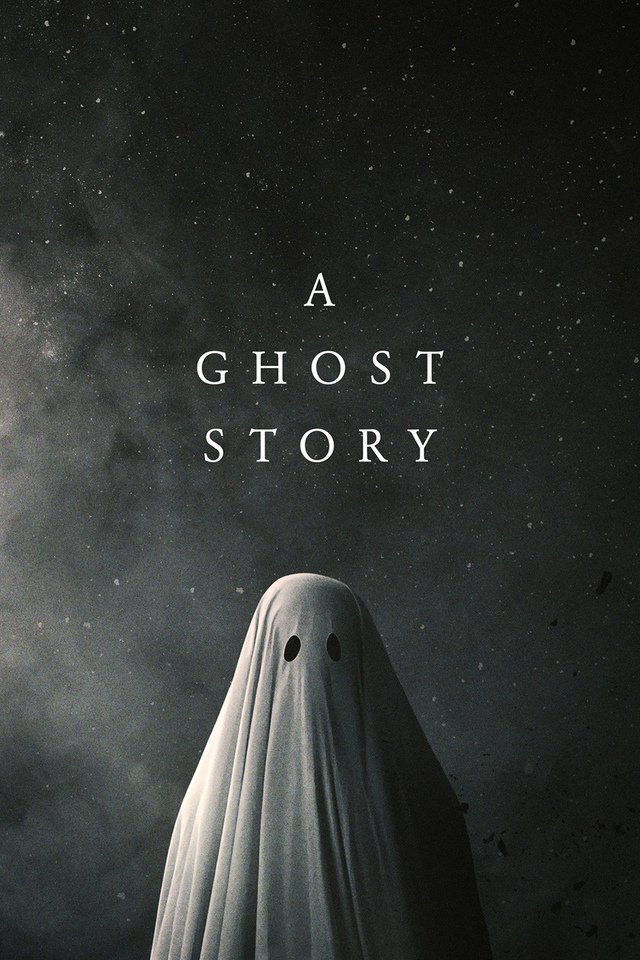
A Ghost Story is a beautiful story, albeit a sad one. It stars Casey Affleck and Rooney Mara as a married couple. They are living in an old house which is seemingly haunted. One fateful morning, Affleck is killed in a car crash, but he rises at the hospital as a ghost, apparelled in a white sheet. No one can see him as he returns to the home to watch his widow grieve. It seems humorous at first, since he looks like kid going out for Halloween, but the sorrow sets in quickly as he whiles away the years. Sometimes he’ll be watching something, turn his head for instant, and days, weeks, or years have passed. He sees his wife move on, and then move out, and a series of new families move in. It is really quite amazing how we feel the anguish he is going through, though we cannot see his face. This is one of the best movies I’ve seen in a little while, and well worth it for film lovers.

Quick takes on 5 films

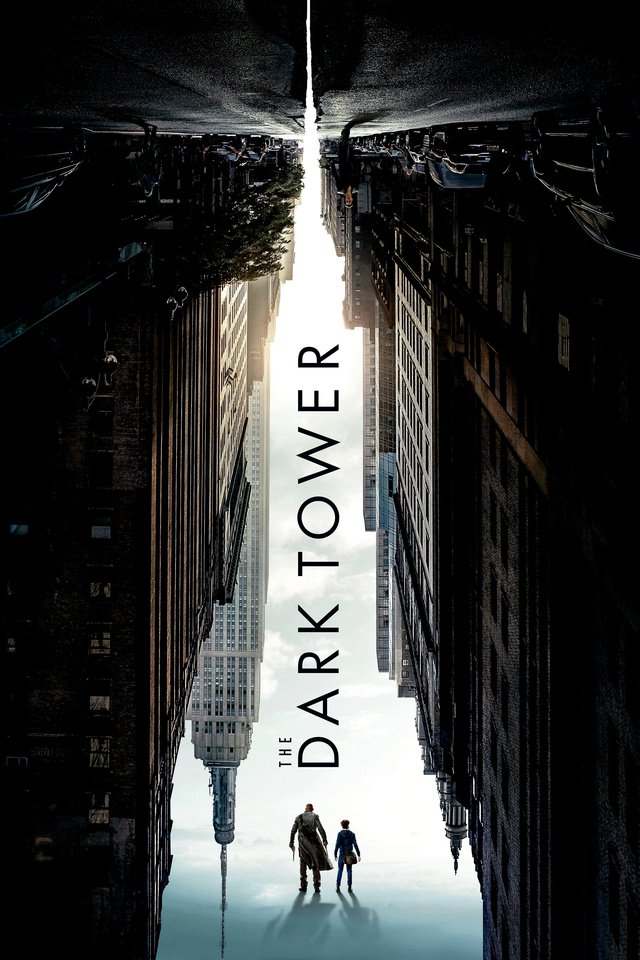
The Dark Tower film, based on the sprawling Stephen King series (and one of my all-time favorites), got lambasted by critics and viewers alike. Die-hard fans hated it because it wasn’t a direct adaptation of the books, and newcomers thought it was disjointed and made little sense. This is one where I am definitely in the minority, because I loved this film. Had I gone in blind and thought it was more a page-to-screen adaptation, I may have been disappointed too, but knowing that it is more of a re-imagining, and almost a sequel (you’d know if you’ve read all the books), then I could just sit back and see the characters come to life. The basic premise is there is a Dark Tower at the center of all time and space, and it is a stronghold that keeps all universes and dimensions safe from the evil that lurks outside of our time. The Tower though is under attack by Walter o’ Dim, aka the Man in Black (played wonderfully by Matthew McConaughey), the arch villain that pops up in many of King’s novels. For thousands of years the gunslingers have kept the peace and protected the good, but they have all died off, leaving just Roland (played here by Idris Elba) as the last man standing. He has been chasing Walter and trying to save the Tower, and thus all humankind. This movie does rush a lot of things, as it tries to jam a whole lot of plot into just 90 minutes or so, but seeing the characters of my imagination brought to life was very enjoyable. It’s really too bad that this film did so poorly, as future sequels may now never get made. I for one, and maybe the only one, will miss them if that is so.
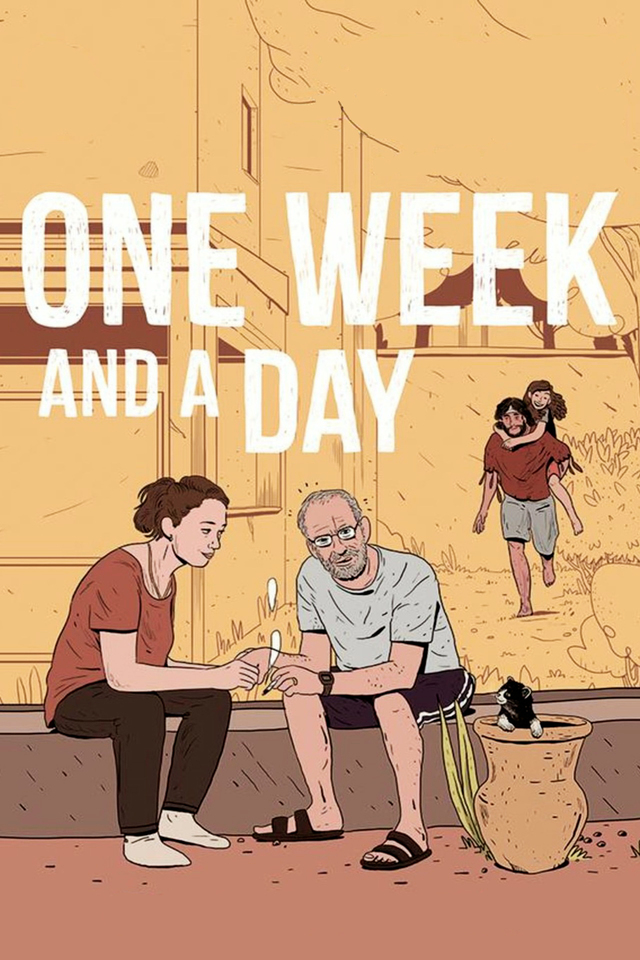
I couldn’t really get into One Week and a Day. It tells the story of a middle age man and wife who have been sitting shiva for the loss of their adult son. The film follows the day immediately after their week of mourning, and shows each parent as they try to move on, in very different ways. Vicky wants to go back to work to get back in a normal routine, whereas Eyal smokes pot (for the first time in his life) with a young neighbor and former friend to his son. The movie didn’t have so much of a plot as it was more of a glimpse on how people try to move on from an unconscionable event. Gut wrenching at times, but not necessarily a great movie.
My instant reaction to Blue is the Warmest Color is meh. At times this is a beautiful film, equally heart warming and heart wrenching depending on the moment, but it has problems. It is about a young French girl, Adele, coming in to womanhood and realizing she has feelings for women, one in particular for whom she had a love-at-first-sight kind of moment. This target, Emma, is much older and is unashamed of her lesbian life. Adele is drawn to her immediately, and the two start a loving, intimate life together. After a couple years though, Adele has an affair with a man, ruining the love of her life. Lea Seydoux is fantastic as Emma, but honestly I was left wanting by the main character Adele (Adele Exarchopoulos), who seemed to always walk around with sad dreamy eyes no matter the situation, and seemed to try to get off on her looks alone. The sex scenes in the film also went on way too long. The movie was 3 hours long, and could easily have bee 2 ½ if they’d shortened the lovemaking and gratuitous shower scenes which did nothing for the plot. I understand why the film had full sex scenes from beginning to end, to try to convey how much our two ladies really loved each other, and also to show Adele open up from the shy, closed-off girl she was in the beginning, but I didn’t find the long scenes necessary, and thought they detracted from an otherwise very well written and well filmed movie.
Certain Women feels more like a series of short stories instead of a whole movie. In fact, it has an almost Hemingway-like feel to its prose and characters. There are basically 3 distinctly different stories told in rural Montana. Laura (Laura Dern) is a lawyer representing a slightly off man trying to sue his former employer. Gina (Michelle Williams) is wanting to build a house and bickers with her husband and daughter. Jamie (Lily Gladstone) is a rancher, who is smitten by a law teacher, Beth (Kristen Stewart), she happens upon by chance. The three stories are rather simple in setting, but full of emotion and very richly entertaining. It is a quiet, soft film, but strongly engaging. A lot of people might find this one boring though, as there is no over-arching plot. It is more a glimpse at rather simple lives, showing that even “simple” lives have meaning.


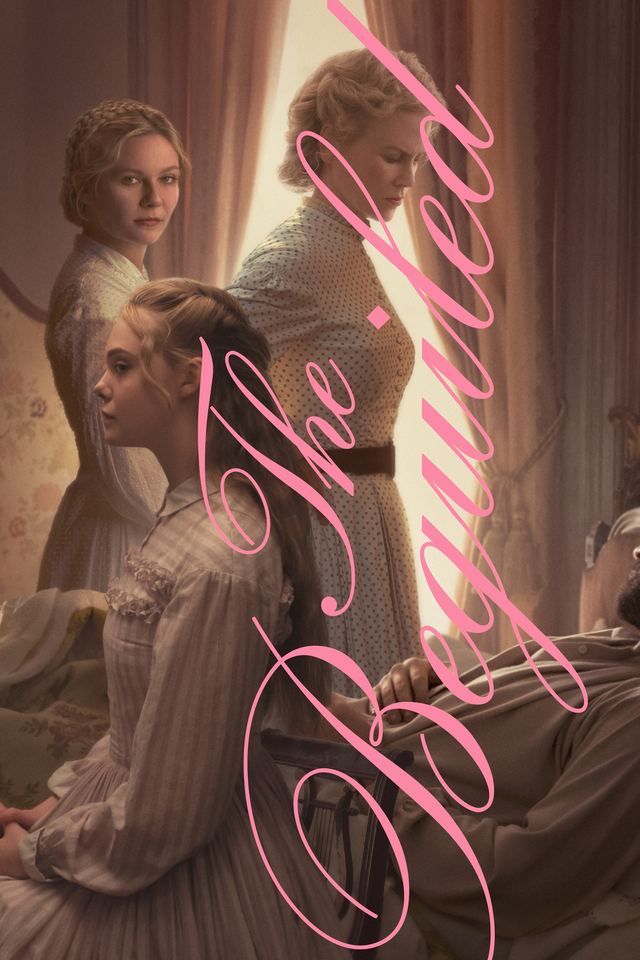
Not much to say about The Beguiled. Really not a great movie, with a paper-thin plot and shallow characters without any depth. Nicole Kidman’s Miss Farnsworth is watching over a half a dozen girls and young women in her expansive home in Virginia near the last months of the Civil War. A wounded northern soldier stumbles into them, Corporal McBurney as played by Colin Farrell. Miss Farnsworth takes him in to mend his wounds, and he proceeds to invite tension in the house between all the girls who vie for his attention. The “shocking” ending is heralded from a mile away, and the acting seems rather lackluster, even from the powerhouse leads, including Kirsten Dunst. Not one to bother with.

Quick takes on 5 CLASSIC films

Haxan is an old Danish silent-era movie from 1922. Originally a documentary about witchcraft, it is widely considered a horror film today, due the dramatized scenes shown as examples of the evils of witches throughout the movie. The movie is sometimes humorous at times when seen through modern eyes, but awakening when you consider what people once thought witches were capable of (and what they were blamed for). Macabre and chilling at times, this is a very well done film, with some pioneering effects for its day.
Onibaba is a Japanese horror/fantasy film from 1964, and a thrilling one. It is about two women, an older lady and her daughter-in-law, who are struggling to survive while awaiting the end of a civil war in 14th century Japan and the return of their men. To make ends meat, they kill wandering soldiers and trade their armor and weapons for food. One day a neighbor returns home, having fled the war, and he tells the tale of the young one’s missing husband, saying he was killed while attempting to steal food for himself. The mother doesn’t want to believe, bu the younger woman accepts it, and begins to have an affair with the returned neighbor. In order to deter this behavior, the mother takes the mask of a demon to scare her daughter-in-law out of her behavior. This leads to terrible consequences for all involved. A creepy movie.
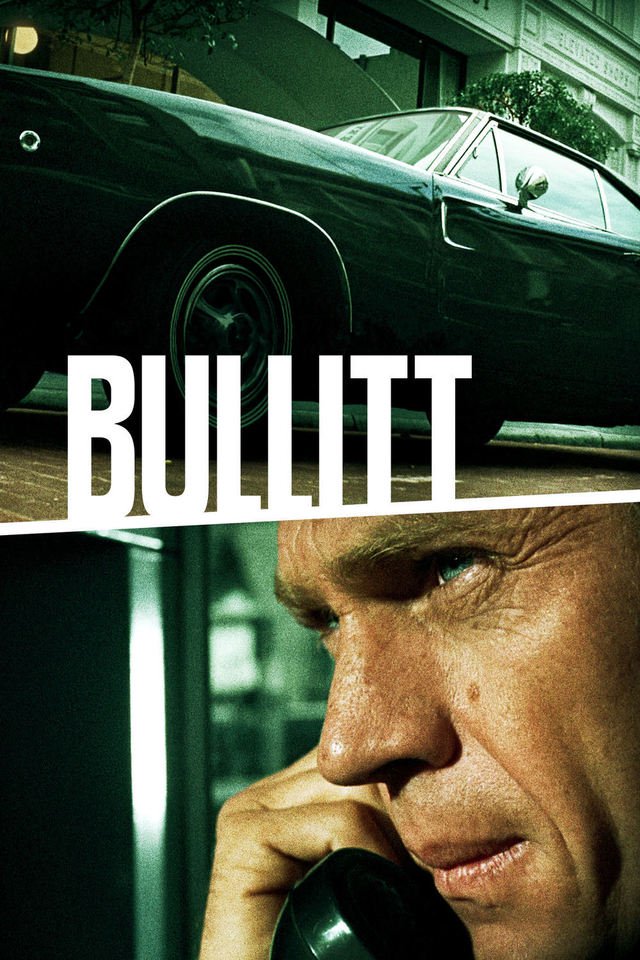
On the whole, I find Bullitt to be a very good movie, though not great. This film came up in conversation with my Dad last weekend, giving me the itch to re-watch it after over a decade since my first viewing. The famous 1968 Steve McQueen caper about a police detective trying to get to the bottom of a couple murders, involving the Chicago mafia no less, this film is probably most well known for its extremely entertaining car chase through the streets of San Francisco. And the chase is worth every minute; it is quite possibly the most exciting, most thrilling car ride in any movie ever. The camera work and driving ability through the hills and winding roads makes you hold your breath, and holds up to this day. Tremendous film making for those few minutes, even if, in my opinion, the rest of the film isn’t as great as everyone says it is.
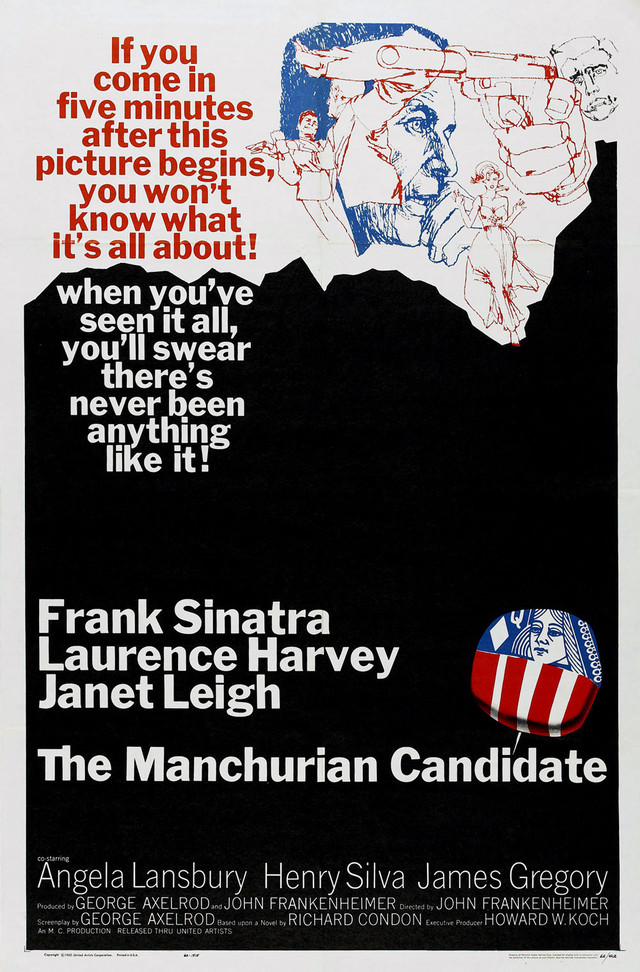
The original The Manchurian Candidate is, for most of the film, a fairly straight forward drama occurring against the backdrop of the escalating Cold War in 1962. Starring Laurence Harvey, Frank Sinatra, and Academy Award nominated Angela Lansbury, it is about a soldier, Raymond Shaw, returning home from the Korean War as a war hero. Applauded publicly, he has secretly been brainwashed by a conglomerate of Communist countries, with an unknown nefarious plot to unfold. The thrills ratchet up in the final third of the movie, when we see just who is pulling Shaw’s strings, and what his ultimate target is. Great acting and a solid plot keep you going through the admittedly slow first half, leading to the movie’s fantastic conclusion. Another cherished classic (and the 2004 remake isn’t half bad either).


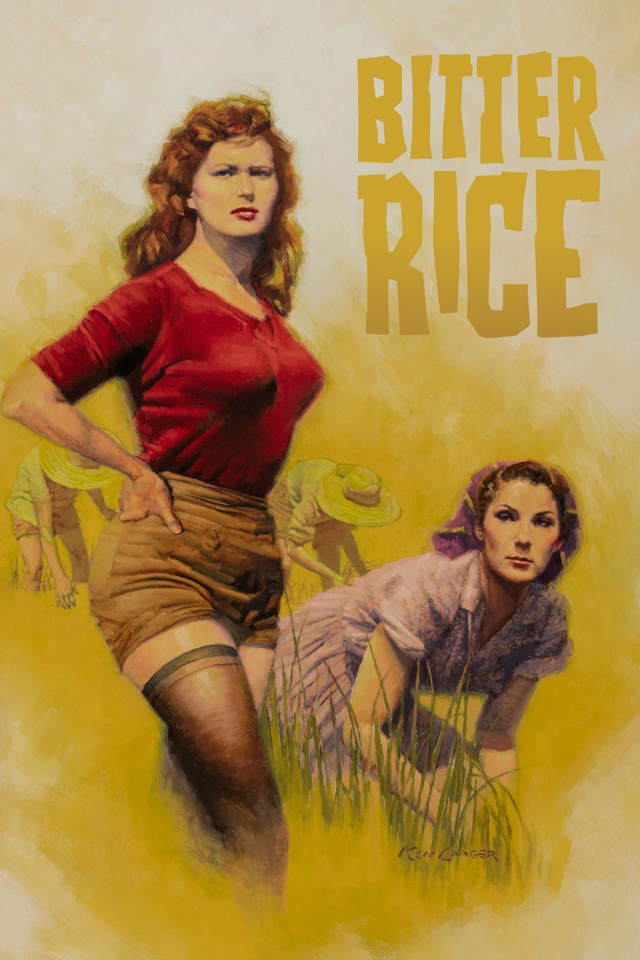
Bitter Rice is a decent Italian film from 1949, with two leads (Doris Dowling and Silvana Mangano) who are equally easy on the eyes. Francesca is a nice girl at heart, but has been caught up in her thieving boyfriend’s (Water’s) lifestyle. On the lamb, she is hiding out with rice workers, where she meets Silvana. Silvana is a beautiful care-free girl that all the guys like, including Walter when he finally sees her. Walter hatches a plan to steal all the rice that has been picked, using Silvana’s greed to manipulate her into helping. Francesca spends much of the film thinking she is no better than Walter, but finally sees she can make a difference before the end. A passable (though unsurprising) movie, it is worth a single viewing.

Thor and Hulk smash the theaters in Ragnarok

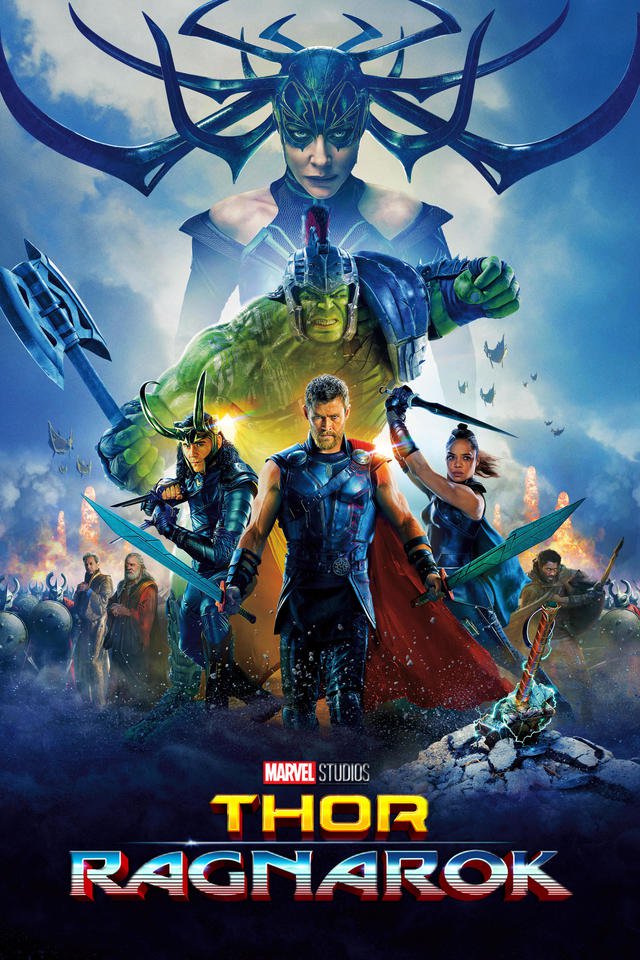
The new Thor movie, Ragnarok, is a blast. That is my review in a nutshell. It honestly may be my favorite Marvel movie yet, and that is saying something for this super-fan.

The movie starts with Thor inprisoned by a fire demon, Surtur, who reveals to the audience that he is supposed to bring about Ragnarok, the destruction of Thor’s home world of Asgard. From this opening scene, we see this film has been infused with more laughs than you typically see in this franchise, as Thor playfully banters with Surtur despite being his “prisoner.” When Thor obviously makes his escape, he returns home only to find that his mischevious brother Loki has been impersonating their father, King Odin, as we saw at the end of the last Thor film, The Dark World. Thor unmasks Loki, and the two go to find the real Odin, who has been living on Earth in Norway. Odin tells the brothers that he is dying, and that his death will free their long-lost (and unknown) older sister Hela, the goddess of death. As Odin passes, Hela arrives, and the stage is set for the climactic conflict.

If you are a fan of the film series, you’ll probably see this one, so I’ll leave the rest of the movie description off. The main cast is rounded out by the Hulk (Mark Ruffalo), Heimdall (Idris Elba), Valkyrie (Tessa Thompson), Grandmaster (Jeff Goldblum), and Skurge (Karul Urban). All are fantastic, but Cate Blanchett as Hela really steals the show, and is quite possibly the best villian to show up in any of these movies to date. This movie is funny, without deterring from truly being an action film, and grandiose without being over the top. It also does a great job of telling a single, concise story so you don’t have to come in with knowledge of the previous films, and while the plot is wrapped up nicely, it has just enough of a teaser to make you want to see more. A thoroughly enjoyable film.

Quick takes on 5 CLASSIC films

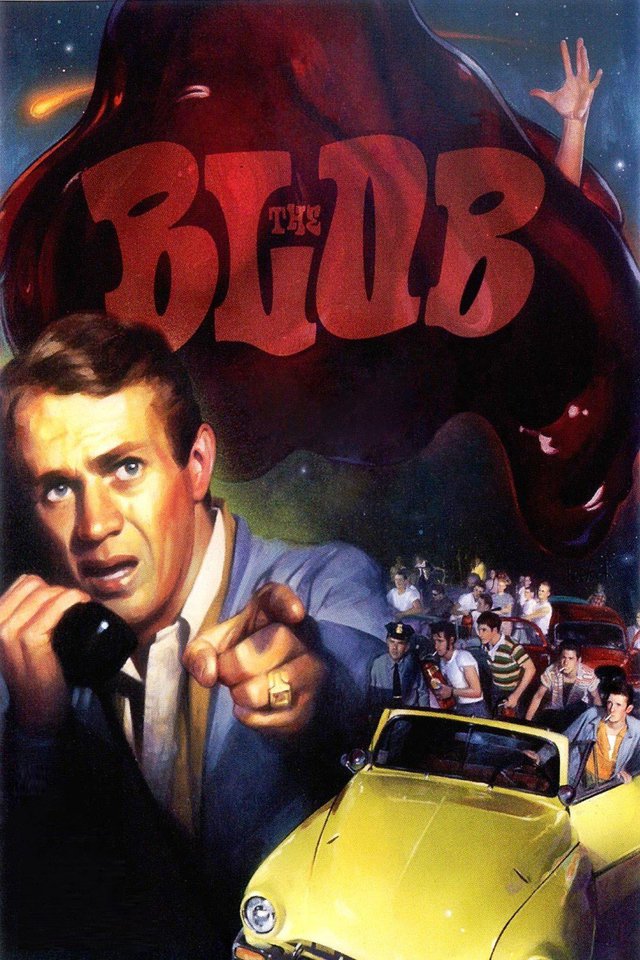
The original The Blob from 1958 is a pretty awful B movie, but it is significant for what it did for the genre, and has had a lasting effect. Featuring a very young Steve McQueen, it tells about an alien “mass” (it is never called “blob” during the movie) that comes to Earth and starts devouring people, growing with each kill. Its low budget is on full display throughout, but that’s not what makes most of this film pretty rough to watch. There are whole sections of dialogue that have no meaning and no advancement to the plot, and are really just filler to stretch a 30 minute story into 90 minutes. If you can forgive the shoddy writing and just sit back and enjoy the charisma of McQueen, it becomes a little more palatable.
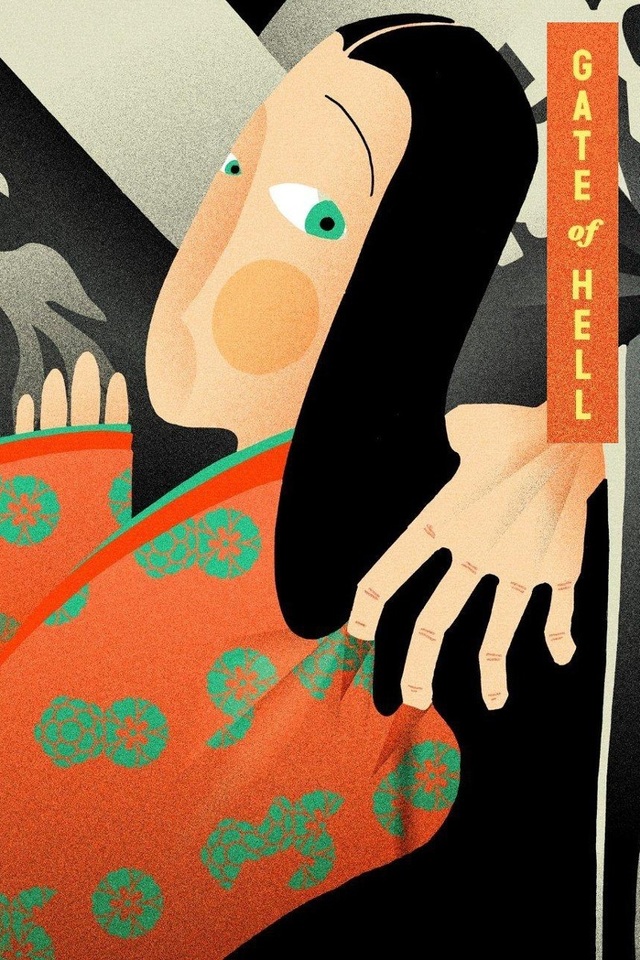
Gate of Hell is a beautifully filmed Japanese movie from the ’50s. Taking place in the 12th century, a samurai warrior acts courageously to quell an uprising, protecting a woman and standing up to the rebels, including his own brother. For his bravery and faithfulness, he is granted a wish. However, he wishes for the hand in marriage of the woman, and finds then that she is all ready married. From this point on we see a turning point in our main character, going from heroic actions to despicable deeds, as he schemes to win his prize over. Fantastic color and cinematography, and a moving story with quiet, yet intense acting all come together for the total package.
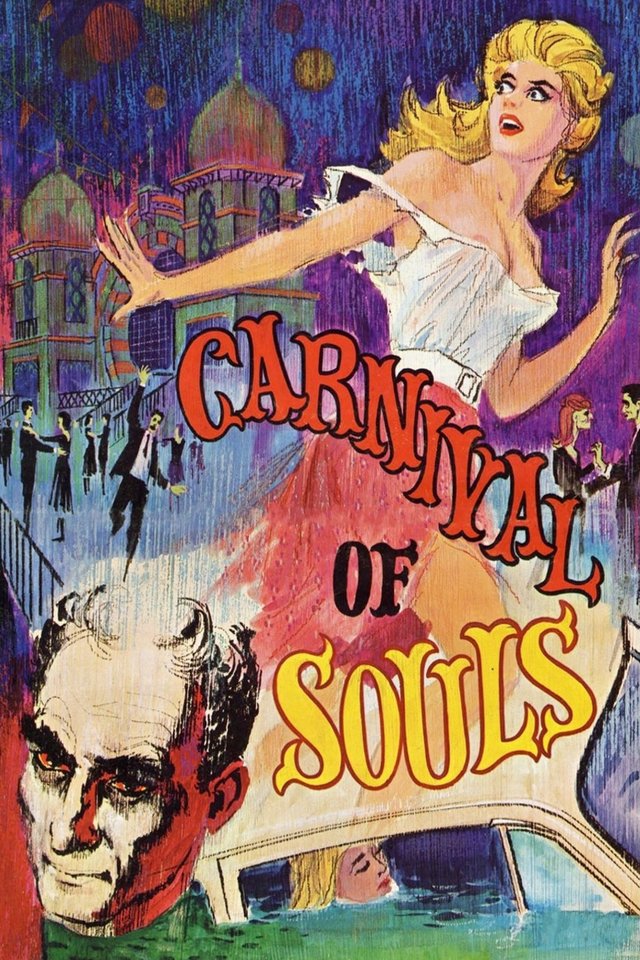
Carnival of Souls is a good old horror film from 1962. Shot on a low budget, it generates nearly of its thrills from building suspense. Mary is an organist who lands a job in a new city playing for a church, despite not being very religious. While driving cross country to her new home, she sees an old, abandoned pavilion off the highway, and can’t keep her eyes from it, obviously feeling a pull there. She subsequently starts seeing a shady figure creeping around her, at night at first, but then during the day as well, a figure no one else sees. Finally she goes to explore the pavilion and finds the spectacular answer to her predicament. I’m purposefully leaving out a big plot element, one that leads to the grand finale, but you’ll just have to watch this one to see it. Well worth it, this is a good one.
Next up is one of Roman Polanski’s greatest films, Repulsion. Many of you have probably seen this one, but it worth revisiting. This is the psychological thriller about a young woman, Carol, coming unhinged when left alone in her sister’s apartment for a week. Carol freezes whenever a man is around, becoming completely despondent. She has nightmares every night of men coming in to her room and raping her. As the week goes by, she first loses her job, and thus spends every moment in the apartment, increasingly edging towards complete insanity. Symbolically she sees cracks forming in the walls around her, until her whole world caves in upon her. The viewer really gets in to her head and feels what is going on, both her shock and her later detachment. A great film.


Ugetsu is another Japanese film from the ’50’s, with one of the same actresses of the above Gate of Hell (Machiko Kyo). This one starts out with the feel of a fable, and you can tell early on it will preach the lessons of avoiding greed, lust, and coveting. It definitely has a fantasy element too though. Genjuro is a farmer and pottery maker, and hatches a scheme to get rich quick selling pottery at the nearby town as war is breaking out around him. His wife pleads with him to stay and protect her, but he sees only money, which in his defense, he wants to buy things for his wife to make her happy. His helper, Tobei, wants money too, not for his family, but because he has aspirations to be a great samurai warrior. The lives of these two men and their wives diverge and join throughout the film, in sometimes spectacular fashion. A very well written film, wiki calls this one a “masterpiece of Japanese cinema,” and I’d have to agree.

Quick takes on 5 CLASSIC films

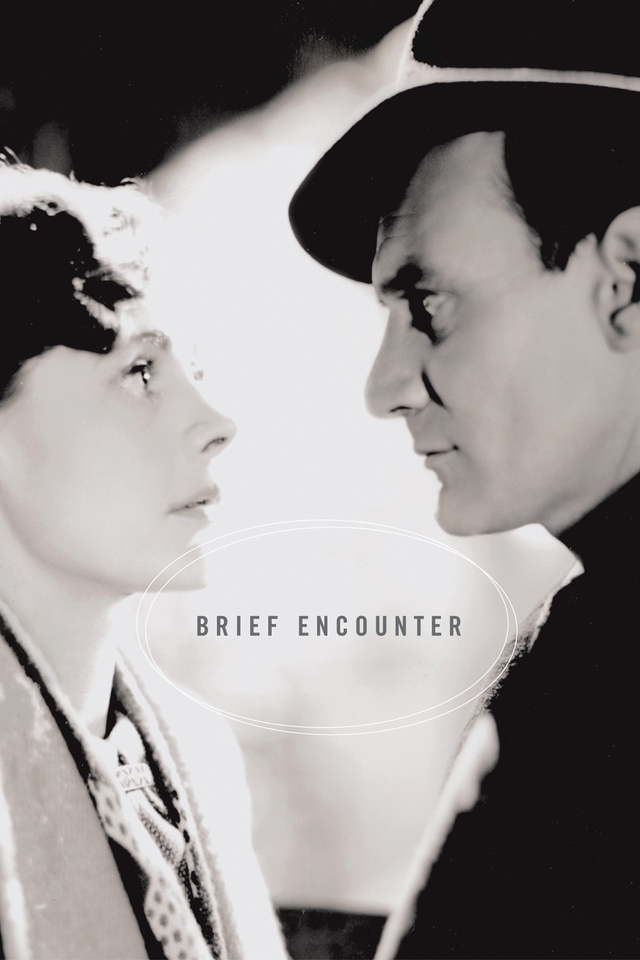
I’m ashamed to admit I had never seen David Lean’s Brief Encounter before. Considerd one of the greatest British films of all time, and directed by one of the greatest as well, this one should be on every film lover’s list. Released in 1945, this movie tells the tale of a chance meeting by Mrs Laura Jesson and a doctor, Alec Harvey, at a train station. Every Thursday Laura comes to town to shop for the family, and Alec comes to work at the hospital. They meet one day, and begin an emotional affair every Thursday over the next month. Remember that this takes place in the ’40’s, so Laura and Alec leaving their respective families is unheard of for a middle class family, and Laura is torn by this turn of events. The film is mostly narrated via Laura’s thoughts, and features stirring, sometimes heart-breaking dialogue and a sweeping backdrop soundtrack. A tremendous, multifaceted movie. Anyone that says they don’t like “old movies” should see this one, it will change your mind.

I followed this one up with another David Lean/Noel Coward collaboration, 1942’s In Which We Serve. This one, about the men serving on an English gunship in World War II, is equally well written, but not quite as engaging as Brief Encounter. For me it almost feels like wartime propaganda. It is definitely a rah-rah, patriotic film, telling the story of the men’s joined experience and their anxious families at home. Early in this film, the ship these men are on is destroyed by the Germans, and while the survivors cling to flotsam, the backstory is told in flashbacks. In this way we get to know each of the main characters. The movie glosses over shortcomings and paints nearly all of them in glowing lights. A good film, though for me, not all that memorable.

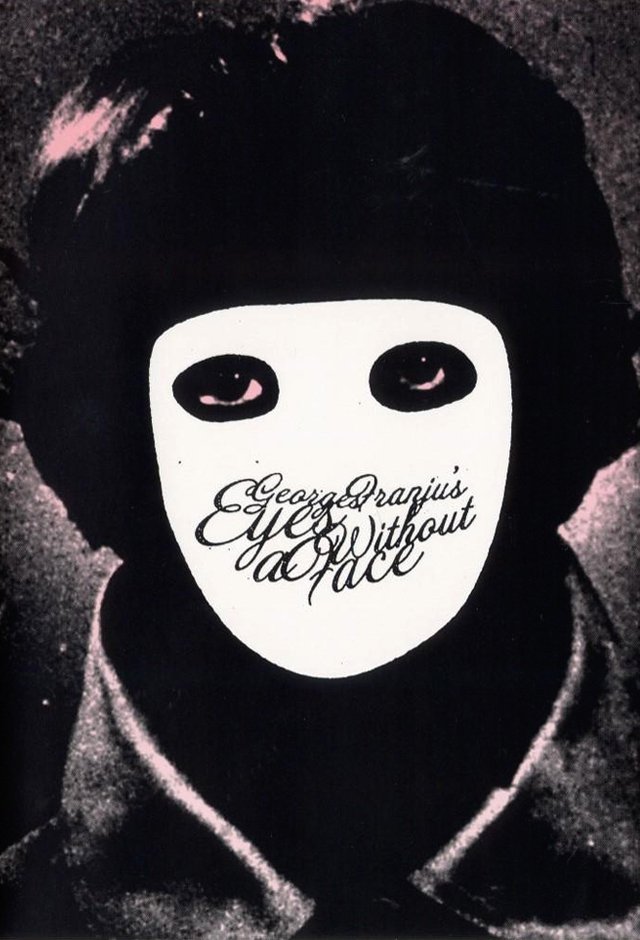
In the spirit of Halloween, I watched some old scary movies this weekend. Eyes Without a Face is a great, classic French horror film dating to 1960. At a time when Hollywood and Britain were pumping out movies of this genre, these filmmakers wanted to get in on the act, but didn’t want to do another Dracula. Eyes Without a Face is a deeply emotional movie about a young lady who has lost her face to an accident. Her father is a doctor, and he has been killing beautiful young women and doing face transplants on his daughter, in an effort to give her beauty back to her. This was a horror movie from a different era, and doesn’t have the same kind of scares we know today, but it is great classic cinema. The graphic (and very well done) scene where the dad slices off a victim’s face on camera is simply fantastic, and the ending (very French) is tremendous.

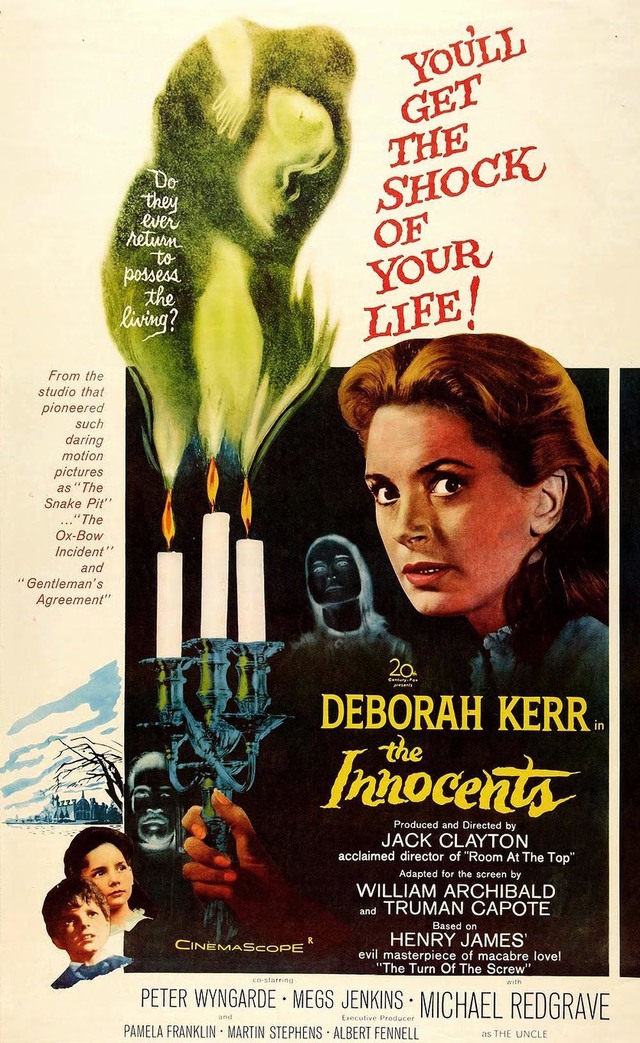
The Innocents is from the same era, being released in 1961. Starring the great Deborah Kerr, this one is about a governess, Miss Giddens, hired to look after a young boy and girl left alone when their previous governess dies suddenly (the parents too are dead). She arrives to the expansive estate and likes the girl immediately, but finds the boy slightly disturbing. Miss Giddens also starts to see spirits floating around in the empty wings of the large house. She is convinced the children see them too, though the housekeeper isn’t much help initially. We start to question Giddens’ sanity, but ultimately the story plays out to a grand conclusion. A good pyschological thriller.

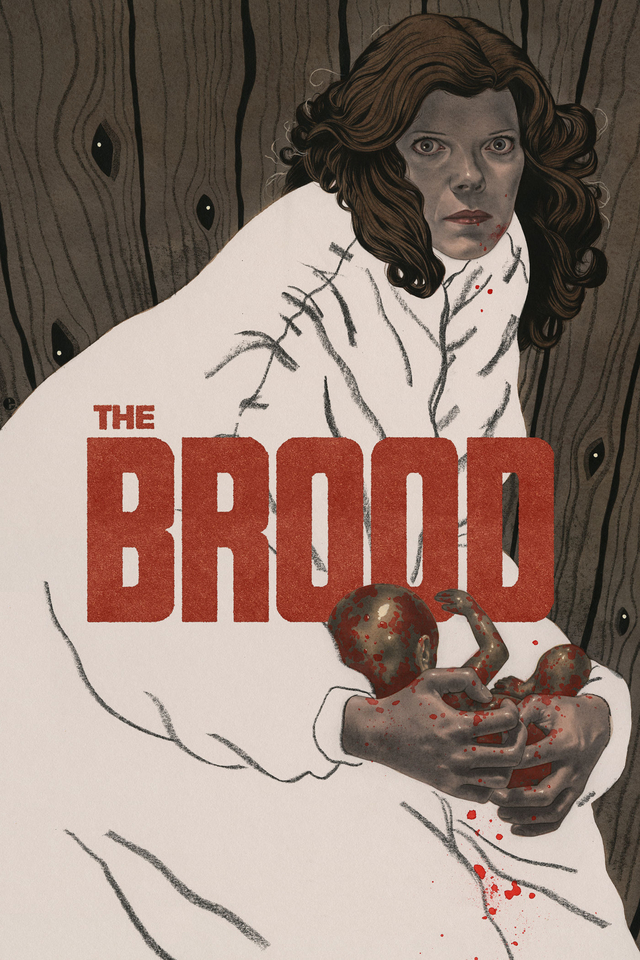
The Brood is a newer film (1979), but it did come out before I was born, so I’ll consider it a classic this time. Another good old thriller, this one is a little less psychological and a lot more straight-forward gore fest, the kind you’d expect from the ’70’s. Frank is fighting his estranged wife Nola for custody of their daughter, Candace. Nola, however, is currently getting mental help from Hal, a new-agey “psychoplasmics” therapist who has very strange ideas about how to get better. People around Frank start to be killed by a team of small, dwarf-like creatures, who pass for children upon cursory examination, and he starts to suspect Hal (and possibly Nola) is connected. The penultimate scene at the climax of this film is fantasticly gross and unexpected, there for pure shock value but definitely worth it. A great film to watch on Halloween, I’ll be watching this one again this time next year.

Quick takes on 5 films

The movie Raw is sort of fucked up. This is a French film, about a young girl going off to college. She seems to have everything going for her. She’s bright and attactive, comes from a loving, health-conscious family (all are vegetarians), and is headed to veterinary school. In a hazing ritual early on, she is forced to eat a raw kidney, and develops a taste for meat for the first time in her life. In a disturbing scene, she finds what she craves the most is human meat. She tries to supress her desires for a time, but always comes back to what she needs. I get that this is a parable for female empowerment, but man is it messed up. I’d probably like the film if it wasn’t so shockingly grotesque at times. Just not my cup of tea.

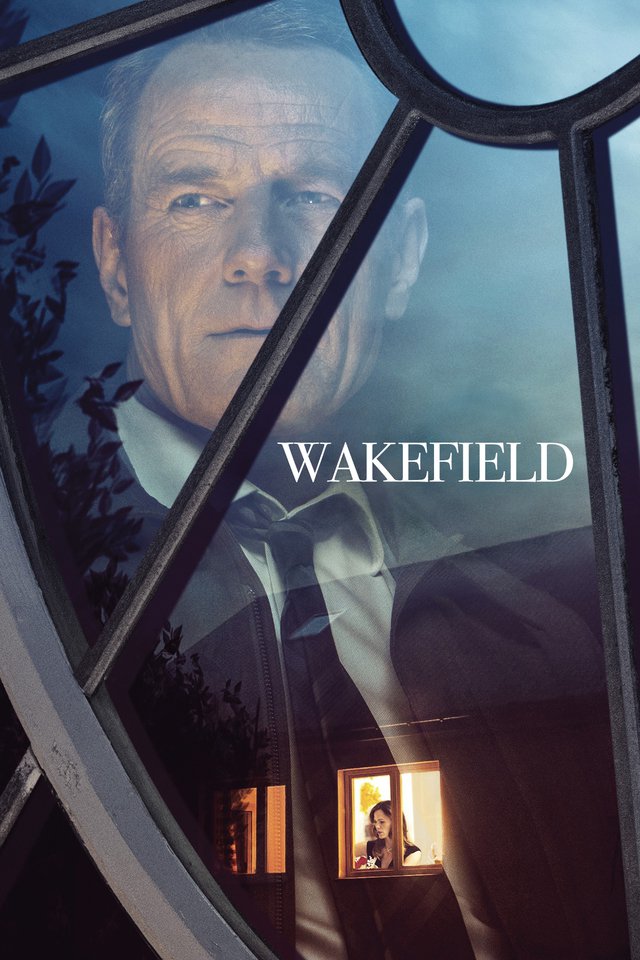
Wakefield is a polarizing film: you will either love it or hate it, and I don’t think there are going to be many people in the middle. I am in league with the former. I think Bryan Cranston is captivating from start to finish, as he has to be as the camera never strays far from him throughout the entirety of the film. He plays Howard Wakefield, who, upon returning home from work one night, has his train lose power. As he approaches his house late and in the dark, he sees his family inside and just loses all energy to face them and the monotonous life he holds there. He heads up to the attic of his detached garage, where he falls asleep. The next day, he is faced with the unwelcome scenario of having to explain where he’s been (the truth sounds outlandindish even to himself), so he continues to hide in the attic. A day becomes a week, which becomes months. The movie is played out as he spies on his family, and narrated by his thoughts of what the world thinks of his unexpected disappearance, with his imagination running wild at times to often bizarre scenarios. Cranston is fantastic and engaging throughout. Let’s face it, he is a likable guy and his humor is catching, but he is despicably leaving his family in a lurch. For my taste, a great film (including the love-it or hate-it ending).

How can anyone not love It Comes At Night? As the synapsis says on Rotten Tomatoes, “what’s left unseen can be just as horrifying as anything on the screen.” This is a psychological thriller that plays with your mind, more gripping than any horror movie I’ve seen in awhile. It takes place in the near-future where mankind is being whiped out by a pathogen. A man (played by Joel Edgerton) has his wife and teenage son hidden in a remote cabin in the woods. They have food and water and are basically just surviving, avoiding all people who may be infected. One day a man comes on to the property asking for help for his own wife and young son. Edgerton’s family (and the viewer) never knows if this new family is telling the truth, if they are safe, or if they have ulterior motives, questions we never really get the answers to, even at the gripping climax. We also hear sounds outside the house at night, and are privy to the teenager’s graphic, vivid dreams of the disease. Not much real action is shown through most of this movie, and there aren’t any jump scares to get a reaction out of you, but this movie gets in to your head like few do.

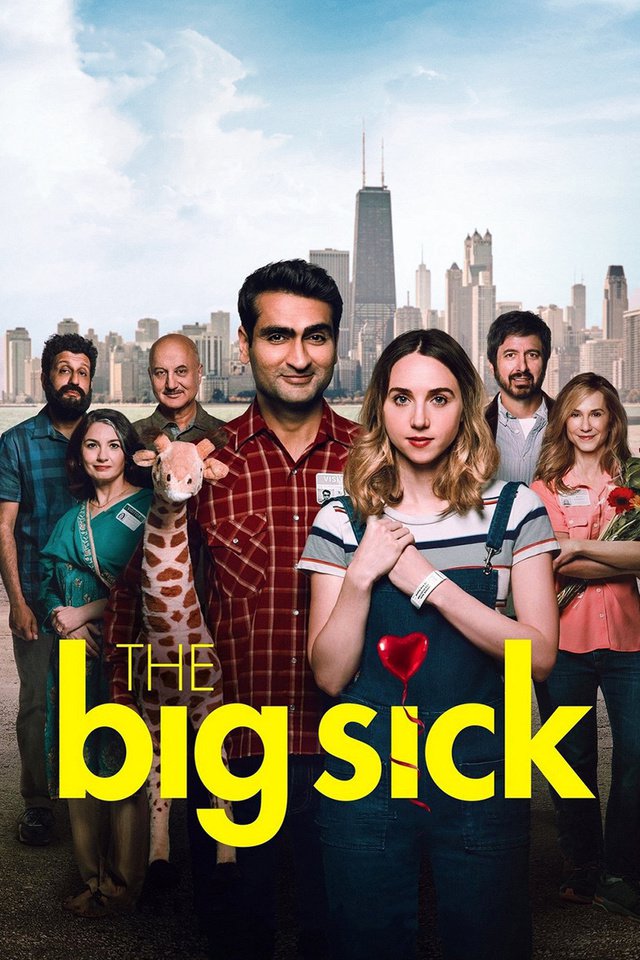
I thought The Big Sick was good, but not great (like it seems the rest of the world does). It is a good romantic comedy, with a bit of a unique twist. Kumail is a young man trying to make it as a stand up comic in Chicago, against the wishes of his very religious and traditional Pakistani parents. He meets Emily and really likes her, but knows he will be literally disowned by his parents if he marries a white girl. After months of dating, Emily learns that Kumail has never even told his parents about her, and storms off. Shortly after, she ends up with a bad infection, and gets put into a coma to survive. Her parents come to town to stay with her, and get to know and like Kumail, who has resurfaced to also watch over her. All pretty straight forward, except I thought Kumail wasn’t as endearing as he should be. He is definitely conflicted by the end, but I thought he was a bit of a sleeze before that (when he uses the same pick up line to get in bed with a new girl after his break up with Emily). The film seems to use his family as a crutch, and through most of the film, I had the impression that Emily liked Kumail a lot more than the reverse. Though I understand the conflict between love and family that Kumail has, I couldn’t relate enough to really get in his shoes.

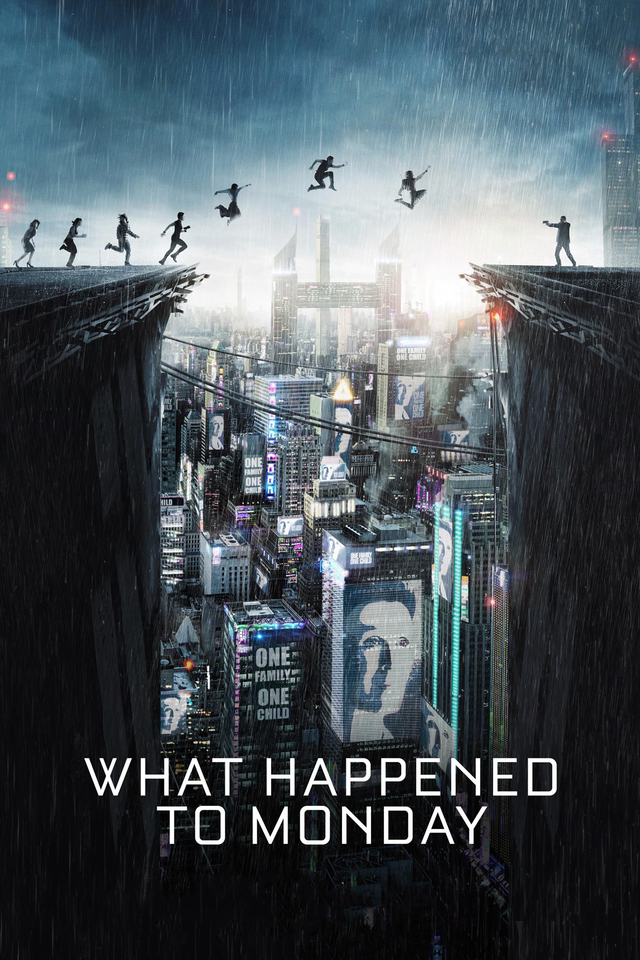
What Happened to Monday is a new Netflix film, starring Noomi Rapace. I love the premise: a future dystopian society where super foods have been created to deal with the booming population, but with the side effect of causing multiple births. A one-child policy is set in place, with other siblings being put into hibernation to sleep until the world can handle the population. One man, played by Willem Dafoe, refuses to put away his seven identical baby granddaughters. He names them for each day of the week and raises them to only go outside on their day, to live as one person, so as to never be caught. Obviously one day, 30 years later, Monday doesn’t return home at night. A very good action film, though with some rather outlandish plot elements, an almost B-movie style at times, and an end twist you see coming from a mile away. It’s a decent movie though.

Quick takes on 5 CLASSIC films

I’ve seen 2001: a Space Odyssey several times, but it has been many years and I decided to revisit it while I’m watching many classic films for the first time. Another Stanley Kubrick masterpiece, it again showcases his ability to capture vast and beautiful, often stark, scenes, and this time in the setting of space. Most probably know the story of this one: a mission is taken to Jupiter and along the way, the space computer HAL goes bonkers and attacks the human crew. The backdrop is of course the existence of monoliths, which humankind stumbles across at different points in their history, and each time they advance the evolutionary process. The acting in this movie is just ok, nothing spectacular, but you see this movie for the groundbreaking film-making it exhibited. The visual effects are stunning for 1968 (almost 10 years before Star Wars!). Not your typical sci-fi film as we know them today, but a brilliant movie nonetheless.
Purple Noon is a 1960 French film, the original film adaptation of the novel The Talented Mr Ripley. Tom Ripley travels to Italy to curtail friend and playboy Philippe Greanleaf. Philippe’s father wants him to return to the USA and stop his free-spending, free-living lifestyle. Philippe ignores the request and takes his fiancee Marge and Tom out on the sea in his sailboat. To this point, we thought Tom was a fairly decent guy, hanging on to Philippe to get a view of how the rich live, but his ulterior motives come out on the boat. Tom kills Philippe, and sets out on his plan to impersonate him for his money. A very fun film, and received acclaim when it came out, vaulting Alain Delon (Ripley) to stardom. His transformation from good-natured sidekick to nefarious murderer on screen is something to see.
A lot goes on in The Night of the Hunter, though the story on the surface is fairly simple. A psychotic fake preacher, Harry (played by Robert Mitchum), travels town to town killing people but staying ahead of the law. He hears of a man who recently robbed a bank and was hanged before the police could find the money, so he goes there to woo the widow and her two young children. Harry wins over the town and woman, but the boy, John, is wary of him, and refuses to tell that the money is hidden in his little sister’s doll. One frightful night, the kids run away and are taken in by a pious woman in the next town down the river. She protects them as Harry comes looking. Ultimately the movie is a classic good vs evil, and focuses strongly on the innocence of children (the movie was made in 1955). On the technical side, the movie is disjointed and doesn’t always flow well, but Mitchum as the diabolical bad guy is fantastic, and the film has many rewarding moments.
Walkabout, released in 1971, is just ok if you take it at face value, but it can get you reflecting long after it is over. It starts with a businessman in Australia who cracks, taking his teenage daughter and younger son out to the bush and trying to kill them, only to finally kill himself instead. The two kids are left stranded in the middle of nowhere with no survival skills, and would surely die had they not come across a teenage aborigine. Though they don’t speak the same language, this newcomer takes these 2 under his wing and provides food and water, while leading them slowing back towards city life. The movie is a stark look at differences, both city vs the wild, and especially social/cultural (most glaringly at the very end of the film). A moving film worthy of a lot of retrospection, this one will stick with you.


Hitchcock’s 1959 classic North by Northwest is one of the all time greats. A suspenseful thriller, it starts humorously with the main character, Roger Thornhill (Cary Grant) being mistaken for an international spy. He spends the first half of the film trying to prove he is not, yet circumstances and his own curiosity to find the people hunting him, keep piling on the circumstantial evidence that he is said spy. When he finally accepts what all the bad guys all ready believe, he tries to find out what their end goal is. Grant is fantastic as to be expected, as is female lead Eva Marie Saint, and the bad guys James Mason and especially the head henchman, a younger Martin Landau in his first film role. Must-see territory for cinema lovers.

Quick takes on 5 CLASSIC films

Since I’m not reading any classical books at the moment, I thought I’d go back and watch some of the classic movies. Some of these I’ve seen before, but most I have not. Just some short blurbs of some of the greats.
Barry Lyndon is regarded as one of Stanley Kubrick’s greatest works. A period film taking place in the 18th century, it is a fictional biopic of the life of Redmond Barry. Born to a poor family in Ireland, Barry lies and cheats his way to high society in England. What the movie lacks in action, it more than makes up for in brilliant acting and even more brilliant film-making. The cinematography is breathtaking, as you’d expect from a Kubrick film, and you should read up on some of the techniques he used in making this movie, it is truly groundbreaking stuff for its day. A long film by today’s standards, at over 3 hours, but well worth it for film lovers. The quiet, slow-building tale is engaging from the start. A true masterpiece.
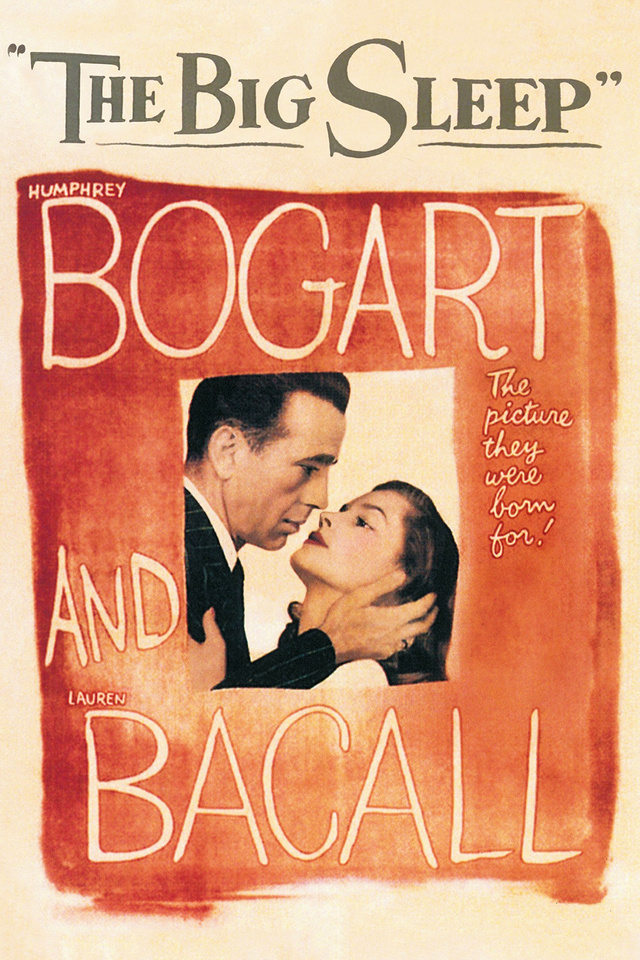
The Big Sleep is a classic Humphrey Bogart mystery, based on a book by Raymond Chandler. Philip Marlowe is a P.I. hired to find out what is plaguing the spoiled daughter of a rich man, a daughter who seems to be caught up in a blackmail scheme. The bodies start hitting the pavement soon, and Marlowe finds that the strings lead longer the more he pulls. The backdrop of the film is the relationship between Bogart and fellow lead Lauren Bacall, who had met on their previous film, were dating during filming of this one, and married before it hit theaters (months after Bogart left his former wife). The steamy tension between Bacall and Bogart is felt through the screen, but the real highlights of this film are the twists and turns of the plot.
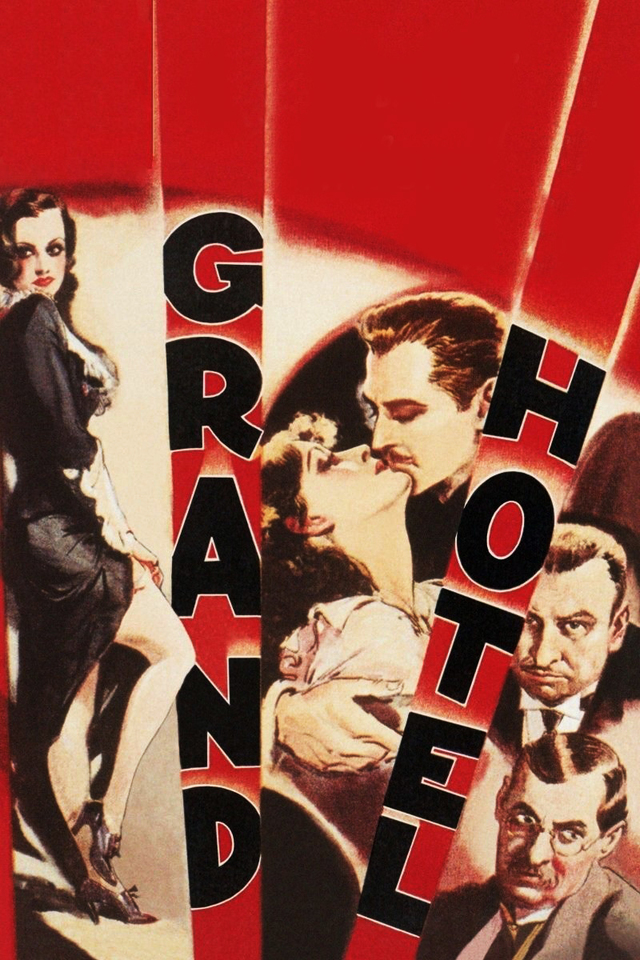
The Grand Hotel, always the same. People come, people go, nothing ever happens. Of course, a great deal happens. Grand Hotel is an early sound film, dating back to 1932, with some of the times greatest stars, including John Barrymore, Greta Garbo, and a spicy pre-code Joan Crawford. This film shows the lives of a various people staying at the expensive, premier hotel in Germany over the course of a couple days, and how their lives interconnect for a short time. Funny and well written, this movie is even better today as a glimpse at a time long before many of us were born. Must-see territory for classic film lovers.
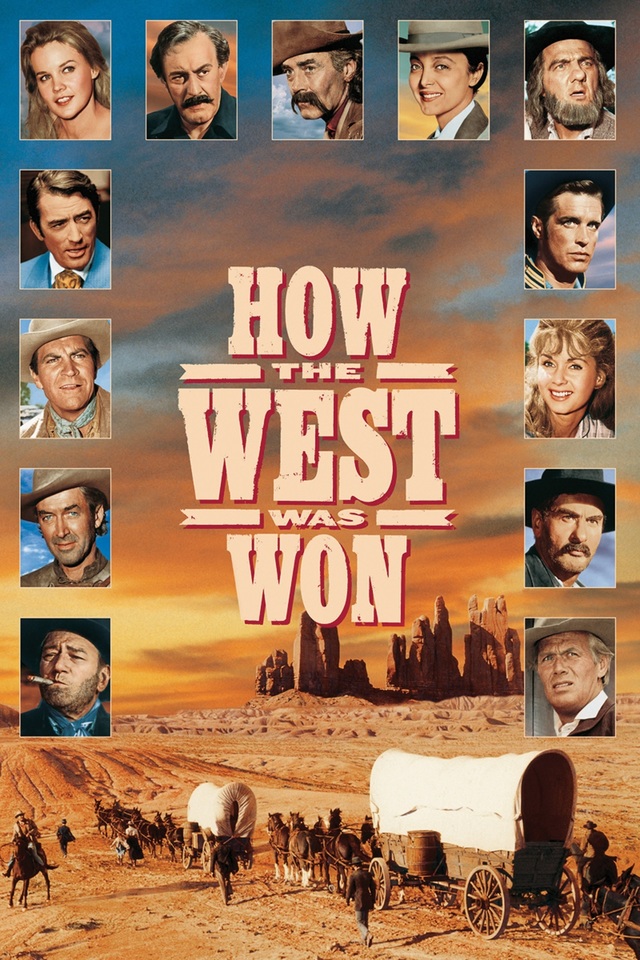
How the West Was Won is a beautifully filmed, decades-spanning epic, the likes of which you just don’t see made anymore, with a truly all-star cast (look it up!). It follows the Prescott family and their kids over the course of 40-50 years, starting with them going down the newly built Erie Canal, and their subsequent splintering and going in different directions across the great frontier. It has the feel of a genuine epic tale from the first few minutes, and over the course of nearly 3 hours, loosely shows some of the great events of western expansion, including homesteading, railroads, the gold rush, and cattle ranching. You don’t get to find out the fates of everyone at the conclusion, but for a film that takes place in a time where you might never see a loved one again once you set out on your own, even that aspect feels right.


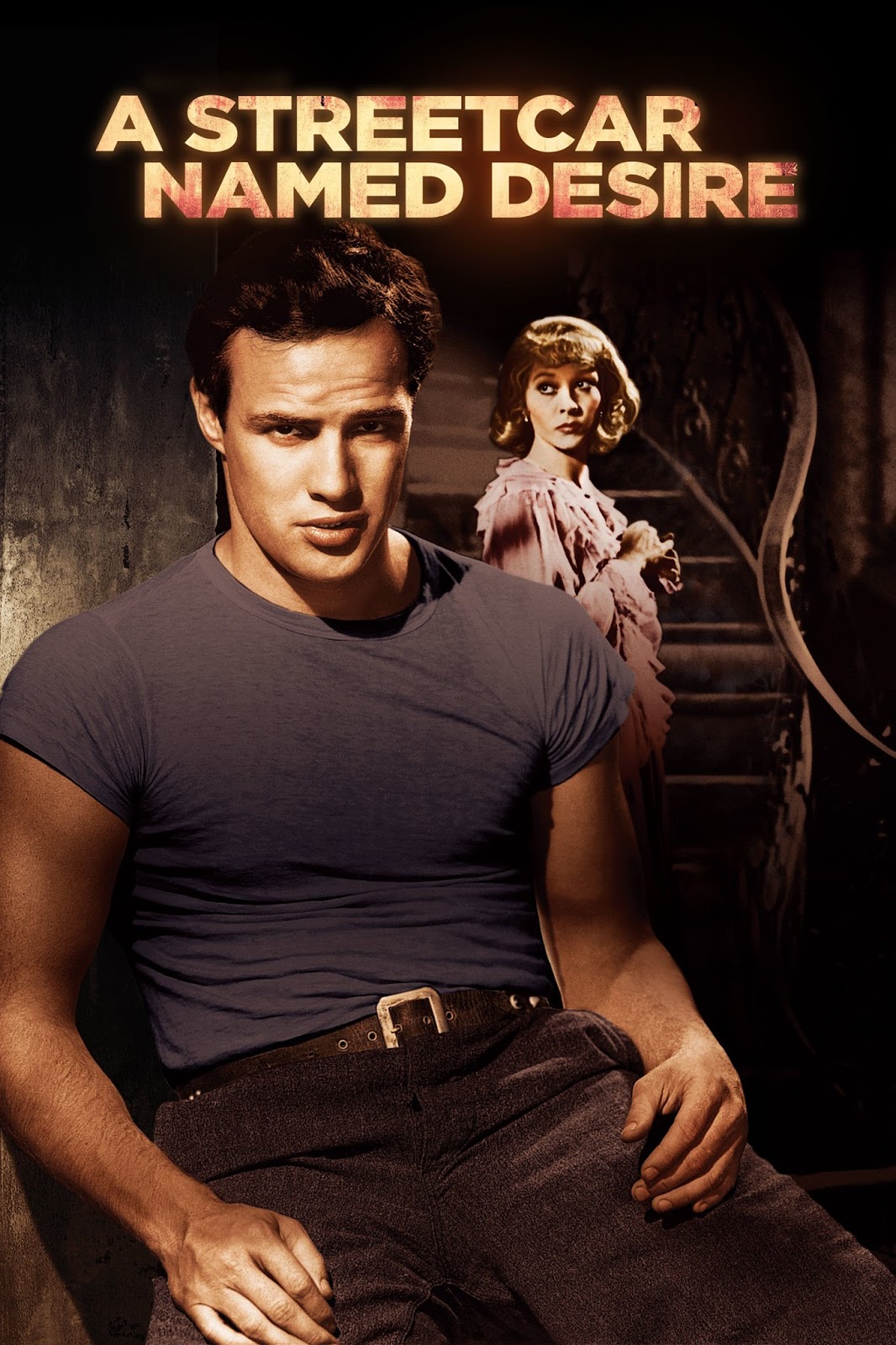
Marlon Brando got his big film break on A Streetcar Named Desire. Released in 1951, it is a fantastic film based on the incredible play by Tennessee Williams. Three-fourths of the leads came over from the original Broadway production (Brando, Kim Hunter, and Karl Malden), with Vivien Leigh taking over Jessica Tandy’s original part (Leigh had performed in the London production, and was obviously a bigger Hollywood name at the time than Tandy). Three-fourths also won Oscars for their parts, only leaving Brando out, though the then-unknown was nominated as well. The film tells the story of Blanche DuBois going to visit her younger sister Stella and Stella’s new husband Stanley in New Orleans. From the start we see that Blanche is a bit on the edge of sanity, and makes up lavish stories about herself, which her sister humors but Stanley derides. Leigh and Brando each shine in their respective roles, with Brando just starting his illustrious career and the aging Leigh finding it tougher to find roles on the big screen (she made just 3 more films after this over the next 15 years, though still had plenty of jobs on the stage). A wonderful piece of cinematic history.