Quick takes on 5 CLASSIC films

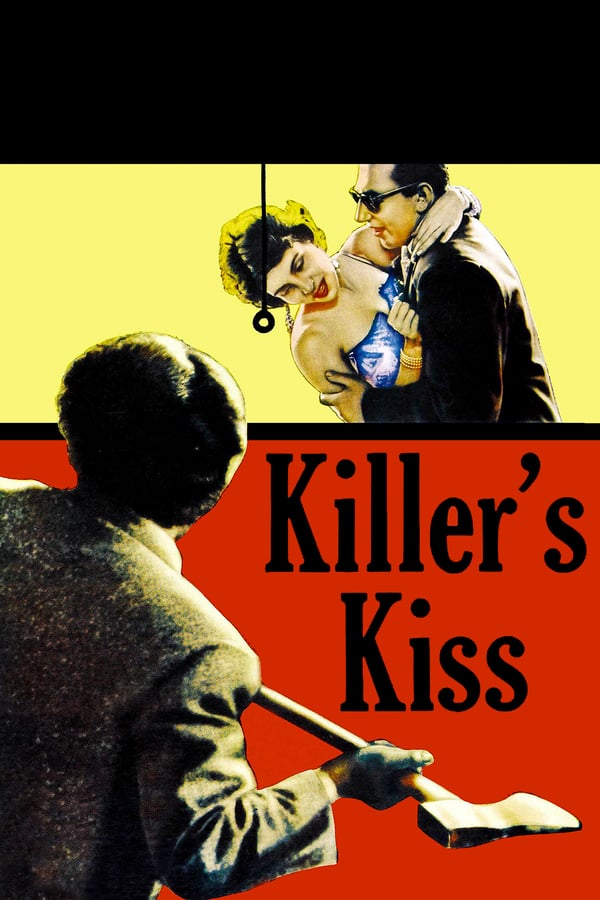
Killer’s Kiss is an obscure early film of Stanley Kubrick’s, his second in fact, from 1955. Produced on a tight budget which Kubrick self-financed with help from friends and family (about $75,000 from reports), it is a short, 1 hour movie about a boxer, Davey, who falls in love with the pretty girl in an apartment across from him. Gloria works as a dancer in a club for a sleazy man named Vincent. When Davey and Gloria decide to run away together to start a new life somewhere else, Vincent decides not to let her go so easily. Honestly this is a rough film to watch; the extremely small budget is on display and the acting is sub-par, but even in this early example, you can see elements of Kubrick that would grow with time, such as the long, panning scenes and sparse dialogue. There’s a long fight scene between Vincent and Davey near the end, where you can almost see Kubrick finding his way as a young director. Not a great movie, but interesting to watch for Kubrick fans.
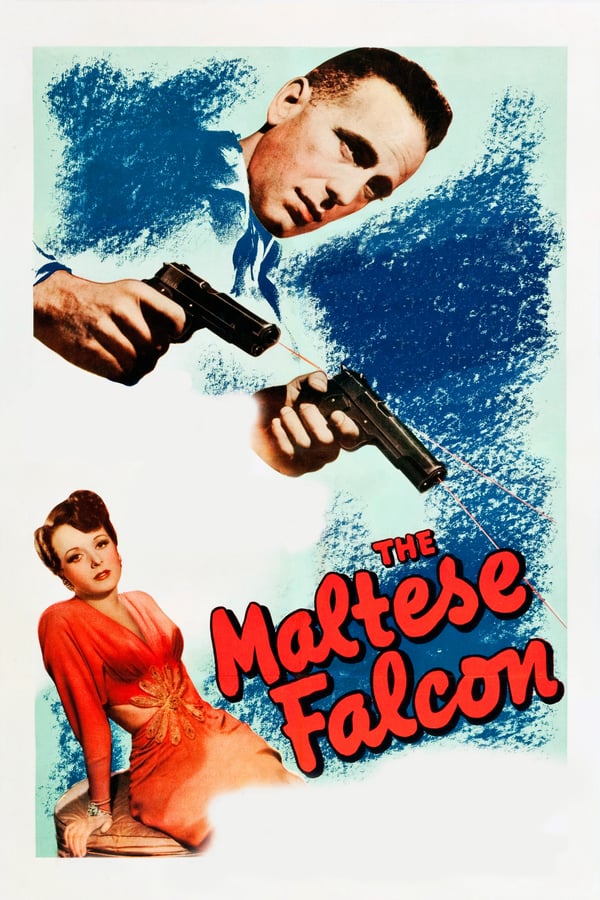
 

The Maltese Falcon is a re-watch for me, albeit it has been 15+ years since I saw it for the first time (I’ve more recently read the book). Released in 1941 and starring the iconic Humphrey Bogart, it is a classic film noir about a private investigator, Sam Spade, who gets roped into a high stakes game of murder and intrigue. Initially hired by the seductive Ruth (Mary Astor) to follow someone, it isn’t long before people start ending up dead, and Sam begins to wonder what Ruth’s real goal is. Other characters enter, all circling the waters, and all with the same object of desire: an extremely valuable figurine of a falcon, which Ruth once had in her possession. As a great PI, Sam does finally get to the bottom of the mystery, and it all plays out in an incredible reveal at the end. One of Bogart’s best and most revered films.
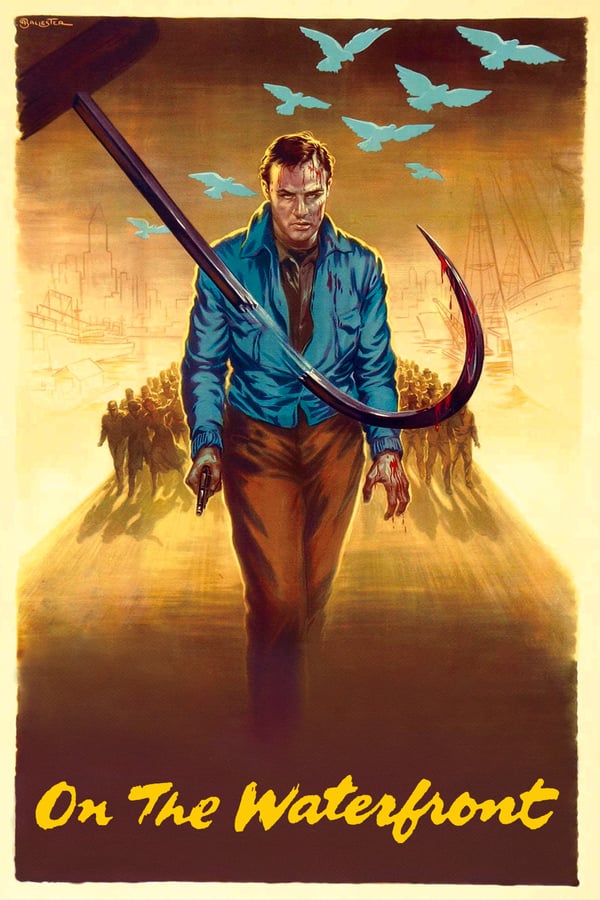
 

I recently watched A Streetcar Named Desire, which put Marlon Brando on the map, but it was On the Waterfront a couple years later in 1954, for which he won his first Oscar. And he is fantastic in it. Brando plays Terry Malloy, a former boxer working as a dockhand. The dock workers’ union is struggling, not because of lack of work, but because the mob has moved in and taken control, and given money and preferential work to their guys. Terry’s older brother Charlie is the right hand man to mob leader Johnny Friendly. In the opening scenes, Terry unwittingly plays a part in having a dockhand killed, because the guy was ratting to the police. The killed man’s sister Edie (Eva Marie Saint in her debut) and the local priest, Father Barry (Karl Malden), struggle to get people to talk about the murder, because the workers, despite the new oppression, has a history of keeping to themselves regarding their own matters. Terry is racked with guilt over getting his buddy killed, but faces the dilemma of going against his brother. As Terry and Edie grow closer, he also must confess his part in getting her brother killed. An absolutely incredible film, I can’t recommend this one enough.
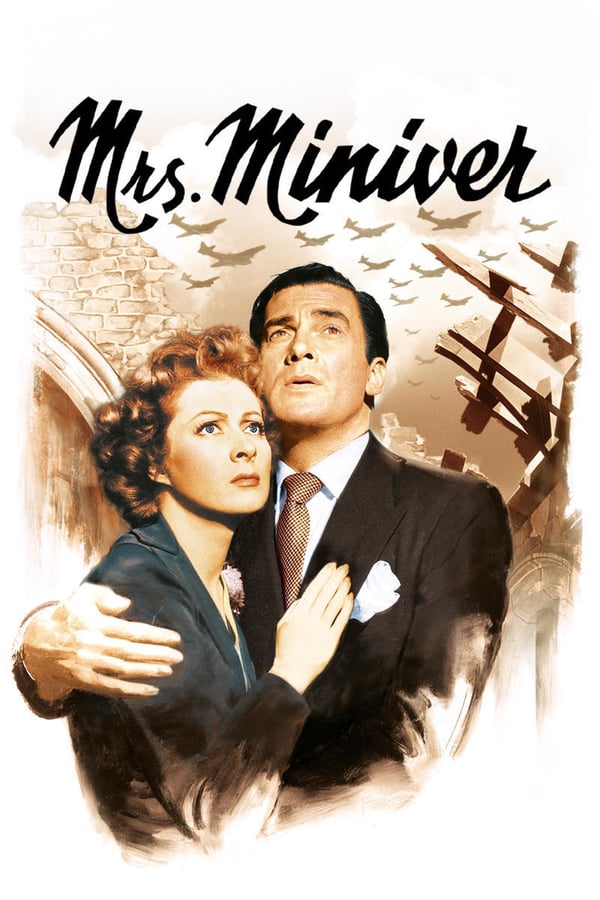
 

Mrs Miniver is a wonderful war film from 1942. Taking place in England at the outset of World War II, it follows the strong-willed matriarch of the Miniver family. They live in changing times, obviously because of the war, but also with changing social statuses in the country. Mr and Mrs Miniver are “new money” and live in a well-to-do area, but are looked down by the aristocrats, like Lady Beldon, who have lived there for generations. They’ve raised a strong son, Vincent, who is eager to go to war and fight for his country, but before he does, he falls in love with the young and beautiful Carol Beldon, against her grandmother’s wishes. Vincent enlists as an air force pilot and goes off to fight, just as the war comes to Britain’s homeland in the form of bombings from the sky. The film builds slowly throughout, allowing us to get to know each member of the family, so that when the bombs start dropping on their home, we palpably feel their fear. The end takes an unexpected turn which will leave you aching. While the finale is noticeably propagandic (the film was pushed by the American government to drum up home support for the war just as we were entering it), it is no less moving.
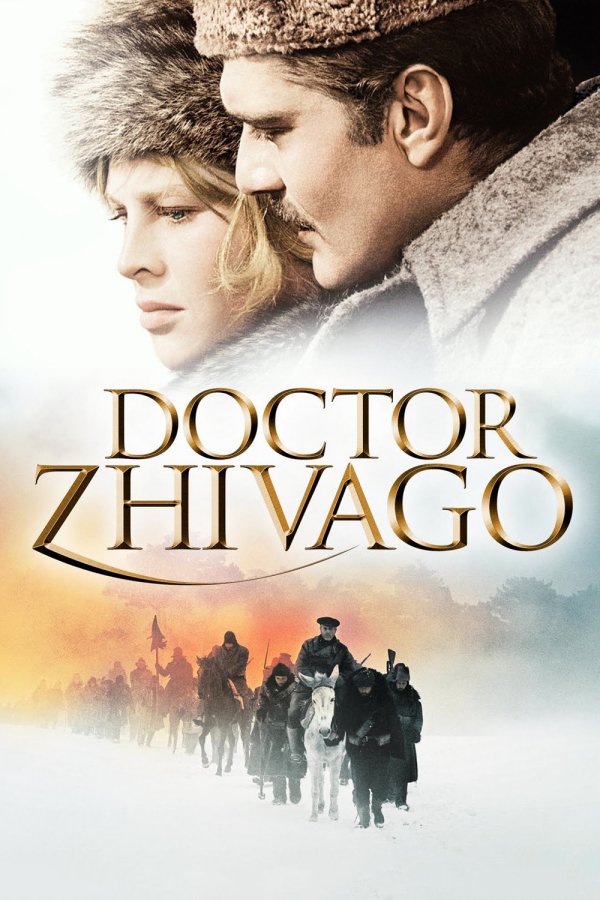
 

I could not get in to Doctor Zhivago, it’s one movie where I just have to disagree with the critics. A lauded film from 1965, and directed by one of the greats, David Lean, it is an epic movie about the times of the Russian Revolution during and after World War I. The backdrop is of a Russian KGB general (played by Alec Guinness) interviewing a young woman who he believes to be his long-lost niece. He tells the tale of her parents, who she doesn’t really remember, including her father (the general’s younger brother), Doctor Zhivago. Raised in a wealthy household until Lenin’s socialism breaks down the barriers of independent wealth, Zhivago is smitten with a poor woman named Lara, but marries the wealthy Tonya instead. Much of the film is Zhivago’s dichotomous relationship with these two women, while others weave in and out of their lives. The film is beautifully shot with stark, grandiose scenes and costumes, but the plot is thin and not all that interesting, and for much of the time, I just wanted to smack around the lead actor for being unable to choose between these two wonderful women, either of which would make him happy if he could but stick with one wholly. And personally, I found it a bit humorous to watch a film full of Russians being portrayed by British actors, complete with British accents, doing British things. I understand it was made in a different time, but for me, it was distracting. Sometimes I can watch a 3+ hour movie and lose myself in it, and other times like this, I’m stuck looking at the clock through most of it, waiting for the plot to develop.
Quick takes on 5 films

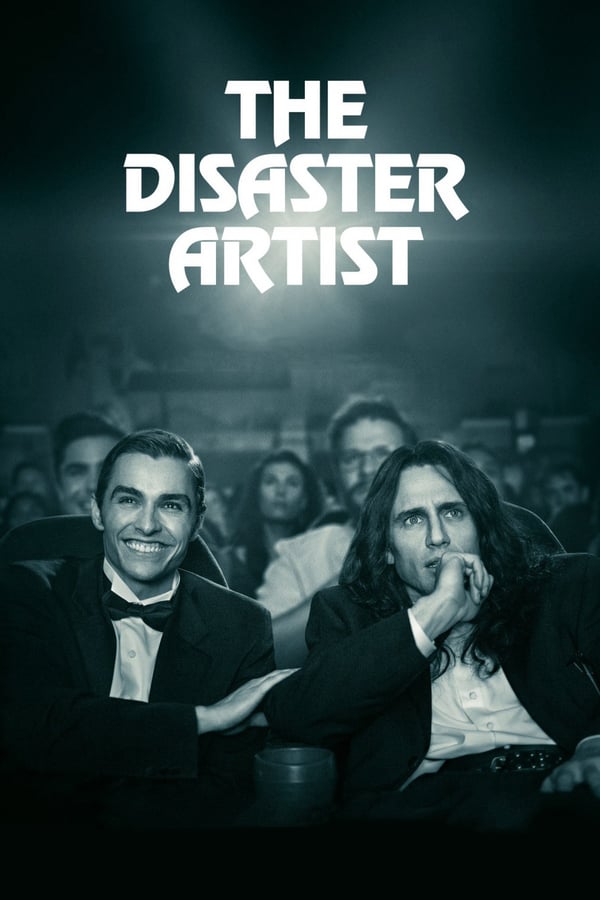
I have mixed feelings on The Disaster Artist. About the making of The Room, distinctly regarded as “the worst movie ever made,” this film is entertaining enough, but leaves too many unanswered questions for myself. I like my movies clean and tidy. It follows Greg Sestero, the author of the book it is based on. Greg is a young adult who dreams of being a famous actor. In his local acting class, he meets Tommy Wisseau, an enigmatic and seemingly independently wealthy man who lies as much as he tells the truth. Greg is insecure and lacks courage, but Tommy is brazen and urges along Greg, and for once Greg feels like he really can move to Los Angeles and make his dreams come true. The two go to LA, where, after much rejection at auditions, Tommy decides to make his own movie. The Room is the stuff of legends, and while generally agreed it is terrible, it has, like many bad movies, gained a cult following. Most of this movie details the making of it. James Franco is terrific as Tommy, with little brother Dave passable as Greg. With other stars Seth Rogan, Alison Brie, and Josh Hutcherson, this is a funny film, but the viewer is still left wondering who Tommy Wisseau really is, probably because no one to this day knows who he really is.


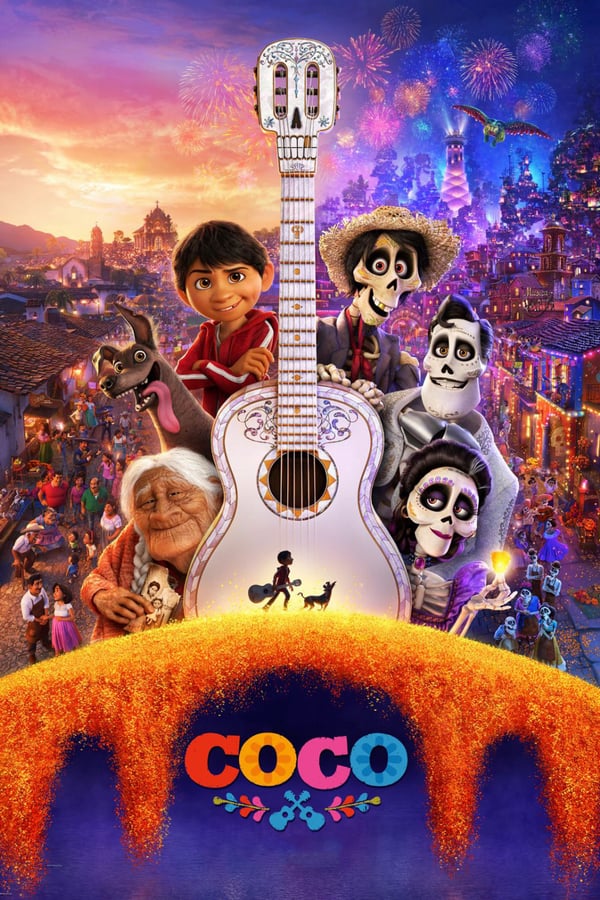
I’m a big Pixar nut, love just about all the movies. Coco is the latest, telling the tale of a boy in Mexico and his desire to be a musician when he grows up, despite his large, extended family’s wishes. More than that though, it is about the importance of family, and remembering where you came from. Little Miguel has been teaching himself guitar in secret, and on the night of a big showcase in town, which coincides with the big Mexican holiday, Day of the Dead. In a turn of events, Miguel ends up in the land of the dead, and his only way back is to get a blessing from one of his deceased relatives. Most will give their blessing if he forsakes music, so Miguel sets out to find his unknown great-great grandpa. Beautifully written and gorgeous visually, this is, in Pixar fashion, a very heartwarming film, even if it is fairly predictable.


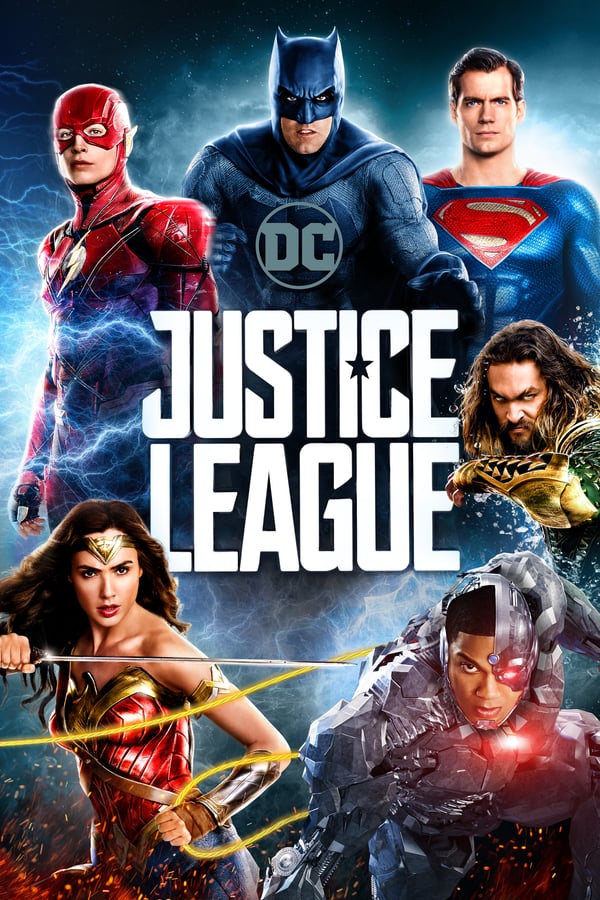
Justice League really isn’t a bad film, but unfortunately the DC universe has been unable to escape the shadow of success that Marvel has accomplished, and in that comparison, it falls short. This film is DC’s big “Avengers” moment, teaming up the heroes from the last few films to take on a world-crushing bad guy, this time Steppenwolf. Batman, Wonder Woman, the Flash, Cyborg, Aquaman, and Superman, whose death a couple movies ago obviously didn’t stick, come together in a big climactic fight. The first part of the film is honestly rough at points. Parts are rushed, parts are sometimes too “campy”, and some parts almost feel like a B movie on a big budget, but once we get into the conclusion in the final 30-40 minutes, it does all manage to come together, and it is a whole lot of fun from there on out. There is a lot of talk about how DC seems to be rushing their films out to catch up to Marvel, but I don’t think that is the problem. I’m starting to think it is the director, Zack Snyder, that is holding this franchise back. If a replacement is made there, perhaps DC can finally find their footing.


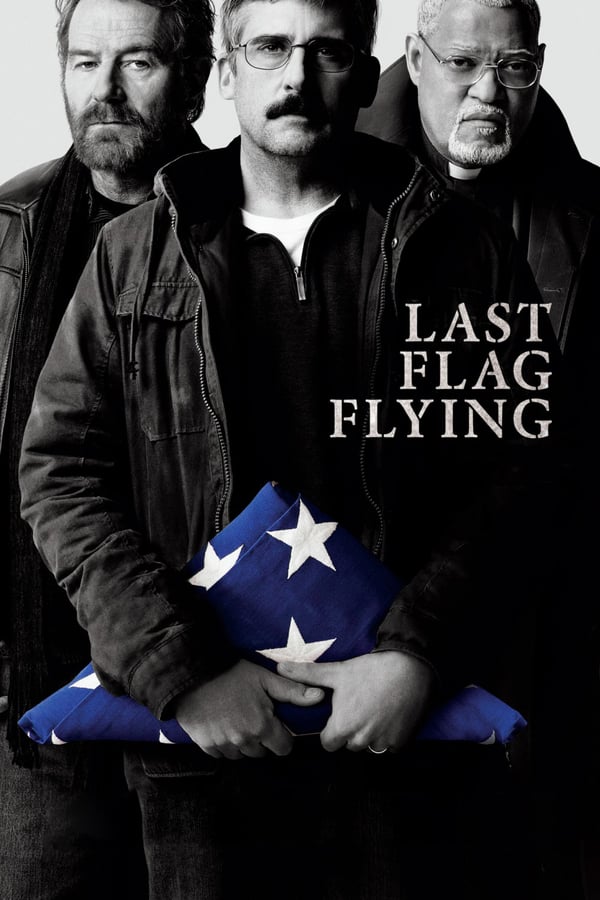
Last Flag Flying is the latest film from acclaimed director Richard Linklater. It follows a trio of old marine buddies from Vietnam, played by Steve Carell, Bryan Cranston, and Laurence Fishburne. They reunite when Doc’s (Steve’s) son dies as a marine in Iraq, and Doc asks them to attend the funeral. There is a lot of heart in this film (as there always seems to be in Linklater’s movies), and also a lot of comedic interplay between the trio, as they remember the old times and get used to each other again after not having seen one another for several decades. At the same time, they slowly come to terms with the moment they shared during the war, one that ultimately changed their lives in very different ways. It also shines a light on love of country, and in a moment of grief, reconciling that love with the lies your country may tell you. Awfully irreverent (Fishburne’s character has become a preacher, but regresses to past language when around his old friends), but also awfully funny, this film should resonate with war buddies who share a bond that no one else would understand.


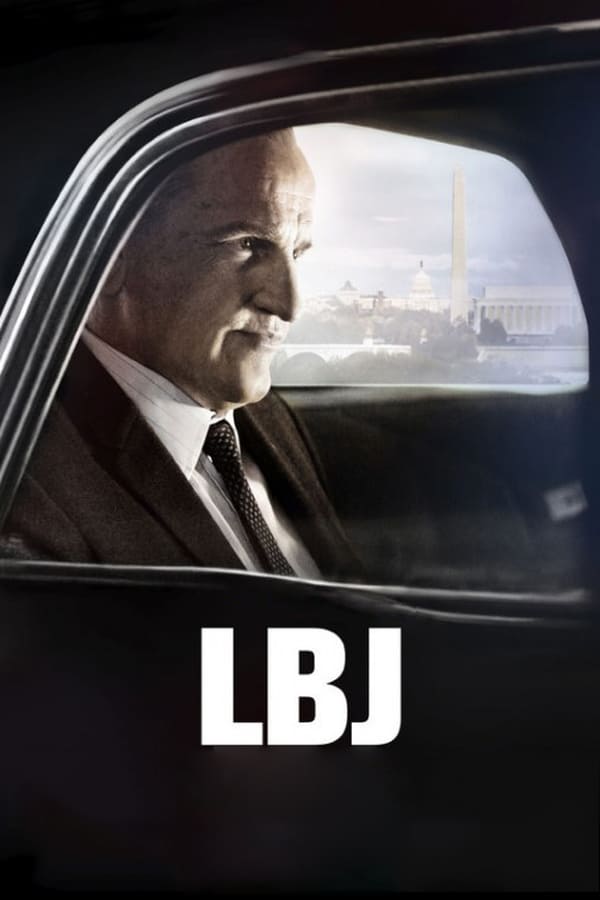
LBJ is (obviously) a historical film, starring the supremely talented Woody Harrelson as Johnson. The film follows Johnson in the years leading up to Kennedy’s election as president, when Johnson was already a powerful senator, then the following years of Johnson as the vice president, and finally the first days of his presidency after JFK is killed. All of this was well before my time, so I can’t speak to the historical accuracy, but it is an entertaining movie. Johnson was a career politician and he deftly plays the game to get his and Kennedy’s bills passed, even when they are unpopular with the Congress. Harrelson is charismatic and engaging as Johnson (perhaps too much so, this is obviously a reason why he could not win the democratic convention against Kennedy in 1960 despite his political clout). The final part of the film feels rushed, and, while you don’t hear this very often, the movie could have been a bit longer. However, I enjoyed the whole of it, and it is worth a watch for Harrelson’s ability alone.

Quick takes on 5 CLASSIC BERGMAN films

Ingmar Bergman is widely regarded as one of the greatest and most influential directors of all time, directing over 60 movies in his life, as well as being heavily involved in theater. He won a boatload of awards including 3 Oscars (all for Best Foreign Language Film, in his native Swedish), and was even nominated in the Best Picture category once, one of only 10 foreign films to ever receive such a nomination. I recently sat down to watch 5 of his greats, four of which were for the first time for me.
Through a Glass Darkly is a 1961 film. There are just four characters, being centered on Karin, her husband Martin, her brother Minus, and her Papa, David. Karin suffers from schizophrenia and was recently released by an asylum, and seems to be clinging to sanity through the sheer force of will of her husband. Her and her brother have lacked for attention from their father, who has always put his career as a writer first and foremost. The film follows Karin’s slow and painful circle towards madness. The movie oozes with trepidation and tensity, and along with Karin, we feel the inevitable approaching, with seemingly nothing to prevent it. Beautifully acted, written, and, of course, directed, this is a haunting masterpiece.
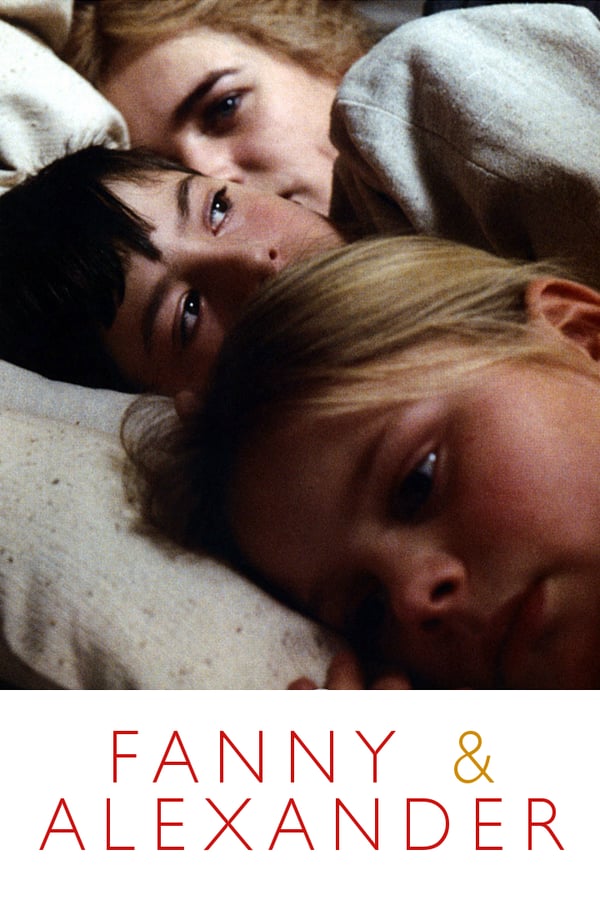
It is hard to do a “quick take” on a film that approaches five and a half hours long, as Fanny and Alexander does (Bergman did edit out a “short” three hour version for theatrical release, but that is for chumps). The full version was released in Sweden as a TV miniseries, and was intended to be Bergman’s final film in 1982, though as all the greats find, he couldn’t stay away and came back to make 8 more movies. Despite the title, this one is mostly about the boy, Alexander, who lives a dream-filled existence as he teeters on the edge of childhood and manhood. Amusingly, we really don’t even get to know Alexander well until two hours into the movie, as we start with introductions to his vast family first. Though this might seem a bore, it later becomes essential to know what makes all of these varied characters tick. When Alexander’s and his sister Fanny’s father dies, and their mother marries a staunch, austere Bishop, their carefree and happy lives are torn apart. Their stepfather is strict and cruel, but by now it is too late for the mother to leave. The film borders on the magical as Alexander sees ghosts around him, the imaginary machinations of a boy’s mind at work, but in the end, the movie feels very real and tangible. I’m not going to lie, five hours is a long time to sit through any movie, and since most of the “action” takes place in the last 2 hours of this one, it can be a challenge to get through. But for any film lover with the patience to see this one play out, with all of its nuance, it is well worth it.
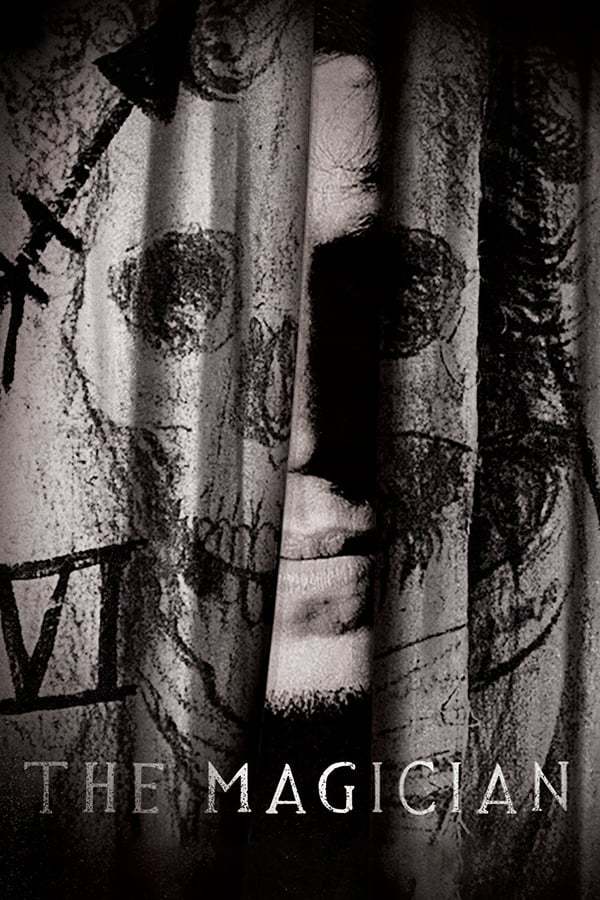
Bergman did what many filmmakers do, which is create very personal films. On the surface, The Magician (1958) doesn’t seem so. It is about a traveling troupe led by an illusionist, Dr Vogler. Vogler’s band travels from city to city performing acts of mysticism, but is recently down on its luck. They are stopped at the estate of Egerman to put on a show. Egerman, along with a scientist, Dr Vergerus, and the local chief of police, wish to expose Vogler as a charlatan. While the other members of Vogler’s group provide comic relief (Tubal flirts with the older cook, the old witch provides love potions to estate’s workers, and the driver Simson has a dalliance of his own), it is Vogler who provides the thrills. A mute, his penetrating stares create tension and a sense of foreboding, leading to a terrifying conclusion when he is “unmasked.” Bergman wrote this film as an allegory on his own career. Vogler is the center of a grand play, the director, but he has little power left in him anymore, relying on falsehoods to trick his viewers (audience), but in reality lives in fear of being exposed. Many of the other characters in the film have muses of their own in Bergman’s professional life. While this film wasn’t heralded in its time, it has grown in stature over time, and has all of the characteristics you expect from a good Bergman movie.
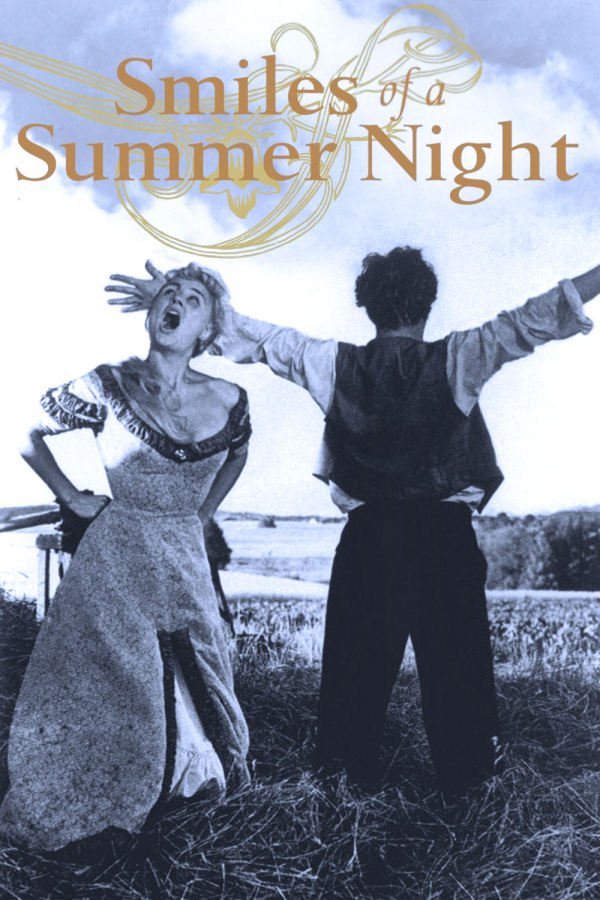
Smiles of a Summer Night is a classic comedy by Bergman, with few of the fantastic elements he often employed. It follows four distinct couples over the course of the movie, whose relationships all intermix. Fredrik, an older man, is married to the much younger Anne, with whom he has not consecrated their marriage due to her youth an unease. Fredrick’s former mistress, the beautiful and popular actress Desiree, is now seeing the Count. The Count’s wife, Charlotte, happens to be best friends with Anne. Fredrik’s son from his first wife, Henrik, is infatuated with his step-mom Anne, but also flirts with the family housekeeper, Petra, who in turn seeks a more worldly man, whom she finds later in the film as Frid. If it sounds like a whole lot, that is just the introductions! This is a love triangle set to the extreme, and while fun even when taken on a superficial level, it still has plenty of the deeper elements you’d expect from a Bergman film.
The Seventh Seal is the film that put Ingmar Bergman on the map in the USA, in 1957, and one that is still parodied and “borrowed from” today. It is the fantastic tale of a knight returning to Sweden from the crusades in the middle ages, only to have his fate decided by a chess match with none other than Death himself. Antonius Block is a man at a crossroads. He has spent 10 years fighting for the church, but now questions God’s intent, or even the existence of Him at all. Even Death will not answer his questions, so he challenges him to a game of chess to try to save himself some time, time he wants to use to do something truly great, as he feels to this point his life has been meaningless. Jons, his squire, has already given up the idea of God, and while still a caring man towards others, he has no use for faith anymore. The two set out through the country, coming across evidence of the plague sweeping through the country. Throughout the film, they meet a traveling family of jugglers/entertainers, a thief, a woman being falsely persecuted by the church as a witch, a scapegoat for bringing the plague, and others. Antonius continues to look for hope in all of these places, but finds none. When it becomes apparent that he will lose his chess match, he makes sure to see the traveling family away safe, so they will not share his fate. This becomes his one good act, but whether he sees God in his work or not, is left to the audience to decide. Again, a personal film for Bergman, who grew up in a strict, Christian home, as the son of a devout and unyielding Lutheran minister. Bergman questions the blind faith of others, though as the film itself states, it wouldn’t be faith if we had all the answers. A masterful and moving film, one that deservedly cemented Bergman’s reputation.

Quick takes on 5 films

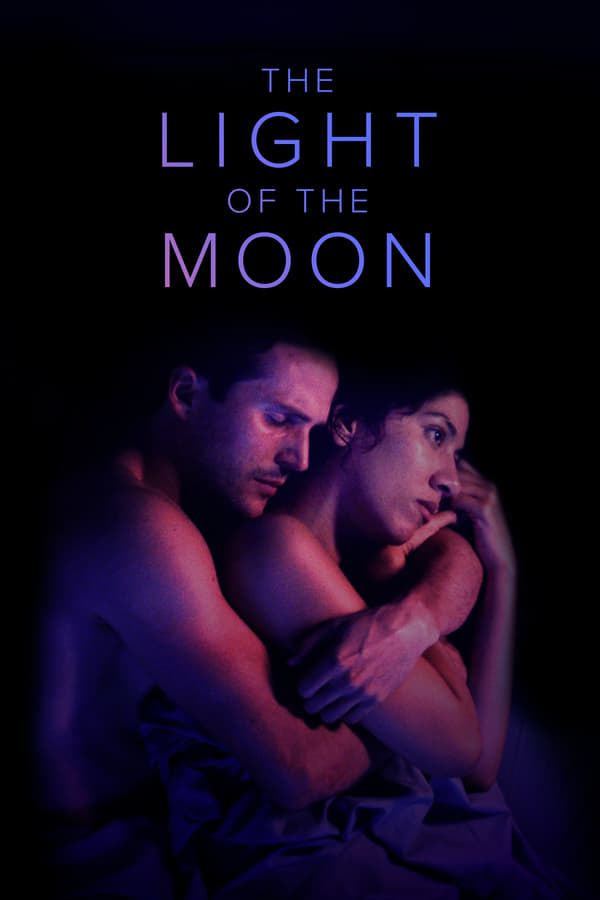
I absolutely loved The Light of the Moon. It has everything you want in a raw, dramatic film. It tells the story of Bonnie and her live-in boyfriend Matt. Both are successful young adults with booming careers. Walking home from a night out with friends, Bonnie is raped near their apartment. The rest of the film deals with all of the aftermath, including the physical and emotional pain for Bonnie and Matt together. Bonnie wants to pretend it never happened, going so far as to not even telling her mother about the episode. Matt tiptoes around her, doing these he never used to like cooking and cleaning, and even this leads to a fight because Bonnie wants everything to be normal (Matt replies, “I’m not sure that will ever be possible again”). The films holds nothing back, and we see all of the things a victim of sexual assault may face, such as victim shaming, guilt, the toll on her personal relationships, etc. As a viewer, we want nothing more than for Bonnie and Matt, a couple so obviously in love with each other, to find peace, though that might not be possible after such an impossible event. A heart-wrenching film, sensitive yet real, superbly written with award-worthy acting. One of the best films I’ve seen in awhile.
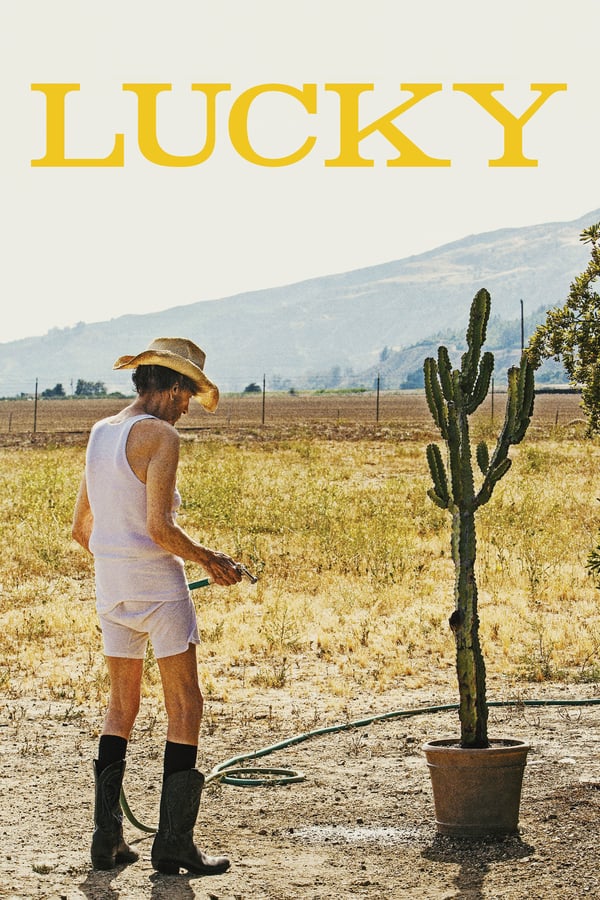
Lucky is a sad and fulfilling movie at the same time. Sad, because of its material and how it inevitably connects to the lead actor, but fulfilling because of how awesome it still is. The movie is about Lucky, an old man and an atheist who, despite being in excellent health, is very much aware of his impending death. He goes about his days in a quiet western town, known by all in the community. Despite his gruff attitude, he seems to be well-liked by everyone he comes across. A quiet film, there is no major plot, other than Lucky trying to find meaning when he’s never seemed to need it before. Lucky is portrayed by the great Harry Dean Stanton, in one of his last roles before dying in September of last year at the age of 91. A wonderful movie and a great send off for one of the best.
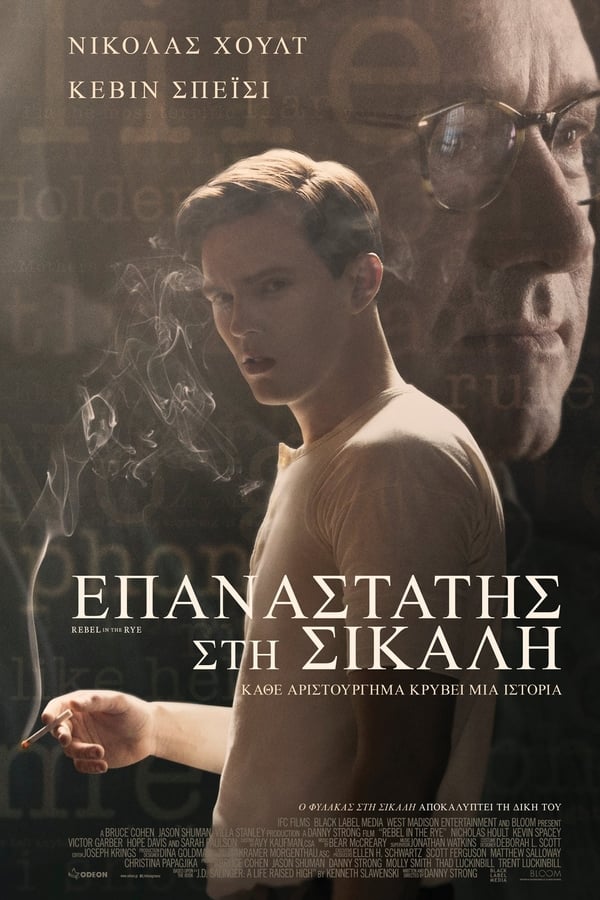
Rebel in the Rye is a biographical film about the life of author J.D. Salinger, a hero or nemesis to many a high schooler. The real Salinger was a fascinating person, unfortunately the same cannot be said of this film. While it is well acted by Nicholas Hoult in the lead, it is a pretty boring movie. It tells much of his story from college through the publication of The Catcher in the Rye and Salinger’s meteoric rise to fame, detailing his struggles both personal and professional, but there is none of the fire that the real life man seemed to exude. Ultimately it falls into the same trap which many biopics do, in that the story is told with knowledge of the facts but none of the heart behind them.
I’m genuinely confused by Brad’s Status, probably more so than he is at the end of the film. Portrayed by Ben Stiller, Brad is a man with a lot of issues. While taking his seventeen-year-old son on a series of college visits, he compares his middle-class life to those of his own college friends, all of whom ended up much more successful in life than he did. He plays out scenarios of their rich-and-famous lifestyles in his head and looks down on his wife and his job. The problem is, his life is not bad by any stretch, something those around him, and us as viewers, realize immediately, which just makes Brad seem like a big tool. Despite this, the movie tries to make us like him. While this movie does have its moments, as a whole the characters just aren’t likable enough to root for. Worth a single viewing, but ultimately forgettable.
Thank You for Your Service is a sobering film, a look at the trials facing our soldiers returning home from war. It follows three men coming home from Iraq, Adam (Miles Teller), Aieti (Beulah Koale), and Billy (Joe Cole). All are suffering from PTSD in various ways. On the surface, Adam seems to be holding it together better than his two friends, but only because as their sergeant, he’s made a habit of putting on a brave face for his team. The film shows what I think is a very truthful look at everything our men and women face, from the war itself, to the red tape in getting help from Veterans Affairs when they come back, to the sense of hopelessness they feel in ever feeling normal again. Teller and Koale in particular are mesmerizing. My only fault in the film is it plays it safe at times and could really challenge the viewer if it wanted to, but all in all, a very well done film.

Quick takes on 5 films

Up this time, I’ve got five movies based on true stories (some more loosely than others).
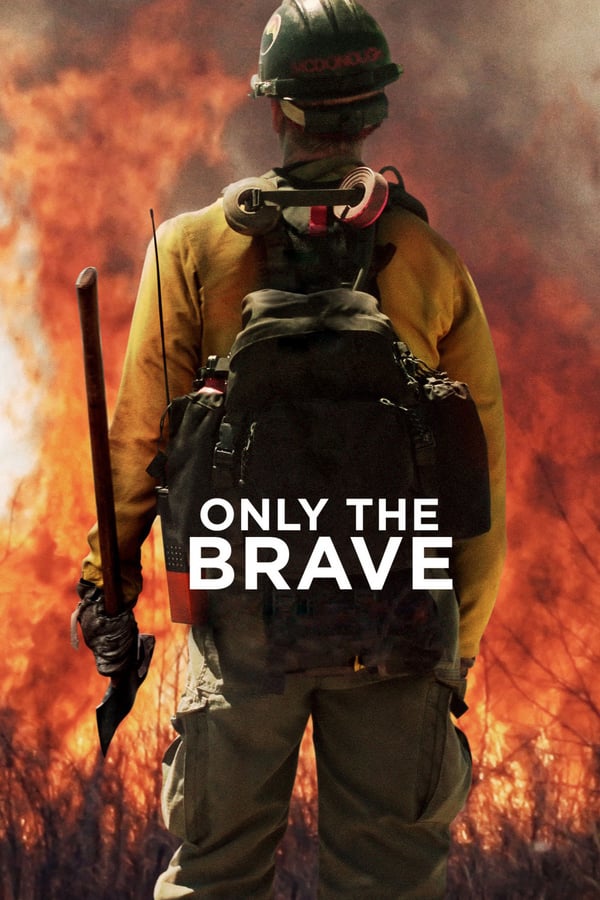
Only the Brave is based on the life of wildfire firefighters, the Granite Mountain Hotshots, leading up to their ultimate death at the Yarnell Hill Fire. It features a strong cast of Josh Brolin, Miles Teller, and others. The movie seems very life-like and accurate, and is as real feeling as my other favorite firefighter movie, Backdraft. However, I was waiting for those moments of stirring emotion, and while the movie certainly tried to get me there, it never quite did. Whether that was the fault of the film or of my own, I don’t know, but it just didn’t do it for me. I did feel for the real-life heroes that gave their lives, and can appreciate the danger they put themselves in every year during the horrific wildfires we constantly see on the news, but this movie is just “eh.”
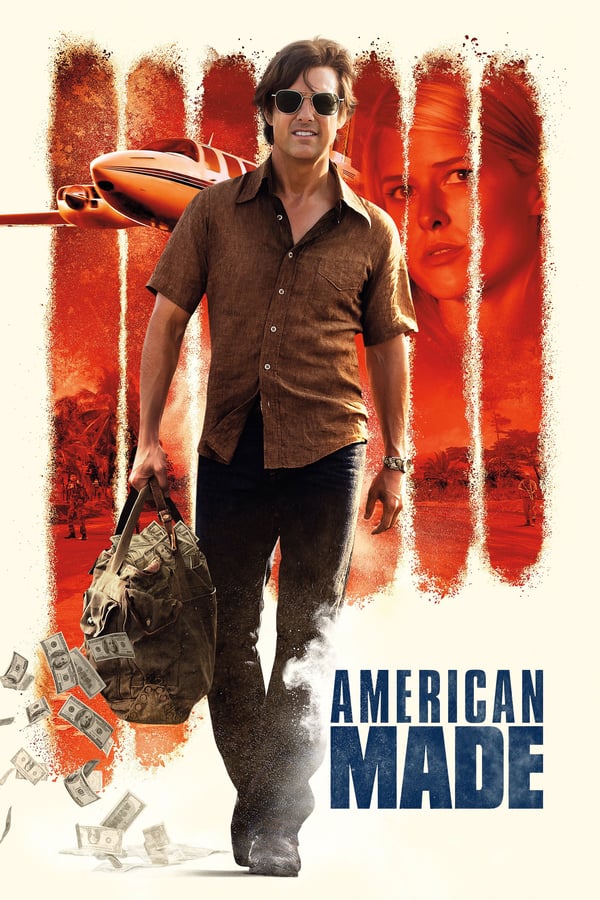
American Made is rather loose with the true details, but it is a fantastic, thrilling movie about the life of Barry Seal. Barry, played wonderfully by Tom Cruise, is an average joe pilot working for TWA when he is recruited by the CIA to capture photos flying over Central America during the Cold War. He is so successful that they ask him to start acting as a liaison between our government and General Noriega in Panama. During one such mission, he is recruited by Pablo Escobar and his cohorts to run cocaine for his cartel. Before long, the CIA also starts asking him to run guns to the contras in Nicaragua. Barry juggles all these balls for the rest of the film, bringing in cash faster than he can launder it, until it is piled head high in all his closets and buried around the yard all around the house. The movie is fun, thrilling, and Cruise has lost none of his charm and charisma. Even is the story isn’t entirely factual, I think the overall points are there, and as a movie, it is as exciting as they come.
Exciting for an entirely different reason, Marshall follows an important case early in the career of Thurgood Marshall, played by the always entertaining Chadwick Boseman, who is certainly making a name for himself in just the last couple years. Marshall is representing black people who are wrongly accused of crimes, with money being provided by the NAACP, who is finally using the law to gain rights for African Americans since the government has been slow in doing so. Marshall is brought in to defend Joe Spell, a black man accused of raping a white woman in Connecticut. The film is as electrifying as any action movie, with compelling twists and gripping, tense moments. I can’t recommend this one enough.
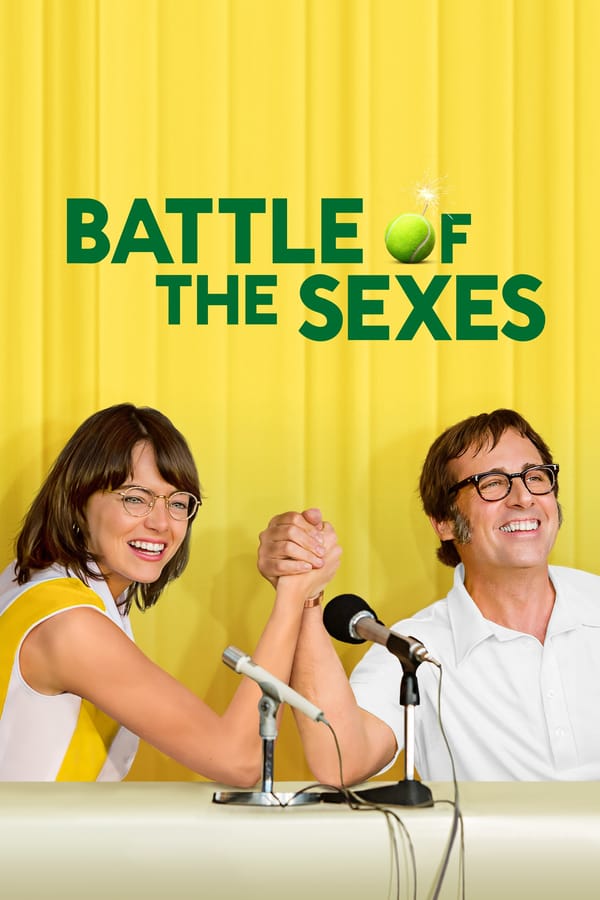
Battle of the Sexes is the lead up to and the match of tennis players Bobby Riggs and Billie Jean King. In 1972, the women’s pro tournament is paying their winner’s one-eighth of what the men’s winners are taking in, and women’s biggest star, Billie Jean King, decides enough is enough. She gets a group of women to follow her to start their own league, getting corporate sponsorship to pay for it all. Meanwhile, retired pro Bobby Riggs, always a gambler and hustler, sees a way to promote a man vs woman match for a big paycheck for all involved. The movie is about gender equality for sure, something that obviously still resonates, but also shines a light on King’s sexual orientation, at a time when coming out would kill her career. The movie was ok, though I thought it a bit heavy handed in demanding to rouse our emotions. Emma Stone and Steve Carell were great as the leads. In a way, King did get what she sought, with the US Open giving equal prize money in 1973, though it would be another 34 years, in Venus and Serena Williams’ day, until Wimbledon finally did. Shamefully, to this day, tennis is the only major sport to offer equal pay for men’s and women’s players, showing that there is still a lot of work to be done.
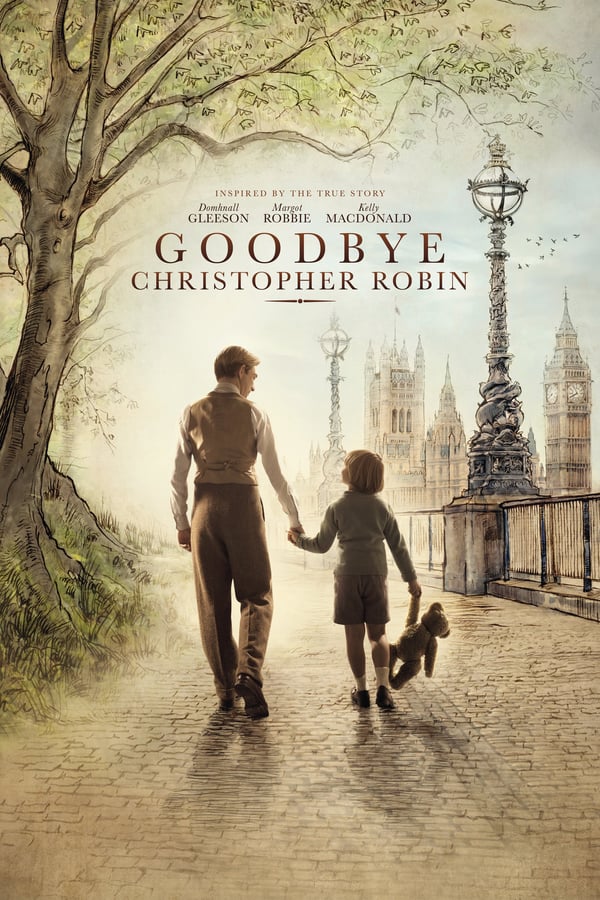
The last biography is Goodbye Christopher Robin, based on the author and family of the creator of Winnie-the-Pooh, A.A. Milne. For a movie based on the background of a kid’s book, this isn’t the light-hearted tale you might expect. According to the film, the real life Christopher Robin Milne’s parents were fairly awful and self-centered people, putting their own interests first. Christopher, nicknamed Billy, uses his imagination to give life to his stuffed animals, since he has no other real friends to play with, and his dad uses that to write a book which obviously thrusts the family into the spotlight. They do not take the new fame well, with the Milne parents exploiting their son for continued exposure, and when confronted with their actions, they try to make Billy disappear by sending him to boarding school. I looked forward to this film because it is everything I generally like, being a biographical drama and about an author to boot, and the lead of Domhnall Gleeson (one of my favorites) is a bonus. Because it checks off so my items on my list, I enjoyed it very much, though others might think it a fairly average movie.

Quick takes of 5 CLASSIC JAPANESE films

Like every red blooded American, I’ve seen The Magnificent Seven (both of them!). But I had never seen the original film it was based from, Akira Kurosawa’s legendary Seven Samurai. The story is very similar to our American version, just taking place in 16th century Japan instead of the old west. A poor farming village is beset by bandits, and the villagers try to find help from samurai, led by Kambei Shimada. This is an epic movie, clocking in at over 3 ½ hours long, and worth every minute. It is basically made up of 3 parts. The first shows the town reach out to Shimada, and his efforts to put together a group of samurai to protect the village. The second half shows them go through the drills to prepare for the battle, and the final act is the big fight. More than just an action film, there is plenty of heartache and love to be found. Kurosawa is one of the best Japanese directors of all time, and this is arguably his most influential film. When it was made in 1954, it had the biggest production (and budget) ever seen in Japan and rivaled the Hollywood films in its day. If you are a fan of The Magnificent Seven, it is worth it to see where it came from.
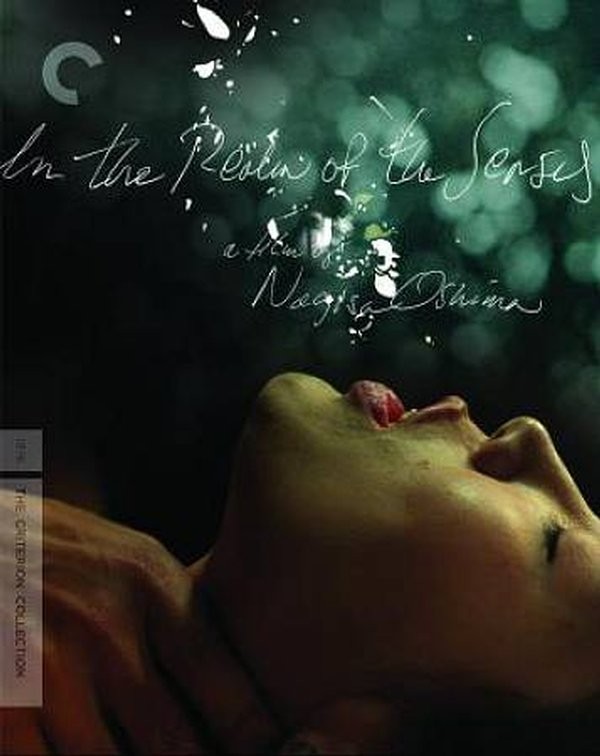
On the totally opposite side of the spectrum is In the Realms of the Senses, from 1976, by director Nagisa Oshima. I hope I didn’t disappoint my family by watching this one (I know I got some sideways glances from my wife, who rolled her eyes and left the room). This is a graphic, and often called obscene, film, showing real sex scenes. In fact the only way Oshima got it released was by having the final editing done in France, and to this day, it has never been shown uncensored in Japan. Based on an actual true story from the 1930’s, Sada is a maid who starts an affair with her married master, Kichizo. Their love affair grows more and more violent over time, until they can only reach climax by causing pain to each other. The director contends the movie is a look at dominance by males in Japan, from the government on down, and it also has a (*ending spoiler*) fatal attraction element to it. The sex is hard to watch (the director and art-film lovers content that it is not pornography, but it sure feels like it), but I get why it is included, as it shows Sada’s and Kichizo’s evolving affair in a way that dialogue never could. A disturbing and obviously controversial film, I can’t recommend it for most people.
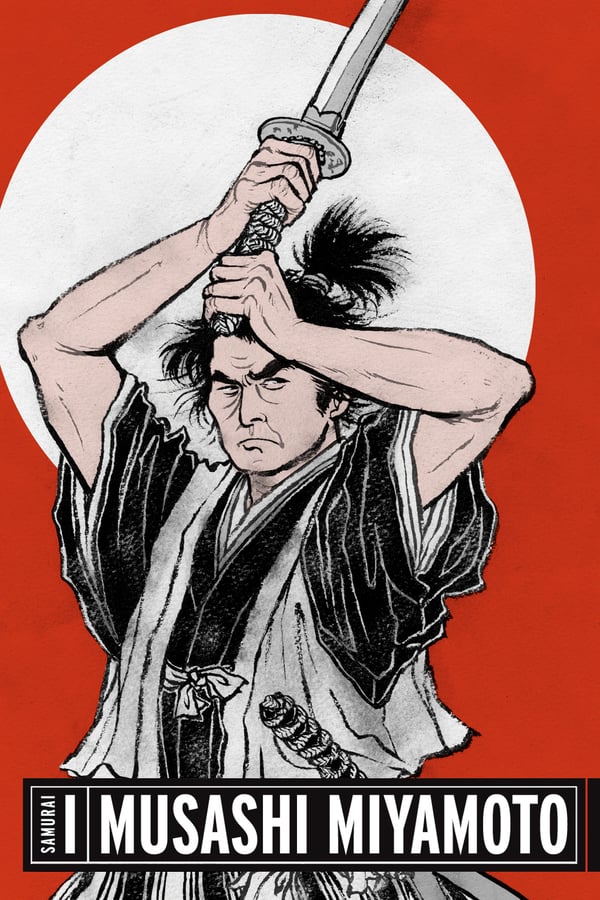
On a more conventional note, I returned to Japanese samurai films, in fact, the famous Samurai trilogy by Hiroshi Inagaki. First up is Musashi Miyamoto, winner of an Oscar for a foreign language film in 1955. At the beginning of the film, you think it will follow Matahachi, a charming young man who is engaged to the beautiful Otsu. He tags along with his friend, a roguish Takezo (famous actor Toshiro Mifune, also in the above Seven Samurai), to the battle of Sekigahara. Instead of fame and glory, the duo are on the losing side of the battle, and hole up in widow’s house, nursed to health by her and her daughter Akemi. Subtly, Takezo becomes the hero of the story, as he leaves the cowardly Matahachi at the hut with the women, and seeks to return home to tell Otsu of her man’s fate. Takezo is captured though and blamed for things he did not do, and only escapes death by a last minute rescue by Otsu. During his incarceration, the religious leader of the city, Takuan, sees something in Takezo and takes him under his wing to teach him compassion and patience. By the end, Takezo is on his way to becoming a great samurai, though he must leave Otsu and all of his past before he can take the next step. A beautifully written movie, it stands well on its own, but also makes you want to continue the story into the sequel.

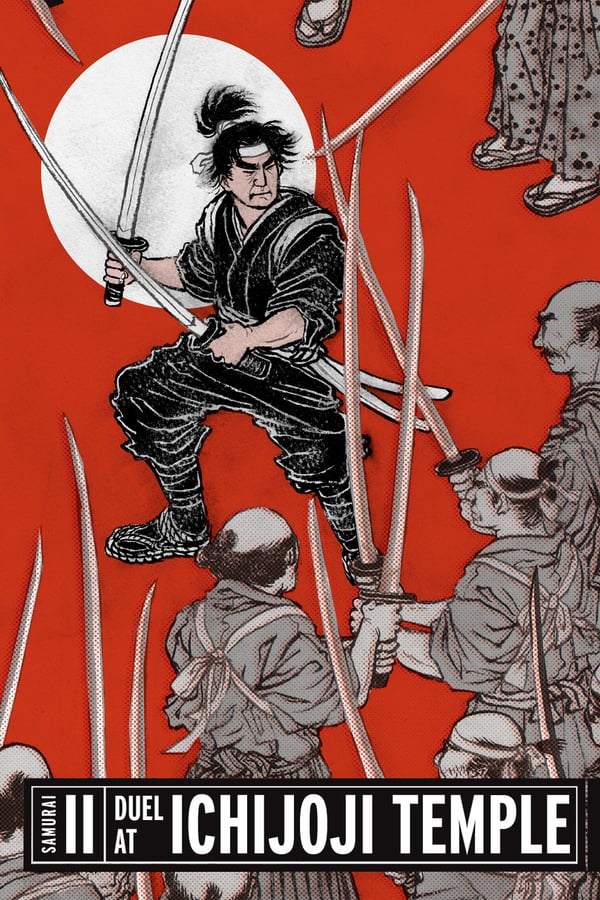
Duel at Ichijoji Temple picks up where the first movie finished. Takezo has taken a new name, Musashi, and is building a reputation as a great samurai. He climbs up the hierarchical ladder by challenging sword masters in the area. One though, Seijuro Yoshioka, refuses to fight, and instead sends his goons to fight Musashi. Unbeknownst to all except us viewers, Seijuro has been courting Akemi, who still lives with her mother and an emasculated Matahachi. Otsu too is still waiting for Takezo to come back to her. Musashi circles closer and closer to Seijuro throughout the film, gaining the attention of a fellow samurai master, Kojiro Sasaki. Kojiro cheers Musashi on, though for what reason, we do not know. In the end, Musashi finally lures Seijuro into a duel and defeats him, but in a twist, spares his life, showing just how much Musashi has changed as a person. When he tries to take Otsu, she rejects him, and he goes off alone to continue his quest to become a great samurai. As in the first film, this one stands well on its own, but leaves enough mystery for you to want to see the conclusion.
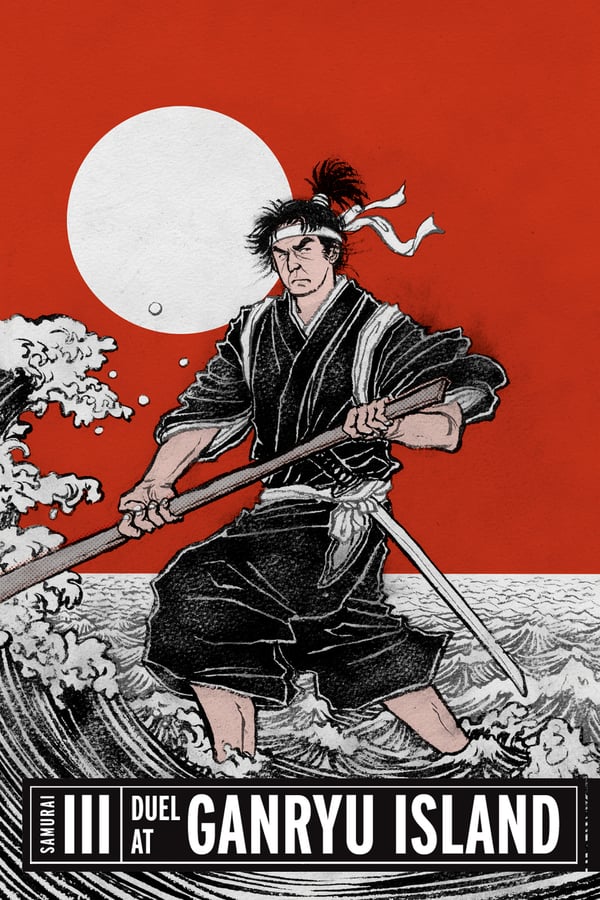
In the beginning of the finale, Duel at Ganryu Island, we finally learn Kojiro’s plan. He wants to grow the legend of Musashi, and then defeat him, for his own personal glory, though Akemi pleads with him not to do so. Unlike Musashi, Kojiro has no compassion for others, and cares only for fame. Kojiro lures Musashi in to a duel at last, but Musashi ultimately declines, leaving the region to farm the land and grow spiritually, while Kojiro takes a job as a teacher to a local lord. Otsu eventually comes to him there, though Musashi is still haunted by her earlier rejection. Akemi, having resulted to prostituting, still longs to be loved by Musashi too, and sets out to find him. She does track him down and confesses her love, only to die in a bandit raid shortly thereafter. Kojiro, now a respected sword master, finally calls for his long-awaited duel with Musashi, and Musashi accepts. As the duel approaches, Otsu begs Musashi to abandon it and the sword and go away with her, but he reluctantly stays on the path. At the fight, the two are very evenly matched, thought Musashi is the victor in the end. I found this film to be the weakest of the trilogy, just seemed like a lot of lead-up without the intrigue of the earlier films. As a whole though, they are fantastic films and worthy of a weekend of binge watching.

Quick takes on 5 films

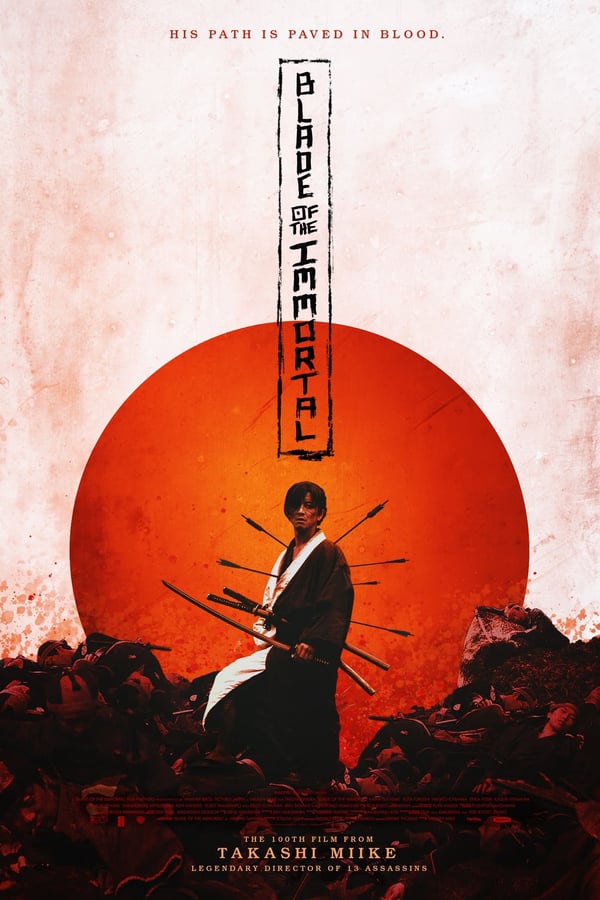
Blade of the Immortal is a very strange film. Directed by eclectic filmmaker Takashi Miike and based on a manga series of the same name, it is about a Japanese samurai who is given eternal life. He cannot be killed, but instead heals from even the worst blows. He is enlisted by a young girl, who wants his help to hunt down and kill the man who had killed her parents. The movie is violent from the beginning, with buckets of outlandish gore splattered all over the place during the sword fights. Think Kill Bill taken up a notch. I enjoy a good samurai film from time to time, but this one was a bit much for me. The plot is fairly thin, so it relies on its fight scenes to keep you interested. These are often spectacular in the beginning, but even gore fest lovers may grow tired of the constant dripping sounds in this one.
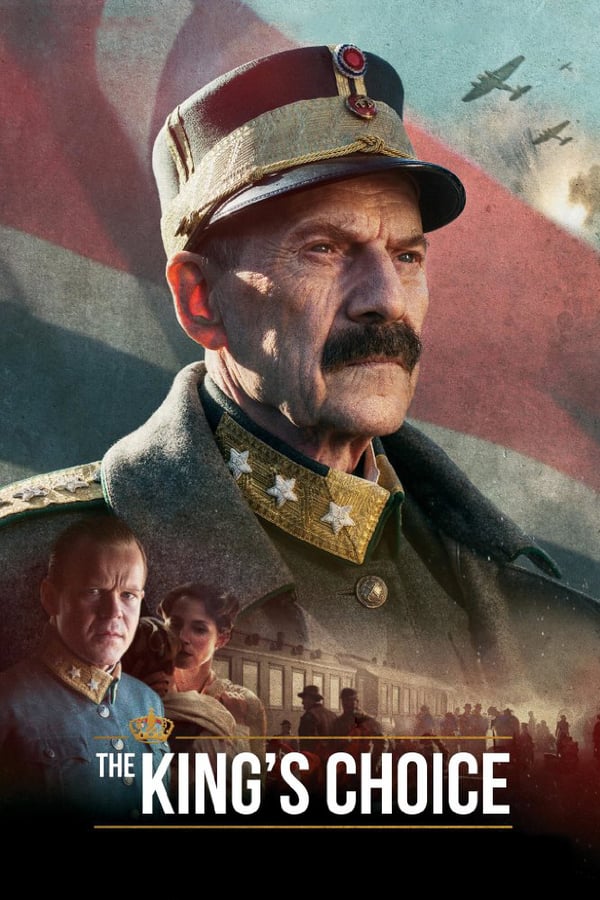
The King’s Choice on the other hand is gripping and holds your attention until the final minute. Based on a true story, it is a war film that isn’t really a war film, about a time and place which many may be unaware. Taking place over three days in April, 1940, it is about the invasion of Norway by Germany, and the subsequent pressure on Norway’s government to make the invasion legal by installing Germany’s chosen puppet as Prime Minister. The current king of Norway has to balance his love for country and its inhabitants with his own personal morals and fears. The battle scenes are tense for sure, but the real heart in this movie is found in the will of the king. Here in the USA we understandably tend to focus on our involvement in the war, but there was obviously a whole lot going on before we ever entered in. This movie is a fantastic look at one such front. Beautifully well made.
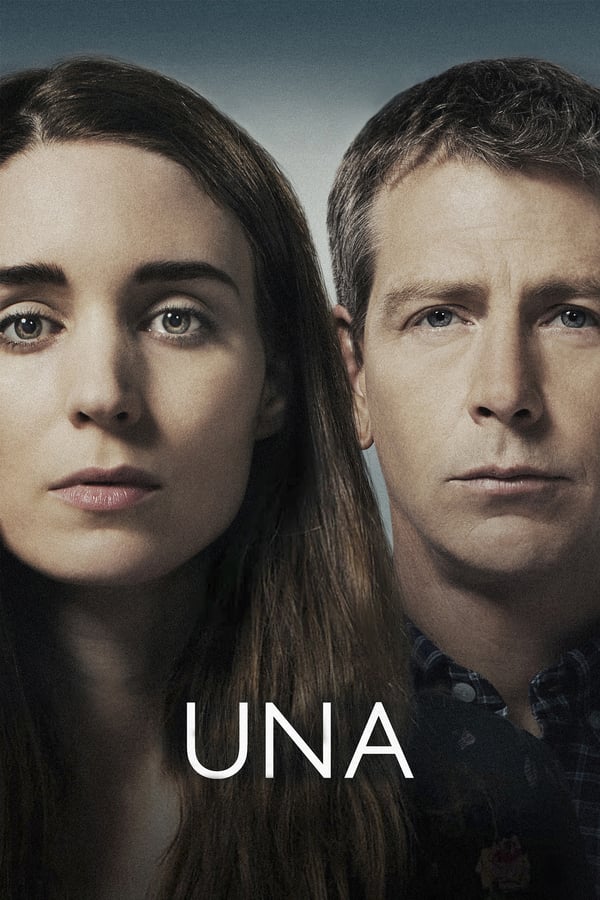
Una has a ton of potential, but ultimately fails in the end due to an overabundance of weak plot elements, shoddy editing, and some fairly unbelievable circumstances and dialogue. Una (Rooney Mara) goes and confronts Peter (Ben Mendelsohn) at his work. The much older Peter and a thirteen year old Una had previously had a sexual relationship, and now 15 years later, Peter has served his jail time for statutory rape, changed his name, and attempted to start a new life. Of course, it hasn’t been so easy for Una, who suffers from depression and has never been able to move on. They spend the day learning about each other again, with their past relationship told in quick flashbacks. A powerful subject, and handled properly this could have been a tremendous film, but it too often goes for shock value instead of subtlety, and almost has the feel of a teenage drama, albeit with more a more serious subject.
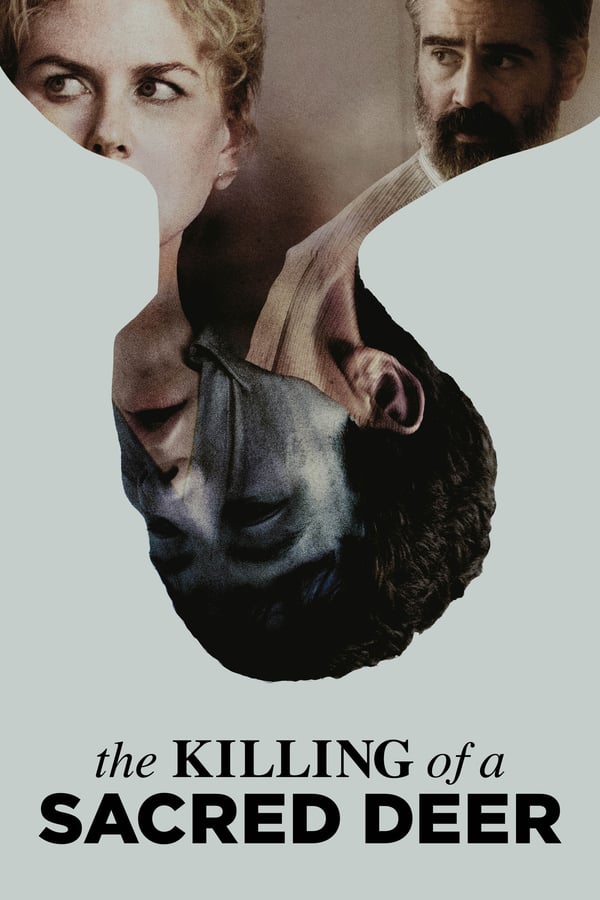
The Killing of a Sacred Deer is one wild trip of a movie. The followup to director Yorgos Lanthimos’ The Lobster (another peculiar movie I really enjoyed), it is a strange psychological thriller, with a lot of hidden meaning that would probably take a couple viewings for my meager brain to catch. Steven is a successful surgeon, with an unknown (but definitely dark) relationship with a much younger man named Martin. Martin eventually meets Steven’s family, and it comes out that Martin’s dad had been killed in an accident, and met Steven through that tragedy. As the movie goes along, we learn some dark secrets, and while quietly suspenseful from the beginning (the music does a good job of telling us something isn’t right from the get-go), it takes a drastic turn halfway through, which is best to see for yourself. The movie is purposefully written in an odd, jerky way, with strange dialogue that makes it seem like all of the characters are suffering from some emotional disorder or detachment. It builds slowly but suredly to a fantastic conclusion. This film isn’t going to be for everyone, and even I might not have liked it on a different day, but today, I thought it was a masterpiece.
I, Daniel Blake is a very touching, and very well told story about a man in northern England struggling in life. Recently widowed and a survivor of a heart attack, Dan is just scraping by . His doctors tell him he can’t work, but the government tells him he can, and thus denies financial assistance. Dan tries to go through the proper channels for help, but everywhere he turns, he is told to fill out a new form, or wait for a phone call, or to go online, which as a life-long laborer, he has no knowledge of the internet or even basic computer functions. He meets up with a young single mother named Katie, who is also starving with her kids, but at least Dan has skills that helps her fix up her new apartment to make it safe and clean. As circumstances for both Dan and Katie grow increasingly dim, we aren’t sure if this movie will have a happy ending or not. Ultimately, it is up to the viewer to decide if it is happy or not. A very sweet movie.

Quick takes on 5 films

Wonderstruck has a ton of potential, but never meets the heights filmmaker Todd Haynes probably envisioned. It is marketed as a children’s movie, based on the kid’s book of the same name. It follows two young people, Ben and Rose. Ben lives in 1977 in rural Minnesota. He is struck deaf by a lightning blast, right around the time that his mother dies. Alone, he strikes off to try to find the dad he never knew, in New York City. In a separate story, Rose was born deaf, and is living in New Jersey in 1927. She reveres silent film actress Lillian Mayhew (Julianne Moore), and when the local theater decries silent movies in favor of the new “talkies,” Rose too runs away to find Lillian in New York. Though the 50 year gap separates our two protagonists, their stories intertwine by the end of the film. It sounds really great, and Haynes does a superb job of creating a world that feels very real for us. Rose’s 1927 is in black and white, with only a soundtrack and no vocals (very silent film-era like), while Ben’s 1977, because he was born with hearing, is loud and vibrant. But while the film builds wonderfully, the payoff just isn’t there. I don’t think younger children for whom this movie is best geared for would sit quietly through its subtle nature either. Not a bad film by any stretch, but unfortunately one where the whole is not greater than its parts.

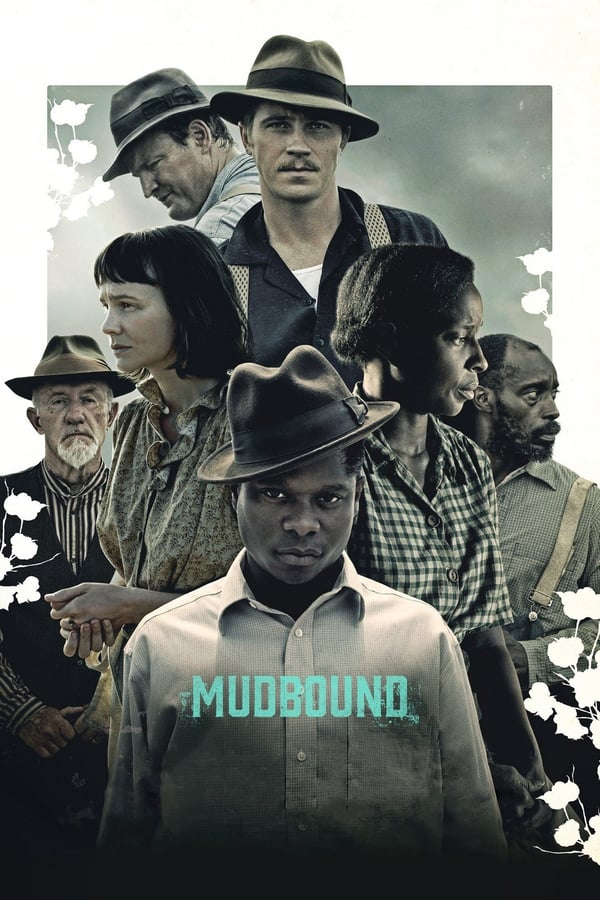
Mudbound is a very startling look at life in rural Mississippi in the mid-1940’s. Though black men are free by law, they are far from free in society. A lot happens in this movie, and I could go into paragraphs describing all the set up, but it boils down to an unlikely friendship against racism, and standing up as the person you want to be. Henry McAllen owns a farm with his wife Laura, and sharecroppers Hap and his wife Florence tend the fields. When Henry’s brother Jaime and Hap’s son Ronsel return from World War II, they bond over experiences in the war which no one else can fathom. Yet they must keep their friendship a secret, both from Jaime’s and Henry’s father Pappy, a deeply racist old man, and from the town at large, who would see such a friendship as an affront to their beliefs. There is understandably a lot of uncomfortable language in this film, and some disturbing scenes as well, but it doesn’t shy away from an ugly past in our country. I’d like to think my current generation has come a long way since these times (though watching the news, sometimes I’m not so certain), but it is still startling in the fact that 1945 was not that long ago in the grand scheme of things. A brilliantly written (if sometimes anticipated) story, with tremendous acting from Rob Morgan, Carey Mulligan, Garrett Hedlund, and especially Jason Mitchell as Ronsel.

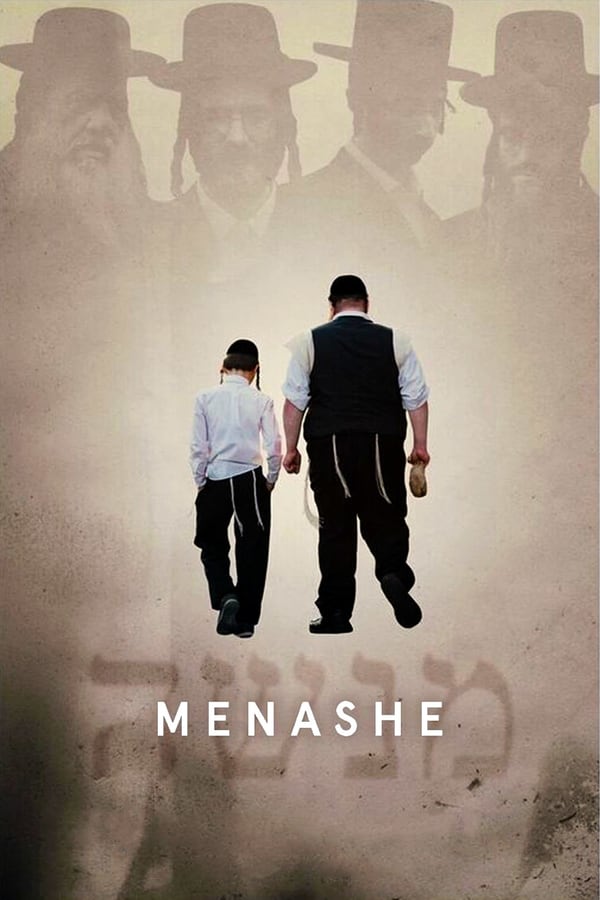
Rotten Tomatoes uses words like “thoughtful approach” to describe Menashe. I prefer “ponderously boring.” It follows a Hasidic Jew living in New York, as he tries to keep custody of his son after his wife’s death. The Jewish custom says the boy can only be raised in a family with a father and mother, so Menashe is under pressure to remarry so he can keep his son. It takes an hour and a half to tell this very simple story, and really, not much else. The film moves at the pace of the life of its characters, and wants to wow us with a look at this society of which very few have much knowledge, but it crawls too slow even for this art film lover. Take my advice, do not waste your time on this one.

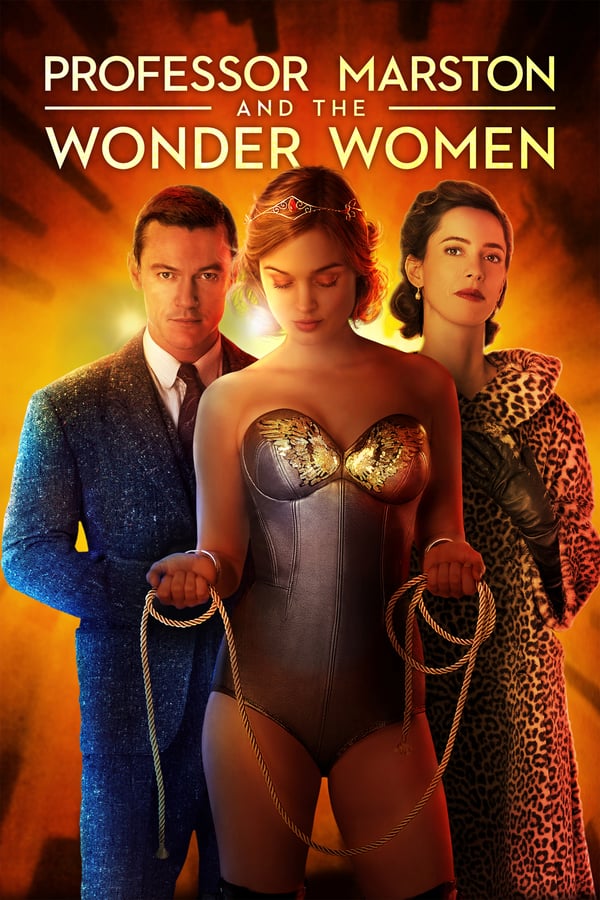
About the creation of the Wonder Woman comic, but more about the life of the people that were her muse, Professor Marston and the Wonder Women takes a heartfelt story but is unable to flesh out the story in a heartfelt way. Dr William Marston is a professor at Harvard’s women’s school Radcliffe, and is assisted by his beautiful, domineering wife Elizabeth. They bring in a teacher’s assistant, Olive, who immediately falls in love with both Bill and Elizabeth together. Living in a time when this sort of lifestyle is not only taboo, but illegal, they hide their three-way relationship by saying Olive is a life-in housemaker, while Bill goes on to father children to both of his loves. Bill uses his ideas created in their bedroom, of his dominating and aggressive wife and somewhat submissive mistress to create the Wonder Woman comic. I only wish this film was more subtle. It too often goes for shock value in both scenes and dialogue, which may appeal to a broader audience but loses a lot in the way of art. The story feels choppy at points, like the movie could have been longer to really delve into the story, or maybe they could have trimmed some long sex scenes, which added nothing to story. In the final 20 minutes, the movie decided it wanted to be an art film and featured far too many fade-to-blacks. A bit of a letdown for me, though the strong actors do their best to save it.

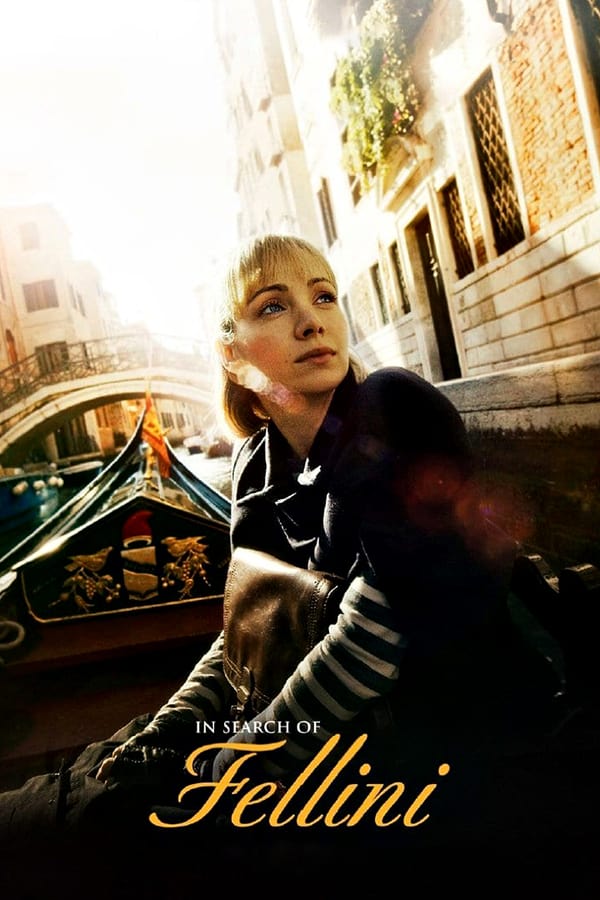
In Search of Fellini is a fantastic film that unfortunately no one is going to see due to its extremely limited release. The exact opposite of the theatrics of Professor Marston, this artful film is about a girl who goes out to find her life. Taking place in 1993, before the internet and social media, Lucy is raised in a loving but sheltered house by her single mother, Claire. Claire was a free lover and thinker in the 70’s, and raised Lucy to be smart, innovative, and unique, in a house without sadness. Pets ran off rather than died, and even grandparents continued to send postcards after they “went off to Europe” long after they left this world. When Claire is diagnosed with terminal lung cancer, she hides even this from Lucy, relying on her sister Kerri to keep the lie going. Knowing she will not be around much longer, Claire urges Lucy to finally go out and get a job at age 20. In the big city alone for the first time in her life, Lucy wanders in to a viewing of Italian film director Federico Fellini. Lucy is instantly transfixed, and hatches a plan to fly off to Italy to meet this amazing man. Her journey is both magical and tragic, and lovers of the classic Fellini films will find plenty with which to associate. A lovely and spellbinding film.

Black Panther claws itself to a hit

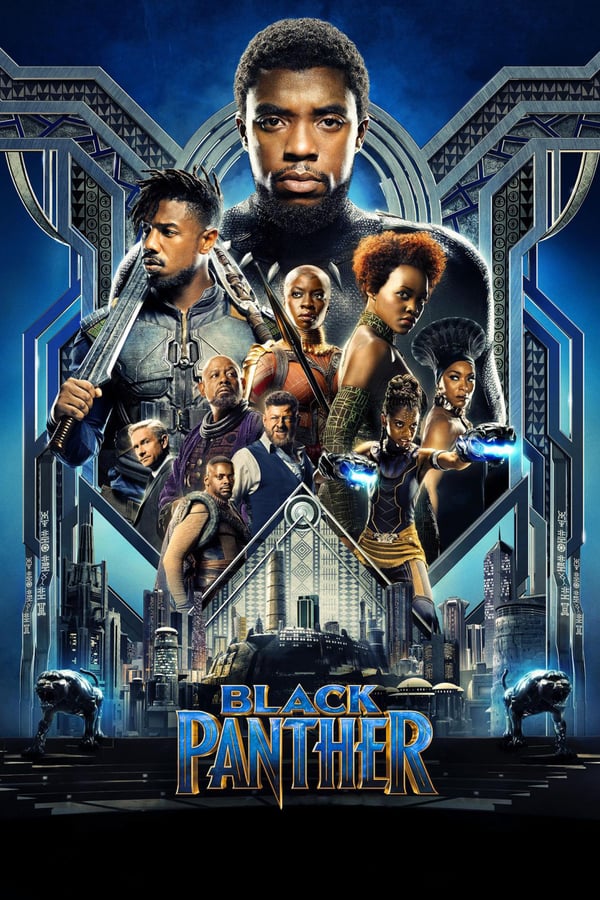
Black Panther is the latest in a (now) long line of Marvel movies in their shared universe. Having said that, this movie stands well on its own and is a great film for newcomers. It doesn’t rely on any past knowledge of the series, and is a fantastic movie by itself.
The Black Panther, T’Challa, was first introduced in Captain America: Civil War, and this film picks up where that one left off. T’Challa’s father, the king of Wakanda, has just been killed, making T’Challa the new king. Wakanda is a technologically advanced country in Africa, who uses their tech to hide from the rest of the world, who thinks it is instead a poor country of farmers and herders. Their entire technology is based on the metal vibranium, the same metal used in Captain’s shield. When a few criminals, who know the secret of Wakanda, steal a piece of vibranium from a museum, a sequence of events set off, with dire consequences for T’Challa and his whole nation.
This movie features some truly outstanding acting by all of the leads, an impressive list including Chadwick Boseman, Michael B Jordan (scintillating as the evil Killmonger, with an ulterior motive), Lupita Nyong’o, and sci-fi film legend Andy Serkis (in human form without his usual computer-generated masks). This film has it all, from the expected big action scenes to endearing, heartfelt moments. The characters are fully fleshed out and far from one dimensional. At some point the serious awards shows are going to need to actually watch one of these films and see what they are missing.
A lot has been said of the correlation between the plot that develops in this film, and how it relates to our current political climate. I’m not touching that at all, but the film can definitely leave you thinking about a whole lot of stuff, most notably the rights and responsibilities of powerful nations, and as in real life, there are often no clear and right answers, as each side has strong points. Whether you want to delve into all that is up to you, but just taken by itself, the film is still a wild ride.

Quick takes on 5 CLASSIC films

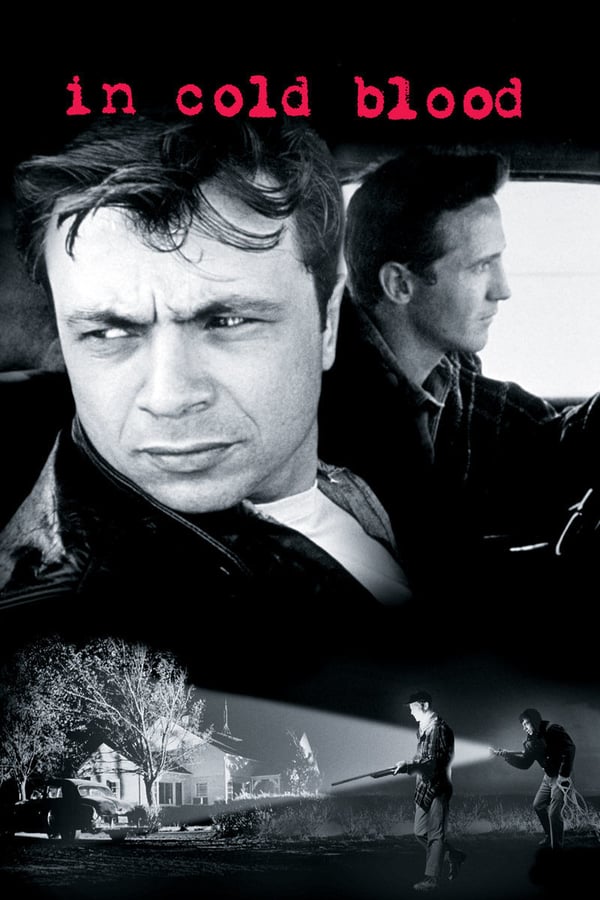
I just read the book less than a year ago, and since the film version of In Cold Blood follows it pretty faithfully, there isn’t much else to say. The film adaptation was done well. To make it feel more real, director Richard Brooks did it in black and white, and used mostly unheralded actors, with the exception of Robert Blake in one of the leads. It has a documentary kind of feel to it, especially towards the end as the killers’ execution by hanging nears. A very dark and enthralling movie, made very real when you know it all really happened, much like it is portrayed on film.


The original 1963 Lord of the Flies film adaptation is just ok as far as I’m concerned. Based on the book that many have read in school, it tells the tale of a group of young boys stranded on an island together with no adults, and how they revert to cruel and violent natures. From the beginning, Ralph and his “second,” Piggy, attempt to enforce some kind of order, but they are usurped by Jack, who only wants to hunt and have fun. Jack’s group siphons off all of the boys and they turn violent. Directed by Peter Brook, this film was done on a shoestring budget with amateur actors, and you can tell it. Ralph is good, the rest are hit or miss, and the jarring music is more of a distraction than anything else. Better to reread the book again that sit through this one.


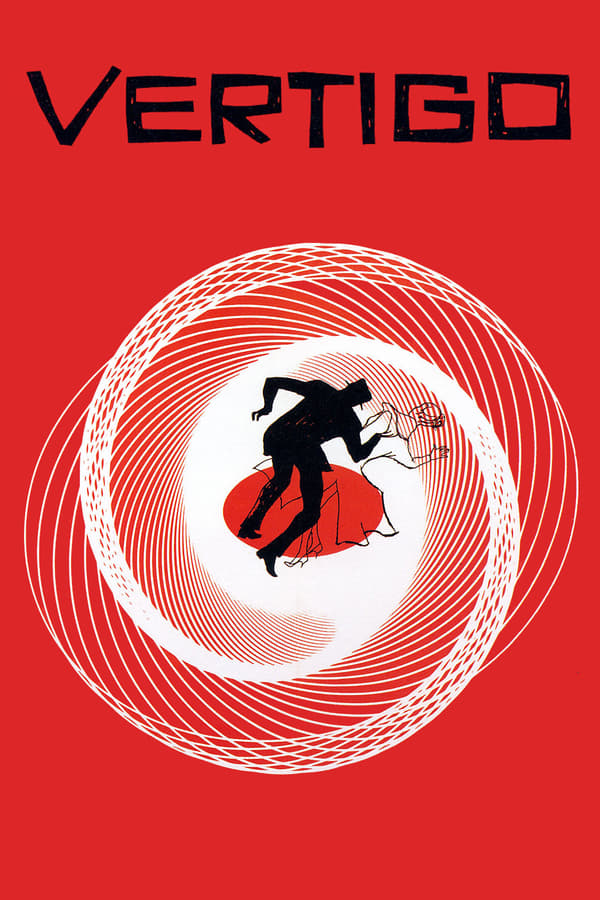
While not very well regarded when it first came out, Hitchock’s Vertigo is now considered one of his best, some even calling it the greatest film ever made. From 1958, it stars James Stewart as Scotty Ferguson, a former detective hired by rich man Gavin to follow his mentally ill wife, Madeleine (an enthralling Kim Novak). Madeleine seems to be haunted by a dead ancestor, and while tracking her, Scotty begins to fall in love with her. Definitely a Hitchcock-ian suspenseful thriller, it becomes more of a mystery, and even a tragic love story, by the end. This film has a lot more warmth than what you might expect from this director’s other films, with a brilliant and touching story. Definitely one of cinema’s finest of all time.


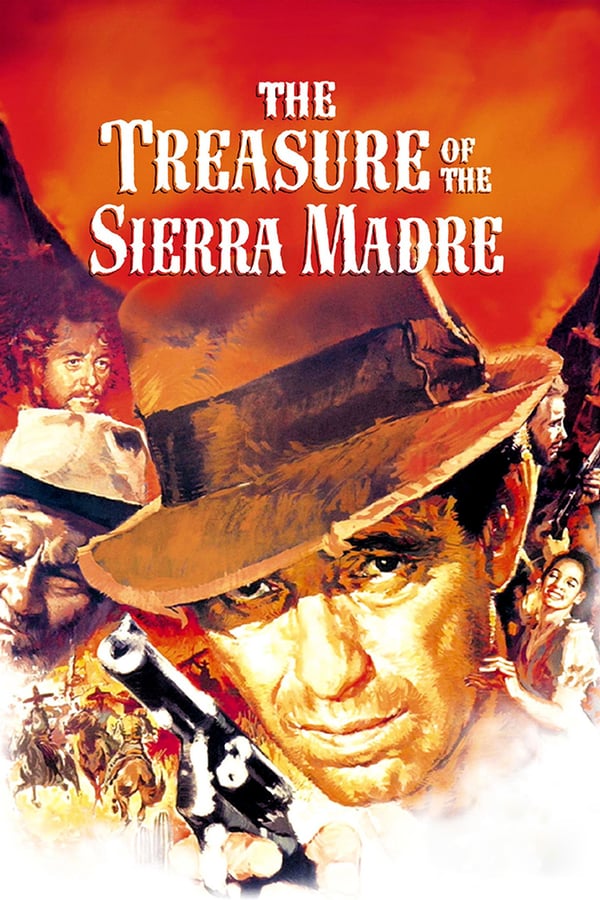
The Treasure of Sierra Madre is the 1948 classic movie starring Humphrey Bogart, Tim Holt, and Walter Huston. Dobbs and Curtain are a couple down-on-their-luck Americans struggling for work in Mexico. They stumble upon an old prospector, Howard, and the three team up to look for gold in the mountains of Mexico. They find their treasure quickly, but Dobbs’ sinister side is shown almost immediately, as his greed makes him jealous and guarded towards his former friends. When they run afoul of a local tribe of bandits, they decide to finally break camp as rich men and return to America. But Dobbs’ inner turmoil bubbles over and he turns on Curtain. A fantastic movie that is part western, part dark comedy, and wholly arresting, this one is a must-see for classic film lovers. Bogart as a menacing bad guy is worthy all by himself, and the foreshadowed and later, realized scenes are well crafted.

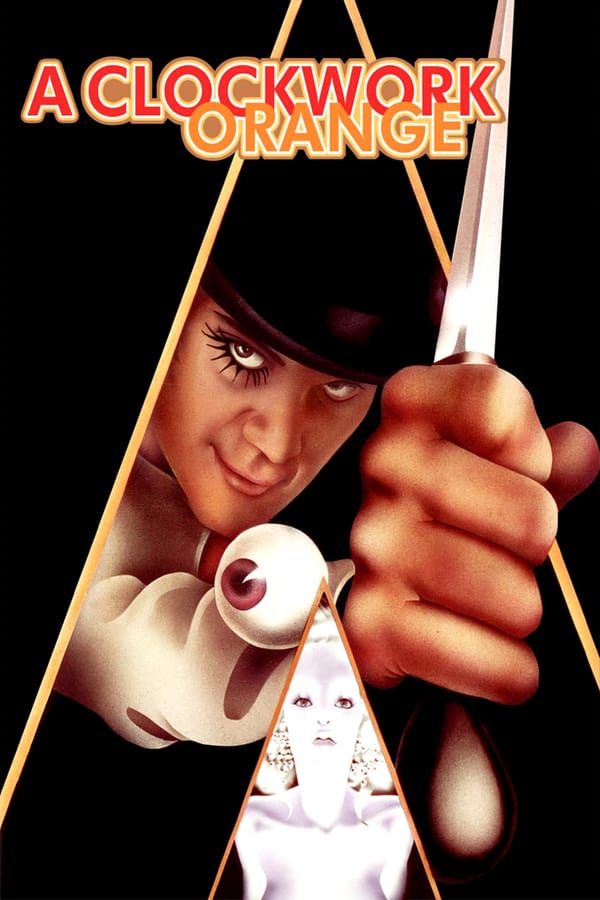
In Kubrick’s A Clockwork Orange, Alex is a true sociopath. Set in a dystopian near-future, he and his like-minded thugs spend their days ditching school and getting in to fights, and their nights performing even more violent acts, including rape. When one crime ends in murder, Alex is abandoned by his crew to face justice alone. After a couple years in jail, he hears of and then signs up for a new psycho-therapy in which prisoners are rehabilitated, and then let free from jail. The process doesn’t take away his aggressive tendencies, but does leave him violently ill if he begins to act on them. Now free, all of his past transgressions catch up to him. He is assaulted by a homeless man who he himself once attacked, and then he is tortured by his former gang. Alex ends up at the house of his rape victim, and again is abused. After all this, is it still hard to feel any sympathy for him, for all of his previous acts. The movie ends quite differently from the book from what I hear (not having read it myself yet). It is my son’s favorite novel, and he didn’t life the film version, but I really did like this one. It is a very violent movie with extremely graphic scenes (it is often pointed to as one of the films that started to lessen American sensors), but it is undeniably Kubrick.