Quick takes on 5 Spanish films

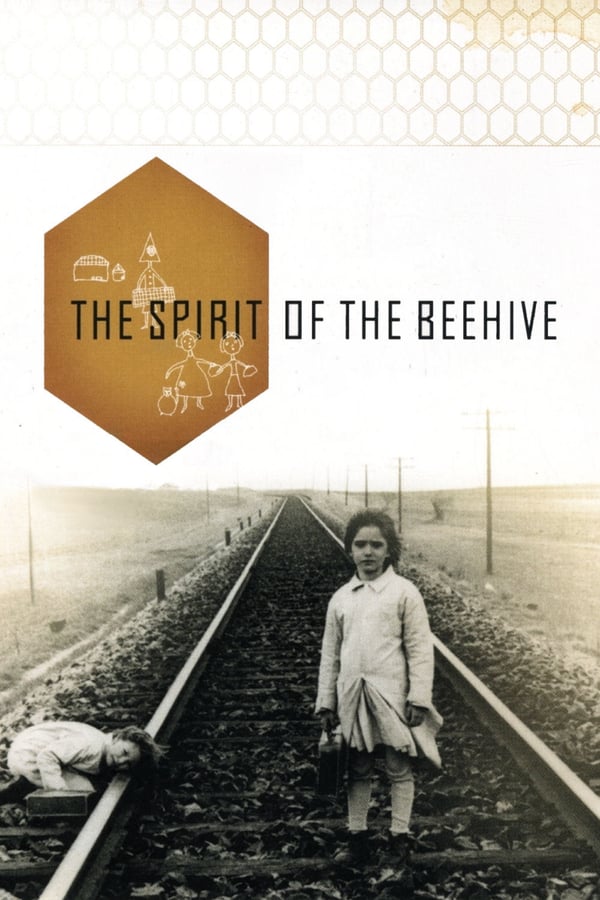
Today’s batch is a quintet of films brought to us from Spain and two of her greatest directors. First up may be the most renowned, Victor Erice’s Spirit of the Beehive from 1973, released during the fascist period of dictator Francisco Franco. As such, it is full of symbolism so as to get through the censors. It centers around young Ana, a girl who, with her older sister Isabel, watches the film Frankenstein. Curious Ana wonders about the creature and why he killed a girl in the film, and Isabel feeds Ana’s fears, and says she knows Frankenstein, that he is a spirit who lives in an abandoned shack outside of town. Since Ana’s parents are absorbed in their own lives (father Fernando is a beekeeper and obsesses over them, and mother Teresa longs for a secret lover in another city), Isabel is Ana’s only real attachment to reality, so Ana believes everything she tells her. Ana visits the shack regularly, until a wounded soldier is actually found hiding there (we assume he is a fighter against the fascist regime). A very rich film told with the magic and mysticism that only a child’s eyes can see, but one that probably needs multiple viewings to really get all the nuance. I like a movie that makes me think, but this one was a bit much for me the first time through.
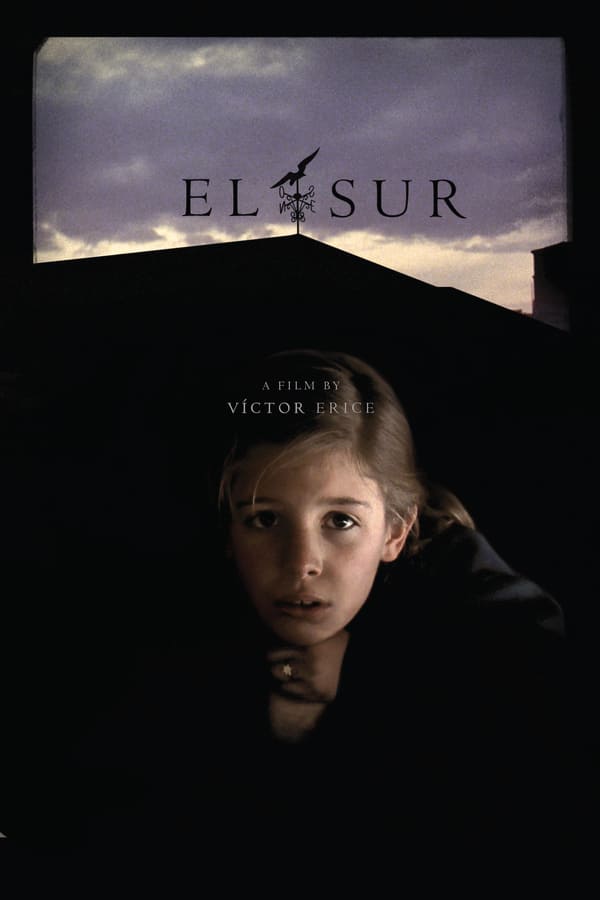
Ten years later, Erice followed up with El Sur (The South). Originally supposed to be a 3 hour film, the producer cut it short half way through, much to Erice’s chagrin. This one is also told through the eyes of a child. Estrella and her family (father Agustin and mother Julia) live in northern Spain during the early days of Franco’s regime, having fled the southern parts for different reasons. Estrella loves her father but he is preoccupied with a long lost love, a girl he left in the south. Agustin also left his family in the south, after a quarrel with his father, and the two never spoke again, though he still talks to his mother Casilda and Milagros, the nanny that raised him from a child. Estrella learns of her father’s emotional affair but keeps his secret to herself. Years later, now aged 15, Estrella confronts him about it. Whether from shame or just as a continuance of his selfish being, Agustin takes his life. Estrella then is sent south to live with her grandparents. Armed with a note her father left of a long distance call made the day before he died, she hopes to finally learn the past of the father she never understood. I knew this movie had been cut short, and while watching, I was hoping that it had been finished, because I was loving every minute of it and didn’t want it to stop. At the end though, when we see Estrella head off towards The South that we never end up seeing, I thought it was perfect as it sits. El Sur hangs over the family throughout the film, and learning its secrets may have killed some of the magic this movie produced. An amazing film, and I liked it more than Beehive, though it did not receive the acclaim of that first movie.
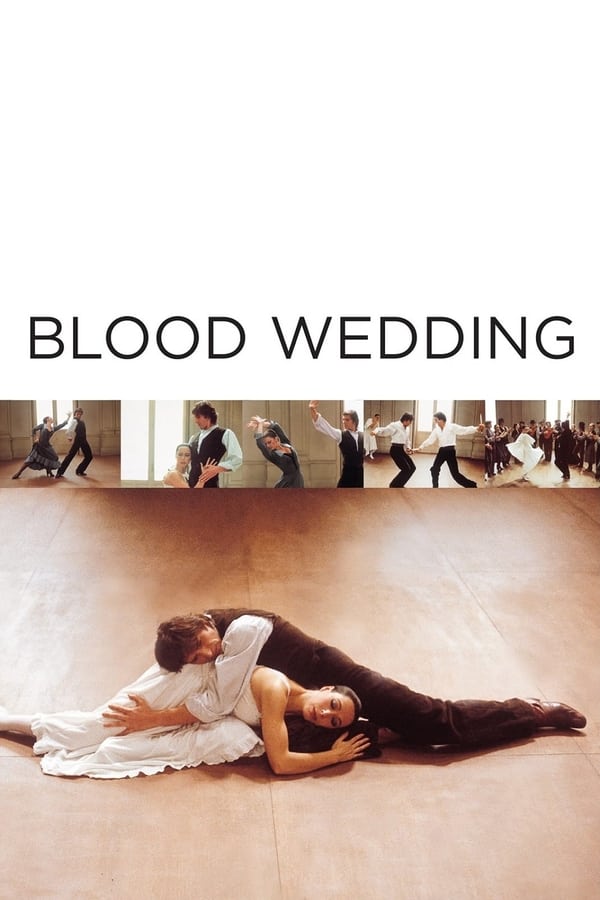
Next up is Carlos Saura’s “Flamenco Trilogy,” so named not for any thematic or story continuation, but because of the music tying them together. First was Bodas de Sangre (Blood Wedding) from 1981, starring real-life dancer and choreographer Antonio Gades. The film starts with a dance troupe arriving at a rehearsal space to do a final dress rehearsal before performing the famous Spanish play Blood Wedding, which has been adapted to a flamenco dance by the director. It starts with them getting dressed, doing their makeup and warming up, and you think that some interaction between the actors will be the basis for the movie, but instead, the rehearsal is the movie. If that sounds boring, it most definitely is not. I was unexpectedly moved by the beautifully choreographed dancing, accompanied by the sharp, staccato music. The final knife fight between a new husband and her wife’s lover is as suspenseful as anything you’ll see, even knowing it is just a “play within a play” so to speak. Brilliant.
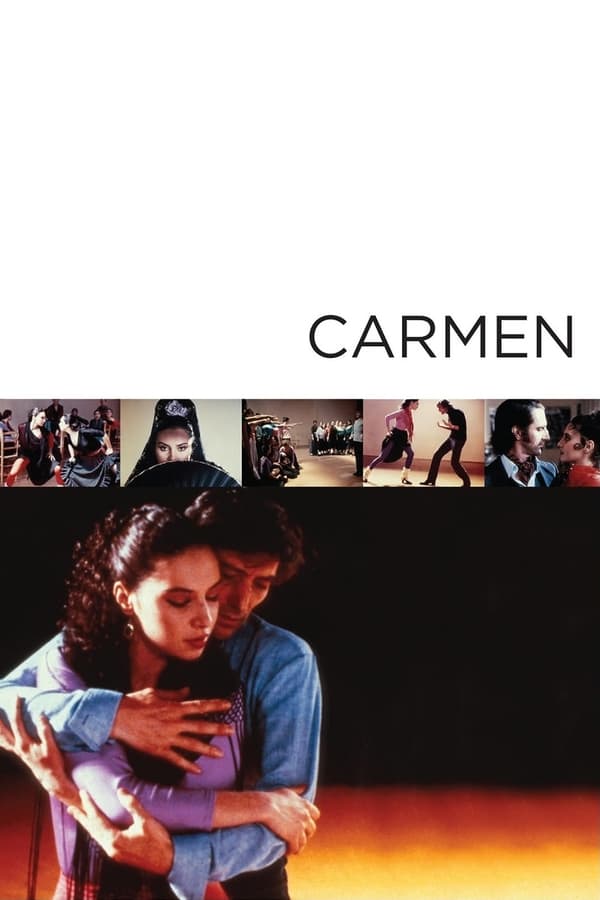
With many of the same actors, Saura followed this up with Carmen in 1983. Director Antonio is putting together a flamenco style performance of the famous opera. He has a talented troupe of dancers, but none meet his idea of what Carmen should look like. He finally finds her in a school, someone who has the look (and even the name!). Unfortunately Carmen is used to getting her way based on her looks, and doesn’t apply herself to learning the dance technique, much to the angst of the Antonio’s female lead partner Cristina, who didn’t get the role despite her ability as a dancer because Antonio thought her too old. Before long Carmen has Antonio wrapped around her finger, which becomes a problem when he learns she is married, and their personal lives more and more begin to reflect the play they are preparing. As a movie, it is just so-so, but the performances during their rehearsals are just as mesmerizing as those of the first film.
The core cast returned again in 1986 for El amur brujo (Love, the Magician). This one is the biggest production so far, with a much larger cast and bigger sets. This film is pretty much a straight forward musical, with singing and dancing numbers entwined with the story. In a poor, rural Spanish town, Carmelo loves Candela, but she has been promised since childhood to Jose. Jose dies in a fight though, and Carmelo is blamed and sent to prison. When he returns years later, he finds that Candela has never moved on, in fact, she returns to the place of Jose’s death every night and dances with his spirit. Carmelo decides to fight for her, but first she must overcome her dead husband. A strong film, and a fitting conclusion to Saura’s flamenco films.

Quick takes on 5 Godard films

Here’s a set from one of the most influential French New Wave directors, Jean-Luc Godard. The New Wave made some lasting changes to cinema, breaking from a period when “safe” movies where being produced (ones based on classic stories, or using traditional plot elements). Godard, like his New Wave contemporaries, focused more on current social issues, with movies about real people on location, and often with jarring narrative, sound, or visuals (or all three!).

First up is A Woman is a Woman (Une femme est une femme) from 1961, starring Godard’s wife at the time, and frequent muse in his early films, Anna Karina. Angela is an exotic dancer at the local club, but has dreams of having a traditional family with her lover Emile. She badly wants a baby, but Emile does not, so Angela teases that she will just sleep around with other men until she gets what she wants. Despite being impetuous and seeming to keep Emile on a string, Angela does seem to really care for him, and when she does go and actually sleeps with their mutual friend Alfred, she is wracked with guilt. Angela returns to Emile, confesses, and the two have sex, so they can then believe that he is the father. The movie is made as sort of a tribute to American musicals, placing quick, quirky music blasts in throughout to go along with Angela’s constantly changing moods. A great example of early Godard (his third film).
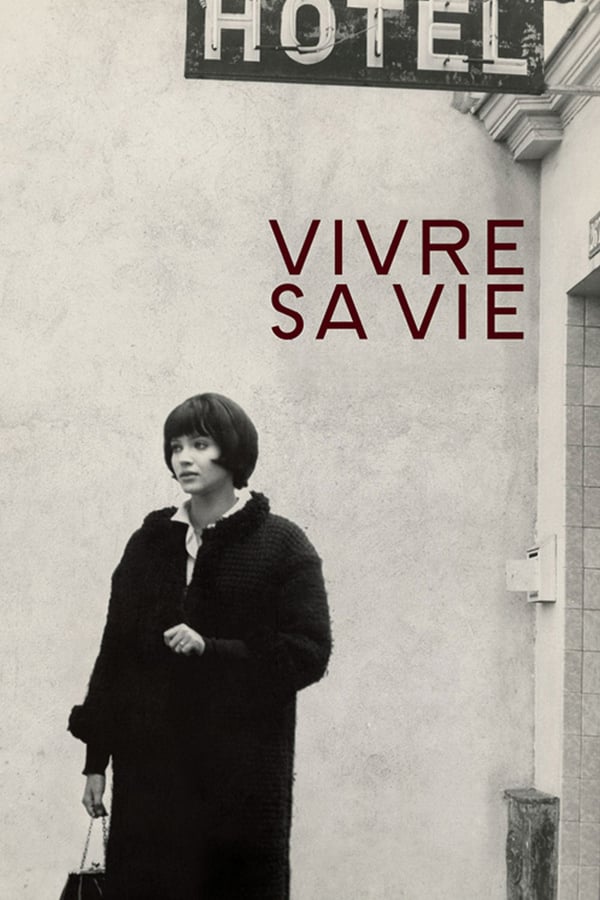
Godard’s next film was My Life to Live (Vivre sa vie) in 1962. Anna Karina plays as Nana, a woman who has goals but doesn’t know how to properly pursue them. The opening of the film shows her leaving her husband and baby behind to go follow her dream of being an actress. Without any money though, she very quickly falls into prostitution, and is under the control of a pimp before long. This leads to her downfall, as she is killed when her pimp tries to sell her to another and the deal goes south. The French New Wave is in full effect here. Nana’s life is split up into twelve sequences, with title cards telling the audience what is coming up in the next scene. The opening of the film is a full eight minutes of dialogue, with the camera seeing nothing more than the back of the talkers’ heads. Hard to connect with people when you can’t see their faces, but it is done here to great effect. Those moments are not yet Nana’s life. This movie isn’t as accessible as the first, but overall a stronger masterpiece.
Contempt (1963, Le Mépris) is a cautionary tale about how a single moment can alter a relationship. Paul and his wife Camille are deeply in love. Paul is a screenwriter and takes a job from an American producer (Jeremy Prokosch, played by Jack Palance). Jeremy wants to make a film based on The Odyssey, but wants an “American style” film. He is at odds with his director (renowned German director Fritz Lang, playing himself) who wants to make a more obtuse, art film. Paul likes Lang’s ideas, but allows himself to be bought by Jeremy. After their meeting, when Jeremy suggests they go back to his house, and offers to drive Camille in his two seater, Paul agrees. Camille is hurt, thinking she is being sold off as well, and her and Paul’s love is suddenly lost forever. An emotionally charged film, and relatable to anyone who has seen a relationship fall apart.
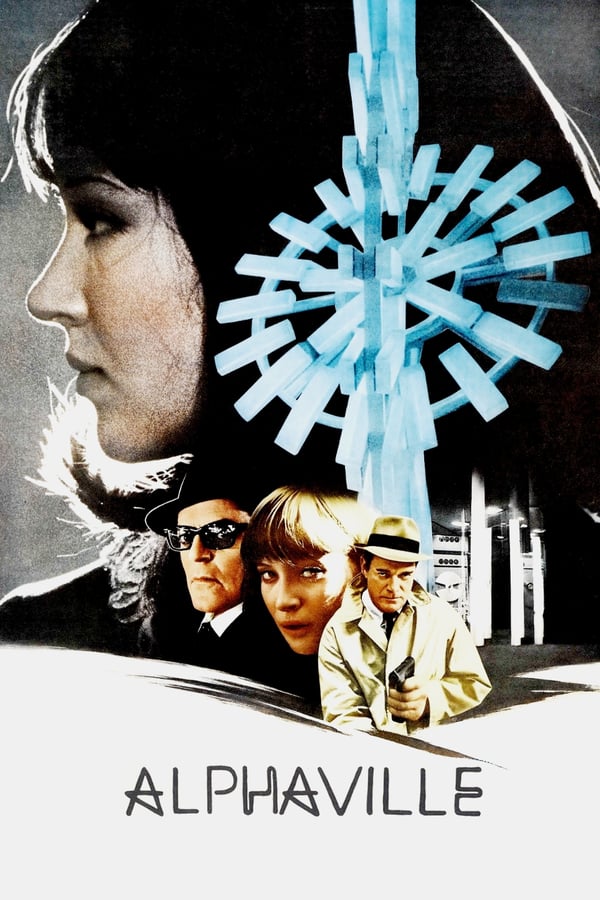
Godard combines science fiction and film noir in Alphaville, from 1965. Alphaville is a city in a near-future dystopia where a computer, Alpha 60, has taken command and has outlawed emotion, free thinking, and sense of self. Lemmy Caution is a spy sent in to find the engineer who built Alpha 60, and bring him back to “the Outlands,” or kill him if he refuses. Most of the film is spent exploring this society where all emotion, even weeping at your spouse’s funeral, is outlawed and punishable by death. The simple question “why?” is also forbidden. Sometimes illogical actions are in place, like nodding to mean “no” and shaking your head to mean “yes.” This last item isn’t explained in the beginning, leading to some confusion by the viewer, until you catch on that many things that are said in the film are actually meant to be the opposite. A great exploration by Godard and very different from his earlier films. My love of dystopian films meant this was to be one of my favorites of Godard’s so far.
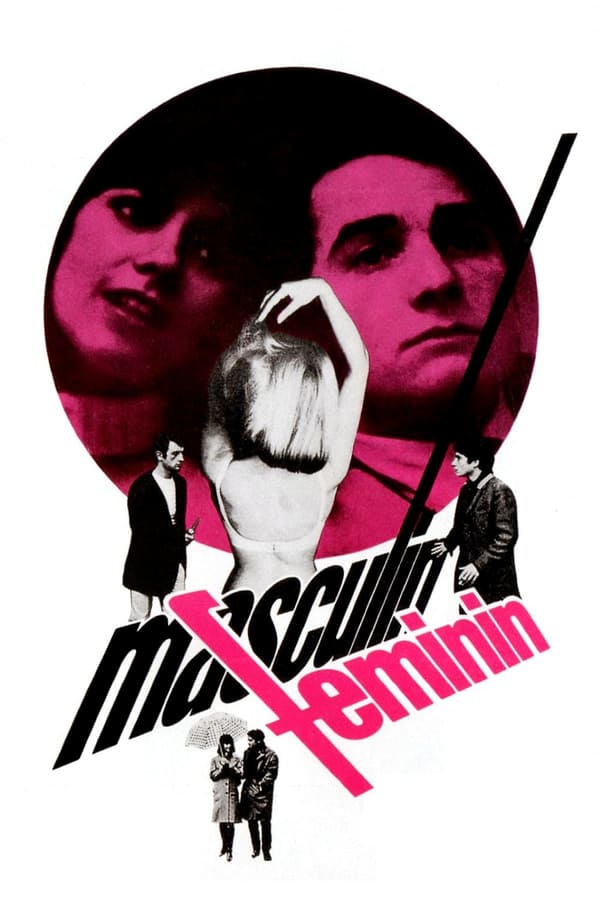
By the time Masculin féminin came out in 1966, Godard knew his craft and his direction, had it down to perfection. Filmed on the busy streets of Paris, it follows Paul and his conquest of women, led by blooming pop star Madeleine, who seems completely uninterested in Paul in any significant way, and just uses him for her own physical pleasure. By 1966 the French New Wave was no longer new, and the young 20-somethings on screen had grown up with this movement. We see a culture of young people who live in the moment, with all that it brings. Talking about James Dean and Bob Dylan, they idolize “being cool” and in doing so, ooze coolness themselves. Living for “right now” is all that matters. Masterfully written and executed, you can see the beginnings of a culture that continues to today, young people who don’t feel tied down to old traditions, who simply want to enjoy life and to live it to the fullest.

Middle-earth and my personal life changed in The Lord of the Rings

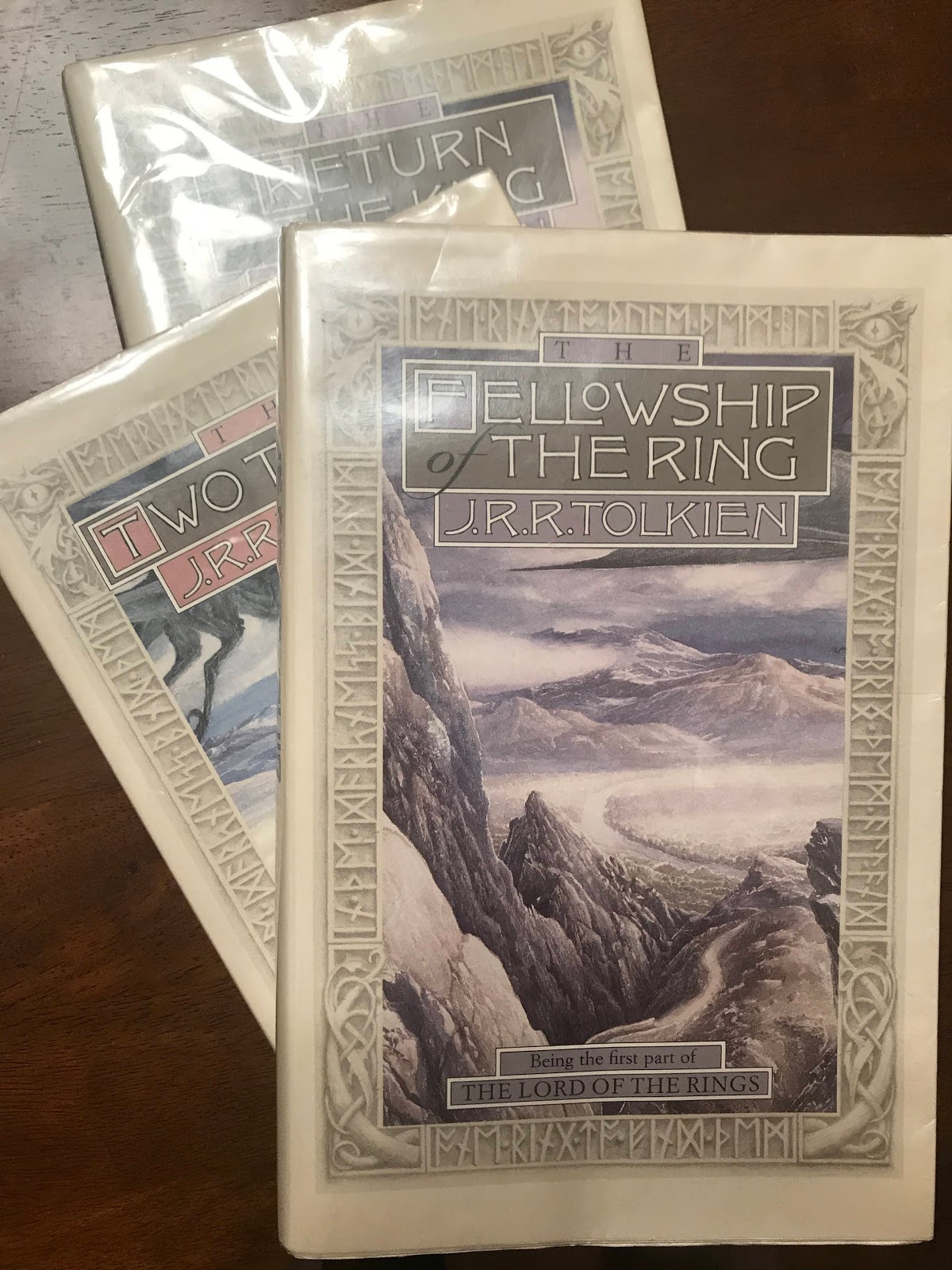
Next up on the list is The Lord of the Rings by J.R.R. Tolkien. I’m not going to give any kind of synopsis on these, because you’ve either read them yourself, or seen the blockbuster films (from almost 20 years ago! Can you believe it has been that long?!), or you have absolutely no interest. So I’ll take this moment to talk about how these books changed my life.
I’ve always been a reader. My parents instilled the importance of reading into me at an early age. My brother and I watched a fair amount of TV growing up, probably as much as any normal kid of the 80’s, but I always read at night. I usually carried a book around with me in grade school and junior high, to read when I had a break, and didn’t care what the other kids thought about it. I “graduated” to adult books fairly early in life, mostly because the books at my “age appropriate level” (I don’t think it was called that back then) were below my actual reading level. In fact, I remember getting asked by my 4th grade teacher if I should really be reading Stephen King, and not having an answer because it seemed normal to be reading anything I could get my hands on. Admittedly looking back, I know I read things I wasn’t ready for, but as a fairly innocent young mind, most of the stuff was over my head anyway. I was reading for the stories.
Also in 4th grade, I read The Hobbit, and then in 5th, The Lord of the Rings. Before this time, I was reading mostly fiction, and especially epics and/or mystery/spy thriller novels. Things like the aforementioned King, Ken Follett, Tom Clancy, Agatha Christie, etc. Sort of all over the map. But The Lord of the Rings opened my eyes to a whole new genre. Whereas books I’d read previous to this were very much grounded in the world we live in (even outlandish ones like Carrie or Pet Sematary still took place on our Earth), now I saw a wholly created new world to explore. I was all in. I remember reading The Lord of the Rings twice through, back-to-back, and then jumping in to other sci-fi/fantasy worlds like the Wheel of Time, the Death Gate Cycle, Shannara, Dragonlance, and the list goes on. I read at a frenetic pace for years, devouring anything I could find. It really wasn’t until I was out of college that I started reading less science fiction and more “straight ahead” fiction again, but to this day, nothing excites me more than when an author creates a world from scratch, and opens the reader up to new, unthought of possibilities.
All this reading really shaped who I am as an adult. The drive to consume as many stories as I can has lead me to watch as many movies as I do, and still, of course, to read as much as possible. I still own the original set of The Lord of the Rings trilogy my parents bought for me in 5th grade (very much aged but lovingly cared for all these years), and while it has probably been surpassed by King’s Dark Tower series as my all-time favorite “epic,” it still holds a special place in my heart. I’m in the beginning of re-reading it now, my fifth or sixth time through. I last read them when the movies were coming out, so it has been quite awhile. I’m looking forward to going on Frodo’s epic journey again. As Tolkien says in the book, “It’s a dangerous business, Frodo, going out your door. You step onto the road, and if you don’t keep your feet, there is no knowing where you might be swept off to.”

Oscar Schindler’s life more compelling as a movie than a book

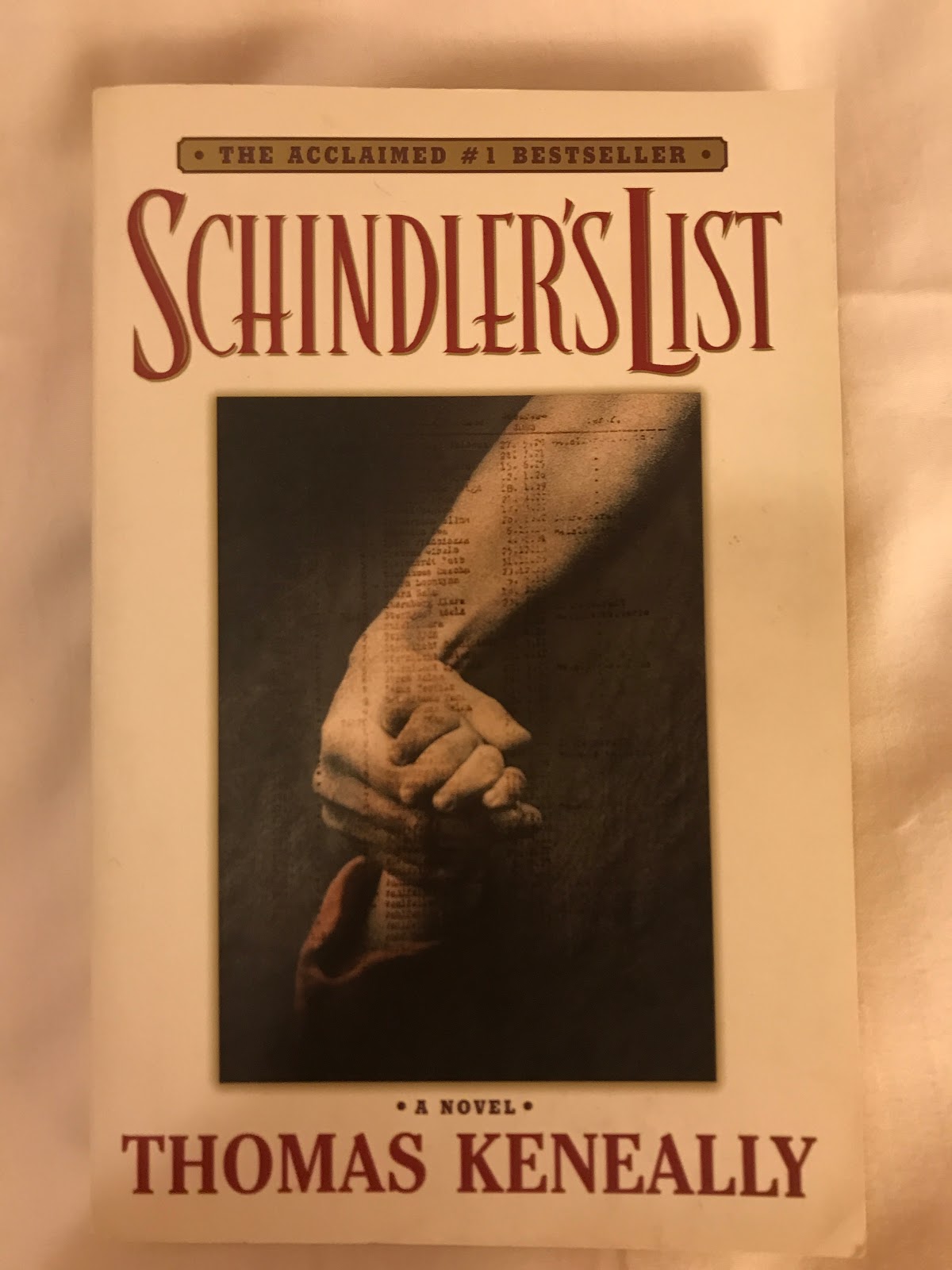
Thomas Keneally’s Schindler’s List(original title Schindler’s Ark) is one of those rare instances where the movie is better than the book. Everyone knows the story. It is a fiction novel, put together from a multitude of interviews, about the real life Oscar Schindler, a German factory owner and Nazi party member, who housed and ultimately saved over a thousand Jews from near-certain death during the Holocaust. Steven Spielberg took this book and make a cohesive, narrative, linear movie which exceeds the novel. The book is good, and won prizes when it was released in 1982, but it has an almost documentary-like style and lacks a lot of the emotion that Liam Neeson brought to the character. It is almost too fact-like when documenting the tribulations of the Jewish people. For me, it was honestly a bit of a chore to read. Without the movie, maybe I would have enjoyed it more, but the film is a lot better.

Quick takes on 5 classic films

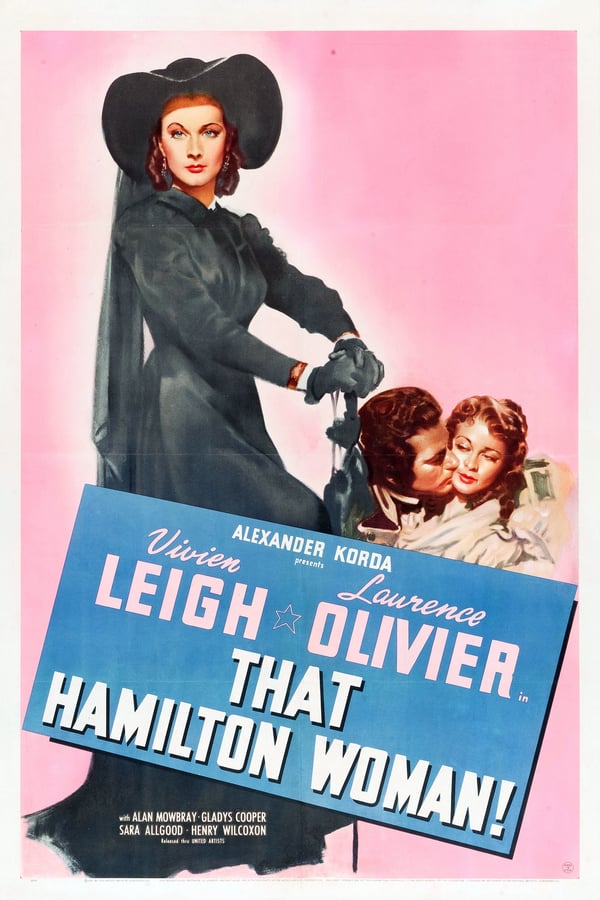
Directed by Alexander Korda, That Hamilton Woman from 1941 starred one of the biggest Hollywood couples in its time, Vivien Leigh and Laurence Olivier. Both were established stars (Leigh was just 2 years removed from her breakthrough on Gone With the Wind) and this film was a big hit. It starts with Emma Hamilton as an aged, haggard thief in London, and after being apprehended, she shares her life tale with her fellow prisoners. Born a poor country girl but with a startling beauty, Emma attracted the attention of a noble diplomat in Naples. She marries the much older man, but is drawn towards a younger war hero (England was, as always, in a series of wars with France). However, Emma finds it is much easier to live with her very public affair in Naples than in England when they return there. Like a lot of movies featuring real-life couples, their acting together feels a little wooden at times (strange that real chemistry is so hard to capture on film), but it is a well done film, and Leigh shines in her soliloquies, as she so often did.
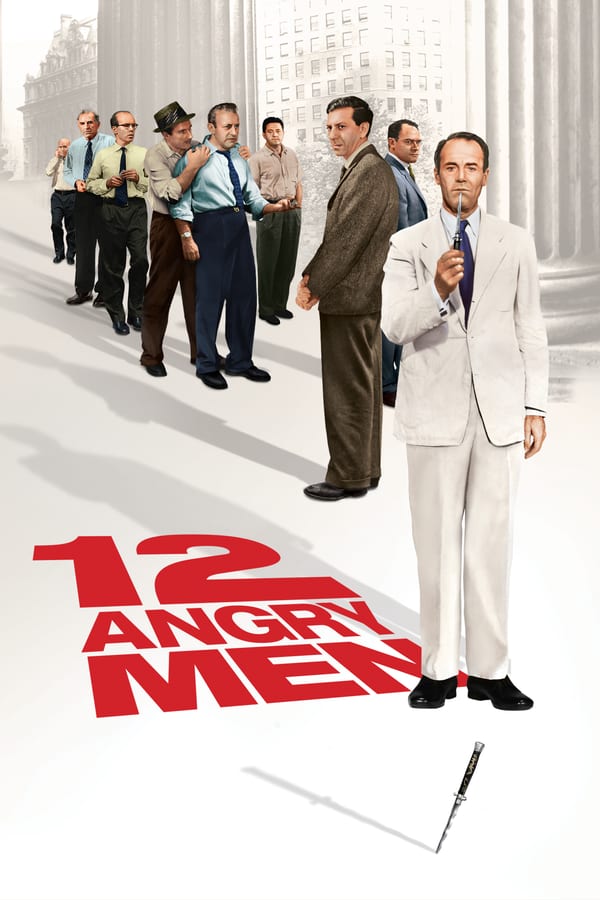
I seem to say this a lot, but 12 Angry Men, directed by Sidney Lument, is one of the best films I’ve seen in a while. For a movie with no action and no change of scenes (all but a couple minutes takes place in a jury deliberation room), it is supremely, nail-bitingly intriguing. The premise is a young man is on trial for murdering his father, and the case against him is seemingly ironclad. The jury’s preliminary vote is 11-1 for guilty, with the sole dissenter being juror # 8 (Henry Fonda). He sees minor problems in the prosecution that creates doubt in his eyes. He spends the hour and a half of the film pleading the case for the accused to his fellow jurors. The dialogue in this film is fantastic, the moments of clarity among the jurors is thrilling. A truly incredible movie.
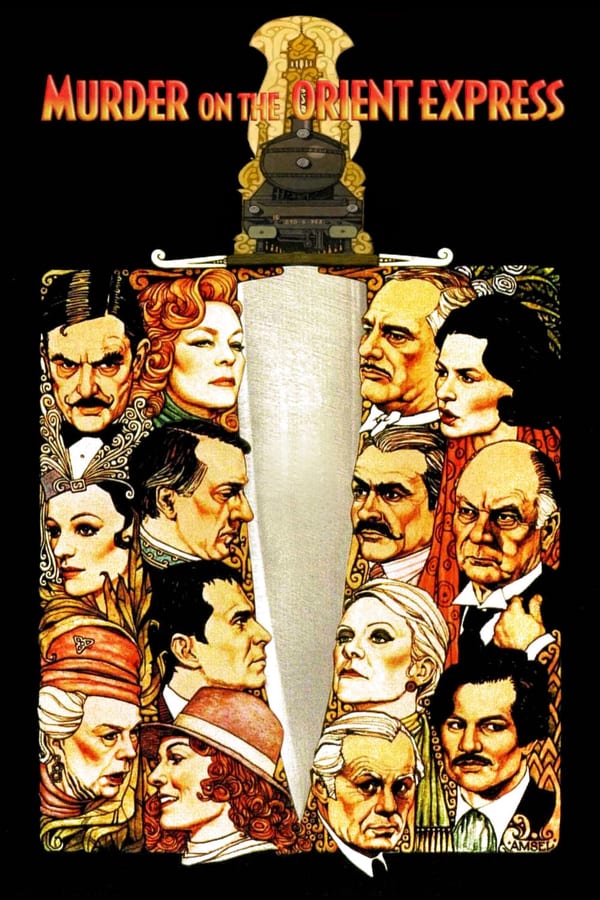
I’m not going to say anything more about 1974’s Murder on the Orient Express (also directed by Sidney Lument) than go see it. Get it on Netflix, check TCM, whatever you need to do. Far superior to the recent remake, this one is a true gem. Whereas the new one has an all-star cast, this one has an all-legends cast, featuring Albert Finney, Sean Connery, Ingrid Bergman (who won an Oscar), Lauren Bacall, Jacqueline Bisset, Anthony Perkins, Vanessa Redgrave, and Martin Balsam, among others. The classic story of a group of passengers stuck on a train where a murder has happened, with Agatha Christie’s favorite detective, Hercule Poirot, there to solve it. The original “Clue” mystery of who-done-it, with-what, and how?
This Happy Breed, directed by David Lean, came out in 1944, but was based on a Noel Coward play from 1939, and follows a family in London in the 20 year period between the end and beginning of the two World Wars. The opening shot is of the family moving in to a new flat. Being lower-middle class, a large group shares the small space, including mother and father, their 3 near-adult children, the father’s sister, and the mother’s mom. A quiet film, it portrays the daily lives of this group, showing the big moments over their 20 years in the house. The children grow and get married and lead their own lives. The parents go with the flow through it all, as friends and family come and go, some permanently through death unfortunately. There is a poignant moment at the end, when all have moved out and mom and dad are left in the house alone and they too are moving out to a smaller place, where the father remarks that most rooms look bigger when they are emptied of furniture, but this one seems smaller. The movie ends as it began, and the front door of the house, though this time with people leaving. A very nice little film.
David Lean’s acknowledged masterpiece is Lawrence of Arabia. About the life of T.E. Lawrence, it is a long historical epic, coming in at nearly 4 hours in length, the kind of film that would have a hard time getting made today. I thought this very thing in fact early in the film when Lawrence and his desert guide, finding relief at a well, see a figure approaching from the distance. In suspenseful dead silence, the movie lets this unknown character slowly creep towards our protagonist. This quiet, long sequence isn’t fast paced enough for today’s movie goers, but it is brilliant in its simplicity. This film plays out like this scene; it lets the plot develop and come to the viewer, slowly but surely. Brash young Lawrence finds fame as an English officer in the Arab revolt, fighting alongside Arabs in their quest for independence from the Ottoman Empire. Without his knowledge, his quest is silently backed by the English powers, who hope to gain a foothold in the area after World War I. Later in the war, when Lawrence finds himself surrounded by people more interested in money than freedom, he finds that he too has changed, or perhaps, his love of war was always there with him. The film won 7 of the 10 Oscars it was nominated for in 1962.

Quick takes on 5 David Lean films

David Lean was all ready an established film editor, but 1945’s Blithe Spirit was just his third film as director, and also the third in his collaboration with the esteemed playwright Noel Coward as producer. Based on Coward’s play, this is a charming film about a séance gone wrong. Charles (the brilliant Rex Harrison) and his wife Ruth invite a medium, the eccentric Madame Arcati, to their house for an evening of entertainment, with Charles hoping for a farce that can be used for inspiration for his writing. When Charles’ first, long-dead wife Elvira shows up, and only he can see or hear her, it causes obvious ire with Ruth. A very funny film and one that holds up well, even if Coward did not care for the adaptation much at the time. Lean’s ability is on display. Blithe Spirit was made just before he did Brief Encounter, one of my personal favorites, and just a year before he went on a run of Best Director nominations for his Charles Dickens’ adaptations.
The first such adaptation was Great Expectations in 1946. Young Pip lives in a poor family, but is brought to a rich estate by the Lady Havisham to be a friend to the lady’s daughter Estella. He is there for only a short time before he must return to his uncle to learn the family trade and become a blacksmith. A few years later though, he is approached with an offer to go to London to become a gentlemen. The rich benefactor is unknown, as is the reason. But Pip leaps at the opportunity to better his position in life. He reunites with Estella and falls in love with her, though she initially keeps him at arm’s length, and hints at more sinister motives when it comes to relationships. A very well done film, with strong acting by John Mills and Valerie Hobson in the leads, and also a young, 32 year old Alec Guinness in his first major film role. The movie won a few Oscars, and was also nominated for best picture and best director for Lean.
Oliver Twist followed two years later in 1948. I was familiar with the story but had never read the book, and found the film very enjoyable after a somewhat tedious beginning. An unnamed young, pregnant woman arrives to a church and orphanage, just in time to give birth before dying. The boy is harshly raised in the orphanage as Oliver Twist. Years later, Oliver runs away and falls in with a gang of homeless boys, directed to thieving by a despicable man, Fagin, played by Alec Guinness. Despite what you may think, the movie is less about Oliver than the secret his birth carries. His mother died with a locket around her neck which identified her and thus Oliver, but there seems to a big conspiracy to keep that fact hidden. The intrigue builds until the big reveal. If you can wait through the slow beginning, it does pick up and the denouement is wonderful.
The title of 1954’s Hobson’s Choice gives away a lot if you know the meaning of the old English phrase, basically meaning “take it or leave it.” Hobson owns a successful shoe store, but not because of anything he does. He spends his nights drinking and his days sleeping it off, while his trio of daughters run the shop, head by the eldest Maggie. They also employ the best shoemaker in the city, Willie, who, despite his talents, is content to earn a minimum wage working in the basement all day. Maggie decides she has had enough working for free for her unrelenting father and hatches a plot to trap Willie to marrying her, and then getting him to leave Hobson and start his own business. The two younger sisters quickly marry as well, and Hobson’s shop begins to fall apart, and his alcoholism grows worse. It does find a happy ending in the end though. This is much funnier film than I expected, and thoroughly enjoyable. Based on a play (this is actually the third film version made), the cast is made up of supremely talented actors from stage and screen, including Charles Laughton, Brenda de Banzie, and John Mills.
In 1955, David Lean finally went to Hollywood for financing to make Summertime, with all his previous films being made in Britain. Shot on location in Venice and starring Katharine Hepburn, it is about an American teacher, Jane, who has saved her whole life for the vacation of her dreams. She is wowed by the city around her, but becomes lonely when she sees all the couples enjoying the sites together. Jane soon meets Renato, a local shop owner, to whom she is at first apprehensive, but later attracted to. She doesn’t know if she can trust him, and we as viewers share that trepidation in the beginning, but it becomes a wonderful love story by the end. Hepburn is arresting in her typical strong-willed role. By now, Lean has honed his craft and knows how to build a film. He had already made a name for himself, though his most well-known works, such as The Bridge on the River Kwai, Lawrence of Arabia, and Doctor Zhivago, were still a decade off.

19th Century high society on display in The Age of Innocence

Whereas Ethan Frome is a quick read, The Age of Innocence is a full novel, and it won Edith Wharton a Pulitzer when it came out in 1920. It details the dying of America’s aristocracy in late 19th century America.
Newland Archer is a young man, born to a high society family in New York. He lives at a time when the family’s reputation is more important than anything, maybe even more than life or death. Early on he becomes engaged to the beautiful May Welland, also from one of the best families in the area, so it is a perfect match by everyone concerned. Archer’s life is thrown up in turmoil though when a childhood friend returns to the area. Ellen Olenska is May’s cousin, but Ellen is fleeing scandal in Europe. Her husband had been running around on her, and rather than sticking to his side as a good wife should, she had the gall to come back to America and seek a divorce. Archer is drawn to Ellen, but knows that it would bring ruin to his family if he ended his engagement to May, or even worse, was caught canoodling with Ellen. In the end, Archer puts family first (it is really more Ellen’s choice) and stays with May. The last chapter fast forwards a few decades where we learn that Archer and May had a good life together. He now lives at a time when people are more free to marry who they want (in fact, Archer’s son is getting ready to marry a girl born out of wedlock, and no one bats an eye).
Wharton paints a beautiful portrait of a time when your name was everything, and you cared more for what people thought than what they actually did. Very well written, and unlike some books from its era, not a challenging read.

Rand’s ambitious character and views in The Fountainhead

I enjoyed Atlas Shrugged when I read it a couple years ago, so looked forward to The Fountainhead, Ayn Rand’s other successful novel. This one, released nearly 15 years earlier in 1943, is, I think, more well written, but with a less compelling story. Still a thick book, it is not for the faint hearted. Like her other book, it showcases Rand’s views on objectivism, and her pro capitalist/anti socialist stance. Fair warning, I can’t discuss the whole of this book without lots of spoilers, which develop slowly throughout the novel (part of what makes it so great!).
The main character is Howard Roark, who is introduced at the beginning. He is cocky, self assured, and ambitious. In the beginning, he is expelled from architect’s school for not willing to bend his ideals. He envisions constructing modern buildings with none of the frills or “doilies” that the current architects are using. When asked to use these designs, he refuses, and so in the beginning he has a hard time finding work. The buildings he does make are loved by those he builds for, but they never gain mainstream appeal for one reason or another.
Roark had attended school with Peter Keating, who seems to be the exact opposite of Roark. Whereas Roark designs each building according to the owner’s needs and also taking in its environment so it can blend well, Keating only builds frilly, “pretty” buildings following the current trends. At the same time, Keating is head over heels infatuated with Dominique Francon, a beautiful but emotionally cold intellectual who floats in their circles. Francon however only has eyes for Roark, for which we do not understand the “why” at first. We think that Keating may be the villain of the novel, but only as it develops, do we realize it is actually another individual named Ellsworth Toohey, a fringe character for much of the first third of the novel.
Toohey writes articles and books about architecture, but his real goal (which we do not learn until much later) is the deconstruction of the individual. Toohey doesn’t want headstrong, free thinking individuals in our society. Toohey wants people who only think collectively, who only do what society wants them to do. Toohey envisions a society where we do not champion champions, where instead we bring those champions down to the level of the lowest member of society. No one stands out, and all are equal.
The book really comes together as we see Roark struggle against this new, developing society, aided (in a very cool, understated way by Francon). In the end, he is just one man against a changing world, but he is never broken. A fantastic read, full of emotion, and Rand does a great job of pulling you in and getting you emotionally involved in Roark’s success.

Quick takes on 5 classic films

I’m the one person in America who never had to read To Kill a Mockingbird in high school. Not for lack of effort, I was also the one nerd who actually read all the books assigned, just this one never was in any of my classes. So now I’ve seen the movie fresh, and I must say, what a fantastic film. Gregory Peck is tremendous as small town lawyer Atticus Finch. The movie is told through the eyes of his kids Jem and Scout, so the audience isn’t privy to the adult goings-on, but Finch has been assigned to defend a black man charged with raping a white woman. While the kids play around town and make up stories about the reclusive neighbors, Atticus starts to be hounded for defending his defendant. The trial in the latter part of the film is mesmerizing, but the real climax is how the fallout effects the kids. An outstanding movie, and I hope to finally read the book one day before too long.
Based from a play instead of a book, A Raisin in the Sun is also a true classic. Starring the incomparable Sidney Poitier, it is about a poor black family in Chicago getting ready for a financial boon. Walter lives in a tiny apartment with his wife, young child, his adult sister, and his mom. They are just days away from receiving a big life insurance check for the death of his father. The check will be going to his mom, who hasn’t decided how to spend the money. Some want to fulfill the American dream and buy a house, but Walter wants to invest it with some buddies into a liquor store. We keep hoping Walter will come to his senses to support his family properly, but he has to let us down before he can be redeemed. A charged movie full of racial tension, gripping drama, and a stirring moment at the conclusion.
If you’ve read my blog for awhile, the title Magnificent Obsession may sound familiar, and that’s because it is. This is the 1935 version, the original film version based on a book from 1929. This earlier film is much like the later one I had previously written about, albeit more archaic and downright sexist and predatorial at times. Robert Merrick says things like “Be a good girl and smile,” and physically won’t let female passengers out of his car. If you can get past those signs of the times, the film is still pretty good on its own merit. Robert Merrick’s transformation from egotistic scoundrel to caring friend is maybe even a hair more believable than Rock Hudson’s version from 1954, as is Helen’s hitting of rock bottom during her blindness.
How can a film buff go so long without seeing Casablanca? Nevertheless I’ve just seen it for the first time. People like to say it is overrated, mostly because it is in so many “top ten” lists, but don’t count me in the former group. This is a tremendous film. It is mostly a love story with a bit of espionage thrown in. On the brink of World War II, Casablanca is an important port in northwest Africa, nominally a territory of France but also policed by German forces. American Rick Blaine owns a neutral cafe and casino where nationals of both countries come to relax. One day, in walks Ilsa Lund and her husband Victor Laszlo. We learn that Ilsa and Rick had a relationship in Paris before it was occupied, but now she is devoted to her husband Victor, who has spent his life in resisting the German occupations across Europe. Everyone is searching for two “letters of transit”, papers which allow the owners to travel freely to neutral Lisbon, and from there on to America. Victor desperately needs to escape because of his importance to German officials, but Rick is bitter towards Ilsa and refuses to help. Featuring two actors who were established but still on the rise, Humphrey Bogart and Ingrid Bergman, this movie coined a chorus of quotable lines, and has one of the genuinely most beautiful moments in cinema at the end. A great movie to curl up next to your loved one and enjoy.
So much black and white, I just needed to see some color, so I went with An American in Paris, the famous musical based on the Gershwin brothers’ music. Who doesn’t love a good song and dance? And this one features some great ones, performed by the best in the genre, Gene Kelly, and ballet trained Leslie Caron. Jerry is the title character, a struggling artist living in Paris. His work is noticed by a rich socialite, Milo, and she is interested in more than just his painting. However, Jerry has fallen for the young and beautiful Lise. Enter in the love triangle, and not just between this trio, but also Lise’s fiance Henri, unbeknownst to Jerry, who happens to be best friends with Jerry’s friend and neighbor Adam. If it sounds convoluted, it really isn’t. In fact, as plots go, this one is a bit thin, but the movie is saved by the fantastic musical and dance numbers. If you like musicals you should enjoy this one immensely, but otherwise you can probably stay away.

Quick takes on 5 Alfred Hitchcock films

Alfred Hitchcock made two films under the title The Man Who Knew Too Much. While the second is probably more popular, the first, from 1934, is just as compelling. It has a similar scenario (a family gets caught up in an assassination plot), but the 2 movies are very different. This one starts with the Lawrence family vacationing in Switzerland. The wife Jill is harmlessly flirting with a different man when he is killed, and with his dying words, tells her of a secret note hidden in his hotel room. The husband Bob retrieves it, but not before a gang of villains abducts their daughter to hold hostage. Only later do the couple realize it is all involving a plot to kill a dignitary. The head of the evildoers is Abbott, played masterfully by Peter Lorre in his first English speaking role. What is funny is Lorre didn’t actually speak English at the time of filming. Recently having fled Nazi Germany and coming off the hugely successful M, he learned all of his lines phonetically, first learning their meaning in German so he could appropriately act the scenes out. You’d never know it based on watching the film, a true testament to Lorre’s acting ability and dedication. A very fun, earlier Hitchcock thriller.
Hitchcock made The 39 Steps the next year in 1935, and it is one of the best of his films I’ve seen yet. Richard Hannay is a regular guy who crosses paths with the mysterious and suspicious Anabella Smith. She only has time to give him a cryptic warning about a dastardly plot in Scotland before she is killed, and the police think Hannay did it. He sets off for Scotland with the police giving chase. His adventures here on out are pure cinematic magic. This film has it all: suspense, humor, romance, and an involved, captivating plot. Highly recommended.
The Lady Vanishes, from 1938, is the last film Hitchcock made in Britain before moving to Hollywood, and it feels very different from most of his other films. It actually starts almost as a comedy, with zany music to boot. The first third of the film takes place at a hotel in a quiet corner of Europe, and introduces the characters through their antics. We don’t realize until they head to the train that the real main figures are Iris, a woman heading home to be married, and Gilbert, a traveling musician. On the train, Iris befriends an older woman named Froy, but after a short nap, Iris awakes to find Froy is gone. Not only that, but the accompanying passengers and train workers say she was never there in the first place. Iris begins to think she is losing her mind, and the viewer is left wondering who is telling the truth. While it becomes a much darker and more sinister film, it still keeps a lightness and humor for much of it. I’m really finding these early Hitchcock films extremely entertaining!
David Selznick is most famous for producing Gone With the Wind in 1939, for which he won an Oscar for best picture, but he actually won the category in back-to-back years, and the answer to the trivia question about the second film is Rebecca, Hitchcock’s first American picture. I’ve been looking forward to this movie for a couple years, ever since reading the book. Laurence Oliver and Joan Fontaine (Olivier’s fiancee at the time, Vivian Leigh, was not cast because she seemed too strong-willed for the role) are fantastic as Max deWinter and Mrs de Winter. The movie is pretty faithful to the book, with subtle changes to appease Hollywood Code at the time, so read my recap for the plot if you like. It lacks some of the typical Hitchcock comedic banter, but that is probably best considering the source material. Max’s first wife, the late Rebecca De Winter, has a larger than life persona that envelops everyone, and as in the book, the new Mrs de Winter isn’t even given a name, she’s just “the new Mrs de Winter.” The film is a great psychological thriller in Hitchcock’s vein, and the tone is set from the very opening sequence, with ghostly shadows playing over the infamous Manderley country house. Even simple events like a lady taking a drag from a cigarette seem sinister. The movie lived up to my expectations.
With all of Selznick’s “interference” on Rebecca to keep it true to the book, Foreign Correspondent is more like a true Hitchcock film. Released in the same year (and also nominated for Best Picture, which it lost to Rebecca), it has everything you’d expect from the director: fast comedic dialogue, a romantic interest, and a slow-burning plot that doesn’t come to fruition until the very end. It is a spy thriller that takes place in England, on the cusp of World War II. American journalist John Jones is sent to England to get a good story. There, he falls into a deep espionage plot, one which he doesn’t understand for much of the movie. Kidnappings and murders seem to follow him around. There’s a little bit of American propaganda thrown in the end in, but that can be overlooked considering its 1940 release. This film is probably often overlooked today, but it is a solid movie.