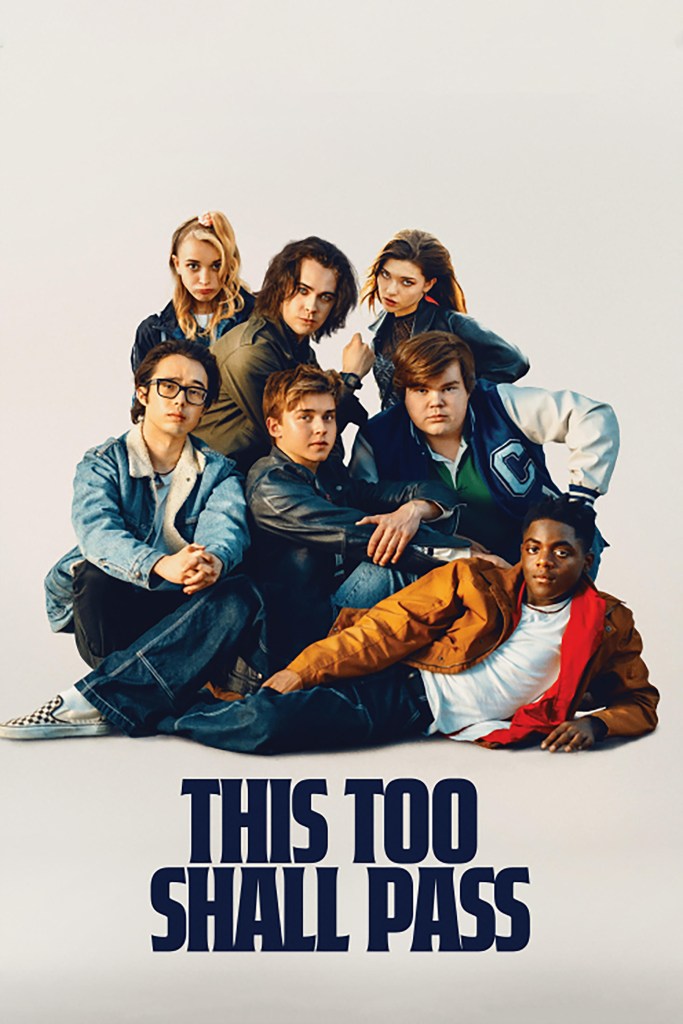
This Too Shall Pass follows a group of friends on a Ferris Bueller-like day. Simon (Maxwell Jenkins, Will Robinson from the rebooted Lost in Space show) feels stifled by his strict Mormon family, who don’t allow him to date or do anything that other boys his age are doing. When his crush heads off to Canada for the weekend, and off-handedly remarks that she’d like Simon to go, he gathers his best friends to make the trip there “to surprise her,” under the guise of seeing their hometown hockey club square off in the Stanley Cup playoffs. The trio of friends jumps on a bus, and off they go, for a couple days they’ll never forget. Funny and endearing, the film borrows heavily from John Hughes’ filmography (even the film poster hearkens to The Breakfast Club) and the filmmaker isn’t shy about it; in an early scene, the friends are talking about the pros and cons of Hughes’ movies. Ultimately, this feels like a movie John would have made in 2025, and though it takes place in the 80s, it tackles modern problems that today’s teenagers still face (though obviously with less online bullying). And best of all, these “kids” are at that perfect age between childhood and adulthood, where everything is a traumatic event, making it both the best and worst time to be alive, depending on how the afternoon is going. Great film that makes you remember those years with fondness. ★★★★★
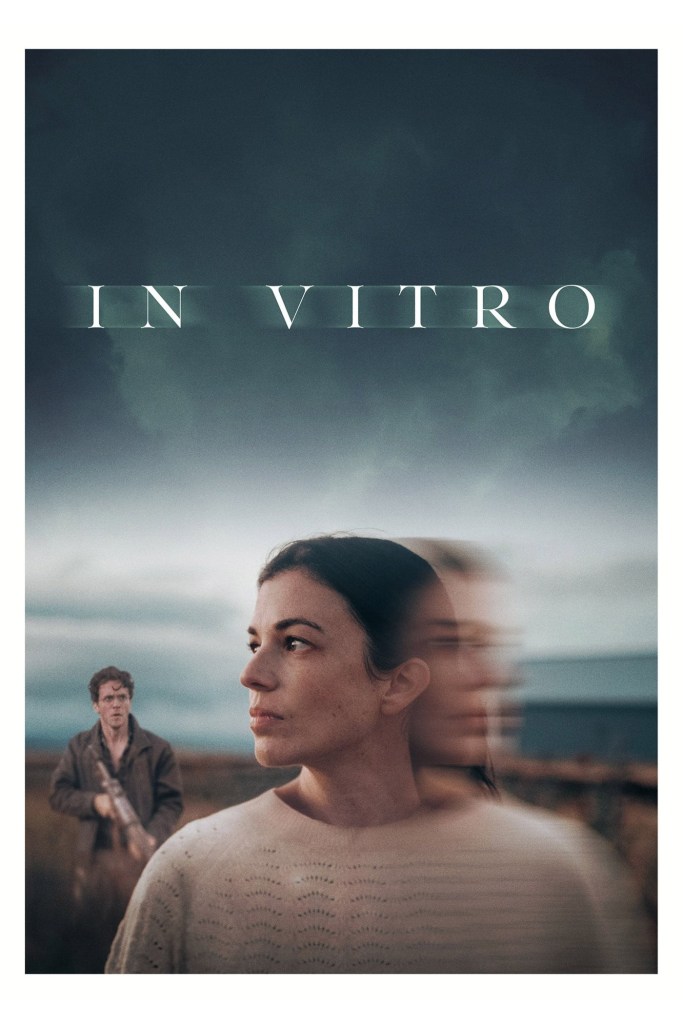
In Vitro takes place in a near-future where humanity is facing a (very plausible) catastrophe. Meat has become scarce, so Jack, a scientist-turned-rancher, has been working on cloning cows for their beef. He’s been facing setbacks though, with the cloned animals getting sick and dying, unsafe for human consumption. His wife Layla gave up her profession to stay at their remote ranch and help him, while their young son is off in the city at boarding school. Layla misses their son terribly, and just goes through the motions at the house. Things start getting weird at home too. Layla starts hearing noises both in the barn/lab, and out in the woods, and Jack is pretty mum about what it could be. The big “twist” drops halfway through, when Layla stumbles upon a clone of herself, getting ill like the animals were, and she starts to wonder what Jack is really up to. From there, the film takes a strange turn, becoming more of a low budget almost-slasher film, as the unhinged Jack comes after Layla and her increasingly sicker clone. I liked the start of the film, it gave off Interstellar vibes, in that it takes place in a world that is starting to crumble, but really fell apart in the second half. ★★½
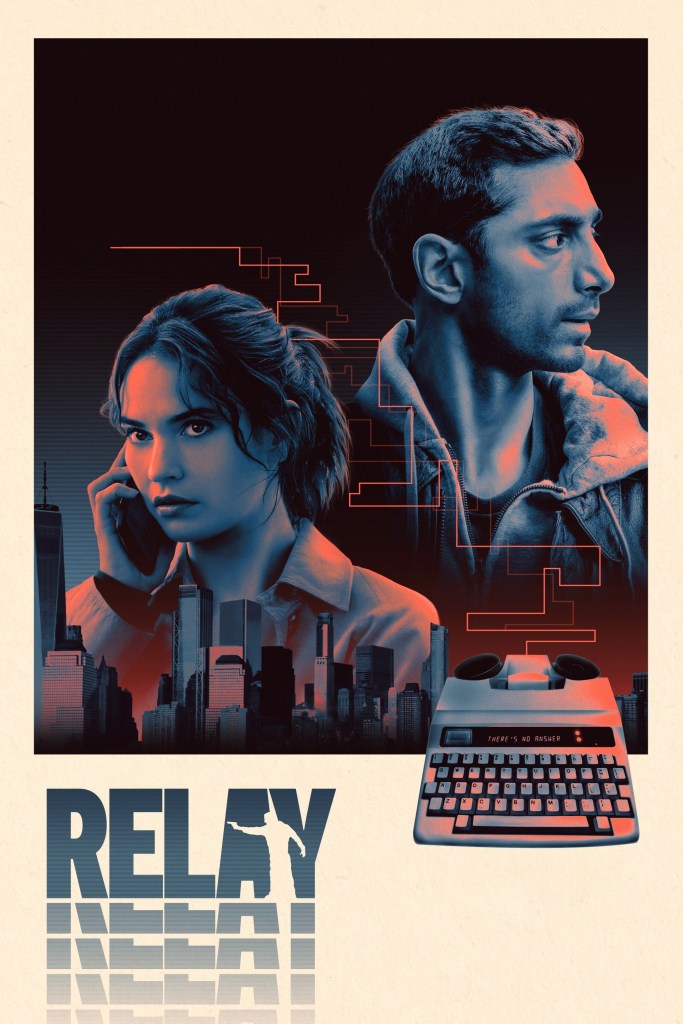
Relay is a great thriller starring Riz Ahmed as Ash, a “fixer” unlike any you’ve seen in a movie before. Usually these guys are big, brawny, and handle problems with their fists. If you know Ahmed from his films like Nightcrawler or Sound of Metal, then you know he’s a little guy, so he fixes problems with his brains. When an employee, a potential whistleblower, is feeling pressure or being harassed by their workplace, Ash steps in to blackmail the company in staying away from the employee. After the company pays up and backs off, the former employee would be safe from retribution because Ash keeps a “safe copy” of the incriminating report that he would send to the press, if needed. His latest client is Sarah (Lily James), who was fired after she raised questions about a health study showing her genetic food-growing company ignored troubling results in the testing phase. Sarah has a copy of the report and initially was going to go to the press, but fear for her own life has led her to want to get out of her predicament with her health intact. Thus, she contacts Ash after an attorney recommends him. Ash lives in secrecy, constantly switching phones and never talking to people one-on-one or even over the phone. He communicates through a relay system which anonymously reads his messages to and from his clients. Ash takes Lily’s case, even as the company ups the harassment by parking a van in front of her place and keeping an eye on her. Ash reaches out to the company with his demands of staying away from her, in return for the report she holds. But they aren’t going to give up easily, and continue to try to find Ash’s identity. A very good spy-like thriller with twists and turns, and it saves the best surprise for the very end. ★★★★

Unicorns follows a man named Luke, a single father raising a little boy after the mother ran off. Luke is a guy’s guy, working in his dad’s garage. He happens into a club one night and is instantly smitten by a woman dancing on stage. He meets her outside afterwards and the two start making out, before the girl is drawn away by some friends for a minute. While they are off talking, Luke looks around and realizes the bar’s clientele is nearly all men, and then becomes aware that the girl he was just kissing on is no girl. Ashiq is a drag queen, and Luke is disgusted with himself and runs off. As days go by though, he can’t get Ashiq out of his mind. The two reconnect, and a very confused Luke tries to figure out what is going on his own head. The film is well acted, but honestly I couldn’t get into it. If they were just 2 straight people, we wouldn’t even have a movie here. I like a good art film, but this one was too much even for me. ★★
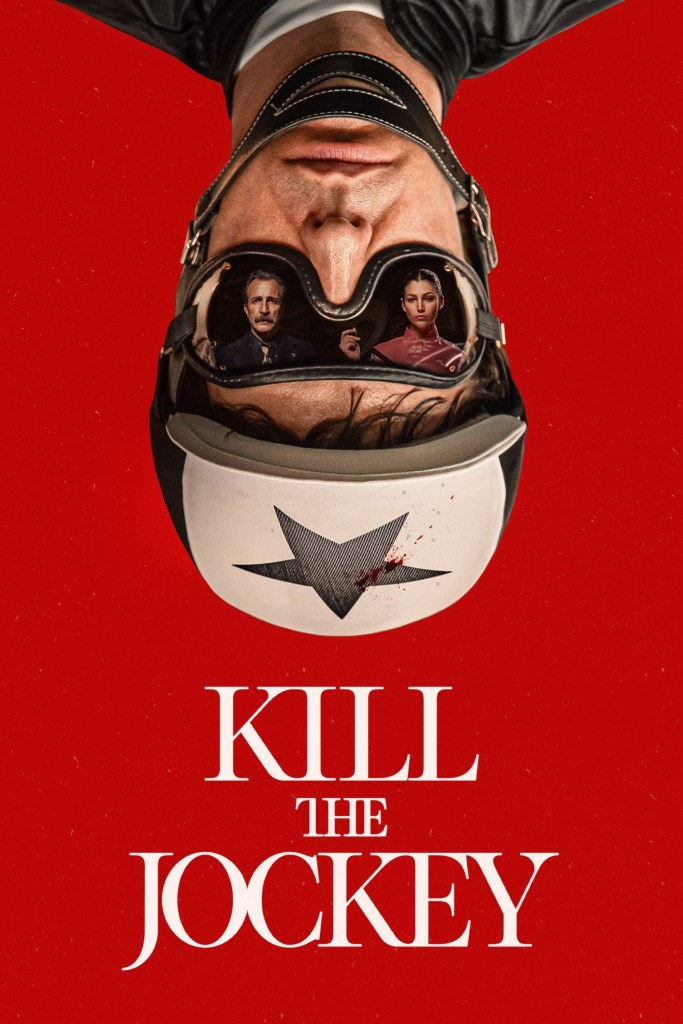
El Jockey (released in the USA as Kill the Jockey) is not a film with mass appeal, despite its very intriguing premise. It is marketed as being about a jockey who works for the mob, who goes on the run after accidentally killing a prized race horse. Sounds like an action film or maybe a thriller of some kind, but that couldn’t be further from the truth, and the end result is so much better than any standard thriller. At first, I thought it was just a bit weird but oddly intoxicating, as the jockey (Remo, a famous thoroughbred jockey who dulls his life with alcohol) breaks out in dance with his wife (fellow jockey Abril) in a Napolean Dynamite-like way. Before long though, I realize the movie is heavy in surrealism (a big giveaway is when Remo, walking down the street, is suddenly surrounded by a marching band and a military parade, who continue on parading around and through him), which is my jam, though I know these kinds of films can be divisive. There’s lots of strange imagery, and it would be easy to get lost in it all, but stick with it. The death of the horse comes pretty early in the movie, as Remo takes his ride right into a wall after a turn. Remo barely survives, and in a near-comatose state, wanders out of the hospital with a huge bandage around his head. The mobsters go on the hunt for him, while Remo finds friends here and there to help him stay hidden. Remo soon dresses as a woman to stay incognito, and this keeps him safe for awhile. The final act, after Remo is arrested and put in jail, flips the script on the viewer and answers just about all the questions you might have to this point. And that ending. Damn. I need to rewatch from the beginning to look for clues! ★★★★★
- TV series recently watched: All Her Fault (series)
- Book currently reading: Sunrise on the Reaping by Suzanne Collins








 Jons Movie Takes