Category: Uncategorized
Quick takes on 5 films
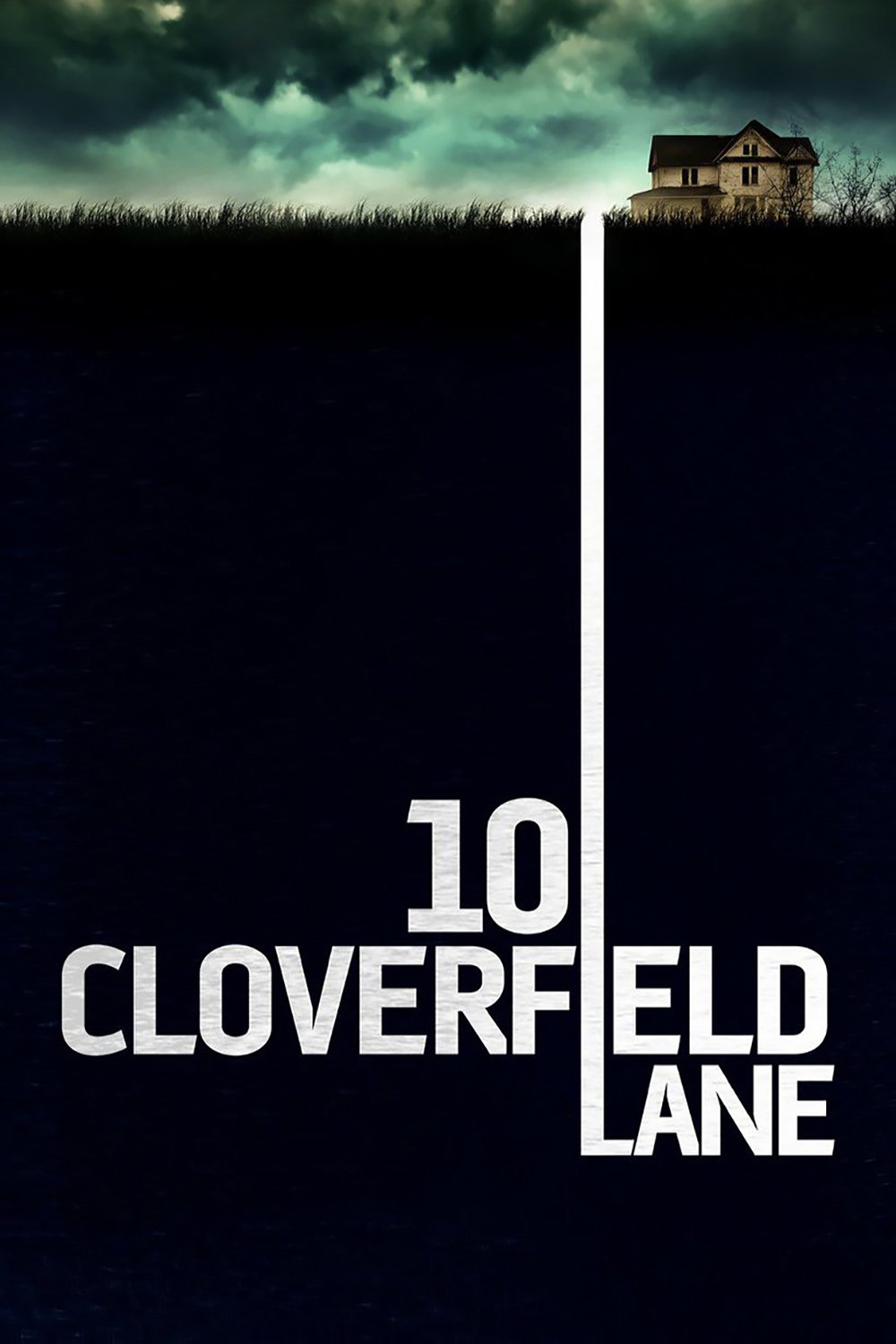
I really like the first 3/4’s of 10 Cloverfield Lane, and thankfully the ending doesn’t ruin it for me. Michelle is traveling on a country road late at night when she is in a car wreck. She wakes up in a bomb shelter of sorts, held captive (obstinately for her protection) by Howard, who tells her something has wiped out all life above them, whether it is nuclear or chemical. The other resident of the shelter is Emmett, but we don’t know his story until later. The first part of the film is tense throughout, as we don’t know Howard’s (or Emmett’s) true nature or purpose in all this. When Michelle does leave the shelter, the movie (for me) went a little south, I much prefered the nail-biting “what’s gonna happen?” closeness inside. Still, a good film and a different take on disaster movies.
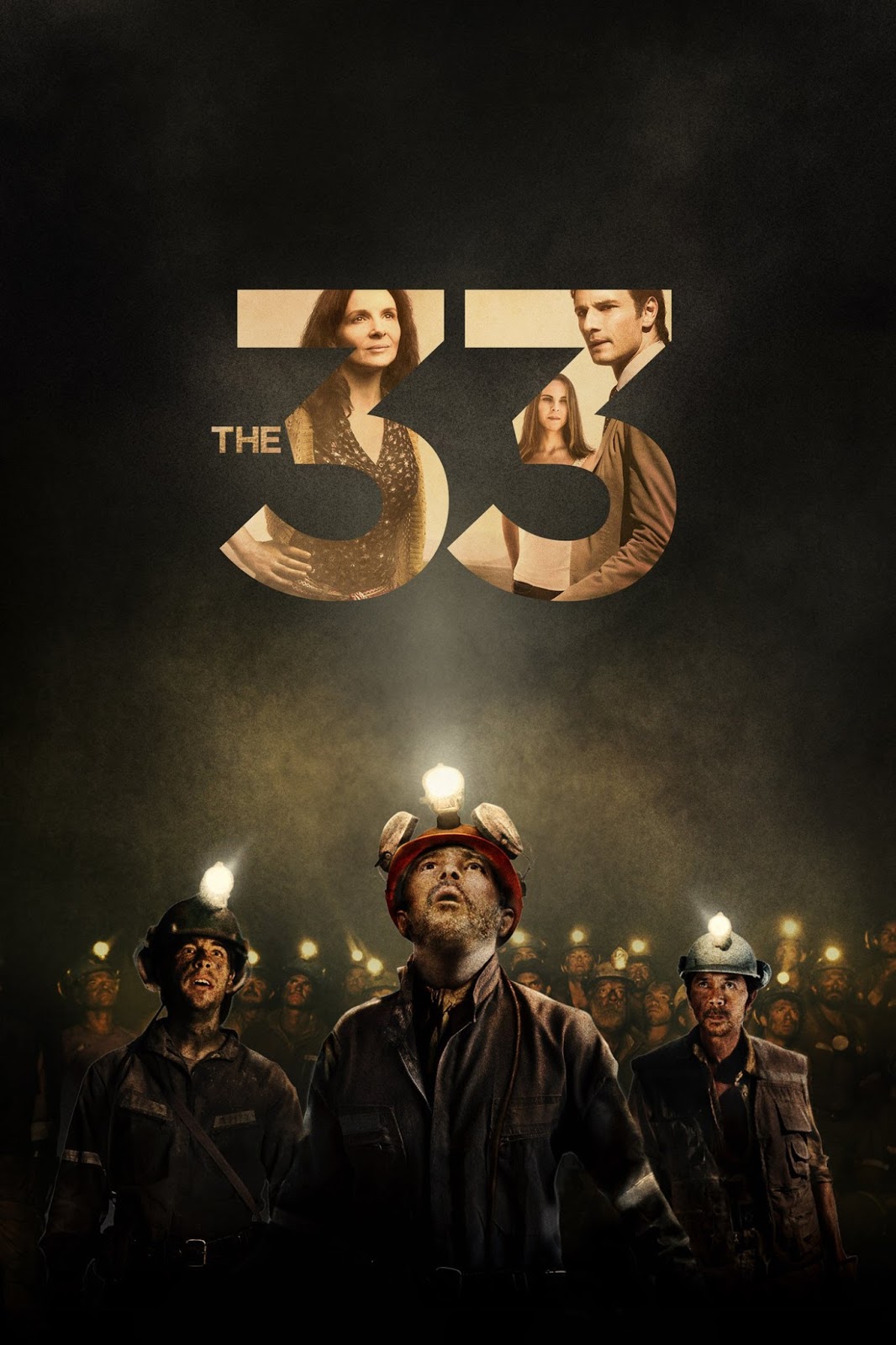
The 33 tells the story of the mine collapse in 2010, in which 33 miners were stuck underground for months while a rescue plan was concocted. Has a recognizable cast led by Antonio Banderas, but the acting takes a second seat to the story itself. You feel their plight, and while parts do start to feel rushed towards the end, it is forgivable as there’s only so much you can show underground when there is nothing for them to do but wait. A solid movie worth a watch.
I really enjoyed Steve Jobs, more than the earlier “Jobs” movie that beat it to the theaters by a year. Whereas the other was a true biography-like movie, this one focused on 3 specific times in Steve’s life. Written by Aaron Sorkin, behind the great The Social Network a couple years ago, this movie is brilliantly written and finely acted by the undervalued Michael Fassbender. The film shows the launches of the Macintosh computer (following the genre-changing 1984 superbowl ad), then the launch of his second company NeXT, and finally with the launch of the iMac. The movie doesn’t pull any punches, it doesn’t try to paint Jobs as more than he is, which is a fairly flawed man but genius all the same.
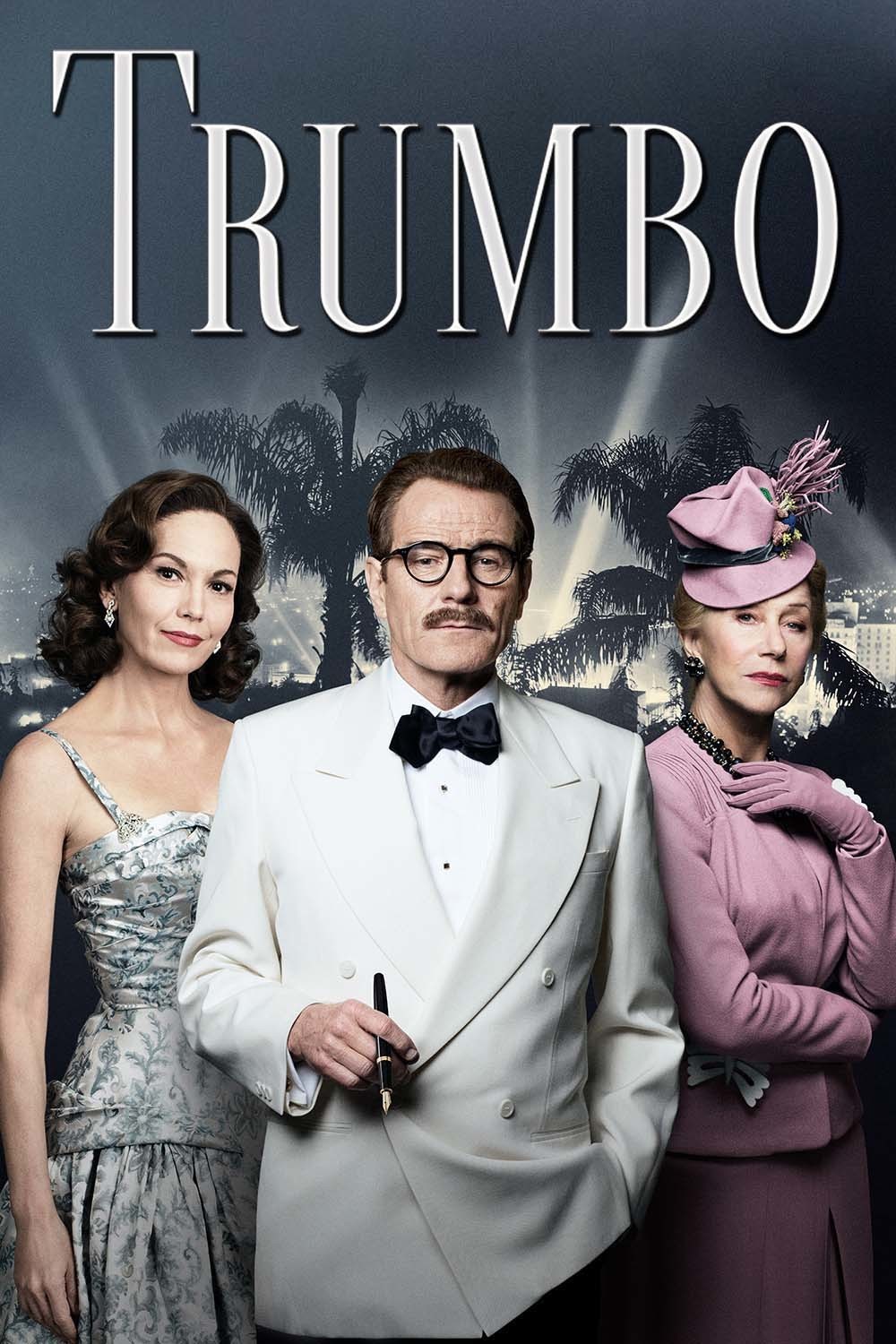
Trumbo is one of those films that is well acted, well written, and engaging while you are watching it, but when it is over, I just sort of shrugged and said, “Yeah, ok.” Telling the life of Dalton Trumbo and the blacklisted Hollywood writers during the Communist witch hunt of the 50’s and 60’s here in the USA, it stars Bryan Cranston (Breaking Bad) as Trumbo, with many other A-listers as his friends and enemies in the film. Obviously that era was well before my time, so I learned a lot and enjoyed the film while watching, but it didn’t leave a huge impression on me at the conclusion.
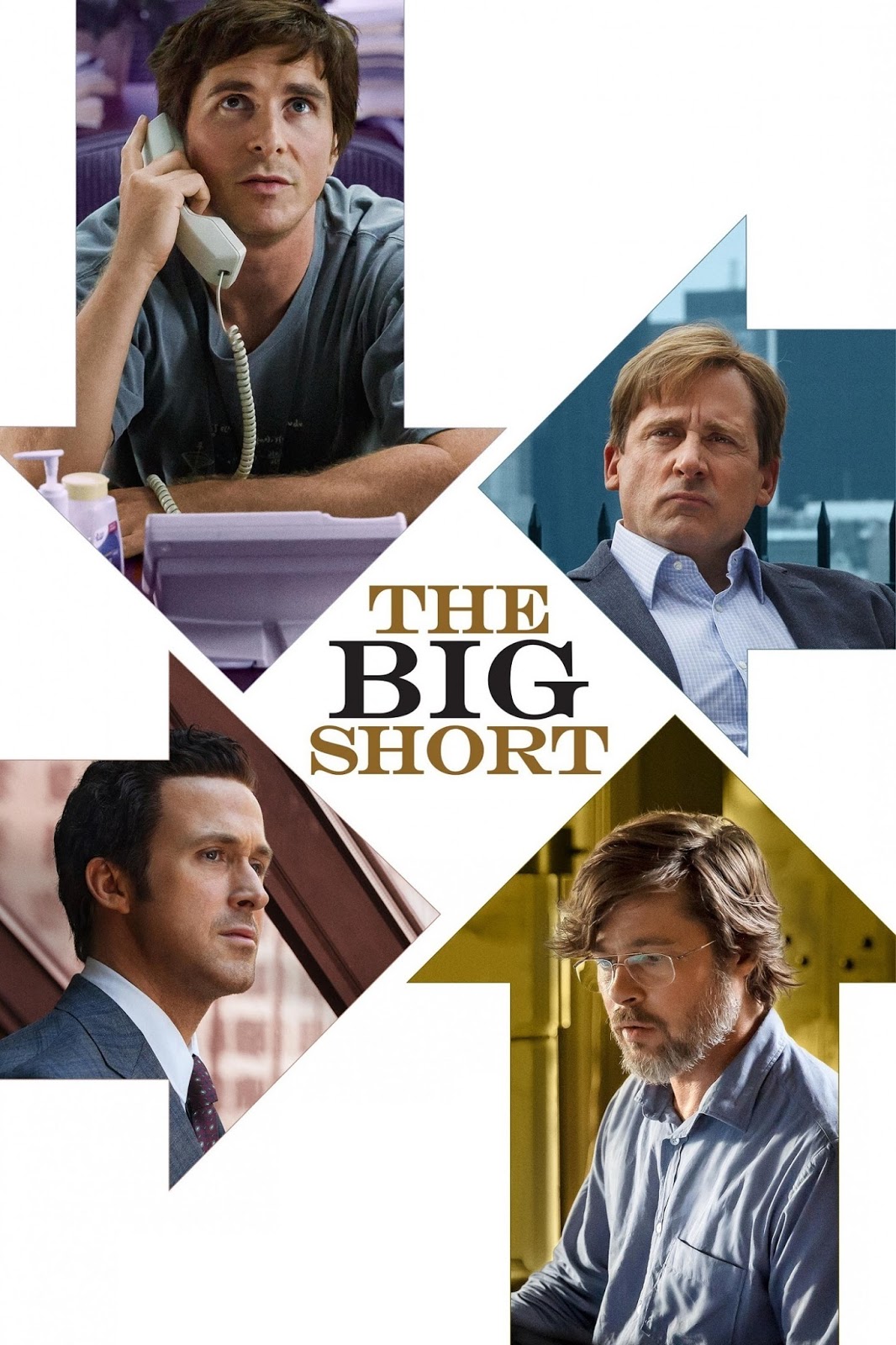
The Big Short on the other hand did. This is a great movie, telling what led to the housing market crash of 2008. This one is in my era, and like most Americans I knew the basics of what led to everything falling apart, but this film breaks it all down and makes it entertaining too. Written as almost pseudo-documentary (there are scenes where actors play themselves, breaking the fourth wall to explain legalize to the viewer), The Big Short follows a couple investors that see the writing on the wall with the housing bubble, and either attempt to warm for or profit from the impending collapse. Along the way we see how truly corrupt the whole system was (and lets not fool ourselves, still is). At the end, I felt dirty like I’d been wallowing in filth with the rest of them, but the grotesqueness of it all did move me. A tremendous film.
Quick takes on 5 films
Everest tells the story of the 1996 Mt Everest disaster. Starring Josh Brolin, Jake Gyllenhaal, Jason Clarke and others, it shows several several teams try to make the trek up Everest at the same time. With “tourism” hiking, the teams are large and face bottlenecks along the way, meaning they are late in getting to the summit. When they finall turn back, a storm sweeps in forcing some to hunker down and spend the night exposed outside. Pretty straight forward story but still gripping, and you definitely feel the plight of the climbers.
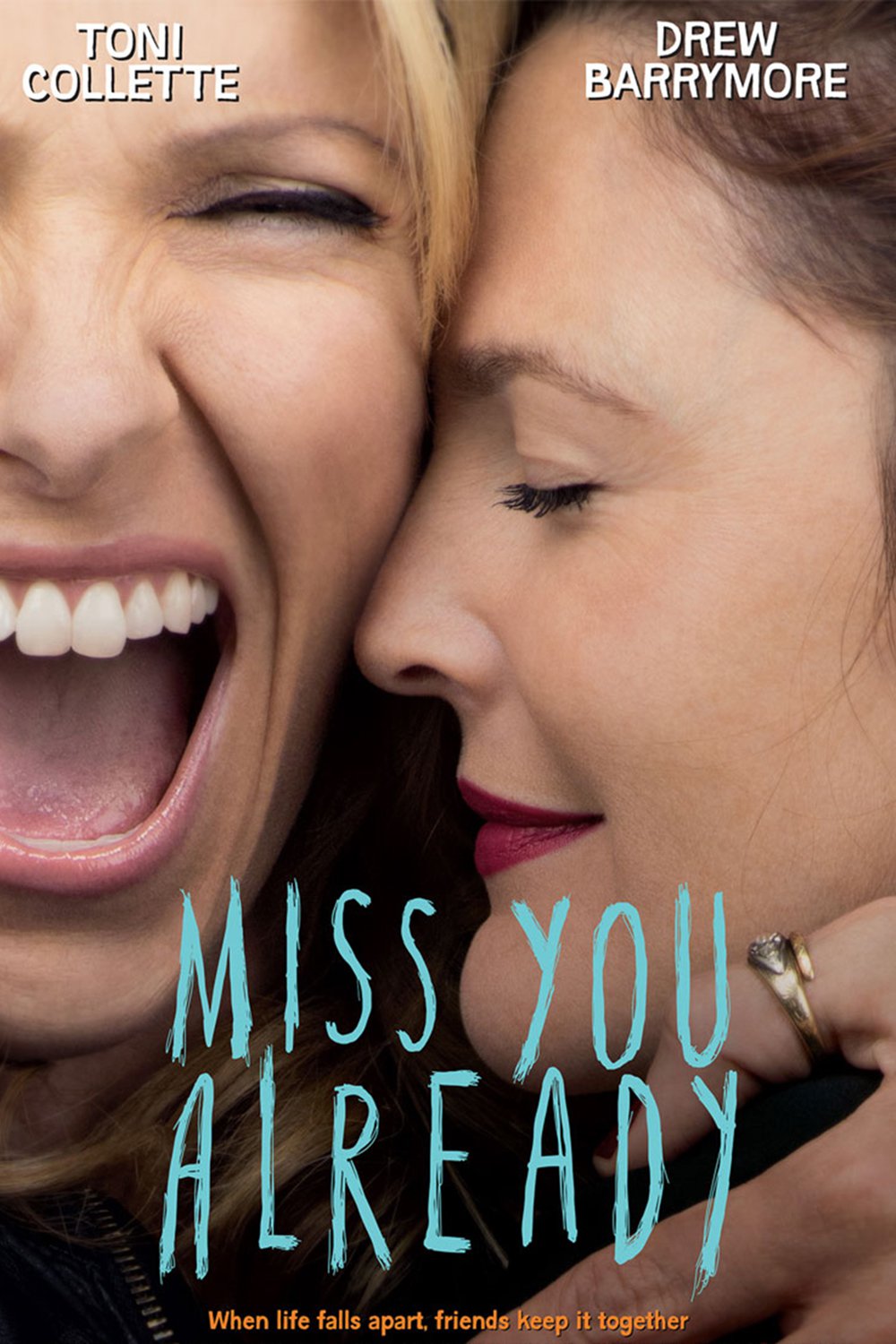
Miss You All Ready is just ok. Two long-time best friends (played by Toni Collette and Drew Barrymore) are facing hard times. Milly (Collette) is diagnosed with cancer, and as she fights for her life, Jess (Barrymore), finally gets pregnant after years of trying with her husband. Milly has always been the center of attention so Jess doesn’t share her news until it boils up later in the film. Good acting, but a fairly forgetful film when its over.
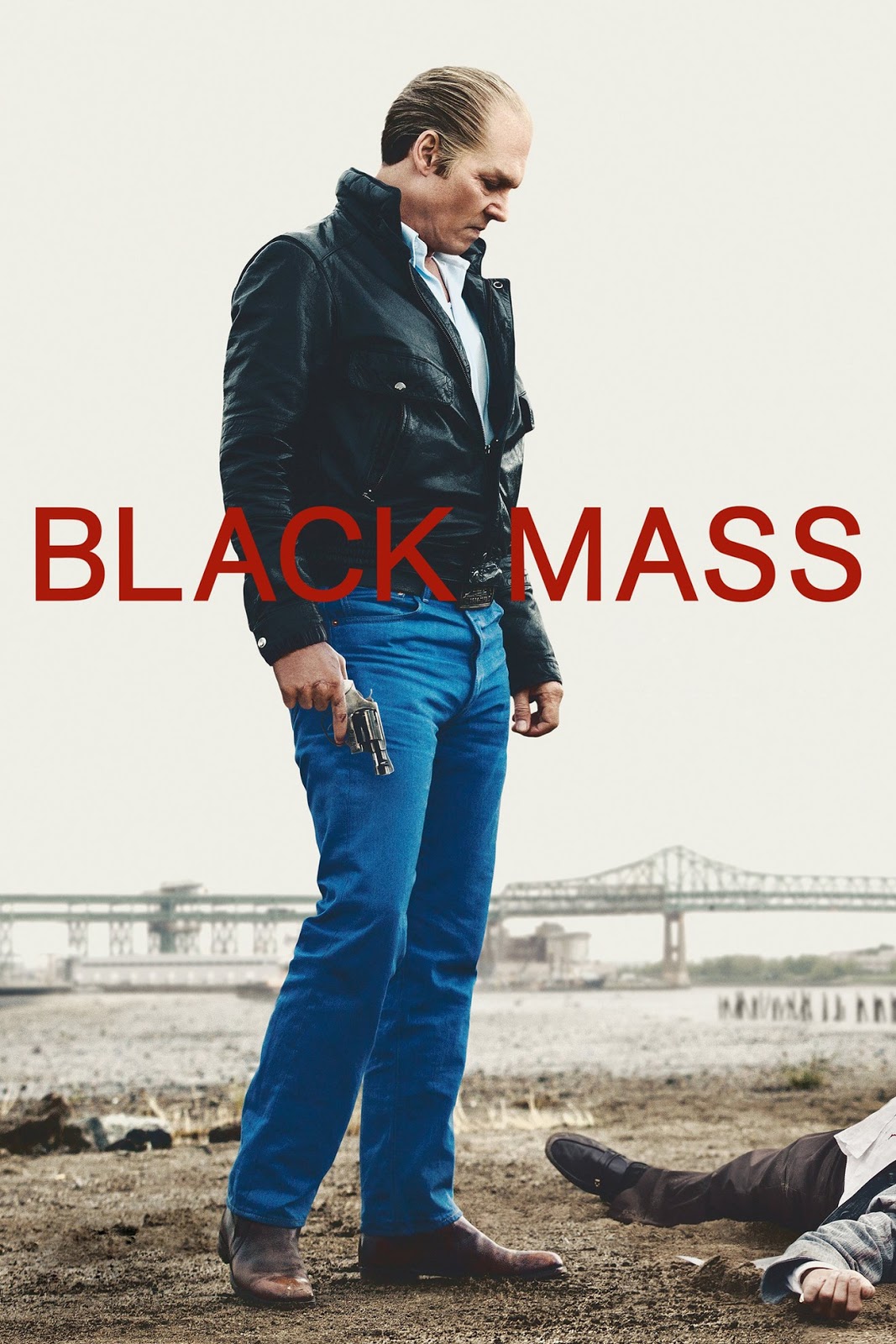
Black Mass on the other hand is a good one. The story of Whitey Bulger’s rise with the Winter Hill Gang and later fall and the FBI’s corruption in regards to him makes for a fascinating film. Johnny Depp as Bulger is incredible, walking the fine line of calculated boss and total psychopath. In the beginning, you just never know what he is going to do, and once you realize how crazy he is, you come to expect him to take the most violent course available. By the end you are rooting for him to be taken down.
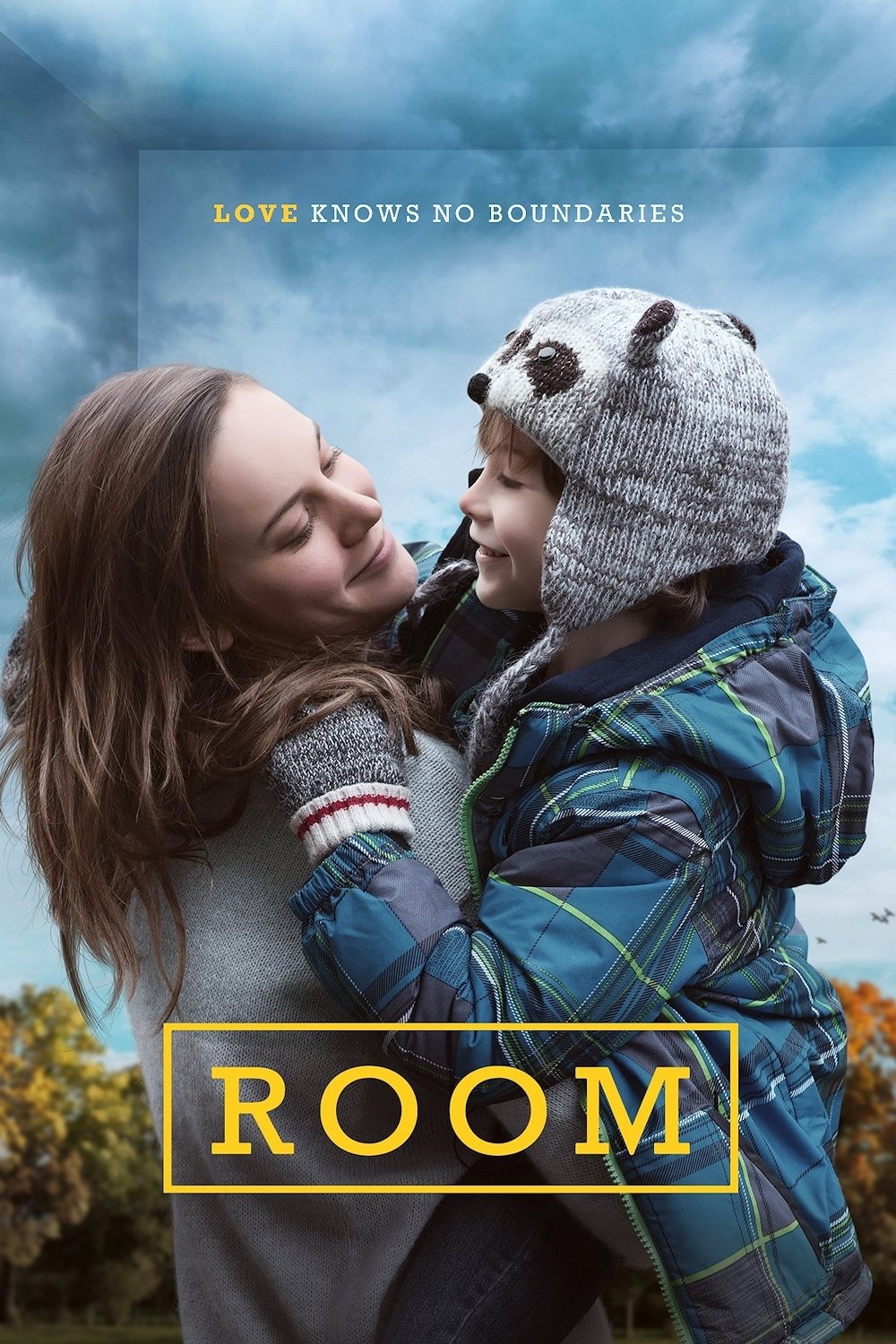
It seems every couple years we hear of another person that was kidnapped and held captive for a long time, and Room shows how this tragedy may play out. Joy (Brie Larson) was kidnapped 7 years ago and is now 23 or 24 years old. She has been held all this time in a shed by her captor. She lives there with her son Jack, 5 years old, who knows nothing outside of “Room.” To help her son cope with their existence, she has taught him that the whole world is Room, and there is nothing outside of Room. Finally though, she latches on to a plan to escape, and must convince Jack that there is an outside. When we hear of these events in the news, the story ends with the escape, but this film shows that life doesn’t go back to normal just because they make it out. A brilliantly acted film, and tense in the beginning and heartbreaking in the end.
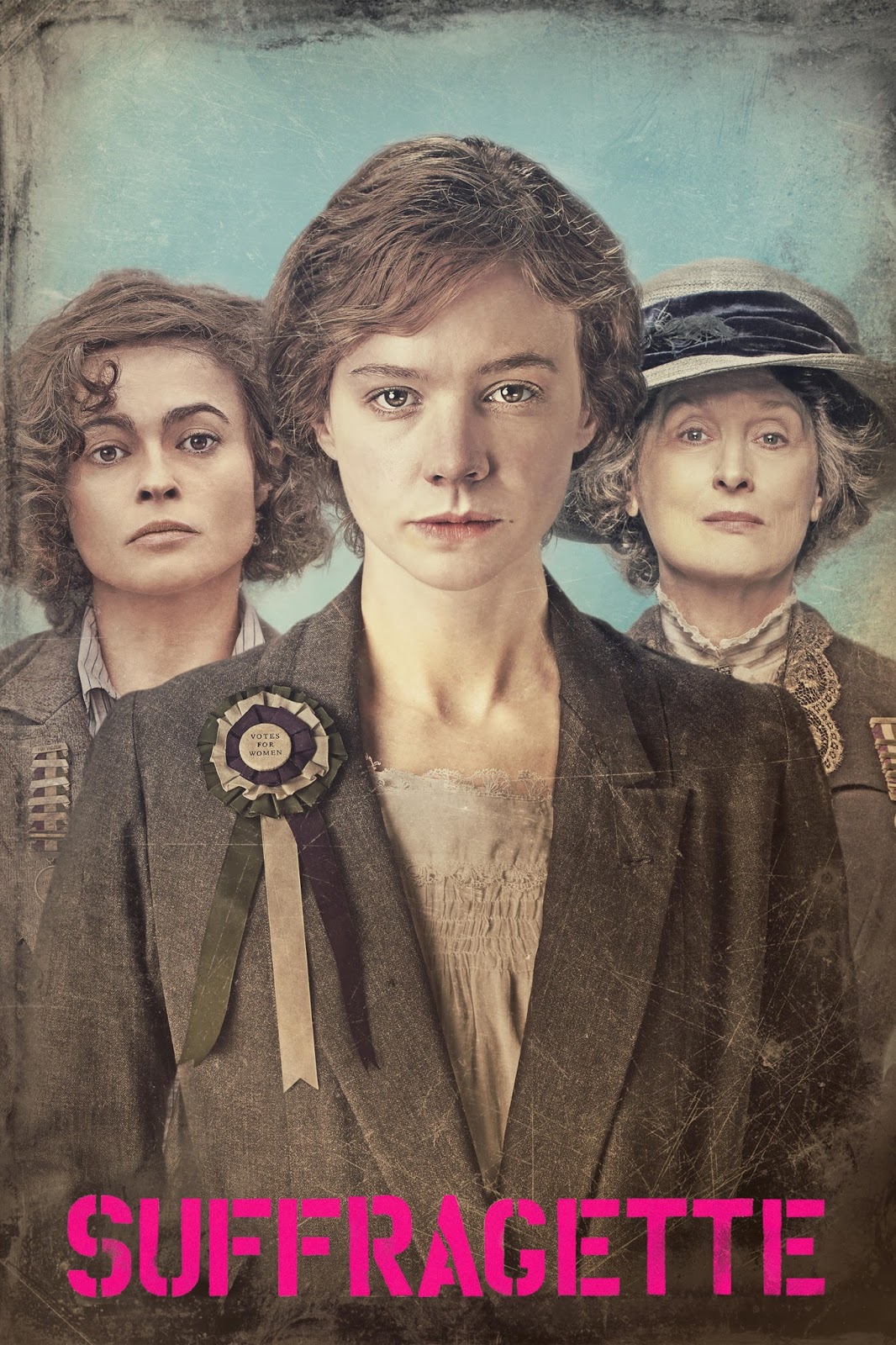
Suffragette is good for history lovers, with good acting covering a somewhat thin plot. Telling a fictional story about real-life events when women in the UK bonded together for equal rights to men, it stars Carey Mulligan as the central figure. She is a working class woman who sort of falls into the pro-suffragette movement, almost accidentally, but picks it up as she goes. Her husband is teased by his friends, so he ends up leaving her. More than just voting rights, the movie shows how few rights women had at the time, since Mulligan cannot see her son, and has no say when her husband decides to give the child up for adoption later. Obviously the women gain rights by the end, but the film does a good job of showing what they were up against the whole through.
Quick takes on 5 films
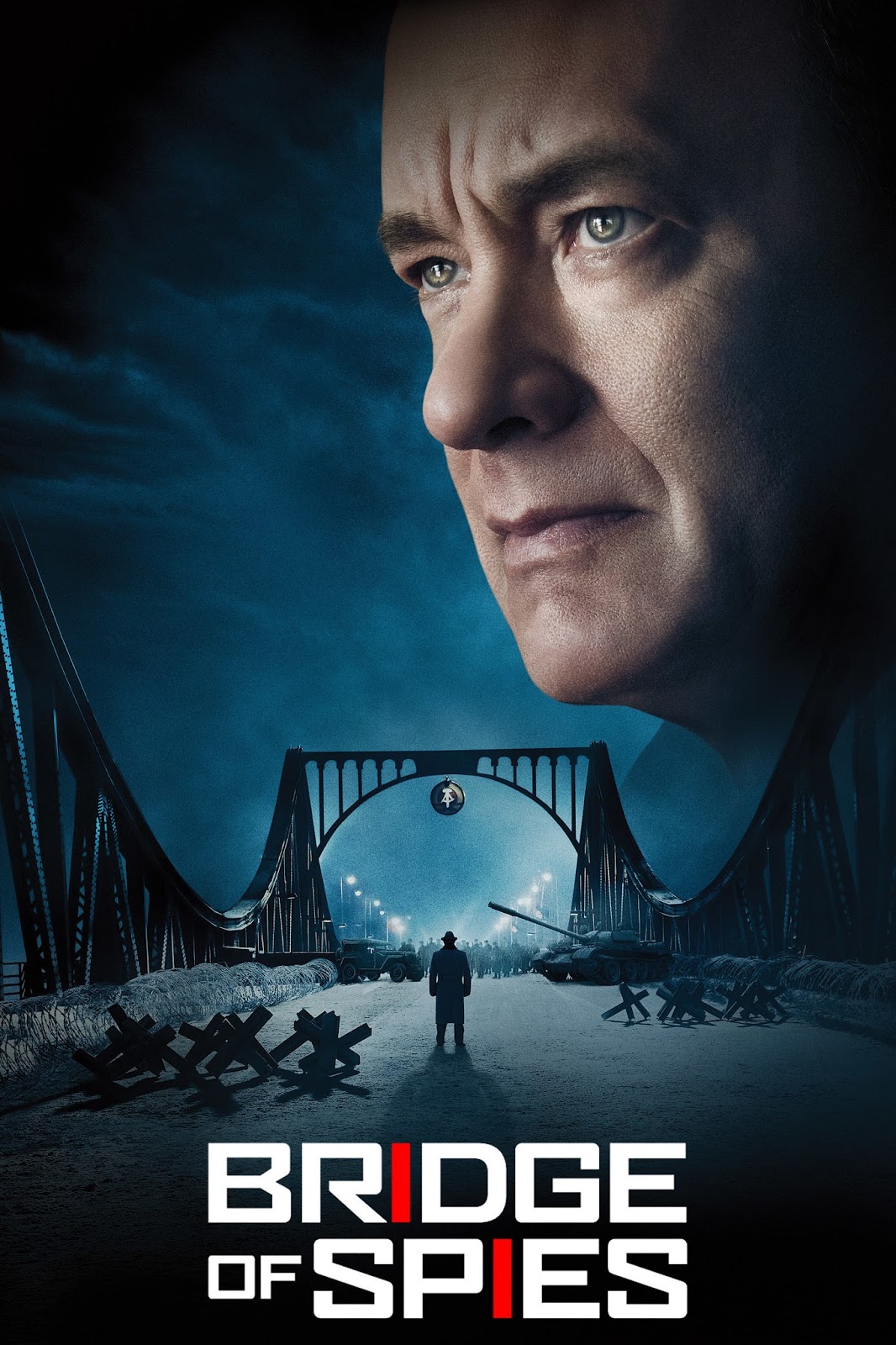
Bridge of Spies is a good, drama-driven film, telling the based-on-a-true story of some good old espionage in the early cold war. In it, Soviet spy Abel is arrested by the FBI, but not before he is able to destroy the evidence against him. With no evidence and a shaky search warrant to begin with, his lawyer Donovan (played by Tom Hanks), tries to get him off. The system is against him though, and he is found guilty. Donovan does avoid the death penalty for his client, arguing they may need him as leverage if an American spy is ever captured. Shortly after, this exactly happens when a USA spy plane is shot down by Russia. The rest of the film is the negotiations between Russia, USA, and communist Germany, all heading to an exchange in Berlin. Set in the backdrop of the Berlin wall going up and heightened tensions between USA and the USSR, this film has plenty of tension and the as-always excellent acting of Hanks.
Truth is another movie based on real events. This one tells the tale of the Killian documents news story, which eventually lead to the retiring of Dan Rather and firing of several journalists at CBS delving into the backstory of George W Bush’s time in the army reserves. Cate Blanchett plays lead producer Mary Mapes, who latches onto this story and (she thinks) gets all the evidence she needs to take the story to Rather (played by Robert Redford) and the team at 60 Minutes. When the public finds holes after the story airs though, and then some of her key informants recant, she is attacked from all sides at once. This one was OK for me, a little paint-by-numbers at times, but excellent acting hides some of the rote storytelling.
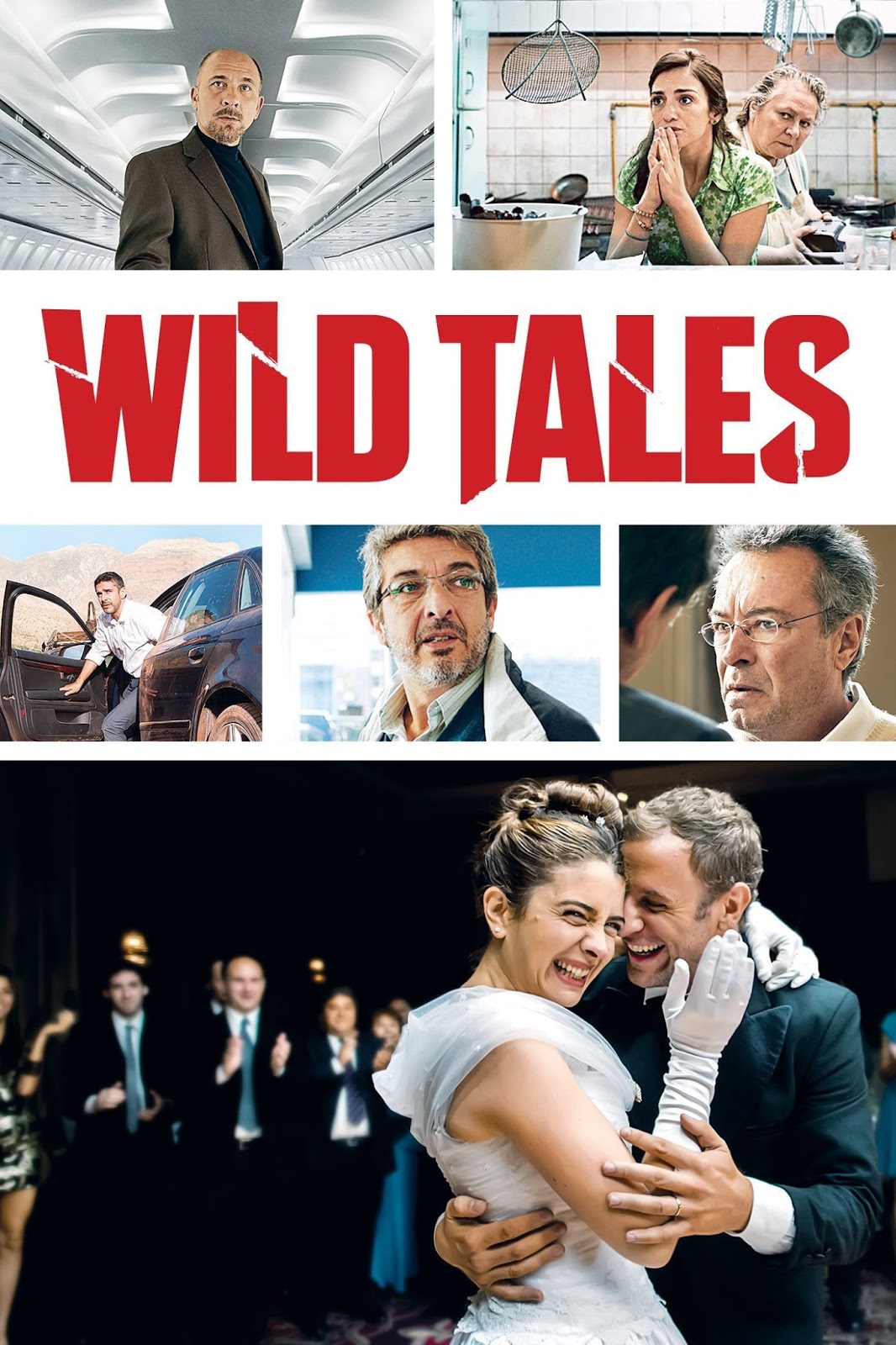
Wild Tales is just a fun, short little romp. A foreign film, it is an anthology of sorts, featuring 5 or 6 short stories, each a little outlandish but all very funny. I’ll give the example of the first one in the film. A plane takes off, and once in the air, the passengers start talking to each other and realize they all have one thing in common: they have each wronged an individual in some way. Not just a random individual, but the same individual. And guess who is flying the plane? This and other slightly-crazy stories are a little out there, but you will laugh at the antics. As a foreign film, you have to be ready for subtitles, but worth the watch.
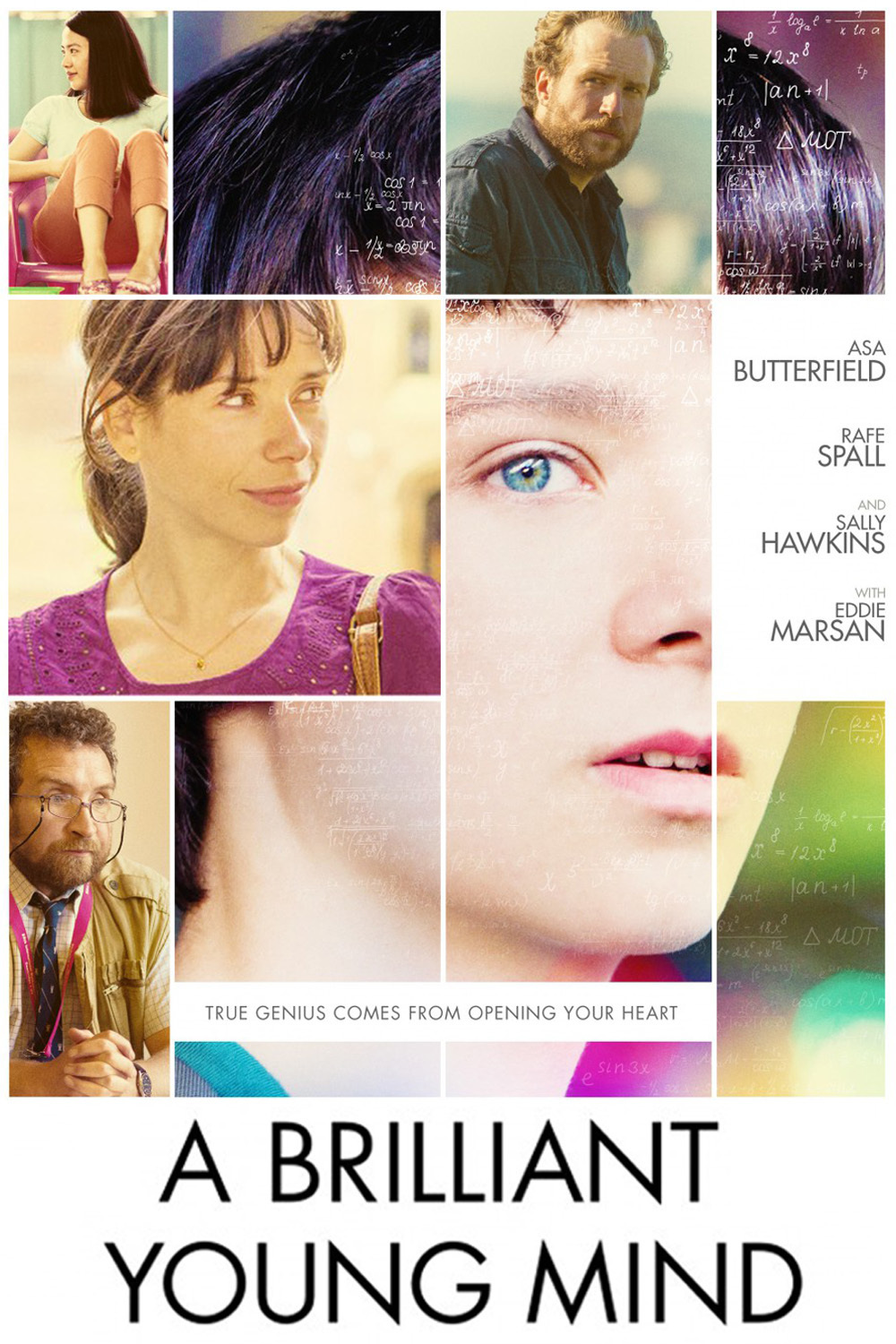
I didn’t like A Brilliant Young Mind as much as the reviewers. Nathan is a gifted math genius, but struggles with relationships and people due to his fairly severe autism. As a teenager, he goes away to China to ready for a big math competition, and is forced to interact with others, something he has avoided due to his protective mom. I felt for Nathan and his struggles, and for his family, but there was only so much I could stand of the actor’s constantly confused faces. So much of the film focuses on Nathan when he is faced with challenges, and it grew weary by the end.
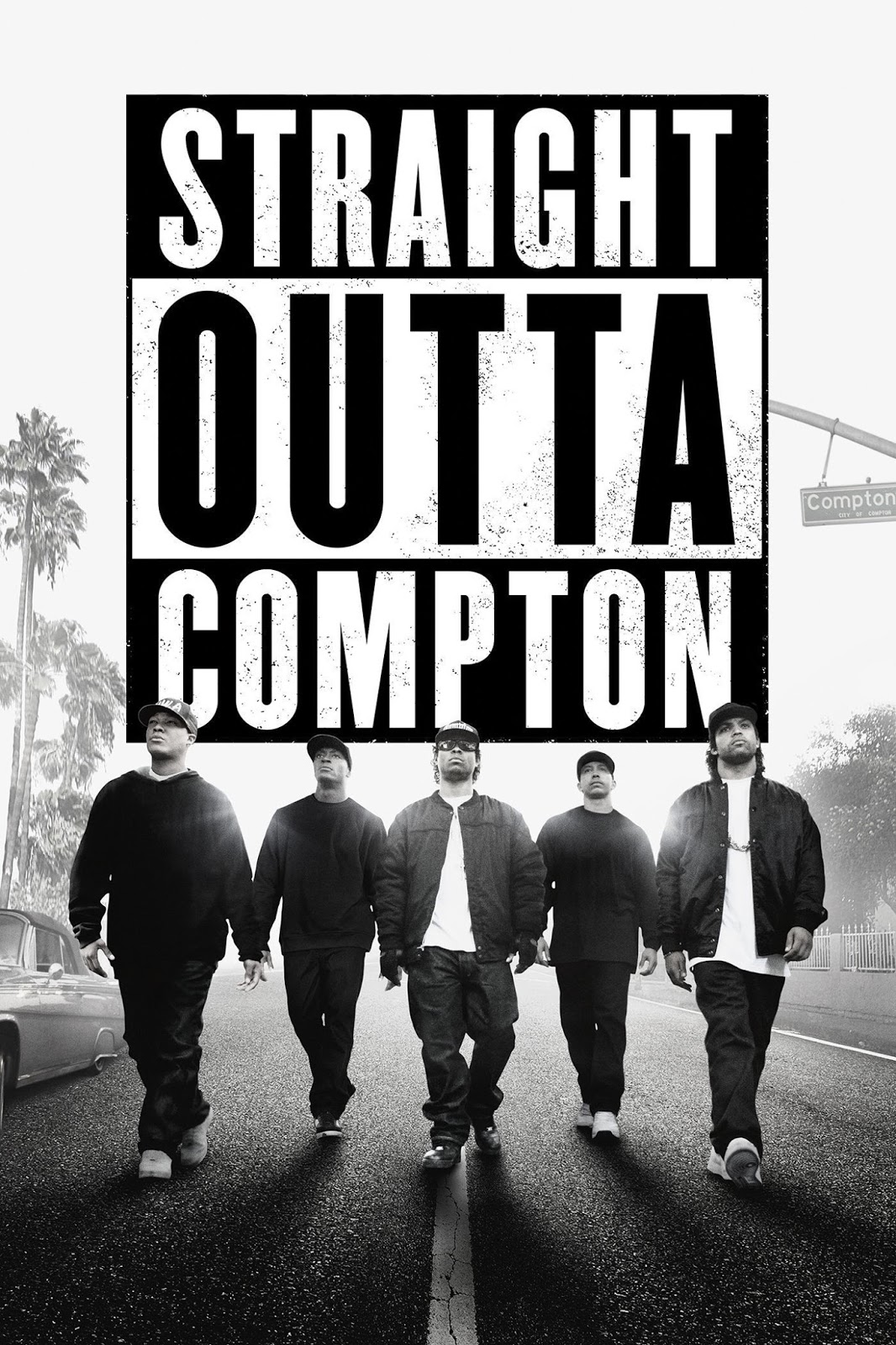
Straight Outta Compton is good for fans of the genre, and a stirring film too. It tells the tale of the rise and fall of NWA and early west coast gangster rap. Not sure how much of the film was true and how much was fiction, but it shows the early careers of Dr Dre, Ice Cube, Eazy E, as well as small cameos of Snoop Dogg and Tupac, and others. The film does a good job of showing the anger young black men felt at being targeted by police in LA in the late 80s, leading to their early bond. With the “white oscars” having just finished, I can understand renewed anger at no nominations for this group, though from an acting side, it really is a group effort and it is hard to single any one out. Jason Mitchell as Eazy E does take center stage as the film ends with his death to AIDS.
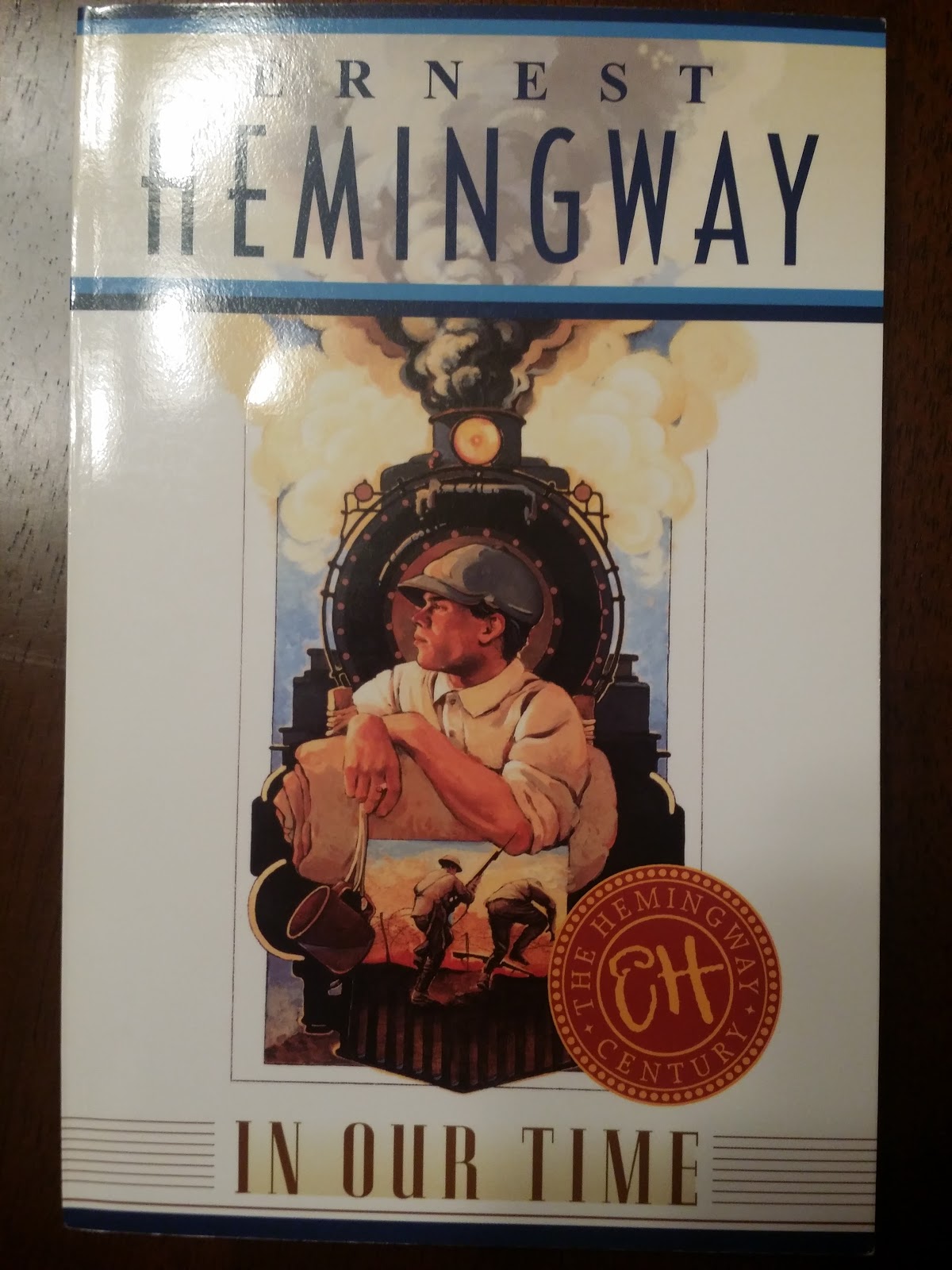
Early Hemmingway in short style in In Our Time
Ernest Hemingway’s In Our Time is a very quick read. It is a short book, made up of even shorter stories, some just a couple pages long. Being so short, there is no long plot to develop, they are each individually more of a simple glance at a moment in time for each character. They are to-the-point and succinct.
There’s one about Nick Adams as a child, witnessing his dad perform a c-section on a woman who’s child is breech. His father successfully does the surgery, but afterwards they find the woman’s husband has killed himself. The narrative is almost curt at times, with little delving into emotion and almost no exploration of motive or reasoning behind the actions. This style of writing pervades in this story and most of the others in this book.
This is the first time I’ve read Hemingway, I’m ashamed to admit, but there are other novels I’ll be reading later. Honestly In Our Time didn’t do it for me. I like short stories, but these were almost too short, and since they are more glimpses at moments and not really a “story” per se, it was hard for me to get any traction into it. Since it is a very early work of Hemingway’s, I look forward to seeing how his style changes over time.
Boring diary-like "autobiography" of Stein’s deserves no praise
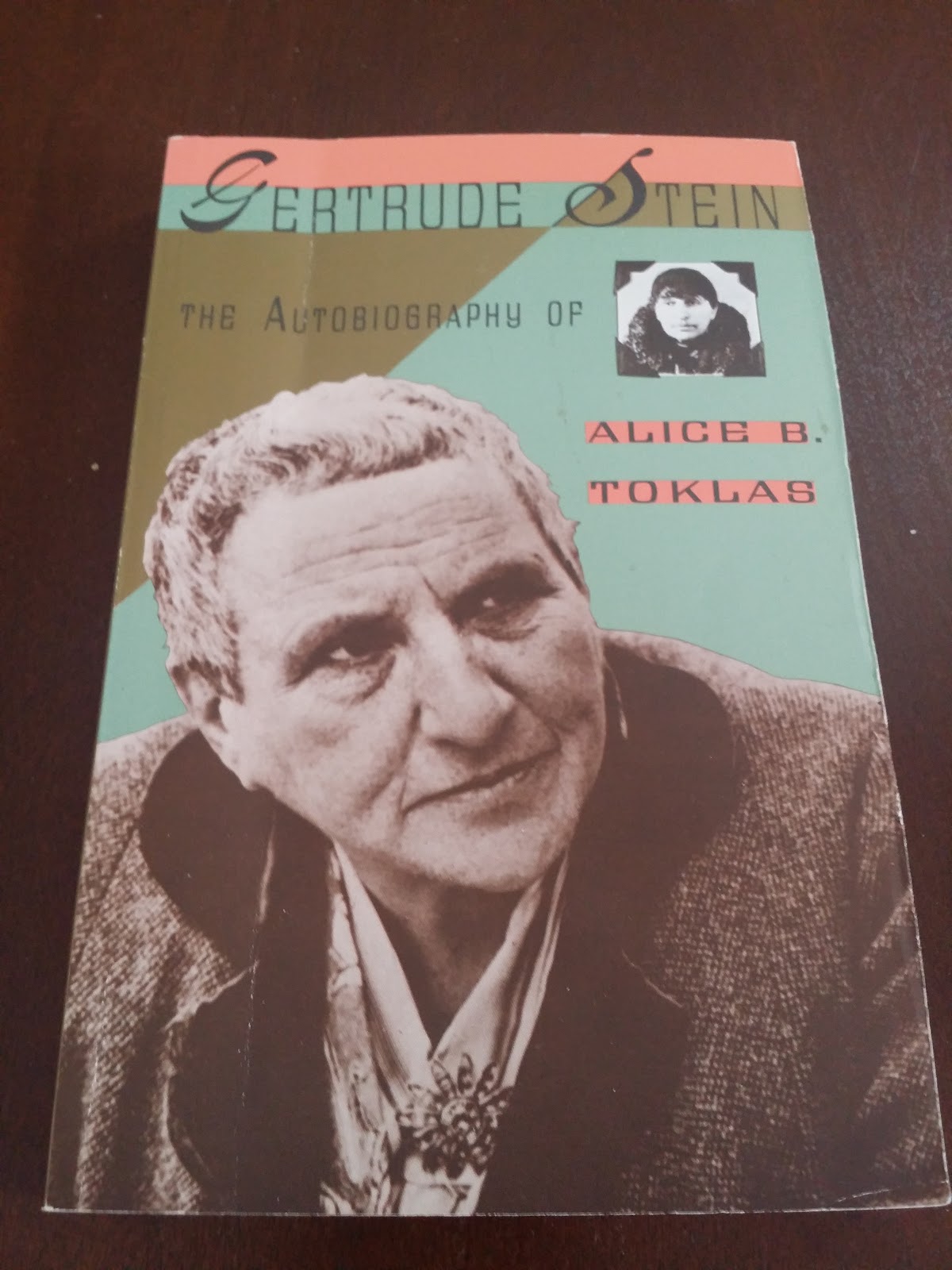
In my quest to read these 100 “great” books, I knew I’d come across some I didn’t enjoy, and I have read a couple so far that, while they didn’t do it for me, I could still see why they were on the list. Until now. Gertrude Stein’s The Autobiography of Alice B Toklas is just awful. I don’t understand why it is included to be honest.
Stein was a writer and artist, American by birth, who lived and hobnobbed in Paris in the first part of the 20th Century. She wrote this book as a biography of Alice, her domestic partner, and it tells stories and tales of their life in Paris before and after World War I. Unfortunately, there is no overarching “story” to tie it all together. It reads like a diary, sort of like “today we did this” and “that summer we hung with this person.” Extremely boring to start with, but it is obvious from the beginning that Stein is so full of herself, she is as pretentious as it gets. The whole book is full of name-drops, how much they hung out with Matisse and Picasso and all the artists of the day. There are even times when Stein hints some of their careers would have not gone anywhere if not for her influence. When World War I hits, she continues her vacationing around Europe and sees the war as a big inconvenience to her social life, and becomes angry over things like her passport not being properly recognized at borders.
If the book were organized in any way, with some guidance or flow to keep it going in one direction, it at least could be readable, but as it sits, it is hardly that. Paragraphs stand alone from each other, and one idea often has little or nothing to do with the next. It is like Stein sat down and just starting writing with no idea where the book was going and no purpose behind it, except to tell everyone how fabulous her life and friends are. To my credit, I forced my way from beginning to end and didn’t give up, but it is an excruciating read and not recommended from any literary perspective.
Quick takes on 5 films
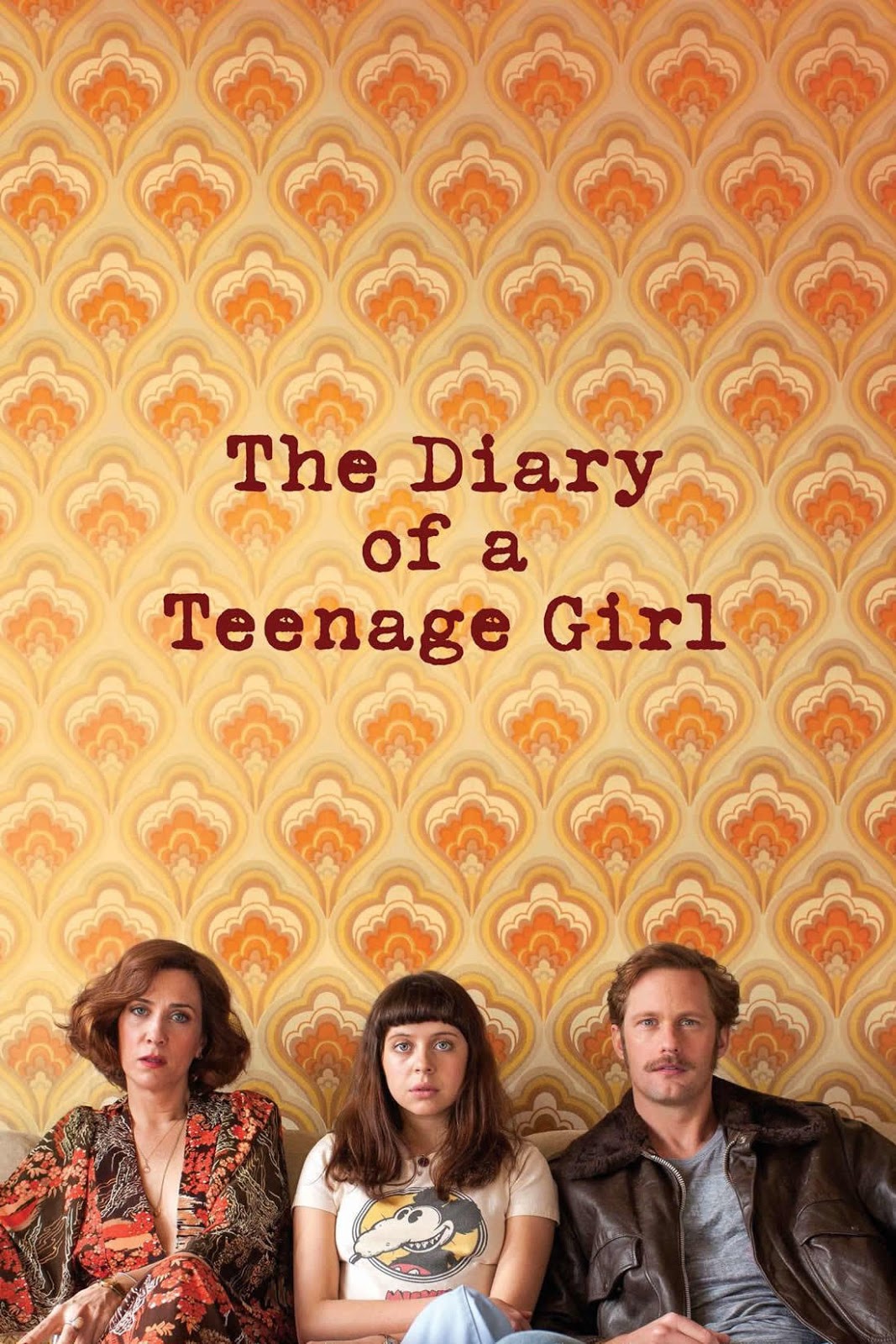
I didn’t like The Diary of a Teenage Girl as much as the critics did. It is good, and well acted, but not ground-breaking or anything. It is a coming-of-age movie about Bel, a 15 or 16 year old girl living with her single mom in the 70’s. The movie starts with her having just lost her virginity, and we quickly find out it was to her mom’s boyfriend. It would be more creepy if it weren’t all her doing, as she made all the moves to make it happen. In teenage fashion she thinks she is now in love and all will be ok, but she has a lot of growing up to do before the end of the film. The movie holds nothing back, it shows Bel experimenting in sex and drugs and trying her hardest to grow up as fast as she can, as we all did at that age. A decent film, just not stellar for me.
Sleeping With Other People is also just OK. Jason Sudeikis and Alison Brie are the leads, they lose their virginity to each other in college on a one-night-stand, and years later meet up again. Neither has had a healthy relationship in the intervening time, and set out to be just friends and support each other. Obviously know where this is going. If you like Sudeikis’s humor a la Horrible Bosses (and I do) then you will enjoy this film more, if not, you might almost hate it.
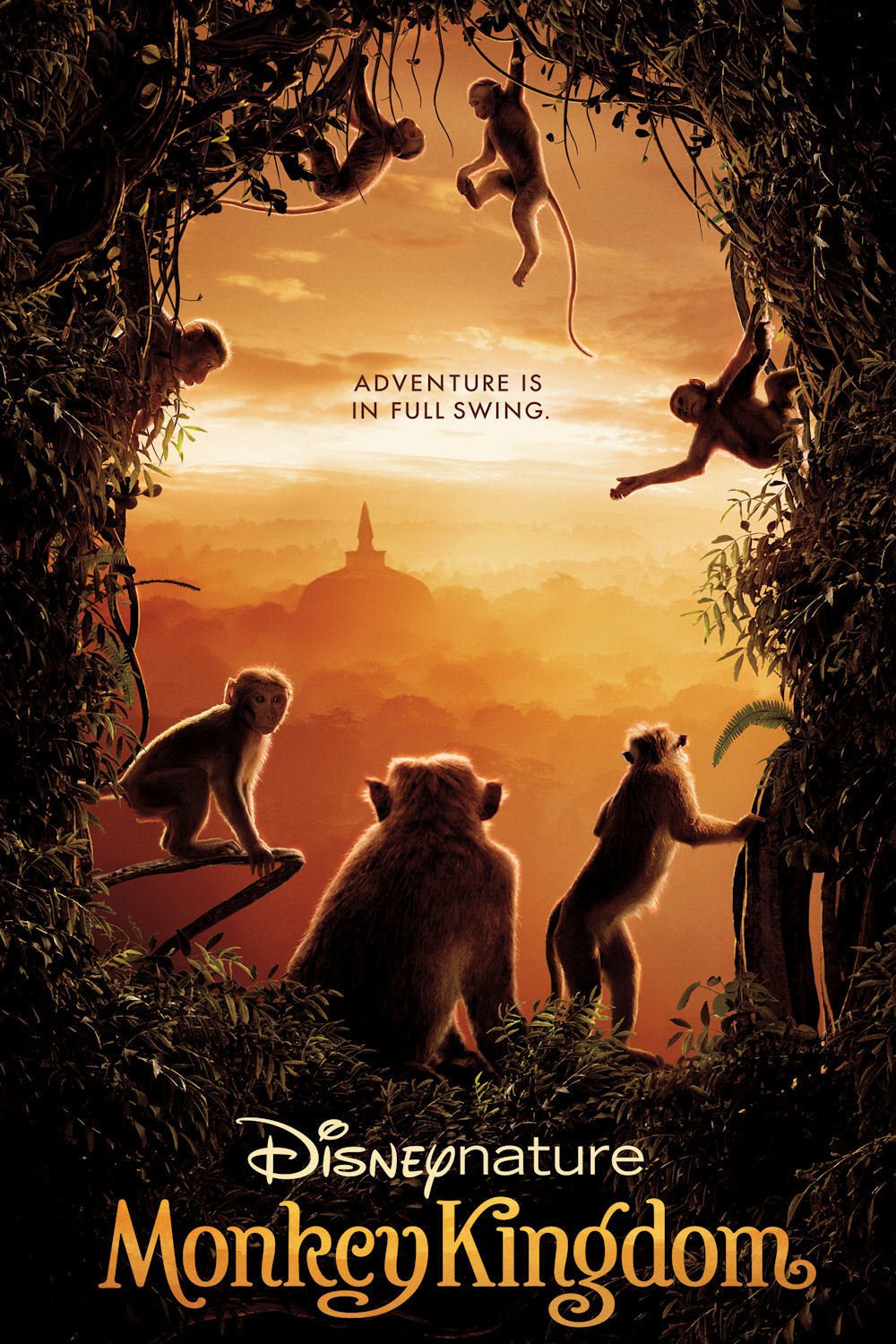
Monkey Kingdom is the latest from Disney Nature films. For animal lovers like myself, you will enjoy this one as you probably have the others. It follows a single community of monkeys in Asia, giving names to individual members and following them over the course of a year or so. It is narrated by Tina Fey, who injects some humor into the story/documentary as well. A short film at under 90 minutes I think, with plenty to like for families.
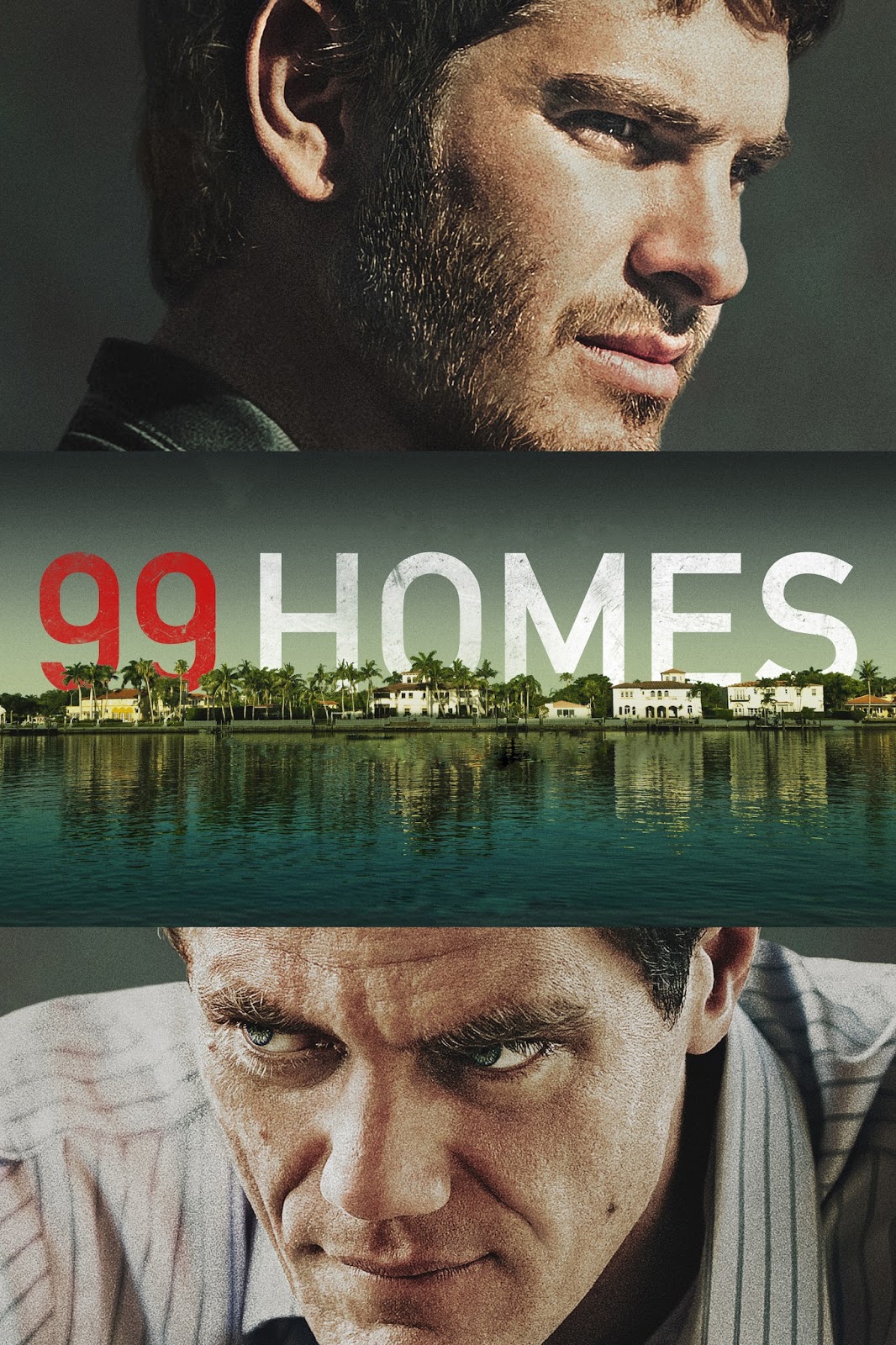
99 Homes started out great, but fizzled in the end, at least to my tastes. It takes place during the housing market crash in the mid-2000’s, and stars Andrew Garfield as Dennis Nash, who just lost his house to foreclosure, and Michael Shannon as Carver, the greedy real estate mogul gobbling up cheap homes. Nash is broke and trying to support his mom and son, and finds himself working now for Carver, evicting others. The movie is tense from the beginning, as Nash balances his morals with his need to help his family, and the moments when he confronts angry homeowners defending their house are edge-of-your-seat worthy. Unfortunately the ending wasn’t quite there for me, but still a good movie over all.
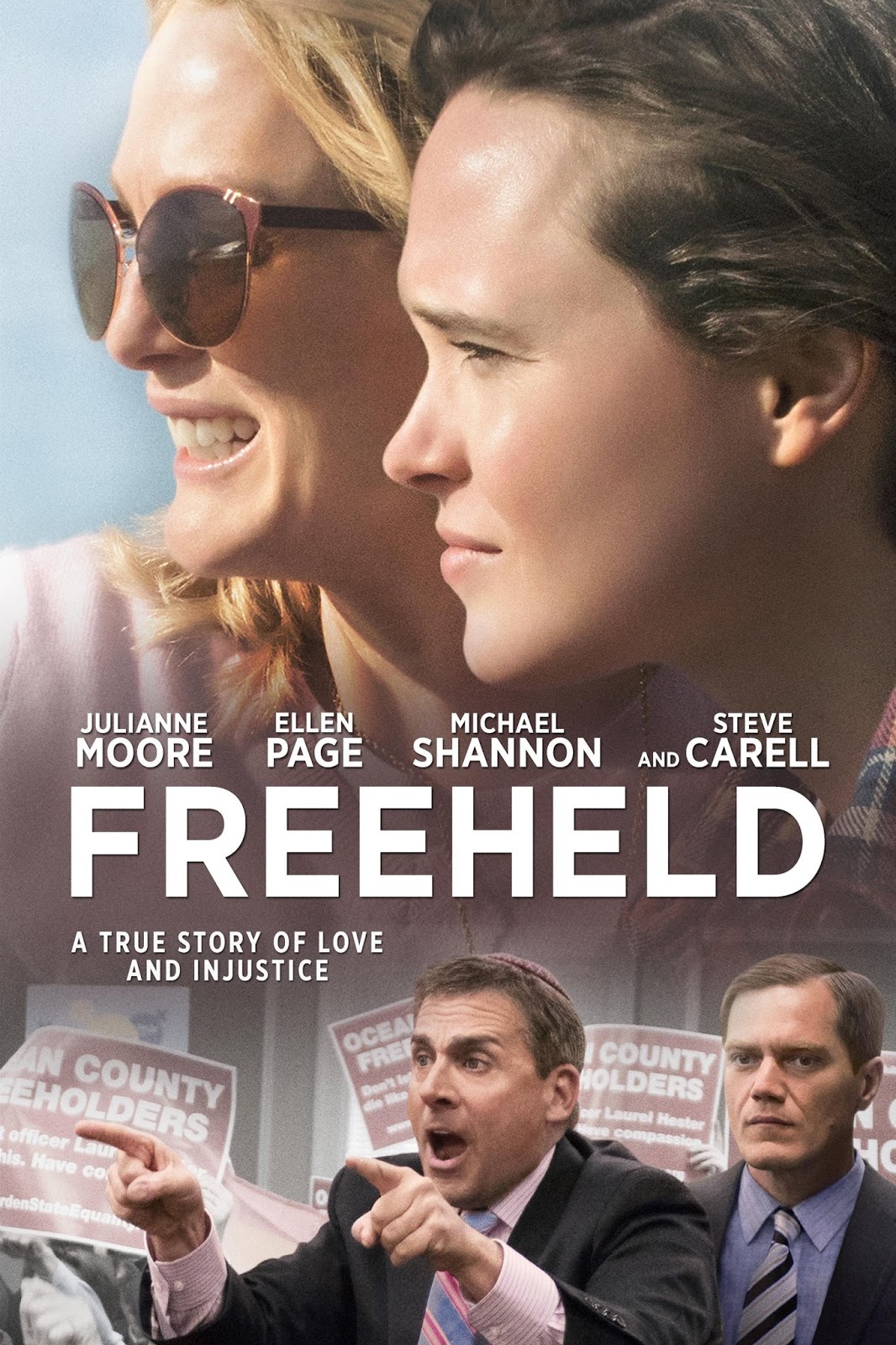
Freeheld is sort of the opposite of 99 Homes. Most of the film felt uninspired (even if it based on an inspiring true story), but the ending was great. It has Julianne Moore as Laurel Hester, a cop of 23 years dying of cancer, who is trying to leave her pension to her domestic partner Stacie (played by Ellen Page). Taking place in 2005, it brought a heightened awareness to same-sex marriage. I don’t know how much of the film was true and how much was made for the screen, but it was ok overall. Michael Shannon is in this one too as Laurel’s cop partner, and he is good here too, but Steve Carell’s character of a gay right’s activist is a little over-the-top, and I often couldn’t tell if he was trying to be serious or joking. The ending is a little heavy handed but acceptable.
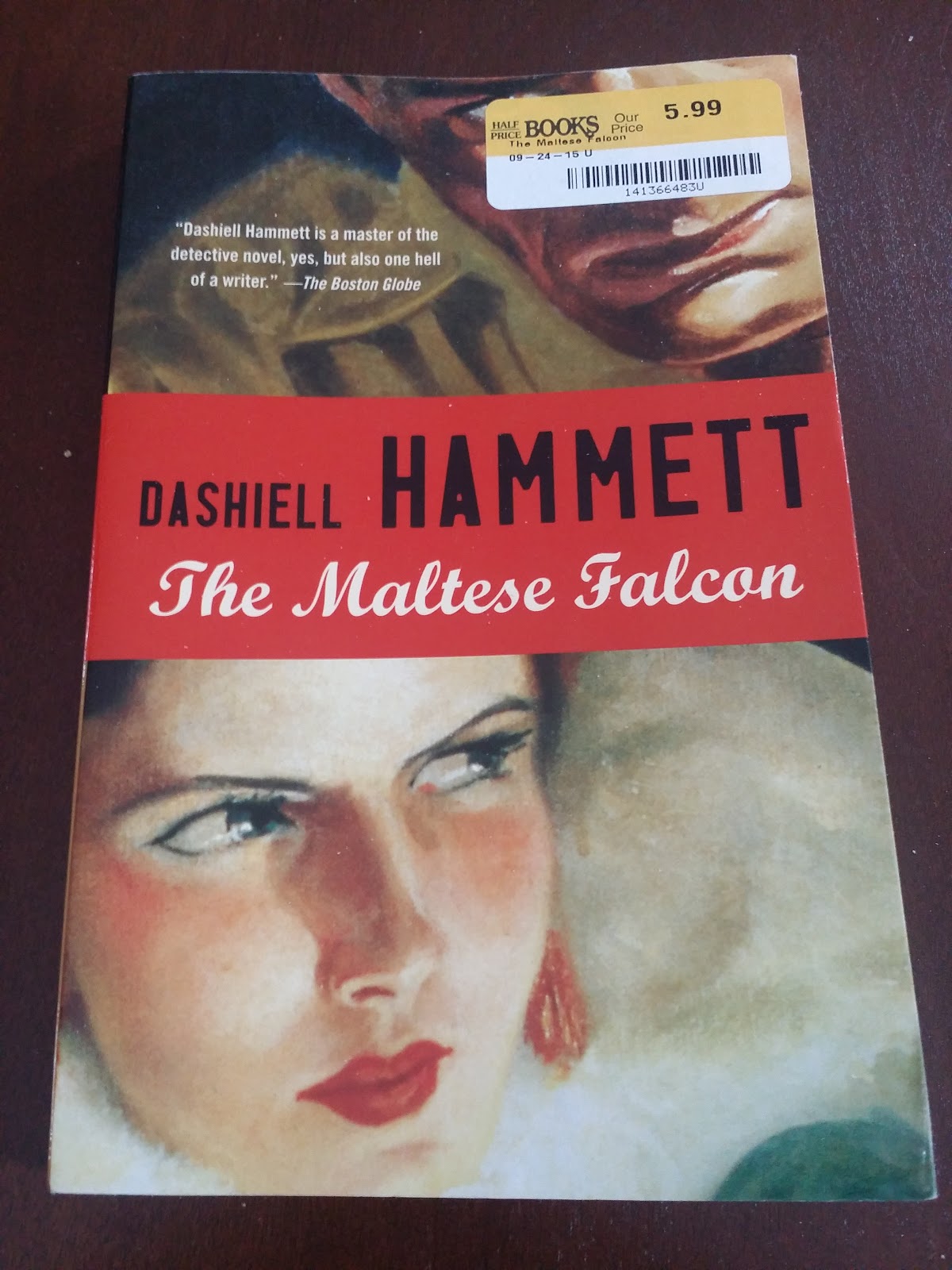
The classic telling of Hammett’s The Maltese Falcon
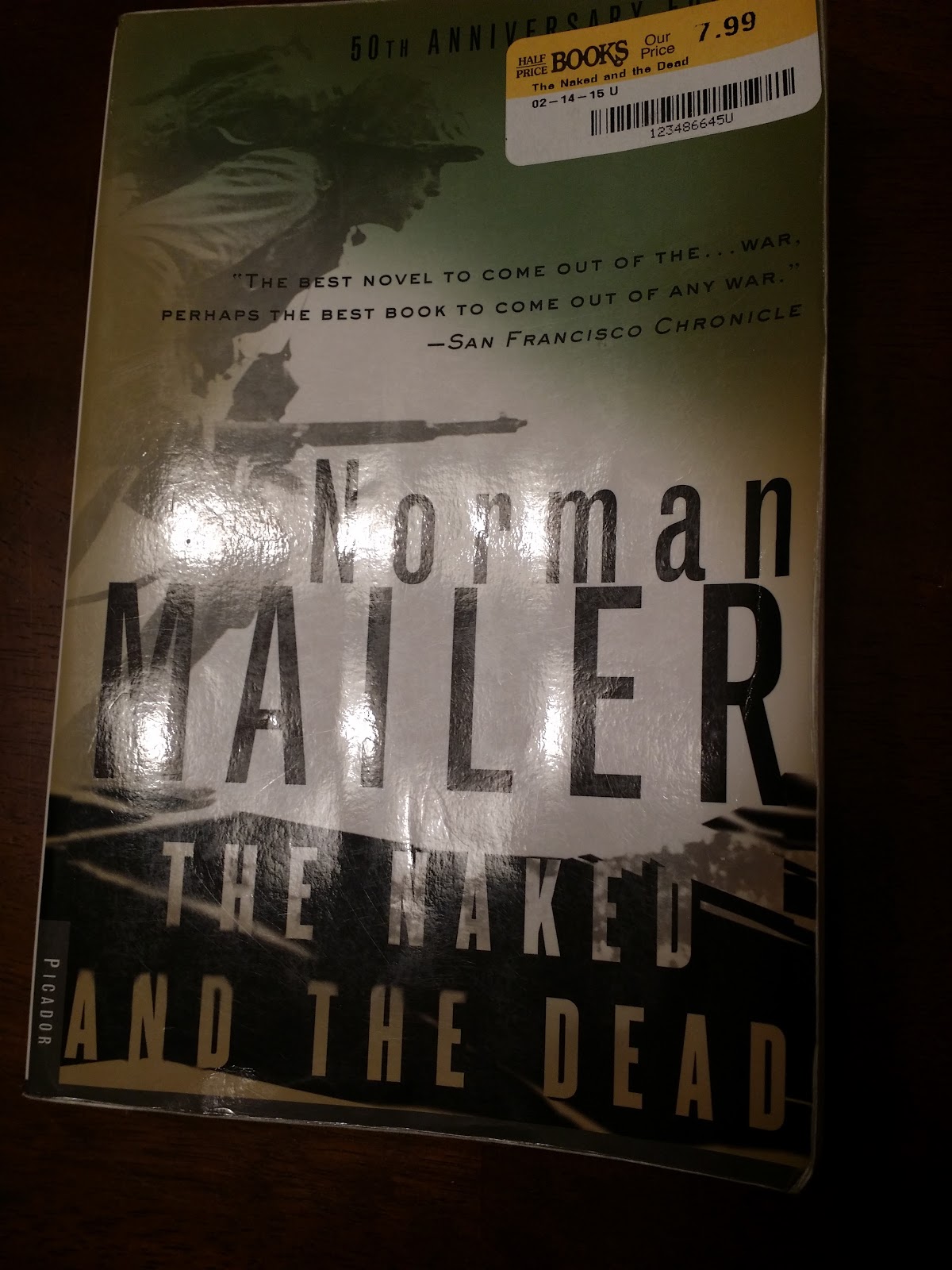
A close look at the men of World War II in The Naked and the Dead
Quick takes on 5 films