Rebecca’s secrets revealed in du Maurier’s classic thriller

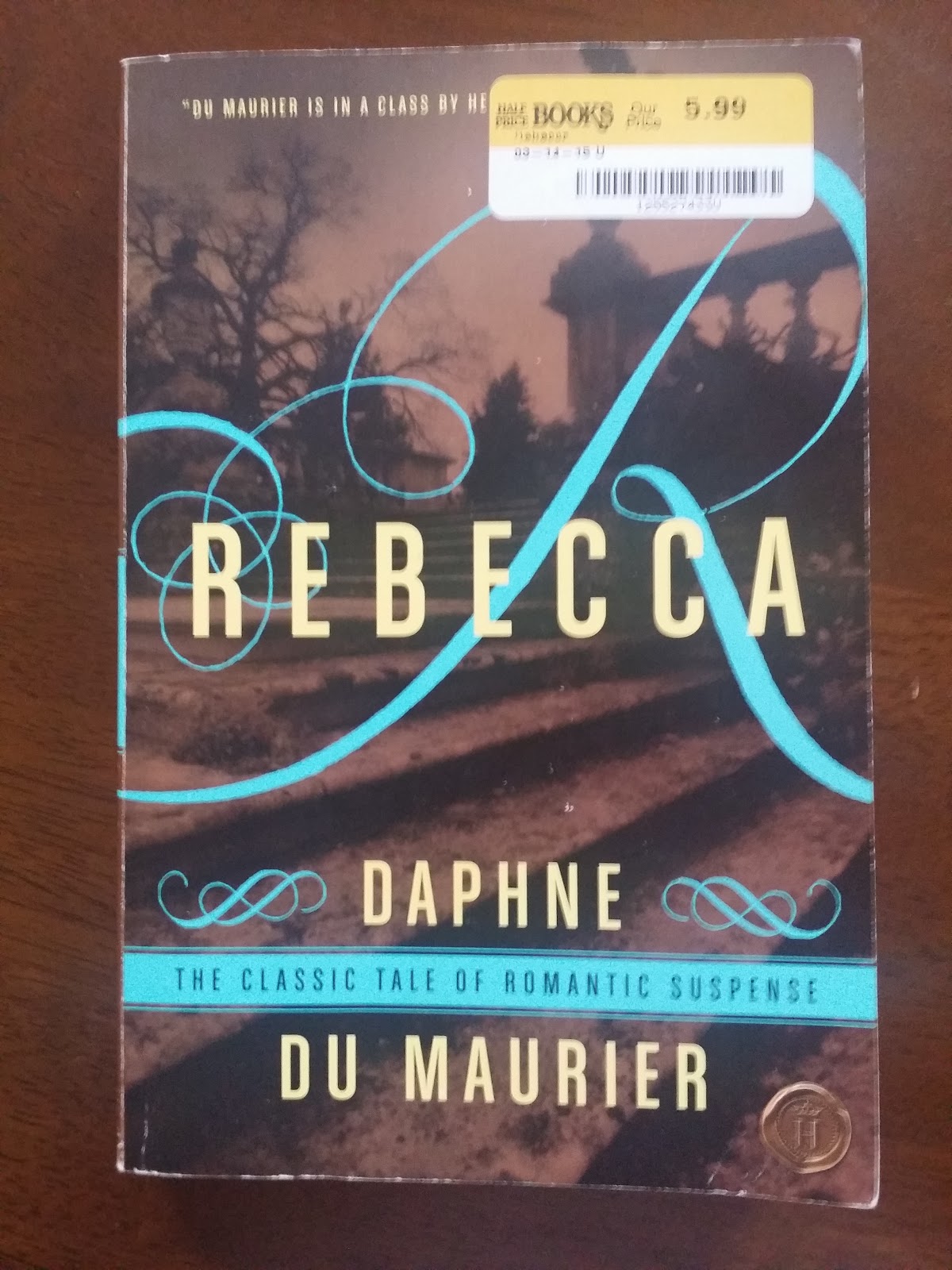
Another good one! Daphne du Maurier’s Rebecca is an extremely well-written novel. Part psychological thriller, part murder mystery, du Maurier’s style captivates the reader with detailed descriptions and fully developed characters, and holds your attention to the last page. This film was later made into a film by Alfred Hitchcock (who also did du Maurier’s short story “The Birds”.)

The novel is told in the first person by a young lady, who we never hear her given name. She is from a poor background and is in the employ of a rich American socialite (or at least, wannabe socialite) when they are visiting Monte Carlo. She is very young, very shy, and very sheltered. In Monte Carlo she meets Maxim de Winter, a wealthy Englishman recently widowed by his wife Rebecca, who drowned at their estate. She quickly falls for his dashing looks and straight-forward nature, and when the American is ready to leave, Maxim asks the young girl to marry him and come with him instead.

After their honeymoon around Europe, they return to his family home, Manderley, on the coast of England. There the new Mrs de Winter realizes how popular Rebecca was. The staff still does things the way Rebecca wanted, and see the new bride as an interloper, at least to her eyes. Manderley was completed renovated by Rebecca during her time there, and there is evidence of her everywhere. Mrs de Winter realizes Maxim misses Rebecca too, especially when the two visit Rebecca’s favorite little cove where she would stay in a cottage and sail off the beach (where she was drowned). The staff, in particular the sharp-tongued Mrs Danvers, does not make life easy for Mrs de Winter. Maxim grows distant over time, adding fuel to his wife’s nervous nature.

It all comes to a head when Mrs Danvers suggests a costume ball, the kind that Rebecca used to throw. All of the county is excited, as Rebecca always threw the best parties. With Mrs Danvers help, Mrs de Winter decides to dress up as a distant relative of Maxim’s, whose portrait hangs in the hall. When she reveals herself, the family is aghast and Maxim is furious. Turns out that was Rebecca’s costume at her last ball, of which Mrs Danvers was obviously well aware. Mrs de Winter returns to her room in tears, fearful that Maxim will now leave her for good. She changes and comes down to the ball, but Maxim never speaks to her and she spends the night alone.

The next day, Mrs de Winter awakes dreading what will happen, but is interrupted with news that a boat has hit rocks in the cove and they are rescuing the crew. When a diver goes down to see what caused the grounding, they discover Rebecca’s boat, and not only that, but a body inside the cabin still. People wonder who the body could be (Maxim had identified a woman’s body as Rebecca when it was found months after her death, washed up on another shore), but Maxim takes his wife aside and admits that the body found now will be that of Rebecca’s. We find now that Rebecca is not who everyone thought she was. She was cold and uncaring, nice to people’s faces but demeaning behind their backs. She was running around on her husband, and only Maxim knew of her true nature. One night he went to her cottage to confront her, and when she said she was pregnant by another man, he shot and killed her, stuffing her body in the cabin of her boat and sinking it.

An inquest is held, where the jury decides that Rebecca’s death was suicide. Her cousin Jack refuses to believe this, and pulls the magistrate up to present evidence that Rebecca was going to leave Maxim for him, as proof that Rebecca was murdered to hide her secret lifestyle. They hunt down the doctor she saw the day she died, where everyone learns that she was not pregnant, but instead had cancer and would have died painfully within months. The police now agree with the suicide determination, while Maxim believes she only lied about the pregnancy to get him to kill her and end her pain, getting one last hand above him in the end. On the way home from London that night, Maxim and his wife see that the beloved Manderley mansion is burning.

I really enjoyed this book from cover to cover. The several big reveals (Rebecca’s costume at the ball, Maxim’s murder of her) had me gasping out loud. Du Maurier’s narrative style truly paints the picture of Mrs de Winter’s thoughts, fears, and aspirations, and also the changes in her way of thinking from young girl that knows nothing, to stong woman standing by her husband in the end. A page-turner I just didn’t want to put down!
A solid if unremarkable X-Men team fight off Apocalypse

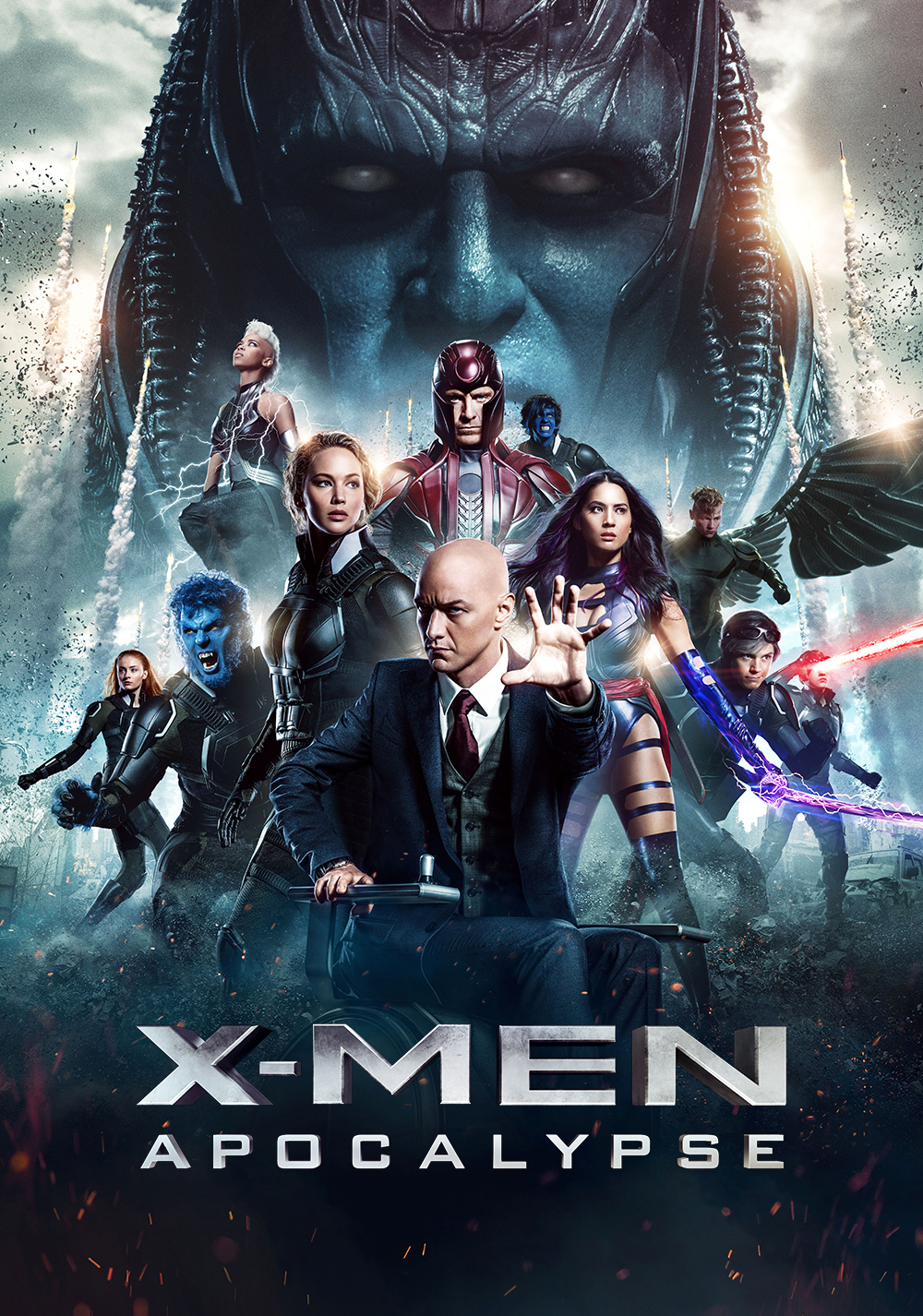
X-Men Apocalypse is the newest Fox-distributed Marvel movie. After the the last “reboot” of Days of Future Past, the X-Men team have to band together again to face off against a new world-destroying mutant.

Apocalypse is a very old, very powerful mutant. His powers are that he can enhance other mutant’s powers, and also transfer his conciousness to new bodies. If he transfers to a mutant’s body, he absorbs their powers as well. He last reigned as a god in ancient Egypt, with four followers (the four horsemen of Apocalypse, yes a bit of cheese there), but was defeated and has been in hibernation since. Brought back now, he is set to find new followers and reshape the world.

This film is full of action and has some good moments, but is also a bit hokey at times, to the point you almost have to wonder if the writers were purposefly corny or if they just want the viewer to take everything they are shoveling with a straight face. After Days of Future Past (which I thought was great), this one is a bit of a letdown, and it just doesn’t reach the heights that Disney’s Marvel movies are so consistently hitting. And the (*SLIGHT SPOILER ALERT*) obligatory Wolverine cameos, when he isn’t a character in the movie, are starting to get old. I don’t see Iron Man showing up in every Disney Marvel film…  Worth a viewing for die-hards and even casuals, but no lasting brilliance unfortunately.

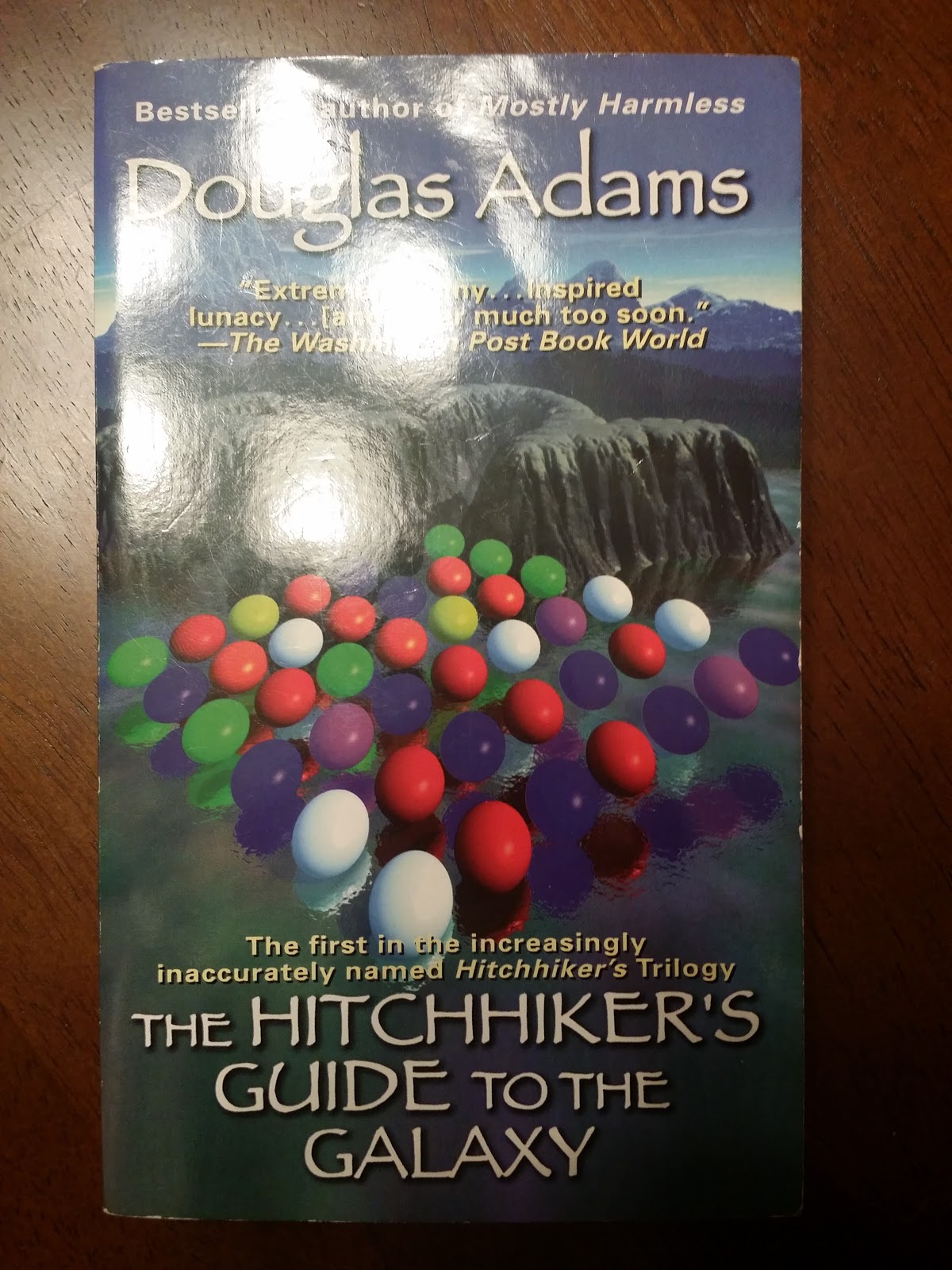
A short humorous diversion in Adams’ Hitchhiker’s Guide

Douglas Adams’ famous work The Hitchhiker’s Guide to the Galaxy is a funny little book, and the launchpad of a very popular series of 5 or 6 novels (and a movie adaption). Not sure I would call it fine literature, but it is entertaining.
It is a short book, just a quick 200 pages in a tiny paperback, so a regular reader can get through it in a single day. It starts with an Englishman, Arthur Dent, sitting in front of a bulldozer to stop it from knocking down his house. The government wants to build a new highway through it, of which he was unaware, even when told the plans to do so were on display at the local government building for several weeks. Little does he know, at the same time aliens are getting ready to destroy the Earth to put in a new space highway, of which all humans are unaware, even though plans were on display at the local planetary office just a short 6 lights years away for several decades. Arthur is saved by a space hitchhiker, Ford Prefect (he had thought the name would be more common when he came to Earth), and they beam off the planet just before it is zapped. So starts Dent’s adventure.
The book weaves and shifts along the way, with outlandish elements but plenty of humor (if the above tidbit makes you grin, you’ll like this book). Lets just say humans were only the third most intelligent being on the Earth, and the smartest still have a say it what happens next. It ends rather abruptly, but as I said, there are sequels that pick up where this one leaves I’m sure. I’ve read a lot of “serious” novels lately, this was a nice excursion.

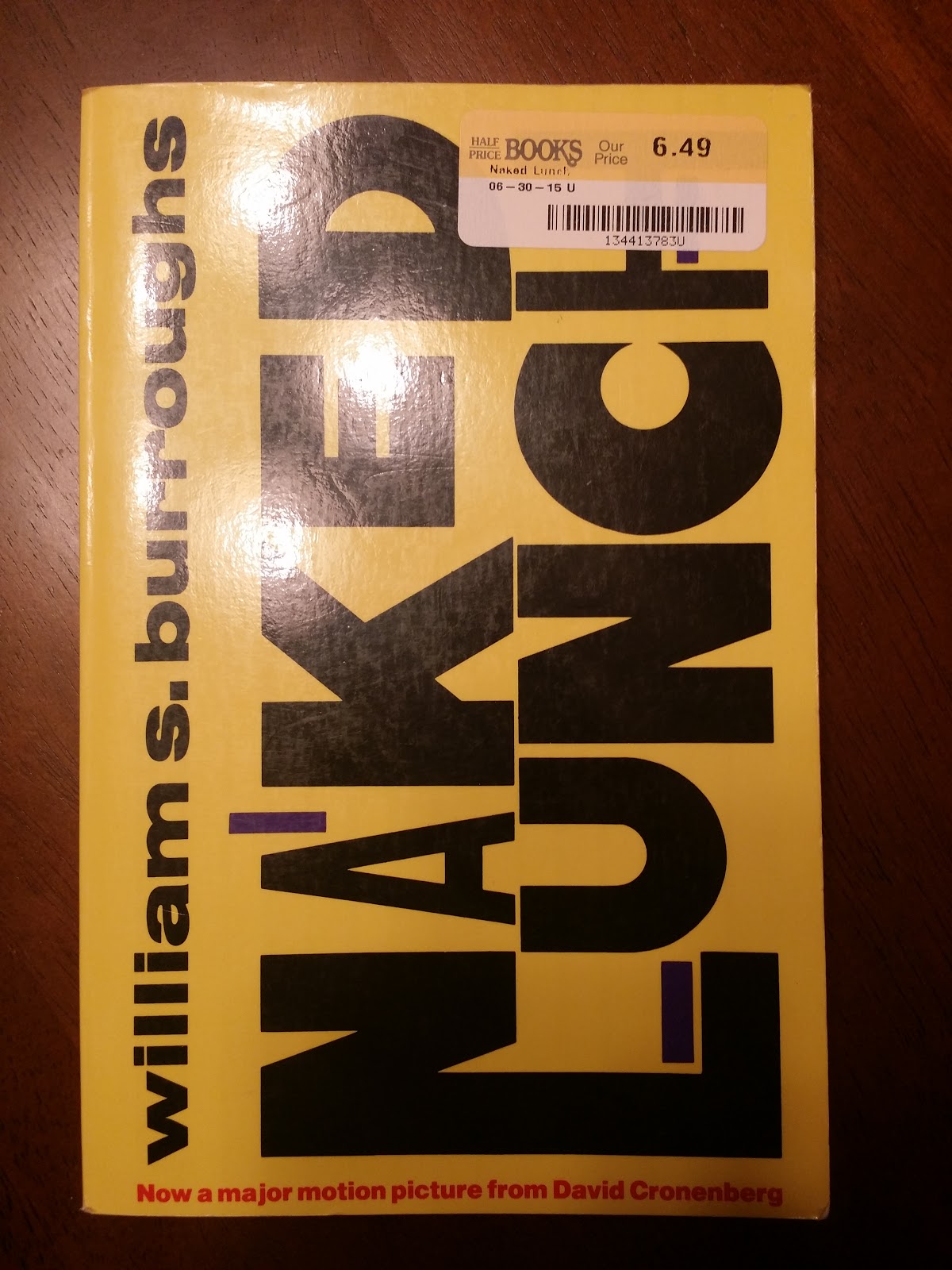
Naked Lunch deserves to be sent back to the kitchen

What a complete waste of time. It is bad from the get-go, I gave it 50 pages (about 1/4th of the book) to see if it was going to go anywhere, and nothing ever developed. William S Burroughs’ Naked Lunch can’t really be considered a novel, as there is no plot.
My only guess as to this book’s popularity is its subject material and when it was published (1959). It broke down barriers of obscenity and its stark portrayal of drug use, but only because the main character is a raving mad junkie. Burroughs admits he was high while writing, and the book follows no pattern. It is the extreme ramblings of a druggie. There are no coherent thoughts, no story to tell. Paragraphs are held together by the loosest of ideas, and reading it is like looking into the brain of a psychopath. There is simply nothing to follow, and nothing to be gained by reading.

If I’m a 13 year old in the 60’s, I’m probably blown away by this book, at least to open my mind to something new, and to feel like I’m hiding something from the parents. But as an adult in 2016, there’s nothing shocking about the material and I don’t feel like toughing out a book that gives me no entertainment.

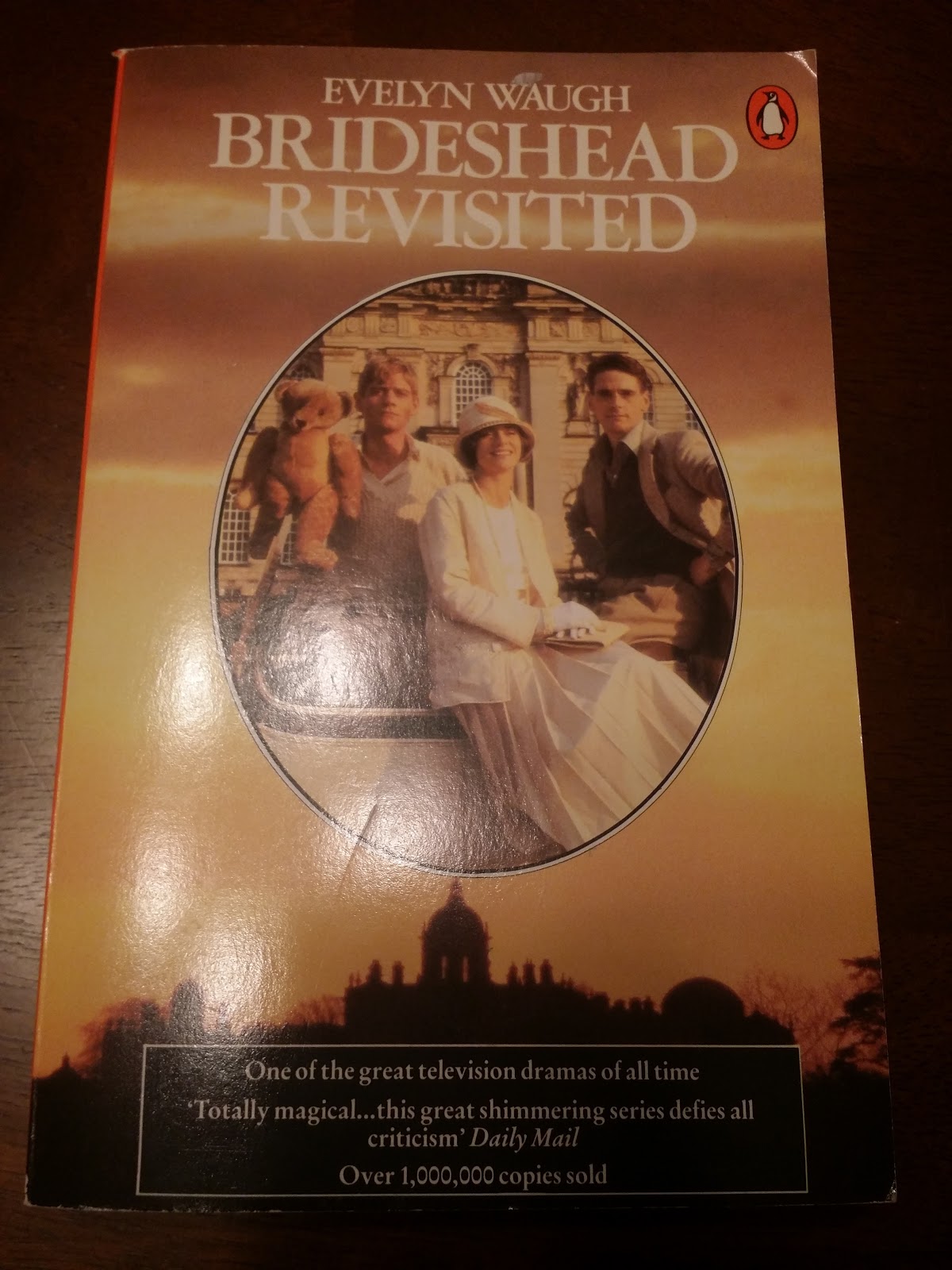
A sweet, moving story in Brideshead Revisited

After a couple duds and a few near-good ones, I finally found a book I thoroughly enjoyed in Evelyn Waugh’s Brideshead Revisited, though it ended much different than what I expected. The story follows the life of Charles Ryder in his dealings with the Marchmain family.
Charles is a young, somewhat sheltered man new to college at Oxford when he meets Sebastian. Sebastian is the kind of guy everyone likes, he is outgoing and friendly to all, and Charles is smitten in a bro way. While visiting Sebastian’s home, Charles realizes Sebastian is at odds with his family. Sebastian’s father has left the Marchmain mansion (Brideshead Castle) and is living with his mistress in Italy. His extranged wife Lady Marchmain, a devout Catholic, remains in the home with their other children, eldest boy Brideshead and younger daughters Julia and Cordelia. Sebastian has always fought against his mom and her Catholic faith, even asking Charles if he has joined his (Sebastian’s) mother against him. Charles says he will remain in Sebastian’s corner.
At this point I thought the novel would be about their friendship, but this was not to be. Lady Marchmain definitely recruits Charles to “join her side” by lavishing him with praise and prying him with questions about Sebastian’s life at college. This needles Sebastian to the point that he begins drinking heavily. Much of the rest of the novel revolves around the family’s faith, and how each family member deals with it, having been raised one way and learning how to mesh that in with their day to day lives. Sebastian eventually quits college (is kicked out really) and flees to Africa. He settles in at a monastary where he continues to drink (again, snared by faith that he fights), and whereas he was a main character through much of the novel to this point, he is hardly seen again.
The novel skips forward a few years. Charles has married but is indifferent towards his wife and kids. He runs into Julia, who had also married in the intervening years, to a man who is far different than she had previously thought. The two enter into a relationship, and make plans to divorce their spouses, to which everyone consents. However, about this time Lady Marchmain has died, and the Lord returns home to die in his family estate. He has turned from the Catholic faith many years ago, but retuns to the faith on his deathbed. Though the divorces are now final, Julia, who sees that even her father can return to God at the end, decides she cannot enter a second marriage (against the Catholic faith). The epilogue has Charles years later, during World War II as an officer, being encamped at the Brideshead estate. Though the family is not there, as they are off doing their parts in the war, he sees the family chapel has been reopened for the soldier’s uses.

I wouldn’t be surprised to learn author Waugh was Catholic, as the struggle of life vs faith becomes a main theme in the second half of the novel. His characters feel very real and whole. He makes you feel for each of the characters, I was extremely moved by what become of Sebastian’s life, and almost heartbroken that the likeable Charles ends up alone in the end. The style of writing has an almost lyrical and sweet rhythm. It is easy to read while staying very detailed. A very enjoyable book.

Quick takes on 5 films

Brooklyn is a cute enough film, but not really ground breaking by my measure. Ellis leaves her home Ireland as a young woman because there doesn’t seem to be a future for her there. She comes to America to start a new life. She meets a young man and falls in love, and just when she seems to be setting in to her new start, her older sister back home dies and she returns home. She discovers she may have a life there after all, and must decide which life she wants to live. A nice enough movie, but personally I got tired of seeing Ellis’s constantly confused, “stare off into space” face everytime she was faced with a decision. In the end, she really had no decision at all, and went the only way she really could.
Sisters is a pleasant enough, short comedic excursion. Again, nothing spectacularly new in this one, but if you are a fan of Tina Fey’s and Amy Poehler’s goofy-style comedy, you’ll enjoy this one. They play sisters (of course they look nothing alike, but this isn’t meant to a believable film) who return to the family home to learn their parents are selling it. Together they decide to throw one last big party like they used to. The normally responsible one (Poehler) is set to let loose while the regular party girl (Fey) is tasked with not letting things get too out of hand. Safe to assume things do not go as planned. This one settled in a 59% on Rotten Tomatoes, and that’s fair; nothing to write home about, but a funny diversion for a couple hours.
The Danish Girl lives up to the hype. Eddie Redmayne is brilliant as Einer/Lili, a transgender person struggling to understand what she is going through. Born as a boy but never feeling right in her own body, Lili lives in a time when there is no definition for transgender, and doctors are more likely to declare her insane than try to help her. Equally mesmerizing (or maybe even more so) is Alicia Vikander, playing Einer’s wife Gerder. Gerder must watch her husband Einer become Lili, putting on a brave front and being support where she can, but mourning the loss of her husband and partner. I found myself feeling so bad for Lili and what she is going through. As a side note, you should read up on the real Lili Elbe, a very brave woman.
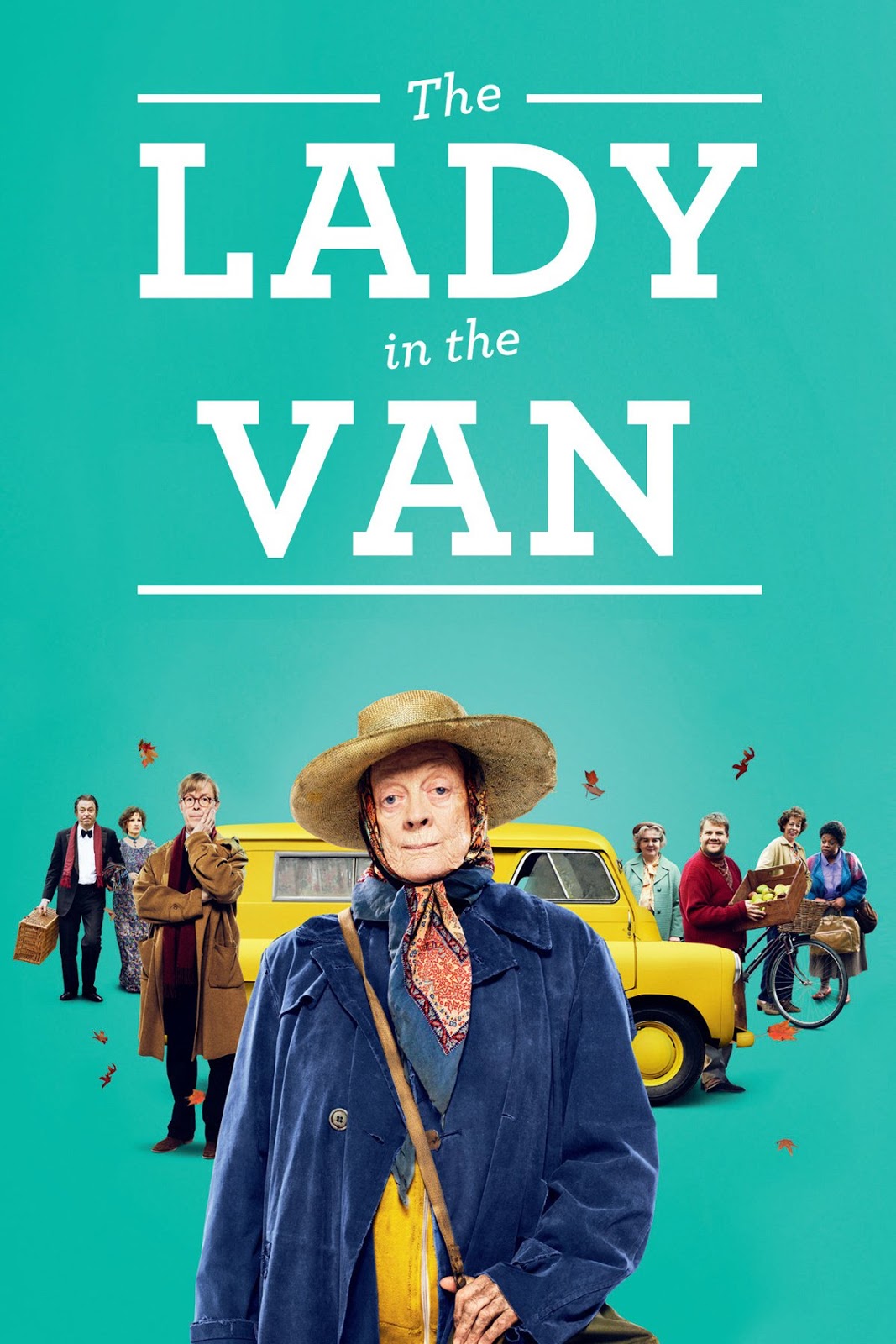
The Lady in the Van is a different kind of movie. It is about a seemingly crazy homeless old lady living out of a van parked in a quiet residential neighborhood in London, played by the always delightful Maggie Smith. It took a long time to get going, fully the first 50 minutes I had it on the background while doing other things, but once all the little strings started coming together in the second half, it is riveting. Mary has some secrets in her past, and the viewer doesn’t get a clear picture of what makes her the way she is until the very end. There’s very much a Titanic-like “a woman is full of secrets” kind of moment. Smith’s over-the-top portrayal is the real highlight, outshining the fairly slow plot.


The 5th Wave is a real snooze fest, for all but maybe the most die-hard fans of the teen fiction novel it is based on. Like many movies-based-on-teen-novels these days, it is about kids being tasked with saving the world. This time, the planet has been invaded by aliens known unoriginally as “the others.” The others have killed off many people in the first four waves, and is gearing up for a fifth wave to finish the job. Lots of hokey acting and dialogue, with more holes in the plot than can be overlooked, the film really goes nowhere and sets up for a sequel that hopefully never gets made.

The Avengers path forever altered in new Captain America film

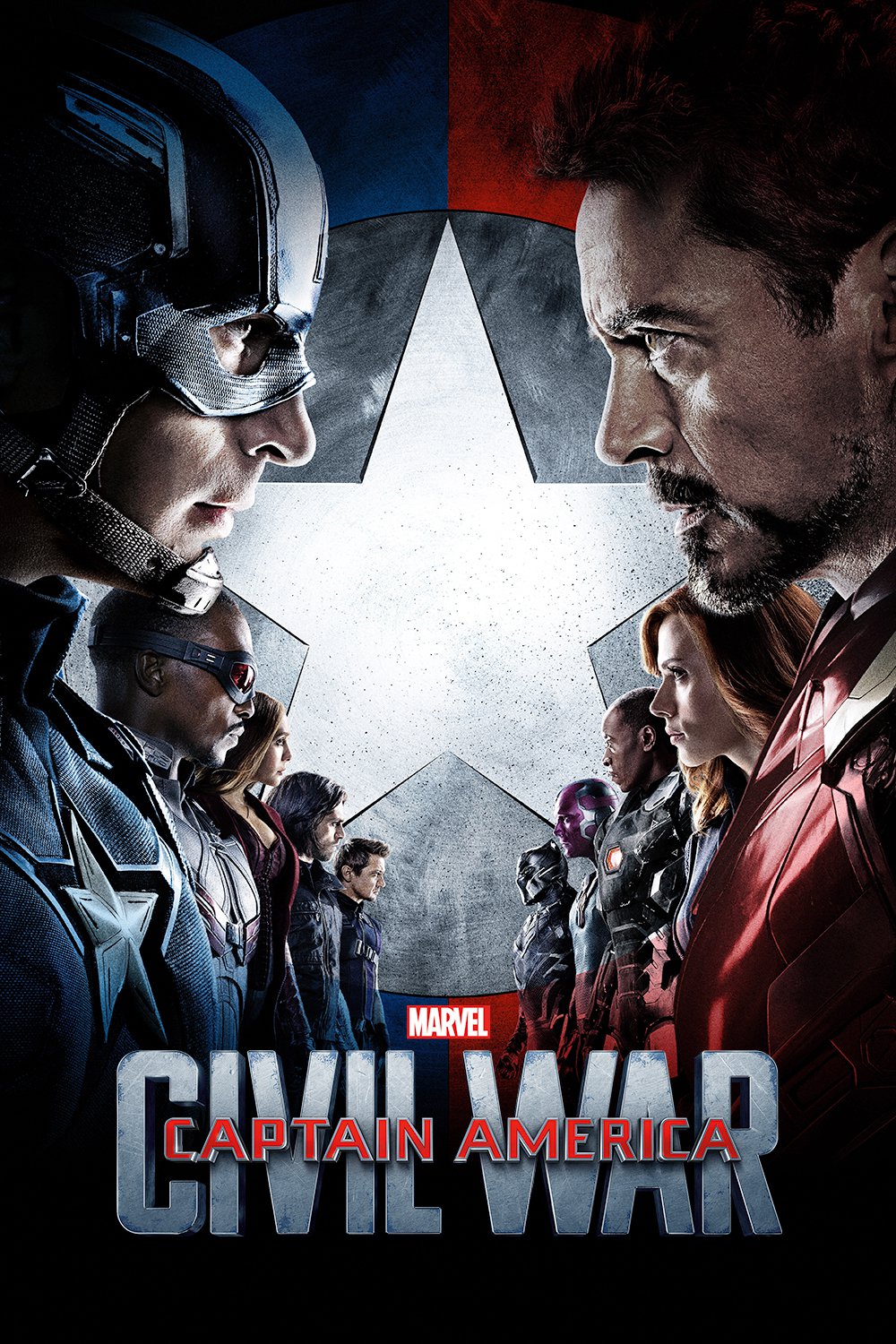
Captain America : Civil War is the newest in the shared world of the Marvel Cinematic Universe, which started as the original Iron Man film and has now become a huge franchise encompassing movies and tv shows. Somehow Marvel keeps the series from feeling stale and continues to provide action packed entertainment, with even a little heart thrown in.
This film is more of an Age of Ultron sequel than a Captain America sequel. The Avengers team is faced with the hard truth that, while they have saved the world numerous times now, their actions have also killed many innocents caught in the crossfires. They are approached by the United Nations to agree to new oversight, taking away their carte blanche to storm any enemy they feel is a threat. Tony Stark agrees, feeling the need to hold themselves responsible for their actions, whereas Captain America does not. He knows that, while the UN may have good intentions, they may also have an agenda, and he doesn’t want any group making decisions on what the Avengers should do with their powers. The differing viewpoints lead to the team splintering, taking sides against each other. In the end, there is much more going on that the Avengers do not know, and what comes out may forever change their thoughts towards each other.
The movie brings back most of the Avengers, minus Hulk and Thor (mostly since those 2, as nearly all-powerful, would hamper the story), and also tags in Ant-Man with his introduction since the last Avengers film. It also introduces the Black Panther and (yet another new) Spiderman, both of whom will get their own Marvel movies in the coming years. With this inter-connecting series continuing to grow (2 or 3 movies planned every year through 2019 at least, plus 3 ABC shows, 6 Netflix shows, and a cable show all airing or in the works), here’s hoping this juggernaut stays fresh and exciting, something they’ve managed to do extremely well so far.

Dull and boring perpetuate in Women in Love

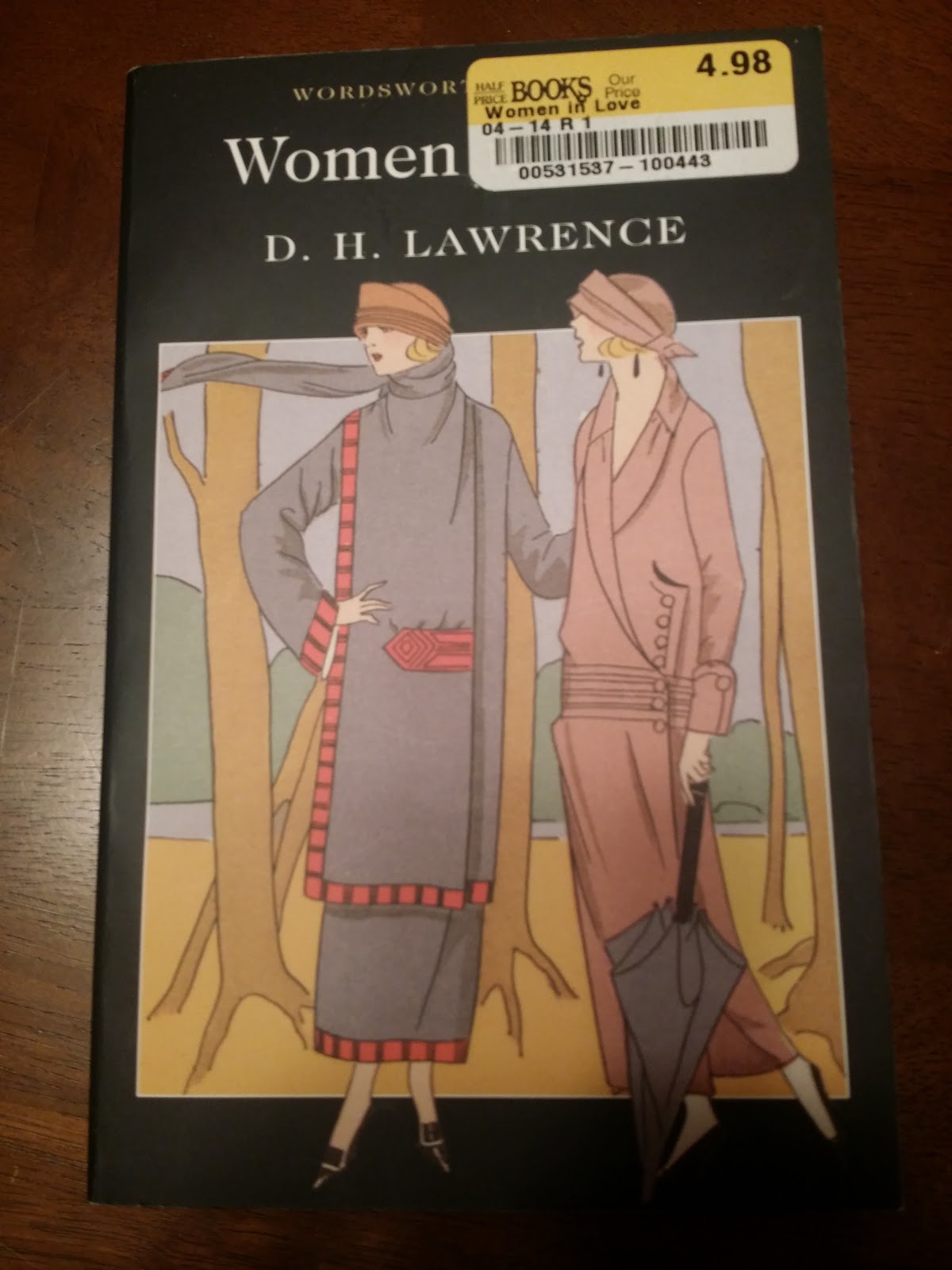
I have been bested. I wanted to read the “greatest 20th century English novels” and knew there would be some that have not stood the test of time, but I’m a patient guy and thought I could read them all. I was wrong. D.H. Lawrence’s Women in Love is, to borrow a tired cliché (which fits, for this novel), like watching paint dry. I got nearly halfway through before giving up.

Really nothing I can promote about this novel. It tells the story of a couple sisters in the early 20th century as they fall for two very different men. At least, I think that is the gist. Hard to say, as most of the pages follow dull, drury conversations between the pretentious high-and-mighty characters. They engage in philosophical debates, I’m sure to further the author’s ideas, but to no end. It is like recording a debate club match and turning it into a novel. None of the characters have any endearing qualities which make you want to root for them or follow their lives.

I did really try to get through it, but this book is dreary and seemingly unending. The “action” was just starting to pick up when I quit it, in that an actual story was at least trying to develop, but when a debate broke out again at a party, I could take no more. Wave the white flag, and move on to (hopefully) a better novel.

Quick takes on 5 films

I didn’t like Youth as much as the critics, but it is an interesting film. Starring Michael Caine and Harvey Keitel as two longtime friends, it is very well acted but light on story. The two are vacationing at a ritzy hotel in Europe, full of quirky, almost Wes Anderson-style inhabitants. Caine’s character is a famous composer trying to ignore and be ignored by everyone else, and Keitel as a movie director is trying to put together his last great film. The film takes them in very different directions from what you expect in the opening. The plot is a bit light, but there is no arguing that Caine in particular hasn’t lost a step at all.
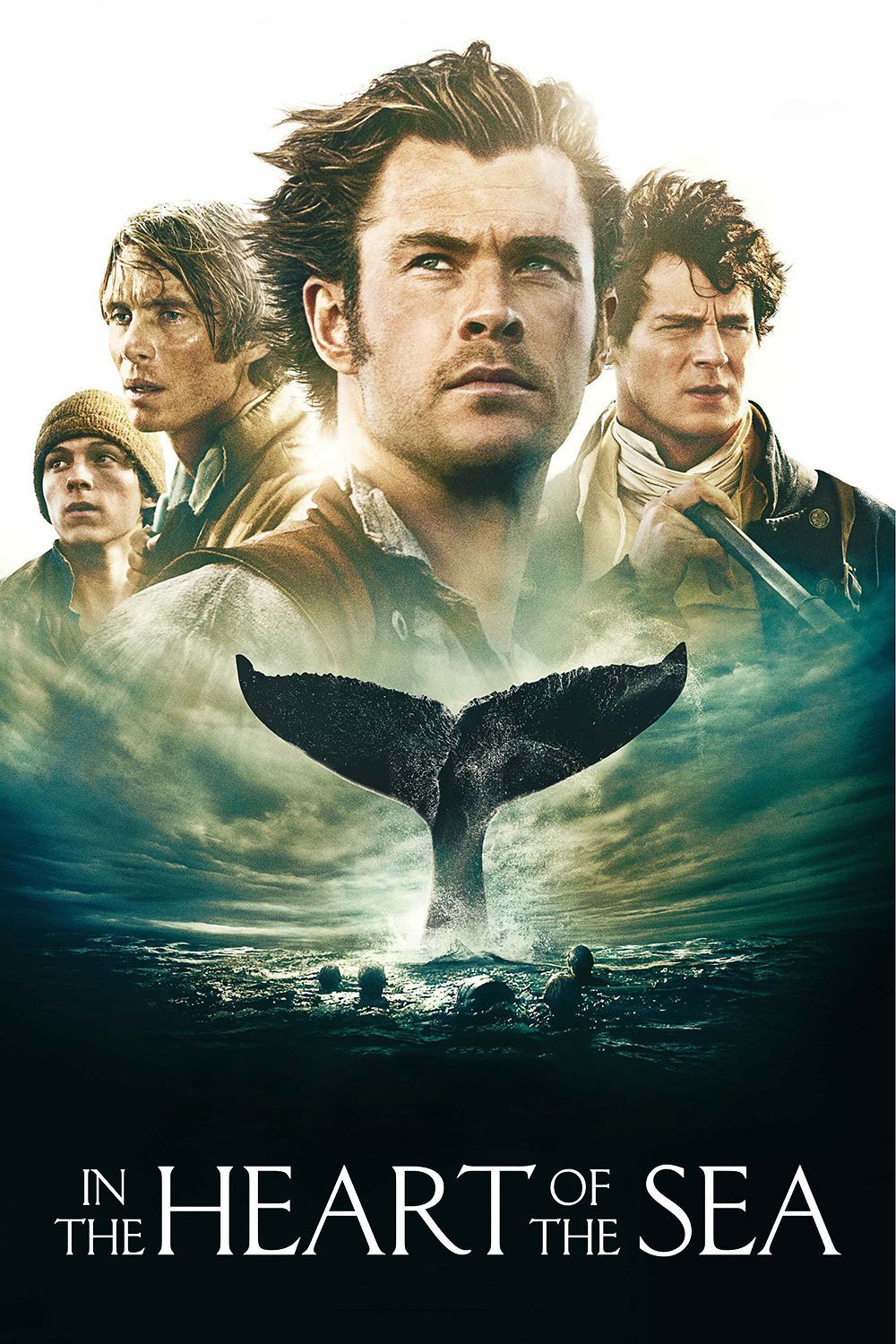
On the other hand, I liked In the Heart of the Sea much more than the critics. I found it compelling and captivating. Fairly straight forward with no hidden plot elements, it is the “true” story of Moby Dick, told as a story given to Herman Melville by an aging member of the original crew that ran into the historic whale. Chris Hemsworth plays the ship’s first mate and defacto leader, as an experienced whaler in the early 19th century. When the whaling ship comes across the great white whale though, business becomes survival. I thought the movie was well told, well directed (Ron Howard), and well acted all around.
Not much to say about Creed. Anyone that follows movies knows it is the newest Rocky movie, following yet another “new” generation as the last few movies have. This one however finally sets the franchise in a good direction. Michael B Jordan plays Adonis “Donny” Creed, Apollo’s son. He wants to be fighter but doesn’t want to ride his father’s legacy, wanting instead to find his own path. He finally begs Sylvester Stallone’s Rocky to train him for a big match. Rocky film lovers enjoy this one, I thought it was good but not ground-breaking. Worthy of a single viewing for sure, and Stallone was deserving of the praise he received for this film.
The Peanuts Movie is just what is sounds like. Growing up in the 80’s, I remember reruns of the classic Charlie Brown movies well, and for people of my generation and older, you’ll probably watch this movie with a lot of nostalgia. All of the original charm is there, and the old jokes and gags are brought back right in front of you. Nothing really new brought to the table, but it is a nice walk down memory lane. I’m not sure young children would get as much from this film, it doesn’t have the pizzazz or thrills that today’s children movies do, but it is heartfelt and charming.


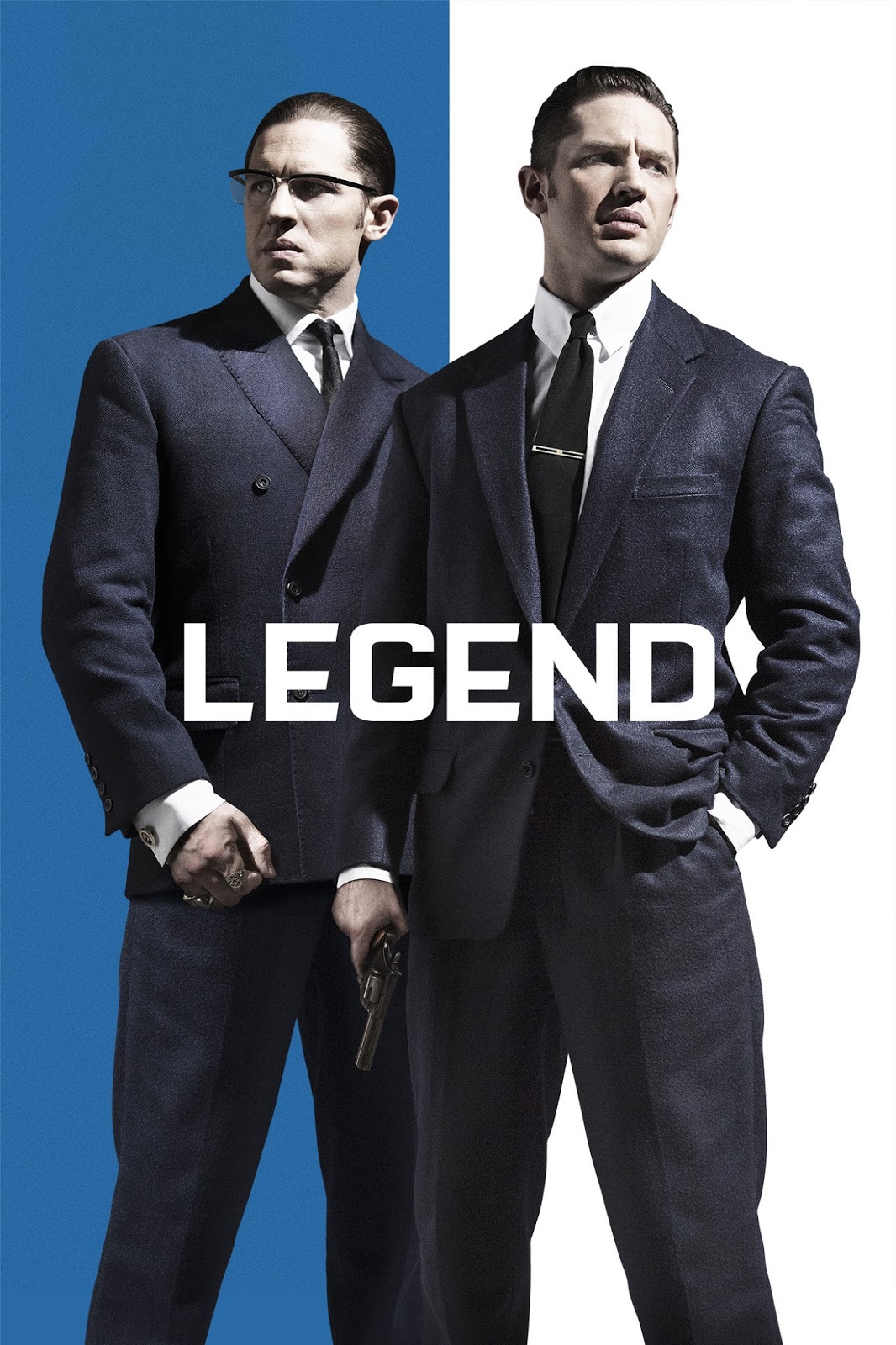
Legend is one of those films where the acting outshines the plot, and not by a small margin. Tom Hardy plays both of the Kray twins, a pair of gangsters in 60’s London (based on a true story). I’m a huge fan of Hardy’s, and this movie upholds my thoughts of his work. The Kray brothers are similar in appearance but far different in demeanor, and Hardy does so well you almost forget it is the same person playing both. Ronnie is clinically insane but freed from the asylum by Reggie’s under-the-desk dealings. Reggie is also quite crazy and prone to extreme violence. The two butt heads by stay true to family. They spend most of the movie bribing and staying just ahead of the police. Not too deep of a film, but again, Hardy is worth the price of admission.

Quick takes on 5 films

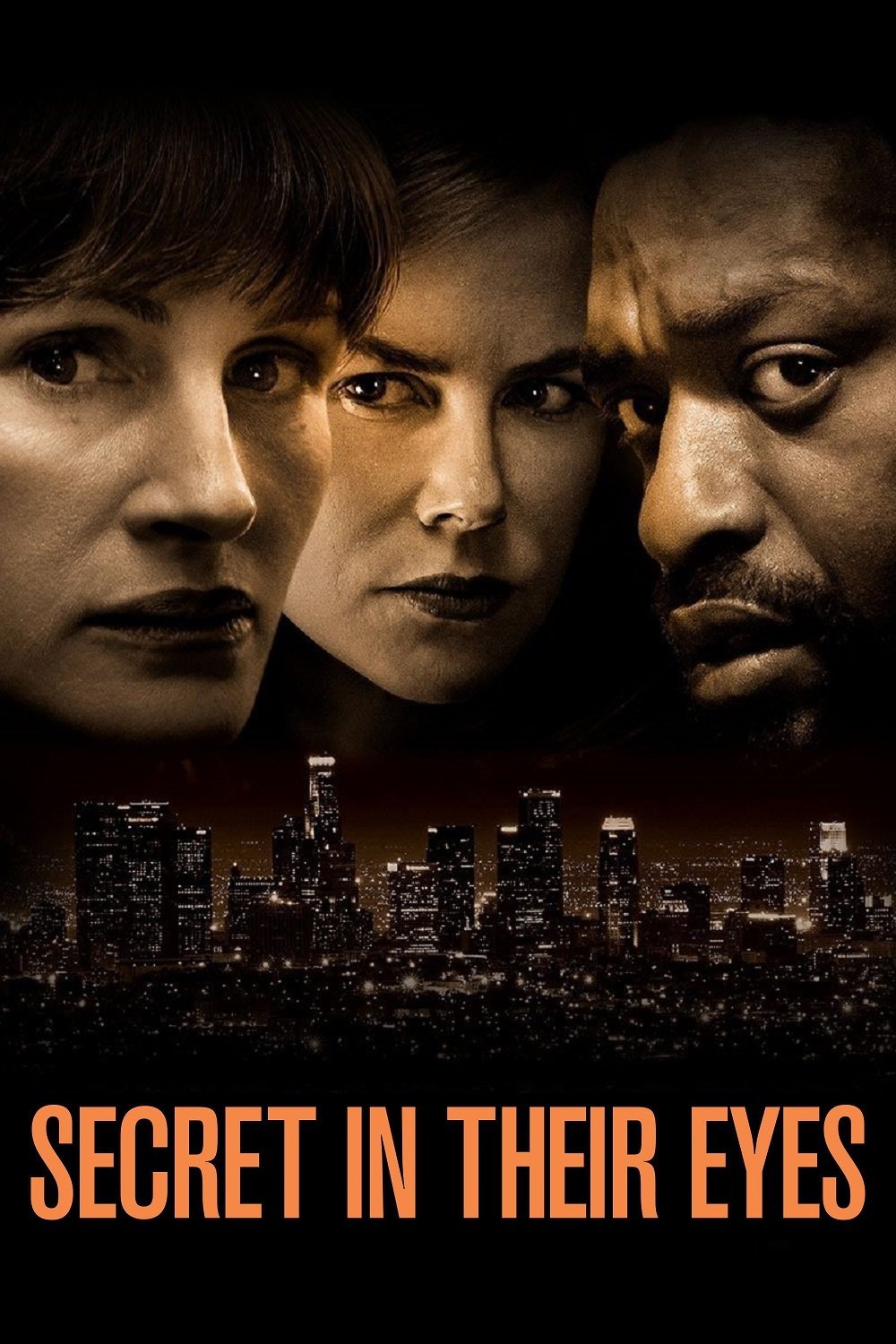
Talk about a movie that just doesn’t go anywhere. Secret in Their Eyes has an impressive trio of leads with Chiwetel Ejiofor, Nicole Kidman, and Julia Roberts. The movie is told in 2 parts, the present where Ejiofor’s character has finally located a man he has been hunting for 10+ years, and the past where we learn why, in which Roberts’ character’s daughter was killed by said man. What follows is a convoluted story and even the acting can’t hide a paper-thin plot. The big “surprise” ending isn’t much of one, and just enough to get you to shrug your shoulders and move on.

Spotlight won the best picture Oscar last year. It is well acted and has a great story, but I’m pretty sure the material is the reason it won, as there were better movies that year. It is the based-on-a-true story of the Boston Globe’s spotlight team delving into and breaking the story of the Catholic church’s coverup of child abuse by its priests. It has Mark Ruffalo, one of my favorites and seriously one of the underrated actors today, as well as the resurgent Michael Keaton. A great movie, just not the best of 2015.

I finally had a chance to catch the finale of the Hunger Games. Catniss and team finally get their chance to bring down the capital. The previous movie had a lot of buildup but seemed light on the action, this one finally delivers. It is a satisfying conclusion to the series, and there is a good little “twist” at the end (I had never read the books), but the movie didn’t quite do it for me as much as the first or second films did. A solid A-/B+ score for me, I just wanted a little more.

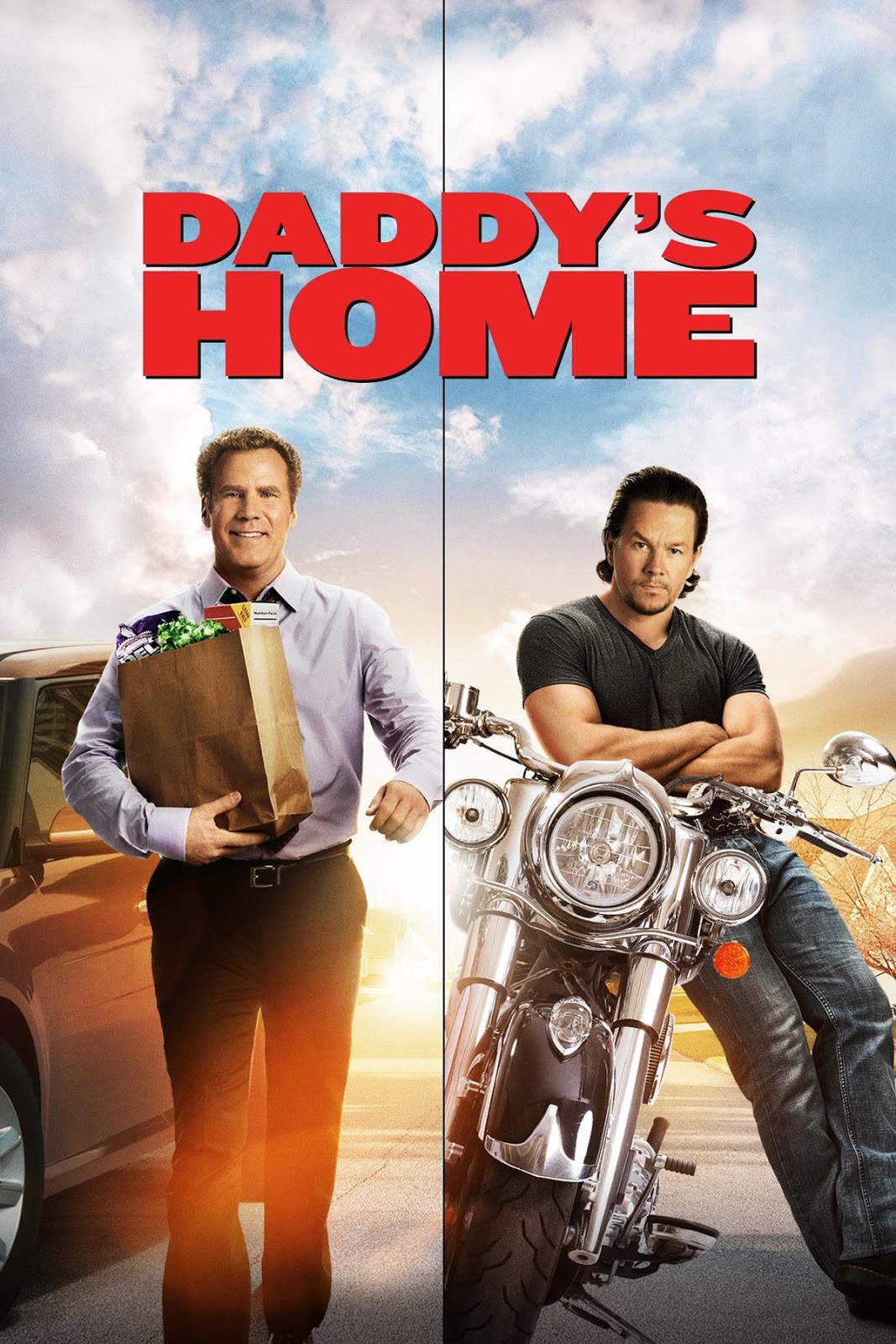
Daddy’s Home is good for some chuckles, just not deep belly laughs. Will Ferrell is Brad, the new step dad who’s new kids are just warming up to when their biological father (Mark Wahlberg as Dusty) shows up. As in the The Other Guys, the banter between these two is great, but I found myself smiling, but not laughing too hard. The backstory is Brad’s inability to have kids of his own. By the time this plot element plays out before the final third of the film, the laughs had pretty much dried up and except for one very funny scene, it just drags on for another 30 minutes. Die hard Ferrell fans will find plenty to like, otherwise just OK.

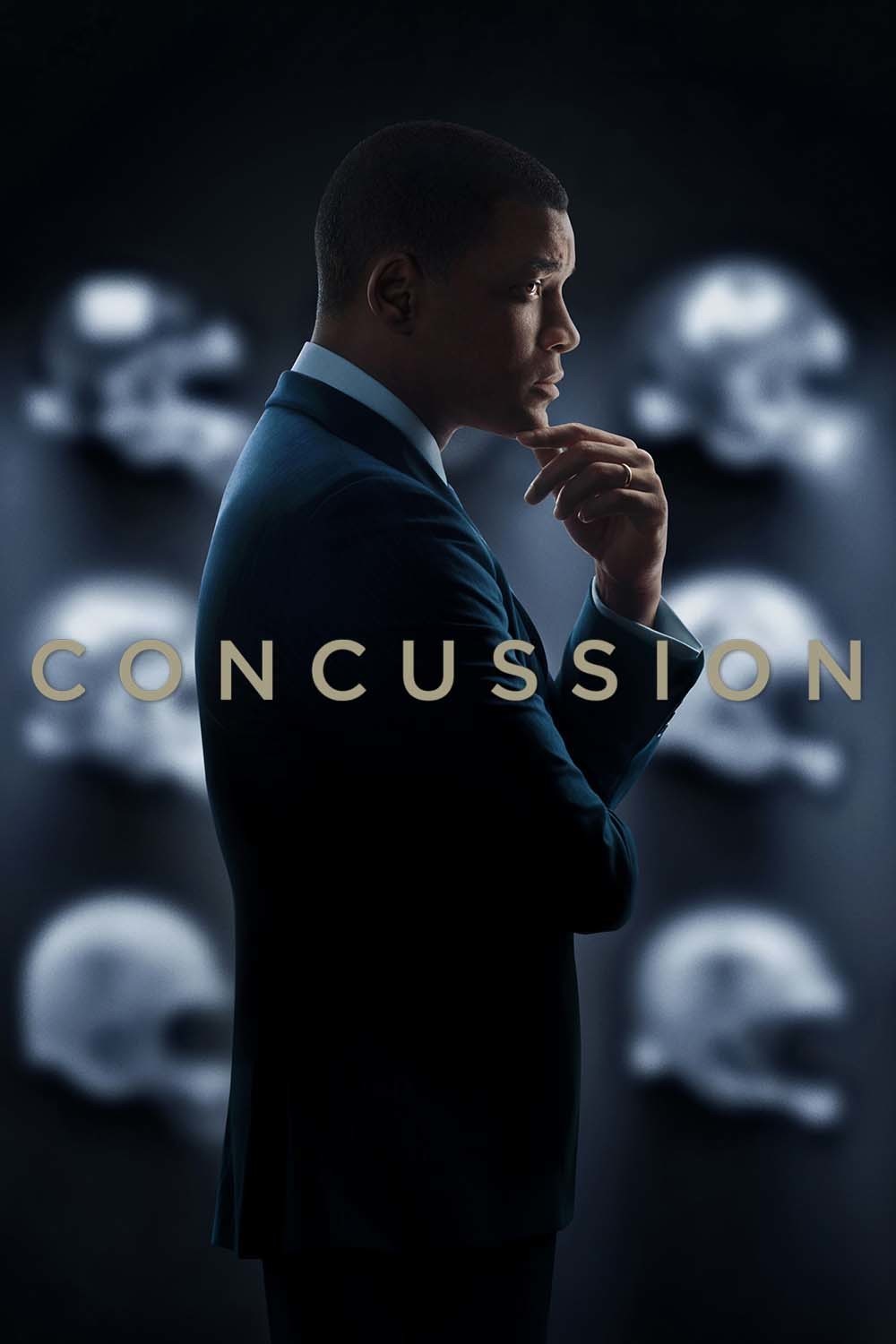
I’m sure Will Smith thought Concussion was going to earn him a lot of accolades when he signed on, it is the kind of movie that generally leads to awards, but this one didn’t reach the heights it set for itelf. Based on the true story of the dawning realization of the effects of repitative hits to the head and its lasting consequences to football players, Smith plays the doctor that first drew this correlation. He faces a huge struggle with the NFL, but as more and more players face alzheimer-like problems early in life, as well as others that commit suicide after fighting depression, the football league finally faces the facts that they can’t hide from it anymore. As a viewer, I felt sorry for the players, but did not get that strong connection to really move me. Smith is great as he always is in these drama-driven roles.