Time for a break…

This week I finished My Antonia, which officially marks the half-way point through my goal of reading 100 classic novels. I’ve read many good ones, some really good ones, and a few which did nothing for me (though obviously they are important to literature for one reason or another). It has taken me just short of 2 1/2 years to read these 50 books, with some breaks in there as I read other things. Now it is time to take a bit more of an extended break. I’ve got a good stack of non-classic books that have been piling up on me, especially over this past year or so, and it is time to read through some of those. I’ll keep doing some quick movie reviews, and hopefully it isn’t long before I’m back in to the classics. Thank you to those who read my blog and let me know what you think, and if you’ve picked up a book I’ve talked about and enjoyed it, I’m glad. Sometimes the greatest way we can learn about the past, what changes were happening culturally, is to read what authors at the time had to say, more so than any history book can tell you. Please check back every now and then, and I hope to be back soon.

—– Added 4/30/18 —–

Wow, my break turned out to be a lot longer than I thought! Almost a year later, I’m ready to get back into some classic novels. I probably won’t be reading very quickly at the start, as I have few other projects going on, but I will keep chugging away in my goal to read the “100 greatest English novels of the 20th century.” Thanks for continuing to read.

Cather raises a heartfelt story from the farms of Nebraska in My Antonia

My Antonia by Willa Cather is a beautiful book. The third of hers I have read, it is the story of living out in the Nebraska frontier. I enjoyed the previous 2, but particularly liked this one, and will be reading more of her books in the future.

This one centers around Jim Burden. When his parents die in Virginia, he goes to live with his grandparents in Nebraska at the age of 10. Here he sees the sometimes harsh, but well rewarding life of a frontier farmer. Growing up with many immigrants on neighboring farms, all families coming to America following the dream of success, he grows closest to the Shimerda’s and daughter Antonia, who hail from Bohemia. Antonia is a strong willed girl, who delights in doing men’s work around the farm. Not speaking any English, she learns quickly from Jim, and teaches the rest of her family. At first Jim doesn’t get many of the strange customs the Shimerda’s adhere to, but he gradually accepts their different ways of talking and doing things. The first third of the book follows this small corner of the world for those first couple years, ending around the time when Antonia’s father, who longed for his previous life as a musician and artist and hates being a farmer, commits suicide. Shortly after, Jim’s grandparents decide they are too old for the hard farming life. They lease out their farm and move to the closest city, Black Hawk.

Skipping ahead a couple years, Jim is in high school now. He is a “city boy” at heart, and while he reminisces about his time on the farm, he enjoys his new setting more. It isn’t long before Antonia follows him to the city, rooming with a neighbor so she can continue her schooling as well. Jim looks forward to college and bettering his way of life, while Antonia is more content to settle down and raise a family on the farm. Jim and Antonia continue to be friends, and run in a circle with other children of their age from the neighboring farms, who are looked down upon by kids that grew up in the city. Eventually, Jim does leave Black Hawk, and goes to the university in Lincoln.

Jim continues to keep in touch with friends back home, including Lena, a fellow farm-raised girl, who has moved to Lincoln to start a dressmaking business. Jim transfers to Harvard, where he goes in to law and becomes a successful lawyer. He now traves the globe, but still thinks about his time back on that farm from time to time. Jim hears that Antonia did eventually fall for a man, who left her pregnant and unmarried. Rather than live in shame though, her strong will holds her up. She marries a better man, and they go on to have many children. Jim returns to Black Hawk 20 years later, to find Antonia still there. Most of their friends have left town to bigger and better things, but Antonia has built a large farm. She is beaten down from a hard life, but still shows her strong will and perseverence. Her children have all been raised well, and know of Jim from all the stories Antonia loves to tell. Instead of seeing her life as a failure, she sees it as a triumphic success.

This book is a joy to read. I’m not ashamed to say it had me laughing and crying. Cather brings her characters to life, and feel as real as if they could walk through the door. When Jim learns of Antonia’s disgrace, your heart just breaks along with his. The author brings that same level of attention to the setting as well, and you can almost hear the wind across the plains, smell the cooking on the stove, feel the heat of the summers and the breath-taking cold of the harsh winters. A delightful, rewarding read.

Scandal hits and misses in Howards End

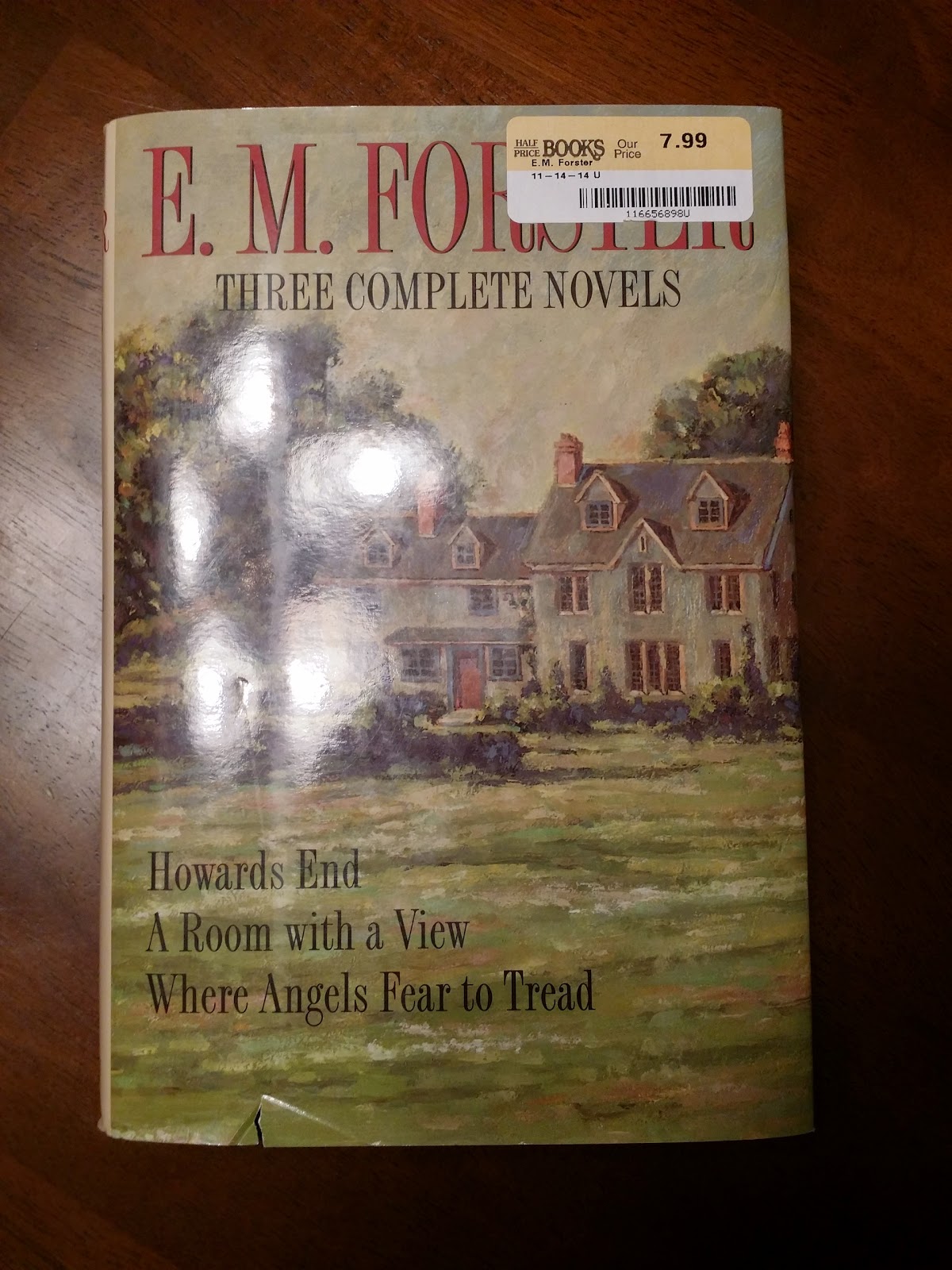
My third E.M. Forster novel so far was Howards End. This was written earlier in Forster’s career, and is more like the earlier Where Angels Fear to Tread than the later A Passage to India. Beautifully written, it is a fun and thoughtful read.

The novel mostly follows the Schlegel sisters in early 20th century London, younger Helen and older Margaret. Raised by their Aunt Juley after their parents’ untimely deaths, they are intellectual and refined young women, not extremely wealthy but able to live comfortably on their inheritance. They cross paths with the Wilcox family, father Henry and wife Ruth, and their adult children. Helen stays with the Wilcox family at their country home of Howards End for a weekend, where she and son Paul Wilcox briefly become engaged. Before a big scandal can erupt, the engagement is called off and Helen retreats back to London in shame. All is quiet until the Wilcox family takes up a residence across the street from the Schlegels. Margaret and Ruth become unlikely friends, only shortly before Ruth’s death. She starts to see more and more of Henry, until talk of marriage starts to circulate. Henry loves his family but has a hard time showing it, focusing only on building wealth. He hates Howards End and the country, only wanting to stay in the city where his businesses are run, and he likes a meek and docile woman, which Margaret pretends to be.

In the meantime, the Schlegels come across a poor but self-educated and philosophy-thinking Leonard Bast. As socialists, they want to raise his situation, but don’t want to just give him money, finding that beneath them. Leonard longs to rise in status, but seems to be held down by his rather dumb and plain wife, Jacky. Acting on advice of Henry’s through Margaret, Leonard quits his job to take another which may help him advance. However, he ends up fired from that new job when cuts come.

Helen feels for Leonard’s struggle, and brings him and Jacky to Howards End where Margaret and Henry are overseeing Henry’s daughter Evie’s wedding. Here, we find that Henry recognizes Jacky as a woman he had an affair with 10 years previous, while married to Ruth. Margaret almost leaves him, but decides to leave the past where it is, and helps Henry keep his secret concealed so as to not put scandal on the family. She goes through with the marriage. However, Helen seems to not be able to let this go, and leaves the country immediately to travel abroad, and sends only cryptic letters back to Margaret over the next few months.

Margaret does finally lure Helen back home, and when she goes to confront her, she finds that Helen has become pregnant, by Leonard Bast of all people. Shortly thereafter, Leonard comes forward to assuage his guilt, but collapses when attacked by son Charles Wilcox, who is trying to protect Margaret and what is left of Helen’s honor. Leonard dies, and Charles is charged with manslaughter. Henry realizes the error of his ways after Margaret asserts herself to him, becoming the true “head of the house,” and Helen decides to stay home with this intertwined family. The epilogue, a year later, shows the families living together in Howards End, finally all happy together.

Like his other novels, the writing style is very descriptive and mostly dialogue-driven. There are a lot of similarities, both in style and in story, between this book and Where Angels Fear to Tread, but it is different enough to still enjoy both. I find it a little hard to really believe an older man like Henry would change his ways so much at the end of the novel, but that can be forgiven. A very enjoyable book, more so if you can transport yourself in time and take it in as a reader would at the time it was written, when scandals could destroy a family socially and politically.

Continued adventure and laughs in Marvel’s Guardians 2

My favorite Marvel series continues in the newest movie, Guardians of the Galaxy 2. In the sprawling empire that is the Marvel shared universe, this is now the 15th film in the set, to go along with the 6 seasons of various ABC shows and 5 seasons of various Netflix shows. Quite the conglomerate. This movie picks up where 2014’s first Guardians film left off.

The Guardians team, with a baby Groot now, are mercenaries, selling themselves out for various adventures, and asking a high price tag thanks to having saved the universe in the first film. When they run afoul of the Sovereign race, their ship crashes on a nondescript planet where they are approached by Peter’s long-last dad, played by Kurt Russell. As that plot element plays out, we also see the Ravagers show up to capture Rocket, and Nebula show up to continue her quest to kill sister Gamora. Needless to say, lots going on in this one! The action seems to fall in the right spots, and the visuals are stunning as they were in the first.

I personally really like the film, though my son thought it was just “ok.” Marvel keeps hitting homeruns in their shared universe (I have not seen the reviled Iron Fist yet). I remember asking myself a few years ago if Marvel can keep this train running, and so far, the answer continues to be a solid yes.

Quick takes on 5 films

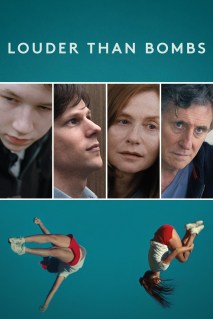
Louder Than Bombs is a great title for this film. Quiet and subdued, the movie is still sharply focused and mesmerizing. Jonah and Conrad are brothers with a somewhat sizable difference in years between them. Jonah is married and expecting a child, while Conrad is still in high school. Jonah is called back by their dad, Gene, to help go through their deceased mother’s things. The mother was a famous photographer, who had died a few years prior. The running thought was it was by suicide (though never proven), and all know this except Conrad, who was too young at the time to tell this kind of news to. The movie is told in the present day, where Conrad is going through a teen angst faze, to the point that others worry he might take a gun to school or some similar catastrophe, and Jonah is feeling the crush of real life with his pending child; and also in the past, showing their parents tension-filled marriage. In the end, we realize that Conrad sees more that we thought, and everyone carries their demons with them. A very well written, well acted film (Jesse Eisenberg, Devin Druid, Gabriel Byrne), almost must-see territory for film lovers who enjoy a dialogue-driven drama.
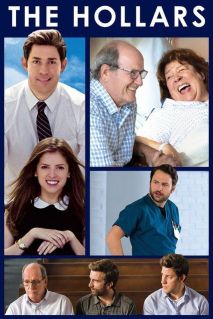
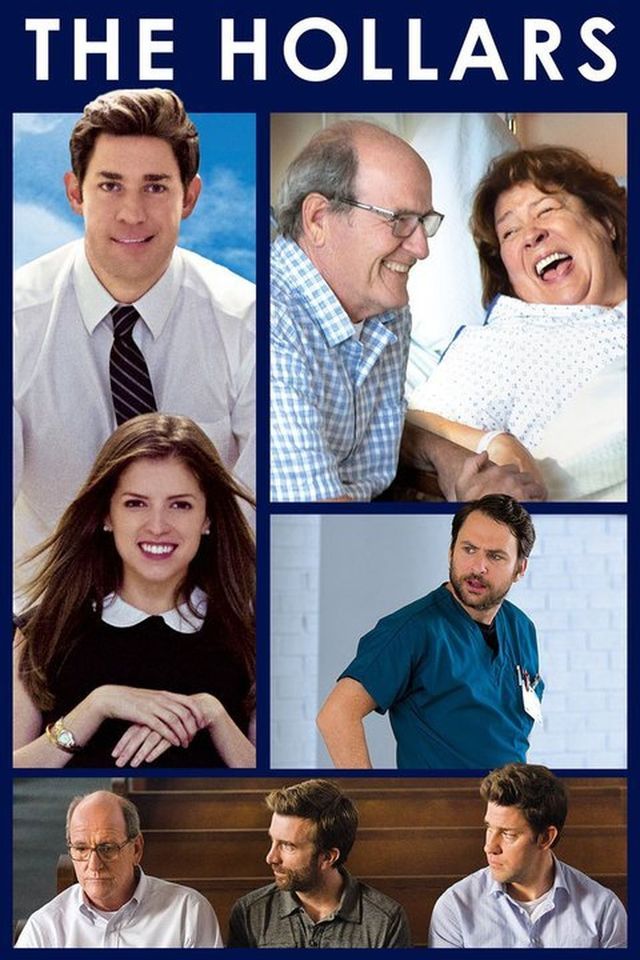
I really connected with The Hollars, though it didn’t get the critical praise that the above movie did. This one is also about a pair of adult brothers, brought home because their mother has been diagnosed with a brain tumor and will be facing a serious operation soon. John (John Krazinski, who also directed) seems to have his life more in order with a baby on the way and a career ahead of him, though inwardly he feels the stress of living up to expectations. Ron (Sharlto Copley) is living with the parents already, having been recently divorced. Their mother, Sally (Margo Martindale), is the glue that keeps their family together, and their father Don (Richard Jenkins) seems lost. Don has spent his life supporting the family and is the “head of the house”, but Sally is the real rock. So much so that when she collapses in the beginning of the film, Don thinks she is joking, as he cannot fathom a weakness in his strong wife. I really don’t want to give anything away about this film, but suffice to say it is a tear jerker (for many reasons). There are comedic moments for sure, but the high level drama is what makes this one. And as I said, this one hit close to home for me. My parents are still around thank God, but the family dynamic is there, as my Dad has always been the hard working, go-getter, “support the family at all costs” father figure, but everyone knows my Mom is the cog who kept the wheels turning as we were growing up.
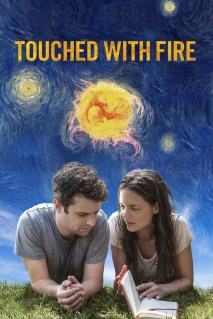
Touched With Fire is very good, and I know it is one of those movies that I’ll remember a month from now and think it to be amazing, so I’m writing my blurb now, having just finished it, to remind myself that while good, it isn’t great. Katie Holmes and Luke Kirby play a couple, both severely bipolar with extreme manic and depressive phases. They feed off each other to devastating results, sort of egging each other on to greater and greater euphorias, and in Kirby’s case, utmost paranoia. This all changes when they decide to really try to build a life together outside of the mental hospital. She is willing to stay on her meds and try to be “normal,” but he likes the rush of his manic phase too much to give it up. A chilling movie at times, but a little too disjointed, and maybe that was done on purpose to give the viewer a glimpse of what it feels like to be in our protagonist’s shoes.

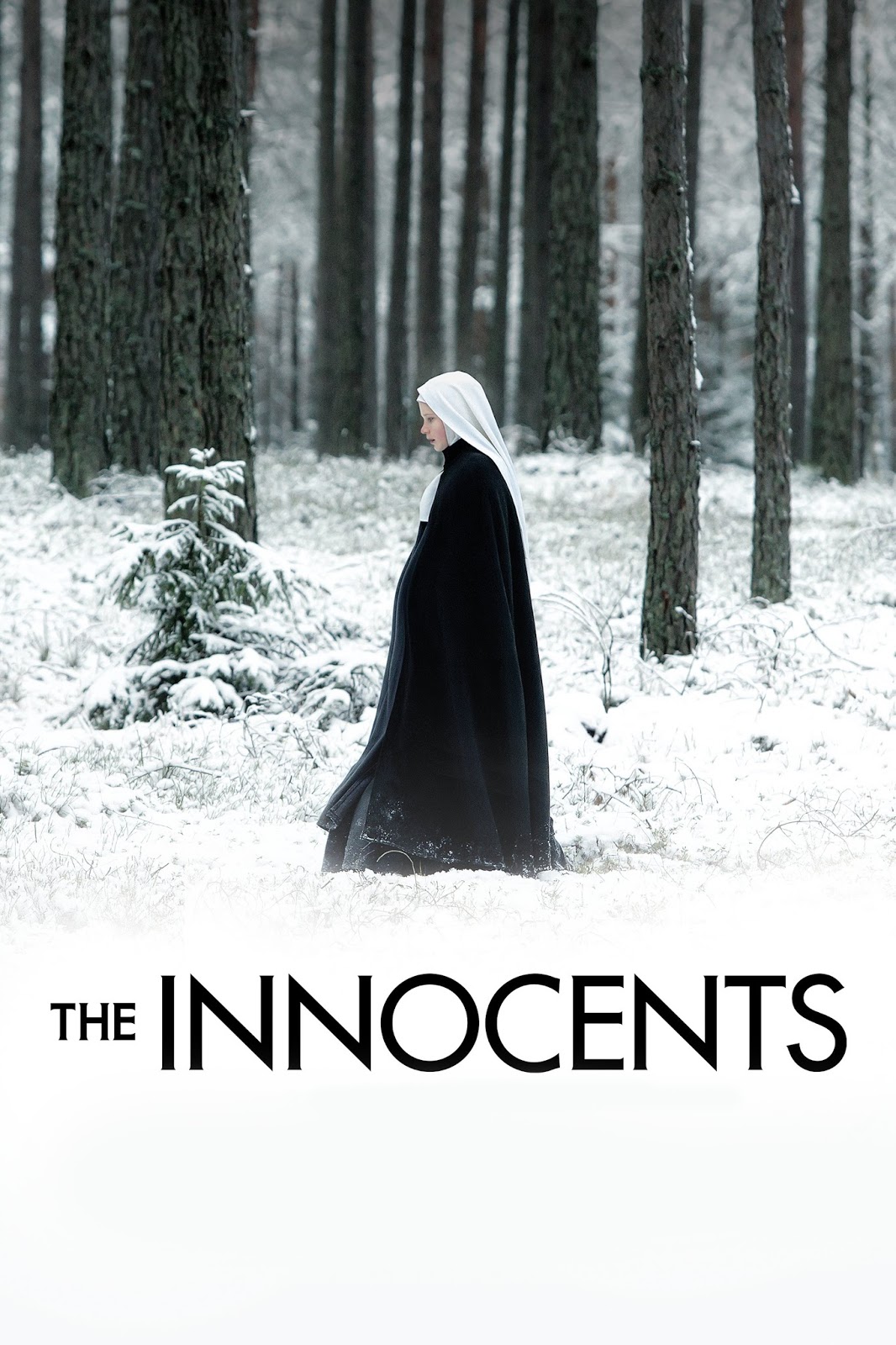
The Innocents is a fantastic French foreign film. It is about a Red Cross worker in Poland in 1945, at the conclusion of World War II, who stumbles across a local convent holding a secret. The Polish nuns in the convent, having been persecuted by the Germans during the war, were subsequently raped by the liberating Russian army. Many are pregnant and ready to give birth, however they are keeping their secret for fear of the church closing them down. The Red Cross nurse agrees to help them give birth in secret. That is just the opening plot setting, and there is a lot going on. The nurse has to hide her comings and goings from her superiors. Several of the nuns, having taken vows of chastity, refuse the nurse’s help at first, seeing her interference as a sin. Other plot elements open up towards the end of the film that I don’t want to give away. I recommend this one for foreign film lovers, well worth a viewing.
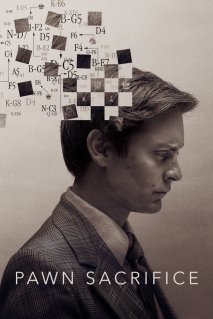
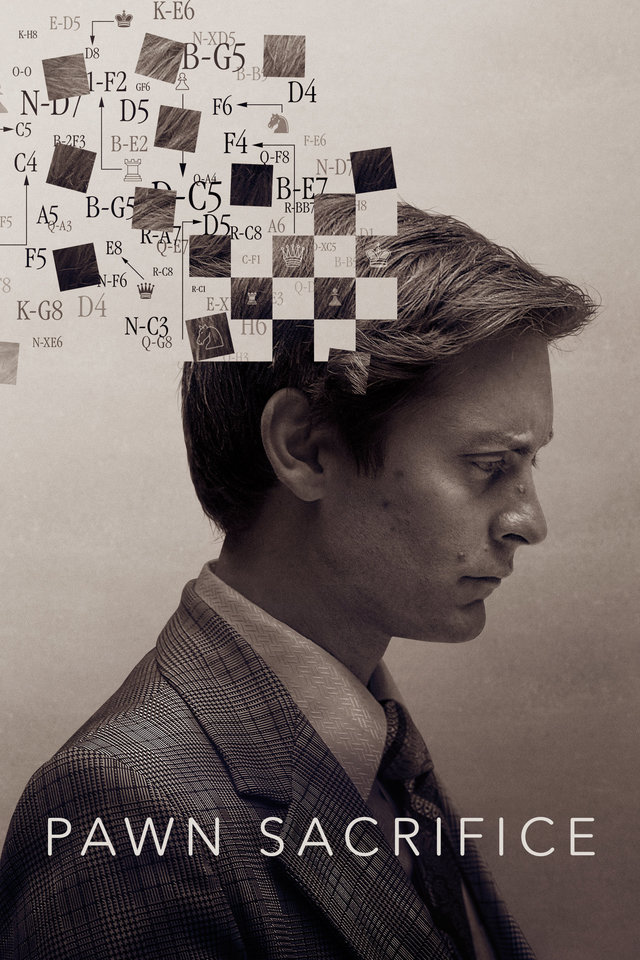
Pawn’s Sacrifice is the telling of chess legend Bobby Fischer’s life, starting at childhood and taking us through his famous Cold War era match against Russian Boris Spassky. Played by Tobey Maguire, we see Fischer’s rise in brilliance and fame, even as he descends further and further into paranoia and mental illness. A fairly straight forward biographical film (though I do not how accurate it is), the movie spends most of its time showing how far Fischer goes down the rabbit hole. He is surrounded by “yes men” who give him what he wants and do nothing to dispel his paranoid episodes. They only seek to push Fischer towards playing and beating the Russians for the sake of USA’s pride at a time when the country was in a dark place (Cold War, ongoing Vietnam War, and at the end, Watergate). Fischer doesn’t see himself as an American hero, but he is extremely egotistical and thinks the Russians, and later in his paranoia, the Jews, are all trying to rig the game against him, and possibly even kill him. An OK film, a little boring at times (and not because it is about chess, those quietly tense matches are actually the highlight).

Capote’s In Cold Blood details real life murder

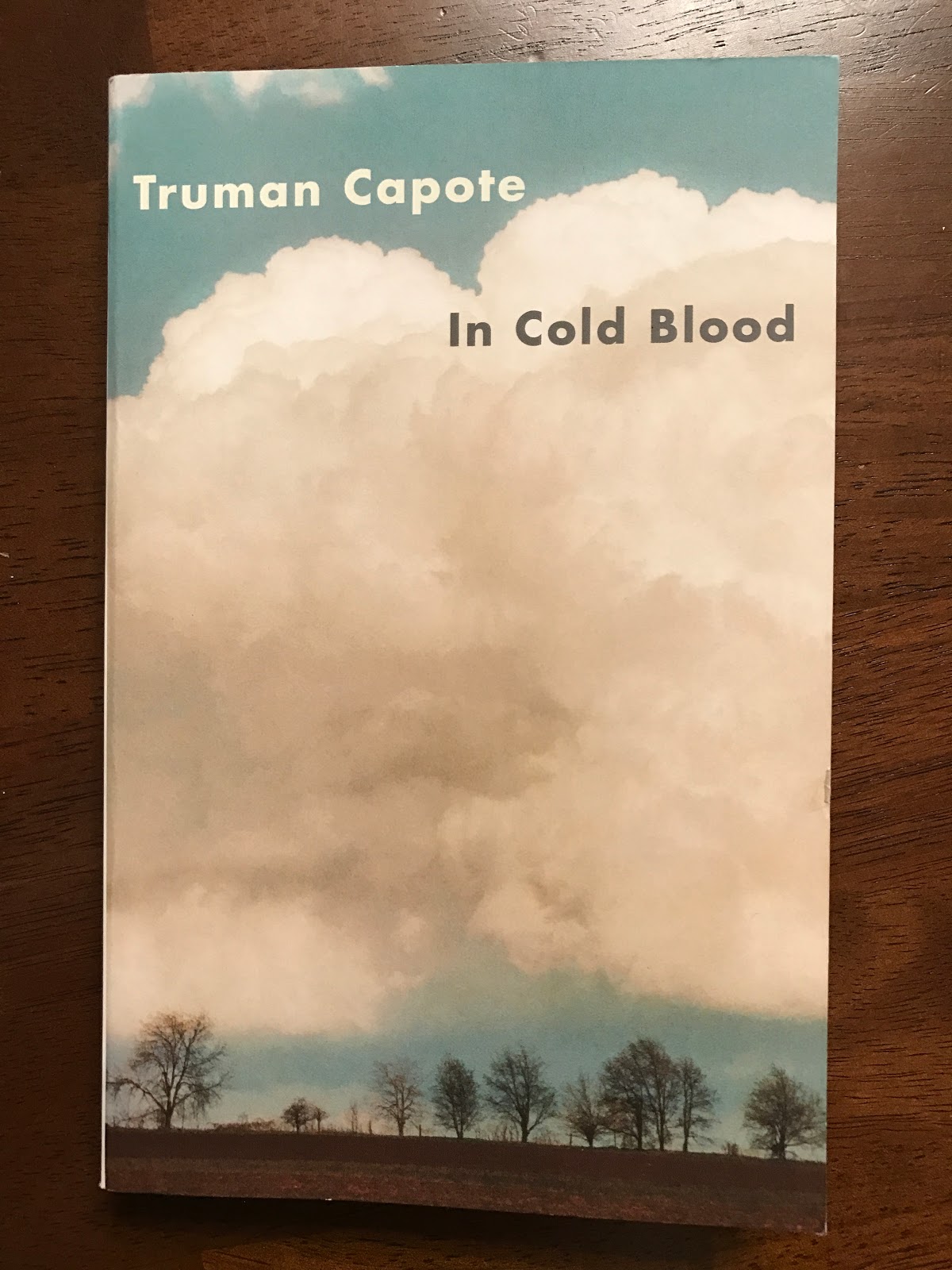
I’m a bit conflicted on Truman Capote’sIn Cold Blood. I can appreciate the historical significance of this “non-fiction novel”, which many regard as creating the whole genre, and I can certainly give praise to the amount of research Capote did to write it, but as a book, it honestly isn’t all that exciting. The only thing that kept it going for me was knowing that it all really happened, but unfortunately these days, where murder is seen on the news every night, has become almost common place, I hate to admit it, but it has dulled my senses to a story of four murders that happened a half a century ago.

This book tells the story of the murder of four members of the Cutter family in rural Kansas in 1959. At first thought to be the deed of someone in the small community, it turns out the killings were carried out by strangers who had no real motive other than robbery. Perry Smith and Dick Hickock, a couple of ne’er-do-wells, came in the middle of the night, killed the mom, dad, and high-school aged daughter and son, and fled back to home before anyone was aware of the crime. Turns out Dick had previously shared a jail cell with someone who had once worked at the Cutter farm, and told stories of the family’s wealth. Dick and Perry thought they’d get rich, but found there was no cash on the premises at all. Still, they killed the whole family. They then fled to Mexico, leaving a cold trail for the cops.

If they had stayed in Mexico, the case would probably never have been solved. Instead, low on money and no real way to make any there, they came back north and committed more crimes across the midwest, down to Florida, and finally back out west to Las Vegas, where they were finally apprehended. Capote alternates the short sections of the book telling their happenings, as well as the cops in Kansas during the investigation. Once the pair are in custody, the case against them builds quickly, and faced with all the facts, they each finally do confess. Confession in hand, the trial plays out, with a sentence of death by hanging handed down.

This first year takes up much of the novel, but the final 4 years go by quickly, with the pair spending their time in jail while appeals play out in the courts. Finally though, their time is up, and the duo is hanged in April, 1965.

Capote did indeed do a lot of research for this book, criss-crossing Kansas for interviews with all involved (with the help of his friend and fellow acclaimed writer, Harper Lee, to whom this book is dedicated). He talked to friends and family of the victims, people in the community, but also friends and family of the perpetrators. He also writes convincingly about the possible mental health problems faced by Smith and Hickock, which, while not forgiving their crimes, would at least give a possible reason. Capote does all of this in a novel form rather than a documentary-style, so you have to applaud the creativity. Still, not the most captivating for me, for the reasons above.

Quick takes on 5 films

Moana is an entertaining family film, the latest Disney animation. This one’s a good one. Moana is a girl on an island in the Pacific, who has grown up on her Grandma’s tales of supernatural demi-gods and other legends. Moana wants to travel the sea, but her father insists she stay on the island. When her island is threatened though, she does leave to find the legendary Maui, who has the power to help her restore her island and her people to their former glory. Strong songs, strong voice cast, and a powerful story all come together for a typical Disney story of strength, perseverance, and hope.
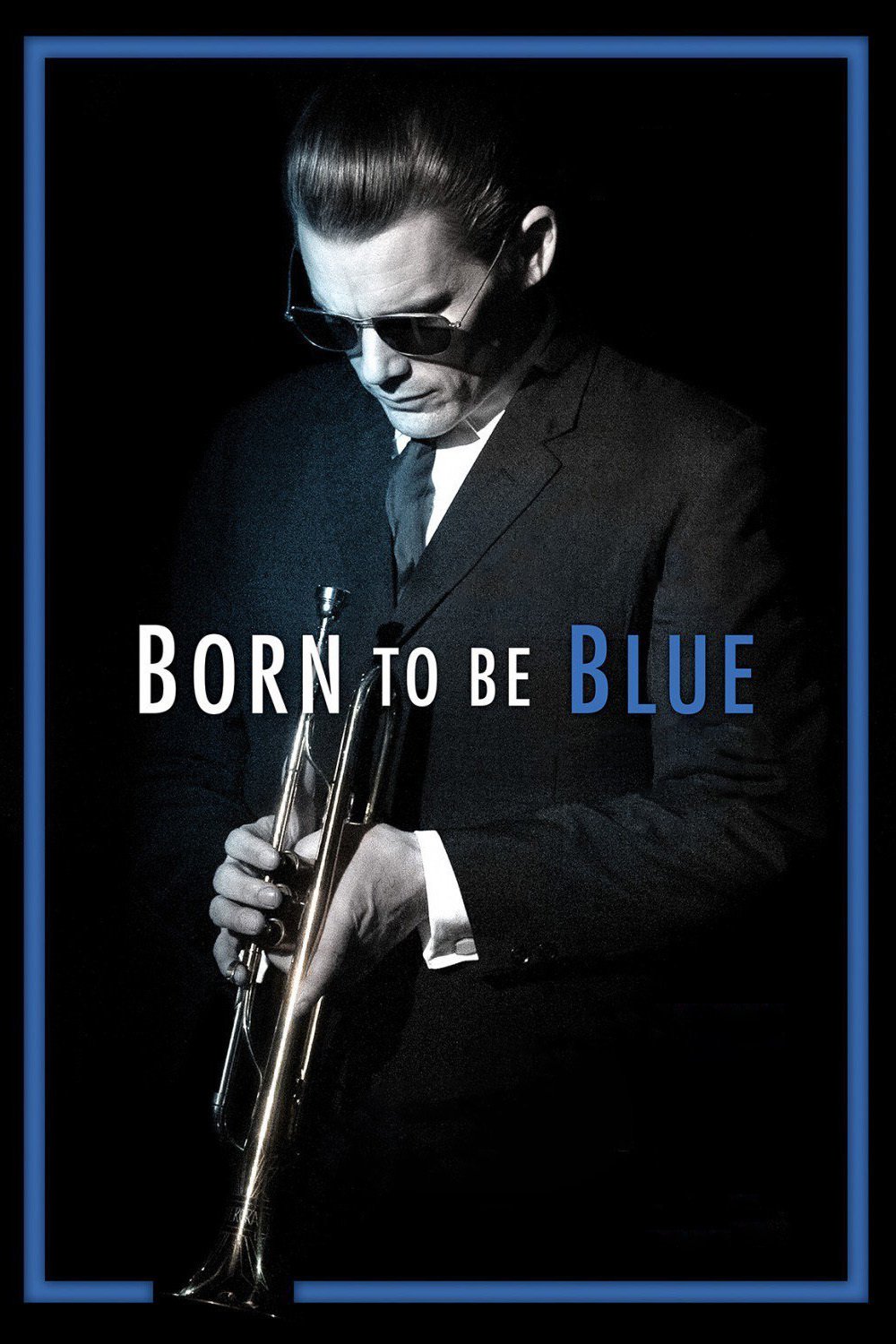
Born to be Blue is a loosely based biography on famous jazz trumpeter Chet Baker. Chet lead a hard life, mostly due to his life-long addiction to heroine. Portrayed here by the resurging Ethan Hawke, the story is told in an almost stunting way in the beginning, until picking up more linearly in the second half. Baker is extremely popular in the ’50’s but after a beatdown in 1966 broke several of his front teeth, he had to start all over and re-teach himself how to play again with dentures. He struggles to find a foot hold in a musical scene grown tired of his inability to be reliable, and promoters tired of his antics. Hawke is great as he has been over recent years, and I do like how the film does not sugar coat Chet’s struggle. In the end, the viewer has to decide if Chet really found success again or not, depending on how you measure such a thing.
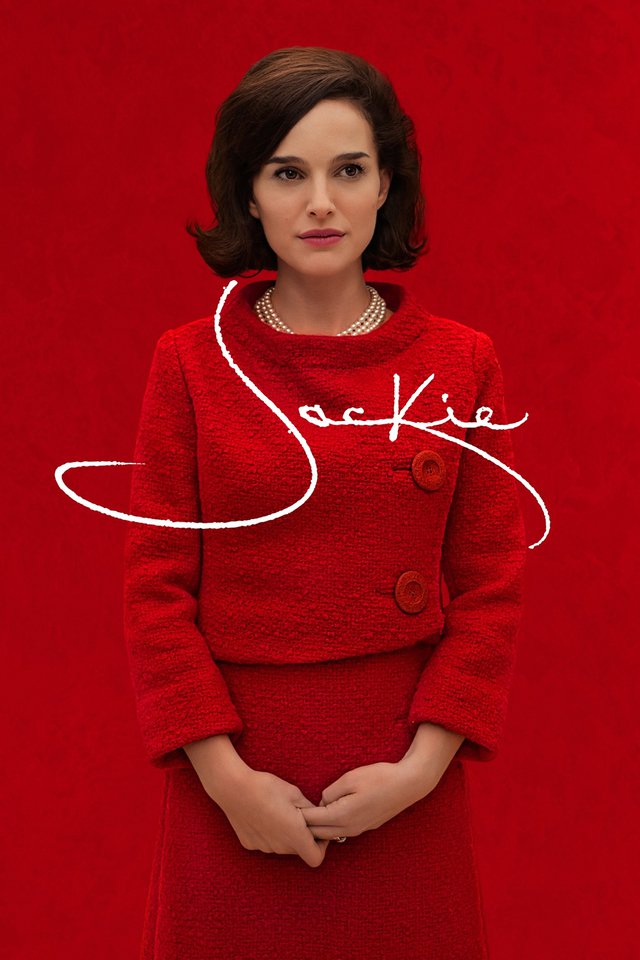
I’m torn on the film Jackie. The movie, which is a “behind the scenes” look at Jacqueline Kennedy’s private life during and just after President Kennedy’s assassination, is great. It builds well, has an engrossing and captivating tale, and keeps you riveted all the way to its conclusion. The movie is told as an interview Mrs Kennedy is giving, with flashbacks to her famous TV White House tour and that infamous day in Dallas, and then the details of the funeral. Fascinating historically for sure. However, I have always had a hang-up on actors when they use a fake accent. I know it is a personal problem of mine, but it is hard for me to disassociate the character from the actor in these instances, and seeing Natalie Portman give Kennedy’s slow, deliberate speech forces me to suspend belief, no matter how well done it is (and it is done extremely well here). Kudos to Portman for pulling it off, but still hard for me to get past it.
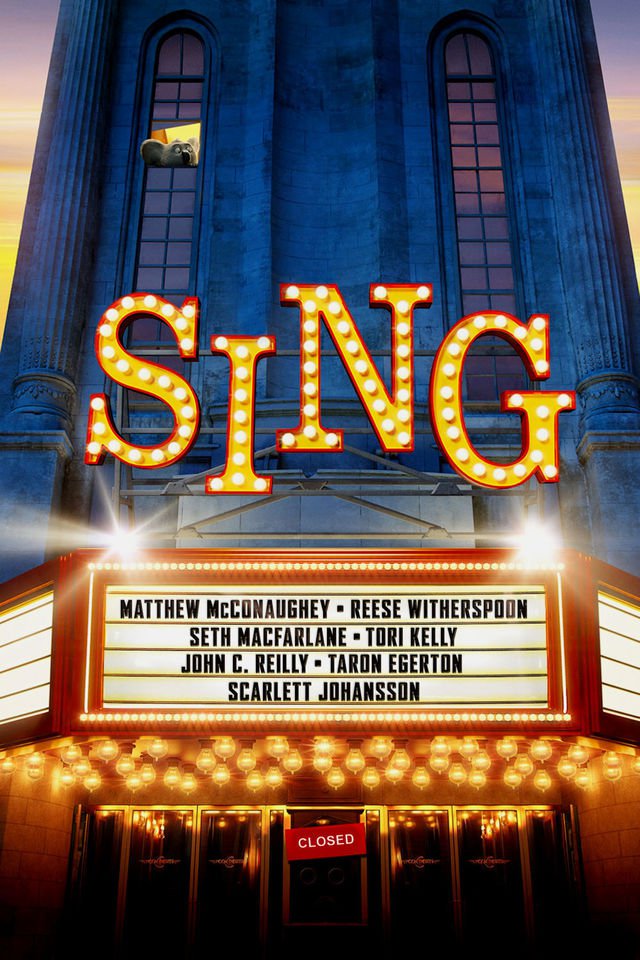
To be honest, I was fairly bored with fully the first half to two-thirds of Sing. It wasn’t all that engaging and seemed strongly geared for the youngins. But the ending is as uplifting and engrossing as you could hope for. An animated film with a very strong cast, this one is about a theater owner who holds a singing competition as a last-ditch effort to raise funds for his failing venue. The strong performers come from unlikely places with various obstacles to overcome. If you can stick through all the build-up, the payoff in the end is worthwhile.
I held off on watching Suicide Squad for quite awhile, watching it sit on my shelf until a fine layer of dust sat on it before finally putting it in this past weekend. It got such terrible reviews, and I am really pulling for the DC Universe movies to build something. Ultimately, I think this movie suffers the same fate as the previous Batman vs Superman film, it just tries to do too much. The backstory here is with Superman now dead from the previous movie in the series, the US government decides to pull together a ragtag group of psychotic villains to hopefully protect mankind from the risk of a superman-like supervillain. With a truly all-star cast, it should have been a great movie, and while I didn’t think it was nearly as bad as the scathing reviews made it out to be, there’s too much going, and it loses its focus far too regularly throughout the film. Personally, I would like to see some of the characters in this film get their own stand-alone (Marvel Universe style), but rough reviews and the cost of the cast may prevent that from happening. From the beginning, DC has gone about building their film series backwards, but hopefully they can get some feet under them before it is too late.

Quick takes on 5 films

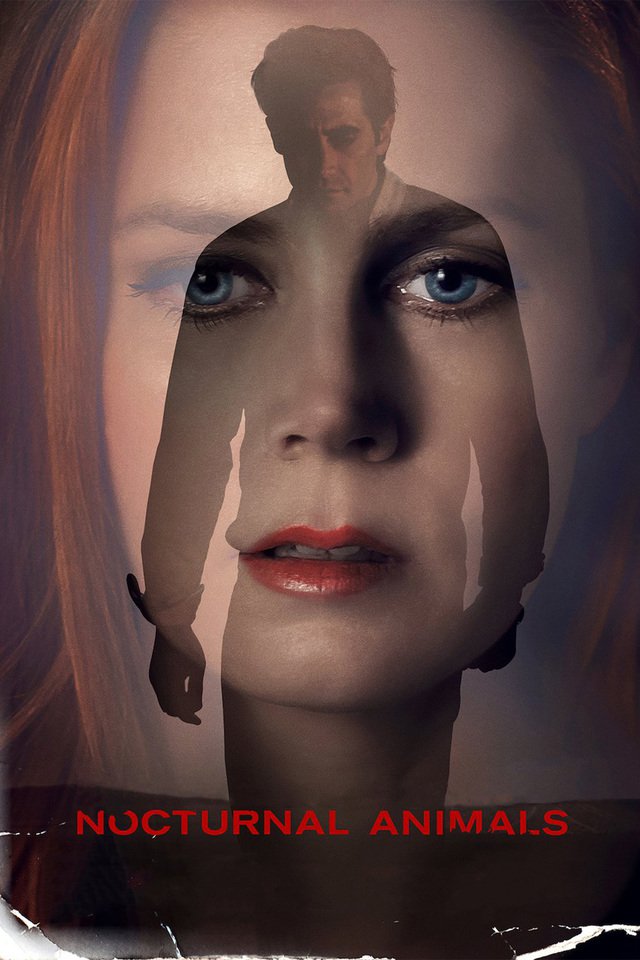
Seems like Jake Gyllenhaal likes to be in quirky, off-the-beaten-path kind of movies, and Nocturnal Animals is the latest. Also starring Amy Adams and, one of my favorites as you know, Michael Shannon. The movie is told with two storylines. Adams’ character, Susan, is a successful art gallery owner. She is in a failing marriage when she gets a manuscript in the mail, sent from her first husband Edward (Gyllenhaal). He has written a novel and dedicated it to her. The second storyline picks up now, which is the story of the novel with Jake also playing the main character Tony. That’s the backstory, and I don’t want to give more than that as the plot gets deep. It is a well written, well directed film, and the two leads are incredible, definitely at the top of their games. This is one of those films though, that you will either love it or hate, with very little room for the middle. I myself loved it, it’s a great film that you can watch more than once.
I enjoyed Passengers more than, well maybe anyone else, based on the terrible reviews it received. Yes, the plot has garishly gaping holes and forced you to suspend reason (even for a space science fiction film), but it has solid acting from Chris Pratt and Jennifer Lawrence, and it is one of those films where the build-up is better than the eventual payoff. It is about a long distance space flight from Earth to a new planet, a path that takes 120 years, which its crew and paying passengers spending the entire trip in hibernation. Chris and Jennifer’s characters wake up 90 years early though, and the ship starts to fail around them. Not quite tense enough for my liking, but still, I’m a sucker for these sci-fi films. Really not all that bad, and an entertaining couple of hours.
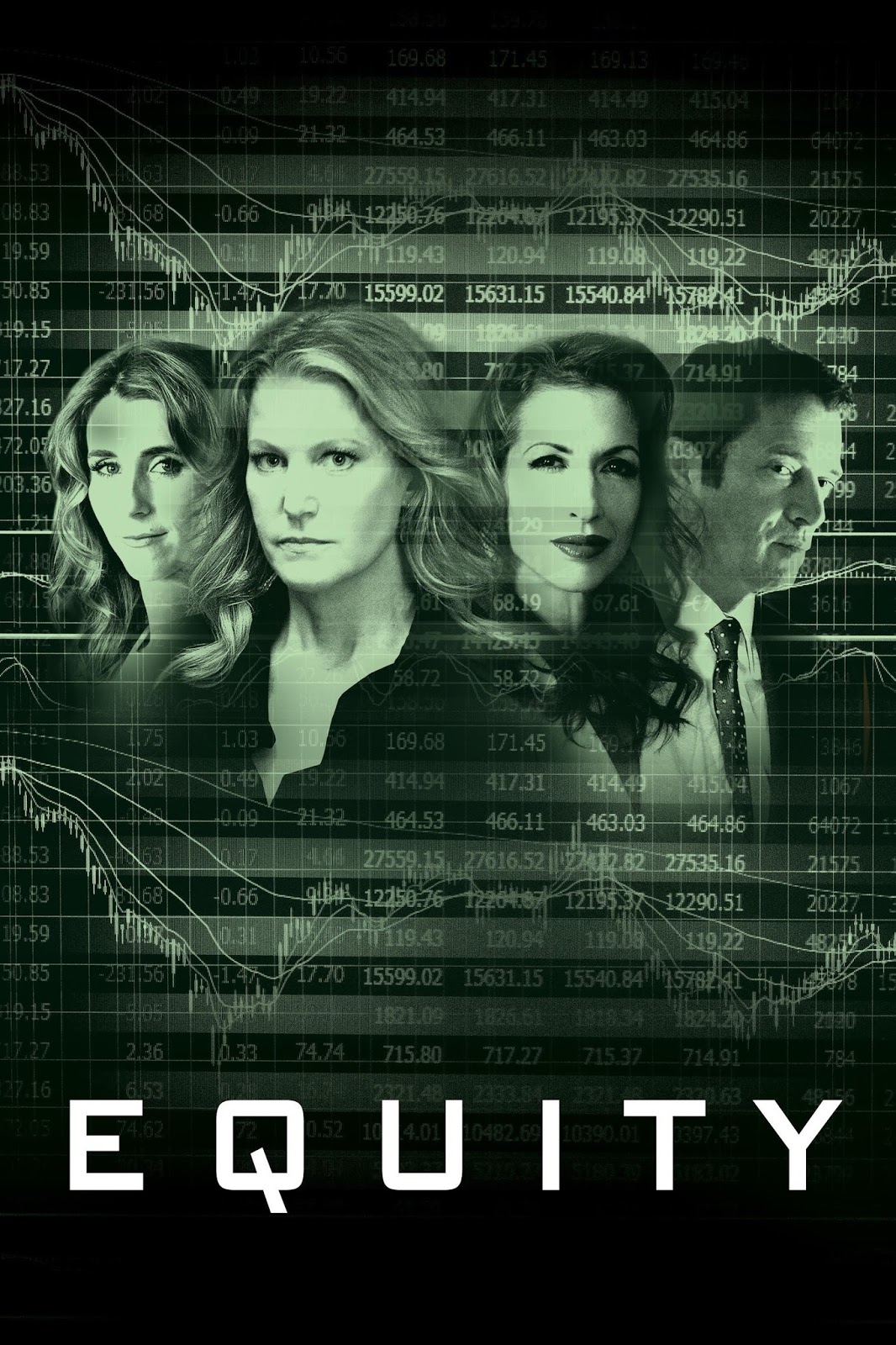
I’m sure Equity is very good, but it is one of those dialogue-driven “drama thrillers” that frankly isn’t very accessible. It stars Breaking Bad’s Anna Gunn as a high profile investment banker who specializes in taking private companies public, and setting up their IPO. I know it sounds really boring, and the fact that the film is even halfway interesting is a testament to its writing. The tenseness comes from the dialogue alone as there is no real “action” to speak of. It was hard for me to really get in to this one.
Patriots Day is the telling of the Boston marathon bombing. For me, the movie is a tale of two halves. The first part of the film builds to the second half, introducing all of the characters and backstory, and shows the bombing and immediate aftermath. For me this part of the film felt very disjointed and choppy, either because of poor editing or just trying to do cram too much information into a 2 hour movie. However, it really takes off when the police and feds start the manhunt, and the final gun battle is some of the most heart-pounding action I can remember. Any red blooded American will cheer aloud and choke up a bit as well as the terrorists are brought to justice and the film wraps. Even more so when you remind yourself that these heinous events really happened.
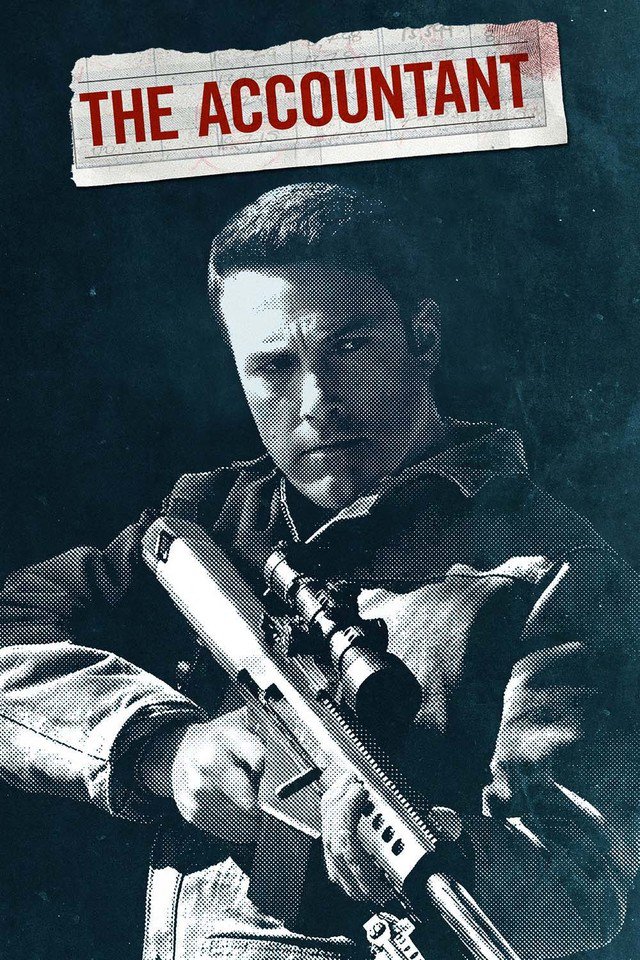
The Accountant is a rip-roaring, nonstop action film. Even the quiet scenes are tense and exciting, because the lead is always tense. Ben Affleck plays Christian Wolff, a severely autistic man so far on the spectrum that it is surprising he can even function. His mother wanted him at a school with others like him where he would learn to be “normal” but his military father instead chose to raise him harshly. Now an adult, he has turned his strict, structural view of life and military-style training into a very different career, as an accountant to high profile drug cartels, gun dealers, and terrorists, with the assassin skills to protect himself if anyone comes looking. Seems absurd, and there are wild leaps the viewer needs to take to keep the story going, but it is an entertaining ride from beginning to end, with a couple good plot twists along the way.

Franny and Zooey can’t talk their way to a story

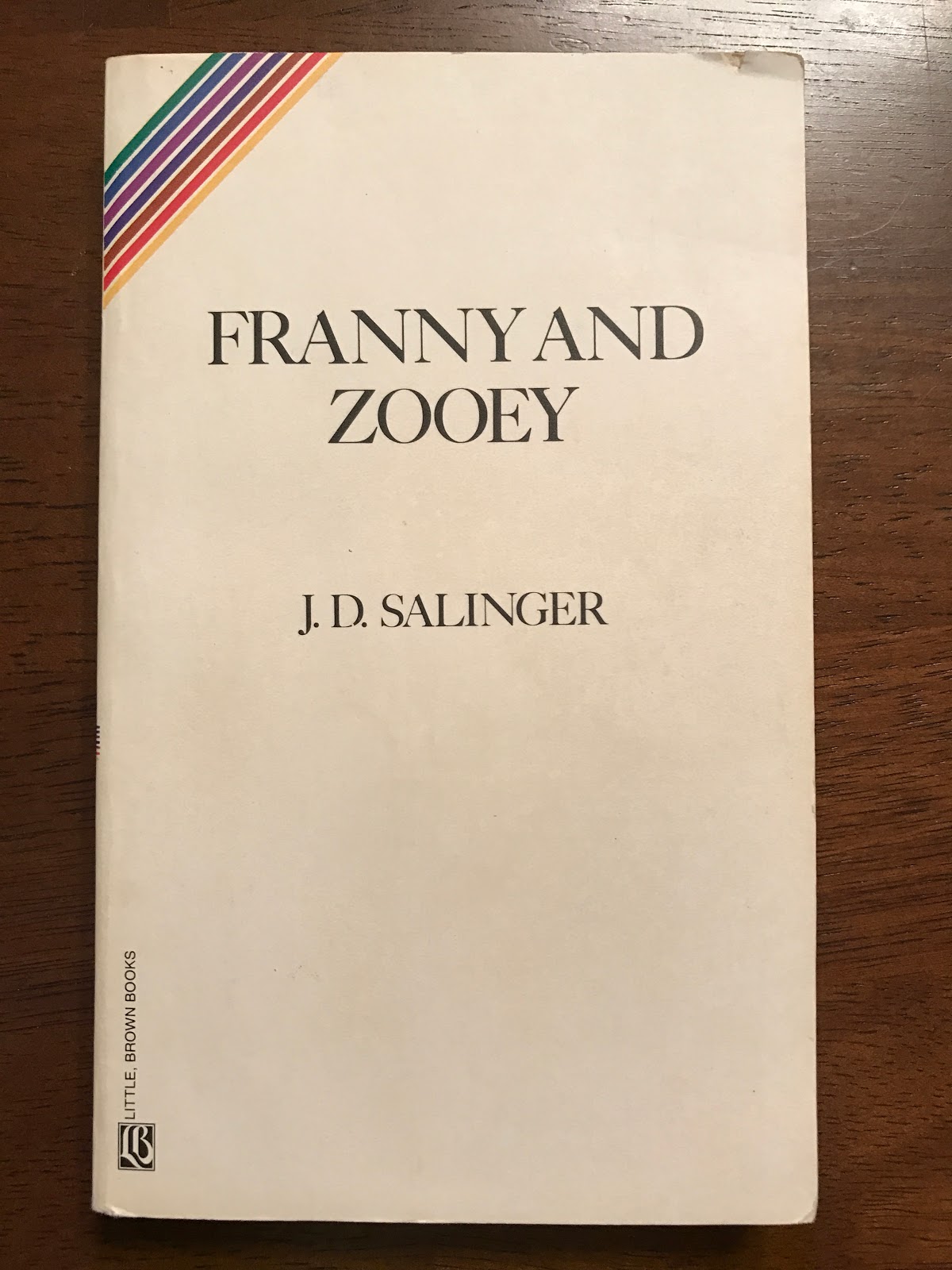
J.D. Salinger’s Franny and Zooey isn’t really a novel as far as I can tell. I understand Salinger’s immense talent and popularity, but I just don’t get this one. The whole book is really just 3 conversations. There is no real action here, and I almost feel like it is just Salinger telling us his views on various subjects and life in general, through the characters here.

The book is two short stories. The first, Franny, has her meeting her boyfriend Lane for dinner. He regales her with his stories of college and social life, and has a definitely high view of himself. She however deteriorates mentally as the night progresses. Lane doesn’t know it, but Franny is just bored with him and has been repeating a mantra all night. She tells Lane about the book she has been reading, about a pilgrim that gets closer to enlightenment by repeating the same prayer over and over again. Finally she becomes so overwhelmed with the whole situation that she collapses.

The second story is about Zooey, who we learn quickly is Franny’s brother. They come from a large and very well-thought of family, where all of the children are extremely intelligent, but that intelligence comes with high expectations which has all ready caused the eldest to commit suicide. Zooey spends the first half of this story talking to him mother (who he halfway despises for how she raised him, calling her by name instead of “mom”), and the second half talking to Franny. Again, the reader is subjected to Salinger force feeding us his views through his characters’ dialogue. There is even less action in this story than the first, and 90% of this story is just dialogue.

I can hardly call this is a novel, as a novel (for me) contains a story. There is no real story here, unless you count the background of the characters, as referenced in the conversations they have. As I don’t really care what Salinger’s religious views were, this book holds no value for me. I read through it all despite wanting to give up when it became apparent that nothing was going to happen, but I can’t recommend it unless you are one of those people for whom Catcher in the Rye changed your life.

Quick takes on 5 films

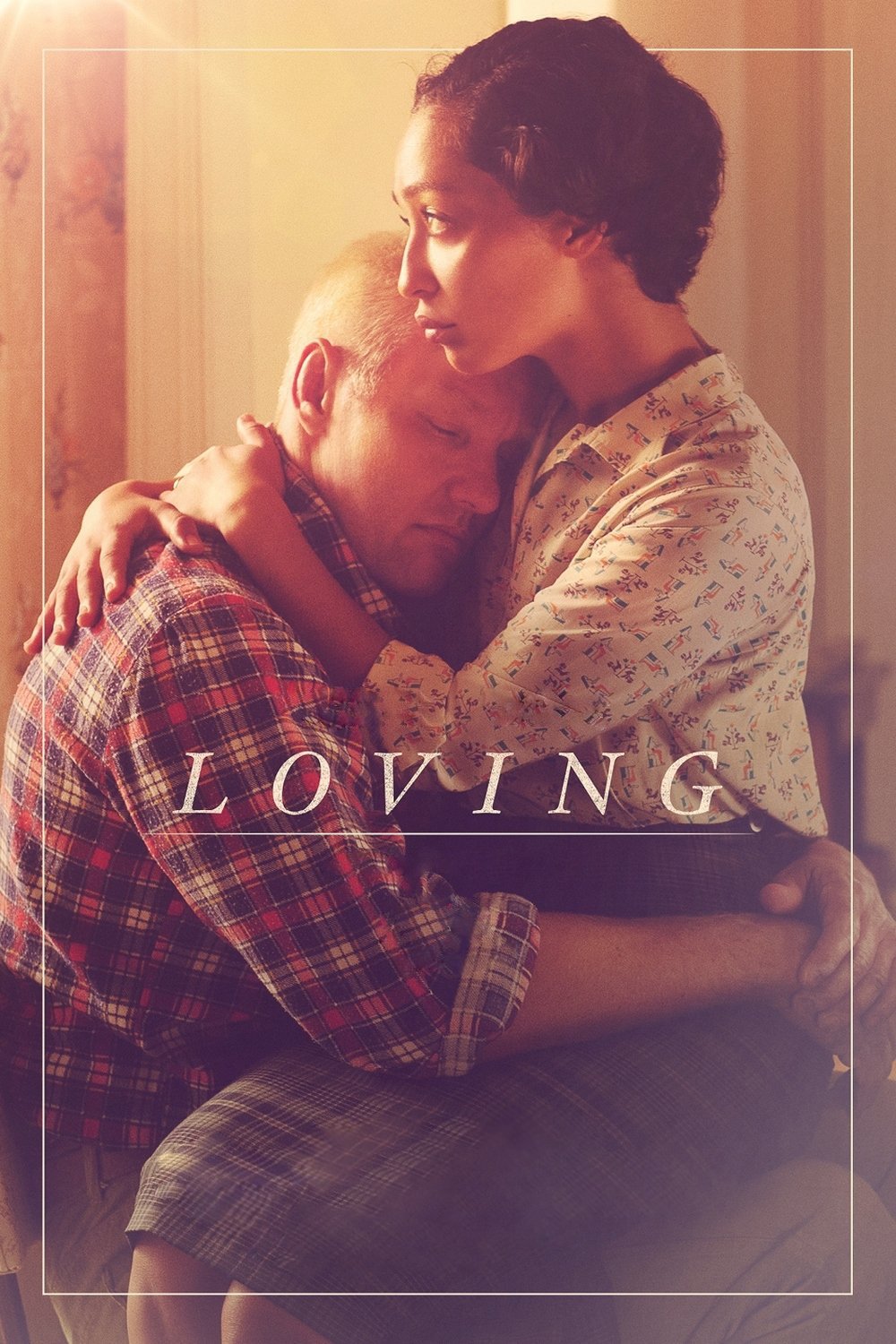
Loving is the true story of the law-making marriage of a white man (Richard Loving, played by Joel Edgerton) and a black woman (Mildred, played by Ruth Negga). In love and with a child on the way, the two get married in Washington DC in the 1950’s, where the marriage is legal, but are arrested upon their return to Virginia where their biracial marriage is illegal. Facing a long jail sentence, they agree to leave the state, but grow to miss all of their family, friends, and way of life in Virginia. They eventually return and try to hide out in a farm house away from town. When they are again discovered, they finally turn to the courts for help, with their case going all the way to the Supreme Court. A heart-warming film, even if there are some rough patches. Negga is brilliant and deserving of the award nom’s she received (and on a side note, since I first noticed her in Marvel’s Agents of SHIELD a couple years ago, she has seemed to pop up suddenly in movies and tv shows all over the place). However some of the supporting actors are truly terrible, almost appearing to read lines off the script with little emotion. Also, the film does drag. At one point I thought this whole story could be told in a 30 minute documentary instead of a 2 hour film. Still, it’s an important story to hear, with lasting implications for equality.

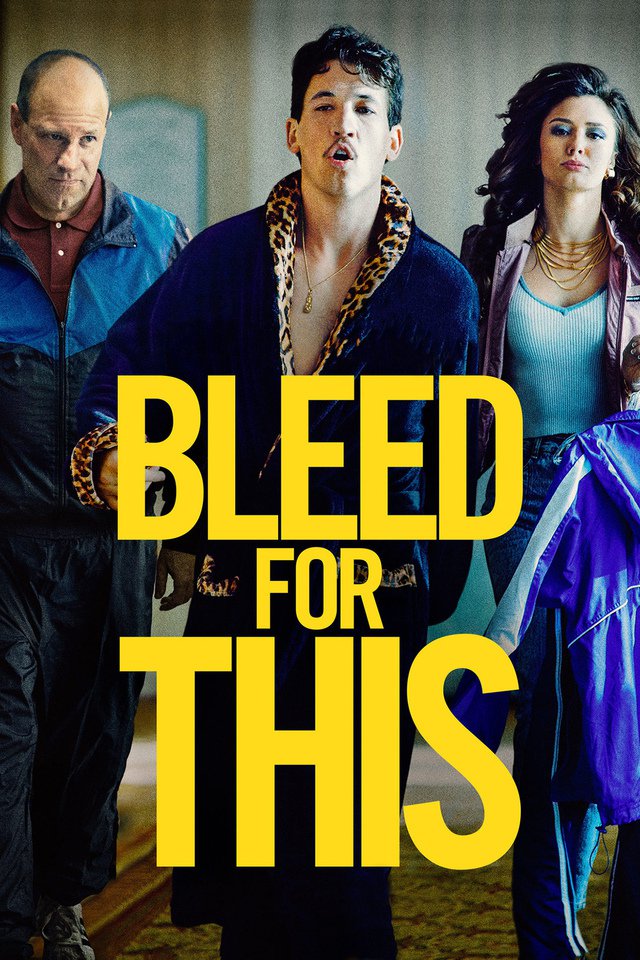
Bleed for This is an all-right boxing drama, based on the true story of Vinny Pazienza. Vinny, as played by the continuing-to-rise star Miles Teller, is at a crossroads in his career, having been a former championship boxer, but now facing a series of defeats. After a huge comeback win to put him back on top, he is immediately involved in a bad car wreck, resulting in a broken neck that nearly paralyzes him from the neck down. Refusing to have his neck bones fused, which would prevent further injury but also end his career, he slowly rehabilitates back to fighting shape. Teller is fantastic and well deserving of praise, but the film relies on a few too many cliches. I like to root for the underdog without the film telling me to root for him, if that makes sense. Not a bad movie overall though.

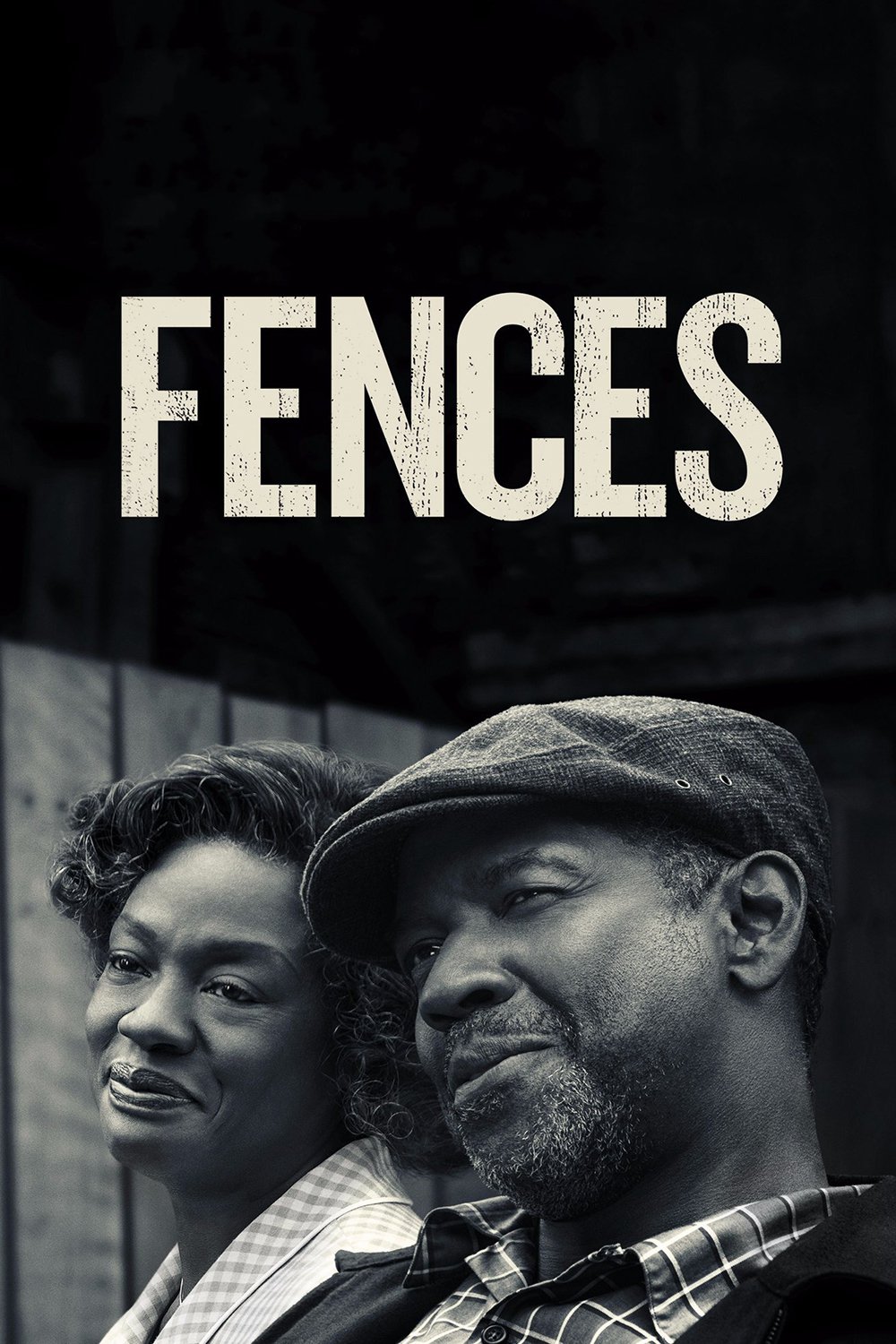
Fences is brilliant. You know what to expect from the esteemed Denzel Washington, but the whole cast is great here. A lot of overarching themes in this film, but most significantly for me was the changing way of life, and attitudes of and about the black community in the 1950’s. Denzel plays Troy, an aging father who thinks highly of himself, and enjoys his life as “man of the house” and center of his universe, and thinks all things in his household should revolve around him. He reminds everyone that he could have been a great ballplayer, but wasn’t given a chance because of the color of his skin, and everyone seems to let him live out this (possible) fantasy. His outlook of life faces opposition though when his growing son tries to tell him that times are changing, and black men can make change and do more than submit to the way things have been. Absolutely stunning acting in this film, with harsh dialogue (more “N” words than a white suburban boy is comfortable hearing), but a fascinating tale. There are scenes so full of emotion, you can help but gasp aloud and get choked up.

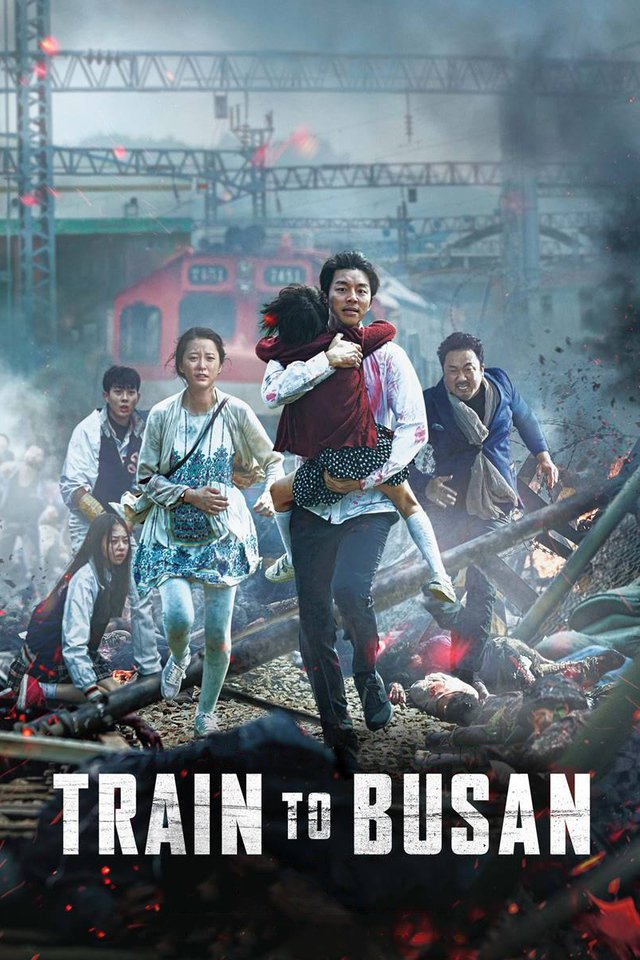
Train to Busan is a unique twist on the zombie apocalypse movie. This Korean film has the lead characters on a train bound for another city when the breakout happens. In “newer” zombie fashion, these aren’t your slow, sluggish crawlers. They run and jump and chase down the survivors. The living people on the train fight the zombies and each other, being picked off one by one through the film. It is a thrilling movie, and the new take on the classic tale is just different enough to keep you engaged. A good, gripping film.

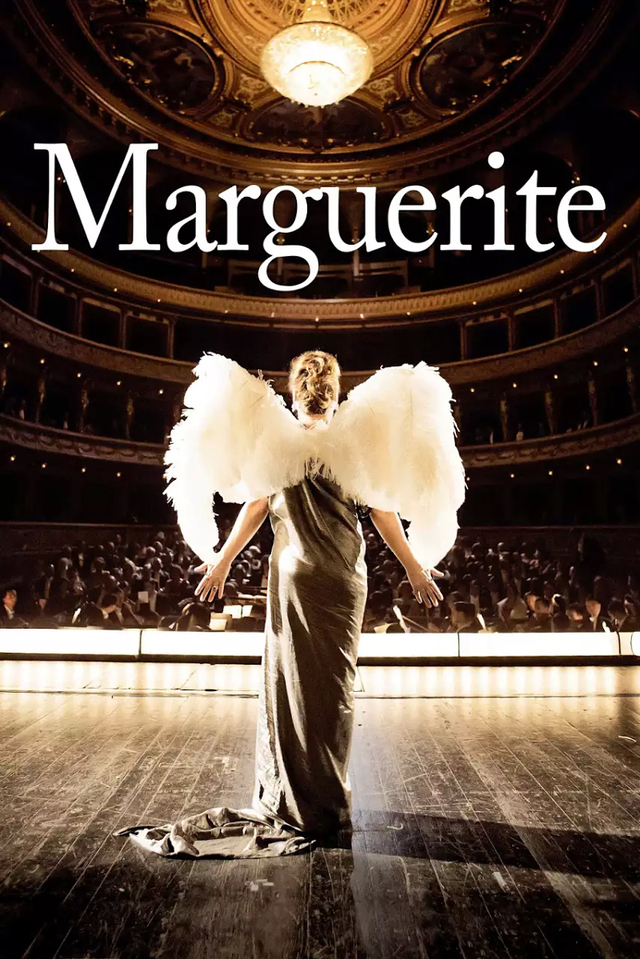
Marguerite is a touching, endearing film for foreign film lovers. It is based loosely on the story of Florence Foster Jenkins, the opera singer of the 1920’s who thought she was great, when in reality she was anything but. This is the second film about her, the other being the American film starring Meryl Streep. I didn’t much care for the Streep version, which played more on the comedic value. This French version though is much stronger. Instead of in America, the movie changes the backdrop to post-war Europe. Instead of focusing on the idea that Marguerite can’t sing and everyone snickers behind her back, this version instead looks at why she is trying to be a singer. She is lonely, in an unloving marriage, and really only sings in public at the urging of her staff and supporters, who have their own agenda. The viewer really feels for her plight. A strong film, though a heartbreaking one.