Quick takes on TEN CLASSIC films

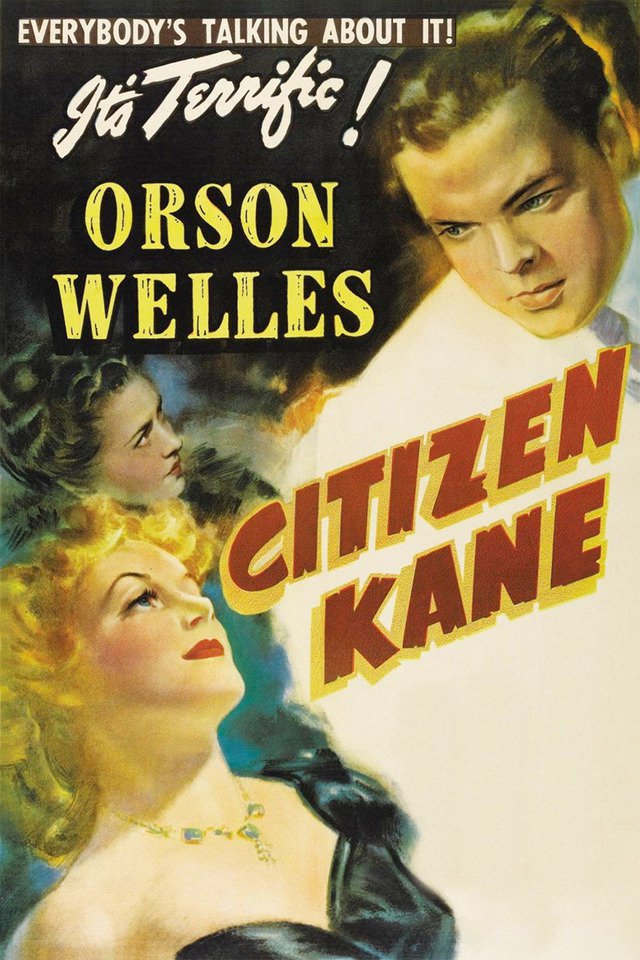
Most movie lovers have seen Citizen Kane, widely regarded as one of the (some say the very) best movies ever made. Starring and directed by the heralded Orson Welles, its famous ferreting out of Charles Foster Kane’s last, dying word, “redbud,” has been discussed for decades. The movie follows Kane’s life, told in flashbacks as a newspaper reporter interviews those that knew him best, and in its course a very intriguing, driven, yet ultimately flawed character is developed. Beautiful acting by Welles with some groundbreaking techniques for its day in 1941, this is one of the all-time great classics that is worth a new viewing if you haven’t seen it in awhile.
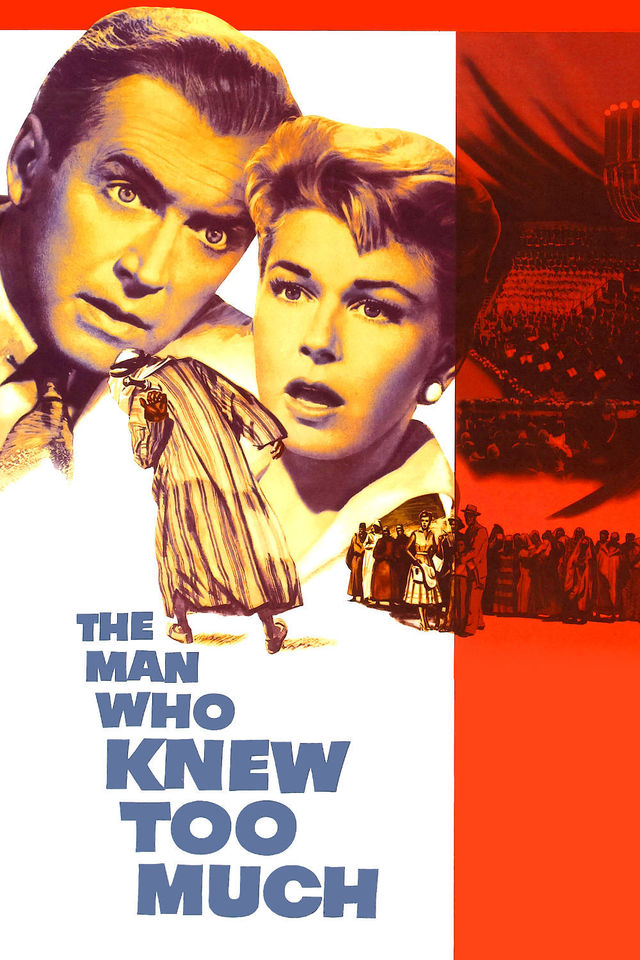
The Man Who Knew Too Much is the classic Alfred Hitchcock film starring Jimmy Stewart and Doris Day, as Ben and Jo McKenna. It is an international thriller, beginning in northern Africa as the couple is vacationing with their son. From the start Jo gets weird vibes from people around them, feeling like they are being watched. They are shaken up when a new acquaintance is murdered in front of them, who gives a message to Ben before he dies. Immediately their son is kidnapped, and the couple is told to stay away from the police and not share the dying man’s last words with anyone. The mystery heads to London, where an assassination plot is uncovered. A very good thriller, though like a lot of Hitchcock films, the ending is awfully abrupt.
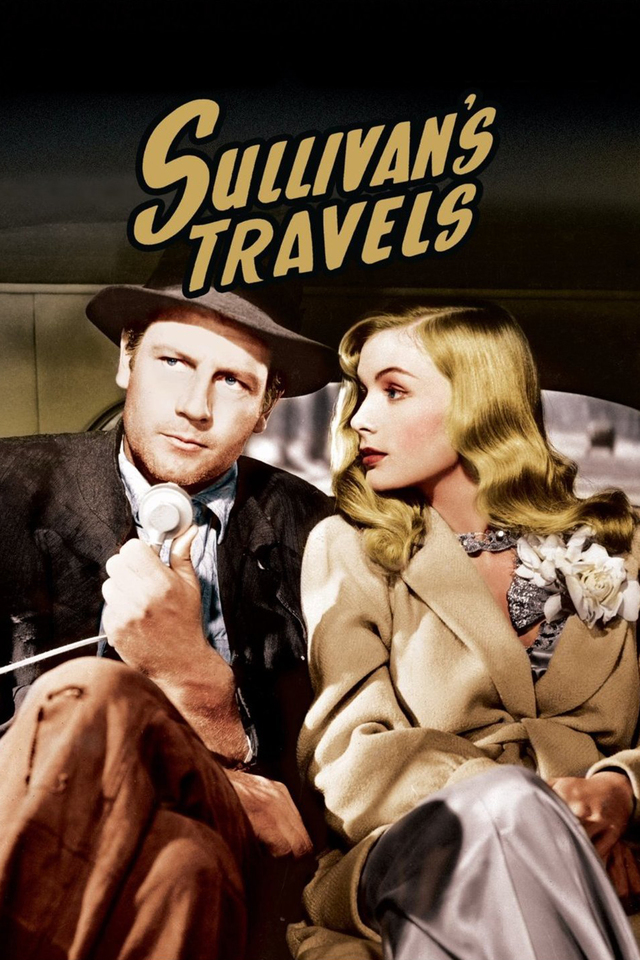
Sullivan’s Travels is an old comedy from 1941, about a successful film director who is known for comedies, but who wants to make a serious drama. The movie studio thinks he doesn’t have the real life experiences to draw on to make a successful serious film, so he decides to renounce his riches and live as a hobo for awhile. Early on, he meets a struggling actress who decides to tag along in his adventure. This is a very funny film for most of it, but it gets almost dark for a good portion in the second half, when the director is incarcerated and sentenced to hard labor, while everyone in Hollywood thinks he is dead. A fun movie that holds up well, fans of comedies of all eras will enjoy this one.
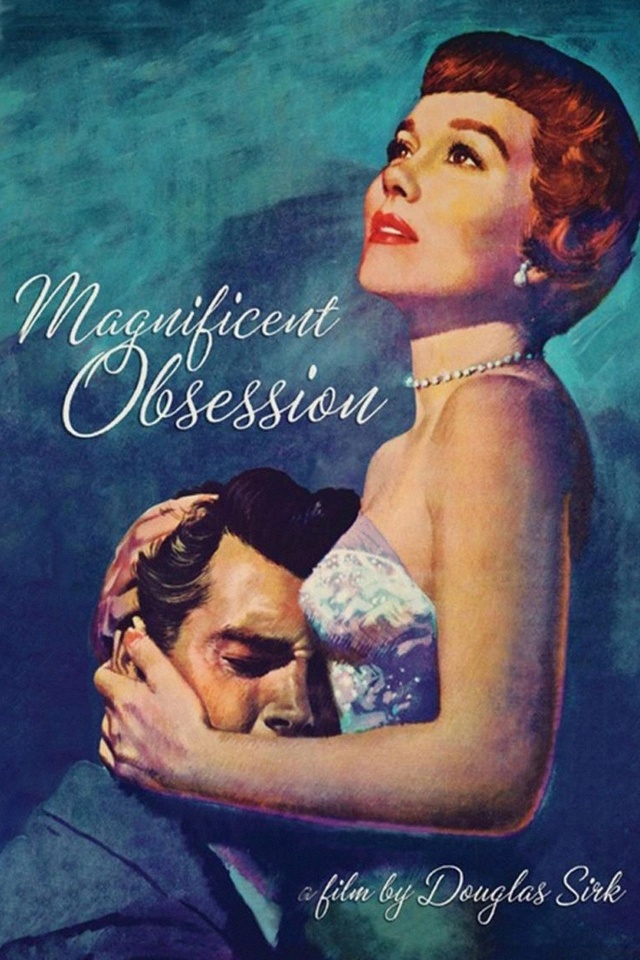
Magnificent Obsession is an absolutely wonderful film from 1954, starring Rock Hudson and Jane Wyman. Bob Merrick is a high-life playboy without a care in the world. He is speed boating on the lake when he gets into an accident. The paramedics use the only resuscitator in the area, which belongs to local doctor Phillips, to bring him back, but while doing so, Dr Phillips has a massive heart attack and dies. Everyone in the area blames Merrick for tying up the machine, and Bob is wracked with guilt. He tries to bring comfort to Phillips’ widow, Helen, but in her anger she rebuffs him. In talking to Dr Phillips’ friends, Bob learns of his “pay it forward” attitude towards life, that if you do kind and unprovoked things for people without expecting reward, good luck comes back to you. Tragedy strikes Helen next, as she falls blind in an accident. Bob pretends to be someone else to get close to her now that she cannot see, and eventually they fall in love. This all leads to a heartfelt conclusion. A fantastic film that may often get overlooked today.
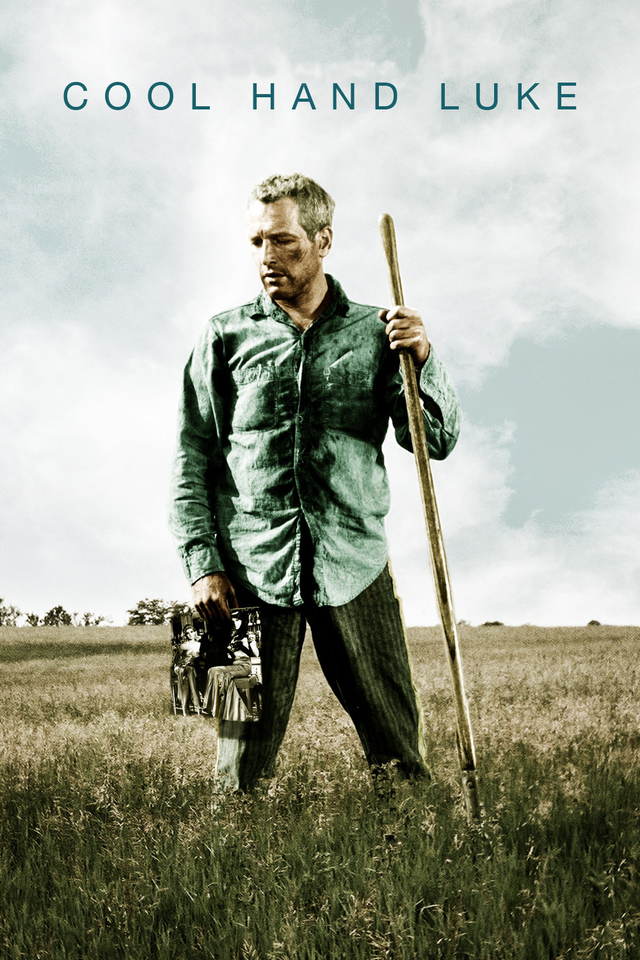
Paul Newman was a cool cat, and he was never cooler than in Cool Hand Luke. The famous film about a man that would not be broken by the law, it cemented Newman as a Hollywood A-lister in 1967. After a dumb stunt while drunk, Luke is sentenced to a chain gang in Florida. If he would just follow the strict rules and work hard, he’d be out in 2 years, but Luke was never one to follow rules. His easy-going nature and tendency to buck authority quickly makes him popular among his fellow convicts, and his continuous escape attempts earn him cruel treatment from the guards. By the end of the film, Luke has taken on an almost mythic-like quality, and he becomes a legend that will live on well past his untimely demise. I’m a big Paul Newman fan, but had shamefully never seen this one before. Don’t follow my mistake, and check this one out (or revisit it if it has been too long).
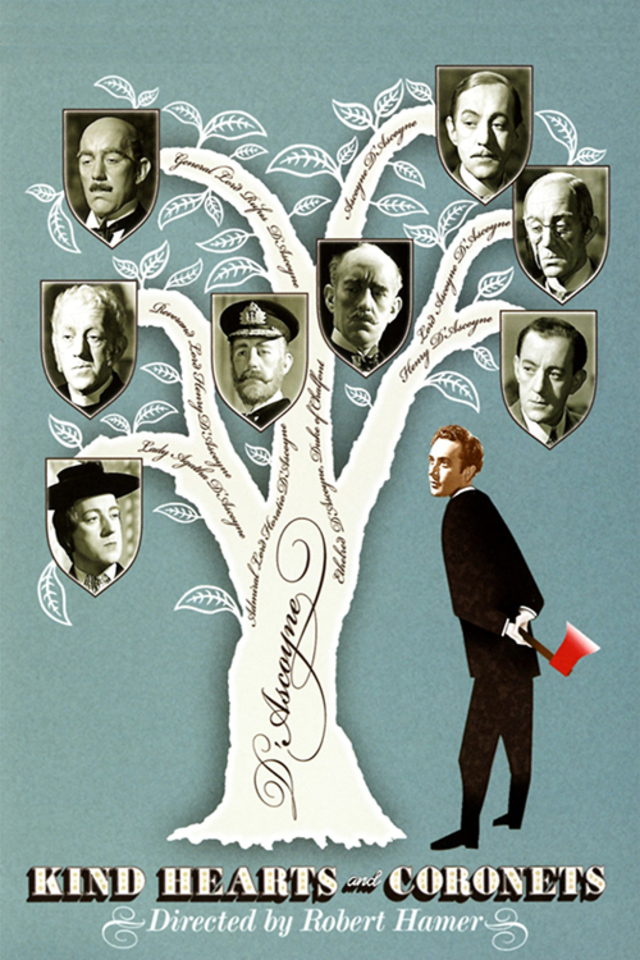
Long before Eddie Murphy showed up as multiple roles in The Nutty Professor, there was Alec Guinness in Kind Hearts and Coronets, from 1949. This is a British comedy about a man, Louis, who seeks to become a Duke through murdering all of those in the line of succession before him. Louis’s mother was kicked out of the family for marrying a commoner, but Louis is resigned to set that right. All of the D’Ascoyne family must go before Louis can become Duke, so he starts taking them out, one by one. Each family member, all 8 or 9, is played by Guinness, including the Lady Agatha D’Ascoyne. It’s a true classic comedy, so if you don’t like dry British humor, you will most likely hate this one, but I found the word play and almost silly chain of events to be fantastic. The sub plots of Louis’s fling with his childhood girlfriend (who is married to his childhood pal), and Louis’s wooing of one of his victim’s widows, fill out the film. It’s a fun movie if you like this style.
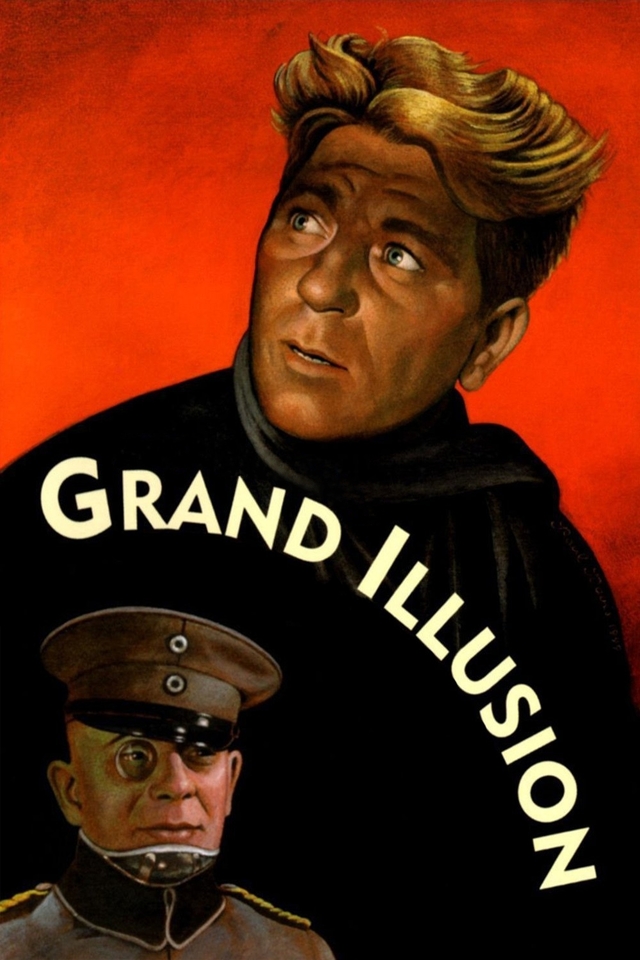
La Grande Illusion is an utterly fantastic French film from 1937, taking place during World War I. French officers Boeldieu and Marechal are shot down and captured by the Germans, who imprison the duo but treat them with respect as befitting an officer. While Marechal was a commoner before the war, Boeldieu is a refined aristocrat, and early on, is introduced to his German counterpart, Rauffenstein. When they are moved to a prisoner of war camp, they meet other Frenchman, including Jewish Rosenthal. Rosenthal finds the refined Boeldieu aloof, but Marechal vouches for him. Marechal and Boeldieu have several escape attempts and as such, get moved from camp to camp, until finally arriving at an impregnable stronghold, where they meet Rauffenstein again. Now later in the war, Rauffenstein has had several injuries that keep him from the front lines. Rauffenstein reminisces with Boeldieu about life before the war, when the aristocrats were kept above those common people with whom they now appear on equal footing, but Boeldieu accepts the changing times that war has brought, and knows it will never go back to the way it was. Boeldieu hatches a plan to allow Marechal and Rossenthal to escape, sacrificing himself in the bargain, and we then follow the escapees as they attempt to find freedom at last. Truly an incredible, epic film, with arresting acting from all of the leads, and a movie to contemplate long after the “fin.” The big “illusion” referenced in the title has multiple layers here, from the changing times, to the ways soldiers of different sides (and different backgrounds on the same side) face each other, to even the war itself. Highly recommended.
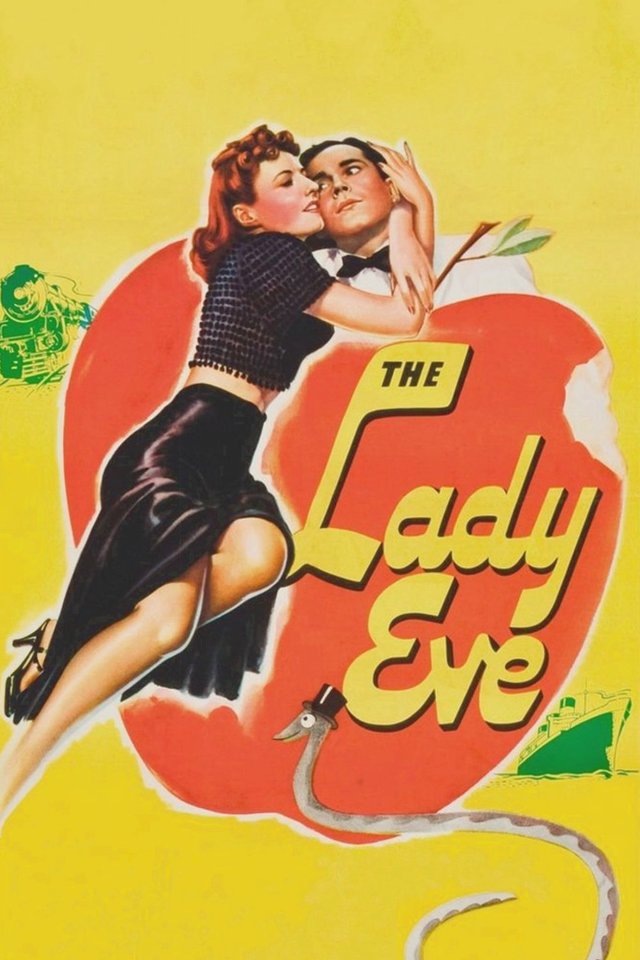
The Lady Eve is another lovely film, starring Barbara Stanwyck and a young Henry Fonda. Charles Pike is returning to America on a cruise ship, when he meets Jean Harrington. Jean and her father are con artists, and see Charles as an easy target, until Jean and Charles fall in love with each other. Charles’s infatuation is shattered though when he finds out about Jean’s past, and the two split up. Back in American now, Jean hatches a plan to teach Charles a lesson, inventing a new woman named Eve. This is a zany comedy from 1941, probably classified as a romantic comedy today, and is wonderfully engaging. You root for Charles and Jean both, hoping they can find happiness together despite their conflict. Beautiful acting and energetic, fast-paced dialogue that isn’t dated.
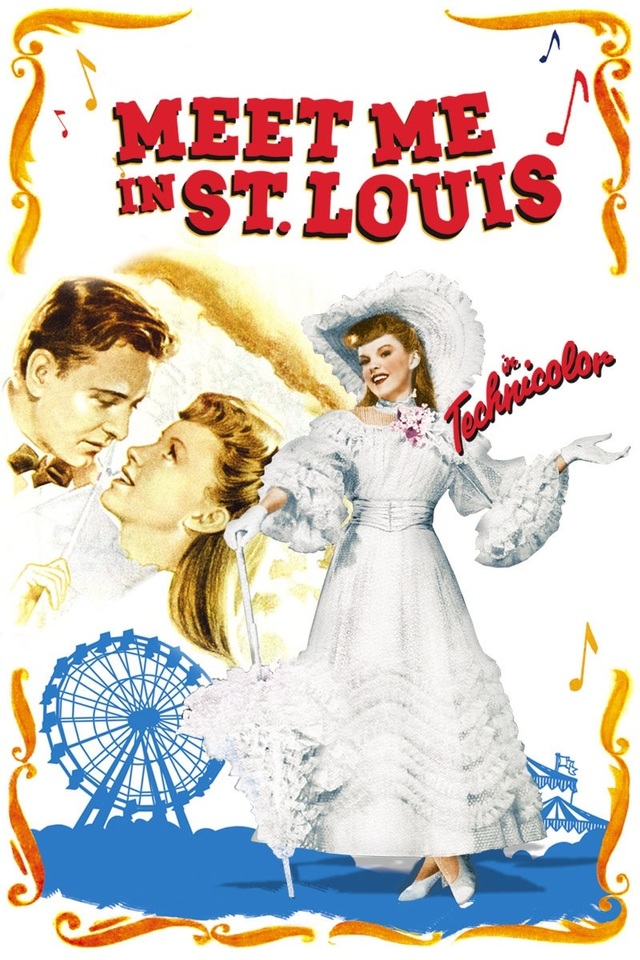
I finished up with a couple classic Vincente Minnelli musicals. 1944’s Meet Me in St Louis is probably the more popular of the two, though not one of my favorites. It stars Judy Garland as Esther Smith, and is about her family in St Louis against the backdrop of the approaching Worlds Fair in 1904. Esther and her sister Rose are getting towards marrying age, and are looking for men. Garland is fantastic, but the movie (and the musical) are just “ok” for me. The lasting songs are great (the now-standard “Have Yourself a Merry Little Christmas” is from this show), but the film just sort of meanders along. This is probably a blasphemy statement due to how popular this show is, but it’s not for me.
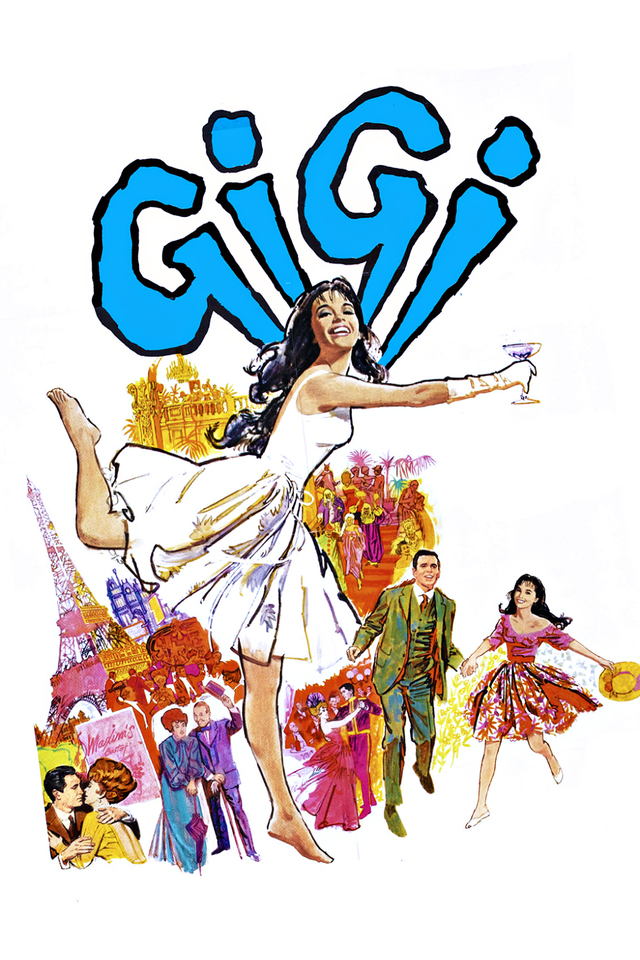
Minnelli’s Gigi from 1958 is more fun. Leslie Caron is in the title role, with Louis Jourdan as Gaston. Gaston is a rich playboy who is bored with high society, where women jostle for the envious position of his mistress. His only joy comes in hanging out with young Gigi and her grandmother. Gigi is a normal girl who finds all the pretentious play-acting extremely tedious, and is reluctantly taking grooming lessons from her great aunt. When the aunt sees an opening for Gigi to be Gaston’s mistress, despite their age difference, she forces Gigi to finally take her lessons seriously, which Gigi does only to stay close to Gaston. It’s a wonderful story with charming songs, and despite a recent Broadway revival and national tour, it is far less publicly known that Meet Me. A very enjoyable movie.

Star Wars blasts back to the forefront in The Last Jedi

Like $200 million dollars worth of people this weekend, I made it to the local theater to watch the newest Star Wars. Don’t worry, no big spoilers in this one.
The Last Jedi picks right up where the last film, The Force Awakens, finished. Rey has met Luke Skywalker and wants to get trained by him to become a jedi. Kylo Ren and the New Order are chasing the final remnants of the resistance across the galaxy. The opening scenario has some similarities to Empire Strikes Back, and I had just enough time to think, “Great, here we go again, with a loose remake” when it quickly changed and went in a new direction.

To put it simply, this movie is a blast from beginning to end. It’s a long one at over 2 ½ hours, the longest Star Wars movie to date, but never did I feel like it was dragging. The film has its dramatic moments, but it is really an action film from the get go, with dazzling battles throughout its length. The epic fight at the end is fitting, and sets up well for the conclusion of the trilogy, but still, it feels like a whole film that stands on its own. I saw this one with my adult son who remarked this may be his favorite Wars film yet. Not sure I’m ready to take that step, but it is a fantastic entry and breathes fresh air into the series. Excited to see the grand finale in 2 years!

Quick takes on TEN films

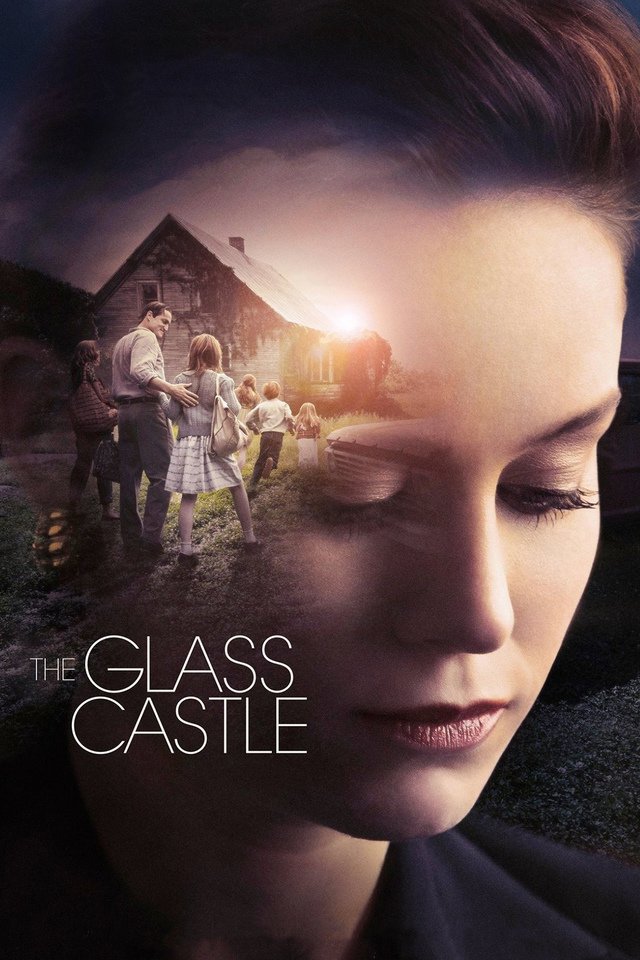
The Glass Castle received a number of negative reviews from people who felt it glossed over some of the harsher realities of the memoir it is based from. I never read this book, so having nothing to base it on, I really liked this film. It follows the life of Jeannette Walls in her very dysfunctional home. Her dad is a lifelong alcoholic, who leads his family from home to home to avoid paying bills and also to stay off the grid. He is alternately wonderful and terrible to his wife and kids, and the kids vow to leave as soon as they are old enough to go. The movie is mostly told as a flashback, with adult Jeannette having grown to despise her father. The movie heads towards a storybook Hollywood ending which I didn’t want to see, after all the terrible things the dad did his whole life, but I came around to accept it. Brie Larson and, especially, Woody Harrelson are beyond incredible in this movie, further proof of each of theirs supreme talent.
I didn’t like Landline for many of the same reason’s I didn’t like the same director’s Obvious Child from a couple years ago. This one is about a family that looks perfectly good on the outside, but which is falling apart internally. The older daughters (adult Dana and high schooler Ali) find out their dad is cheating on their mom. At the same time, Ali is delving into harder and harder drugs with her friends, and Dana starts cheating on her fiance too. Both of these movies were very well received by the critics, but I find the characters annoying. They expect to be able to do bad things and receive good results. Jenny Slate (Dana) plays a similar version of the same character in both films, and isn’t likable, despite decent acting chops. I have to disagree with the professional reviewers on this one; I ended up just watching to the end to see how everyone turns out.
Maudie is a biographical film about Canadian folk painter Maud Lewis. Played by Sally Hawkins, she is born with severe rheumatoid arthritis and grows up relying on her family to take care of her. Wanting some form of independence, she takes a job as a live-in housekeeper for a destitute fish peddler, Everett (Ethan Hawke). The two start an unlikely romance, and for the first time in her life, Maud is allowed to paint, which is the only thing to bring her true joy. Hawke is a great actor but isn’t really allowed to shine here, as his gruff, surly character doesn’t do much than grunt and mumble throughout the film, but Hawkins shines as Maud. In really great performances, you stop seeing the actors and become absorbed by their craft in front of you, and this is definitely one of those times. On screen, even Hawke seems to be in awe of Hawkins as Maud overcomes her physical challenges. This isn’t necessarily a movie I’d watch multiple times, but for the lead performance alone, it is definitely worth a watch.
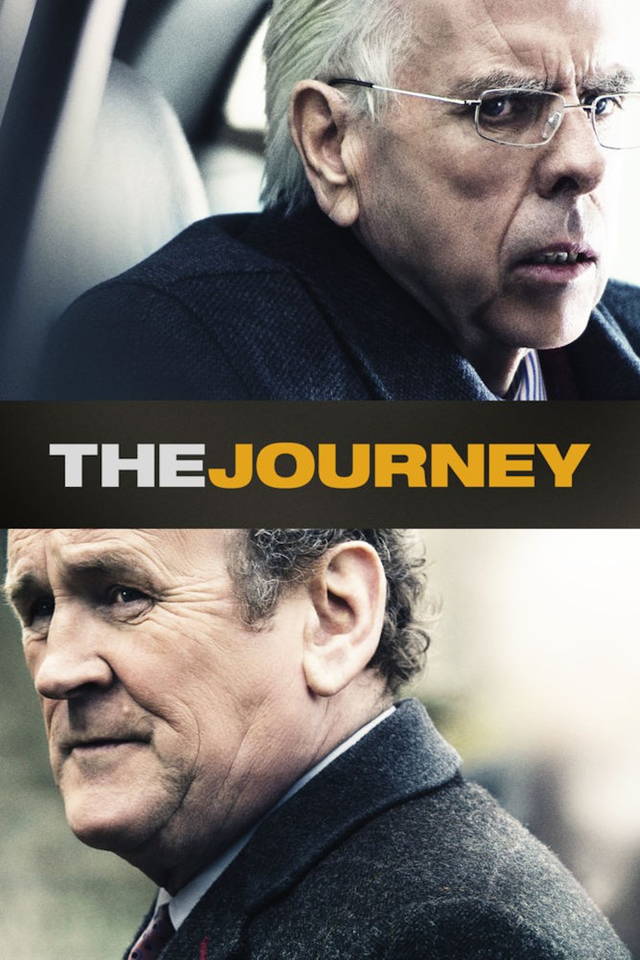
The Journey is based on the true story of a long, winding car ride in 2006, forcing leaders of the IRA and the British loyalists to have a discussion about their differences. Martin McGuinness (Colm Meaney) and Ian Paisley (Timothy Spall) see each other as stark enemies, as all that is wrong with the conflict in Ireland. The close confines of the car force them to see each other as real people, and eventually come to an understanding. The movie is a bit heavy handed, and the side-plot of Tony Blair and his intelligence team monitoring from another location is distracting and laughably bad at times, but Spall and Meaney are utterly fantastic. Spall you might expect, from his many award-nominated and -winning roles over the years, but unless you are a Star Trek fan, you might not have much familiarity with Meaney. Both are fantastic here, at times tense and at each others throats, and eventually, more understanding and open.
The Midwife is a fairly ho-hum French film, starring two of the great French actresses. Catherine Frot plays Claire, a traditional midwife facing a changing medical profession. She loves her patients but is cold to everyone else, with no close friends. Into her routine life plops Beatrice (Catherine Deneuve), the former mistress to her now deceased father. Whereas Claire has rules governing everything in her life, Beatrice lives each moment to its fullest. Despite their disparate past, they grow to become friends, as Beatrice fights to survive an awful brain tumor. The film is very French, with two moving lead actresses and a lot of undercurrent themes, but I couldn’t quite get into it. Fantastic, subtle acting, but a thin plot that doesn’t flesh out well enough.
Valerian and the City of a Thousand Planets is everything you heard about it. It features some truly outstanding visuals, hard to do in today’s CGI-filled landscape, but the plot and direction is severely lacking. Taking place hundreds of years in the future when mankind has ventured out into space and met up with thousands of alien species, it follows Valerian, a military major, as he and his partner (and love interest) uncover a plot to wipe out a whole alien race. It is a testament to the visuals, which are so colorful and breathtakingly beautiful on a big HD screen, that I still have to recommend seeing this movie despite being ridiculously dull at times, with some truly awful dialogue and almost child-like hand-fed plot elements. See it for the CGI, but don’t expect much else.
Marjorie Prime is a weird film, albeit a thought-provoking one. It takes place in a future where computer programs, called Primes, can project a holographic impersonation of a deceased love one, bringing comfort to the living. At first the Prime is like a child, only knowing what it is told, but it learns quickly and absorbs everything. Marjorie (Lois Smith) is an older woman suffering from dementia, who has brought back her deceased husband Walter as a prime, though she has chosen a younger version of him (played by Jon Hamm). Her daughter Tess (Geena Davis) doesn’t like it, thinks it weird that her mother finds comfort in a computer program. Tess’s husband Jon (Tim Robbins) understands though, and feeds Walter stories so that Walter can better play the part with Marjorie. This film is all about the shared moments between human and prime, first with Marjorie and Walter Prime, and later, after Marjorie passes, between Tess and Marjorie Prime. The movie makes you wonder what it is that makes us human, and where that will lead with the developing artificial intelligence being created.
The Little Hours is an uncomfortable comedy to watch for anyone with a Christian religious upbringing. Taking place at a convent in the middle ages, it follows a group of young, totally irreverent nuns. They cuss and bully themselves and others, and when a young man is brought in to tend the grounds, their suppressed sexual desires go off the chart. I wasn’t raised Catholic, but I still had to squirm in my seat watching what these young nuns were doing. It stars Dave Franco, Aubrey Plaza, Alison Brie, among others, with Molly Shannon as the mother superior and John C Reilly as the head priest (with Fred Armisen as the visiting bishop). With a cast like that, I should have known to expect nothing but debauchery. If you can get past the constant blasphemy, the movie has its moments, but not a film for the mass(es).
I absolutely adored Patti Cake$, the story of a struggling woman trying to make a career as a rapper. Overweight and unpopular, she isn’t your prototypical star, and she also faces challenges with her alcoholic mother and supportive, but health-failing grandmother. Patti and her tight group of friends finally put together a mix tape, but still every opportunity they get seems to fall apart, often through no fault of their own. This film is raw and emotional, and I give it a pass for some of the typical underdog crutches it leans on, because the acting by lead Danielle MacDonald is fantastic, and the payoff at the end is incredible. Who doesn’t like to root for the unlikely hero?


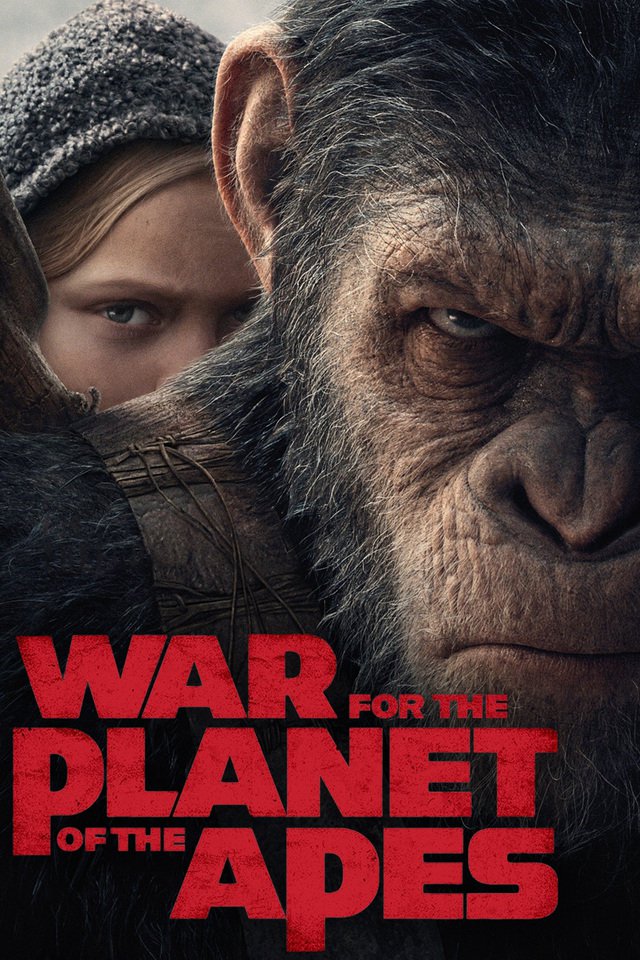
War for the Planet of the Apes is the exciting, and latest film in the rebooted Planet of the Apes series. This one takes place two years after the last one, where increasingly intelligent apes and the struggling humans are living separate, yet hostile lives. A group of militant humans have taken it upon themselves to hunt the smart apes, and when the ape leader Caesar sees his wife and son killed, he retaliates. For my tastes, this film felt a bit long, but it is certainly thrilling, and it seems to lead up to the original Charlton Heston film; in fact, there may only be a few decades from the end of this one and the start of that one. Certainly enough time for yet another sequel if they desire, and if they keep being this good, I’m all for it.

Quick takes on 5 CLASSIC films

Lolita, directed by Stanley Kubrick, stars James Mason as Humbert, and older man who falls head-over-heels in love with teenager Lolita. Lolita knows she is pretty, and knows how to use her looks and sex appeal to get men to do things for her. Humbert goes so far as to marry her mother in order to stay close to Lolita. When the mother tragically dies, Humbert wastes no time in finally bedding Lolita. She goes along obviously, but you can tell throughout that while Humbert is completely obsessed with her, she seems to almost be leading him along, and she gets her way in all things. You learn in the end just how much she has led him along. Though it is an earlier Kubrick film, lacking some of the long, building scenes that would invade his later movies, it is still very well done, though much creepier when watched today.
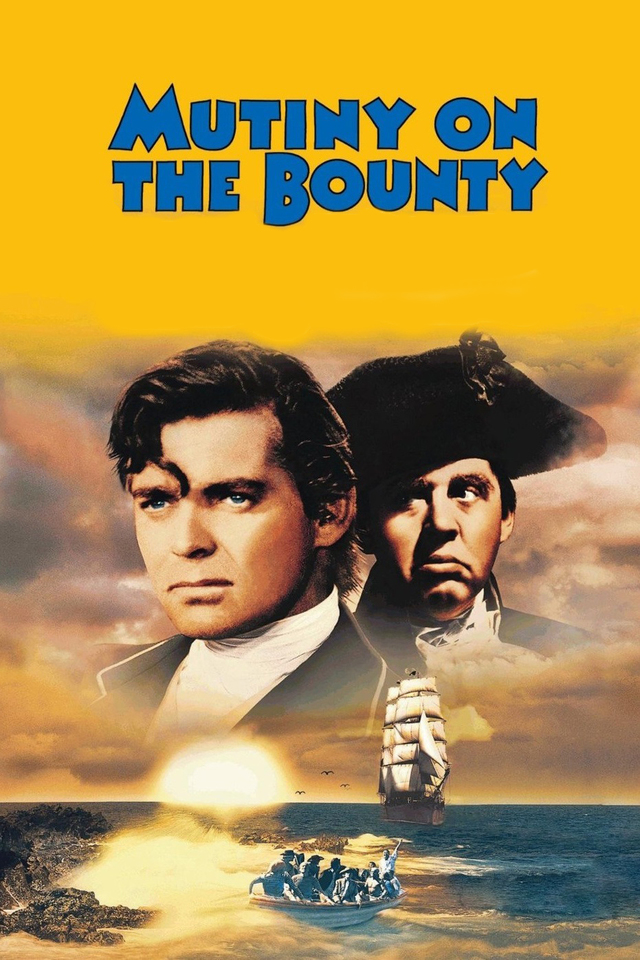
The original Mutiny on the Bounty from 1935 is the classic Clark Gable film recounting the famous (infamous?) tale of the Bounty in the late 18th century. Captain Bligh is a terribly strict man, giving his crew little food and pushing them past their limits in the trek from England to Tahiti. Though only a few years before Gone With the Wind, a much younger-looking Gable plays lieutenant Christian, who carries out Bligh’s orders against his own personal convictions, until they finally cross a line and Christian must stand up and stop them. Christian, along with about half the crew, mutinies, knowing they would face hanging if ever caught. The film won best picture at the Oscars, and to this day is the only film with three best actor nominations in the same category (though all three eventually lost). A very ambitious looking film for 1935, and an enjoyable movie.

Many film versions exist of the novel The Four Feathers by AEW Mason, but the 1939 version is widely considered the best. And it is a masterpiece. It tells the tale of Harry Faversham, raised in a family with a history of war heroes. He is no coward, but is afraid of becoming one and not living up to his ancestry’s standards. He resigns his officer’s commission on the eve of his regiment being sent to Sudan to quell an uprising, but when he cannot live with the shame, he travels there anyway, under disguise, to prove his worth. He faces many hardships and ends up saving the lives of all his friends. Beautifully told and with outstanding acting, this is a true gem of a film. I mention ambitious filmmaking in the above blurb, but this one takes the cake. It isn’t unheard of to see these 30’s and 40’s war epics use a few hundred extras to show as an army, but this film seems to use thousands. In a time before computers could fill the screen with yelling, screaming warriors, the sheer number of people going to battle in this film is astounding.
The Passion of Joan of Arc is a French film from the silent era, directed by acclaimed Danish director Carl Theodor Dreyer. One of the best silent films of all time, the lead actress, Renee Jeanne Falconetti as Joan, is superb, though unfortunately this is the only major film role she ever took. Written based on the actual transcripts of Joan’s trial and execution, it tells the tale of the famous martyr of the Catholic church, how she was tricked into making heretical statements by an English-backed jury in order to execute her as a heathen. Nearly all of the film is done in extreme close-up fashion, with Dreyer using different lighting techniques to cast the various actors in different shades, and this also really showed off Falconetti’s skills. Her facial expressions make the movie. In the silent era, when over-acting was often the norm to convey extreme emotion, Joan’s subtle shifts in demeanor keep you riveted.


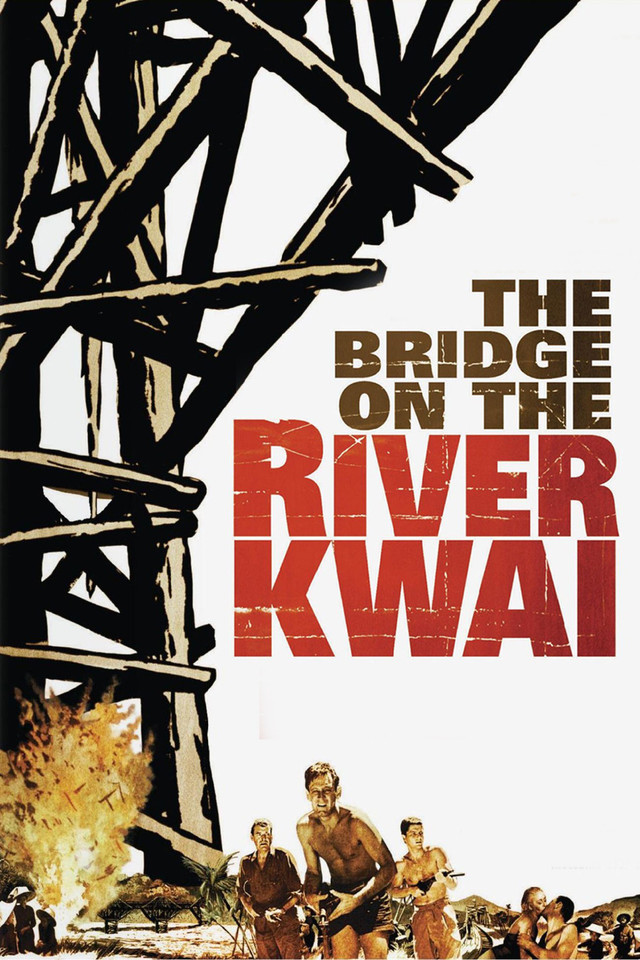
To a couple generations of movie watchers, Alec Guinness is just Obi Wan Kenobi, but this brilliant actor had a whole career before that film and one of his most famous is The Bridge on the River Kwai, from 1957. In an Oscar winning role, he stars as British colonel Nicholson, who, with his men, has been captured by the Japanese during World War II. As prisoners of war, they have been tasked with building a massive railroad bridge. Nicholson stands up to his captors for better treatment for his men, eventually showing them that if given a fair chance, they can willingly build a tremendous bridge for them. At the same time, American commander Shears (William Holden), a recent escapee of the same camp, is with a group of British soldiers headed towards the bridge to blow it up. Directed by incomparable David Lean, this war epic offers much to think about long after the ending. Nicholson and all of the soldiers, and even the Japanese commander, are multifaceted and thoroughly filled out characters, and the film doesn’t just spoon feed you the answers to some of the questions it raises about what is right or wrong.

Quick takes on 5 CLASSIC films

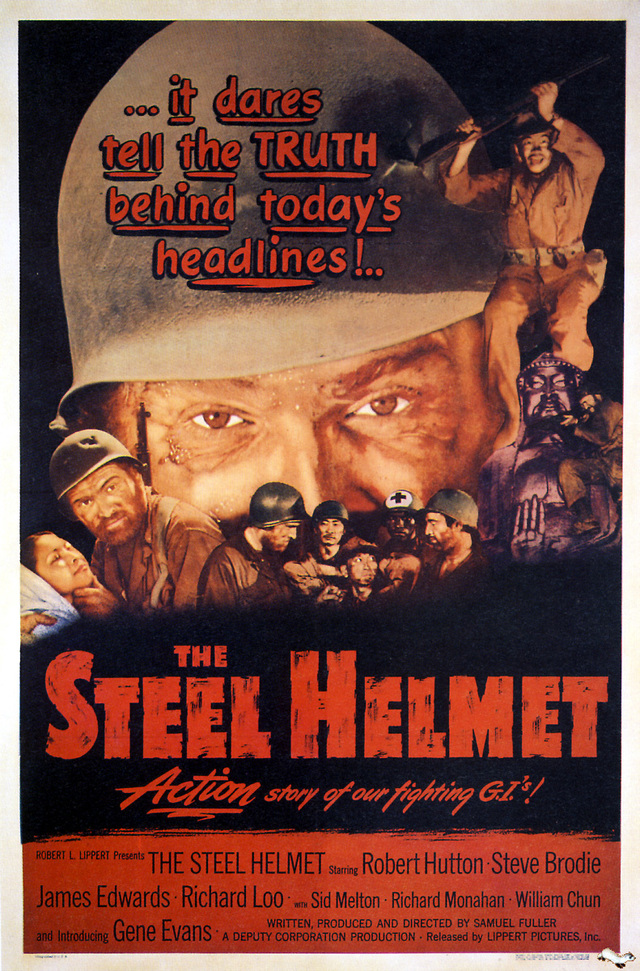
The Steel Helmet is a classic war film, taking place during the Korean War. Released in 1951, it has a lot of dialogue that would be considered highly controversial today, with many racial epithets that were commonly used back then. The film follows Sergeant Zack, the sole survivor of his platoon after they are all massacred, who teams up with another group to try to make it out alive. Zack is cold to everyone, having long since buried his emotions to cope with the realities of the conflict around him. Ultimately though the film becomes about acceptance of all races and peoples, as Zack is forced to accept the various backgrounds of people in his new troop, and also realize that the enemy army is full of human beings too. Really great battle scenes for a low budget war film of this era, and a deep plot that is unexpected from the film’s inauspicious beginning.
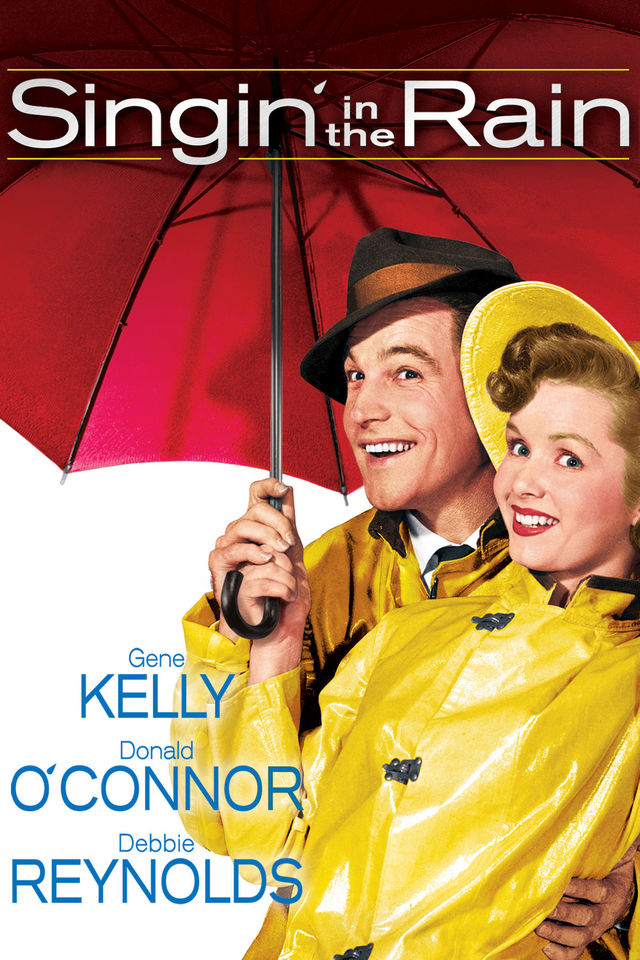
In addition to movies and books, I’m a musical junkie. I’ve seen Singin’ in the Rain on stage a few times, but never sat and watched the original movie adaptation, featuring the incomparable Debbie Reynolds and Gene Kelly. Following the careers of stars Don Lockwood (Kelly) and Lina Lamont (Jean Hagen) as they traverse from the silent era to “talkies,” the duo is faced with the task of hiding Lamont’s terrible voice from the public. In steps Kathy Seldon (Reynolds) to serve as a substitute voice. This classical musical has several tunes you’ll recognize, including the eponymous title. There are funny moments, but the movie is definitely dated. Not sure I can recommend it, except for die-hards like myself.
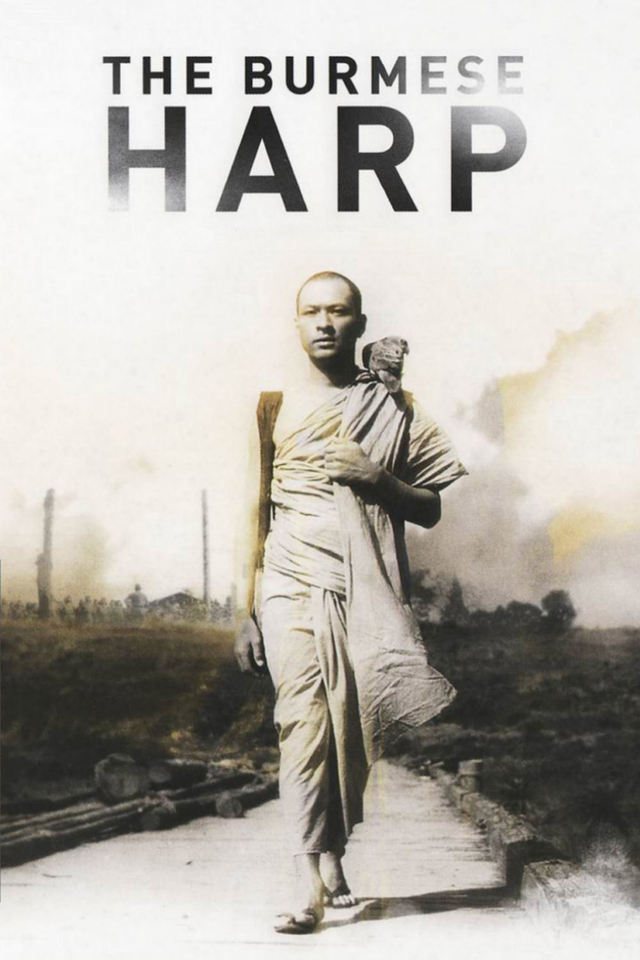
The Burmese Harp is a wonderful Japanese film from 1956. Taking place at the tail end of World War II, it shows a side of the war that we in the west might not see very often, that is, the losing side of Japan and how it affects the soldiers in the immediate aftermath. A soldier who has taught himself how to play the Burma harp plays to sooth his fellow soldiers, but his music reaches out to the British soldiers as well. Their Buddhist religion is also a key point to the film, and in general, the movie has a very anti-war, peace-reaching feel to it. This is a very different movie that I expected going in, and presents a very real, endearing sense of longing for something that always seems just out of reach.
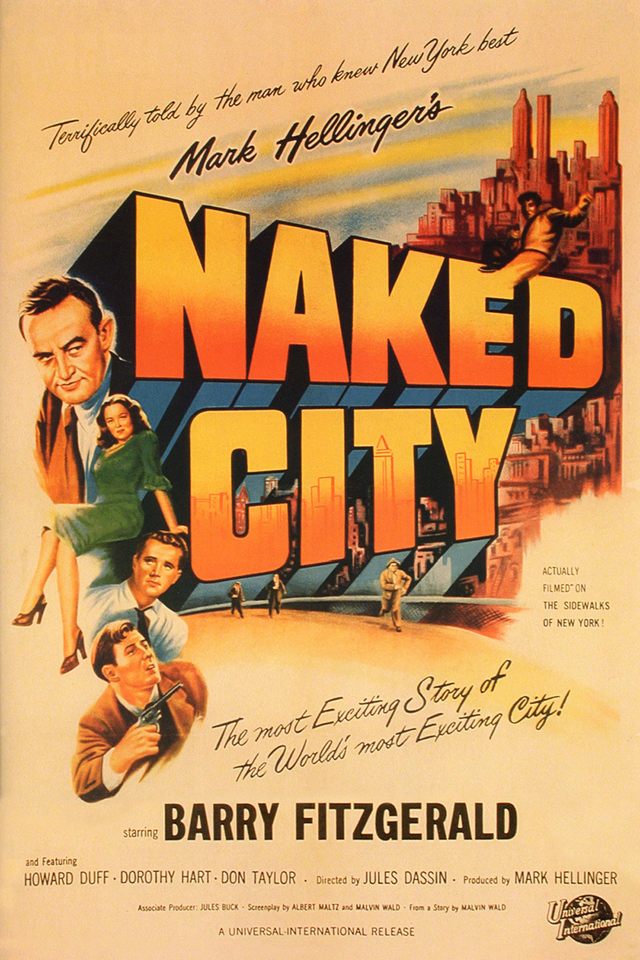
Another great classic film is The Naked City, a 1948 movie about a murder in New York City. The movie follows a couple police detectives (Barry Fitzgerald and Don Taylor) as they dig for clues and suspects. The movie unfolds in an almost modern-day CSI style, obviously at a time before all of our modern technology was available to help the police, and when most leads had to be followed up on foot instead of a simple phone call. Shot entirely on location in various spots around the city (which doesn’t always help the sound, but definitely adds to the realism), this is a fantastic film, with an engaging plot and developed, 3-dimensional characters. Even if you aren’t a fan of classic cinema, if you like the modern cop tv shows, you’ll enjoy this old film.


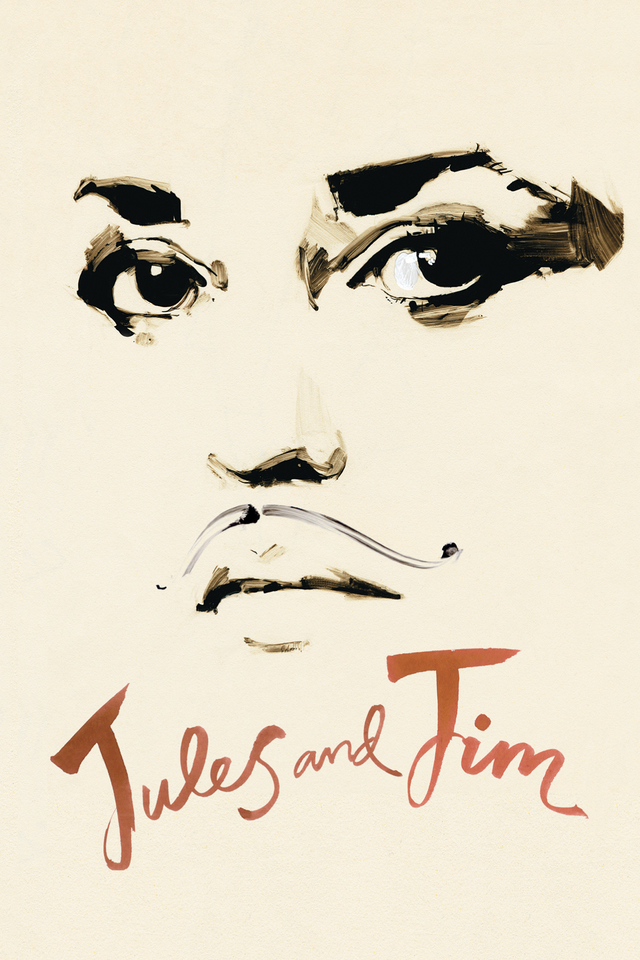
Jules and Jim is a 1962 French film, and one that you have to ploy through the first 20 minutes if you are going to enjoy it. The opening of this film is fast and frenetic, with voice-over that doesn’t quit, meaning, if you don’t speak French, you’ll spend 20 minutes reading dialogue and hardly being able to move your eyes to the actors on screen. Once you get past that though, the film settles down a bit, and you can sit back and enjoy it. The eponymous title characters are best friends, an Austrian and a Frenchman, who fall in love with the same girl, Catherine. Catherine is an emotional rollercoaster, and would probably be diagnosed as bipolar today. She falls madly in love in a day, and just as quickly falls back out, and reacts to even falsely perceived sleights with extreme abandon, such as sleeping with other men if her boyfriend doesn’t greet her warmly. The movie feels like the wild ride that is Catherine’s life, and is edited as such too, so even the viewer feels the chaos that is Catherine. As such, the movie is sometimes a bit too choppy for my tastes, but still, is a fun flick.

Quick takes on 5 CLASSIC films

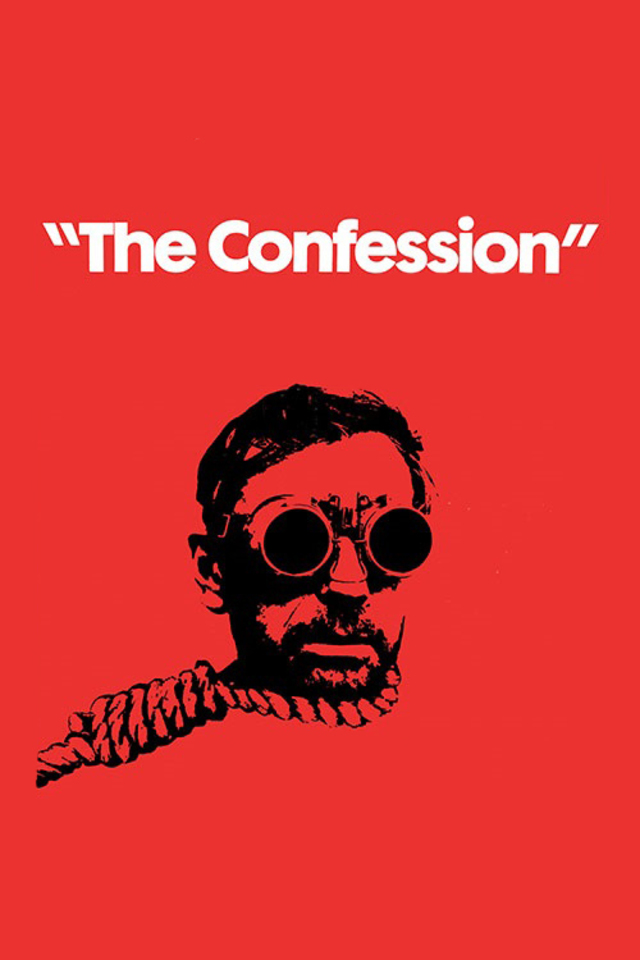
The Confession is a 1970 French film, based on true events involving a Czechoslovak politician in the 1950’s. A staunch and life-long communist, he and his friends in the government are falsely charged with espionage for the USA against the communist regime. Most of the movie is about the physical and psychological torture they perform on our protagonist, over the course of a couple years, as they attempt to get him to confess to crimes he never committed. For a long time, he stays true to himself, even as his friends and former colleagues get in line to provide testimony against him and each other. The movie comes off as pretty anti-communism, though from reading I see that wasn’t the director’s intent, and is more about the hazards of any totalitarian government. Perhaps minus the torture, you can see a lot of similarities between the concocted plots discussed in this film and the McCarthyism that happened right here at home. A lot of dialogue in this one, and since it is a foreign film, you’ll be reading throughout all of it, but a decent enough film.
Gilda is most well known for being Rita Hayworth’s signature role, and it is worth seeing for her alone. She plays the title role, a femme fatale, who says and does what she pleases, no matter the cost. She is married to the owner of an illegal gambling house in Buenos Aires, Mundson. Mundson has hired Johnny (Glenn Ford) to run the place, unknowing that Johnny and Gilda have had a past, turbulent relationship. They seem to openly despise each other, making funny little quips each other’s way, but there is an obvious attraction there too. The movie gets pretty dark in the latter half, losing its humor, which for me, was the best part, but still, an enjoyable film with some of the past’s greats.
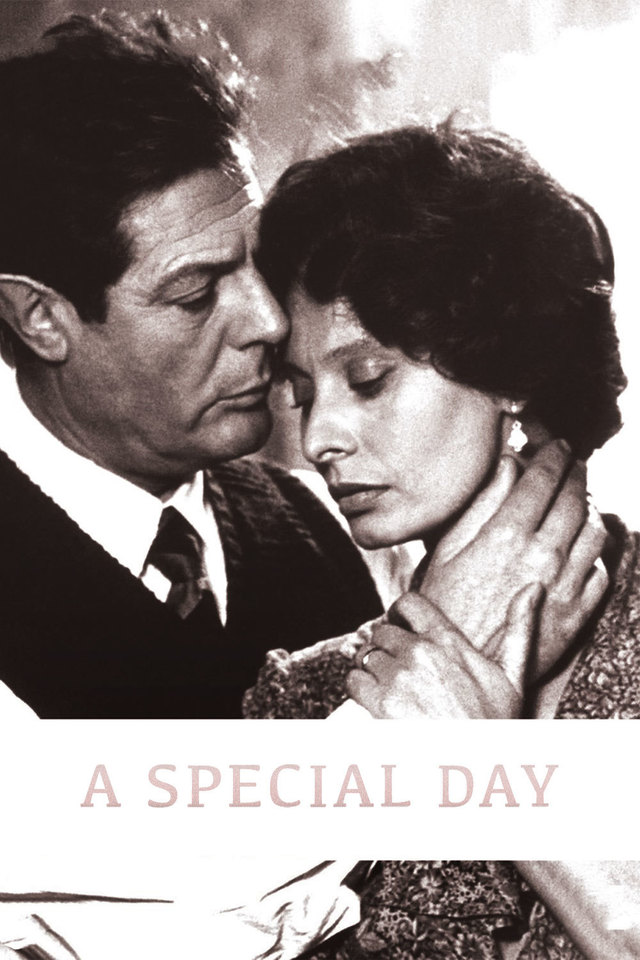
A Special Day is a beautiful film dating to 1977, featuring two of Italy’s best actors, Sophia Loren and Marcello Mastroianni. It takes place during the day in 1938 when Adolf Hitler visited Benito Mussolini, setting off a day of celebration in the streets of Italy. All of the country turns out to see the spectacle, except for Antonietta, who stays to clean up after her large family, and her neighbor across the way, Gabriele, who has his own reasons for not attending. The two meet in the morning, and spend the day together. Gabriele learns that Antonietta is in a loveless marriage, and she learns that he is a persecuted homosexual. As the day unfolds, Antonietta’s mind and views of the world are opened up, at a time when her country is closed off in every way that it can be. Tremendous acting from both leads, with a sensitive story, this is a moving film, though ultimately a sad one.
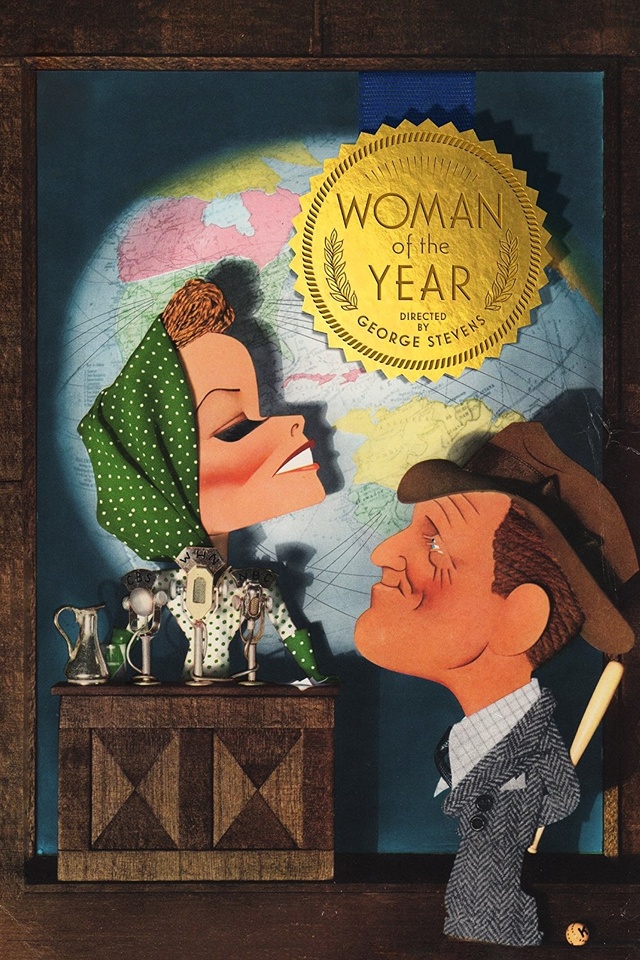
Woman of the Year is a romantic comedy from 1942, starring Spencer Tracy and Katherine Hepburn. Unfortunately I found this one a bit boring, despite its classic status. Tess Harding and Sam Craig are each journalists for the same paper, he for the sports page, and her for politics. Tess speaks multiple languages and hangs out in high society, while Craig is an everyman’s man. Improbably, they fall in love, or at least, Craig falls in love with Tess. Their marriage gets bumpy quickly though, as Tess thinks Craig wants a wife to stay home and perform wifely duties, whereas she wants to continue her professional life. In reality, Craig loves her for who she is, but she doesn’t realize that until it is too late. There is funny banter between the two throughout most of the film, and it has its moments, but for me it wasn’t all that engaging.


The Philadelphia Story is another Hepburn film, this from 1940, also starring Cary Grant and Jimmy Stewart. When made, Grant and Hepburn were the big stars, but Stewart steals the show (and he won his only Oscar for this role). Hepburn plays Tracy, a spoiled ultra-rich girl marrying her second husband, and Stewart is a tabloid paper’s reporter, Mike, off to write about the wedding of the year. He tags along with Grant (Dexter), Tracy’s first husband. Tracy longs to be truly loved for who she is, but seems to draw men that idolize her for her wealth and class. Tracy finds herself in a love triangle between Dexter, Mike, and Kittredge (her fiance), liking each of them for different reasons. A very entertaining movie.

Quick takes on 5 films

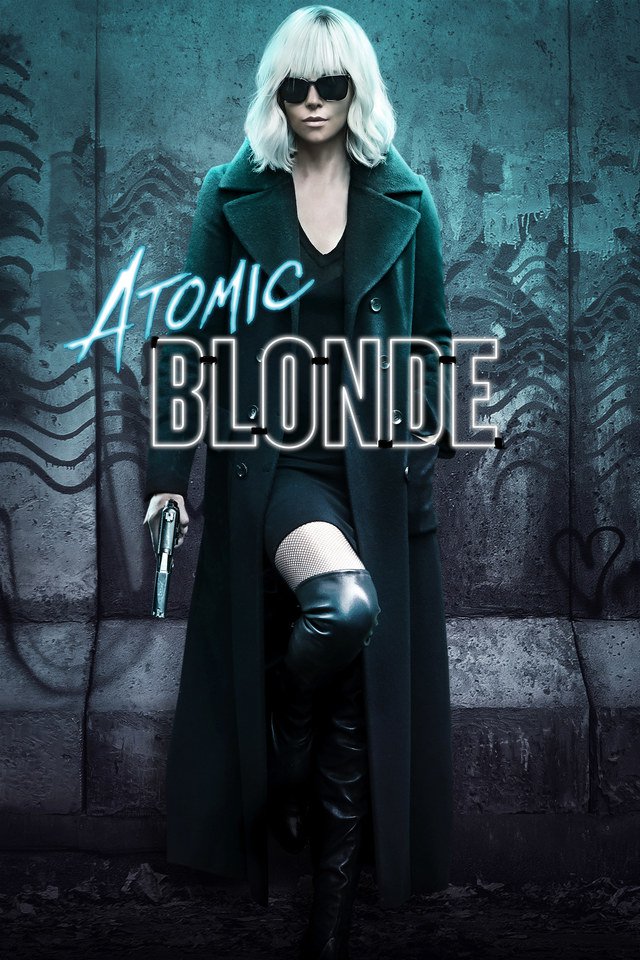
Atomic Blonde is a thrilling spy movie with a lot of action. It takes place in Germany in November 1989, in the days leading up to the fall of the Berlin Wall. A British spy has been killed for his copy of a list showing all undercover agents in both East and West Germany. British Intelligence brings in Lorraine (Charlize Theron) to recover the list, while also being on the lookout for a possible double agent at the center of all the turmoil. High stakes espionage meets amazing hand-to-hand fighting scenes in this one. A little too gruesome for some viewers, but I found the whole to be extremely entertaining.
I should have trusted my judgment on Megan Leavey. I’m not usually one for dog movies, but this one got such sterling reviews, that I gave it a go. It is about what I expected, which is to say, just ok but nothing spectacular. It is the true story of a girl, a bit of a screw-up at home, who joins the marines and finds her life’s mission with a bomb-sniffing dog in Iraq. The movie gets a lot better in the second hour, but the first is such a snooze-fest that by the time the action starts, I had practically all ready given up on it. There are some good moments, particularly the very real moments of Leavey’s hardships in getting used to civilian life again upon returning home, but ultimately not enough for my satisfaction.
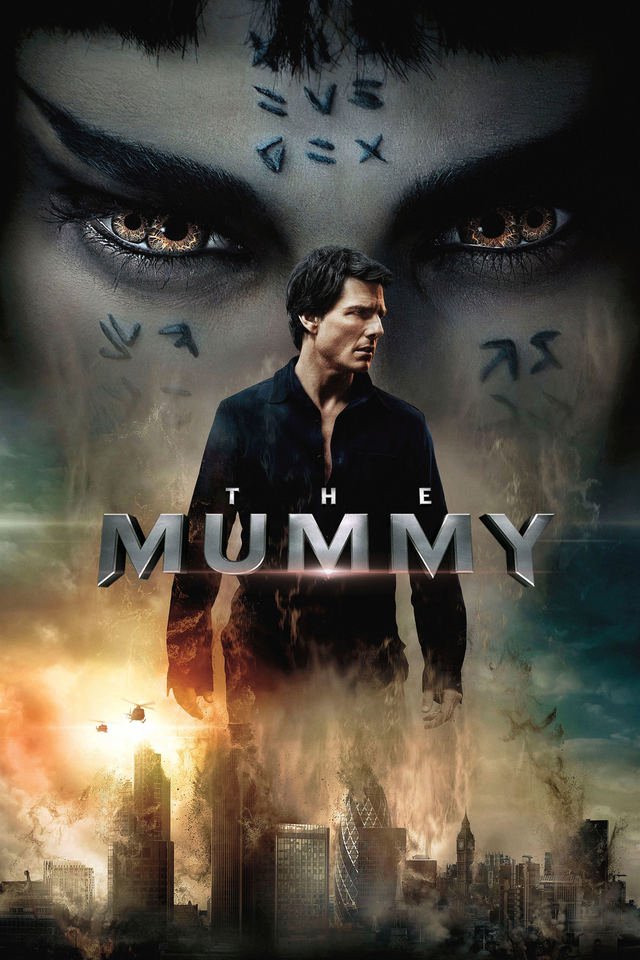
The Mummy may be the most boring action movie of all time. In the first 20 or so minutes, I thought it was pretty decent and was starting to wonder why it got such terrible reviews, but it falls off a cliff pretty quickly from there. This one is a reboot of the classic mummy tale, this time with Tom Cruise instead of Brendan Frazier. The original was such a fun movie, this one is just flat throughout most of it. Some of the scenes are quite incredible, but you can tell they are trying to hard to build a whole franchise (a la Marvel or DC), rather than focusing on a good stand-alone movie. Listen to the reviews on this one, and stay away.
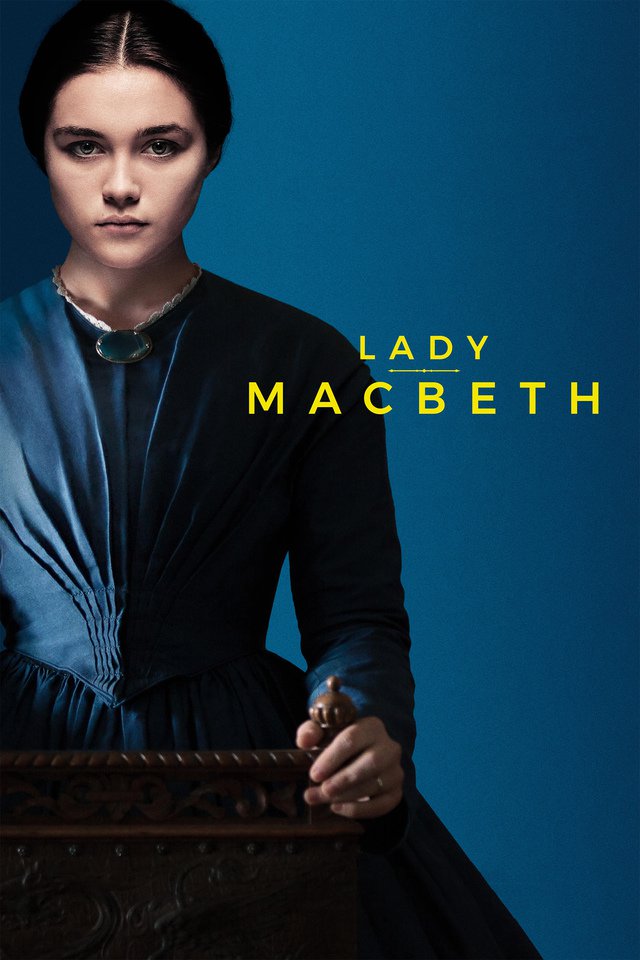
Victorian period drama Lady Macbeth is an interesting film, if you go into it blind, as I did. Katherine is a young, beautiful woman who has just married a much older, rich man, and obviously not for love. The man seems unable or unwilling to consummate their marriage, for which his dad blames the new wife. When father and son go away for a trip, Katherine begins an affair with one of the hired hands. Newcomer Florence Pugh is captivating as Katherine, and smoothly transitions from heartfelt protagonist in the beginning, to despised villain in the end, though for what reason, you’ll just have to watch. I know period dramas aren’t for everyone, but this one is a decent film for fans of the genre.


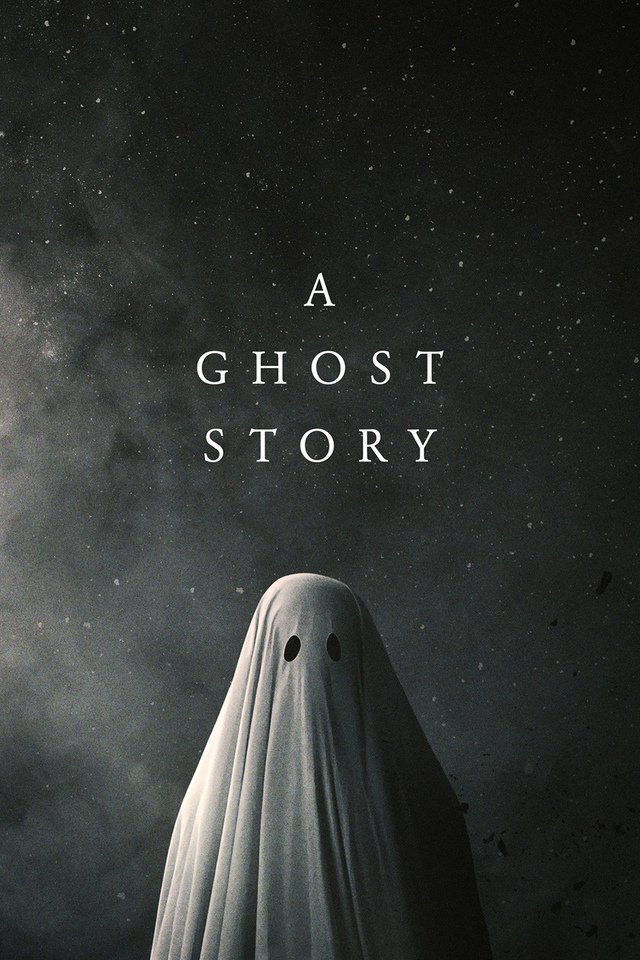
A Ghost Story is a beautiful story, albeit a sad one. It stars Casey Affleck and Rooney Mara as a married couple. They are living in an old house which is seemingly haunted. One fateful morning, Affleck is killed in a car crash, but he rises at the hospital as a ghost, apparelled in a white sheet. No one can see him as he returns to the home to watch his widow grieve. It seems humorous at first, since he looks like kid going out for Halloween, but the sorrow sets in quickly as he whiles away the years. Sometimes he’ll be watching something, turn his head for instant, and days, weeks, or years have passed. He sees his wife move on, and then move out, and a series of new families move in. It is really quite amazing how we feel the anguish he is going through, though we cannot see his face. This is one of the best movies I’ve seen in a little while, and well worth it for film lovers.

Quick takes on 5 films

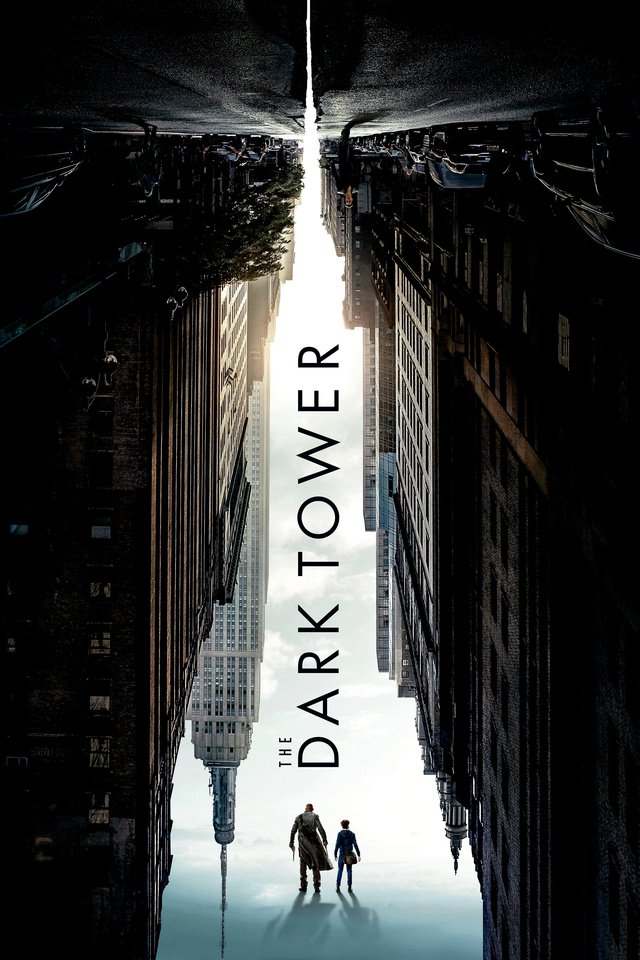
The Dark Tower film, based on the sprawling Stephen King series (and one of my all-time favorites), got lambasted by critics and viewers alike. Die-hard fans hated it because it wasn’t a direct adaptation of the books, and newcomers thought it was disjointed and made little sense. This is one where I am definitely in the minority, because I loved this film. Had I gone in blind and thought it was more a page-to-screen adaptation, I may have been disappointed too, but knowing that it is more of a re-imagining, and almost a sequel (you’d know if you’ve read all the books), then I could just sit back and see the characters come to life. The basic premise is there is a Dark Tower at the center of all time and space, and it is a stronghold that keeps all universes and dimensions safe from the evil that lurks outside of our time. The Tower though is under attack by Walter o’ Dim, aka the Man in Black (played wonderfully by Matthew McConaughey), the arch villain that pops up in many of King’s novels. For thousands of years the gunslingers have kept the peace and protected the good, but they have all died off, leaving just Roland (played here by Idris Elba) as the last man standing. He has been chasing Walter and trying to save the Tower, and thus all humankind. This movie does rush a lot of things, as it tries to jam a whole lot of plot into just 90 minutes or so, but seeing the characters of my imagination brought to life was very enjoyable. It’s really too bad that this film did so poorly, as future sequels may now never get made. I for one, and maybe the only one, will miss them if that is so.
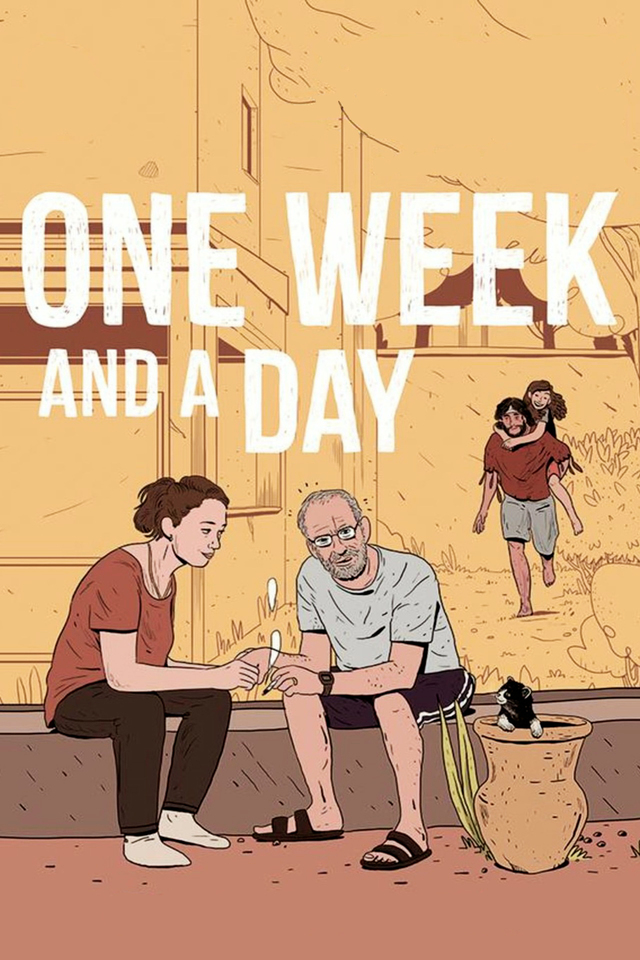
I couldn’t really get into One Week and a Day. It tells the story of a middle age man and wife who have been sitting shiva for the loss of their adult son. The film follows the day immediately after their week of mourning, and shows each parent as they try to move on, in very different ways. Vicky wants to go back to work to get back in a normal routine, whereas Eyal smokes pot (for the first time in his life) with a young neighbor and former friend to his son. The movie didn’t have so much of a plot as it was more of a glimpse on how people try to move on from an unconscionable event. Gut wrenching at times, but not necessarily a great movie.
My instant reaction to Blue is the Warmest Color is meh. At times this is a beautiful film, equally heart warming and heart wrenching depending on the moment, but it has problems. It is about a young French girl, Adele, coming in to womanhood and realizing she has feelings for women, one in particular for whom she had a love-at-first-sight kind of moment. This target, Emma, is much older and is unashamed of her lesbian life. Adele is drawn to her immediately, and the two start a loving, intimate life together. After a couple years though, Adele has an affair with a man, ruining the love of her life. Lea Seydoux is fantastic as Emma, but honestly I was left wanting by the main character Adele (Adele Exarchopoulos), who seemed to always walk around with sad dreamy eyes no matter the situation, and seemed to try to get off on her looks alone. The sex scenes in the film also went on way too long. The movie was 3 hours long, and could easily have bee 2 ½ if they’d shortened the lovemaking and gratuitous shower scenes which did nothing for the plot. I understand why the film had full sex scenes from beginning to end, to try to convey how much our two ladies really loved each other, and also to show Adele open up from the shy, closed-off girl she was in the beginning, but I didn’t find the long scenes necessary, and thought they detracted from an otherwise very well written and well filmed movie.
Certain Women feels more like a series of short stories instead of a whole movie. In fact, it has an almost Hemingway-like feel to its prose and characters. There are basically 3 distinctly different stories told in rural Montana. Laura (Laura Dern) is a lawyer representing a slightly off man trying to sue his former employer. Gina (Michelle Williams) is wanting to build a house and bickers with her husband and daughter. Jamie (Lily Gladstone) is a rancher, who is smitten by a law teacher, Beth (Kristen Stewart), she happens upon by chance. The three stories are rather simple in setting, but full of emotion and very richly entertaining. It is a quiet, soft film, but strongly engaging. A lot of people might find this one boring though, as there is no over-arching plot. It is more a glimpse at rather simple lives, showing that even “simple” lives have meaning.
 

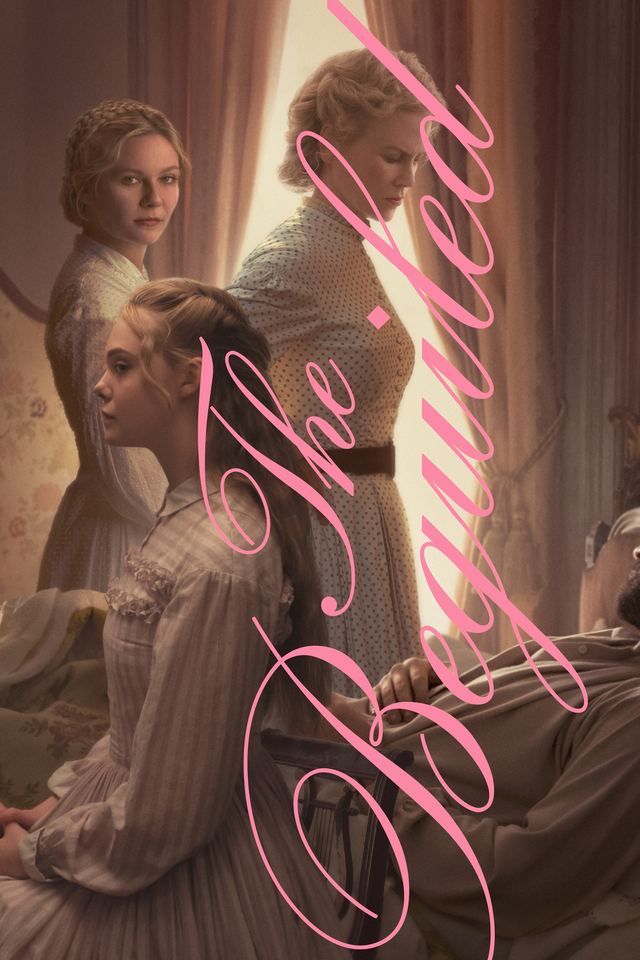
Not much to say about The Beguiled. Really not a great movie, with a paper-thin plot and shallow characters without any depth. Nicole Kidman’s Miss Farnsworth is watching over a half a dozen girls and young women in her expansive home in Virginia near the last months of the Civil War. A wounded northern soldier stumbles into them, Corporal McBurney as played by Colin Farrell. Miss Farnsworth takes him in to mend his wounds, and he proceeds to invite tension in the house between all the girls who vie for his attention. The “shocking” ending is heralded from a mile away, and the acting seems rather lackluster, even from the powerhouse leads, including Kirsten Dunst. Not one to bother with.

Quick takes on 5 CLASSIC films

Haxan is an old Danish silent-era movie from 1922. Originally a documentary about witchcraft, it is widely considered a horror film today, due the dramatized scenes shown as examples of the evils of witches throughout the movie. The movie is sometimes humorous at times when seen through modern eyes, but awakening when you consider what people once thought witches were capable of (and what they were blamed for). Macabre and chilling at times, this is a very well done film, with some pioneering effects for its day.
Onibaba is a Japanese horror/fantasy film from 1964, and a thrilling one. It is about two women, an older lady and her daughter-in-law, who are struggling to survive while awaiting the end of a civil war in 14th century Japan and the return of their men. To make ends meat, they kill wandering soldiers and trade their armor and weapons for food. One day a neighbor returns home, having fled the war, and he tells the tale of the young one’s missing husband, saying he was killed while attempting to steal food for himself. The mother doesn’t want to believe, bu the younger woman accepts it, and begins to have an affair with the returned neighbor. In order to deter this behavior, the mother takes the mask of a demon to scare her daughter-in-law out of her behavior. This leads to terrible consequences for all involved. A creepy movie.
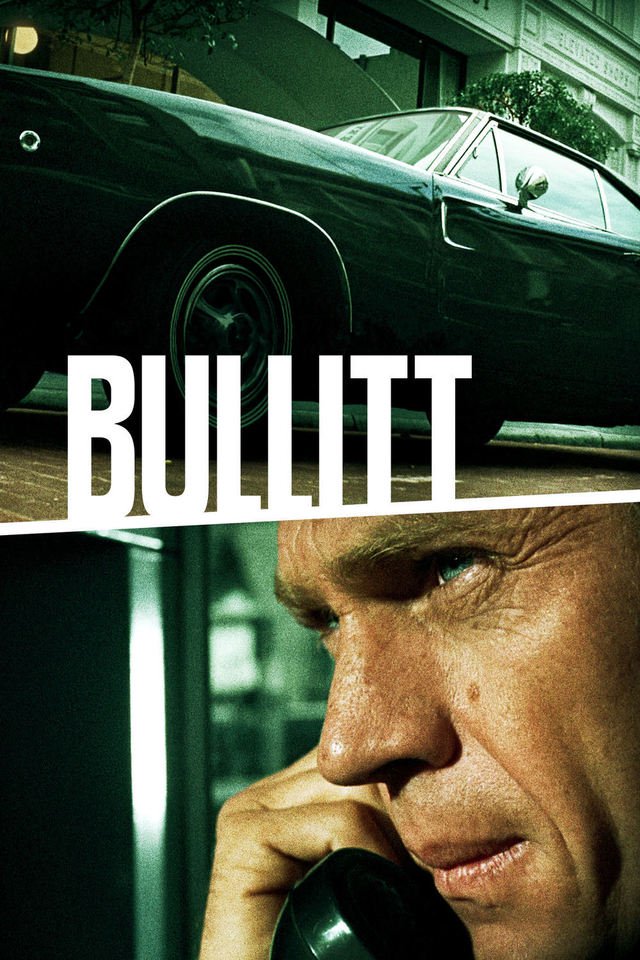
On the whole, I find Bullitt to be a very good movie, though not great. This film came up in conversation with my Dad last weekend, giving me the itch to re-watch it after over a decade since my first viewing. The famous 1968 Steve McQueen caper about a police detective trying to get to the bottom of a couple murders, involving the Chicago mafia no less, this film is probably most well known for its extremely entertaining car chase through the streets of San Francisco. And the chase is worth every minute; it is quite possibly the most exciting, most thrilling car ride in any movie ever. The camera work and driving ability through the hills and winding roads makes you hold your breath, and holds up to this day. Tremendous film making for those few minutes, even if, in my opinion, the rest of the film isn’t as great as everyone says it is.
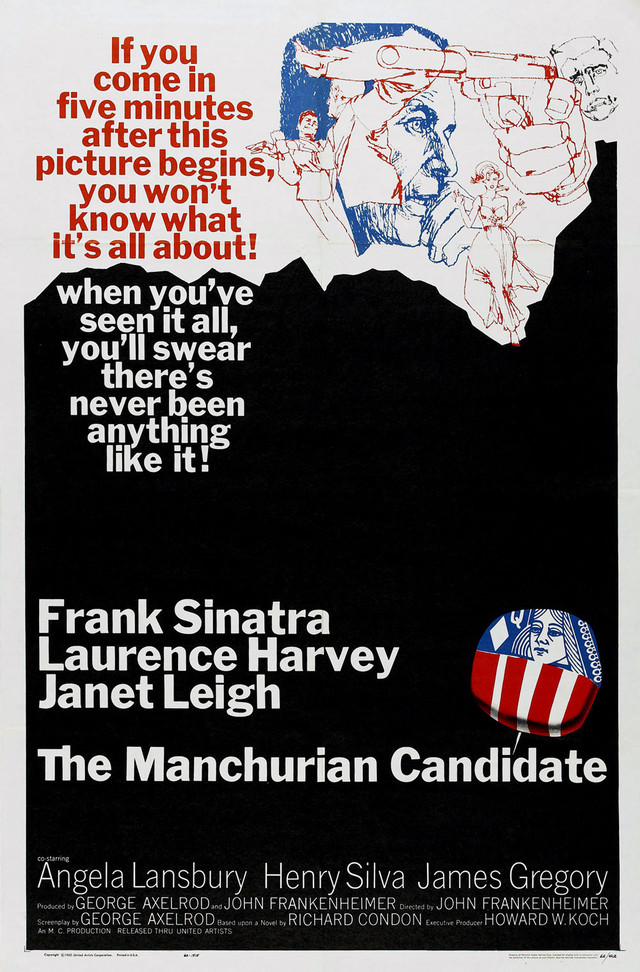
The original The Manchurian Candidate is, for most of the film, a fairly straight forward drama occurring against the backdrop of the escalating Cold War in 1962. Starring Laurence Harvey, Frank Sinatra, and Academy Award nominated Angela Lansbury, it is about a soldier, Raymond Shaw, returning home from the Korean War as a war hero. Applauded publicly, he has secretly been brainwashed by a conglomerate of Communist countries, with an unknown nefarious plot to unfold. The thrills ratchet up in the final third of the movie, when we see just who is pulling Shaw’s strings, and what his ultimate target is. Great acting and a solid plot keep you going through the admittedly slow first half, leading to the movie’s fantastic conclusion. Another cherished classic (and the 2004 remake isn’t half bad either).


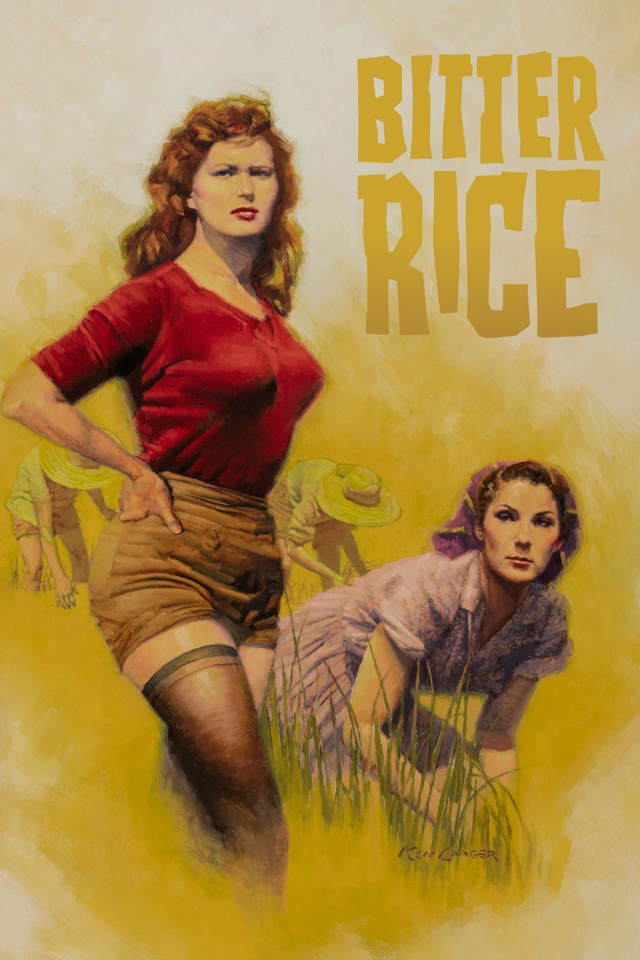
Bitter Rice is a decent Italian film from 1949, with two leads (Doris Dowling and Silvana Mangano) who are equally easy on the eyes. Francesca is a nice girl at heart, but has been caught up in her thieving boyfriend’s (Water’s) lifestyle. On the lamb, she is hiding out with rice workers, where she meets Silvana. Silvana is a beautiful care-free girl that all the guys like, including Walter when he finally sees her. Walter hatches a plan to steal all the rice that has been picked, using Silvana’s greed to manipulate her into helping. Francesca spends much of the film thinking she is no better than Walter, but finally sees she can make a difference before the end. A passable (though unsurprising) movie, it is worth a single viewing.

Thor and Hulk smash the theaters in Ragnarok

The new Thor movie, Ragnarok, is a blast. That is my review in a nutshell. It honestly may be my favorite Marvel movie yet, and that is saying something for this super-fan.

The movie starts with Thor inprisoned by a fire demon, Surtur, who reveals to the audience that he is supposed to bring about Ragnarok, the destruction of Thor’s home world of Asgard. From this opening scene, we see this film has been infused with more laughs than you typically see in this franchise, as Thor playfully banters with Surtur despite being his “prisoner.” When Thor obviously makes his escape, he returns home only to find that his mischevious brother Loki has been impersonating their father, King Odin, as we saw at the end of the last Thor film, The Dark World. Thor unmasks Loki, and the two go to find the real Odin, who has been living on Earth in Norway. Odin tells the brothers that he is dying, and that his death will free their long-lost (and unknown) older sister Hela, the goddess of death. As Odin passes, Hela arrives, and the stage is set for the climactic conflict.

If you are a fan of the film series, you’ll probably see this one, so I’ll leave the rest of the movie description off. The main cast is rounded out by the Hulk (Mark Ruffalo), Heimdall (Idris Elba), Valkyrie (Tessa Thompson), Grandmaster (Jeff Goldblum), and Skurge (Karul Urban). All are fantastic, but Cate Blanchett as Hela really steals the show, and is quite possibly the best villian to show up in any of these movies to date. This movie is funny, without deterring from truly being an action film, and grandiose without being over the top. It also does a great job of telling a single, concise story so you don’t have to come in with knowledge of the previous films, and while the plot is wrapped up nicely, it has just enough of a teaser to make you want to see more. A thoroughly enjoyable film.