Category: Uncategorized
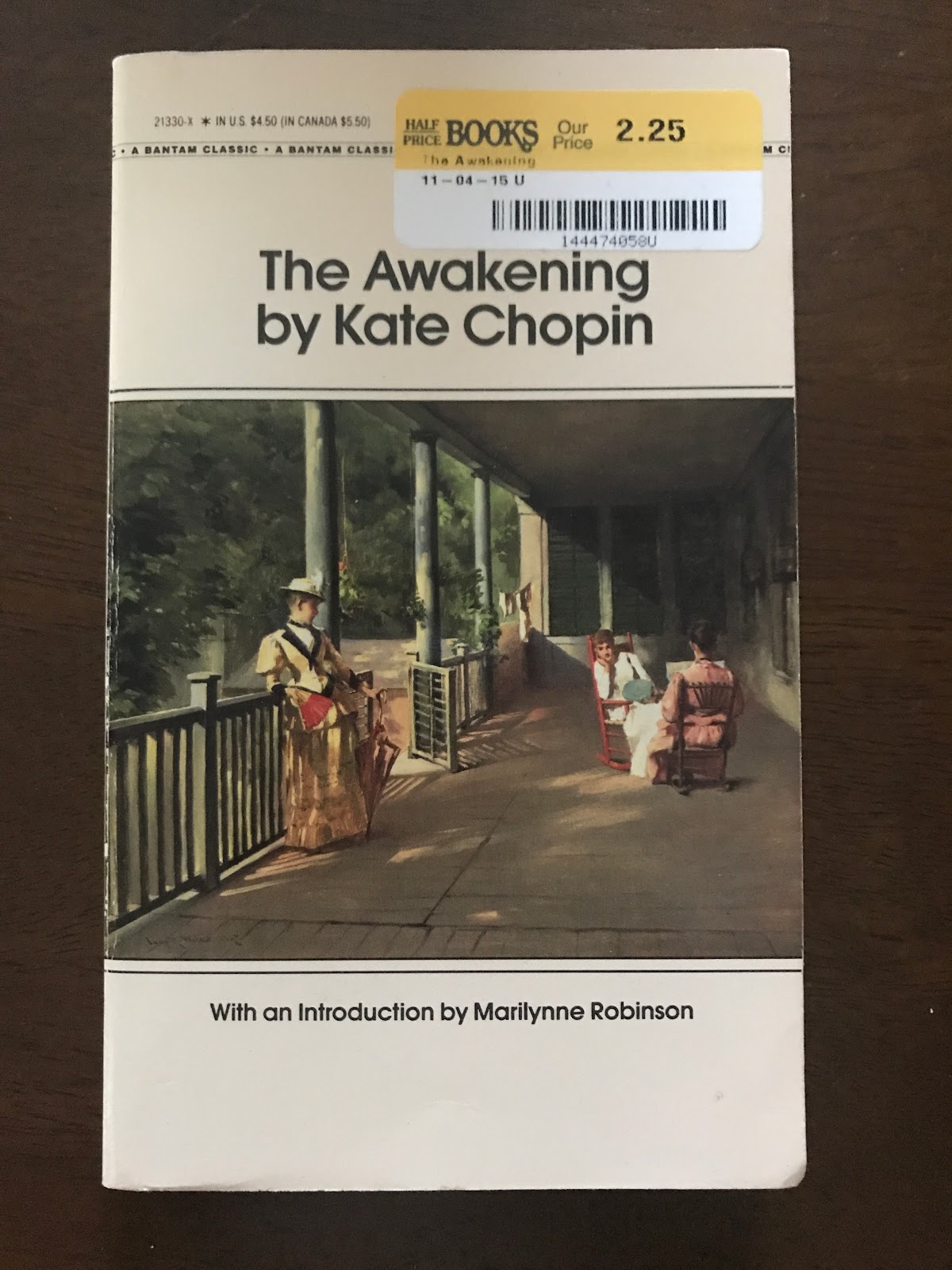
Early 20th Century feminism has an Awakening in Chopin’s classic
Quick takes on 5 films
Blockers is totally vulgar, but damn if it isn’t hilarious. Three separate parents have seen their individual daughters grow up as best friends from their first day of school until prom night, and on the day of prom, they find that their girls have made a sex pact to lose their virginity’s that night. So they set out to be c*ckblockers and stop the acts before they go down. In the end it is a bit of a coming-of-age movie from a perspective we don’t usually see (the parents), and everyone involved has some learning to do, even the adults. Though a pretty straight forward comedy (and a great one at that), it doesn’t fail to raise serious questions about gender equality, acceptance (of many kinds), and what it means to be a parent. The good comedies do more than just make you laugh, and Blockers is one such example.
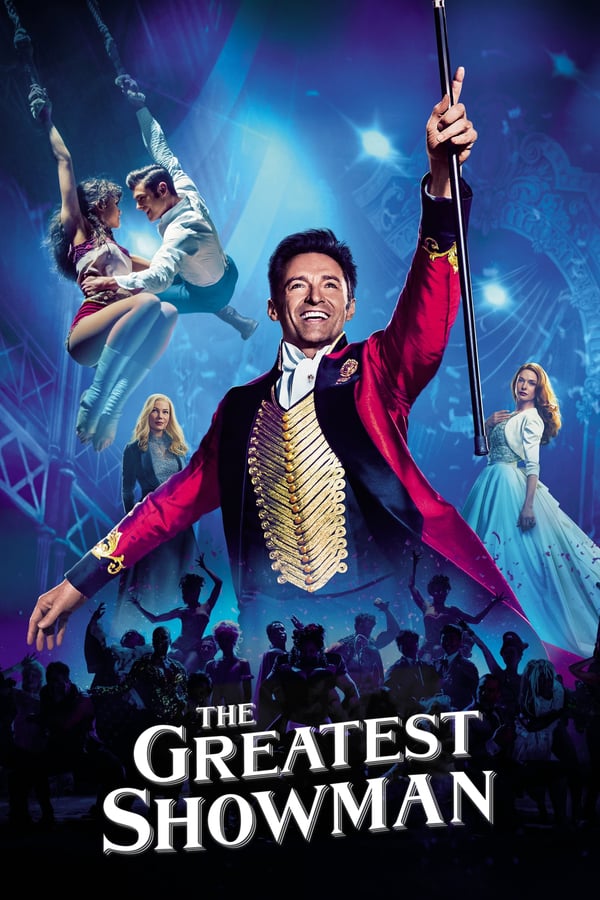
Sometimes you know you will like a movie before you ever watch it, and my recent example is The Greatest Showman. I’m a sucker for musicals, even movie ones, and I’m a big fan of the supremely talented Hugh Jackman, so put it all together and I knew it was going to be up my alley. Jackman plays P.T. Barnum, and the film is about his rise to stardom as he starts his circus and grows it into the draw that it was for so long. It is a little light on depth, and the story is a bit paint-by-numbers without a lot of fleshing out, but the songs are catchy and radio-ready, and the sets and costumes are colorful and gorgeous. A fun movie for fans of the genre, others may not find much to enjoy though.
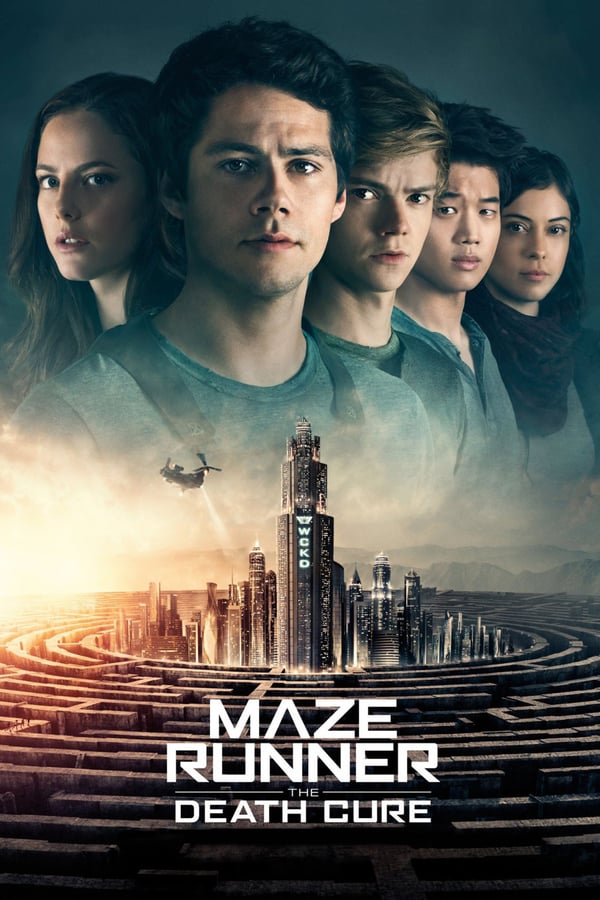
The Death Cure is the finale to the Maze Runner trilogy of films. It didn’t get great reviews, and it doesn’t live up to the suspense and mystery of the first film, but I found it very entertaining, albeit a little campy at times, as many films based on young adult books often are. Light on the mystery but heavy on the action, this film follows Thomas as he and his fellow survivors of an illness that has all but wiped out humanity, in their endeavors to rescue captured friends from a sinister group. The first film in this set, from 2014, was a great thriller with a lot of intrigue, leaving the viewer to guess what all is going on and why, and while the subsequent films lost that element, it is still a satisfying set for fans of the post-apocalyptic genre.
Murder on the Orient Express is a new film based on an old book, and if you’ve never read it, it is basically the film Clue on a train. A high profile passenger is murdered, and the world’s best sleuth, who happens to also be present, sets about to find the killer among his fellows. Beautifully filmed and well acted, it however doesn’t quite get as gripping and edge-of-your-seat thrilling as it maybe hoped. A tremendous cast props it up nicely though, including Johnny Depp, Willem Dafoe, and Judi Dench, with Kenneth Branagh as detective Hercule Poirot, the longtime star of many of Agatha Christie’s mysteries. If Clue had never existed, I might have enjoyed this one more, but that film is far more entertaining with its wildly preposterous cast and ultimately a more satisfying ending.
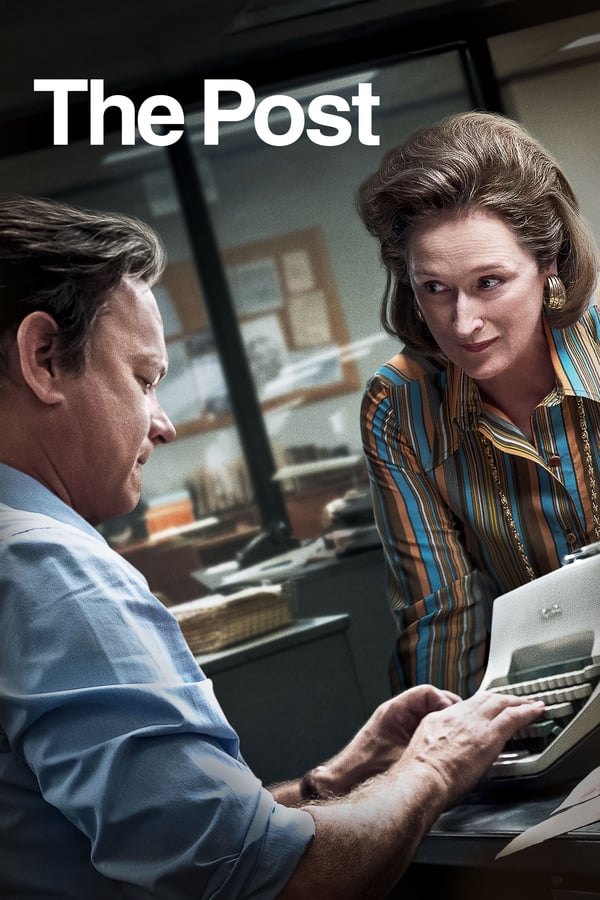
The Post is another one where I can’t quite agree with the professional critics. They heralded this one because it is the kind of film media types eat up, but if you set aside the two engaging leads (Tom Hanks and Meryl Streep), and you are left with a cut and dry, paint-by-numbers historical film that follows just like reading the paper (ironically enough). The true story of the rise of the Washington Post during its coverage of the Pentagon Papers, detailing their reporting of the classified documents of the US involvement in the Vietnam War, it has plenty to be excited about without ever truly being exciting. I can appreciate the historical aspect of it, freedom of the press and all that, especially in today’s age when a politician can scream “fake news” if they don’t like the content (factual or not), but it doesn’t make for a very entertaining film.
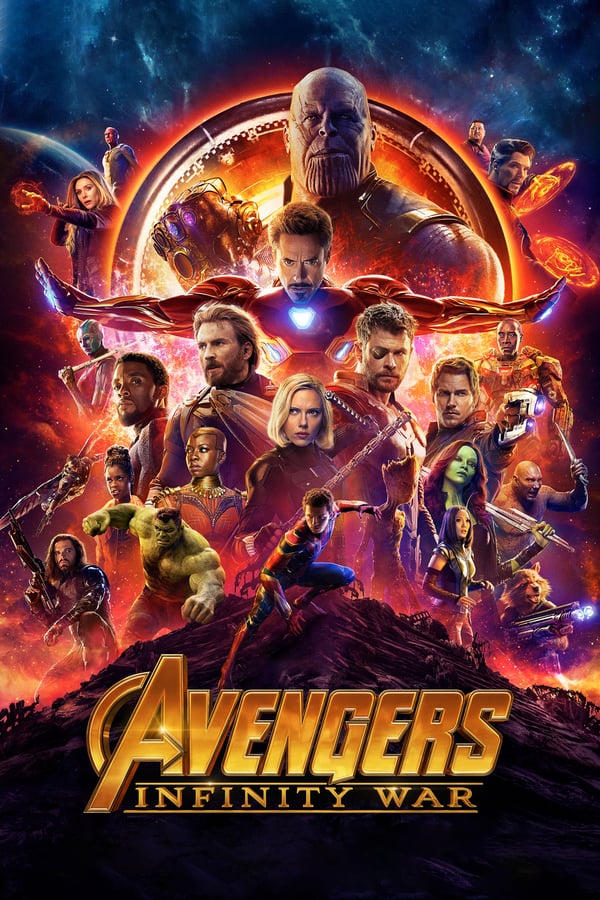
Avengers assemble to stave off an Infinity War
Quick takes on 5 films
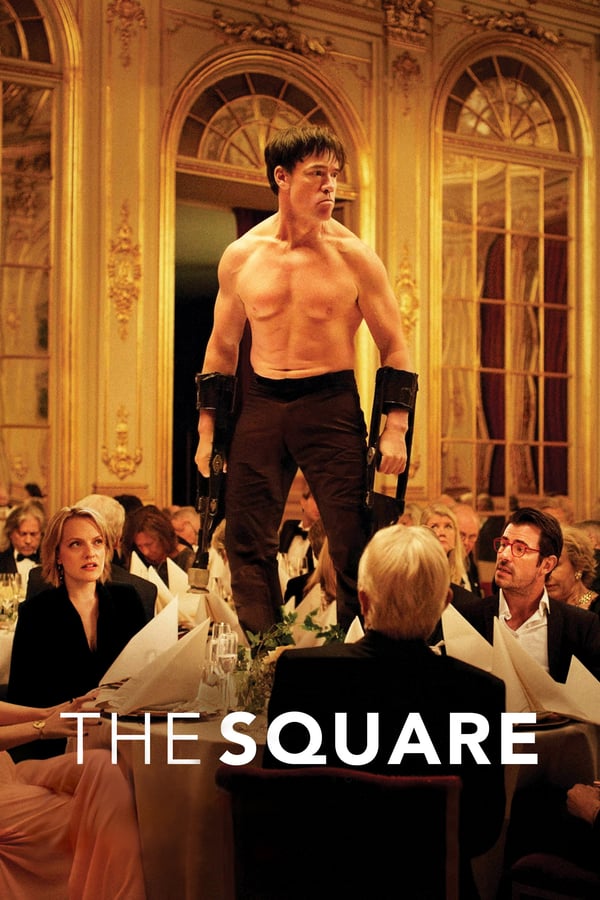
The Square is a quirky drama by director Ruben Ostlund, in the same way as his Force Majeure from a couple years ago. I just finished it, and I’m not sure if I like it or not. It is about Christian, a curator of a contemporary museum in Sweden. He loves his position of power and the money it brings too, which is in contrast to the local problem of homelessness shown throughout the film. Unfortunately Christian’s life is falling apart. First his phone and wallet are stolen, and when he uses “Find my phone” to pinpoint its location, he drops letters in every door in the building accusing them all of the theft. This obviously turns against him. At the same time, the advertising group promoting a new exhibit at his museum puts up a highly controversial video that goes viral, the fallback of which goes to Christian as the curator. In the midst of all this, Christian has a one night stand with a journalist, who sees that moment as much more than it is. These events and more circle Christian throughout the film, against the backdrop of the new exhibit, “the Square,” which is like a safe place people can stand in where all are equal and people help each other. The satire of course is that Christian walks by (and ignores) homeless people every day, and shows no empathy towards anyone else either. This film has a message about social equality regardless of wealth, but it doesn’t always hit on all cylinders.
Roman J Israel, Esq, is a rare miss for Denzel Washington. Denzel is the rare actor who, even when he plays a bad guy, you still root for him a little. It is hard to do that throughout this movie, even though he is a “good guy.” Israel is a hard-working lawyer who fights against social injustices, and has been his entire life, going back to the civil rights days. When his partner dies unexpectedly, Israel is hired on by a large firm, a group that Israel sees as nothing more than greedy vultures, but he stays because he needs the money. At that firm and among other people in his life, Israel inspires to do good deeds because of his ideals. But when Israel breaks with his ethics for a big pay day, he becomes the kind of person he’s always hated. He ceases to be a person to root for, and the film isn’t able to get back on track afterwards. A decent legal thriller, it has moments of intrigue, but lacks depth.
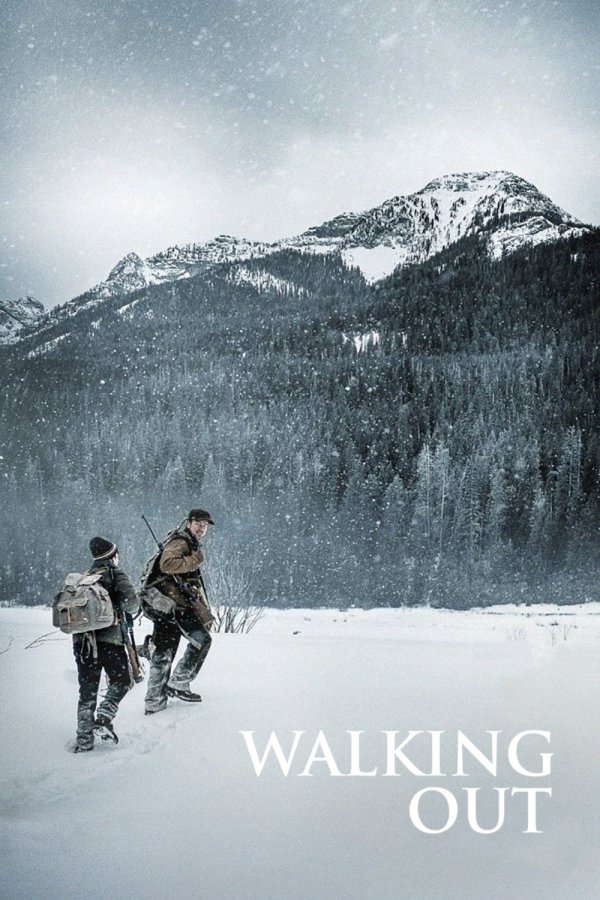
I generally liked Walking Out. You can tell it is low budget, but it is shot well, and is engaging. It is the story of a man in the wilds of Montana who is teaching his son all he knows about hunting. At first the young teenager misses his phone and technology, but he wants to get to know his dad, and is still at that age where pleasing Dad brings him joy. They set out at the end of hunting season for their first big game together, but things go very bad when they come across a couple wounded bear cubs and their protective mama bear. The movie seems to have been made by people who know what they are talking about, as the dad imparts good, true advice on the trek, but some of the dialogue isn’t very polished. It is well acted by the father/son duo though. A good film for outdoors-ey lovers.
Wonder is a beautiful film about a boy struggling to fit in due to facial deformities from a birth defect, but more than that, it is about acceptance. Auggie is going in to fifth grade, starting middle school, and since all kids will be starting a new school then, his parents, who have home schooled him to this point, decide to finally send him to school so he’ll have a chance to fit in more with the other new kids. Obviously there is no such thing as “fitting in” when you have something plain on your face that sticks out, and he is immediately targeted by bullies, and has a hard time making friends. The film looks at this, but also how Auggie’s life has affected those around him. His mother put off getting her masters to home school him. His sister has often gone forgotten and unnoticed by their parents, not for lack of love, just because they are always so wrapped up with Auggie’s needs. Though it is written at a level that young kids could (and should) watch for important life lessons, it doesn’t shy away from hard questions. At times heart breaking but ultimately uplifting, it is a supremely wonderful story.
BPM (120 Beats Per Minutes in France) is a fictional movie about the real-life ACT UP (AIDS Coalition to Unleach Power) group in Paris in the early 90’s, a group who was trying to get the word out about AIDS, and also trying to get the French government to do more for prevention. At the time, the general consensus was it was “the gay disease,” and while most of the people in ACT UP were homosexual, they also spoke up for heterosexuals, drug addicts, prostitutes, and prisoners, trying to make sure people had the facts on how to avoid becoming infected with HIV. The film follows quite a few people, people both “poz” and “neg” for HIV, and the director does a fantastic job of making it feel as read as gets. During demonstrations and peaceful protests, the camera stays on individuals for their actions and reactions. In between the action scenes, there are long stretches of just normal dialogue, the kind we all have in our everyday lives, which may or may not deal with the overall story of the movie. This lets us as the viewers really get to know the characters, which makes it even harder when they inevitably get sick or die. These activists fought for the rights of people with a terrible disease, many of them knowing it was too late for themselves, but hoping to make it better for those that came after.
Quick takes on 5 CLASSIC films
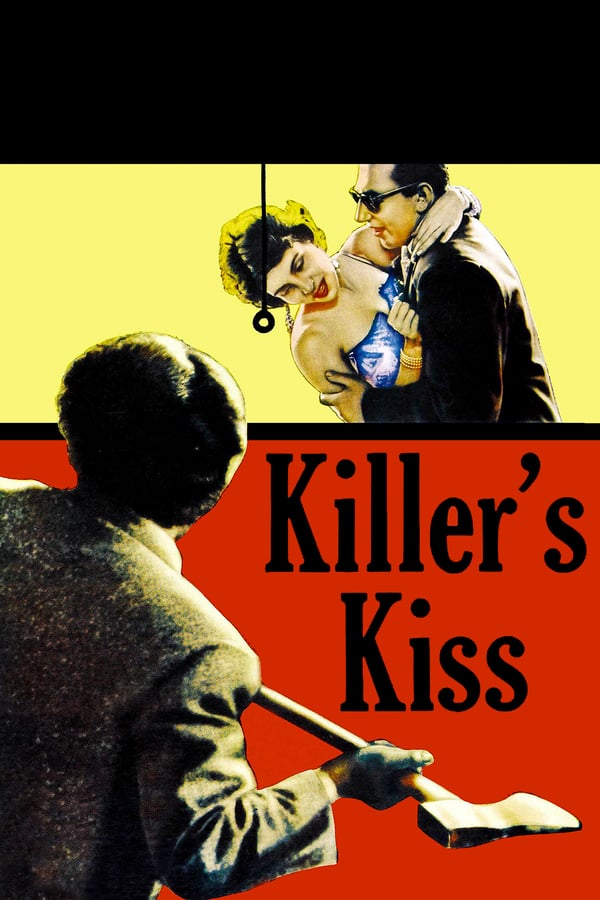
Killer’s Kiss is an obscure early film of Stanley Kubrick’s, his second in fact, from 1955. Produced on a tight budget which Kubrick self-financed with help from friends and family (about $75,000 from reports), it is a short, 1 hour movie about a boxer, Davey, who falls in love with the pretty girl in an apartment across from him. Gloria works as a dancer in a club for a sleazy man named Vincent. When Davey and Gloria decide to run away together to start a new life somewhere else, Vincent decides not to let her go so easily. Honestly this is a rough film to watch; the extremely small budget is on display and the acting is sub-par, but even in this early example, you can see elements of Kubrick that would grow with time, such as the long, panning scenes and sparse dialogue. There’s a long fight scene between Vincent and Davey near the end, where you can almost see Kubrick finding his way as a young director. Not a great movie, but interesting to watch for Kubrick fans.
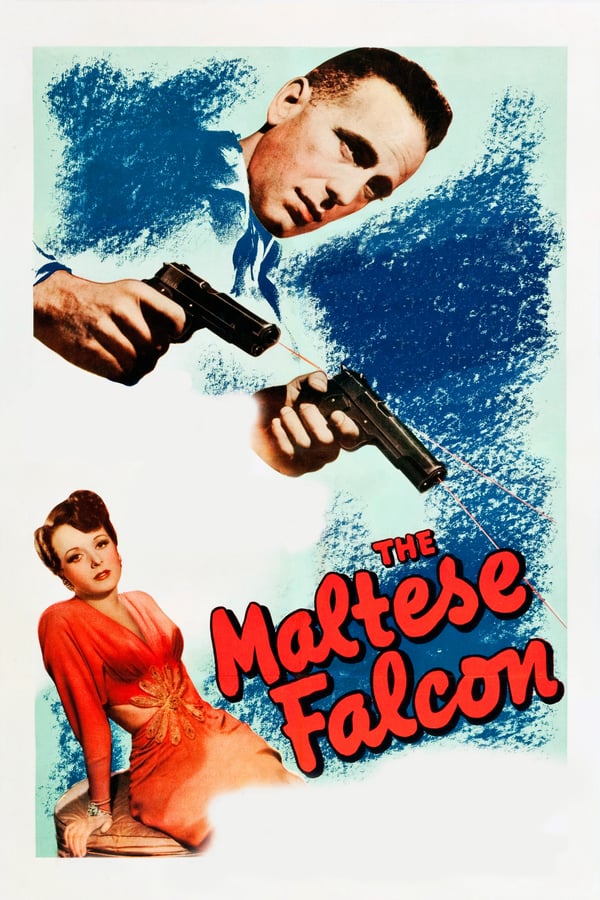
The Maltese Falcon is a re-watch for me, albeit it has been 15+ years since I saw it for the first time (I’ve more recently read the book). Released in 1941 and starring the iconic Humphrey Bogart, it is a classic film noir about a private investigator, Sam Spade, who gets roped into a high stakes game of murder and intrigue. Initially hired by the seductive Ruth (Mary Astor) to follow someone, it isn’t long before people start ending up dead, and Sam begins to wonder what Ruth’s real goal is. Other characters enter, all circling the waters, and all with the same object of desire: an extremely valuable figurine of a falcon, which Ruth once had in her possession. As a great PI, Sam does finally get to the bottom of the mystery, and it all plays out in an incredible reveal at the end. One of Bogart’s best and most revered films.
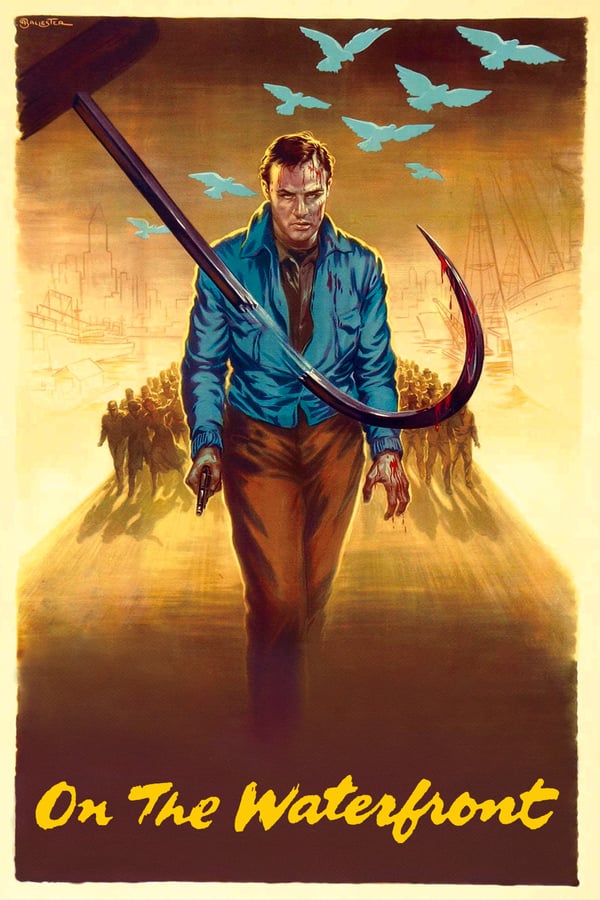
I recently watched A Streetcar Named Desire, which put Marlon Brando on the map, but it was On the Waterfront a couple years later in 1954, for which he won his first Oscar. And he is fantastic in it. Brando plays Terry Malloy, a former boxer working as a dockhand. The dock workers’ union is struggling, not because of lack of work, but because the mob has moved in and taken control, and given money and preferential work to their guys. Terry’s older brother Charlie is the right hand man to mob leader Johnny Friendly. In the opening scenes, Terry unwittingly plays a part in having a dockhand killed, because the guy was ratting to the police. The killed man’s sister Edie (Eva Marie Saint in her debut) and the local priest, Father Barry (Karl Malden), struggle to get people to talk about the murder, because the workers, despite the new oppression, has a history of keeping to themselves regarding their own matters. Terry is racked with guilt over getting his buddy killed, but faces the dilemma of going against his brother. As Terry and Edie grow closer, he also must confess his part in getting her brother killed. An absolutely incredible film, I can’t recommend this one enough.
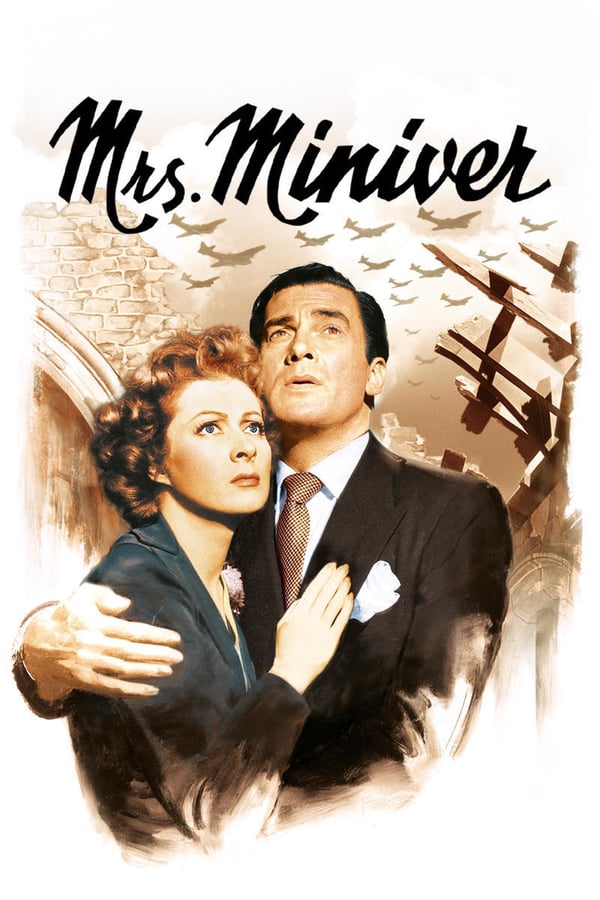
Mrs Miniver is a wonderful war film from 1942. Taking place in England at the outset of World War II, it follows the strong-willed matriarch of the Miniver family. They live in changing times, obviously because of the war, but also with changing social statuses in the country. Mr and Mrs Miniver are “new money” and live in a well-to-do area, but are looked down by the aristocrats, like Lady Beldon, who have lived there for generations. They’ve raised a strong son, Vincent, who is eager to go to war and fight for his country, but before he does, he falls in love with the young and beautiful Carol Beldon, against her grandmother’s wishes. Vincent enlists as an air force pilot and goes off to fight, just as the war comes to Britain’s homeland in the form of bombings from the sky. The film builds slowly throughout, allowing us to get to know each member of the family, so that when the bombs start dropping on their home, we palpably feel their fear. The end takes an unexpected turn which will leave you aching. While the finale is noticeably propagandic (the film was pushed by the American government to drum up home support for the war just as we were entering it), it is no less moving.
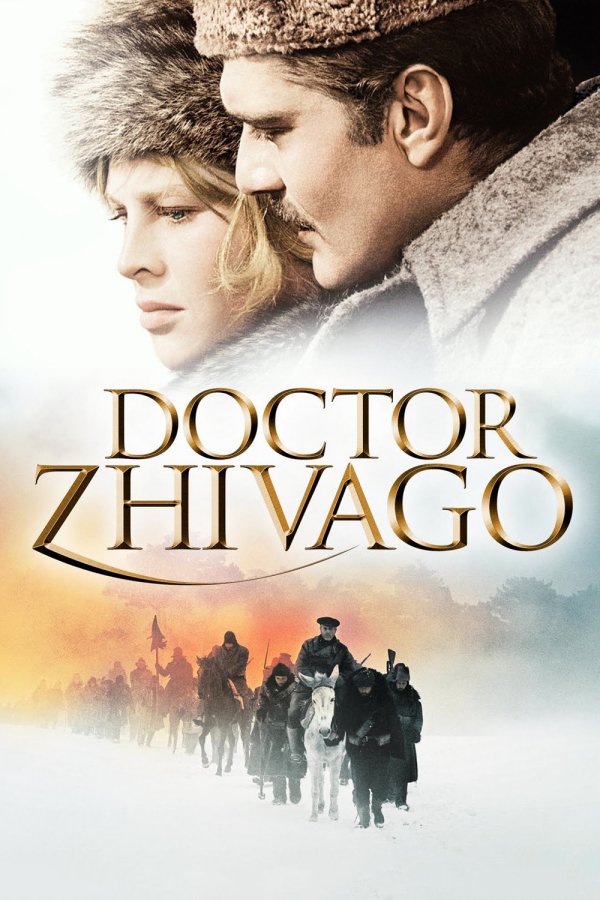
I could not get in to Doctor Zhivago, it’s one movie where I just have to disagree with the critics. A lauded film from 1965, and directed by one of the greats, David Lean, it is an epic movie about the times of the Russian Revolution during and after World War I. The backdrop is of a Russian KGB general (played by Alec Guinness) interviewing a young woman who he believes to be his long-lost niece. He tells the tale of her parents, who she doesn’t really remember, including her father (the general’s younger brother), Doctor Zhivago. Raised in a wealthy household until Lenin’s socialism breaks down the barriers of independent wealth, Zhivago is smitten with a poor woman named Lara, but marries the wealthy Tonya instead. Much of the film is Zhivago’s dichotomous relationship with these two women, while others weave in and out of their lives. The film is beautifully shot with stark, grandiose scenes and costumes, but the plot is thin and not all that interesting, and for much of the time, I just wanted to smack around the lead actor for being unable to choose between these two wonderful women, either of which would make him happy if he could but stick with one wholly. And personally, I found it a bit humorous to watch a film full of Russians being portrayed by British actors, complete with British accents, doing British things. I understand it was made in a different time, but for me, it was distracting. Sometimes I can watch a 3+ hour movie and lose myself in it, and other times like this, I’m stuck looking at the clock through most of it, waiting for the plot to develop.
Quick takes on 5 films
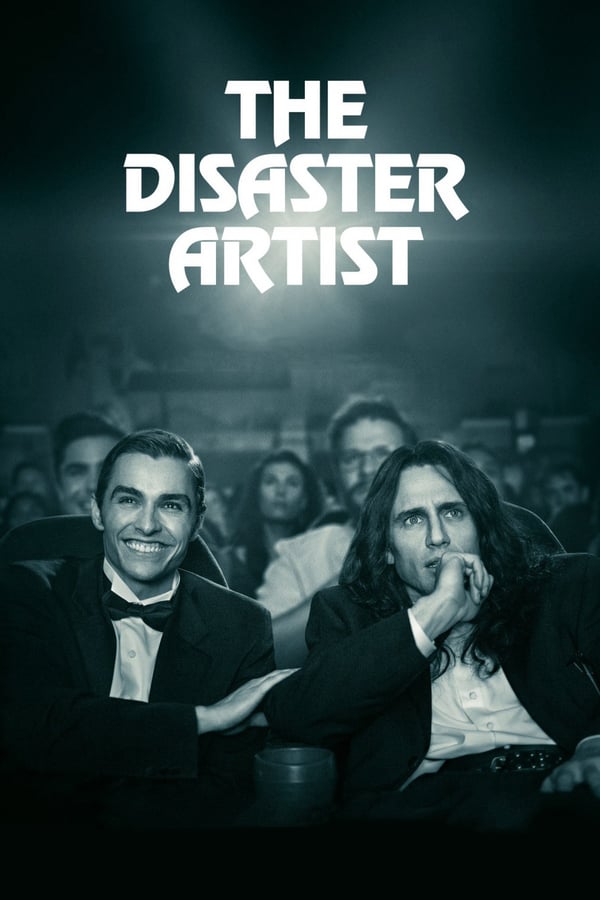
I have mixed feelings on The Disaster Artist. About the making of The Room, distinctly regarded as “the worst movie ever made,” this film is entertaining enough, but leaves too many unanswered questions for myself. I like my movies clean and tidy. It follows Greg Sestero, the author of the book it is based on. Greg is a young adult who dreams of being a famous actor. In his local acting class, he meets Tommy Wisseau, an enigmatic and seemingly independently wealthy man who lies as much as he tells the truth. Greg is insecure and lacks courage, but Tommy is brazen and urges along Greg, and for once Greg feels like he really can move to Los Angeles and make his dreams come true. The two go to LA, where, after much rejection at auditions, Tommy decides to make his own movie. The Room is the stuff of legends, and while generally agreed it is terrible, it has, like many bad movies, gained a cult following. Most of this movie details the making of it. James Franco is terrific as Tommy, with little brother Dave passable as Greg. With other stars Seth Rogan, Alison Brie, and Josh Hutcherson, this is a funny film, but the viewer is still left wondering who Tommy Wisseau really is, probably because no one to this day knows who he really is.
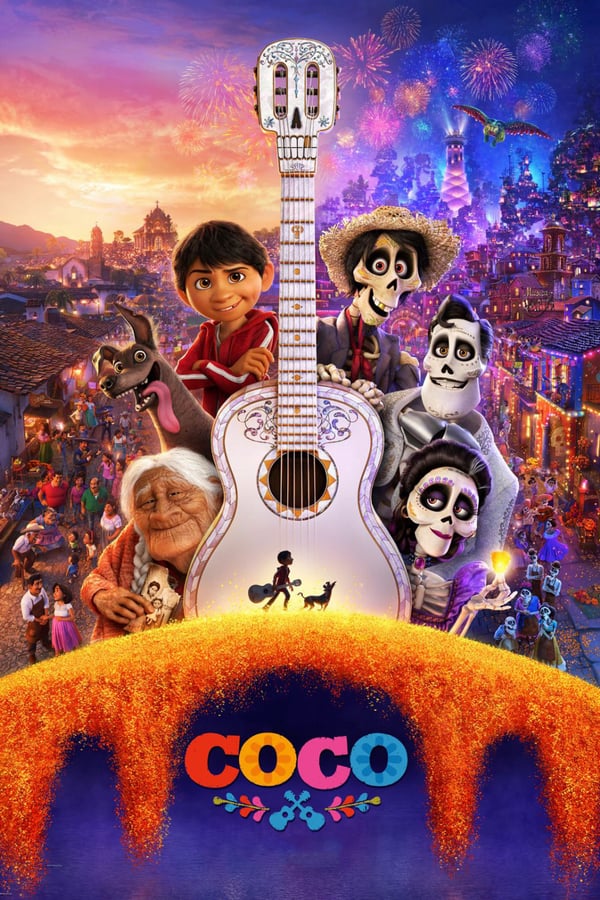
I’m a big Pixar nut, love just about all the movies. Coco is the latest, telling the tale of a boy in Mexico and his desire to be a musician when he grows up, despite his large, extended family’s wishes. More than that though, it is about the importance of family, and remembering where you came from. Little Miguel has been teaching himself guitar in secret, and on the night of a big showcase in town, which coincides with the big Mexican holiday, Day of the Dead. In a turn of events, Miguel ends up in the land of the dead, and his only way back is to get a blessing from one of his deceased relatives. Most will give their blessing if he forsakes music, so Miguel sets out to find his unknown great-great grandpa. Beautifully written and gorgeous visually, this is, in Pixar fashion, a very heartwarming film, even if it is fairly predictable.
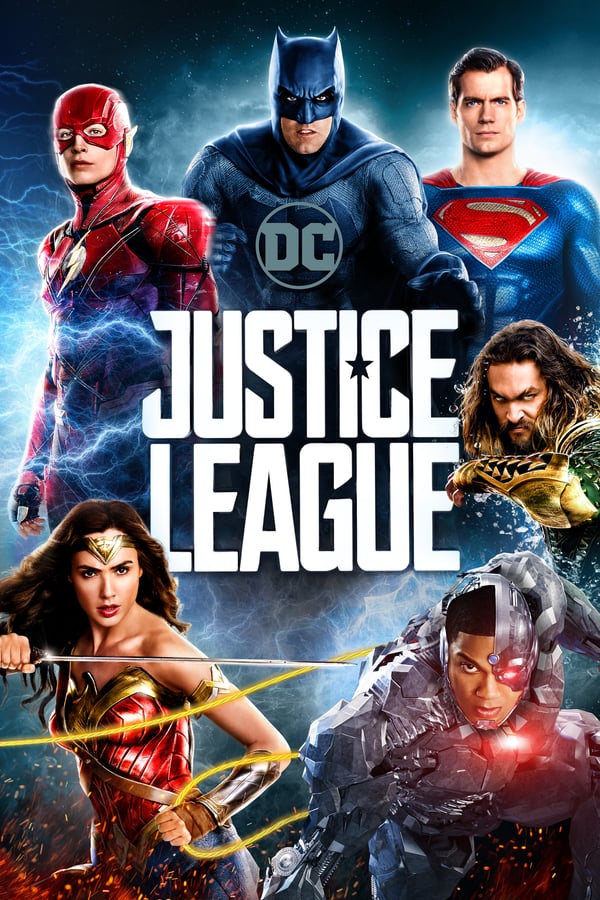
Justice League really isn’t a bad film, but unfortunately the DC universe has been unable to escape the shadow of success that Marvel has accomplished, and in that comparison, it falls short. This film is DC’s big “Avengers” moment, teaming up the heroes from the last few films to take on a world-crushing bad guy, this time Steppenwolf. Batman, Wonder Woman, the Flash, Cyborg, Aquaman, and Superman, whose death a couple movies ago obviously didn’t stick, come together in a big climactic fight. The first part of the film is honestly rough at points. Parts are rushed, parts are sometimes too “campy”, and some parts almost feel like a B movie on a big budget, but once we get into the conclusion in the final 30-40 minutes, it does all manage to come together, and it is a whole lot of fun from there on out. There is a lot of talk about how DC seems to be rushing their films out to catch up to Marvel, but I don’t think that is the problem. I’m starting to think it is the director, Zack Snyder, that is holding this franchise back. If a replacement is made there, perhaps DC can finally find their footing.
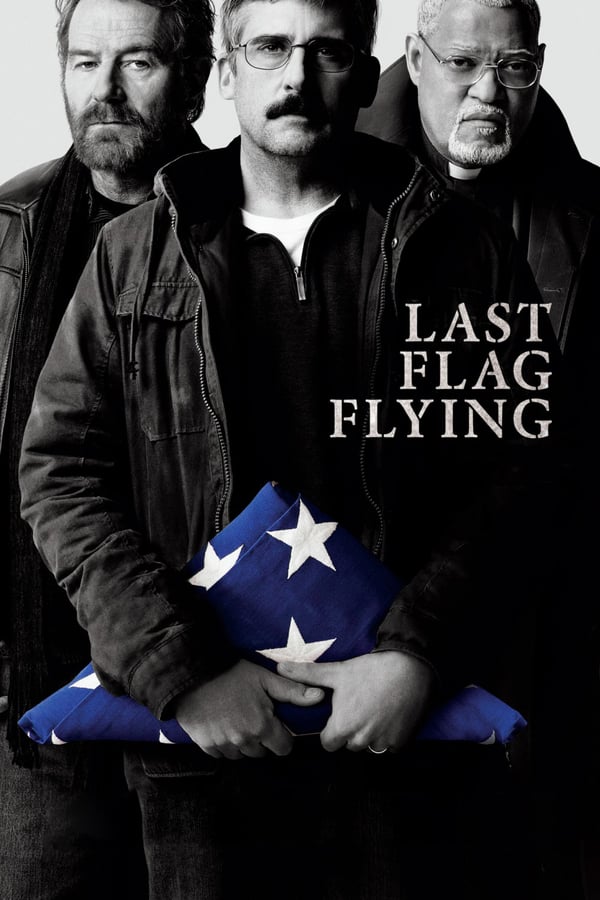
Last Flag Flying is the latest film from acclaimed director Richard Linklater. It follows a trio of old marine buddies from Vietnam, played by Steve Carell, Bryan Cranston, and Laurence Fishburne. They reunite when Doc’s (Steve’s) son dies as a marine in Iraq, and Doc asks them to attend the funeral. There is a lot of heart in this film (as there always seems to be in Linklater’s movies), and also a lot of comedic interplay between the trio, as they remember the old times and get used to each other again after not having seen one another for several decades. At the same time, they slowly come to terms with the moment they shared during the war, one that ultimately changed their lives in very different ways. It also shines a light on love of country, and in a moment of grief, reconciling that love with the lies your country may tell you. Awfully irreverent (Fishburne’s character has become a preacher, but regresses to past language when around his old friends), but also awfully funny, this film should resonate with war buddies who share a bond that no one else would understand.
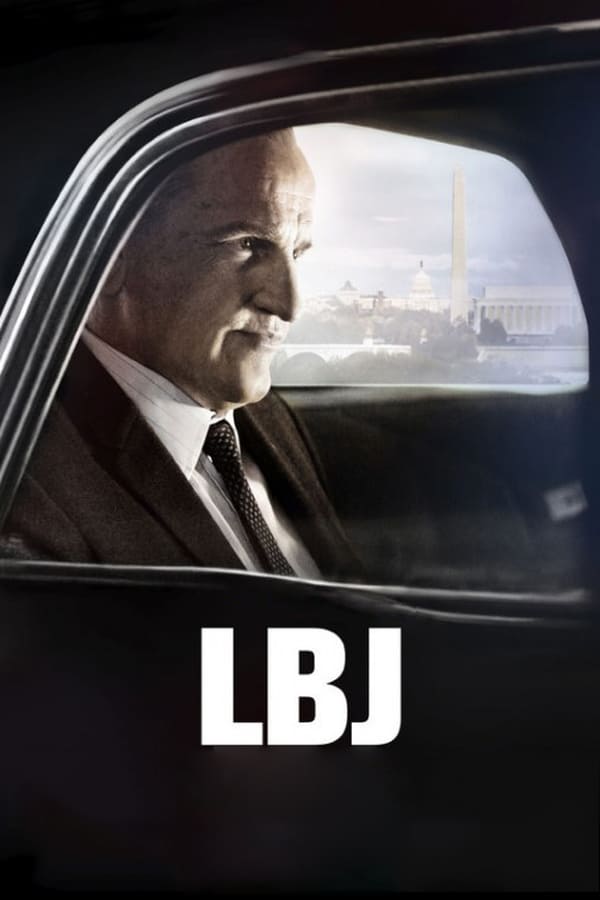
LBJ is (obviously) a historical film, starring the supremely talented Woody Harrelson as Johnson. The film follows Johnson in the years leading up to Kennedy’s election as president, when Johnson was already a powerful senator, then the following years of Johnson as the vice president, and finally the first days of his presidency after JFK is killed. All of this was well before my time, so I can’t speak to the historical accuracy, but it is an entertaining movie. Johnson was a career politician and he deftly plays the game to get his and Kennedy’s bills passed, even when they are unpopular with the Congress. Harrelson is charismatic and engaging as Johnson (perhaps too much so, this is obviously a reason why he could not win the democratic convention against Kennedy in 1960 despite his political clout). The final part of the film feels rushed, and, while you don’t hear this very often, the movie could have been a bit longer. However, I enjoyed the whole of it, and it is worth a watch for Harrelson’s ability alone.