Quick takes on 5 films

Miles Ahead is an entertaining film, if not a very historically accurate one. Don Cheadle tells parts of the life of Miles Davis. Much of the film is made up, but some parts, especially those told in flashbacks, are fairly true if I recall, having read his autobiography years ago. The movie takes place in 1979 near the end of Miles’ “reclusive period.” Much of this seems to be fictional, but his flashbacks, which deal mostly with his first wife, seem more accurate. Miles was an entertainer and a forward-thinker in life and music, and really didn’t take shit from anyone. The film, even the fictional parts, do a great job of getting the essence of who Miles was, and Cheadle (who also wrote and directed, a first for him in both I believe) handles the story artfully.
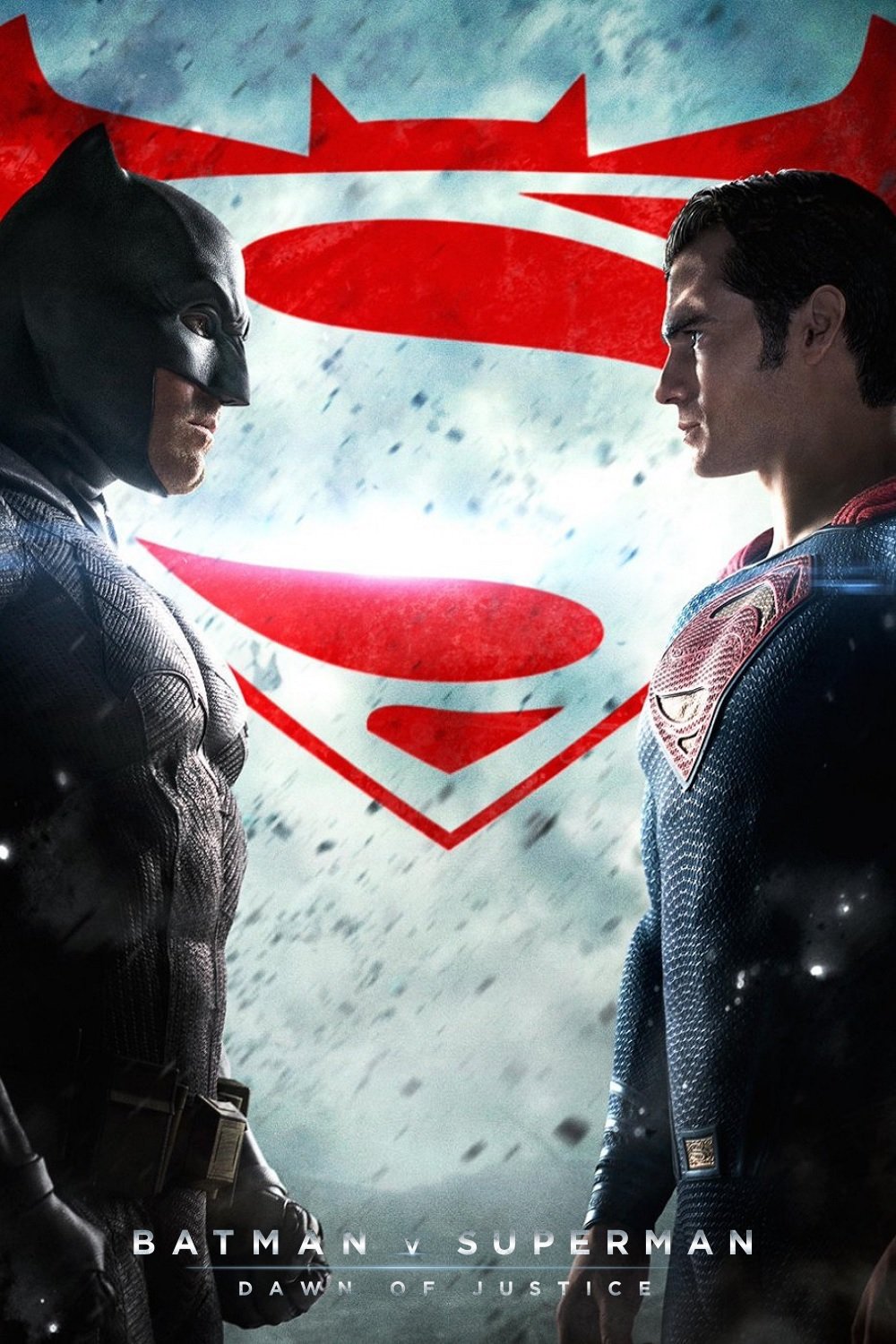
Batman vs Superman is much better than the dismal reviews it got. But then, while I’m not a comic book fan (never read a single one), I’m a glutton for superhero films. I do think they tried to cram 2, or maybe even 3 movies worth of material into this one. Since Marvel films have taken off, it seems DC is trying to hurry and catch up. Still enjoyable, if sometimes a bit disjointed and rushed. Batman is aging but still doing his thing, and he sees Superman as a threat, since no one can stop him if they needed to. Jesse Eisenberg is fantastic as the diabolical Lex Luthor, and Ben Affleck is superb as a somewhat more cynical older Batman. Very emotional ending that you don’t see coming either.

Demolition is a about a man, Davis, whose wife was just killed in a car accident. Even before the accident, Davis was just going through the motions of life, and has become emotionally detached to the point that he can now not even cry at his wife’s funeral. He becomes obsessed with tearing things apart, and while his life is in turmoil, he begins an emotional affair with a new woman, Karen. Karen is also in a life crisis with her growing teenage boy. As Davis starts to remember things about his wife, and also learn new parts of her life of which he is unaware, the whole strange spiral careems around. Jake Gyllenhaal is very good as Davis, the but movie unfortunately suffers from trying to do too much, and just comes off as dull in the end.

The Lobster is a dry, funny movie, but not for everyone. It takes place in a dystopian England, where law states people must stay together as couples. Anyone without a mate has 45 days to find a new one, or else they are transformed into an animal. Colin Farrell plays David, recently single after his wife has left him. David enters a resort to find a new mate. The inhabitants are all a little nutty, and couples really only pair up if they share a trait (good singers, like the same music, have a limp, etc.). Outside society, “loners” hide in the woods, and their rules are just as strict, if opposite (no coupling allowed). The quirky characters, yet sinister backstory, make for an interesting movie, and the film is a deep look at what love means, and people are willing to do for it.
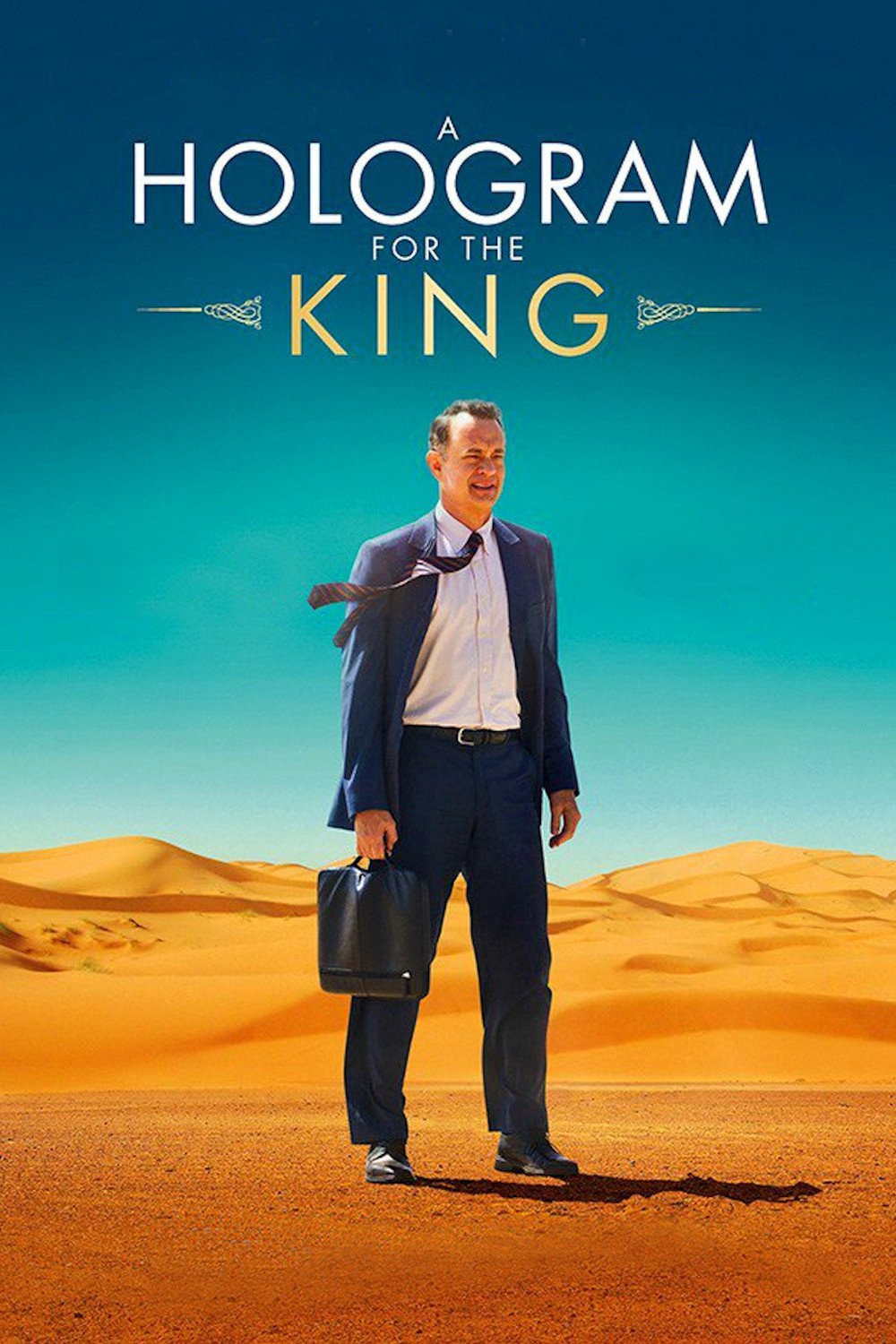
A Hologram for the King is about a businessman, Tom Hanks’ Alan, who goes to Saudi Arabia to close a big deal for his company. His career is a bit on the ropes and he needs this deal to get back on track professionally and financially. However, from the moment he arrives in SD, he is beset with problems and delays. The movie has a couple weird turns and some plot elements that don’t really go anywhere, but Hanks is still his riveting self. Unfortunately his acting is about the best thing to say about the film as a whole. Not a bad movie, but the ending, while ok, comes out of left field and most times you are wondering where the film is going.
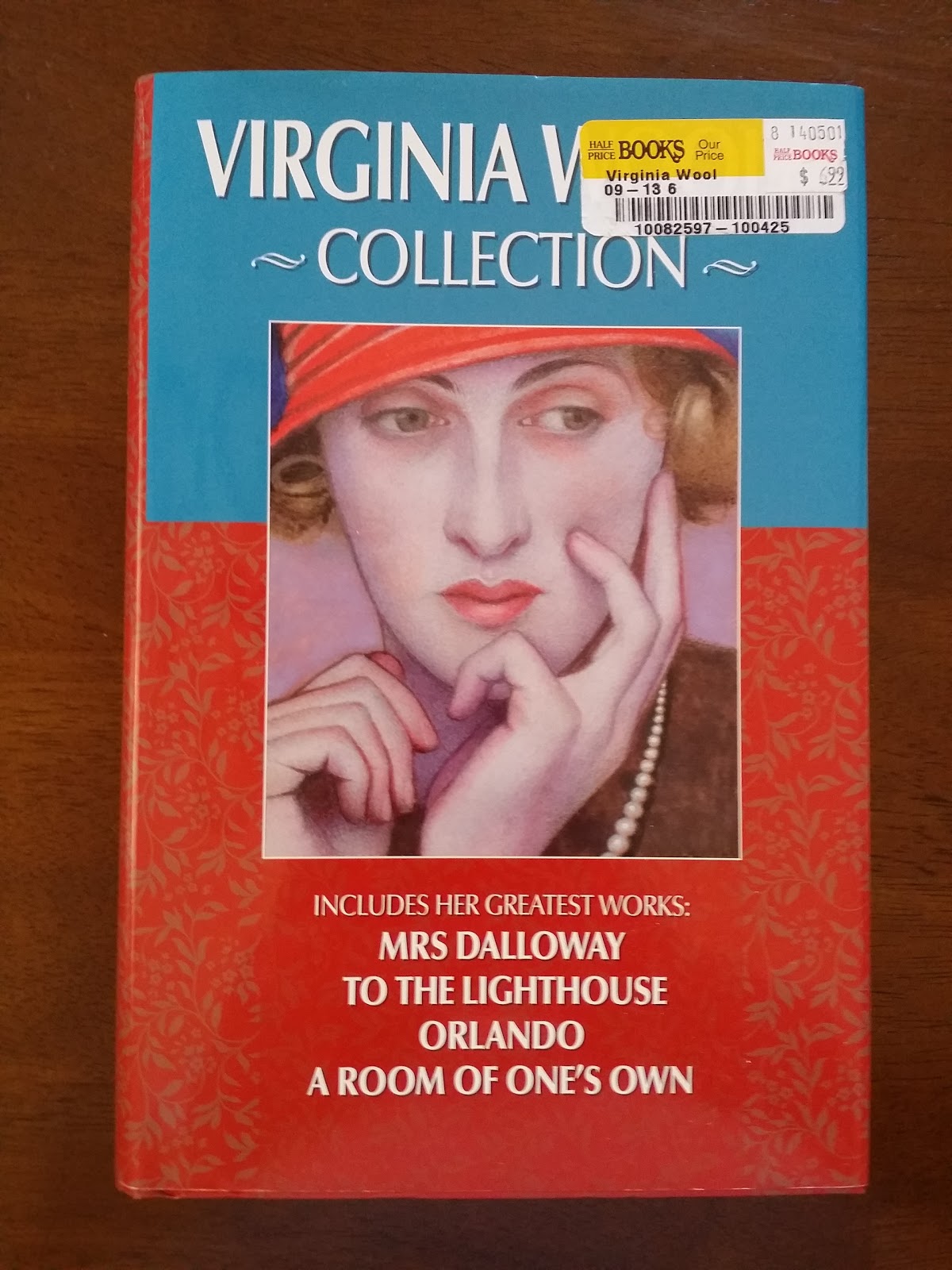
Orlando is historically significant, boring to read

I can appreciate the historical and cultural significance of Virginia Woolf’s Orlando, but my goodness, blah blah blah. I found the book to be boring to the extreme. It is the fictional biography of Orlando and his/her life.

Orlando was born a boy in 16th Century England. Growing up loving nature and poetry, he isn’t a “manly man” but is a favorite of the ladies. He is also blessed with long life, only aging a couple decades over the course of 300+ years, though the book never explains why. After a failed romance with a Russian heiress, Orlando flees society and goes to be a diplomat in Constantinople. Living there for a few years, he goes to sleep one night during a revolution, and wakes up as a woman. Again, no explanation, but Orlando accepts it and goes on to live her new life.

Up to this point, at least stuff was happening in the novel. Afterwards, the plot slows down to a crawl. Orlando, always fascinated by poetry and intelligent thinkers, spends the rest of the book doing more thinking than doing. She shows equal love for men and women, finally finding a man much like her whom she marries.

Historically, it is accepted that Woolf wrote Orlando for her lover Vita. I can appreciate the significance of the book, written in the 20’s, showcasing women as being equal to men, and especially at a time with homosexuallity was more than just taboo, it was criminal. But still, definitely not a page-turner.

Quick takes on 5 films

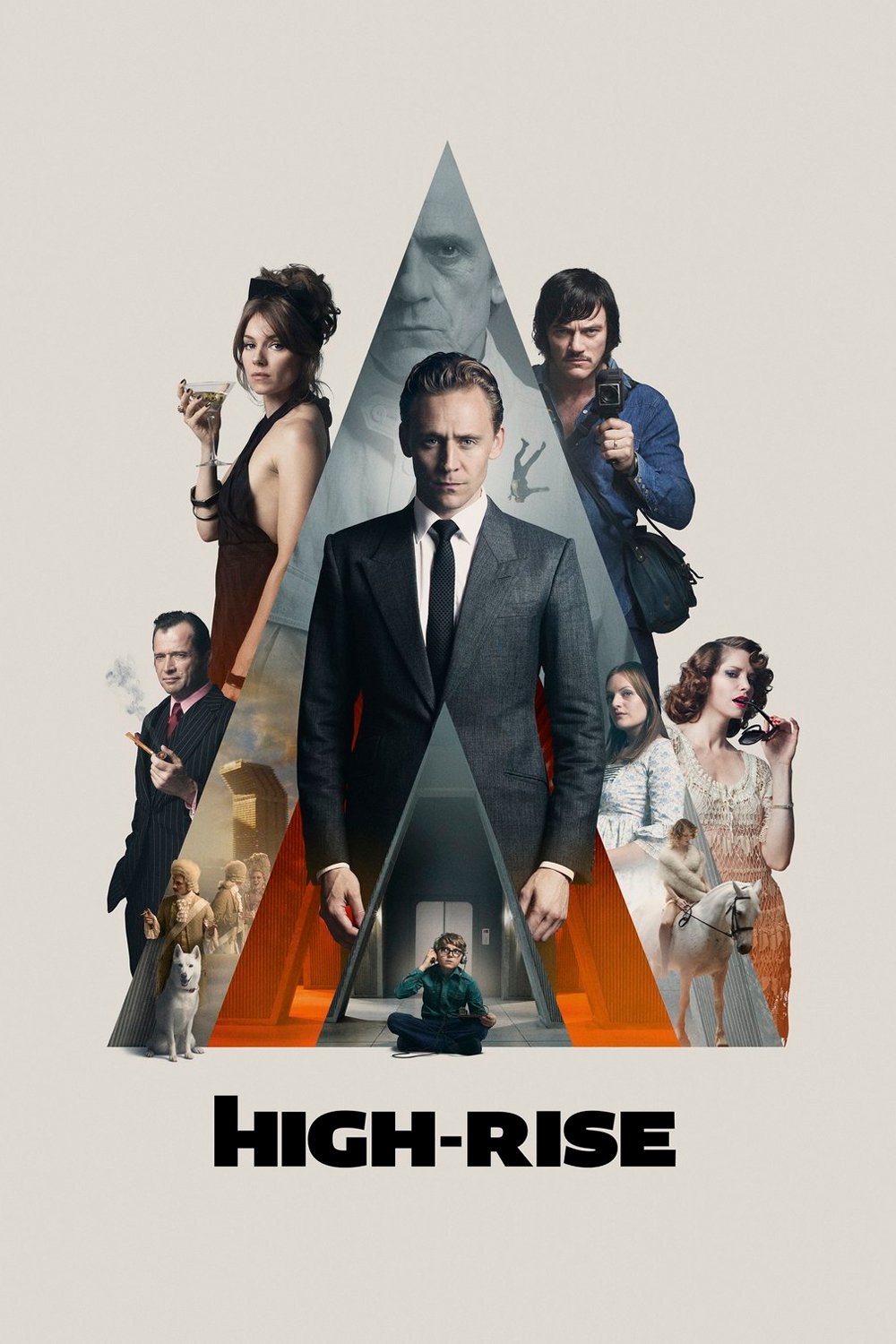
High-Rise is different, to say the least. It stars Tom Hiddleston as Laing, a new resident at an experimental self-contained community skyscraper, where the rich live at the top and the poorer at the bottom. The building has everything needed to live, from gyms to pools to a grocery store. From the beginning, we get a feeling that everyone inside is a bit crazy though, and the movie tenses it up with creepy, sinister-feeling music from the get-go. When power starts failing and the trash system goes out, allowing garbage to pile up at the bottom first, the lower levels start rioting while the upper levels keep on throwing weird parties like nothing is wrong. The film plays out almost like a Wes Anderson nightmare on hallucinogens, but it is fairly entertaining.

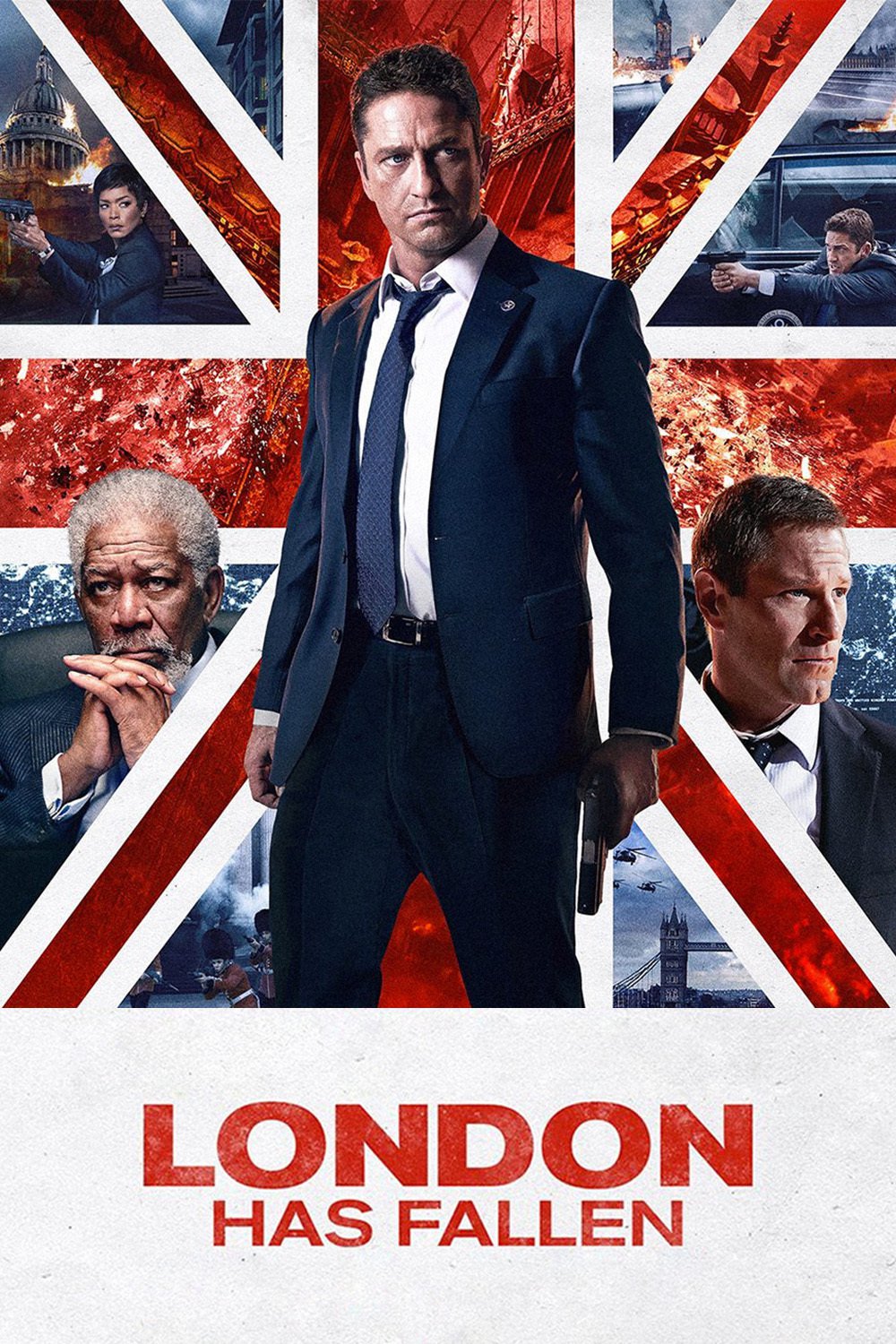
I enjoyed London Has Fallen much more than the reviewers. But then, I also liked Olympus Has Fallen, and I knew going in this wasn’t going to be rich storytelling or a cinematic masterpiece. It was going to be explosions and gunfights, and that’s what it is. Gerard Butler’s character once again is tasked with keeping the President alive, this time in a coordinated attack in the city of London. Butler does these kinds of movies well, and if you are a fan of the genre, you won’t be disappointed.

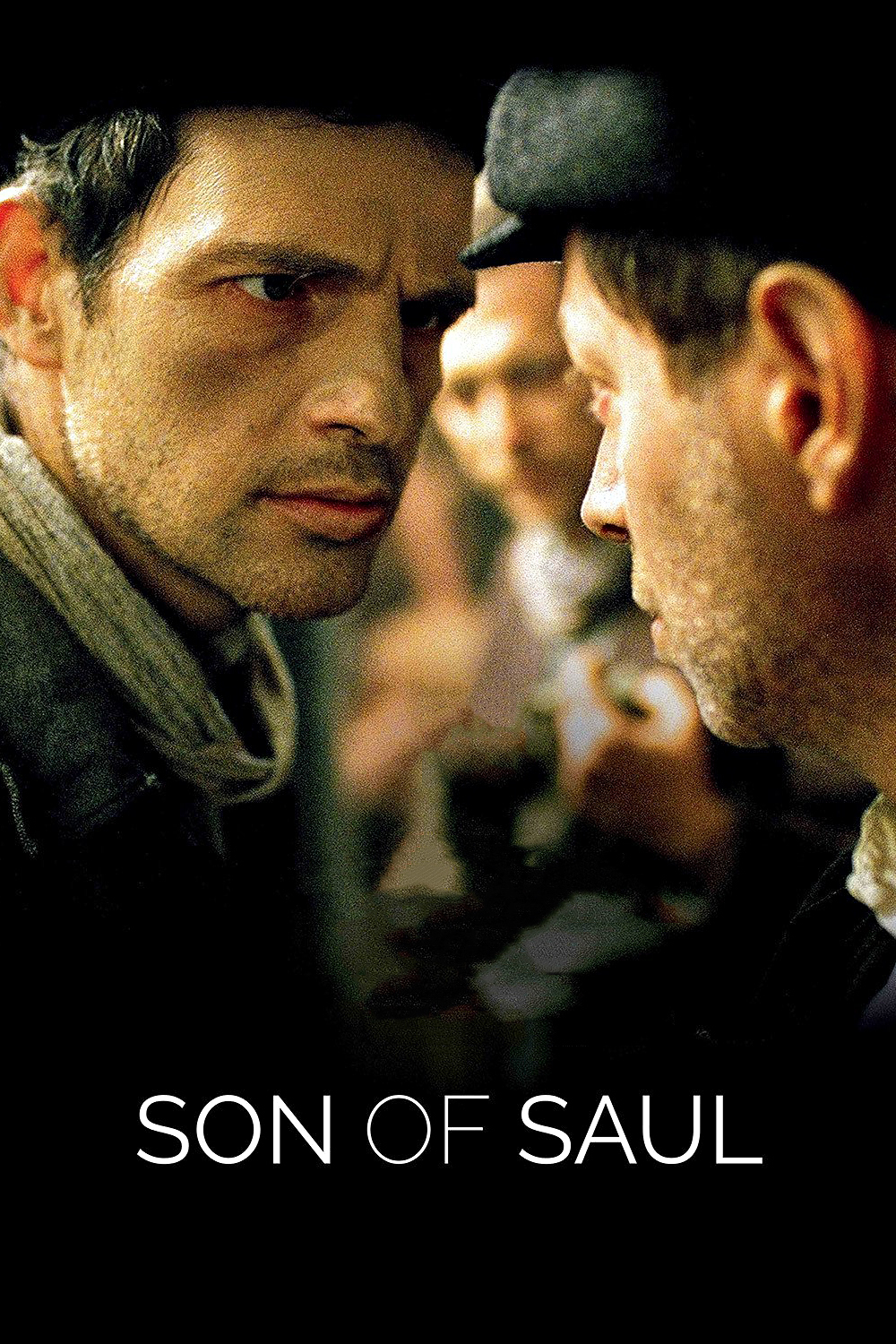
Son of Saul is last year’s Oscar winner for a foreign language film. Saul is a Hungarian jew in a concentration camp in Nazi Germany, where he is tasked with cleaning up the gas chambers after the mass killings. He sees a boy recently killed whom he recognizes (unfortunately the title of the film gives it away), and sets out to try to give the boy a proper burial, rather than be autopsied or burned. A riveting, if quiet, film, and I must warn you, the “happy” ending is a poignant one.

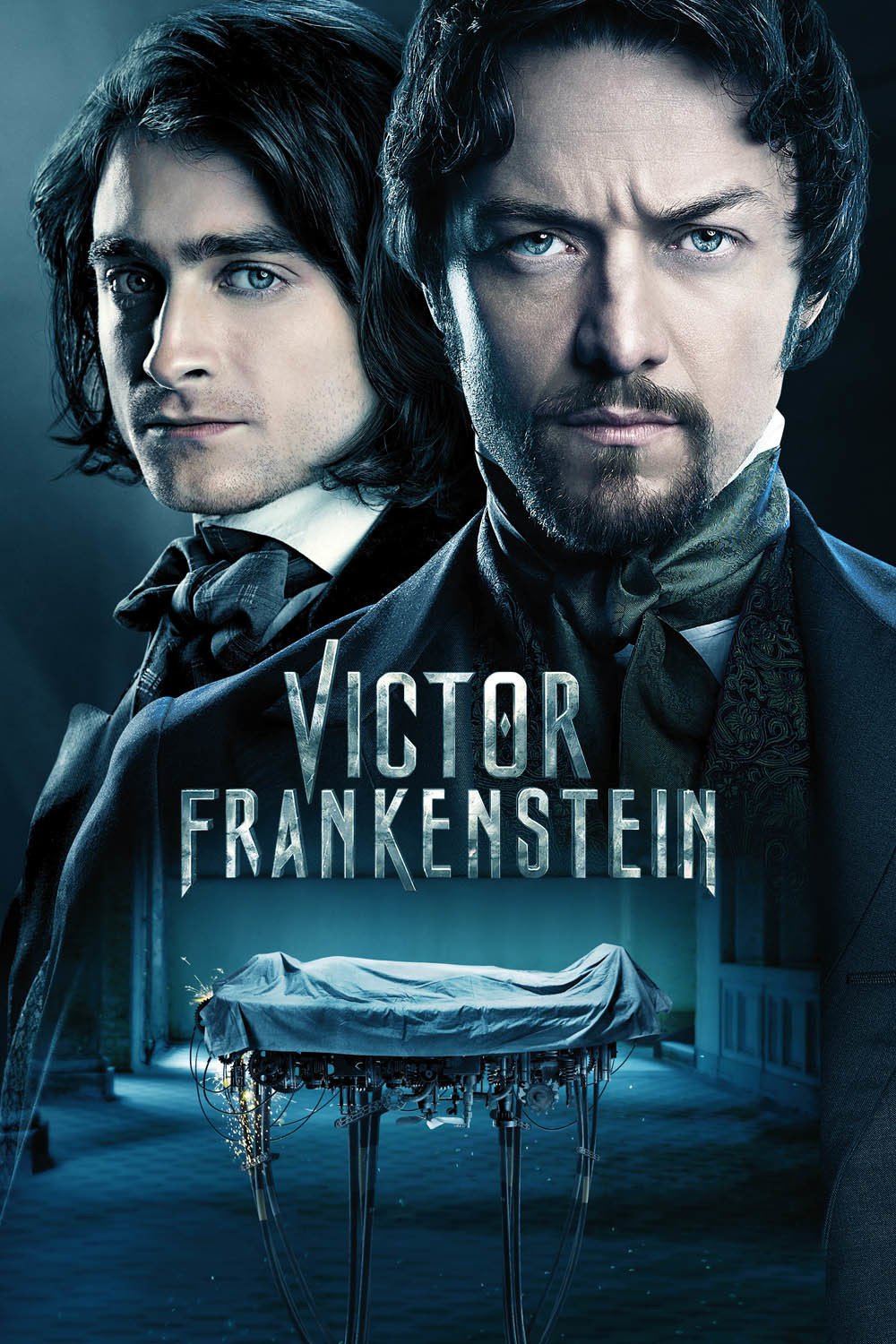
Victor Frankenstein is just sort of boring, and silly to boot. Despite awful reviews, I watched it because I think James McAvoy and Daniel Radcliffe are both good actors, but they couldn’t save this film. Igor (Radcliffe) is a circus freak until Dr Frankenstein (McAvoy) rescues him to be his apprentice in creating life from death. Igor is very thankful and a willing partner despite some misgivings. As the experiments go along though, other issues arise to split the duo. Unfortunately not much to really enjoy here, the movie just bogs down and never gets all that exciting.

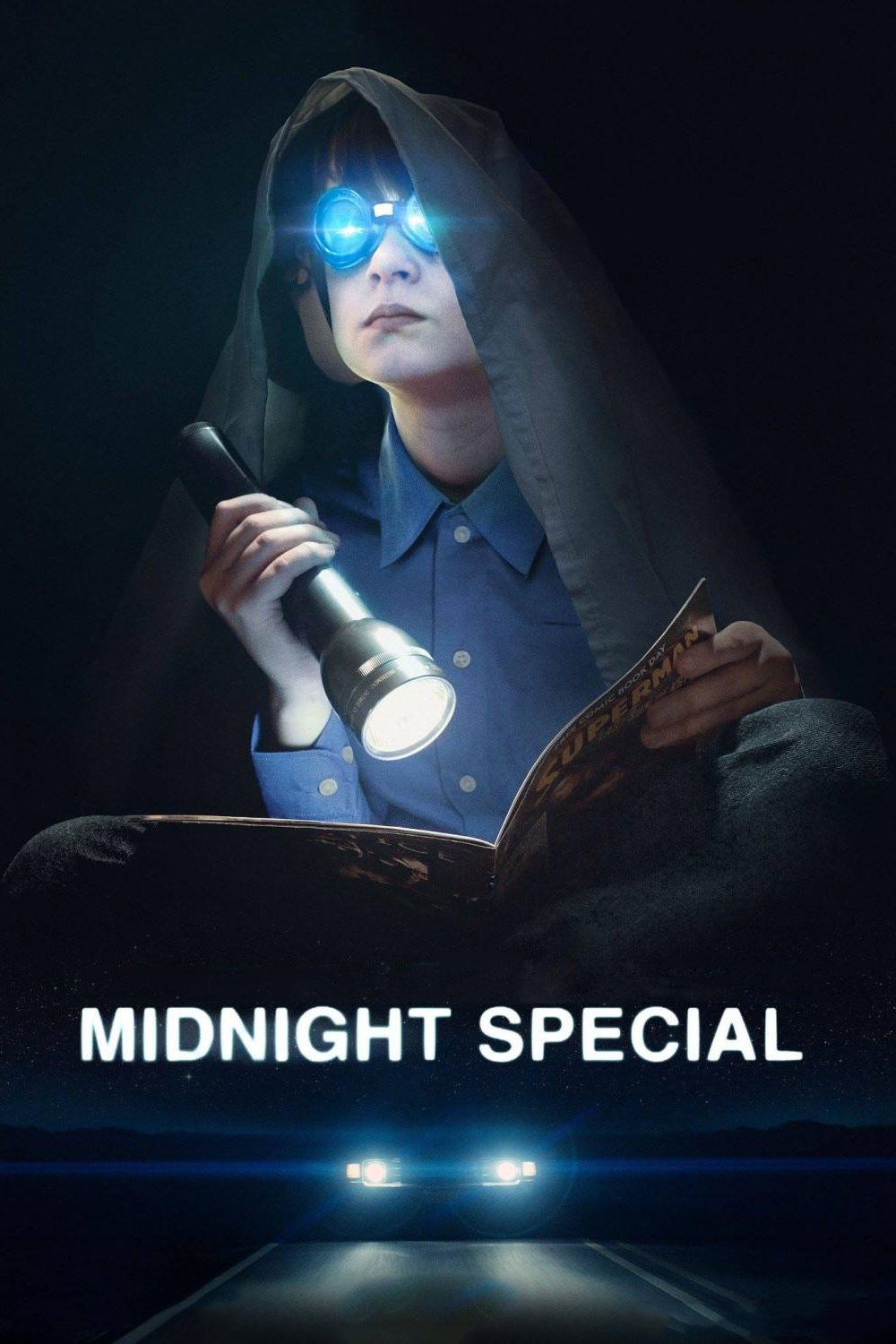
Midnight Special is about a boy named Alton who has special powers, or gifts, that others want to use to their own agenda. He can see things, and knows things, that he shouldn’t. In the beginning, he is kidnapped by a couple men who treat him kindly and seem to be the only couple truly looking out for him. I don’t want to give away Alton’s abilities or what ultimately is the reason behind them, as all is told as the movie develops. The film is an ambitious idea, but for die hard sci-fi lovers, it feels like an idea that has been played out before. It does feature a great cast of Michael Shannon, Kirsten Dunst, Adam Driver, Sam Shepard, and upcoming Jaeden Lieberher as Alton.

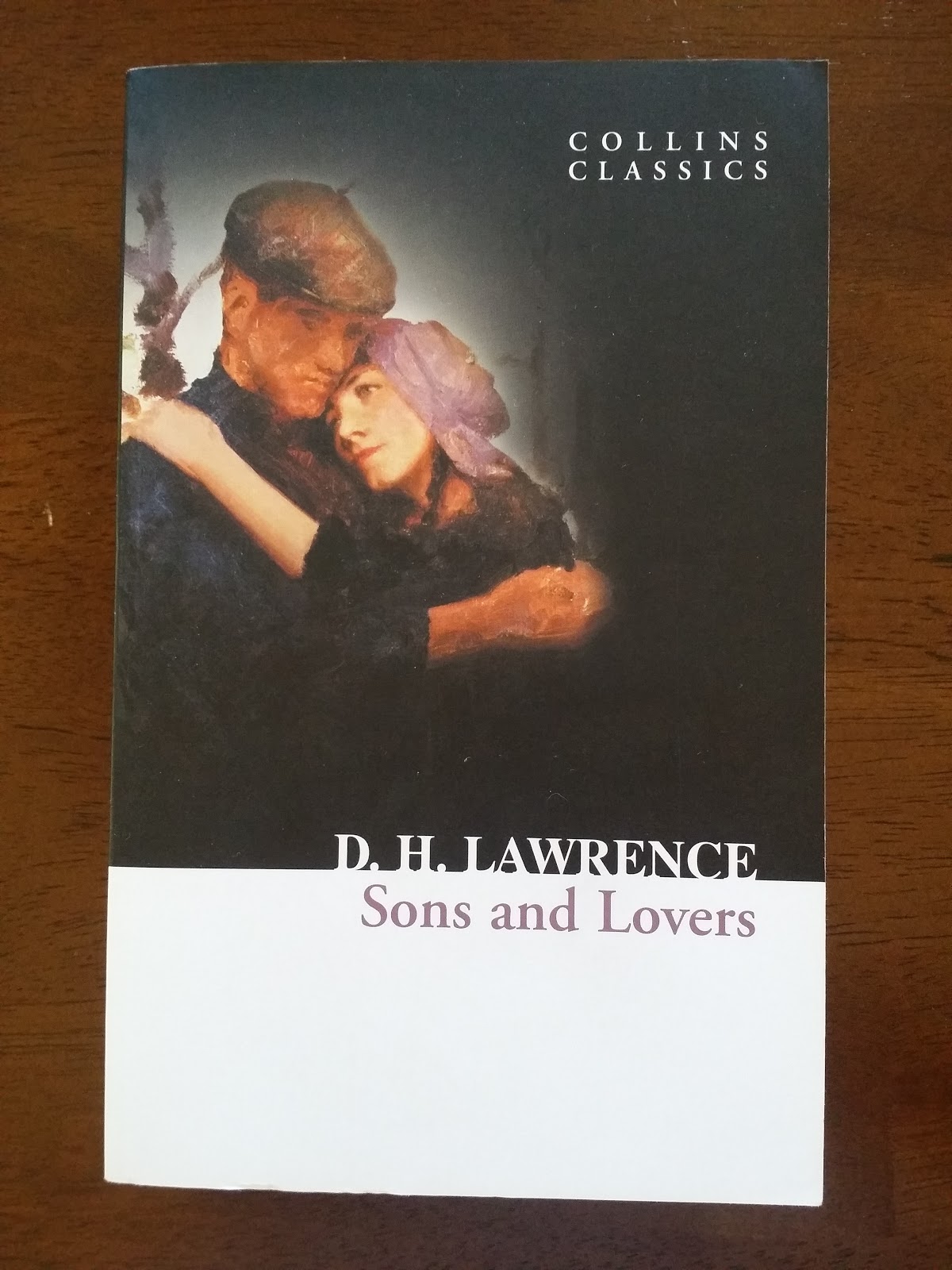
A mothers manipulations in Sons and Lovers

My second reading of D.H. Lawrence turned out much better than the first (was unable to finish Women in Love last May). Sons and Lovers is a much more personal-feeling novel, and I learned after reading that it is semi-autobiographical as well.
The book focuses on Paul Morel, his relationships with his family and the women in his life. His mother is sort of a piece of work. The book begins with her falling in love with Mr Morel, but growing to hate him for being coarse and barbaric and thinking she is better than him. The reader feels her pain of solitude. She latches on to her children and particularly Paul, her second son. Paul grows up being taught to rise about his simple surroundings, that he is destined for more important things. Mrs Morel’s doting on Paul really leads to a unhealthy relationship between the two, and also to Paul never being satisfied with other women.
Paul has two loves during the course of the book, first Miriam who is much like him but who his mother dispises, and secondly Clara, who is a married (though separated) woman who is quite different. Miriam is a natural fit to Paul as they share many interests, but Paul finds flaws in her, which honestly are more like flaws in himself that he projects on her. To Clara Paul falls head over heels, but because she is married, he can never have her. In both cases, he continues to choose his mother over all, and is heavily influenced by her in his mindset.
Whereas the book started with us feeling sorry for Mrs Morel in the life she was dealt, at some point we start to see her as the master manipulator. Her husband becomes a bit of a tragic figure, and we wish that she could just leave her mitts off of Paul to let him live his life. Even after she becomes ill and dies in the end, Paul is still comparing other women to his mother, though he can at least admit now the damage she has done to his psyche.
Sons and Lovers is not a page-turner, but it is a deep introspective novel in which you get tied up in Paul’s search for the perfect mate, and since he can’t marry his mother, he never finds her. Since the book is autobiographical, you have to feel a little sorry for the author as well.

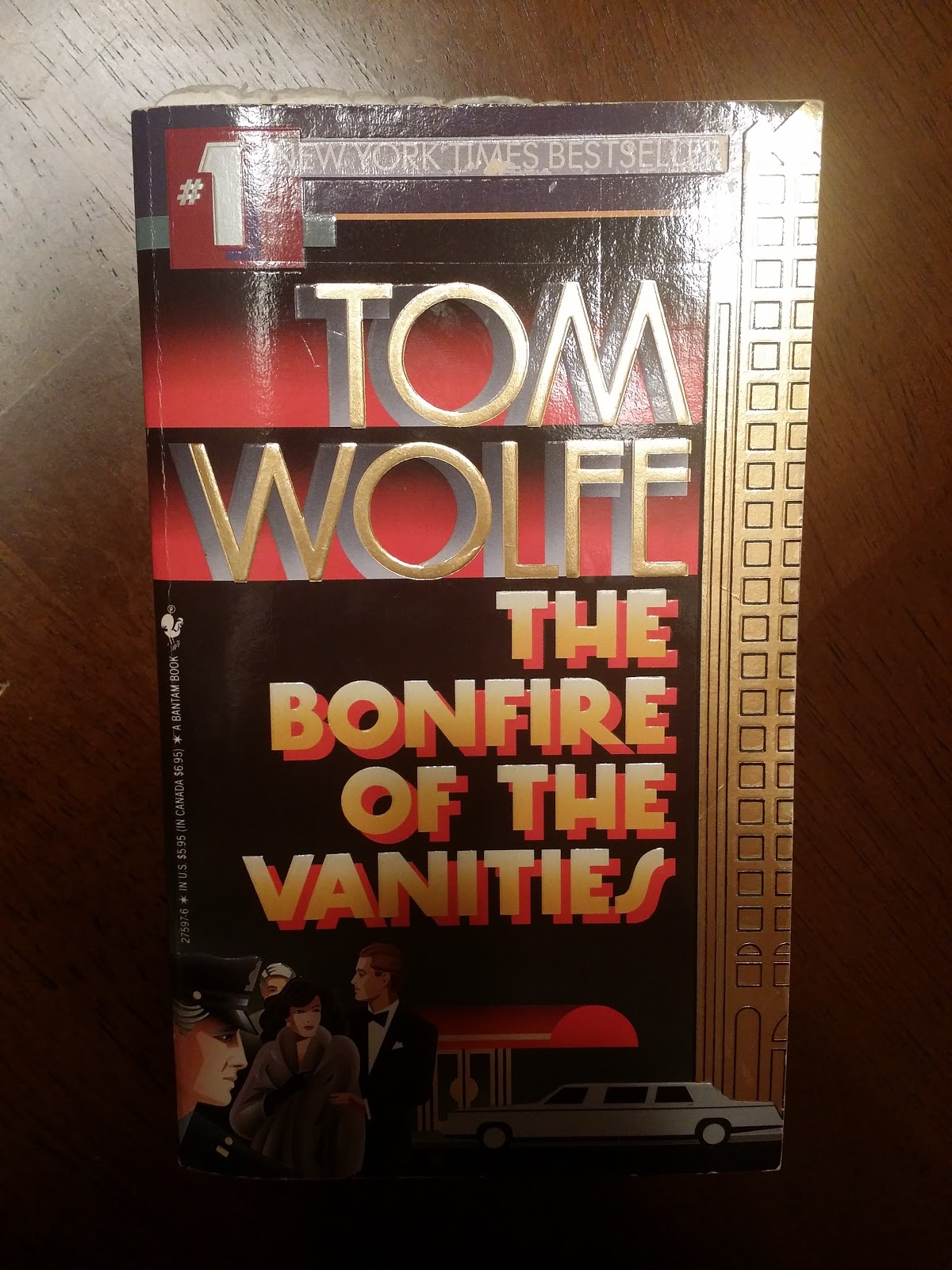
Today’s racial tensions echoed in Wolfe’s The Bonfire of the Vanities

Tom Wolfe’s The Bonfire of the Vanitiesis a popular novel from the 80s with a over-arching plot element that still rings important today, 30 years later, especially where I live in St Louis.
The book has around a dozen or so main characters, the central being Sherman McCoy. McCoy is a wall street investor, who despite making a lot of money, still manages to live well above his means. He also lives hard, running around on his wife with Maria Ruskin. One night him and Maria get lost in a rough part of town, and when approached by a pair of young black men, they panic and race off in his Mercedes, but not before hitting one of the men. McCoy wants to immediately go to the police, but Maria refuses to, saying that it is her choice because she was driving.
Over the next few days, McCoy begins to think they got away with it, but a story pops up in the paper of a young black man in the hospital, the apparent victim of a hit-and-run. Henry Lamb is in a coma now, on death’s door, and the author of the story, Peter Fallow, is trying to get the word out there. Over the ensuing weeks, the black community is up in arms, especially as details get out that Lamb had previously identified the car as a Mercedes and the driver as white. Racials tensions are enflamed by a local black community leader, Reverend Bacon, who claims Lamb was a good kid on the rise, on his way to college, leaving the projects he was raised in. He wants the police to chase after this white man as hard as they chase the black criminals. McCoy feels the noose around him tightening as more and more details come out.
The final parts of the book, McCoy’s arrest and the further missing elements of the case, all evolve in the final chapters. In the end though, the sideshow of the trial becomes the headline, and poor Henry Lamb is mostly forgotten. In fact his eventual death is only a footnote in the novel, as it would be in the papers of today. The book ends rather abrubtly, as the news cycle has all ready moved on to something else, which again, is no different than what we see today.

This is a great novel for even casual readers, and eye-opening for its context in today’s Black Lives Matter movements. Being written 30 years ago, it shows unfortunately not much has changed. I’ve left out much (it’s a long novel at 600+ pages), including many important elements and characters (the cops on the case, the D.A. trying to make a name for himself, McCoy’s lawyers and family). Well worth a read for fans of many genres.

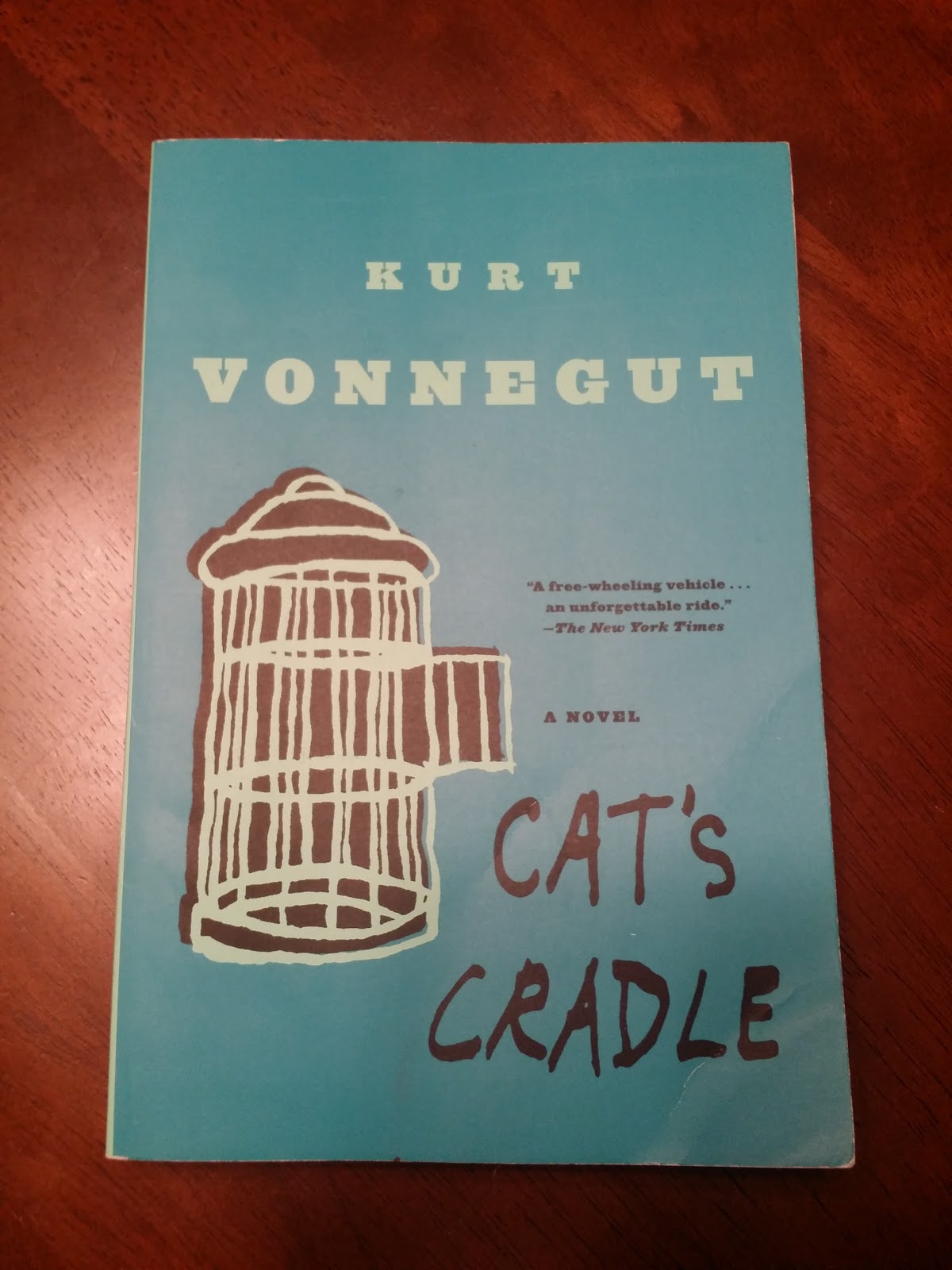
A light read with a dire warning in Cat’s Cradle

Cat’s Cradle was my first foray into the hugely popular Kurt Vonnegut. It is about what I expected, which is to say, not quite my kind of style, but I can see the appeal. It did however leave a strong impression on me.
The book is written in first person, with the narrator telling the story of when he set out to write his own book. He wanted to write about what Americans were doing on the day Hiroshima was bombed in World War II. For research, he sets out to find the family of one of the fathers of the bomb, Felix Hoenikker. Felix had died years before, and left three very peculiar children who are now very peculiar adults. Felix also supposedly left another more deadly invention called ice-9, a substance that turned any water it touched instantly to ice. A funny trick when using only a bowl of water in front of you, it would be deadly if it ever touched a river or ocean, as it would instantly spread to all other places that body of water touched (i.e. the whole planet). However, Felix’s living colleagues all agree ice-9 was just a myth.
When the narrator tracks down Felix’s oldest son Frank, who has set himself up as a military leader in the small fictitious Caribbean nation of San Lorenzo, he heads there and also runs into the rest of the family. We see just how crazy the kids are, as well as how outlandish the island nation is, in conversations in the second half of the book. There is more detail than I care to get into here, but suffice it to say, there is a weird religion that everyone follows, yet no one admits to. Before the end, the kids admit they do in fact each carry a piece of ice-9, which does indeed up getting out and basically destroying the world, leaving only a handful of survivors. The narrator contemplates mankind’s future on this desolate planet, and what got them here, as the book ends.
The manner of writing is very quirky and downright silly at times (think Wes Anderson, though obviously Vonnegut came long before). Having said that, there is depth and meaning in this book. Written at a time when the Cuban missile crisis very nearly wiped us all out, Vonnegut obviously looked at what could have happened if cooler heads hadn’t prevailed. I’ve read that in other books, Vonnegut focuses strongly on the idea of free will, and that certainly is strong here too, with Felix’s kids destroying the world basically because they did whatever they wanted to do in life, with little thought to the consequences. The book feels like it is going nowhere fast, for a huge portion, but when it shifts in the final 50 pages, it turns fast, and leaves you with a lasting impression and something to think about.

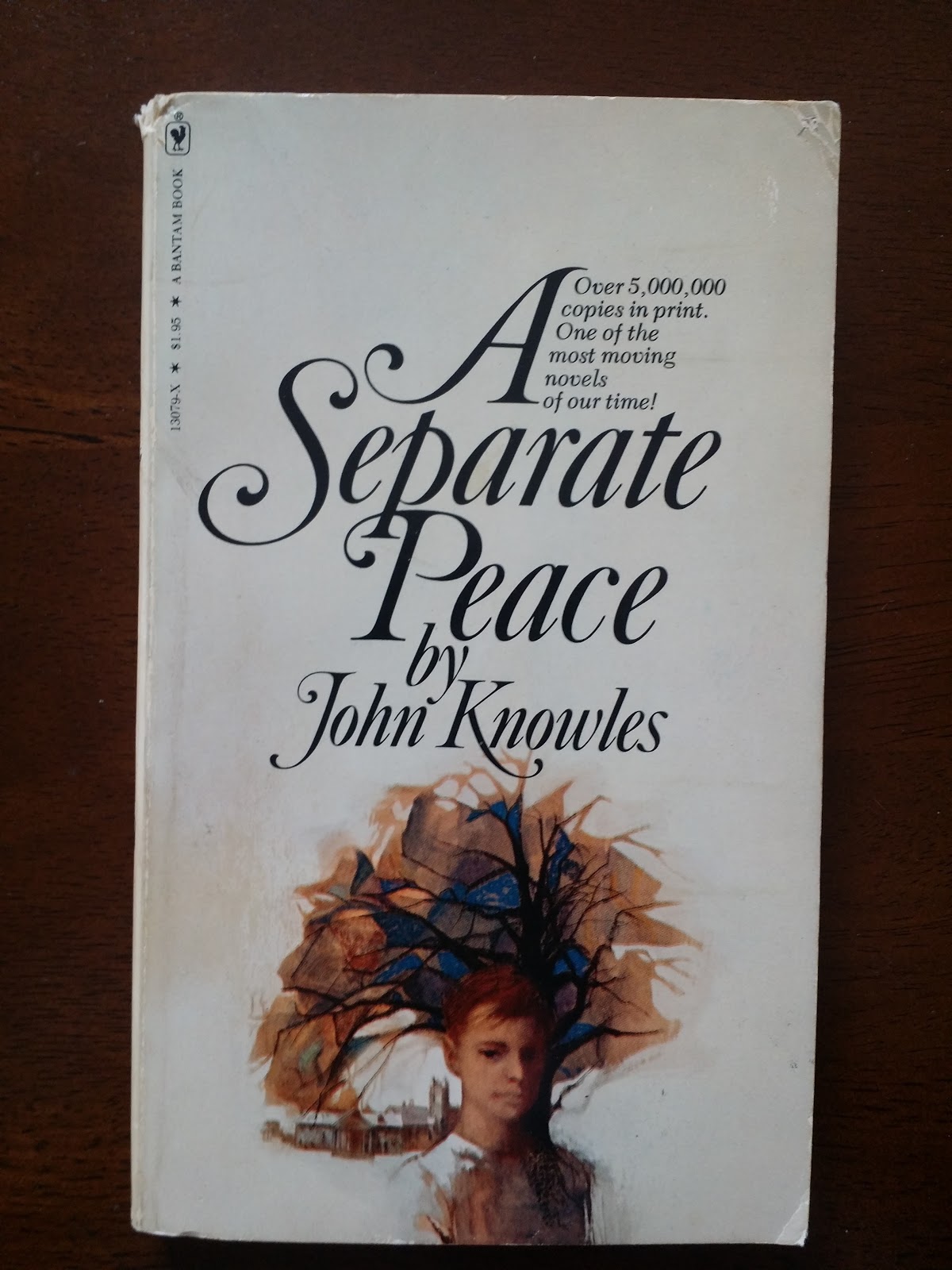
Knowles’ classic still great 25 years later

I first read John Knowles’ A Separate Peace back in middle school. It’s the kind of book that is on most grade school and high school reading lists, so I’m sure many of you have read it as well.
To refresh your memory, the first-person narrator, Gene, attends a prep school named Devon in the early 40’s. Going into his senior year, all of the talk among students and teachers is the current world war. Gene is a bookworm and has no plans to enter the war, and while he is popular among his peers, he is continually overshadowed by his best friend and roommate, Phineas (Finny). When Gene causes Finny to fall out of a tree and shatter his leg though, they both have to deal with the changing dynamics of their friendship.
This book has some pretty straight-forward themes. Mostly it is a coming-of-age story, with Gene starting out as a child, and after realizing the serious consequences of his actions, he matures and changes the course of his life. Jealousy is also central. It agitates Gene that Finny always gets away with breaking all the rules, but once Finny loses his athleticism, their roles are slightly reversed, and Finny becomes jealous of Gene’s mobility, almost trying to live his (Finny’s) life through Gene’s. A short book, and an easy, though satisfying, read. As an adult re-reading it, you might just pick up a lot more than the first time around.

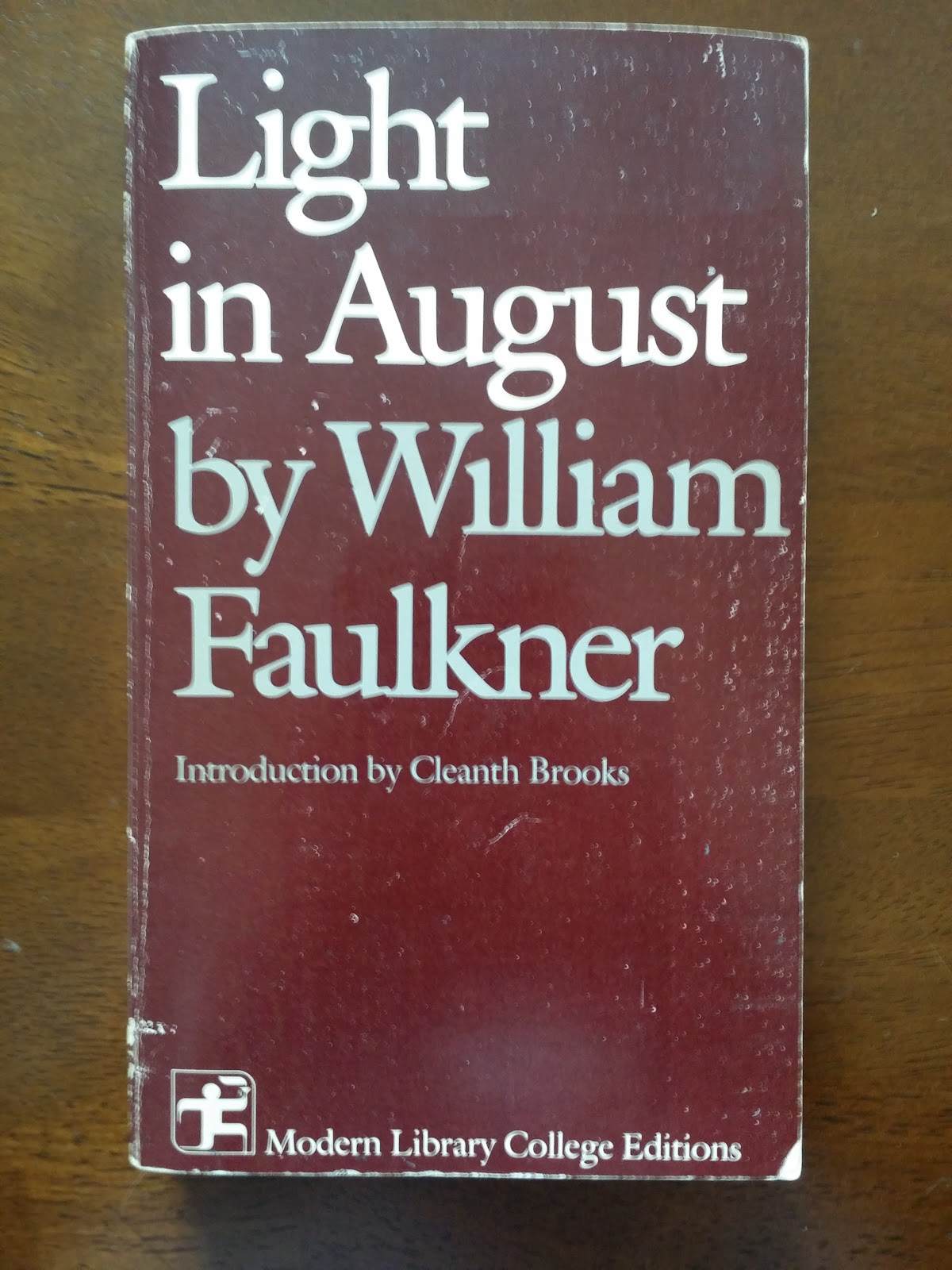
Muddled plots and characters in Faulkner’s Light in August

I’m going to chalk William Faulkner’s Light in August as a great book that I just don’t want to have to spend the time deciphering. There’s a lot going on, some of which Faulkner opts to share with us, other things he leaves for us to figure out, but all of it is told in a rather obtuse way.
It has basically 3 over-arching story lines, taking place in the south in the 1930’s. Lena is a young woman who has become pregnant by a southern rascal, Lucas Burch, who heads out of town upon hearing the news. She convinces herself that he is just coming up with money to marry her and build a family, and when he doesn’t show up as the baby’s date approaches, she sets out to find him. We also learn about Joe Christmas, an orphan who struggles with his heritage. Though he looks white, he believes he had a black father, which leaves him angry towards both races at different points in his life. He spents his first 25 or 30 years as a pretty awful person; picking fights, destroying lives, and not owning up to his sins. The third story is that of Hightower, a disgraced minister in the town of Jefferson, Mississippi. Through an unfaithful wife and a mental meltdown, he is a preacher without a congregation. Jefferson is where all the stories connect, as Christmas has settled here and Burch as well, who has changed his name to Joe Brown.
Lena finally comes to town in her search, meeting Byron Bunch, who recognizes her quarry based on Lena’s description of him. She arrives just as Christmas’s white lover is murdered (by Brown or Christmas we never learn), and Bunch sets Lena into a cabin to await her lover, even as he himself falls in love with her. When word gets out of Christmas’s heritage, he becomes the de facto target of the police search. The story gets stranger from there, with Christmas’s maternal grandparents entering the scene and Hightower becoming heavily involved before the end.
The book is obviously mostly about race, and how that affects our views of people (or at least, those views in the 30’s when the book was written). We’ve come a long way in many ways, but not so far in others. My only problem is sometimes the characters’ actions don’t make much sense, from a reader’s (outsider’s) perspective, or even in context within the lines of the novel. Whereas my previous read captured my interest and made me want to ponder the interweaving plots and subplots, I mostly just wanted to move on from this book.

Newest Star Trek film goes back to its roots

Star Trek Beyond marks now the third movie in the “new” rebooted franchise. With a fourth movie all ready in the works, this cast will match the Next Generations crew in theater releases. This new movie, for me, felt almost like a throwback to the original series, and I think Star Trek fans and sci-fi fans in general have plenty to like here.

The film revolves around the Enterprise following a distress call to a distant planet. There they are attacked before they have a chance to ready, and James T Kirk ultimately finds himself marooned on the planet with most of his crew dead or captive, and the Enterprise destroyed (again!). As he, Spock, Bones, and Scotty try to rescue their friends from the newest big bad evil guy, they find unlikely friends also on the planet. Even when they make it off, they must still save the Federation from this newest crisis.

When I say it feels like a throwback, I mean the plot, dialogue, and just the general “feeling” of this film brings visions of the original crew. You can supplant Chris Pine with William Shatner and I’m not sure the movie changes all that much. I think this has amazing value for Star Trek fans who maybe felt a little backstabbed at seeing Khan resurrected in the last Star Trek film, but even casual fans can really enjoy this film too.  Stunning effects and some nail-biting action sequences keep it tense, but Kirk keeps his cool and the film never loses its Trek-like fun atmosphere. With original Spock Leonard Nimoy passing away last year (and slight spoiler, in the beginning of this film off-camera), this movie is definitely a proper tribute to his and his original crew’s legacy.

Quick takes on 5 films

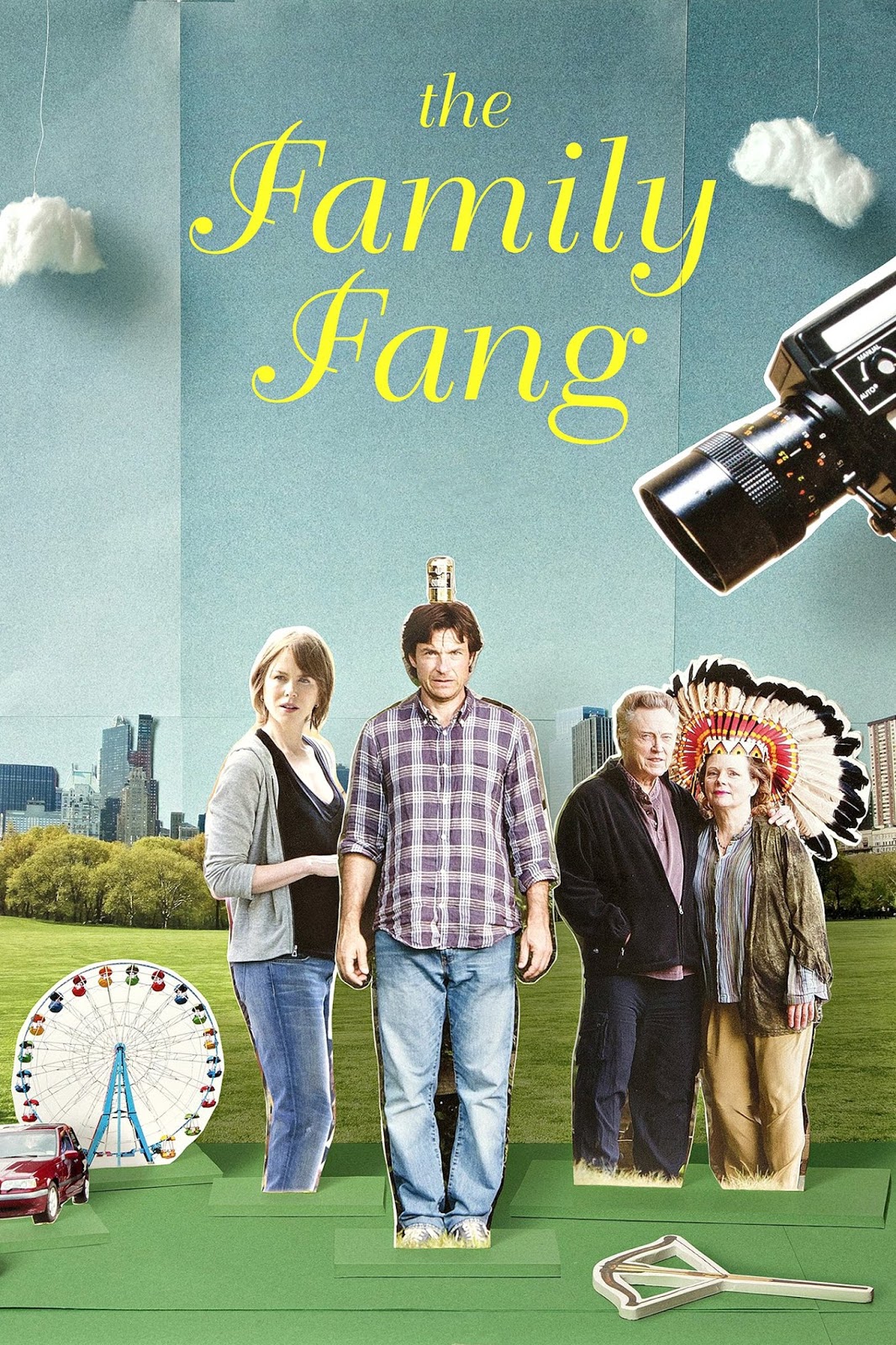
The Family Fang is a rare dramatic role for lead Jason Bateman (who also directed). He plays Baxter, who, with his sister Annie (Nicole Kidman), are more famous for their parents actions than their own (though Baxter has written some acclaimed novels and Annie is a Hollywood actress). Growing up, their parents made “performance art,” staging the kids as props in fantastic situations and filming passersby’s reactions. When the parents go missing, leaving behind a crime scene full of blood, the adult children don’t know whether to believe them truly in danger, or if it is just the newest art scene to fool their fans. Brilliant acting by Bateman especially, and the film is raw and emotional, in which the viewer can’t help but be swept up in.
Hello, My Name is Doris showcases that Sally Field hasn’t lost an acting step with age. She plays Doris, who has lived at home with her mom all of her life. Now her mom has finally passed away, and her life is shaken up. In a bit of a life crisis, Doris falls for a man at work who is half her age. Field is breathtakingly good in this film. She runs the gamut of emotion and I felt all of it with her. She misses her mom, she aches for the life she could have had, had she not stayed home to care for her ailing mother, and she longs for love. At the same time, she experiences supreme joy with new friends that she may have missed out on. In the end, the movie is about moving on, though not necessarily the way you think you might.
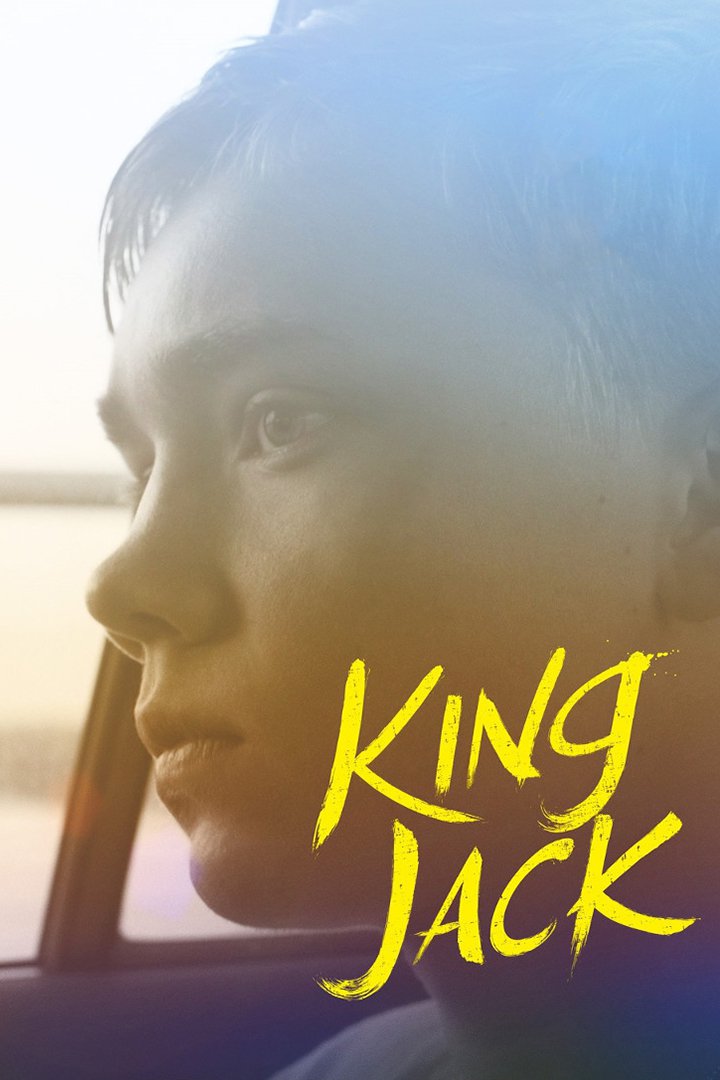
King Jack is a well acted and emotional story of a coming-of-age in a small town. Jack is picked on by everyone older than him, and ridiculed by those of his same age. He does bring a lot of it on himself by trying to act tough, and get out of the shadow of his older, popular brother. He seems to be on the road towards juvenile deliquency with his constant fighting, when really he is just trying to stand up for himself. When he and his younger cousin become the targets of a particularly ruthless bully, he needs to decide when enough is enough. I make it sound fairly ho-hum, but the movie is deeply moving and more than your average indie flick. I had not heard of the lead, Charlie Plummer, before, but this is one to keep an eye out for.
Whiskey Tango Foxtrot is the latest comedy starring Tina Fey. She plays a journalist at a TV station, who finally has a chance to get in front of the camera if she is willing to report from the war in Afghanistan. Semi-biographical but with Fey’s comedic talent (at least in the first half), the film is just entertaining enough to keep you watching. It loses some steam comedically in the second half, where the meat and potatoes of the script come together in an actual plot, but there is still enough there to want to see how it all ends. A little vulgarity at times keeps it a solid R rating, so watch this one after the kids are asleep, but you don’t need to be diehard Fey fan to enjoy it.


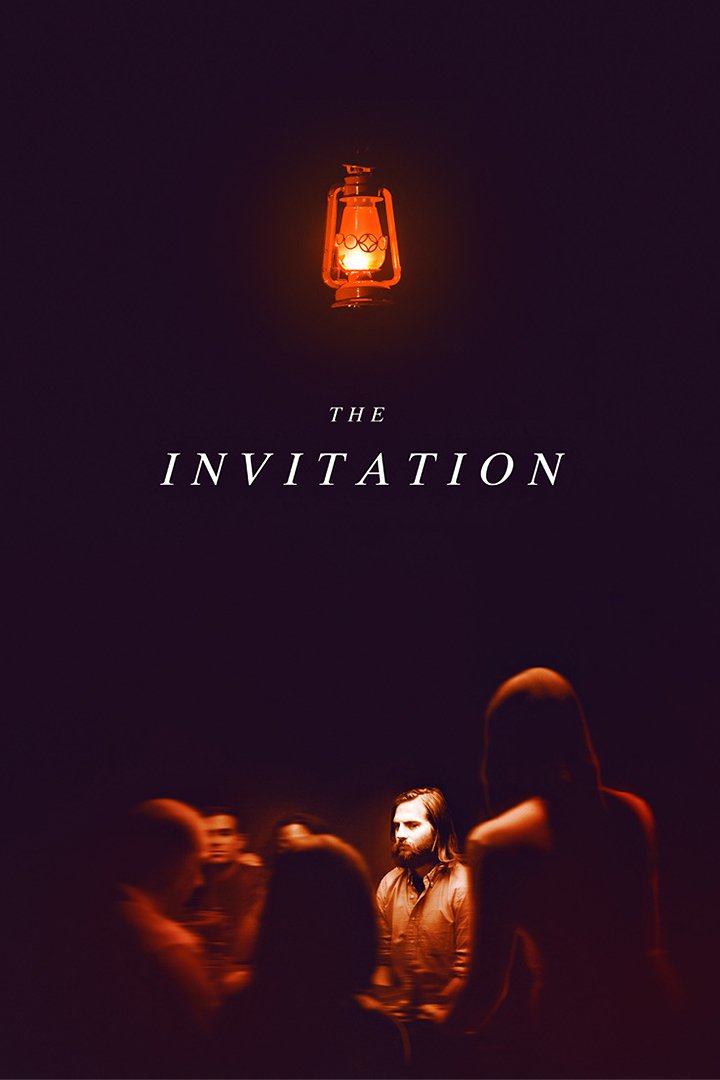
The Invitation is a pretty boring for a thriller. A couple gets invited to a friendly get-together, by some people they haven’t seen in years. The first 60 minutes is slow in building but with plenty of B movie sideways glances and creepy music. The last 30 minutes turns into an even worse cliché slasher film. The movie has some recognizable faces, but definitely low budget and not all that well put together. There are better low budget movies out there.