Quick takes on 5 David Lean films

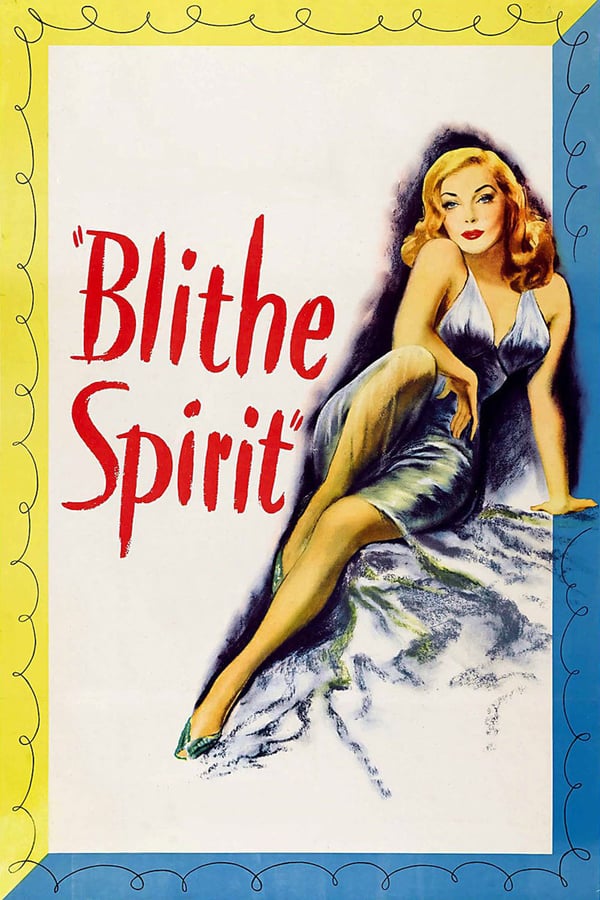
David Lean was all ready an established film editor, but 1945’s Blithe Spirit was just his third film as director, and also the third in his collaboration with the esteemed playwright Noel Coward as producer. Based on Coward’s play, this is a charming film about a séance gone wrong. Charles (the brilliant Rex Harrison) and his wife Ruth invite a medium, the eccentric Madame Arcati, to their house for an evening of entertainment, with Charles hoping for a farce that can be used for inspiration for his writing. When Charles’ first, long-dead wife Elvira shows up, and only he can see or hear her, it causes obvious ire with Ruth. A very funny film and one that holds up well, even if Coward did not care for the adaptation much at the time. Lean’s ability is on display. Blithe Spirit was made just before he did Brief Encounter, one of my personal favorites, and just a year before he went on a run of Best Director nominations for his Charles Dickens’ adaptations.
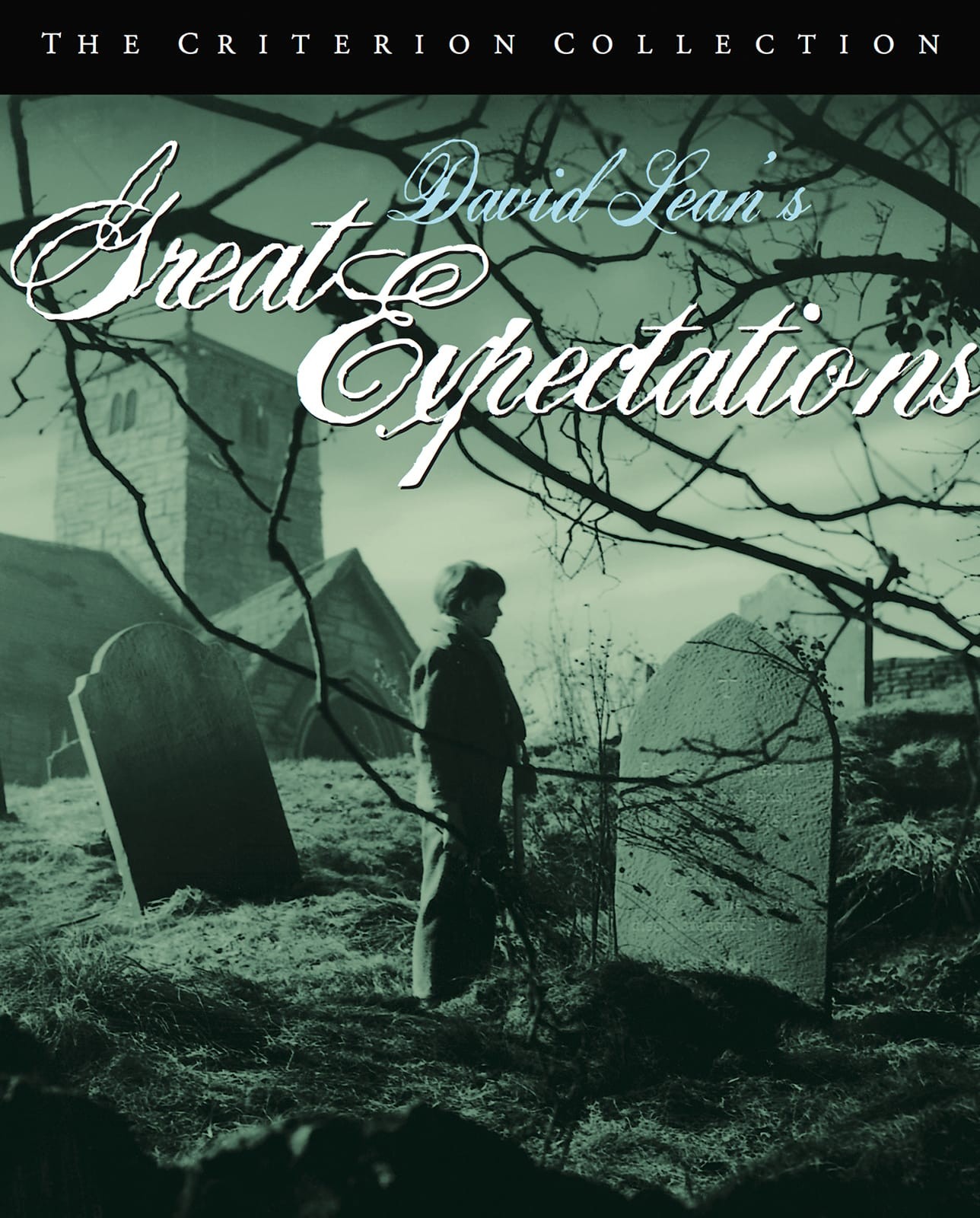
The first such adaptation was Great Expectations in 1946. Young Pip lives in a poor family, but is brought to a rich estate by the Lady Havisham to be a friend to the lady’s daughter Estella. He is there for only a short time before he must return to his uncle to learn the family trade and become a blacksmith. A few years later though, he is approached with an offer to go to London to become a gentlemen. The rich benefactor is unknown, as is the reason. But Pip leaps at the opportunity to better his position in life. He reunites with Estella and falls in love with her, though she initially keeps him at arm’s length, and hints at more sinister motives when it comes to relationships. A very well done film, with strong acting by John Mills and Valerie Hobson in the leads, and also a young, 32 year old Alec Guinness in his first major film role. The movie won a few Oscars, and was also nominated for best picture and best director for Lean.
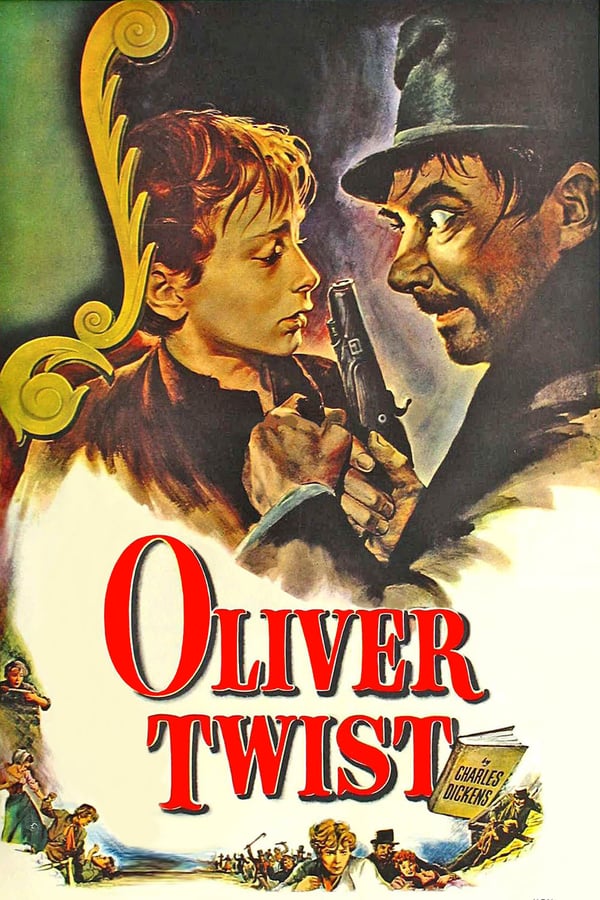
Oliver Twist followed two years later in 1948. I was familiar with the story but had never read the book, and found the film very enjoyable after a somewhat tedious beginning. An unnamed young, pregnant woman arrives to a church and orphanage, just in time to give birth before dying. The boy is harshly raised in the orphanage as Oliver Twist. Years later, Oliver runs away and falls in with a gang of homeless boys, directed to thieving by a despicable man, Fagin, played by Alec Guinness. Despite what you may think, the movie is less about Oliver than the secret his birth carries. His mother died with a locket around her neck which identified her and thus Oliver, but there seems to a big conspiracy to keep that fact hidden. The intrigue builds until the big reveal. If you can wait through the slow beginning, it does pick up and the denouement is wonderful.
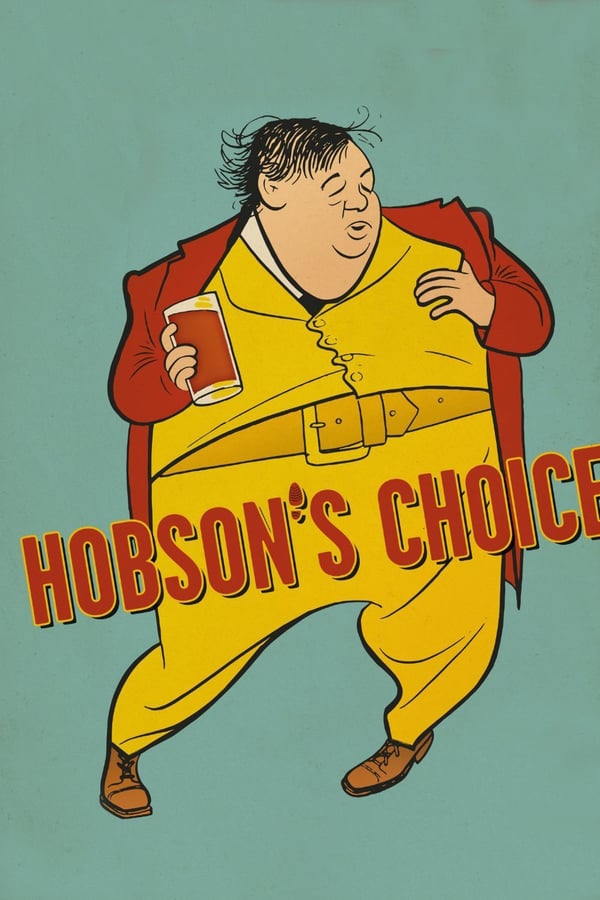
The title of 1954’s Hobson’s Choice gives away a lot if you know the meaning of the old English phrase, basically meaning “take it or leave it.” Hobson owns a successful shoe store, but not because of anything he does. He spends his nights drinking and his days sleeping it off, while his trio of daughters run the shop, head by the eldest Maggie. They also employ the best shoemaker in the city, Willie, who, despite his talents, is content to earn a minimum wage working in the basement all day. Maggie decides she has had enough working for free for her unrelenting father and hatches a plot to trap Willie to marrying her, and then getting him to leave Hobson and start his own business. The two younger sisters quickly marry as well, and Hobson’s shop begins to fall apart, and his alcoholism grows worse. It does find a happy ending in the end though. This is much funnier film than I expected, and thoroughly enjoyable. Based on a play (this is actually the third film version made), the cast is made up of supremely talented actors from stage and screen, including Charles Laughton, Brenda de Banzie, and John Mills.
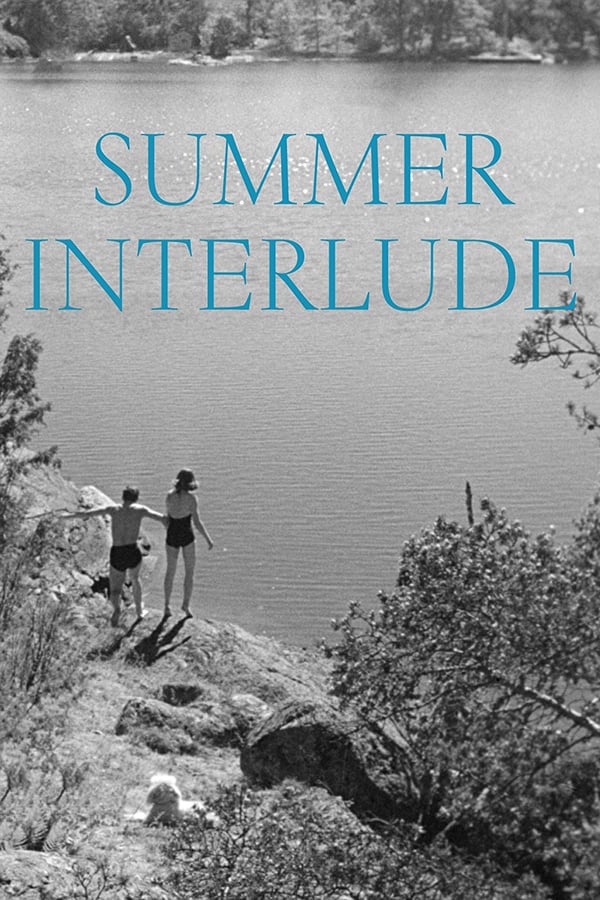
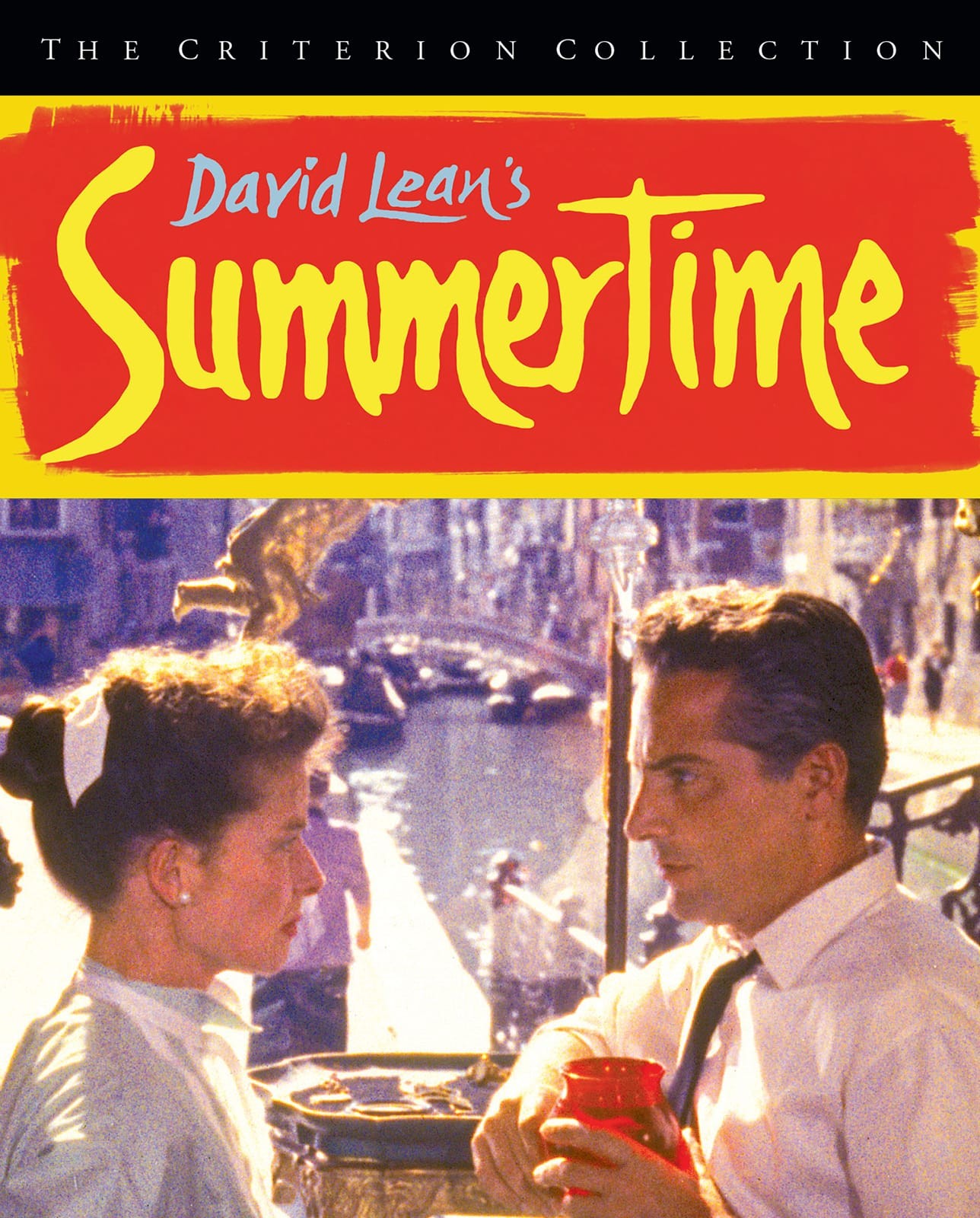
In 1955, David Lean finally went to Hollywood for financing to make Summertime, with all his previous films being made in Britain. Shot on location in Venice and starring Katharine Hepburn, it is about an American teacher, Jane, who has saved her whole life for the vacation of her dreams. She is wowed by the city around her, but becomes lonely when she sees all the couples enjoying the sites together. Jane soon meets Renato, a local shop owner, to whom she is at first apprehensive, but later attracted to. She doesn’t know if she can trust him, and we as viewers share that trepidation in the beginning, but it becomes a wonderful love story by the end. Hepburn is arresting in her typical strong-willed role. By now, Lean has honed his craft and knows how to build a film. He had already made a name for himself, though his most well-known works, such as The Bridge on the River Kwai, Lawrence of Arabia, and Doctor Zhivago, were still a decade off.

19th Century high society on display in The Age of Innocence

Whereas Ethan Frome is a quick read, The Age of Innocence is a full novel, and it won Edith Wharton a Pulitzer when it came out in 1920. It details the dying of America’s aristocracy in late 19th century America.
Newland Archer is a young man, born to a high society family in New York. He lives at a time when the family’s reputation is more important than anything, maybe even more than life or death. Early on he becomes engaged to the beautiful May Welland, also from one of the best families in the area, so it is a perfect match by everyone concerned. Archer’s life is thrown up in turmoil though when a childhood friend returns to the area. Ellen Olenska is May’s cousin, but Ellen is fleeing scandal in Europe. Her husband had been running around on her, and rather than sticking to his side as a good wife should, she had the gall to come back to America and seek a divorce. Archer is drawn to Ellen, but knows that it would bring ruin to his family if he ended his engagement to May, or even worse, was caught canoodling with Ellen. In the end, Archer puts family first (it is really more Ellen’s choice) and stays with May. The last chapter fast forwards a few decades where we learn that Archer and May had a good life together. He now lives at a time when people are more free to marry who they want (in fact, Archer’s son is getting ready to marry a girl born out of wedlock, and no one bats an eye).
Wharton paints a beautiful portrait of a time when your name was everything, and you cared more for what people thought than what they actually did. Very well written, and unlike some books from its era, not a challenging read.

Rand’s ambitious character and views in The Fountainhead

I enjoyed Atlas Shrugged when I read it a couple years ago, so looked forward to The Fountainhead, Ayn Rand’s other successful novel. This one, released nearly 15 years earlier in 1943, is, I think, more well written, but with a less compelling story. Still a thick book, it is not for the faint hearted. Like her other book, it showcases Rand’s views on objectivism, and her pro capitalist/anti socialist stance. Fair warning, I can’t discuss the whole of this book without lots of spoilers, which develop slowly throughout the novel (part of what makes it so great!).
The main character is Howard Roark, who is introduced at the beginning. He is cocky, self assured, and ambitious. In the beginning, he is expelled from architect’s school for not willing to bend his ideals. He envisions constructing modern buildings with none of the frills or “doilies” that the current architects are using. When asked to use these designs, he refuses, and so in the beginning he has a hard time finding work. The buildings he does make are loved by those he builds for, but they never gain mainstream appeal for one reason or another.
Roark had attended school with Peter Keating, who seems to be the exact opposite of Roark. Whereas Roark designs each building according to the owner’s needs and also taking in its environment so it can blend well, Keating only builds frilly, “pretty” buildings following the current trends. At the same time, Keating is head over heels infatuated with Dominique Francon, a beautiful but emotionally cold intellectual who floats in their circles. Francon however only has eyes for Roark, for which we do not understand the “why” at first. We think that Keating may be the villain of the novel, but only as it develops, do we realize it is actually another individual named Ellsworth Toohey, a fringe character for much of the first third of the novel.
Toohey writes articles and books about architecture, but his real goal (which we do not learn until much later) is the deconstruction of the individual. Toohey doesn’t want headstrong, free thinking individuals in our society. Toohey wants people who only think collectively, who only do what society wants them to do. Toohey envisions a society where we do not champion champions, where instead we bring those champions down to the level of the lowest member of society. No one stands out, and all are equal.
The book really comes together as we see Roark struggle against this new, developing society, aided (in a very cool, understated way by Francon). In the end, he is just one man against a changing world, but he is never broken. A fantastic read, full of emotion, and Rand does a great job of pulling you in and getting you emotionally involved in Roark’s success.

Quick takes on 5 classic films

I’m the one person in America who never had to read To Kill a Mockingbird in high school. Not for lack of effort, I was also the one nerd who actually read all the books assigned, just this one never was in any of my classes. So now I’ve seen the movie fresh, and I must say, what a fantastic film. Gregory Peck is tremendous as small town lawyer Atticus Finch. The movie is told through the eyes of his kids Jem and Scout, so the audience isn’t privy to the adult goings-on, but Finch has been assigned to defend a black man charged with raping a white woman. While the kids play around town and make up stories about the reclusive neighbors, Atticus starts to be hounded for defending his defendant. The trial in the latter part of the film is mesmerizing, but the real climax is how the fallout effects the kids. An outstanding movie, and I hope to finally read the book one day before too long.
Based from a play instead of a book, A Raisin in the Sun is also a true classic. Starring the incomparable Sidney Poitier, it is about a poor black family in Chicago getting ready for a financial boon. Walter lives in a tiny apartment with his wife, young child, his adult sister, and his mom. They are just days away from receiving a big life insurance check for the death of his father. The check will be going to his mom, who hasn’t decided how to spend the money. Some want to fulfill the American dream and buy a house, but Walter wants to invest it with some buddies into a liquor store. We keep hoping Walter will come to his senses to support his family properly, but he has to let us down before he can be redeemed. A charged movie full of racial tension, gripping drama, and a stirring moment at the conclusion.
If you’ve read my blog for awhile, the title Magnificent Obsession may sound familiar, and that’s because it is. This is the 1935 version, the original film version based on a book from 1929. This earlier film is much like the later one I had previously written about, albeit more archaic and downright sexist and predatorial at times. Robert Merrick says things like “Be a good girl and smile,” and physically won’t let female passengers out of his car. If you can get past those signs of the times, the film is still pretty good on its own merit. Robert Merrick’s transformation from egotistic scoundrel to caring friend is maybe even a hair more believable than Rock Hudson’s version from 1954, as is Helen’s hitting of rock bottom during her blindness.
How can a film buff go so long without seeing Casablanca? Nevertheless I’ve just seen it for the first time. People like to say it is overrated, mostly because it is in so many “top ten” lists, but don’t count me in the former group. This is a tremendous film. It is mostly a love story with a bit of espionage thrown in. On the brink of World War II, Casablanca is an important port in northwest Africa, nominally a territory of France but also policed by German forces. American Rick Blaine owns a neutral cafe and casino where nationals of both countries come to relax. One day, in walks Ilsa Lund and her husband Victor Laszlo. We learn that Ilsa and Rick had a relationship in Paris before it was occupied, but now she is devoted to her husband Victor, who has spent his life in resisting the German occupations across Europe. Everyone is searching for two “letters of transit”, papers which allow the owners to travel freely to neutral Lisbon, and from there on to America. Victor desperately needs to escape because of his importance to German officials, but Rick is bitter towards Ilsa and refuses to help. Featuring two actors who were established but still on the rise, Humphrey Bogart and Ingrid Bergman, this movie coined a chorus of quotable lines, and has one of the genuinely most beautiful moments in cinema at the end. A great movie to curl up next to your loved one and enjoy.
So much black and white, I just needed to see some color, so I went with An American in Paris, the famous musical based on the Gershwin brothers’ music. Who doesn’t love a good song and dance? And this one features some great ones, performed by the best in the genre, Gene Kelly, and ballet trained Leslie Caron. Jerry is the title character, a struggling artist living in Paris. His work is noticed by a rich socialite, Milo, and she is interested in more than just his painting. However, Jerry has fallen for the young and beautiful Lise. Enter in the love triangle, and not just between this trio, but also Lise’s fiance Henri, unbeknownst to Jerry, who happens to be best friends with Jerry’s friend and neighbor Adam. If it sounds convoluted, it really isn’t. In fact, as plots go, this one is a bit thin, but the movie is saved by the fantastic musical and dance numbers. If you like musicals you should enjoy this one immensely, but otherwise you can probably stay away.

Quick takes on 5 Alfred Hitchcock films

Alfred Hitchcock made two films under the title The Man Who Knew Too Much. While the second is probably more popular, the first, from 1934, is just as compelling. It has a similar scenario (a family gets caught up in an assassination plot), but the 2 movies are very different. This one starts with the Lawrence family vacationing in Switzerland. The wife Jill is harmlessly flirting with a different man when he is killed, and with his dying words, tells her of a secret note hidden in his hotel room. The husband Bob retrieves it, but not before a gang of villains abducts their daughter to hold hostage. Only later do the couple realize it is all involving a plot to kill a dignitary. The head of the evildoers is Abbott, played masterfully by Peter Lorre in his first English speaking role. What is funny is Lorre didn’t actually speak English at the time of filming. Recently having fled Nazi Germany and coming off the hugely successful M, he learned all of his lines phonetically, first learning their meaning in German so he could appropriately act the scenes out. You’d never know it based on watching the film, a true testament to Lorre’s acting ability and dedication. A very fun, earlier Hitchcock thriller.
Hitchcock made The 39 Steps the next year in 1935, and it is one of the best of his films I’ve seen yet. Richard Hannay is a regular guy who crosses paths with the mysterious and suspicious Anabella Smith. She only has time to give him a cryptic warning about a dastardly plot in Scotland before she is killed, and the police think Hannay did it. He sets off for Scotland with the police giving chase. His adventures here on out are pure cinematic magic. This film has it all: suspense, humor, romance, and an involved, captivating plot. Highly recommended.
The Lady Vanishes, from 1938, is the last film Hitchcock made in Britain before moving to Hollywood, and it feels very different from most of his other films. It actually starts almost as a comedy, with zany music to boot. The first third of the film takes place at a hotel in a quiet corner of Europe, and introduces the characters through their antics. We don’t realize until they head to the train that the real main figures are Iris, a woman heading home to be married, and Gilbert, a traveling musician. On the train, Iris befriends an older woman named Froy, but after a short nap, Iris awakes to find Froy is gone. Not only that, but the accompanying passengers and train workers say she was never there in the first place. Iris begins to think she is losing her mind, and the viewer is left wondering who is telling the truth. While it becomes a much darker and more sinister film, it still keeps a lightness and humor for much of it. I’m really finding these early Hitchcock films extremely entertaining!
David Selznick is most famous for producing Gone With the Wind in 1939, for which he won an Oscar for best picture, but he actually won the category in back-to-back years, and the answer to the trivia question about the second film is Rebecca, Hitchcock’s first American picture. I’ve been looking forward to this movie for a couple years, ever since reading the book. Laurence Oliver and Joan Fontaine (Olivier’s fiancee at the time, Vivian Leigh, was not cast because she seemed too strong-willed for the role) are fantastic as Max deWinter and Mrs de Winter. The movie is pretty faithful to the book, with subtle changes to appease Hollywood Code at the time, so read my recap for the plot if you like. It lacks some of the typical Hitchcock comedic banter, but that is probably best considering the source material. Max’s first wife, the late Rebecca De Winter, has a larger than life persona that envelops everyone, and as in the book, the new Mrs de Winter isn’t even given a name, she’s just “the new Mrs de Winter.” The film is a great psychological thriller in Hitchcock’s vein, and the tone is set from the very opening sequence, with ghostly shadows playing over the infamous Manderley country house. Even simple events like a lady taking a drag from a cigarette seem sinister. The movie lived up to my expectations.
With all of Selznick’s “interference” on Rebecca to keep it true to the book, Foreign Correspondent is more like a true Hitchcock film. Released in the same year (and also nominated for Best Picture, which it lost to Rebecca), it has everything you’d expect from the director: fast comedic dialogue, a romantic interest, and a slow-burning plot that doesn’t come to fruition until the very end. It is a spy thriller that takes place in England, on the cusp of World War II. American journalist John Jones is sent to England to get a good story. There, he falls into a deep espionage plot, one which he doesn’t understand for much of the movie. Kidnappings and murders seem to follow him around. There’s a little bit of American propaganda thrown in the end in, but that can be overlooked considering its 1940 release. This film is probably often overlooked today, but it is a solid movie.

Quick takes on 5 classic films

My structured, slightly OCD personality loves to make lists, keep things organized, and look for patterns. So my pattern today is classic English language films from directors whose names start with “A.” Is that detailed enough?

First up is King of Jazz from 1930, directed by John Murray Anderson. This movie is an early example of a lot of film practices. It is an early “talkie”, an early use of technicolor (though the outdated form of it only shows varying shades of teal and red/pink, no blue or yellow or true green), and since it is pre-code, is very risque for its time. The film is a revue, with an early “variety show” kind of feel. The backdrop is the music of Paul Whiteman’s orchestra. There are musical numbers, short comedy sketches, and even cartoons, all accompanied by the dance and pop music of its day. A royal flop when it was released (at a high price tag of $2,000,000 in 1930), it is fascinating to watch today and get a glimpse of entertainment from an era before most of us were born.

From director Lewis Allen, next up from 1944 is The Uninvited, heralded as one of the best “ghost stories” ever made. Brother and sister Rick and Pam Fitzgerald stumble upon a beautiful, old beach house that sits abandoned. They track the ownership to a Mr Beech, who seems all too eager to sell it for a rock bottom price, against the wishes of his granddaughter Stella. Her mother died in the house and her fond memories make it hard to let go. The Fitzgeralds realize pretty quickly that the house seems to be haunted by the dead woman’s ghost, a notion that scares Pam but makes Rick skeptical. At times creepy and at others downright frightening, this film shows how to build a scary movie properly. These days when scary movies are all about “jump scares” intended to startle you, this movie creeps up behind you and blows on the back of your neck.

Two good films and then a dud. Released in 1955, Robert Aldrich’s Kiss Me Deadly is a mystery film noir with a twist. Mike Hammer is a P.I. who picks up a stranded woman on the highway one night. This woman, Christina, has just escaped from a mental asylum and is on the run from people who want her dead. They are captured not long after, and Christina is killed, but Mike survives, and once healed up, he goes on a hunt to find the killer and motive. I was good with the movie though all of this, including Mike’s investigation, but the movie takes a weird supernatural turn near the end, which for me, doesn’t fit in well with the rest of the film. The build-up in the movie is full of suspense and quite engaging, the ending just got too strange. I guess if I had lived in the 50’s and was more knowledgeable of that era, and especially the paranoia of the cold war, I might have a different opinion.

If…. on the other hand is fantastic. Directed by Lindsay Anderson and starring newcomer Malcolm McDowell (before his big break in Kubrick’s A Clockwork Orange), it was released in 1968 and is a gut punch when watched in today’s climate of school shootings. It takes place in a boarding school where the powerful suppress the weak, from the headmaster to the teachers to the seniors to the freshman. Junior Mick Travis is tired of it, tired of getting called out for his shaggy 60’s hair cut, and tired of being bullied by the seniors who think he doesn’t take his opportunities in the private school seriously. His resistance starts small, doing little things privately that are against the rules, but later he goes in open rebellion. When he is continued to be picked on by the group of seniors who rule the school, Mick and his fellows find ammunition and shoot up the school grounds. This really got me thinking. The whole film gets you on Mick’s side, and you hate the people and the society who tells him he cannot be as he is, but obviously his acts in the end are repulsive, even if they are only a day dream (it is implied the shooting is not real but only in their heads, there are elements of day dreams in this film). Released in the 60’s, I’m sure it had an impact, but I think that impact is made stronger now with all school shootings we have these days.

Harold and Maude came out in 1971, directed the acclaimed Hal Ashby. This is a slow burning dark comedy, which will only reward the viewer that sticks it out through the creeping pace of most of the film. Harold is a young 20-something from a wealthy family. His single mother wants to see him married, but Harold seems uninterested. He torments his mother (and the women she sets him up with) with fake suicides, and goes to all the local funerals. At one such funeral, he meets Maude, a 79 year old free spirit. Whereas Harold is obsessed with death, Maude is obsessed with life. She doesn’t live by any rules, doing whatever she wants whenever she wants, and doesn’t worry about the consequences. By the end of the film, this has opened Harold’s eyes to what life can offer, and he falls in love with Maude. Much of the film is their budding relationship, first as friends and then as a couple, and while the pace is slow, there are intermittent laughs to keep you going. When Harold finally realizes he really loves Maude despite their age difference, the viewer has lived through the journey and is invested.

Quick takes on 5 films

My goodness, Joaquin Phoenix is a fantastic actor, but he sure does pick weird movies to star in. You Were Never Really Here is the latest. He is Joe, a hired killer who rescues girls abducted for sex trafficking, and is paid to kill the abductors, often in gruesome ways. We see his violent past in flashbacks, showing his abusive father and hard cases as a member of the FBI. When Joe gets caught up in a convoluted political plot involving the rescue of a Senator’s daughter, he gets more than he counted on. Phoenix is captivating on screen, but the movie is just strange, augmented by the talented Jonny Greenwood’s soundtrack. Worth watching once (if you can stomach the graphic gore) to remind yourself of Phoenix’s supreme ability, but not much more than that.
Disobedience seemed to receive a lot of underground hype, and for much of the movie I didn’t see why, but it ultimately is a lot more than it seems. There are strong acting chops on display, that is for sure. Rachel Weisz plays Ronit, the estranged daughter of a recently deceased Orthodox Jewish rabbi. Ronit returns home to bury him, and runs into the friends and family members she grew up with before running away years before. Two of these include her childhood friends Dovid (Alessandro Nivola), the de facto heir to be leader of the Jewish community, and Esti (Rachel McAdams), who has married Dovid in the intervening years. Ronit’s strong will is on display and we see why she had to leave, even more so when it becomes apparent that she and Esti once had a relationship. When their long-dormant feelings for each other resurface, the community goes nuts and Dovid’s marriage starts to crumble. Also going on is Ronit’s desire to honor her father in her own way, which doesn’t line up with what is expected of her by her father’s faith. A seemingly straightforward look at the the wages of love when it goes up against religion and ingrained customs, it becomes much more in the end. This is not a film for the masses, as you have to let it build slowly for the ultimate payoff in the final 20 minutes, but well worth the journey.
It is rare that the sequel meets or exceeds the original, but that may just be the case for Deadpool 2. Still extremely raunchy and definitely not family friendly (I’d be quite embarrassed to watch it with my mom in the room), but damn if it isn’t laugh-out-loud funny, and actually has a good plot too. Deadpool tasks himself with protecting a young kid with destructive super powers. Supervillian Cable has come from the future where the kid has grown up and killed a lot of people, and is set to kill him before he can do so. As in the first film, there is a ton of dirty humor, maybe even more than the first actually, and lots of breaking the fourth wall as you would expect in anything with Deadpool in it. Despite all the humor, it never takes away from the flow of the film, something that is hard to do, but Ryan Reynolds is up to the task. If you follow the other Marvel films, there is even more to laugh at with all of the small references thrown in. A very enjoyable film for adults. With Disney buying up Fox and the future of the X Men film series in doubt (at least as a separate force from the Marvel Cinematic Universe), Disney needs to find a way to keep the Deadpool movies coming, though how that fits into their family image remains to be seen.
I have a little bit of OCD in me that won’t let me stop something I’ve started. This is great when it comes to projects around the house, and terrible when it comes to bad books and movies. I saw (and actually enjoyed) the first couple Saw movies, so I continue to watch them, long after they’ve stopped being entertaining. The newest in the series, Jigsaw, is just as awful as the last few have been. They are no longer scary (were they ever? Maybe to my younger self) and I just want them to be over. Jigsaw may finally be the one to get me to never watch another. John Kramer seems to be back from the dead, terrorizing a new group of victims in his little game of salvation. From early in the movie, I was rooting for all the whiny people to just die quickly and get it over with.
I found On Chesil Beach to a frustrating movie. Alternately tremendous and tedious, its best selling point is the lead roles of Saoirse Ronan and Billy Howle. Florence and Edward are in a hotel on their wedding night in 1962, and their story is told in flashbacks. They are obviously deeply in love, but extremely awkward around each other as their first sexual encounter approaches. They come from vastly different worlds, Florence from high society and Edward from the working class, but they carry equal baggage from difficult parents. When their sex goes very badly (and very humiliatingly for Edward) we learn the reason for Florence’s anxiety, and it drops on the viewer like a bomb. The good parts of the movie make up for the rough patches, and overall still a deeply emotional film.

The challenge of a lifetime of Finnegans Wake


I’m a little more than halfway through my quest to read 100 of the greatest English language novels of the last century. In that journey, I’ve seen just about it all. I’ve enjoyed the majority of the books, struggled through others, and flat out couldn’t finish one (so far). But I’ve never had an experience like James Joyce’s Finnegans Wake. It is widely considered one of the hardest books to read. I knew this going in, and was ready for the challenge. Other than a heads up that the book is best taken slowly, with full attention, and ready to sound it out as you go (much of the book is written phonetically), I went in pretty blind and stayed away from spoilers. As ready as I felt, I was wholly unprepared.
To say this is a challenging read is like saying it is hard to walk on the moon without a spacesuit or a rocket to get there in the first place. It is nearly like Joyce invented a language for this novel, with made-up words throughout. Having said that, if you do take it slow, sound it out in your head (I spent a lot of the book actually mouthing the words as I read), you can still catch glimpses of what is going on from time to time. And for me, it was only glimpses. I ready the whole thing, and I’m still not sure exactly what happens.
There are (I think) 5 or possibly 6 main characters. HCE is the main guy, and his wife is ALP. Their kids are Shaun and Shem, and a daughter Izzy. Finnegan may be a main character too as is referenced here and there, but I almost suspect HCE and Finnegan are one and the same. One of the most confusing points is Joyce continually uses nicknames, or sometimes entirely different names, for these characters. It wasn’t until about 2/3rds through the book that I realized pretty much any time 2 males are talking to each other, it is most likely brothers Shaun and Shem, no matter what they are being called at the time.

The book starts with the death of Finnegan, but he is brought back to life at his wake and walks out. Then we meet HCE, a man about town who seems to have a bad reputation, though it is implied (maybe by his wife ALP, so take with a grain of salt) that his reputation is unearned. HCE is accused of some dastardly deed and put on trial, but I never caught what the accusation was. At his trial ALP testifies for him, but I think he is ultimately found guilty.
In chapter 2, the book jumps either ahead or in the past. HCE and ALP are running a tavern, but this could just be a continuing metaphor for the trial, as there are references to 12 drinkers at the bar, so maybe the 12 jurors? There are stories told and at some point HCE gets in trouble again. The third chapter deals more with Shaun (and to a lesser extent, Shem), where I think he becomes the leader of the town, perhaps mayor, but he is exposed as a coward. The final chapter is almost a eulogy for HCE told by ALP.
Having said all that, everything I’ve written above is a guess. To say I spent much of the book clueless as to what is going on is putting it mildly. Sometimes I got lucky, I would get into the cadence of the written words, and could speed along reading it (almost) like you’d read a regular novel, but most of the time I felt like I was reading a foreign language. But here is the brilliance of James Joyce. Even when I had read 5-6 pages without a clue (and sometimes those 5-6 pages comprised of a single long sentence without a period!), even when I was frustrated at my lack of understanding, never did I want to wave the white flag and give up. The book is beautifully written, and more than that, Joyce gives you a glimpse every once and awhile, where it feels like the gates upon up and the dawn emerges from the dark. For example, one section I was reading and feeling lost, and then in the middle of a sentence was written, in parenthesis, something like “All lets praise!” (my words, can’t remember exact wording). Immediately I realized this whole section had been written about or by ALP (first letters of that phrase). Yes, I had to go back and re-read a bit to put it in context, but the gratification when I could decipher small sections of the puzzle like that is immense.
And here’s the amazing part about the phonetic writing style used. Once finished, I finally was ready for spoilers (I guess they are still considered spoilers since I feel pretty dumb about what I read). There are videos online where you can find James Joyce himself reading excerpts of this book. And when read by him, with his heavy Irish accent putting the correct emphasis on the correct spots of text, it didn’t sound jumbled at all. It sounded like any novel with real English words. That gives me hope. This is a book I’m going to revisit one day, probably with one of the myriad of “companion” readers that are available to help us lowly mortals understand what the hell is going on in the text. If anyone out there wants to take a stab at this one, know that the frustration is real, but in the end, it is worth it.

Quick takes on 5 Nicolas Roeg films

Yes, there are only 4 films written here despite the title, but you can see my writeup of the fifth, Walkabout, here. When I watched that movie last October, and especially as time went on, I found myself thinking more and more about it, and wanted to check out more of director Nicolas Roeg’s work. Immediately, I found the way of storytelling, the sometimes quirky camerawork, and the visual sharpness of Walkabout is prevalent throughout Roeg’s work. So here are four more films, in order of release.

1973’s Don’t Look Now is probably Roeg’s most critically praised film. Part crime thriller, part supernatural, psychological thriller, it is a fantastic film. It stars Julie Christie and Donald Sutherland as a young married couple who have just lost their young daughter to an accidental drowning. Working in Venice, John Baxter is haunted by visions of his dead daughter. His wife Laura becomes obsessed with a psychic, who tells her the daughter is trying to warn John about imminent danger from beyond the grave, and that he must leave the city. John begins to become unhinged, at least from our perspective. He chases after the psychic, thinking she is a serial killer who has been plaguing the city, and begins to mistrust his wife. Leading up the finale, the viewer doesn’t know who to believe, and the final thrilling minutes are truly frightening.
The Man Who Fell to Earth, from 1976, is a bizarre, yet intriguing movie. The opening scenes show Jerome Newton, played perfectly by David Bowie in his first lead acting role, crashing to Earth. Posing as a human and carrying his otherworldly knowledge, he puts out a few inventions over the course of a few years (which zip by quickly in the movie) and becomes extremely wealthy. We do not know his end goal for much of the film, and even when we do find that he is here to get water back to his dying family, as his home planet has become a desert, we also discover that this is not the main plot of the film. Newton is a very good man, staying away from drink, doing kind things for others, and is bent on amassing his wealth to reach his goal. As he spends time on Earth though, he falls in love, begins drinking and squandering money, and eventually is caught by the USA government, who spends decades studying him, as he shows no signs of aging. When they lose interest in him, Jerome wanders out, but now shows little desire to return home. An alcoholic, he has become a human with all of our faults. In a telling line though, he tells a friend that should a human visit his planet, he would probably have been treated much the same. Lots to enjoy in this obtuse, mind-bending science fiction, and a movie that has a lot of re-watchable attributes.
From 1980, Bad Timing is a movie about mental health and sexual obsession. The movie begins with a young, pretty woman, Milena (Theresa Russell), being rushed to the emergency room. Doctors try to save her life after an apparent suicide attempt. While she is being worked on, the police interview the man who called it in, Alex Lindon (Art Garfunkel). Alex says they were just friends, but as their history plays out in flashbacks, we quickly find they were more. The much older Alex was sexually obsessed and extremely possessive of the young, carefree Milena. Milena definitely had mental issues, some separation anxiety as well as a longing for a father figure (her gravitation towards older men happens throughout), and she lets Alex have his way with her physically and emotionally. In the end, the tale of these two is more disturbing than you can imagine. Stark and jarring, this film can make you squeamish at times, but it is wonderfully directed, and Russell is fantastic in the lead. With disconcerting scenes, this film did not get a USA release for many years, but I think it was just ahead of its time.
Last on the list is Insignificance from 1985. Unfortunately this one was my least favorite. I still like the filming, with Roeg’s trademark style still fun to watch, but there isn’t a real, cohesive story here to get behind. It is a fictional tale of four famous people coming together in a hotel room in 1954. Using nicknames instead of real names, Roeg brings together The Ballplayer (Joe DiMaggio, played by Gary Busey), The Senator (Joe McCarthy, by Tony Curtis), The Professor (Albert Einstein, by Michael Emil), and The Actress (Theresa Russell returning from the above film, in the eye-commanding role of Marilyn Monroe). The movie doesn’t really have a plot, it is more of a narrative about issues which faced 1950s America, and were still in the spotlight, in different ways, in the 1980s. Roeg celebrated the genius of The Professor and charisma of The Actress, showing her as a woman smarter than people gave her credit for, and a person willing to use anything at her disposal, including her body, to get ahead in life. At the same time, Roeg belittled The Senator and the Ballplayer as small people who only lived to further their own little existence. The best part of the movie is the 30 or so minutes where The Professor and the Actress are alone in the room, talking about knowledge and man’s search for it. Like Roeg’s other works, not a very accessible film, and while there is much to like, the end result feels like a movie that tries to be more than it is.

Quick takes on 5 films

Starting off today on a good foot, with some great films. First up is A Quiet Place, a horror film. Not extremely scary, but certainly creepy and very tense. It takes place in a time where aliens have come down and forced mankind to live in fear. The aliens cannot be killed, but can be hid from. Blind, they rely on superior hearing, basically anything above a whisper brings them charging at the hapless victim, who is torn open before they can move. Real life couple John Krasinksi and Emily Blunt play a married couple with a couple kids, who are getting by on a rural farm. From the opening moments, we can see they live in fear of making so much as a squeak. They walk barefoot even when going into town, and trek across sandy paths that the dad has laid down over time to dampen even foot noise. All sounds are muted. Early in the film, after we get to know the family, the time jumps forward a year or so, and we see the wife has become very pregnant. Knowing that is not a quiet moment in life, from the birth to the baby, we are immediately filled with dread at the the impending danger. The movie slowly simmers until all hell breaks loose on the night of her delivery. A great idea for a movie, with fantastic acting from the adults and the children, this one is will keep you riveted (and weary about making a noise afterwards). Pure horror or slasher films are usually forgettable, but ones with heart like this one stick with you. Great film.
Love, Simon is even better. I adored this film, about a young gay man afraid to come out to his family and friends. Simon (portrayed beautifully by Nick Robinson) is a senior in high school who has known he is gay for some time, but has yet to tell anyone. He lives in a time where being gay is mostly acceptable, in fact, he is pretty sure his parents and life-long friends would accept him, but he is still scared of them being different to him afterwards, and he likes his relationships as they are. When he gets involved in an anonymous email back-and-forth with another closet gay teen at his school, and then a third person at school finds the emails on a computer left open and blackmails Simon, Simon is forced to walk a tight rope balancing his friends, their feelings, and his own hopes for what he wants out of life. There are moments in this film that will choke you up, others that will elicit a gasp of dread. In the end, it isn’t as simple as Simon telling people he is gay. Lots here to digest, this is a truly wonderful film.
Every now and then I watch a movie that, for me, is polar opposite to what the critics are saying. The latest example is Call Me By Your Name. This is an Italian/American film about a young man, Elio, living in Italy with his parents. His dad is an archaeologist who takes on a graduate student, Oliver, for the summer. Oliver is loud and cocky and charismatic, immediately a hit with the ladies, while Elio is inexperienced in relationships. However, Elio is drawn to Oliver, and the two begin a homosexual relationship. The film was lauded by critics as a coming-of-age, “first love” kind of movie, but I had more problems with it than I can list. On a superficial level, the movie just wasn’t very good, with rough acting, worse dialogue, and it suffers from the artistic “fade to blacks” a little too much. On a more serious note, Elio is 17 years old, but seems much younger. He is scrawny and thin, with a boys body, while Oliver is 24 and chiseled. Where some people see love, I see an adult predator grooming a young, inexperienced boy. I admit that if the actor playing Elio had been physically bigger, I probably would have had less of a problem with it, as I think, for the most part, a 17 year old knows what he is doing, but the smallish Elio was dominated by the older, larger Oliver, and it was hard for me to watch.
After that downer, Ready Player One was a good pick-me-up. I was born in 1980 and am definitely of the video game generation, growing up with an Atari, then Nintendo, and so on, and still am an occasional console player today with my trusty PS4, when life isn’t busy. This movie gave me plenty of nostalgia, but didn’t disappoint on its theatrical merits either. It takes place in 2045, in a future where the whole world, people of all ages, spend every available minute in a virtual reality world called Oasis. Since real world is harsh and unforgiving, and inside the game you can be anyone or do anything you want, it is the ultimate escape for the world’s population. The creator of Oasis, Halliday, has left a secret Easter Egg inside, which, if found, will give its winner complete control of the virtual world. While a corporation is trying to find it in order to profit from this power, Wade (Tye Sheridan) and his friends want to find it for the love of the game. This is a brilliantly colored, visual dreamscape of a film, with a warm story of love and perseverance to keep it on track. All of your 80’s and 90’s video game and pop culture nuggets are here, and watching it is like being a kid again. A younger or older viewer may not catch all the references, but there is still plenty to enjoy. People my age who grew up playing just about every video game mentioned will be flooded with fond memories.
Chappaquiddick is a dry, rather uninspired film, which really only heats up in the final 20 or so minutes. It tells the story of the death of Mary Jo Kopechne in 1969, drowned as a passenger when Senator Ted Kennedy drove his car off a bridge near Martha’s Vineyard. While Mary Jo was left in the submerged car, Ted returned to the party they were attending, then went home, and didn’t report the incident until the next morning, nearly 10 hours later. The movie tries its best to tell the truth of that night, as much of the truth as it can since no one knows what really happened. It does portray Ted Kennedy as a sniveling, buffoonish, cowardly character who can’t seem to decide how he wants to handle his predicament, or how to get out of his own way when his family and team try to guide him to freedom. The film is pretty dull unfortunately, until the very end when Ted is confronted by a life-long friend and family member who urges him to come clean and admit fault. This decision ultimately will decide the course of Ted’s life and career.