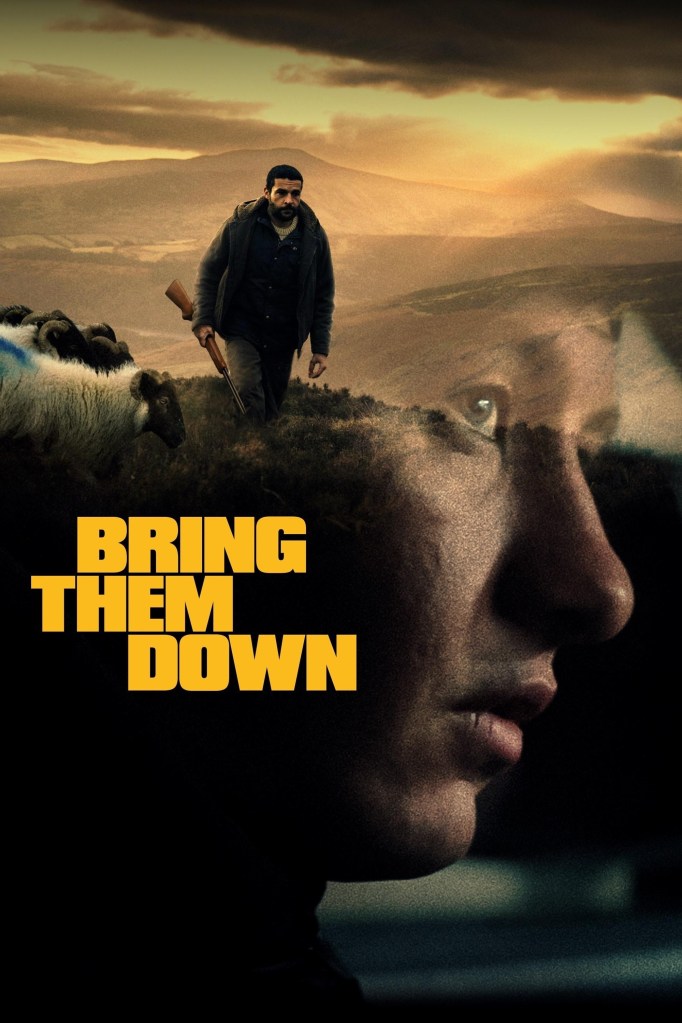
Just about everything Barry Keoghan does is good. He’s not the main character in Bring Them Down, but he’s a central part. Like many of his movies, it takes place in his native Ireland. After a prologue in which we are introduced to Michael (Christopher Abbott), where we see him cause a car wreck that kills his mother and injures his girlfriend Caroline (Nora-Jane Noone), we jump to present day, many years later. Michael has continued his family’s 500-year tradition of being shepherds, and tends a flock in the hills above a small town. His father Ray (the always-great Colm Meaney) is a cranky old SOB who looks for any opportunity to belittle Michael. Michael seems to always be butting heads with fellow shepherd Gary, who ended up marrying Caroline and producing a son, Jack (Keoghan). Gary is heavily in debt, and seems to have a chip on his shoulder over perceived feelings Caroline still has for Michael, and that rubs off on son Jack. When Michael learns that Gary has stolen two of his rams and tried to sell them off as his own, he confronts him but backs off to avoid a confrontation, only to be driven off the road by an angry Gary shortly after. Returning home later, Michael finds that someone has gone into his herd and cut off all of the legs of his sheep, leaving the dying animals bleating horrendously. When Michael tells his father, Ray screams for Gary’s head and charges Michael to bring it back to him. The movie then goes back a’ways to see the story from Gary’s and Jack’s point of views, and everything is not as it seemed to be. Fantastic film with lots of intrigue and spine-tingling thrills, and I (thankfully) had no problem understanding some of the heavy Irish accents (there were subtitles for the Gaelic language moments). ★★★★
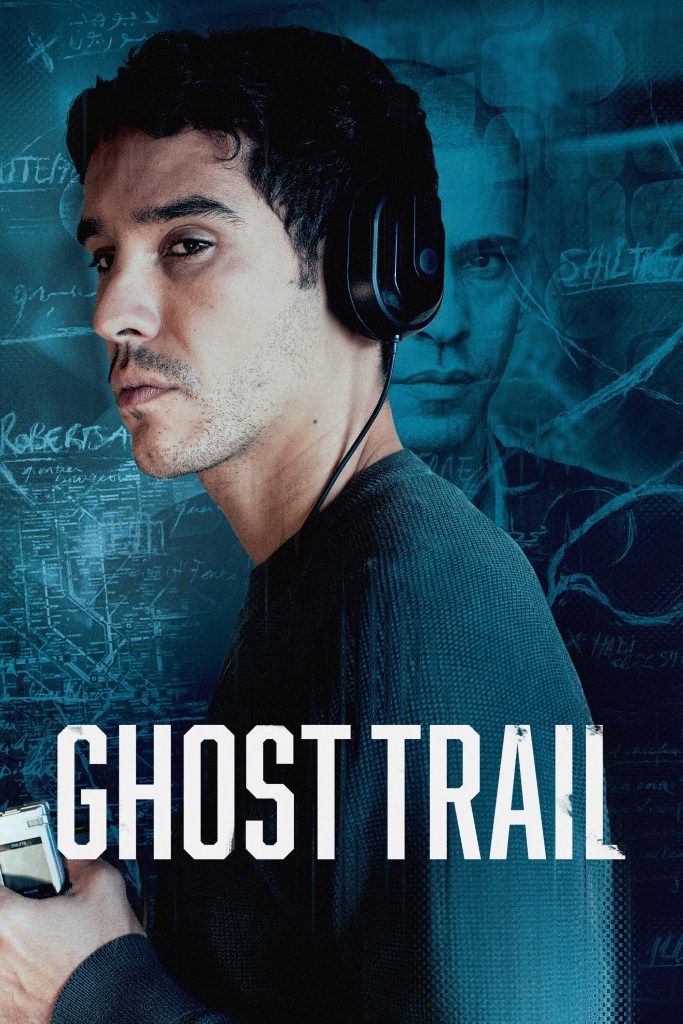
Ghost Trail is a Munich-like film (which is a great movie!) in that it follows a person (and team) hunting down bad guys whom other governments have let go free. Hamid is a former prisoner of the notorious Sednaya Prison in Syria, and he is hunting the man, Harfaz, who tortured him there. Though there are many Syrian refugees in Germany, and most of Hamid’s fellow team is there looking for Harfaz and others in the former Assad regime, Hamid has followed clues linking Harfaz to France, and that is where the movie takes place. Sleuthing it up, Hamid finally narrows down his target to a man living under a different name, who is teaching at a university. But though Hamid is nearly certain this is his man, doubt starts to creep in. Hamid was always hooded during his torture, so all he can go off is the sound of Harfaz’s voice, the touch of his hand, and while he listens to testimonies of other victims at night, he still can’t be sure. And he doesn’t want to condemn an innocent man, because Hamid’s group is looking for blood, not for a guilty verdict. The idea of the film is good, even if it has been done before, but it goes in fits and starts. Great, edge-of-your-seat moments are followed by long, repetitive introspections, and the lead actor just goes around brooding all the time, showing little nuance. I expected more from such a charged topic. ★★
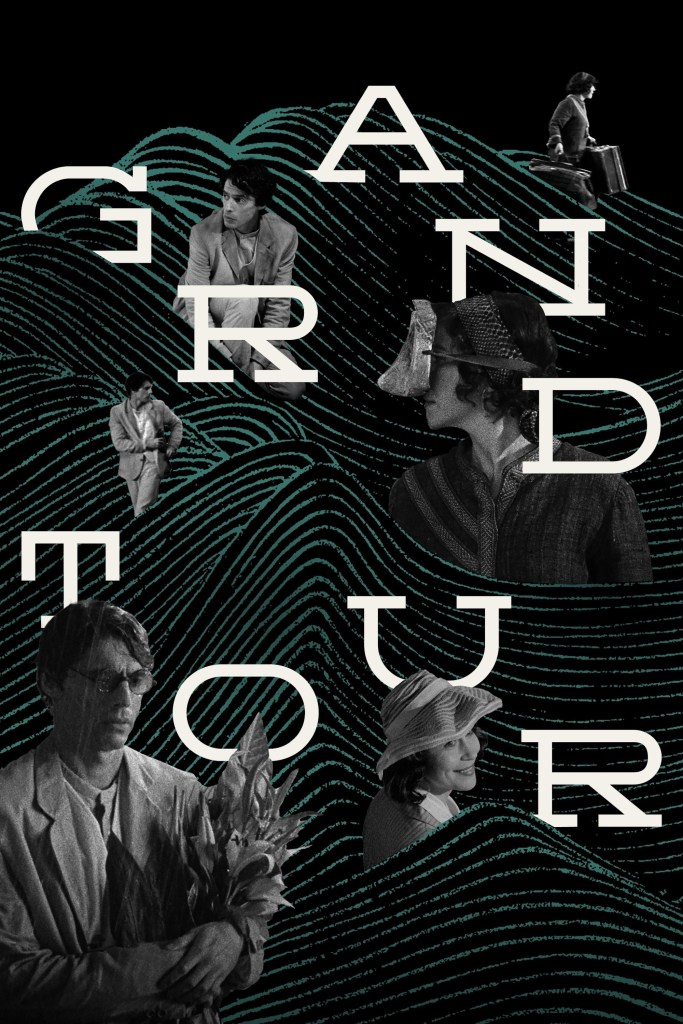
At the heart of Grand Tour, there’s a very simple story: in 1917, Edward and Molly have been engaged for 6 years, and Molly is tired of waiting. She’s coming to meet him, but with a constant case of cold feet, Edward flees to the other side of the world. Not one to give up so easily, Molly pursues. The film is really just Edward trying to stay one step ahead of his fiancee, continuing from country to country across East Asia. However, the deeper you go into the movie, you realize there’s more to interpret. The first half of the film follows just Edward, and honestly I was just starting to get bored when Molly’s viewpoint showed up in the second half. She never believed that Edward doesn’t want to marry her, just thinking that his work keeps pulling him away, and the viewer starts to see that the director is trying to tell us more about our world than just the one Edward and Molly inhabit. For one, modern scenes are juxtaposed in between narrative moments. When Edward flees from one city to the next, we don’t see him on a boat in 1917, we see scenes of highway traffic or the hectic hustle-and-bustle of a modern city. When Molly follows, she takes the time to get to know the people around her in each successive city, even being wooed by an eligible bachelor, and her intermediary “travel scenes” are more relaxed and softer. Before the end of the movie, you realize that the story of Edward and Molly isn’t really the story of this film at all, it is the people and the places they met and visited. ★★★★★
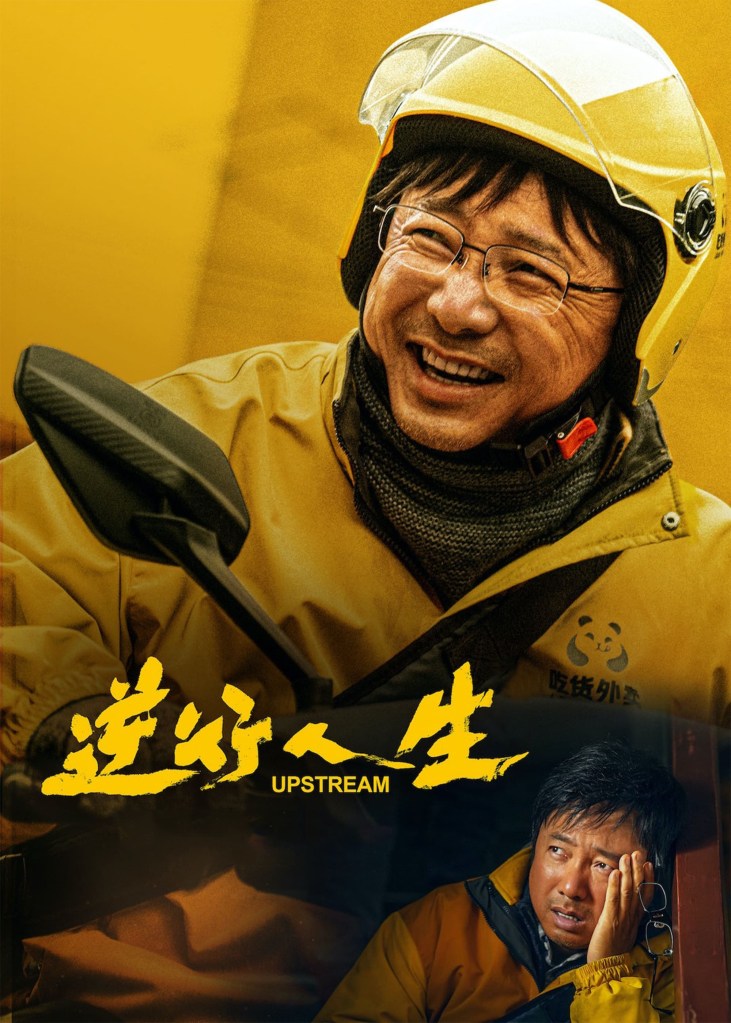
I know duds can come from any country, but the films out of China, especially the socially conscious dramas, are usually so reliable! Upstream was written and directed by (and stars) Xu Zheng, one of China’s biggest stars of the last couple decades. When he said he’d be making a film about China’s exploding gig economy, I think people expected him to make a statement with it. He does a bit, but not as hard as he should have. Xu plays Gao Zhilei, a middle-aged man who works as a software programmer at a large company, whose job is eliminated after cutbacks. Other tech companies don’t want to hire an oldie like him to start anew, so a couple months go by with no new job leads. Gao gets desperate, as his is the only big income in a household including a young daughter with aspirations of a nice school, and two aging parents with growing medical bills. Knowing he needs to clear 15 thousand renminbi for their immediate bills, Gao takes a job as a food deliveryman (think Ubereats or DoorDash). There’s some growing pains for sure, as he is competing for deliveries with people half his age, but Gao is smart and determined, and slowly, over the course of the film, gets better at the job until the end is in sight. There’s some funny moments, some endearing moments, but ultimately I just shrugged and said, “Ok.” Xu could have really gone after the plight of gig workers in China (and in the USA…), a group that doesn’t get insurance or protection, who work a dangerous job (especially in large cities where many ride bikes or motorcycles in crazy traffic), but who have limited other options for income. Instead, he basically says if you work hard enough, good thinks will happen. Sounds like propaganda to me. ★½
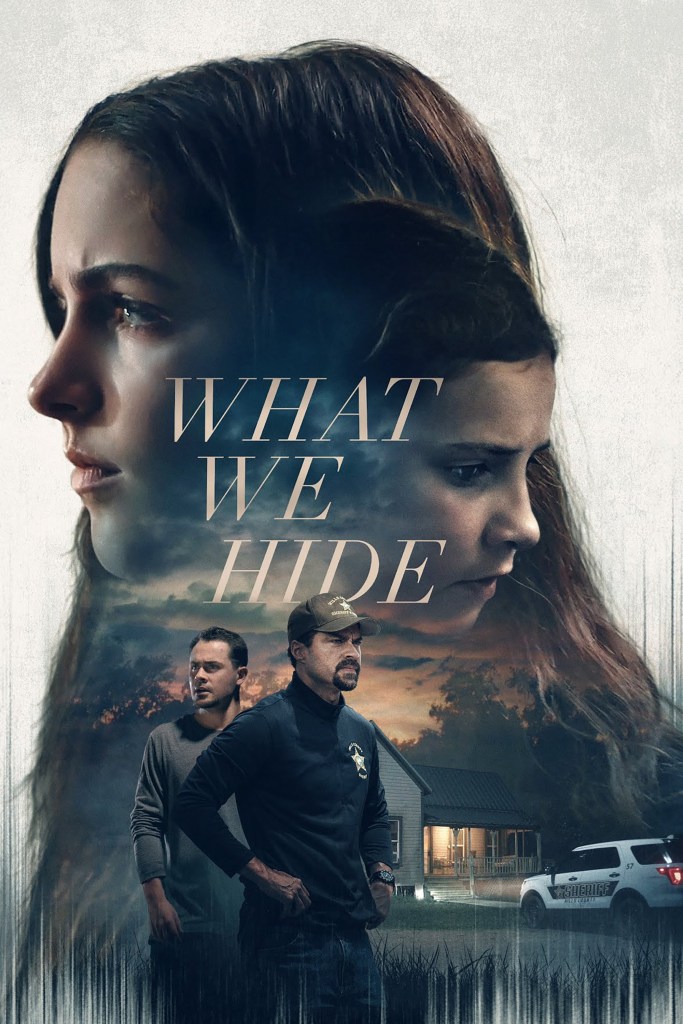
What We Hide is a super low budget indie film with a story that has been told before, but if films are meant to elicit an emotional response, it certainly does that. The opening scene will get you right away: two sisters, 15-year-old Spider and gradeschooler Jessie, are standing over their dead mother’s body, who’s just died of a heroine overdose. While Jessie is distraught, Spider has lived a lot longer with their mom’s drug problem and knows the toll it has taken on them, and is already looking ahead. She knows that she and her sister are doomed to being split up into the foster system, and she refuses to let that happen. They dump the body in a crate in the shed, and try to pretend to the world that their mom is still around. They still have her welfare money, which loads a debit card once a month with $600, and so the sisters go about as if nothing has changed. Unfortunately the charade can only hold so long, as a determined social worker wants to have a sit down with the family to make sure everyone is doing ok, and Spider’s best friend’s dad is the town sheriff, who also happened to go to school with the deceased. Not to mention their mom’s old drug dealer, who is wondering what happened to one of his best customers. It’s a total B movie with “not so great” acting (though honestly, the youngest actor in the film, who played Jessie, is pretty good!) but I was still swept up in the plight for the two girls, who only have each other and are willing to do whatever it takes to keep that. ★★★½
- TV series recently watched: Deep Space 9 (season 5), Only Murders in the Building (season 5), Slow Horses (season 5), The Reluctant Traveler (season 3), Mussolini: Son of the Century (series)
- Book currently reading: Heir of Strahd by Delilah S Dawson

 Jons Movie Takes