
I honestly didn’t know much about Polish director Andrzej Wajda, but have heard good things about his War Films trilogy, fictionalizing events of the Polish effort during World War II. First up is 1955’s A Generation, the first film to deal with the Warsaw Uprising. I had a hard time getting into this movie, despite its heavy subject matter. It follows two young men, both with boyish faces and seemingly not much more than boys, but it shows how fast boys have to grow up when war is in your backyard. One of the boys falls for a pretty young woman who has been getting men to join the communist party, and by extension, the resistance to Germany. The other boy is initially resistant to joining the anti-Nazi group, not because of love for Germany but because he is the sole breadwinner and if he were to get arrested, his elderly father would be alone. But he too gets caught up in the fight by the end. Sometimes these two (again, very young looking) guys seem like kids playing at dress up, or attempting to impress “the grownups,” but their actions get very serious very quickly. Again, I couldn’t quite get into it for some reason, but the film is highly thought of, so I’ll admit it’s probably me. ★★½
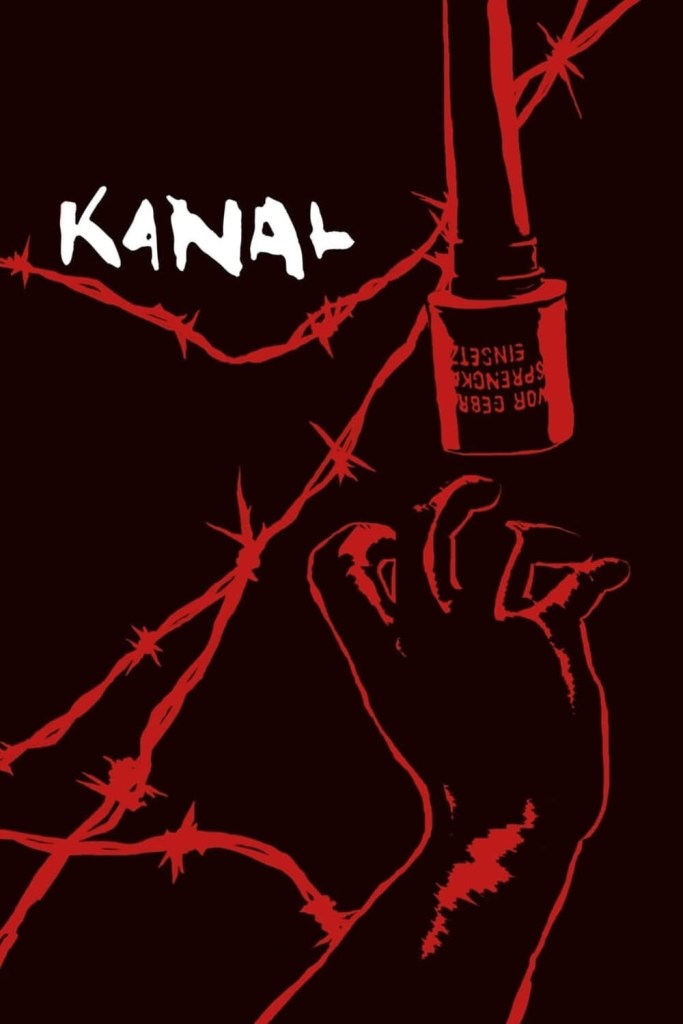
The director’s followup, however, is one of the best war films I’ve recently seen, and hits on all cylinders. Set a couple years after the above movie, it shows the final days of the Warsaw Uprising in 1944. The Polish resistance is hanging on by a thread. They keep expecting the Russian army to swoop in and blow the Germans out of the city, but as we know from history now, the Soviets stayed away for political reasons, letting the resistance (who was supported by the Polish government in exile, based out of London) fall to Germany, so that the Soviets could then set up their own Communist-friendly new government. As the film begins, the Polish resistance knows they can’t hold out much longer, so the decision is made to literally go underground, to go down into the sewers, in hopes of getting outside of the city to escape and live to fight another day. Down in the sewers is where their nightmare truly begins. Initially the troop is led by a young woman who knows the sewers well, having been smuggling goods around the city through them for awhile, but when she decides to hang back with her boyfriend, who has been wounded and is slowing everyone down, the rest of the group proceeds without her, and end up getting separated from each other, and finally completely lost. As minutes become hours become days, surrounded by the stench, threats of gas, fear of Nazi soldiers overhead, and no signs of fresh air or escape, madness creeps in. A movie that will make you feel claustrophobic as the walls come closer and the dark seem just a bit darker, it pulls you into the plight of these last soldiers, trying everything to hold on to a losing cause when we know there is no hope. ★★★★★
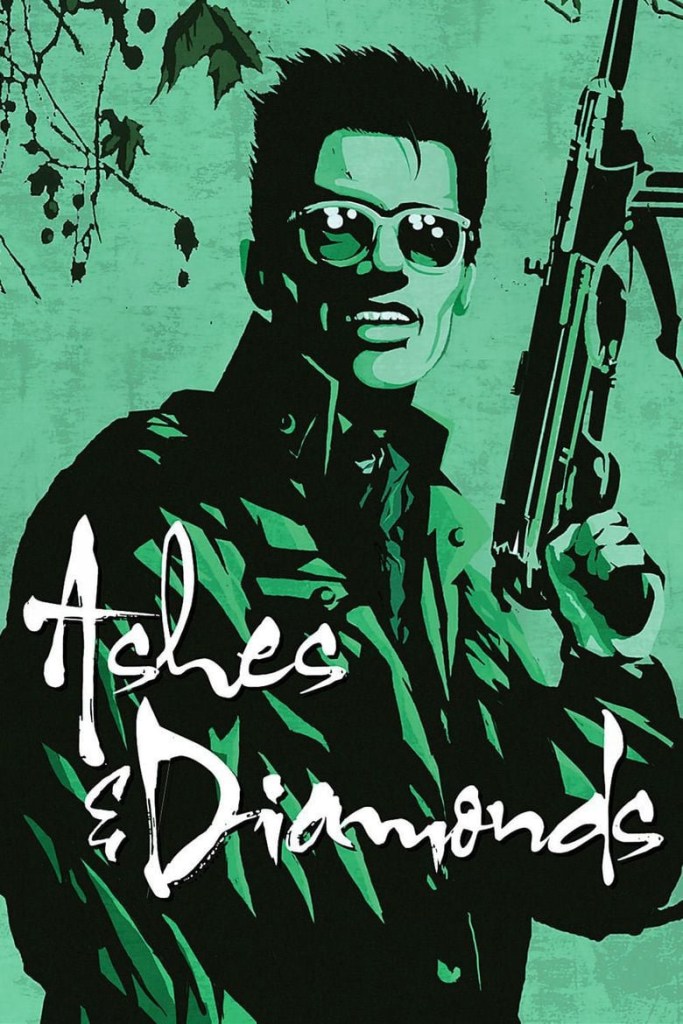
We had a film at the beginning of the Warsaw Uprising, a film at its end, and we conclude the trilogy with a film at the end of the war. Ashes and Diamonds begins on VE Day, and Poland is prepping to celebrate. However, the battle for the future of the country is not yet over. A couple former resistance fighters try to assassinate the secretary of the pro-Communist Polish Workers Party, but accidentally kill the wrong person. As they plan to take out their target at an upcoming banquet, the lead killer, Maciek, who has been able to set emotions aside until now, falls for a pretty young woman tending bar at the hotel. As the night moves on, the two grow close, and now, suddenly, Maciek has something to live for, something to lose, that he didn’t have before, and it changes his perspective on his mission. The first 10 minutes and the final 25 minutes were great, but honestly it felt like a lot of filler in the middle. I know it had a purpose (showing the slow transition Maciek made as well as exploring the inner workings of some of the tertiary characters) but it was awfully slow. ★★★
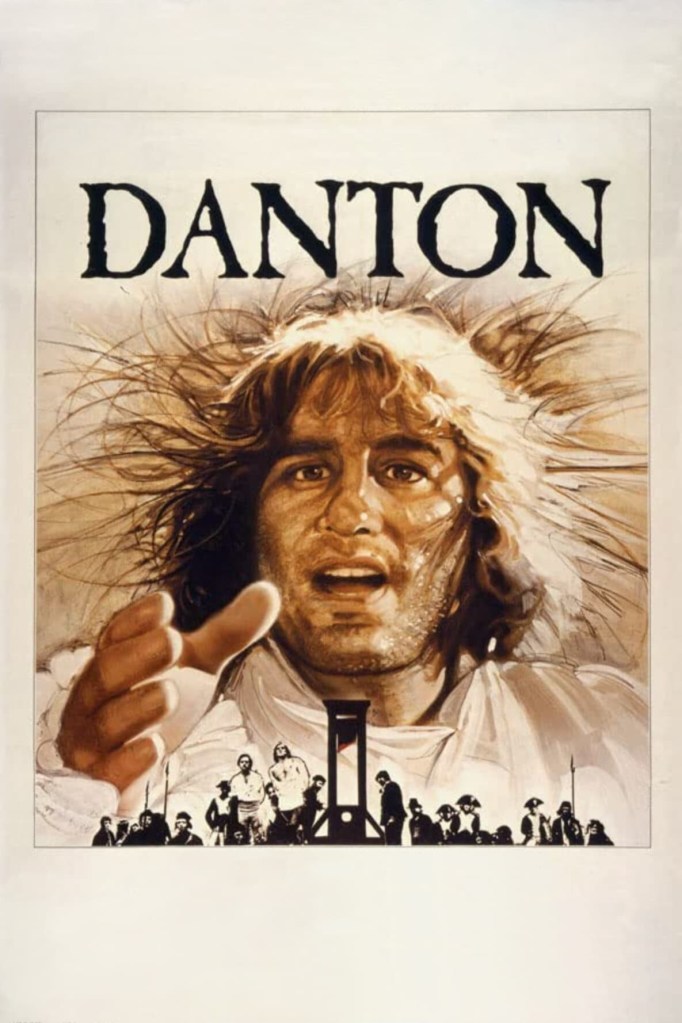
Wajda was never shy about his anti-Communist views (even if he was very successful at hiding subversive themes in his movies to get past Polish censors), so for a time in the 80s he turned to other countries for more freedom in filmmaking. In 1983 he made Danton, portraying a popular figure in the French Revolution. In 1794, the Revolution is hanging on by a thread. The Committee of Public Safety, essentially the seat of execute power in the country, is led by Maximilien Robespierre and is not very popular by the citizens nor the legislative assembly, the National Convention. The people’s champion is Georges Danton, which puts him at odds with Robespierre, and they are clamoring for Danton to depose Robespierre and lead the nation. However, Danton is tired of fighting and bloodshed, and while he doesn’t like Robespierre’s tactics (he has been silencing newspapers, and jailing and beheading critics), he doesn’t want to see anyone, himself included, be made king again, after he’s fought so hard to do away with the monarchy. As the two circle closer and closer to each other, the fate of the nation hangs in the balance. Great film, buoyed by Danton’s speeches as delivered by lead actor Gérard Depardieu. The only off-putting thing was the fact that half the actors are French, and the other half are transplants from Wajda’s native Poland, who had their voices dubbed over by French speakers for the film. You can clearly tell, as their lips don’t match… That’s my only quibble. For a film with little “action” and almost entirely fought over words, it’s very exciting. Lots of people drew lines between Robespierre’s totalitarianism and the state of Poland at the time, though Wajda (maybe with a wink) always denied any parallels. ★★★★
- TV series recently watched: Back to the Frontier (series), Wednesday (season 2), Frasier (season 1), Jessica Jones (season 2)
- Book currently reading: Crossroads of Twilight by Robert Jordan

 Jons Movie Takes