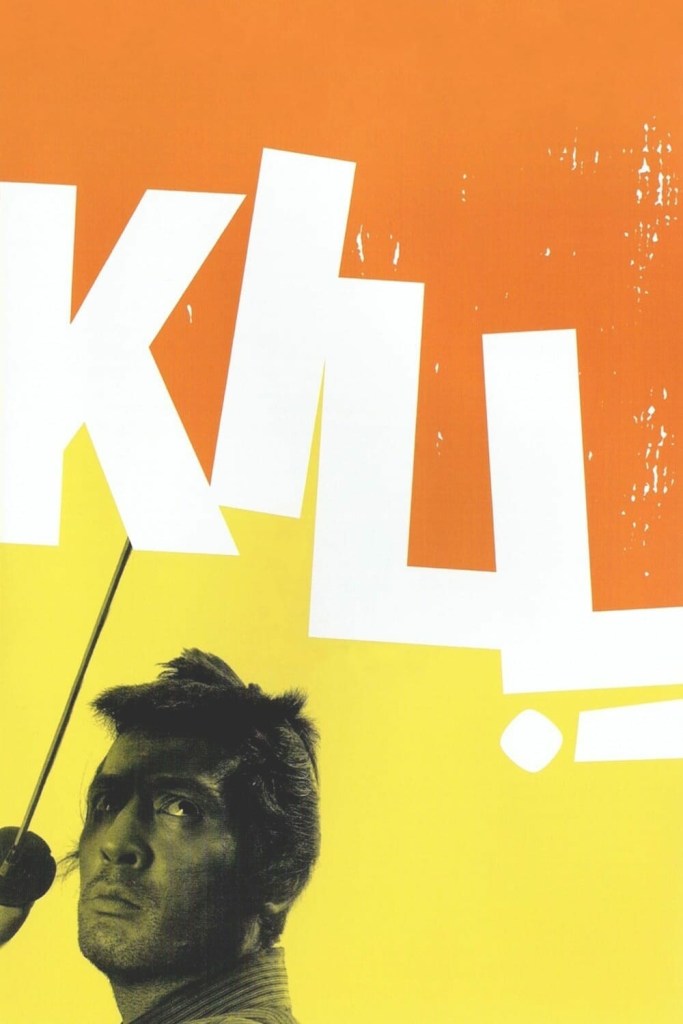
Been awhile since I took in some Japanese films. Starting off today is Kill! from 1968. From the beginning, it almost has the feel of a spaghetti western, with some non-traditional music and the opening shot of a lone man walking down a dusty road towards a small village. The man is Genta, a former samurai who is seeking a simpler life. He comes across Hanjiro, a farmer with delusions of grandeur of becoming a samurai. The two become embroiled in a local spat between warring factions in the town, and end up on opposite sides of the conflict. I couldn’t get into this one at all. It throws so many names and places at you in rapid succession in the beginning, that my head was spinning and couldn’t remember who was who or who was on who’s side. I tried to like it, but just not for me. ★
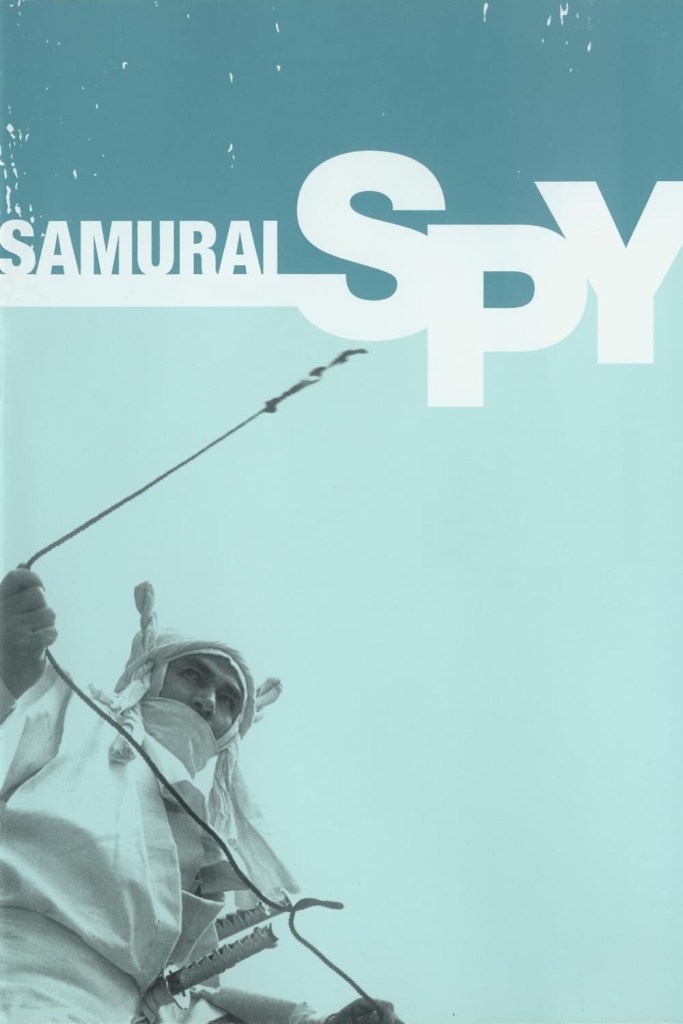
If the above movie is a samurai western, then Samurai Spy is a take on the classic spy film. I was a little worried in the beginning because, once again, lots of names and places were flying at the viewer, and I thought, “Here we go again.” But it settles in soon and (thankfully) reminded me often of who we were talking about. In 17th century Japan, the Tokugawa shogunate has unified Japan but its power is being threatened by the Toyotomi Clan. Both sides are employing spies to watch each other. The main character, a samurai named Sasuke, is of the Sanada Clan, who fought in the wars for one side, but Sasuke is now trying to stay neutral. He’s tired of war and just wants peace, but he keeps getting pulled back in. Throughout the film, he comes across various spies with their own agendas, some faithful to their clan, others double agents, and even one or two only out for themselves and the power their secrets can bring. Ultimately Sasuke tries to solve two murders (both of which he himself is accused of), all while being pursued by a mysterious figure in white who seems to have his own agenda. Lots of twists and turns, and honestly I got a bit lost with all the double crosses, but it all comes together in the end. The finale, when the evil mastermind is unmasked, is fantastic. ★★★½
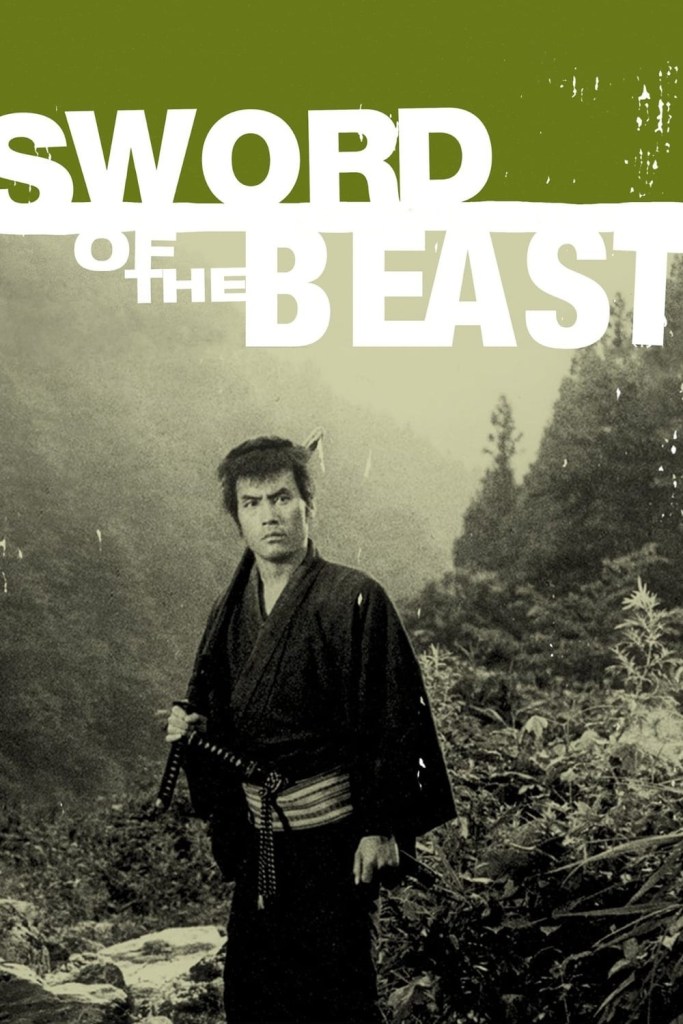
Sword of the Beast is another samurai film (will need to pick a different genre next…) about a fugitive samurai named Gennosuke, on the run. He is accused of killing a clan boss and is pursued by the dead man’s daughter, her fiancé, and the clan’s sword master. It’s hard to believe Gennosuke is guilty, because he seems like a real standup guy, but we learn later that his is culpable, but for a reason that is explained. Gennosuke teams up with a farmer, and the two hatch a plan to pan gold off the mountainside, in hopes of getting enough money to flee the area. In their way is another former samurai, Jurota and his wife, who are also panning gold, and they are killing anyone who sees them, as panning gold from the shogun’s mountain is illegal and punishable by death. Jurota initially fights off Gennosuke, but as they get to know each other, they team up to keep Gennosuke’s pursuers at bay. I liked it for the most part, but the ending was a bit off kilter for my tastes. ★★★
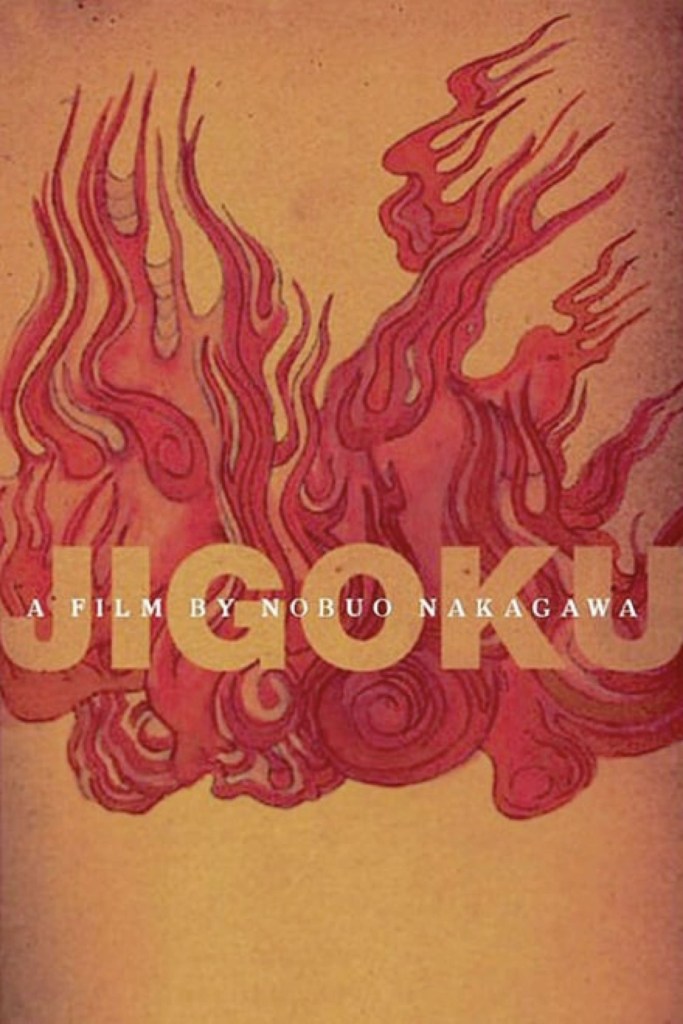
For a change of pace, I went with Japanese horror film Jigoku. It follows the ill luck of a young man named Shiro, who seems to have catastrophe follow him around like his own shadow. It starts when he and his friend Tamura are driving one evening when they strike and kill a pedestrian. Turns out the dead is a yakuza gang leader, and the group is hot to find out who killed their boss, none more so than the deceased’s mother, who swears vengeance. Shiro is wracked by guilt and tells his girlfriend Yukiko, and she rides along with him towards the police station to confess, but along the way, they are in an accident and Yukiko is killed. To try to get away from it all, Shiro goes to visit his parents in their old folks home, only to find his mother is dying and his father has taken a mistress. The characters around the community are right out of a novel, including one of the resident’s daughters, who strikes an uncanny resemblance to his dead Yukiko. It becomes crazier when Tamura shows up and explains how everyone there has been involved in one murder or another. Deaths continue to mount, including the gang leader’s mother when she confronts Shiro on a bridge and falls off, plummeting to her death, shortly before Tamura too meets the same fate. When Shiro finally dies himself (in a bizarre death extravaganza), that’s not the end of his story, as he must then navigate Hell (what Jigoku means in Japanese), and see the fates of all the sinners throughout the film. Fascinating movie, and easily one you can watch again and again to glean more from. ★★★★½
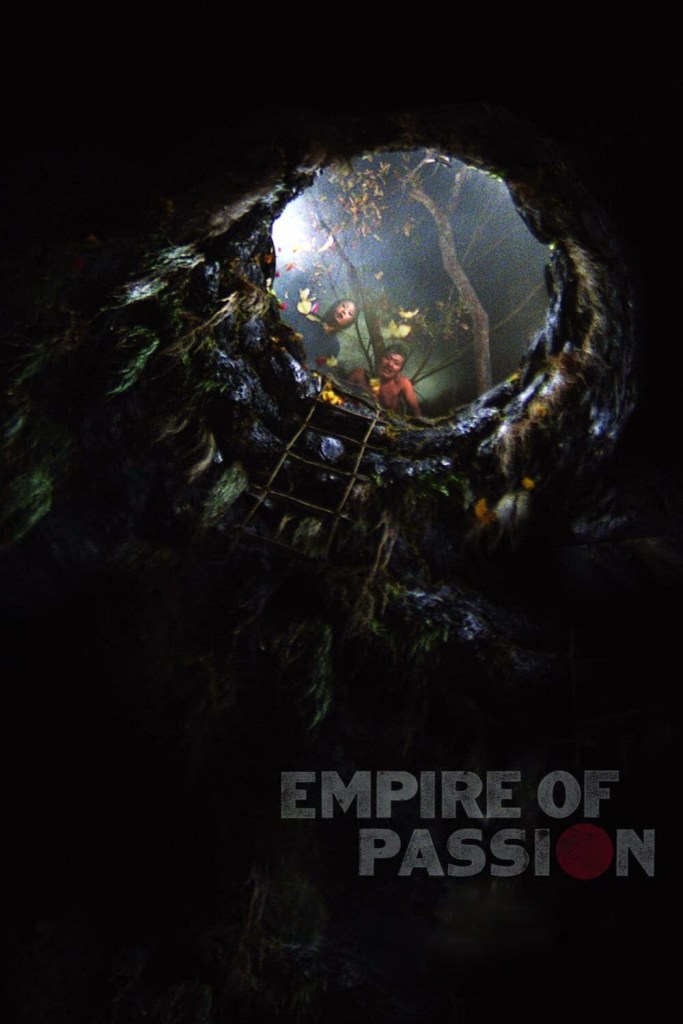
I was hesitant about Empire of Passion due to a so-so experience with director Nagisa Ōshima, but it is a kaidan (Japanese ghost story) and I usually really like those, so I gave it a go. Glad I did! In 1895 in a tiny rural village, housewife Seki runs the home while her husband Gisaburo toils all day as a rickshaw driver. Seki’s days are brightened when she is visited by the boisterous young man Toyoji, their neighbor. Toyoji coyly makes comments about how young Seki looks, and when he one day makes aggressive sexual advances, she doesn’t try too hard to keep him at bay. Their clandestine relationship continues for a little while until Toyoji admits that he cannot live with the idea that Seki sometimes sleeps with her husband too, so the two hatch a plan to take Gesaburo out. One evening, they ambush him and strangle him to death, dumping his body in an old abandoned well in the woods. To explain his absence, Seki tells the town that he went to Tokyo for work, but as the years go by, people start to whisper, even though she and Toyoji continue to be secretive about their affair. After three years though, Gesaburo’s spirit has refused to rest. His ghost starts being spotted around town, and he regularly visits Seki. She starts pouring his favorite drink down the well, but that doesn’t silence the ghost. Seki and Toyoji must contend with the spirit, the town that is growing suspicious of misdeeds, and a law officer who has finally come to investigate Gesaburo’s disappearance. There’s some great cinematography in this film. The scene from inside the well as they drop the body down is haunting, and immediately after the next scene is a serene, picturesque forest the next fall. Great juxtaposition that stuck with me. Like most kaidan films, it’s a hauntingly good time, with a powerful ending. By far my favorite film from this director. ★★★★

 Jons Movie Takes