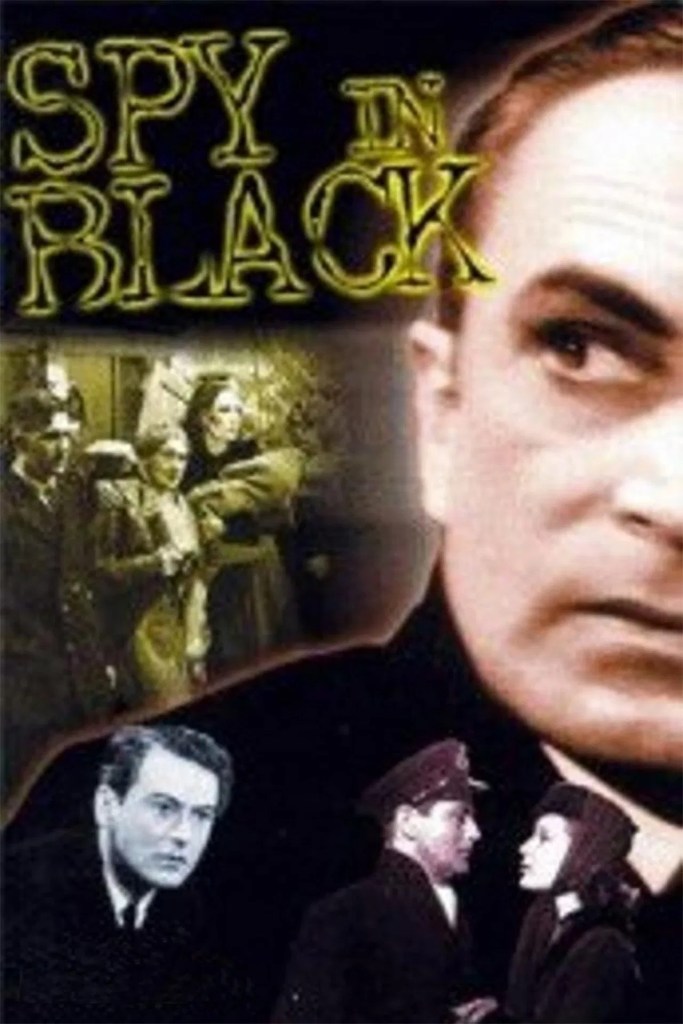
Awhile back (more than a little while, I’m ashamed to admit) I saw some films from the team of Powell and Pressburger, and came away from that wanting more. Six years later, I’m finally there, and starting with the first film they made together, 1939’s The Spy in Black. In some ways you can tell it is from a young team of filmmakers, but it’s got a great story. Taking place in 1917 during The Great War, it follows a female German spy who has taken the place of an English schoolteacher at the far north of Scotland. Why so remote? Because it happens to overlook the British naval fleet. Undercover, she is able to provide a base of operations for a German U-boat commander, who comes ashore to plan an attack for his waiting submarine, with the help of a disenchanted British officer, who lost his command due to a drinking problem. The trio of nefarious villains seems to have everything in control, until the story takes a turn that I did not see coming. It’s a great twist, the like of which would still play well in any modern action/spy film today. You can tell from the beginning, this writer/director team had it going. ★★★½
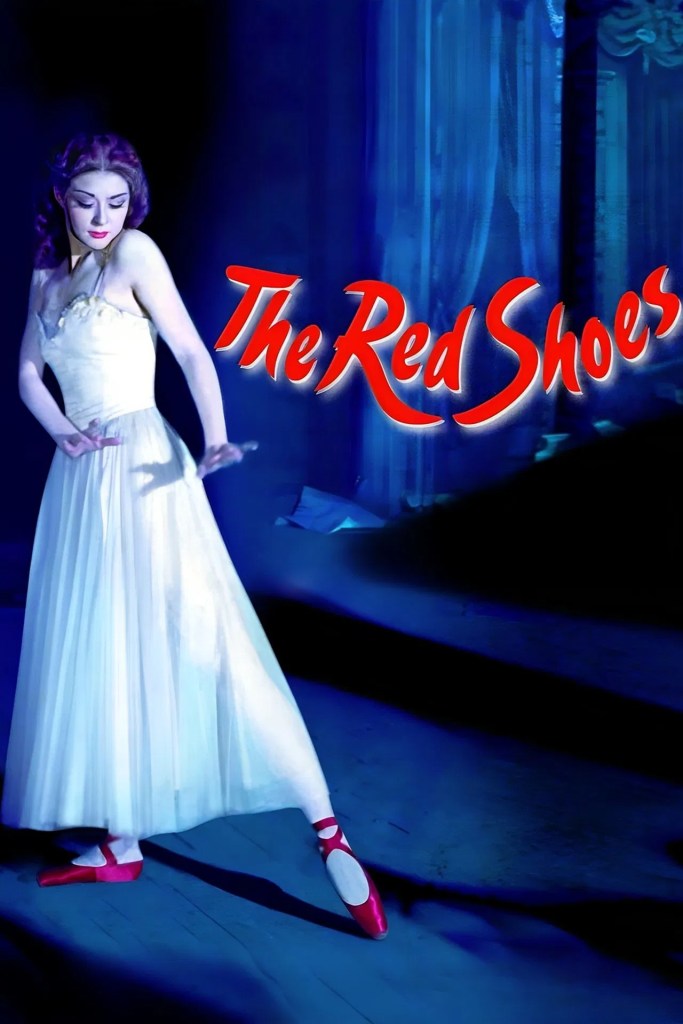
The Red Shoes was their tenth film together, and has become one of their most famous. It follows two young artists, composer Julian Craster and dancer Vicky Page, as they try to make it big. Vicky wants to dance ballet for the very popular traveling company Ballet Lermontov, but its director Boris Lermontov doesn’t seem to have much interest in performers who haven’t already made a name for themselves. Still, he happens to catch one of her performances at a small local theater one night, and sees that she has potential, and hires her to be an extra. It’s a foot in the door, anyway. At the same time, Julian is a talented composer who does an arrangement of an upcoming ballet for Lermontov, and the director is impressed enough to hire the young man to assist conduct and to arrange an entire new show. The troupe continues to travel the world, to Paris and Morocco, with Vicky and Julian respectively climbing the ranks. Vicky gets her chance to be principal after its current one announces she is to be married; the strict Lermontov has a firm “no relationships” rule for his leads, believing whole heartedly that an artist can either be married to their art or to another person, but not to both. Thus, his former principal is kicked out of the show, and Vicky has her chance. But what will happen when she and Julian start to fall in love? A beautiful film, shown in vibrant technicolor, which wowed audiences in 1948, and a full ballet performance during the film to boot (actress Moira Shearer as Vicky was a trained ballet dancer before her film career). ★★★★½
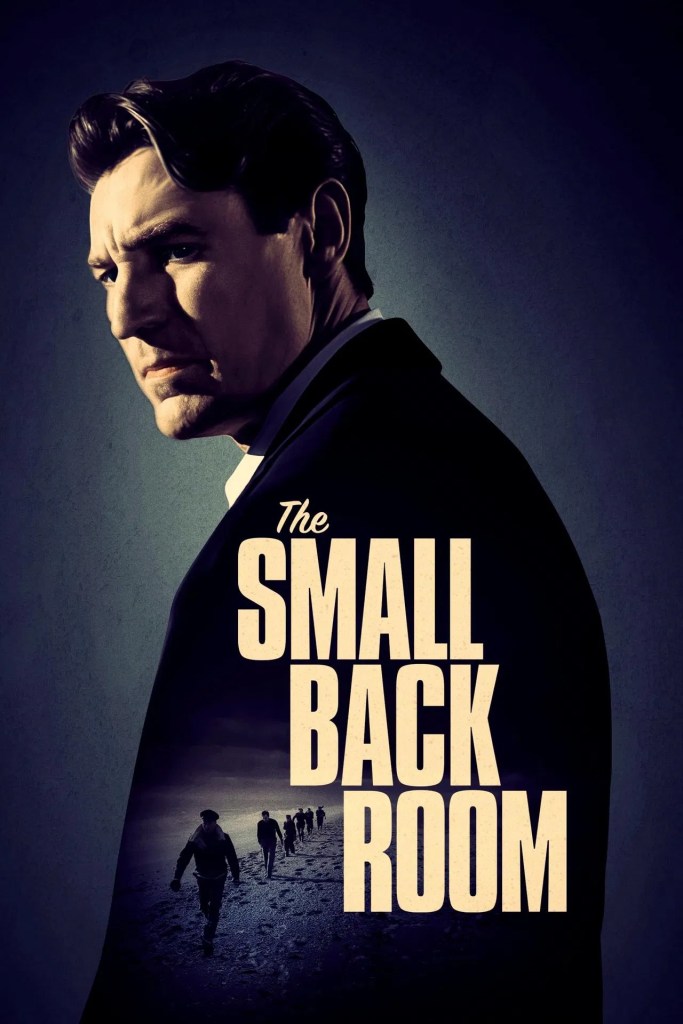
The Small Back Room is the rare dud from this team. Another spy film, it is about a British scientist, Sam Rice, and his girlfriend Susan, who work for the military during World War II. Sam can’t fight in the war due to a prosthetic foot, which pains him constantly. Susan is always begging him to take it off when they are alone in the evenings, but he refuses in his pride. He’s on dope for the pain (common enough back then), but the only thing that really takes the anguish away is whiskey, which turns Sam into a raging, angry drunk. Sam’s friend comes to him with a new kind of German booby trap, which is being dropped off by planes flying overhead. The trap is volatile and has already killed 3 children and one adult, the poor passerby’s who happen to come across the laid bombs. When Sam’s friend is killed trying to defuse one of the bombs, Sam is brought in to try to solve the problem. This movie took an awfully long time to get going, where it hammers repeatedly the relationship issues between Sam and Susan. It’s really more of a drama dressed up as a wartime thriller. If I’d been in the mindset of a drama going in, maybe I’d have liked it more (although, maybe not…), but I was wanting some spy goodness, and it has none of that. When there are some real thrills at the end as Sam is defusing the bomb, it’s too little, too late. ★½
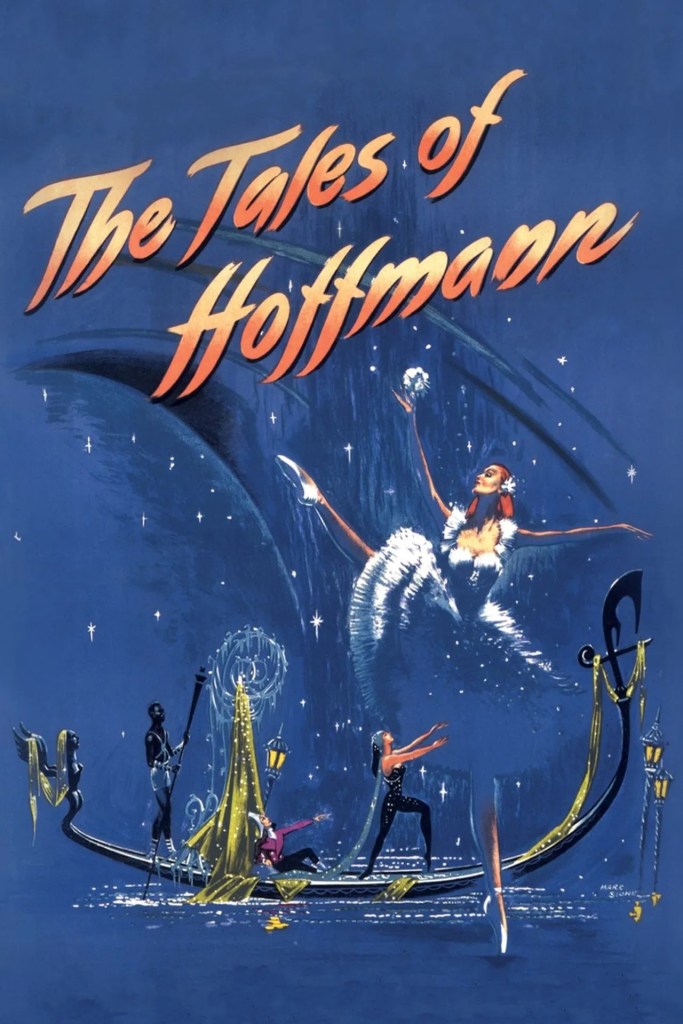
For the musically inclined, seeing a film adaptation of an opera (probably more aptly an operetta, to be precise) is a nice experience. Based off the unfinished final opera from French composer Jacques Offenbach, and nearly unchanged despite bringing it to film, the sung-through The Tales of Hoffmann follows the eponymous Hoffmann as he relates his misfortunes in love to a rowdy, full bar. In the beginning, he is supposed to be meeting his latest girlfriend Stella, but her message to him is intercepted by Hoffmann’s rival, a devious Count (and the actor who plays the Count shows up as other bad guys in Hoffman’s tales). As he waits, Hoffmann begins his story. In three stories, Hoffmann tells about his failures in finding a partner. First, he falls in love with a beautiful woman, only to find out that he’s been swindled out of money, and the woman is a mechanized creation. In the second, Hoffmann is swept off his feet by a woman who turns out to be a prostitute, and is working him to steal his reflection for an evil magician. Finally, Hoffmann truly finds love with a singer, but she is ill from consumption, and gets worse whenever she sings. Rather than rest, an evil doctor forces her to sing until she dies. Throughout it all is wonderful, soaring arias that took my breath away, and exquisite dancing, costumes, and sets which transport you to magical kingdoms. Nothing beats a live performance, but if you are going to watch a musical or opera on screen, this is a good one. ★★★★
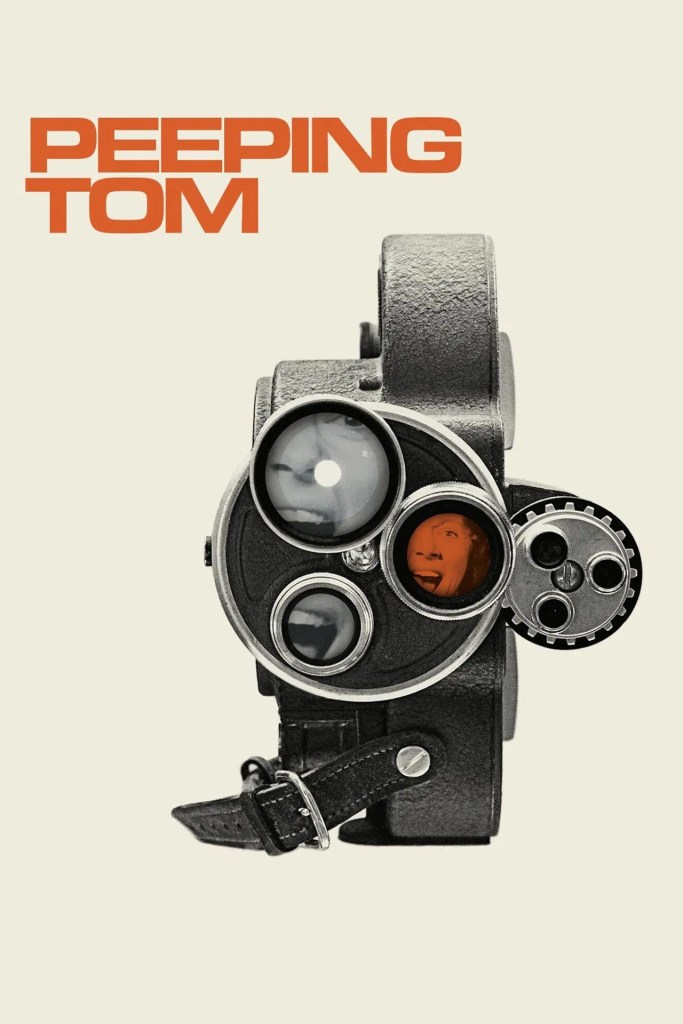
Cheating a little on my last film today, as it is sans Pressburger, but I’ve been wanting to watch this one for awhile. The film that almost ruined Michael Powell’s career (he made just a handful of films after its release, and unless I’m mistaken, no more in his native England), Peeping Tom came out in 1960 and was extremely controversial in its day. As soon as it opens, we meet the villainous Mark Lewis, as he holds his handheld camera to film himself approaching a prostitute, following her to her abode, and then murdering her, taping it all. As he watches the footage later in his home, we get to know a man who is very detached from his emotions, but clearly has a goal. As the movie goes along, he murders again, and we learn that he most seeks to see his victims experience debilitating fear before their deaths; he wants to see that fear more than he wants to kill. When Mark meets a woman in his building, Helen, she is very kind to him and he starts to open up to her, and we learn about the terrible treatment Mark suffered as a child from his scientist father, with no nurturing in his upbringing. It is telling when Mark refuses to film Helen, so we know from the beginning that he likes her, even if he lacks the social cues to show her (or us). But Mark will not let Helen disrupt his master plan, and he does have a plan, which moves forward even as the police tighten their search around him. The movie was lambasted when it came out, but in the decades after, became very influential. In his late-life autobiography, Michael Powell quipped, “I make a film that nobody wants to see and then, thirty years later, everybody has either seen it or wants to see it.” ★★★½
- TV series recently watched: Luke Cage (season 1), ST The Next Generation (season 7), Walking Dead: Dead City (season 2)
- Book currently reading: What if Wanda Maximoff and Peter Parker Were Siblings by Seanan McGuire

 Jons Movie Takes