
The Last Showgirl is a very good film and a triumphant return for Pamela Anderson, in perhaps her most acclaimed role ever. She plays Shelly, a 57-year-old dancer in Las Vegas, who has performed in the Vegas show Le Razzle Dazzle for over 30 years. Now the “elder statesman” in the show, she is the person that the young dancers look to for help and as an example. She is proud of her long run on the show too, and loves to tell stories about how she was once a celebrity, with the company touring her around the world. In fact, she loves nothing more than reminiscing about what it used to mean to be a Vegas Showgirl. However, those days are long gone, and Le Razzle Dazzle is the last “old school” Vegas show still playing, with other stages having long since moved to singers or other performers, or modern, “sexier” shows with fewer costume changes, sets, etc. The writing is on the wall, with attendance way down, and when news comes that the show will finally close in 2 weeks, Shelly is devastated. She starts to reflect on what she has given up, which includes her own daughter, who she sent to live with a friend 20 years ago, and who she only sees once every year or so. Anderson is incredible as Shelly, a woman holding on to an idea that isn’t there anymore (and tragically, maybe never was), and there’s strong support from Jamie Lee Curtis and Dave Bautista as well. ★★★½
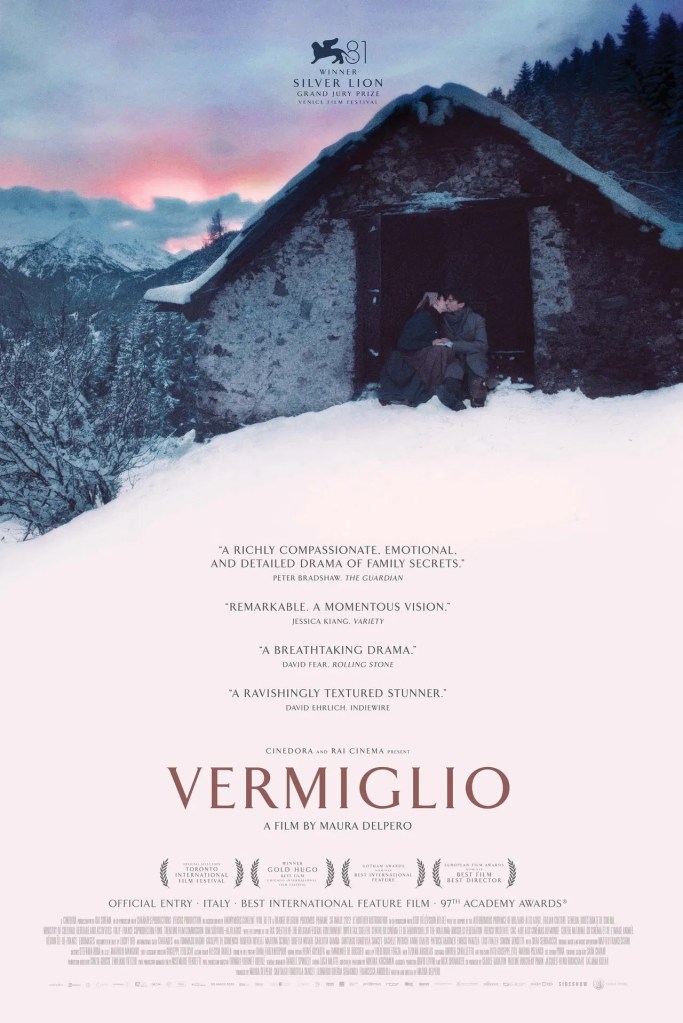
Vermiglio is an outstanding lowkey film out of Italy, with an almost old school Neorealism feel. It takes place at the end of World War II, it a tiny village in the Italian Alps, and centers around the Graziadei family. Patriarch Cesare is the local schoolteacher where it seems half the children in school are his own; he has a huge litter with an always-pregnant wife. The film mostly focuses on 4 of his oldest children. Lucia is the eldest, and seems destined to follow in her mom’s footsteps, especially after she falls for a young man new to the area (which causes a big brouhaha; he deserted from the army, but did save a local resident from death, and the residents of town aren’t really on Mussolini’s side anyway). Dino is a boy whom Cesare wants to see follow his path, but Cesare is continually disappointed in Dino’s lackadaisical ways. Ada is a smart and inquisitive girl who wants to leave the town and see the world, but her way may be blocked by sister Flavia, who gets better marks in school, and the family can only afford to send one child to college. The movie mostly follows this collection of characters in their “adventures” around town, and the plot comes to a head when Lucia gets pregnant (at the same time as her mother, as always) and she quickly marries her man, only to see him leave town once the war ends. It’s one of those movies where not much “really” happens, but at the same time, so much happens. If that doesn’t make any sense, then you haven’t seen any old post-war Italian Neorealism movies. Very much a character-driven picture, with moving and emotional moments. ★★★★
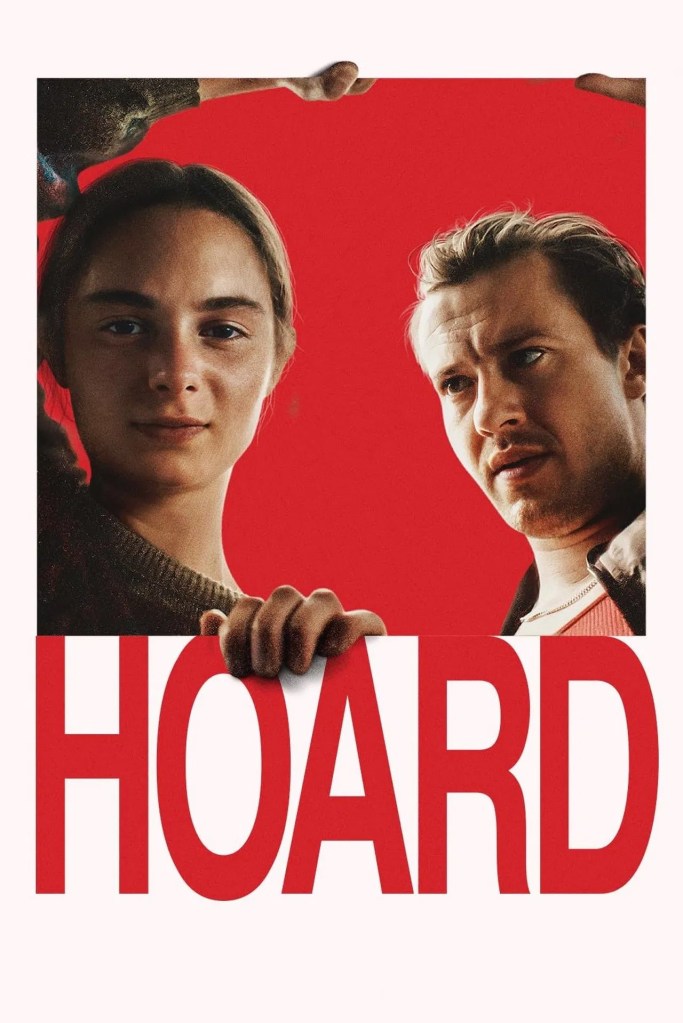
I don’t get this movie at all. Hoard starts out following a little girl, Maria, and her mother Cynthia. They share a chaotic life, living in a home where Cynthia’s hoarder tendencies have taken over. They are surrounded by trash and rats, and Maria, now 8 years old, is starting to realize it isn’t normal. When she gets to the point that she can’t find stuff for school when it is needed, she starts to speak up, but Cynthia blows her off and makes games out of the trash. It takes a huge pile of trash falling and trapping Cynthia, for which the little Maria needs to run and get help from the neighbors, before the authorities step in and take Maria away from the house. She is put in a foster home with a woman named Michelle, and when the films picks up again a decade later, Maria is still living there. She meets a guy named Michael, and the two begin a whirlwind romance, despite Michael having a pregnant girlfriend already. Maria’s own spiral begins after she finds out that Cynthia has recently died, despite thinking she died years ago. Suddenly Maria begins hoarding too, and the pattern of mental illness that permeated her younger life returns. The problem with this movie is it wants to be artsy, but isn’t nearly as smart as it thinks it is. There are long stretches where nothing happens, and not just plot development; there are slow indie films where the slow stretches at least develop the characters or add depth, but there’s nothing going on here except Maria and her friends hanging out. I started skipping ahead just to see how it ends, and the ending is “ok,” but it doesn’t forgive the ambling pace to get there. ★½
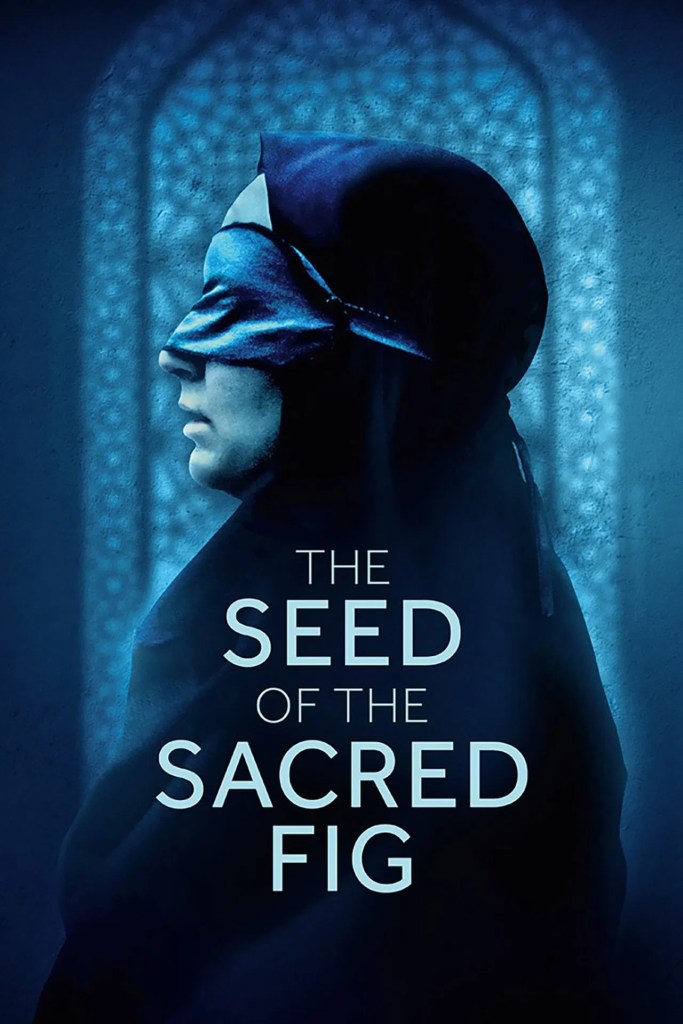
The Seed of the Sacred Fig is a very good film, but has, I think, a better story behind the camera than in front of it. The movie starts great: in Iran in 2022, protests are breaking out after the death of Mahsa Amini while in police custody, arrested for not wearing her hijab in public (a terrible event, look it up if you are unfamiliar with the story). Iman is a lawyer who has the opportunity to advance his career to become a judge, but the stepping stone is to be a puppet for the government in the tumultuous time going on, where they want him to sign off on executions and warrants without really reading the merits of the cases. Iman’s wife is loyal to him, and while she may not like what he’s doing, she wants the better life for the family that his new job will bring them. Their daughters, however, college-aged Rezvan and highschooler Sana, are not so willing to put on the blinders. Rezvan in particular is very supportive of the protestors, especially after her best friend is shot in the face by buckshot from the police at a protest. To protect himself, Iman has been issued a gun, and things come to a head when the gun goes missing in the household one day (very much his own fault; Iman has been bad about setting it around haphazardly). Iman immediately suspects someone in his family has taken it, and becomes paranoid over his daughters. Fearing trouble with his bosses if he comes clean about the missing weapon, he takes his family out to a remote location to interrogate them, using tactics Iran would use on any hostile suspect. The end of the film sort of runs off the rails, and I was enjoying the tension and eternal drama before the movie became an action thriller, but still, it’s a dark picture of a country where its inhabitants are (to this day) clamoring for freedom, while its government is trying its damndest to squelch uprisings. Interspersed throughout the film are actual short videos of the protests, such as women burning their hijabs, and the police’s often violent reactions. Director Mohammad Rasoulof, already under fire from his country for past films, had to shoot the movie in secret and then smuggle the film out of the country to get it released. He himself was arrested and sentenced to 8 years in jail, but he fled the country on foot before he could be secured. Two of the actors in the film were not so lucky, and remain in Iran today. ★★★½
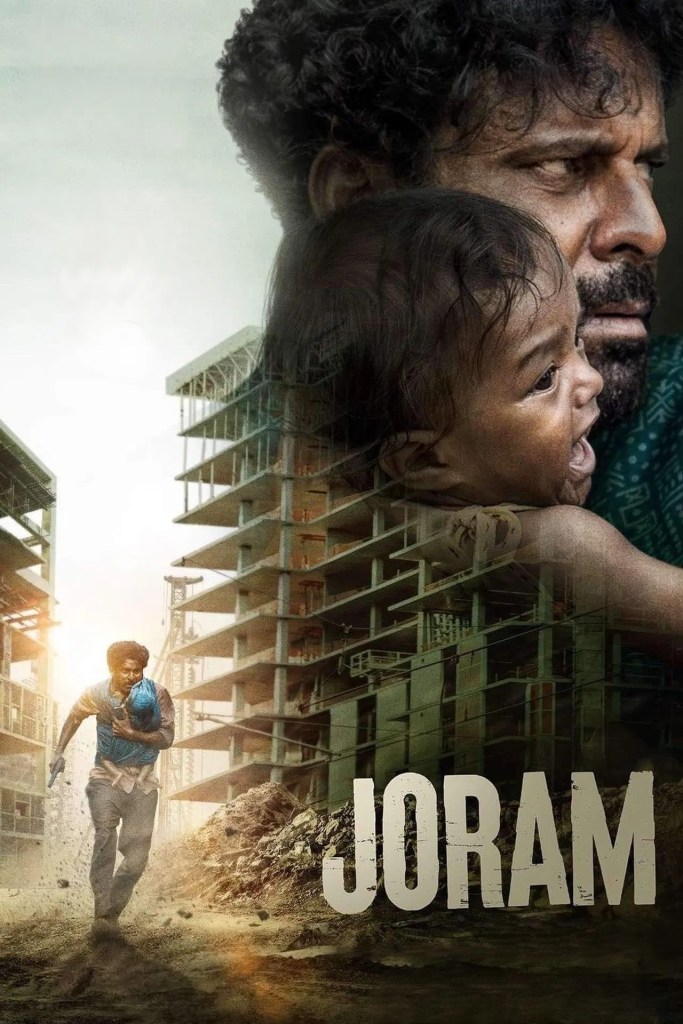
Joram, an Indian film, is pretty much a straight-forward thriller, but does have deeper meanings for those interested in thinking about it afterwards. Dasru is a husband and new father living in Mumbai. A construction worker, he is recognized by a businesswoman named Phulo Karma, who knows him from their village many years ago. Shortly after, Dasru returns home one day after work to find his wife trussed up and brutally murdered. Dasru kills one of the attackers before the other two flee. Dasru grabs his infant son and runs, with the police quick on his trail. The report goes out that Dasru is a suspect in his wife’s killing, and Dasru, with a past that we as viewers are as-yet unaware of (it is slowly revealed as the movie goes along), is not-too-ready to go to the police and try to explain his side of the story. His only plan it to return to his hometown, which is exactly where Phulo expects him to go. She is obviously the one behind the murder of his wife, and she won’t be happy until Dasru is dead too, and it is awhile until we find out why, but it all becomes clear in the end. Dasru’s one helper through this is an unexpected ally: the lead police officer from Mumbai, Ratnakar, who has been tasked to follow Dasru. He wants to take Dasru in alive, even while the people he meets up with, on the payroll of the wealthy Phulo, are being told to kill Dasru. Both the cop and Dasru seem to be playing a role in a power struggle over which they have no control. It’s a very strong film, and when you learn why Phulo wants Dasru dead, and the past that intertwines their lives, it hits hard. ★★★★
- TV series recently watched: The Bondsman (series), The Stolen Girl (series)
- Book currently reading: Hunters of Dune by Herbert & Anderson

 Jons Movie Takes