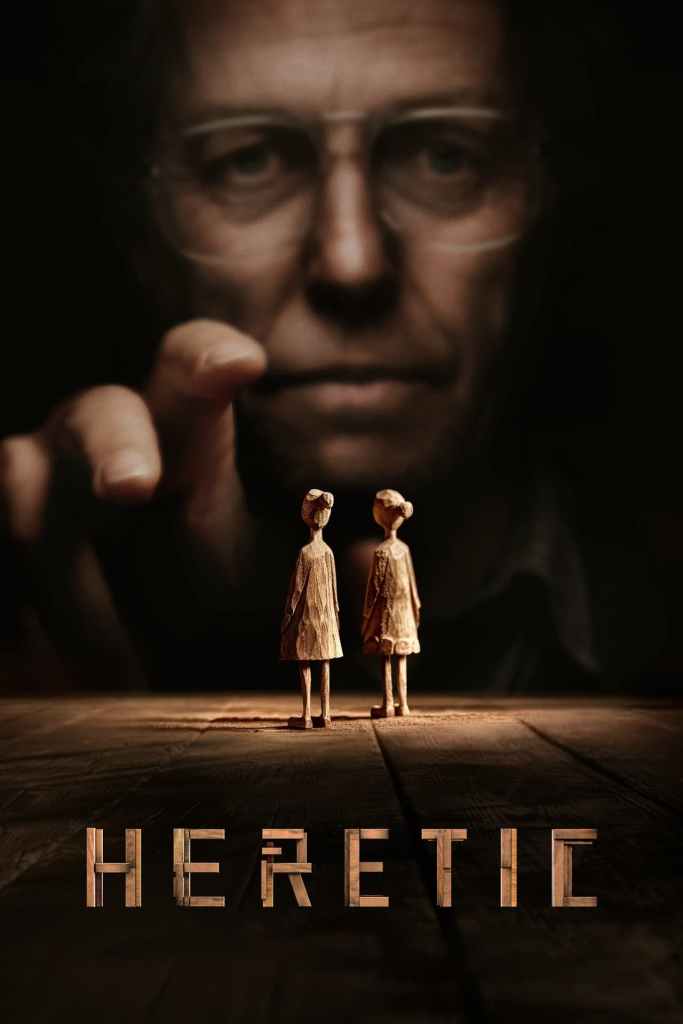
I initially wasn’t going to watch Heretic as I’m not often into scary movies, and that’s what I thought this was. Glad I gave it a chance, as it isn’t really a scary movie (though definitely has horror aspects), and is more of a psychological thriller, and a smart one at that. Two young Mormon women, Sister Barnes and Sister Paxton, are doing their visitation thing (we all love those door knockers) when they knock on Mr Reed’s door. He had previously expressed interest in the church, and they are following up. Initially, Reed seems like a good-natured, religiously curious older man, asking questions and being a good host. Over time though, as he keeps putting off the women’s questions about his hidden spouse (and they are supposed to have a same-sex chaperone in the room when with a man), and gives them the run-around when they probe deeper, we start to get the creeps. When Reed goes to the back of the house, Barnes and Paxton try to make a run for it, only to find the front door locked against their exit, and their phones unable to pick up a signal in the metal structured house. They slowly follow Reed to the back of the house, where they find he has set up his own personal little church. Reed admits to knowing much more about religion than he has let on, and starts poking holes not only in their religion, but in all of them. He then gives them a choice: door # 1 is Belief, and door # 2 is Disbelief. Neither is a good option, because as we know by now, Reed is holding all the cards. What follows is a mind trippy exercise in faith. Very good movie, with Hugh Grant cast against type as the diabolical Reed. ★★★★
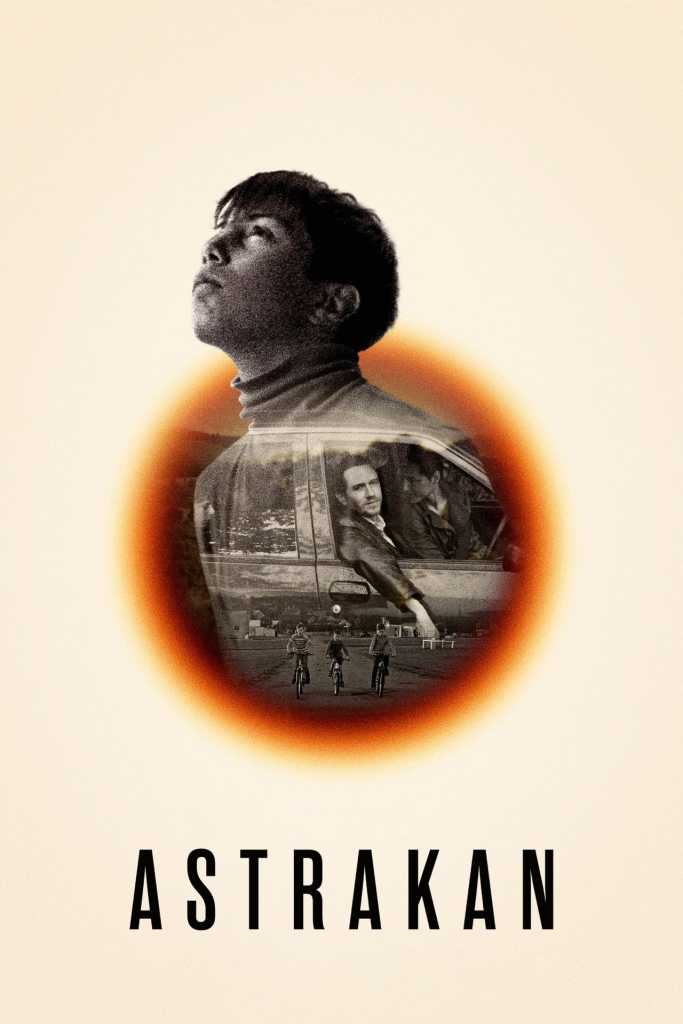
I’m really torn on Astrakan, a French film that is more a series of depressing moments than a coming-of-age tale, which is how it was marketed. Samuel is a 13-ish year old teen living with foster parents after his dad died; his mother’s whereabouts remain a mystery. The fosters aren’t great, with an at-times cruel, and other times almost worst, uncaring, man of the house (Clément), and his wife (Marie), who alternates between being motherly to Samuel or just admitting that they only have him for the money the government pays them to do so. Something is going on with Samuel, and his foster parents don’t seem to care to find out what. He keeps pooping his pants at night, and is withdrawn, perhaps from mistreatment by his birth parents, though the film never says. One day, Samuel sees his foster brother get lured into a van by Marie’s brother Luc, and it is implied Luc is up to no good with the boy. Samuel, who often lies to avoid trouble, can’t tell anyone, because he won’t be believed, especially since it seems Marie adores her brother and is oblivious to his sins (or is she?). Samuel also finds a girlfriend from school, but she mysteriously dumps him one day and starts kissing another guy, causing Samuel to lash out at her in a violent way. The film mostly meanders along without much of a plot, and it is hard to really get an idea what is going on in Samuel’s head throughout, leading to a loss of emotional connection at the times when you’d want it most. However, the ending I really enjoyed, which makes a lot of what you saw earlier in the movie even more ambiguous, but in a good way, leaving much to viewer interpretation. Honestly without that ending, I would have hated the movie, but the last 10-15 minutes saved it for me. ★★★

Beautiful Beings is a rare Icelandic film (don’t see many of those) and a true coming-of-age this time. When it starts, you think it is about Balli, a boy who is cruelly bullied at school and, one day, beaten severely on the way home. Balli lives in a dilapidated row house in filthy conditions, with a mother who only has eyes for her husband (Balli’s stepfather) who is always in jail, as he currently is when the movie starts. Mom is out a lot, leaving Balli home alone for days or weeks at a time. One afternoon Balli catches the eye of a trio of friends, Addi, Konni, and Siggi, and from there, the film is narrated at times by Konni, who becomes the main character. Addi and Siggi initially just want to bully Balli like everyone else, but Konni, who is more mature than his friends and possesses a strong moral compass, takes Balli under his wing and practically forces his buddies to treat him better. Over the course of a few weeks, they go from a trio to a quartet, helping Balli clean up his apartment and getting Balli his first “girl” experience. However, being friends with Konni and his group isn’t always great for Balli, as it also introduces him to the trouble they get into. All of the boys have bad home lives, and Addi in particular is beaten by his dad, which leads to a quick temper and violent fights to anyone who crosses them. Konni, who takes martial arts classes and is quite good, is worried that one day Addi will get them into a fight and he or Konni will really hurt someone, a premonition that you can feel coming a mile away, especially once Balli’s stepfather gets out of jail. There’s a lot of imagery in this film that I though was really cool, and the film presents a strong, gritty feel about youths living on the fringe. ★★★½

All Shall Be Well is a subdued film out of Hong Kong. Pat and Angie are lifelong partners but have never married, due to laws against same-sex marriage in their country. Still, they’ve shared everything for decades and are accepted by their families. However, Pat dies suddenly in her sleep one night, leaving Angie alone. In addition to having to deal with her grief, Angie must deal with Pat’s family, namely, Pat’s brother Shing. Everyone was buddy-buddy until Pat’s passing, then suddenly schisms start to surface. Pat wanted to have her ashes scattered at sea, but Shing wants to put them in an urn in a memorial so that he can have a place to visit her. While fighting him on that, Angie also learns that Shing, as Pat’s next-of-kin, stands to inherit her apartment, which never had Angie’s name on it. He tries to needle Angie into giving it up without a fight, saying how he wants to give the apartment to his son Victor (who is looking to start a family of his own), and knowing that Victor was always one of Angie’s favorites, as she watched him grow up and the two were always close. It’s an artsy foreign film, so lots of quiet introspection, and makes you want to make sure you have your will set up, as death can bring out the worst in people! ★★★
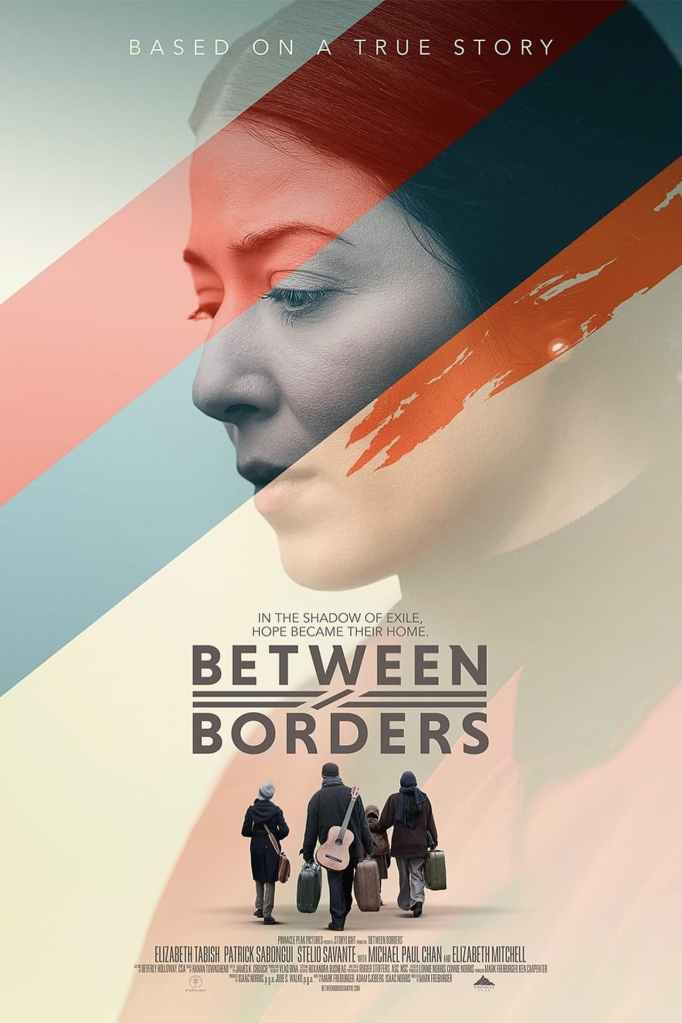
Between Borders is a lowkey religious film, based on a true story about a family of immigrants fighting the courts to stay in the USA in the 90s. They hail from Azerbaijan but are of Armenian descent, which made them targets of discrimination when the Soviet republic starting falling apart in the late 80s. First, the family moved to Moscow, but the patriarch (a literal rocket scientist) was unable to find meaningful work there, and they still faced prejudice and intolerance. What they did find, though, is religion, and converted to Christianity. The husband and wife became involved in the church, and when an opportunity arose to go to America on a fundraising trip, the church urged them to go too, to tell their story. They went to the USA on a VISA, but when that expired, they stayed, and tried to apply for asylum. The film, in the present, takes place when they are in court trying to plead their case. The film has some recognizable faces, including Elizabeth Tabish (Mary Magdalene from The Chosen, shoutout to my mom!) and Elizabeth Mitchell (Juliet from Lost), but the dialogue is so awfully bad that it makes the whole thing feel like a bad made-for-TV film. Unfortunately the film falls into the same trap that many religious films do, which is oversimplifying a story to the point of making it cliche. I’m sure the real family upon which the movie is based was colorful and dynamic, but here, they are reduced to trying to get a point across. ★½
- TV series recently watched: Jessica Jones (season 1), Cheers (seasons 5-6)
- Book currently reading: Across the River and Into the Trees by Ernest Hemingway

 Jons Movie Takes
One thought on “Quick takes on Heretic and other films”