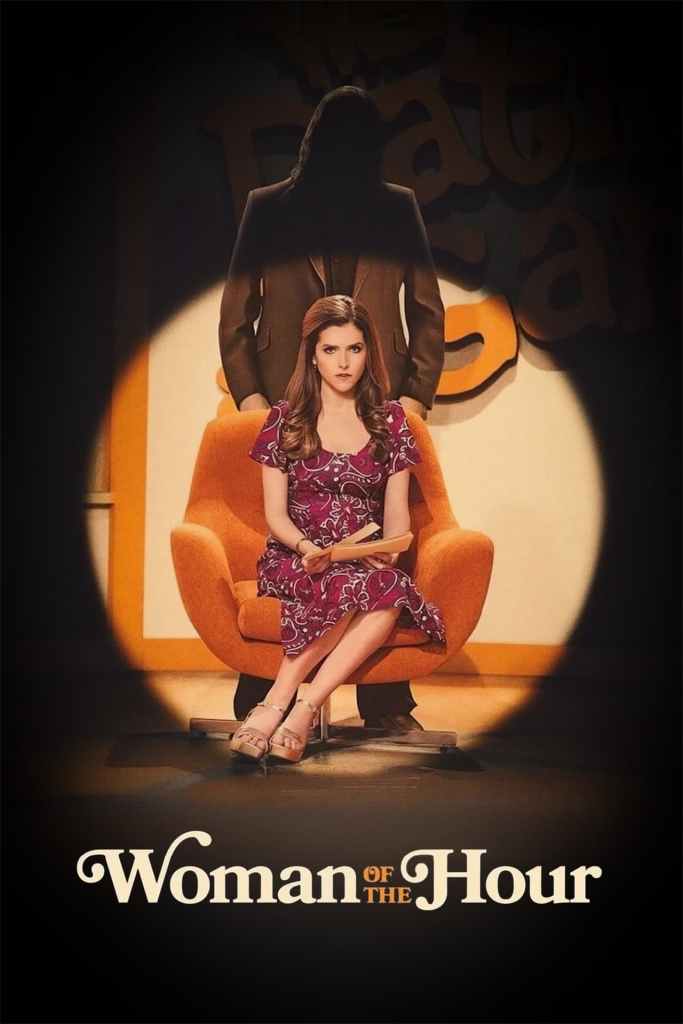
Woman of the Hour is a fantastic true crime film based on serial killer Rodney Alcala, known in the late 70s as the “Dating Game Killer” for having appeared on that show shortly before his capture. The film follows the woman guest on that show, Sheryl Bradshaw (played by Anna Kendrick, who also directed in her debut). An aspiring actress whose career is going nowhere, she takes the gig to be on The Dating Game because she has no other options and is about ready to call it quits and move back home. Of course, no ones knows that one of the eligible bachelors, Bachelor # 3, is Rodney (Daniel Zovatto). Throughout the evening as Sheryl poses questions to the men on the other side of the divide, we see flashbacks to Rodney’s murders, and a flash-forward to the woman who finally escaped him, leading to his arrest. There is high tension throughout, especially as the film slowly builds and goes along, and we see the horrendous acts Rodney is capable of, and what may await Sheryl. You’ll definitely be holding your breath a couple times! Zovatto plays the sociopathic killer expertly well, giving me the heebie jeebies, and I was rooting for his capture so much that when it finally came, I pounded my fist in triumph. The ending postscript that stated Rodney was linked to 8 murders, but that the true number of his victims could be as high as 130, sent chills down my spine. ★★★★½
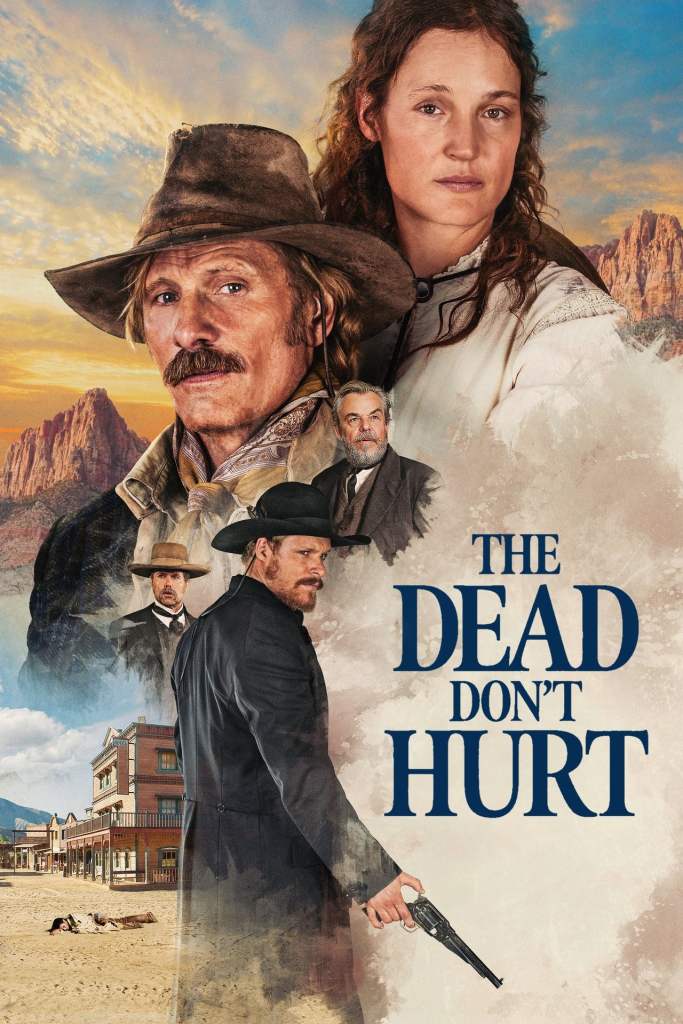
There are some movies I’ll see based on one actor alone, and that is the case for The Dead Don’t Hurt, starring (and directed by) Viggo Mortensen, who always delivers. This is a good old fashioned western, even if it manages to avoid a lot of the tropes. For example, the co-lead is Vicky Krieps, who plays a strong-willed independent woman, Vivienne, living in a time when that was not expected nor wanted by most men. In fact, early in the film, she leaves a wealthy boyfriend because he wants to treat her like a piece of art to be admired, and she shortly after ends up with Danish immigrant Holger Olsen (Mortensen). The movie actually begins near the end though: Olsen stands over Vivienne’s dying body. She whispers something in his ear before expiring, with Olsen burying her and leaving home with their young son. We then get their tale told in flashbacks, with an interlude here or there to catch up on Olsen in the current day. The bad buy in town is a man named Weston Jeffries, who gets away with murder (literally) because his dad is the wealthiest man around, owning much of the town and all of its business enterprises. When Olsen leaves for a few years to fight in the American Civil War, Vivienne is raped by Jeffries, and the result is a child, the same boy that Olsen claims as his own later on/at the beginning of the film. How the family gets to that point is the journey you’ll take with them, and it is everything I’d want in a good tale. Good guys, bad guys, with various shades of gray in the middle, and outstanding performances by every single person involved, including the many familiar faces (Garret Dillahunt, Danny Huston). I could watch this movie again and again, and probably pick up some new nuance every time. Mortensen isn’t an established director, this being just his second film, but he has a steady hand a great eye for letting scenes develop. ★★★★★
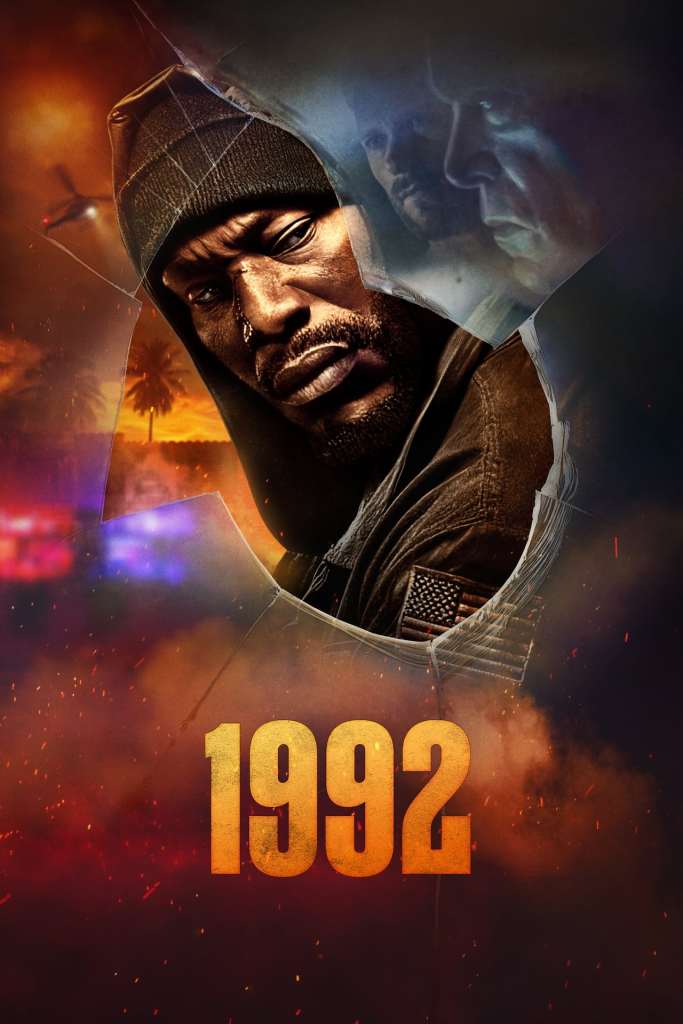
Two great movies, then a bit of a letdown. 1992 isn’t awful, but compared to the above, it’s very average. It stars Tyrese Gibson as Mercer, a man 6 months out of prison for gang activity who is trying to turn his life around. His boys on the street keep trying to bring him back into the fold, but he is wanting to raise his teenage son right and is working maintenance at a catalytic converter manufacturing plant in LA. On the day the jury delivers the “not guilty” verdict on the police officers involved in the Rodney King beating, the shit is about to hit the fan on the streets of LA. Mercer and his son live in the projects, an area that Mercer doesn’t want to spend the chaotic night in, so he asks his buddy, the security guard at work, if he (Mercer) and his son can hang at the plant that night. The guard will relish the company, so agrees. Unfortunately for everyone, a family of thieves (led by Ray Liotta and Scott Eastwood) are planning to rob the platinum used in those catalytic converters that night, using the chaos on the streets as a cover. Nothing that really stands out in this film, but it is decent mindless action for fans of the genre. ★★½
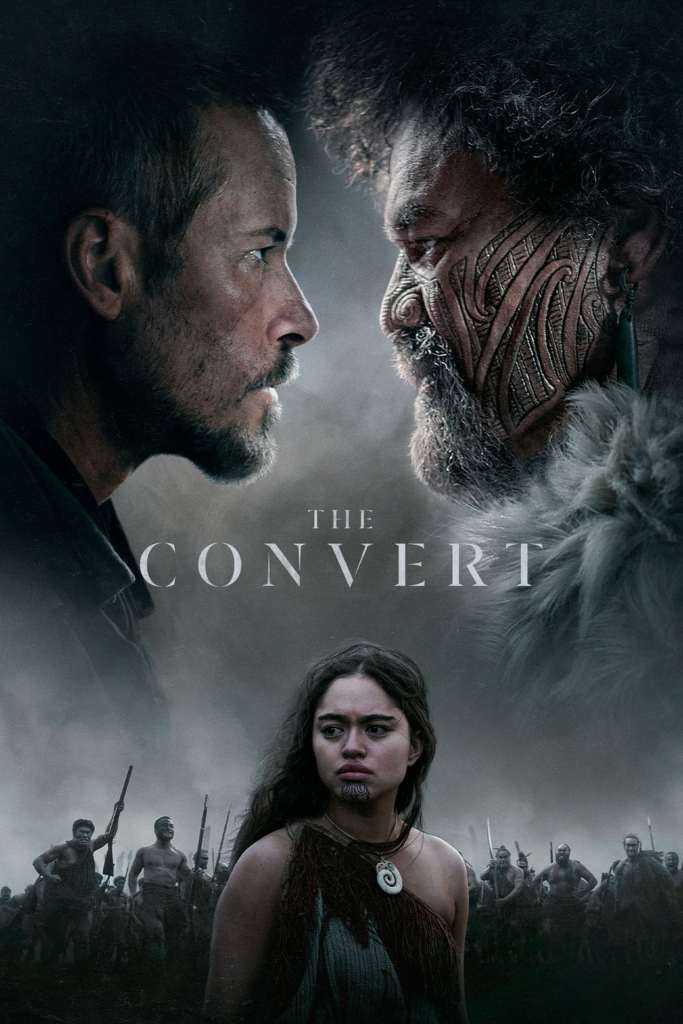
Just like ol’ Viggo above, another actor I’ll seek out is Guy Pearce. His latest is The Convert, a historical film out of New Zealand. He plays Thomas Monroe, a British clergyman in the early 19th century, newly come to New Zealand to spread Christianity to “the savages.” Internally, he sent himself to the most remote place on Earth as penance for some atrocities he once committed as a soldier in The King’s Army. Monroe walks right into a brewing war in New Zealand though. There are two tribes at odds, and the daughter of one chieftain has just been kidnapped by the other. She is about to be executed when Monroe begs for her life, trading his prized horse for her. The chieftain agrees and Rangimai goes to live in the English settlement with Monroe. Just when you think this is going to be another white man savior film (and I thought we were long past that), the real shit hits the fan. The long-simmering hatred between the two clans bubbles over, and a war breaks out. Monroe tries to caution peace, knowing that sooner or later the Brits will come in force and only a united people will be able to keep them at bay, but Rangimai’s chieftain father retorts that peace can only come after war. Unfortunately for him, the rival chief has been trading with the British for years, and has more access to guns and knowledge of their warfare. It’s an “ok” movie, nothing that really breaks new ground, but there’s plenty of bloodshed to satisfy the masses and a story that is engaging enough to keep you wondering how it all ends. The one knock is all of the characters are pretty stereotypical, so don’t expect anything too deep. ★★★
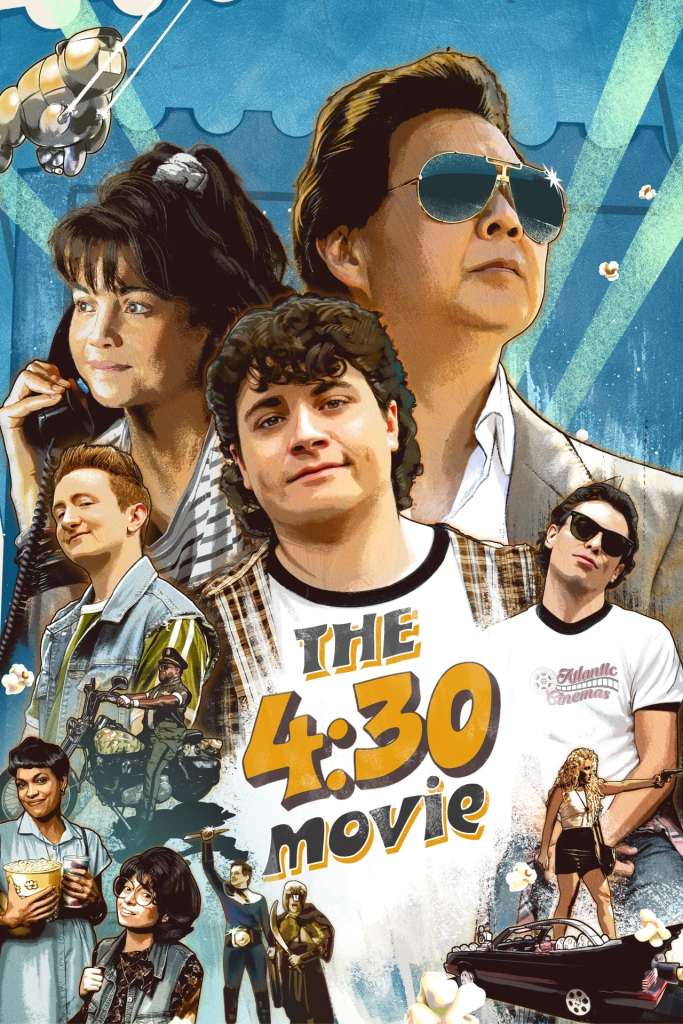
Writer/director Kevin Smith has (almost) always done will with moviegoers, but his films have long struggled with the critics. His latest, The 4:30 Movie, has done much better with the latter, perhaps owing to being a much more personal film (critics tend to eat that up). It’s about a junior in high school named Brian who obsesses over movies and can rattle off info about films with the best of them. For a year, Brian has secretly been in love with sophomore Melody, but hasn’t had the nerve to ask her out. That changes when a film comes out that he knows she would like to see, so he finally finds the courage to call her and ask her to see the 4:30 showing of this new movie. She responds positively, and the date is set. First though, Brian has to contend with his two buddies, one of which hides behind a masculine macho veneer to mask his own feelies of inadequacy. The three friends have a full day planned at the local theater, buying tickets to the matinee show and then sneaking into various R rated movies the rest of the day, including the film that Brian and Melody plan on seeing. Obstacles in their path include overbearing parents and the theater’s owner, who keeps trying to kick the boys out (played hilariously by Ken Jeong). Taking place in 1986, there’s tons of funny throwbacks and easter eggs for those who lived in the 80s, and it is definitely a trip down memory lane. The film (almost) drops the raunchy humor that usually infuses a Kevin Smith film, settling more for a teen flick about friends and love that holds as true now as it did in ’86, though maybe with fewer mullet haircuts. Smith based the film on his own experiences of sneaking in movie theaters and his first romantic encounters as a teen, and you can tell that he wrote from the heart on this one, even if some tidbits are still heavily pulled from his earlier films too (there’s even a Silent Bob-like stand-in in the form of one of Brian’s friends). ★★★½
- TV series recently watched: The Diplomat (season 2), Static Shock (seasons 1-2), Tulsa King (season 2)
- Book currently reading: Downfall by Jean Rabe

 Jons Movie Takes