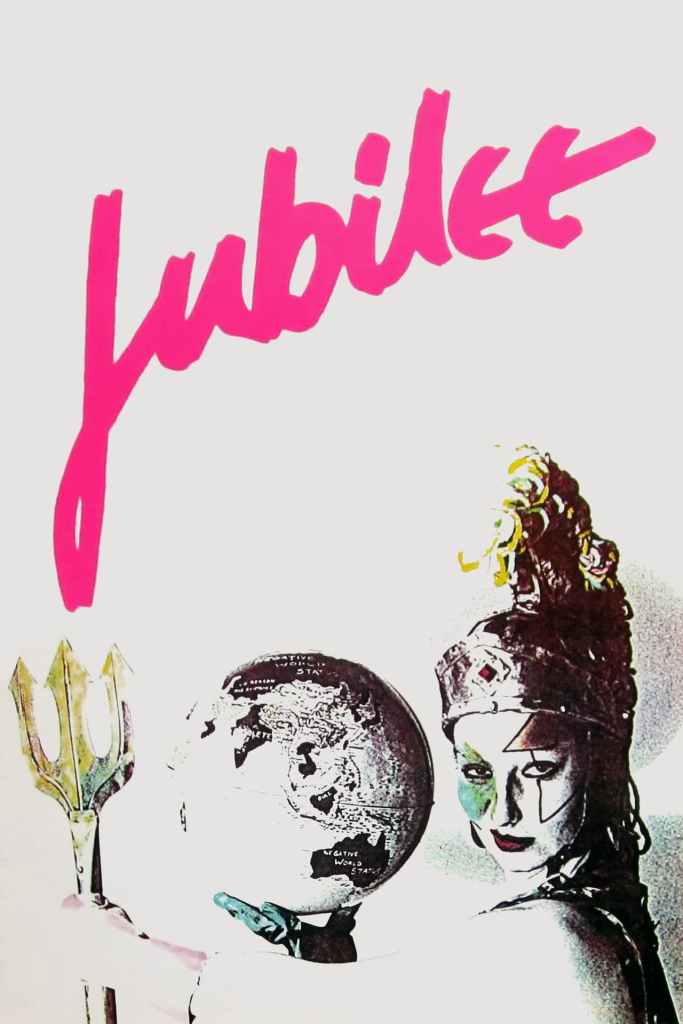
Today I’ve got a set of classic films out of the UK, but I’m starting off on rocky footing with 1978’s Jubilee. It’s an anarchist film about what Queen Elizabeth I would see if she looked into a future England. What she sees is pure madness. Social order is gone. Roving bands of women terrorize anyone on the streets. Buckingham Palace has been taken over by a record producer, who is the real controlling power in the nation. And everyone seems insane. There’s a loose plot about a group of friends who hang out breaking shit all day, but the whole thing is a real mess. I made it through about an hour and finally quit. Doesn’t make any sense, doesn’t seem to be going anywhere, and honestly seems to have been thrown together and improved without a script or plan. Hopefully this is the low point in today’s films! ½
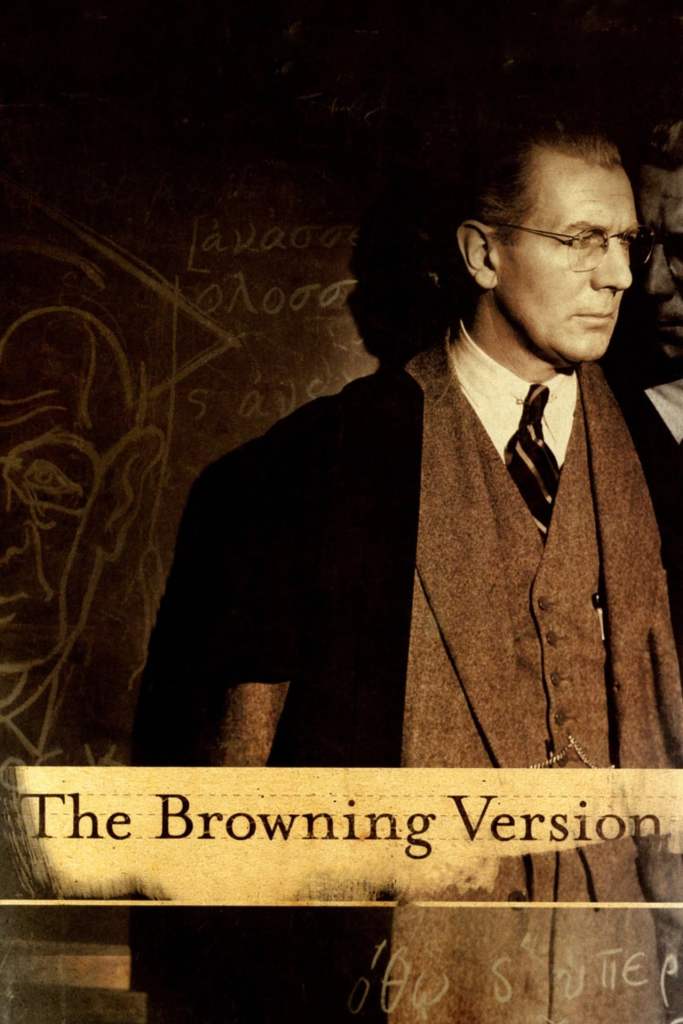
There’s a lot of talk today of nepo babies, but it is far from a new concept. Director Anthony Asquith was the son of the Prime Minister of England, but he did do his best to distance himself from the “family trade” and make his own mark (even if his lineage did open plenty of doors early in his career). After a few well-received silent films and a breakout in Pygmalion, he had a big hit in 1951 with The Browning Version. The film takes place in a boys school in England and follows teacher Andrew Crocker-Harris (played by Michael Redgrave, who won Best Actor at Cannes for the role). Andrew is being forced into retirement, with the school using his failing health an excuse, though we quickly learn it is actually because of his poor popularity. Despised by his wife (who is opening cheating on him, and who he can no longer provide for after the loss of his career), ridiculed by the students, and not well thought-of by the other teachers either, Andrew’s life turned out nothing like he would have thought. At one point in the film he admits he was a bright student with a promising future, but went into teaching to inspire the next generation. He has done anything but, and any hope or inspiration he was displayed is long gone. A totalitarian, he has no sympathy for his students, reprimanding them for any small infraction, and demanding perfection in their work and play. It’s easy to dislike Andrew for his dour attitude towards everyone in his life, both professionally and personally, but the film slowly turns as you realize that, while maybe a product of his own making, it is still a very sad life to live. There is, though, a glimmer of hope near the end of the film, when a student gives Andrew a parting gift that leaves him full of emotion, and the idea that, just maybe, he can be redeemed. You have think that this was a deeply personal film for Asquith to make. With his Prime Minister father and popular socialite mother, and an early film career where he was neck-and-neck with Alfred Hitchcock in the silent film era as two “up and comers,” Asquith’s career obviously never reached the heights that may have been expected of him. I adored this film, and Redgrave’s performance of a man beaten by society and himself is superb. ★★★★★
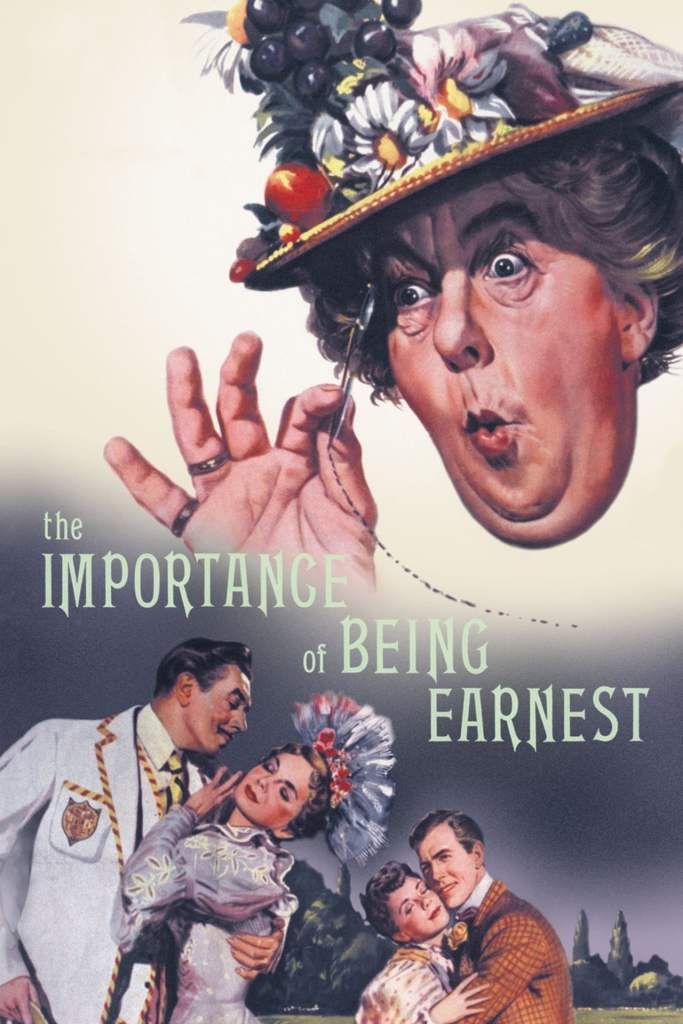
Asquith followed up the next year with The Importance of Being Earnest, based on an Oscar Wilde play. The play was hugely popular but its initial run was cut short, as Wilde was on trial for being a homosexual. They may have silenced Wilde but they didn’t silence his works, and this story has gone on to become one of his most popular. In the opening we are introduced to Jack Worthington and Algernon Moncrieff, two friends and men-about-town in late 19th century London. Jack has an estate in the country and a ward who lives there, Cecily, who is almost of age to be introduced to society. The city-loving Jack couldn’t abide to stay in the country all the time, so long ago he told Cecily that he has a ne’er-do-well brother in the city named Ernest, who he continually has to bail out. In fact, Algernon thought Jack’s name was Ernest, as that is what he goes by when in the city. Algernon admits that he too has an imaginary “friend,” Bunbury, who he uses as an excuse to avoid dinner dates with his oppressive aunt Lady Bracknell. Here comes the twist: Jack (as Ernest) falls in love with Lady Bracknell’s daughter Gwendolen, who loves Jack principally because his name is Ernest (“a refined and dignified name”). Later, Algernon goes to Jack’s country state and pretends to be Jack’s nefarious brother Ernest, and Cecily falls in love with him, also owing partly to that dashing name Ernest. So now we have 2 Ernest’s, neither of which is a real person, and they are all in a big pickle, with the Lady Bracknell wanting to get to the bottom of it before she lets her daughter or nephew marry. This is one of the dialogue-driving plays the likes of which you don’t see much anymore, and the repartee flies fast and furious, so you’ve got to pay attention, but if you do, you’ll find plenty to laugh at. It’s hilarious (especially the scene when Gwendolyn and Cecily meet, each thinking they are engaged to the same man, Ernest, and start to try to one-up each other over lunch). Lady Bracknell is pure comedic gold. A great film. ★★★½

The Ruling Class is a dark comedy released in 1972 and stars the great Peter O’Toole as Jack Gurney. Jack’s father Ralph, Earl of Gurney, holds an important seat in the House of Lords, but Ralph accidentally suffocates himself one night, leaving Jack as heir to the seat. Unfortunately, Jack, a schizophrenic, thinks he is Jesus Christ, or “JC” as he likes to be called. But don’t worry! The family has a plan. Jack’s uncle Charles plans on getting Jack to marry his (Charles’) mistress Grace, getting her pregnant with the next heir of Gurney, and then getting Jack committed to an asylum so that the seat will move over into Charles’ lineage. Plans go awry when Grace actually falls in love with crazy old Jack, and the waters get murkier when Charles’ wife Clare starts sleeping with the psychiatrist overseeing Jack’s condition, in order to further her own plans and ambitions. This film is very funny, with Jack providing plenty of laughs as “JC.” Whenever someone says “Oh my God” and he pops up. Or going to sleep standing upright on a cross he had built in the parlor. Just use your imagination, and ol’ crazy JC will one-up you. I laughed long and hard, even when the film takes a dark turn in the final third, when Jack is “cured” of thinking he is Jesus Christ, only to now think he is Jack the Ripper. A satire on the people in power, it’s good stuff. ★★★½
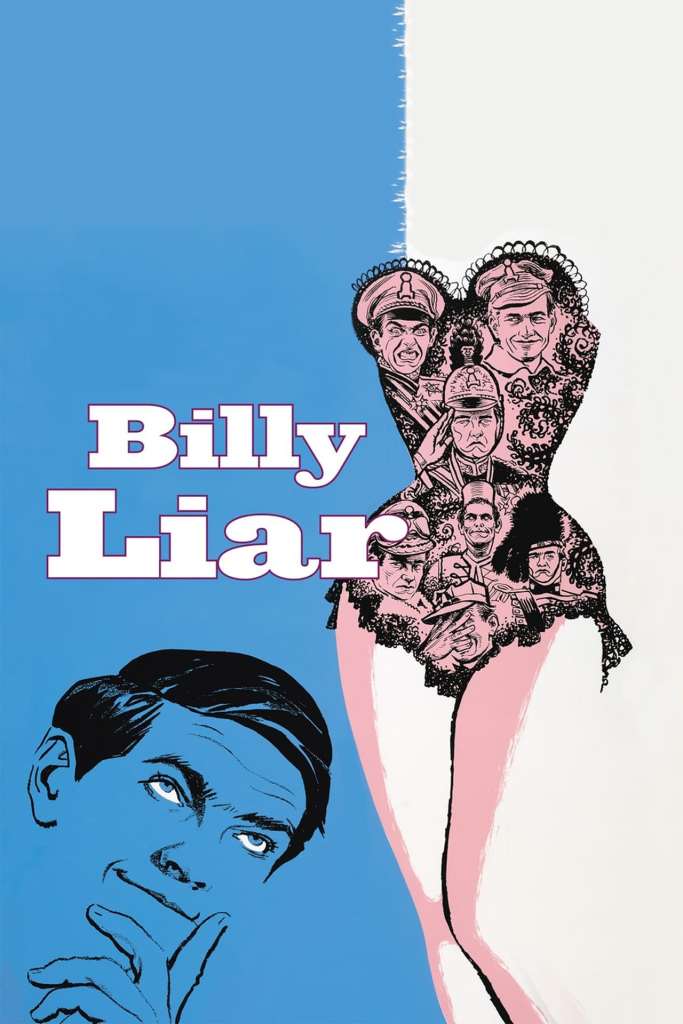
Billy Liar is an early film from celebrated director John Schlesinger, and stars Tom Courtenay and a young Julie Christie in her breakout role. The eponymous Billy is Billy Fisher, a young man living with his parents and grandma in a semi-detached house outside London. Billy lies with every breath that he takes, to his parents, his friends, his boss and coworkers (at a funeral home). He lies because he hates the monotony of it all, and feels stuck in this dreary life. To escape, he daydreams about being a celebrated general of the fictional kingdom Ambrosia, where he gives speeches in front of stadiums full of people cheering his every word. The likeness to Hitler or some other autocrat is not lost on the viewer; in a life where Billy feels he has no power, he dreams about having absolute control over everything. Unfortunately for Billy, his lies are about to catch up with him. He has two girls that he is supposed to be engaged to (he “borrowed the ring back” from one, to give to the other), and he is quitting his job because he has “landed a promising new career in London,” which is definitely not true. For much of the film I was pretty indifferent to Billy’s cause, feeling like his problems are the result of his own actions, but I came around to realizing the impotence he feels in his life by the end, which lends sympathy to his decisions. And when he has a chance to really leave in the end, with a friend willing to go with him for support, will Billy finally make the move? The ending raised this film in my esteem, it was not doing it for me at all before then. ★★★
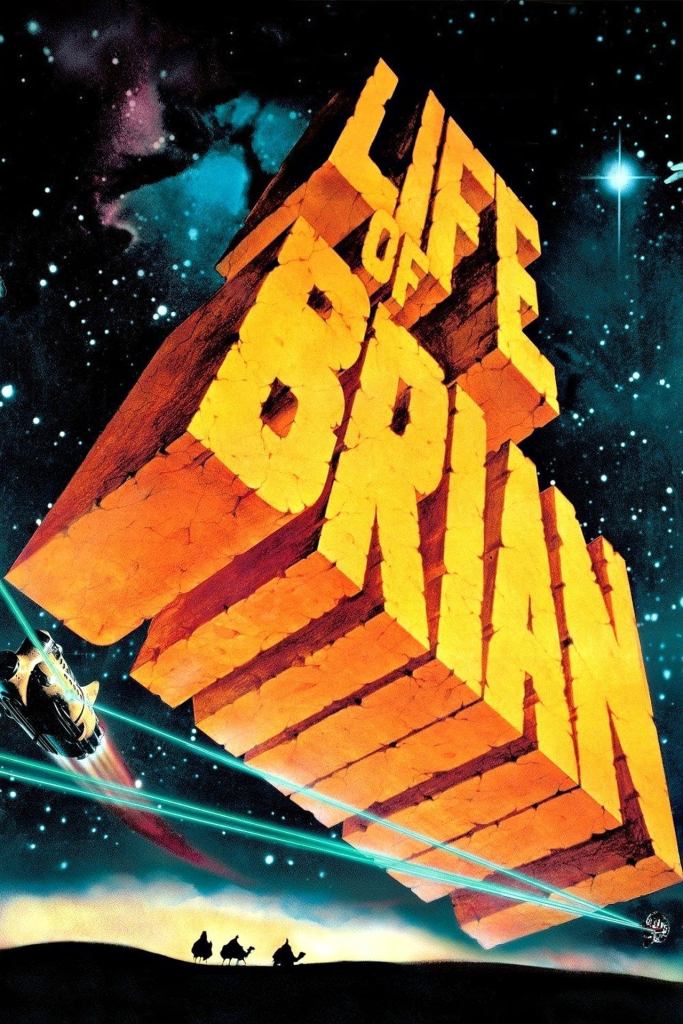
I usually only blog about movies I’ve never seen before, but everyone has seen Monty Python’s Life of Brian a time or two. However, I hadn’t seen it in 25-30 years, since I was in school anyway, so I got to see it with fresh eyes. The story made waves when it was released in 1979, about a man (Brian) born in a manger next door to Jesus. Talk about drawing the short straw. Nothing goes right for Brian throughout his life. From learning that he is the son of a Roman (he tearily asks his mom if she was raped, and she quips, “Well, yeah, at first…”) to being mistaken as the Messiah, leading to his own crucification in the end, Brian lives a life that would never be confused with inspiring. Nothing is off limits for the Pythons, and the troupe makes fun of just about everything, leading to lots of laughs but also lots of censorship when it came out. Catholics trying to get it banned only made people want to see it more, and certainly gave it cult status early in its release. Today it is considered a true classic and its comedy has stood the test of time. ★★★★½
- TV series recently watched: Agatha All Along (series)
- Book currently reading: Downfall by Jean Rabe

 Jons Movie Takes
Ah, yes … The Life of Brian … Just how many times did you kids watch that!!?? 🤣🤣
LikeLike