
Wolfs is getting middling reviews, with people saying things like, “The only thing going for it is Brad Pitt’s and George Clooney’s camaraderie,” and, I thought, “I love those guys when they are in movies together!” So maybe this film was just made for me, and I did indeed really, really like it. It begins with a scream in the dark. An up-and-coming district attorney named Margaret (Amy Ryan) was fooling around with a younger man in a hotel room when he bounced off the bed and crashed through a glass table, killing him. With her bright political future in peril, Margaret calls an “emergency number” once given to her for just this kind of situation, and a short time later, in walks a “fixer,” (unnamed, played by George Clooney). He’s there to “take care of it” and put things right. Unfortunately, the hotel has hidden cameras everywhere, and the hotel owner, not wanting to get the bad press, has hired its own fixer, so very soon, in walks another man (again, no name, played by Brad Pitt). These two men don’t know each other, and they don’t want to know each other. Both are used to working solo, as the job requires, but now they have to work together (Margaret only trusts “her guy,” the hotel only trusts “its guy”). The only problem for them is the dead guy in the bedroom may not be so dead after all, and not only that, but there’s enough drugs in his backpack that some bigger crime lord is most certainly involved in some way too. So begins a wild night around New York. The film takes place all over that one night, and it is a whole lot of fun. Thrilling action with gun fights and mob bosses, and lots of laughs from the hostile banter between Clooney and Pitt. ★★★★

I think I’m done looking up films from Japanese director Ryüsuke Hamaguchi. After being blown away by his last two pictures, I’ve been pretty underwhelmed by his earlier stuff. Happy Hour, from 2015, is good-to-very-good, but it is super long at over 5 hours, and I felt every moment of it. It follows the lives of four women, life-long friends, and looks at their personal and interconnected lives. Sakurako is in a weird marriage with a domineering but cowardly husband. Jun is currently trying to divorce her husband, but she has no cause (apparently Japanese divorce court is a lot stricter than ours), and he seems hellbent on keeping her as his wife, whether she’s happy or not. Akari is already divorced, and works as a nurse, where she runs the ward with an iron fist, belittling the new nurse who is training there. Fumi seems pretty content with her marriage and life, but her husband has a wandering eye, so you get the feeling that all will not turn out well. Everything I said takes hours to develop, and nothing comes easy in the movie, but some of what does work is the slowly-developing answers that do (finally) come in the end. But man, they take a long time in coming. Two very long sequences in particular really tried my patience: one is early in the film, when the four women attend a communications seminar by hippy-dippy “expert” Ukai, who has a part to play later in the movie too. This seminar goes on for like an hour by itself, as they do group activities that have nothing to do with the rest of the film. The second: a reading by an author later in the movie. Literally a woman reading from her new book, for again, like 40+ minutes, as some (minor) drama happens in the hallway outside. Good God, if you make it to the end, it feels like a war of attrition. I liked it well enough (eventually), but I really don’t have any desire to sit through it again. ★★★½
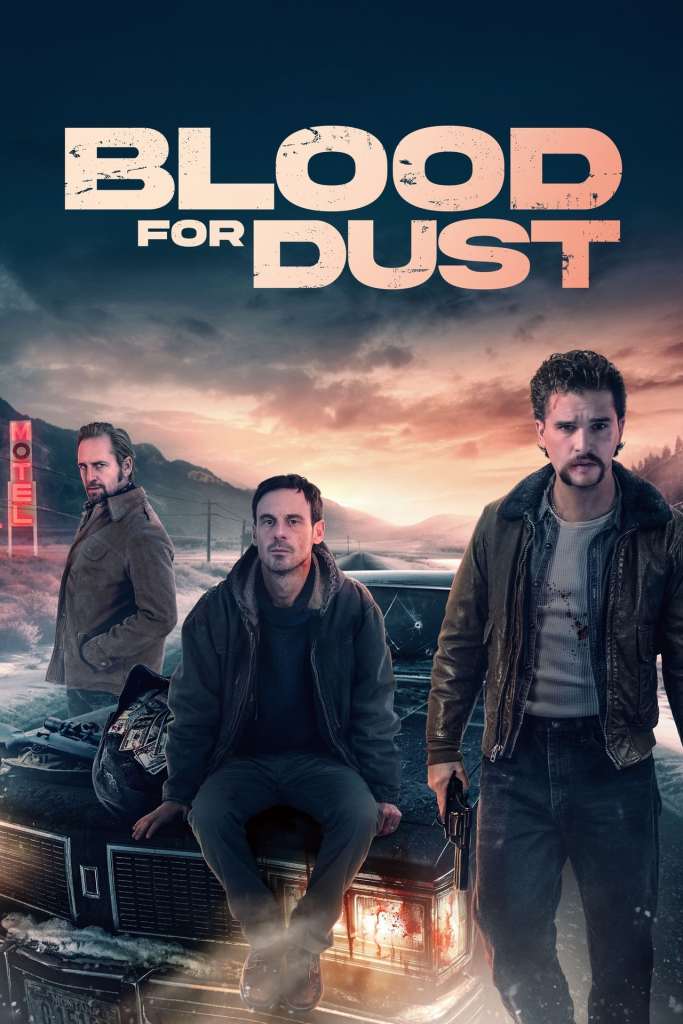
Blood for Dust got some good reviews and has that guy from Game of Thrones (Kit Harrington, aka Jon Snow), but it really let me down. Taking place in 1992 (I guess so they can’t give the characters cell phones?) it follows a traveling salesman named Cliff (Scoot McNairy, who is very good here) who is struggling to make a living in a dying industry. At the beginning of the film, Cliff and his buddy Ricky (Harrington) witness a boss commit suicide, but the why of it is left until much later in the film. 17 months later, Cliff is struggling as I said, when he is approached by Ricky with a job proposition: running guns and drugs. Cliff is the perfect mule, as he has been making long drives all over the Pacific Northwest for a decade, and “knows every waitress and motel from Montana to the coast.” Cliff, who devoutly attends church on Sundays, doesn’t seem like the kind of guy who’d be down for this job, but his son is fighting cancer and he has been wracked with guilt with what went down over that earlier suicide, so he takes the dangerous job. The rest of the film plays out like your standard crime thriller, with lots of double-crossing and gun fights. Nothing spectacular, and after so many gotcha- moments, I started rolling my eyes more and more. ★★
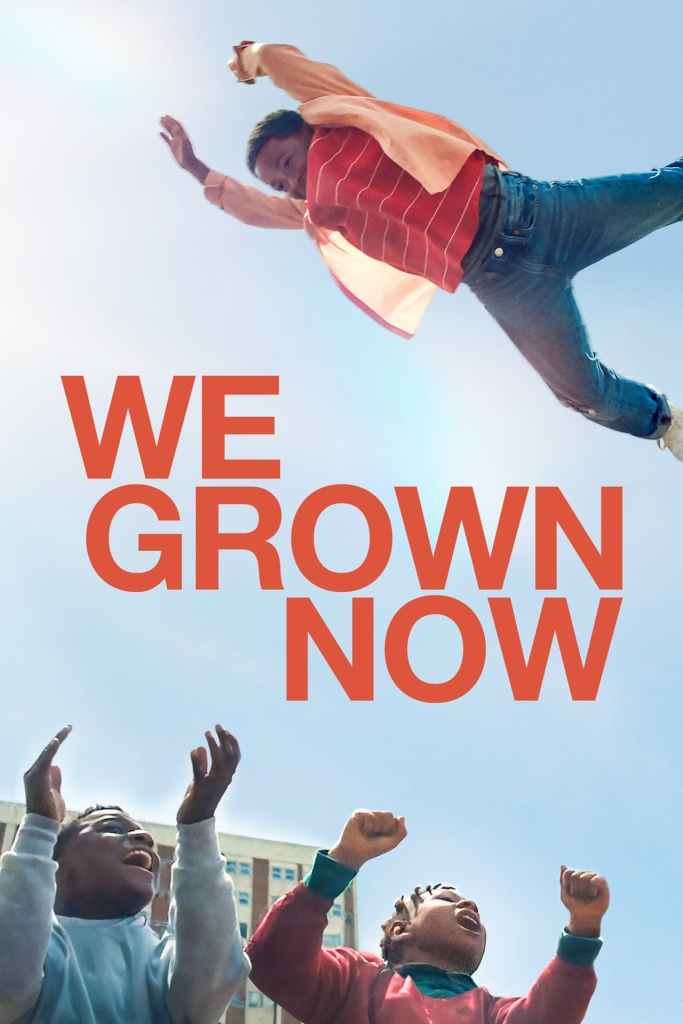
We Grown Now (which also takes place in 1992, weird coincidence) follows two young boys (maybe 10 years old?) living in the infamous Cabrini-Green projects in Chicago. The older people living in the buildings talk about how when they first came there, kids would play outside and families would gather and hang out, but by 1992, crime is rampant. Malik and Eric are, for the most part, oblivious to the bad parts of the neighborhood, doing just what kids do: playing, getting into trouble, and picking on their siblings. However, the viewer is not oblivious: we see one of their mom’s discussions on the phone about struggling to come up with money, and when the boys skip school and go to, of all places, the art museum, they come home to find their parents rife with worry, thinking the boys were lying dead somewhere. The two boys don’t understand the worry, but it is drilled into them. The police, rather than patrolling more, decide to antagonize the innocent, by making all residents (even the children) carry ID’s at all times to get into the buildings, and one night, raiding the apartments at 2 in the morning, ostensibly looking for drugs but really just wrecking the place and scaring the kids. Through it all, nothing seems to come between Malik and Eric, until it looks like one of them will move away when a better opportunity comes along for his mom. It’s a raw film about the loss of innocence, and eye-opening to me in particular, seeing what these boys are going through at that age; I wasn’t much older myself in 1992, but had a much different experience obviously. I know plenty of families struggle, but you always want kids to just be kids, and not have to worry about “grown up things” until they have to. Good film from director Minhal Baig, whose other film Hala I enjoyed too, a few years ago. ★★★½
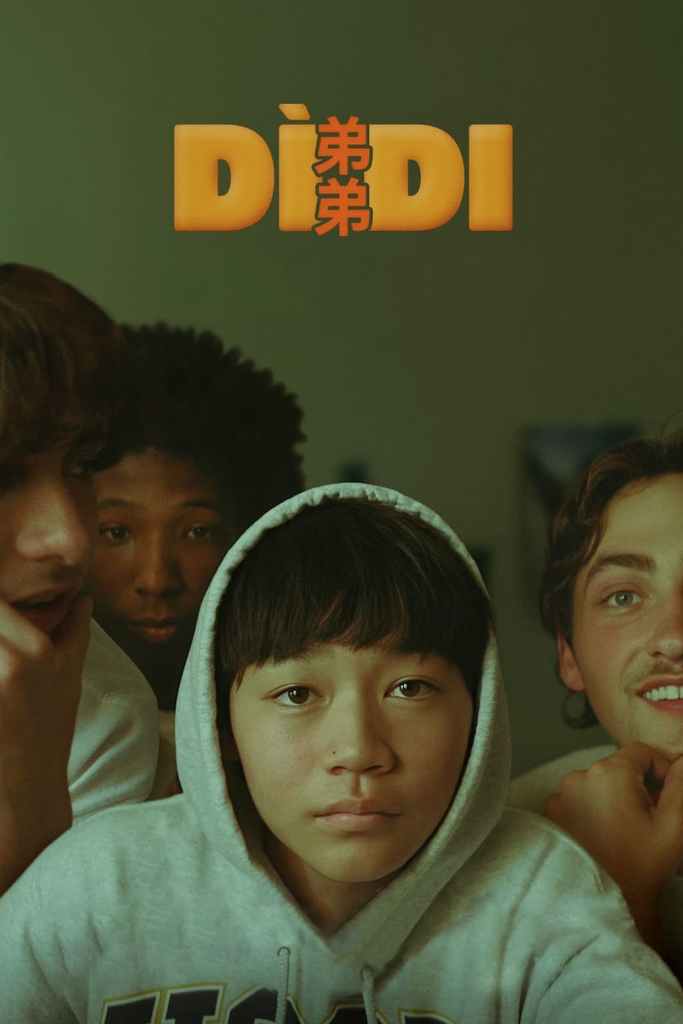
Didi is a good, at times great, coming-of-age film that feels extremely authentic, compared to how some of these films can go. It follows 13-year-old Chris Wang, who lives with his sister, mother, and grandmother in California (their Dad still lives in Taiwan, working there to support the family). Did and his sister are first-generation citizens, fluent in English at school, while Mandarin is still spoken at home, and Chris (called “Didi” by his family and “Wang Wang” by his friends) is very much aware of how different he is compared to his classmates. Still, he is doing what every 13-year-old is doing, which is trying to fit in. Unfortunately for Chris, he doesn’t always make the best choices, and goes out of his way to try to impress the “cool kids” and “pretty girls,” even fabricating stories to get their attention. It’s a balancing act that no one can keep up forever, and hopefully it doesn’t end up losing his real friends in the process. The movie does a fantastic job of putting the viewer in Chris’s shoes, and it is easy to recall that feeling of being left out, and wanting to fit in, of thinking this is your whole world. Obviously looking back with wisened eyes, it’s easy to see you still have your whole life in front of you at 13 and none of what is happening then is really all that important in the grand scheme of things. Chris’s fights with his sister especially had me laughing at memories of some of the stuff I pulled with my brother! Funny and moving film. ★★★½

 Jons Movie Takes