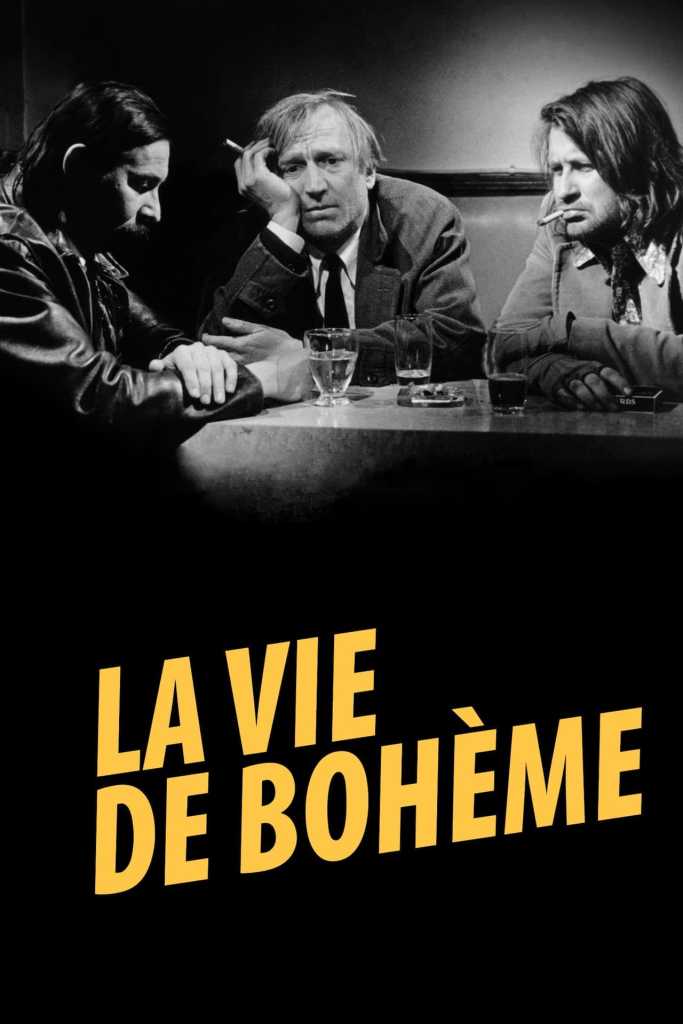
I’ve seen some earlier Aki Kaurismäki films, and his newest, but was missing a chunk in the middle. First up is 1992’s La Vie de Bohème, based on the original mid-19th century novel and most famously adapted into Puccini’s opera and, for me personally, the Broadway show Rent. This film follows a trio of men living the Bohemian life in Paris (Kaurismäki’s first film in French). Marcel is a writer who is evicted from his apartment for failure to pay rent, but refuses to move his goods, which a law allows for up to one year. It doesn’t stop the owner from renting the place to a new person, Schaunard, a composer, but it isn’t long before Marcel and Schaunard strike up a friendship. Joining them is another bohemian, Rodolfo, a painter and immigrant from Albania. The three support each other financially whenever one is short on dough, and form a bond, cheering each other on in their endeavors and relationships, including the women that come into their lives, like Rodolfo’s girlfriend Mimi. However, Rodolfo is picked up by the police one evening when he can’t pay for a meal, and when they check his papers, they realize he is in France illegally. They deport him, with instructions not to return for 6 months. When he comes back, Mimi has found a new man, but she obviously still has feelings for Rodolfo. This film starts off with a lot of the offbeat humor I found in Kaurismäki’s earlier films, but becomes more of a tragedy by the end (do not expect a happy ending). The whole thing is very endearing though, with a real sense of comradeship between our friends, who will do anything for each other. ★★★½
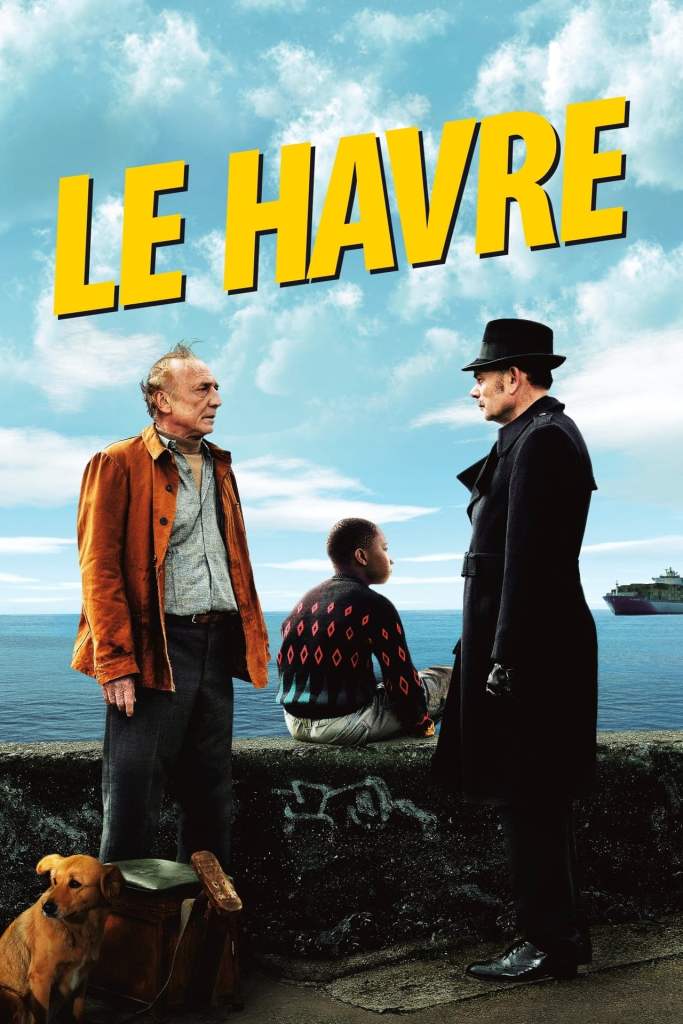
Kaurismäki returned to one of these characters 19 years later, in 2011’s Le Havre. Marcel has left his bohemian life behind in order to support his loving wife Arletty, but they struggle financially. He never made it as a writer, and works on the street as a shoe shiner, whenever he isn’t being chased off by business owners, that is. Arletty keeps the house and makes the meals, so when she ends up in the hospital with a mysterious illness, she doesn’t know how Marcel will survive on his own. To compound problems, Marcel becomes the caretaker of a runaway, a teenage illegal immigrant from Africa named Idrissa. Idrissa’s family was picked up by the police but he fled, and is now in hiding. Marcel and his neighbors, all lower-middle class workers, pitch in together to keep Idrissa hidden and fed, while Marcel seeks out the boy’s family and how to reunite them. It will take money, in order to hire a smuggler to get Idrissa back home to Africa, but Marcel is willing to do anything to help the boy, hopefully before the police inspector, who is always nearby, finds him. A heartwarming tale about the kindness of humanity, it’s just one of those movies that makes you feel good. ★★★★

The Other Side of Hope drops a lot of the comedy (though there are still funny moments) and is more of a straight-ahead drama, though still in Kaurismäki’s deadpan, quirky style. Like the previous film, it again tackles the immigration problem. Khaled fled the war in Syria and took a circuitous route to Helsinki, Finland, becoming separated from his sister somewhere in Europe. He feels in his heart that she is still alive, but has no way of finding her. His application for asylum in Finland is denied on the basis that the fighting in Aleppo “isn’t bad enough,” despite Khaled burying his parents and rest of his family after their house was struck by a missile. Before being deported, Khaled runs away and luckily finds succor with Waldemar, a man also at a crossroads. Waldemar recently left his wife (for an unknown reason) and has sunk his life savings into a restaurant, the running of which provides most of the laughs in the film. Waldemar exudes a gruff persona but has a soft spot for those at the bottom of the societal ladder, and gives Khaled a place to sleep (in his storage unit), some cash, and a cleaning job at the restaurant. As the film goes along, Khaled tries to find his sister, while navigating the immigration system, smugglers, and anti-immigrant assholes in the area. The film tries to tug at the heartstrings but I never really got caught up in it. Kaurismäki’s style is more suited to eccentric films and when tries to go too political, it doesn’t hit. Good acting though, and the funny spots were decent. ★★½
- TV series recently watched: Mindhunter (season 1), The Fall of the House of Usher (series), All the Light We Cannot See (series)
- Book currently reading: Dark Disciple by Christie Golden

 Jons Movie Takes