
Up today is a quartet of Portuguese-language films, starting with Black Orpheus (technically a French-produced film with Marcel Camus in the director’s chair, but it was filmed in Brazil). A modern take on the classic legend Orpheus and Eurydice, it moves the setting from Greece to Rio de Janeiro, taking place during the hustle and bustle of Carnival. Eurydice is a beautiful young woman newly come to the area when she is smitten by trolly driver Orfeu. Orfeu is engaged to Mira, but does’t seem as pleased to be as he should. Eurydice and Orfeu begin to flirt, even as she keeps an eye out for a shadowy character (Death) who has followed her from her from her village, and Death says he will have her before long. When he finally catches her, by Orfeu’s unknowing hand no less, Orfeu is wracked with guilt and does not accept her demise. He follows her body to the hospital and goes through his own version of Hades, to find her soul and bring it back. People who know the legend know this will not end happily. The story is a classic for a reason and it is told well here, with gorgeous colors and the constant rhythm and dance of Carnival going on throughout. It does drag at times, where we see whole sections of the film devoted to the partiers and not the plot, but the story is worth it. ★★★
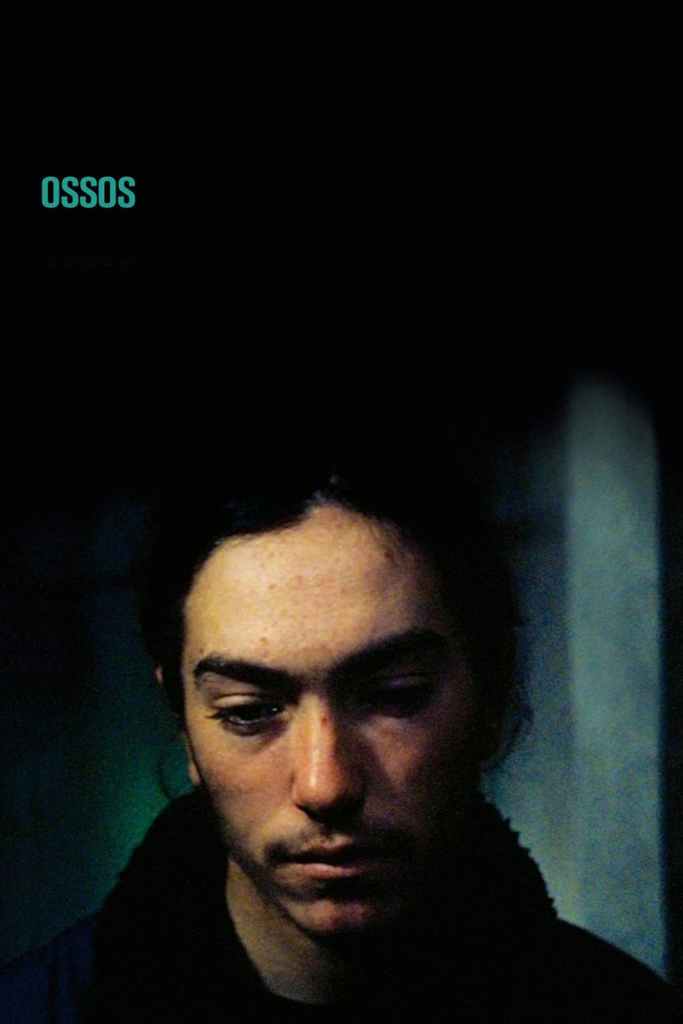
The final three films take place in Portugal, in Lisbon’s poor Fontainhas district (which has since been demolished). Directed by Pedro Costa, these films shine a line on the rundown area and the people who struggle to live there. First is Ossos, which has 4 main characters. Tina is a young mother (she looks not much more than a teenager) who has just given birth to a baby nobody wants. Tina is depressed and suicidal, and tries to kill herself and the baby in an early scene. Keeping Tina alive is her best friend Clotilde, a woman not much older herself, but who already has a toddler of her own. Tina’s baby daddy is never given a name (almost as if his poor excuse for an existence does’t deserve a name); he is a listless, uncaring, waste of a breath young man who continually tries to find someone who will buy his baby and get it off his hands. Thankfully one person he asks for money on the street is a nurse named Eduarda, who gets to know the trio of people and does her best to keep everyone going. The film does a great job of preventing Eduarda from becoming the savior role; the baby’s father will take any handout offered, but Tina and Clotilde will only accept the bare minimum needed to stay alive. This movie will test your patience, as there is little dialogue for most of its run. It seems like there’s nothing more than a few words spoken for the first hour or so, and the camera spends equal time on the characters as with the slums where they are living, but it all comes together in the end. I’m hoping there’s a little more movement in the next two films. ★★½

Hopes dashed. In Vanda’s Room is (I think) more of a documentary than a film, because there isn’t really a plot, it is just setting up a camera in the corner of the room and watching what happens. And you know what happens in the slums? People do lots of drugs, the predominant one being heroine. The eponymous Vanda is Vanda Duarte (the actress portraying Clotilde in the previous film, here as herself this time). She doesn’t do shit, other than lay around and do smack with her sister or anyone else that happens by their hovel – with no locked doors, that could be any homeless wanderer. The film also follows a trio of friends who live nearby, and whereas Vanda is still in the smoking stage, these guys have advanced to needles, and they discuss the pitfalls such a life has. While all this is going on, we also see scenes of the government coming in and evicting people and starting to tear down the neighborhood. In fact, the final scene in the film, a powerful one, shows Vanda lying nearly comatose as we hear a bulldozer, very near by, tearing down something. I’m surprised she made it that far though; with an hour left in the film, she had already wasted away to skin and bones and was coughing horribly, and I didn’t think Vanda would make it to the end. If the director is trying to get me to feel some sympathy for these “poor people,” he’s wasting his efforts on me. I can’t feel sorry for someone who can’t even do a household chore because they “need to shoot up first.” All everyone did in the movie was bitch about stuff they had to do when all they wanted to do was get high. ★½
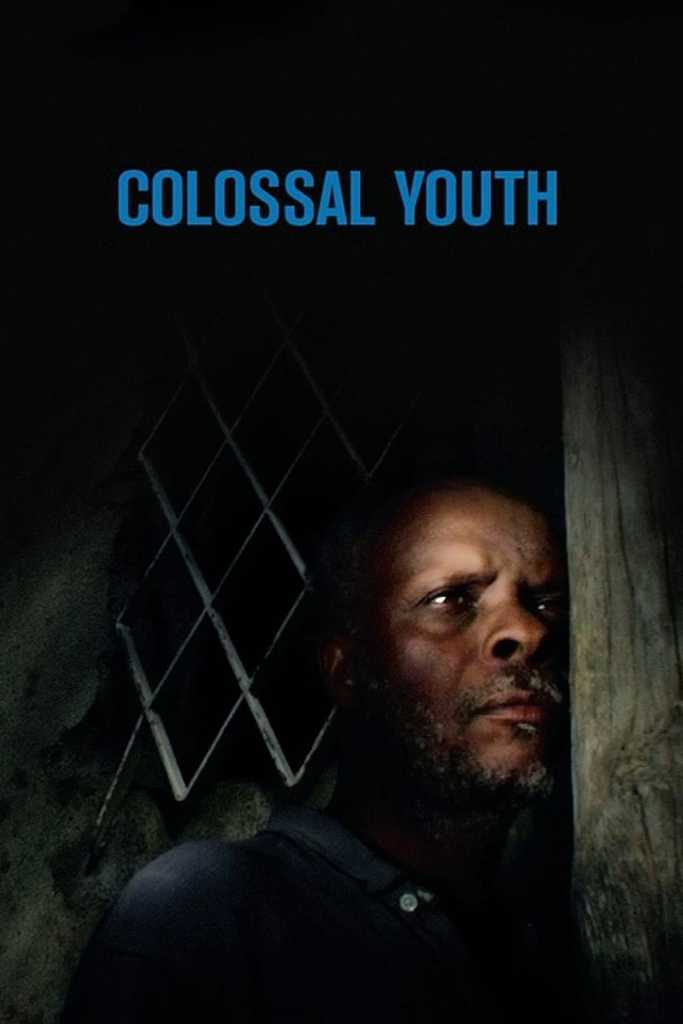
Colossal Youth finally delivers the kind of film I’ve been hoping for. Ventura is an old man who will talk to just about anyone he comes across, calling many of them his “children” (and some return with a “Papa”). Some people engage with him, some ignore him entirely. Formerly living in the Fontainhas district, where nearly everyone has been relocated to a staid government-subsidized apartment building before they finish tearing down those slums, Ventura is having a hard time finding a new place of his own. He finds fault with every apartment he is shown, for either being too small for all his “children” or because it has an imaginary spider infestation. Vanda is still around, now married and with a toddler. She looks healthier than she did in the last movie, having put on some weight and claiming to be drug free for 2 years, but those years of drug abuse have taken their toll. She looks decades older than she did in the first film made just 9 years earlier, and she is always sick. As for Ventura, he has lucid moments where he’ll remember a long-dead son, but he often looks lost, wandering between the apartment buildings and his old stomping grounds in Fontainhas, visiting those few who still live there. But are there really any people still there? Took me awhile to figure it out, but it seems Ventura converses with ghosts more than he does with the living. Outstanding, poignant film that continually surprised me. ★★★★
- TV series recently watched: The Terminal List (season 1), Mr Robot (season 2), The Peripheral (series)
- Book currently reading: The Butlerian Jihad by Herbert & Anderson

 Jons Movie Takes