Quick takes on You Resemble Me and other films

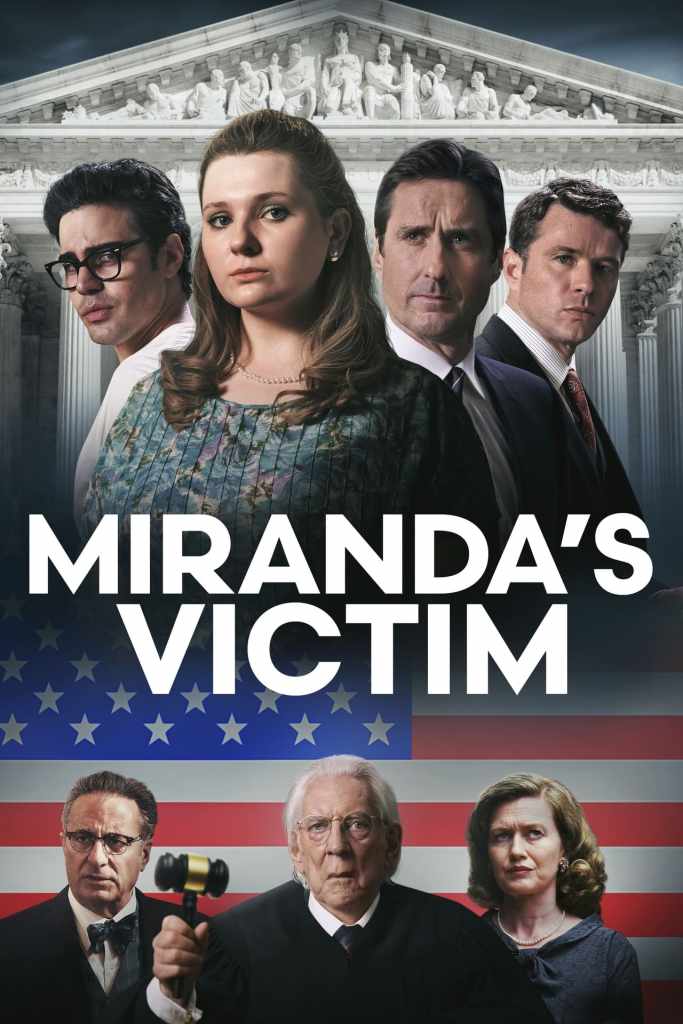
Everyone knows the first thing a police officer is supposed to tell you during arrest, “You have the right to remain silent,” etc. The story of those “Miranda Rights” traces to the 1960s, and this film tells the forgotten story of the victim in Ernesto Miranda’s crime. In 1963, 18-year-old Patricia Weir is coming home from work late one night when she is grabbed by a man in a car, driven to a remote location, and raped. Shy and innocent from a sheltered upbringing, Trish can’t even accurately describe what happened to her. Her mother wants to hush it up and pretend it didn’t happen, afraid that no future husband will want Trish if she isn’t “pure,” but Trish’s older sister urges her to go the police. The police don’t do much to help rape victims in the 60s, but luckily Trish gets a resilient detective, who uses her description of the car to track down Ernesto. At the station under an hours-long interrogation, Ernesto confesses and is sentenced to prison, but later says that he was coerced. His appeal, where he states he never was told he could have a lawyer present, goes all the way to the Supreme Court, which rules that his confession must be thrown out due to not being told of his rights. Heartbroken that her rapist is set to go free, Trish has to put herself through a second trial, with little hope that Ernesto will be found guilty without a confession. The movie really makes you think who Miranda’s legacy is protecting: the truly innocent, or the guilty looking for get-out-of-jail-free cards. Strong acting from Abigail Breslin as Trish and a moving story all around. ★★★★★
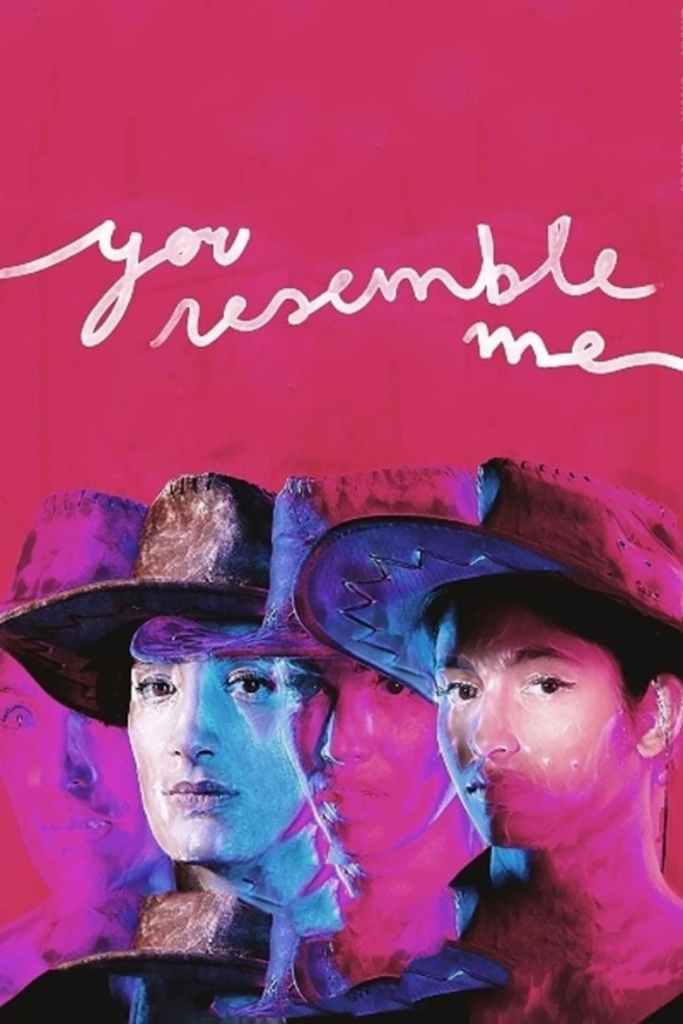
You Resemble Me is a French film following a girl named Hasna. In the beginning, Hasna and her sister Mariam are inseparable, a bond forged through their terrible home life. Their father isn’t in the picture, and their mother only looks up from her stupor when she’s interested in something, leaving the kids to fend for themselves for food and comfort. 9-year-old Hasna and 7-year-old Mariam eventually end up running away together, but when picked up by the police, they are put in separate foster homes. Hasna cannot stay in hers, as the white family makes her straighten her dark, curly Arabic hair and forces her to eat pork (non-halal) food, so Hasna takes to the streets, where she is raped right away. After that horrific scene, we pick it up years later, but adult Hasna has not led an easy life. Craving something to believe in (and someone to believe in her), Hasna reaches out to her cousin Abdelhamid, who has become an ISIS terrorist. He lures her with promises of freedom, to fight for a cause, with paradise waiting at the end, but when she joins him, she finds it is not what was promised. The film is a fairly accurate portrayal of the 2015 Saint-Denis raid, where it was initially widely reported that Hasna was a suicide bomber. Directer Dina Amer was at the time a reporter for Vice News, and when it was later reported that Hasna was not the bomber but a victim herself, Amer felt horrible that she aided in spreading the initial narrative. She dove into the real story and made this film to tell Hasna’s life, about how society can fail someone to the point that being radicalized felt like her only escape. Tremendously touching and powerful film. ★★★★½
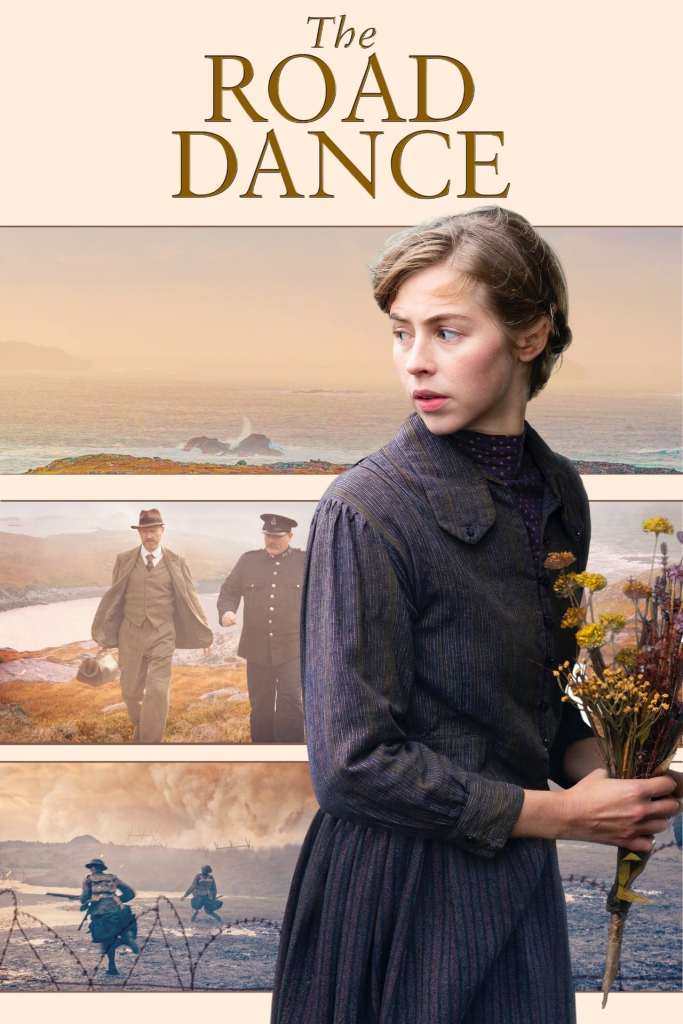
The Road Dance, based on a book, takes place in Scotland during World War I. In a tiny village of a dozen families out near the sea, Kirsty is the young lady every man covets, but she only has eyes for Murdo. Kirsty and Murdo share a love of literature and a dream for kicking the dust off their shoes and seeing the world. Murdo is currently on leave from fighting for England, though thankfully with his booksmarts, he has spent more time behind a typewriter than on the front. Home for now, he and Kirsty renew their promises to each other, but they will have to wait. The other 4 young men in town are conscripted, and they, along with Murdo, will be going to the front this time. To send off the young men, the town throws a Road Dance party, but what should be a joyous event turns to tragedy for Kirsty. When she wanders off alone, she is attacked and raped, but after taking a blow to the head during the attack, she cannot remember the man who did it. The next day, the doctor stitches up the gash on her head, and of course notices signs of her attack, but keeps her secret, knowing that (in that era) news of her rape would “ruin” her in public. The secret won’t be kept forever though: Kirsty is pregnant. As the months go by and she and Murdo continue to exchange letters, she keeps her secret from her mother and sister, wrapping her stomach tightly in towels and wearing long heavy coats as concealment. Everything will come to a head before long though, with ramifications for all. Absolutely incredible movie for the first hour-plus, solid 5 star territory for its picturesque landscape and engrossing acting from Hermione Corfield as Kirsty, but a big twist (which is heralded far too soon) comes off as too gimmicky, and the very last scene steals some of the anguish from the film. It’s too bad too, before all that fell apart, this was shaping up to be one of the best films I’d seen in awhile. ★★★½
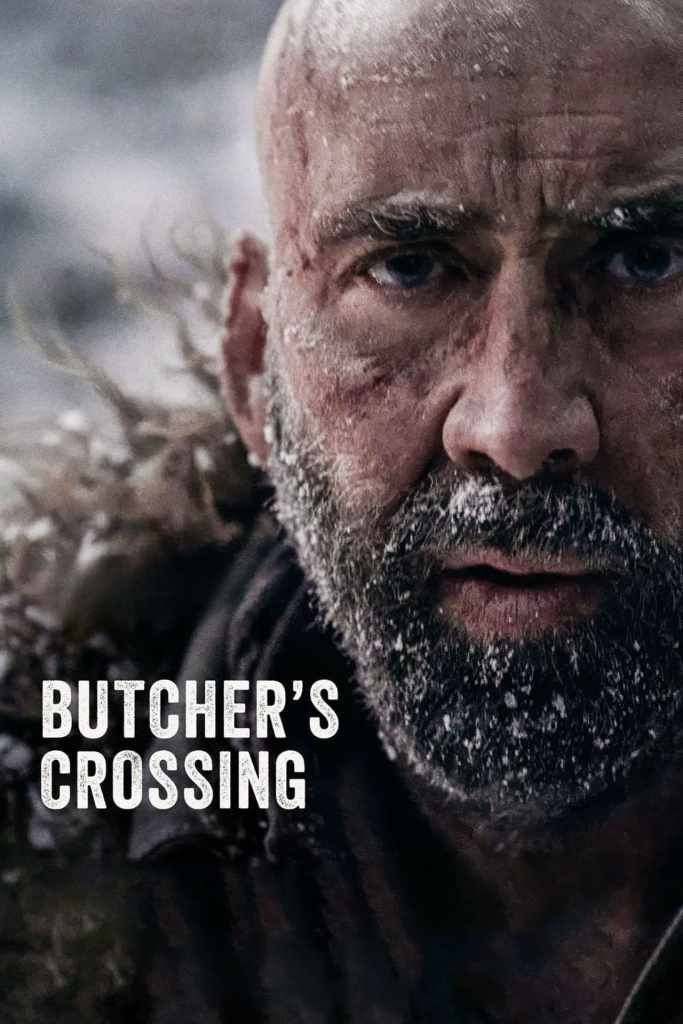
Butcher’s Crossing’s main character is ostensibly Will Andrews, a young man who leaves Harvard in 1874 because he “wants to see the country,” but it really is the hunter named Miller, portrayed by Nicholas Cage, whose face is plastered all over the marketing materials. And honestly, that’s the only reason I watched it. Will leaves school and comes to a tiny bordertown in Kansas called Butcher’s Crossing and falls in with Miller on a buffalo hunt. For years, Miller has been trying to find a financier to fund his expedition into Colorado, where he says he has seen a herd of bison so thick that you can walk across the valley on their backs. No one believes him, so Miller has been scraping by in Butcher’s. The young, gullible Will is his meal ticket. Will breaks out the checkbook and he and Miller, along with a cook and a “skinner,” head out for Colorado. It is an arduous journey in the wild west, but the quartet does make it, and sure enough, there’s buffalo as far as the eye can see. They hunker down and get to work, but even when they’ve killed more than they can carry, and with winter coming fast, Miller refuses to leave until every animal is dead. Winter comes before they can leave, so they are forced to shelter until spring, with madness coming for more than one of them. Sounds exciting, but it mostly isn’t. Nicolas Cage is doing his Nicolas Cage-y thing, which sometimes works, but here it doesn’t, and the plot meanders along with no payoff in the end. For a supposedly wild western, it’s awfully tame. ★½
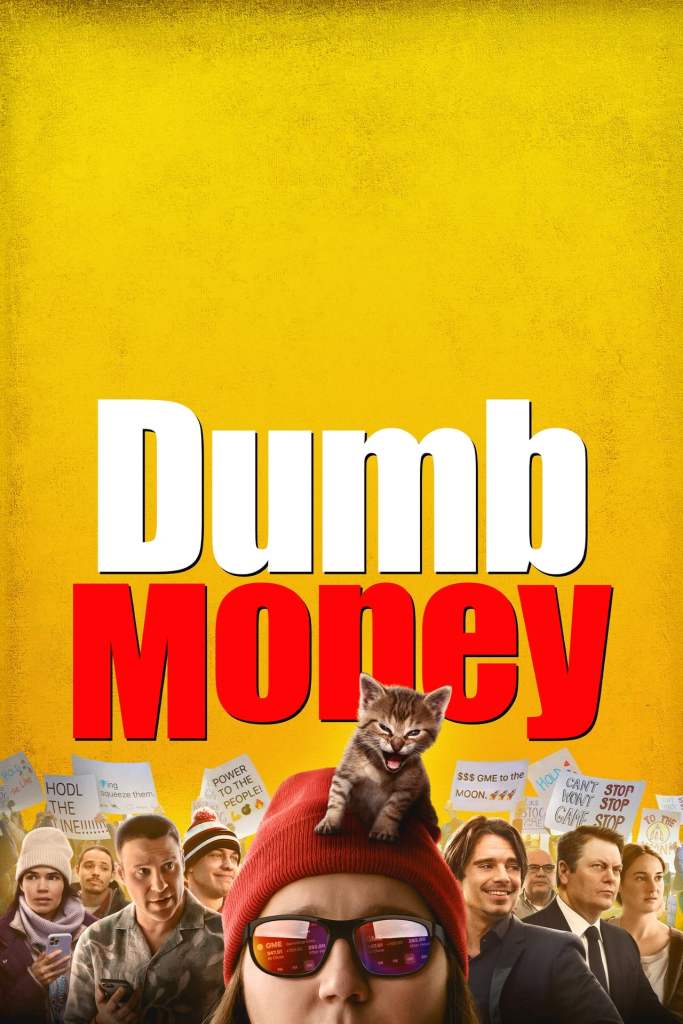
Dumb Money is one of those movies that is highly entertaining, but which will also get you riled up (unless you are a billionaire investor). It tells the famous story of the Gamestop short squeeze in 2021. Keith Gill is a middle class financial analyst who is tired of seeing stocks manipulated by hedge funds. He fondly remembers playing video games as a kid, and believes that Gamestop’s stock is purposefully being held down during the COVID pandemic, with hedge funds shorting it, expecting it to go lower. Keith has a small following on reddit and YouTube, and starts talking about his faith in Gamestop, sharing his beliefs about its true valuation and openly showing how much he is buying in (over $50,000, half of his net worth). His followers start buying in too, soaring the price in just days. All of these single investors start making money, from thousands to hundreds of thousands to, in the case of Keith, tens of millions. Meanwhile, the hedge funds obviously go the other direction, but they aren’t losing millions, they are losing BILLIONS. But they’ve got big government on their side, so if you aren’t angry by the end of this movie, then you probably fall in a higher tax bracket than me. A great movie about how the system is stacked against average-joe investors, with a great cast too (Paul Dano, Seth Rogan, Nick Offerman, Pete Davidson, Anthony Ramos, Sebastian Stan, Shailene Woodley, and others). ★★★½

  • TV series recently watched: Fargo (season 5), The Artful Dodger (series), Mayor of Kingstown (season 2), Beef (season 1)
  • Book currently reading: Dragons of a Fallen Sun by Weis & Hickman
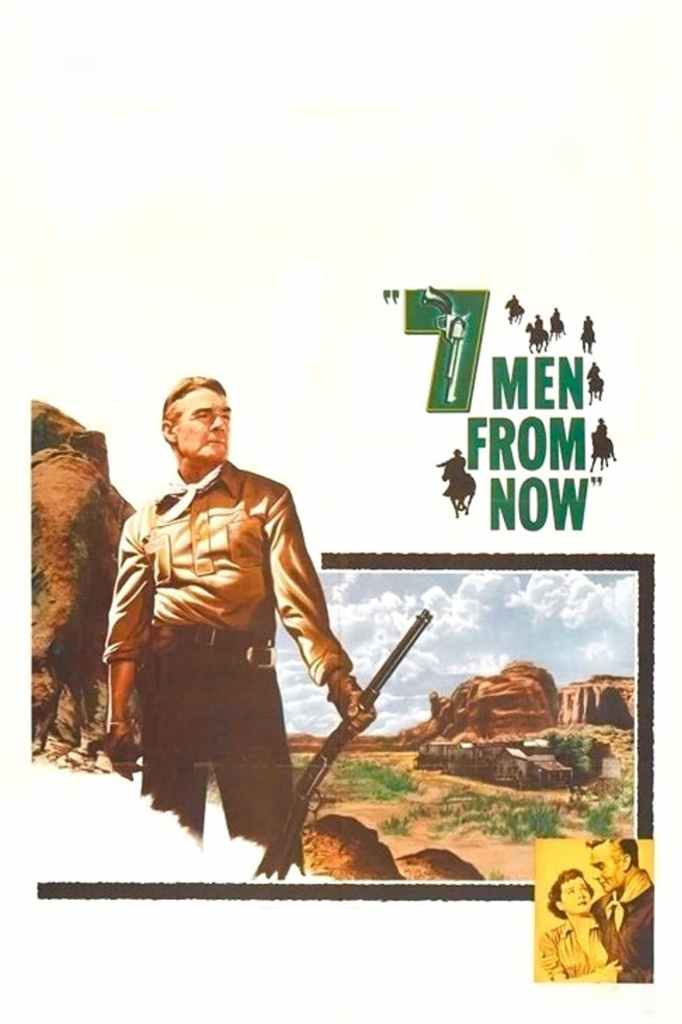
Quick takes on the Boetticher/Scott Westerns

Randolph Scott was once a big name in Hollywood, a leading man and a money draw for decades, especially in westerns, but he’s become almost forgotten in the ensuing time. Up today is a series of 7 films he made at the end of his career in the 50s, all directed by Budd Boetticher. Seven Men from Now isn’t your typical old western. The supposed “good guy,” Ben Stride, opens the movie by gunning down a couple people who seemed to be minding their own business, and we learn after awhile that he is hunting five more men next. After those murders, Stride comes across a married couple, John and Annie, who are struggling to get their wagon out of the mud on a journey to California. Strides helps and agrees to ride along for security for a little while since they are going the same way. Along the way, you can see that he and Annie start to grow close, under the eyes of Annie’s (unmanly) husband John. At a way station, the trio come upon some old “friends” of Stride, Bill and Clete. Looks like Bill and Stride have history, but they set that aside for the moment; Bill says he’ll go along with Stride in his quest, for now. Turns out Stride is hunting the men who killed his wife, and Bill wants to ride-with because those men stole a bunch of money too. This movie goes against the typical western themes of the 50’s: you have good guys doing bad stuff and bad guys doing good stuff. Even Ben openly tells Stride he’s only going along for the money, and when they get it, Stride will be the only person in his way. Great film with lots of true surprises and twists, and even the stuff you see coming plays out wonderfully. ★★★★

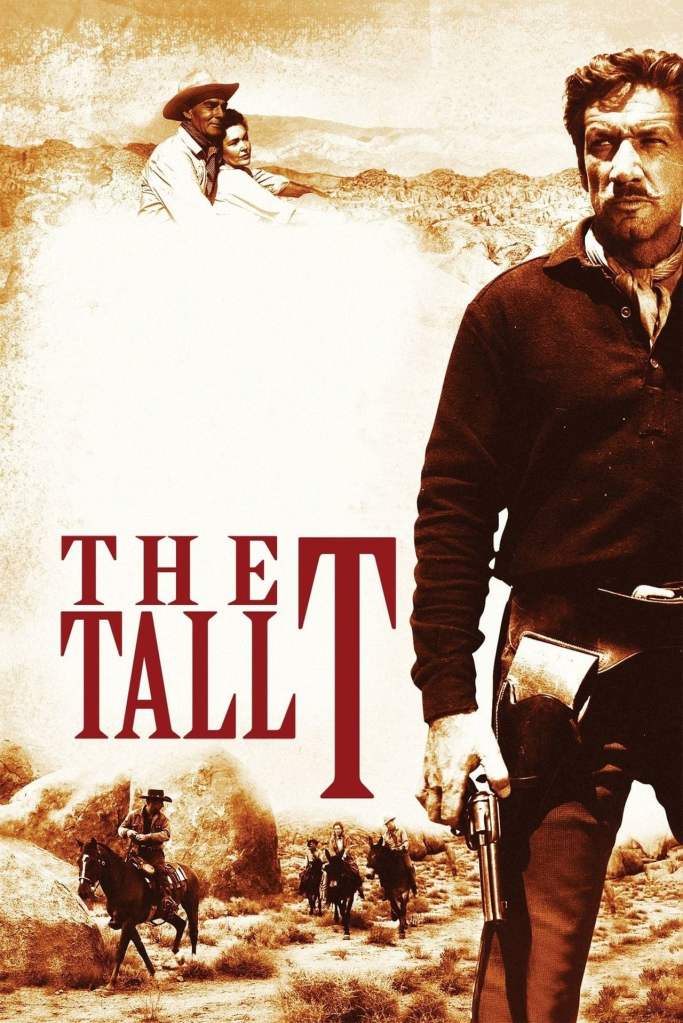
The Tall T is a classic, pre-revisionist western, when the good guys were good and the bad were bad. Brennan is a good natured cowboy with friends at every outpost, but he is the wrong place at the right time when a coach he is riding on is robbed. The others on the coach, a newly married couple, don’t have any money on them, but the woman is the daughter of a wealthy miner, so the would-be robbers turn towards ransom. Brennan is kept alive only as a backup plan, but he is ready to avenge some friends who were killed by these robbers earlier. He also will not let the lady come to harm, even if the same cannot be said for her new husband, who really only married her for the money. Some delightfully bad villains and a hero to root for — what more could you want? Not too deep, but beautiful vistas of the old west, plenty of gunfights, and a rescue of a damsel in distress, who is given the chance to fight for herself before the end. ★★★½

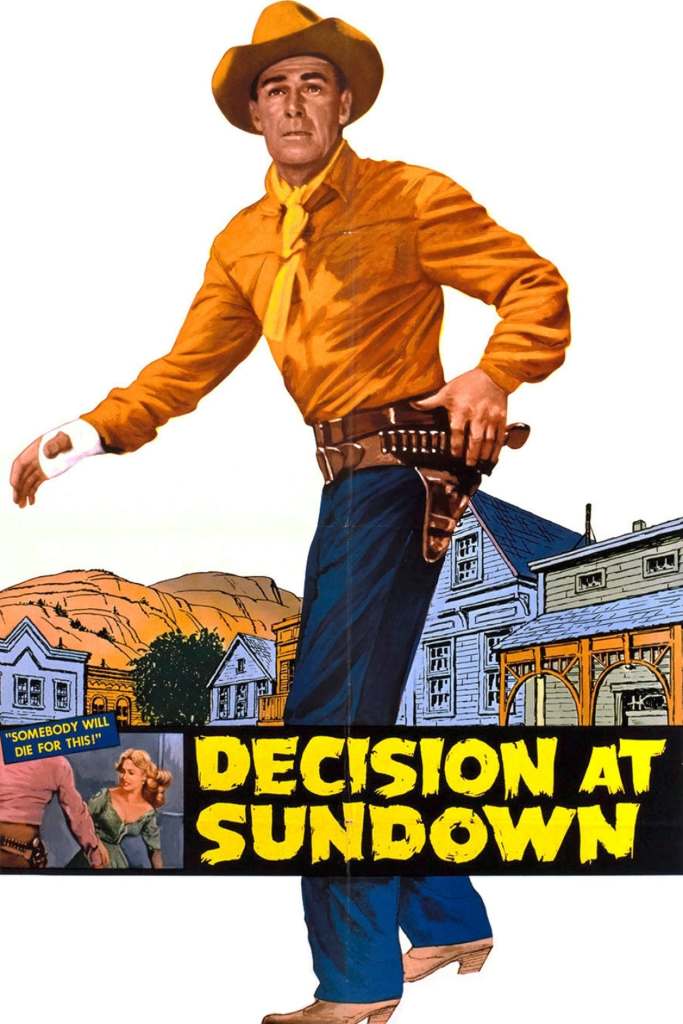
Decision at Sundown returns to the cloudy motives of the first film and ramps it up a notch, but you don’t know it in the beginning. Bart Allison rides into the tiny western town of Sundown with his buddy Sam, and he is on a mission: to find and kill a man named Tate Kimbrough. After 3 years, they’ve tracked Kimbrough here, and are coming in on Kimbrough’s wedding day. The town seems divided between those who like Kimbrough (mostly his lackeys) and those who don’t (the longtime residents of Sundown). Not a man to waste time, Allison opens the church doors, interrupts the wedding, and announces that he’s there to kill Kimbrough. Kimbrough sets his henchman on Allison, which gets him and Sam holed up in stable. They are stuck, but no one can come in without getting himself killed, so they are at a standoff. Outside, Kimbrough has to explain things to his would-be wife, as well as his longtime paramour (who he might actually love more), all while the residents of the town gather their courage to make a stand against Kimbrough too. And at the end, our supposed hero Allison may not have righteousness on his side after all. I liked the writer of this film turning the genre on its head, but not everything works. In a film where there is no one to root for, who can you root against? ★★

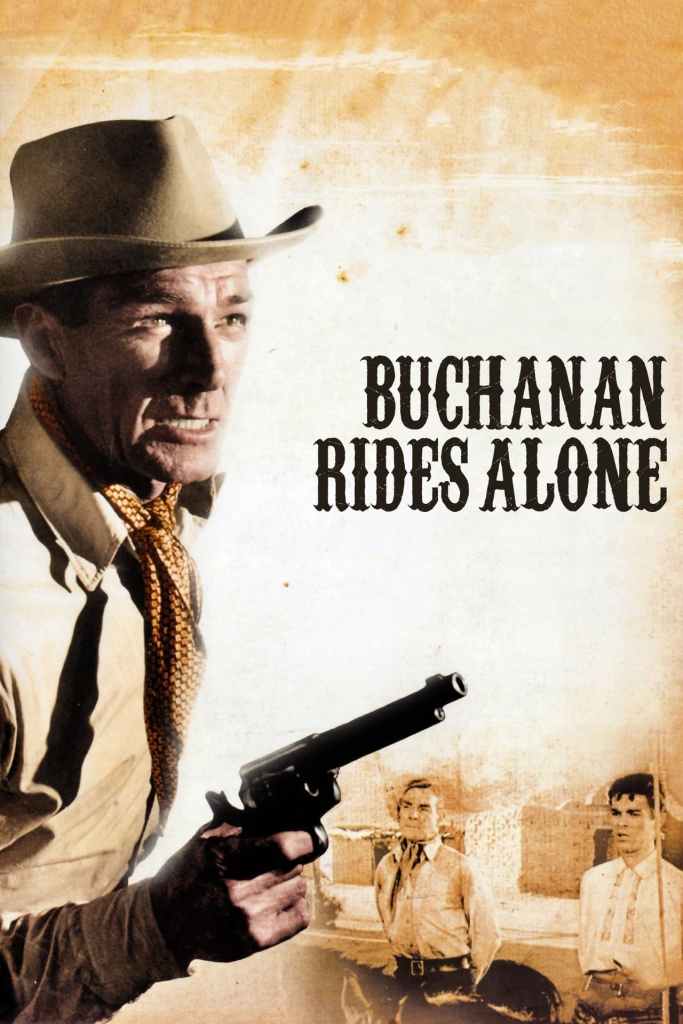
Buchanan Rides Alone finds Scott again playing the riding-through-town lonesome sort. This time he finds himself in a quick pickle when he stands up for someone. The town of Agry is right on the border between California and Mexico, and everyone of influence happens to sport the Agry surname, including the local judge Simon, the sheriff Lew, and the hotel owner Amos. Buchanan is just hoping to grab a bite, a drink, and a night’s stay, when another Agry, drunken Roy (Simon’s son) is called out by a Mexican man from just across the border. Juan is accusing Roy of sleeping with his sister, and shoots Roy dead. When the mob attempts to rough up Juan, Buchanan steps in and gets himself arrested too. Simon, never to look a gift horse in the mouth, puts a stop to the lynching/hanging, in order to use Juan as ransom for a big payday from Juan’s wealthy family across the border. You would think the Agry family would come together and get ready for riches, but instead, they all scheme against each other, with Buchanan in the middle, just trying to do the right thing. By the end, too many double crosses, too much back and forth, until my head was spinning. ★½

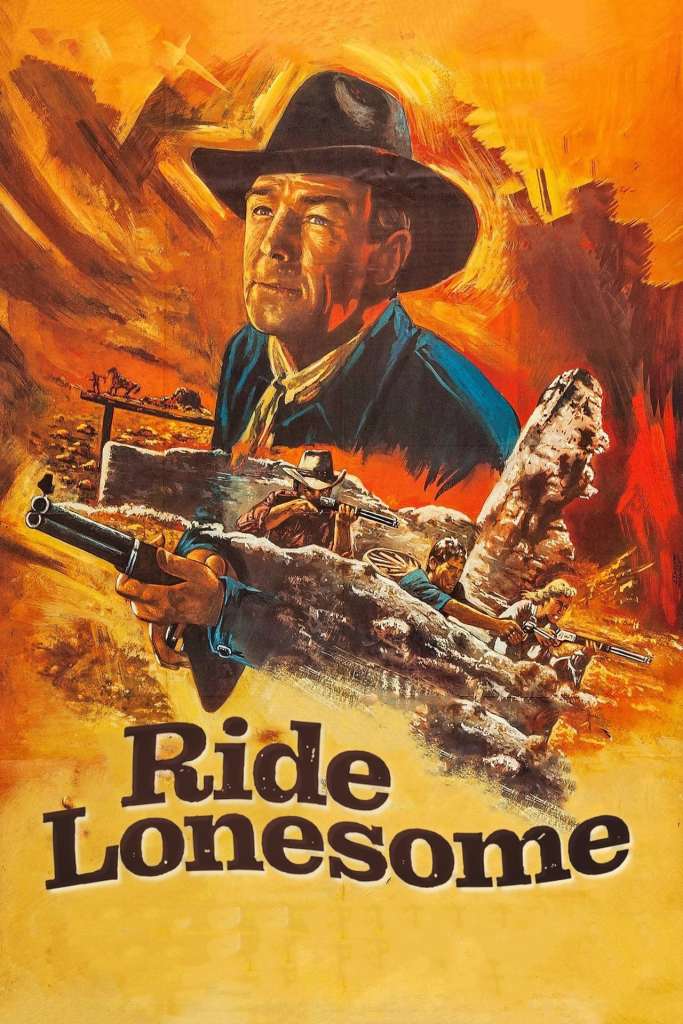
Ride Lonesome brings back the simplicity and gives a much neater tale. Ben Brigade is a bounty hunter who has recently wrestled down Billy John, a no-gooder with a reputation for shooting people in the back. Brigade is to bring Billy into Santa Cruz for his bounty, and stops at a way station on the way, where they encounter former outlaws Sam and Whit, and the way station setter’s wife Carrie, whose husband is missing and presumed dead by the local natives. Sam and Brigade have a past, but Sam has gone straight; he has enough money saved up to start a ranch, but needs to get the price off his head if he is going to do so. Taking Billy in would do that, as the bounty comes with amnesty as well, but Brigade isn’t about to let his charge go. So the trio at the station join up with Brigade and Billy on the road, with Sam hoping to change Brigade’s mind along the way. It isn’t long until Sam thinks Brigade has something else in mind than a simple bounty run. Brigade is taking a circuitous route to Santa Cruz, allowing Billy’s brother Frank, an infamous gunfighter in his own right, to catch up. Maybe Billy isn’t Brigade’s ultimate goal after all? No big twists and turns on this one, just a straight forward old fashioned western. It’s a fun one too, with a big gut punch in the end when you learn Brigade’s reasoning for wanting Frank. ★★★½

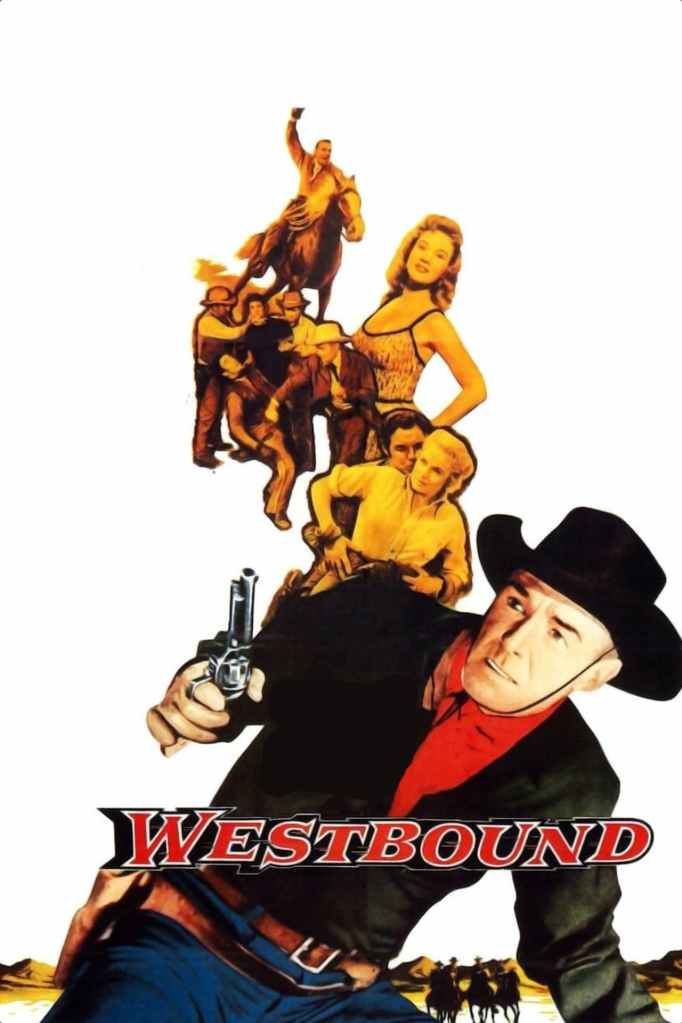
Westbound, however, is almost a little too simple. Along with no big surprises, there’s almost nothing that really moves you either. It does bring a different aspect than the above films though: the Civil War. Hayes is a Union officer tasked with supervising a new stagecoach line that will run from California to the east. Along with passengers, its most valuable cargo is gold, dug in California and to be used in the war effort. The south will be eager for that gold too, making the transports a hot target. Most of the residents around Colorado where Hayes sets up his headquarters are southern sympathizers, except for one man (Rod) who lost an arm fighting for the Union, and Rod’s wife Jeannie. Hayes’ main antagonist is Clay Putnam, a wealthy man who married Hayes’ former girl and is financing a team of thugs harassing the stagecoaches. We clearly know the good guys and the bad, so it’s just a matter of killing all the bad before the end of the film. Not terrible, but it falls into the trap that gives so many of these old westerns a bad name, namely that plots and tropes are recycled ad nauseam until you can predict the outcome of every scene as it starts. ★★

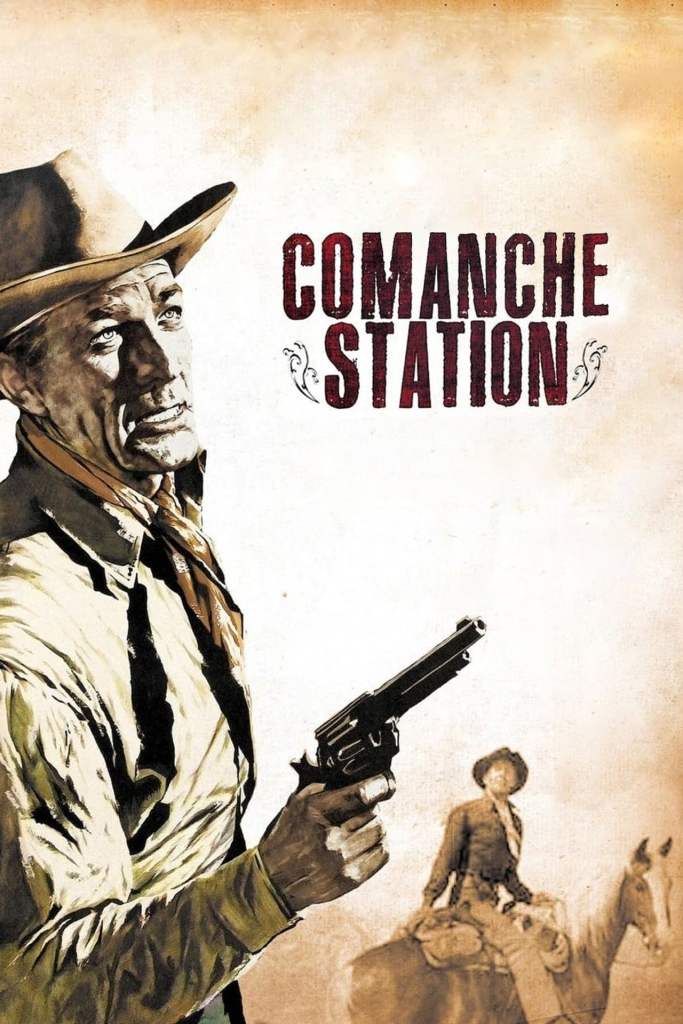
I think by the time this team made their last film, Comanche Station, they were out of fresh ideas. It borrows heavily from just about all of the above films. Jefferson Cody rescues a damsel-in-distress (Mrs Lowe) after she’s been kidnapped by comanches. Turns out there’s a hefty reward from her husband for her return. On the way back, Jefferson and Mrs Lowe come upon a couple outlaws who have a history with Jefferson, and they know about the reward too. They’d love to find a way to get Jefferson out of the picture, but need his gun as they traverse the dangerous Indian territory. And this time, the bad guys are even more diabolical: Lowe’s husband’s reward is for her return dead or alive. The outlaws are planning to kill Jefferson and the lady as soon as they get through the area safely, so there are no witnesses to their own crime. A deliciously tense film, and while the ideas aren’t new, it is presented well and is gripping to the end. ★★★

Quick takes on The Passengers of the Night and other films

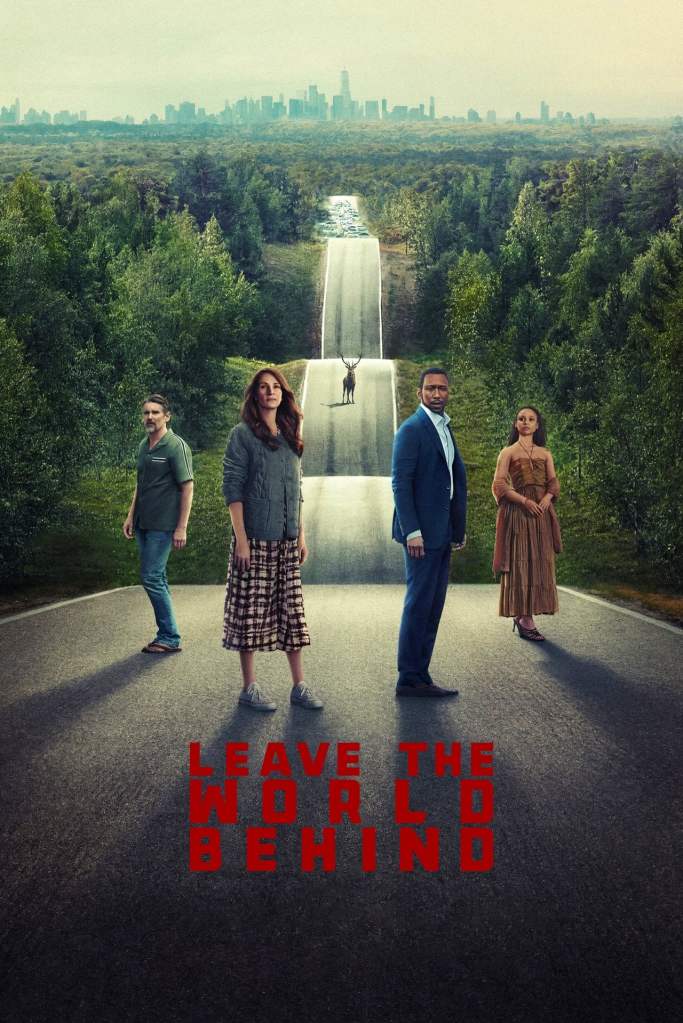
I didn’t rush to see Leave the World Behind at first, seemed a bit gimmicky for some reason, even though I do love myself a good apocalyptic film. Glad I finally put it on the screen, as I loved it! Written and directed by Sam Ismail (of Mr Robot fame), it gives off an M Night Shyamalan vibe, only, you know, good. In the film, husband and wife Clay and Amanda (Ethan Hawke and Julia Roberts) take their kids to a beautiful remote house for a weekend vacation. The first day goes fine, but that night, a knock on the door brings in George (Mahershala Ali) and his daughter, who claim to be the home’s owners and who rented the place to Clay and Amanda. George is saying the city had a power outage, so rather than try to make it to their New York apartment, they drove out to their country home, hoping to stay safe. Something seems off about him, and Amanda doesn’t trust him from the start. However, his story checks out once other weird stuff starts happening: they lose all phone and TV signals, and when George treks a couple miles over to a neighbor’s house, he finds it empty and ransacked. Once planes start falling from the sky and animals begin behaving weirdly, everyone knows that something serious is going down, even if we don’t know what that something is. Great film, with lots of tension in all the right spots, even if the weird camera movements/angles started to wear on me after awhile. The ending may be a bit too abrupt for some, but I had no problem with it. ★★★★

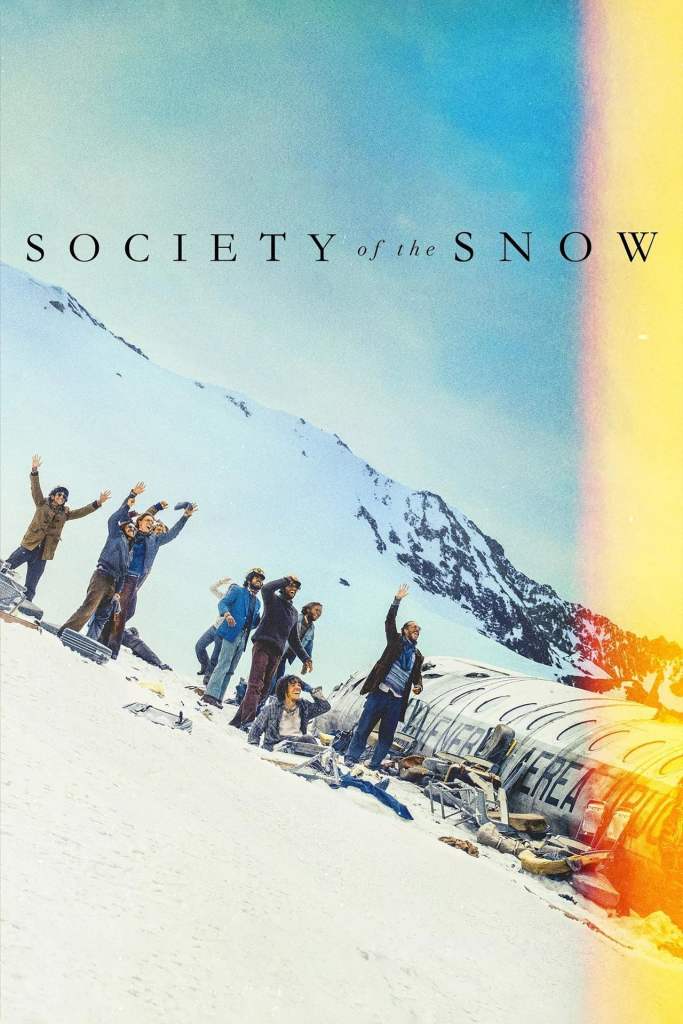
If the above film is great, Society of the Snow is perfection. Based on a true story, the movie tells the tale of the crash of an airplane in the Andes mountains in 1972, carrying 45 people. Many died in the crash and ensuing time afterwards, from injuries, avalanches, or cold, but 18 survived for over 2 months through the harsh mountain winter. There’s not much to say about the plot, it’s pretty simple, but it’s a film about the human will to survive, through unimaginable pain and suffering, with only your mental fortitude and the strength of your friends to get you through. The director’s capture of the picturesque scenery juxtaposed with the impossibility of the young people’s lives is magnificent. This event happened long before I was born and I stayed away from spoilers enough to not know if they survived or not, so maybe that made the struggle on screen even better for me. It’s a hard movie to watch, not only because the survivors had to resort to cannibalism when all other options were gone, but it’s well worth it for the power of its message. ★★★★★

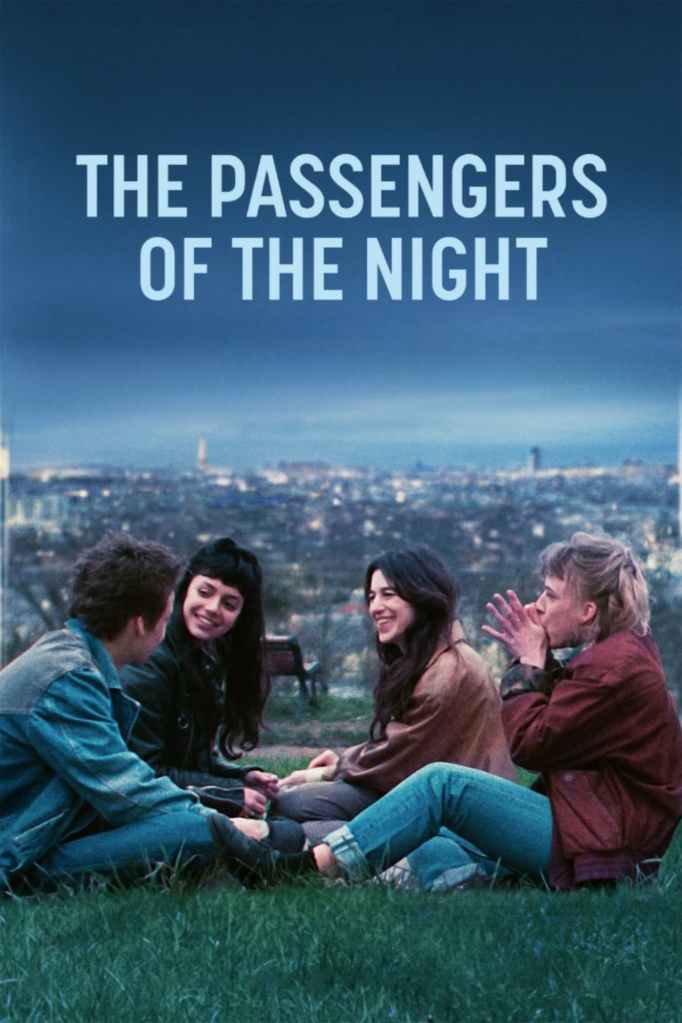
The Passengers of the Night is the sort of authentic-feeling movie that you really have to be in the right mood for. Light on plot but heavy on character development and emotion, it begins in France in the year 1981, when the country has just elected a new president and there is joy in the streets at the coming change. Everyone is happy except a runaway teen named Talulah, who is at the train station picking a destination at random. After this short intro, the movie fast forwards to 1984 and we meet the other characters: recently divorced Elisabeth and her teen kids, Judith and Matthias. Newly single, Elisabeth is having to go back to work after a decade-plus of raising the kids, and her lack of skills bounces her from place to place. When she finally finds a permanent vocation, it is as a phone operator at a popular late night radio show. That’s where we catch up with Talulah, who has called in a few times and is now coming in to do a segment in person. She’s been homeless these last few years (it is hinted but never explicitly said why she left home), and Elisabeth immediately takes a shine to her. She takes Talulah home and gives her a spare room. Talulah grows close to the family and especially to impressionable 16-year-old Matthias, but when they have a sexual encounter one night, Talulah is spooked and runs away again. The film’s final act is 4 years later on, as the country prepares for another election (7 year terms at the time), and we see where the family is, as once again, Talulah’s path crosses with theirs. In the end, you don’t learn what happens to everyone; in fact, you don’t really learn what happens to anyone. It’s snapshots, moments in time, the kinds of moments that stick in our memory and can recall decades later. And while Elisabeth is the “main” character, we care equally for the kids and Talulah. We feel their joys and hurts. Very natural feeling and completely absorbing. ★★★★½

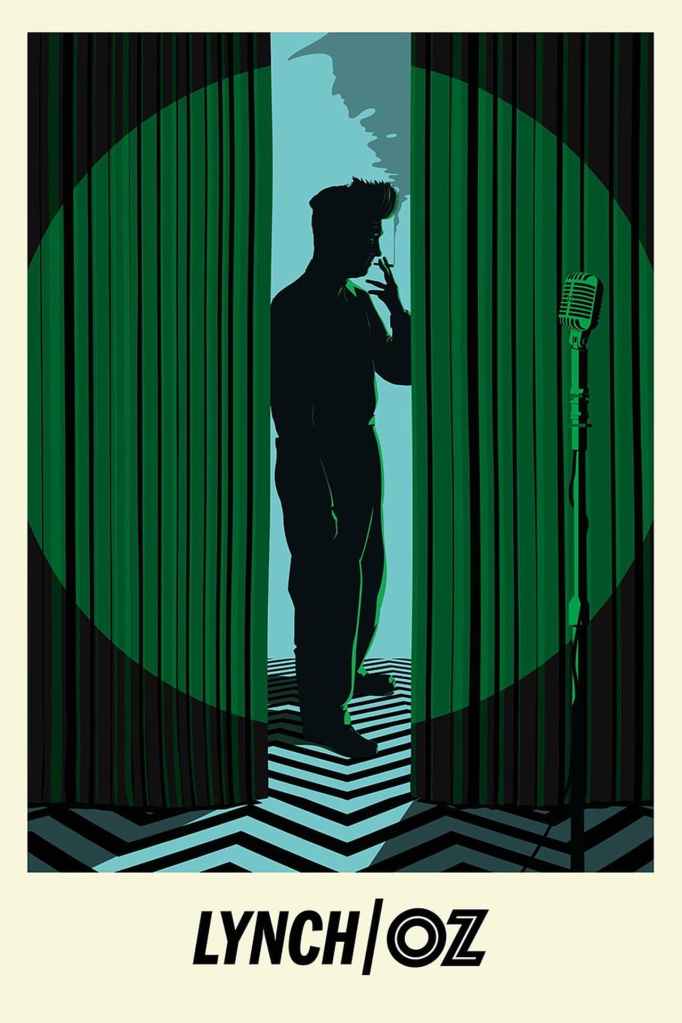
I’m not a big fan of documentaries, but Lynch/Oz combines David Lynch with The Wizard of Oz. What more could you want? The movie is interesting enough, but even for a big Lynch fan like myself, I found it very repetitive. This is mostly because it is broken up into half a dozen or so segments, each narrated by a different filmmaker, and they sometimes touch on the same subjects. It is advertised as a film about how The Wizard of Oz inspired, and continues to inspire, the films of David Lynch, but to fill out the movie, it finds a plethora of other films that were inspired by Oz as well. Really didn’t learn much, though it was interesting to see correlations between different films and whatnot. The narrators/presenters vary from dry to entertaining, but the best overall was director John Waters (who is always entertaining). People who are into docs may enjoy it more overall, but for me, ★★½

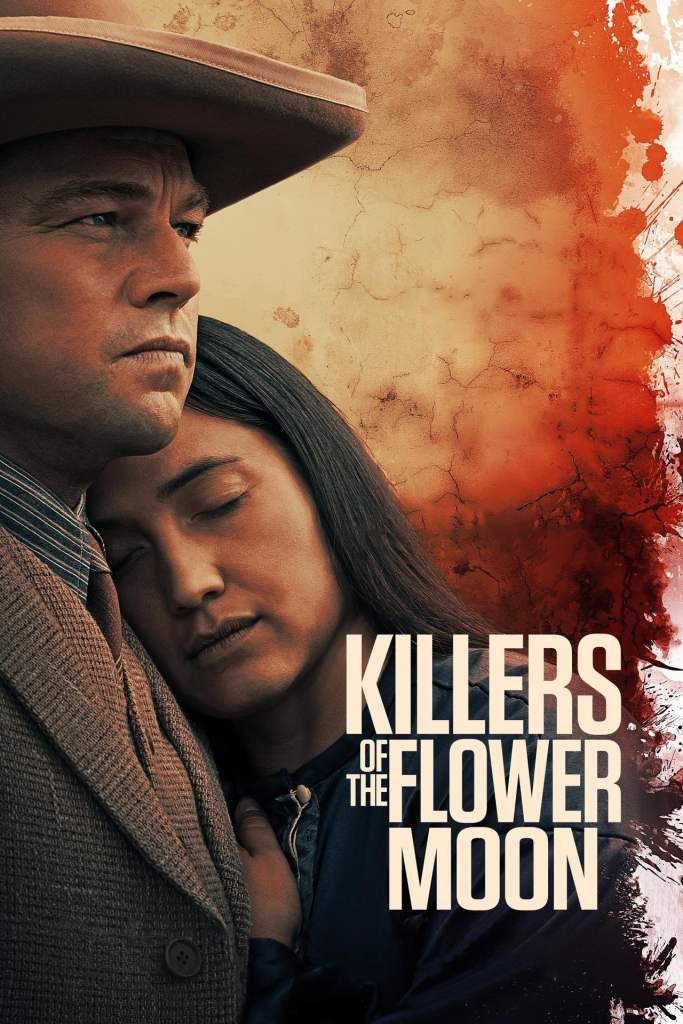
Killers of the Flower Moon is the latest Martin Scorsese epic, based on the book Killers of the Flower Moon: The Osage Murders and the Birth of the FBI. In the early 20th century, oil is found on an Oklahoma reservation owned by the Osage people. They are immediately wealthy, even though the government does everything it can to make it difficult for them to access their own funds. They need court-appointed guardians, white people only, to manage their money, because the indigenous people are considered “incompetent” no matter how intelligent they are. Enter into the scene William Hale, known as King Hale for his vast cattle lands. He is a rancher and claims to be a helper for the locals, as “it is their oil after all,” but he has hatched a plan to get his hands on that money the only way he sees how. His nephew Ernest has recently returned home from World War I and quickly marries an Osage woman named Molly, whose family owns oil headrights. No sooner is the ink dry on the marriage certificate that Molly’s family starts dying off, her sisters and mother coming to grisly ends. This has been going on for awhile, with oil headrights owners turning up dead for the last few years, and their rights passing on to their white guardians. Molly and Ernest love each other, so Molly doesn’t suspect a thing, even when we see Ernest engaged in terrible acts himself. The Osage Nation is pleading for anyone to help, but so far, the government has turned a blind eye. It isn’t until Mollly makes a trip to DC to talk to President Coolidge that they (the government) sends investigators to Oklahoma to see what is going on. This is a long movie, 3 1/2 hours, and fully the first 2+ hours are mostly exposition, dialogue, and setting up the action. Once the feds show up, stuff starts going down, but it is nearly too little too late. Readers of my blog know I like a good long movie, but I like them when they are long for a reason. This one just seems long to give the impression of an epic, when in reality, it could have been trimmed down quite a bit and felt more tidy. Brilliant acting from stars Leonardo DiCaprio, Robert De Niro, and especially Lily Gladstone, who recently won a Golden Globe portraying Mollie and should be on the short list to win more awards this season, but overall, it’s not one of Scorsese’s finest. ★★★

  • TV series recently watched: Mr Robot (season 1), Echo (series), Batman: The Animated Series (season 1)
  • Book currently reading: Lord of Chaos by Robert Jordan

Quick takes on The Holdovers and other films

Frybread Face and Me is a wonderful little indie film about a boy learning where he came from. Benny is 11 or 12, living in San Diego with his parents, when they announce that he’s going to spend the summer in Arizona with his grandmother. Grandma lives on a Navajo reservation and has refused to learn “the white man language,” so she and Benny can’t even communicate with each other, but thankfully there are a couple translators. Benny’s uncle Marvin still lives there, but he looks for ways to belittle Benny as he thinks Benny is soft. Benny’s one friend is his cousin Dawn, who everyone calls Frybread Face. She too jokes at Benny’s expense at first, since he knows no Navajo customs at all, but the two begin to bond over the ensuing weeks. Dawn is there because her dad’s in prison and her mom is uninvolved, and, as Benny eventually learns, he himself is there because his parents are getting a divorce in San Diego. It’s a sweet film about learning your roots, but also the passing of a way of life, as Grandma is the only one he still clings to the old ways. She drops subtle and not-so-subtle hints that she wishes some family would continue their way of life, but everyone has already moved on. Funny and endearing, it’s a very cute film. ★★★½

Under the Fig Trees is a quiet, unassuming film out of Tunisia, and sometimes it is films like this that come out better than they have any right to be. That is the case with this delightful film. All it is is a day in the life of the workers at a fig farm. Most are younger, and we see their relationships with each other, as well as the older (more staid) women who do the counting, and the bosses who lord over it all. There’s friendships, rivalries, love (and lost love), and all of the dynamics of a people bonded by work, but at odds with each other over other trappings of life. There’s not much of a plot other than the normal things you run into in your daily life, but it is enchanting. As the film was ending after just 90 minutes, I wanted more. Much better that than the other way! ★★★★

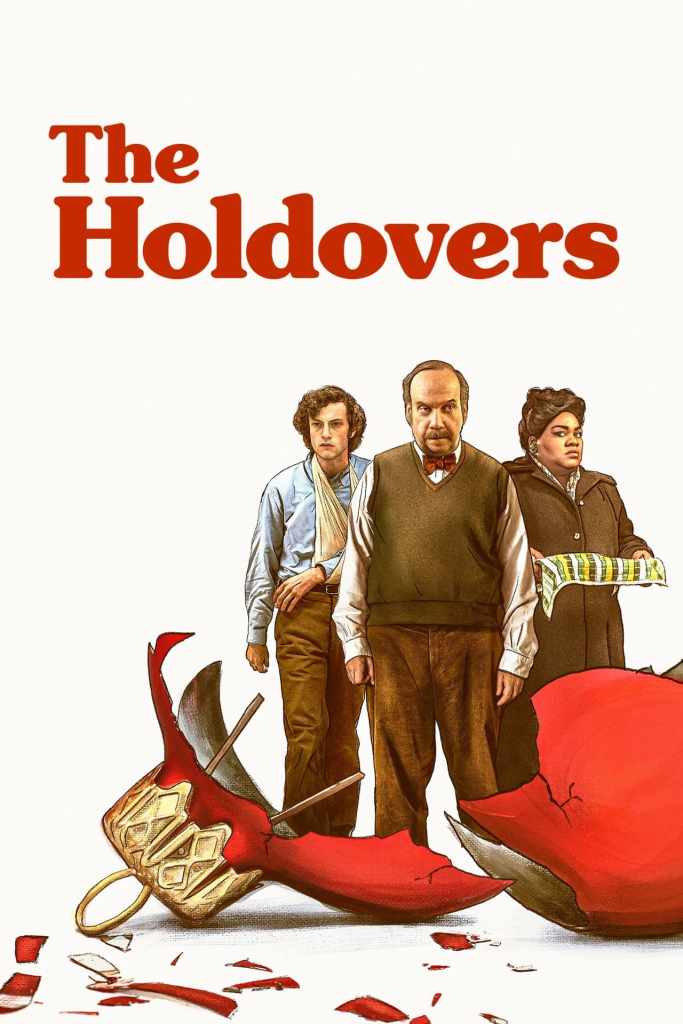
I’ll admit, as the The Holdovers was getting going, I didn’t think much of it. Taking place as 1970 is winding down, it follows a curmudgeonly ancient-history teacher at an all-boys boarding school outside of Boston. Everyone is getting ready to go home for the Christmas holiday, but there’s always a few boys stuck at school, and it is up to this old professor, Paul, to watch them this time. Paul is the least-liked teacher at school (what student would when he gives homework over the holiday and promises a test when they come back?), so not one of the students are exactly thrilled. Most are saved when one of the boys’ fathers picks them up (in a helicopter no less) to take to a ski resort for the rest of the break. That leaves just Paul and student Angus, whose mother is off honeymooning with her new husband and couldn’t be reached to give permission to leave. Angus is a bright kid, but he’s at risk of flunking out, and knows that his mom will send him to military school if he does, even though the country is currently fighting in Vietnam, all-but assuring Angus of ending up in battle upon graduation. Paul starts to see something of himself in Angus; a boy who goes to a well-to-do high school, with problems at home that may prevent him from reaching his full potential. Over the remaining break, the two bond, and (hopefully) come to terms with a lot of the emotions they have pent up. Seemed hokey in the beginning, but only because the film has a bit of a throwback kind of feel. It definitely grows on you, until you really care for these characters by the end. ★★★★½

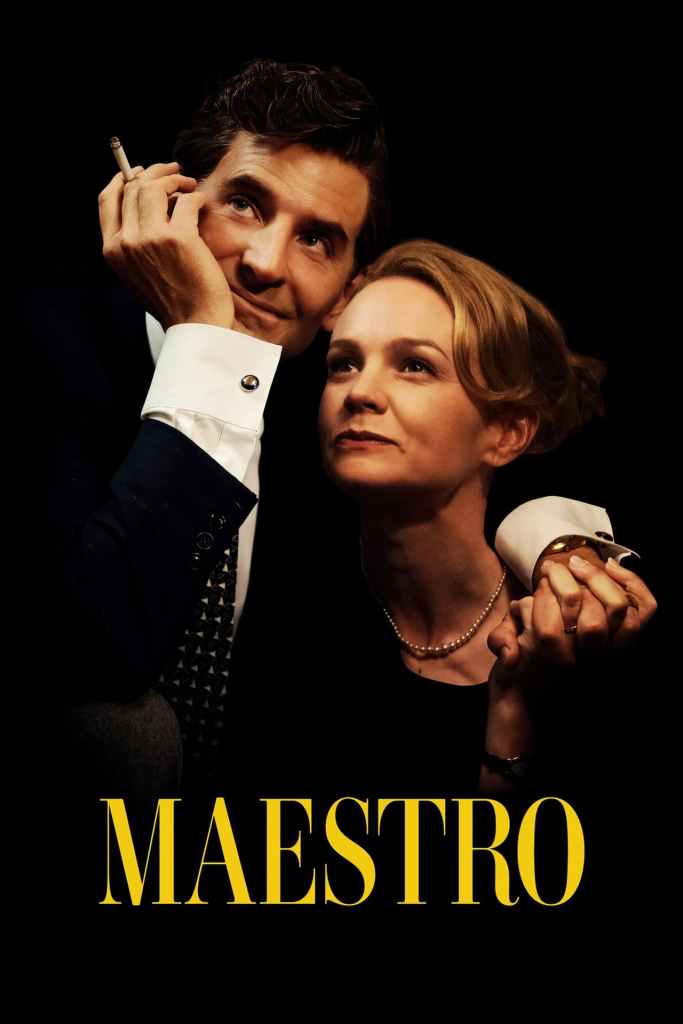
Not exactly sure what to think of Maestro. A tale about the life of American conductor and composer Leonard Bernstein, it stars Bradley Cooper in the title role (who also directed), with Carey Mulligan costarring as Bernstein’s wife Felicia. The producer’s credits feature heavy hitters too, including Martin Scorsese and Steven Spielberg. I don’t know, but with a group like that, I think I was expecting to be blown away. It’s good, but certainly not earth shattering. It follows Bernstein’s career rise and covers pivotal moments in his personal life. When he’s a young nobody in New York just making his way, he’s in a gay relationship, but knows that that lifestyle won’t fly once he starts getting a name for himself (in the 1940’s). So he “settles down” and marries Felicia and has a few kids. She is pretty wise to his closeted life early on, but (at least appears to) doesn’t care, as long as Lenny is discrete. As the decades go by, discrete is something he isn’t always, leading to fights at home, but when Felicia comes down with cancer, Lenny does drop everything to be at her side. The film has some nice moments and the acting by the two stars is fantastic, but I still felt that, at the end of the movie, I didn’t know Bernstein any more than I did at the beginning. Doesn’t seem like I got into who he really was or what made him tick, or what mattered to him most. And honestly, I’m getting a little tired of moviemakers who feel like they can put a film in black and white with a 4:3 aspect ratio and all of a sudden it is “artsy.” Decent, not spectacular. ★★★

Story Ave follows a teen named Kadir (Asante Blackk) who is dealing with the recent death of his younger brother. Kadir’s mother has understandably lost her footing, leaving Kadir to fend for himself. With no guidance, he falls in with a graffiti gang calling themselves Outside the Lines. Kadir, a budding young artist, is in it for the art, but he doesn’t realize that the gang will violently defend their turf, and it isn’t long before Kadir is in over his head. As luck would have it, the first person Kadir tries to steal from, as part of his initiation, is a man named Luis (Luis Guzmán). Luis doesn’t take Kadir at face value, that of a thug who is too far past saving, but instead sees the lost boy Kadir is. Luis takes him under his wing, opening his eyes to a life that isn’t yet worth giving up on. I wasn’t moved much by Blackk’s performance, thought it was a bit wooden, but the seasoned pro Guzmán drives this film and delivers as he always does. The film does a good job of, as Luis does with Kadir, turning the viewer’s thoughts on him from a hopeless wannabe gangster to a young man worth saving. ★★★½

  • TV series recently watched: For All Mankind (season 3)
  • Book currently reading: Lord of Chaos by Robert Jordan

Quick takes on May December and other films

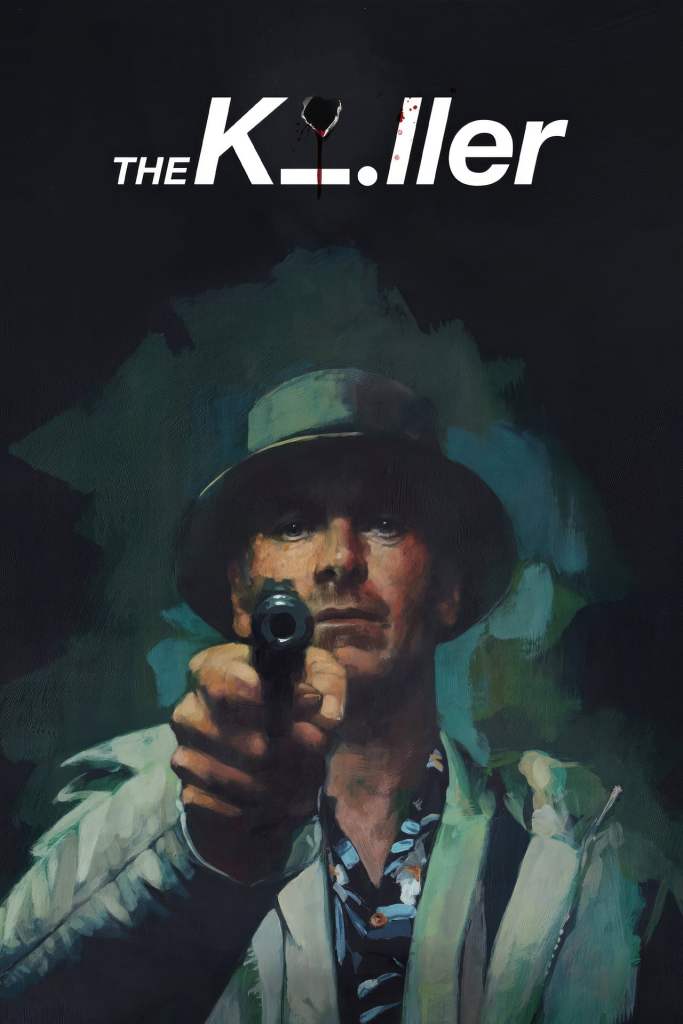
A new David Fincher film starring Michael Fassbender? Sign me up! This is an absolutely incredible movie about a professional assassin (we never hear his name) on a job in Paris. There’s no major dialogue for awhile, other than The Killer’s thoughts, which we are privy to. This guy is very good at his job, telling us that he can’t claim a 100% success rate because one target died of a heart attack before he could be killed. The build-up to this newest target is fantastic, full of tension and a real look inside the mind of our anti-hero. However, the job goes awry when someone steps in front of the target just as The Killer takes the shot. He goes on the run, returning to his home in the Dominican Republic, but there are ramifications for not being successful at this level. He gets home to find his girlfriend has already been attacked and tortured; she has survived, but only through luck, and is in rough shape. Now The Killer is on a mission to hunt those who hired him, and who tried to clean up his mess. There’s some middling reviews online about this movie from fans expecting more of an action thriller, but that’s not what this movie is supposed to be (though there is one really incredible fight scene in the second half). The movie all about the psyche of a killer, his routines and mindset, and what happens when he deviates from that to protect the person he loves. I was enraptured from the very opening scenes, the total quiet that The Killer works in, with nothing but his thoughts. By the end, I was repeating the mantra that he regularly says to keep himself focused. Amazing film. ★★★★½

Nyad, on the other hand, lacks any kind of excitement or emotion, despite being a based-on-a-true-story film about an inspirational person. Diana Nyad was a world famous marathon swimmer in the 70s, swimming around Manhattan and from the Bahamas to Florida, but her goal of swimming from Cuba to the USA always eluded her. In 2010 and now in her 60s, she gets the urge to try it again. In the film she makes several attempts at doing so, until finally accomplishing the task in 2013. The swims themselves are fairly exciting, but what kills this movie is the absolutely awful, robotic dialogue, which never once sounds natural. Even a subplot regarding Diana overcoming childhood drama failed to move me. And don’t blame the actors (Annette Penning as Diana and Jodie Foster as her friend and coach Bonnie). All I can point the finger at is the directors and screenwriter, who don’t seem up to the task. I’m not always a fan of biopics as they can often be very dry, and this is one of those. I did stick it out to the end of the film, only because I wasn’t familiar enough the Diana’s story to know how it ended, but if I had, I probably would not have made it all the way through. ★

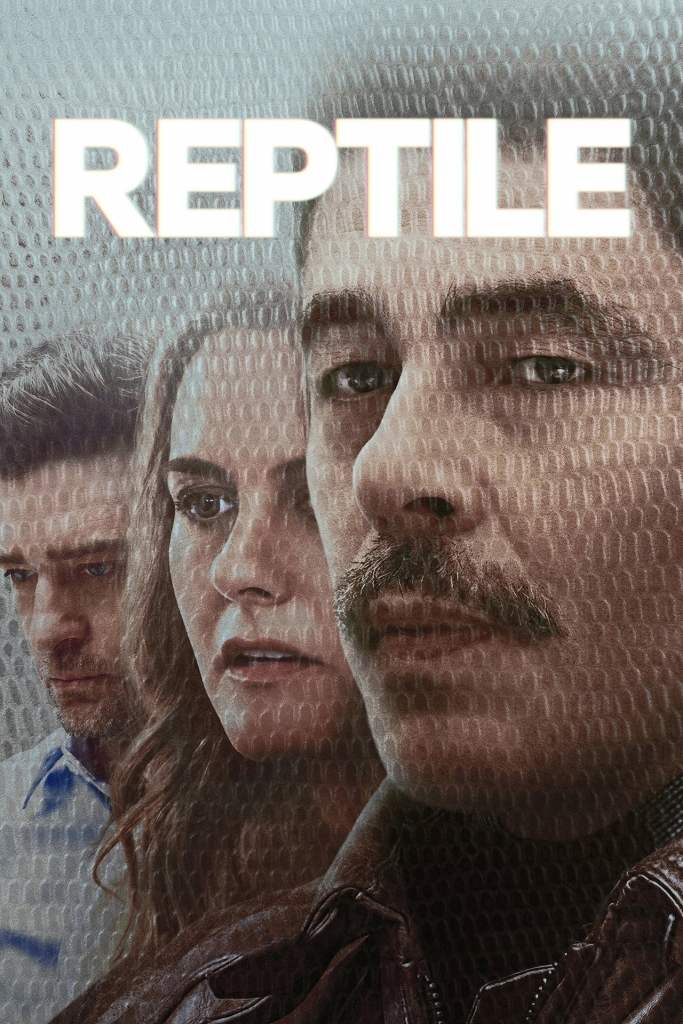
Every now and then a movie comes along with an absolutely standout performance by an actor, even when the movie itself doesn’t come together right. That’s the case for Reptile, a police procedural thriller starring Benicio del Toro. He plays a detective named Tom, who is assigned to a case where a woman was murdered in an empty house she was selling. The police have a couple minor leads but nothing great, so everyone is a suspect at first. There’s the woman’s husband Will (Justin Timberlake), her estranged husband Sam, and a stalker named Eli. The more Tom digs, the more questions come up. The movie starts great, with intense music that really adds to the intense feeling, but after awhile, I started to feel like the film was just spinnings its wheels. It really got to a point where the story was more convoluted that it needed to be, with the plot throwing everything against the wall to see what stuck. There’s even a couple amateurish “gotcha” moments. The one glue holding it all together though is del Toro, who is as good as he’s ever been. If anyone should get Oscar buzz despite not being in a very good movie, this is it. My rating is based on the movie itself, but I highly recommend seeing it just his performance alone, you won’t find better. ★★★

Rebel Moon Part One: A Child of Fire is a film as unwieldy as its name. It’s no surprise that the idea for this movie began as a pitch from director Zack Snyder to Lucasfilm, as it looks very much like how Snyder would do Star Wars, and borrows heavily from it. The film begins on a remote planet at a peaceful farming village, where a woman, Kora, came 2 years ago as a refugee and has found a home. She was fleeing something, but what, we do not exactly know. Her peace comes to and when the Imperium, the war mongering rulers of the galaxy, come seeking information on rebels in the area, and threaten the village harm if they do not supply food to the soldiers. With a promise to back for grain soon, they leave a small contingent and depart. Kora will not watch the Imperium destroy her new friends and family, so she kills the soldiers and sets out to find like-minded people to help her protect the village, in a Seven Samurai/Magnificent Seven style. Her path takes her around the galaxy, recruiting a handful of powerful people who have a grudge against the Imperium, setting up a big battle in the end. The movie has style, but unfortunately that’s about all it has, and too often, Zack Snyder is doing his Zack Snyder-y thing with the constant slow motion action scenes. It grows old quick. The movie is lifeless, with a boring plot, which is exactly what you don’t want in a movie about revolution. Snyder has grand plans to produce an entire Star Wars-like franchise out of this, but he better produce a better sequel or it will be the shortest franchise in the history of film. A couple stars because it is pretty, but really not worth your time. ★★

May December is one of those films with a very uncomfortable subject, so while it will creep you out more times than you’d care for, it does feature outstanding performances by its 3 mains. From acclaimed director Todd Haynes, May December follows an actress named Elizabeth (Natalie Portman) who is in Savannah to interview the real-life person she’ll be portraying in her next movie. The subject of the film is the story of Gracie (Julianne Moore), who, 24 years ago, was arrested and sent to prison for seducing and marrying a 13-year-old boy. The boy, Joe (Charles Melton), married Gracie once he was old enough, and they went on to have kids and a life together. It very much looks like Elizabeth is a method actor, as she is basically becoming Gracie as the film progresses. She interviews everyone around town: Gracie’s ex-husband, her estranged kids from her first husband, her lawyer; basically anyone who has a Gracie story to tell. And Elizabeth gets conflicting views: Gracie is either an emotionally abusive power-hungry narcissist or a lonely, sad, victim of abuse herself. The film is a little on-the-nose sometimes, but the characters drive the story, and each is fantastic. Elizabeth will do anything to “become” Gracie, Joe is a man who never emotionally grew past that of a 13 year old and truly had his, not only childhood, but whole life stolen from him, and then there’s Gracie. Who is either the most vile or the most complicated person in the movie. If the plot sounds familiar, it is loosely based on a true story from the early 90s. ★★★★