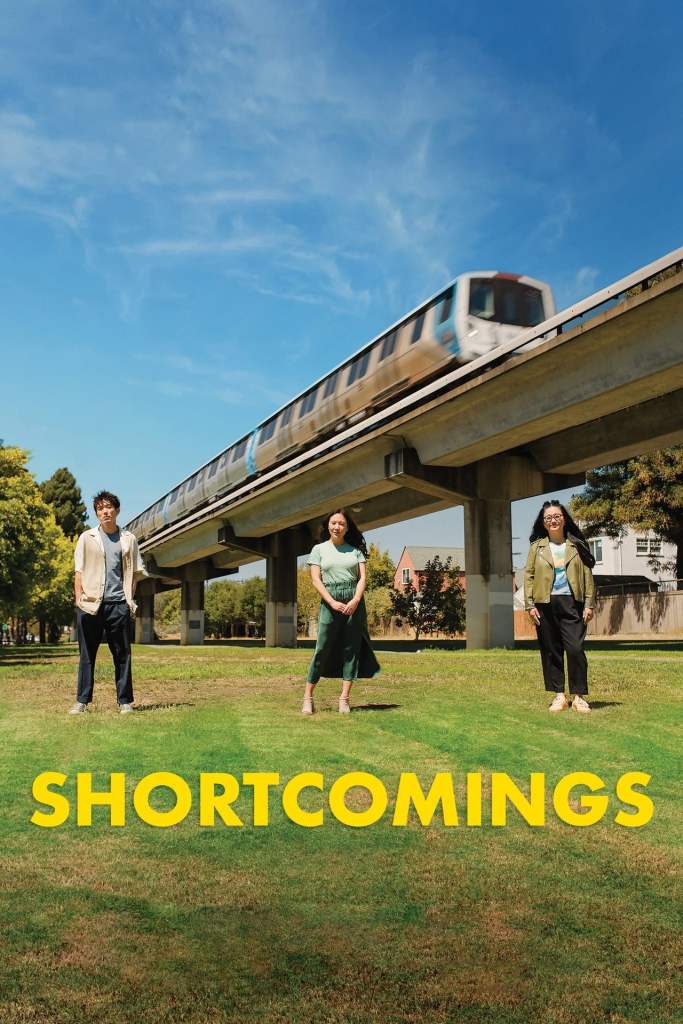
I was excited for Shortcomings, as the premise is about a young filmmaker obsessed with classic films, but it pays little homage to films of the past and stays strictly in romcom territory. Directed by Fresh Off the Boat’s Randall Park, it follows a young man named Ben, who went to film school but it is stuck working at an arthouse film theater and can’t come up with an idea for a film of his own. He is dismayed when his girlfriend Miko’s first film is shown at a film festival to rousing applause, even when Ben thinks it isn’t high brow enough for his tastes. This leads to an argument, and Miko leaves Berkeley to go to New York, putting a pause on their relationship. Ben turns to his longtime friend Alice, a gay woman with her own problems, such as a deeply religious family unable to accept her. When Ben starts to suspect that Miko is seeing another man in NY, even as he hypocritically is dating women while she is away, Ben flies off to NY to confront her. I like the inclusion of an Asian cast, even if the film does a bit too much to continually beat you over the head with it, but the film is awfully shallow and doesn’t encourage any retrospective that Ben so glaringly calls for. I would have rather it gone one way or the other, instead of trying to find the middle. ★★½
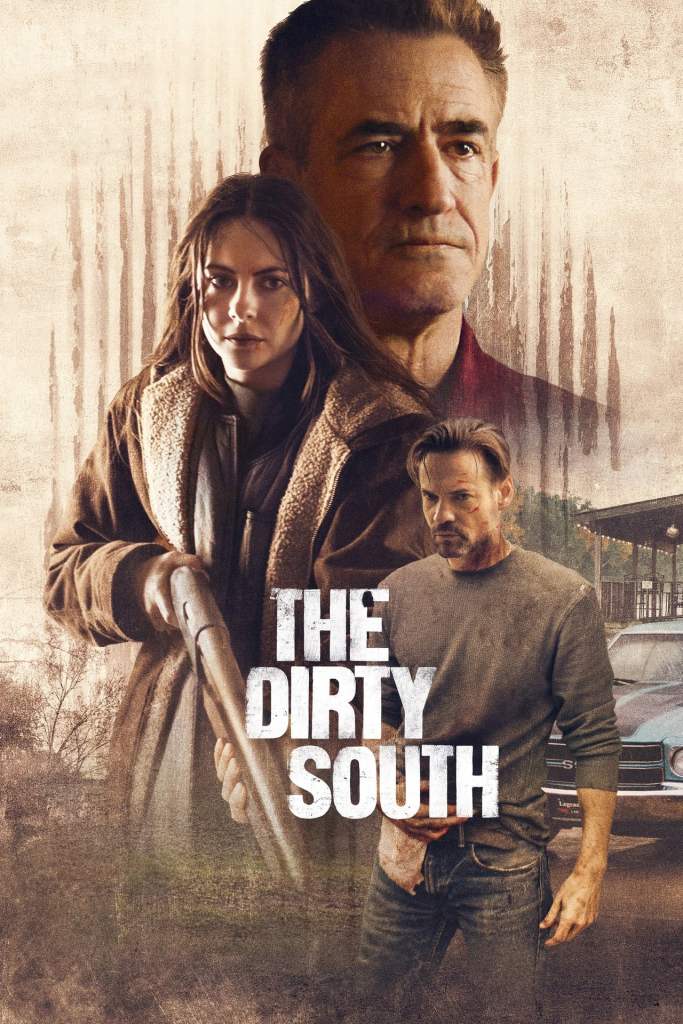
Sometimes a film doesn’t have to be stellar to give you exactly what you want. The Dirty South is one such movie, or maybe it just caught me on a good day. It stars Willa Holland (Arrow), Shane West (A Walk to Remember and ER), and Dermont Mulroney (of many films; the most recognizable face in the movie) and takes place in a small town quite literally divided by railroad tracks. On one side is the well-to-do’s, and on the other, the trailer park-living working class. Sue Parker is of the latter, running a bar owned by her alcoholic and drug-abusing father Gary. Sue is up against a wall: the bar owes $30k to the richest man in town, Jeb Roy, and he has given her until Monday to pay up, or he’ll take the bar and the land, including Sue’s home. Sue’s get-out-of-jail-free card may have just walked in the door in the form of Dion. A drifter, Dion is a two-bit thief who gets through life by pickpocketing patrons at bars just like Sue’s and coasting until he runs low on cash, then repeating the cycle. In a town like hers, she knows where the wealthy hang out, and Dion agrees to help her if he can keep everything of their score over her needed 30k. A blink-and-you’ll-miss-it kind of movie, there’s so much plot going on that you may need a map by the end, so don’t let your attention stray. It doesn’t promise anything more than it delivers though. Mildly compelling in all the right spots, and while it won’t win any awards, it’s a solid afternoon movie. ★★★
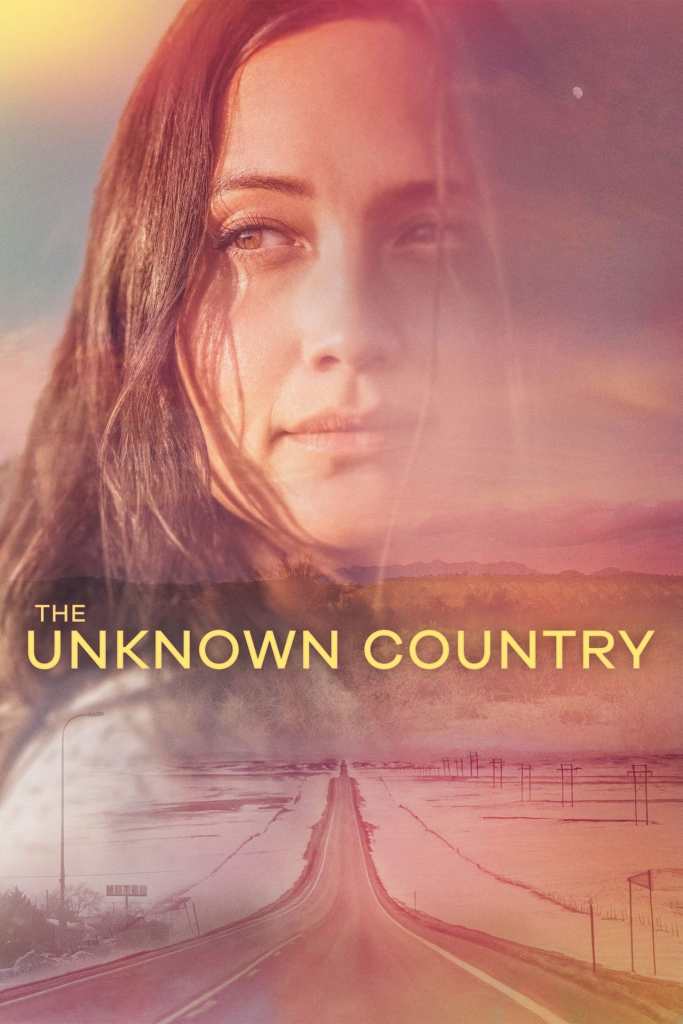
There’s not really much to say about The Unknown Country. The premise was something like “a woman drives cross country after the loss of a family member,” or something like that, and that’s about all the movie is about. In the film, a woman named Tana sets out from the north (only known because it is cold and snowy, and at some point after awhile we see a sign for South Dakota) and, eventually, she ends up in Texas. Along the way, she reflects on the life of her grandmother, and meets some eccentric people in the backwaters of America on her trip (real people, whose stories are told in a documentary-like way). There’s only the barest of plots here, and you know me — I need a story to get behind. Needless to say, this was not my kind of film. I stuck it out, mostly hoping for the big “ah ha” moment in the end, but it wasn’t enough to satisfy my curiosity. ★
Pakistani film Joyland is one of those films that you think it is about one thing, and ends up being about something else entirely. Sometimes that doesn’t work, but it does here. The film mostly follows a man named Haider, who lives in a small apartment with his wife Muntaz, brother Saleem (with his wife and daughters), and their ailing father Aman. In their culture, Aman, as patriarch, is head of household until his death, so his word is law, and he derides Haider for not being a “manly man.” Haider keeps the house while his wife Muntaz works, and when he finally finds work, it isn’t a job the family would approve of. Haider becomes a backup dancer at a local dance theater; not only that, but he is backing up a transgender woman named Biba. Haider is attached to Biba immediately, and we start to learn a whole lot about Haider as the film goes along. A movie like this, you think Haider and/or Biba is going to be the focus, and Haider is definitely the main actor throughout, but it isn’t his story that all of this revolves around. I can’t tell you who because that would ruin the surprise. Suffice to say that you should sit back and ride the wave of emotions of the film, and if you think it isn’t moving fast enough for you, just stick around for the ending. The movie’s a bit uneven at times, and does seem to lose focus in the second half, but it is all worth it when it comes together in the end. ★★★½
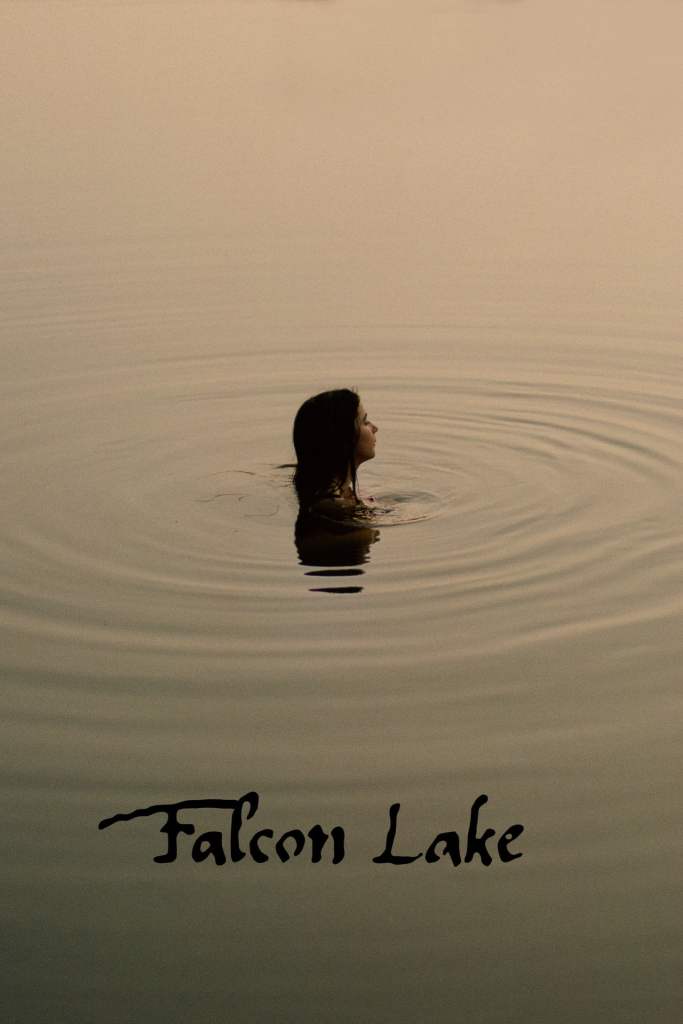
Falcon Lake is such a great film, combining elements of supernatural, psychological thriller, and a coming-of-age in French Canada. Young teen Bastien and his family are staying the summer at the vacation home of longtime friends, situated near a picturesque lake. It’s been a few years since the families all got together; last time, the friends’ daughter Chloe was 10 or 11 and Bastien was 7 — a big gap at that age. But now, Bastien is 13 (almost 14, as he reminds people) and Chloe is 16, and the gap doesn’t seem so large. At first, Chloe tests Bastien with a story about a previous drowning in the lake, and it now being haunted by a ghost, but it doesn’t seem to faze Bastien, though he does carry a fear of drowning as he can’t swim. Passing Chloe’s “test” to see if he is a kid or not, the two start to bond; however, whenever other (older) boys come around, Chloe obviously latches on to them, freezing Bastien out. Still, the two grow close as the summer progresses. They alternate between being carefree kids and adolescents on the cusp of sexual awakening. It’s a great film and a reminder of those last days of childhood, but with poignant reminders that adulthood isn’t too far away. ★★★★★

 Jons Movie Takes