I’ve seen half a dozen films from French director Louis Malle, with 3 hits and 3 misses. Besides his theatrical movies, he’s also famous for his documentaries, so while I don’t often watch docs, I thought I’d give these a shot, from Criterion’s Eclipse series.
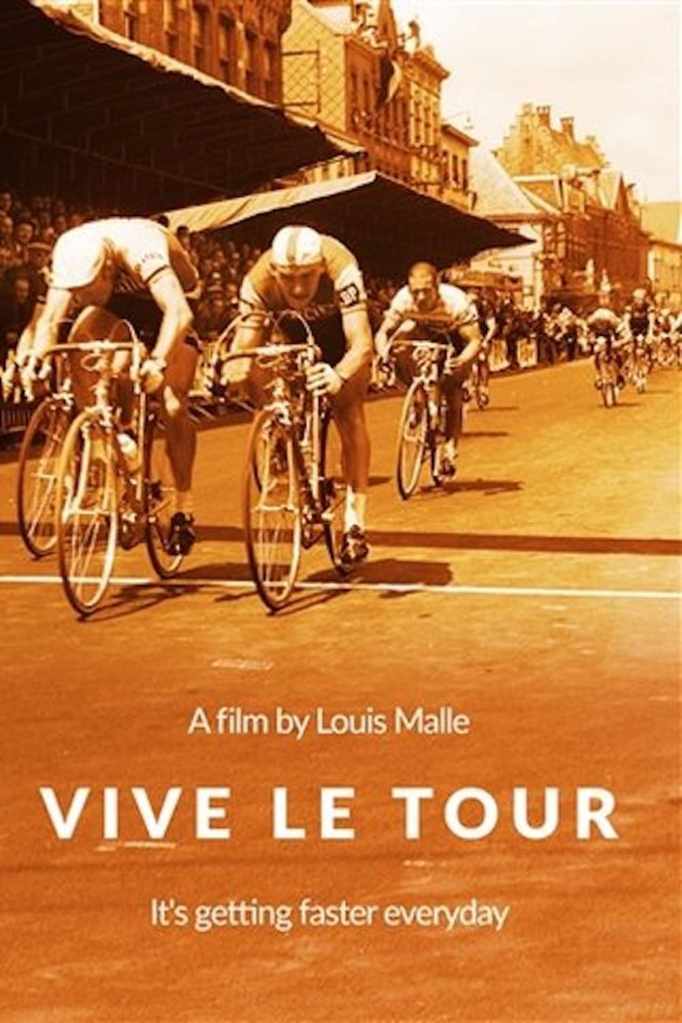
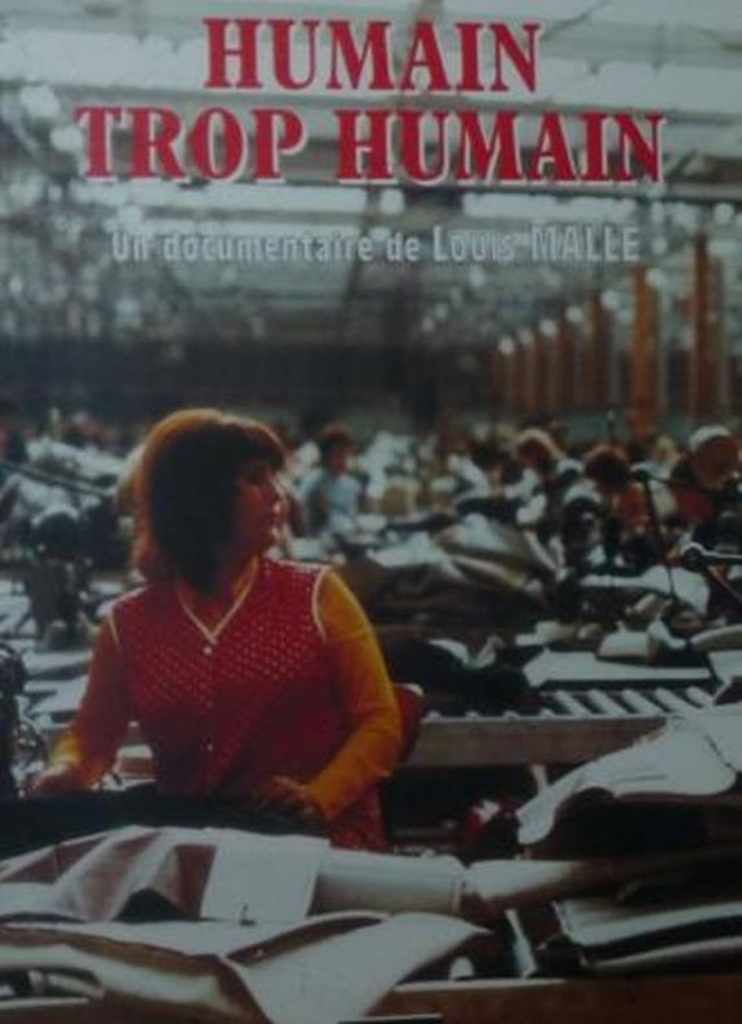
The first two films are shorter, and there honestly isn’t much to say about them, and Malle takes a hands off approach to these. They are mostly just pointing the camera at people, with little dialogue. Vive le Tour follows the 1962 Tour de France, and I really enjoyed seeing how the race has changed in the last few decades. Seeing riders actually get off their bikes to eat and drink, and getting pushed up hills by bystanders, will get you chuckling. Humain, trop humain moves the camera to a car plant (Citroën) and we watch a car built, start to finish. There’s an interlude in the middle when the car is taken to a show for the company to get feedback from potential buyers (some positive, much negative it seems), and then it’s back to the plant to see more production. Pretty staid stuff. Tour: ★★★ Cars: ★★
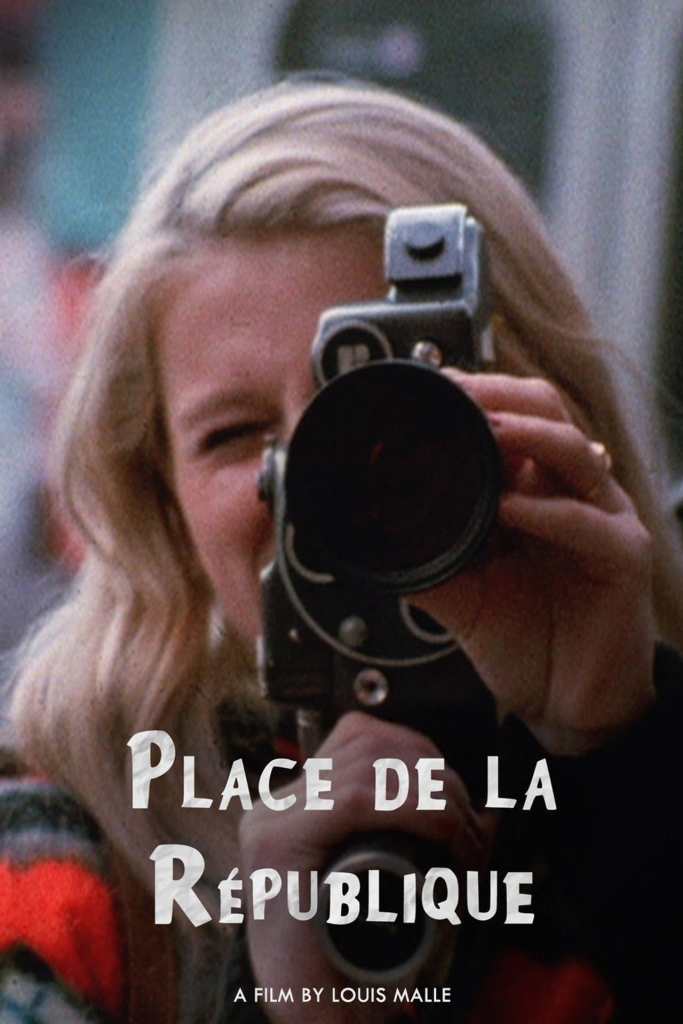
Place de la République has a lot more dialogue. Malle sets up at that famous square in Paris, and just starts interviewing people walking the street. He asks questions, digging into lives and personalities, just seeing what makes people tick. In the film, you can see why Malle’s films tend to focus heavily on the human being, and reactions amongst people; he is fascinated by people in general. Good for him, but it makes for a dreary commentary when there is no overarching idea to tie it all together. I’m sure some would like a film like this, just hearing about people’s lives, but it’s not my cup of tea, and I was bored to tears. ½
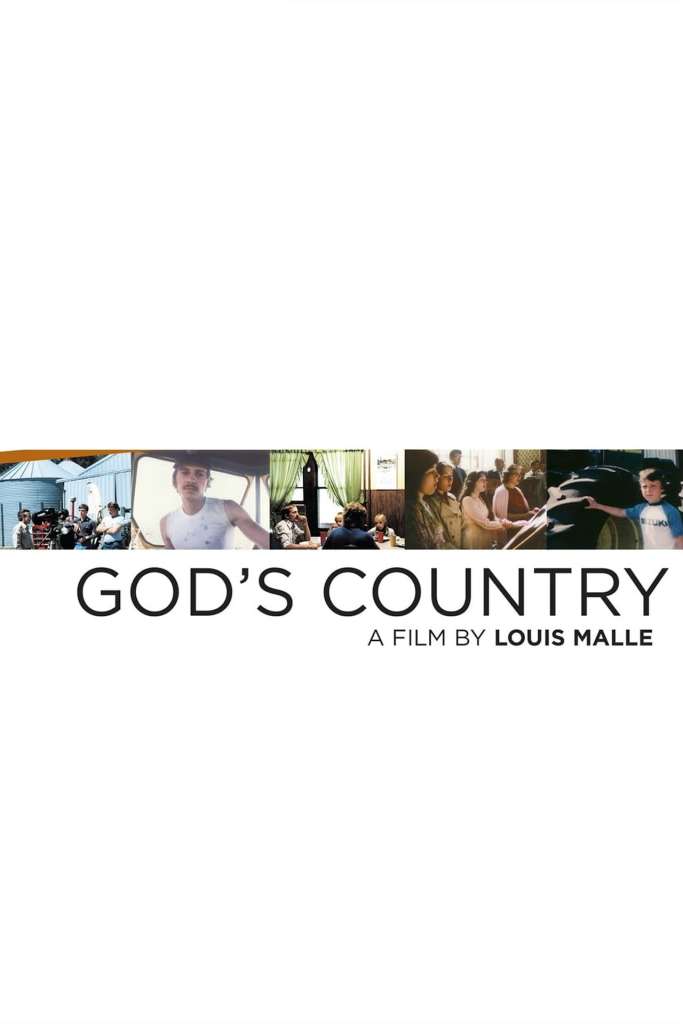
God’s Country hits it out of the park, and not just because it is in my native language. In 1979, Malle was hired by PBS to do a documentary about rural America. Malle settled in to Glencoe, MN, a farming community with a population of about 5000, 60 miles outside of Minneapolis. He filmed a lot, talking to people about the changes to farming, progressive ideas invading the rural community, lots of angst over the Vietnam War, and a host of other subjects. With each person, he spends quite a bit of time interviewing, so we can really see what is important to that person. Other projects pulled Malle away and he was unable to finish, so he returned to Glencoe in 1985 to finish it up, and the final 20 minutes of the film show how the town has changed in 6 years. At first, Malle doesn’t think much has at all, but as he starts talking to the farmers, he sees that President Reagan’s policies have hurt the farming community (despite nearly all of them having voted for him). Several parents, who once wanted their children to follow in their footsteps, are now hoping for something different, wondering aloud if they’ll even have a farm 10 years from now. It’s a fascinating documentary, with a true human element that is riveting to watch. ★★★★
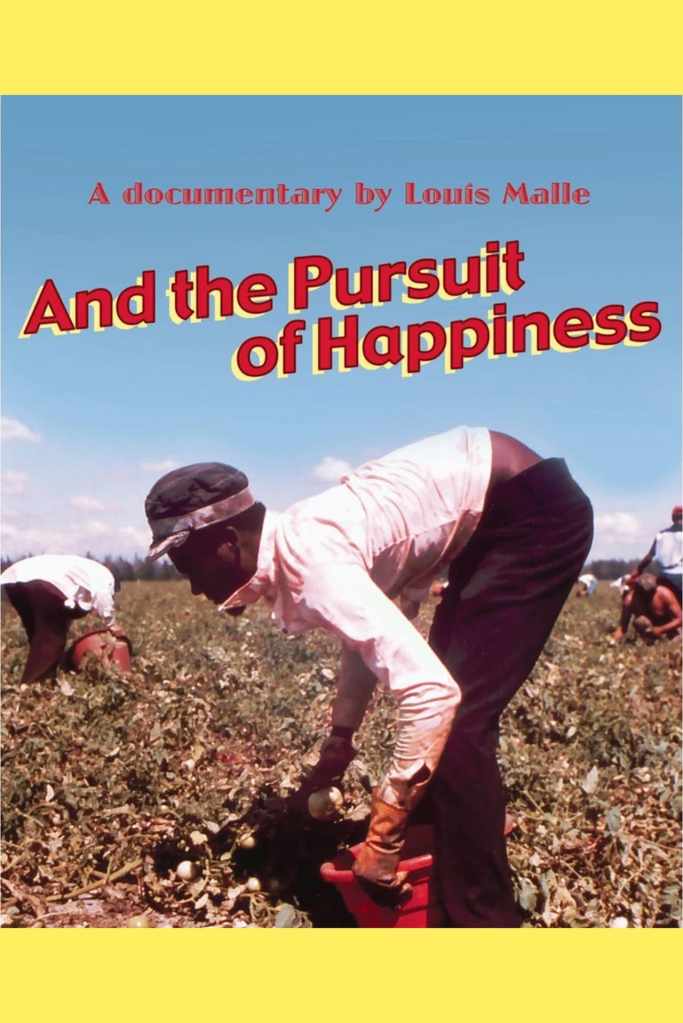
…And the Pursuit of Happiness is a 1986 doc focusing on immigrants in the USA. Malle crossed the country, interviewing immigrants and the children of immigrants, people from countries all around the world, who came to our country for better opportunities. The resounding message from them all is this: they were coming from a place that had no jobs, or was dangerous, or something that drove them away, and came here to better their lives or the lives of their family. Some missed their old homes, but many did not. In the beginning, Malle spends time with people that have been here for a few years (or decades) and have found success. Some are quite wealthy, but even the middle class he interviews are proud of what they have, whether it be an education, or a home of their own, or whatever they’ve earned through hard work. In the latter half of the film, Malle finds people who are newer to the country, all of whom are not yet citizens. Whereas the beginning of the film showed people coming through legally, now we are seeing people sneaking across the border in the dead of night, and they admit they won’t stop no matter how many times they are caught. He also talks to politicians who discuss the serious problem on the southern border. Nice to see nothing has changed in 40ish years. Interesting film, seeing both sides’ perspectives of the immigration issue, from the viewpoint of a non-USA citizen, an outsider’s eye. ★★★
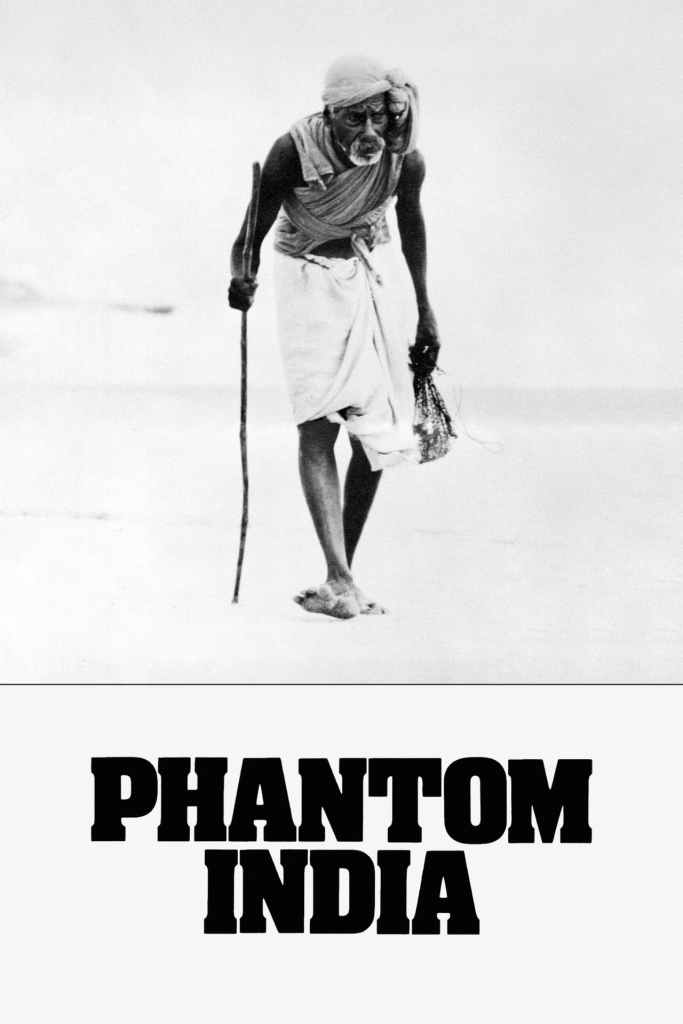
The most ambitious of Louis Malle’s documentaries is Phantom India. Filmed as a 7 part television miniseries for France (and also aired in the UK on BBC), Malle was given free reign to explore India. He spent 5 months in 1967 in the country, and went in without a clear idea of what to film, but let the people (and his intuition) guide him. The result is absolutely absorbing from the opening moments. He looks at religion (both the devotion of the people and the greed of the priests), dancing (of the Indian bharatanatyam tradition), India’s confusing (to an outsider) caste system, and tons more. In a couple episodes, he abandons the city and heads to the countryside, traversing poorer villages and people who are only a notch above starving, who work fields for landowners for pennies, a holdover from English colonialists. In fact, much of India’s people are still holding onto ideas introduced by colonialism, and often not for the betterment of the people. In one episode, he heads into the mountains, visiting the Bonda and Todo tribes, people of shrinking populations who have seen their daily lives little changed over the course of centuries. He ends the run in Bombay, looking at a city that is racing full force towards western modernization, with little thought for its impact on the poor and marginalized population. It’s a fantastic doc, full of charm, but also warnings about the loss of a culture from outside influences. ★★★★
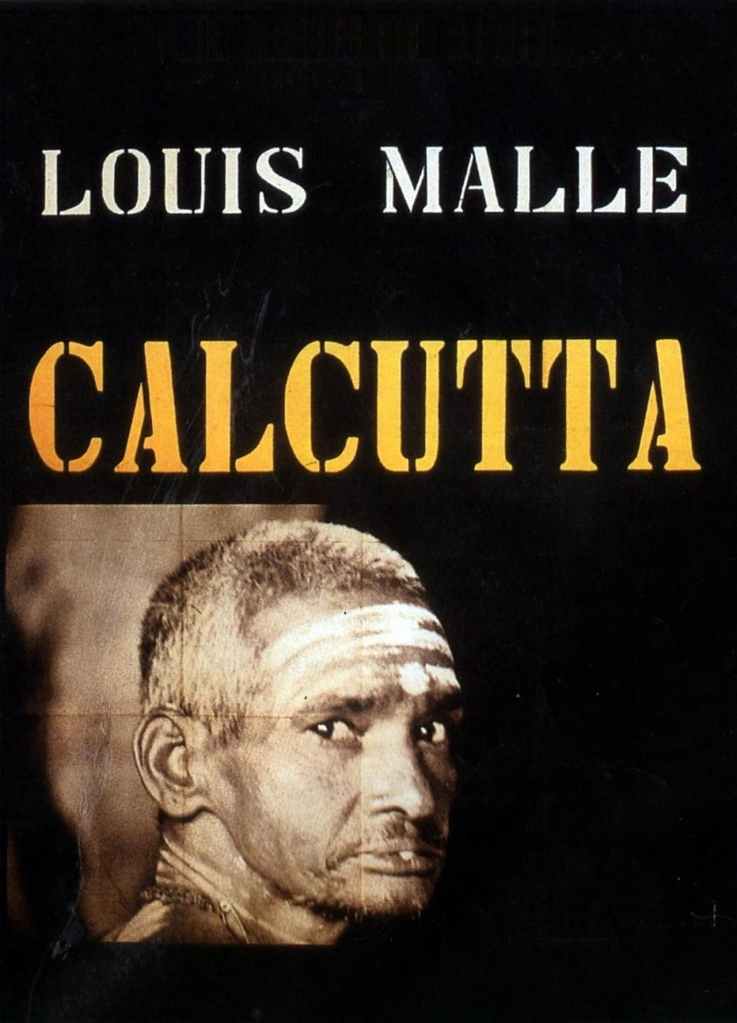
Louis Malle’s Calcutta came about accidentally. While filming Phantom India, he found that he spent so much time in Calcutta, and had so much tape from it, that he decided to dedicate a whole new film to all of it. Released separately from the TV series Phantom India, this film focuses on that one city. Whereas the TV series above took a leisurely pace, this movie has a frantic pace from the beginning. Like before, Malle doesn’t spend much time on the English-speaking wealthy population. Though that group ran the country and the industry, it made up less than 1% of the population (sound familiar?). Instead, he looks at the poor and disenfranchised. We see a political demonstration, which is put down hard by the police, as well as slums that have popped up along the train tracks. I generally liked Phantom India more, I just found rural India to be more fascinating that urban India, but Calcutta is still an eye-opening look at a struggling population. ★★★
- TV series currently watching: Star Wars Visions & The Boys Presents Diabolical
- Book currently reading: Anthem by Noah Hawley

 Jons Movie Takes
One thought on “Quick takes on Louis Malle’s documentaries”