
I watched Tahara for one reason alone: I really enjoyed lead Rachel Sennott in Shiva Baby (her newest, Bodies, Bodies, Bodies, is also on my radar). Sennott plays Hannah Rosen, a high schooler in a Jewish school. The student body has been brought tougher for a day of remembrance after the suicide of one of their own, a girl who was an outcast for being a bit odd, and the target of constant bullying. Hannah and her long-time best friend Carrie don’t seem much interested in the grieving process, in fact, Hannah can only think about the newly single Tristan, who was the dead girl’s supposed boyfriend (supposed because the rumor is she was a lesbian). Meanwhile, Carrie’s world is rocked when Hannah begs her to practice kissing so that she is ready for Tristan, and Carrie realizes her feelings towards Hannah may not be as platonic as they’d been before. In Shiva Baby Sennott was lovable and likable, but her character here is just the opposite: conceited and absorbed in her own world. The film does a great job of showing the awkward interactions of today’s teens, a group who are more comfortable texting and connecting online than in in-person social situations. Sometimes funny, sometimes cringy, it’s a decent, short (77 minute) diversion. ★★★
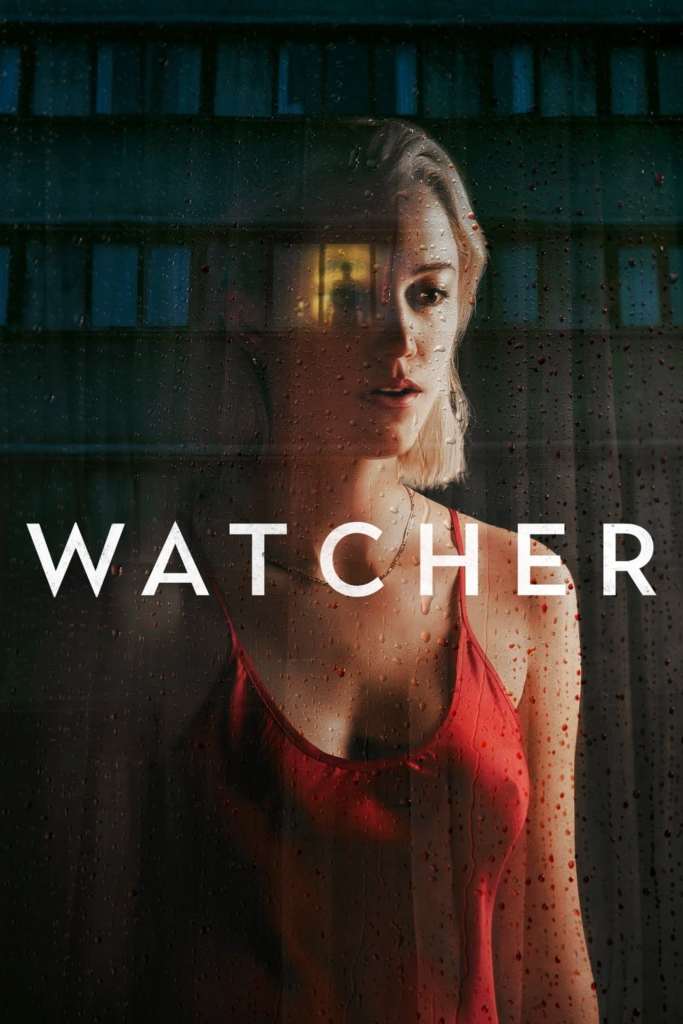
Watcher is just the kind of psychological thriller I was expecting, but it is a better-than-average one, even if, like most films of this type, it is very predictable. Julia and her husband Francis have just moved to Romania for his new job. He knows the language (his mother was from there), but Julia does not. She feels like a fish out of water, and though she initially tries to go out, the language barrier ends up keeping her in their apartment more often than not. That’s not a safe place for her either though: Julia is convinced that a man in the apartment across the street is watching through her window day and night. Now, even when she goes out, Julia feels she is being watched and followed. To add to the suspense, there is a legitimate serial killer in the area, targeting young pretty woman. Francis initially believes Julia and even goes with a cop over the man’s apartment to check it out, but when he checks out clean, doubt creeps in. As a viewer, of course we know how this is going to turn out. But still, it’s a good little thriller and lead Make Monroe is decent as a stalked and scared woman. ★★★½
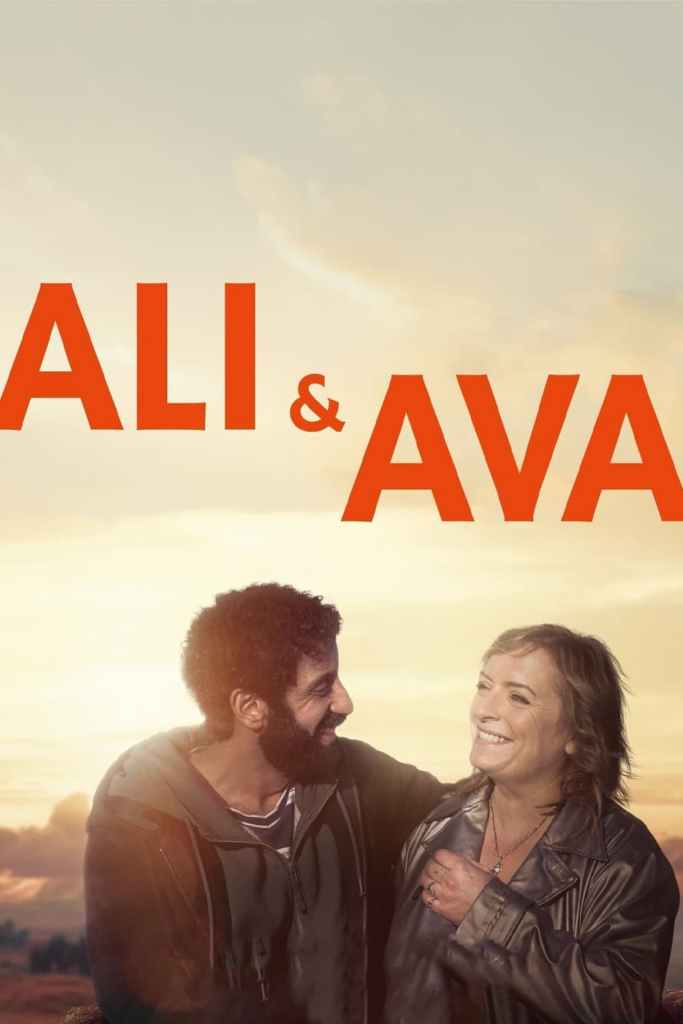
Ali & Ava is one of those quiet, human dramas that I’m all about. Ali and Ava are two adults each going through a tough time in their respective lives. Ava’s ex-husband has recently died, and she’s conflicted with that. On the one hand, he’s the father of her (adult) children, and her son in particular is fiercely defensive of his memory, but that’s mostly because the son was too young to remember how much his father beat his mom. Still, with Ava’s children grown and moved out, she’s finding life lonely outside of her work (she’s a teacher’s assistant). Through school, she meets Ali. Ali is separated from his wife, though they still live in the same house, because many of their family is in the area and they are putting on appearances. Their separation has been a rough one; you can tell his wife wants him to “grow up,” but Ali finds true joy in DJ’ing and working in music, apart from his “day job” as a landlord. Together, Ali and Ava find a comfortable companionship, despite different backgrounds, upbringings, etc. It’s a heart-warming, at times heart-breaking movie, full of emotion. This film may bore some viewers, but it’s one of those that you just have to sit back and let it wash over you. ★★★★
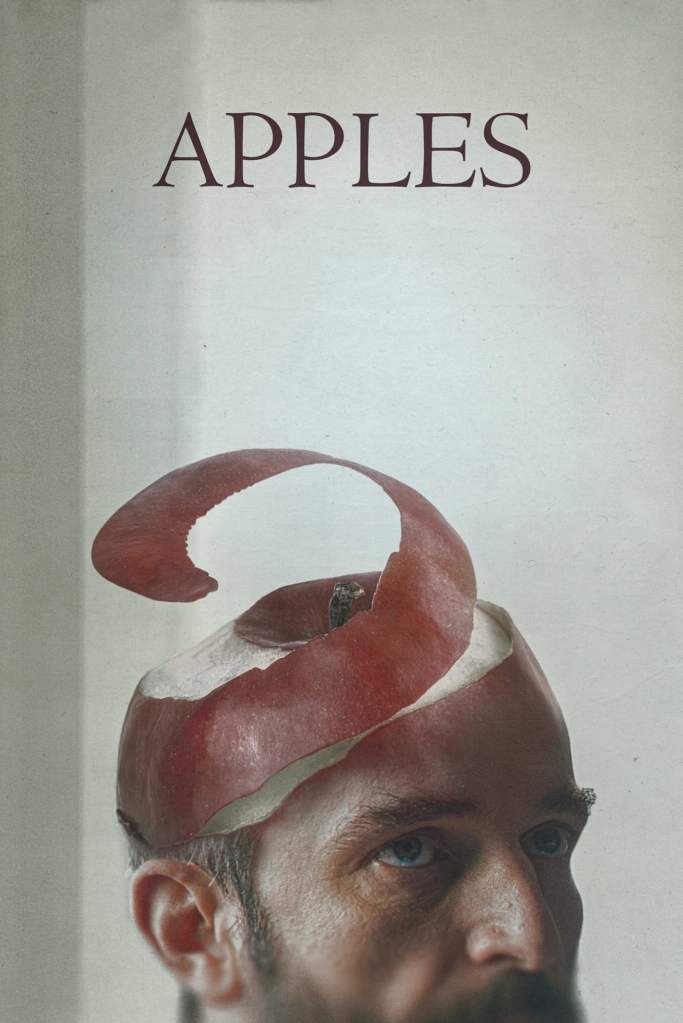
Apples is a Greek film about a pandemic possibly scarier than COVID. It’s not killing people, but suddenly, and for no known reason, people are coming down with amnesia. A person could be walking down the street, and suddenly have no recollection of who they are or where they were going. Completely blank slate. For those that end up in this state with no ID or identifying papers, they end up at the hospital until family or friend comes along to claim them. For those unclaimed, there’s a group that tries to give these people a new life. Aris is the newest person to go through this program, but for the viewer, we get snippets here and there that make it seem that Aris is faking it, but for a reason unknown. In any case, he goes along with the program. What the group does is try to invent a life for those that have none, arming them with a camera and instructions to photo themselves doing various, often random things, so they can make a scrapbook of a cobbled-together life. Kind of silly, but also sad, as Aris (and we viewers) see people on the street doing the same things (riding a bide and taking a photo next to it) over and over again. The real kicker for these poor people is their relationships with others. Aris doesn’t always know if those he interacts with are acting genuine, or if they too are making their own scrapbooks, and just following directions to do things. Aris goes about his life, directionless, which is about as sad you’d expect. There’s some funny moments here and there, because of the things these people are asked to do, but it’s mostly a thoughtful drama about what a person will do to avoid facing loss. Tremendous film. ★★★★½
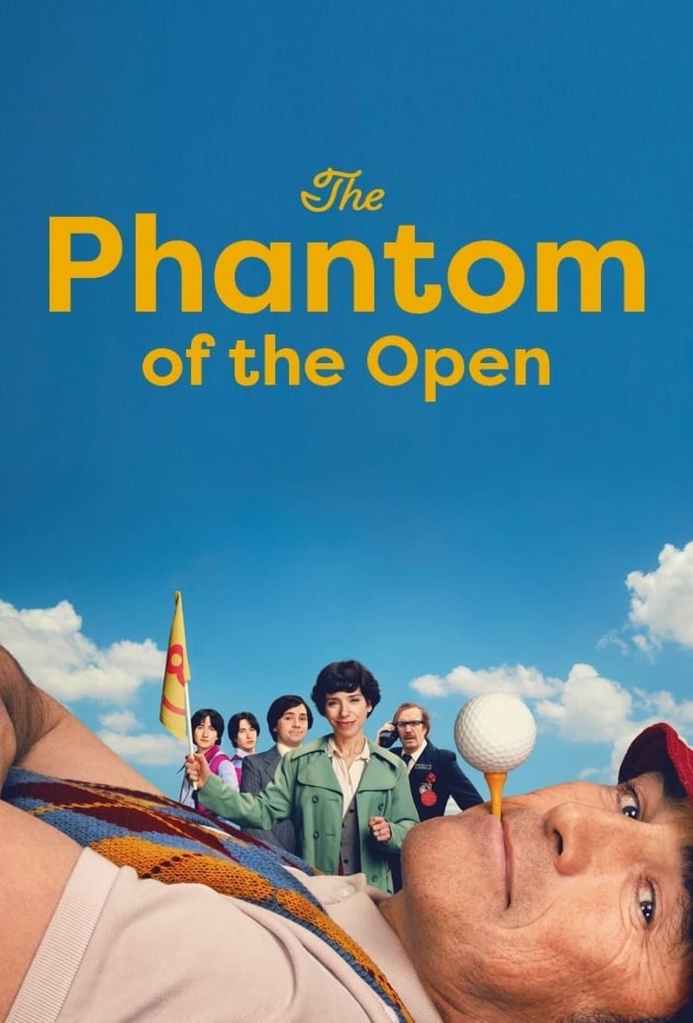
The Phantom of the Open is a biopic, based on the life of golfer-turned-cult hero Maurice Flitcroft, who, in 1976, “snuck” his way into the British Open and played professional golf with the best in the world. Played by Mark Rylance, Maurice is portrayed as a great person, who gave up his own aspirations to marry single mother Jean (Sally Hawkins) to give her son a father at a time when unmarried mothers were very much looked down on. He raised the boy, Michael, as his own, and he and Jean had twin boys as well, so Maurice’s dream of going into engineering never happened, as he had to keep his labor job to support the family. By the 70’s, with boys raised, Jean told Maurice it was finally time to do something for himself and, after seeing golf on TV for the first time, Maurice felt his calling. By an extremely odd loophole, and lax fact checking by the people running the golf tournament, Maurice ending up teeing off at the British Open, despite having never played a course before, and only having done practice sessions on his own. Needless to say, it does not go well, and his score of 121 is by far the worst ever turned in on a major golf championship. While the people who run the tournament see it as an affront to the prestige of the sport, Maurice sees tremendous support from the common man. In ensuing years, Maurice keeps trying to get back into the British Open, with increasingly outlandish disguises and pseudonyms. It’s a decent little movie. I was super excited to see Hawkins in it, as she is always incredible in everything, but she has a rather small part here. Rylance is great as always, though the subplot involving Flitcroft’s family troubles with his kids seems a bit too Hollywood. ★★½
- TV series currently watching: The Flash (season 8)
- Book currently reading: The Picture of Dorian Gray by Oscar Wilde

 Jons Movie Takes