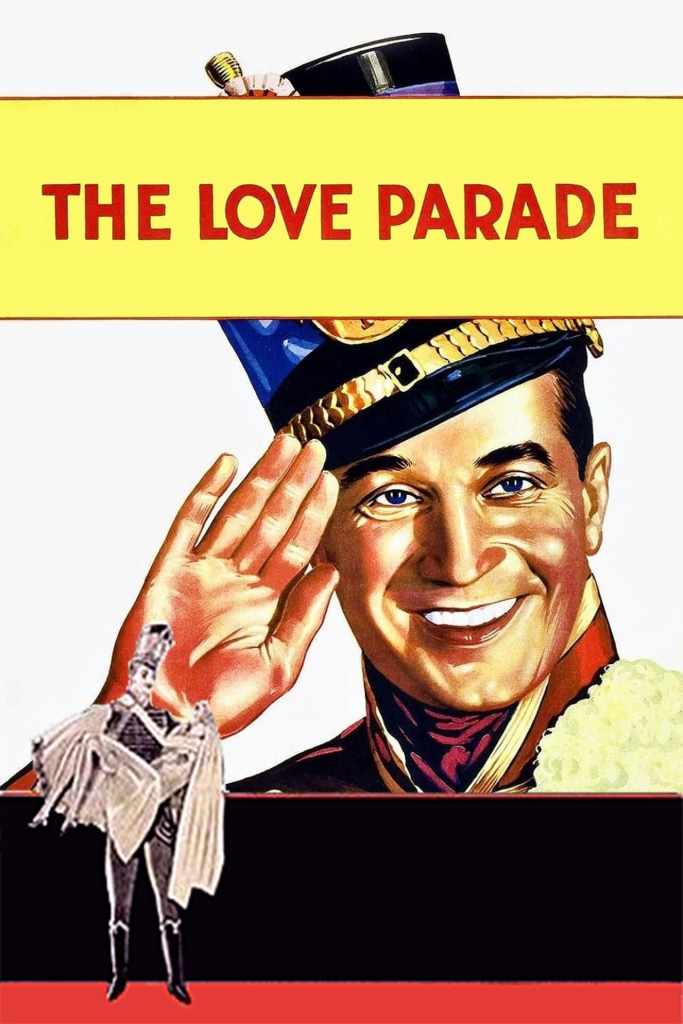
A couple years ago I reviewed some films from director Ernst Lubitsch, which were dramas and comedies which I really enjoyed, but he’s also very well known as being a pioneer in the musical category. Today I’ll be looking at 4 of his musicals from the late 20s and early 30s, starting with 1929’s The Love Parade, his first true sound film after having directed 20+ silent films and countless short films. It revolves around a simple plot: fictional country Sylvania’s queen, Louise, is under pressure to marry. At the same time, the country’s diplomat to France, Count Alfred, has been called home for his scandalous affairs with multiple married women in Paris. When he gets home, Alfred immediately intrigues Louise, and she marries him. They find that love in marriage isn’t nearly as exciting as love outside it, and the two butt heads over Alfred’s seemingly loss of masculinity to the headstrong and demanding Queen Louise. Due to being a pre-Code film, there’s lots of double entendre in the songs, and some salacious scenes involving a naked Louise bathing or lounging in bed, all things that wouldn’t fly just a couple years later. Some of the songs made me chuckle, but all in all the movie is unfortunately pretty boring. It was popular at the time though; its financial success coming just after the the 1929 stock market crash helped keep Paramount Pictures afloat. ★½
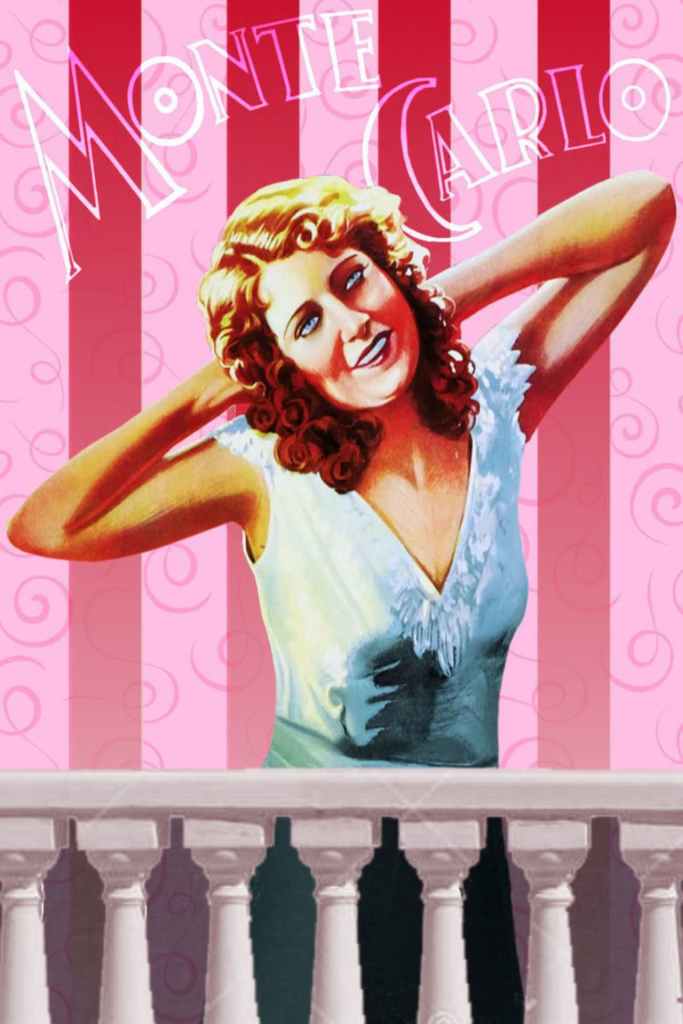
Monte Carlo is a little better, but not much. The rich Duke is getting ready to marry the Countess Helene, but she disappears on their wedding day, the third time she’s run away. Helene only agreed to marry because her funds have been depleted, but she can’t stand to think about marrying the Duke. She runs away with her maid to Monte Carlo, hoping to turn their last 10k into a fortune, and thus not have to marry. Unfortunately that money is gone the first night, and it isn’t long before the hotel is planning to kick her out for not paying. However, a wealthy man at the casino, Rudolph, takes an instant liking to her, and pretends to be a hairdresser to get into her rooms. As Helene loses staff due to lack of pay, Rudy takes on more jobs in her circle to stay close to her. Things are going Rudy’s away until the Duke tracks Helene down. The humor is a bit better in this one, but the songs are still rough and not memorable (they are more for narrative purposes and to break up the action, and often seem like an afterthought). ★★
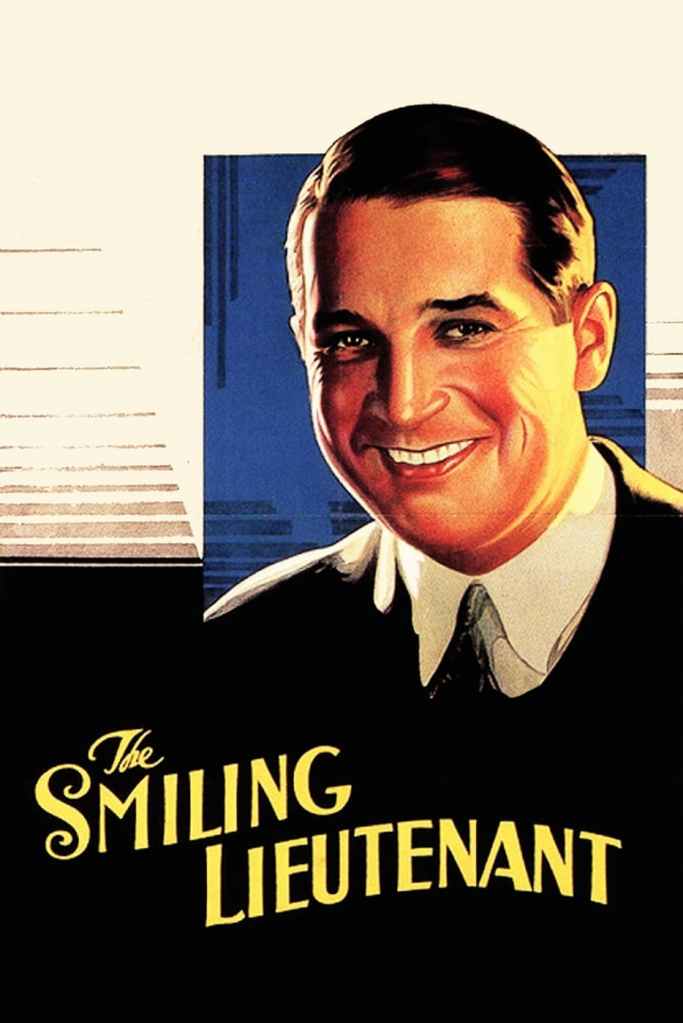
The Smiling Lieutenant is the first of these that I really liked, but it didn’t seem like it would be so at the beginning. It starts off a little kitschy and I was ready to be bored again, but it picks up quickly. The eponymous smiling guy is Niki, a notorious lady’s man, whose latest target is street musician/violinist Franzi. She gives in to his charm and the two are sleeping together soon. The royal family of neighboring (fake) country Flausenthurm is visiting, and during a military parade, Niki winks at Franzi along the street. Unfortunately for them, Flausenthurm’s most eligible bachelorette, Princess Anna, thinks the wink was meant for her. The sheltered Anna, whose best friend is her single father, is sexually repressed and ready to break out, so Niki is roped into marrying her, so fast that his head is spinning. Niki still has some power though, and refuses to consummate their marriage, slipping out in the night to continue to meet Franzi. Anna is devastated, but she’s willing to do whatever it takes to get her husband in her bed. Very funny, with better tunes than the previous films. ★★★
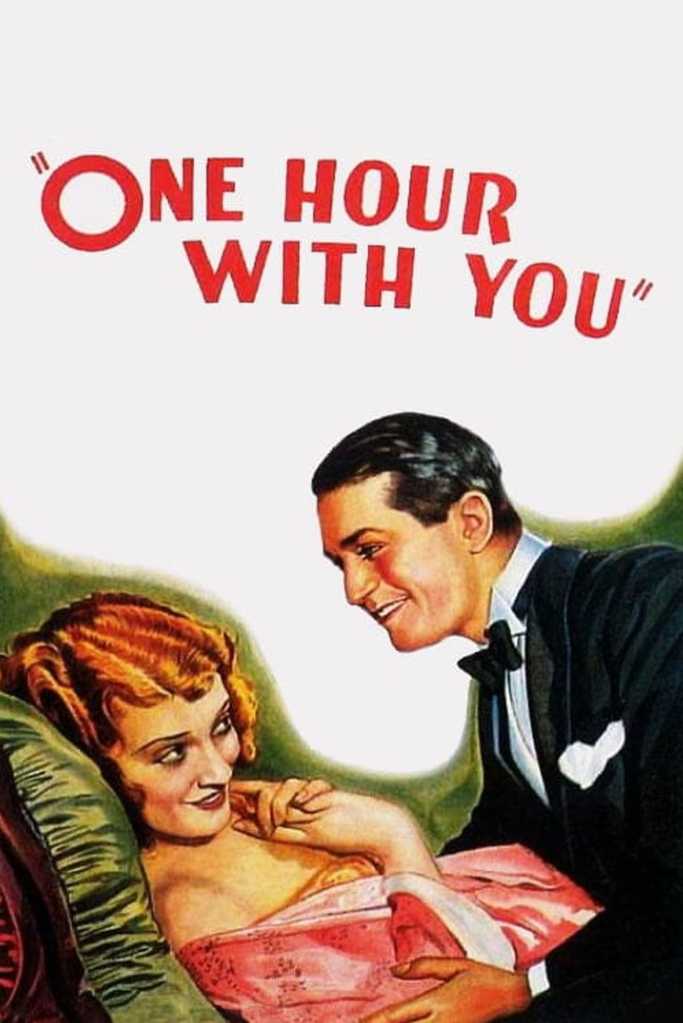
One Hour With You brings back French superstar of the era, Maurice Chevalier (who was in 2 of the above films as well) for a shorter film about a bunch of people who can’t wait to jump in bed with anyone other than their spouse. The only happily married couple is Andre and Colette. However, Collette’s childhood friend wants out of her loveless marriage and is intrigued by Andre, and Andre’s friend would love to be able to woo Colette away. Lots of innuendo (it’s still in pre-Code era), but honestly not all that entertaining. It did get an Oscar nom in 1932, but I can only guess it was because the audience was starved for something like this, because it certainly hasn’t held up. ★½
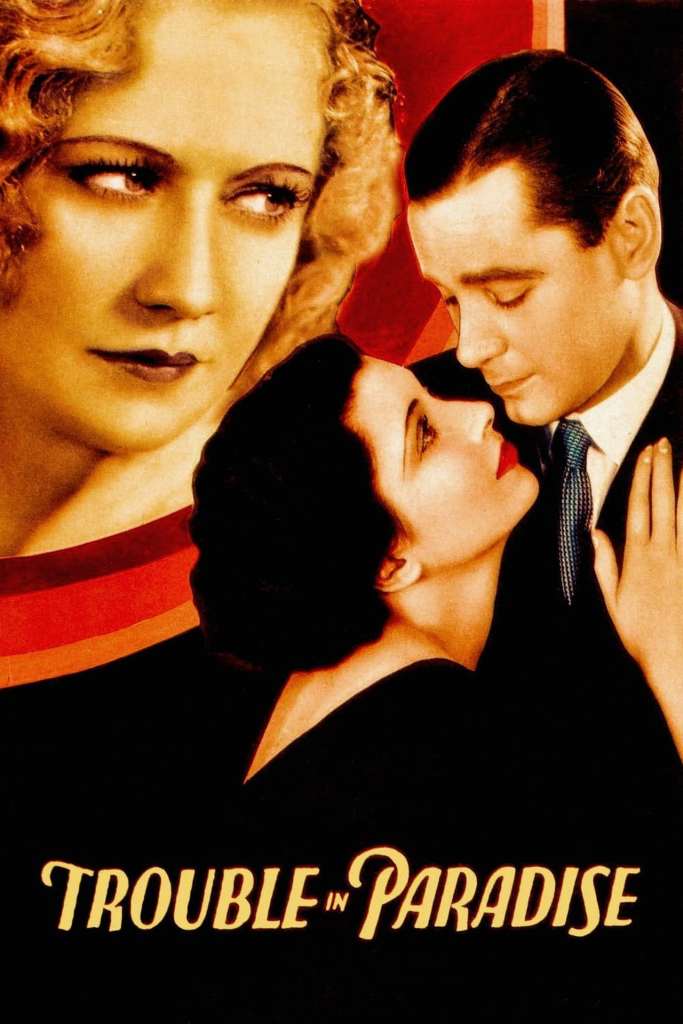
I couldn’t get my hands on a fifth musical by Lubitsch, so I’m finishing with Trouble in Paradise. By watching it, I think I’ve found I generally like his romcoms better than his musicals. Miriam Hopkins returns (Anna from The Smiling Lieutenant), and is paired with Herbert Marshall and Kay Francis (at one point, the highest paid actress in Hollywood). Gaston and Lily are each conning people in Venice, but when they meet each other, a thief spots a thief, and they form an instant bond made from mutual respect as well as passionate love. Teaming up, they steal a very rich handbag from the wealthy Madame Marietta Colet, the heiress to a perfume fortune. When Marietta puts out a substantial reward, more than the thieves can get from a fence, Gaston returns it, and endears himself to Marietta, getting hired on as her secretary. While learning Marietta’s ins and outs (and where she keeps money stashed), something inexplicable happens: Gaston starts to fall for her. Seeing competition, Lily wants to call it off, but they are too deep at this point. A fantastic finale when the masks are removed completes a wonderfully entertaining film. Funny, with witty dialogue, and even a little suspense here and there as Gaston dodges former targets and those he’s duped before. The only one out of this set that I’d watch again, but like I said earlier, his later films are much more consistent. ★★★★
- TV series currently watching: The Old Man (season 1)
- Book currently reading: Where the Crawdads Sing by Delia Owens

 Jons Movie Takes