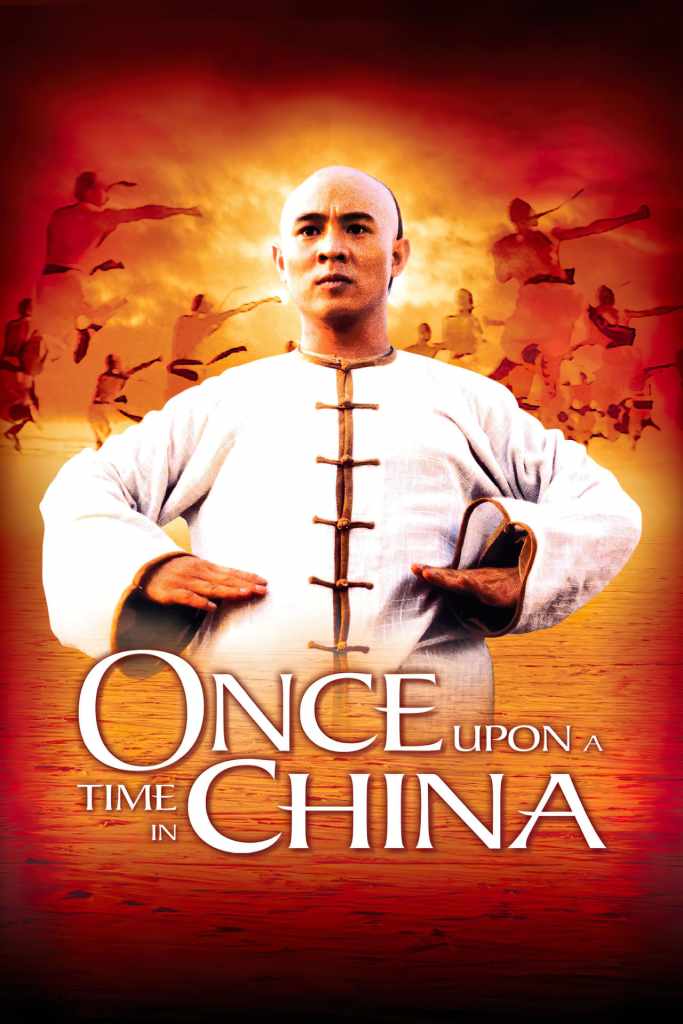
The Once Upon a Time in China series is a set of six films (and a short-lived tv series) made from 1991 – 1997, centered around Chinese folk hero Wong Fei-hung. The first couple films starred Jet Li as Wong, a martial arts master whose legend precedes him wherever he goes in late 19th century China. The tone of the first film is set early on: Wong is a simple man following traditional Chinese customs, and living in a time where British influence and western cultures are racing to modernize the country. A local Chinese gang is using the turbulent time to their benefit, wooing men with tales of riches in America, and then stealing all their money, or kidnapping woman to sell off as prostitutes. It is up to Wong to face off against the leader of the gang and put a stop to his trade. I honestly didn’t know much about this series going in (I think I was thinking more Policy Story, another Hong Kong film which I thoroughly enjoyed), and had a hard time getting into this first movie. The fighting is decent (though I could do without the 80s style sound effects, i.e., the exact same sound made every time a punch lands, which is constant), but the humor is really hokey and he film’s pace feels chaotic, and the story was, for me, hard to get a bead on. It settled down towards the end, but by then I didn’t always know what was going on. I’m hoping for a better things going forward. ★★
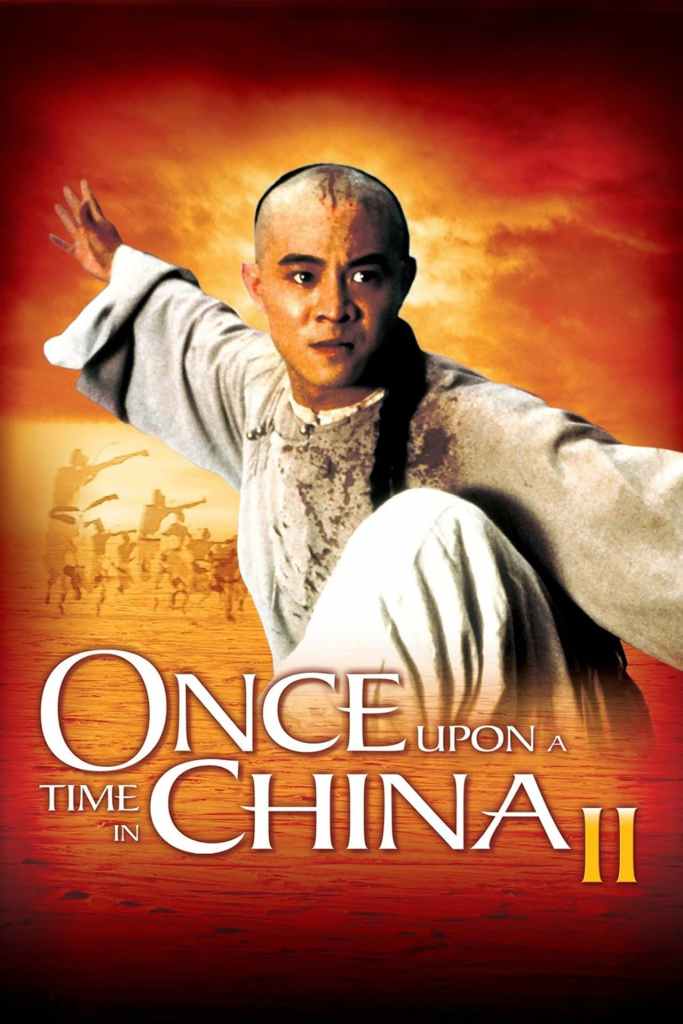
The sequel, following a year later, was better (or maybe I was just more prepared for what to expect). Wong, with his love interest and apprentice on hand, travel to Canton to attend a medical conference. After a few humorous moments aboard the train, the first train ride for Wong and his sidekick, they settle in to Canton, a city at a crossroads, much like in the first film. A local highly nationalistic cult, called The White Lotus, is pushing to have all westerners kicked out of the country. They are at odds with the local government, who is accepting of British immigrants and the industry/science advancements they bring. There is turmoil in the streets, and while Wong initially tries to stay out of it, he is pulled in when a local school, teaching English to the kids, is targeted by the cult, and Wong rescues the children. Wong is portrayed as a man who loves his culture, but is open to learning new ideas brought by others, even if he doesn’t always agree with them, and the film does a great job of showing that you can be proud of who you are without being close-minded to others. Again, good action scenes, but sometimes they are thrown in, out of nowhere, just to create excitement when there’s too much talking going on. The film also introduces Sun Yat-sen (Sun Wen), a historical figure who would go on to play a pivotal role in the overthrow of the Qing dynasty and become the first ruler of the Republic of China, the beginnings of which are shown in the second half of the film. The local government turns on the British when they realize they are harboring Sun in their consulate. I wish they’d dug more into the political intrigue, but it remains mostly an action film. I did like this one more than the first. ★★½
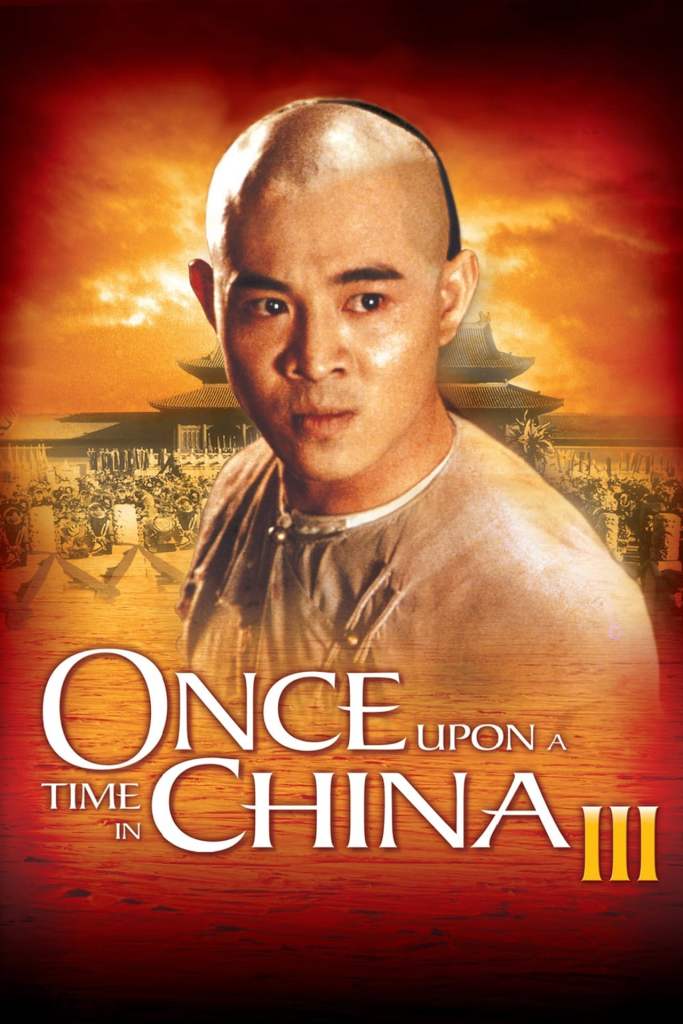
Wong and his cohorts have come to Beijing so that Wong can tell his father that he is in love. After dancing around his “13th Aunt” for the first two films, Wong is finally ready to admit he loves her. At the same time in Beijing, the empress wants to out the immigrants who seem to be invading and changing their culture, so her advisors suggest hosting a kung fu competition to show off their might. The competition brings about the opposite effect: the rival kung fu schools end up fighting in the streets. This brings about constant action in the film, but doesn’t fit within any kind of plot. The fight scenes now go beyond suspending belief to all-out ridiculousness. In the first one in the film, “Clubfoot” takes on Wong’s father. Clubfoot is the city’s best rickshaw driver, and so his kicks are super-powerful. He can take a leap into the air and, defying gravity, fly across the room scissor kicking, as well as run across the roof beams, upside down, and all kinds of silly things. Even when the movie tries to be serious (rarely), it comes off as silly. Sequel-itis is setting in. ★
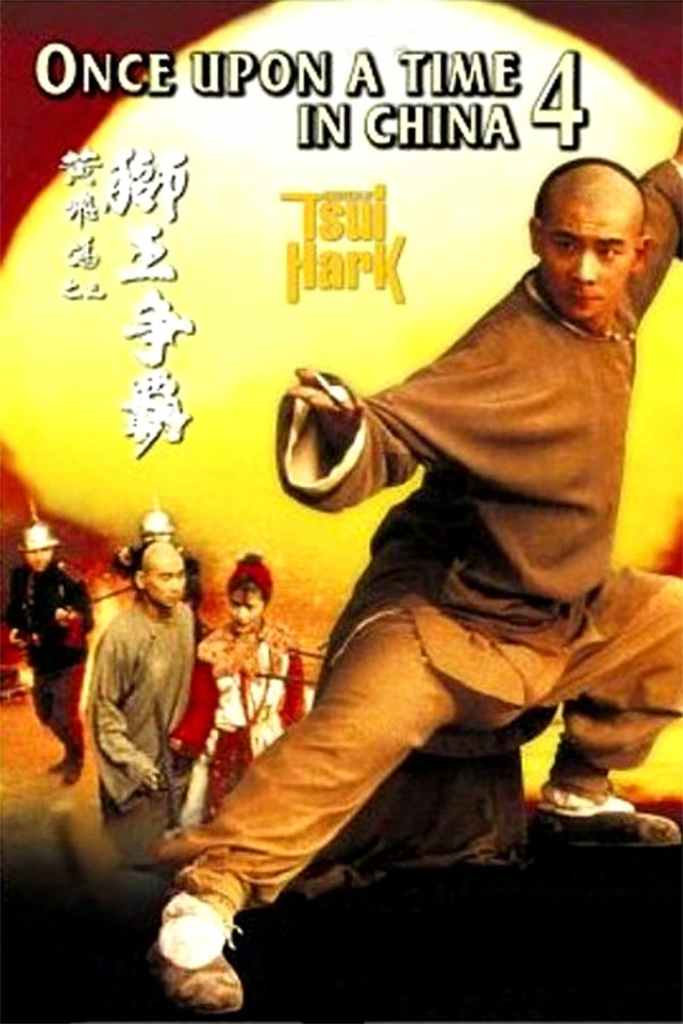
Once Upon a Time in China IV brought changes: a new director (Yuen Bun, replacing Tsui Hark who had done the previous 3 movies), and a new Wong Fei-hung (Vincent Zhao replacing Jet Li). The 13th Aunt is also explained as being away, but Wong still has his usual group of sidekicks, and a “new” aunt, the “14th Aunt.” Despite all the changes in personnel, it seems they otherwise decided to use the same plot elements. There’s a new nationalist cult, The Red Lanterns, and a new competition not much different than the one in the last movie. This time, the comp is set up between the 8 nations with interest in China, and they are ready to fight dirty to beat China’s heroes into submission. Germany in particular has no qualms about racing to the lowest denominator. More high flying feats of kung fu, but the film brings nothing new to the franchise. ★
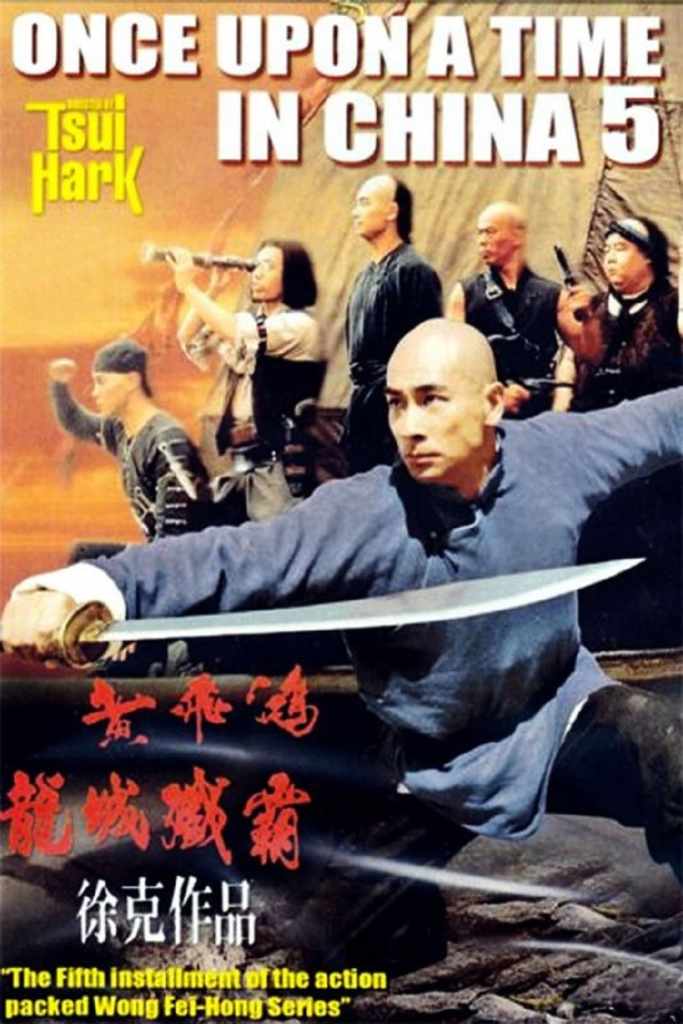
After the rough reviews of the previous film, the fifth movie brought Tsui Hark back to the director’s chair, with positive results. After the end of the previous film, foreign powers are occupying Beijing, and China is seeing its long-held dynasty falling apart. Wong Fei-hung returns home to Foshan, and there reunites with 13th Aunt and his apprentices from the first film. But a new threat is bothering Foshan: a gang of pirates. And with the government failing, no one is around to stop them, leaving it to Wong and his crew. This film ups the comedy, even more so than the previous films. Wong’s apprentices are really no more than a bunch of buffoons, and with both the 13th and 14th Aunts around vying for Wong’s affection, there are lots of chuckles at the double entendres and faux romances going on. I still think Jet Li’s high wire kung fu was better than Vincent Zhao’s, who was Wong once again in this film, and so I’m looking forward to the final film, in which Li returns to the title role. ★★½
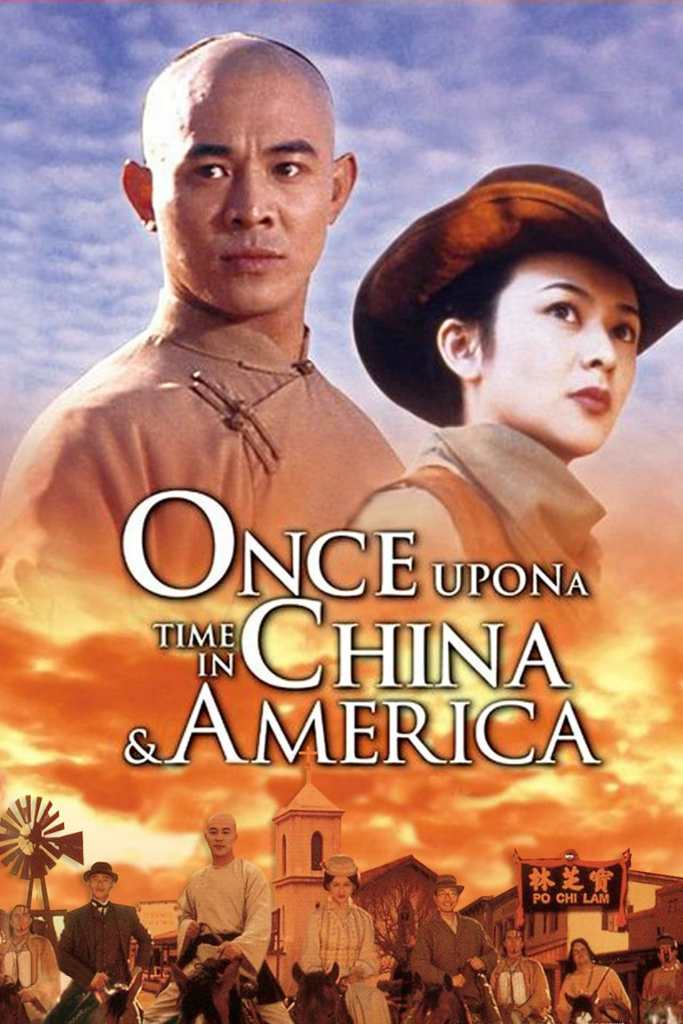
The last film in the series was released in 1997, and was internationally known as Once Upon a Time in China and America. Honestly this was my favorite of the series, maybe because it is just so much different from the others, and not just because of the setting. Wong and his friends find themselves in the USA, as they are visiting a former apprentice who has opened a shop in San Francisco. To expand the runtime, there’s a subplot where Wong gets hurt on the way there, and wakes up in a Native American camp with a case of amnesia. His inherent fighting skills earn him a welcome stop among the tribe, and it is awhile until he comes to remember himself. He does just in time to fight off San Fran’s corrupt mayor and his hired goons, with the help of a good ol’ cowboy named Billy. The series has played with the notion of Wong’s kung fu vs guns in previous installments, but nowhere is it more apparent than in the Old West. Some new interesting villains and Jet Li’s magnetic return seal the deal. Doesn’t hurt that they toned down the slapstick either. Solid, fun movie; I wish all of them could have been as entertaining. ★★★½
- TV series currently watching: Naomi (season 1)
- Book currently reading: The Great Hunt by Robert Jordan

 Jons Movie Takes