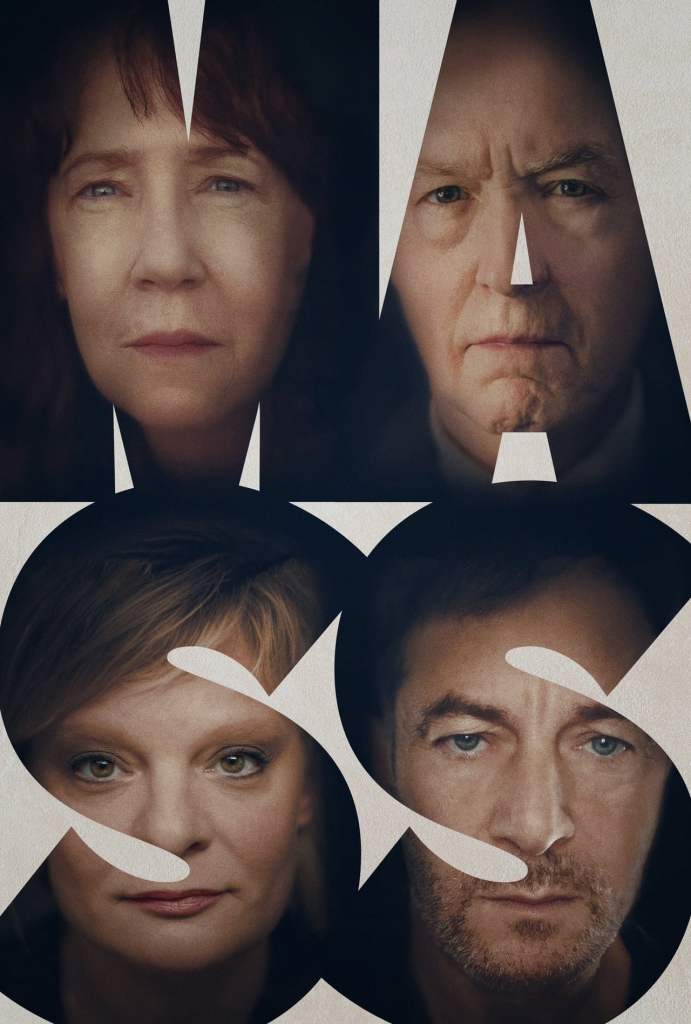
Mass is an emotionally charged film about an uncomfortable subject: school shootings. But it does something that most films don’t touch, which is giving us the perspective of the parents of the killer, not just the parents of the victims. Taking place almost entirely in the back room of a church where the two sets of parents have come to meet, the events take place 6 years after the shooting. The meeting is meant as part of the healing process, ant it is obvious from the beginning that both couples are still carrying a lot of anger and hurt. In these situations, we want to defile the perpetrator’s parents, but in this film, they seem like good people. They struggle with what they could have done differently, and try to reconcile the monster their son is named in the media with the good boy they remember. The victim’s parents just want answers: they want to know how and why the other’s son came to school to kill that day. I’m torn on this movie. On one hand, it has four tremendous performances by very good actors (Reed Birney, Ann Dowd, Jason Isaacs, and Martha Plimpton), and while there definitely great moments that take place, there’s also a lot of reiteration and oftentimes awkward dialogue. Some of that is purposefully so, as the characters are feeling each other out, but even later on, I kept thinking, “Real people don’t talk like this.” A solid effort though from first-time director Fran Kranz. ★★★½

Beans is a coming-of-age film wrapped inside a true life crisis. In Quebec in 1990, a land dispute took place where a developer wanted to build a golf course on the Mohawk people’s ancient land. This lead to barricades, protests, and a 77 day standoff between local police (and later the Canadian army), and the Mohawk people. It is in this charged environment that Tekehentahkwa, or Beans as she tells “white people” to call her, is trying to find her way. Beans has the grades to go to a good high school, and wants to attend a prestigious school in Montreal the next year, but she gets pushback from many amongst her people, including her own father, who feel she should stay local. Like most preteens, Beans looks up to an older girl named April, but April is perhaps not the best influence. Emulating April, Beans starts dressing older, cussing, and doing pranks with the older boys. She’s having a good time, until those times when she has to go into town with her family, and sees the hate aimed towards the Mohawk people; the white townsfolk start with taunts and later turn violent towards her and her family. The performances in this film from the unknown actors are hit-and-miss, but Kiawenti:io Tarbell as Beans is very good, and, using a lot of actual footage from those 77 days, the film is eye opening about the hate that come out when people feel wronged or are inconvenienced. I’d never heard of this event, and while I could use the excuse that I was only 10 when it happened, let’s be honest: most of us only see things that happen in our country. Even if this went down now, I’d probably only read the headline and move on. Shame on me. ★★★½

Not often that I watch a Wes Anderson film that doesn’t do something for me, but that’s the case with his newest, The French Dispatch. The film sets up with the death of the editor of the magazine The French Dispatch, and it was his dying wish that the popular newspaper close up with one final issue, to be made up of 4 articles. The film is the story of these 4 articles, so it is more of an anthology film. The three main stories that make up the movie are that of an artist struggling to get his work noticed while he is in jail; a group of student protestors; and a kidnapping plot involving the police chief’s son. Anderson pulls out all the stops, and the movie is a non-stop carousel of big names and faces; even the minor roles are a lot of big stars. Super fans of his work will dig the continuation of his trademarked style, but for me, it was way too much. He chose to go style of substance in this film, and it bombards the viewer from the opening scene. I like his movies that blend his style with a heart-warming message or great plot, but this film is really light on any of that. It seems like it’s the result of an artist making a film for himself, and everyone else can enjoy it or not; makes no difference to him. ★½
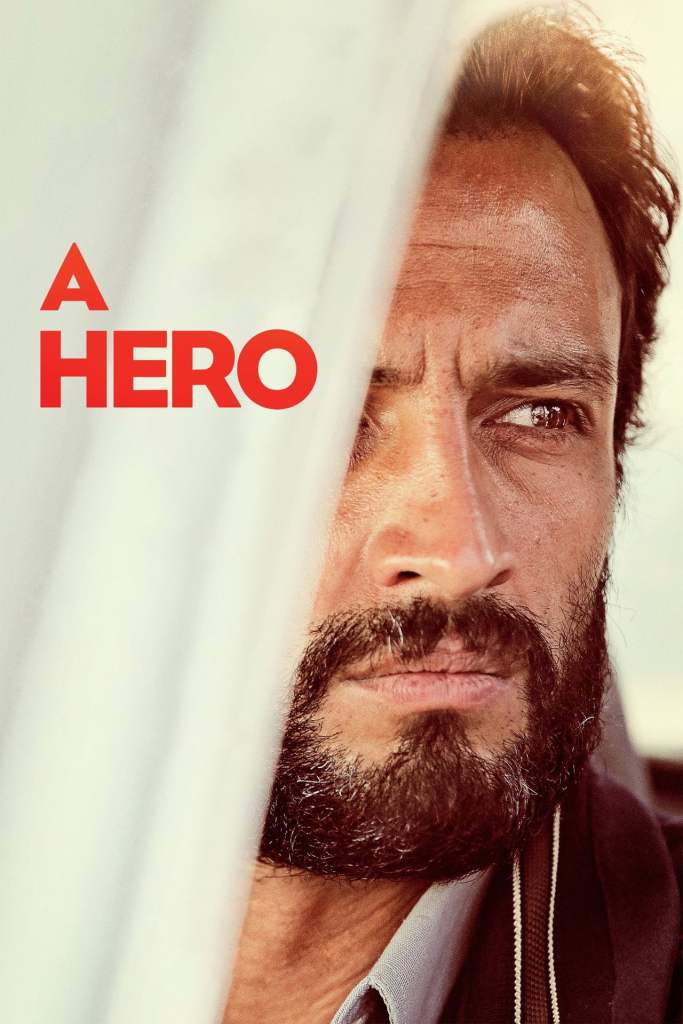
A Hero is the latest from another great director, albeit a much lesser known one outside of world cinema circles. Asghar Farhadi has made some good ones, but A Hero doesn’t quite reach the heights of some of those others. This one follows a man named Rahim who is in prison for debts (a common-enough reason in Iran). On a 2 day leave, his girlfriend shows him a purse she found on the street recently, with 17 gold coins inside. The money would be enough to pay back half of Rahim’s debt, and he hopes to beg for a chance to get out of jail and start earning to pay back the rest. However, when he takes the gold to a dealer, the amount is only half of what he was expecting. Knowing that will not be enough, and wracked with guilt that someone is missing the large sum of money, Rahim decides to find its owner. He is able to do so, and the story gets out to the press. The local newspapers and TV hail Rahim as a hero, a noble person willing to forgo his freedom for a stranger, but over time, Rahim is forced to tell more and more lies to keep the story straight. A charity organization, who initially raises money for Rahim’s debt, starts poking wholes in his story. It would be easy to make Rahim out as a good guy with bad luck, or a thief with a heart of gold, but Farhadi chooses to paint a much murkier picture. Rahim is both: sometimes he makes good decisions, and sometimes poor, and oftentimes it is the most inconsequential lies that come back to bite him. Great acting and a subtle story, but not as moving as this director’s other big hits. ★★★½
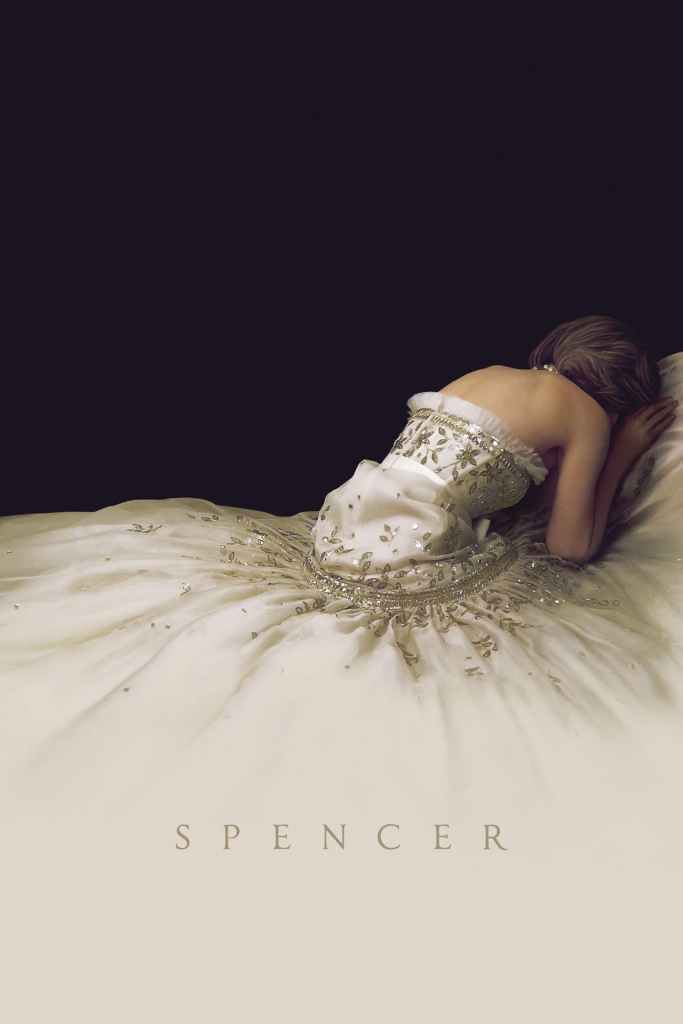
I saw Spencer for one reason alone: Kristen Stewart’s performance. I used to think nothing of her, but starting with Assayas’ Clouds of Sils Maria, I started to change my mind. I expected a tremendous rendition, and I got it. Stewart plays the iconic Princess Dianna, in a fictional story of a Christmas weekend in 1990. Dianna arrives to an estate in rural England on Christmas Eve, late to the party as always, and the film follows her throughout the weekend as she becomes unhinged under the insurmountable pressures of her current position. The house is fully aware of the affair going on between her husband Charles and his then-mistress Camilla. On top of that, every servant in the house seems to be a spy for Charles and the Queen, and no one seems to be on Dianna’s side. No one, that is, except her two sons, and her lone trustworthy servant, her private dresser Maggie (the always brilliant Sally Hawkins). When Maggie is sent away, by Charles or someone else intent on torturing Dianna, she is left alone. Dianna begins to hallucinate about Anne Boleyn, the famous former queen who was beheaded when her husband King Henry VIII wanted a new wife. Seeing corrections between Anne and herself, Dianna’s already unstable mind (she is shown struggling with self mutilation, bulimia, etc) lurches further down. This is not a straight forward biopic; it flows in a fantasy, often dreamlike state, especially towards the end. The audience scores are quite a bit lower than the critics, but I have to agree with the critics on this one. Incredible, moving picture, and Stewart would get my vote for the Oscar this year. ★★★★½
- TV series currently watching: Silicon Valley (season 1)
- Book currently reading: Redwood by Mark Danielewski

 Jons Movie Takes
One thought on “Quick takes on Spencer and other films”