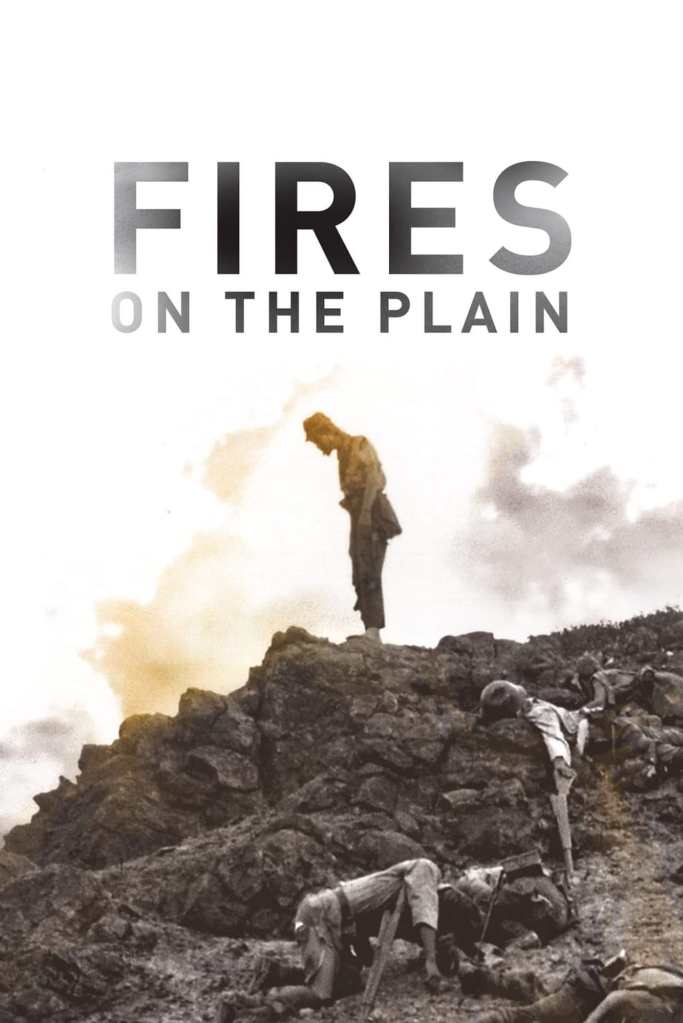
My first experience with Japanese director Kon Ichikawa was The Burmese Harp, which is an incredibly moving film. Wanting to explore more of his oeuvre, I’m looking at five more of his pictures today, and he’s got plenty to choose from: his career spanned 70 years. First up is 1959’s Fires on the Plain. It focuses on a Japanese soldier, Tamura, in the waning days of Japan’s loss in World War II. In the Philippines, Japan has suffered huge losses, and Tamura and his fellows have pretty much stopped fighting, and are now just trying to survive. Cast out of his unit because he has tuberculosis, Tamura heads off across the countryside in search of a rumored port city where soldiers are being evacuated off the island, but his journey there is fraught with peril, and not just from American soldiers and local guerrilla fighters. Tamura faces off against starvation, insanity, and even his fellow countrymen in his trek across a war-blasted countryside. It’s about as bleak of a movie as you’ll see, and I was enraptured through all of it. ★★★★½
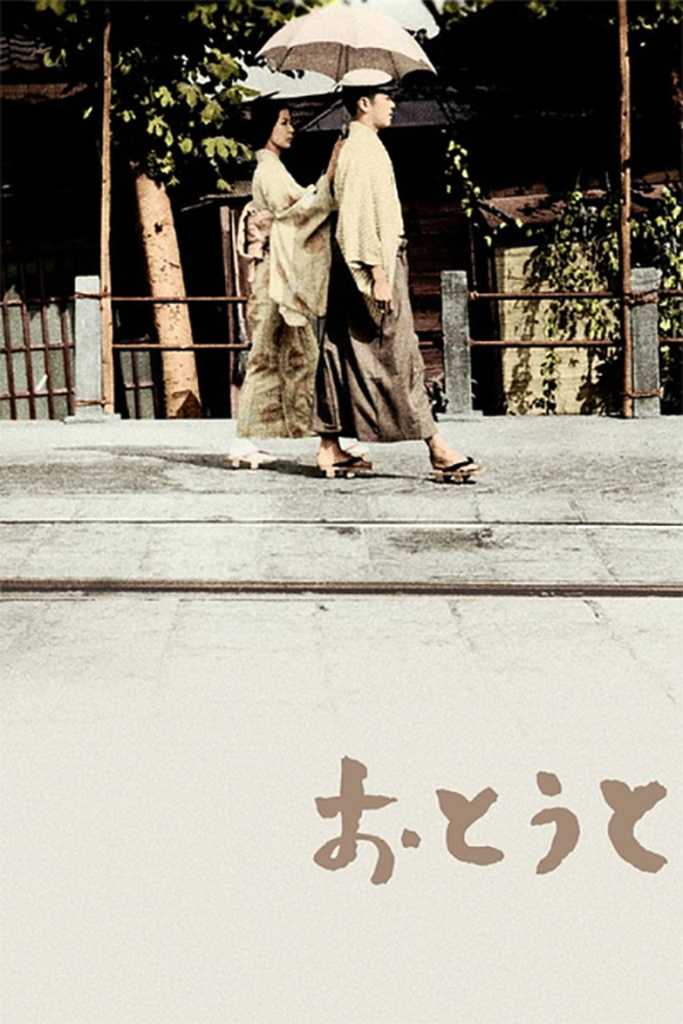
Ichikawa moved to the family drama genre with 1960’s Her Brother. The “her” in the title is Gen, a young woman who is forced to run the household due to an uninvolved father and a rheumatic (and not very pleasant) stepmother. Gen cooks and cleans, and looks after younger brother Hekiro, who is the family’s problem child. Hekiro is always getting into trouble, and his antics have progressed to the point of damaging others’ property, getting kicked out of school, etc. Their dad indulges him, throwing money at the problems as a solution, and the stepmom just throws her hands up at the whole thing; only Gen tries to really guide him. But you have to want to help yourself. When Hekiro gets really sick, Gen visits his sickbed daily, and tries to raise his spirits, putting off her own life, even while the stepmother urges her to find a husband while she’s still young. The movie gazes upon a lot of subjects of early 20th century Japan, such as a modernizing family unit, changing stereotypes, and other things, but seems to lack focus on any one theme. I felt little sympathy for Hekiro after the pain he caused, and Gen never did the one thing I wanted her to do: leave his ass behind. ★½
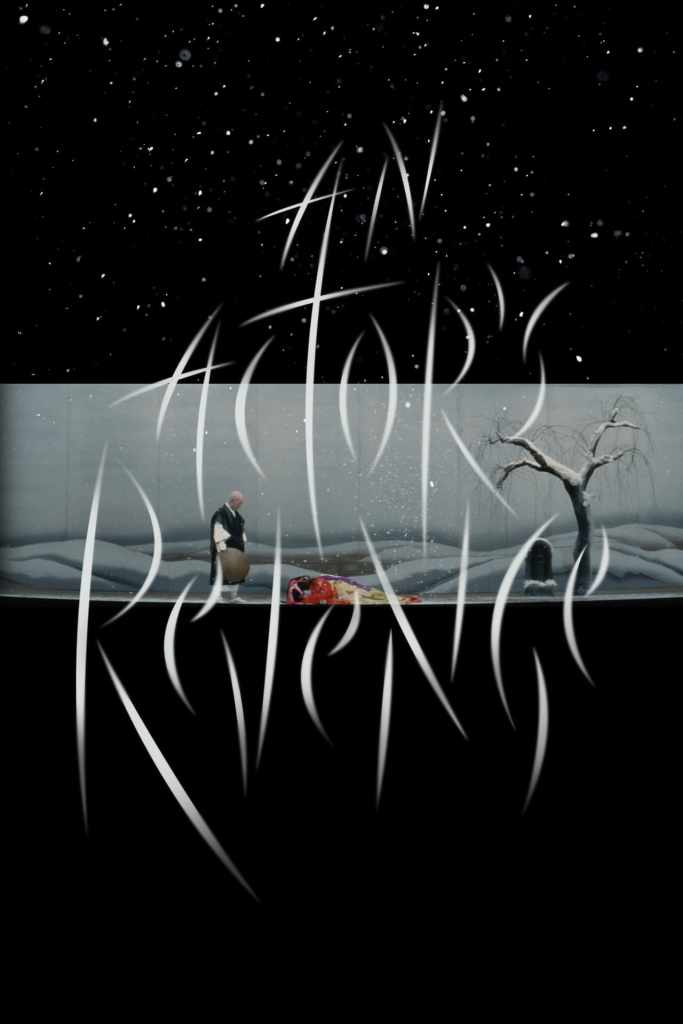
An Actor’s Revenge, from 1963, is a daring film much different than the two above pictures. Taking place in the 19th century, it is about a man, Yukitaro, who is a successful stage actor in kabuki theater, portraying a woman. As was the custom at the time, Yukitaro continues to dress and speak like a woman, even off stage. His androgynous look catches the eyes of women (and men too, though the director plays that a bit lightly due to sensors, I’m sure), and Yukitaro uses that to his advantage, because he has a secret and a life-long goal: he is out for revenge. When he was 7 years old, a trio of wealthy and powerful men did something to cause his parents to go mad and commit suicide. Now grown and under a stage name, Yukitaro seeks vengeance on those men, but he doesn’t just want to kill them. He wants them to suffer as he did. The film is put together like the plays Yukitaro performs, with obvious sets and Yukitaro himself often providing narration to the viewer, sometimes in mid-scene (further narration is provided by a local Robin Hood-type thief named Yamitaro, portrayed by the same actor). This blend of stage and outside-the-room discourse is very different than we’re used to seeing in a film, and is done so well that you just have to see it to enjoy it. The play-within-a-play style brought to me thoughts of another similarly done film, Keisuke Kinoshita’s The Ballad of Narayama, and I loved that one too. Yukitaro’s final revenge is classic cinema. ★★★★★
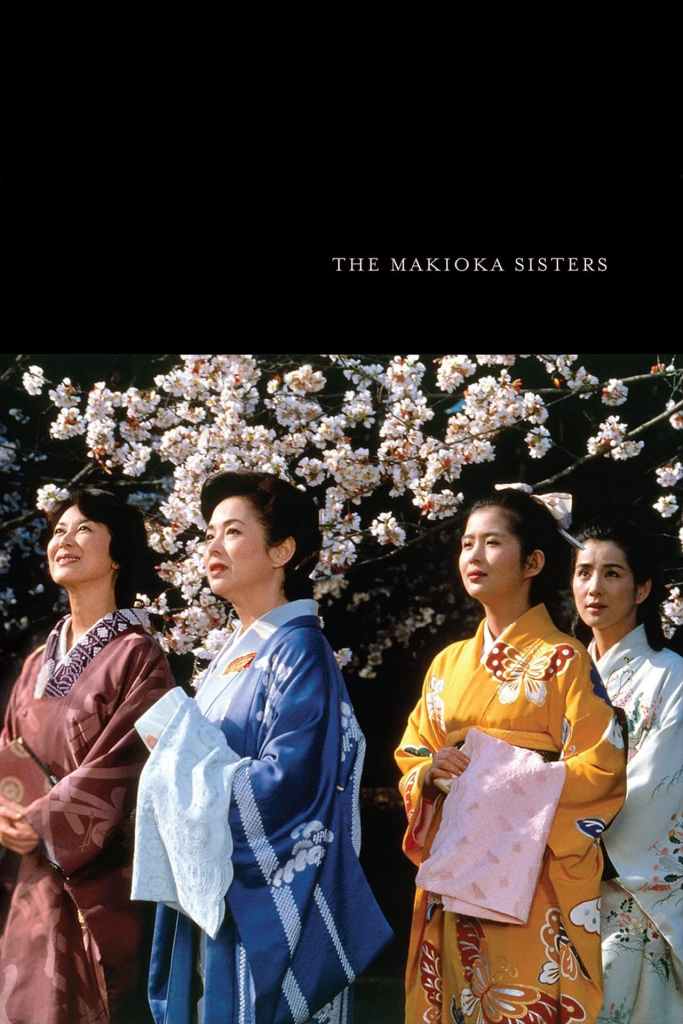
Jumping ahead a couple decades to 1983’s The Makioka Sisters, based on a famous Japanese novel. The quartet of sisters are from a wealthy family with a storied name. Eldest Tsuruko and second sister Sachiko are married, so up next is the third sister, Yukiko, and the youngest, Taeko, will marry last. But the family has been fighting a scandal for the last few years, making finding Yukiko a quality husband troublesome. The willful young Taeko tried to run away with a boy, and because of the Makioka name, it made the papers. However, the local paper inadvertently printed Yukiko’s name instead of Taeko at the time, and Tsuruko’s husband made it worse when he tried to get them to print a redaction. The whole ordeal, and its fallout, has left bitter feelings inside the family. Adding to this, Taeko hasn’t turned into a meek woman as she’s gotten older; she wants to get her hands on the dowry left for her marriage so as to build a business, for the freedom that her own funds will give her. As the film progresses, we see suitor after suitor fail Yukiko’s expectations, and a parade of men try to wrestle Taeko out of the household. There’s some inner family drama involving the elder sisters’ husbands as well, often hinted of their feelings for the younger girls, though never explicitly stated. The film moves along at a stately pace, and it reminded me of some of the classic Merchant Ivory films (I may need to visit some more of those soon). A decent enough film, though its pace tested my patience. ★★★
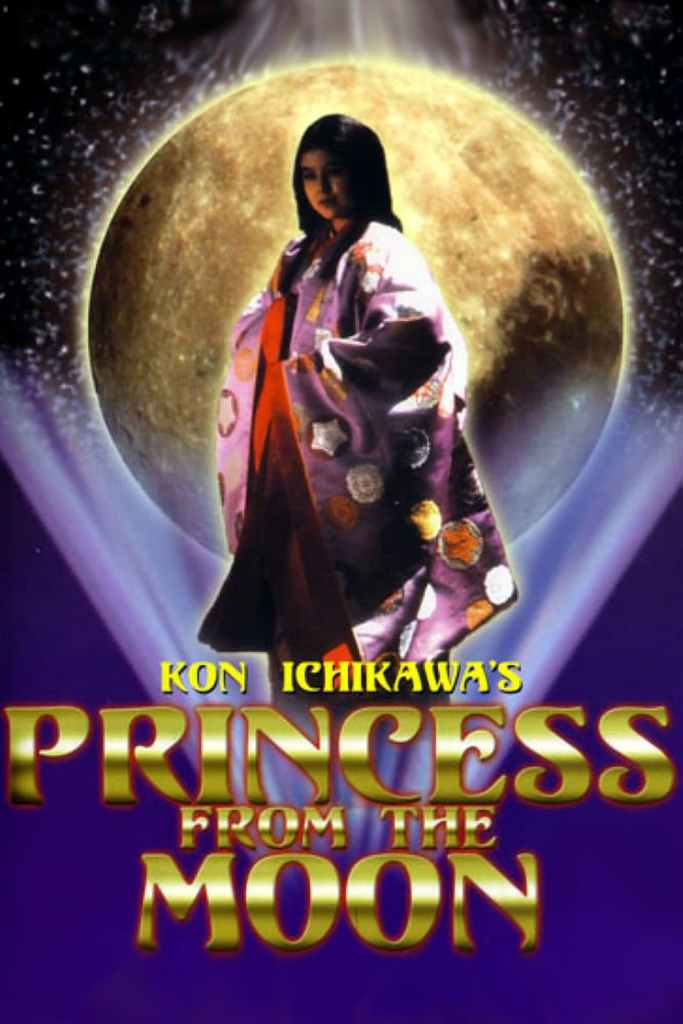
Princess from the Moon is a silly movie, which is exactly what the title says it is. I thought I’d be up for a little sci-fi/fantasy for a change of pace, but this movie is awful. An aging bamboo cutter (Toshiro Mofune) and his wife have just lost their 5 year old daughter Kaya to sickness when the man finds a baby in the woods. The child is housed inside a golden cocoon, and within minutes of finding it, the baby grows 5 years and looks the spitting image of his lost child. He brings her home to an ecstatic wife, and they decide to raise her as Kaya. Her growth spurt doesn’t end there: a few days later she looks like a grown woman, and is the most beautiful in the country. The man sells the golden carriage Kaya was found in, and with their new wealth, the family builds a lavish home, attracting the attention of nearby nobility. Whey they see Kaya, they stumble over themselves asking for her hand in marriage. To find the right person, Kaya presents three men with impossible quests, missions to hunt down mythical items to present to her as gifts. But as the full moon approaches, her real people are calling her home. Silly sci-fi film typical of the 80s fascination with the space drama (spoiler: the spaceship at the end of the film is awfully reminiscent of Close Encounters…). ★
- TV series currently watching: Maid (miniseries)
- Book currently reading: Boundless by RA Salvatore

 Jons Movie Takes