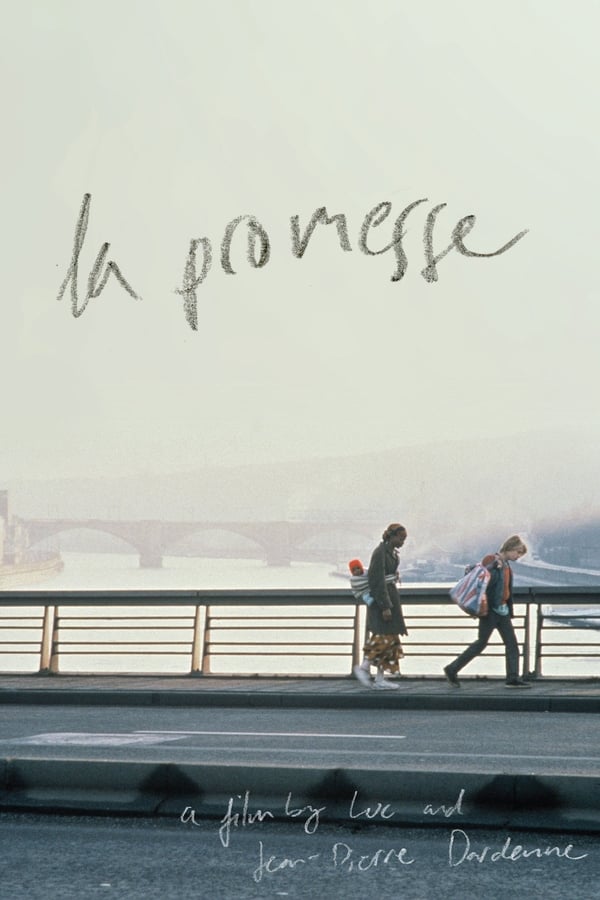
The Dardenne brothers, Jean-Pierre and Luc, are a Belgium filmmaking team, who have reached legendary status since their first feature film in 1996. They write, produce, and direct their films together. Somehow, I’ve never seen a single one, but no longer! Starting with their first, La Promesse (The Promise). Igor is a teenager but doesn’t attend school as he has an apprentice permit to be a mechanic, a trade he obviously enjoys. However, he is often called away from his work to labor for his dad, Roger, in a shady business. Roger traffics in illegal immigrants, bringing them across the border into Belgium, and then making fake work permits for them while they pay him rent to stay at his place. He then pays them to work on his adjacent fixer-upper, a large residence next door. One of the illegals who has been there awhile is Hamidou, but he’s stuck around waiting for his wife Assita and child to arrive. They finally do, and the family is hoping to settle somewhere, but Hamidou has wracked up some gambling debts to the other workers. One day, Hamidou falls from a scaffold and injures himself badly. Igor wants to take him to a hospital, but Roger refuses, afraid of facing trouble himself for their illegal deeds. Hamidou dies, and Roger coerces Igor to help bury him under cement. Assita assumes Hamidou has gone into hiding due to his debts, and Igor is wracked with guilt. Before dying, Hamidou made Igor promise to watch over his wife and child, and Igor is committed to do that, against his father’s wishes. This is a very human picture, rife with emotion and feeling, and it is hard to not feel for Assita’s (and people like her) plight. ★★★½
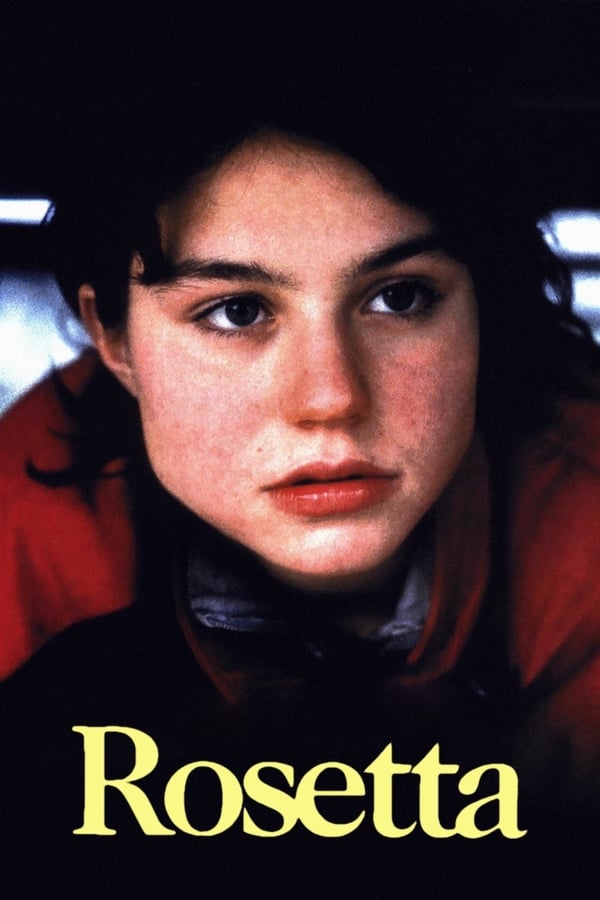
Rosetta is a teenager having to face problems that others her age shouldn’t have to worry about. She lives in a trailer with her alcoholic mother, who tries to escape the house at every opportunity to go prostitute herself for money, for booze. Rosetta can’t watch her every minute though, as she’s the only one bringing in any income. And due to her home situation, holding a steady job is tough. With little money coming in, she is literally living from meal to meal. Through all of these hardships, Rosetta remains resilient and unemotional, only showing anger when aroused, but keeping herself walled off from other feelings. That is, until someone reaches out and tries to befriend her. Riquet is just a bit older and only slightly better off, living in a small dingy apartment. But we don’t know if even he can break through Rosetta’s barriers. The Dardenne’s do an amazing job of putting the viewer in Rosetta’s shoes, aided by their decision to film most of the movie right behind her, looking over her shoulder as she goes about her day. We see what she sees, and ultimately, go through her pains with her. A startling picture, showing the depth of humanity, and dreams of finding hope where there is none. ★★★★★
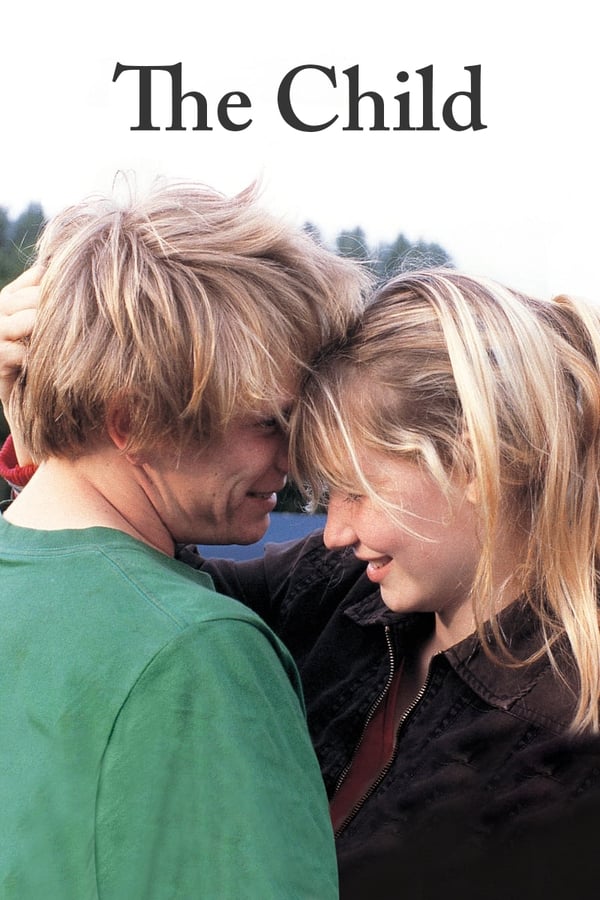
I wasn’t able to get my hands on their third film, so I’m skipping ahead to the Dardenne’s fourth, 2005’s L’Enfant (The Child). Jérémie Renier (Igor, from La Promesse) returns as Bruno, a 20-year-old who has yet to grow up, despite just having a child with his girlfriend Sonia. Sonia gave birth to Jimmy alone in the hospital, as Bruno was out on the street, up to no good as always. In fact, when Sonia returns to her apartment after leaving the hospital, she finds that Bruno has sublet it for a few days, and he’s nowhere around. When she hunts him down, he has only a cursory glance for his new son, but can’t wait to tell Sonia about his latest scheme. When she broaches that he should get a real job now, he retorts that, “Only fuckers get jobs.” Bruno is running a hustle with some local kids, paying them to steal gadgets that he fences for more money. Broke soon after his latest deal, Bruno decides to sell the one thing he has. When Sonia is away for the afternoon, Bruno sells Jimmy. He can’t believe it when Sonia isn’t overjoyed with their new riches, because “they can always have another baby.” Sonia faints from the shock of the news, and Bruno takes her to the hospital. Aware that she’ll get the cops involved when she wakes up, Bruno gets Jimmy back, but of course the bad guys he was dealing with stand to lose a whole lot more money than they initially paid for the kid, and now want that money back from Bruno. Desperate, and with Sonia now wanting nothing to do with him, Bruno’s bad decisions continue to derail his life. Outstanding film. Heartbreaking, emotional, and glaringly real in its texture. I especially liked how the ending is open to interpretation. ★★★★½
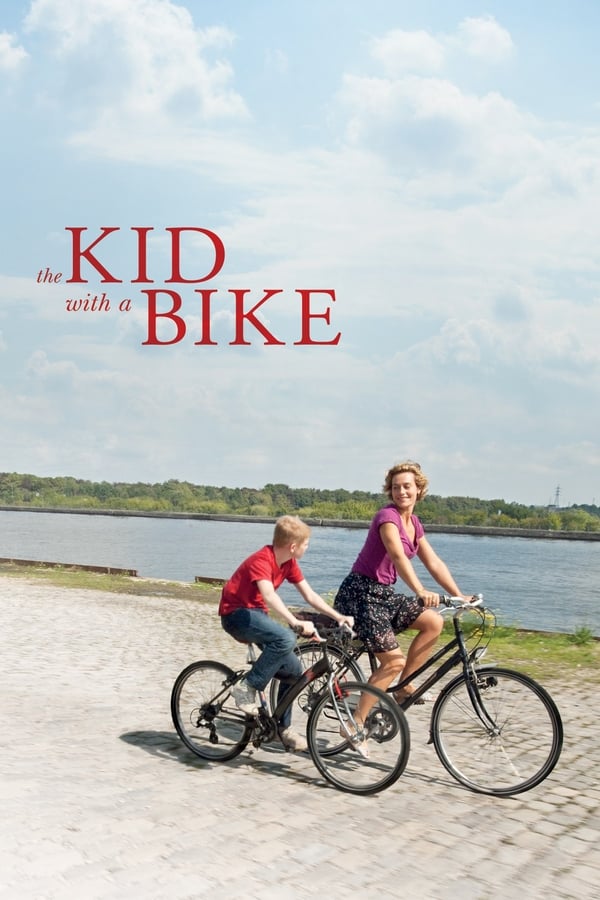
After watching The Kid with a Bike, I’m sensing a trend. Seems this team loves to focus on people from the lower middle class, in really tough situations. This time it’s Cyril, a 12-year-old who wants nothing more than to be with his deadbeat dad, who unfortunately wants nothing to do with him. When the film begins, Cyril is living in a home for children, where his father put him with promises to return for him in a month, a month that is long gone. Cyril tries calling his dad, but the number’s been disconnected. He runs away to his dad’s apartment, which is empty. He refuses to believe that his dad sold off his treasured bike, insisting instead that it was stolen. Cyril finally is given some hope when a kind woman, Samantha, agrees to let him stay with her on the weekends in a foster situation, but he still longs for some acceptance from his father. That need for a relationship leads Cyril down a dangerous path, as he falls in with a rough gang of teens near Samantha’s house. The Dardenne’s portray Cyril’s yearning and heartbreak with a sympathetic but unsentimental view. In Cyril’s situation as in most in life, the lasting love we find can sometimes come from the least looked-for places. ★★★★
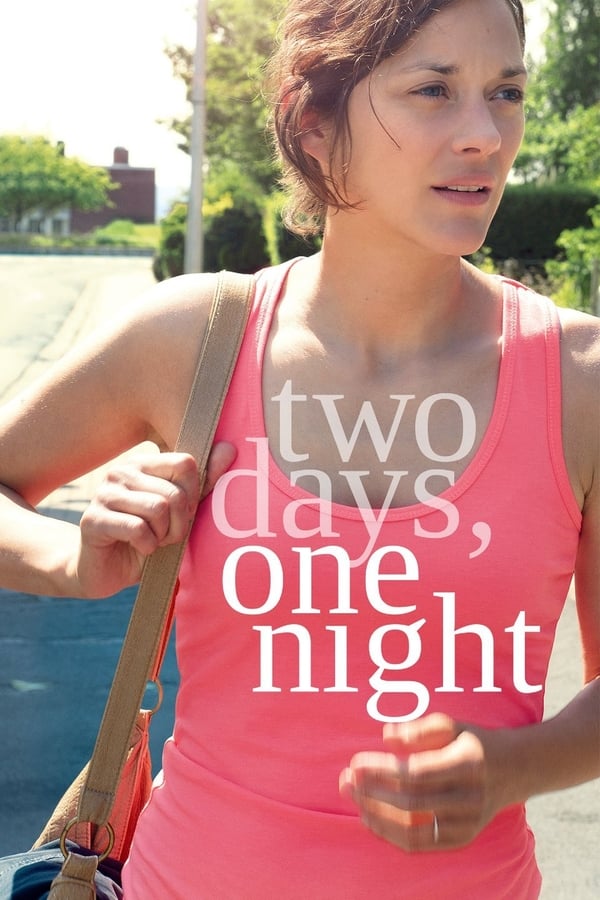
Two Days, One Night features a situation many of us can relate to on some level. Marion Cotillard gives a stunning performance as Sandra, a woman who has recently made the decision to return to work after a 4 month absence, dealing with severe depression. Unfortunately, her workplace has given the other 16 employees there an ultimatum: they must choose between welcoming Sandra back or receiving their yearly bonus, a not-insignificant sum to many of the working class families. The vote was taken on the Friday before she was to return to work, and overwhelmingly the workers voted for the bonus. With nudging from her coworker and best-friend Juliette, Sandra races to work just as the boss is leaving on Friday. Juliette tells the boss that the floor supervisor, Jean-Marc, threatened and intimidated the other workers to vote for the bonus, implying that if Sandra stayed on, someone else would be let go instead. The company boss confirms that was not the case, and that they can hold another secret ballot on Monday to re-vote. Sandra then spends the weekend going to her coworkers’ homes and asking for another chance. The reactions she gets run the gamut. Some obviously need that bonus, as they are barely making ends meet themselves, while others feel for her situation and are willing to vote to keep her. Through it all, Sandra is battling her own demons of depression and anxiety. Anyone who has lived with someone with severe depression, which is a big majority according to US statistics, can relate to both Sandra and her husband. The words used in the movie, and the emotions the family lives through, hit home in a way that made the film uncomfortable to watch at times. Cotillard is simply amazing in her subtlety and spot-on performance of a woman desperately trying to claw her way up to the surface from a sickness that doesn’t want to let her go. ★★★★★
- TV series currently watching: The Flash (season 7)
- Book currently reading: Crime and Punishment by Fyodor Dostoevsky

 Jons Movie Takes
“Like”
LikeLike